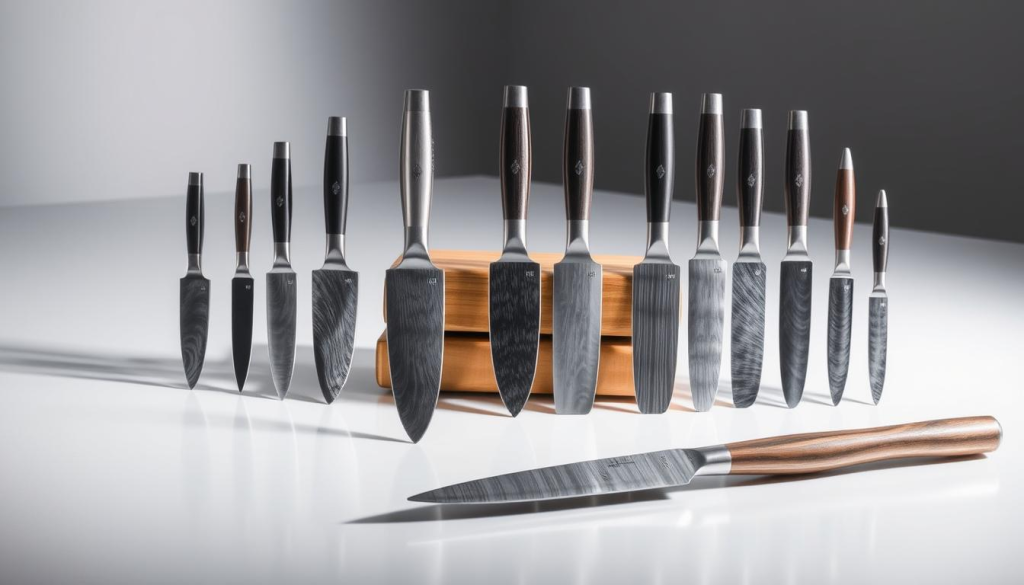
Recent Posts

Masamoto Usuba: Unlock the Power of a Traditional Japanese Knife


The Masamoto Usuba is a revered traditional Japanese knife known for its exceptional precision and craftsmanship. This knife has been a cornerstone in Japanese cuisine for centuries, valued for its ability to precision-cut ingredients with ease.

Crafted with meticulous attention to detail, the authentic Masamoto Usuba embodies the spirit of Japanese culinary art. Its unique qualities make it a valuable addition to any kitchen, whether for a professional chef or an avid home cook.

Key Takeaways

  • The Masamoto Usuba is a highly regarded knife in Japanese cuisine.
  • It is known for its precision and exceptional craftsmanship.
  • This traditional Japanese knife is a valuable addition to any kitchen.
  • The Masamoto Usuba is crafted with meticulous attention to detail.
  • It is ideal for both professional chefs and home cooks.

What Makes the Masamoto Usuba Special?

Crafted with meticulous attention to detail, the Masamoto Usuba knife is a masterpiece of Japanese culinary art. This traditional knife has been a cornerstone in Japanese kitchens for centuries, and its significance extends beyond its functional use as a cutting tool.

History of the Usuba Knife

The Usuba knife has a rich history that dates back to the Edo period in Japan. Originally designed for cutting vegetables, it has evolved over time to become an essential tool for chefs. The Masamoto Usuba, in particular, is renowned for its high-carbon steel blade, which is both durable and resistant to corrosion.

The history of the Usuba knife is deeply intertwined with Japanese culinary traditions. Its development was influenced by the need for precise cutting tools that could handle the delicate preparation of vegetables and other ingredients.

Craftsmanship in Masamoto Knives

The craftsmanship involved in making Masamoto knives is exceptional. Artisans spend years honing their skills to produce knives that are not only functional but also works of art. The process involves several stages, from selecting the finest steel to the final sharpening and polishing.

  • Selection of high-quality steel for durability and sharpness.
  • Forging and shaping the blade to precise dimensions.
  • Sharpening and polishing to achieve a razor-sharp edge.
  • Assembly and quality control to ensure excellence.

Unique Characteristics

The Masamoto Usuba knife boasts several unique characteristics that set it apart from other knives. Its straight edge and flat profile make it ideal for chopping and slicing vegetables with precision. The knife’s balance and weight distribution contribute to its overall usability and comfort during extended use.

Some of the key features include:

  1. A straight edge that allows for precise cuts.
  2. A flat profile that facilitates chopping and slicing.
  3. High-carbon steel construction for durability.

These characteristics, combined with the exceptional craftsmanship, make the Masamoto Usuba a valuable tool for both professional chefs and home cooks.

Understanding Usuba vs. Other Japanese Knives

The world of Japanese knives is diverse, with Usuba, Nakiri, and Gyuto standing out for their unique characteristics and uses. Each of these knives has been crafted with precision and is designed for specific tasks in the kitchen.

Difference Between Usuba and Nakiri

Usuba and Nakiri are both used for vegetable preparation, but they have distinct differences. The Usuba knife is traditionally used in Japanese cuisine for cutting vegetables and has a straight edge, which is ideal for precise, straight cuts. On the other hand, Nakiri knives are also used for vegetables but have a rectangular blade that is typically thinner than an Usuba.

Key differences:

Feature Usuba Nakiri
Blade Edge Straight edge Straight edge, sometimes with a slight curve
Blade Thickness Thicker for more robust cuts Thinner for more delicate cuts
Usage Ideal for precise, straight cuts in vegetables Suitable for a variety of vegetable cuts, including push cuts

Usuba vs Nakiri Knives

Similarities with Gyuto Knives

While Usuba is specialized for vegetable preparation, Gyuto knives are more versatile and can be used for a variety of tasks, including slicing meat and fish. However, both Usuba and Gyuto share some similarities in terms of their craftsmanship and the material used.

Similarities:

  • Both are made from high-carbon steel, known for its durability and sharpness.
  • They are crafted with precision, reflecting the skill of Japanese knife makers.
  • Both are used in professional kitchens for their performance and reliability.

Understanding these similarities and differences is crucial for choosing the right knife for your cooking needs. Whether you’re preparing vegetables with an Usuba or slicing meat with a Gyuto, having the right tool can elevate your cooking experience.

Key Features of a Masamoto Usuba

Crafted with precision and care, the Masamoto Usuba knife offers a range of characteristics that set it apart from other Japanese knives. The distinct features of this knife not only enhance its performance but also contribute to its aesthetic appeal.

Blade Design and Shape

The Masamoto Usuba boasts a straight-edged blade, ideal for precise cutting and chopping vegetables. This straight edge design allows for smooth, even cuts, making it a favorite among chefs. The blade’s shape is carefully crafted to provide optimal functionality, with a sharp, thin profile that glides through ingredients with ease.

Handle Materials and Ergonomics

The handle of the Masamoto Usuba is typically made from water buffalo horn, a material chosen for its durability and aesthetic appeal. The ergonomic design of the handle ensures a comfortable grip, reducing fatigue during extended use. The handle’s shape and material work together to provide a balanced feel in the hand, allowing for precise control over the knife.

Balance and Weight

The balance and weight of the Masamoto Usuba are critical to its overall performance. The knife is designed to have a perfect balance between the blade and handle, making it easy to maneuver. The weight of the knife is substantial enough to provide momentum for cutting, yet light enough to allow for precise control. This balance is a hallmark of Masamoto’s craftsmanship, ensuring that the knife feels like an extension of the chef’s hand.

How to Properly Use a Masamoto Usuba

To unlock the full potential of your Masamoto Usuba, it’s essential to learn the correct techniques. Proper technique is not only about achieving precise cuts but also about maintaining the longevity of your knife.

Basic Cutting Techniques

The Masamoto Usuba is designed for precision cutting, particularly for vegetables. The key to effective cutting lies in understanding the different techniques:

  • Push Cut: Ideal for most vegetable cuts, this technique involves pushing the knife forward while applying gentle downward pressure.
  • Pull Cut: Useful for certain tasks, this involves pulling the knife towards you.
  • Chop: A more forceful technique used for tougher vegetables.

Mastering these basic cutting techniques will significantly enhance your efficiency in the kitchen.

using masamoto usuba cutting techniques

Proper Grip and Hand Placement

A proper grip is crucial for control and precision. The most common grip used with a Masamoto Usuba is the pinch grip, where the blade is pinched between the thumb and index finger, providing stability and control.

Hand placement is equally important. The handle should rest comfortably in your hand, allowing for a firm grip without straining your wrist or arm.

Grip Style Description Benefit
Pinch Grip Blade pinched between thumb and index finger Enhanced control and precision
Handle Grip Firm hold on the handle Comfort and stability

By combining the correct grip with proper cutting techniques, you’ll be able to utilize your Masamoto Usuba to its full potential, ensuring a more enjoyable and efficient cooking experience.

Caring for Your Masamoto Usuba

Caring for your Masamoto Usuba knife involves a few simple steps that can significantly extend its lifespan. Regular maintenance is crucial for keeping Japanese knives in good condition. By following a few straightforward tips, you can ensure your Masamoto Usuba remains in top condition.

Cleaning and Maintenance Tips

Cleaning your Masamoto Usuba after each use is vital to prevent the buildup of bacteria and food residue. Hand washing with mild soap and drying immediately is recommended. Avoid using a dishwasher, as the high heat and harsh detergents can damage the blade and handle.

For maintenance, regularly check the tightness of the handle and tighten it if necessary. Store your Masamoto Usuba in a dry place, preferably in a protective case or on a magnetic strip to prevent damage.

Sharpening Methods for Optimal Performance

Sharpening is a critical aspect of maintaining your Masamoto Usuba. Use a whetstone specifically designed for Japanese knives to achieve the optimal edge. Begin with a coarse grit to repair any damage, then move to finer grits for polishing.

  • Start with a coarse grit (about 1000) to correct any nicks or dullness.
  • Progress to a medium grit (around 6000) for refining the edge.
  • Finish with a fine grit (8000 or higher) for a razor-sharp edge.

Regular sharpening not only improves the performance of your Masamoto Usuba but also extends its lifespan. By incorporating these care and maintenance tips into your routine, you can enjoy using your Masamoto Usuba for years to come.

Cooking Techniques with the Usuba Knife

Unlock the full potential of your kitchen with the Masamoto Usuba knife, perfect for advanced cutting techniques. The Usuba knife, with its unique design, is particularly useful for preparing a variety of vegetables, making it an indispensable tool for chefs.

Ideal Vegetables to Prepare

The Masamoto Usuba knife excels at cutting through a range of vegetables, from leafy greens to root vegetables. Some ideal vegetables to prepare with the Usuba knife include:

  • Leafy Greens: Spinach, kale, and lettuce can be chopped with precision.
  • Root Vegetables: Carrots, daikon, and lotus root can be sliced thinly or julienned.
  • Crunchy Vegetables: Cucumbers, bell peppers, and celery can be cut into uniform pieces.

cooking with Usuba knife

Advanced Cutting Techniques

To get the most out of your Masamoto Usuba knife, mastering advanced cutting techniques is essential. Some techniques include:

Technique Description Best For
Julienne Cutting into thin strips Carrots, daikon
Chiffonade Cutting leafy greens into thin ribbons Basil, spinach
Tournée Cutting vegetables into football-shaped pieces Carrots, potatoes

By mastering these techniques and utilizing the Masamoto Usuba knife, chefs can significantly enhance their vegetable preparation skills, bringing a new level of sophistication to their dishes.

Why Choose Masamoto Usuba?

In the world of Japanese knives, the Masamoto Usuba is renowned for its quality. This traditional knife has been a staple in Japanese kitchens for decades, and its popularity is growing globally among chefs and cooking enthusiasts alike.

Quality and Durability

The Masamoto Usuba knife is crafted with precision and care, ensuring a high level of quality and durability. The blade is made from high-carbon steel, known for its strength and ability to hold a sharp edge. This means that with proper care, a Masamoto Usuba knife can remain a trusted tool in the kitchen for many years.

Key features contributing to its durability include:

  • High-carbon steel construction
  • Precision forging techniques
  • Rigid blade design for minimal flex
Feature Benefit
High-carbon steel Retains sharpness, resistant to corrosion
Precision forging Ensures a strong, durable blade
Rigid blade design Provides precise cutting, minimizes flex

Value for Serious Chefs

For serious chefs, the Masamoto Usuba offers significant value. Its precision and durability make it an indispensable tool for daily kitchen tasks. The knife’s balance and ergonomics also contribute to its value, allowing for comfortable use over extended periods.

The Masamoto Usuba is not just a knife; it’s an investment in your cooking. With proper maintenance, it will continue to perform at a high level, making it a valuable asset for any serious chef.

Masamoto Usuba knife review

When considering the cost per use over the knife’s lifespan, the Masamoto Usuba proves to be a cost-effective choice. Its quality and performance make it a worthwhile investment for those who cook frequently.

Frequently Asked Questions about Usuba Knives

The Usuba knife, with its rich history and precise cutting ability, often raises questions among chefs and cooking enthusiasts. Understanding the nuances of Usuba knives can help clarify their use and maintenance.

Common Misconceptions

Many people believe that Usuba knives are only for professional chefs or that they are too fragile for everyday use. However, these knives are designed for anyone who values precision cutting, and with proper care, they can be quite durable.

“A good knife is not just a tool, it’s a partner in cooking.” – Masamoto

Some common misconceptions include:

  • The belief that Usuba knives are only suitable for cutting vegetables.
  • The notion that they are too expensive for home cooks.
  • The idea that Usuba knives require special maintenance that is difficult to perform.

Tips for First-Time Buyers

For those purchasing their first Usuba knife, here are some valuable tips:

  1. Consider the material of the blade and handle. High-carbon steel is preferred for its sharpness and durability.
  2. Think about the size of the knife. Usuba knives come in various lengths, and the right size depends on your cutting style and the tasks you perform most.
  3. Check the balance of the knife. A well-balanced knife feels comfortable in your hand and makes cutting easier.
Feature Description Benefit
Blade Material High-carbon steel Sharpness and durability
Handle Material Ergonomic design Comfort and control
Knife Size Various lengths available Suitability for different tasks

By understanding these aspects, first-time buyers can make informed decisions and find the perfect Usuba knife for their needs.

Finding the Best Masamoto Usuba Retailers

To ensure you’re getting a genuine Masamoto Usuba, you need to know the best places to buy one. Authentic Masamoto Usuba knives can be found through reputable online stores and specialty kitchenware shops.

Recommended Online Stores

Online stores offer a convenient way to purchase a Masamoto Usuba knife. Here are some recommended online retailers:

  • Amazon: Offers a wide selection and customer reviews to help you make an informed decision.
  • Williams-Sonoma: Known for high-quality kitchenware, they often carry authentic Masamoto knives.
  • Sur La Table: Provides a range of Masamoto Usuba knives along with expert advice.

Specialty Kitchenware Shops

For those who prefer to shop in person, specialty kitchenware shops are an excellent option. These stores often have knowledgeable staff who can provide valuable insights into the Masamoto Usuba.

  1. Chef’s Catalog: Specializes in high-end kitchen tools and often carries Masamoto knives.
  2. Kitchen Supply Stores: Many local kitchen supply stores carry a selection of Masamoto Usuba knives.
  3. Cooking Specialty Stores: Stores that focus on cooking techniques and tools often stock Masamoto Usuba knives.

When shopping, whether online or in-store, it’s essential to verify the authenticity of the Masamoto Usuba knife. Look for authorized dealers and be wary of significantly lower prices, which could indicate counterfeit products.

Personal Experiences Using a Masamoto Usuba

Personal testimonials from chefs and home cooks reveal the Masamoto Usuba’s impact on their cooking techniques and overall kitchen experience. The Masamoto Usuba has become an indispensable tool for many, thanks to its exceptional craftsmanship and performance.

Testimonials from Professional Chefs

Professional chefs praise the Masamoto Usuba for its precision and versatility. Chef Emily Wilson, a renowned culinary expert, notes, “The Masamoto Usuba has revolutionized my vegetable preparation. Its sharpness and balance make intricate cuts effortless.”

“I’ve used various knives in my career, but the Masamoto Usuba stands out for its quality and durability. It’s a game-changer for any serious chef.” –

Chef Michael Lee

The Masamoto Usuba’s impact on professional kitchens is evident in the following table, which highlights key features appreciated by chefs:

Feature Professional Chefs’ Feedback Rating (out of 5)
Sharpness Exceptional cutting performance 4.8
Balance Ergonomic design for comfort 4.7
Durability High-quality materials for long lifespan 4.9

Home Cook Reviews

Home cooks also appreciate the Masamoto Usuba for its ease of use and the confidence it inspires in their cooking. Jane Doe, an avid home cook, shares, “Since I started using the Masamoto Usuba, I’ve noticed a significant improvement in my cooking. The knife’s balance and sharpness make it a joy to use.”

Some key benefits highlighted by home cooks include:

  • Effortless cutting through various vegetables
  • Enhanced kitchen safety due to its ergonomic handle
  • Aesthetic appeal, adding a touch of professionalism to home cooking

The Masamoto Usuba has clearly made a positive impact on both professional chefs and home cooks. Its combination of traditional craftsmanship and modern functionality makes it a valuable addition to any kitchen.

The Importance of Knives in Japanese Cuisine

At the heart of Japanese cuisine lies a profound respect for knives, particularly the Usuba. Knives are not just tools; they are an integral part of the culinary culture, reflecting the precision and artistry that Japanese cooking is known for.

Role of Usuba in Traditional Cooking

The Usuba knife is specifically designed for cutting vegetables, a staple in Japanese cuisine. Its straight edge and thin blade allow for precise cuts, which are essential for both the presentation and the cooking of dishes. In traditional Japanese cooking, the Usuba is used to prepare a variety of vegetables, from daikon radish to lotus root, with precision and care.

The significance of the Usuba lies in its ability to make precise cuts, which is crucial for the uniform cooking of ingredients. This precision also contributes to the aesthetic appeal of the dishes, as the cut vegetables are often used as garnishes or arranged in decorative patterns.

Significance of Knife Skills

Knife skills are highly valued in Japanese culinary culture. The ability to wield a knife effectively is seen as a reflection of a chef’s training, patience, and attention to detail. Mastering knife skills takes time and practice, but it is essential for any chef looking to excel in Japanese cuisine.

The art of cutting is not just about technique; it’s also about understanding the ingredients and how they will be used in the dish. This understanding allows chefs to prepare ingredients in a way that enhances their natural flavors and textures, contributing to the overall quality of the meal.

Effective knife skills also contribute to safety in the kitchen. A sharp knife, handled properly, is safer than a dull one, as it requires less force and is less likely to slip. This is particularly important in a fast-paced kitchen environment where efficiency and safety are paramount.

Conclusion: Elevating Your Cooking with Masamoto Usuba

The Masamoto Usuba is a valuable tool for any serious cook looking to elevate their cooking. With its unique characteristics, exceptional craftsmanship, and versatility, it’s an essential addition to any kitchen.

Investing in Quality

A quality knife like the Masamoto Usuba is an investment in your cooking. It provides precision, control, and durability, making it a worthwhile addition to your culinary arsenal. By choosing a high-quality knife, you’re not only enhancing your cooking experience but also ensuring a long-lasting tool that will withstand the rigors of frequent use.

Exploring Japanese Culinary Culture

Embracing Japanese culinary tools like the Masamoto Usuba is a great way to explore new cooking techniques and traditions. By incorporating these tools into your cooking routine, you’ll not only elevate your dishes but also gain a deeper appreciation for the art of Japanese cuisine.

FAQ

What is the difference between a Masamoto Usuba and other Usuba knives?

Masamoto Usuba knives are known for their exceptional craftsmanship and high-quality materials, setting them apart from other Usuba knives. The unique characteristics of Masamoto Usuba, such as its blade design and handle materials, contribute to its distinct performance and user experience.

How do I properly care for my Masamoto Usuba knife?

To maintain your Masamoto Usuba, it’s essential to clean and dry it after each use, store it in a dry place, and sharpen it regularly using a whetstone or sharpening steel. Avoid using a dishwasher or harsh chemicals, as they can damage the knife’s materials.

What are the ideal vegetables to cut with a Masamoto Usuba?

The Masamoto Usuba is versatile and can be used to cut a variety of vegetables, including daikon, carrots, cucumbers, and leafy greens. Its straight blade and sharp edge make it ideal for precise cuts and chopping.

How does the Masamoto Usuba compare to other Japanese knives like Nakiri and Gyuto?

The Masamoto Usuba is a specialized knife designed for cutting vegetables, whereas Nakiri is also used for vegetables but has a different blade shape. Gyuto, on the other hand, is a more versatile knife that can be used for various tasks, including cutting meat and fish. The Usuba’s unique characteristics make it ideal for specific tasks.

Where can I buy an authentic Masamoto Usuba knife?

To ensure authenticity, it’s recommended to purchase a Masamoto Usuba from authorized retailers or specialty kitchenware shops. Online stores that specialize in Japanese knives can also be a good option, but be sure to check reviews and verify the seller’s authenticity.

What is the best way to sharpen a Masamoto Usuba?

Sharpening a Masamoto Usuba requires a whetstone or sharpening steel. Start with a coarse grit stone to repair any damage, then move to finer grits for polishing. Regular sharpening will maintain the knife’s edge and performance.

Is a Masamoto Usuba suitable for beginners?

While a Masamoto Usuba is a high-quality knife, it can be used by cooks of all levels, including beginners. However, it’s essential to learn proper cutting techniques and handle the knife with care to avoid accidents.

How do I choose the right Masamoto Usuba for my needs?

Consider your cooking style, the types of vegetables you typically cut, and your personal preferences when choosing a Masamoto Usuba. You may also want to consult with a professional or read reviews to find the best fit for your needs.

How to Properly Store Knives in a Knife Roll


Proper knife storage is crucial for maintaining the quality and longevity of your knives. Using a knife roll is an effective way to store and transport your knives safely. A knife roll not only protects your knives from damage but also keeps them organized and within reach.

Choosing the right knife carrying solution can be overwhelming, but it’s essential for any knife enthusiast or professional. A good knife roll should be durable, easy to clean, and have individual compartments to prevent knives from colliding.

Key Takeaways

  • Proper knife storage maintains knife quality and longevity.
  • A knife roll is an effective storage and carrying solution.
  • Choose a durable and easy-to-clean knife roll.
  • Individual compartments prevent knife damage.
  • Safe storage keeps knives within reach and organized.

Understanding the Importance of Knife Rolls

Knife rolls have become a staple for culinary professionals who understand the importance of protecting their knives during travel and storage. A well-organized knife roll not only safeguards your knives but also makes it easier to transport them, whether you’re heading to a cooking class or a culinary event.

The concept of a knife roll is simple yet effective. It’s a cylindrical or rolled storage solution designed specifically for knives, providing a safe and organized way to store multiple knives. This not only protects the knives from damage but also prevents accidents that could occur when handling loose knives.

What is a Knife Roll?

A knife roll is a type of storage bag or case that is designed to hold and protect knives. It’s typically made of durable materials such as canvas, nylon, or leather, and features individual slots or compartments to store knives securely. The roll design allows it to be easily carried or stored, making it a convenient option for chefs on the go.

The benefits of using a knife roll include:

  • Protection: Knives are safeguarded against damage and wear.
  • Organization: Multiple knives can be stored in an organized manner.
  • Portability: The roll design makes it easy to carry knives to different locations.

Why Use a Knife Roll?

Using a knife roll offers several advantages, particularly for professionals who travel frequently or need to transport their knives regularly. Some of the key reasons to use a knife roll include:

  1. Enhanced Protection: The individual slots within the roll protect each knife from coming into contact with others, reducing the risk of damage.
  2. Improved Organization: A knife roll helps keep your knives organized, making it easier to find the right knife when you need it.
  3. Convenience: The compact design of a knife roll makes it easy to store in a kitchen or carry in a bag.

By understanding the importance of a knife roll and how it can benefit your knife storage and transportation needs, you can take the first step towards better knife care and organization.

Choosing the Right Knife Roll

When it comes to storing knives, the right knife roll can make all the difference. A good knife roll not only protects your knives but also makes them easily accessible when you need them.

Materials to Consider

The material of your knife roll is crucial as it affects durability, ease of cleaning, and overall performance. Knife rolls are typically made from leather, canvas, or nylon. Each material has its advantages:

  • Leather is durable and develops a beautiful patina over time, but it can be more expensive.
  • Canvas is a more affordable option and is often treated for water resistance, making it a practical choice.
  • Nylon is lightweight, easy to clean, and resistant to water, ideal for those who need a low-maintenance option.

Consider your needs and preferences when choosing the material for your knife roll.

Size and Capacity Options

The size and capacity of your knife roll are just as important as the material. You need a roll that can accommodate all your knives comfortably without being too bulky. Here are some factors to consider:

  1. Count the number of knives you need to store.
  2. Consider the size of your knives, including any large or specialty knives.
  3. Think about the portability you need – do you want a compact roll or one that can stay in your kitchen?

Knife rolls come in various sizes, from compact designs that can hold a few knives to larger rolls that can store an entire set. Choosing the right size ensures that your knives are secure and easy to transport.

By considering both the material and size of your knife roll, you can find the perfect storage solution that meets your needs and protects your knives.

Preparing Your Knives for Storage

Before you store your knives, it’s crucial to prepare them properly to maintain their quality. Proper preparation ensures that your knives remain in good condition and are ready for use when you need them.

knife storage tips

Cleaning Your Knives

Cleaning your knives is the first step in preparing them for storage. Use mild soap and warm water to clean the blades, and avoid using abrasive materials that can scratch the metal. It’s essential to clean both the blade and the handle to remove any food residue or debris.

For tougher stains or residue, you can use a soft-bristled brush to gently scrub the area. Be sure to rinse your knives thoroughly to remove any soap residue, which can affect the taste of food or cause rust.

Drying Techniques

After cleaning, drying your knives is crucial to prevent water spots and bacterial growth. Use a soft, dry cloth to wipe down the blades and handles, paying extra attention to any crevices or areas where water may collect.

To ensure your knives are completely dry, you can also use a drying rack or let them air dry. This step is vital in maintaining the quality of your knives and preventing rust or corrosion.

Organizing Your Knife Roll

Organizing your knife roll effectively is crucial for both safety and efficiency. A well-organized knife roll ensures that your knives are stored in a way that prevents damage and makes them easily accessible when needed.

Arranging Knives by Size

One of the most effective ways to organize your knife roll is by arranging your knives by size. This method involves placing the largest knives in the most secure and spacious slots, while smaller knives are placed in designated areas to prevent overcrowding.

Arranging knives by size not only helps in maintaining the condition of your knives but also makes it easier to find the knife you need quickly. For instance, chefs often prefer to store their most frequently used knives, such as chef’s knives and paring knives, in easy-to-access locations.

Knife Type Recommended Slot Size Benefits
Chef’s Knife Large Easy access, reduced risk of damage
Paring Knife Small Prevents overcrowding, maintains sharpness
Utility Knife Medium Versatile storage, keeps knives organized

How to Use Knife Slots Effectively

Knife slots are designed to keep your knives secure and organized. To use them effectively, ensure that each knife is placed in a slot that fits its size and shape. This prevents knives from moving around and potentially getting damaged.

According to experts, using knife slots effectively involves considering the material of the slot and the type of knife being stored. For example, a soft material like fabric or silicone can help protect knives from scratches.

“A good knife roll is not just about storing knives; it’s about creating a system that makes your cooking more efficient.”

— Chef’s Resource Guide

To maximize the use of knife slots, consider the following tips:

  • Place knives in slots that match their size to prevent movement.
  • Use dividers or separate slots for different types of knives.
  • Keep frequently used knives in easy-to-access slots.

By implementing these strategies, you can significantly improve your knife roll organization, making it easier to maintain your knives and enhancing your overall cooking experience.

Mastering the Roll Technique

Properly rolling your knife roll ensures that your knives remain secure and easily accessible. This technique is essential for protecting your blades and making your knife roll easy to carry.

Proper Folding Methods

To fold your knife roll correctly, start by laying it flat with the interior facing up. Place your knives in the designated slots, ensuring they are arranged by size and type. Begin with the largest knife and work your way down to the smallest, making sure each knife is secure and evenly spaced.

Next, fold the roll over the knives, ensuring that the edges align properly. You may need to adjust the knives slightly to get a snug fit. A well-folded knife roll should be compact and secure, protecting the blades and making it easier to store or transport.

knife roll arrangement

Securing the Roll

Once your knives are folded within the roll, it’s crucial to secure it properly. Most knife rolls come with straps or ties that can be used to keep the roll closed. Tighten the straps to ensure the knives are held firmly in place, preventing them from shifting during transport.

For added security, some users prefer to use elastic bands or additional straps. However, be cautious not to overtighten, as this can damage the roll or put undue pressure on the knives.

Securing Method Advantages Disadvantages
Straps/Ties Easy to use, adjustable May come loose over time
Elastic Bands Flexible, easy to apply May not be suitable for large rolls
Additional Straps Extra security Can be bulky, overtightening risk

By mastering the roll technique, you can ensure that your knives are stored safely and efficiently. Regular practice will help you develop the skills needed to secure your knives effectively, making your knife roll a reliable companion for any culinary adventure.

Maintaining Knife Sharpness

A sharp knife is fundamental to a chef’s toolkit, enhancing both the cooking experience and kitchen safety. Maintaining the sharpness of your knives is not just about performance; it’s also about ensuring the longevity of your blades and preventing accidents.

When it comes to storing knives, one of the most debated topics is whether to store them sharp edge up or down. Storing knives sharp edge down is generally recommended as it reduces the risk of accidents when reaching for a knife. However, storing them sharp edge up can be beneficial in certain situations, as it may help maintain sharpness by minimizing contact with other objects.

Storing Knives Sharp Edge Up vs. Down

The decision to store knives sharp edge up or down largely depends on the storage method and personal preference. For a knife roll, storing knives sharp edge down is often preferred because it protects the edge from coming into contact with other knives or the roll’s material, thus preserving sharpness.

On the other hand, some argue that storing knives sharp edge up can help in maintaining their sharpness, as it minimizes the edge’s contact with other surfaces. However, this method requires careful handling to avoid accidents.

When to Sharpen Knives

Knowing when to sharpen your knives is crucial for maintaining their sharpness. A simple test is to try cutting a piece of paper; if the knife slices through cleanly, it’s sharp. If not, it’s time to sharpen.

Regular sharpening not only maintains the knife’s performance but also extends its lifespan. For most users, sharpening every few months is sufficient, but this can vary based on usage.

By following these knife storage tips and understanding when to sharpen your knives, you can ensure your blades remain in optimal condition, providing both safety and efficiency in the kitchen.

Traveling with a Knife Roll

Packing your knives for travel requires careful consideration and planning. Whether you’re a professional chef or an outdoor enthusiast, transporting your knife roll safely and legally is crucial.

When preparing to travel with your knife roll, it’s essential to consider the best practices for transportation. This includes choosing the right carrying solutions and understanding how to pack your knives effectively.

Best Practices for Transportation

To transport your knives safely, consider using a protective case or bag. This not only safeguards your knives but also helps in organizing them.

  • Use a sturdy, well-padded bag to protect your knives during transit.
  • Keep your knives organized by size and type to prevent damage.
  • Consider a knife roll with built-in protective layers for added security.

knife carrying solutions

Ensuring Compliance with Travel Regulations

Before traveling, research the regulations regarding knife transportation in your destination. Laws vary significantly across different regions.

Location Regulations
Airports Check with the airline for specific knife transportation policies.
Public Transportation Familiarize yourself with local laws regarding carrying knives.
Hotels and Lodgings Understand the hotel’s policy on storing and carrying knives.

By following these guidelines, you can ensure a smooth and compliant journey with your knife roll.

Cleaning and Maintaining Your Knife Roll

To ensure your knives remain in good condition, it’s vital to clean and maintain your knife roll regularly. A clean knife roll not only protects your knives but also prevents the buildup of bacteria and other contaminants.

knife roll maintenance

Regular Cleaning Tips

Cleaning your knife roll is a straightforward process that requires some basic care. Start by emptying the roll completely and inspecting it for any debris or stains. For most knife rolls, a damp cloth is sufficient for cleaning. Gently wipe down the interior and exterior, paying special attention to any areas with visible stains or buildup.

For tougher stains or odors, a mild soap solution can be used. Mix a small amount of mild soap with warm water, and use a soft-bristled brush to gently scrub the affected areas. Rinse thoroughly with clean water to remove any soap residue, and allow the roll to air dry completely before storing your knives again.

Avoiding Damage

Avoiding damage to your knife roll is just as important as cleaning it. Store your knife roll in a dry place, away from direct sunlight or moisture, which can cause materials to degrade over time. When not in use, keep the roll closed to prevent dust and debris from accumulating inside.

It’s also crucial to handle your knife roll with care. Avoid overloading it with too many knives, as this can cause unnecessary strain on the material, potentially leading to tears or breaks. Regularly inspect your knife roll for signs of wear, such as fraying or weakening of the fabric, and consider replacing it if you notice any significant damage.

By following these simple tips, you can extend the life of your knife roll and keep your knives in excellent condition. Proper knife roll organization and knife protection in roll are essential for any serious chef or cooking enthusiast.

Common Mistakes to Avoid

When it comes to storing knives, avoiding common mistakes is key to preserving their quality. Proper storage not only maintains the sharpness and longevity of your knives but also ensures safety in the kitchen.

Overloading Your Knife Roll

One of the most common mistakes is overloading your knife roll. This can cause unnecessary pressure on the blades, potentially leading to damage or dulling. To avoid this, it’s essential to understand the capacity of your knife roll and not exceed it.

Tips for Avoiding Overload:

  • Count the number of knives your roll is designed for.
  • Avoid forcing additional knives into the roll.
  • Consider using a larger roll if you have more knives than the current one can accommodate.

Storing Dirty Knives

Storing dirty knives is another mistake that can have significant consequences, including rust formation and the spread of bacteria. Always clean and dry your knives before storing them in your knife roll.

Pre-storage Task Importance Action
Cleaning High Wash with soap and water
Drying High Dry thoroughly with a towel
Storage High Store in a dry, secure location

By avoiding these common mistakes and following proper knife storage tips, you can significantly extend the life of your knives and ensure they remain in good condition. Securing knives in a roll is not just about protecting the blades; it’s also about maintaining kitchen safety and hygiene.

Tips for Specialty Knives

When it comes to specialty knives, the way you store them in a knife roll can make all the difference in preserving their edge and overall condition. Specialty knives, such as cooking knives, chef knives, and decorative knives, each have unique characteristics that require tailored storage approaches. Proper storage not only protects the knives but also ensures they remain in good condition for a long time.

Storing Cooking Knives vs. Chef Knives

Cooking knives and chef knives, while both essential in the kitchen, have different storage needs due to their varying sizes and uses. Cooking knives, often smaller and more delicate, should be placed in a way that prevents them from coming into contact with larger, heavier knives. On the other hand, chef knives, being typically larger and more robust, can be stored in a more straightforward manner but still require protection from other knives.

  • Store cooking knives in individual slots or compartments to prevent contact with other knives.
  • Wrap chef knives in a cloth or use a protective cover before placing them in the knife roll to safeguard their edges.

Unique Techniques for Decorative Knives

Decorative knives, often featuring intricate designs or being made from materials that are more susceptible to damage, require special care. To protect these knives, consider wrapping them in soft, acid-free tissue paper or cloth before storing them in the knife roll. This extra layer of protection helps preserve their aesthetic and functional qualities.

“The way you store your knives says a lot about how you value your tools. For specialty knives, it’s not just about storage, it’s about preservation.”

By adopting these storage techniques, you can ensure that your specialty knives remain in excellent condition, ready for use whenever needed.

Incorporating Additional Knife Tools

To maximize the utility of your knife roll, consider adding sharpeners and sheaths. Incorporating these additional knife tools can significantly enhance your knife roll organization and make it more efficient.

Adding Sharpeners and Sheaths

Sharpeners are essential for maintaining the sharpness of your knives. When choosing a sharpener to include in your knife roll, consider the type of knives you have and the space available in your roll. There are various types of sharpeners, including:

  • Whetstones: These are versatile and can be used for different types of knives.
  • Sharpening Steels: Ideal for quick touch-ups and maintaining edge sharpness.
  • Compact Sharpeners: Designed for portability and convenience.

Sheaths, on the other hand, provide protection for your knives and prevent accidents. They come in various materials, such as leather, nylon, or plastic. When selecting sheaths, consider the size and type of your knives to ensure a snug fit.

Organizing Cutlery Accessories

In addition to sharpeners and sheaths, other cutlery accessories can be included in your knife roll to enhance its functionality. These may include:

  1. Knife cleaning cloths: For maintaining the cleanliness of your knives.
  2. Cutlery cleaners: For removing stubborn stains and grime.
  3. Storage pouches: For storing small accessories like knife guards or mini-tools.

When organizing these accessories, consider the layout of your knife roll and allocate specific spaces for each item. This will help you achieve the best way to pack knives and other cutlery, making it easily accessible when needed.

By incorporating these additional knife tools and organizing them effectively, you can enhance your overall kitchen experience and make cooking more efficient.

Conclusion: Your Guide to Knife Roll Storage

Proper knife storage is crucial for maintaining the quality and longevity of your knives. By understanding how to put knives in a knife roll and following the guidelines outlined in this article, you can ensure your knives remain in excellent condition.

Best Storage Practices

Effective knife storage involves choosing the right knife roll, preparing your knives for storage, and mastering the roll technique. By implementing these knife storage tips, you can protect your knives and maintain their sharpness.

Prioritizing Knife Care

Prioritizing proper knife care is essential for both professional chefs and home cooks. By adopting the practices outlined in this guide, you can extend the life of your knives and ensure they continue to perform optimally.

FAQ

What is the best way to store knives in a knife roll?

To store knives in a knife roll, arrange them by size, use the knife slots effectively, and secure the roll using proper folding methods.

How do I choose the right knife roll for my needs?

When choosing a knife roll, consider the material, size, and capacity. Look for a roll made from durable, easy-to-clean materials, and choose a size that accommodates your knives comfortably.

Can I store dirty knives in a knife roll?

No, it’s not recommended to store dirty knives in a knife roll. Clean and dry your knives thoroughly before storing them to prevent bacterial growth and water spots.

How do I maintain the sharpness of my knives when storing them in a knife roll?

To maintain knife sharpness, store them in a way that prevents dulling, such as storing them sharp edge up or down, and sharpen them regularly.

Can I travel with a knife roll, and if so, how?

Yes, you can travel with a knife roll. Follow best practices for transportation, such as securing the roll and checking with your airline or transportation provider for any regulations or restrictions.

How do I clean and maintain my knife roll?

Regularly clean your knife roll with mild soap and water, and avoid using harsh chemicals or abrasive cleaners that can damage the material.

What are some common mistakes to avoid when storing knives in a knife roll?

Common mistakes to avoid include overloading your knife roll, storing dirty knives, and not securing the roll properly.

How can I incorporate additional knife tools into my knife roll?

You can add sharpeners, sheaths, and other cutlery accessories to your knife roll to improve its functionality and organization.

Are there any special considerations for storing specialty knives?

Yes, specialty knives, such as cooking knives, chef knives, and decorative knives, require special care and attention when storing. Use unique techniques, such as storing them in a protective sheath or wrapping them individually, to protect these special knives.

How do I prevent damage to my knives when storing them in a knife roll?

To prevent damage, store your knives in a way that prevents them from coming into contact with each other, and use the knife slots effectively to keep them organized and secure.

Masamoto Nakiri Knife: Precision Cutting for Home Chefs


For home chefs who value precision cutting, the Masamoto Nakiri Knife is an indispensable tool. Renowned for their exceptional sharpness and quality, Masamoto knives have become a staple in many professional and home kitchens.

The Nakiri knife is designed specifically for cutting vegetables, making it a versatile addition to any kitchen. Its straight edge and flat profile allow for smooth, even cuts, making food preparation more efficient and enjoyable.

With its precision cutting capabilities, this knife is ideal for home chefs who strive for perfection in their cooking. Whether you’re a seasoned cook or just starting out, the Masamoto Nakiri Knife is a valuable asset that will enhance your culinary experience.

Key Takeaways

  • Masamoto Nakiri Knife is designed for precision cutting.
  • Ideal for home chefs who value high-quality kitchen tools.
  • Versatile and efficient for various kitchen tasks.
  • Enhances culinary experience with its sharpness and precision.
  • A valuable addition to any home kitchen.

What is a Nakiri Knife?

Originating from Japan, the Nakiri knife is a traditional vegetable knife celebrated for its sharpness and versatility. This knife has become an indispensable tool in many kitchens due to its unique characteristics and the precision it offers.

Origin and Purpose

The Nakiri knife has its roots in traditional Japanese cuisine, where it was designed specifically for cutting vegetables. Its flat, rectangular blade allows for efficient chopping and slicing, making it an essential tool for preparing a variety of dishes. The Nakiri knife’s purpose is to provide a clean cut through vegetables without tearing or crushing them, preserving their texture and appearance.

Distinguishing Features

One of the distinguishing features of a Nakiri knife is its rectangular blade, which is typically between 6 to 7 inches in length. This shape enables users to chop vegetables in a straightforward, push-pull motion, making it ideal for tasks such as slicing, dicing, and mincing. The sharpness of the blade is another critical feature, as it ensures that cuts are clean and precise.

The Nakiri knife is also known for its top quality craftsmanship, often featuring high-carbon steel blades that are both durable and resistant to corrosion. The handle, typically made from materials like wood or plastic, is designed for comfort and grip, allowing for extended use without fatigue.

In summary, the Nakiri knife is a top quality nakiri knife that excels in the kitchen due to its origin, purpose, and distinguishing features. Its sharpness, versatility, and craftsmanship make it a valuable addition to any kitchen, whether for a professional chef or a home cook.

Key Benefits of Using a Masamoto Nakiri Knife

Precision cutting is at the heart of the Masamoto Nakiri knife’s design, making it an indispensable asset for any home chef. This knife is engineered to provide a cutting experience that is both effortless and precise, thanks to its superior sharpness, enhanced control, and versatility in the kitchen.

Superior Sharpness

The Masamoto Nakiri knife is renowned for its exceptional sharpness, which allows for smooth, clean cuts through even the toughest vegetables. This sharpness is a result of the high-quality materials used and the precise manufacturing process.

Enhanced Control

The ergonomic design of the Masamoto Nakiri knife provides enhanced control, allowing chefs to maneuver the knife with ease and precision. This control is crucial for intricate cutting tasks and for ensuring safety in the kitchen.

Versatility in the Kitchen

Beyond its primary use for cutting vegetables, the Masamoto Nakiri knife demonstrates versatility in various kitchen tasks. From slicing to chopping, this knife is a multifaceted tool that can handle a wide range of culinary preparations.

Masamoto Nakiri Knife

Benefit Description
Superior Sharpness Allows for smooth, clean cuts through vegetables.
Enhanced Control Provides ergonomic handling for precision and safety.
Versatility Handles a variety of kitchen tasks beyond vegetable cutting.

The Craftsmanship Behind Masamoto Nakiri Knives

Behind every Masamoto Nakiri knife lies a story of traditional craftsmanship, high-quality materials, and a relentless pursuit of perfection. The brand’s dedication to producing authentic, high-quality knives is evident in every step of the manufacturing process.

Materials Used

Masamoto knives are renowned for their exceptional materials, which include high-carbon steel for the blades and durable, ergonomic handles. The use of high-carbon steel ensures that the knives remain sharp and resistant to wear.

Key Materials:

  • High-carbon steel for durability and sharpness
  • Ergonomic handles for comfort and control

Manufacturing Process

The manufacturing process of Masamoto Nakiri knives involves a combination of traditional techniques and modern precision. Skilled craftsmen carefully forge and sharpen each knife to meet the brand’s high standards.

Attention to Detail

Attention to detail is a hallmark of Masamoto’s craftsmanship. From the precise sharpening of the blade to the careful finishing of the handle, every aspect of the knife is meticulously considered.

Feature Description Benefit
High-carbon steel blade Made from high-quality steel for durability Long-lasting sharpness and resistance to wear
Ergonomic handle Designed for comfort and control Enhanced user experience and precision
Precision sharpening Carefully sharpened for optimal performance Efficient cutting and reduced effort

The result of this meticulous craftsmanship is a knife that not only performs exceptionally but also stands as a testament to the art of Japanese knife-making.

How to Properly Use a Nakiri Knife

Using a Nakiri knife effectively involves more than just cutting; it’s about technique and safety. The Nakiri knife, known for its flat, straight blade, is designed specifically for cutting vegetables, making it an indispensable tool for home chefs who value precision and efficiency.

Ideal Techniques for Cutting Vegetables

To maximize the benefits of your Nakiri knife, it’s crucial to adopt the correct cutting technique. Start by holding the knife with a firm, but not overly tight, grip. The pinch grip, where you hold the blade between your thumb and index finger, is recommended for better control.

When cutting, use a straight up-and-down motion, keeping the knife in contact with the cutting board at all times. This technique is particularly effective for chopping vegetables like carrots, cucumbers, and leafy greens. For more delicate vegetables, a gentle, smooth motion is advised to avoid bruising.

Safeguarding Your Fingers

Safety is paramount when handling any knife, and the Nakiri is no exception. To safeguard your fingers, keep them curled under and out of the way of the blade. The claw grip, where your fingertips are tucked in and your knuckles are used as a guide for the knife, is an effective method to prevent accidents.

Additionally, always ensure your cutting board is stable and won’t move around while you’re cutting. A non-slip mat under the board can be very helpful. By combining proper technique with these safety measures, you can enjoy using your Nakiri knife while minimizing the risk of injury.

If you’re looking to enhance your kitchen experience with a high-quality Nakiri knife, consider purchasing a Masamoto Nakiri knife. Known for their exceptional sharpness and durability, Masamoto knives are a favorite among chefs and home cooks alike.

Maintenance Tips for Your Masamoto Nakiri Knife

The longevity and effectiveness of your Masamoto Nakiri knife depend on proper maintenance. Regular care ensures that your knife remains a reliable tool in the kitchen.

Sharpening Techniques

Sharpening is a critical aspect of maintaining your Masamoto Nakiri knife. A dull knife is not only less effective but also more dangerous, as it requires more force and can lead to accidents. To sharpen your knife, you can use a whetstone or a sharpening rod.

  • For a whetstone, start with a coarse grit (about 1000) and progress to finer grits (up to 6000 or 8000) for polishing.
  • For a sharpening rod, hold the rod vertically and slide the knife down along the rod, maintaining a consistent angle.

Masamoto Nakiri Knife Maintenance

Cleaning and Storage

Cleaning your Masamoto Nakiri knife after each use is vital to prevent the buildup of bacteria and food residue. Hand wash the knife with mild soap and dry it immediately.

For storage, consider a knife block or a magnetic strip to keep the knife safe and within reach. Avoid storing the knife in a drawer where it can come into contact with other utensils and become damaged.

Avoiding Rust and Damage

To prevent rust, ensure your knife is completely dry before storing it. Applying a small amount of oil to the blade can also help protect it from moisture.

Avoid cutting on hard surfaces like metal or glass, as these can damage the blade. Instead, opt for cutting boards made of wood or plastic.

Maintenance Task Frequency Tips
Sharpening Every 1-3 months Use a whetstone or sharpening rod
Cleaning After each use Hand wash and dry immediately
Storage After each use Use a knife block or magnetic strip

By following these maintenance tips, you can ensure your Masamoto Nakiri knife remains in excellent condition, providing you with years of reliable service.

Comparing Masamoto Nakiri to Other Knives

For home chefs, selecting the right knife can be daunting, given the numerous options available, such as Nakiri, Chef’s, and Santoku knives. Understanding the differences between these knives is essential for making an informed decision.

The Masamoto Nakiri knife is designed specifically for cutting vegetables, with a straight edge and a flat profile that allows for smooth, even cuts. In contrast, other knives like Chef’s and Santoku are more versatile but may not offer the same level of precision for vegetable cutting.

Nakiri vs. Chef’s Knife

A Chef’s knife is a multi-purpose knife used for chopping, slicing, and mincing ingredients. While it is versatile, its curved edge can make it less ideal for certain tasks, such as cutting vegetables into thin slices.

Key differences between Nakiri and Chef’s Knife:

Feature Nakiri Knife Chef’s Knife
Edge Type Straight edge Curved edge
Primary Use Cutting vegetables Multi-purpose
Blade Profile Flat profile Curved profile

Nakiri vs. Santoku Knife

A Santoku knife is another type of knife that, like the Nakiri, is used for chopping and slicing. However, it typically has a slightly curved edge and a more pronounced “granton” edge (small dimples on the blade), which can help prevent food from sticking.

The choice between a Nakiri and a Santoku knife depends on personal preference and specific cooking tasks.

Feature Nakiri Knife Santoku Knife
Edge Type Straight edge Slightly curved edge
Granton Edge No granton edge Often has granton edge
Primary Use Cutting vegetables Chopping, slicing, mincing

In conclusion, while both Chef’s and Santoku knives are versatile and useful in the kitchen, the Masamoto Nakiri knife excels in its specific purpose of cutting vegetables with precision and ease.

Selecting the Right Masamoto Nakiri Knife for You

With various Masamoto Nakiri knives available, selecting the right one involves considering several important factors. The process can be simplified by understanding the different size options, handle styles, and price considerations.

Size Options

Masamoto Nakiri knives come in different sizes, typically ranging from 165mm to 180mm in length. The size you choose depends on your specific needs and preferences.

  • 165mm: Ideal for precision cutting and handling smaller vegetables.
  • 170mm: Offers a balance between control and versatility for various kitchen tasks.
  • 180mm: Suitable for larger vegetables and more substantial cutting tasks.

Choosing the right size ensures that you can work efficiently and comfortably in the kitchen.

Handle Styles

The handle style of a Masamoto Nakiri knife can significantly impact your comfort and control while cooking. Masamoto offers different handle styles to cater to various preferences.

Handle Style Description Best For
Traditional Classic design for a familiar feel. Those who prefer a traditional grip.
Ergonomic Designed for comfort and reduced fatigue. Cooks who spend a lot of time in the kitchen.

Selecting a handle style that fits your hand comfortably can enhance your overall cooking experience.

Price Considerations

Masamoto Nakiri knives are available at different price points, reflecting variations in materials, craftsmanship, and features. Understanding your budget can help narrow down your options.

Budget-friendly options are available for those new to high-quality knives or on a tighter budget. Premium models offer advanced features and superior materials for the serious chef.

Masamoto Nakiri Knife Selection

By considering size, handle style, and price, you can find the perfect Masamoto Nakiri knife to suit your cooking needs.

Frequently Asked Questions About Nakiri Knives

The world of Nakiri knives is filled with intrigue, particularly regarding what sets Masamoto apart and whether they’re suitable for new cooks.

What Makes Masamoto Unique?

Masamoto Nakiri knives are renowned for their exceptional sharpness and durability, thanks to the high-quality materials used in their construction. The unique forging process involves heating the steel to precise temperatures to achieve the perfect balance between hardness and flexibility.

The craftsmanship that goes into each Masamoto Nakiri knife is unparalleled, with skilled artisans dedicating hours to perfecting every detail. This attention to detail results in a knife that not only performs exceptionally but also becomes a trusted companion in the kitchen.

Feature Masamoto Nakiri Other Nakiri Knives
Material High-carbon steel Varies
Craftsmanship Hand-forged Machine-made or hand-forged
Sharpness Exceptionally sharp Varies

Is It Suitable for Beginners?

While Nakiri knives are often associated with professional chefs, they can be an excellent choice for beginners as well. The straight edge and balanced weight make it easy to maneuver, allowing new cooks to develop their cutting skills with confidence.

Nakiri knife in use

For those new to cooking, a Masamoto Nakiri knife can be a valuable tool, providing the precision needed to prepare a variety of dishes. Its durability also means it will remain a reliable kitchen companion for years to come.

Testimonials: Real Home Chefs Share Their Experiences

Real home chefs and culinary experts have shared their testimonials, showcasing the Masamoto Nakiri knife’s impact on their cooking. These personal accounts highlight the knife’s performance, durability, and overall value in the kitchen.

Professional Chefs’ Opinions

Professional chefs praise the Masamoto Nakiri knife for its exceptional sharpness and balance.

“The Masamoto Nakiri knife is a game-changer in the kitchen. Its precision cutting allows me to prepare ingredients with ease and speed, enhancing the overall quality of my dishes.”

said Chef Emma, a renowned culinary expert.

Another professional chef, Mark, noted,

“I’ve used various Nakiri knives, but the Masamoto stands out due to its superior craftsmanship and edge retention. It’s a valuable addition to my kitchen arsenal.”

Chef Testimonial
Chef Emma “Precision cutting and ease of use.”
Chef Mark “Superior craftsmanship and edge retention.”

Home Cook Praise

Home cooks also appreciate the Masamoto Nakiri knife for its ease of use and versatility. “As a home cook, I was looking for a reliable and efficient knife for vegetable preparation. The Masamoto Nakiri has exceeded my expectations.”

Many home cooks have shared their positive experiences, praising the knife’s comfort and performance. The Masamoto Nakiri knife has become a staple in many kitchens, thanks to its outstanding quality and user-friendly design.

In summary, the Masamoto Nakiri knife has garnered widespread acclaim from both professional chefs and home cooks. Its exceptional performance, durability, and comfort make it a valuable addition to any kitchen.

Where to Buy a Masamoto Nakiri Knife

Whether you’re a seasoned chef or a home cook, acquiring a Masamoto Nakiri knife from a reputable source is crucial. With the rise of online shopping and the abundance of kitchenware stores, it’s easier than ever to find a genuine Masamoto Nakiri knife.

Trusted Online Retailers

Online retailers offer a convenient way to purchase a Masamoto Nakiri knife from the comfort of your home. Here are some trusted online stores:

  • Amazon – Offers a wide selection and customer reviews to help you make an informed decision.
  • Williams-Sonoma – Provides high-quality kitchen tools and often has sales on Masamoto knives.
  • Sur La Table – Sells a variety of Masamoto Nakiri knives and offers cooking classes for knife skills.

When shopping online, ensure you’re buying from authorized dealers to avoid counterfeit products. Look for the “Authorized Dealer” or “Official Store” label.

Local Kitchenware Stores

For those who prefer a hands-on shopping experience, local kitchenware stores are an excellent option. These stores often carry a selection of Masamoto Nakiri knives and offer the opportunity to interact with knowledgeable staff.

Some benefits of shopping at local stores include:

  1. The ability to physically inspect the knife before purchasing.
  2. Personalized recommendations from staff who are familiar with the products.
  3. Immediate customer support and after-sales service.

To find local kitchenware stores that carry Masamoto Nakiri knives, you can check online directories or ask for recommendations from fellow cooking enthusiasts.

By choosing to buy from trusted online retailers or local kitchenware stores, you can ensure that you’re getting an authentic Masamoto Nakiri knife that will enhance your cooking experience.

An Overview of Other Masamoto Knives

Masamoto’s knife collection extends far beyond the Nakiri, featuring an array of high-quality blades designed to cater to various kitchen tasks and preferences.

Chef’s Knives

Masamoto’s Chef’s knives are renowned for their exceptional sharpness and balanced design, making them ideal for a wide range of cutting tasks. Whether you’re chopping vegetables, slicing meat, or mincing herbs, these knives deliver precision and control.

Key Features:

  • High-carbon stainless steel construction for durability and rust resistance
  • Ergonomic handles designed for comfort and grip
  • Precision-forged blades that retain their sharpness

Utility Knives

Utility knives from Masamoto are versatile tools perfect for tasks that require a bit more precision than a Chef’s knife can offer. They are excellent for slicing, dicing, and other detailed work.

Benefits of Utility Knives:

  • Ideal for detailed kitchen tasks
  • Compact size for better maneuverability
  • Sharp, straight edge for clean cuts

By exploring Masamoto’s range of knives, home chefs and professional cooks alike can find the perfect tool to enhance their cooking experience. Whether you’re preparing a simple meal or crafting a complex dish, Masamoto’s knives are designed to deliver performance and reliability.

Conclusion: Elevating Your Cooking with a Masamoto Nakiri Knife

A Masamoto Nakiri knife is more than just a kitchen tool; it’s an investment in your culinary journey. With its precision cutting and ergonomic design, it makes food preparation a delight, especially for home chefs who value quality and precision.

Choosing a quality knife like the Masamoto Nakiri is crucial for any serious home cook. The craftsmanship and materials used in these knives ensure they remain sharp and durable over time, making them a valuable addition to your kitchen arsenal.

Investing in Your Kitchen

When you invest in a Masamoto Nakiri knife, you’re not just buying a knife; you’re enhancing your cooking experience. The precision and control it offers can elevate your dishes, making meal preparation more enjoyable and efficient.

Exploring More Kitchen Essentials

Beyond the Masamoto Nakiri, there are numerous kitchen tools that can further enhance your cooking. Exploring quality kitchen tools, from cutting boards to cookware, can significantly impact your culinary skills and overall cooking experience.

FAQ

What is a Masamoto Nakiri knife, and what is it used for?

A Masamoto Nakiri knife is a traditional Japanese vegetable knife known for its rectangular blade shape, designed specifically for cutting vegetables with precision and ease. It’s ideal for home chefs and professional cooks alike.

What makes Masamoto Nakiri knives unique compared to other kitchen knives?

Masamoto Nakiri knives are renowned for their exceptional sharpness, precision, and durability, thanks to the high-quality materials and craftsmanship that go into their production. They offer enhanced control and versatility in kitchen applications.

Are Masamoto Nakiri knives suitable for beginners?

Yes, Masamoto Nakiri knives are suitable for beginners. While they require some skill to use effectively, their balanced design and sharpness make them accessible to cooks of all levels. With proper handling and care, beginners can quickly become comfortable using a Masamoto Nakiri knife.

How do I maintain my Masamoto Nakiri knife to ensure its longevity?

To maintain your Masamoto Nakiri knife, regularly sharpen it using appropriate sharpening techniques, clean it by hand, and store it in a dry place to prevent rust. Avoiding exposure to harsh chemicals and extreme temperatures will also help extend its lifespan.

Can I use a Masamoto Nakiri knife for tasks other than cutting vegetables?

While designed specifically for cutting vegetables, a Masamoto Nakiri knife can be used for other kitchen tasks that require precision cutting, such as slicing thin pieces of meat or cutting through herbs. However, it’s essential to clean the knife thoroughly after each use to prevent cross-contamination.

What should I look for when buying a Masamoto Nakiri knife?

When buying a Masamoto Nakiri knife, consider the size, handle style, and price. Ensure you’re purchasing from a trusted retailer to guarantee authenticity. Look for a knife that feels balanced in your hand and suits your cooking needs.

How does a Masamoto Nakiri knife compare to a Chef’s knife or Santoku knife?

A Masamoto Nakiri knife is specialized for cutting vegetables, offering a unique rectangular shape that allows for efficient chopping. In contrast, Chef’s knives and Santoku knives are more versatile, used for a broader range of kitchen tasks. The choice between them depends on your specific cooking needs and preferences.

Where can I buy an authentic Masamoto Nakiri knife?

You can buy an authentic Masamoto Nakiri knife from trusted online retailers or local kitchenware stores that specialize in high-quality kitchen tools. Be sure to research the seller and read reviews to ensure you’re purchasing a genuine product.

Discover the Sashimi Knife’s 5 Versatile Uses


The sashimi knife is a highly versatile tool in the kitchen, offering a range of applications beyond its primary use. Its precision and sharpness make it an essential asset for both professional chefs and home cooks.

This specialized kitchen tool is not only ideal for preparing sashimi but also excels in various other tasks, such as filleting fish, slicing delicate vegetables, carving cooked meats, and creating garnishes.

Key Takeaways

  • Explore the multiple applications of the sashimi knife in the kitchen.
  • Learn various sashimi knife techniques for different culinary tasks.
  • Understand the importance of precision in kitchen preparations.
  • Discover how to use the sashimi knife for filleting fish and slicing vegetables.
  • Find out how to create decorative garnishes with your sashimi knife.

What is a Sashimi Knife?

The sashimi knife, with its unique design, is tailored specifically for slicing raw fish with precision. This specialized kitchen tool is essential for preparing sashimi, a dish that is central to Japanese cuisine.

Overview of Sashimi Knives

Sashimi knives, particularly the Yanagiba, are known for their single-bevel edge and long, narrow blades. The Yanagiba is the most common type of sashimi knife and is characterized by its long, slender blade, which allows for clean, precise cuts.

The single-bevel edge is a hallmark of traditional Japanese knives, enabling a sharper cutting experience. This design is crucial for making the precise cuts required for sashimi.

Key Features and Design

The key features of a sashimi knife include its long, narrow blade and single-bevel edge. These features are designed to work in tandem to provide the precision needed for slicing raw fish thinly and evenly.

Feature Description Benefit
Single-bevel edge A sharpened edge on one side Precise cuts, sharper knife
Long, narrow blade Extended length for slicing Ability to make smooth, even cuts through fish
High-carbon steel Material used for the blade Durability, resistance to corrosion

Understanding these key features and the design of a sashimi knife is crucial for appreciating its role in Japanese cuisine and for using it effectively in various kitchen tasks, including mastering sashimi knife cutting techniques.

Importance of a Good Slicing Tool

When it comes to preparing sashimi, the quality of the slicing tool can make all the difference. A sharp sashimi knife is not just a preference, but a necessity for achieving the delicate cuts required for this traditional Japanese dish.

A sharp blade ensures that the fish is cut cleanly, preserving its texture and flavor. This is crucial because torn or bruised fish can significantly alter the dining experience, making it less enjoyable.

How a Sharp Blade Enhances Flavor

The precision of a sharp sashimi knife allows for cuts that do not damage the fish’s cellular structure, thereby preserving its natural flavor and texture. This is particularly important for sashimi, where the freshness and quality of the fish are paramount.

Moreover, a sharp knife requires less pressure to cut through the fish, reducing the likelihood of applying too much pressure, which can cause the fish to tear.

Impact on Presentation

The presentation of sashimi is a critical aspect of its appeal. A sharp sashimi knife enables chefs to create precision cuts that are visually appealing, enhancing the overall presentation of the dish.

The cleanliness and precision of the cuts contribute to an aesthetically pleasing arrangement on the plate, which is essential for the traditional serving of sashimi.

By using a high-quality, sharp sashimi knife, chefs can elevate their dishes, both in terms of flavor and presentation, making a significant difference in the culinary experience.

Use

Mastering the use of a sashimi knife is essential for any culinary enthusiast looking to elevate their cooking skills.Proper techniqueis key to achieving the perfect cut, whether you’re preparing sashimi, slicing delicate vegetables, or filleting fish.

To start, it’s crucial to understand how to hold the sashimi knife correctly. The grip should be firm but not overly tight, allowing for precise control over the blade. The knife should be held at a slight angle, with the blade facing the direction of the cut.

When cutting, use a smooth, even motion. Apply gentle pressure, increasing it as needed based on the material being cut. For sashimi, the cut should be made in a single, fluid motion, slicing through the fish with ease.

sashimi knife techniques

Sashimi knife techniques vary depending on the task at hand. For example, when filleting fish, a more gentle touch is required to avoid tearing the flesh. In contrast, slicing through vegetables may require a bit more pressure.

To achieve consistent results, it’s essential to maintain your sashimi knife properly. Regular sharpening and cleaning will keep the blade in top condition, ensuring that it continues to perform optimally.

By practicing these sashimi knife techniques and tips, you’ll become more confident and proficient in using your sashimi knife, unlocking new possibilities in the kitchen.

1: Preparing Sashimi

Preparing sashimi is an art that demands precision and care. The sashimi knife is a crucial tool in this process, designed to slice raw fish into thin, uniform pieces.

The technique involves handling the fish gently and cutting it with a smooth, even motion. The sharpness and quality of the knife are paramount to achieving the perfect slice.

Renowned for their exceptional quality, top sashimi knife brands offer a range of options for both professionals and enthusiasts.

Key Takeaways

  • Precision and care are essential in preparing sashimi.
  • A sashimi knife is designed for slicing raw fish into thin pieces.
  • The sharpness and quality of the knife are crucial.
  • Top sashimi knife brands offer high-quality options.
  • Proper handling and cutting techniques are vital.

Use

Maintaining your sashimi knife is crucial for its longevity and performance. A well-cared-for knife not only lasts longer but also continues to deliver precise cuts, making it an indispensable tool in the kitchen.

Proper sashimi knife maintenance involves regular sharpening, cleaning, and storage. Sharpening is perhaps the most critical aspect, as a dull knife can be dangerous and less effective. A sashimi knife sharpening tutorial can guide you through the process, which typically involves using a whetstone or sharpening rod to hone the blade to a razor-sharp edge.

sashimi knife sharpening

Cleaning your sashimi knife after each use is also vital. It’s recommended to hand wash the knife with mild soap and dry it immediately to prevent rust. Storage should be in a dry place, away from other utensils that could damage the blade.

Maintenance Task Frequency Tips
Sharpening After every few uses Use a whetstone or sharpening rod
Cleaning After every use Hand wash with mild soap and dry immediately
Storage Ongoing Store in a dry place, away from other utensils

By following these simple care and maintenance tips, you can extend the life of your sashimi knife and ensure it continues to perform at its best.

2: Filleting Fish

A sashimi knife is not just limited to preparing sashimi; it’s also an excellent tool for filleting fish. Its sharp edge and precise control make it ideal for removing bones and skin efficiently.

To fillet fish effectively, start by making a precise cut behind the gills, then carefully slice along the spine to release the fillet. The key is to maintain a smooth, gentle motion, allowing the sharpness of the knife to do the work.

Key Takeaways

  • Use a sashimi knife for precise filleting cuts.
  • Maintain a smooth, gentle motion when filleting.
  • The sharp edge of the knife helps to remove bones and skin efficiently.
  • Practice makes perfect when it comes to filleting fish.
  • A sashimi knife is a versatile tool in the kitchen.

Use

Professional chefs swear by their sashimi knives for their versatility and performance in various cutting tasks. In professional kitchens, these knives are not just limited to preparing sashimi but are used for a multitude of tasks that require precision and control.

The best sashimi knife for professionals is characterized by its high-quality materials, ergonomic design, and exceptional sharpness. These knives are typically made from high-carbon stainless steel or Damascus steel, which provides them with the durability and resistance to corrosion needed in a fast-paced kitchen environment.

best sashimi knife for professionals

When it comes to sashimi knife cutting techniques, professionals employ a variety of methods to achieve the desired cut. The choice of technique often depends on the type of ingredient being cut and the desired presentation.

Cutting Technique Description Application
Push Cut A smooth, continuous motion used for cutting through ingredients. Sashimi, thinly sliced vegetables
Pull Cut A gentle pulling motion that helps in achieving a clean cut. Filleting fish, cutting through soft meats
Chop A forceful, downward motion used for chopping through harder ingredients. Chopping bones, hard vegetables

Mastering these sashimi knife cutting techniques is essential for any professional chef looking to elevate their culinary skills. The precision and control offered by a high-quality sashimi knife make it an indispensable tool in any professional kitchen.

3: Slicing Delicate Vegetables

Slicing delicate vegetables requires precision and care to preserve their texture and appearance. A sashimi knife is particularly well-suited for this task due to its sharp edge, allowing for thin, precise cuts.

sashimi knife uses

The sharpness of the knife makes it ideal for handling fragile vegetables without causing damage, a task that can be challenging with duller knives. By using a sashimi knife, you can achieve professional-looking results in your kitchen.

Key Takeaways

  • Using a sashimi knife for slicing delicate vegetables preserves their texture and appearance.
  • The sharp edge of the knife allows for thin, precise cuts.
  • Proper care of your sashimi knife is essential for maintaining its effectiveness.
  • Sashimi knives are versatile tools that can be used for a variety of kitchen tasks.
  • Handling different types of vegetables requires adjusting your technique.

Use

Maintaining your sashimi knife is crucial for its longevity and performance. Regular maintenance ensures that your knife remains a reliable tool for various culinary tasks, from preparing sashimi to slicing delicate vegetables.

Proper care involves several key practices. Regular sharpening is essential to maintain the knife’s edge. A dull knife can be dangerous and less effective, making sharpening a crucial part of sashimi knife maintenance.

After each use, cleaning the knife thoroughly is vital. This prevents the buildup of residue, which can affect the knife’s performance and longevity. It’s also important to store the knife properly, away from other utensils that could damage it.

Handling the knife with care is also a part of sashimi knife techniques. Avoiding drops and using the correct cutting techniques can significantly extend the life of your sashimi knife.

By following these maintenance tips, you can ensure your sashimi knife remains in excellent condition, ready for any task.

4: Carving Cooked Meats

When it comes to presenting cooked meats, the right tool can make all the difference. A sharp, precision knife is essential for creating smooth, even cuts that enhance the dish’s appearance.

The technique of carving cooked meats is one where a high-quality sashimi knife truly shines. Its sharp edge allows for precise cuts, improving the overall presentation and potentially the flavor of the dish.

Key Takeaways

  • Using a sashimi knife for carving cooked meats results in smooth, even cuts.
  • The sharp edge of the knife enhances the presentation of the dish.
  • Top sashimi knife brands offer high-quality knives for this purpose.
  • Learning how to use a sashimi knife effectively is crucial for achieving the best results.
  • A good sashimi knife is a valuable tool in the kitchen.

Use

Understanding different cutting techniques is crucial for maximizing the potential of a sashimi knife. The versatility of a sashimi knife is reflected in the various cutting methods that can be employed, from the smooth, gliding cuts used for sashimi to the more controlled cuts used for carving meats.

When it comes to sashimi knife cutting techniques, the key is to achieve a smooth, even cut. This is particularly important when preparing sashimi, where the delicate slices of fish must be cut with precision to preserve their texture and flavor. A sharp sashimi knife is essential for this task, as it allows for a clean cut that doesn’t tear the fish.

In addition to slicing sashimi, a sashimi knife can also be used for other kitchen tasks, such as filleting fish and carving cooked meats. For these tasks, a slightly different cutting technique may be required. For example, when filleting fish, a more gentle, sawing motion is often used to navigate the contours of the fish.

To get the most out of your sashimi knife, it’s also important to keep it properly sharpened. A sashimi knife sharpening tutorial can provide valuable guidance on how to maintain the knife’s edge and ensure it continues to perform optimally.

5: Creating Garnishes and Presentation

The art of creating visually appealing dishes is a crucial aspect of culinary preparations. A precision tool like a sashimi knife enables chefs to craft intricate designs and cuts, adding an aesthetic value to their creations.

The precision of this specialized cutlery allows for the creation of delicate garnishes that enhance the overall presentation of dishes. By utilizing the sharp edge and balanced design, chefs can achieve the desired cuts with ease, elevating the visual appeal of their culinary masterpieces.

Key Takeaways

  • Precision cutting tools are essential for creating intricate garnishes.
  • A well-maintained cutting tool enhances the overall presentation of dishes.
  • Delicate cuts and designs add an aesthetic value to culinary preparations.
  • Proper care and maintenance of cutting tools are crucial for optimal performance.
  • The right cutting technique can elevate the visual appeal of dishes.

Care and Maintenance of Your Sashimi Knife

Proper care and maintenance of your sashimi knife can significantly enhance its durability and effectiveness. A well-maintained knife not only performs better but also lasts longer, making it a valuable investment for any culinary enthusiast.

Cleaning Techniques

Cleaning your sashimi knife is a crucial step in its maintenance. It’s recommended to hand wash your knife with mild soap and dry it immediately to prevent rust. Avoid using a dishwasher, as the high heat and harsh detergents can damage the blade.

For more thorough cleaning, a soft cloth and a small amount of oil can be used to wipe down the blade. This helps remove any residue and maintains the knife’s sharpness.

Cleaning Method Benefits Precautions
Hand washing with mild soap Gentle on the blade, effective cleaning Avoid harsh detergents
Drying with a soft cloth Prevents rust, maintains sharpness Ensure the cloth is clean and dry
Using a small amount of oil Protects the blade, enhances performance Use the appropriate type and amount of oil

Sharpening Tips

Sharpening is a critical aspect of maintaining your sashimi knife. Regular sharpening keeps the blade in optimal condition, ensuring precise cuts and preventing accidents.

To sharpen your sashimi knife effectively, use a whetstone or a sharpening rod designed for high-carbon steel knives. Start with a coarse grit to repair any damage, then move to finer grits for polishing.

  • Choose the right sharpening tool for your knife’s material.
  • Maintain the correct sharpening angle to avoid damaging the blade.
  • Sharpen regularly to keep the knife in optimal condition.

By following these care and maintenance tips, you can extend the life of your sashimi knife and ensure it continues to perform at its best.

Conclusion: Elevate Your Culinary Skills with a Sashimi Knife

A sashimi knife is a valuable addition to any kitchen, offering precision, versatility, and the potential to elevate culinary skills. By mastering sashimi knife techniques, chefs and home cooks can maximize the benefits of having this knife in their culinary arsenal.

The best sashimi knife for professionals is one that provides a sharp blade, comfortable handling, and durability. With proper care and maintenance, a sashimi knife can become an indispensable tool for various kitchen tasks, from preparing sashimi to creating garnishes.

By understanding the uses and techniques of a sashimi knife, individuals can expand their culinary capabilities and achieve professional-grade results. Whether you’re a seasoned chef or an enthusiastic home cook, incorporating a sashimi knife into your kitchen can make a significant difference in your cooking experience.

FAQ

What is the primary use of a sashimi knife?

The primary use of a sashimi knife is to slice raw fish into thin pieces for sashimi, but it is also versatile and can be used for filleting fish, slicing delicate vegetables, carving cooked meats, and creating garnishes.

What type of sashimi knife is most commonly used?

The most common type of sashimi knife is the Yanagiba, characterized by its long, slender blade and single-bevel edge, which allows for clean, precise cuts.

How do I maintain my sashimi knife to ensure it remains in good condition?

To maintain your sashimi knife, regularly sharpen it to maintain its edge, clean and store it properly to prevent damage, and handle it with care to extend its lifespan.

Can a sashimi knife be used for tasks other than preparing sashimi?

Yes, a sashimi knife is versatile and can be used for various tasks such as filleting fish, slicing delicate vegetables, carving cooked meats, and creating garnishes, making it a valuable tool in the kitchen.

What are the benefits of using a sharp sashimi knife?

Using a sharp sashimi knife enhances the flavor and texture of sashimi by ensuring clean cuts that do not tear or bruise the fish, and it also improves the presentation by providing precise and clean cuts.

How do I properly clean and store my sashimi knife?

To properly clean and store your sashimi knife, clean it immediately after use with mild soap and dry it thoroughly, then store it in a dry place, away from other utensils that could cause damage.

What cutting techniques are used with a sashimi knife?

Various cutting techniques can be employed with a sashimi knife, including smooth, gliding cuts for sashimi, and more controlled cuts for carving meats, and mastering these techniques is essential for getting the most out of the knife.

Can a sashimi knife be used for slicing different types of vegetables?

Yes, a sashimi knife is ideal for slicing delicate vegetables, as its sharp edge allows for thin, precise cuts that preserve the texture and appearance of the vegetables.

How do I sharpen my sashimi knife?

Sharpening a sashimi knife requires using a sharpening stone or whetstone, and the process involves holding the knife at the correct angle and drawing it across the stone to restore its edge.

What are the characteristics of the best sashimi knives for professionals?

The best sashimi knives for professionals are characterized by their high-quality materials, precise design, and cutting techniques, making them ideal for chefs who require a reliable and versatile tool.

Masamoto Petty Knife: Elevate Your Culinary Experiences


For over 150 years, Masamoto has been a revered name in Japanese knife making, renowned for its exceptional craftsmanship and commitment to quality. The Masamoto Petty Knife embodies this legacy, offering precision, reliability, and a heightened culinary experience.

This high carbon steel knife is designed to provide precision and control, making it an essential tool for both professional chefs and home cooks. Its traditional handcrafted design ensures a premium quality cutlery that elevates the art of cooking.

Key Takeaways

  • Precision and reliability in culinary tasks
  • High-carbon steel construction for durability
  • Traditional handcrafted design for premium quality
  • Essential tool for professional chefs and home cooks
  • Elevates the culinary experience with precision and control

What is a Masamoto Petty Knife?

The Masamoto Petty Knife is a versatile tool in the kitchen, designed for precision and control. It is a type of Japanese kitchen knife that has gained popularity among both professional chefs and home cooks for its exceptional sharpness and ergonomic design.

Definition and Purpose

A petty knife is generally used for detailed work such as peeling, trimming, and decorating. The Masamoto Petty Knife, with its high-carbon steel blade, is particularly adept at these tasks due to its ability to retain sharpness. Its sharp kitchen blade makes it ideal for precision cutting, a critical skill in culinary arts.

Key Features of Petty Knives

The key features of the Masamoto Petty Knife include its compact size, typically ranging between 3 to 4 inches in length, making it perfect for intricate tasks. The professional chef knife characteristics of the Masamoto Petty Knife are evident in its balanced weight and ergonomic handle, designed to reduce fatigue during prolonged use.

  • High-carbon steel blade for durability and sharpness
  • Ergonomic handle for comfort and control
  • Compact size for precision tasks

Differences Between Petty and Other Knives

Unlike larger knives, the petty knife is designed for detail work, making it an essential tool in both professional and home kitchens. Its smaller size allows for more precise cuts, a feature not readily available with larger knives like chef’s knives or cleavers.

In summary, the Masamoto Petty Knife is a sharp kitchen blade that excels in precision and control, making it a valuable addition to any kitchen arsenal.

The History of Masamoto Knives

With a legacy spanning over 150 years, Masamoto has established itself as a premier brand in Japanese knife making. The company’s history is a testament to the power of tradition and excellence in craftsmanship.

Masamoto traditional handcrafted knife

Founding and Legacy

Masamoto’s journey began in the mid-19th century, a time when traditional Japanese knife making was at its peak. The founders, driven by a passion for quality and precision, laid the groundwork for what would become a renowned brand. Their commitment to using only the finest materials and techniques has been a hallmark of Masamoto knives ever since.

“A good knife is not just a tool, it’s an extension of the chef’s hand,” a philosophy that Masamoto’s founders embraced wholeheartedly. This approach has enabled the brand to maintain its relevance in modern kitchens, where precision and control are paramount.

Traditional Craftsmanship and Techniques

At the heart of Masamoto’s success is its adherence to traditional craftsmanship. Each Masamoto knife is handcrafted by skilled artisans who have spent years mastering their craft. The process involves meticulous attention to detail, from the selection of high-quality steel to the precise tempering and sharpening of the blade.

The result is a knife that is not only functional but also a work of art. As noted by culinary experts, “A Masamoto knife is a premium quality cutlery that elevates the cooking experience.” The brand’s dedication to traditional techniques, combined with its innovative spirit, has made Masamoto a favorite among professional chefs and home cooks alike.

Masamoto’s traditional handcrafted knives are a testament to the brand’s legacy and its commitment to excellence. Whether you’re a seasoned chef or an enthusiastic home cook, a Masamoto knife is an indispensable tool in the kitchen.

Benefits of Using a Masamoto Petty Knife

With its sharp edge and balanced design, the Masamoto Petty Knife stands out as a superior culinary instrument. This versatile tool is designed to enhance your cooking experience by providing precision, control, and versatility in various kitchen tasks.

Precision and Control in Cutting

The Masamoto Petty Knife is renowned for its precision and the control it offers during cutting. Its sharp blade allows for smooth, accurate cuts, making it ideal for detailed work such as filleting fish or slicing vegetables thinly.

Key benefits of its precision include:

  • Making precise cuts with ease
  • Enhancing the overall quality of food preparation
  • Reducing the risk of accidents due to its balanced design

Versatility in Culinary Applications

This petty knife is not limited to a single task; it’s a versatile tool that can be used for a variety of culinary applications, from preparing delicate sauces to chopping herbs.

Task Benefit
Chopping Herbs Preserves flavor and aroma
Slicing Vegetables Uniform cuts for even cooking
Filleting Fish Precision cutting for minimal waste

Improving Food Presentation

The sharpness and balance of the Masamoto Petty Knife contribute significantly to improving food presentation. By allowing for precise cuts and smooth finishes, it helps in creating dishes that are visually appealing.

The presentation matters as it:

  • Enhances the dining experience
  • Makes dishes more appetizing
  • Reflects the care and attention to detail in cooking

Choosing the Right Masamoto Petty Knife

Masamoto Petty Knives come in a range of sizes and materials, making the selection process crucial for culinary success. Whether you’re a professional chef or a home cook, choosing the right knife can significantly impact your cooking experience.

Different Sizes and Shapes

Masamoto offers various sizes of petty knives to suit different tasks and preferences. The size of the knife you choose depends on the specific tasks you perform most often in the kitchen. For instance, a smaller petty knife is ideal for delicate tasks, while a larger one can handle more substantial cutting jobs.

Common sizes include:

  • 120mm: Ideal for precision work and smaller hands
  • 150mm: A versatile size suitable for most kitchen tasks
  • 180mm: Better for those who need a bit more length for larger cutting tasks

The shape of the knife is another critical factor. Masamoto Petty Knives are known for their ergonomic design, which provides comfort and control. The petty knife’s straight or slightly curved edge allows for smooth, efficient cutting.

Masamoto Petty Knife

Choosing the Right Material (Stainless Steel vs. High Carbon Steel)

The material of your Masamoto Petty Knife is just as important as its size and shape. Masamoto offers knives made from stainless steel and high-carbon steel, each with its own set of advantages.

Stainless Steel: Known for its resistance to corrosion and ease of maintenance, stainless steel knives are a great choice for those who want a low-maintenance option. However, they may not hold their edge as well as high-carbon steel knives.

High-Carbon Steel: This material is prized for its superior sharpness and edge retention. High-carbon steel knives require a bit more maintenance, as they can be prone to rust, but many chefs prefer them for their exceptional performance.

Ultimately, the choice between stainless steel and high-carbon steel comes down to your personal preference and cooking style. If you value sharpness and are willing to perform a bit more maintenance, high-carbon steel may be the better choice. For those who prioritize ease of care, stainless steel is a great option.

Caring for Your Masamoto Petty Knife

To keep your Masamoto Petty Knife in top condition, regular maintenance is crucial. A well-maintained knife not only performs better but also lasts longer, making it a valuable asset in your kitchen.

Proper Cleaning Techniques

Cleaning your Masamoto Petty Knife properly is essential to prevent rust and maintain its sharpness. Hand washing is recommended to avoid the harsh conditions of a dishwasher, which can damage the blade or handle. Use mild soap and warm water, and gently scrub the knife with a soft sponge.

Drying is equally important as washing. After cleaning, dry your knife thoroughly with a towel to prevent any water spots or rust. For added protection, you can apply a small amount of mineral oil to the blade.

Sharpening Tips for Optimal Performance

Sharpening your Masamoto Petty Knife is vital to maintaining its cutting performance. The frequency of sharpening depends on how often you use the knife. For most home cooks, sharpening every few months is sufficient, while professional chefs may need to sharpen their knives more frequently.

  • Use a whetstone or sharpening steel suitable for your knife’s material.
  • For high-carbon steel knives, a water stone can be effective.
  • For stainless steel knives, a diamond stone or ceramic whetstone may be more appropriate.

Regular sharpening not only keeps your knife sharp but also helps in maintaining its overall quality. A sharp knife is safer and more efficient, making your cooking experience more enjoyable.

Enhancing Your Cooking Skills with a Petty Knife

A Masamoto Petty Knife can transform your cooking experience by providing the finesse needed for intricate culinary tasks. This versatile tool is designed to enhance precision and control, making it an invaluable asset for home cooks.

Japanese kitchen knife

Recommended Techniques for Home Cooks

To get the most out of your Masamoto Petty Knife, mastering certain techniques is essential. Here are some recommended methods:

  • Proper Grip: Holding the knife correctly is crucial for control and precision. Ensure a firm but gentle grip.
  • Chopping Techniques: Practice different chopping styles, such as julienne or mince, to improve your skills.
  • Peeling and Trimming: Use the petty knife for peeling fruits and vegetables, as well as trimming excess fat from meats.

Popular Dishes to Prepare

The Masamoto Petty Knife is ideal for preparing a variety of dishes, from simple salads to complex desserts. Some popular options include:

  1. Salads: Slice ingredients precisely for a visually appealing salad.
  2. Sushi: Prepare sushi ingredients with the precision required for this delicate dish.
  3. Desserts: Use the petty knife to create intricate designs on cakes and pastries.

By incorporating the Masamoto Petty Knife into your cooking routine and practicing the recommended techniques, you’ll notice a significant improvement in your culinary skills. This versatile culinary tool is designed to make cooking more enjoyable and rewarding.

Masamoto Petty Knife vs. Other Brands

For chefs and home cooks alike, the Masamoto Petty Knife offers a unique blend of precision and durability that sets it apart from other leading brands. This distinction is largely due to Masamoto’s commitment to traditional handcrafted techniques and the use of high-quality materials.

Masamoto Petty Knife comparison

Comparison with Other Leading Brands

When comparing the Masamoto Petty Knife to other brands, several factors come into play. One of the primary differences lies in the craftsmanship. Masamoto knives are made using traditional methods that have been passed down through generations, ensuring a level of quality and attention to detail that is hard to find elsewhere.

Another significant factor is the material used. Masamoto knives are known for their premium quality cutlery, often made from high-carbon steel that provides superior sharpness and durability. This contrasts with some other brands that may use lower-grade materials or mass production techniques that compromise on quality.

  • Masamoto knives offer exceptional sharpness and edge retention.
  • The balance and ergonomics of Masamoto knives are designed to provide comfort and control.
  • The durability of Masamoto knives is a testament to their high-quality construction.

Unique Features of Masamoto Knives

The unique features of Masamoto knives are a direct result of the brand’s dedication to traditional craftsmanship and quality. One of the standout features is the sharpness of the blade, which is achieved through meticulous sharpening techniques.

Additionally, Masamoto knives are known for their balance and ergonomics. The careful design and construction ensure that the knife feels comfortable in the hand, reducing fatigue during extended use.

Overall, the Masamoto Petty Knife is a top-rated kitchen utensil that stands out in a crowded market. Its unique blend of traditional craftsmanship, high-quality materials, and attention to detail make it a preferred choice among culinary professionals and enthusiasts alike.

Where to Buy Masamoto Petty Knives

The quest for the perfect Masamoto Petty Knife involves not just understanding its features, but also identifying trusted retailers. Whether you’re a professional chef or an avid home cook, acquiring a Masamoto Petty Knife from a reputable source is crucial for ensuring authenticity and quality.

Trusted Retailers and Online Stores

Masamoto Petty Knives are available at various specialty kitchen stores and online retailers. Some of the trusted retailers include:

  • Specialty kitchen stores that focus on Japanese cutlery
  • Online marketplaces like Amazon, which often have authorized dealers
  • Directly from the manufacturer’s website or official distributors

When shopping online, it’s essential to verify the seller’s authenticity and read customer reviews to ensure you’re purchasing a genuine Masamoto product.

Understanding Price Ranges

The price of a Masamoto Petty Knife can vary significantly based on factors such as size, material, and craftsmanship. Here’s a breakdown of what influences the pricing:

Factor Influence on Price
Size Smaller knives are generally less expensive, while larger ones can be pricier due to the amount of material used.
Material High carbon steel knives, known for their durability and sharpness, tend to be more expensive than stainless steel counterparts.
Craftsmanship Handcrafted knives or those with intricate designs can command a higher price due to the skill and time involved in their creation.

Understanding these factors can help you make an informed purchase and ensure that you’re getting a premium quality cutlery that meets your needs.

User Reviews and Testimonials

As a versatile culinary tool, the Masamoto Petty Knife has received glowing testimonials from both seasoned chefs and home cooks who value its performance. User reviews provide valuable insights into the knife’s real-world performance, highlighting its strengths and usability.

Positive Experiences from Professional Chefs

Professional chefs praise the Masamoto Petty Knife for its precision and control, which are essential for intricate culinary tasks. The knife’s balance and ergonomic design make it a favorite among culinary professionals who demand high-quality tools.

Many chefs have noted that the Masamoto Petty Knife has become an indispensable part of their kitchen arsenal, citing its ability to perform a variety of tasks with ease. Whether it’s precision cutting or delicate preparation work, this knife delivers exceptional results.

Feedback from Home Cooks

Home cooks also appreciate the Masamoto Petty Knife for its ease of use and versatility. The knife’s stainless steel or high carbon steel construction ensures durability and resistance to corrosion, making it a practical choice for everyday cooking.

Users have reported that the Masamoto Petty Knife has improved their cooking experience, allowing them to prepare meals with greater confidence and precision. Its balanced design and sharp edge make it a joy to use, even for those who are new to cooking.

The overwhelmingly positive feedback from both professional chefs and home cooks underscores the Masamoto Petty Knife’s status as a top-rated kitchen utensil. Its ability to meet the diverse needs of users makes it a valuable addition to any kitchen.

Frequently Asked Questions about Masamoto Knives

As a renowned brand, Masamoto knives often raise questions among cooks and chefs alike. Understanding the intricacies of these high-quality knives can enhance your culinary experience.

Common Queries Answered

Many users wonder about the maintenance requirements of Masamoto petty knives. Regular cleaning and sharpening are essential to maintain their sharp kitchen blade performance.

  • Clean your Masamoto knife with mild soap and dry it immediately.
  • Sharpen your knife regularly using a whetstone or sharpening steel.
  • Store your knife in a dry place, away from other utensils.

Another common query is about the versatility of Masamoto petty knives. These Japanese kitchen knives are designed for a variety of tasks, from chopping vegetables to slicing meat.

  1. Use your Masamoto petty knife for precision cutting tasks.
  2. Experiment with different cutting techniques to enhance your skills.

Misconceptions About Petty Knives

A common misconception is that petty knives are only for small tasks. However, the Masamoto petty knife is a versatile tool that can handle a wide range of kitchen duties.

Some believe that high-carbon steel knives are too maintenance-intensive. While it’s true they require more care than stainless steel, their sharpness and durability make them a favorite among professionals.

In conclusion, Masamoto knives, particularly the petty knife, are valuable additions to any kitchen. By understanding their proper care and usage, you can maximize their potential and enjoy a superior cooking experience.

The Role of Petty Knives in Professional Kitchens

The significance of petty knives in professional kitchens cannot be overstated, as they are used for a multitude of precise tasks. These knives are essential tools for culinary professionals, offering the precision and control needed for intricate kitchen work.

Essential Tools for Culinary Professionals

Petty knives, often considered the workhorses of the kitchen, are used for a variety of tasks that require finesse and accuracy. From garnishing and trimming to preparing ingredients for complex dishes, these knives are indispensable. Their versatility makes them a favorite among chefs who value precision and control.

In professional kitchens, the petty knife is used daily for tasks such as slicing, dicing, and mincing ingredients. Its premium quality cutlery ensures that it remains a reliable tool even in the most demanding kitchen environments.

Petty Knife Usage in Michelin Star Restaurants

Michulin-starred restaurants, known for their high culinary standards, frequently utilize petty knives in their kitchens. The precision and control offered by these knives are crucial in preparing dishes that are not only delicious but also visually stunning.

Restaurant Type Common Uses of Petty Knives Importance Level
Michulin Starred Garnishing, Trimming, Ingredient Preparation High
Fine Dining Slicing, Dicing, Mincing High
Casual Dining Basic Cutting Tasks Medium

The table above illustrates the common uses and importance of petty knives in different types of restaurants. It’s clear that in high-end establishments like Michulin-starred restaurants, the petty knife is a vital tool.

In conclusion, the petty knife is an indispensable asset in professional kitchens, particularly in environments where precision and presentation are paramount. Its role in facilitating intricate kitchen tasks makes it a professional chef knife of choice for many culinary experts.

Conclusion: Why a Masamoto Petty Knife is a Must-Have

The Masamoto Petty Knife is more than just a tool; it’s an essential companion in the kitchen, elevating culinary experiences with its precision and versatility. As a versatile culinary tool, it stands out for its ability to handle a variety of tasks, from delicate cutting to more demanding prep work.

Key Advantages

This premium quality cutlery is designed to provide cooks with the control and accuracy needed for intricate preparations. Its ergonomic design and balanced weight make it a joy to use, reducing fatigue during extended cooking sessions.

Investing in Excellence

Choosing a Masamoto Petty Knife is an investment in quality kitchen tools. As a top-rated kitchen utensil, it not only enhances cooking performance but also contributes to a more enjoyable cooking experience. For those serious about their craft, incorporating such a knife into their arsenal is a step towards culinary excellence.

FAQ

What is the ideal use for a Masamoto Petty Knife?

The Masamoto Petty Knife is designed for precision tasks that require control and delicacy, making it perfect for tasks such as peeling, trimming, and decorating.

How do I care for my Masamoto Petty Knife?

To maintain your Masamoto Petty Knife, hand wash and dry it to prevent rust and damage. Regular sharpening is also essential to keep the knife in optimal condition.

What is the difference between high-carbon steel and stainless steel Masamoto Petty Knives?

High-carbon steel Masamoto Petty Knives offer superior sharpness and edge retention, while stainless steel knives are more resistant to corrosion. The choice depends on your personal preference and cooking needs.

Can I use my Masamoto Petty Knife for chopping hard ingredients?

While the Masamoto Petty Knife is versatile, it’s not ideal for chopping hard ingredients. It’s better suited for precision tasks that require control and delicacy.

How do I sharpen my Masamoto Petty Knife?

Sharpening techniques for your Masamoto Petty Knife vary depending on the material of the blade. For high-carbon steel, use a whetstone or sharpening steel, and for stainless steel, use a sharpening steel or a diamond stone.

Is a Masamoto Petty Knife suitable for professional kitchen use?

Yes, the Masamoto Petty Knife is an essential tool for culinary professionals, used for detailed work such as garnishing, trimming, and preparing ingredients.

Where can I buy authentic Masamoto Petty Knives?

You can find authentic Masamoto Petty Knives at specialty kitchen stores and online retailers that are authorized dealers of Masamoto products.

What are the benefits of using a traditional handcrafted Masamoto Petty Knife?

Traditional handcrafted Masamoto Petty Knives offer superior quality, precision, and control, making them a valuable addition to any kitchen.

How do I choose the right size of Masamoto Petty Knife for my needs?

Masamoto offers various sizes to suit different tasks and preferences. Consider the tasks you’ll be performing most often and choose a size that feels comfortable in your hand.

Knife Set with Knife Names: Your Ultimate Guide


A well-equipped kitchen is the heart of any home, and a crucial part of that is having the right knife set. With so many types of knives available, understanding their names and uses can be overwhelming.

This ultimate guide is designed to walk you through the different types of knives, their specific uses, and how to choose the best knife set for your needs. Whether you’re a professional chef or a home cook, having the right knives can make a significant difference in your cooking experience.

Key Takeaways

  • Understanding the different types of knives and their uses.
  • How to choose the best knife set for your kitchen needs.
  • The importance of having a well-equipped kitchen.
  • Tips for maintaining your knife set.
  • Overview of popular knife names and their specific uses.

Understanding the Basics of Knife Sets

A well-equipped kitchen starts with understanding the basics of knife sets, a fundamental aspect of cooking. Whether you’re a novice cook or a seasoned chef, having the right knives can make a significant difference in your cooking experience.

What is a Knife Set?

A knife set is a collection of knives designed to meet various culinary needs. It typically includes a variety of knives, each with its unique characteristics and purposes. A standard knife set may comprise a chef’s knife, paring knife, bread knife, and utility knife, among others.

The composition of a knife set can vary based on the intended use, such as professional cooking, home cooking, or specialty cooking like sushi preparation.

Types of Knife Sets

There are several types of knife sets available, catering to different needs and preferences:

  • Block Sets: These are traditional sets stored in a wooden or plastic block, keeping the knives organized and within reach.
  • Magnetic Strips: For those who prefer to display their knives, magnetic strips offer a sleek and modern storage solution.
  • Travel Sets: Compact and portable, travel sets are ideal for chefs on the go.
  • Specialty Sets: These are designed for specific cuisines or tasks, such as sushi or steak preparation.

The Importance of Knife Names

Understanding knife names is crucial for any cook. Knowing the names and functions of different knives can enhance your cooking efficiency and technique. For instance, a chef’s knife is versatile and used for chopping, slicing, and mincing, while a paring knife is perfect for peeling and coring fruit and vegetables.

Familiarizing yourself with the various knife names and their uses can elevate your culinary skills and make cooking more enjoyable.

Essential Knives in a Kitchen Knife Set

The foundation of any kitchen is its knife set, comprising various essential knives that facilitate different cooking tasks. A well-rounded kitchen knife set is indispensable for both novice cooks and experienced chefs.

Chef’s Knife

The chef’s knife is often considered the most versatile and essential knife in any kitchen. It is used for chopping, slicing, and mincing ingredients. A good chef’s knife can make a significant difference in food preparation, providing precision and ease.

Typically, a chef’s knife ranges from 8 to 10 inches in length, with 8 inches being the most common size for home cooks. The blade is usually made of high-carbon stainless steel, known for its durability and resistance to corrosion.

Paring Knife

A paring knife is a small, versatile knife used for tasks that require precision, such as peeling fruits and vegetables, trimming fat, and cutting small pieces of meat. Its compact size allows for more control, making it an essential tool for detailed work.

The typical length of a paring knife is between 2.5 to 4 inches, making it easy to maneuver in tight spaces. It’s a must-have for any kitchen, providing the finesse needed for various culinary tasks.

kitchen knife set

Bread Knife

A bread knife is designed specifically for cutting bread and pastries without crushing them. Its serrated edge is perfect for slicing through crusty bread or delicate cakes. The serrations help to grip the bread, ensuring clean cuts.

Bread knives are typically longer than other knives, with lengths ranging from 8 to 10 inches. The serrated blade is a key feature, allowing for smooth, even cuts through various types of bread.

Utility Knife

The utility knife serves as a multi-purpose tool, bridging the gap between a chef’s knife and a paring knife. It’s used for tasks that require more precision than a chef’s knife can offer but more strength than a paring knife can provide.

Utility knives are generally between 4 to 7 inches in length, making them versatile for a variety of kitchen tasks, from slicing vegetables to cutting meat.

In conclusion, these essential knives form the backbone of a well-stocked kitchen knife set. Each knife has its unique role, and together they provide the functionality needed for a wide range of cooking tasks.

Specialty Knives You Might Consider

Beyond the basics, specialty knives can elevate your cooking experience by providing precision and ease for specific tasks. These knives are designed to excel in particular areas, making them invaluable additions to any serious kitchen.

Santoku Knife

The Santoku knife is a versatile tool originating from Japan, known for its ability to chop, slice, and mince with ease. Its straight edge and balanced design make it a favorite among cooks who value precision and comfort.

Fillet Knife

A fillet knife is designed for the delicate task of filleting fish. Its long, narrow, and flexible blade allows for smooth, precise cuts, making it an essential tool for anyone who frequently prepares fish.

Nakiri Knife

The Nakiri knife is a vegetable knife that excels at chopping and slicing vegetables with precision. Its straight blade and sharp edge make quick work of even the toughest vegetable prep tasks, and its design helps to prevent the crushing of delicate herbs and greens.

Each of these specialty knives brings a unique set of capabilities to the kitchen, enhancing the cooking process and the quality of the final dish.

The Role of Knife Names in the Culinary World

Knife names are more than just labels; they carry historical weight and cultural significance that shape our understanding of culinary practices. The nomenclature of knives reflects their functionality, historical context, and the cultural nuances associated with their use.

How Names Affect Perception

The names given to knives can significantly influence how they are perceived by chefs and home cooks alike. A knife’s name can evoke a certain level of quality, precision, or tradition, affecting the user’s perception of its utility and value. For instance, a Santoku knife is often associated with Japanese cuisine and is perceived as a versatile tool for chopping, slicing, and mincing.

The perception influenced by knife names can also extend to the culinary techniques and cultures they are associated with. For example, a fillet knife is perceived as a specialized tool necessary for delicate fish preparation, reflecting the precision and care required in handling fish.

Cultural Significance of Knife Names

Knife names often carry cultural significance that reflects their origins and traditional uses. For example, the Nakiri knife, a Japanese vegetable knife, symbolizes the importance of vegetable preparation in Japanese cuisine. Similarly, the chef’s knife, often considered a staple in Western kitchens, represents the heart of many culinary traditions.

Knife Name Cultural Significance Traditional Use
Santoku Reflects Japanese culinary precision Chopping, slicing, mincing
Nakiri Symbolizes vegetable preparation in Japanese cuisine Vegetable preparation
Chef’s Knife Represents Western culinary traditions General-purpose cutting

The cultural significance of knife names not only enriches our understanding of culinary practices but also highlights the diversity and richness of global cuisines. By understanding the stories behind knife names, we can appreciate the heritage and tradition that each knife embodies.

Factors to Consider When Buying a Knife Set

Investing in a good knife set requires careful consideration of several key elements. When you’re in the market for a new set, understanding these factors can help you make an informed decision that suits your cooking needs.

Material Quality

The material of the blade is crucial for durability and performance. High-carbon stainless steel is a popular choice due to its resistance to corrosion and ability to hold a sharp edge. According to Shokunin USA, considering the material of the blade is essential when buying a knife set.

High-carbon stainless steel knives are preferred for their durability and resistance to corrosion. Other materials like ceramic and titanium also offer unique benefits, such as lightness and hardness.

knife set material quality

Knife Design and Ergonomics

The design and ergonomics of a knife significantly impact its usability. A well-designed handle can provide comfort and reduce fatigue during extended use. Look for knives with ergonomic handles that fit comfortably in your hand.

Ergonomic design is not just about comfort; it also affects the precision and control you have over the knife. A good balance between the blade and handle is essential for optimal performance.

Budget Considerations

Knife sets can vary widely in price, depending on the brand, materials, and number of pieces included. Setting a budget beforehand can help narrow down your options. Consider what you need versus what you want in a knife set.

While it’s tempting to opt for the cheapest option, investing in a higher-quality knife set can pay off in the long run through better performance and durability. Consider the cost per knife and the overall value for money.

Popular Knife Brands in the United States

Popular knife brands in the U.S. offer a range of options for both professional chefs and home cooks. These brands have established themselves through their quality, durability, and performance.

https://www.youtube.com/watch?v=_a-c76YDifE

The market is dominated by a few key players that stand out for their exceptional craftsmanship and attention to detail. Among these, Wüsthof is renowned for its durability and precision. Shun is celebrated for its premium quality and exquisite craftsmanship, making it a favorite among professional chefs. Meanwhile, Victorinox is known for its versatility and the iconic Swiss Army knife heritage.

Wüsthof

Wüsthof is a German brand that has been producing high-quality knives for over 200 years. Their knives are known for their durability and are made from high-carbon stainless steel, which resists corrosion and retains its sharpness.

Shun

Shun is a premium brand that originated in Japan and is celebrated for its high-performance knives. Shun knives are known for their sharpness and are often preferred by professional chefs for their precision and balance.

Victorinox

Victorinox, the maker of the famous Swiss Army knife, also produces a range of kitchen knives known for their versatility and quality. Their knives are designed to be functional and durable, making them suitable for a variety of kitchen tasks.
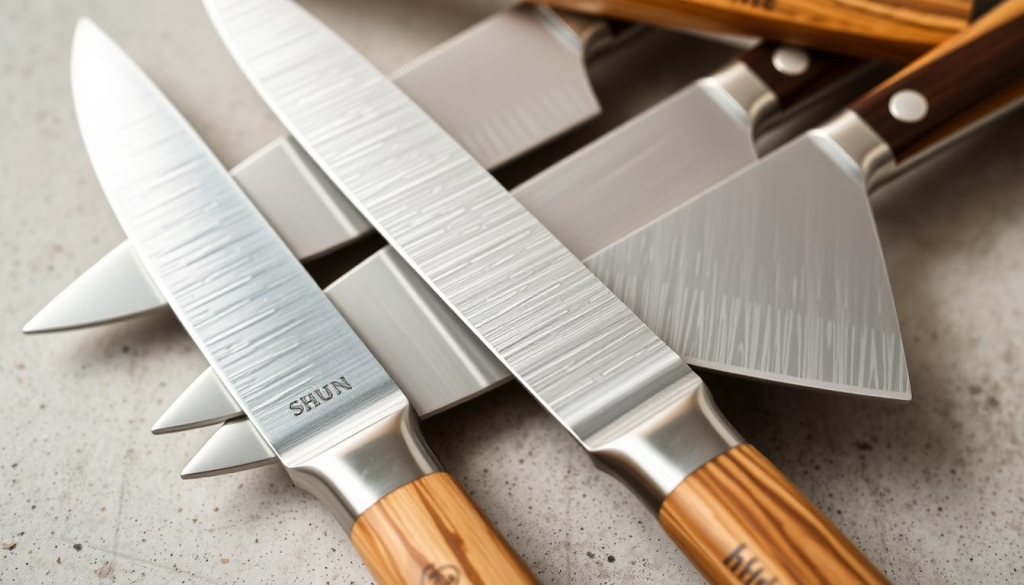
Brand Known For Material
Wüsthof Durability, Precision High-Carbon Stainless Steel
Shun Premium Quality, Sharpness High-Carbon Stainless Steel, Damascus Pattern
Victorinox Versatility, Quality High-Carbon Stainless Steel

When choosing a knife brand, it’s essential to consider factors such as material quality, design, and ergonomics. Each of these popular brands offers something unique, catering to different needs and preferences.

Caring for Your Knives: Maintenance Tips

Caring for your knives is not just about keeping them clean; it’s about ensuring they remain effective tools in your kitchen. Proper maintenance can significantly extend the life of your knives and keep them performing at their best.

Cleaning Techniques

Cleaning your knives regularly is crucial. Hand washing is recommended to prevent damage from the high heat and harsh detergents found in dishwashers. Use mild soap and dry your knives immediately to prevent rust.

“A clean knife is a safe knife. Regular cleaning prevents the buildup of bacteria and keeps your knives in good condition.” – Shokunin USA

For tougher residue, a soft sponge or cloth can be used. Avoid using abrasive materials that can scratch the blade.

Sharpening Your Knives

Sharpening is an essential part of knife maintenance. A dull knife is not only less effective but also more dangerous, as it requires more force to cut, increasing the risk of accidents.

  • Use a whetstone or a sharpening steel to maintain the edge of your knives.
  • For more significant sharpening needs, consider using a sharpening kit.
  • Regular sharpening keeps your knives in optimal condition.

knife sharpening

Proper Storage Solutions

Storing your knives properly is vital to maintaining their condition. Knife blocks and magnetic strips are popular storage solutions that keep knives organized and within reach.

Storage Method Benefits Considerations
Knife Block Keeps knives organized and accessible Can take up counter space; requires regular cleaning
Magnetic Strip Saves counter space; visually appealing May not be suitable for very heavy knives; requires wall mounting
Drawer Storage Protects knives from damage; keeps them out of the way Requires careful organization to prevent damage; can be hard to access

By following these maintenance tips, you can ensure your knives remain in excellent condition, providing you with years of reliable service.

Knife Names and Their Historical Significance

Knife names tell stories of their past, from their origins to their evolution over time. The nomenclature of knives is not just a matter of labeling; it’s a reflection of their historical significance, cultural context, and functional evolution.

knife names historical significance

Origins of Common Knife Names

The origins of common knife names are deeply rooted in history and geography. For instance, the term “Chef’s Knife” is believed to have originated in France, where it was used by chefs for various kitchen tasks. Similarly, the “Santoku” knife, which translates to “three virtues,” has its roots in Japanese cuisine, symbolizing its ability to perform three key tasks: slicing, dicing, and mincing.

Other knives, like the “Paring Knife,” have names that reflect their function. The term “paring” comes from the Old French word “parer,” meaning “to prepare.” This knife is used for peeling and coring fruit and vegetables, highlighting the direct relationship between a knife’s name and its use.

  • The “Bread Knife” has a serrated edge, ideal for cutting through bread without crushing it.
  • The “Fillet Knife” is used for filleting fish, showcasing the specialized nature of knife names.
  • The “Utility Knife” is a versatile tool, used for a variety of tasks in the kitchen.

Evolution of Knife Designs

Knife designs have evolved significantly over time, influenced by technological advancements, cultural exchange, and changing culinary practices. The evolution is reflected not just in the materials used but also in the shapes and functionalities of knives.

For example, traditional Japanese knives are known for their sharpness and are made from high-carbon steel, which allows for a sharper edge. In contrast, Western-style knives often feature a more robust design, accommodating the heavier demands of Western cooking techniques.

  1. The introduction of stainless steel and other materials has improved durability.
  2. Ergonomic design has become a focus, enhancing comfort and reducing fatigue.
  3. Specialization has led to the development of knives for specific tasks, such as boning and filleting.

The historical significance of knife names is not just about the names themselves but also about the stories they tell of human innovation, cultural exchange, and the evolution of culinary practices. Understanding these names and their origins enriches our appreciation of the tools we use daily in the kitchen.

Customizing Your Knife Set

A personalized knife set is not just about having the right knives, but also about tailoring them to your cooking style. When you customize your knife set, you ensure that every knife you use is perfectly suited to your culinary needs, making cooking more efficient and enjoyable.

Choosing Knives Based on Cooking Style

To customize your knife set effectively, you need to consider your cooking habits. For instance, if you frequently prepare Asian dishes, a Santoku knife might be a valuable addition to your set. On the other hand, if you’re more inclined towards baking, a high-quality bread knife could be indispensable.

SharpEdge suggests considering one’s cooking style when selecting knives, emphasizing the importance of aligning your knife set with your culinary practices. This might involve choosing knives that are designed for specific tasks, such as filleting fish or chopping vegetables.

Engraving and Personalization Options

Beyond selecting the right knives, personalization can also involve engraving your knives with your name or a special message. This not only adds a personal touch but can also make your knives more identifiable, especially in a professional kitchen setting.

Many manufacturers offer engraving services, allowing you to add a unique element to your customized knife set. Whether it’s a simple monogram or a more elaborate design, engraving can enhance the aesthetic appeal of your knives.

By thoughtfully customizing your knife set, you can create a collection of knives that not only meets your cooking needs but also reflects your personal style. Whether through careful selection or personalization, a customized knife set is a valuable asset for any chef.

The Future of Knife Sets

The knife industry is on the cusp of a revolution, driven by advancements in design and eco-friendly materials. As consumers become more environmentally conscious and culinary techniques continue to evolve, the demand for innovative knife sets is on the rise.

Innovations in Knife Design

Modern knife design is focusing on ergonomics and functionality. Manufacturers are using advanced materials and technologies to create knives that are not only more effective but also more comfortable to use. Some of the innovations include:

  • Adjustable handles that can be tailored to fit different hand sizes.
  • Multi-material construction that combines the best properties of different materials.
  • Unique blade geometries designed for specific cutting tasks.

These advancements are making knife sets more versatile and efficient, catering to both professional chefs and home cooks.
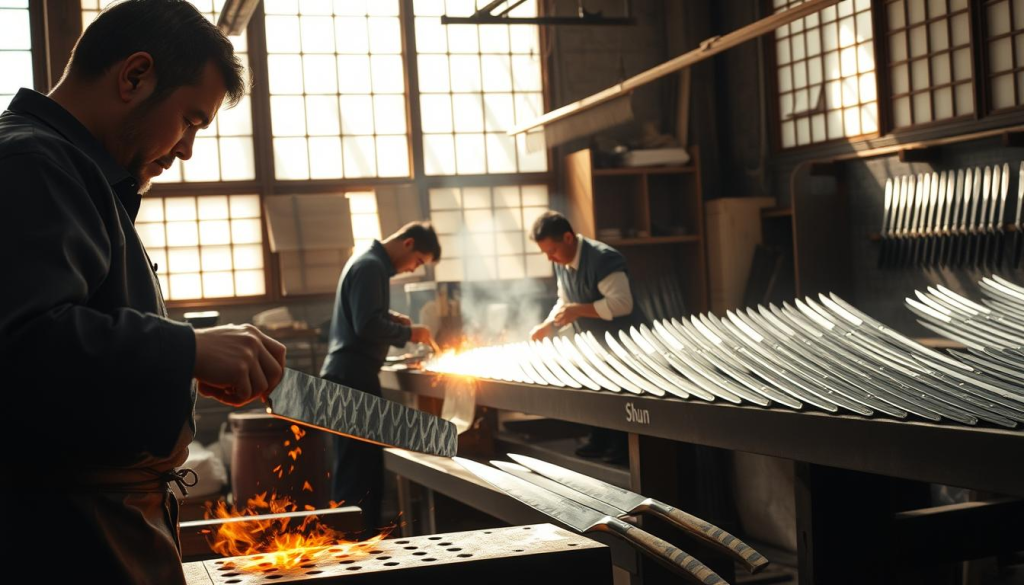
Sustainable Materials in Knife Making

Sustainability is becoming a key consideration in the production of knife sets. Manufacturers are turning to eco-friendly materials and production methods to reduce their environmental footprint. Some examples include:

  1. Knives made from recycled materials or sustainably sourced wood handles.
  2. The use of low-impact manufacturing processes that minimize waste and energy consumption.
  3. Biodegradable packaging that reduces environmental impact.

By incorporating sustainable materials and practices, the knife industry is not only reducing its impact on the planet but also appealing to the growing demographic of environmentally conscious consumers.

As the industry continues to evolve, we can expect to see even more innovative designs and sustainable practices being adopted. The future of knife sets looks bright, with a focus on both performance and the planet.

Where to Buy the Best Knife Sets

Now that you’ve learned about the different types of knives and their significance, it’s time to find the perfect knife set for your kitchen. Whether you’re a professional chef or an avid home cook, buying the right knife set can elevate your cooking experience.

Online Retailers

Online retailers like Amazon offer a wide selection of knife sets from top brands such as Wüsthof and Shun. You can read reviews, compare prices, and have your chosen knife set delivered to your doorstep.

Specialty Kitchen Stores

Specialty kitchen stores provide an opportunity to handle knives before purchasing, allowing you to assess their balance and feel. Stores carrying brands like Victorinox can be a great place to explore different knife sets.

Local Farmers’ Markets

Local farmers’ markets may also carry artisanal knife sets, offering unique and handmade options. When buying knife sets, consider factors like material quality, design, and ergonomics to ensure you find the perfect fit for your cooking needs.

FAQ

What is the most essential knife in a kitchen knife set?

The chef’s knife is often considered the most essential knife in a kitchen knife set, as it is versatile and used for a variety of tasks, from chopping to slicing.

What are the different types of knife sets available?

There are several types of knife sets available, including block sets, magnetic strips, and travel sets, each catering to different needs and preferences.

How do I choose the right knife set for my cooking style?

To choose the right knife set, consider the types of knives you need, the quality of materials, and the design and ergonomics of the knives, as well as your budget.

What is the difference between a Santoku knife and a chef’s knife?

A Santoku knife is a Japanese-style knife designed for chopping, with a straighter edge and a more balanced feel, whereas a chef’s knife is a more versatile, curved knife used for various tasks.

How do I maintain my knives to prolong their lifespan?

To maintain your knives, clean them properly after use, sharpen them regularly, and store them in a dry, secure location to prevent damage and dulling.

What are some popular knife brands in the United States?

Some popular knife brands in the United States include Wüsthof, known for their durability, Shun, recognized for their premium quality, and Victorinox, appreciated for their versatility.

Can I customize my knife set with engraving or personalization options?

Yes, many manufacturers offer engraving or personalization options, allowing you to tailor your knife set to your preferences or make it a unique gift.

Where can I buy high-quality knife sets?

You can buy high-quality knife sets from online retailers, specialty kitchen stores, or local farmers’ markets, each offering different benefits and shopping experiences.

What are some innovations in knife design and materials?

Innovations in knife design include ergonomic handles and sustainable materials, such as eco-friendly steel and recycled materials, making knife sets more efficient, durable, and environmentally friendly.

How do knife names reflect their cultural significance?

Knife names often reflect their cultural significance, with certain names being associated with specific culinary traditions or historical contexts, enriching our understanding of kitchen tools.