Recent Posts

Masamoto Chef Knife: A Culinary Tool for Precision


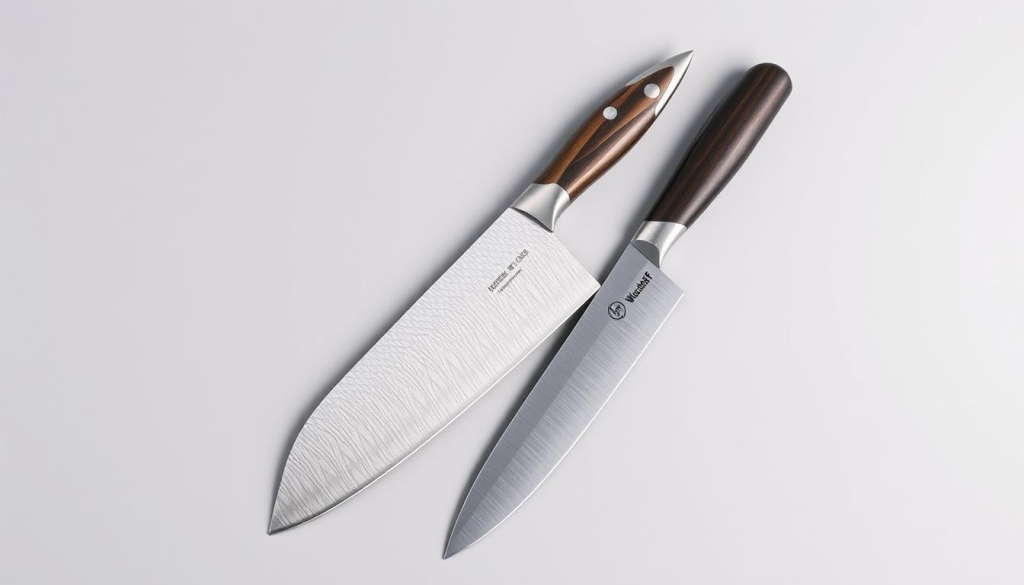
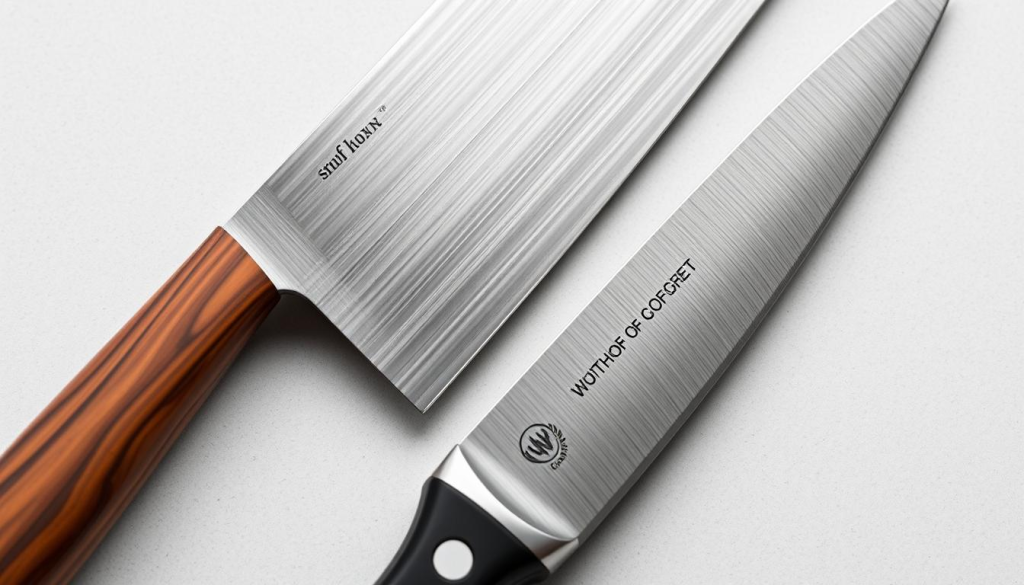
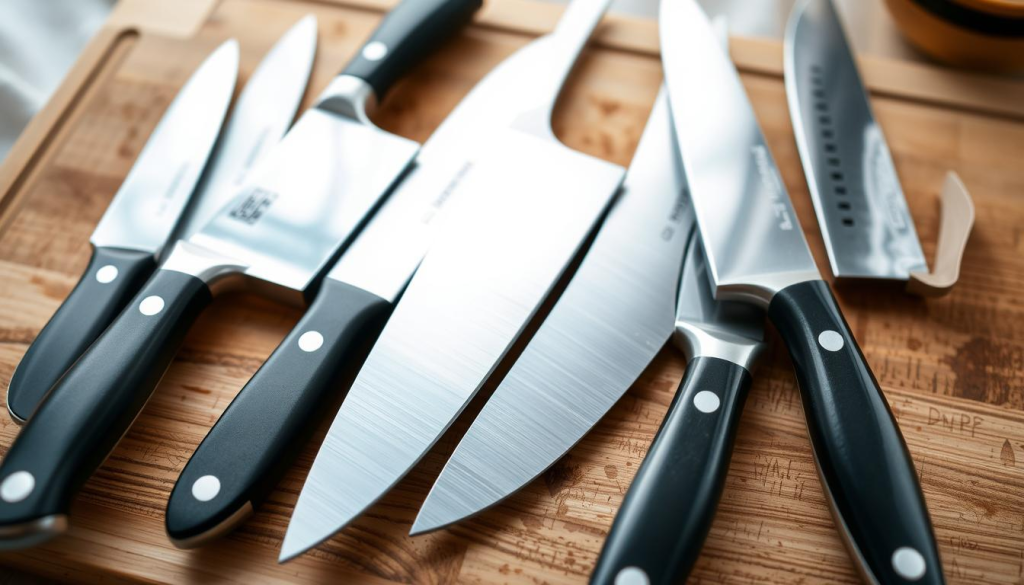
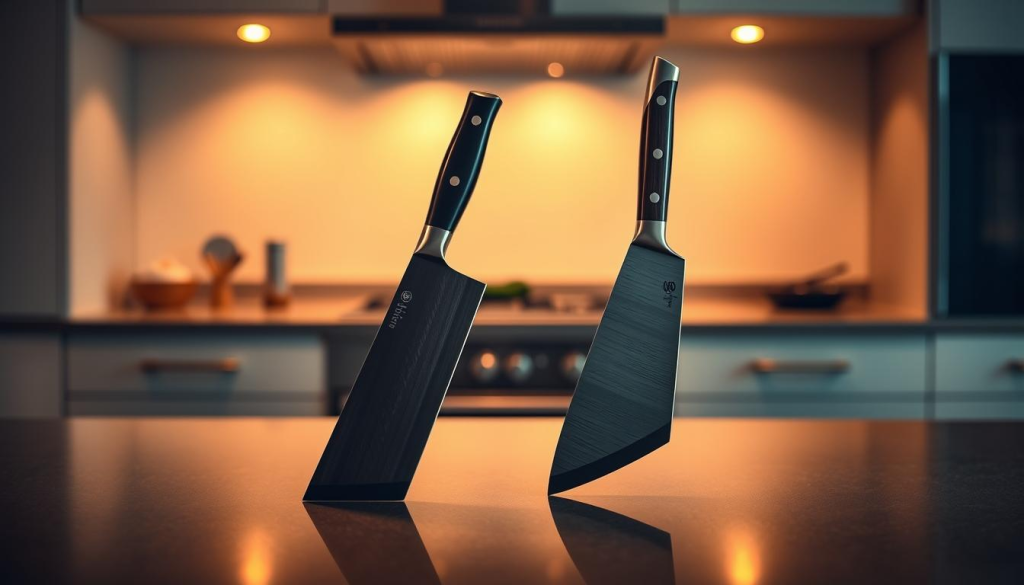
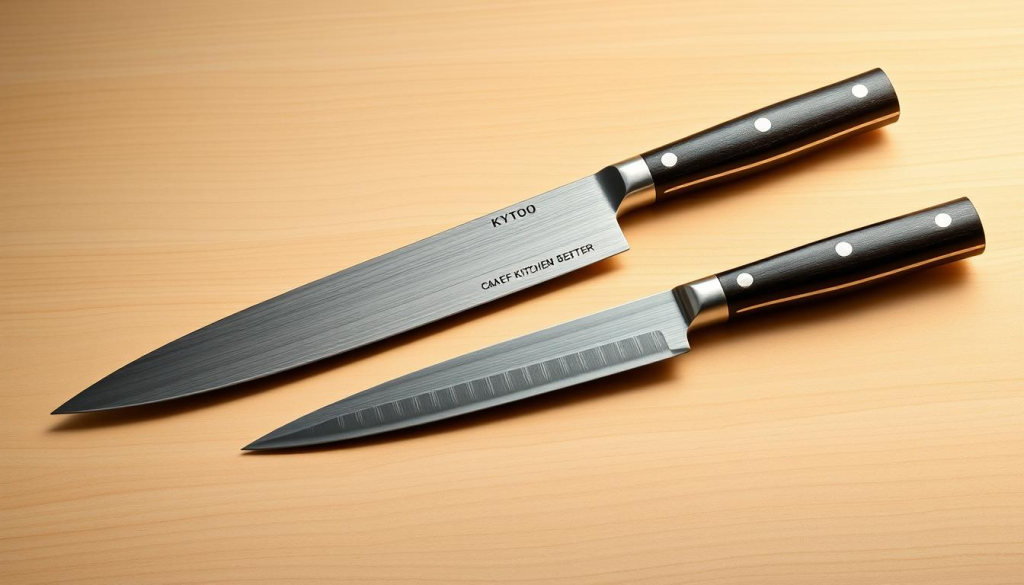
For over 150 years, Masamoto has been crafting high-quality, handcrafted knives that have become a staple in Japanese kitchens. The Masamoto Chef Knife is designed with precision and durability in mind, making it a favorite among professional chefs and home cooks alike.

The reputation of Masamoto for producing premium chef knives is built on its commitment to quality and attention to detail. This dedication has made the Masamoto Chef Knife a tool of choice for those who value precision in their culinary work.

Key Takeaways

  • Masamoto has over 150 years of experience in crafting high-quality knives.
  • The Masamoto Chef Knife is known for its precision and durability.
  • It is a preferred choice among professional chefs and home cooks.
  • The brand’s commitment to quality is reflected in its products.
  • Masamoto Chef Knives are considered premium culinary tools.

History of Masamoto Knives

With origins dating back to the Edo period, Masamoto has established itself as a premier manufacturer of high-quality kitchen knives. The brand’s history is a testament to its dedication to producing exceptional Japanese cutlery.

The Origins of Masamoto

Masamoto’s legacy began during the Edo period, a time when Japanese craftsmanship was at its peak. The brand’s founders were skilled artisans who understood the importance of creating knives that were not only functional but also beautiful. Over time, Masamoto’s commitment to quality and craftsmanship has remained unwavering.

Traditional Craftsmanship

The art of crafting Masamoto knives involves traditional techniques passed down through generations. Skilled craftsmen carefully select and shape the steel, ensuring that each knife meets the brand’s high standards. The attention to detail and commitment to traditional craftsmanship have made Masamoto knives highly regarded among chefs and home cooks alike.

Evolution Through the Years

While Masamoto remains true to its heritage, the brand has also evolved to incorporate modern techniques and materials. This blend of traditional and contemporary approaches has enabled Masamoto to stay relevant in a changing culinary landscape. Today, Masamoto knives are celebrated for their high-quality kitchen knives that combine the best of both worlds.

Period Significant Developments Impact on Masamoto Knives
Edo Period Founding of Masamoto Established the brand’s legacy in Japanese cutlery
Modern Era Incorporation of modern techniques Enhanced the quality and versatility of Masamoto knives
Contemporary Times Global recognition Made Masamoto knives a preferred choice worldwide

Key Features of the Masamoto Chef Knife

Precision and durability are hallmarks of the Masamoto Chef Knife, making it a top choice for culinary professionals. The Masamoto Chef Knife is known for its exceptional quality, which is reflected in its design and construction.

Blade Material and Design

The Masamoto Chef Knife features a high-carbon stainless steel blade, renowned for its sharpness and resistance to corrosion. This material choice ensures that the knife remains durable and easy to maintain, characteristics that are highly valued by professional chefs who rely on their tools daily.

High-carbon stainless steel is particularly beneficial as it offers a balance between hardness and flexibility, allowing for precise cuts without the risk of the blade breaking or becoming overly worn.

Ergonomic Handle

The handle of the Masamoto Chef Knife is designed with ergonomics in mind, providing a comfortable grip that reduces fatigue during extended use. The ergonomic design is crucial for professional chef knives, as it allows chefs to work efficiently without discomfort.

“A well-designed handle is as important as the blade itself, as it directly impacts the user’s experience and performance.”

Balance and Weight

The Masamoto Chef Knife is praised for its perfect balance and weight distribution. This balance is critical for precise cutting and maneuverability, making it a preferred choice among chefs who value control and accuracy in their work.

The weight of the knife is substantial enough to provide momentum for cutting through tougher ingredients, yet light enough to allow for delicate operations, embodying the characteristics of the best chef knife brand reputation that Masamoto enjoys.

Benefits of Using a Masamoto Chef Knife

With its exceptional sharpness and handcrafted quality, the Masamoto Chef Knife elevates cooking to a new level. This premium kitchen tool is designed to provide a superior cutting experience, making it an indispensable asset for both professional chefs and home cooks.

Precision in Cutting

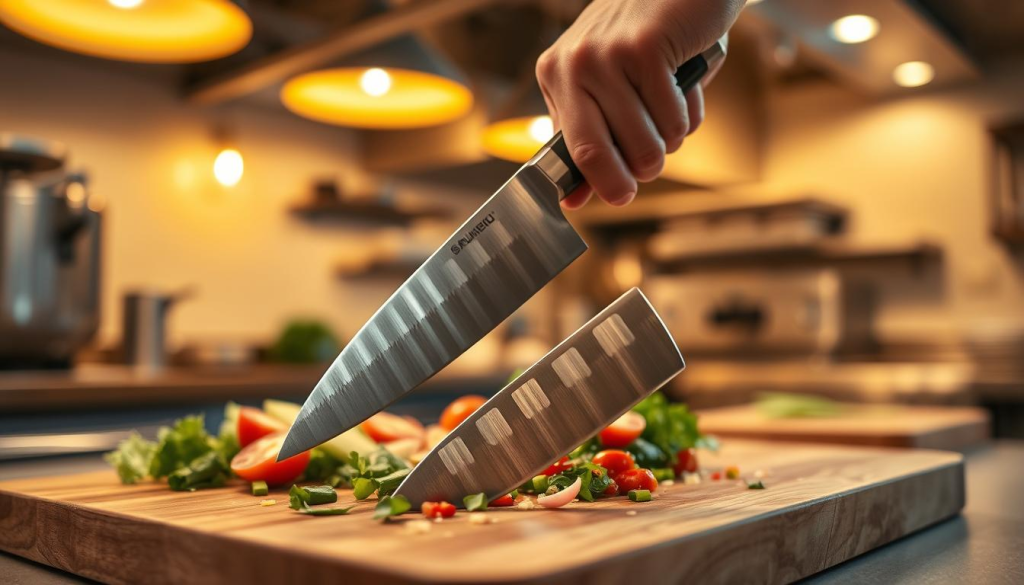
The Masamoto Chef Knife is renowned for its precision cutting capabilities. The knife’s sharp edge glides through ingredients with ease, allowing for precise cuts and minimal waste. As noted by culinary experts,

“A sharp knife is not just a tool, it’s an extension of the chef’s hand, enabling precise cuts and enhancing the overall cooking experience.”

This level of precision is particularly valuable when preparing delicate dishes or intricate presentations.

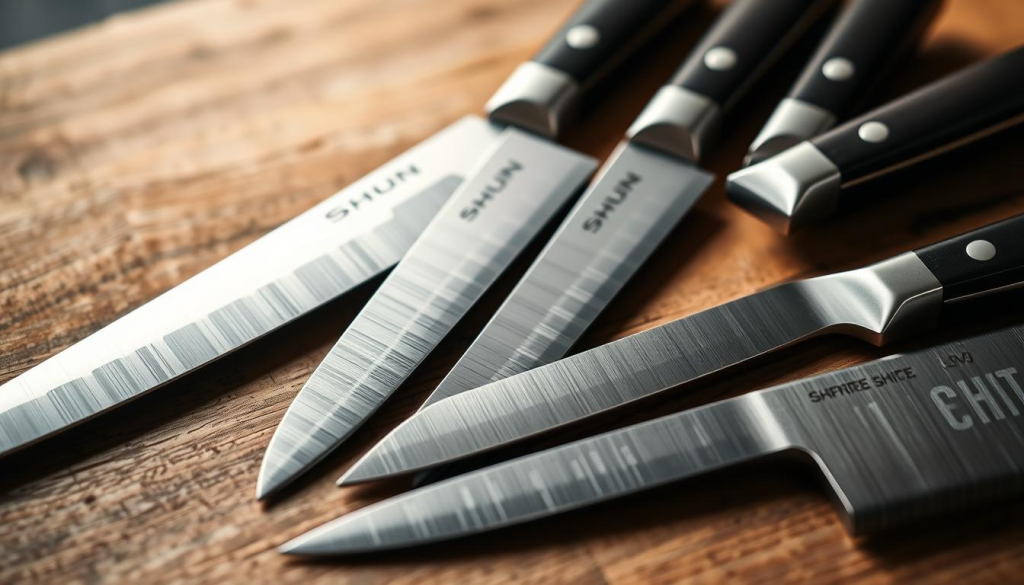
sharp kitchen knives

Enhanced Cooking Experience

Using a Masamoto Chef Knife can significantly enhance the cooking experience. The knife’s balance and ergonomics make it comfortable to hold and maneuver, reducing fatigue during extended cooking sessions. Moreover, the satisfaction of cutting through ingredients with ease and precision can make cooking more enjoyable and engaging. As a result, cooks can focus on the creative aspects of cooking, experimenting with new recipes and techniques.

Durability and Longevity

Masamoto Chef Knives are crafted with durability in mind, using high-quality materials that withstand the rigors of frequent use. The handcrafted nature of these knives ensures that they are not only functional but also built to last. With proper care, a Masamoto Chef Knife can remain a trusted companion in the kitchen for years to come, providing consistent performance and reliability.

In conclusion, the Masamoto Chef Knife offers numerous benefits, including precision cutting, an enhanced cooking experience, and durability. Whether you’re a professional chef or an avid home cook, this handcrafted chef knife is sure to become an essential tool in your kitchen, elevating your cooking to new heights.

Different Types of Masamoto Knives

Masamoto offers a diverse range of knives, each designed to cater to specific culinary needs. Whether you’re a professional chef or a home cook, understanding the different types of Masamoto knives can help you choose the right tool for your cooking tasks.

Gyuto: The All-Purpose Knife

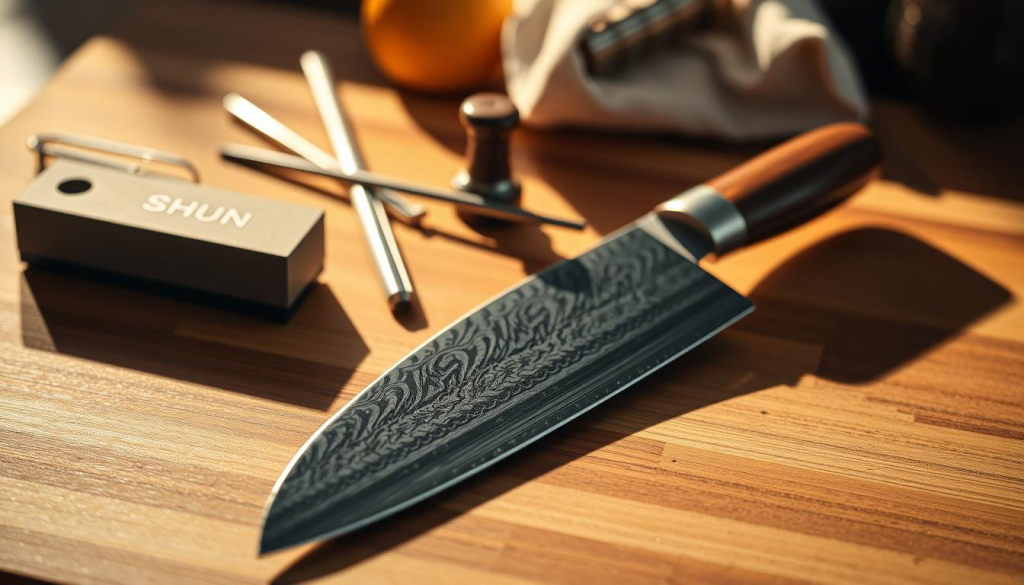
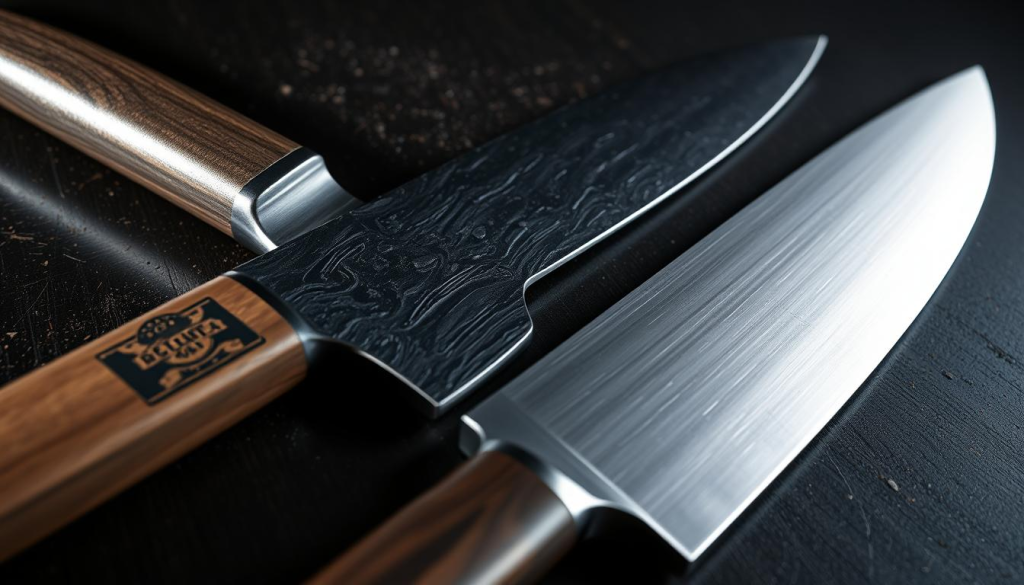
The Gyuto knife is Masamoto’s take on the traditional Western chef’s knife. It’s designed for all-purpose cutting, from chopping vegetables to slicing meat. The Damascus steel chef knife variant of the Gyuto is particularly popular for its sharpness and durability.

Santoku: The Versatile Choice

The Santoku knife is another versatile option from Masamoto. It’s known for its straight edge and flat blade, making it ideal for chopping, slicing, and mincing. The Santoku is often preferred by those who need a reliable knife for everyday cooking tasks.

Nakiri: Ideal for Vegetables

For those who specialize in vegetable preparation, the Nakiri knife is a perfect choice. Its straight blade and sharp edge make it ideal for chopping and slicing vegetables with precision. The Masamoto Nakiri is designed to make vegetable preparation a breeze.

Knife Type Primary Use Key Features
Gyuto All-purpose cutting Sharpness, durability, versatile
Santoku Chopping, slicing, mincing Straight edge, flat blade, reliable
Nakiri Vegetable preparation Straight blade, sharp edge, precise

In conclusion, Masamoto’s range of knives caters to various cooking needs, from all-purpose cutting to specialized tasks. By choosing the right Masamoto knife, you can enhance your cooking experience and achieve professional results.

Caring for Your Masamoto Chef Knife

The longevity of your Masamoto Chef Knife depends on proper care and maintenance. As a high-quality kitchen knife and a piece of Japanese cutlery, it requires attention to detail to maintain its performance and extend its lifespan.

Cleaning and Maintenance

Regular cleaning is essential to prevent the buildup of bacteria and food residue on your Masamoto Chef Knife. After each use, wash the knife with mild soap and dry it thoroughly. Avoid using abrasive cleaners or scouring pads, as they can damage the blade.

Tip: For tougher residue, a soft-bristled brush can be used to gently clean the knife’s edge and crevices.

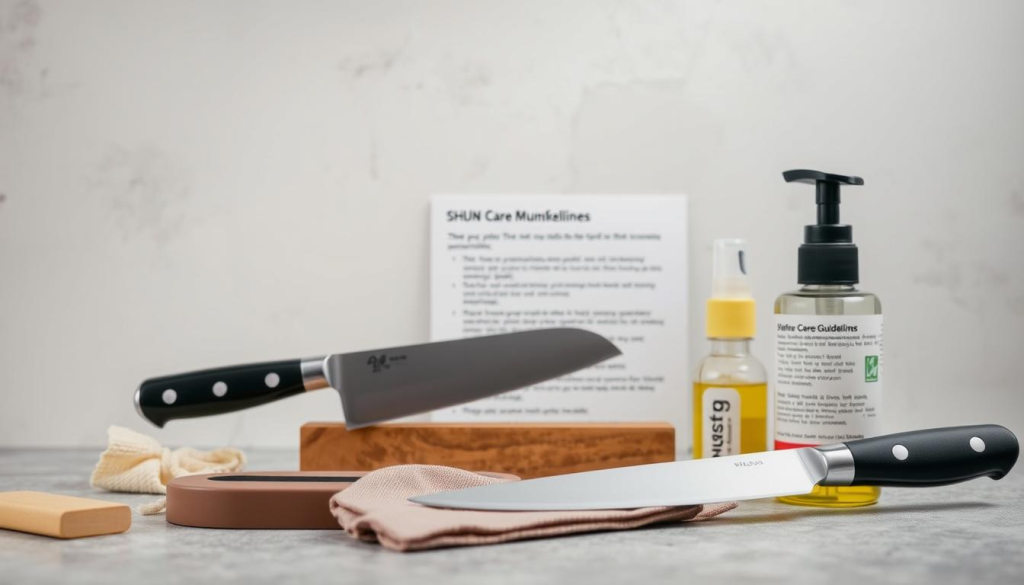
Masamoto Chef Knife Care

Sharpening Techniques

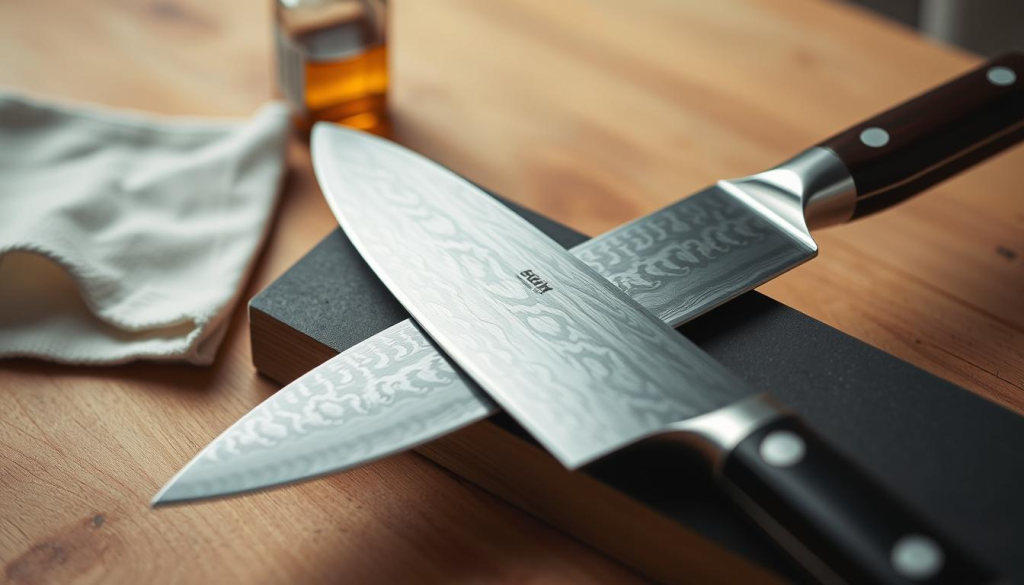
Sharpening your Masamoto Chef Knife is crucial for maintaining its cutting performance. Use a whetstone or a sharpening rod designed for high-carbon Japanese knives. Start with a coarse grit (about 1000) to repair any nicks, then move to finer grits (up to 6000 or 8000) for polishing.

Remember: Regular sharpening not only improves the knife’s performance but also prolongs its life.

Sharpening Stage Grit Purpose
Coarse Sharpening 1000 Repair nicks and reshape the edge
Fine Sharpening 6000 Polish and refine the edge
Final Polishing 8000 Enhance sharpness and finish

Proper Storage Solutions

Proper storage is vital to protect your Masamoto Chef Knife from damage. Use a knife block, magnetic strip, or a protective case to store your knife when not in use. Avoid storing the knife loose in a drawer, as it can collide with other utensils and become damaged.

Storage Tip: Consider a knife roll or pouch for travel or additional protection.

How to Choose the Right Masamoto Knife

With various Masamoto knives available, the key to making the right choice lies in understanding your specific needs. Choosing the right Masamoto knife depends on several factors, including your cooking style, the type of ingredients you work with, and your personal preferences.

Understanding Your Cooking Style

Your cooking style plays a significant role in determining the most suitable Masamoto knife for you. For instance, if you’re a professional chef who frequently works with meat, a Gyuto or an all-purpose knife might be ideal. On the other hand, if you’re more inclined towards preparing vegetables, a Nakiri knife could be your best bet.

Consider the types of dishes you commonly prepare. If you’re often chopping, slicing, and mincing a variety of foods, a versatile knife like the Santoku might be the way to go.

Blade Length Considerations

The length of the blade is another crucial factor. Longer blades offer more versatility for tasks like slicing large roasts, while shorter blades provide more precision for delicate work. Masamoto knives come in various blade lengths, so it’s essential to choose one that fits your typical kitchen tasks.

Blade Length Ideal For
210mm Slicing large roasts, professional chefs
180mm All-purpose cooking, versatile tasks
150mm Precision work, smaller ingredients

Trying Before You Buy

If possible, try handling the knife before purchasing. A premium chef knife should feel balanced in your hand, with the weight of the blade complementing the handle. This balance is crucial for reducing fatigue during extended cooking sessions.

Visiting a store that allows you to hold and test different Masamoto knives can provide valuable insight into what feels right for you. Many professionals swear by the feel of a professional chef knife that has been tailored to their hand size and cooking technique.

professional chef knives

Masamoto Chef Knife vs. Other Brands

Comparing Masamoto Chef Knives to other brands reveals a story of craftsmanship and dedication. When evaluating the best chef knife brand, several factors come into play, including quality, price, and customer satisfaction.

Comparative Insights

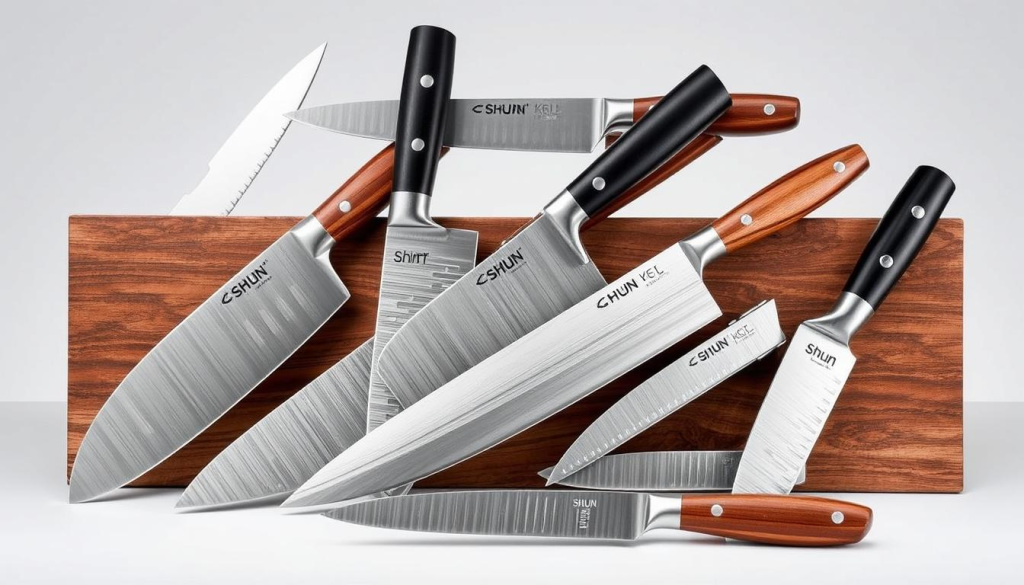
Masamoto Chef Knives are renowned for their sharpness and durability, characteristics that set them apart from many other brands. A comparison with other high-end brands like Shun and Global shows that Masamoto knives offer exceptional value in terms of quality and price.

The blade material and design of Masamoto knives are particularly noteworthy. Made from high-carbon steel, these knives retain their sharpness and are resistant to corrosion.

sharp kitchen knives comparison

Value for Money

When considering sharp kitchen knives, the cost is an important factor. Masamoto knives are generally priced lower than some of their competitors, making them an attractive option for both professional chefs and home cooks.

A detailed comparison of prices and features can be seen in the table below:

Brand Price Range Material Edge Retention
Masamoto $100-$300 High-Carbon Steel Excellent
Shun $200-$500 High-Carbon Steel Excellent
Global $100-$400 CROMOVA 18 Steel Very Good

Customer Satisfaction

Customer satisfaction is a crucial aspect when comparing brands. Masamoto has a loyal customer base, with many users praising the knives for their balance, sharpness, and overall performance.

Reviews and testimonials often highlight the durability and longevity of Masamoto knives, making them a worthwhile investment for serious cooks.

Testimonials from Professional Chefs

Renowned chefs across the globe swear by Masamoto knives, highlighting their superior craftsmanship. The testimonials from these culinary experts underscore the value of Masamoto’s handcrafted chef knives in professional kitchens.

Endorsements and Reviews

Many professional chefs endorse Masamoto knives for their exceptional quality and performance. For instance, Chef Masaharu Morimoto praises Masamoto knives for their precision and durability. Such endorsements highlight the trust that top chefs place in Masamoto.

“Masamoto knives are a game-changer in the kitchen. Their handcrafted nature ensures a level of quality that is unmatched.” –

Chef Masaharu Morimoto

Personal Experiences

Professional chefs share their personal experiences with Masamoto knives, often citing the Damascus steel chef knife as a favorite. They appreciate the balance, sharpness, and overall feel of these knives.

  • Chef Thomas Keller values the precision that Masamoto knives offer, making them indispensable in his kitchen.
  • Chef Grant Achatz praises the ergonomic design, which reduces fatigue during long cooking sessions.

Why They Choose Masamoto

So, why do professional chefs choose Masamoto? The reasons are multifaceted, but key factors include the knives’ handcrafted quality, exceptional performance, and durability.

Reason Description
Handcrafted Quality Masamoto knives are made with meticulous attention to detail, ensuring a level of craftsmanship that is hard to find elsewhere.
Exceptional Performance The sharpness and balance of Masamoto knives make them a joy to use, even for intricate tasks.
Durability These knives are built to last, with materials like Damascus steel providing long-term value.

Where to Buy Masamoto Chef Knives

For those looking to acquire a Masamoto Chef Knife, several purchasing options are available. Authentic Japanese cutlery can be found through various channels, ensuring that buyers can obtain high-quality Masamoto products.

Authentic Online Sources

Online retailers specializing in kitchenware and cutlery often carry Masamoto Chef Knives. When shopping online, it’s crucial to verify the seller’s authenticity to avoid counterfeit products. Look for authorized dealers and check customer reviews to ensure a satisfactory purchase.

Specialty Kitchen Stores

Visiting specialty kitchen stores can also be a great way to find Masamoto Chef Knives. These stores typically carry a selection of high-end cutlery, and the staff can provide valuable insights into the products. This hands-on experience allows buyers to assess the quality of the Masamoto chef knife firsthand.

Purchasing Considerations

When buying a Masamoto Chef Knife, consider the seller’s reputation, product authenticity, and warranty offered. Ensuring that the product is genuine Japanese cutlery will guarantee the quality and performance expected from Masamoto.

FAQ

What makes Masamoto Chef Knives so special?

Masamoto Chef Knives are renowned for their exceptional precision, durability, and handcrafted quality, making them a top choice among professional chefs and cooking enthusiasts alike.

How do I care for my Masamoto Chef Knife to ensure its longevity?

To maintain your Masamoto Chef Knife, regularly clean and dry it, sharpen it using appropriate techniques, and store it in a protective environment to prevent damage and maintain its sharpness.

What is the difference between Gyuto, Santoku, and Nakiri knives?

Gyuto knives are all-purpose knives ideal for various cutting tasks, Santoku knives are versatile and great for chopping, slicing, and mincing, while Nakiri knives are specifically designed for cutting and preparing vegetables with precision.

How do I choose the right Masamoto knife for my cooking style?

Consider your cooking habits, the types of ingredients you work with, and your personal preferences when selecting a Masamoto knife. Blade length and the feel of the knife in your hand are also crucial factors to consider.

Are Masamoto Chef Knives worth the investment?

Yes, Masamoto Chef Knives are considered a valuable investment due to their high-quality materials, exceptional craftsmanship, and durability, which together provide long-term value and enhance your cooking experience.

Can I buy authentic Masamoto Chef Knives online?

Yes, you can purchase authentic Masamoto Chef Knives from authorized online retailers and specialty kitchen stores. Be sure to verify the authenticity of the product and check for reviews and ratings to ensure you’re buying from a reputable seller.

How do Masamoto Chef Knives compare to other high-quality kitchen knives?

Masamoto Chef Knives stand out due to their exceptional sharpness, durability, and handcrafted quality. While other brands may offer similar features, Masamoto’s commitment to traditional craftsmanship and premium materials sets them apart.

What are the benefits of using a Damascus steel Masamoto Chef Knife?

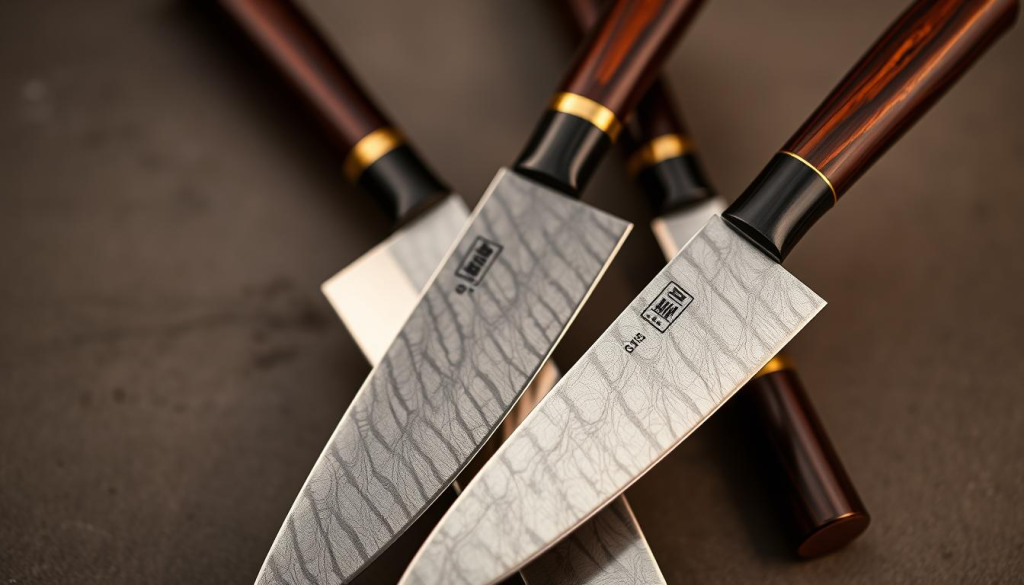
Damascus steel Masamoto Chef Knives offer the added benefit of a visually striking pattern, along with the exceptional sharpness and durability associated with Masamoto knives. The layered steel construction also contributes to the knife’s overall strength and resistance to corrosion.

How often should I sharpen my Masamoto Chef Knife?

The frequency of sharpening depends on your usage. Regularly inspect your knife’s edge and sharpen it as needed to maintain its optimal performance. Proper care and maintenance will help extend the time between sharpenings.

Masamoto Deba: The Versatile Japanese Chef’s Knife for Home Cooks


The Masamoto Deba is a renowned Japanese chef’s knife celebrated for its versatility and precision, making it an essential tool for home cooks.

This high-quality Japanese kitchen knife is designed to handle a variety of kitchen tasks, from filleting fish to chopping vegetables, with ease and accuracy.

With its robust construction and sharp edge, the Masamoto Deba is a valuable addition to any kitchen, offering home cooks the ability to prepare a wide range of dishes with precision.

Key Takeaways

  • A versatile knife for various kitchen tasks
  • High-quality construction for durability
  • Sharp edge for precise cutting
  • Essential tool for home cooks
  • Ideal for filleting fish and chopping vegetables

What is a Masamoto Deba Knife?

In the realm of Japanese knives, the Masamoto Deba is a distinguished model, celebrated for its craftsmanship and performance. As a professional chef knife, it has garnered respect among culinary professionals and home cooks alike.

Features of the Masamoto Deba

The Masamoto Deba knife is renowned for its robust blade, typically made from high-quality materials such as high-carbon steel or stainless steel. These materials are chosen for their durability and ability to hold a sharp edge, making the Masamoto Deba a reliable tool for various kitchen tasks.

One of the key features of the Masamoto Deba is its comfortable handle, usually crafted from wood. The wooden handle provides a secure grip, allowing for precise control during use. The balance between the blade and handle is carefully designed to reduce fatigue, making it suitable for extended cooking sessions.

Materials Used in Production

The production of Masamoto Deba knives involves the use of high-grade materials, reflecting the tradition of traditional Japanese cutlery. The blades are often made from high-carbon steel, known for its strength and sharpness. Some models may also use stainless steel, offering resistance to corrosion and ease of maintenance.

The handles, typically made from wood, are designed to provide comfort and a secure grip. The combination of these materials results in a knife that is both functional and durable, embodying the principles of traditional Japanese craftsmanship.

The History of Deba Knives

Originating in Japan, the Deba knife has a storied past that is deeply intertwined with the country’s culinary heritage. The Deba knife, known for its robustness and versatility, has been a crucial tool in Japanese kitchens for centuries.

“The Deba knife is not just a tool; it’s an extension of the chef’s hand,” as noted by culinary experts, highlighting its significance in Japanese cooking. The evolution of the Deba knife reflects the changing needs of chefs and the culinary landscape over time.

Evolution of the Design

The design of the Deba knife has undergone significant transformations since its inception. Initially crafted for specific tasks such as filleting fish, the Deba knife has evolved to accommodate a variety of kitchen tasks. The incorporation of stainless steel in its construction has been a pivotal development, enhancing its durability and resistance to corrosion.

The use of stainless steel in Deba knives has become increasingly popular among chefs due to its ease of maintenance and longevity. This material has allowed Deba knives to remain a staple in Japanese cuisine, with their stainless steel construction ensuring they remain in good condition even with heavy use.

Traditional Uses in Japanese Cuisine

Traditionally, Deba knives are used for tasks that require precision and strength, such as filleting fish and chopping vegetables. The sharpness and balance of a Deba knife make it an ideal tool for these tasks. In Japanese cuisine, the Deba knife is revered for its ability to perform a variety of functions with ease and precision.

“A good Deba knife is like a trusted companion in the kitchen, always ready to perform its duties with precision and finesse.”

The versatility of the Deba knife has made it an indispensable tool in both professional and home kitchens. Whether you’re preparing traditional Japanese dishes or experimenting with new recipes, a stainless steel Deba knife is a valuable addition to your culinary arsenal.

Why Choose a Masamoto Deba?

In the world of Japanese knives, the Masamoto Deba is revered for its exceptional craftsmanship. This knife has become a staple in many kitchens due to its outstanding performance and durability.

Superior Craftsmanship

The Masamoto Deba knife is a testament to the brand’s commitment to quality. Crafted with precision and care, this knife features:

  • High-carbon steel that ensures a sharp edge and resistance to corrosion.
  • A robust design that withstands the rigors of frequent use.
  • An ergonomic handle that provides comfort and control during extended cooking sessions.

Such attention to detail makes the Masamoto Deba one of the best Deba knives available, ideal for tasks that require precision and finesse.

best Deba knife

Versatility in the Kitchen

The Masamoto Deba is not just a specialized knife; it’s a versatile tool that can handle a variety of kitchen tasks. From filleting fish to chopping vegetables, this knife performs with ease and precision.

Some of the key tasks it’s suited for include:

  1. Filleting fish with minimal waste and maximum precision.
  2. Breaking down poultry with ease.
  3. Chopping vegetables for various dishes.

Its versatility, combined with its superior craftsmanship, makes the Masamoto Deba an indispensable asset in any kitchen. Whether you’re a professional chef or a home cook, this knife is sure to enhance your cooking experience.

How to Use a Masamoto Deba

Using a Masamoto Deba effectively requires understanding its capabilities and techniques. This versatile knife, known for its authentic Japanese craftsmanship, is designed to make various kitchen tasks easier.

Ideal Techniques for Preparation

The Masamoto Deba is particularly useful for tasks that require precision and control, such as filleting fish and breaking down poultry. Its sharp edge and balanced design make it an indispensable tool for these tasks.

  • Filleting fish with precision
  • Breaking down poultry with ease
  • Chopping vegetables for various dishes

Common Dishes Made with Deba

The Masamoto Deba is a staple in Japanese cuisine, used in the preparation of many traditional dishes. Some of the most common dishes include:

Dish Description
Sashimi A dish featuring thinly sliced raw fish, often served with soy sauce and wasabi.
Sushi A Japanese dish made with vinegared rice and various toppings, often featuring raw fish.
Japanese-Style Fish Dishes Dishes that highlight the freshness and quality of the fish, often grilled or poached.

By mastering the techniques for using a Masamoto Deba, home cooks and professional chefs can expand their culinary repertoire and create authentic Japanese dishes with ease.

Caring for Your Masamoto Deba Knife

To ensure your Masamoto Deba knife remains in top condition, proper care is essential. As a high-quality Japanese kitchen knife, it demands regular maintenance to uphold its performance and longevity.

Cleaning and Maintenance Tips

Cleaning your Masamoto Deba knife should be done by hand using mild soap and water. Avoid using a dishwasher, as the high heat and harsh detergents can damage the blade. After washing, dry the knife thoroughly to prevent rust. Regular sharpening is also crucial to maintain the knife’s sharp edge, ensuring it continues to perform like a professional chef knife.

For sharpening, use a whetstone or a sharpening rod designed for Japanese knives. The sharpening process should be done carefully to maintain the knife’s angle and edge. If you’re new to sharpening, it might be helpful to watch tutorials or seek guidance from a professional.

Proper Storage Solutions

Proper storage is vital to protect your Masamoto Deba knife and maintain its quality. Consider storing your knife in a knife block or on a magnetic strip. These storage solutions not only protect the blade but also keep it within easy reach, making it a convenient addition to your kitchen.

When storing your knife, ensure it is clean and dry. For added protection, you can wrap the blade in a cloth or paper towel to prevent any accidental scratches or damage.

Caring for a Masamoto Deba Knife

Different Styles of Deba Knives

For those interested in traditional Japanese cutlery, Deba knives present a fascinating array of choices. The diversity in Deba knives caters to various cooking techniques and personal preferences, making them a versatile tool in the kitchen.

The traditional Japanese Deba knife is renowned for its robust design and sharp edge, ideal for tasks such as filleting fish and chopping vegetables. Over time, different styles and brands have emerged, each offering unique characteristics that appeal to both professional chefs and home cooks.

Comparing Various Brands

Several brands have made a name for themselves in the world of Deba knives, offering high-quality options that stand out for their craftsmanship and materials. For instance, Masamoto is a respected brand known for its traditional Japanese cutlery, including Deba knives that are prized for their sharpness and durability.

When comparing brands, factors such as material, edge retention, and handle design come into play. Stainless steel Deba knives, for example, are favored for their resistance to corrosion and ease of maintenance, making them a practical choice for daily use.

Brand Material Edge Type Handle Design
Masamoto High Carbon Stainless Steel Straight Edge Traditional Japanese Handle
Sakai Takayuki Stainless Steel Straight Edge Ergonomic Handle
Shun High Carbon Stainless Steel Straight Edge PakkaWood Handle

Choosing the Right Type for You

Selecting the right Deba knife involves considering your specific cooking needs and preferences. Whether you’re a professional chef or a home cook, the type of material, size, and brand can significantly impact your cooking experience.

Stainless Steel Deba Knives are a popular choice due to their durability and low maintenance. However, other materials like high carbon steel offer superior sharpness, albeit with a higher maintenance requirement.

Consider your cooking style: If you frequently prepare fish or need a knife for precise cuts, a Deba knife with a thinner blade might be ideal. For heavier tasks, a thicker, more robust Deba knife could be more suitable.

stainless steel Deba knife

Ultimately, the best Deba knife for you will depend on balancing your needs with the characteristics of the knife. By understanding the different styles and brands available, you can make an informed decision that enhances your cooking experience.

The Benefits of Owning a Masamoto Deba

With its exceptional craftsmanship and versatility, the Masamoto Deba knife is a valuable addition to any kitchen. As one of the best Deba knives available, it is known for its authentic Japanese craftsmanship, making it a superior tool for various kitchen tasks.

Enhancing Cooking Skills

The Masamoto Deba knife is designed to enhance your cooking skills with its precision and versatility. It is ideal for tasks such as filleting fish and breaking down poultry, allowing for more efficient and precise preparation. Here are some ways it can improve your cooking:

  • Precision cutting for delicate ingredients
  • Efficient filleting and deboning of fish and poultry
  • Versatility in handling various kitchen tasks

best deba knife

Impressing Your Guests

Owning a Masamoto Deba can also help you impress your guests with its ability to prepare a wide range of dishes with ease and precision. Whether you’re a professional chef or a home cook, the Masamoto Deba is an excellent tool for creating impressive culinary presentations.

Some benefits of using a Masamoto Deba when cooking for guests include:

  1. Creating visually appealing dishes with precise cuts
  2. Preparing a variety of cuisines with ease, from sushi to roasted meats
  3. Demonstrating your culinary skills and attention to detail

In conclusion, the Masamoto Deba knife is not just a tool; it’s an investment in your culinary journey, offering numerous benefits that can enhance your cooking skills and impress your guests.

Where to Buy a Masamoto Deba Knife

The quest for a genuine Masamoto Deba knife leads many to seek out specialty kitchen stores and online marketplaces. With the increasing popularity of Japanese cuisine, the demand for high-quality knives like the Masamoto Deba has risen, making it easier to find retailers who stock these exceptional tools.

Recommended Retailers

For those looking to purchase a Masamoto Deba knife, several retailers stand out for their quality and service. Specialty kitchen stores are often a good starting point, as they typically carry a selection of high-end knives and have knowledgeable staff who can provide guidance.

  • Kitchen supply stores that specialize in Japanese cookware
  • High-end department stores with a kitchenware section
  • Specialty culinary stores that cater to professional chefs

Online Shopping Options

Online shopping has made it easier than ever to purchase a Masamoto Deba knife from the comfort of your own home. Online retailers offer a wide range of options, often with detailed product descriptions and customer reviews to help inform your decision.

  1. Amazon and other large online marketplaces
  2. Specialty kitchen store websites
  3. Directly from the manufacturer’s website, if available

When shopping online, it’s essential to ensure that you’re buying from a reputable retailer to guarantee the quality and authenticity of the knife. Look for retailers who provide detailed product information and have a good customer service record.

By choosing to buy from recommended retailers, either in-store or online, you can be confident that you’re getting a genuine Masamoto Deba knife that will serve you well in your culinary endeavors.

Cost Factors to Consider

When investing in a Masamoto Deba knife, understanding the cost factors is crucial. The price of a professional chef knife like the Masamoto Deba can vary significantly based on several elements.

The Masamoto Deba is a piece of traditional Japanese cutlery, known for its high-quality craftsmanship. As such, the materials used, the brand reputation, and the craftsmanship all play a role in determining the final cost.

Price Range Overview

Deba knives, including the Masamoto Deba, can range in price from a few hundred to several thousand dollars. The lower end of the spectrum typically includes knives made with less expensive materials or those that are mass-produced.

In contrast, high-end Deba knives, such as those from Masamoto, are crafted with premium materials and exhibit superior craftsmanship, justifying their higher price.

Investing in Quality

While it may be tempting to opt for a cheaper alternative, investing in a high-quality Masamoto Deba knife is a decision that pays off in the long run. The durability and performance of a well-crafted knife reduce the need for frequent replacements and make cooking more efficient.

Furthermore, a professional chef knife like the Masamoto Deba is not just a tool; it’s an investment in your cooking skills and the overall kitchen experience. Its value lies not only in its functionality but also in the joy and precision it brings to cooking.

User Reviews and Experiences

Professional chefs and home cooks alike have shared their positive experiences with the Masamoto Deba knife. The feedback highlights the knife’s exceptional performance, durability, and ease of use, making it a valuable addition to any kitchen.

Feedback from Professional Chefs

Many professional chefs have praised the Masamoto Deba for its superior craftsmanship and versatility. The stainless steel Deba knife is particularly appreciated for its resistance to corrosion and ease of maintenance, which are crucial in a fast-paced kitchen environment.

One chef noted, “The Masamoto Deba is an indispensable tool in my kitchen. Its balance and sharpness make it perfect for a variety of tasks, from filleting fish to chopping vegetables.”

Home Cook Testimonials

Home cooks have also shared their positive experiences with the Masamoto Deba knife. They appreciate its ease of use and the confidence it inspires in their cooking. The knife’s durability is also a significant factor, as it remains sharp and functional over time.

A home cook commented, “I was impressed by how easily the Masamoto Deba handled tough ingredients. It’s become my go-to knife for everyday cooking.”

The Masamoto Deba knife has proven to be a reliable and efficient tool for both professional chefs and home cooks. Its high-quality construction and performance make it a worthwhile investment for anyone looking to enhance their cooking experience.

Conclusion: Elevate Your Cooking with Masamoto Deba

The Masamoto Deba knife is a testament to authentic Japanese craftsmanship, offering home cooks and professional chefs a versatile tool for various kitchen tasks. With its high-quality materials and superior craftsmanship, this knife is ideal for filleting fish, breaking down poultry, and more.

Key benefits of the Masamoto Deba include its versatility, precision, and durability. By incorporating this knife into your kitchen arsenal, you can enhance your cooking skills and impress your guests with precise cuts and presentation.

Key Takeaways

The Masamoto Deba’s value lies in its ability to perform multiple tasks, making it a valuable investment for any kitchen. Whether you’re a seasoned chef or an enthusiastic home cook, this knife is sure to become an indispensable companion in your culinary journey.

When considering a Masamoto Deba, look for authentic Japanese craftsmanship and high-quality materials. By doing so, you’ll be investing in a knife that will elevate your cooking and provide years of reliable service.

FAQ

What is a Masamoto Deba knife, and what makes it special?

A Masamoto Deba knife is a high-quality, traditional Japanese kitchen knife known for its versatility, precision, and robust construction, making it an essential tool for home cooks and professional chefs alike.

What materials are used in the production of Masamoto Deba knives?

Masamoto Deba knives are typically made from high-carbon steel or stainless steel, with a comfortable wooden handle, ensuring durability and long-lasting performance.

How do I care for my Masamoto Deba knife to maintain its quality?

To maintain your Masamoto Deba knife, clean it by hand with mild soap and water, dry it thoroughly to prevent rust, and store it in a knife block or on a magnetic strip to protect the blade.

What are the ideal techniques for using a Masamoto Deba knife?

The Masamoto Deba is ideal for filleting fish, breaking down poultry, and chopping vegetables, requiring some skill and technique, but with practice, it becomes an indispensable tool in the kitchen.

Can I use a Masamoto Deba knife for tasks other than filleting fish?

Yes, the Masamoto Deba is a versatile knife suitable for a wide range of kitchen tasks, including chopping vegetables, breaking down poultry, and preparing various Japanese dishes.

How often should I sharpen my Masamoto Deba knife?

Regular sharpening is essential to maintain the performance of your Masamoto Deba knife, with the frequency depending on usage, but generally, it should be sharpened every few months.

What are the benefits of owning a Masamoto Deba knife?

Owning a Masamoto Deba knife can enhance your cooking skills, provide versatility in the kitchen, and impress your guests with its ability to prepare a wide range of dishes with precision and ease.

Where can I buy a Masamoto Deba knife?

You can purchase a Masamoto Deba knife from specialty kitchen stores, online marketplaces, or retailers that sell high-quality Japanese kitchen knives, ensuring you buy from a reputable source.

What is the price range for Masamoto Deba knives?

The price range for Masamoto Deba knives varies depending on the brand, materials, and quality, but high-quality Deba knives, such as the Masamoto Deba, are considered an investment, with prices reflecting their superior craftsmanship and durability.

Are stainless steel Deba knives resistant to corrosion?

Yes, stainless steel Deba knives, like the Masamoto Deba, are resistant to corrosion and easy to maintain, making them a popular choice among chefs and home cooks.

Masamoto Knives Tsukiji: Exceptional Japanese Cutlery for Home Chefs


For home chefs seeking to elevate their culinary skills, Masamoto Knives Tsukiji represents the pinnacle of Japanese cutlery. With a rich history and a commitment to authentic Japanese cutlery, Masamoto has established itself as a leader in the world of chef knives.

Renowned for their exceptional quality, these high-quality Japanese knives have been cultivated and refined over a long history, making them a sought-after choice among culinary enthusiasts.

Key Takeaways

The Legacy of Masamoto Knives

The story of Masamoto Knives begins in the late Edo period, marking the beginning of a journey towards excellence in cutlery. Founded by Minosuke Matsuzawa, Masamoto Sohonten has been dedicated to the art of handcrafted knives and artisan knife-making, adhering to the principles of traditional Tsukiji craftsmanship.

A Brief History of Masamoto

Masamoto Sohonten was established towards the end of the Edo period by its visionary founder, Minosuke Matsuzawa. Over the years, the company has remained committed to developing and refining its crafting techniques, ensuring the production of consistently high-quality knives. This dedication has enabled Masamoto to build a legacy that is synonymous with excellence in Japanese cutlery.

Craftsmanship: The Art of Japanese Knifemaking

The art of Japanese knifemaking is a tradition that Masamoto has mastered over generations. Each knife is a testament to the skill and craftsmanship of Masamoto’s artisans, who meticulously craft every detail to perfection. From the selection of superior materials to the precise forging and sharpening techniques, every step in the process is a reflection of the company’s commitment to handcrafted knives and artisan knife-making.

The result is a collection of knives that not only meet but exceed the expectations of chefs and home cooks alike. With their exceptional quality and traditional Tsukiji craftsmanship, Masamoto knives have become a preferred choice for those who value the art of cooking.

Why Choose Masamoto Knives?

For chefs seeking the finest tools, Masamoto knives stand out as a premier choice. With a legacy rooted in traditional Japanese craftsmanship, Masamoto has established itself as a leading brand in the world of culinary arts.

Superior Materials Used

Masamoto knives are renowned for their high-grade carbon steel, a material that offers exceptional sharpness and durability. This steel is carefully selected and forged through a rigorous tempering process, resulting in blades that are not only sharp but also resilient.

The use of premium materials is a hallmark of Masamoto’s commitment to quality. As noted by culinary experts, “The quality of a knife is directly related to the quality of its steel.” (

Chef’s Insight

)

Material Characteristics Benefits
High-Grade Carbon Steel Hardness, Edge Retention Sharpness, Durability
Forged Construction Strength, Balance Reliability, Performance

Benefits of Using Japanese Cutlery

Japanese cutlery, such as Masamoto knives, offers numerous benefits for both professional chefs and home cooks. The precision and craftsmanship that go into each knife result in effortless cutting and a more enjoyable cooking experience.

  • Sharpness that lasts, reducing the need for frequent sharpening
  • Durable construction that withstands the rigors of daily use
  • Aesthetic appeal that adds to the cooking ambiance

Investing in Masamoto knives means opting for premium culinary tools that enhance your cooking. Whether you’re preparing delicate sashimi or chopping vegetables, Masamoto knives deliver the performance and reliability you need.

professional kitchen knives

By choosing Masamoto, you’re not just selecting a tool; you’re embracing a tradition of excellence in knifemaking. For chefs and cooking enthusiasts alike, Masamoto knives represent a commitment to quality and a passion for the culinary arts.

Overview of the Tsukiji Line

The Tsukiji line represents Masamoto’s dedication to producing high-quality, authentic Japanese cutlery. This series is particularly noted for its attention to detail and commitment to excellence, making it a top choice among chefs and home cooks alike.

Key Features of Tsukiji Knives

One of the standout features of the Tsukiji knives is their deeper urasuki, which significantly enhances their performance. The urasuki is the concave curvature on the back of the blade, which facilitates clean food separation from the blade, making cutting easier and more efficient.

The craftsmanship that goes into creating these knives is evident in their durability and precision. The use of superior materials ensures that Tsukiji knives remain sharp and resistant to wear, even with frequent use.

Popular Models in the Tsukiji Series

The Tsukiji series includes a variety of models, each designed to cater to different culinary needs. Some of the most popular models include the Santoku and Gyuto knives, which are versatile and essential for various cutting tasks.

  • The Santoku knife is ideal for chopping, slicing, and mincing vegetables and meat.
  • The Gyuto knife, often considered the Japanese equivalent of a Western chef’s knife, is perfect for a wide range of kitchen tasks.

These models embody the quality and functionality that Masamoto is known for, making them a great addition to any kitchen.

Comparing Masamoto with Other Japanese Brands

Masamoto Sohonten has been perfecting its craft over six generations, establishing a legacy in Japanese knifemaking. This long-standing commitment to excellence is a key factor when comparing Masamoto to other brands in the market.

Unique Selling Points of Masamoto

Masamoto’s handcrafted knives are renowned for their precision and durability. The brand’s dedication to using only the finest materials and traditional craftsmanship techniques sets it apart from competitors who may use more modern, mass-production methods.

The art of Japanese knifemaking is deeply rooted in tradition, and Masamoto continues this legacy by focusing on the minutest details in every knife it produces. This attention to detail ensures that each Masamoto knife is not only functional but also a work of art.

Brand Craftsmanship Material Quality
Masamoto Handcrafted with traditional techniques High-carbon steel for durability
Global Knife Brand Mix of traditional and modern methods Varied materials, some high-carbon steel
Premium Japanese Brand Primarily handcrafted High-quality stainless steel

How Masamoto Holds Up Against Competitors

When comparing Masamoto to other high-quality Japanese knives, several factors come into play. Masamoto’s focus on premium culinary tools means that every product is designed with the professional chef in mind, yet remains accessible to home chefs who value quality.

high-quality Japanese knives comparison

The competitive landscape of Japanese knives is diverse, with numerous brands offering high-quality products. However, Masamoto’s blend of tradition, quality, and performance positions it as a leader in the market. Whether you’re a seasoned chef or an enthusiastic home cook, Masamoto knives offer the precision and durability needed to elevate your cooking experience.

Essential Knives Every Chef Should Own

A well-stocked kitchen begins with the basics: a set of high-quality, authentic Japanese cutlery. Whether you’re a beginner or an experienced chef, having the right knives is essential for preparing a variety of dishes. Masamoto offers a range of chef knives that cater to different needs, from the basics for those just starting out to the more specialized knives for seasoned professionals.

professional kitchen knives

Recommended Masamoto Knives for Beginners

For those new to cooking, starting with the essentials is key. Masamoto’s Tsukiji series is an excellent starting point, offering a balance of quality and versatility. The Gyuto knife, often considered the chef’s primary knife, is a must-have. It’s versatile enough for slicing, dicing, and mincing, making it an indispensable tool in the kitchen.

Another essential for beginners is the Nakiri knife, designed specifically for vegetable preparation. Its straight edge and thin blade make it perfect for chopping and slicing vegetables with precision.

Must-Have Knives for Experienced Chefs

Experienced chefs understand the value of having a variety of knives tailored to specific tasks. In addition to the Gyuto and Nakiri, a Santoku knife is highly recommended. This knife is similar to the Gyuto but typically has a shorter blade, making it ideal for chefs who prefer more control over their cuts.

For those who specialize in preparing sashimi or sushi, a Yanagiba knife is essential. Its long, slender blade is designed for making precise, smooth cuts through raw fish, a critical component of these dishes.

Investing in these professional kitchen knives not only enhances the cooking experience but also ensures that dishes are prepared with precision and care. Masamoto’s commitment to crafting exceptional knives means that each traditional knife represents a masterpiece of uniform excellence that customers will use for years to come.

Caring for Your Masamoto Knives

Caring for your Masamoto knives is not just about cleaning; it’s about preserving their exceptional craftsmanship. As handcrafted knives, they require attention to detail to maintain their performance and longevity.

handcrafted knives

Cleaning and Maintenance Tips

To keep your Masamoto knives in optimal condition, it’s essential to clean them properly after each use. Hand washing with mild soap and drying immediately is recommended. Avoid using abrasive cleaners or putting your knives in the dishwasher, as this can damage the premium culinary tools.

Regular maintenance also involves storing your knives correctly. Using a knife block or a dry storage container can prevent damage and keep your knives sharp.

Sharpening Techniques to Preserve Edge

Sharpening is a critical aspect of caring for your Masamoto knives. The high-grade carbon steel used in their construction makes them relatively easy to sharpen. Using a whetstone or a sharpening rod, you can maintain the edge of your knives. It’s recommended to sharpen your knives regularly to prevent them from becoming dull.

The artisan knife-making tradition of Masamoto emphasizes the importance of a sharp knife. A sharp knife not only performs better but is also safer to use. By following the right sharpening techniques, you can enjoy your Masamoto knives for many years.

By combining proper cleaning, maintenance, and sharpening techniques, you can ensure that your Masamoto knives remain in excellent condition. This not only preserves their quality but also enhances your cooking experience.

Where to Buy Masamoto Knives in the U.S.

Purchasing Masamoto Knives in the U.S. is easier than ever, with multiple online and offline options available. Whether you’re a seasoned chef or a home cook, acquiring these professional kitchen knives from authorized dealers ensures authenticity and quality.

Online Options for Purchasing

For those who prefer the convenience of online shopping, several reputable websites offer Masamoto Knives Tsukiji. These online retailers often provide detailed product descriptions, customer reviews, and competitive pricing. Some even offer duty-free sales and accept credit card payments for purchases totaling at least 5,000 yen, making it easier for U.S. customers to buy this top-rated knife brand.

  • Specialty kitchenware websites
  • Online marketplaces with authorized dealers
  • Brand-specific e-commerce platforms

Local Stores and Specialty Shops

For a more traditional shopping experience, U.S. customers can visit local stores and specialty shops that carry Masamoto Knives. These physical retailers allow customers to inspect the knives personally and receive expert advice from sales staff. It’s an excellent way to feel the quality and balance of these professional kitchen knives before making a purchase.

Some benefits of buying from local stores include:

  • Immediate availability
  • Personal inspection of products
  • Expert advice from sales professionals

By exploring both online and offline channels, U.S. customers can find the perfect Masamoto Knives Tsukiji to suit their cooking needs.

User Testimonials and Reviews

Reviews and testimonials from users offer a glimpse into the real-world performance of Masamoto Knives, highlighting their strengths and any potential weaknesses. The feedback from both professional chefs and home cooks provides valuable insights into the durability and effectiveness of these premium culinary tools.

Chef Insights on Masamoto Performance

Many professional chefs have praised Masamoto Knives for their exceptional sharpness and balance. For instance, a renowned chef noted, “Masamoto Knives have become an indispensable part of my kitchen. Their authentic Japanese cutlery is unmatched in terms of quality and performance.” Such endorsements underscore the brand’s commitment to producing high-quality chef knives.

Customer Feedback on Durability

Customer reviews also highlight the durability of Masamoto Knives. Users have reported that these knives maintain their edge well over time, reducing the need for frequent sharpening. One customer mentioned, “I’ve been using my Masamoto knife for months now, and it still cuts as smoothly as when I first got it. The durability is impressive.”

Feature User Feedback Rating
Sharpness Exceptional cutting performance 5/5
Durability Maintains edge well over time 4.5/5
Balance Comfortable to hold and maneuver 5/5

Masamoto knives have been awarded multiple prizes, including gold and bronze prizes at The Tokyo Industrial Exhibition held in 1907, a testament to their quality and craftsmanship. The positive feedback from users, combined with the brand’s legacy, makes Masamoto Knives a trusted choice among culinary professionals and enthusiasts alike.

In conclusion, the testimonials and reviews for Masamoto Knives highlight their exceptional performance, durability, and the value they bring to both professional chefs and home cooks. Whether you’re looking for authentic Japanese cutlery or premium culinary tools, Masamoto stands out as a top choice.

Exploring Tsukiji Knife Collections

For chefs seeking the finest cutting tools, Masamoto’s Tsukiji knife collection stands out with its handcrafted knives and attention to detail. This collection is a testament to Masamoto’s traditional tsukiji craftsmanship and commitment to producing high-quality Japanese knives.

The Tsukiji series includes a variety of specialty knives designed for different cuisines, showcasing the versatility and functionality that makes Tsukiji knives a favorite among chefs. Whether you’re preparing delicate sushi or chopping vegetables for a hearty stew, there’s a Tsukiji knife tailored to your needs.

Specialty Knives for Different Cuisines

Masamoto’s Tsukiji collection features an array of knives, each crafted to excel in specific culinary tasks. Some of the specialty knives include:

  • Santoku Knives: Ideal for chopping, slicing, and mincing vegetables and meat.
  • Nakiri Knives: Designed for vegetable preparation, offering a straight edge for precise cuts.
  • Deba Knives: Used for filleting fish and other delicate tasks, showcasing the knife’s versatility.

Tsukiji Masamoto pays special attention to creating a deeper urasuki to maximize its effect, ensuring that each knife performs optimally in its intended task.

Versatility and Functionality of Tsukiji Knives

The Tsukiji knives are not only designed for specific tasks but also offer a high level of versatility. Chefs can rely on these knives for a wide range of kitchen tasks, from basic chopping to intricate cutting techniques. The handcrafted nature of these knives means that each one is unique, with a character that develops over time.

The functionality of Tsukiji knives is further enhanced by their ergonomic design and balanced weight, making them comfortable to use for extended periods. This combination of form and function makes the Tsukiji collection an indispensable tool for any serious chef.

The Value of Investing in Quality Cutlery

Quality cutlery is the backbone of any kitchen, and Masamoto Knives stand out as a top-rated knife brand. Investing in such premium culinary tools can significantly enhance your cooking experience.

Long-Term Benefits of Quality Knives

Masamoto knives are crafted with precision and made to last, thanks to their extreme hardening process. This results in a longer usable life, making them a valuable investment for any chef. The benefits of using high-quality knives include:

  • Increased durability and resistance to wear
  • Improved performance and precision cutting
  • Enhanced safety due to balanced weight and ergonomic design

The professional kitchen knives from Masamoto are designed to withstand the rigors of frequent use, maintaining their sharpness and edge over time. This durability translates into cost savings in the long run, as the need for frequent replacements is minimized.

Cost vs. Performance Analysis

While the initial investment in Masamoto Knives may seem high, a cost vs. performance analysis reveals the true value of these premium culinary tools. When comparing the cost of Masamoto Knives to lower-quality alternatives, several factors come into play:

  1. The longevity of Masamoto Knives reduces the need for frequent replacements.
  2. The superior performance of these knives improves cooking efficiency and reduces food waste.
  3. The overall cooking experience is enhanced, potentially leading to better culinary outcomes.

In conclusion, investing in Masamoto Knives is not just a purchase; it’s an investment in your culinary journey. The long-term benefits and superior performance justify the initial cost, making them a wise choice for both professional chefs and home cooks.

Cooking Techniques Enhanced by Masamoto Knives

The precision and sharpness of Masamoto Knives facilitate a range of cooking techniques, enhancing the overall cooking experience. With their exceptional authentic Japanese cutlery and artisan knife-making, these knives are designed to meet the demands of various cuisines.

Cutting Techniques in Various Cuisines

Different cuisines require specific cutting techniques, and having the right chef knives can make a significant difference. For instance, the delicate cuts required in Japanese cuisine are easily achieved with Masamoto Knives, while the bold, rough cuts in some Mediterranean dishes are also facilitated by their durability and sharpness.

In many Asian cuisines, the ability to make precise, thin cuts is crucial. Masamoto Knives, with their razor-sharp edges, enable chefs to achieve these cuts with ease, enhancing the texture and presentation of dishes.

How Good Knives Improve Your Cooking Experience

A good knife is not just a tool; it’s an extension of the chef’s hand. Masamoto Knives, crafted with precision and care, provide a balance and feel that improve the cooking experience. The sharpness reduces the effort needed to cut through ingredients, making the preparation process smoother and more enjoyable.

Furthermore, the durability of Masamoto Knives means that they remain sharp over time, providing consistent performance. This reliability is crucial for chefs who depend on their knives daily.

By incorporating Masamoto Knives into their kitchen arsenal, chefs can enhance their cooking techniques and overall experience. Whether it’s the precision needed for intricate dishes or the durability required for heavy use, Masamoto Knives deliver.

Final Thoughts on Masamoto Knives

Masamoto Knives represent the pinnacle of high-quality Japanese knives, offering home chefs the chance to elevate their cooking with premium culinary tools. With a legacy spanning six generations, Masamoto Sohonten has refined its craft to produce knives that are both functional and a testament to the art of Japanese knifemaking.

Elevating Your Cooking Experience

The Tsukiji line by Masamoto embodies the perfect blend of tradition and innovation, providing home chefs with the tools needed to master various cooking techniques. By choosing Masamoto Knives, you’re not just investing in premium cutlery; you’re enhancing your overall cooking experience.

Making the Investment

While the initial investment in Masamoto Knives may seem significant, the long-term benefits far outweigh the costs. High-quality Japanese knives like those from Masamoto’s Tsukiji line will remain a trusted companion in your kitchen for years to come, providing a lifetime of service with proper care.

FAQ

What makes Masamoto Knives Tsukiji so special?

Masamoto Knives Tsukiji is renowned for its exceptional quality, rooted in the traditional Tsukiji craftsmanship and the art of handcrafted knives, making each one a masterpiece.

Are Masamoto Knives suitable for beginners?

Yes, Masamoto offers a range of chef knives that cater to different needs, including those suitable for beginners, providing a great starting point for those new to cooking.

How do I care for my Masamoto Knives?

To ensure the longevity of your Masamoto knives, it’s crucial to follow proper cleaning, maintenance, and sharpening techniques, reflecting the artisan knife-making tradition.

Can I buy Masamoto Knives online?

Yes, there are several online options for purchasing Masamoto Knives, but it’s essential to buy from authorized dealers to ensure authenticity.

What are the benefits of using high-quality Japanese knives like Masamoto?

High-quality Japanese knives, such as those from Masamoto, offer numerous benefits, including effortless cutting, durability, and the enhancement of cooking techniques, making them a valuable investment for any chef.

How do Masamoto Knives compare to other Japanese brands?

Masamoto’s commitment to handcrafted knives, premium materials, and traditional craftsmanship sets it apart from other brands, positioning it as a leader in the world of high-quality Japanese knives.

What is the significance of the Tsukiji line by Masamoto?

The Tsukiji line is renowned for its exceptional quality, attention to detail, and key features like the deeper urasuki, enhancing performance and making them a favorite among chefs.

Are Masamoto Knives worth the investment?

Yes, investing in Masamoto Knives is a decision that pays off in the long run, given their durability, performance, and the long-term benefits they offer, making them a valuable addition to any kitchen.

How can Masamoto Knives enhance my cooking experience?

Masamoto Knives, with their sharpness and precision, can significantly enhance your cooking techniques and overall experience in the kitchen, making cutting through various ingredients a breeze.

Discover the Masamoto Yanagiba: The Quintessential Sushi Knife


The Masamoto Yanagiba is a high-quality, traditional Japanese knife designed for precision slicing, particularly for sushi and sashimi. This premium knife is a staple in Japanese cuisine, renowned for its exceptional sharpness and craftsmanship.

Its long, curved blade allows for smooth, even cuts, making it an essential tool for chefs and home cooks alike. The premium Japanese knife is crafted with attention to detail, ensuring a superior cutting experience.

Key Takeaways

What is a Masamoto Yanagiba?

The Masamoto Yanagiba is a revered knife among sushi chefs, known for its exceptional sharpness and durability. As a professional sushi knife, it is designed to meet the precise needs of sushi preparation.

A Yanagiba knife is a type of Japanese knife traditionally used for slicing fish for sushi and sashimi. Its long, curved blade allows for smooth, even cuts, making it an indispensable tool in any sushi kitchen.

Overview of Yanagiba Knives

Yanagiba knives are characterized by their distinctive shape and functionality. The blade’s length and curvature enable chefs to slice fish into thin, uniform pieces, which is crucial for presenting sushi and sashimi.

The Yanagiba knife’s design is rooted in tradition, with its origins tracing back to Japan’s rich culinary history. Over time, the design has evolved to incorporate various materials and techniques, enhancing its performance and durability.

Unique Features of Masamoto

Masamoto Yanagiba knives are renowned for their high-quality yanagiba craftsmanship. The brand is celebrated for its commitment to traditional Japanese techniques combined with modern innovations.

One of the standout features of Masamoto Yanagiba knives is their exceptional sharpness, achieved through meticulous sharpening and high-quality materials. This ensures that the knife remains effective and efficient over time.

Feature Description Benefit
Sharpness Meticulous sharpening process Effortless slicing of fish
Material High-carbon steel Durability and resistance to corrosion
Design Traditional Japanese craftsmanship Aesthetic appeal and cultural significance

“A good knife is like a good friend; it becomes an extension of yourself.”

– A renowned sushi chef

The Masamoto Yanagiba knife embodies this philosophy, offering chefs a tool that enhances their craft and contributes to the art of sushi making.

The Craftsmanship of Masamoto Knives

For centuries, the art of creating authentic Masamoto Yanagiba knives has been perfected through traditional Japanese techniques. This legacy of craftsmanship is evident in every Masamoto knife, showcasing a blend of heritage and precision.

traditional Japanese cutlery

Traditional Japanese Techniques

The making of Masamoto knives involves a meticulous process that adheres to traditional Japanese cutlery techniques. Skilled artisans employ methods passed down through generations, ensuring that each knife meets the highest standards of quality and performance. The forging process involves heating and shaping high-carbon steel to create a blade that is both durable and sharp.

The hamon, or tempered edge, is a distinctive feature of Masamoto knives, achieved through a careful tempering process that enhances the blade’s hardness and flexibility. This traditional technique not only contributes to the knife’s aesthetic appeal but also its functional superiority.

The Materials Used

Masamoto knives are crafted from high-quality materials, selected for their durability and performance. High-carbon steel is the primary material used for the blades, chosen for its ability to hold a sharp edge and resist corrosion. The handles, often made from traditional materials such as magnolia wood or shingamu, are designed to provide a comfortable grip and aesthetic appeal.

The choice of materials and the attention to detail in the craftsmanship of Masamoto knives result in a product that is not only a tool but a work of art. Each knife is a testament to the skill of the craftsmen and the rich heritage of Japanese cutlery.

Why Choose a Yanagiba for Sushi?

In the world of sushi, the Yanagiba knife is revered for its precision and sharpness. This traditional Japanese knife has become a staple in many professional kitchens and homes alike.

Ideal Blade Shape for Slicing

The Yanagiba’s long, curved blade is perfectly designed for slicing fish into thin, uniform pieces. This unique shape allows for smooth, even cuts, making it an essential tool for sushi preparation.

  • The curved edge enables a smooth, rocking motion, ideal for slicing delicate fish.
  • The long blade allows for a single, continuous cut, reducing the risk of tearing the fish.

The Importance of Sharpness

A sharp Yanagiba knife is crucial for making clean cuts and ensuring the quality of the sushi. Dullness can lead to tearing and uneven slices, compromising the overall presentation.

  1. Sharpness is key to preventing the fish from tearing.
  2. A sharp blade ensures a clean cut, preserving the texture and integrity of the fish.

By choosing a Yanagiba knife, sushi chefs can elevate their craft, producing high-quality sushi that is both visually appealing and delicious.

Different Types of Yanagiba

Exploring the various types of Yanagiba knives reveals their versatility in sushi preparation. Yanagiba knives, known for their excellence in slicing fish, are available in different varieties to cater to various needs and preferences.

Single vs. Double Bevel

One of the primary distinctions among Yanagiba knives is whether they are single or double bevel. Single bevel Yanagiba knives are sharpened on one side and are typically preferred by professional chefs for their precision and sharpness. They require a specific sharpening technique and are ideal for those who value traditional Japanese cutting techniques.

Double bevel Yanagiba knives, on the other hand, are sharpened on both sides, making them more versatile and easier to sharpen for beginners. They offer a balanced performance and are suitable for a wide range of cutting tasks.

handcrafted yanagiba knife

Size Variations in Yanagiba Knives

Yanagiba knives also come in various sizes, typically ranging from 210mm to 330mm in length. The size of the knife can significantly impact its usability and the type of tasks it is suited for.

  • Smaller Yanagiba knives (around 210mm) are ideal for delicate work and for those who prefer more control over the knife.
  • Standard sizes (240mm to 270mm) are the most versatile and are suitable for a wide range of sushi preparation tasks.
  • Larger Yanagiba knives (300mm and above) are used for slicing larger fish fillets and are typically preferred by professional sushi chefs.

Choosing the right size depends on the user’s experience, the type of sushi being prepared, and personal preference.

Maintaining Your Masamoto Yanagiba

The longevity and performance of your high-quality Yanagiba depend on proper care and maintenance. A well-cared-for knife not only lasts longer but also continues to perform at its best, slice after slice.

Proper Cleaning Techniques

Cleaning your Masamoto Yanagiba is a straightforward process that requires some care. After each use, gently wipe the blade with a soft, dry cloth to remove any food residue. For more thorough cleaning, use mild soap and water, but avoid harsh chemicals or abrasive cleaners that can damage the blade. It’s also important to dry the knife thoroughly after washing to prevent rust.

Hand washing is recommended to maintain the integrity of the knife. Avoid putting your Masamoto Yanagiba in the dishwasher, as the high heat and harsh detergents can cause damage.

high-quality Yanagiba knife maintenance

Sharpening Your Knife

Sharpening is a critical aspect of maintaining your premium Japanese knife. A dull knife is not only less effective but also more dangerous, as it requires more force to cut, increasing the risk of accidents. To keep your Masamoto Yanagiba sharp, use a whetstone or a sharpening rod designed for high-carbon Japanese knives.

The sharpening process involves several steps, starting with setting the angle of the blade against the whetstone. For a Yanagiba, a relatively acute angle is used to maintain its slicing performance. Gently draw the blade across the stone, moving from the heel to the tip, and repeat on the other side. Regular sharpening will keep your knife in optimal condition.

For those new to sharpening, it’s advisable to practice on a less expensive knife or seek guidance from a professional. Proper sharpening technique is key to maintaining the edge of your Masamoto Yanagiba.

The Best Masamoto Yanagiba Models

The Masamoto Yanagiba is a testament to Japanese knife-making artistry, offering unparalleled slicing performance. For those in the market for a high-quality sushi knife, Masamoto’s Yanagiba models stand out for their exceptional craftsmanship and attention to detail.

Popular Models Available in the Market

Masamoto offers several Yanagiba models, each with its unique characteristics and advantages. Some of the most popular models include:

  • Masamoto Super Blue Yanagiba: Known for its exceptional sharpness and durability, this model is a favorite among professional chefs.
  • Masamoto VG10 Yanagiba: Featuring VG10 steel, this model offers excellent corrosion resistance and long-lasting sharpness.
  • Masamoto Bunka/Yanagiba Combo: While not exclusively a Yanagiba, this combo set offers versatility for chefs who need multiple knives.

These models vary in terms of materials, edge type, and handle design, catering to different preferences and needs.

Masamoto Yanagiba knife

Price Range and Value

The price of Masamoto Yanagiba knives can vary significantly based on the model, materials, and craftsmanship. Generally, prices range from around $100 for more basic models to over $300 for premium versions.

When considering the value, it’s essential to factor in the knife’s performance, durability, and the overall cooking experience it provides. For many chefs, the investment in a Masamoto Yanagiba is justified by its long-term performance and the quality of the sushi it helps to create.

  1. Entry-level models offer great value for beginners, providing a taste of high-quality Japanese knife craftsmanship.
  2. Mid-range models balance price and performance, making them suitable for most home cooks and semi-professional chefs.
  3. High-end models, with their premium materials and precise craftsmanship, are ideal for professional chefs who demand the best.

In conclusion, Masamoto Yanagiba knives are a worthwhile investment for anyone serious about sushi preparation. Their exceptional quality, coupled with the rich heritage of Japanese knife-making, makes them a valuable addition to any kitchen.

Tips for Using a Yanagiba

Mastering the art of sushi preparation begins with understanding how to effectively use a Yanagiba knife. This traditional Japanese cutlery is designed for precision and elegance, making it a favorite among sushi chefs.

Proper Cutting Techniques

To harness the full potential of a Yanagiba knife, one must first learn the proper cutting techniques. The push cut is a fundamental method used with Yanagiba knives, where the knife is pushed forward while slicing through the fish. This technique allows for smooth, even cuts.

Another essential technique is maintaining the correct angle and grip. The angle of the knife relative to the cutting board is crucial for achieving the desired cut. A gentle grip on the handle, combined with a firm hold on the blade’s spine (for larger knives), provides control and precision.

  • Hold the knife at a slight angle to the cutting board.
  • Use a smooth, gliding motion to cut through the fish.
  • Keep your fingers curled under and out of the way of the blade.

Best Practices for Sushi Preparation

Preparing sushi with a Yanagiba knife involves more than just cutting techniques; it encompasses a range of best practices that ensure the quality and presentation of the sushi. One key practice is maintaining the sharpness of the knife. A dull knife can tear the fish, compromising the sushi’s appearance and texture.

Best Practice Benefit
Keep the knife sharp Clean cuts, less damage to fish
Cut on a suitable surface Preserves the knife’s edge, prevents damage
Store the knife properly Protects the blade, ensures longevity

By following these tips and best practices, sushi chefs can maximize their use of the Yanagiba knife, enhancing both their technique and the quality of their sushi creations.

The Role of Yanagiba in Japanese Cuisine

In Japanese culinary traditions, the Yanagiba knife holds a revered position, particularly for its role in crafting sushi. This knife is not just a tool; it’s an extension of the chef’s hand, allowing for the precise and delicate preparation of ingredients.

Importance in Sushi Making

The Yanagiba knife is specifically designed for sushi preparation, enabling chefs to slice fish with the utmost precision. Its long, curved blade allows for a smooth, single-stroke cut, which is crucial for maintaining the integrity of the fish’s texture and presentation.

Using an authentic Masamoto Yanagiba knife elevates the sushi-making experience. The sharpness and balance of the knife make it an indispensable tool for chefs, allowing them to focus on the artistry of their craft.

Other Uses in Culinary Arts

While the Yanagiba is renowned for its role in sushi making, it’s also a versatile tool in other Japanese culinary arts. It’s used for slicing sashimi and other delicate ingredients with precision and care.

A top-rated Japanese kitchen knife like the Yanagiba is essential for any serious chef or culinary enthusiast. Its versatility and performance make it a valuable addition to any kitchen, expanding the chef’s capabilities beyond just sushi preparation.

In conclusion, the Yanagiba knife is a cornerstone of Japanese cuisine, not just for its functional use in sushi making but also for its contribution to the broader culinary landscape. Its presence in a kitchen signifies a commitment to quality and tradition.

Where to Buy Masamoto Yanagiba Knives

If you’re in the market for an authentic Masamoto Yanagiba knife, you’ll find several options for purchase online and in-store. Whether you’re a professional chef or a culinary enthusiast, acquiring a high-quality knife from a reputable source is crucial.

Recommended Online Retailers

Several online retailers specialize in selling authentic Masamoto Yanagiba knives. These platforms not only offer a wide range of products but also provide customer reviews and detailed product descriptions to help you make an informed decision.

  • Amazon: Known for its vast inventory and customer reviews, Amazon is a reliable source for purchasing Masamoto Yanagiba knives.
  • Specialty Knife Stores: Websites dedicated to cutlery often carry a selection of Masamoto knives, offering expert advice and authentic products.
  • Japanese Online Marketplaces: Directly purchasing from Japanese online marketplaces can ensure authenticity, with some retailers offering international shipping.

Specialty Kitchen Stores

For those who prefer to see and feel the knife before purchasing, specialty kitchen stores are an excellent option. These stores typically carry a curated selection of high-end kitchen tools, including handcrafted Yanagiba knives.

Visiting a store allows you to assess the knife’s quality firsthand and receive guidance from knowledgeable staff. Many of these stores also offer sharpening services and maintenance advice to ensure your knife remains in optimal condition.

When purchasing a Masamoto Yanagiba knife, it’s essential to verify the authenticity of the product. Look for reputable sellers and check for any certifications or guarantees provided by the manufacturer.

By choosing to buy from trusted sources, you can be confident in the quality and craftsmanship of your Masamoto Yanagiba knife, ensuring it will be a valuable addition to your kitchen arsenal for years to come.

Customer Reviews of Masamoto Yanagiba

Reviews from customers provide a comprehensive insight into the strengths and weaknesses of the Masamoto Yanagiba. As a premium Japanese knife, it has garnered significant attention in the culinary world, particularly among sushi enthusiasts.

What Users Are Saying

Many users have praised the Masamoto Yanagiba for its exceptional sharpness and balance.

“This knife has changed my sushi-making experience. It’s incredibly sharp and feels perfectly balanced in my hand,”

said one satisfied customer. The knife’s ability to slice through fish with ease is frequently highlighted as a major advantage.

However, some users have noted that the knife requires regular maintenance to keep it in optimal condition. Proper care is essential to maintaining its sharpness and overall performance.

Pros and Cons According to Reviews

Customer reviews have identified several key pros and cons of the Masamoto Yanagiba:

Pros Cons
Exceptional sharpness Requires regular sharpening
Well-balanced design Some users find it too long
Ideal for sushi preparation Higher price point compared to some other brands

Overall, the Masamoto Yanagiba is highly regarded for its quality and performance. While it may require more maintenance than some users are accustomed to, the benefits it offers in terms of sharpness and precision make it a valuable tool for any serious chef or sushi enthusiast.

In conclusion, customer reviews of the Masamoto Yanagiba highlight its strengths as a premium Japanese knife, particularly in the context of sushi preparation. While there are some drawbacks, the overall consensus is that it is a high-quality tool worth considering for those serious about their craft.

How Masamoto Compares to Other Brands

In the world of high-quality yanagiba knives, Masamoto is a name that resonates with excellence. When comparing Masamoto to other brands, several factors come into play, including quality, performance, and craftsmanship.

Comparison with Other Japanese Knives

Masamoto Yanagiba knives are often compared to other renowned Japanese knife brands such as Shun and Global. While these brands offer high-quality knives, Masamoto stands out due to its traditional craftsmanship and attention to detail. As noted by a culinary expert, “The Masamoto Yanagiba is a masterpiece that embodies the spirit of Japanese knife-making.” This is reflected in the meticulous process of forging and sharpening each knife.

Unique Selling Points of Masamoto

One of the unique selling points of Masamoto is its commitment to using traditional Japanese techniques combined with high-quality materials. This results in a knife that not only performs exceptionally but also has a long lifespan. The sharpness and durability of Masamoto knives are often cited as reasons why chefs prefer them over other brands.

According to customer reviews, the balance and feel of Masamoto Yanagiba knives are unparalleled, making them ideal for intricate sushi preparations. As one reviewer noted, “

Masamoto knives have become an indispensable part of my sushi-making routine; their balance and sharpness are unmatched.

In conclusion, when comparing Masamoto to other brands, it becomes clear that Masamoto’s dedication to craftsmanship and quality sets it apart in the market for professional sushi knives.

Conclusion: Investing in a Masamoto Yanagiba

For serious chefs, a Masamoto Yanagiba is more than just a knife – it’s an essential tool for crafting exquisite sushi. With its exceptional sharpness and precision, this yanagiba knife for sushi chefs is designed to elevate the art of sushi making.

Quality and Performance

The authentic masamoto cutlery is renowned for its high-quality materials and traditional Japanese craftsmanship. By investing in a Masamoto Yanagiba, chefs can experience the difference that superior quality makes in their culinary creations.

Aspiring chefs looking to refine their skills will find that a Masamoto Yanagiba knife is a valuable addition to their kitchen arsenal. Its balanced design and razor-sharp edge make it an indispensable tool for preparing sushi with precision and finesse.

For the Discerning Chef

Whether you’re a seasoned professional or an enthusiastic home cook, a Masamoto Yanagiba knife is sure to impress. Its durability and performance make it a worthwhile investment for anyone serious about mastering the art of sushi preparation.

FAQ

What is a Masamoto Yanagiba knife?

A Masamoto Yanagiba is a premium Japanese knife designed specifically for slicing fish and other ingredients for sushi. It is known for its high-quality craftsmanship and is a favorite among professional sushi chefs.

What makes Masamoto Yanagiba knives so special?

Masamoto Yanagiba knives are made using traditional Japanese techniques and high-quality materials, making them stand out in terms of durability and performance. The unique features of Masamoto knives include their sharpness, balance, and ergonomic design.

How do I maintain my Masamoto Yanagiba knife?

To maintain your Masamoto Yanagiba, it’s essential to clean it properly after each use and sharpen it regularly. You can clean the knife with mild soap and water, and sharpen it using a high-quality whetstone.

What are the different types of Yanagiba knives available?

Yanagiba knives come in different variations, including single bevel and double bevel types, as well as different sizes. The choice of Yanagiba knife depends on personal preference and the specific needs of the chef.

Can I use a Masamoto Yanagiba for other tasks besides sushi preparation?

While a Masamoto Yanagiba is designed specifically for slicing fish and other ingredients for sushi, it can be used for other tasks that require a sharp, precise knife. However, it’s essential to handle the knife with care to maintain its sharpness and performance.

Where can I buy a Masamoto Yanagiba knife?

You can buy a Masamoto Yanagiba knife from recommended online retailers and specialty kitchen stores that carry high-quality Japanese knives. Make sure to purchase from authorized dealers to ensure authenticity.

How does Masamoto compare to other brands?

Masamoto is known for its high-quality craftsmanship and unique selling points, making it a popular choice among professional chefs. Compared to other brands, Masamoto knives are often considered to be among the best in terms of performance and durability.

Are Masamoto Yanagiba knives worth the investment?

Yes, Masamoto Yanagiba knives are considered to be a worthwhile investment for serious chefs and sushi enthusiasts. They offer exceptional performance, durability, and value, making them a valuable addition to any kitchen.

The Versatile Kiritsuke Knife: What It’s Used For


The Kiritsuke knife is a highly versatile and valuable addition to any kitchen, offering precision and flexibility in various cutting tasks. This Japanese-style blade is designed to handle a range of duties, from cutting meat with ease to mincing fresh herbs like parsley and green onions with its flat back edge.

Its unique design makes it an essential tool for chefs and home cooks alike, providing the ability to perform multiple tasks with a single, high-quality knife. The benefits of using a Kiritsuke knife include enhanced kitchen efficiency and the ability to prepare ingredients with precision.

Key Takeaways

  • Kiritsuke knife is a versatile tool for various kitchen tasks.
  • It is designed for cutting meat and mincing herbs.
  • The knife’s flat back edge adds to its versatility.
  • Using a Kiritsuke knife enhances kitchen efficiency.
  • It is a valuable addition for both chefs and home cooks.

Understanding the Kiritsuke Knife

The Kiritsuke knife, a hybrid of traditional Japanese knives, offers a blend of functionality and tradition. It combines the characteristics of a yanagi, used for slicing raw fish, and an usuba, a vegetable knife, making it a versatile tool in the kitchen.

Origin and History of Kiritsuke Knives

The Kiritsuke knife originates from Japan, where it was traditionally used by high-ranking chefs. Its design is rooted in the country’s culinary history, blending the precision of a yanagi with the versatility of an usuba.

Historically, Kiritsuke knives were reserved for master chefs as a symbol of their expertise and status in the kitchen. Today, they are sought after by professional chefs and cooking enthusiasts alike for their unique blend of functionality and tradition.

Key Features of a Kiritsuke Knife

A Kiritsuke knife is characterized by its straight edge and a blade length typically ranging from 210mm to 270mm. The knife’s design allows for precise cuts, making it ideal for slicing and chopping various ingredients.

The key to its versatility lies in its hybrid design, enabling chefs to perform a wide range of tasks with a single knife. The Kiritsuke’s straight edge facilitates smooth, even cuts, while its length allows for efficient chopping and slicing.

Differences between Kiritsuke and Other Knives

Unlike other knives, the Kiritsuke combines the functions of multiple blades, making it a valuable asset in the kitchen. Its unique design sets it apart from more specialized knives like the Gyuto or Nakiri.

  • The Kiritsuke’s straight edge differs from the curved edge of a Gyuto, making it more suitable for certain cutting techniques.
  • Its length and versatility distinguish it from the typically shorter and more specialized Nakiri knife.

Understanding these differences is crucial for choosing the right knife for specific culinary tasks.

Common Uses of the Kiritsuke Knife

The long, flat blade of a Kiritsuke knife makes it ideal for a variety of kitchen applications, from preparing delicate sushi to chopping meat and vegetables with precision.

Slicing Vegetables with Precision

One of the standout features of a Kiritsuke knife is its ability to slice vegetables with ease and precision. The straight edge allows for smooth, even cuts, making it perfect for creating uniform slices of carrots, cucumbers, and other vegetables.

When choosing the best Kiritsuke knife for slicing vegetables, look for a blade that is sharp and well-balanced. This will ensure that you can make precise cuts without applying too much pressure, which can be dangerous.

Chopping Meat Efficiently

The Kiritsuke knife is also highly effective for chopping meat. Its length and straight edge make it easy to cut through larger cuts of meat, and its sharpness ensures clean cuts that preserve the texture of the meat.

For efficient chopping, it’s essential to use the correct technique. Hold the knife at a slight angle and use a gentle rocking motion to cut through the meat. This technique, combined with the knife’s sharpness, makes chopping meat a straightforward task.

Perfecting Your Presentation Skills

Presentation is a crucial aspect of cooking, and the Kiritsuke knife can help you perfect your presentation skills. The knife’s ability to make precise cuts allows you to create visually appealing dishes that are sure to impress.

When preparing dishes for presentation, consider the arrangement of the ingredients on the plate. Use the Kiritsuke knife to create uniform slices or cuts that can be arranged artfully. Some of the top Kiritsuke knife brands offer knives with beautifully crafted handles that can add to the overall presentation.

Kiritsuke knife uses

Task Kiritsuke Knife Benefits Tips for Best Results
Slicing Vegetables Precision and uniformity Use a sharp blade and smooth motion
Chopping Meat Efficiency and clean cuts Employ a gentle rocking motion
Presentation Uniform cuts for visual appeal Arrange ingredients artfully on the plate

Ideal Techniques for Using a Kiritsuke Knife

Effective use of a Kiritsuke knife hinges on mastering the right grip, cutting techniques, and maintenance. This versatile knife, known for its straight edge and sharp tip, is a valuable tool in any kitchen. To unlock its full potential, understanding the proper techniques is crucial.

Proper Grip and Handling

When using a Kiritsuke knife, the proper grip is known as a pinch grip, where you hold the knife just above the handle, pinching the blade between the thumb and pointer finger. This grip provides control and precision, allowing for smooth, accurate cuts.

The pinch grip is essential for delicate tasks such as slicing vegetables or filleting fish. It allows the user to apply gentle yet firm pressure, ensuring clean cuts.

Common Cutting Techniques

The Kiritsuke knife is used for various cutting techniques, including slicing, dicing, and chopping. Slicing involves gliding the knife through the ingredient in a smooth, continuous motion, ideal for preparing sashimi or thinly sliced vegetables.

  • Slicing: Ideal for sashimi and thinly sliced vegetables.
  • Dicing: Requires a controlled, push-pull motion to achieve uniform cubes.
  • Chopping: Uses a gentle rocking motion for herbs or tougher ingredients.
Cutting Technique Description Best Used For
Slicing Smooth, continuous motion Sashimi, thinly sliced vegetables
Dicing Controlled, push-pull motion Uniform vegetable cubes
Chopping Gentle rocking motion Herbs, tougher ingredients

Maintenance and Care Tips

To maintain your Kiritsuke knife’s performance, regular sharpening is necessary. Use a whetstone or sharpening steel to hone the edge. Additionally, cleaning and drying the knife after each use prevents rust and maintains hygiene.

Proper storage is also crucial. Store your Kiritsuke knife in a dry place, such as a knife block or on a magnetic strip, to protect the blade and ensure safety.

Comparing Kiritsuke Knives to Other Chef Knives

The Kiritsuke knife, with its unique design and functionality, is a favorite among chefs, but how does it compare to other knives? To understand its value, it’s essential to compare the Kiritsuke with other popular chef knives.

Kiritsuke vs. Gyuto: What’s the Difference?

The Kiritsuke and Gyuto are both Japanese knives, but they serve slightly different purposes. The Gyuto is considered a more versatile knife, similar to a Western chef’s knife, while the Kiritsuke is known for its precision and is often used for slicing and chopping.

Key differences:

  • The Kiritsuke has a more angular blade, making it ideal for precise cuts.
  • The Gyuto has a more curved blade, allowing for a rocking motion during chopping.

Kiritsuke vs Gyuto

Advantages of a Kiritsuke Over Nakiri

The Nakiri is a vegetable knife with a straight blade, excellent for chopping vegetables. However, the Kiritsuke offers more versatility.

Advantages of Kiritsuke:

  1. It can be used for both slicing and chopping, making it a more versatile tool.
  2. The Kiritsuke’s angled blade allows for precise cuts, which is beneficial when preparing dishes that require exacting presentation.

When to Choose a Kiritsuke Knife

Choosing the right knife depends on your cooking style and the tasks you perform most often. The Kiritsuke is ideal for chefs who value precision and versatility.

Knife Type Best For Key Feature
Kiritsuke Precision slicing and chopping Angular blade
Gyuto Versatile chopping and slicing Curved blade
Nakiri Chopping vegetables Straight blade

By understanding the strengths and weaknesses of each knife, chefs can make informed decisions about which tools to use for different tasks, ultimately enhancing their cooking experience.

Choosing the Right Kiritsuke Knife for You

The right Kiritsuke knife can elevate your cooking experience, but how do you choose it? Selecting the perfect Kiritsuke knife involves considering several key factors that impact its performance and your overall satisfaction.

choosing the best Kiritsuke knife

Blade Length Considerations

Kiritsuke knives typically range from 210mm to 330mm in length. The choice of blade length depends on your specific needs and preferences. A longer blade is ideal for slicing larger ingredients, while a shorter blade offers more control for precise cuts.

Choosing the right blade length is crucial for achieving the desired cutting performance. For most home cooks, a blade length between 240mm to 270mm is considered versatile and effective.

Material Types and Their Advantages

The material of the Kiritsuke knife significantly affects its performance and durability. Common materials include stainless steel, high-carbon steel, and Damascus steel. Each material has its advantages, such as resistance to corrosion, sharpness retention, and aesthetic appeal.

Recommendations for Beginners

For those new to using Kiritsuke knives, it’s advisable to start with a knife that offers a balance between quality and affordability. Consider a Kiritsuke knife made from high-carbon stainless steel, as it provides a good balance of sharpness, durability, and maintenance ease.

Additionally, beginners should look for knives with ergonomic handles that provide comfort and control during use. Practicing proper cutting techniques and maintaining the knife regularly will also enhance the overall experience.

Safety Tips When Using a Kiritsuke Knife

Safety should always be the top priority when working with a Kiritsuke knife, a tool renowned for its sharpness and effectiveness. Whether you’re a seasoned chef or a culinary enthusiast, understanding how to handle this versatile knife is crucial for preventing accidents and maintaining its performance.

Understanding Knife Safety Basics

Knife safety begins with the basics. Always ensure your workspace is clear and stable, and keep your fingers curled under and away from the blade’s path. It’s also essential to maintain your Kiritsuke knife regularly, as a dull knife is more hazardous than a sharp one. Regular maintenance includes cleaning and drying the blade after use, as well as checking for any damage.

When handling a Kiritsuke knife, it’s vital to be mindful of your surroundings and the people around you. Ensure that children and pets are kept at a safe distance, and never leave the knife unattended or within reach of others who may not be aware of its dangers.

Best Practices for Cutting Techniques

Mastering the correct cutting techniques is not only about efficiency but also about safety. When using a Kiritsuke knife, adopt a firm grip, with your thumb and index finger on either side of the blade for control. Practice different cutting motions, such as push cuts and pull cuts, to understand what works best for various ingredients.

To minimize the risk of accidents, always cut away from your body, and avoid applying too much pressure, which can cause the knife to slip. For top Kiritsuke knife brands, the balance and ergonomics of the handle play a significant role in safe handling.

Storage Solutions for Knife Safety

Proper storage is a critical aspect of knife safety. When not in use, store your Kiritsuke knife in a designated place, such as a knife block or a magnetic strip, to prevent it from being misplaced or accidentally knocked off a counter. For added safety, consider using a knife guard or sheath, especially when storing the knife in a drawer.

Regular maintenance tips for Kiritsuke knives include sharpening the blade periodically to maintain its edge. A well-maintained knife is not only safer but also more effective in the kitchen.

How to Sharpen Your Kiritsuke Knife Properly

A sharp Kiritsuke knife is essential for any chef, and knowing how to sharpen it properly is a valuable skill. Sharpening your Kiritsuke knife regularly not only improves its performance but also extends its lifespan.

Equipment Needed for Sharpening

To sharpen your Kiritsuke knife, you will need a few essential tools. The most critical item is a whetstone, which is used to restore the knife’s edge to its full potential. There are different types of whetstones available, including water stones and oil stones, each with its own advantages.

  • Water stones: These are popular for sharpening high-carbon knives and are known for their ability to sharpen quickly.
  • Oil stones: These are more traditional and are used with oil to lubricate the stone.
  • Sharpening steel: This is used to hone the knife’s edge between sharpening sessions.

Kiritsuke knife sharpening

Step-by-Step Sharpening Guide

Sharpening a Kiritsuke knife involves several steps that require attention to detail. Here’s a step-by-step guide to help you sharpen your knife effectively.

  1. Prepare your whetstone by soaking it in water for at least 10 minutes.
  2. Place the whetstone on a stable surface and position the knife at the desired angle.
  3. Slowly draw the knife across the stone, maintaining the angle, and repeat on the other side.
  4. Check the edge for sharpness and repeat the process until desired sharpness is achieved.

“A sharp knife is a safe knife, and knowing how to sharpen it is a fundamental skill for any chef.”

Chef’s Guild

Maintaining the Edge and Longevity

After sharpening your Kiritsuke knife, maintaining its edge is crucial. Regularly honing the knife with a sharpening steel can help keep it sharp between sharpening sessions.

Maintenance Task Frequency Benefit
Honing with steel After each use Maintains sharpness
Sharpening with whetstone Every 1-3 months Restores edge
Cleaning and drying After each use Prevents rust

By following these steps and maintaining your Kiritsuke knife properly, you can ensure it remains a valuable tool in your kitchen for years to come.

Kiritsuke Knife in Culinary Traditions

In the world of culinary arts, the Kiritsuke knife stands out as a symbol of Japanese cuisine’s emphasis on precision and aesthetics. This distinctive knife is not just a tool; it’s an extension of the chef’s skill and creativity.

Its Role in Modern Culinary Arts

The Kiritsuke knife plays a significant role in modern culinary arts, particularly in high-end restaurants where presentation and precision are paramount. Chefs use the Kiritsuke for a variety of tasks, from slicing raw fish to chopping vegetables with ease. Its versatility makes it an indispensable tool in the kitchen.

Precision and control are key benefits of using a Kiritsuke knife. The knife’s straight edge and balanced weight allow for smooth, accurate cuts, enhancing the overall quality of the dishes prepared.

Celebrating Japanese Cuisine with Kiritsuke

Japanese cuisine is renowned for its emphasis on fresh ingredients and meticulous preparation. The Kiritsuke knife is at the heart of this culinary culture, enabling chefs to prepare dishes that are both visually appealing and flavorful. From sushi to tempura, the Kiritsuke knife is used in the preparation of many traditional Japanese dishes.

The art of using a Kiritsuke knife is deeply rooted in Japanese culinary traditions. It requires a deep understanding of the knife’s capabilities and the techniques involved in its use.

Impact on Global Cooking Styles

The influence of the Kiritsuke knife extends beyond Japanese cuisine, impacting global cooking styles. Chefs around the world appreciate the knife’s versatility and precision, incorporating it into their cooking techniques. Whether it’s used for chopping, slicing, or mincing, the Kiritsuke knife has become a valuable tool in kitchens globally.

As global cuisine continues to evolve, the Kiritsuke knife remains a constant, symbolizing the blend of tradition and innovation in cooking. Its presence in kitchens worldwide is a testament to the enduring legacy of Japanese culinary arts.

Final Thoughts on the Kiritsuke Knife

The Kiritsuke knife is a valuable addition to any kitchen, offering professional-level precision and versatility. Its design helps develop better knife skills, making it an essential tool for home cooks and professional chefs alike.

Precision and Versatility

By incorporating a Kiritsuke knife into your kitchen arsenal, you can elevate your cooking experience. To maintain its performance, consider maintenance tips for kiritsuke knife, such as regular sharpening and proper storage.

Investing in Quality

When selecting a Kiritsuke knife, look for top kiritsuke knife brands that offer high-quality materials and craftsmanship. Investing in a premium knife ensures a lifetime of sharpness and durability.

Cooking with Joy

Cooking with the right knife can be a truly enjoyable experience. The Kiritsuke knife’s balance, sharpness, and precision make it a joy to use, allowing you to focus on the art of cooking.

FAQ

What is a Kiritsuke knife used for?

A Kiritsuke knife is a versatile Japanese-style blade used for various kitchen tasks, including slicing vegetables, chopping meat, and presentation skills.

What are the benefits of using a Kiritsuke knife?

The Kiritsuke knife offers precision, versatility, and a deeper connection to culinary traditions, making it a valuable addition to any kitchen.

How do I properly grip and handle a Kiritsuke knife?

To properly grip and handle a Kiritsuke knife, hold it firmly with a balanced grip, ensuring control and precision while cutting.

What are the key differences between a Kiritsuke and a Gyuto knife?

The Kiritsuke knife has a unique design and straight edge, whereas a Gyuto knife has a more curved edge, making it suitable for different cutting tasks.

How do I choose the right Kiritsuke knife for my needs?

When choosing a Kiritsuke knife, consider factors such as blade length, material, and your level of experience to ensure optimal performance and satisfaction.

What safety precautions should I take when using a Kiritsuke knife?

To ensure safety when handling a Kiritsuke knife, follow knife safety basics, best practices for cutting techniques, and store the knife properly.

How do I sharpen a Kiritsuke knife properly?

To sharpen a Kiritsuke knife, use the right equipment, follow a step-by-step sharpening guide, and maintain the edge to extend the knife’s lifespan.

What are some common cutting techniques used with a Kiritsuke knife?

Common cutting techniques used with a Kiritsuke knife include slicing, chopping, and mincing, which can be mastered with practice and patience.

How do I maintain and care for my Kiritsuke knife?

To maintain and care for your Kiritsuke knife, regularly sharpen the blade, clean and dry it, and store it properly to prevent damage and maintain performance.

What are some top brands for Kiritsuke knives?

Some top brands for Kiritsuke knives include Shun, Global, and Zwilling J.A. Henckels, known for their high-quality materials and craftsmanship.

Masamoto Knives: Crafted for Culinary Excellence


For over 150 years, Masamoto Knives has been a premier brand for professional-quality Japanese kitchen knives. Known for their exceptional craftsmanship, these knives have become a trusted name in the culinary world.

The commitment to culinary excellence is evident in every detail, from the selection of high-carbon steel to the precise sharpening techniques. As a result, Masamoto Knives are renowned for their durability and precision, making them a favorite among chefs and home cooks alike.

Key Takeaways

  • Crafted with high-carbon steel for durability
  • Precision sharpening for optimal performance
  • Over 150 years of expertise in knife making
  • Trusted by professional chefs and home cooks
  • Commitment to culinary excellence

Introduction to Masamoto Knives

For those who value traditional Japanese cutlery, Masamoto knives represent the pinnacle of culinary excellence. With a rich history and a commitment to quality, Masamoto has become a respected name among professional chef knives.

A Brief History of Masamoto

Masamoto Sohonten was founded towards the end of the Edo period by Minosuke Matsuzawa. The brand’s dedication to traditional Japanese knife-making techniques has been a cornerstone of its identity. Over the years, Masamoto has continued to innovate while remaining true to its heritage, resulting in knives that are both functional and beautiful.

The history of Masamoto is not just about the brand itself, but also about the artisans who have contributed to its legacy. Skilled craftsmen have played a crucial role in shaping the brand’s reputation for excellence.

The Art of Japanese Knife Making

Japanese knife making is an art form that requires precision, patience, and a deep understanding of the materials involved. Masamoto knives are crafted using traditional techniques that have been passed down through generations. The process involves carefully selecting high-quality materials and employing time-honored methods to create knives that are both durable and aesthetically pleasing.

The art of Japanese knife making is not just about creating a tool; it’s about crafting a piece of art that enhances the cooking experience. Masamoto’s commitment to this art form is evident in every knife they produce.

What Sets Masamoto Apart

What distinguishes Masamoto from other knife manufacturers is its unwavering commitment to quality and tradition. Masamoto knives are made with the finest materials and crafted with precision to ensure they meet the highest standards. The brand’s focus on detail and its dedication to preserving traditional techniques set it apart in the world of professional chef knives.

Furthermore, Masamoto’s ability to balance tradition with innovation has allowed the brand to stay relevant in modern kitchens. Whether you’re a professional chef or a culinary enthusiast, Masamoto knives offer a level of quality and performance that is hard to match.

The Types of Masamoto Knives

The world of Masamoto knives is vast, with different types designed to excel in specific kitchen duties. Masamoto offers a variety of precision kitchen knives that cater to the diverse needs of chefs and home cooks alike.

Understanding the different types of Masamoto knives is essential to choosing the right tool for your culinary tasks. Below, we explore the characteristics and uses of Gyuto, Santoku, and Nakiri knives.

Gyuto Knives: The All-Purpose Workhorse

Gyuto knives are considered the Swiss Army knife of Japanese blades. They are versatile and can be used for a wide range of kitchen tasks, from slicing meat to chopping vegetables. The curved blade allows for a smooth, rocking motion, making it ideal for chopping and slicing.

Key Features of Gyuto Knives:

  • Versatile for various kitchen tasks
  • Curved blade for rocking motion
  • Ideal for both meat and vegetables

Santoku Knives: Versatile and Efficient

Santoku knives are known for their straight edge and flat blade, which make them perfect for push-cutting motions. They are highly versatile and can be used for slicing, dicing, and mincing. Santoku knives are particularly popular among chefs for their balance and precision.

Benefits of Santoku Knives:

  • Excellent for push-cutting motions
  • Straight edge for precise cuts
  • Well-balanced for comfort

Nakiri Knives: Perfect for Vegetables

Nakiri knives are designed specifically for vegetable preparation. They feature a straight blade with a sharp edge, ideal for slicing and chopping vegetables with precision. The flat profile of Nakiri knives makes them perfect for tasks that require a gentle touch.

Characteristics of Nakiri Knives:

  • Straight blade for precise cuts
  • Ideal for vegetable preparation
  • Flat profile for gentle tasks
Knife Type Primary Use Key Features
Gyuto All-purpose cutting Curved blade, versatile
Santoku Slicing, dicing, mincing Straight edge, balanced
Nakiri Vegetable preparation Straight blade, flat profile

By understanding the different types of Masamoto Knives, you can better equip your kitchen with the right tools for your cooking needs. Whether you’re preparing a complex meal or simply chopping vegetables, Masamoto’s range of precision kitchen knives has something to offer.

Materials Used in Masamoto Knives

Understanding the materials used in Masamoto knives is crucial for appreciating their value and performance. The choice of materials significantly impacts the durability, sharpness, and overall quality of these high-quality Japanese knives.

High Carbon Steel vs. Stainless Steel

Masamoto knives are typically made from high-carbon steel, known for its ability to hold a sharp edge and its durability. High-carbon steel contains a higher percentage of carbon, which allows it to be hardened to a greater extent, making it ideal for knives that require sharpness and resilience.

In contrast, stainless steel is more resistant to corrosion but is generally considered softer than high-carbon steel. This doesn’t mean stainless steel knives are inferior; they have their own advantages, particularly in environments where moisture is prevalent.

Material Sharpness Corrosion Resistance Durability
High Carbon Steel Excellent Low High
Stainless Steel Good High Medium

The Importance of Blade Hardness

The hardness of a blade is a critical factor in its performance. Masamoto knives are known for their exceptional hardness, which is achieved through precise heat treatment processes. A harder blade retains its sharpness longer and is more effective at cutting.

“A good knife is not just about the material it’s made of, but how it’s treated. The hardness of Masamoto knives is a testament to the craftsmanship that goes into making them.”

Handle Materials and Their Benefits

The handle of a Masamoto knife is just as important as the blade. Common materials used for handles include wood, plastic, and metal. Each material has its benefits, ranging from aesthetic appeal to durability and comfort.

Masamoto Knife Materials

For instance, wooden handles offer a traditional look and feel, while plastic handles are often more durable and easier to clean. Metal handles, on the other hand, provide a sleek, modern appearance and can be very durable.

By understanding the materials used in Masamoto knives, users can better appreciate the craftsmanship and quality that goes into each knife, ultimately enhancing their cooking experience.

The Craftsmanship Behind Masamoto Knives

Every Masamoto knife is a masterpiece, forged using techniques passed down through generations. The craftsmanship that goes into creating these exceptional knives is a blend of tradition, skill, and attention to detail.

Hand Forging Traditional Techniques

Masamoto knives are crafted using traditional hand-forging techniques that have been refined over centuries. This process involves heating and shaping high-carbon steel to create a blade that is both durable and razor-sharp.

The hand-forging process allows artisans to carefully control the temperature and shaping of the steel, resulting in a knife that is not only functional but also a work of art.

The Role of Skilled Artisans

Skilled artisans play a crucial role in the creation of Masamoto knives. These craftsmen undergo years of training to master the techniques required to forge, sharpen, and finish each knife to perfection.

Their expertise ensures that every Masamoto knife meets the highest standards of quality and performance, making them a trusted choice among professional chefs and home cooks alike.

Unique Design Features

Masamoto knives are known for their unique design features, which include:

  • Precision Edge: A sharp, precision-ground edge that retains its sharpness over time.
  • Ergonomic Handles: Handles designed to fit comfortably in the hand, reducing fatigue during extended use.
  • Aesthetic Appeal: Beautifully crafted blades that are as visually appealing as they are functional.

These design features, combined with the exceptional craftsmanship, make Masamoto knives a valuable addition to any kitchen.

Caring for Your Masamoto Knife

A well-maintained Masamoto knife is a chef’s best friend, and here’s how you can keep it in top shape. Proper care is essential to maintain the quality and longevity of these precision kitchen knives.

Proper Cleaning Techniques

Cleaning your Masamoto knife after each use is crucial. Hand washing with mild soap and warm water is recommended. Avoid using a dishwasher, as the high heat and harsh detergents can damage the blade.

Dry your knife immediately after washing to prevent water spots and rust. For tougher residue, a soft sponge or cloth can be used, but avoid abrasive materials that might scratch the blade.

precision kitchen knives

Sharpening Your Knife at Home

Sharpening is a critical aspect of knife care. For Masamoto knives, a whetstone is the preferred sharpening tool. Start with a coarse grit to repair any damage, then move to a finer grit for polishing.

As

“A sharp knife is a safe knife,”

maintaining the edge of your Masamoto knife not only improves performance but also reduces the risk of accidents.

Storing Knives Safely

Proper storage is vital to protect both the knife and the user. Knife blocks or magnetic strips are excellent storage options, keeping the blades secure and within reach.

If you prefer storing your knives in a drawer, consider using knife guards or sheaths to prevent the blades from coming into contact with other utensils or surfaces, which can cause damage.

By following these care tips, you can ensure that your Masamoto knife remains a reliable and precise tool in your kitchen for years to come.

Masamoto Knives in Professional Kitchens

The precision and craftsmanship of Masamoto knives make them a favorite among top chefs. In professional kitchens, the right tools can make all the difference in the quality of the dishes prepared.

Testimonials from Top Chefs

Many renowned chefs have expressed their preference for Masamoto knives. For instance, Chef Masaharu Morimoto has been known to use Masamoto knives in his culinary preparations, praising their sharpness and durability.

“Masamoto knives are not just tools, they are partners in creating culinary masterpieces.” –

Chef Masaharu Morimoto

Other top chefs have also shared their positive experiences with Masamoto knives, highlighting their:

  • Exceptional sharpness
  • Balanced weight
  • Ergonomic design

The Influence on Culinary Arts

Masamoto knives have significantly influenced the culinary arts by providing chefs with the precision needed for intricate preparations. Their high-quality steel and craftsmanship have raised the bar for kitchen tools.

professional chef knives

Endorsements and Awards

Masamoto knives have received numerous endorsements from culinary experts and have won several awards for their excellence. Some of the notable recognitions include:

  1. The International Association of Culinary Professionals Award
  2. The Culinary Arts Award for Best Kitchen Tool

These accolades are a testament to the quality and performance of Masamoto knives in professional kitchens.

Purchasing Your First Masamoto Knife

Purchasing your first Masamoto knife is a significant step for any cooking enthusiast. With a reputation for excellence, Masamoto knives are a top-rated knife brand that can elevate your culinary skills.

Choosing the Right Type for Your Cooking Style

Masamoto offers a variety of knives, each designed for specific tasks. The Gyuto knife is ideal for those who need an all-purpose knife, while the Santoku is perfect for chopping vegetables and meat. For vegetable preparation, the Nakiri knife is a great choice.

Masamoto Knives Comparison

Understanding Pricing and Value

Masamoto knives are available at different price points, reflecting the craftsmanship and materials used. While it’s tempting to opt for the cheapest option, investing in a higher-quality knife can provide long-term value through durability and performance.

Knife Type Price Range Key Features
Gyuto $100-$300 All-purpose, versatile
Santoku $80-$250 Ideal for chopping, slicing
Nakiri $70-$200 Perfect for vegetable preparation

Where to Buy Authentic Masamoto Knives

To ensure you’re purchasing an authentic Masamoto knife, buy from authorized dealers or directly from the manufacturer’s website. Be wary of counterfeit products, especially when shopping online.

By considering your cooking style, understanding the pricing, and buying from reputable sources, you can enjoy the benefits of owning a Masamoto knife.

Masamoto Knife Maintenance Tips

Proper maintenance is key to extending the life of your Masamoto knives and preserving their quality. Regular care ensures that your knives continue to perform at their best, making cooking a more enjoyable experience.

Routine Care for Longevity

To maintain your Masamoto knives, it’s essential to clean them immediately after use. Avoid using abrasive cleaners or scouring pads, as they can damage the blade. Instead, wash your knives by hand with mild soap and dry them thoroughly to prevent water spots.

Daily Maintenance Tips:

  • Wipe the blade clean after each use
  • Dry the knife thoroughly to prevent rust
  • Store knives in a dry place, away from other utensils

Handling Rust and Damage

Despite their high-quality construction, Masamoto knives can be susceptible to rust if not properly cared for. Regularly inspect your knives for signs of rust or damage. If you notice any issues, address them promptly to prevent further deterioration.

For rust spots, gently rub the area with a soft cloth and a small amount of oil. For more severe damage, consider consulting a professional.

Professional Sharpening Services

While maintaining your knives at home is crucial, there are times when professional sharpening is necessary. Professional sharpening services can restore your Masamoto knives to their original sharpness, ensuring they continue to perform optimally.

The following table highlights the benefits of professional sharpening services:

Service Benefit Frequency
Professional Sharpening Restores original sharpness Every 6-12 months
Blade Honing Maintains edge alignment Every 3-6 months
Rust Removal Prevents damage and rust As needed

By following these maintenance tips and utilizing professional services when necessary, you can ensure your Masamoto knives remain in excellent condition, providing you with years of reliable service.

The Impact of Masamoto Knives on Cooking

The impact of Masamoto knives on cooking is profound, elevating both the art and science of culinary preparation. With their exceptional quality and precision, these knives have become an indispensable tool for both professional chefs and home cooks.

Enhancing Culinary Skills

Masamoto knives are designed to enhance culinary skills by providing the precision needed for intricate cuts and preparations. The balance and ergonomics of these knives allow for comfortable handling, reducing fatigue during extended cooking sessions.

Key benefits of using Masamoto knives include:

  • Improved precision in cutting and preparation
  • Enhanced control over the knife, leading to better technique
  • Durability that withstands the rigors of frequent use

The Joy of Cooking with Quality Tools

Cooking with Masamoto knives brings a level of joy and satisfaction that is hard to match with lesser tools. The weight, balance, and sharpness of these knives make every task more enjoyable, from chopping vegetables to slicing meat.

The table below highlights some of the key features that contribute to the joy of cooking with Masamoto knives:

Feature Benefit Impact on Cooking
High Carbon Steel Sharpness and durability Effortless cutting and reduced preparation time
Ergonomic Handle Comfort and control Reduced fatigue and improved technique
Precision Edge Clean cuts and minimal waste Enhanced presentation and reduced food waste

Building a Collection of Masamoto Knives

For many cooks, building a collection of Masamoto knives becomes a passion. Each knife is a valuable addition to the kitchen, offering unique capabilities and enhancing the overall cooking experience.

Starting a Masamoto knife collection can be as simple as choosing a versatile Gyuto or Santoku knife and gradually adding specialized knives as needed.

Conclusion: Investing in Masamoto Knives

Masamoto knives represent a pinnacle of traditional Japanese cutlery, offering unparalleled quality that can transform your cooking experience. For both professional chefs and home cooks, investing in Masamoto knives is a decision that brings long-term benefits.

The Value of Quality Kitchen Tools

Quality kitchen tools are essential for achieving culinary excellence. Masamoto knives, with their high-carbon steel blades and ergonomic handles, are designed to provide precision and durability. The value of these knives lies not only in their performance but also in their ability to enhance the cooking process.

Key benefits of Masamoto knives include:

  • Exceptional sharpness and edge retention
  • Durable construction that withstands heavy use
  • Ergonomic design for comfortable handling

Final Thoughts on Culinary Excellence

Culinary excellence is not just about the recipes you follow, but also about the tools you use. Masamoto knives are crafted to inspire confidence and precision in cooking. By investing in these high-quality knives, cooks can elevate their dishes and explore new culinary possibilities.

The journey to culinary excellence is ongoing, and having the right tools makes all the difference.

Embracing the Journey of Cooking

Cooking is a journey that involves experimentation, creativity, and practice. With Masamoto knives, cooks can embrace this journey with enthusiasm. Whether you’re preparing a simple meal or experimenting with complex recipes, these knives will be your trusted companions.

By choosing Masamoto knives, you’re not just investing in kitchen tools; you’re investing in your culinary future.

Frequently Asked Questions about Masamoto Knives

As you consider investing in Masamoto knives, you may have some questions about their quality, usage, and maintenance. Here, we address some of the most common FAQs to help you make an informed decision.

Best Knife for Beginners

For those new to Masamoto knives, the Gyuto knife is an excellent starting point. Its versatility and balanced design make it ideal for a variety of cutting tasks, from chopping vegetables to slicing meat.

Sharpening Frequency

The frequency of sharpening depends on usage. For regular users, sharpening every 1-3 months is recommended to maintain optimal performance. Masamoto knives are known for their durability and retain their sharpness well.

Investment Worthiness

Masamoto knives are considered a valuable investment for serious cooks and professional chefs. Their high-quality craftsmanship, durability, and performance make them a favorite among culinary experts. While they may be more expensive than other options, their longevity and performance justify the cost.

By understanding the answers to these FAQs, you can better appreciate the value of Masamoto knives and make the most of your culinary journey with these exceptional chef’s favorite knives.

FAQ

What is the best Masamoto knife for beginners?

For those new to Masamoto knives, a Santoku knife is often recommended due to its versatility and ease of use, making it perfect for a variety of kitchen tasks.

How often should I sharpen my Masamoto knife?

The frequency of sharpening depends on usage, but generally, a Masamoto knife should be sharpened every few months to maintain its edge and performance.

Are Masamoto knives worth the investment?

Yes, Masamoto knives are considered a worthwhile investment due to their high-quality materials, craftsmanship, and durability, which can enhance your cooking experience and last for many years.

What is the difference between high carbon steel and stainless steel Masamoto knives?

High carbon steel Masamoto knives are known for their sharpness and edge retention, while stainless steel knives offer greater resistance to rust and corrosion, making each suitable for different cooking needs.

How do I properly care for my Masamoto knife?

To care for your Masamoto knife, clean it by hand, dry it immediately, and store it safely to prevent damage, and consider regular sharpening to maintain its performance.

Can I use my Masamoto knife for cutting hard ingredients like bones?

Masamoto knives are designed for precision cutting and are not intended for cutting through bones or other hard materials, as this can damage the blade.

What are the benefits of hand-forged Masamoto knives?

Hand-forged Masamoto knives benefit from traditional craftsmanship, offering unique character, precise edge control, and a level of quality that is hard to achieve with mass-produced knives.

How do I know if my Masamoto knife is authentic?

To ensure authenticity, purchase Masamoto knives from authorized dealers, check for the Masamoto logo, and look for the high-quality craftsmanship that Masamoto is known for.

What is the significance of blade hardness in Masamoto knives?

Blade hardness is crucial for the performance of Masamoto knives, as it affects their sharpness, durability, and ability to hold an edge, with Masamoto knives typically having a high Rockwell hardness rating.

Can Masamoto knives be used by both professional chefs and home cooks?

Yes, Masamoto knives are suitable for both professional chefs and home cooks, offering a range of models that cater to different needs, skill levels, and cooking styles.