Recent Posts

Masamoto Knife: Unparalleled Quality from Japan


For decades, Masamoto knives have been the go-to choice for professional chefs in Japan. Renowned for their precision, sharpness, and durability, these high-quality knives have earned a reputation as the best in the culinary world.

The Masamoto knife is a testament to Japanese craftsmanship, reflecting the country’s rich heritage of producing exceptional culinary tools. With their unparalleled quality, these knives have become an essential tool for chefs worldwide.

Key Takeaways

  • Masamoto knives are highly regarded for their precision and sharpness.
  • They are a preferred choice among professional chefs in Japan.
  • The brand is known for its durability and high-quality craftsmanship.
  • Masamoto knives reflect Japan’s rich heritage of producing exceptional culinary tools.
  • These knives are considered an essential tool for chefs worldwide.

The Legacy of Masamoto Knives

Masamoto knives have been a benchmark of quality in the culinary world for over 150 years, thanks to their rich history and traditional craftsmanship. The brand’s legacy is rooted in its commitment to excellence, a trait that has been passed down through generations.

A Brief History of the Brand

Masamoto Sohonten was established towards the end of the Edo period by Minosuke Matsuzawa, marking the beginning of a long journey in crafting high-quality, handmade Masamoto knives. With a history spanning over 150 years, the brand has maintained its dedication to producing knives that are not only functional but also works of art.

The brand’s history is a testament to its ability to adapt and evolve while remaining true to its traditional roots. This blend of heritage and innovation has made Masamoto a preferred choice among professional chefs and home cooks alike.

Traditional Craftsmanship and Techniques

The craftsmanship that goes into creating a traditional Japanese Masamoto knife is meticulous and time-honored. Each knife is crafted with high-grade materials and undergoes a rigorous process that includes forging, sharpening, and finishing.

  • The use of high-carbon steel ensures durability and sharpness.
  • Traditional forging techniques are employed to shape the blade.
  • Precision sharpening is done to achieve a razor-sharp edge.

These techniques, combined with the skill of Masamoto’s craftsmen, result in knives that are not only functional but also beautiful. The attention to detail in every authentic Masamoto knife is a reflection of the brand’s commitment to quality.

In conclusion, the legacy of Masamoto knives is built on a foundation of tradition, quality, and craftsmanship. Whether you’re a professional chef or a culinary enthusiast, a Masamoto knife is a valuable addition to any kitchen.

Features That Set Masamoto Knives Apart

When it comes to high-quality knives, Masamoto stands out with its unique blend of traditional craftsmanship and modern materials. The result is a line of knives that not only meet but exceed the expectations of chefs and home cooks alike.

Exquisite Blade Material

Masamoto knives are crafted from exceptional materials, including high-carbon steel and Hyper Molybdenum Vanadium stainless steel. The use of high-carbon steel ensures that the blades are exceptionally sharp and retain their edge well, making them ideal for precise cutting tasks. Meanwhile, the Hyper Molybdenum Vanadium stainless steel adds durability and resistance to corrosion, enhancing the overall longevity of the knife.

The combination of these materials results in a blade that is not only sharp but also robust, capable of handling a variety of kitchen tasks with ease. Whether you’re chopping vegetables or slicing meat, a Masamoto knife’s blade material ensures a smooth and efficient cutting experience.

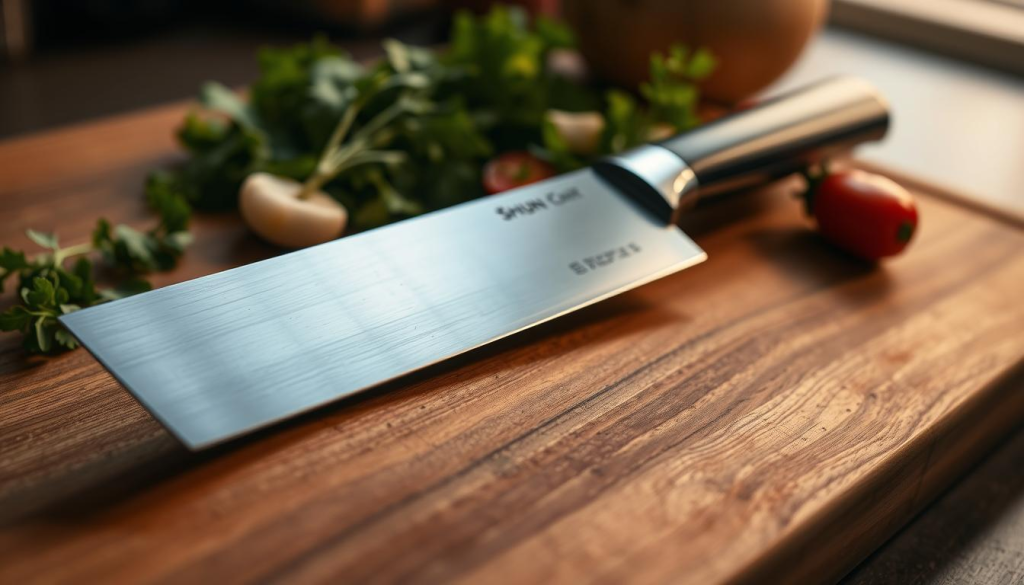
high quality Masamoto knife

Ergonomic Handle Design

The ergonomic design of Masamoto knife handles is another feature that sets them apart. Crafted to provide comfort and reduce hand fatigue, the handles are designed to fit comfortably in the hand, allowing for extended use without discomfort. This ergonomic design is particularly beneficial for chefs who spend long hours in the kitchen, as it helps to prevent strain and injury.

By combining exquisite blade material with an ergonomic handle design, Masamoto creates knives that are not only functional but also comfortable to use. This attention to detail and commitment to quality is what makes Masamoto knives the best Masamoto knife choice for many culinary professionals and enthusiasts.

Popular Masamoto Knives to Consider

In the realm of Japanese knives, Masamoto stands out, and within their lineup, certain knives are celebrated for their craftsmanship and functionality. Whether you’re a professional chef or an avid home cook, selecting the right Masamoto knife can elevate your culinary experience.

Masamoto VG Series: Quality and Performance

The Masamoto VG Series is renowned for its high-carbon stainless steel construction, ensuring sharpness and long-lasting performance. This series is ideal for those seeking a reliable knife that can handle a variety of kitchen tasks with ease.

“The VG Series has become a staple in my kitchen,” says a satisfied chef. “Its balance and sharpness make it a joy to use.” Such testimonials underscore the series’ reputation for quality.

Masamoto KS Series: Classic Gyuto Knife

The Masamoto KS Series is hand-forged, offering extreme sharpness and a refined finish. This classic Gyuto knife is designed for precision and control, making it a favorite among culinary professionals.

  • Hand-forged for exceptional quality
  • Refined finish for a comfortable grip
  • Ideal for precision cutting tasks

The Power of Nakiri Knives

Nakiri knives are designed for precise vegetable cutting, making them an indispensable tool for any kitchen. Masamoto’s Nakiri knives are crafted with the same attention to detail as their other models, ensuring a sharp, durable blade.

“A good Nakiri knife is essential for any serious cook. Masamoto’s version is among the best.”

Whether you’re preparing a simple salad or a complex vegetable dish, a Masamoto Nakiri knife can make the task easier and more enjoyable.

For those interested in purchasing a Masamoto knife, it’s essential to buy from authorized retailers to ensure authenticity. You can find more information on where to buy Masamoto knives online in our dedicated section.

Why Choose Japanese Knives?

With their unparalleled sharpness and precision, Japanese knives are a preferred choice among culinary professionals. The traditional Japanese Masamoto knife is a prime example of the country’s renowned knife-making tradition.

The art of crafting these knives involves techniques passed down through generations, reflecting a deep cultural significance in Japanese culinary arts. Let’s delve into the specifics of what makes Japanese knives stand out.

The Art of Precision Cutting

Japanese knives, particularly those from Masamoto, are celebrated for their precision cutting ability. This is largely due to the high-quality materials used and the meticulous craftsmanship involved in their production.

Precision cutting is not just about the knife’s sharpness; it’s also about the balance and ergonomics of the knife, allowing for smooth, controlled cuts. This precision is crucial in various culinary tasks, from slicing delicate sashimi to chopping vegetables.

authentic masamoto knife

Cultural Significance in Culinary Arts

In Japan, knives are not just tools; they are considered an extension of the chef’s artistry and a symbol of their professionalism. The authentic Masamoto knife embodies this cultural reverence for knife craftsmanship.

The cultural significance of Japanese knives is also reflected in the rituals and techniques surrounding their use. For instance, the way a knife is held, the angle of the cut, and even the maintenance of the knife are all steeped in tradition.

Aspect Traditional Japanese Knives Other Knives
Material High-carbon steel, known for its durability and sharpness Varied materials, sometimes less durable
Craftsmanship Meticulous, hand-crafted with traditional techniques Often mass-produced with less attention to detail
Cultural Significance Deep cultural and historical significance in Japan Limited cultural or historical context

Care and Maintenance for Longevity

Maintaining your high-quality Masamoto knife is crucial for its longevity and performance. A well-cared-for knife not only lasts longer but also continues to deliver exceptional cutting results. In this section, we’ll explore the essential care and maintenance techniques to keep your Masamoto knife in top condition.

Proper Cleaning Techniques

Cleaning your Masamoto knife immediately after use is vital. High-carbon steel knives require special care to prevent rust and maintain their sharpness. Here’s how to clean your knife properly:

  • Wipe the knife clean with a soft, dry cloth to remove any debris.
  • Wash the knife by hand using mild soap and warm water. Avoid using abrasive materials or putting it in the dishwasher.
  • Dry the knife thoroughly, especially the blade, to prevent rust.

Regular cleaning not only keeps your knife hygienic but also helps in maintaining its appearance and functionality.

How to Sharpen Your Masamoto Knife

Sharpening is an essential part of knife maintenance. The frequency of sharpening depends on how often you use your knife. For professional chefs, sharpening every 2-3 months is recommended.

Here’s a simple guide to sharpening your Masamoto knife:

Sharpening Method Description Recommended For
Whetstone A traditional method that allows for precise control over the sharpening angle. Professional chefs and serious home cooks.
Sharpening Steel Used for honing the knife’s edge between sharpenings. Daily maintenance for all users.
Electric Sharpener Convenient and easy to use, but may remove more metal than necessary. Home cooks looking for ease of use.

By following these care and maintenance tips, you can ensure your Masamoto knife remains a trusted companion in the kitchen for years to come. Regular cleaning and sharpening are key to maintaining its performance and longevity.

Where to Buy Authentic Masamoto Knives

To ensure you’re getting a real Masamoto knife, it’s crucial to buy from authorized retailers. With the rise of counterfeit products online, verifying the authenticity of your Masamoto knife is more important than ever.

Authorized Retailers in the U.S.

Masamoto knives are available at various authorized retailers across the United States. These retailers not only sell genuine products but also provide valuable customer service and support. Some of the well-known authorized retailers include specialty kitchen stores and online marketplaces that have a reputation for selling authentic culinary tools.

When shopping in-store, look for official branding and certification from Masamoto. Sales representatives should be knowledgeable about the products they are selling, including the materials used, the craftsmanship involved, and the warranty offered.

Retailer Location Products Offered
Kitchen Supply Co. New York, NY Masamoto VG, KS Series
Culinary World Los Angeles, CA Masamoto Nakiri, Gyuto
Chef’s Paradise Chicago, IL Masamoto VG, Nakiri

Online Shopping Tips for Quality Assurance

Buying Masamoto knives online can be convenient, but it requires caution. Here are some tips to ensure you’re purchasing an authentic product:

  • Check for official Masamoto branding on the retailer’s website.
  • Read customer reviews and check the retailer’s rating.
  • Verify the product’s description and packaging for any signs of tampering or alteration.
  • Ensure the website has a secure payment system.

By following these guidelines, you can confidently purchase an authentic Masamoto knife online. Remember, a genuine Masamoto knife is an investment in your culinary journey, and its quality and performance are well worth the effort to ensure its authenticity.

Customer Reviews and Testimonials

Masamoto knives have garnered a loyal following among chefs and home cooks alike, thanks to their exceptional quality and precision craftsmanship. But don’t just take our word for it – the overwhelmingly positive reviews from customers speak volumes about the brand’s commitment to excellence.

Satisfied Chefs and Home Cooks

Many customers rave about their Masamoto knife experiences, highlighting the precision cutting and ergonomic design that make cooking a joy. One satisfied customer noted, “My Masamoto knife has become an extension of my hand in the kitchen. It’s a game-changer for any chef, whether professional or amateur.”

“I’ve never felt such a connection to a knife before. The balance and sharpness are unparalleled.”

Alice, Professional Chef

Home cooks also appreciate the durability and ease of maintenance that Masamoto knives offer. “I’ve tried several other high-end knives, but none compare to the quality and performance of Masamoto,” said another customer.

The Value of a Lifetime Investment

Investing in a Masamoto knife is not just about purchasing a kitchen tool; it’s about enhancing your culinary experience. Customers often comment on the long-term value of their Masamoto knives, citing their durability and the fact that they remain sharp over time.

  • Long-lasting performance
  • Exceptional sharpness retention
  • Aesthetic appeal that adds to the kitchen ambiance

As one customer succinctly put it, “A Masamoto knife is a lifetime investment in your cooking. It’s worth every penny.”

Masamoto knife review

In conclusion, the Masamoto knife reviews and testimonials underscore the brand’s reputation for producing high-quality Masamoto knives. Whether you’re a seasoned chef or an enthusiastic home cook, these knives are sure to elevate your cooking experience.

Understanding Pricing and Value

The cost of a Masamoto knife is influenced by a combination of elements, including the quality of materials, the level of craftsmanship, and the brand’s heritage. Understanding these factors can help you make an informed decision when purchasing a Masamoto knife for sale.

Masamoto knife pricing factors

What Influences the Cost of Masamoto Knives?

Several key factors contribute to the pricing of Masamoto knives. These include:

  • The type and quality of materials used for the blade and handle.
  • The level of craftsmanship involved in forging and sharpening the knife.
  • The brand’s reputation and heritage in producing high-quality knives.
  • The complexity of the design and the precision required in its manufacture.

As Masamoto is a brand known for its commitment to quality and tradition, the cost reflects the value and performance you can expect from their knives.

Are They Worth the Investment?

While Masamoto knives may be more expensive than some other brands, they are considered a worthwhile investment by many chefs and home cooks. The durability, performance, and aesthetic appeal of these knives make them a valuable addition to any kitchen.

“A good knife is an investment, not an expense. It will last you for years and make a significant difference in your cooking experience.”

When considering the purchase of a best Masamoto knife, it’s essential to weigh the initial cost against the long-term benefits. For those who value high-quality cooking tools, Masamoto knives are definitely worth the investment.

Conclusion: Elevate Your Culinary Experience

Masamoto knives from Japan are renowned for their exceptional quality, precision, and durability. By choosing a handmade Masamoto knife, you’re investing in a tool that will enhance your culinary experience.

The craftsmanship that goes into creating each Masamoto knife is a testament to the brand’s commitment to excellence. With a range of styles and series to choose from, including the popular VG and KS series, there’s a Masamoto knife to suit every chef’s needs.

Investing in Quality Kitchen Tools

When you select a Masamoto knife, you’re not just buying a kitchen tool – you’re acquiring a partner in your culinary journey. The sharpness and balance of a Masamoto knife make cooking more enjoyable and efficient.

To ensure that your handmade Masamoto knife continues to perform at its best, proper care and maintenance are essential. By following the guidelines outlined in this article, you can enjoy your Masamoto knife for years to come.

Elevate your cooking with the precision and quality of a Masamoto knife from Japan. Discover the difference that a handmade Masamoto knife can make in your kitchen.

FAQ

What makes Masamoto knives so special?

Masamoto knives are renowned for their exceptional quality, precision, and traditional Japanese craftsmanship, making them a favorite among professional chefs and home cooks alike.

Are Masamoto knives handmade?

Yes, Masamoto knives are handmade using traditional techniques passed down through generations, ensuring a level of quality and attention to detail that is hard to find in mass-produced knives.

What is the difference between the VG and KS Series Masamoto knives?

The VG Series is known for its high-carbon stainless steel blade, offering excellent sharpness and corrosion resistance, while the KS Series features a classic gyuto design with a focus on traditional craftsmanship.

How do I care for my Masamoto knife?

To maintain your Masamoto knife, clean it by hand with mild soap and dry it thoroughly after use. Regular sharpening is also recommended to keep the blade in optimal condition.

Can I buy authentic Masamoto knives online?

Yes, you can buy authentic Masamoto knives online, but be sure to purchase from authorized retailers or reputable online sellers to ensure quality assurance and avoid counterfeit products.

Are Masamoto knives worth the investment?

Masamoto knives are considered a valuable investment for serious cooks due to their exceptional quality, durability, and performance, making them a worthwhile addition to any kitchen.

How do I know if my Masamoto knife is authentic?

To verify the authenticity of your Masamoto knife, look for the Masamoto logo or signature on the blade, check the packaging for any certificates of authenticity, and purchase from authorized dealers.

What is a Nakiri knife used for?

A Nakiri knife is a type of Japanese knife used primarily for cutting and preparing vegetables, featuring a straight blade edge that allows for precise, push-cutting motions.

Masamoto HC: Exceptional Japanese Craftsmanship for Your Kitchen


Discover the art of Japanese kitchen craftsmanship with Masamoto HC, renowned for its exceptional quality and precision. For those who appreciate the finer details in cooking, Japanese kitchen knives from Masamoto HC are the epitome of premium kitchen cutlery.

With a rich heritage in Japanese knife-making, Masamoto HC brings a tradition of excellence to modern kitchens. Their knives are crafted to provide chefs and home cooks alike with the tools needed to elevate their culinary skills.

Key Takeaways

What Makes Masamoto HC Knives Unique?

With a rich history spanning more than a century, Masamoto HC knives embody the essence of Japanese craftsmanship. For over 150 years, Masamoto has been dedicated to creating high-quality, handcrafted knives that adhere to traditional Japanese techniques.

The Legacy of Japanese Knife Making

Japanese knife making is an art form that has been refined over centuries. Masamoto HC knives are a testament to this legacy, combining traditional methods with modern precision. The brand’s commitment to preserving the heritage of Japanese knife making is evident in every detail of their products.

Traditional Techniques: Masamoto HC knives are crafted using techniques passed down through generations of Japanese artisans. This includes hand-forging and meticulous sharpening processes that ensure a level of quality and performance unmatched by many modern, mass-produced knives.

The Artisan Approach to Craftsmanship

The artisan approach is at the heart of Masamoto HC’s craftsmanship. Each knife is a result of careful selection of materials, precise craftsmanship, and a deep understanding of the needs of chefs and home cooks alike.

  • Handcrafted with precision and care
  • Materials selected for their quality and performance
  • Craftsmanship that reflects a deep understanding of culinary needs

By combining traditional techniques with a modern understanding of kitchen needs, Masamoto HC knives offer a unique blend of heritage and innovation. Whether you’re a professional chef or a passionate home cook, these knives are designed to elevate your cooking experience.

Materials Used in Masamoto HC Knives

Masamoto HC knives are renowned for their exceptional quality, thanks to the careful selection of materials. The choice of material plays a crucial role in determining the performance, durability, and overall value of a knife.

The primary material used in Masamoto HC knives is high-carbon steel, known for its hardness and ability to retain sharpness. High-carbon steel contains a higher percentage of carbon than other types of steel, which allows it to be hardened to a greater degree, making it ideal for knives that require a sharp edge.

High-Carbon Steel Explained

High-carbon steel is a type of steel that contains a high percentage of carbon, typically between 0.5% and 1.5%. This high carbon content gives the steel its hardness and allows it to hold a sharp edge. Masamoto HC knives, made from virgin high-carbon steel, are particularly noted for their sharpness and durability.

The benefits of using high-carbon steel in knives include:

  • Excellent sharpness and edge retention
  • High durability and resistance to wear
  • Ability to be sharpened to a fine edge

However, high-carbon steel can be prone to rust if not properly cared for. To mitigate this, many Masamoto HC knives feature a coating or are made with a combination of materials to enhance their resistance to corrosion.

Benefits of Stainless Steel in Knives

Some Masamoto HC models incorporate stainless steel to take advantage of its corrosion-resistant properties. Stainless steel contains a minimum of 10.5% chromium, which forms a protective layer on the surface, preventing rust and corrosion.

The use of stainless steel in knives offers several benefits, including:

Benefit Description
Corrosion Resistance Stainless steel is highly resistant to rust and corrosion, making it ideal for use in environments where moisture is present.
Ease of Maintenance Knives made from stainless steel are generally easier to clean and maintain than those made from high-carbon steel.
Durability Stainless steel knives are durable and can withstand heavy use without losing their edge.

high carbon steel knives

In conclusion, the materials used in Masamoto HC knives, particularly high-carbon steel and stainless steel, are chosen for their exceptional properties that enhance the performance and durability of the knives. Whether you’re a professional chef or a home cook, understanding the materials behind your knives can help you appreciate their value and care for them properly.

The Design Philosophy Behind Masamoto HC

The design philosophy behind Masamoto HC knives is rooted in the pursuit of balance, precision, and comfort. This approach ensures that every knife not only meets the high standards of Japanese craftsmanship but also enhances the cooking experience.

Masamoto HC knives are designed to provide a balanced feel that is crucial for precise cutting. The weight distribution in these knives is carefully calibrated to reduce fatigue during extended use, allowing chefs to work with ease and accuracy.

Balanced Weight and Precision

Achieving a balance between weight and precision is a hallmark of Masamoto HC’s design philosophy. The knives are crafted to have a perfectly balanced weight, enabling smooth, controlled movements. This balance is crucial for tasks that require precision, such as slicing or chopping ingredients.

The precision of Masamoto HC knives is also attributed to their sharp, high-quality edges. The high-carbon steel used in these knives retains its sharpness over time, ensuring consistent performance.

Feature Benefit
Balanced Weight Reduces fatigue and enhances control
Precision Edge Ensures accurate cutting and minimizes effort
Ergonomic Handle Provides comfort and reduces strain during use

Ergonomic Handles for Comfort

The ergonomic design of Masamoto HC knife handles is a key aspect of their overall design philosophy. The handles are crafted to fit comfortably in the hand, reducing strain and discomfort during prolonged use.

“A good knife is not just about the blade; it’s about how it feels in your hand.” –

Renowned Chef

The ergonomic handles of Masamoto HC knives are designed to provide a secure grip, allowing for precise control and maneuverability. This attention to detail in handle design contributes significantly to the overall cooking experience.

In conclusion, the design philosophy behind Masamoto HC knives is centered around creating a harmonious balance between form and function. By focusing on balanced weight, precision, and ergonomic comfort, Masamoto HC delivers exceptional handcrafted knives that are a joy to use.

Types of Knives Available in the Masamoto HC Line

For chefs and home cooks alike, Masamoto HC provides an array of knives that blend traditional craftsmanship with modern functionality. The range includes several types of knives, each designed to excel in specific culinary tasks.

Chef’s Knife: A Versatile Essential

The Chef’s Knife, also known as Gyuto, is a versatile tool in any kitchen. It is designed for chopping, slicing, and mincing ingredients with precision. Masamoto HC’s Chef’s Knife is crafted from high-carbon steel, ensuring durability and sharpness.

“A good knife is like a good friend; it becomes an extension of yourself,” says a renowned chef. The Masamoto HC Chef’s Knife embodies this philosophy, providing a balanced weight and precise edge that makes cooking a joy.

Paring Knife: Precision for Detail

The Paring Knife is an indispensable tool for tasks that require precision, such as coring fruit or trimming vegetables. Masamoto HC’s Paring Knife features a compact, ergonomic design that fits comfortably in the hand, allowing for intricate maneuvers with ease.

Masamoto HC Knives

Santoku Knife: The All-Purpose Companion

The Santoku Knife is another versatile option in the Masamoto HC lineup, known for its ability to chop, slice, and dice ingredients with minimal effort. Its straight edge and balanced design make it an ideal choice for a variety of kitchen tasks.

With Masamoto HC knives, cooks can experience the perfect blend of Japanese craftsmanship and modern design, enhancing their cooking experience.

How to Care for Your Masamoto HC Knives

The longevity of your Masamoto HC knives depends on how well you care for them, starting with the basics of cleaning and storage. Proper maintenance not only preserves their sharpness but also protects the high-carbon steel from rust and corrosion.

Proper Cleaning Techniques

Cleaning your Masamoto HC knives is a straightforward process that requires some care. Always hand wash your knives with mild soap and dry them immediately to prevent water spots. Avoid using a dishwasher, as the high heat and harsh detergents can damage the steel.

For tougher residue, a soft sponge or cloth can be used. Be sure to clean both the blade and the handle, as residue can accumulate in both areas. “A clean knife is a happy knife,” as many chefs say, highlighting the importance of regular and thorough cleaning.

Storage Solutions for Longevity

Storage is just as critical as cleaning when it comes to maintaining your Masamoto HC knives. Use a knife block or a magnetic strip to store your knives, keeping them organized and protected. Avoid storing knives loose in a drawer, as this can cause them to collide and become damaged.

“The way you store your knives says a lot about your professionalism in the kitchen,” notes a renowned chef. “Investing in a good knife block is investing in your craft.”

For those who prefer a more portable solution, consider a knife roll or case. These not only protect your knives during transport but also keep them organized and within easy reach.

By following these simple care guidelines, you can ensure that your Masamoto HC knives remain in excellent condition, serving you well for many years. The combination of high-quality materials and proper care makes these handcrafted knives a valuable addition to any kitchen.

Choosing the Right Masamoto HC Knife for You

Understanding your cooking style is key to selecting the ideal Masamoto HC knife. With a variety of knives available, each designed for specific tasks, identifying your cooking habits will help you make an informed decision.

Understanding Your Cooking Style

Your cooking style plays a significant role in determining the type of Masamoto HC knife that suits you best. Are you a home cook who occasionally prepares simple meals, or a professional chef who spends hours in the kitchen? Masamoto HC knives are designed to cater to both needs.

For those who frequently chop, slice, and dice ingredients, a chef’s knife or Santoku knife might be the most used tools in your kitchen. On the other hand, if you specialize in more delicate tasks, a paring knife could be your go-to.

Recommendations for Home Chefs vs. Professionals

Masamoto HC offers various series, including the HC series, which is suitable for both home cooks and professional chefs. For home chefs, a versatile knife that can handle multiple tasks is ideal. The Masamoto HC Santoku knife is a popular choice due to its balanced weight and precision.

Professional chefs, however, might prefer a more specialized knife. For instance, a Masamoto HC chef’s knife is perfect for those who need a reliable tool for heavy-duty chopping and slicing.

Cooking Level Recommended Knife Key Features
Home Chef Masamoto HC Santoku Balanced weight, precision, versatile
Professional Chef Masamoto HC Chef’s Knife Heavy-duty chopping, slicing, durable

Ultimately, the right Masamoto HC knife for you will depend on your specific needs and preferences. By understanding your cooking style and the tasks you perform most often, you can choose a knife that will enhance your cooking experience.

Masamoto HC vs. Other Knife Brands

Comparing Masamoto HC knives to other brands reveals a significant difference in craftsmanship and materials. While many knife brands offer quality products, Masamoto HC’s dedication to traditional Japanese craftsmanship and use of high-carbon steel sets it apart.

masamoto knives comparison

Quality Comparison with Global Brands

Masamoto HC knives are often compared to other renowned brands like Shun and Wüsthof. While these brands have their loyal followings, Masamoto HC stands out for its exceptional sharpness and durability. The use of high-carbon steel in Masamoto HC knives ensures they remain sharp longer and are easier to sharpen than many of their competitors.

  • Sharpness: Masamoto HC knives are known for their razor-sharp edges, outperforming many competitors.
  • Durability: The high-carbon steel used in Masamoto HC knives provides superior durability.
  • Craftsmanship: Each Masamoto HC knife is a testament to Japanese craftsmanship, with attention to detail that is hard to find elsewhere.

Price Point and Value for Money

One of the key factors that set Masamoto HC apart from its competitors is its value for money. While premium brands like Global and Zwilling J.A. Henckels can be quite expensive, Masamoto HC offers comparable quality at a more accessible price point.

  1. Masamoto HC knives are generally priced lower than premium brands, making them an attractive option for both professionals and home cooks.
  2. The durability and performance of Masamoto HC knives mean they require less frequent replacement, offering long-term savings.

In conclusion, when comparing Masamoto HC to other knife brands, it becomes clear that Masamoto HC offers an exceptional balance of quality, performance, and price. Whether you’re a professional chef or a serious home cook, Masamoto HC knives are definitely worth considering.

The Role of Masamoto HC in Culinary Arts

Masamoto HC knives have become an indispensable tool in kitchens around the world, revered for their exceptional craftsmanship and performance. These handcrafted knives embody the art of Japanese knife making, a tradition that emphasizes precision, quality, and functionality.

Masamoto HC knives

Trusted by Chefs Worldwide

Masamoto HC knives are trusted by professional chefs worldwide for their performance and quality. The brand’s commitment to using high-quality materials and traditional craftsmanship has earned it a loyal following among culinary professionals. Chefs appreciate the balance and precision these knives offer, allowing for more efficient and enjoyable cooking experiences.

Feature Benefit Chef’s Perspective
High-Carbon Steel Sharpness and Durability Ease of use and less maintenance
Ergonomic Handles Comfort and Control Reduced fatigue during long cooking sessions
Precision Edge Accuracy in Cutting Enhanced precision for intricate cuts

Enhancing Your Cooking Experience

Masamoto HC knives are designed to enhance your cooking experience by providing tools that are both functional and enjoyable to use. Whether you’re a professional chef or a home cook, these knives can elevate your culinary skills. The precision and balance of Masamoto HC knives make tasks like chopping, slicing, and dicing more efficient and precise.

By incorporating Masamoto HC knives into your kitchen, you can experience the difference that high-quality, handcrafted knives can make. The brand’s dedication to quality and performance has made it a leader in the world of culinary arts.

Customer Reviews and Testimonials

Customer satisfaction is a hallmark of Masamoto HC knives, as evidenced by the numerous testimonials from satisfied users. Both home cooks and professional chefs have praised these knives for their exceptional quality and performance.

Positive Feedback from Home Cooks

Home cooks have found Masamoto HC knives to be a valuable addition to their kitchen, praising their ease of use and the precision they bring to meal preparation. Many have noted that the ergonomic design of the handles makes them comfortable to hold and maneuver, even during extended cooking sessions.

“I’ve never cooked with such high-quality knives before. The Masamoto HC chef’s knife has become my go-to for everything from chopping vegetables to slicing meat.”

Emily R., Home Cook

The durability of Masamoto HC knives has also been a point of praise, with many users reporting that the knives remain sharp and in good condition even after repeated use and washing.

Professional Endorsements

Professional chefs have also endorsed Masamoto HC knives, citing their balanced weight, precision edge, and the overall craftsmanship. These professionals rely on their knives for daily tasks, and Masamoto HC has proven to be a trusted brand among them.

  • Precision Edge: Chefs appreciate the sharpness and precision of Masamoto HC knives, making tasks like filleting fish or chopping herbs with ease.
  • Balanced Weight: The balanced design of these knives reduces fatigue, allowing chefs to work for longer periods without strain.
Feature Home Cooks Professional Chefs
Ease of Use Highly praised for ergonomic design Appreciated for balanced weight
Precision Valued for precise cutting Essential for intricate culinary tasks
Durability Noted for maintaining sharpness Critical for withstanding heavy use

In conclusion, Masamoto HC knives have received widespread acclaim from both home cooks and professional chefs. Their premium quality, precision, and durability make them a valuable asset in any kitchen.

Where to Purchase Masamoto HC Knives

Masamoto HC knives can be found at various retailers, both online and in-store. Whether you’re a professional chef or a home cook, acquiring a Masamoto HC knife is a straightforward process thanks to the multiple purchasing options available.

Online Retailers vs. Brick-and-Mortar Stores

When it comes to buying Masamoto HC knives, you have the option to shop online or visit a physical store. Online retailers offer the convenience of shopping from anywhere, with the ability to read reviews and compare prices easily. On the other hand, brick-and-mortar stores allow you to handle the knives, feel their weight, and get a better sense of the craftsmanship before making a purchase.

Some popular online retailers include Amazon, Williams-Sonoma, and Sur La Table. For those who prefer to shop in-store, specialty kitchen stores and Japanese cultural centers are great places to explore.

What to Look for When Buying

Regardless of whether you choose to shop online or in-store, there are several factors to consider when purchasing a Masamoto HC knife. Ensure that you’re buying from an authorized dealer to guarantee authenticity. Check for any defects or damage to the knife, and verify that it comes with a proper warranty or guarantee.

Retailer Type Advantages Disadvantages
Online Retailers Convenience, Reviews, Price Comparison No Hands-on Experience, Potential Shipping Damage
Brick-and-Mortar Stores Hands-on Experience, Immediate Purchase Limited Selection, Potential Higher Prices

By considering these factors and choosing the right retailer for your needs, you can ensure a satisfying purchase experience with your Masamoto HC knife.

The Future of Masamoto HC and Japanese Knife Making

Masamoto HC is at the forefront of Japanese knife making, balancing heritage techniques with cutting-edge technology. As a renowned brand, Masamoto HC continues to innovate while preserving the traditional craftsmanship that has defined Japanese knives for centuries.

Innovations in Knife Technology

The world of kitchen cutlery is evolving, and Masamoto HC is leading the charge with advancements in high carbon steel knives. These innovations not only enhance the performance of their knives but also ensure they remain durable and resistant to corrosion. By incorporating modern materials and manufacturing techniques, Masamoto HC is able to produce premium kitchen cutlery that meets the demands of both professional chefs and home cooks.

Some of the key innovations include:

  • Advanced heat treatment processes to improve hardness and edge retention
  • Ergonomic handle designs for enhanced comfort and control
  • Integration of new materials for improved durability and aesthetics

Preserving Traditional Craftsmanship

Despite the advancements in technology, Masamoto HC remains committed to preserving the traditional craftsmanship that has made Japanese knives renowned worldwide. The brand continues to employ skilled artisans who meticulously craft each knife, ensuring that every piece meets the high standards associated with Masamoto HC.

By combining traditional techniques with modern innovations, Masamoto HC is able to offer a range of masamoto knives that are not only functional but also beautiful works of art. This blend of old and new ensures that Masamoto HC remains a leader in the world of Japanese knife making.

As the culinary world continues to evolve, Masamoto HC is poised to remain at the forefront, offering premium kitchen cutlery that inspires chefs and home cooks alike. With a commitment to both innovation and tradition, Masamoto HC is shaping the future of Japanese knife making.

The Joy of Cooking with Masamoto HC Knives

Cooking with Masamoto HC knives can elevate your home cooking experience, making every task a joy. These exceptional handcrafted knives are designed to provide precision and comfort, inspiring you to try new recipes and techniques.

Crafting Culinary Masterpieces

With a Masamoto HC knife, you’ll appreciate the balance of weight and precision that makes chopping, slicing, and mincing effortless. Whether you’re preparing a simple meal or a complex dish, these Japanese kitchen knives will become your trusted companions in the kitchen.

Exploring New Recipes

From delicate sashimi to hearty stews, Masamoto HC knives are perfect for a variety of cooking tasks. Try your hand at making homemade sushi with a masamoto chef knife, or experiment with intricate vegetable cuts that will add a touch of elegance to your dishes.

As you continue to cook with Masamoto HC knives, you’ll discover new joys in the kitchen and develop your own signature style. With their exceptional craftsmanship and performance, these knives will remain your trusted tools for years to come.

FAQ

What is Masamoto HC, and what type of knives do they produce?

Masamoto HC is a renowned brand that crafts high-quality, Japanese kitchen knives made from high-carbon steel, considered premium cutlery among professional chefs and home cooks alike.

What makes Masamoto HC knives unique compared to other brands?

Masamoto HC knives are distinguished by their exceptional craftsmanship, utilizing traditional Japanese knife-making techniques and high-carbon steel materials that provide superior sharpness and durability.

Are Masamoto HC knives available in different types, and what are their uses?

Yes, Masamoto HC offers a range of knives, including Chef’s Knives, Paring Knives, and Santoku Knives, each designed for specific cooking tasks, ensuring versatility and precision in the kitchen.

How do I care for my Masamoto HC knives to maintain their quality?

To maintain the quality of your Masamoto HC knives, it’s essential to follow proper cleaning techniques, such as hand washing and drying, and to store them in a protective environment to prevent damage.

What is the difference between high-carbon steel and stainless steel in Masamoto HC knives?

High-carbon steel is used in Masamoto HC knives for its exceptional sharpness and edge retention, while some models may feature stainless steel for added corrosion resistance, catering to different cooking needs and preferences.

How do I choose the right Masamoto HC knife for my cooking style?

To choose the right Masamoto HC knife, consider your cooking style, the types of ingredients you work with, and your personal preferences, and consult recommendations for home chefs and professionals to find the best fit.

Are Masamoto HC knives worth the investment compared to other brands?

Masamoto HC knives are considered a valuable investment due to their exceptional quality, durability, and performance, making them a worthwhile choice for both home cooks and professional chefs seeking premium kitchen cutlery.

Where can I purchase authentic Masamoto HC knives?

Authentic Masamoto HC knives can be purchased from authorized retailers, both online and in-store, and it’s essential to verify the seller’s authenticity and check for any certifications or guarantees to ensure a genuine product.

How do Masamoto HC knives contribute to the culinary world?

Masamoto HC knives are trusted by chefs worldwide for their exceptional quality and performance, enhancing the cooking experience and playing a significant role in the culinary arts.

What does the future hold for Masamoto HC and Japanese knife making?

Masamoto HC continues to balance innovation with traditional craftsmanship, ensuring the preservation of Japanese knife-making techniques while embracing advancements in knife technology to meet the evolving needs of chefs and home cooks.

What Knives Come in a Knife Set?


A well-stocked kitchen is unthinkable without a good set of knives. From preparing simple meals to intricate dishes, knives are an essential tool for any home cook or professional chef.

A typical knife set includes a variety of knives designed for specific tasks, making cooking and food preparation more efficient. Understanding the composition of a knife set is crucial for selecting the right tools for your kitchen.

Key Takeaways

  • Essential knives in a knife set include chef’s knives, paring knives, and serrated knives.
  • A well-rounded knife set can enhance cooking efficiency and precision.
  • Different types of knives are designed for specific tasks, such as chopping, slicing, and mincing.
  • Investing in a quality knife set is a worthwhile investment for any kitchen.
  • A good knife set can last for years with proper care and maintenance.

Introduction to Knife Sets

The right knife set can elevate your cooking experience, making meal preparation more efficient and enjoyable. A good knife set is more than just a collection of knives; it’s a toolkit that enhances your ability to prepare a variety of dishes.

What Is a Knife Set?

A knife set is a collection of knives designed to meet various kitchen needs. Typically, a professional knife set includes essential knives like a chef’s knife, paring knife, bread knife, utility knife, and steak knives. These knives are designed to work together to help you tackle different cooking tasks with ease.

Knife Type Primary Use
Chef’s Knife Chopping, slicing, and mincing ingredients
Paring Knife Peeling and coring fruit and vegetables
Bread Knife Slicing bread and pastries

Benefits of Having a Knife Set

Having a knife set provides several benefits, including having the right tool for the job, improving cooking efficiency, and enhancing the overall cooking experience. A good knife set can also be a valuable investment for any kitchen, providing a solid foundation for cooking techniques.

Some of the key benefits include:

  • Improved cooking efficiency
  • Better cooking results
  • Enhanced kitchen safety
  • A more enjoyable cooking experience

By investing in a quality knife set, you’re not just buying knives; you’re investing in your cooking skills and the overall quality of your meals.

Essential Knives in a Basic Set

When it comes to equipping your kitchen, understanding the essential knives in a basic set is crucial. A basic knife set forms the foundation of your kitchen’s cutting tools, enabling you to perform a variety of tasks with ease.

Chef’s Knife

The Chef’s Knife, also known as a cook’s knife, is a versatile tool used for chopping, slicing, and mincing ingredients. Its broad blade and curved edge make it ideal for rocking motions, allowing for efficient chopping of vegetables, meat, and other foods.

Paring Knife

A Paring Knife is a small, handy knife used for precision tasks such as peeling fruits and vegetables, trimming fat from meat, and other delicate cutting tasks. Its compact size and sharp edge make it perfect for detailed work.

Bread Knife

The Bread Knife is characterized by its serrated edge, which is designed to slice through bread without crushing it. This knife is essential for any kitchen, as it makes serving bread and pastries a straightforward task.

To illustrate the importance of these knives, consider the following table that highlights their primary uses:

Knife Type Primary Use
Chef’s Knife Chopping, slicing, mincing ingredients
Paring Knife Peeling fruits and vegetables, trimming fat
Bread Knife Slicing bread and pastries

essential knives in a knife set

In summary, a basic knife set that includes a Chef’s Knife, Paring Knife, and Bread Knife provides the fundamental tools needed for everyday cooking tasks. These knives are indispensable in any kitchen, offering the versatility and precision required for a wide range of culinary activities.

Specialty Knives for Specific Tasks

Specialty knives are the unsung heroes of any comprehensive knife set, offering precision and ease for particular culinary tasks. These knives are designed to perform specific functions, making them indispensable for both professional chefs and home cooks.

Fillet Knife

A fillet knife is a long, narrow, and flexible knife used primarily for filleting fish. Its design allows for smooth, precise cuts around bones and delicate flesh, ensuring that the fillets are intact and boneless. The flexibility of a fillet knife is key to its effectiveness, as it can be maneuvered with ease around the contours of fish.

Cleaver

A cleaver is a broad, heavy knife used for chopping through bones, meat, and vegetables. Its weight and broad blade make it ideal for tasks that require force, such as cutting through thick cuts of meat or crushing garlic. Cleavers are available in various sizes, with larger ones being more suited to heavy-duty tasks.

Jigsaw Knife

Though less common, a jigsaw knife or a curved blade knife is used for specific cutting tasks that require a curved motion. It’s particularly useful for cutting out intricate patterns or for tasks that require a high degree of precision and control.

Understanding the role of these specialty knives can significantly enhance your cooking experience. By having the right tool for the job, you can achieve more precise cuts, reduce preparation time, and improve the overall quality of your dishes.

Specialty Knife Primary Use Key Characteristics
Fillet Knife Filleting fish Long, narrow, flexible
Cleaver Chopping through bones and thick meat Broad, heavy, robust
Jigsaw Knife Cutting intricate patterns Curved blade, precise

By incorporating these specialty knives into your knife set, you’ll be better equipped to handle a variety of cooking tasks with ease and precision. Whether you’re a professional chef or an avid home cook, having the right knives for the job makes all the difference.

Knife Materials and Construction

Understanding the materials and construction of knives is crucial for selecting the right knife set. The durability, performance, and maintenance requirements of a knife are directly influenced by its material and how it’s constructed.

Stainless Steel vs. Carbon Steel

The blade material is a critical factor in a knife’s performance. Stainless steel and carbon steel are two of the most common materials used. Stainless steel is known for its resistance to corrosion, making it a great choice for those who live in humid environments or prefer less maintenance. On the other hand, high-carbon stainless steel offers a balance between durability and resistance to rust, making it a popular choice among chefs.

Carbon steel, while more prone to rust, is valued for its ability to hold a sharp edge and is often preferred by professional chefs who are willing to maintain their knives regularly. The choice between stainless steel and carbon steel ultimately depends on personal preference, cooking habits, and the level of maintenance one is willing to undertake.

Material Corrosion Resistance Sharpness Maintenance
Stainless Steel High Good Low
Carbon Steel Low Excellent High
High-Carbon Stainless Steel High Excellent Medium

Handle Materials: Wood, Plastic, and Metal

The handle material is just as important as the blade, affecting the comfort, grip, and overall usability of the knife. Common handle materials include wood, plastic, and metal. Wooden handles offer a traditional look and feel but may require more maintenance than other materials. Plastic handles are durable and easy to clean, making them a practical choice. Metal handles, often used in high-end knives, provide a solid feel and can be ergonomic but may become slippery when wet.

knife materials

When choosing a knife set, considering the handle material is crucial for ensuring that the knives are not only functional but also comfortable to use. Whether you prefer the classic look of wood, the durability of plastic, or the solidity of metal, there’s a handle material to suit your needs.

Size Matters: Choosing the Right Knife Sizes

Knife size plays a significant role in determining its usability. The right size can make a significant difference in your cooking experience, whether you’re chopping vegetables or slicing meat.

When it comes to essential knives in a knife set, the chef’s knife is a crucial component. Chef’s knives, in particular, come in a variety of sizes, ranging from as compact as 6 inches to as long as 12 inches. However, an 8-inch-long blade is often considered the sweet spot for most home cooks.

Common Sizes for Chef’s Knives

Chef’s knives are available in various sizes to suit different needs and preferences. Here are some common sizes:

  • 6 inches: Ideal for small tasks and precise cutting.
  • 8 inches: The most popular size for home cooks, offering a good balance between control and cutting capacity.
  • 10 inches: Preferred by professional chefs, providing a larger cutting surface.
  • 12 inches: Suitable for large or heavy-duty cutting tasks.

As noted by culinary experts, “The size of the knife you choose should depend on the tasks you perform most often.”

“A good chef’s knife should feel like an extension of your hand, allowing you to chop, slice, and dice with ease and precision.”

Importance of Knife Length

The length of a knife is crucial as it affects the cutting motion and the type of tasks it can perform. A longer knife can handle larger ingredients and make smoother, more even cuts. However, it may be less maneuverable for smaller tasks.

Knife Length Ideal Use
6-7 inches Precision tasks, small ingredients
8 inches General cooking, everyday tasks
10-12 inches Large ingredients, heavy-duty tasks

Choosing the right knife size is a personal decision that depends on your cooking habits and preferences. It’s essential to consider the types of tasks you perform most often and select a knife that feels comfortable and balanced in your hand.

knife sizes

Knife Set Styles and Configurations

Knife sets are available in a variety of styles and configurations, catering to different kitchen needs and personal preferences. The way your knives are stored and organized can significantly impact your kitchen’s functionality and aesthetic appeal.

Block Sets

Knife block sets are a classic choice, keeping your knives safe and organized while adding a touch of elegance to your countertop. They typically come with slots for different knives in a knife set, such as chef’s knives, paring knives, and bread knives.

Magnetic Strips

Magnetic knife holders, on the other hand, save counter space and look sleek. They are ideal for kitchens where space is limited, and they can be mounted on a wall or under a cabinet, providing easy access to your knives.

Drawer Inserts

Drawer inserts are another practical option for storing knives. They keep your knives organized and protected within your drawer, preventing them from getting damaged or causing accidents.

When choosing a knife set style, consider your kitchen setup and personal preference. Here’s a comparison of the different configurations:

Configuration Space Efficiency Aesthetic Appeal Ease of Access
Block Sets Moderate High Easy
Magnetic Strips High Moderate Easy
Drawer Inserts High Low Moderate

different knives in a knife set

In conclusion, the style and configuration of your knife set should align with your kitchen’s layout and your cooking habits. Whether you opt for a block set, magnetic strip, or drawer insert, ensure that it meets your needs for accessibility, safety, and style.

Caring for Your Knife Set

Maintaining your knife set is crucial for both performance and longevity. A well-cared-for knife is not only more effective but also safer to use. Regular maintenance involves cleaning, sharpening, and proper storage.

Proper Cleaning Techniques

Cleaning your knives immediately after use is vital. Food particles, especially acidic or salty substances, can damage the blade if left to sit. Use mild soap and warm water, and dry the knives thoroughly to prevent rust.

Tips for Cleaning:

  • Wash knives individually to prevent scratching.
  • Avoid using abrasive materials that can damage the blade.
  • Dry knives immediately after washing to prevent water spots.

Sharpening Your Knives

Sharpening is an essential part of knife maintenance. A dull knife is not only less effective but also more dangerous, as it requires more force to cut, increasing the risk of accidents.

Regular honing is your knife’s morning stretch. Using a honing rod, you keep the blade aligned and ready for action. Sharpening, on the other hand, involves removing metal to restore the blade’s edge.

Sharpening Method Description Frequency
Honing Realignment of the blade’s edge Before each use
Whetstone Sharpening Removal of metal to restore edge Every few months
Electric Sharpening Automated sharpening process As needed

By incorporating these care and maintenance practices into your routine, you can extend the life of your knives and ensure they continue to perform optimally.

Understanding Knife Types by Cuisine

Understanding the types of knives used in different cuisines can enhance your cooking experience. Different cuisines often have their own preferred types of knives, reflecting the specific cooking techniques and ingredients used.

Asian Knives

Asian knives, such as the Santoku, are known for their thin, lightweight design and are ideal for precise cutting. These knives are typically made from high-carbon steel, which retains sharpness and is durable.

  • Santoku Knives: Ideal for chopping, slicing, and mincing vegetables and meat.
  • Nakiri Knives: Designed for vegetable preparation, with a straight edge for precise cuts.

European Knives

European knives, on the other hand, are often thicker and more robust. They are designed for heavy-duty chopping and are typically made from stainless or high-carbon steel.

  • Chef’s Knives: Versatile knives used for a variety of tasks, from chopping to slicing.
  • Bread Knives: Serrated knives designed specifically for cutting through bread without crushing it.

By understanding the different types of knives associated with various cuisines, you can choose the right knives for your cooking style, enhancing your overall culinary experience.

How to Choose the Right Knife Set

Understanding your cooking habits and preferences is key to selecting a knife set that truly meets your needs. Choosing a professional knife set isn’t just about picking the sharpest one off the shelf; it involves considering several critical factors.

Factors to Consider: Budget, Usage, and Quality

When selecting a knife set, there are several factors to keep in mind, including budget, usage, and quality. Your budget will help narrow down the options, while your usage will dictate the types of knives you need. Quality is also crucial as it affects the durability and performance of the knives.

Here are some key considerations:

  • Handle Material: The material of the handle can affect comfort and durability. Common materials include wood, plastic, and metal.
  • Blade Material: The blade material impacts the knife’s sharpness and resistance to corrosion. Stainless steel and carbon steel are popular choices.
  • Balance and Weight: A well-balanced knife with appropriate weight can enhance your cutting experience.
  • Edge Retention and Sharpness: The ability of the knife to retain its sharpness is vital for efficient cutting.
Factor Description Importance
Handle Material Affects comfort and durability High
Blade Material Impacts sharpness and corrosion resistance High
Balance and Weight Enhances cutting experience Medium
Edge Retention Affects how often you need to sharpen High

Recommended Brands for Knife Sets

Several reputable brands offer high-quality knife sets. Some of the top recommendations include:

  • Wüsthof
  • Shun
  • Zwilling J.A. Henckels
  • Victorinox

These brands are known for their quality, durability, and performance. When choosing a brand, consider your budget and the specific needs you have for your knife set.

Enhancing Your Kitchen with Additional Knives

Once you’re comfortable with your basic knife set, considering additional specialty knives can enhance your culinary skills. Specialty knives are designed for specific tasks, making them invaluable for serious cooks.

Specialty Knives to Consider

Depending on your cooking style, you might need specific knives. For instance, if you’re a fan of sushi, a Japanese knife set with a Santoku knife is a game-changer. Other specialty knives worth considering include:

  • A fillet knife for delicate fish filleting
  • A cleaver for chopping through bones and thick vegetables
  • A boning knife for precision meat preparation

When to Invest in High-End Knives

Investing in high-end knives can be a consideration, especially if you’re looking for superior quality and performance. High-end knives are typically made with premium materials and craftsmanship, offering:

  • Enhanced durability and resistance to wear
  • Superior sharpness and edge retention
  • Ergonomic design for comfort and reduced fatigue

For professional chefs or serious cooking enthusiasts, high-end knives can be a worthwhile investment, providing a significant improvement in cooking experience and results.

Conclusion: Embrace the Variety in Your Knife Set

A well-rounded knife set is an essential tool for any kitchen, providing the versatility needed for various cooking tasks. By understanding what knives are included in a knife set and their specific uses, you can significantly enhance your cooking experience and efficiency.

The knives in a knife set, ranging from chef’s knives to specialty knives, are designed to cater to different culinary needs. Embracing this variety and continuing to learn about the different types of knives and their applications will make you a more confident and skilled cook.

Whether you’re preparing a simple meal or experimenting with complex recipes, having the right knives included in a knife set can make all the difference. So, explore your knife set, understand the role of each knife, and enjoy the process of refining your cooking skills.

FAQ

What are the essential knives in a basic knife set?

The essential knives in a basic set include the chef’s knife, paring knife, and bread knife. These knives form the foundation of any kitchen, providing the necessary tools for everyday cooking.

What is the purpose of a fillet knife?

A fillet knife is flexible and thin, making it perfect for filleting fish. Its design allows for precise cuts and helps to remove bones and skin with ease.

What are the benefits of having a knife set?

Having a knife set provides several benefits, including having the right tool for the job, improving cooking efficiency, and enhancing the overall cooking experience.

What materials are commonly used in knife construction?

Stainless steel and carbon steel are two popular materials used in knife construction, each with its own advantages. The handle material, whether wood, plastic, or metal, also plays a significant role in the overall usability and comfort of the knife.

How do I choose the right knife set for my needs?

Selecting the right knife set involves considering several factors, including budget, usage, and quality. Understanding your cooking needs and preferences can help you make an informed decision.

What are the different types of knife sets available?

Knife sets come in various styles and configurations, including block sets, magnetic strips, and drawer inserts. Each style has its own advantages, from the classic and elegant block sets to the space-saving magnetic strips.

How do I care for my knife set?

Proper care and maintenance are essential for extending the life of your knives. Regular cleaning and sharpening are crucial for maintaining the performance and longevity of your knife set.

What are the common sizes for chef’s knives?

Chef’s knives range in size from 6 to 12 inches, with 8 inches being a popular choice for home cooks. The length of the knife is important, as it affects the cutting motion and the type of tasks it can perform.

Are there different types of knives for different cuisines?

Yes, different cuisines often have their own preferred types of knives, reflecting the specific cooking techniques and ingredients used. Understanding these differences can help you choose the right knives for your cooking style.

Knives Gordon Ramsay Uses


Gordon Ramsay is known for his high culinary standards, and his choice of knives is no exception. He endorses top brands like HexClad, Wüsthof, and Shun, emphasizing the importance of quality in the kitchen.

The right knife set can make a significant difference in cooking, and Gordon Ramsay’s recommendations are highly regarded. For home cooks, investing in a good set of knives is essential for preparing meals efficiently and safely.

Key Takeaways

  • Gordon Ramsay endorses high-quality knife brands.
  • The right knives improve cooking efficiency and safety.
  • Top brands like HexClad, Wüsthof, and Shun are recommended.
  • Investing in a good knife set is crucial for home cooks.
  • Gordon Ramsay’s recommendations are highly regarded in the culinary world.

The Importance of Quality Knives in Cooking

For professional chefs, investing in high-quality knives is not just a preference, it’s a necessity. Gordon Ramsay often emphasizes that a good chef is only as good as their knives, underlining the critical role that quality knives play in cooking.

Why Professional Chefs Invest in Quality

Professional chefs like Gordon Ramsay invest in high-quality knives because they understand the impact these tools have on their work. A good knife is an extension of the chef’s hand, allowing for precision, control, and efficiency in food preparation.

The durability and performance of high-quality knives mean that chefs can rely on them for consistent results. This reliability is crucial in a fast-paced kitchen environment where precision and speed are paramount.

How Knives Impact Culinary Skills

The type of knife used can significantly affect a chef’s ability to prepare ingredients. A sharp, well-balanced knife makes tasks like chopping, slicing, and dicing easier and more efficient, allowing chefs to focus on the creative aspects of cooking.

Knife Type Culinary Task Benefit
Chef’s Knife Chopping, Slicing Versatility and Efficiency
Paring Knife Peeling, Coring Precision and Control
Serrated Knife Slicing Bread, Tomatoes Clean Cuts without Crushing

By using the right knife for the task, chefs can enhance their culinary skills, creating dishes that are not only delicious but also visually appealing. The importance of quality knives in cooking cannot be overstated, as they are fundamental tools that every professional chef relies on.

Gordon Ramsay’s Go-To Knife Brands

Gordon Ramsay’s kitchen is equipped with knives from top brands that he trusts for their exceptional quality. When it comes to cooking, having the right tools is essential, and for Ramsay, the knife is a fundamental instrument that can make or break a dish.

Gordon Ramsay recommended knives

Global Knives: A Chef’s Favorite

Global knives are renowned for their sharpness and durability, characteristics that have made them a favorite among professional chefs, including Gordon Ramsay. The unique edge retention and comfortable handle design make Global knives ideal for a variety of kitchen tasks, from chopping vegetables to slicing meat.

Wüsthof: The Epitome of Precision

Wüsthof is another brand that has earned Gordon Ramsay’s endorsement. Known for their precision and high-quality craftsmanship, Wüsthof knives are designed to provide chefs with the control they need to prepare intricate dishes. The brand’s commitment to excellence is evident in the fine detail of their knives, making them a staple in many professional kitchens.

Shun: Japanese Craftsmanship

Shun knives, with their exquisite Japanese craftsmanship, are highly regarded by Gordon Ramsay for their exceptional sharpness and aesthetic appeal. The use of premium materials and traditional techniques results in knives that are not only functional but also beautiful pieces of art. Shun knives are particularly noted for their ability to maintain a sharp edge, a critical feature for any chef.

In conclusion, Gordon Ramsay’s preference for knife brands like Global, Wüsthof, and Shun underscores the importance of quality in kitchen tools. These brands have earned their place in Ramsay’s kitchen through their commitment to excellence and the value they bring to the cooking process.

Essential Knife Types for Home Cooks

Home cooks can significantly enhance their cooking experience by investing in a few essential knives, according to Gordon Ramsay. Having the right tools in the kitchen can make a significant difference in cooking techniques and overall efficiency.

Chef’s Knife: The Versatile Workhorse

The Chef’s Knife is considered the most versatile knife in the kitchen. It is used for chopping, slicing, and mincing ingredients. Gordon Ramsay recommends a high-quality Chef’s Knife as it is indispensable for various cooking tasks.

When choosing a Chef’s Knife, consider the material and the balance of the knife. A well-balanced knife with a high-carbon stainless steel blade is ideal for most cooking tasks.

Paring Knife: The Small But Mighty Tool

A Paring Knife is small but incredibly useful for tasks that require precision, such as peeling fruits and vegetables or cutting small pieces of meat. Its compact size allows for more control, making it a favorite among chefs.

Gordon Ramsay often emphasizes the importance of a good Paring Knife for detailed work in the kitchen.

Serrated Knife: Perfect for Bread and Tomatoes

The Serrated Knife is designed for cutting through foods with a hard exterior and soft interior, such as bread and tomatoes. The serrated edge helps to prevent crushing and provides a clean cut.

This type of knife is particularly useful for home cooks who frequently work with bread or need to slice through tomatoes without damaging them.

By equipping your kitchen with these essential knives, you’ll be well on your way to improving your cooking skills, just as Gordon Ramsay recommends. Investing in gordon ramsay kitchen knives or similar high-quality options can elevate your culinary experience.

How to Choose the Right Knife for You

Choosing the perfect knife involves more than just picking the sharpest one; it’s about comfort, material, and maintenance. Gordon Ramsay emphasizes that a good knife is an essential tool in the kitchen, and selecting the right one can elevate your cooking experience.

Handle Comfort and Grip

The comfort of a knife’s handle is crucial, as it directly affects how you wield the knife. Gordon Ramsay recommends looking for knives with ergonomic handles that fit comfortably in your hand, reducing fatigue during prolonged use. The material of the handle is also important; it should be durable and resistant to wear and tear.

When testing a knife, pay attention to how it feels in your hand. A good handle should allow for a firm grip without causing discomfort. Some knives come with textured handles or contoured designs that enhance grip, especially when your hands are wet or oily.

Blade Material and Maintenance

The blade material is another critical factor. High-carbon stainless steel is a popular choice among professional chefs, including Gordon Ramsay, due to its durability, resistance to corrosion, and ability to hold a sharp edge. The thickness and hardness of the blade also play significant roles in its performance.

Maintenance is key to extending the life of your knife. Regular sharpening is essential to keep the blade in optimal condition. Gordon Ramsay advises chefs to sharpen their knives regularly and to store them properly to prevent damage. A well-maintained knife not only performs better but also lasts longer.

By considering these factors—handle comfort, blade material, and maintenance—you can choose a knife that meets your cooking needs and enhances your culinary skills. Whether you’re a home cook or a professional chef, investing in a high-quality knife is a decision that will pay off in the long run.

The Role of a Good Knife in Meal Prep

A good knife is the backbone of any kitchen, and Gordon Ramsay swears by its importance in meal preparation. Having the right knife can make a significant difference in how efficiently you can prepare meals.

Gordon Ramsay kitchen knives

When it comes to meal prep, a quality knife simplifies tasks such as slicing and dicing ingredients. Gordon Ramsay kitchen knives are designed to make these tasks easier and more efficient. With a sharp, high-quality knife, home cooks can achieve professional-level results.

Slicing and Dicing with Ease

Slicing and dicing are fundamental tasks in meal preparation. A good knife allows for precision cutting, making it easier to prepare ingredients uniformly. This not only improves the presentation of the dish but also ensures that ingredients cook evenly.

“A good knife is like a good friend in the kitchen; it makes everything easier.” – Gordon Ramsay

Speeding Up Cooking Time

Using the best knives for home cooks can significantly speed up cooking time. When knives are sharp and well-maintained, tasks are completed more quickly, allowing for faster meal preparation. This is particularly important for home cooks who need to prepare meals efficiently.

Investing in high-quality knives for cooking is a step towards improving overall cooking efficiency. Gordon Ramsay recommends using knives that are not only sharp but also comfortable to hold, as they make a big difference in meal prep.

Tips for Maintaining Your Knives

Gordon Ramsay stresses that maintaining your knives is crucial for optimal performance in the kitchen. A well-maintained knife not only enhances your cooking experience but also prolongs the life of the blade.

Regular Sharpening Techniques

Regular sharpening is essential to keep your knives in top condition. Gordon Ramsay recommends using a whetstone or a sharpening steel to hone your knives regularly. For a gordon ramsay recommended knife, maintaining the edge is vital for precision cutting.

  • Use a coarse grit whetstone (about 1000 grit) for repairing damaged blades.
  • Switch to a finer grit whetstone (6000-8000 grit) for polishing and final sharpening.
  • Sharpen your knife at a consistent angle to maintain evenness.

gordon ramsay knife sharpening

Proper Cleaning and Storage

Proper cleaning and storage are just as important as sharpening. After each use, clean your professional chef knives gordon ramsay style with mild soap and dry them thoroughly to prevent rust.

Cleaning Method Storage Recommendation
Mild soap and water Store in a dry place, away from children
Avoid dishwasher use Use a knife block or magnetic strip
Dry thoroughly after washing Keep knives separate to avoid damage

Investing in a high-quality knife set like those recommended by Gordon Ramsay is just the first step; proper care ensures they remain in excellent condition for years to come.

The Influence of Gordon Ramsay on Culinary Tools

Gordon Ramsay’s culinary empire has significantly influenced the way chefs and home cooks approach kitchen tools. Through his TV shows and kitchen recommendations, Gordon Ramsay has become a pivotal figure in promoting quality culinary tools.

Gordon Ramsay kitchen knives

Promoting Quality Knives Through His Shows

Gordon Ramsay’s TV shows have been instrumental in highlighting the importance of quality knives in cooking. On his shows, he often emphasizes the need for sharp, durable, and well-balanced knives, showcasing brands like Wüsthof and Shun. By doing so, he has not only educated viewers on the significance of good knives but also influenced the culinary industry’s standards.

The exposure given to specific knife brands on his shows has led to increased popularity and sales for those brands. For instance, his endorsement of Global Knives has made them a favorite among many professional chefs and home cooks alike.

Knives from Ramsay’s Kitchen

Gordon Ramsay’s kitchen is equipped with a variety of knives, each chosen for its specific qualities. His preference for certain types of knives, such as the chef’s knife and paring knife, has made these tools staples in many kitchens. The chef’s knife, in particular, is highlighted for its versatility and importance in meal preparation.

For home cooks looking to upgrade their kitchen tools, considering the best knives for home cooks as recommended by professionals like Gordon Ramsay can be a good starting point. Brands and types endorsed by him are often considered top-tier in terms of quality and performance.

By understanding Gordon Ramsay’s influence on culinary tools, particularly knives, home cooks and chefs can make informed decisions about the tools they use, potentially elevating their cooking experience.

Recommended Knives from Gordon Ramsay

For professional chefs and home cooks alike, Gordon Ramsay’s recommended knives are worth considering. Gordon Ramsay endorses specific knives that have become staples in many professional kitchens.

The Signature Chef’s Knife Explained

Gordon Ramsay often recommends the HexClad Master Series Japanese Damascus Steel Knife Set for its exceptional quality and performance. This knife set is celebrated for its sharpness, durability, and ergonomic design.

“A good knife is an extension of your hand,” Ramsay says. “It should feel balanced and comfortable, allowing you to chop, slice, and dice with precision.”

“The HexClad knives are a game-changer. They offer the perfect blend of Japanese craftsmanship and modern technology.”

The Utility of a Santoku Knife

The Santoku knife, a staple in Japanese kitchens, is another favorite among chefs. Its straight edge and balanced weight make it ideal for slicing, dicing, and mincing. Gordon Ramsay appreciates the versatility of the Santoku knife, often using it for various tasks in his kitchen.

  • The Santoku knife excels at chopping vegetables with precision.
  • Its flat profile makes it perfect for slicing meat and fish.
  • The ergonomic handle provides comfort during extended use.

By incorporating these high-quality knives into your cooking routine, you can enhance your culinary skills and make meal preparation more efficient. Gordon Ramsay’s recommendations are based on his extensive experience in professional kitchens, making them a valuable resource for anyone looking to upgrade their knife collection.

Knife Safety: Best Practices in the Kitchen

For Gordon Ramsay, the key to a safe kitchen environment starts with how you handle your knives. Ensuring that you’re using your Gordon Ramsay kitchen knives correctly is not just about technique, but also about safety.

Handling and Usage Tips

When handling chef knives recommended by Gordon Ramsay, it’s crucial to maintain a firm grip, with your fingers curled under and your thumb on the blade’s spine for control. Always cut away from your body to prevent accidents.

Using the right cutting board is also vital. A wooden or plastic cutting board is recommended over metal or glass, as they can dull your high-quality knives for cooking. Moreover, keeping your knives sharp is a safety measure; a dull knife is more likely to slip and cause injury.

  • Always cut on a stable surface.
  • Keep your fingers curled under and out of the knife’s path.
  • Use a knife that’s appropriate for the task.

Storage Solutions to Avoid Accidents

Proper storage of your best knives for home cooks is essential to prevent accidents, especially in households with children. Using a knife block or a magnetic strip can keep your knives organized and out of reach.

When storing your knives, ensure they are clean and dry to prevent rust or bacterial growth. A knife roll or case can also be a good investment for protecting your blades and keeping them safe.

By following these guidelines, you can significantly reduce the risk of accidents in the kitchen, making cooking a safer and more enjoyable experience. Whether you’re a professional chef or a home cook, handling your knives with care and storing them properly is a habit worth cultivating.

Conclusion: Elevate Your Cooking with Quality Knives

Gordon Ramsay’s emphasis on quality knives underscores their significance in culinary success. Investing in a good gordon ramsay recommended knives set can transform your cooking experience.

Culinary Success Starts with the Right Tools

Professional chefs like Gordon Ramsay rely on high-quality knives for cooking to deliver exceptional results. A gordon ramsay knife set typically includes a range of knives that cater to different cooking needs, from chopping to slicing.

Investing in Professional Chef Knives

When selecting professional chef knives gordon ramsay recommends, consider factors like blade material, handle comfort, and maintenance. By choosing the right knives, home cooks can enhance their culinary skills and efficiency in the kitchen.

Ultimately, quality knives are an investment in your cooking journey. By understanding the importance of these tools and incorporating them into your kitchen, you can elevate your cooking and achieve culinary success.

FAQ

What kind of knives does Gordon Ramsay use in his kitchen?

Gordon Ramsay recommends using high-quality knives from brands like Wüsthof, Shun, and Global, which are known for their exceptional craftsmanship and durability.

Why are quality knives important for cooking?

Quality knives are essential for cooking because they make tasks like slicing and dicing easier, faster, and more precise, ultimately impacting a chef’s performance and culinary skills.

What are the essential knife types for home cooks?

Home cooks should have a chef’s knife, paring knife, and serrated knife in their kitchen, as these knives are versatile and can be used for a variety of tasks, from chopping vegetables to slicing bread.

How do I choose the right knife for my needs?

When choosing a knife, consider factors like handle comfort, blade material, and maintenance, as these will impact the knife’s performance and longevity.

How often should I sharpen my knives?

Knives should be sharpened regularly to maintain their edge and performance, with the frequency depending on usage, but generally every few months.

What are some tips for maintaining my knives?

To maintain your knives, regularly sharpen them, clean them properly, and store them in a dry place, away from other utensils that could cause damage.

How has Gordon Ramsay influenced the use of quality knives in cooking?

Through his TV shows and kitchen recommendations, Gordon Ramsay has promoted the use of quality knives, highlighting their importance in cooking and inspiring home cooks to invest in top-notch knives.

What are some of the best knives recommended by Gordon Ramsay?

Gordon Ramsay recommends knives like the Wüsthof Classic Ikon 8-Inch Cook’s Knife and the Shun DM0706 Classic Santoku Knife, which are known for their exceptional quality and performance.

How can I ensure knife safety in the kitchen?

To ensure knife safety, handle knives with care, store them properly, and keep them out of reach of children to prevent accidents.

What are the benefits of using a chef’s knife?

A chef’s knife is a versatile tool that can be used for a variety of tasks, from chopping vegetables to slicing meat, making it an essential knife for home cooks.

Are high-carbon stainless steel knives worth the investment?

Yes, high-carbon stainless steel knives are worth the investment because they offer excellent durability, resistance to corrosion, and sharpness retention, making them a valuable addition to any kitchen.

Explore the Key Types of Knives Found in a Knife Set


Having the right knives in your kitchen can make a significant difference in your cooking experience. A well-stocked knife set is essential for any home cook or professional chef.

A good knife set includes a variety of knives, each designed for specific tasks. From chopping and slicing to mincing and carving, the right knife can make a task easier and more efficient.

Understanding the different best knife types and their uses is crucial for getting the most out of your kitchen.

Key Takeaways

  • Understanding the importance of a well-stocked knife set.
  • Learning about the different types of knives and their uses.
  • Discovering how to choose the right knife for the task.
  • Exploring the benefits of having a variety of knives.
  • Enhancing your cooking experience with the right knives.

Understanding the Basics of a Knife Set

The foundation of any kitchen lies in its knife set, and understanding its components is crucial. A typical knife set is designed to equip you with the right tools for various culinary tasks, making cooking more efficient and enjoyable.

https://www.youtube.com/watch?v=8wgc7rv5WJc

What Constitutes a Knife Set?

A standard knife set includes a variety of knives, each designed for specific tasks. The essential knife types usually found in a set include:

  • A chef’s knife for chopping and slicing
  • A paring knife for peeling and coring fruit and vegetables
  • A bread knife for slicing bread and pastries
  • A utility knife for various tasks that require a knife between a chef’s knife and a paring knife in size

These common types of knives form the backbone of any kitchen, allowing for a wide range of cooking activities.

Importance of Knife Variety

Having a variety of knives is important because different knives are designed to perform different tasks efficiently. For instance, a chef’s knife is ideal for chopping vegetables, while a bread knife is better suited for slicing through crusty bread without crushing it.

As noted by culinary experts, “A good knife is not just a tool, it’s an extension of your hand.” This emphasizes the importance of choosing the right knife for the task at hand. The variety in a knife set ensures that you are well-equipped to handle any culinary challenge.

The importance of knife variety can be further understood by considering the following points:

  1. Efficiency: The right knife makes tasks easier and faster.
  2. Precision: Different knives offer varying levels of precision, crucial for specific dishes.
  3. Safety: Using the appropriate knife reduces the risk of accidents.

Chef’s Knife: The All-Purpose Workhorse

In the world of culinary arts, the chef’s knife is revered for its multifunctionality. It is a versatile tool used for chopping, slicing, and mincing ingredients, making it an indispensable asset in any kitchen.

Features of a Chef’s Knife

A high-quality chef’s knife is characterized by its balanced design, sharp edge, and comfortable grip. The blade material is typically made from high-carbon stainless steel, known for its durability and resistance to corrosion.

The edge type can vary, with straight-edge knives offering precision and serrated-edge knives providing better grip on certain foods. The handle is designed for comfort and control, often made from materials like wood, plastic, or metal.

Feature Description Benefit
Blade Material High-carbon stainless steel Durable and resistant to corrosion
Edge Type Straight or serrated Precision cutting or better grip
Handle Material Wood, plastic, or metal Comfort and control

Best Uses for a Chef’s Knife

The chef’s knife is designed for a variety of tasks, including chopping vegetables, slicing meat, and mincing herbs. Its versatility makes it a go-to knife for many chefs.

  • Chopping vegetables for soups and salads
  • Slicing meat for roasts and sandwiches
  • Mincing herbs for marinades and sauces

By mastering the use of a chef’s knife, cooks can enhance their efficiency and precision in the kitchen, making it an essential tool for anyone who enjoys cooking.

Paring Knife: Precision at Your Fingertips

A paring knife is a small but mighty addition to any knife set, offering versatility and precision. It’s designed for tasks that require a delicate touch, making it an essential tool for any kitchen.

Key Attributes

The characteristics of a paring knife include its small size, typically with a blade length of 2 to 4 inches, and its sharp, pointed tip. This design allows for precise control and maneuverability, making it ideal for intricate tasks.

Key Features of a Paring Knife:

  • Compact size for precision handling
  • Sharp, pointed tip for detailed work
  • Versatile for various kitchen tasks

Practical Applications

Paring knives are used for a variety of tasks, including peeling and coring fruits and vegetables, trimming fat from meat, and even decorating dishes with precision cuts. Their versatility makes them a favorite among chefs and home cooks alike.

As culinary expert, Harold McGee, once noted, “The paring knife is a versatile tool that can be used for a multitude of tasks, from the simple to the intricate.”

“The right knife can make all the difference in the kitchen, and a good paring knife is no exception.”

Here’s a comparison of different paring knife types:

Paring Knife Type Blade Length Best Use
Standard Paring Knife 2-3 inches General peeling and coring
Bird’s Beak Paring Knife 2-3 inches Coring and making decorative cuts

paring knife precision

In conclusion, a paring knife is a valuable addition to any kitchen, providing the precision needed for a variety of tasks. Whether you’re a professional chef or a home cook, understanding the uses and benefits of a paring knife can elevate your cooking experience.

Bread Knife: Slicing with Ease

In the world of kitchen knives, the bread knife stands out for its unique serrated design. A bread knife is a specialized tool, designed to slice through bread and other baked goods with minimal crushing or tearing.

Serrated Edge Design

The serrated edge of a bread knife is its most distinctive feature. This serration allows for a smooth cutting action, gliding through crusty bread without applying too much pressure, which can cause the bread to break or crumble.

When selecting a bread knife, look for one with a well-defined serration. The length of the knife is also important; a longer blade can slice through larger loaves, making it a versatile option for various knife set options.

Best Practices for Slicing Bread

To get the most out of your bread knife, follow a few simple best practices. First, ensure your bread is firm and at room temperature. Using a gentle sawing motion, slice through the bread, applying minimal pressure.

  • Keep your bread knife sharp to prevent tearing the bread.
  • Store your bread knife properly to maintain its edge.
  • Use your bread knife for other tasks like slicing tomatoes or citrus fruits.

By incorporating a bread knife into your types of kitchen knives collection, you’ll find that tasks like slicing bread become much easier and more efficient.

Utility Knife: Versatile and Handy

In the world of knives, the utility knife stands out for its multi-functional design. It’s a versatile tool that can be used for a variety of tasks, from slicing and chopping ingredients to more precise cutting jobs.

utility knife

What Makes a Utility Knife Useful?

A utility knife is considered useful due to its adaptability and precision. It typically has a blade length between 4 to 7 inches, making it an ideal size for handling various kitchen tasks without being too cumbersome or too small.

The utility knife’s versatility is often compared to that of a chef’s knife, but it is designed for more delicate and precise work. Its straight or slightly curved edge allows for smooth, even cuts, making it perfect for tasks like slicing fruits and vegetables or cutting through meat.

“A good utility knife is one that feels balanced in your hand, with a sharp blade that glides through ingredients with ease.” – Chef’s Guide

Comparing Utility Knives to Other Types

When comparing utility knives to other types of knives, several factors come into play. The table below highlights some key differences:

Knife Type Blade Length Primary Use
Utility Knife 4-7 inches Slicing, chopping, precise cuts
Chef’s Knife 8-10 inches Chopping, slicing, mincing
Paring Knife 2-4 inches Peeling, coring, precise cuts

As shown in the table, the utility knife fills a specific niche between the larger chef’s knife and the smaller paring knife, offering a balance that makes it invaluable in many kitchen scenarios.

Santoku Knife: The Japanese Influence

The Santoku knife, with its Japanese heritage, has become a staple in kitchens worldwide. Known for its versatility and precision, this knife is a valuable addition to any knife set, offering a unique blend of traditional Japanese craftsmanship and modern functionality.

Santoku knife

Design and Blade Comparisons

The Santoku knife is characterized by its straight edge and a blade length typically ranging from 5 to 7 inches. Unlike the chef’s knife, which has a curved blade, the Santoku knife’s straight edge allows for a more straightforward, push-pull cutting motion. This design makes it particularly effective for chopping, slicing, and mincing ingredients with precision.

When comparing the Santoku knife to other popular knife types, its balance and weight distribution stand out. The knife is designed to be balanced, with the weight of the blade evenly distributed between the blade and the handle, making it comfortable to use for extended periods.

How to Use a Santoku Knife Effectively

To get the most out of a Santoku knife, it’s essential to understand the proper techniques. The push-pull motion is key to its effective use. Start by holding the knife correctly, with a firm but not overly tight grip. For chopping, use a gentle, rocking motion, keeping the tip of the knife in contact with the cutting board.

For slicing, employ a smooth, even motion, applying gentle pressure. The straight edge of the Santoku knife makes it ideal for slicing ingredients thinly and evenly. When mincing, use a combination of the push-pull motion and a slight rocking action to finely chop ingredients.

By incorporating a Santoku knife into your kitchen arsenal, you’re adding one of the different knife choices that can enhance your cooking experience. Its versatility and the precision it offers make it a valuable tool for a variety of kitchen tasks.

Carving Knife: Mastering the Slice

Carving knives are specialized kitchen tools designed to slice through large pieces of meat smoothly, making them a crucial component of any knife set options. Whether you’re carving a roast or slicing a turkey, a high-quality carving knife provides the control and precision needed for flawless slices.

carving knife

Key Features of a Carving Knife

A carving knife typically has a long, thin blade that allows for smooth, even cuts. The length of the blade can vary, but it’s usually between 8 to 14 inches, making it ideal for slicing large roasts or turkeys. The sharpness of the blade is crucial, as it directly impacts the quality of the slices.

  • A long, thin blade for smooth cuts
  • Sharpness for precise slicing
  • A comfortable handle for controlled grip

Tips for Carving Meat Correctly

To get the most out of your carving knife, follow these tips:

  1. Always slice against the grain to ensure tender slices.
  2. Use a gentle sawing motion to carve, applying minimal pressure.
  3. Keep your carving knife sharp to avoid tearing the meat.

By mastering the use of a carving knife, you’ll not only improve the presentation of your dishes but also enhance the overall dining experience. A carving knife is an indispensable tool among the types of kitchen knives, and its proper use can elevate your cooking to the next level.

Boning Knife: Filleting Made Simple

The art of filleting fish or deboning meat is made simpler with a boning knife. This specialized tool is designed for precision and flexibility, allowing cooks to remove bones with minimal waste and maximum efficiency.

Attributes of a Boning Knife

A boning knife is characterized by its thin, flexible blade, typically ranging between 5 to 6 inches in length. The flexibility of the blade is crucial as it allows for smooth, curved cuts around bones without damaging the surrounding meat or fish.

  • Thin Blade: Enables precise cuts and maneuverability around bones.
  • Flexible: Allows for gentle, curved cuts, reducing waste and improving yield.
  • Sharp Edge: Essential for clean cuts and to prevent tearing the meat or fish.

The Best Techniques for Boning

To get the most out of a boning knife, it’s essential to master the correct techniques. Here are some tips for effective boning:

  1. Hold the knife at a slight angle to the bone to ensure a smooth cut.
  2. Use gentle, sawing motions to navigate around the bone structure.
  3. Keep the knife sharp to prevent applying too much pressure, which can tear the meat.

By incorporating a boning knife into your kitchen arsenal, you’ll enhance your ability to prepare a variety of dishes with precision. Whether you’re filleting fish or deboning meat, this tool is indispensable for achieving professional results.

Steak Knives: Dining Essentials

Steak knives are a crucial component of any dining setting, elevating the experience of savoring a delicious meal. Whether you’re hosting a dinner party or enjoying a quiet evening at home, the right steak knife can make a significant difference.

Why Good Steak Knives Matter

Good steak knives are designed to cut through meat with ease, minimizing the pressure needed and thus preserving the texture and flavor of the steak. A sharp steak knife also adds to the overall dining experience, making mealtime more enjoyable and sophisticated.

Key benefits of good steak knives include:

  • Effortless cutting through steak and other meats
  • Preservation of meat texture and flavor
  • Enhanced dining experience

Types of Steak Knives to Consider

When it comes to choosing steak knives, there are several types to consider, each with its unique characteristics and advantages.

Type of Steak Knife Material Edge Type Characteristics
High Carbon Stainless Steel High Carbon Stainless Steel Straight Edge Durable, resistant to corrosion, easy to sharpen
Forged Steak Knife Forged Steel Serrated Edge Strong, durable, great for cutting through tough meat
Stainless Steel Steak Knife Stainless Steel Straight or Serrated Resistant to corrosion, easy to clean, versatile

When selecting steak knives, it’s essential to consider factors such as material, edge type, and overall durability to ensure you find the perfect fit for your dining needs.

By choosing the right steak knives, you can elevate your dining experience, making every meal a memorable occasion.

Specialty Knives: Expanding Your Set

A well-rounded knife set is not complete without specialty knives that cater to specific cooking tasks. These unique knives are designed to make challenging tasks easier, enhancing your overall kitchen experience.

Specialty Options to Consider

Specialty knives, such as a cleaver or fillet knife, are used for particular tasks. A cleaver is ideal for chopping through bones, while a fillet knife is perfect for delicate fish filleting. Including these knives in your set can significantly improve your cooking efficiency.

Benefits of Specialty Knives

Having a variety of knives, including specialty knives, allows for greater versatility in the kitchen. With the right types of knives in a knife set, you’ll be better equipped to handle different cooking techniques and ingredients, making meal preparation more enjoyable and effective.

FAQ

What are the essential types of knives to have in a kitchen?

The essential types of knives include a chef’s knife, paring knife, bread knife, utility knife, and boning knife, which provide a solid foundation for most kitchen tasks.

What is the difference between a chef’s knife and a Santoku knife?

A chef’s knife is typically longer and more curved, while a Santoku knife is shorter and straighter, with a more even blade, making it ideal for chopping and slicing.

What is the best type of knife for carving meat?

A carving knife is the best type of knife for carving meat, as it is designed specifically for this task, with a long, thin, and flexible blade that allows for smooth, even cuts.

How do I choose the right steak knives?

When choosing steak knives, consider the material, sharpness, and design, opting for high-quality, sharp knives that are designed for cutting through meat, such as those made from stainless steel or high-carbon steel.

What are specialty knives used for?

Specialty knives, such as fillet knives, cleavers, and oyster knives, are used for specific tasks, like filleting fish, chopping through bones, or opening oysters, and can be valuable additions to a kitchen.

Can I use a utility knife for tasks that require a paring knife?

While a utility knife can be used for some tasks that require a paring knife, a paring knife is generally more suitable for precise, delicate work, such as coring fruit or trimming vegetables.

How do I maintain my knives to ensure they remain sharp?

To maintain your knives, regularly sharpen them using a whetstone or sharpener, and store them properly, such as in a knife block or on a magnetic strip, to prevent dulling and damage.

What are the benefits of having a variety of knives in a kitchen?

Having a variety of knives in a kitchen provides the flexibility to tackle different tasks, from chopping and slicing to carving and filleting, making cooking easier and more efficient.

Are there different types of knife sets available?

Yes, there are various types of knife sets available, including starter sets, premium sets, and specialty sets, which can be tailored to specific needs and preferences, such as a set that includes a mix of essential and specialty knives.

Masamoto Kitchen Knives: Craftsmanship and Performance


For over 150 years, Masamoto has been perfecting the art of crafting high-quality chef knives that embody the spirit of authentic Japanese cutlery. With a rich history and a commitment to excellence, Masamoto kitchen knives have become the gold standard for chefs and home cooks alike.

Their products are renowned for their exceptional sharpness, durability, and balance, making them a staple in many professional kitchens. Whether you’re a seasoned chef or an avid home cook, Masamoto kitchen knives are designed to elevate your cooking experience.

Key Takeaways

  • Crafted with over 150 years of expertise
  • Exceptional sharpness and durability
  • Perfect balance for precise cutting
  • A staple in many professional kitchens
  • Elevates the cooking experience for chefs and home cooks alike

Introduction to Masamoto Kitchen Knives

With a rich history dating back to the mid-19th century, Masamoto has established itself as a premier brand in the world of kitchen knives. The brand’s journey began with its founder, Minosuke Matsuzawa, who laid the foundation for what would become a legacy of excellence in knife craftsmanship.

A Brief History of Masamoto

Masamoto was founded during a time when traditional Japanese craftsmanship was highly valued. Over generations, the brand has maintained its commitment to traditional techniques while embracing modern innovations to meet the evolving needs of chefs and home cooks alike. This blend of tradition and innovation has enabled Masamoto to stay at the forefront of the industry.

The Significance of Japanese Knives

Japanese knives are celebrated globally for their precision, sharpness, and durability. The significance of these knives lies not only in their functional excellence but also in the artistry and craftsmanship that goes into creating them. Masamoto kitchen knives embody this tradition, offering a premium kitchen knife set that is highly regarded by professional chefs and cooking enthusiasts.

The attention to detail and the use of high-quality materials make Japanese knives, particularly those from Masamoto, a preferred choice for those seeking the best knife for cooking.

Masamoto’s Commitment to Quality

At the heart of Masamoto’s success is its unwavering commitment to quality. Every knife that bears the Masamoto name is a testament to the brand’s dedication to excellence. From the selection of the finest materials to the meticulous crafting of each blade, Masamoto ensures that its knives meet the highest standards of performance and durability.

This commitment to quality has made Masamoto a trusted name among professional kitchen tools, with chefs and home cooks alike appreciating the value and craftsmanship that Masamoto knives bring to their cooking experiences.

The Anatomy of Masamoto Knives

To truly appreciate Masamoto knives, it’s crucial to delve into their construction and design. The anatomy of these knives reveals a blend of traditional Japanese craftsmanship and modern functionality, making them a favorite among professional chefs and home cooks alike.

Masamoto knife anatomy

Blade Types and Materials

Masamoto knives are made from high-carbon steel, known for its durability and ability to hold a sharp edge. This material choice contributes to the knives being durable and sharp kitchen blades, ideal for various culinary tasks. The blade types include Gyuto, Santoku, and other specialty knives, each designed for specific cutting techniques.

The Gyuto, for instance, is a versatile knife used for chopping, slicing, and mincing. Its curved shape allows for a rocking motion, making it efficient for various kitchen tasks. The Santoku, on the other hand, is known for its straight edge and is used for push-pull cutting motions.

Handle Designs and Functionality

The handles of Masamoto knives are designed for comfort and durability. Often made from Pakkawood or magnolia wood, these handles provide a secure grip, even when wet. The ergonomic design ensures that the knife feels like an extension of the hand, enhancing control and precision during use.

The attention to detail in handle design reflects Masamoto’s commitment to creating top-rated Japanese knives that are both functional and aesthetically pleasing. The balance between the blade and handle is crucial, and Masamoto achieves this balance through meticulous craftsmanship.

Construction Techniques

The construction of Masamoto knives involves traditional techniques passed down through generations. The process includes forging the high-carbon steel into the desired shape, followed by meticulous sharpening to achieve a razor-sharp edge. The Masamoto knife collection showcases a range of construction techniques, from the simple elegance of a single-bevel knife to the complexity of a Damascus-patterned blade.

Each knife is a testament to the skill and dedication of Masamoto’s craftsmen. The combination of traditional methods and modern materials results in knives that are not only functional but also works of art.

Types of Masamoto Kitchen Knives

Masamoto kitchen knives are renowned for their exceptional quality and diverse range, catering to various culinary needs. Whether you’re a professional chef or a home cook, Masamoto’s extensive collection has something to offer.

Chef’s Knives

The Chef’s knife, or Gyuto, is a fundamental tool in any kitchen. Masamoto’s Gyuto knives are crafted with precision, featuring high-carbon steel blades that retain their sharpness. These high-quality chef knives are designed for chopping, slicing, and mincing ingredients with ease.

For instance, a chef might use a Gyuto knife to chop onions, thanks to its balanced design and sharp edge.

Paring Knives

Paring knives are essential for tasks that require precision, such as peeling fruits and vegetables or trimming fat from meat. Masamoto’s Paring knives are made with the same attention to detail as their Chef’s knives, ensuring a sharp, durable edge.

These knives exemplify authentic Japanese cutlery, with handles designed for comfort and control.

Slicing Knives

Slicing knives, or Sujihiki, are designed for slicing meat and fish. Masamoto’s Slicing knives feature long, slender blades that allow for smooth, even cuts. They are ideal for preparing sashimi or thinly sliced meats.

As a professional kitchen tool, Masamoto’s Sujihiki knives are valued for their precision and the quality of their cut.

Specialty Knives for Unique Tasks

Masamoto also offers a range of specialty knives designed for specific tasks. For example, the Nakiri knife is perfect for chopping vegetables, with its straight blade and balanced weight making it a favorite among chefs.

These specialty knives showcase Masamoto’s commitment to providing professional kitchen tools that meet the diverse needs of cooks.

Knife Type Primary Use Notable Feature
Chef’s Knife (Gyuto) Chopping, slicing, mincing High-carbon steel blade
Paring Knife Peeling, trimming Sharp, durable edge
Slicing Knife (Sujihiki) Slicing meat, fish Long, slender blade
Nakiri Knife Chopping vegetables Straight blade, balanced weight

“A good knife is like a good friend; it becomes an extension of yourself in the kitchen.”

Masamoto’s philosophy

Why Choose Masamoto Kitchen Knives?

The art of Japanese knife-making is epitomized in Masamoto kitchen knives, offering unparalleled sharpness and durability. With a rich history and commitment to quality, Masamoto has established itself as a leader in the world of kitchen knives.

Unmatched Sharpness

Masamoto kitchen knives are renowned for their exceptional sharpness, making them the best knife for cooking for both professionals and home cooks. The precision in crafting these knives ensures a cutting experience that is both effortless and precise.

  • High-carbon steel blades that retain their sharpness
  • Precision forging techniques for a razor-sharp edge
  • Ideal for a variety of cutting tasks, from chopping to slicing

Exceptional Durability

The durability of Masamoto knives is a testament to their premium kitchen knife set quality. Crafted with high-quality materials and designed to withstand the rigors of frequent use, these knives are a valuable investment for any kitchen.

  1. Resistant to corrosion and wear
  2. Strong and resilient construction
  3. Long-lasting performance with proper care

Aesthetic Appeal

Masamoto kitchen knives are not only functional but also pieces of art, with their beautiful craftsmanship adding an aesthetic touch to any kitchen. The attention to detail in their design makes them a durable and sharp kitchen blades solution that is both pleasing to the eye and effective in use.

premium kitchen knife set

In conclusion, Masamoto kitchen knives stand out due to their unmatched sharpness, exceptional durability, and aesthetic appeal, making them a preferred choice for those seeking a premium cooking experience.

How to Care for Your Masamoto Knives

Caring for your Masamoto knives is essential to maintaining their performance and longevity. Proper care not only ensures that your knives remain sharp and functional but also enhances your overall cooking experience.

Proper Washing and Drying Techniques

To maintain your Masamoto kitchen knives, it’s vital to hand wash them with mild soap and dry them thoroughly. Avoid using a dishwasher, as the high heat and harsh detergents can damage the blades and handles. After washing, dry your knives immediately with a towel to prevent water spots and rust.

Tip: Use a soft sponge or cloth to clean the knives, and avoid abrasive materials that can scratch the blades.

Sharpening and Maintenance Tips

Regular sharpening is crucial to keeping your Masamoto knives in optimal condition. Use a whetstone or a sharpening steel that is appropriate for your knife’s material. For high-carbon steel knives, a water stone is recommended, while a sharpening steel can be used for daily maintenance.

Sharpening Frequency: Depending on usage, sharpen your knives every few months or when you notice a decrease in their performance.

Storage Solutions

Proper storage is key to protecting your Masamoto knives and maintaining their edge. Consider using a knife block, magnetic strip, or a protective case to store your knives. Avoid storing knives loose in a drawer, as this can cause them to become damaged or cause injury.

Masamoto knife care

By following these care and maintenance tips, you can ensure that your Masamoto kitchen knives remain in excellent condition, providing you with years of reliable service and exceptional performance.

Masamoto vs. Other Kitchen Knife Brands

In the realm of top-rated Japanese knives, Masamoto has carved out a niche for itself, but how does it compare to other brands? When evaluating professional kitchen tools, several factors come into play, including quality, price, and user satisfaction.

Comparison with Global Brands

Masamoto is often compared to other high-end knife brands such as Shun, Wüsthof, and Global. While these brands have their own loyal followings, Masamoto stands out for its exceptional craftsmanship and performance. The brand’s commitment to using high-quality materials and traditional manufacturing techniques sets it apart from competitors who may use more modern, mass-production methods.

Masamoto knife collection

Price Point and Value Proposition

One of the key differences between Masamoto and other brands is its pricing. Masamoto knives are considered premium products and are priced accordingly. However, the value proposition lies in their durability and performance. Unlike cheaper alternatives that may need to be replaced frequently, Masamoto knives are an investment that can last for many years with proper care.

Brand Price Range Material Edge Retention
Masamoto $100-$300 High-Carbon Stainless Steel Excellent
Shun $100-$400 High-Carbon Stainless Steel Excellent
Wüsthof $50-$200 High-Carbon Stainless Steel Very Good
Global $100-$300 Cromova 18 Stainless Steel Very Good

User Experiences and Reviews

Users of Masamoto knives often praise their balance, sharpness, and overall feel. In reviews, many note that while the knives are on the pricier side, they are worth the investment due to their longevity and performance. This sentiment is echoed across various platforms, with Masamoto consistently receiving high ratings for its Masamoto knife collection.

In conclusion, when comparing Masamoto to other kitchen knife brands, it becomes clear that its unique blend of traditional craftsmanship and modern materials makes it a standout choice for both professional chefs and home cooks. Whether you’re looking for a reliable professional kitchen tool or simply want to elevate your cooking experience with top-rated Japanese knives, Masamoto is certainly worth considering.

Where to Purchase Masamoto Kitchen Knives

If you’re in the market for a premium kitchen knife set like Masamoto, knowing where to buy is crucial. Masamoto kitchen knives are renowned for their quality, and purchasing from authorized retailers ensures you receive a genuine product.

Authorized Retailers in the U.S.

Masamoto has authorized several retailers in the U.S. to sell their kitchen knives. These retailers have been vetted to provide genuine Masamoto products along with excellent customer service. Some of these retailers include specialty kitchen stores and high-end department stores.

Online Marketplaces to Consider

For those who prefer shopping online, Masamoto kitchen knives are available on various online marketplaces. Amazon is a notable platform where you can find a wide range of Masamoto knives. However, it’s essential to verify the seller’s authenticity to avoid counterfeit products.

Specialty Kitchenware Stores

Specialty kitchenware stores often carry a selection of Masamoto kitchen knives. These stores are ideal for those who wish to see and feel the knives before making a purchase. The staff at these stores are typically knowledgeable and can provide valuable insights into the best knife for cooking.

Retailer Type Benefits Notable Retailers
Authorized Retailers Guaranteed genuine products, excellent customer service Specialty kitchen stores, high-end department stores
Online Marketplaces Convenience, wide selection Amazon
Specialty Kitchenware Stores Hands-on experience, knowledgeable staff Local kitchenware stores

When purchasing Masamoto kitchen knives, it’s crucial to ensure you’re buying from a reputable source to get durable and sharp kitchen blades. By choosing authorized retailers or trusted online marketplaces, you can enjoy the best knife for cooking that Masamoto has to offer.

Cooking Tips from Professional Chefs

The art of cooking is elevated with Masamoto knives, as shared by the chefs who use them daily. Professional chefs worldwide appreciate the precision and finesse that these high-quality chef knives bring to their work.

Recommended Techniques for Use

Using Masamoto kitchen knives requires a combination of technique and practice. Chefs recommend starting with proper cutting and chopping methods to fully leverage the capabilities of these knives.

  • Hold the knife correctly, ensuring a firm grip without straining your hand.
  • Use a gentle, rocking motion for chopping herbs and vegetables.
  • For slicing, maintain a smooth, even motion, applying consistent pressure.

By mastering these techniques, cooks can significantly enhance their efficiency and the quality of their dishes.

Favorite Recipes to Showcase Your Knives

Many professional chefs have shared their favorite recipes that highlight the versatility and performance of Masamoto knives. These dishes range from simple salads to complex, multi-component meals.

“My Masamoto knife is indispensable when preparing sushi. The precision it offers is unmatched.” – Chef Tanaka

Some popular recipes include:

  1. Sashimi-grade tuna sliced thinly with a Masamoto slicing knife.
  2. Intricately chopped vegetable salads, showcasing the knife’s sharpness.
  3. Delicate filleting of fish, demonstrating the knife’s finesse.

Chef Testimonials

Chefs who use Masamoto knives daily praise their authentic Japanese cutlery craftsmanship and performance. Here are a few testimonials:

“Masamoto knives have changed the way I cook. Their balance and sharpness are exceptional.” – Chef Maria

“I’ve tried various knife brands, but Masamoto stands out for its durability and precision.” – Chef John

These testimonials underscore the value that professional chefs place on Masamoto kitchen knives, highlighting their role in achieving culinary excellence.

The Future of Masamoto Knives

With a legacy of craftsmanship, Masamoto Knives is now pushing boundaries with advancements in blade technology and sustainable practices. As a leader in the world of professional kitchen tools, Masamoto continues to innovate, incorporating new technologies and materials into their top-rated Japanese knives.

Advancements in Blade Technology

Masamoto is at the forefront of blade technology innovations, exploring new materials and manufacturing techniques that enhance the performance and durability of their knives. These advancements are expected to further solidify Masamoto’s position as a maker of premium kitchen knife sets.

The brand is investing in research and development to create knives that are not only sharper and more durable but also more responsive to the needs of professional chefs and home cooks alike.

Expanding Product Lines

In response to evolving culinary trends, Masamoto is expanding its product lines to include a wider range of knives tailored to specific cooking techniques and cuisines. This includes specialty knives designed for tasks such as sushi preparation and vegetable carving, catering to the diverse needs of modern kitchens.

By broadening their offerings, Masamoto aims to provide chefs with a comprehensive toolkit that meets their varied needs, reinforcing the brand’s commitment to excellence in the realm of top-rated Japanese knives.

Sustainability Initiatives

Masamoto is also focusing on sustainability initiatives aimed at reducing the environmental impact of their manufacturing processes. This includes efforts to minimize waste, use eco-friendly materials, and implement energy-efficient production methods.

By embracing sustainable practices, Masamoto not only contributes to a more environmentally friendly industry but also appeals to consumers who prioritize eco-conscious products, further enhancing the appeal of their premium kitchen knife sets.

Conclusion: Embrace the Art of Cooking with Masamoto

Masamoto kitchen knives have long been revered for their exceptional craftsmanship and performance. With a range of benefits, from exceptional sharpness to durability, these knives are an investment in culinary excellence.

Key Benefits of Masamoto Knives

The durable and sharp kitchen blades of Masamoto knives make them the best knife for cooking. Whether you’re a professional chef or an avid home cook, Masamoto kitchen knives will elevate your cooking experience.

Experience the Difference

By incorporating Masamoto knives into your kitchen, you’ll notice a significant improvement in your cooking. The precision and control offered by these knives make them an indispensable tool for any culinary task.

Achieving Culinary Excellence

With Masamoto kitchen knives, you’re not just cooking – you’re creating. The quality and performance of these knives will inspire you to new heights of culinary excellence, making every meal a masterpiece.

FAQ

What makes Masamoto kitchen knives so special?

Masamoto kitchen knives are renowned for their exceptional craftsmanship, sharpness, and durability, making them a favorite among professional chefs and home cooks alike. They are made using traditional Japanese techniques and high-quality materials.

Are Masamoto knives suitable for beginners?

Yes, Masamoto knives are suitable for cooks of all skill levels, including beginners. Their balanced design and sharp edges make them easy to handle and maneuver.

How do I choose the right Masamoto knife for my needs?

To choose the right Masamoto knife, consider the type of cooking you do most often and the specific tasks you need to perform. Masamoto offers a range of knives, including chef’s knives, paring knives, and slicing knives, each designed for specific tasks.

What is the difference between Masamoto and other high-end kitchen knife brands?

Masamoto stands out from other high-end kitchen knife brands due to its commitment to traditional Japanese craftsmanship, use of premium materials, and attention to detail. The brand’s focus on quality and performance makes its knives a preferred choice among chefs.

How do I care for my Masamoto knives to ensure they last?

To care for your Masamoto knives, wash them by hand with mild soap and dry them immediately. Regular sharpening and proper storage are also essential to maintaining their performance and longevity.

Can I purchase Masamoto knives online?

Yes, Masamoto knives can be purchased online from authorized retailers and online marketplaces. Be sure to buy from reputable sources to avoid counterfeit products.

What is the price range for Masamoto kitchen knives?

The price range for Masamoto kitchen knives varies depending on the type and size of the knife, as well as the materials used. Generally, Masamoto knives are considered premium products and are priced accordingly, ranging from around to over 0.

Are Masamoto knives worth the investment?

Yes, Masamoto knives are considered a worthwhile investment by many chefs and home cooks due to their exceptional quality, durability, and performance. While they may be more expensive than some other brands, their longevity and ability to enhance cooking experiences make them a valuable addition to any kitchen.