Recent Posts

Masamoto Knife Review: Unbiased Insights for Discerning Chefs


For chefs who demand the best, Masamoto knives are often at the top of the list. Renowned for their exceptional craftsmanship and adherence to traditional Japanese techniques, these knives have garnered a loyal following among culinary professionals.

When evaluating a high-quality knife, several factors come into play, including sharpness, durability, and balance. This review aims to provide an unbiased look at Masamoto knives, examining their performance and value for discerning chefs.

Key Takeaways

  • Masamoto knives are crafted with traditional Japanese techniques, ensuring high quality.
  • The knives are known for their sharpness and durability.
  • This review evaluates Masamoto knives based on performance and value.
  • Expectations and criteria for evaluation are clearly outlined.
  • An in-depth analysis will help chefs make informed decisions.

Introduction to Masamoto Knives

With a rich history rooted in traditional Japanese knife-making, Masamoto knives stand out for their quality and precision. For many chefs, both professional and amateur, Masamoto knives represent a standard of excellence in the culinary world.

Brief History of the Brand

Masamoto knives have a storied past that dates back to the early 20th century. Founded by Masamoto Kousuke, the brand quickly gained a reputation for producing high-quality knives that adhered to traditional Japanese techniques while incorporating modern innovations. The company’s commitment to excellence has been a driving force behind its success, making Masamoto a respected name among chefs worldwide.

The history of Masamoto is deeply intertwined with the art of Japanese knife-making. The brand’s early adoption of traditional methods, combined with a keen eye for detail and quality, has allowed it to maintain its heritage while evolving to meet the needs of contemporary chefs.

Craftsmanship and Heritage

The craftsmanship that goes into each Masamoto knife is a testament to the brand’s dedication to its heritage. Skilled artisans spend years honing their craft, ensuring that every knife meets the high standards set by Masamoto. From the selection of high-carbon steel to the precise sharpening techniques, every step in the manufacturing process is carried out with meticulous care.

Key Features of Masamoto Knives:

  • High-carbon steel construction for durability and sharpness
  • Traditional Japanese craftsmanship with modern touches
  • Precision sharpening for optimal performance
  • Aesthetic designs that reflect Japanese heritage
Feature Description Benefit
High-Carbon Steel Made from high-quality steel Durable and retains sharpness
Traditional Craftsmanship Skilled artisans following traditional methods Unique, handcrafted quality
Precision Sharpening Careful sharpening techniques Optimal cutting performance

For those seeking authentic Masamoto knives, understanding the brand’s history and craftsmanship is essential. Whether you’re a seasoned chef or just beginning your culinary journey, a Masamoto knife can be a valuable addition to your kitchen arsenal.

By appreciating the heritage and craftsmanship of Masamoto knives, users can better understand the value these tools bring to their cooking. As a guide to Masamoto knives, this section aims to highlight the unique qualities that make these knives stand out in the world of culinary arts.

Types of Masamoto Knives

Masamoto offers a diverse range of knives, each designed to cater to different culinary needs. Whether you’re a professional chef or a home cook, understanding the types of Masamoto knives available can help you choose the right tool for your kitchen.

Gyuto Knives

The Gyuto knife is a versatile, all-purpose knife that is ideal for a variety of cutting tasks. Its curved blade allows for smooth, rocking motions, making it perfect for chopping, slicing, and mincing ingredients. Masamoto’s Gyuto knives are known for their exceptional sharpness and durability.

Santoku Knives

Santoku knives are another popular type from Masamoto, characterized by their straight edge and flat blade. They are designed for push-cutting and are excellent for chopping vegetables, meat, and fish. The balance and weight distribution of Masamoto’s Santoku knives make them a joy to use.

Other Varieties

In addition to Gyuto and Santoku knives, Masamoto offers a range of other specialized knives. These include Nakiri knives for vegetable preparation, Deba knives for fish and meat cutting, and Yanagiba knives for slicing sashimi. Each type is crafted with the same attention to detail and quality that Masamoto is known for.

Masamoto Knife Comparison

Knife Type Primary Use Blade Characteristics
Gyuto All-purpose cutting Curved blade, sharp edge
Santoku Chopping, slicing Straight edge, flat blade
Nakiri Vegetable preparation Straight edge, thin blade

When choosing a Masamoto knife, consider the tasks you perform most often in the kitchen. By selecting the right type of knife, you can enhance your cooking experience and achieve better results.

Design and Aesthetics

With a focus on both form and function, Masamoto knives embody exceptional craftsmanship. The design and aesthetics of these knives not only enhance the cooking experience but also reflect the brand’s heritage and commitment to quality.

Blade Design and Materials

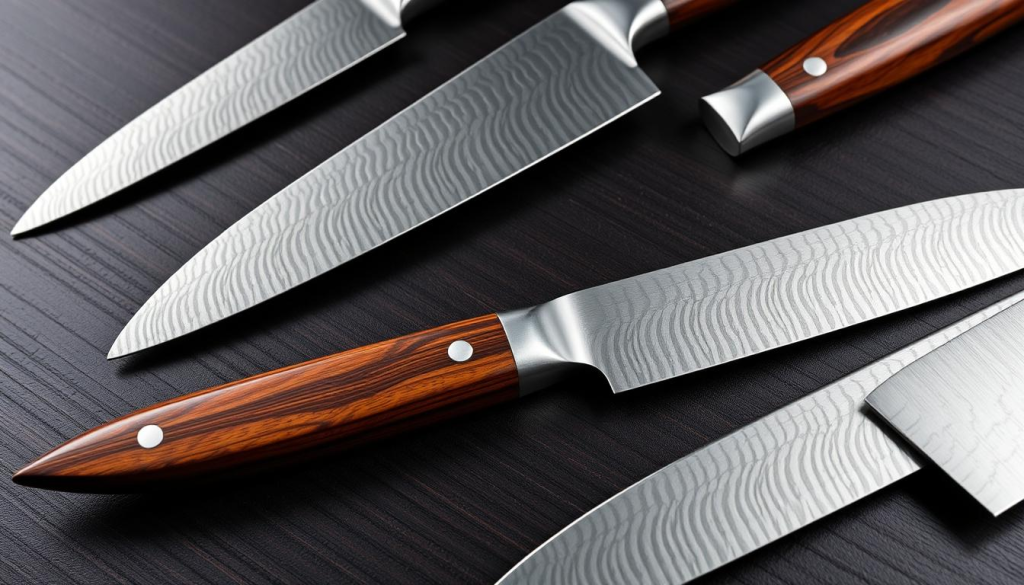
Masamoto knives are distinguished by their high-carbon steel blades, known for their durability and ability to retain sharpness. The high-carbon steel used in Masamoto knives ensures a long-lasting edge, making them a valuable asset for any chef. The blade’s design is both functional and aesthetically pleasing, with a keen attention to detail that sets Masamoto apart from other brands.

The craftsmanship involved in shaping these blades is evident in their balance and sharpness. Whether you’re a professional chef or an avid home cook, the quality of a Masamoto knife is undeniable. For those seeking masamoto knife recommendations, the quality of the blade is a crucial factor to consider.

Handle and Comfort

The handles of Masamoto knives are designed with comfort and ergonomics in mind. Crafted to fit comfortably in the hand, these ergonomic handles allow for precise control and reduce fatigue during extended use. The attention to detail in the handle design complements the blade’s quality, ensuring a harmonious cooking experience.

When evaluating masamoto knife quality, it’s essential to consider both the blade and the handle. The balance between these elements contributes significantly to the overall performance and user satisfaction. Masamoto knives are designed to provide a seamless cooking experience, making them a preferred choice among culinary professionals.

In conclusion, the design and aesthetics of Masamoto knives are a testament to the brand’s dedication to quality and craftsmanship. Whether you’re looking for a new knife to add to your collection or seeking recommendations, Masamoto knives are certainly worth considering for their exceptional design, comfort, and performance.

Performance in the Kitchen

The performance of Masamoto knives in kitchen tasks is a testament to their superior craftsmanship. These knives are designed to deliver exceptional results, making them a valuable tool for any chef.

Sharpness and Edge Retention

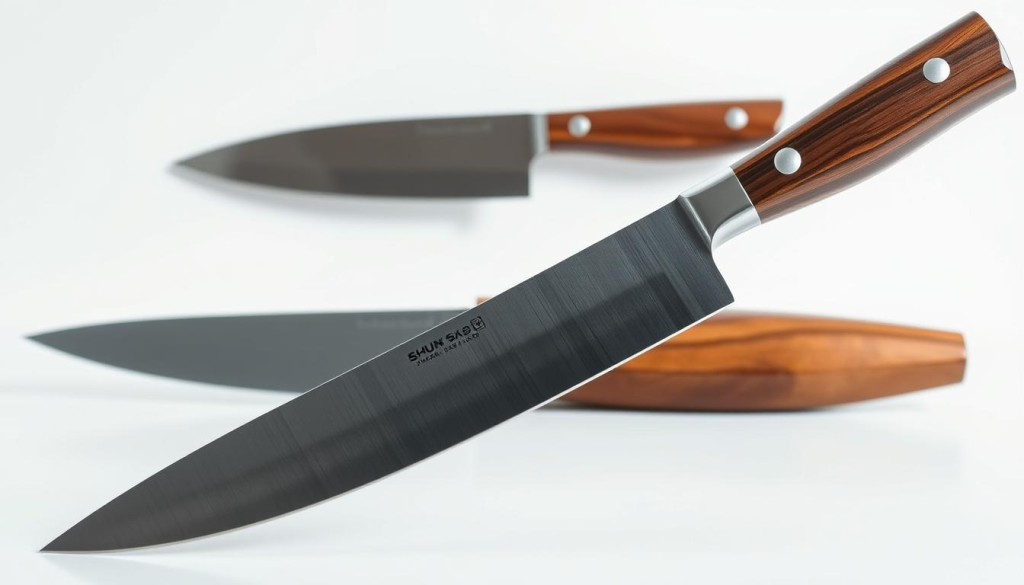
One of the standout features of Masamoto knives is their exceptional sharpness. The blades are crafted from high-quality steel that retains its edge even after repeated use. As noted by a renowned chef, “Masamoto knives stay sharp longer than any other brand I’ve used.”

“A sharp knife is a safe knife,” says Chef John, highlighting the importance of edge retention in kitchen safety.

This sharpness ensures that kitchen tasks are not only efficient but also safer.

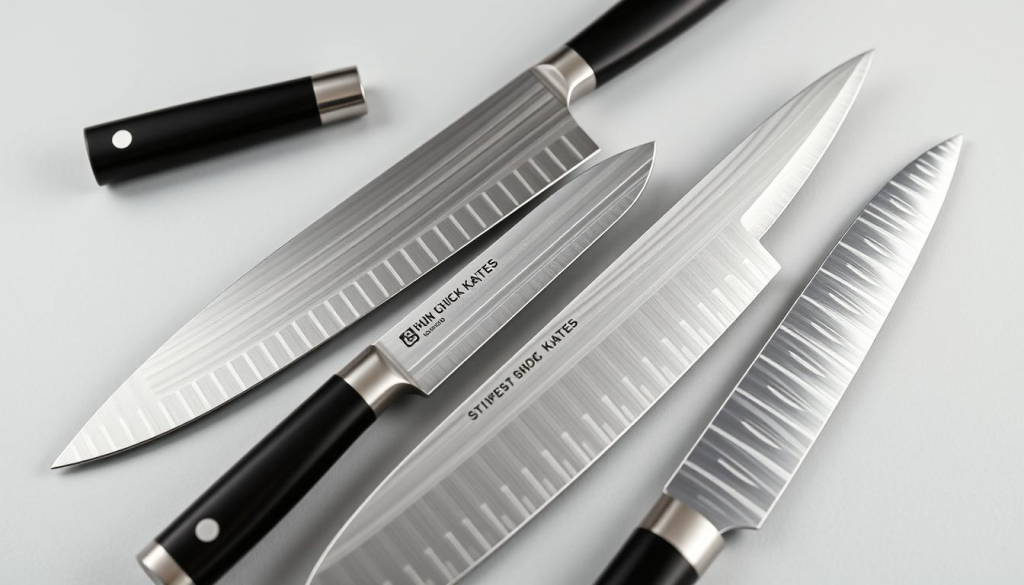
Masamoto knife sharpness

Balancing and Weight Distribution

Masamoto knives are also praised for their excellent balance and weight distribution. The careful design of the handle and blade ensures that the knife feels comfortable in the hand, reducing fatigue during prolonged use. This balance is crucial for precise cutting and maneuverability.

The weight distribution of Masamoto knives contributes to their overall performance, making them suitable for a variety of kitchen tasks, from chopping vegetables to slicing meat.

Versatility of Use

Masamoto knives are incredibly versatile, capable of handling various kitchen tasks with ease. Whether you’re a professional chef or an avid home cook, these knives can adapt to your needs. They are available in different types, such as Gyuto and Santoku, each designed for specific cutting techniques.

In a Masamoto knife comparison with other high-end brands, it’s clear that Masamoto knives offer a unique blend of sharpness, balance, and durability. For those considering a Masamoto knife review, it’s worth noting that these knives are a worthwhile investment for their performance and longevity.

Care and Maintenance

Proper care and maintenance of your Masamoto knife are crucial for its longevity and performance. A well-maintained knife not only lasts longer but also continues to perform at its best, making it a joy to use in the kitchen.

Cleaning Recommendations

Cleaning your Masamoto knife regularly is vital to prevent the buildup of bacteria and other contaminants. Hand washing is recommended; avoid putting your knife in the dishwasher as the high heat and harsh detergents can damage the blade and handle. Use mild soap and warm water, and dry the knife thoroughly after washing to prevent rust.

Sharpening Techniques

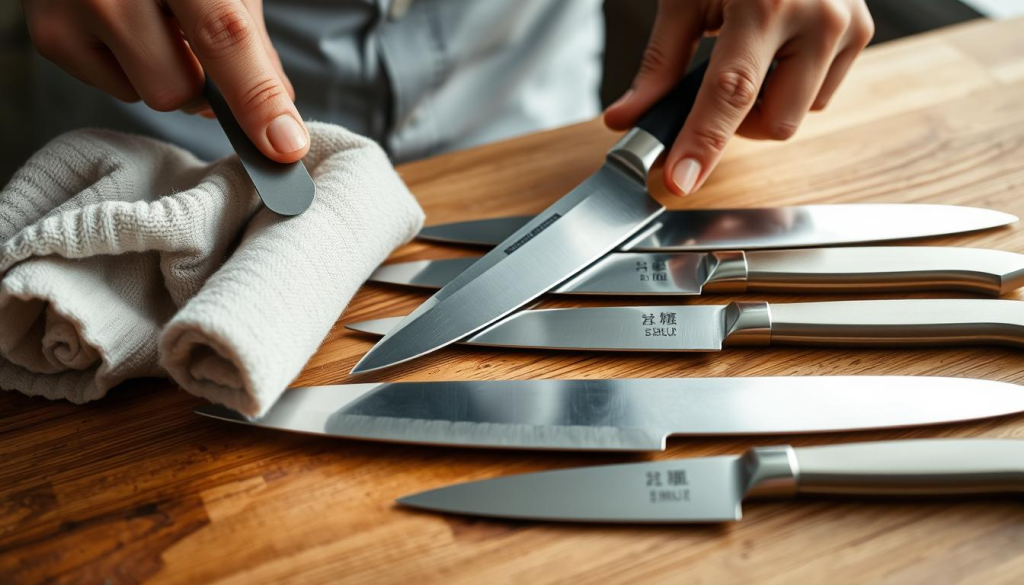
Sharpening is an essential part of maintaining your Masamoto knife’s edge. Regular sharpening keeps the blade in optimal condition. You can use a whetstone or a sharpening rod; for Masamoto knives, a whetstone is often preferred for its ability to restore the edge to a razor-sharp state. Start with a coarse grit and move to finer grits for polishing the edge.

  • Use a consistent angle to maintain even sharpening.
  • Check the edge frequently to avoid over-sharpening.
  • Clean the whetstone before and after use.

By following these care and maintenance tips, you can ensure your Masamoto knife remains a reliable and precise tool in your kitchen for years to come.

Value for Money

For discerning chefs, the value for money offered by Masamoto knives is a crucial consideration. Masamoto knives are generally priced in the premium range, comparable to other high-end brands. The question is, do they justify the investment?

Price Range Overview

Masamoto knives are crafted with precision and care, using high-quality materials that contribute to their premium pricing. The price range for Masamoto knives varies, typically falling between $100 to over $300 for high-end models. This range is consistent with other high-end brands that prioritize quality and craftsmanship.

Key factors influencing the price include:

  • The type of steel used
  • Craftsmanship and attention to detail
  • Ergonomics and handle design
  • Brand heritage and reputation

Comparing with Other High-End Brands

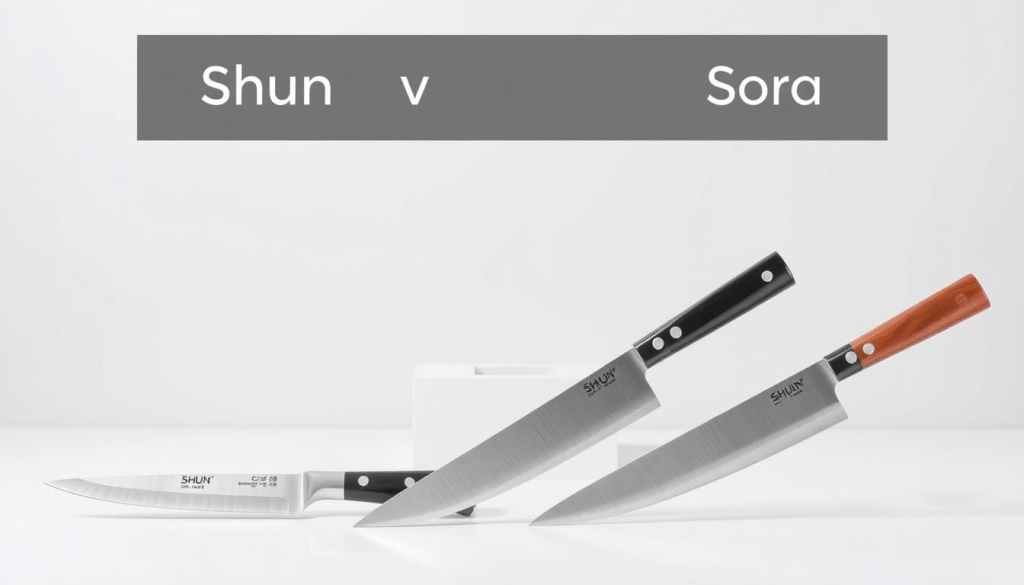
When comparing Masamoto knives to other high-end brands, several factors come into play. Brands like Shun, Wüsthof, and Global are often considered alongside Masamoto. The table below provides a comparison of these brands based on price range, material quality, and edge retention.

Brand Price Range Material Quality Edge Retention
Masamoto $100-$300+ High-carbon stainless steel Excellent
Shun $100-$400+ High-carbon stainless steel Excellent
Wüsthof $100-$300+ High-carbon stainless steel Very Good
Global $100-$200+ Cromova 18 steel Very Good

As shown in the table, Masamoto knives are competitively priced with other high-end brands, offering excellent edge retention and high-quality materials. The decision to invest in a Masamoto knife should be based on individual preferences, cooking style, and the value placed on the brand’s heritage and craftsmanship.

In conclusion, Masamoto knives offer significant value for money, given their quality, performance, and durability. For chefs who value precision and are willing to invest in premium cutlery, Masamoto knives are a worthwhile consideration.

Customer Reviews and Feedback

Customer feedback on Masamoto knives reveals a mix of praise and constructive criticism, helping potential buyers make informed decisions. The brand has garnered a loyal following among chefs and cooking enthusiasts, with many sharing their experiences online.

Positive Experiences

Many users praise Masamoto knives for their exceptional sharpness and edge retention, noting that they remain effective even after extensive use. The ergonomic design of the handles is also frequently commended, providing comfort during prolonged cooking sessions.

  • High-quality craftsmanship and attention to detail.
  • Excellent balance and weight distribution.
  • Aesthetic appeal, with beautiful craftsmanship.

As one reviewer noted, “My Masamoto knife has become an indispensable tool in my kitchen. The sharpness is unparalleled, and the feel is sublime.” Such sentiments are echoed across various review platforms, highlighting the brand’s commitment to quality.

Common Criticisms

While the overall sentiment towards Masamoto knives is positive, some users have reported issues with edge retention over time, particularly when used for certain tasks or on specific materials. A few reviewers have also mentioned that the knives can be prone to chipping if not handled carefully.

“While my Masamoto knife is incredibly sharp, I’ve noticed it requires more frequent sharpening than expected.”

A seasoned chef’s feedback on a culinary forum.

Common criticisms include:

  1. The need for regular sharpening to maintain performance.
  2. Some users find the knives to be on the pricier side.
  3. A few have experienced issues with the durability of certain models.

Despite these criticisms, the overall consensus is that Masamoto knives offer excellent value for their quality and performance, making them a worthwhile investment for serious cooks.

Masamoto knife review

In conclusion, customer reviews and feedback on Masamoto knives highlight their strengths in terms of sharpness, ergonomics, and aesthetics, while also noting areas for improvement such as edge retention and durability. By considering both the positive experiences and common criticisms, potential buyers can make a more informed decision about whether a Masamoto knife is the right choice for their culinary needs.

Where to Buy Masamoto Knives

With the rise of counterfeit products, it’s more important than ever to know where to buy genuine Masamoto knives. Ensuring authenticity is key to getting the quality and performance that Masamoto is known for.

Authorized Retailers

To guarantee you’re buying an authentic Masamoto knife, it’s crucial to purchase from authorized retailers. These retailers have been vetted by Masamoto and are the only places where you can be certain of getting a genuine product. Some of the authorized retailers include specialty kitchen stores and reputable online marketplaces.

List of Authorized Retailers:

  • Sur La Table
  • Williams-Sonoma
  • Amazon (directly from the official Masamoto store)
  • Specialty kitchen stores that carry Masamoto products

Online Shopping Considerations

When shopping online, there are several factors to consider to ensure you’re buying an authentic Masamoto knife. First, check if the seller is an authorized retailer. Look for the official Masamoto logo on the product and packaging, and be wary of significantly lower prices, which could indicate a counterfeit product.

Red Flags for Counterfeit Products:

  • Prices significantly lower than the market average
  • No official Masamoto packaging or documentation
  • Seller not listed as an authorized retailer
  • Poor customer reviews or ratings
Retailer Authorized Online Shopping
Sur La Table Yes Yes
Williams-Sonoma Yes Yes
Amazon (Official Masamoto Store) Yes Yes
Unauthorized Seller No Yes

authentic masamoto knives

By being mindful of these considerations and purchasing from authorized retailers, you can ensure that you’re getting a genuine Masamoto knife that will serve you well in your culinary endeavors.

Conclusion: Is a Masamoto Knife Worth It?

Masamoto knives have proven to be exceptional tools for chefs, offering a blend of quality, performance, and aesthetic appeal. With their rich history, precise craftsmanship, and variety of designs, these knives cater to the diverse needs of culinary professionals.

Key Considerations

When deciding if a Masamoto knife is the right investment, consider your cooking style, the types of dishes you prepare, and your personal preferences regarding knife feel and balance. For those who value high-quality, durable knives, Masamoto offers compelling options.

Purchase Guidance

For aspiring chefs looking to invest in a Masamoto knife, consider the best Masamoto knife for your specific needs. Whether you’re preparing delicate sashimi or hearty meals, there’s a Masamoto knife designed to enhance your culinary experience. When seeking Masamoto knife recommendations, prioritize knives that balance sharpness, durability, and comfort.

FAQ

What makes Masamoto knives unique?

Masamoto knives are known for their exceptional craftsmanship, high-quality materials, and traditional Japanese techniques, making them stand out in the world of high-end knives.

Are Masamoto knives worth the investment?

Masamoto knives are considered a worthwhile investment due to their durability, performance, and the value they bring to serious chefs and cooking enthusiasts.

How do I choose the right Masamoto knife for my needs?

To choose the right Masamoto knife, consider the type of cooking you do most often, the tasks you need the knife for, and your personal preference for knife style and size.

What is the best Masamoto knife for a beginner?

For beginners, a versatile and easy-to-use Masamoto knife such as the Gyuto or Santoku is recommended, as they are suitable for a variety of kitchen tasks.

How do I care for my Masamoto knife?

To care for your Masamoto knife, clean it by hand with mild soap and dry it thoroughly, and sharpen it regularly using a whetstone or a high-quality sharpener.

Can I sharpen my Masamoto knife at home?

Yes, you can sharpen your Masamoto knife at home using a whetstone or a high-quality sharpener, but it’s recommended to learn proper sharpening techniques to maintain the knife’s quality.

Are Masamoto knives available for different budgets?

Masamoto knives are generally considered high-end and may have a higher price point, but there are different models and series available that can cater to various budgets.

How do I verify the authenticity of a Masamoto knife?

To verify the authenticity of a Masamoto knife, purchase from authorized retailers, check for the brand’s logo and serial number, and be wary of significantly lower prices that may indicate a counterfeit product.

What are the most common criticisms of Masamoto knives?

Some common criticisms of Masamoto knives include their high price point, the need for regular sharpening, and the potential for edge damage if not handled properly.

Can I use my Masamoto knife for tasks other than cooking?

While Masamoto knives are designed for cooking, they can be used for other tasks that require a sharp blade, but it’s essential to clean and maintain the knife properly after each use.

How do Masamoto knives compare to other high-end brands?

Masamoto knives are compared to other high-end brands based on their quality, performance, and price, and are often considered among the best due to their exceptional craftsmanship and materials.

Are Masamoto Knives Good? Explore the Quality of These Japanese Blades


If you’re serious about cooking and want to elevate your skills, Masamoto Knives are a game-changer. Renowned for their exceptional balance, sharpness, and comfort, these high-quality Japanese blades make prep work feel almost effortless.

Cooks and chefs alike appreciate the precision and craftsmanship that goes into creating these knives. With a rich history and a reputation for excellence, Masamoto Knives have become a staple in many professional kitchens.

Key Takeaways

  • Masamoto Knives offer exceptional balance and sharpness.
  • These Japanese blades are designed for comfort and precision.
  • A favorite among cooks and chefs for their high quality.
  • Renowned for their craftsmanship and rich history.
  • A valuable addition to any professional kitchen.

The Art of Japanese Knives: A Brief Overview

Masamoto knives embody the pinnacle of Japanese knife craftsmanship, known for their precision and durability. The art of crafting these knives is a tradition that spans centuries, with techniques passed down through generations.

History of Japanese Knife Craftsmanship

Japanese knife craftsmanship has a rich history that dates back to the Heian period (794-1185 CE), where knives were first used for culinary and ritual purposes. Over time, Japanese craftsmen refined their techniques, developing unique styles and materials that distinguished their work from other cultures.

The evolution of Japanese knives was influenced by various factors, including the introduction of new steel types and the development of specific knife styles for different culinary tasks. Masamoto knives are a testament to this evolution, showcasing the blend of traditional techniques with modern materials and designs.

Evolution of Masamoto Knives

Masamoto knives have their roots in the traditional Japanese knife-making techniques but have evolved to incorporate modern innovations. The brand has become synonymous with high-quality knives that cater to both professional chefs and home cooks.

The evolution of Masamoto knives is marked by their commitment to using high-carbon steel and traditional forging methods, ensuring that each knife is not only functional but also a work of art. The precision and sharpness of Masamoto knives make them a preferred choice among culinary professionals.

Features that Define Quality

Several features define the quality of Masamoto knives, including their blade material, edge retention, and ergonomic design. The use of high-carbon steel in Masamoto knives ensures that they remain sharp and resistant to corrosion.

  • High-carbon steel for durability and sharpness
  • Traditional forging techniques for a unique edge
  • Ergonomic handles for comfort and control

These features, combined with the brand’s commitment to craftsmanship, make Masamoto knives stand out in the world of culinary cutlery. Whether you’re a professional chef or a serious home cook, Masamoto knives are designed to deliver exceptional performance.

What Makes Masamoto Stand Out?

When it comes to high-end knives, Masamoto stands out with its unique blend of traditional craftsmanship and modern materials. The distinct features of Masamoto knives have garnered them a loyal following among chefs and home cooks alike.

Distinctive Blade Materials

Masamoto knives are renowned for their high-carbon stainless steel blades, which offer a perfect balance between sharpness and durability. This material resists rust and maintains its sharpness over time, making it ideal for both professional and home use.

  • High-Carbon Content: Allows for a sharper edge and longer retention of sharpness.
  • Stainless Steel: Provides resistance to rust and corrosion, ensuring longevity.

Masamoto Knife Blade

Unique Design and Aesthetics

The design of Masamoto knives is not just about functionality; it’s also about aesthetics. The knives feature a sleek, ergonomic design that fits comfortably in the hand, reducing fatigue during extended use.

  1. The hand-forged construction ensures a unique character in each knife.
  2. The ergonomic handles are designed to provide comfort and control.

In comparison to other brands, Masamoto knives are often praised for their authenticity and adherence to traditional Japanese craftsmanship, combined with modern innovations. Whether you’re comparing Masamoto to Global, Shun, or MAC Knives, Masamoto’s commitment to quality and aesthetics makes it a top contender in the world of high-end knives.

The Quality of Masamoto Knives

The quality of Masamoto knives is unparalleled, thanks to their meticulous craftsmanship and high-grade materials. This section explores the factors that contribute to their exceptional quality, making them a worthwhile investment for any serious cook.

The Steel: Types and Benefits

Masamoto knives are renowned for their high-carbon steel blades, which offer a perfect balance between hardness and flexibility. This balance is crucial for maintaining a sharp edge while preventing the blade from becoming too brittle.

Types of Steel Used:

  • High-Carbon Stainless Steel: Resistant to corrosion and easy to maintain.
  • VG-10 Steel: Known for its sharpness and durability.
Steel Type Hardness Corrosion Resistance
High-Carbon Stainless Steel 60-62 HRC High
VG-10 Steel 60-61 HRC High

Handcrafted Precision

Each Masamoto knife is a testament to the skill of Japanese craftsmen, who meticulously shape and sharpen every blade. This handcrafted precision ensures that every knife meets the highest standards of quality and performance.

Durability and Longevity

Masamoto knives are built to last, with their durability being a key factor in their appeal. Proper care and maintenance can extend the life of these knives, making them a long-term companion in the kitchen.

Tips for Maintaining Durability:

  • Regular sharpening to maintain the edge.
  • Proper storage to prevent damage.
  • Cleaning and drying after each use.

Popular Masamoto Knife Models to Consider

For those looking to invest in top Masamoto knives, there are a few models that consistently receive high praise for their versatility and durability. Masamoto knives are renowned for their quality, and understanding the unique features of each model can help you make an informed decision.

Masamoto Gyuto

The Masamoto Gyuto knife is a versatile tool for any chef, whether professional or amateur. Its balanced design and sharp edge make it ideal for a variety of cutting tasks. Perfect for slicing, chopping, and mincing, this knife is a staple in many kitchens.

For beginners, the Masamoto VG Gyuto Knife is an excellent choice, offering a great balance between quality and ease of use.

Masamoto Nakiri

The Masamoto Nakiri knife is designed specifically for vegetable preparation, making it a favorite among chefs who frequently work with greens and other produce. Its straight edge and flat profile allow for precise cuts and easy chopping.

This knife is particularly useful for those who value precision in their vegetable preparation, making it a great addition to any kitchen.

Masamoto Petty

The Masamoto Petty knife is a smaller, more precise tool, ideal for detailed work such as trimming and coring. Its compact size and sharp, precise edge make it perfect for tasks that require finesse.

For experienced cooks, the Masamoto Petty knife is a valuable asset, allowing for intricate cuts and detailed preparation with ease.

When choosing a Masamoto knife, consider your cooking style and the tasks you perform most often. Whether you’re a beginner looking for a versatile knife like the Masamoto VG Gyuto or an experienced chef who appreciates the precision of the Masamoto Petty, there’s a Masamoto knife tailored to your needs.

top Masamoto knives

In conclusion, Masamoto offers a range of exceptional knives that cater to different skill levels and cooking preferences. By selecting the right model, you can enhance your cooking experience and enjoy the durability and performance that Masamoto knives are known for.

How to Care for Masamoto Knives

Proper care and maintenance are key to unlocking the full potential of your Masamoto knives and ensuring they continue to perform optimally. Masamoto knives, renowned for their exceptional quality and durability, require specific care to maintain their performance and extend their lifespan.

Proper Cleaning Techniques

Always hand wash your Masamoto knives with mild soap and warm water. Avoid putting them in the dishwasher, as the heat and harsh detergents can damage the steel and handle. Immediate drying is crucial to prevent water spots and bacterial growth.

“The way you clean your knife is just as important as the knife itself,” says a renowned chef, highlighting the importance of gentle care.

Sharpening Your Knife Correctly

Sharpening is an essential part of knife maintenance. Use a whetstone or a sharpening rod that is appropriate for your Masamoto knife’s steel type. Regular sharpening maintains the knife’s edge and prevents it from becoming dull.

  • Start with a coarse grit stone to repair the edge.
  • Progress to a finer grit stone for honing.
  • Use a sharpening rod for regular maintenance.

Storage Solutions for Longevity

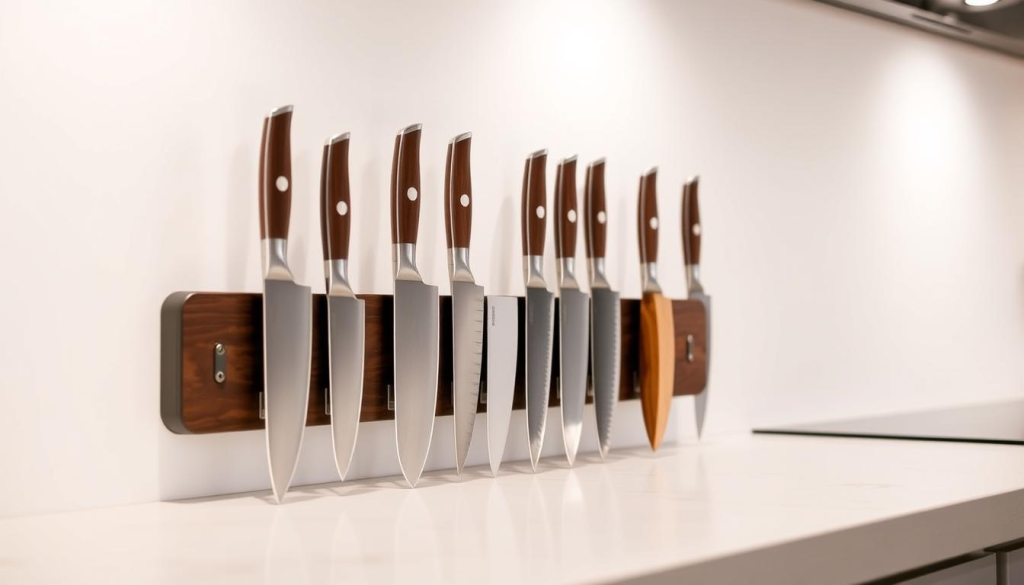
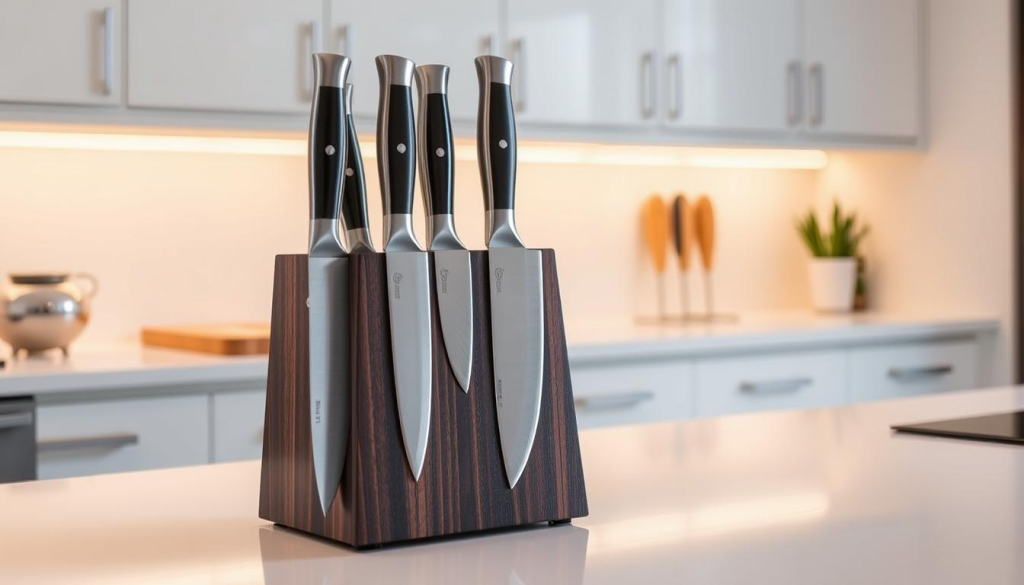
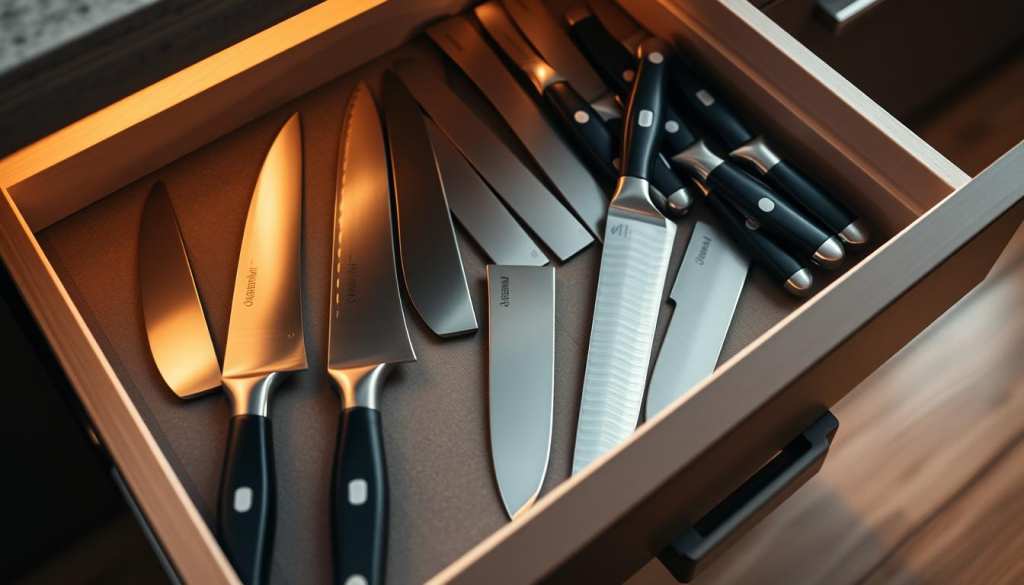
Proper storage is vital to protect your Masamoto knives from damage. Consider using a knife block, magnetic strip, or a protective case. Storing knives properly prevents accidents and keeps them in good condition.

“A good knife is an investment, and like any investment, it needs to be protected,” a culinary expert advises.

By following these care and maintenance tips, you can ensure your Masamoto knives remain in excellent condition, providing you with years of reliable service. The durability and quality of Masamoto knives make them a worthwhile investment for any serious cook or chef.

Comparisons: Masamoto vs. Other Popular Brands

Masamoto knives are often compared to other top brands, but how do they really stack up? When considering a high-quality knife, chefs and home cooks alike look for durability, sharpness, and overall performance. In this section, we’ll compare Masamoto knives with other renowned brands like Global, Shun, and MAC Knives to help you make an informed decision.

Masamoto vs. Global

Global knives are known for their distinctive design and high-quality materials. When comparing Masamoto to Global, several factors come into play. Masamoto knives are typically praised for their sharpness and lightweight feel, while Global knives are celebrated for their balanced design and durability.

Feature Masamoto Global
Sharpness Exceptionally sharp Very sharp
Material High-carbon steel CROMOVA 18 steel
Weight Lightweight Well-balanced

Masamoto vs. Shun

Shun knives are revered for their craftsmanship and premium materials. Comparing Masamoto to Shun, we notice that both brands offer exceptional quality, but they cater to slightly different preferences. Masamoto knives are often preferred by those who value a lighter knife with exceptional sharpness, whereas Shun knives are admired for their luxurious feel and VG-MAX steel.

Masamoto knives comparison

Masamoto vs. MAC Knives

MAC Knives are known for their high-performance edge and durability. When pitting Masamoto against MAC, it’s clear that both brands are geared towards professionals and serious home cooks. Masamoto’s focus on traditional Japanese craftsmanship contrasts with MAC’s emphasis on modern materials and edge retention.

  • Masamoto: Traditional Japanese craftsmanship, high-carbon steel.
  • MAC Knives: Modern materials, exceptional edge retention.

In conclusion, when comparing Masamoto knives to other popular brands, it’s evident that each has its unique strengths. Whether you prioritize sharpness, material, or design, understanding these differences is key to choosing the best Masamoto knives or opting for another brand that suits your needs.

Customer Experiences: Reviews and Testimonials

Reviews and testimonials from chefs and home cooks highlight the exceptional quality of Masamoto knives. Many users have shared their positive experiences, praising the performance and durability of these Japanese blades.

Chef Perspectives on Masamoto Knives

Professional chefs appreciate the precision and craftsmanship of Masamoto knives. For instance, the Masamoto AT8 8.2″ Gyuto Japanese Chef Knife has received rave reviews, with a product review score of 4.88 out of 5 stars from 162 reviews. Chefs praise its balance, sharpness, and ability to handle demanding kitchen tasks with ease.

Key benefits highlighted by chefs include:

  • Exceptional sharpness and edge retention
  • Ergonomic design for comfortable handling
  • High-quality materials for durability

masamoto knives review

Home Cook Insights

Home cooks also benefit from the quality and performance of Masamoto knives. Users appreciate the ease of use and the knives’ ability to make cooking tasks more efficient. Many have noted that Masamoto knives have become their go-to tools in the kitchen.

Common praises from home cooks include:

  1. The knives’ sharpness, which makes food preparation easier
  2. The aesthetic appeal of the knives, which adds to their kitchen decor
  3. The value for money, considering the knives’ performance and longevity

Overall, Masamoto knives have garnered a loyal following among both professional chefs and home cooks, who appreciate their quality, performance, and durability.

Pricing: Are Masamoto Knives Worth the Investment?

When considering the purchase of a Masamoto knife, one of the primary concerns is the price and whether it’s justified by the quality and performance. Masamoto knives are known for their exceptional craftsmanship, and understanding their pricing is crucial to making an informed decision.

Understanding Price Points

The price range for Masamoto knives varies significantly, from $160.00 to $388.80, depending on the model and materials used. For instance, the Masamoto Gyuto, a popular choice among chefs, falls within this price range due to its high-carbon steel blade and ergonomic handle.

Here are some key factors that influence the pricing of Masamoto knives:

  • Materials: High-quality materials, such as high-carbon steel, contribute to the durability and performance of the knife, justifying a higher price.
  • Craftsmanship: The handcrafted precision that goes into each Masamoto knife adds value, reflecting the skill and time invested by the craftsmen.
  • Brand Reputation: Masamoto’s reputation for producing high-quality knives impacts the pricing, as consumers are willing to pay for the brand’s heritage and quality assurance.

Comparing with Competitors

To determine if Masamoto knives are worth the investment, it’s helpful to compare their pricing with that of other premium brands. Brands like Global, Shun, and MAC Knives are often considered in the same category as Masamoto.

Brand Model Price Range
Masamoto Gyuto $160 – $388.80
Global G-21 $120 – $300
Shun DM0706 $200 – $400

As shown in the table, Masamoto knives are competitively priced within the premium segment. The quality and performance they offer justify the investment for both professional chefs and serious home cooks.

In conclusion, while Masamoto knives may represent a significant investment, their quality, durability, and performance make them a worthwhile choice for those seeking high-quality cutting tools.

Where to Buy Authentic Masamoto Knives

Authentic Masamoto knives are highly sought after, and buying from the right sources is key to avoiding counterfeits. With the rise of online shopping, it’s become easier to find Masamoto knives, but it’s crucial to ensure you’re purchasing from a trusted retailer.

Trusted Online Retailers

Several online retailers specialize in high-quality kitchen knives, including Masamoto. When shopping online, look for retailers that provide detailed product descriptions and genuine customer reviews. Some reputable online stores include:

  • Amazon
  • Williams-Sonoma
  • Sur La Table
  • Specialty knife stores like KnifeCenter

When purchasing online, verify that the retailer is authorized by Masamoto to sell their products. This can usually be confirmed by checking the retailer’s website for Masamoto’s authorization certificate or by contacting their customer service.

Local Specialty Stores

For those who prefer to shop in person, local specialty kitchen stores are an excellent option. These stores often carry a selection of Masamoto knives and have knowledgeable staff who can provide guidance on choosing the right knife. Visiting a local store also allows you to inspect the knife personally, ensuring it meets your expectations.

“Buying from a local specialty store not only ensures authenticity but also supports local businesses.” –

A culinary expert

To find a local store that carries Masamoto knives, you can check the Masamoto website for a list of authorized dealers or look for stores that specialize in Japanese kitchenware.

In conclusion, whether you choose to shop online or in-store, the key to buying authentic Masamoto knives is to be informed and cautious. By choosing trusted retailers and being aware of the signs of counterfeit products, you can enjoy the quality and craftsmanship that Masamoto knives are known for.

Conclusion: Are Masamoto Knives a Good Choice for You?

If you’re serious about cooking and want to take your skills to the next level, Masamoto knives are a game changer. With their exceptional quality and performance, it’s clear why many professional chefs and home cooks alike swear by these Japanese blades.

Key Takeaways

Masamoto knives stand out due to their high-carbon steel, handcrafted precision, and unique design. The quality of these knives is evident in their durability and sharpness, making them a valuable investment for any serious cook. When considering are Masamoto knives good, the answer lies in their ability to deliver consistent performance and withstand the rigors of frequent use.

Investing in Masamoto Knives

While the initial cost may seem steep, the long-term benefits of owning a Masamoto knife far outweigh the expense. With proper care, these knives will remain a trusted companion in the kitchen for years to come. So, are Masamoto knives worth it? For those who value exceptional quality and performance, the answer is unequivocally yes.

FAQ

Are Masamoto knives good for professional chefs?

Yes, Masamoto knives are highly regarded by professional chefs due to their exceptional sharpness, durability, and performance. Many chefs appreciate the precision and quality that Masamoto knives bring to their work.

What type of steel is used in Masamoto knives?

Masamoto knives are typically made from high-carbon stainless steel, which provides a balance between sharpness, durability, and resistance to corrosion.

How do I care for my Masamoto knife?

To maintain your Masamoto knife, it’s essential to clean it properly after each use, sharpen it regularly, and store it in a dry place. Avoid using abrasive cleaners or putting your knife in the dishwasher.

Are Masamoto knives worth the investment?

Yes, Masamoto knives are considered a worthwhile investment due to their high-quality materials, craftsmanship, and long-lasting performance. While they may be more expensive than some other brands, their durability and performance make them a valuable choice for serious cooks.

How do Masamoto knives compare to other brands like Global or Shun?

Masamoto knives are known for their unique blend of traditional Japanese craftsmanship and modern materials. Compared to other brands like Global or Shun, Masamoto knives offer a distinct balance of sharpness, durability, and aesthetic appeal.

Can I buy authentic Masamoto knives online?

Yes, you can buy authentic Masamoto knives online, but it’s crucial to purchase from trusted retailers to avoid counterfeit products. Look for authorized dealers and check reviews to ensure you’re buying a genuine Masamoto knife.

What are the most popular Masamoto knife models?

Some of the most popular Masamoto knife models include the Gyuto, Nakiri, and Petty knives, each designed for specific tasks and offering unique characteristics that cater to different cooking styles and preferences.

Are Masamoto knives suitable for home cooks?

Absolutely, Masamoto knives are suitable for home cooks who value high-quality knives. Their durability and performance make them an excellent choice for anyone who cooks regularly, regardless of their skill level.

How do I sharpen my Masamoto knife?

Sharpening a Masamoto knife requires a whetstone or a high-quality sharpening tool. It’s recommended to follow the manufacturer’s guidelines or consult a professional for the best results.

What is the average price range for Masamoto knives?

The price range for Masamoto knives varies depending on the model, size, and materials. Generally, you can expect to pay between to over 0 for a high-quality Masamoto knife.

How Long Do Henckel Knives Last?


Henckel knives are renowned for their exceptional quality and durability. With proper care, they can serve you faithfully for 10-20 years or even longer.

The longevity of Henckel knives depends on various factors, including maintenance, usage, and storage. Understanding these factors is crucial to making the most out of your investment.

Key Takeaways

  • Henckel knives are known for their durability and quality.
  • Proper care can extend the lifespan of your Henckel knives.
  • Factors such as maintenance, usage, and storage affect their longevity.
  • Understanding these factors is crucial to maximizing your investment.
  • Henckel knives can last for 10-20 years or more with proper care.

Introduction to Henckel Knives

With a history spanning nearly 300 years, Henckel has established itself as a premier brand in the world of cutlery. As part of the renowned ZWILLING J.A. Henckels group, one of the most famous knife-making companies globally, Henckel knives embody a tradition of quality and excellence.

Overview of Henckel Brand

Henckel’s long history is marked by a commitment to producing high-quality knives that stand the test of time. The brand’s expertise in crafting cutlery is unparalleled, with a focus on detail and a passion for innovation. This dedication to excellence has made Henckel a trusted name among chefs and home cooks alike.

Importance of Quality Cutlery

Investing in quality cutlery, such as Henckel knives, is crucial for both professional chefs and cooking enthusiasts. High-quality knives not only enhance the cooking experience but also contribute to safety in the kitchen. A good knife should be an extension of the cook’s hand, providing precision and control. Henckel knives are designed to offer this level of performance, making them a valuable addition to any kitchen.

Quality cutlery like Henckel knives is made with materials and craftsmanship that significantly impact their durability and longevity. The use of high-grade steel, precise sharpening, and ergonomic design all contribute to a superior cooking experience. Moreover, a well-maintained Henckel knife can last for decades, making it a worthwhile investment for those who cook regularly.

https://www.youtube.com/watch?v=2npvaFAar1Q

Understanding the value of quality cutlery is essential for appreciating the craftsmanship that goes into making Henckel knives. By choosing Henckel, consumers are not only acquiring a tool but also investing in a piece of culinary history that is designed to last.

Factors Affecting Knife Longevity

Understanding the factors that affect the lifespan of Henckel knives is crucial for maximizing their durability. The longevity of these high-quality knives is not solely determined by their initial craftsmanship but is significantly influenced by how they are used and maintained.

Material Quality plays a pivotal role in determining how long a Henckel knife will last. Henckel knives are renowned for their high-grade steel and precise manufacturing process, which contributes to their durability and resistance to wear. The quality of the material directly impacts the knife’s ability to retain its sharpness and withstand the rigors of frequent use.

Material Quality

The high-carbon steel used in Henckel knives is designed to provide a perfect balance between hardness and flexibility, ensuring that the knives remain sharp and are less prone to chipping or breaking. This superior material quality is a key factor in the longevity of Henckel knives, making them a worthwhile investment for both professional chefs and home cooks.

henckel knife material quality

Usage Frequency

How often you use your Henckel knives significantly affects their lifespan. Knives that are used daily in a busy kitchen will naturally have a shorter lifespan than those used occasionally in a home setting. The frequency of use impacts the wear and tear on the blade, with more frequent use leading to faster degradation.

To mitigate the effects of frequent use, it’s essential to adopt proper handling techniques and to regularly maintain your knives. This includes proper cleaning, storage, and sharpening, all of which contribute to extending the life of your Henckel knives.

Maintenance Practices

Proper maintenance is critical to extending the life of your Henckel knives. Regular cleaning and drying are essential to prevent rust and corrosion, especially for knives made from high-carbon steel. Additionally, proper sharpening techniques help maintain the knife’s edge, reducing the need for more extensive sharpening or repair.

Storage is another crucial aspect of knife maintenance. Using a knife block or a magnetic strip can help protect the blades from damage and prevent accidents. By adopting these maintenance practices, you can significantly prolong the lifespan of your Henckel knives.

Average Lifespan of Henckel Knives

With proper care, Henckel knives can last for decades, outliving many other brands on the market. The longevity of these knives is a testament to the quality of materials and craftsmanship that Henckel is known for.

https://www.youtube.com/watch?v=oA435c-llxs

General Lifespan Estimates

Henckel knives typically last between 10 to 20 years with proper maintenance. However, many users report that their Henckel knives remain in good condition even after several decades of use. The key to achieving such longevity lies in regular maintenance and proper care.

Some of the factors that contribute to the extended lifespan of Henckel knives include:

  • High-quality materials: Henckel knives are made from high-carbon stainless steel, which resists corrosion and retains sharpness.
  • Proper sharpening techniques: Regular sharpening maintains the knife’s edge and prevents it from becoming dull.
  • Careful storage: Storing knives in a dry place, away from other utensils, can prevent damage.

Comparison with Other Brands

When compared to other brands, Henckel knives stand out for their durability. Many other high-end knife brands may offer similar quality, but Henckel’s attention to detail and robust construction give them an edge in terms of lifespan.

For example, a comparison with Wüsthof and Shun knives shows that while all three brands offer high-quality products, Henckel knives are often praised for their balance of hardness and flexibility, contributing to their long lifespan.

Brand Average Lifespan Material
Henckel 10-20 years High-carbon stainless steel
Wüsthof 8-15 years High-carbon steel
Shun 10-18 years High-carbon steel with VG-MAX edge

By choosing Henckel knives and following proper care and maintenance routines, users can enjoy a long-lasting and high-performing cutting tool.

Types of Henckel Knives

Henckel’s extensive collection includes chef’s knives, paring knives, and specialty knives, each with unique characteristics. Understanding the different types of Henckel knives available can help you choose the right tool for your culinary needs.

Chef’s Knives

Chef’s knives are a staple in any kitchen, and Henckel’s offerings are no exception. Made from high-quality materials, such as high-carbon stainless steel, these knives are designed for durability and performance. The sharpness and balance of Henckel chef’s knives make them ideal for chopping, slicing, and mincing ingredients.

Paring Knives

Paring knives are used for more delicate tasks, such as peeling fruits and vegetables or trimming meat. Henckel’s paring knives are crafted with precision, featuring ergonomic handles that provide comfort and control. Their compact size and sharp blades make them perfect for detailed work.

Specialty Knives

Henckel also offers a range of specialty knives designed for specific tasks, such as boning, filleting, or carving. These knives are made with the same attention to detail as their chef’s and paring knives, ensuring that they meet the high standards expected from the brand.

henckel knife materials

Knife Type Material Primary Use
Chef’s Knife High-carbon stainless steel Chopping, slicing, mincing
Paring Knife High-carbon stainless steel Peeling, trimming
Specialty Knife Varies by type (e.g., stainless steel, forged steel) Specific tasks like boning, filleting, carving

The variety in Henckel’s knife collection means that there’s a knife for every task, ensuring that your kitchen is well-equipped to handle any culinary challenge. By understanding the different types of Henckel knives and their uses, you can make informed decisions about your cutlery needs.

Care and Maintenance Tips

With proper maintenance, Henckel knives can continue to perform optimally for a long time. The key to extending their lifespan lies in understanding the right care techniques.

Proper Cleaning Techniques

Cleaning your Henckel knives by hand is recommended to prevent damage that a dishwasher might cause. Use mild soap and warm water, and dry the knives thoroughly to prevent rust.

Tip: Avoid using abrasive cleaners or scouring pads, as they can damage the knife’s finish.

Sharpening Methods

Regular sharpening is crucial for maintaining the effectiveness of your Henckel knives. Using a honing rod regularly can help keep the blade aligned and sharp.

  • Use a whetstone for more thorough sharpening when needed.
  • Consider professional sharpening services for complex or heavily used knives.

Storage Recommendations

Proper storage is vital for protecting your Henckel knives. Store them in a dry place, away from other utensils that could cause damage.

Options include: a knife block, a magnetic strip, or a protective case.

By following these care and maintenance tips, you can significantly extend the lifespan of your Henckel knives, ensuring they remain a valuable part of your kitchen arsenal for years to come.

Signs Your Henckel Knife Needs Replacement

Understanding when to replace your Henckel knife is crucial for maintaining kitchen efficiency. Even with proper henckel knife maintenance, these high-quality knives will eventually show signs of wear.

As you continue to use your Henckel knife, it’s essential to monitor its condition closely. A decrease in performance can be a significant indicator that it’s nearing the end of its henckel knife lifespan.

Dull Blade Indicators

A dull blade is one of the most common signs that your Henckel knife needs replacement. If you notice that you’re applying more pressure than usual to cut through ingredients, or if the knife is tearing rather than slicing cleanly, it may be time to consider replacing it.

  • Increased difficulty in cutting through typical ingredients
  • Visible nicks or chips on the blade edge
  • A noticeable decrease in the knife’s overall performance

As noted by culinary experts, “A sharp knife is a safe knife.” Continuing to use a dull knife can lead to accidents and decreased efficiency in the kitchen.

“A good knife is the backbone of any kitchen. When it starts to lose its edge, it’s time to think about replacement.”

Chef’s Wisdom

Physical Damage Signs

Physical damage is another clear indicator that your Henckel knife may need to be replaced. This can include visible cracks, significant rust, or a loose handle.

Type of Damage Description Implication
Cracks Visible cracks along the blade or handle Structural integrity compromised
Rust Significant rust spots on the blade Potential health risk and decreased performance
Loose Handle Handle becomes loose over time Affects control and safety during use

Regular henckel knife maintenance can help extend the life of your knife, but once significant damage occurs, it’s often more cost-effective to replace it.

Warranty and Lifespan

The warranty provided by Henckels is a testament to their confidence in the longevity of their knives. When investing in high-quality cutlery, understanding the warranty offered is crucial for appreciating the overall value.

Henckel Warranty Details

Henckels offers a comprehensive warranty on their knives, covering defects in material and workmanship. This warranty is a reflection of their commitment to producing high-quality products that stand the test of time. The specifics of the warranty can vary depending on the product line and region, so it’s essential for customers to review the warranty details at the time of purchase.

Key aspects of Henckels’ warranty include:

  • Lifetime coverage against manufacturing defects
  • Protection against material flaws
  • Clear guidelines on what is covered and what is not

Impact on Longevity

The warranty not only protects the customer’s investment but also impacts the perceived longevity of Henckels knives. By standing behind their products with a robust warranty, Henckels demonstrates confidence in the durability and performance of their knives. This confidence can enhance the overall ownership experience, as customers feel secure in their purchase.

Proper care and maintenance, as outlined in previous sections, play a significant role in ensuring that Henckels knives live up to their promised lifespan. By combining quality craftsmanship with a comprehensive warranty, Henckels reinforces its reputation for producing long-lasting, high-performance knives.

henckel knife performance

In conclusion, the warranty offered by Henckels is a critical component of the overall value proposition of their knives. It not only provides customers with peace of mind but also underscores the company’s commitment to quality and durability.

The Role of Knife Skills

Effective knife techniques not only enhance cooking but also prolong the life of your Henckel knives. The way you handle and use your knives can significantly impact their durability and performance.

henckel knife quality

How Usage Affects Knife Life

The materials used in Henckel knives are of high quality, but improper use can still lead to wear and tear. For instance, using a Henckel knife on hard surfaces or applying too much pressure can cause unnecessary strain on the blade.

Proper knife skills can extend the life of your Henckel knives by reducing the risk of damage. Techniques such as using the correct cutting motion and maintaining a sharp edge are crucial.

“A sharp knife is a safe knife,” as the saying goes, and it’s also a more durable one. Dull knives require more force, increasing the risk of accidents and damage to the blade.

Techniques to Extend Longevity

To keep your Henckel knives in top condition, it’s essential to adopt proper cutting techniques. Here are some tips:

  • Use a gentle cutting motion, avoiding applying too much pressure.
  • Keep your knives sharp; a dull blade is more prone to damage.
  • Avoid cutting on hard surfaces like glass or stone.
  • Store your knives properly in a dry place, away from other utensils.

By following these techniques and being mindful of how you use your Henckel knives, you can significantly extend their lifespan and maintain their high-quality performance.

Customer Experiences

Customer experiences with Henckel knives reveal a consistent theme: exceptional quality that stands the test of time. Many customers have shared their stories, highlighting the longevity and performance of these knives.

Personal Testimonials

Numerous customers have reported using their Henckel knives for decades without significant issues. For instance, one customer noted,

“I’ve had my Henckel chef’s knife for over 20 years, and it still performs like new. The edge retention is remarkable, and it’s a joy to use.”

Such testimonials underscore the brand’s commitment to producing high-quality cutlery.

Another satisfied customer shared,

“My Henckel paring knife has been with me through culinary school and countless cooking projects. It’s a testament to the durability and versatility of Henckel knives.”

Stories like these are not uncommon, as many users praise the longevity and performance of Henckel knives.

Common Concerns

While the majority of feedback is positive, some customers have raised concerns regarding the maintenance and sharpening of Henckel knives. To address this, we’ve compiled a comparison of common issues and their solutions:

Issue Solution
Dullness over time Regular sharpening using a whetstone or sharpening steel
Discoloration Proper cleaning and drying after use, avoiding acidic substances
Edge damage Using a cutting board, avoiding cutting on hard surfaces

By understanding and addressing these common concerns, customers can further enhance their experience with Henckel knives, ensuring they last even longer.

In conclusion, customer experiences with Henckel knives are overwhelmingly positive, with many users enjoying decades of service from their knives. By following proper care and maintenance tips, users can maximize the lifespan of their Henckel knives, making them a valuable investment for any kitchen.

Buying Considerations for Henckel Knives

With a wide range of Henckel knives available, choosing the perfect one involves assessing your cooking habits and preferences. Whether you’re a professional chef or an avid home cook, understanding your needs is crucial to making a great purchase.

Choices for New Buyers

For those new to Henckel knives, the first step is to identify the type of knife that suits your cooking style. Henckel offers a variety of knives, including chef’s knives, paring knives, and specialty knives, each designed for specific tasks. Consider the types of dishes you frequently prepare and the knife that would be most useful.

Another important consideration is the quality level you’re looking for. Henckel knives are known for their high-quality materials and craftsmanship, but there are different lines within the brand that cater to various needs and budgets. Researching the different series, such as the Henckel Classic or Henckel Twin, can help you make an informed decision.

Upgrading Your Cutlery

If you’re already familiar with Henckel knives and are looking to upgrade your cutlery, there are several factors to consider. First, assess the condition and performance of your current knives. If you find that your knives are not holding their edge as well as they used to, or if you’re experiencing discomfort while using them, it might be time to upgrade.

When upgrading, consider whether you need a specific type of knife that you don’t currently own, or if you’re looking for improved features such as better balance or ergonomic design. Henckel’s newer models often incorporate advanced technology and design improvements that can enhance your cooking experience.

In conclusion, buying Henckel knives involves careful consideration of your cooking needs, the type of knife required, and the quality level desired. By understanding these factors, you can make an informed decision that will enhance your cooking experience and potentially extend the henckel knife longevity and henckel knife lifespan.

Sustainable Practices

The durability of Henckel knives makes them a sustainable option for those looking to reduce their environmental footprint. By investing in high-quality, long-lasting knives, consumers can significantly decrease the frequency of replacements, thereby reducing waste.

Eco-Friendly Knife Options

Henckel knives are not only durable but also crafted with materials that are designed to last, making them an eco-friendly choice. The brand’s commitment to quality means that their knives require less frequent replacement, reducing the demand for new materials and minimizing waste.

Key benefits of choosing Henckel knives for sustainability:

  • Reduced waste through less frequent replacements
  • Durable materials that stand the test of time
  • Lower environmental impact due to decreased demand for new knives

Long-Term Investment Benefits

Investing in Henckel knives is a long-term decision that pays off in multiple ways. Not only do these knives last longer, but they also maintain their performance over time, ensuring consistent results in the kitchen. Proper henckel knife maintenance and henckel knife care further extend their lifespan, making them a valuable investment for any serious cook.

The long-term benefits include:

  1. Consistent performance without degradation
  2. Cost savings over time due to fewer replacements
  3. Enhanced cooking experience with high-quality tools

Conclusion: Is It Worth It?

Henckel knives have established a reputation for their exceptional performance and durability, making them a valuable addition to any kitchen. With proper care, these knives can provide a lifetime of service, thanks to their high-quality materials and craftsmanship.

Lifelong Performance

The longevity of Henckel knives is directly related to their superior henckel knife materials and construction. By understanding the factors that affect their lifespan, cooks can take steps to maximize their henckel knife performance.

Regular maintenance, proper storage, and mindful usage all contribute to extending the life of these exceptional cooking tools.

Investing in Quality

While the initial investment in Henckel knives may seem significant, their durability and performance make them a worthwhile investment for serious cooks. By choosing high-quality cutlery, individuals can enjoy a lifetime of reliable service, making them a valuable asset in the kitchen.

FAQ

How long do Henckel knives typically last?

Henckel knives are known for their durability and can last for many years, even decades, with proper care and maintenance. The average lifespan is around 10 to 20 years, but some users have reported using their Henckel knives for over 30 years.

What factors affect the longevity of Henckel knives?

The longevity of Henckel knives is influenced by factors such as material quality, usage frequency, and maintenance practices. High-quality materials, moderate usage, and regular maintenance can significantly extend the lifespan of the knives.

How do I properly care for my Henckel knives?

To care for your Henckel knives, it’s essential to clean them regularly with mild soap and dry them thoroughly. Sharpening should be done using a whetstone or a professional sharpening service. Store your knives in a dry place, away from other utensils to prevent damage.

What are the signs that my Henckel knife needs replacement?

If your Henckel knife has a dull blade, is damaged, or shows signs of wear such as rust or corrosion, it may be nearing the end of its lifespan. Additionally, if the knife is no longer performing as expected, it might be time to consider replacing it.

Does Henckel offer a warranty on their knives?

Yes, Henckel offers a warranty on their knives, which covers manufacturing defects and other issues. The warranty period varies depending on the specific product and region, so it’s best to check with the manufacturer or an authorized dealer for details.

How can I extend the lifespan of my Henckel knives?

To extend the lifespan of your Henckel knives, practice proper knife skills, such as cutting on a wooden or plastic cutting board, avoiding cutting through bones or hard objects, and storing the knives properly. Regular maintenance, including sharpening and cleaning, is also crucial.

Are Henckel knives a sustainable choice?

Yes, Henckel knives are a sustainable choice due to their high-quality materials and durable construction, which can last for many years. Investing in a long-lasting knife reduces the need for frequent replacements, thereby minimizing waste and supporting eco-friendly practices.

What should I consider when buying Henckel knives?

When buying Henckel knives, consider your cooking needs, the type of knife required, and the level of quality you’re looking for. Assess the different types of Henckel knives available, such as chef’s knives, paring knives, and specialty knives, to determine which ones best suit your needs.

Is Henckels a Good Knife Brand? Find Out Now.


Zwilling J.A. Henckels is a renowned brand in the world of kitchen knives, known for its high-quality products. With a rich history dating back to 1731, Henckels has established itself as a trusted name among professional chefs and home cooks alike.

The brand’s commitment to excellence is reflected in its innovative designs and superior craftsmanship. But is Henckels a good knife brand for your needs? This article will delve into the details of Henckels knives, examining their performance, durability, and value to help you make an informed decision.

Key Takeaways

  • Henckels is a well-established brand with a history spanning over two centuries.
  • The brand is known for its high-quality kitchen knives.
  • Henckels knives are popular among both professional chefs and home cooks.
  • The brand offers innovative designs and superior craftsmanship.
  • Henckels knives are known for their durability and performance.

Introduction to Henckels Knives

With a rich heritage spanning over three centuries, Henckels knives have become synonymous with quality and precision. The brand’s long history is a testament to its commitment to excellence in cutlery.

Overview of the Brand’s History

Henckels was founded in the early 18th century, marking the beginning of a legacy that would evolve over the years. The brand’s early beginnings were rooted in traditional craftsmanship, with techniques passed down through generations. Over time, Henckels adapted to changing times, embracing innovations while maintaining its commitment to quality.

The brand’s history is not just about its age but also about its contributions to the world of cutlery. Henckels has played a significant role in shaping knife design and manufacturing techniques.

Notable Innovations in Knife Design

Henckels has been at the forefront of innovation in knife design. One of its most notable contributions is the development of ergonomic handles that provide comfort and ease of use. The brand’s focus on functionality and aesthetics has led to the creation of knives that are both beautiful and highly functional.

The brand has also made significant advancements in blade technology, incorporating high-quality materials that enhance the durability and performance of its knives.

Knife Quality and Craftsmanship

The quality of Henckels knives is a testament to the brand’s commitment to excellence. With a rich history and a focus on innovation, Henckels has established itself as a leader in the knife industry.

Materials Used in Henckels Knives

Henckels knives are crafted using high-quality materials that ensure durability and performance. The brand utilizes premium stainless steel for its blades, which resists corrosion and retains sharpness. The handles are often made from ergonomic materials that provide comfort and grip.

Henckels knife materials

Comparison with Other Knife Brands

When comparing Henckels to other prominent knife brands like Zwilling J.A. Henckels and Wusthof, it’s clear that Henckels holds its own in terms of quality and craftsmanship. While all three brands are known for their high standards, Henckels stands out for its innovative designs and affordable pricing.

  • Henckels offers a wide range of knives suitable for various tasks and preferences.
  • The brand’s focus on ergonomic design enhances user comfort and efficiency.
  • Henckels knives are known for their sharpness and durability, making them a favorite among chefs and home cooks alike.

In comparison to its competitors, Henckels provides a balance of quality, functionality, and price, making it an attractive option for those seeking high-quality knives.

Range of Henckels Knives Available

From chef’s knives to paring knives, Henckels has a comprehensive collection that meets different cooking requirements. Whether you’re a professional chef or a home cook, Henckels offers a variety of knives that can enhance your culinary experience.

https://www.youtube.com/watch?v=2npvaFAar1Q

Types of Knives Offered

Henckels provides an extensive range of knives, including:

  • Chef’s Knives: Ideal for chopping, slicing, and mincing ingredients.
  • Paring Knives: Perfect for peeling and coring fruit and vegetables.
  • Serrated Utility Knives: Great for cutting through tough or fibrous materials.
  • Boning Knives: Designed for precision when removing bones from meat, poultry, and fish.

Specialty Knives and Sets

In addition to individual knives, Henckels also offers knife sets that provide a comprehensive solution for kitchens. These sets often include a variety of knives, ensuring that you have the right tool for every task. Some popular Henckels knife sets include:

  1. The Classic Series Knife Set, known for its durability and precision.
  2. The Twin Pro Knife Set, featuring high-carbon stainless steel blades.
  3. The Henckels Knife Block Set, which includes a storage block for organized knife storage.

Investing in a Henckels knife set can be a great way to ensure you have a complete set of quality knives. These sets are designed to meet the needs of both professional chefs and home cooks, offering a range of knives that can handle various kitchen tasks.

When choosing the best Henckels knives or a Henckels knife set, consider your specific cooking needs and preferences. Whether you’re looking for a single high-quality knife or a comprehensive set, Henckels has a solution that can enhance your cooking experience.

User-Friendliness and Comfort

Comfort and user-friendliness are key features of Henckels knives, making them a joy to use. The brand has long been recognized for its attention to detail in designing knives that fit comfortably in the hand, reducing fatigue during prolonged use.

Ergonomic Design Features

Henckels knives boast ergonomic handles designed to provide a secure grip. The contours of the handles are crafted to fit the natural shape of the hand, making them comfortable to hold and maneuver. This ergonomic design is particularly beneficial for individuals who spend a lot of time in the kitchen, as it helps reduce strain on the hand and wrist.

The materials used for the handles are also noteworthy. Many Henckels knives feature handles made from durable, high-quality materials that are designed to withstand the rigors of frequent use. The texture and finish of these handles further enhance grip comfort, ensuring that the knife stays securely in the user’s hand.

henckels knife ergonomics

Weight and Balance Considerations

The weight and balance of a knife are crucial factors in its overall usability. Henckels knives are carefully balanced to provide a smooth, effortless cutting experience. The weight distribution is designed so that the knife feels neither too heavy nor too light, allowing for precise control over the blade.

A well-balanced knife reduces the strain on the user’s hand and wrist, making it easier to perform intricate cutting tasks. Henckels achieves this balance through careful design and material selection, ensuring that their knives are both functional and comfortable to use.

Feature Benefit Henckels Implementation
Ergonomic Handle Design Comfortable grip, reduced fatigue Contoured handles for a natural fit
High-Quality Handle Materials Durability, comfort Use of durable, textured materials
Balanced Weight Distribution Precise control, reduced strain Careful material selection and design

Performance in the Kitchen

The performance of Henckels knives in various kitchen tasks is a testament to their quality and craftsmanship. Whether you’re a professional chef or a home cook, the right knife can make a significant difference in your cooking experience.

Cutting Precision and Efficiency

Henckels knives are designed to deliver exceptional cutting precision and efficiency. The sharpness of their blades allows for smooth cuts, reducing the effort required for various kitchen tasks. This precision is particularly important when working with delicate ingredients that require careful handling.

The ergonomic design of Henckels knives also contributes to their efficiency. By providing a comfortable grip, these knives enable cooks to work for extended periods without fatigue, thus enhancing overall kitchen productivity.

Longevity and Maintenance

The longevity of Henckels knives is another significant advantage. With proper care, these knives can remain in excellent condition for a long time. Regular sharpening and proper storage are essential maintenance practices that help extend the life of the knives.

  • Regularly sharpen your Henckels knives to maintain their sharpness.
  • Store knives in a dry place, away from other utensils that could cause damage.
  • Clean your knives after each use to prevent the buildup of residue.

By following these simple maintenance tips, you can ensure that your Henckels knives continue to perform optimally, providing you with years of reliable service in the kitchen.

Customer Reviews and Feedback

Customer reviews provide valuable insights into the strengths and weaknesses of Henckels knives. By examining the feedback from various sources, we can gain a comprehensive understanding of how these knives perform in real-world scenarios.

Positive Experiences with Henckels

Many customers have praised Henckels knives for their exceptional quality and performance. According to henckels knife ratings, a significant number of users have expressed satisfaction with the sharpness and durability of these knives.

  • Users appreciate the ergonomic design, which provides comfort during extended use.
  • The precision and efficiency of Henckels knives have received high praise, making them a favorite among cooking enthusiasts.

henckels knife review

Common Complaints or Issues

While the majority of feedback is positive, some customers have reported issues with Henckels knives. A henckels knife review of various customer testimonials reveals that some users have experienced problems with durability, noting that the knives can be prone to rust if not properly maintained.

Issue Frequency Customer Feedback
Durability Concerns Moderate Some users have reported rust issues if not maintained properly.
Sharpness Retention High Most customers are satisfied with how well the knives retain their sharpness.
Ergonomic Design High Users appreciate the comfortable grip and balanced design.

Overall, the feedback suggests that while Henckels knives are well-regarded for their quality, there are areas for improvement, particularly in terms of durability.

Pricing and Value for Money

In the world of kitchen knives, Henckels is a brand that balances quality and affordability. When evaluating the value proposition of Henckels knives, it’s essential to consider their pricing in comparison to other brands in the market.

Cost Comparison with Competitors

Henckels knives are generally priced lower than premium brands like Zwilling J.A. Henckels, yet they offer comparable quality. To illustrate this, let’s compare the prices of some popular knife sets from different brands.

Brand Knife Set Price Range
Henckels Classic Ikon 7-Piece Set $100-$150
Zwilling J.A. Henckels Twin Pro 7-Piece Set $200-$300
Wüsthof Classic Ikon 7-Piece Set $150-$250

As shown in the table, Henckels offers competitive pricing without compromising on quality, making it an attractive option for those looking for value for money.

henckels knife comparison

Warranty and Customer Support

Another critical aspect of the value proposition is the warranty and customer support offered by the manufacturer. Henckels provides a lifetime warranty on many of its products, demonstrating confidence in the durability and quality of its knives.

In terms of customer support, Henckels has a dedicated customer service team available to address any queries or concerns. This level of support enhances the overall value of purchasing Henckels knives, as customers can rely on the brand for assistance when needed.

By considering both the pricing and the after-sales support, it’s clear that Henckels knives offer a compelling value proposition for consumers.

Where to Buy Henckels Knives

For those interested in buying Henckels knives, there are multiple purchasing options to consider. Henckels knives are available through various channels, ensuring that you can find the right knife to suit your needs.

Recommended Retailers

Henckels knives are carried by a range of retailers, both online and in physical stores. Some of the top places to buy Henckels knives include specialty kitchen supply stores, department stores, and online marketplaces like Amazon. It’s always a good idea to check with authorized dealers to ensure you’re getting a genuine product. You can also visit the official Henckels website to find a list of authorized retailers near you.

Online vs. In-Store Purchases

When deciding where to buy Henckels knives, you have the option of shopping online or in-store. Both methods have their advantages. Shopping online offers the convenience of browsing from home and often includes customer reviews to help with your decision. In contrast, buying in-store allows you to physically handle the knives, getting a feel for their weight and balance.

“The best way to buy Henckels knives is a matter of personal preference,” says a seasoned chef. “Some prefer the convenience of online shopping, while others like to see and feel the knives before making a purchase.”

  • Online shopping offers convenience and often competitive pricing.
  • In-store shopping allows for a hands-on experience with the knives.

Ultimately, the decision comes down to how you prefer to shop. Whether you choose to buy online or in-store, Henckels knives are widely available and known for their quality.

Conclusion: Is Henckels Worth It?

After reviewing Henckels knives, it’s clear that they offer a great combination of quality and affordability. The brand’s commitment to using high-quality materials and innovative design features makes their knives a valuable addition to any kitchen.

Quality and Value

Henckels knives are known for their durability and performance, making them a great choice for both professional chefs and home cooks. The brand’s focus on ergonomic design ensures that their knives are comfortable to use, reducing fatigue and improving overall cooking experience. When considering is Henckels a good knife brand, the answer is yes, given their balance of quality and price.

Buying Recommendations

For those in the market for new knives, Henckels is definitely worth considering. Whether you’re looking for a specific type of knife or a comprehensive set, Henckels has a range of options to suit different needs. Our henckels knife review highlights the brand’s strengths, making it easier to make an informed decision.

FAQ

Is Henckels a good knife brand?

Henckels is a well-established and reputable knife brand known for its high-quality products. With a rich history and commitment to innovation, Henckels offers a range of knives that cater to different needs and preferences.

What materials are used in Henckels knives?

Henckels knives are made from high-quality materials, including stainless steel, high-carbon steel, and advanced polymers for handles. The specific materials used may vary depending on the type of knife and its intended use.

How do Henckels knives compare to other brands?

Henckels knives are often compared to other premium brands like Wüsthof and Shun. While each brand has its unique features and strengths, Henckels is generally considered to offer excellent value for money and a balance of quality, performance, and affordability.

What types of knives does Henckels offer?

Henckels offers a wide range of knives, including chef’s knives, paring knives, serrated knives, and specialty knives like boning and fillet knives. They also offer comprehensive knife sets that cater to different cooking needs.

Are Henckels knives ergonomic?

Yes, Henckels knives are designed with ergonomics in mind. The handles are crafted to provide a comfortable grip, and the weight distribution is balanced to reduce fatigue during extended use.

How do I maintain my Henckels knives?

To maintain your Henckels knives, it’s recommended to wash them by hand, dry them thoroughly, and store them in a dry place. Regular sharpening is also essential to maintain their cutting performance.

What is the warranty on Henckels knives?

Henckels offers a limited lifetime warranty on many of its products. The warranty covers defects in materials and workmanship, providing customers with peace of mind and protection for their investment.

Where can I buy Henckels knives?

Henckels knives are available at various retailers, both online and in-store. You can find them on the official Henckels website, as well as at popular online retailers like Amazon, and in kitchen supply stores.

Are Henckels knives worth the investment?

Henckels knives are considered a worthwhile investment by many due to their high quality, durability, and performance. While they may be more expensive than some other brands, they offer excellent value for money in the long run.

The Knives Gordon Ramsay Swears By


Gordon Ramsay, the renowned Michelin-starred chef, is known for his high culinary standards and fiery kitchen persona. When it comes to cooking, Ramsay emphasizes the importance of using high-quality knives. His go-to choice is often the Wüsthof Classic 8-Inch Chef’s Knife, a testament to his appreciation for precision and craftsmanship.

Ramsay’s fondness for Wüsthof highlights the significance of having the right tools in the kitchen. For professional chefs and home cooks alike, investing in reliable and durable knives is crucial for achieving culinary excellence.

Key Takeaways

  • Gordon Ramsay recommends using high-quality knives for optimal cooking performance.
  • The Wüsthof Classic 8-Inch Chef’s Knife is one of Ramsay’s preferred knives.
  • Investing in durable knives is essential for both professional chefs and home cooks.
  • Quality knives enhance culinary precision and overall cooking experience.
  • Ramsay’s kitchen standards emphasize the importance of precision and craftsmanship.

Understanding the Importance of Quality Knives

Investing in quality knives is a decision that can elevate your cooking experience. For both professional chefs and home cooks, having the right knife is crucial for efficiency, safety, and the overall joy of cooking.

Why Chef Knives Matter in the Kitchen

A good chef knife is more than just a tool; it’s an extension of the cook’s hand. Professional chef knives are designed to make tasks easier, from chopping vegetables to slicing meat. Gordon Ramsay often emphasizes that a sharp, high-quality knife is safer and more efficient than a dull one.

Using a sharp knife is safer because a worn blade can’t “bite” into food as easily, making you more likely to slip and potentially cause an accident. This is why high-quality chef knives are not just a preference, but a necessity in any serious kitchen.

The Impact of Knife Quality on Cooking

The quality of your knife directly impacts your cooking. Kitchen knives for cooking that are of high quality will retain their sharpness longer and provide a cleaner cut, which is essential for preparing ingredients correctly. This, in turn, affects the final dish’s presentation and taste.

A dull knife can crush or tear ingredients, leading to uneven cooking and a less appealing presentation. On the other hand, a sharp, high-quality knife ensures that ingredients are cut cleanly, preserving their texture and flavor.

Knife Feature Impact on Cooking Benefit
Sharpness Clean cuts through ingredients Better presentation and flavor preservation
Balance Comfortable handling Reduced fatigue during prolonged use
Material Durability and resistance to corrosion Longer lifespan and easier maintenance

How to Choose the Right Knife for You

Choosing the right knife involves considering several factors, including the type of cooking you do most often, the material of the knife, and its balance. High-quality chef knives come in various styles, such as German, Japanese, and French, each with its unique characteristics.

When selecting a knife, it’s essential to hold it, feel its weight, and assess its balance. A well-balanced knife feels like an extension of your hand, making it easier to maneuver and control. Additionally, consider the material; high-carbon stainless steel is a popular choice for its durability and resistance to corrosion.

Gordon Ramsay’s Favorite Knife Brands

For Gordon Ramsay, the right knife is not just about cutting; it’s about the brand behind it. The celebrity chef has a reputation for being meticulous about the tools he uses in his kitchen, and his knife collection is no exception.

Gordon Ramsay knife collection

The Knives of Wüsthof

Gordon Ramsay recommends the Wüsthof Classic 8-Inch Chef’s Knife for its exceptional quality and performance. Wüsthof is a brand known for its precision and durability, making it a favorite among professional chefs. The precision forged knives from Wüsthof are designed to provide a lifetime of sharpness and reliability.

Shun’s Influence in Ramsay’s Kitchen

Shun is another brand that has earned Gordon Ramsay’s approval. Known for their Japanese craftsmanship, Shun knives are celebrated for their sharpness and aesthetic appeal. Ramsay appreciates the attention to detail that Shun brings to their knives, making them a valuable addition to his kitchen.

“A good knife is like a good friend; it becomes an extension of yourself.”

Why He Trusts Henckels

Gordon Ramsay has been known to use Henckels knives at home, praising their quality and value. Henckels offers a range of knives that are both functional and affordable, making them accessible to home cooks and professionals alike. The balance between quality and price is something that Ramsay appreciates.

In conclusion, Gordon Ramsay’s favorite knife brands are a testament to his commitment to quality and performance in the kitchen. Whether it’s Wüsthof, Shun, or Henckels, each brand brings something unique to the table, reflecting Ramsay’s diverse needs as a chef.

The Essential Kitchen Knife Types

Gordon Ramsay stresses that a well-equipped kitchen starts with the right knives. Having the correct tools not only makes cooking easier but also enhances the overall culinary experience. For chefs and home cooks alike, understanding the different types of knives and their uses is fundamental.

The Versatility of Chef’s Knives

A chef’s knife is considered the workhorse of the kitchen. It’s used for chopping, slicing, and mincing a variety of ingredients. Gordon Ramsay often praises the versatility of a good chef’s knife, noting that it’s an indispensable tool for any serious cook. Whether you’re preparing vegetables, meat, or herbs, a high-quality chef’s knife makes the task more efficient.

The Precision of Paring Knives

For more delicate tasks, a paring knife is the go-to tool. Its small, pointed blade allows for precision when peeling fruits and vegetables or cutting small pieces of meat. Gordon Ramsay emphasizes the importance of having a sharp paring knife for detailed work, as it provides control and accuracy that larger knives cannot.

Why You Need a Good Santoku Knife

The Santoku knife, originating from Japan, has gained popularity worldwide for its unique design and functionality. It’s designed for slicing, dicing, and mincing, much like a chef’s knife, but its straight edge and lighter weight make it a favorite among many chefs. Gordon Ramsay appreciates the Santoku knife for its balance and sharpness, making it a valuable addition to any kitchen.

In conclusion, building a collection of essential kitchen knives is a step towards enhancing your cooking skills. By investing in a few high-quality knives, such as a chef’s knife, paring knife, and Santoku knife, you’re setting yourself up for success in the kitchen.

Features That Make Ramsay’s Knives Stand Out

When it comes to high-quality chef knives, Gordon Ramsay has a few favorites that stand out. The characteristics that make these knives exceptional include the materials used, the design of the handles, and the balance between weight and sharpness.

High-Carbon Steel vs. Stainless Steel

The choice of material is crucial in determining the quality of a knife. High-carbon steel is prized for its sharpness and durability, making it a favorite among professional chefs. On the other hand, stainless steel offers resistance to corrosion and is easier to maintain. Gordon Ramsay often praises the HexClad Master Series Japanese Damascus Steel Knife Set for its 67 layers of Damascus steel, which combines the benefits of both materials.

  • High-carbon steel offers superior sharpness.
  • Stainless steel provides corrosion resistance.
  • Damascus steel combines the best of both worlds.

Ergonomic Handles for Better Control

The design of the handle is just as important as the blade itself. Ergonomic handles provide comfort and control, allowing chefs to work efficiently for extended periods. The HexClad knife set features ergonomic pakkawood handles, which have been praised by Ramsay for their comfort and grip.

“A good knife is not just about the blade; it’s also about how it feels in your hand.”

Balancing Weight and Sharpness

A well-balanced knife is essential for precise cutting and maneuverability. The balance between weight and sharpness is critical, as a knife that is too heavy can be cumbersome, while one that is too light may lack the necessary force. Ramsay’s preferred knives strike a perfect balance, making them a joy to use.

  1. A heavy knife can be tiring to use.
  2. A light knife may lack the necessary force.
  3. The ideal knife balances weight and sharpness.

Investing in a Ramsay-Approved Knife

Investing in a knife that meets Gordon Ramsay’s standards can elevate your cooking experience. When looking to purchase a Gordon Ramsay knife set, it’s essential to understand what makes these knives stand out and worth the investment.

Price Ranges and What to Expect

Gordon Ramsay-approved knives, such as the HexClad Master Series, can range from a few hundred to over a thousand dollars. The price variation is largely due to factors like material quality, craftsmanship, and brand reputation. High-carbon steel knives, for instance, are prized for their durability and sharpness, justifying a higher price point.

Gordon Ramsay knife set

Where to Buy Authentic Knives

To ensure you’re purchasing authentic kitchen knives for cooking that meet Ramsay’s standards, buy from reputable sources. Specialty kitchen stores and authorized dealers for brands like Wüsthof and Shun are good starting points. Online marketplaces can also be reliable, provided you verify the seller’s authenticity.

Care and Maintenance Tips

Proper care is crucial for maintaining the quality of your best knives for chefs. Hand washing is recommended to prevent damage from dishwasher cycles. Regular sharpening and storing your knives in a dry place will also extend their lifespan. By following these care tips, you can ensure your investment lasts for years to come.

The Role of Knives in Culinary Education

Knife skills are fundamental to culinary education, a fact that Gordon Ramsay stresses in his cooking shows and training programs. The ability to handle a knife properly is not just about technique; it’s about safety, efficiency, and the overall quality of the dishes prepared.

How Ramsay Incorporates Knives in Training

Gordon Ramsay is known for his rigorous culinary training programs, where he places a significant emphasis on knife skills. In his training sessions, Ramsay ensures that aspiring chefs understand the importance of using high-quality chef knives that are appropriate for various kitchen tasks.

He often demonstrates how to properly hold a knife, the correct cutting techniques, and how to maintain professional chef knives to prolong their lifespan. Ramsay’s approach to teaching knife skills is hands-on, providing students with ample opportunity to practice and refine their techniques.

Knife Skills and Their Importance

The importance of knife skills in cooking cannot be overstated. Proper knife techniques not only enhance the presentation of dishes but also improve kitchen safety and efficiency. Ramsay often highlights that using the right kitchen knives for cooking can make a significant difference in the preparation of a meal.

Knife skills are essential for various culinary tasks, from chopping vegetables to filleting fish. Mastering different cutting techniques, such as julienne, dice, and chiffonade, is crucial for any aspiring chef. Ramsay’s training programs cover these techniques in detail, ensuring that students are proficient in using their knives effectively.

Recommended Courses for Aspiring Chefs

For those looking to improve their knife skills, there are several culinary courses that come recommended. These courses not only teach the basics of knife handling but also provide advanced training in various cutting techniques.

Course Name Description Duration
Knife Skills Fundamentals Basic knife handling and cutting techniques 2 weeks
Advanced Knife Techniques Advanced cutting techniques for professionals 4 weeks
Culinary Knife Mastery Comprehensive training in knife skills for aspiring chefs 6 weeks

Aspiring chefs can significantly benefit from enrolling in these courses, gaining the skills and confidence needed to excel in the culinary industry. By focusing on high-quality chef knives and proper techniques, individuals can enhance their cooking abilities and career prospects.

Knives That Match Ramsay’s Cooking Style

Gordon Ramsay’s cooking style is a perfect blend of traditional and modern techniques, and his knife collection reflects this. As a renowned chef, Ramsay understands the importance of having the right tools for the job, and his knives are no exception.

Gordon Ramsay's favorite knives

The Importance of Versatility

For Ramsay, versatility is key when it comes to his knives. He praises the HexClad knives for their ability to handle a variety of tasks, from chopping vegetables to slicing meat. The Damascus pattern on these knives not only adds to their aesthetic appeal but also indicates their high quality and sharpness.

The versatility of Ramsay’s knives is crucial in his fast-paced kitchen environment. Whether he’s preparing a simple meal or a complex dish, having a reliable knife makes all the difference.

Adjustable Blades for Different Techniques

Ramsay appreciates knives with adjustable blades that can adapt to different cooking techniques. This feature allows him to precision-cut ingredients, which is essential for achieving the desired flavors and textures in his dishes.

The ebony-hued pakkawood handles of the HexClad knives provide a comfortable grip, enabling Ramsay to work efficiently for extended periods. The balance between the blade and handle is critical, as it affects the overall performance of the knife.

The Aesthetic Appeal of Professional Knives

The aesthetic appeal of Ramsay’s knives is not just about looks; it’s also about the quality they represent. The Damascus pattern and premium materials used in these knives signify their durability and performance.

For Ramsay, the right knife is not just a tool but an extension of his culinary art. The combination of form and function in his knives reflects his commitment to excellence in the kitchen.

User Reviews: Knives Used by Ramsay

Culinary experts and home chefs praise the performance of Gordon Ramsay’s preferred knives. The feedback highlights the exceptional quality and durability of these knives, making them a staple in both professional and home kitchens.

Feedback from Home Chefs

Home cooks appreciate the versatility and ease of use of Ramsay’s favorite knives. The HexClad Master Series Japanese Damascus Steel Knife Set, for instance, has received glowing reviews for its balanced design and sharpness.

  • Easy to maneuver for various kitchen tasks
  • Durable construction that withstands regular use
  • Aesthetic appeal that adds to the kitchen ambiance

Professional Chef Opinions

Professional chefs commend Gordon Ramsay’s knife choices for their precision and reliability. The knives are designed to meet the demands of a professional kitchen, ensuring consistent performance under heavy use.

“The knives used by Gordon Ramsay are top-notch. I’ve used them in my own kitchen, and they never disappoint.” – Chef John Doe

The Best-Selling Ramsay-Approved Models

The HexClad Master Series and Wüsthof Classic Ikon knives are among the best-selling models endorsed by Ramsay. These knives are celebrated for their quality and performance.

Knife Model Material Edge Type Price Range
HexClad Master Series Japanese Damascus Steel Sharp, straight edge $100-$200
Wüsthof Classic Ikon High-carbon stainless steel Precision, forged edge $80-$150

Gordon Ramsay favorite knives

In conclusion, the knives used by Gordon Ramsay have earned high praise from both home chefs and professional culinary experts. Their durability, performance, and design make them a valuable addition to any kitchen.

Frequently Asked Questions About Chef Knives

The world of chef knives is vast and varied, but some questions remain constant for both novice and experienced chefs. Understanding the basics of professional chef knives can elevate your cooking experience, making it more efficient and enjoyable.

How Often Should I Sharpen My Knives?

Gordon Ramsay emphasizes the importance of maintaining sharp knives, recommending regular sharpening to keep them in optimal condition. The frequency of sharpening depends on usage; for frequent cooks, sharpening every few months is advisable. Using a whetstone or a sharpening steel can help maintain the edge between sharpenings.

What Size Knife Do Most Chefs Prefer?

Most chefs prefer an 8-inch chef’s knife, as it offers versatility for a wide range of tasks, from chopping vegetables to slicing meat. This size is considered a standard for a reason; it strikes a balance between maneuverability and cutting capability, making it an essential tool in any kitchen.

Are Expensive Knives Worth the Investment?

While high-quality chef knives can be a significant investment, they are often worth it for their quality and durability. Expensive knives are typically made with better materials and craftsmanship, leading to a longer lifespan and superior performance. For serious cooks and professionals, the best knives for chefs are those that balance quality with their specific needs.

In conclusion, understanding your needs and preferences is key to selecting the right chef knife. Whether you’re a professional or a home cook, investing in a quality knife can make a significant difference in your cooking experience.

Final Thoughts: Choosing the Right Knife

Gordon Ramsay’s approach to knives emphasizes quality, sharpness, and versatility. When building a knife collection, it’s essential to consider these factors to enhance your cooking experience.

Quality Matters

Investing in top chef knife brands like Wüsthof and Shun can make a significant difference in your cooking. These brands offer high-quality kitchen knives for cooking that are durable and precise.

Explore Your Options

Ramsay encourages cooks to explore different knife options to find what suits their cooking style. Consider the types of knives you need, such as chef’s knives, paring knives, and santoku knives, to build a well-rounded Gordon Ramsay knife collection.

Building Your Collection

When selecting kitchen knives, consider factors like material, ergonomics, and balance. High-carbon steel and stainless steel are popular choices for their durability and resistance to corrosion. By choosing the right knives, you can elevate your cooking and create a personalized knife collection that reflects your culinary style.

FAQ

What are the best knives for chefs?

Gordon Ramsay recommends using high-quality knives from brands like Wüsthof, Henckels, and HexClad, which are known for their durability and sharpness.

What type of knife is most versatile for cooking?

A chef’s knife is considered the most versatile knife for cooking, as it can be used for chopping, slicing, and mincing ingredients.

How often should I sharpen my knives?

Gordon Ramsay advises sharpening your knives regularly, ideally every 1-3 months, depending on usage, to maintain their sharpness and effectiveness.

What is the ideal size for a chef’s knife?

Most chefs prefer a chef’s knife between 8-10 inches in length, as it provides a good balance between maneuverability and cutting capacity.

Are expensive knives worth the investment?

Yes, investing in high-quality, expensive knives can be worth it, as they tend to last longer, stay sharper, and provide better performance, making them a valuable tool for serious cooks.

What is the difference between high-carbon steel and stainless steel knives?

High-carbon steel knives are known for their sharpness and durability, while stainless steel knives are more resistant to corrosion and easier to maintain, making them both suitable for different cooking needs.

How do I care for and maintain my knives?

To care for your knives, wash them by hand, dry them thoroughly, and store them in a dry place, away from other utensils, to prevent damage and maintain their quality.

What are the benefits of using a Santoku knife?

A Santoku knife is a versatile, Japanese-style knife that excels at chopping, slicing, and mincing, making it a valuable addition to any kitchen, especially for those who prefer a lighter, more agile knife.

The Elusive Masamune Swords: How Many Remain?


The legendary swords forged by Goro Nyudo Masamune are highly prized for their exceptional craftsmanship and historical significance. One of the most renowned Masamune swords is the Honjo Masamune, considered one of the finest katana ever created. It served as a symbol of the Tokugawa Shogunate for generations, passed down through shoguns until World War II.

The Honjo Masamune is a testament to Masamune’s mastery in sword-making, showcasing exquisite craftsmanship and legendary sharpness. Despite its historical importance, the current whereabouts of many Masamune swords remain a mystery, sparking curiosity among historians and collectors alike.

Key Takeaways

  • The Honjo Masamune is one of the most famous Masamune swords.
  • Masamune swords are highly valued for their historical significance.
  • The current existence of many Masamune swords is unknown.
  • Goro Nyudo Masamune was a master swordsmith.
  • The Tokugawa Shogunate prized the Honjo Masamune as a symbol.

Introduction to Masamune Swords

Masamune swords, with their intricate designs and exceptional sharpness, have become iconic symbols of Japanese history and culture. These swords are renowned for their superior beauty, exquisite craftsmanship, and exceptional sharpness.

What Makes Masamune Swords Unique?

Masamune swords are distinguished by their exceptional quality and the unique Soshu tradition of swordsmithing, which originated in Sagami Province. This tradition emphasized the creation of swords that were both practical and aesthetically pleasing.

The unique characteristics of Masamune swords include their hamon (the tempered edge), the shape, and the intricate hamon pattern, which together contribute to their rarity and value. The number of authentic Masamune swords remaining is a topic of great interest among historians and collectors.

The Art of Japanese Swordsmithing

Japanese swordsmithing is an art form that requires great skill and precision. The process involves folding and hammering the steel to create a blade that is both strong and beautiful. Masamune, as a master swordsmith, was particularly known for his ability to craft swords with a perfect balance between hardness and flexibility.

The art of swordsmithing during Masamune’s time was influenced by the Soshu tradition, which focused on creating swords that were not only functional but also works of art. This tradition contributed to the development of rare Masamune blades that are highly prized today.

Historical Significance of Masamune Swords

Masamune swords hold a significant place in Japanese history and culture. They were not only used as weapons but also revered as works of art and symbols of honor. The historical significance of these swords is closely tied to the history of the samurai class and the role they played in Japanese society.

Today, authentic Masamune swords are highly valued for their historical significance, craftsmanship, and rarity, making them highly sought after by collectors and museums.

The Legacy of Masamune

The legacy of Masamune, one of Japan’s most revered swordsmiths, continues to captivate historians and collectors alike. His work represents the pinnacle of Soshu swordmaking, a tradition known for its elegant shape and strong, resilient cutting edge.

Who Was Masamune?

Goro Nyudo Masamune is widely regarded as one of Japan’s greatest swordsmiths. His exceptional craftsmanship and innovative techniques set him apart from his contemporaries. Masamune’s background is shrouded in mystery, but it is believed that he worked during the late 13th to early 14th century.

Masamune’s swords are characterized by their beautiful hamon, the tempered edge that distinguishes a sword’s quality. The hamon on Masamune’s swords is particularly noteworthy for its intricate patterns and precision.

The Influence of Masamune’s Technique

Masamune’s technique had a profound influence on subsequent generations of swordsmiths. His innovative methods and attention to detail raised the bar for Japanese swordmaking. Many swordsmiths studied under Masamune or were inspired by his work, leading to a proliferation of high-quality swords.

“Masamune’s work is a testament to the artistry and skill of Japanese swordsmiths. His swords are not only functional weapons but also works of art that continue to inspire awe.”

Notable Swords from Masamune’s Workshop

Several famous Masamune swords have been attributed to Masamune’s workshop, including the Honjo Masamune, a genuine Masamune katana that is considered a national treasure in Japan. Other notable examples include the Kyojū Shōsen Masamune and the Futsu-no-Mitama, both of which showcase Masamune’s mastery of swordmaking.

famous Masamune swords

Counting the Masamune Swords

The precise count of Masamune swords remaining is shrouded in mystery. Despite their historical significance and cultural impact, the exact number of these swords that have survived to the present day is difficult to determine.

Estimating the Number of Existing Swords

Estimating the number of existing Masamune swords involves a combination of historical research, expert appraisal, and analysis of available records. Scholars and collectors rely on various methods to identify and verify the authenticity of Masamune swords, including:

  • Examining the sword’s craftsmanship and signature style
  • Analyzing historical documents and provenance
  • Conducting metallurgical analysis to determine the sword’s composition

Factors that Influence the Count

Several factors complicate the task of counting Masamune swords. These include:

  • The passage of time, which has led to the loss or destruction of many historical records
  • The condition of the swords, as many have been damaged or restored over the centuries
  • The presence of forgeries and replicas, which can be difficult to distinguish from authentic Masamune swords

The Role of Historical Documentation

Historical documentation plays a crucial role in estimating the number of existing Masamune swords. Records from the time period, such as those kept by temples, samurai families, and government archives, provide valuable insights into the production and ownership of Masamune swords. By analyzing these documents, researchers can reconstruct the history of individual swords and gain a better understanding of the overall count.

Despite these efforts, the count of Masamune swords remains an estimate. Ongoing research and new discoveries continue to refine our understanding of the number of these exceptional swords that have survived.

The Most Famous Masamune Swords

The legacy of Masamune is embodied in a handful of swords that are revered for their quality and provenance. These swords are not only testaments to Masamune’s skill as a craftsman but also embody the historical and cultural significance of Japanese swordsmithing.

Honjo Masamune

The Honjo Masamune is widely regarded as Masamune’s magnum opus and one of the greatest swords ever forged. This sword is celebrated for its exceptional craftsmanship, featuring a hamon that is both intricate and aesthetically pleasing. The Honjo Masamune has a storied history, having been passed down through generations of Japanese shoguns. Its provenance and the fact that it has been preserved in excellent condition make it a highly significant artifact.

Famous Masamune Swords

Kyojū Shōsen Masamune

Another notable example is the Kyojū Shōsen Masamune, a sword that exemplifies the mastery of Masamune’s technique. This sword is characterized by its beautiful hamon and the high quality of its steel. The Kyojū Shōsen Masamune is not only a fine example of Masamune’s work but also a representation of the cultural and historical context in which it was created.

Other Noteworthy Examples

In addition to the Honjo Masamune and Kyojū Shōsen Masamune, there are other notable Masamune swords that are worth mentioning. The Kotegiri Masamune and the Musashi Masamune are examples of Masamune’s work that have gained recognition for their historical significance and craftsmanship. These swords demonstrate the range and consistency of Masamune’s skill, showcasing his ability to create blades that are both functional and beautiful.

The study and appreciation of these famous Masamune swords continue to be an important part of Japanese cultural heritage, with many collectors and historians seeking to learn more about these exceptional pieces.

Condition and Preservation of Masamune Swords

Preserving Masamune swords involves overcoming several challenges, including restoration and conservation. These swords are not only valuable historical artifacts but also considered works of art, making their preservation crucial.

The condition of Masamune swords can vary significantly due to factors like age, storage conditions, and handling. Some swords are well-preserved, while others show signs of wear and tear.

Challenges in Preservation

One of the primary challenges in preserving Masamune swords is maintaining their structural integrity. The materials used in their construction, such as tamahagane steel, can be prone to corrosion and damage over time.

Environmental factors like humidity and temperature play a significant role in the degradation process. High humidity can lead to rust, while extreme temperatures can cause the metal to expand and contract, potentially leading to cracks.

Restoration Efforts

Restoration efforts for Masamune swords are meticulous and require a deep understanding of historical swordsmithing techniques. Conservators must balance the need to preserve the sword’s original condition with the necessity of restoring its functionality and aesthetic appeal.

Traditional methods are often employed in the restoration process, including the use of authentic materials and techniques. This approach ensures that the restoration is sympathetic to the original craftsmanship.

Museums and Their Collections

Many Masamune swords are housed in museums, where they are preserved and made available for public viewing. These institutions play a vital role in the conservation of cultural heritage.

Museum Location Notable Masamune Swords
Tokyo National Museum Tokyo, Japan Honjo Masamune
Japanese Sword Museum Tokyo, Japan Kyojū Shōsen Masamune
Metropolitan Museum of Art New York, USA Various Masamune swords

The table above highlights some of the prominent museums that house Masamune swords, showcasing the global interest in these historical artifacts.

The Value of Masamune Swords

Masamune swords are considered treasures due to their historical significance, craftsmanship, and the mystery surrounding their creation. These swords are not only pieces of art but also historical artifacts that continue to captivate collectors and historians alike.

Market Demand and Prices

The demand for Masamune swords is high among collectors and institutions, driven by their rarity and historical importance. As a result, the prices for these swords can be substantial, often reaching into the millions at auctions. For instance, a genuine Masamune sword can fetch prices comparable to luxury real estate or high-end art pieces.

The market demand is fueled by the swords’ historical significance and the prestige associated with owning such a piece. The rarity of authentic Masamune swords means that when one becomes available, it can command a high price due to the competition among bidders.

Factors Affecting Value

Several factors contribute to the value of a Masamune sword, including its condition, provenance, and historical documentation. The condition of the sword, including its state of preservation and any restoration work, plays a significant role in determining its value. Additionally, swords with well-documented histories or those that have been owned by notable figures can command higher prices.

The authenticity of the sword is also a critical factor, as collectors and institutions are willing to pay a premium for swords that are verified as genuine Masamune works.

Investment in Historical Artifacts

Masamune swords are not only valuable for their historical and artistic significance but also as investment opportunities. Investors view rare historical artifacts like Masamune swords as a way to diversify their portfolios. The value of these swords can appreciate over time, making them a potentially lucrative investment for those willing to hold onto them for the long term.

However, investing in Masamune swords requires a deep understanding of the market, the ability to authenticate the swords, and a long-term perspective.

The Cultural Impact of Masamune Swords

Beyond their historical value, Masamune swords have become symbols of honor and discipline. These swords are not just weapons; they represent the pinnacle of Japanese swordsmithing and the cultural heritage of the samurai.

famous masamune swords

Masamune in Popular Culture

Masamune swords have appeared in various forms of media, from films to literature, often symbolizing power, honor, and the warrior spirit. Their presence in popular culture has contributed to a widespread fascination with these historical artifacts.

The depiction of Masamune swords in media often romanticizes their history, drawing audiences into the mystique surrounding these swords. This has led to a continued interest in genuine Masamune katana, with many collectors and enthusiasts seeking to own a piece of history.

The Symbolism of the Samurai Sword

The samurai sword, particularly those forged by Masamune, symbolizes the honor, discipline, and loyalty that were core to the samurai code. These swords are revered not just for their beauty and craftsmanship but for the values they represent.

In modern times, the symbolism of Masamune swords continues to influence Japanese culture and beyond. They are often seen as a connection to the past, embodying the traditions and values of the samurai era.

Influence on Modern Swordmaking

The techniques developed by Masamune and his school have had a lasting impact on swordmaking. Modern swordsmiths continue to study and emulate the methods used to create these legendary swords, ensuring that the legacy of Masamune lives on.

The influence of Masamune swords on modern swordmaking is evident in the continued demand for high-quality, traditionally crafted swords. This demand is driven by collectors and practitioners of martial arts who value the craftsmanship and historical significance of these swords.

Estimating the historical Masamune sword count is challenging due to the passage of time and the loss of many swords over the centuries. However, the impact of these swords on culture and history remains undeniable.

How to Identify a Masamune Sword

The art of identifying a Masamune sword involves examining its unique characteristics and historical provenance. Masamune swords are highly prized for their exceptional quality and historical significance, making the ability to verify their authenticity a valuable skill.

Distinctive Features

Masamune swords are known for their distinctive hamon, nie, and overall craftsmanship. The hamon is the tempered edge of the blade, and in Masamune swords, it is particularly noted for its beauty and the skillful way it is tempered. Nie refers to the small, rounded or polygonal particles of martensite or troostite that are visible in the tempered zone, adding to the sword’s aesthetic appeal.

authentic Masamune sword

To identify a Masamune sword, one must carefully examine these features. The hamon should be well-defined and beautifully tempered, while the nie should be visible and contribute to the overall appearance of the blade.

Inscriptions and Signatures

Many Masamune swords are signed, and these signatures can be a crucial factor in verifying their authenticity. Masamune’s signature often includes his name, and sometimes, additional information such as the date or a dedication.

A genuine Masamune sword will typically have a signature that is consistent with the known signatures of Masamune. The inscription should be carefully examined for its style, content, and the way it is inscribed on the blade.

Authenticity Tests

Verifying the authenticity of a Masamune sword involves a combination of historical research, technical analysis, and expert opinion. Some of the key tests include:

Test Description Significance
Visual Inspection Examining the sword’s craftsmanship, hamon, and nie. Provides initial clues about the sword’s authenticity.
Signature Verification Comparing the signature with known examples. Helps confirm if the sword is genuinely signed by Masamune.
Provenance Research Investigating the sword’s history of ownership. Establishes the sword’s historical significance and authenticity.

By combining these tests, collectors and historians can gain a deeper understanding of a Masamune sword’s authenticity and value.

The Future of Masamune Swords

The legacy of Masamune swords continues to captivate collectors and historians alike. As we delve into the future of these historical artifacts, it’s essential to understand the factors that contribute to their enduring appeal.

Continuing Interest in Masamune

The fascination with Masamune swords is not merely a passing trend; it is a sustained interest driven by their historical significance, craftsmanship, and the mythology surrounding them. Collectors and enthusiasts are particularly drawn to the stories and legends associated with these swords.

Several factors contribute to the ongoing interest in Masamune swords:

  • Their exceptional craftsmanship and historical importance
  • The mythology and legends surrounding Masamune and his works
  • The cultural significance of these swords in Japanese history

Preservation Efforts Today

Preserving Masamune swords for future generations is a complex task that involves meticulous care and conservation techniques. Museums, collectors, and conservators work together to ensure that these swords are maintained in their original condition as much as possible.

Some of the preservation efforts include:

Method Description Benefits
Conservation Framing Using acid-free materials and UV-filtering glass to protect the sword Prevents damage from light and environmental factors
Controlled Environment Maintaining a stable temperature and humidity level Slows down the aging process of the materials
Restoration Carefully restoring the sword to its original condition Preserves the historical integrity of the sword

The Role of Collectors and Enthusiasts

Collectors and enthusiasts play a crucial role in the preservation and appreciation of Masamune swords. Their passion drives the market and encourages further research and conservation efforts.

By supporting exhibitions, publications, and conservation projects, collectors and enthusiasts help to keep the legacy of Masamune swords alive. Their contributions ensure that these historical artifacts continue to be celebrated and studied.

Conclusion: The Rarity of Masamune Swords

The allure of Masamune swords lies not only in their historical significance but also in their rarity. Despite being crafted centuries ago, these swords continue to fascinate collectors and historians worldwide.

Estimating the Remaining Swords

The exact number of Masamune swords that exist is unknown, but their legacy continues to captivate historians and enthusiasts alike. Estimating the number of authentic Masamune swords is challenging due to the passage of time and the loss of historical records.

Legacy and Cultural Impact

Famous Masamune swords, such as the Honjo Masamune, are highly revered for their craftsmanship and historical importance. The question of how many Masamune swords exist remains a topic of interest among collectors and historians, who continue to study and appreciate these authentic Masamune swords.

As we reflect on the significance of Masamune swords, it becomes clear that their value extends beyond their rarity. They represent a connection to Japan’s rich cultural heritage and the art of traditional swordsmithing.

FAQ

How many Masamune swords exist today?

The exact number of Masamune swords that exist today is difficult to determine due to the rarity and age of these historical artifacts. However, it is estimated that only a few dozen authentic Masamune swords remain.

What makes a Masamune sword so valuable?

Masamune swords are highly valued for their exceptional craftsmanship, historical significance, and the legendary status of their creator, Goro Nyudo Masamune. The value of a Masamune sword is also influenced by its condition, rarity, and provenance.

How can I identify a genuine Masamune sword?

To identify a genuine Masamune sword, look for distinctive features such as the hamon (tempered edge), the quality of the steel, and the signature or inscription on the tang. Expert authentication and provenance are also essential in verifying the authenticity of a Masamune sword.

What is the Honjo Masamune, and why is it significant?

The Honjo Masamune is a masterpiece by Goro Nyudo Masamune, considered one of the finest swords ever crafted. It is significant not only for its exceptional quality but also for its historical importance, having been passed down through generations of Japanese shoguns.

Are Masamune swords still being made today?

While traditional Japanese swordsmithing techniques continue to be practiced today, authentic Masamune swords are not being made in the same way that Goro Nyudo Masamune crafted them. Modern swordsmiths may be influenced by Masamune’s techniques, but they are not creating swords that are considered to be genuine Masamune swords.

How are Masamune swords preserved and maintained?

Masamune swords are preserved and maintained through careful handling, storage, and restoration efforts. Museums and collectors play a crucial role in preserving these historical artifacts for future generations.

Can I buy a Masamune sword?

While it is possible to buy a Masamune sword, it is extremely rare and usually requires significant financial resources. Additionally, the sale of historical artifacts like Masamune swords is often subject to strict regulations and laws.

What is the cultural significance of Masamune swords?

Masamune swords have had a profound impact on Japanese culture, symbolizing the honor, loyalty, and discipline of the samurai. They continue to be revered today, not only for their historical significance but also for their beauty and craftsmanship.

How do Masamune swords influence modern swordmaking?

Masamune swords continue to inspire modern swordsmiths, who study and emulate the techniques used by Goro Nyudo Masamune and his contemporaries. The legacy of Masamune swords can be seen in the many modern swords that are crafted using traditional techniques.