Recent Posts

Masamoto Knives: Prices and Details


For over 150 years, Masamoto has been a leading brand in Japan, renowned for its high-quality knives that cater to both professional chefs and home cooks. Their knives are celebrated for their exceptional craftsmanship and durability.

Used by professional chefs worldwide, Masamoto knives are a testament to the brand’s commitment to excellence. This article aims to provide detailed information on the prices and features of Masamoto knives, helping you make an informed decision when choosing the right knife for your needs.

Key Takeaways

  • Masamoto is a leading Japanese brand with over 150 years of experience.
  • Their knives are known for high quality and durability.
  • Prices vary based on the type and features of the knife.
  • Masamoto knives are used by professional chefs globally.
  • The brand offers a range of knives for different cooking needs.

What are Masamoto Knives?

The art of knife-making is taken to new heights with Masamoto knives, which embody the perfect blend of tradition and innovation. For decades, Masamoto has been a revered name in the culinary world, known for producing high-quality, affordable Masamoto knives that cater to both professional chefs and home cooks.

Overview of Masamoto Brand

Masamoto is a Japanese brand with a rich history that dates back to its founding. The brand has established itself as a leader in the knife industry, thanks to its commitment to craftsmanship and quality. Masamoto knives are designed to provide superior performance, making them a favorite among chefs worldwide.

The brand’s dedication to using high-carbon steel in their knives ensures durability and sharpness, characteristics that are highly valued in the culinary arts. Whether you’re looking for Masamoto knives for sale or want to learn more about their pricing, understanding the brand’s background is crucial.

Craftsmanship and Materials Used

Masamoto knives are crafted with precision and care, reflecting the brand’s heritage and expertise. The use of high-carbon steel is a hallmark of Masamoto’s commitment to quality. This material is chosen for its ability to hold a sharp edge and resist corrosion, making it ideal for high-end kitchen knives.

  • The forging process involves heating the steel to high temperatures, followed by careful hammering to shape the knife.
  • Each knife is then sharpened to perfection, ensuring a razor-sharp edge.
  • The handles are crafted from durable materials, designed to provide comfort and balance.

For those interested in affordable Masamoto knives, the brand offers a range of options without compromising on quality. Understanding the Masamoto knives pricing helps in making an informed decision when purchasing.

Why Choose Masamoto Knives?

The preference for Masamoto knives is rooted in their superior craftsmanship and the loyalty they inspire among culinary professionals. For those looking to buy Masamoto knives online, it’s essential to understand what makes these knives stand out.

Masamoto knives have garnered a loyal following among chefs due to their exceptional performance and durability. The authentic Masamoto knives price reflects the high-quality materials and craftsmanship that goes into each knife.

Loyalty Among Chefs

Many professional chefs swear by Masamoto knives for their reliability and precision. The loyalty among chefs can be attributed to the knives’ ability to maintain their sharpness and edge over time, making them a valuable investment for any kitchen.

When considering how much are Masamoto knives, it’s crucial to factor in their long-term value. While the initial cost may seem high, the durability and performance of Masamoto knives make them a cost-effective choice in the long run.

Superior Performance and Durability

Masamoto knives are renowned for their superior performance, which is a direct result of their high-quality materials and expert craftsmanship. The VG-10 stainless steel used in many Masamoto knives, for example, offers excellent corrosion resistance and sharpness.

The durability of Masamoto knives is another significant factor contributing to their popularity. With proper care, these knives can last for many years, maintaining their edge and performance. This makes them an excellent choice for both professional chefs and home cooks looking for a reliable knife.

In conclusion, the combination of superior craftsmanship, loyalty among chefs, and exceptional performance makes Masamoto knives a preferred choice. Whether you’re looking to invest in a new knife or simply want to understand the hype, Masamoto knives are certainly worth considering.

Price Range of Masamoto Knives

Whether you’re a novice cook or an experienced chef, Masamoto offers a diverse range of knives at different price points. The brand’s commitment to quality and craftsmanship is reflected in its pricing, which caters to various budgets and preferences.

Entry-Level Options

For those new to Masamoto or looking for an affordable entry point, the brand offers entry-level knives that are both high-quality and reasonably priced. These knives are perfect for home cooks or beginners who want to experience the Masamoto difference without a significant investment.

Entry-level Masamoto knives typically range from $50 to $150, making them an accessible choice for many. Despite their affordability, these knives are crafted with the same attention to detail and quality materials as their more expensive counterparts.

Mid-Range Selections

For cooks who are looking to upgrade their kitchen tools, Masamoto’s mid-range knives offer a balance between quality and price. These knives are designed for regular use and provide excellent performance.

The mid-range category includes knives priced between $150 and $300. At this level, Masamoto knives are crafted with premium materials and are designed to meet the demands of serious home cooks and professionals alike.

High-End Professional Knives

At the top end of the spectrum, Masamoto’s high-end professional knives are designed for the most discerning chefs. These knives are made with the finest materials and are crafted to exacting standards, ensuring exceptional performance and durability.

High-end Masamoto knives can range from $300 to over $500, depending on the specific model and features. These knives are an investment in quality and are designed to provide a lifetime of service with proper care.

masamoto knives price range

Category Price Range Features
Entry-Level $50 – $150 High-quality, affordable, perfect for beginners
Mid-Range $150 – $300 Premium materials, excellent performance, suitable for serious home cooks
High-End Professional $300 – $500+ Finest materials, exceptional craftsmanship, designed for professional chefs

Masamoto’s diverse price range ensures that there is a knife to suit every need and budget, making it easy for anyone to find the perfect tool for their kitchen.

Where to Buy Masamoto Knives

If you’re in the market for authentic Masamoto knives, knowing where to look is crucial. Masamoto knives are highly sought after by chefs and cooking enthusiasts alike, and their popularity has led to a wide distribution network.

Online Retailers

One of the most convenient ways to purchase Masamoto knives is through online retailers. Websites such as Amazon, Williams-Sonoma, and Sur La Table often carry a selection of Masamoto knives. When buying online, it’s essential to ensure you’re purchasing from authorized dealers to avoid counterfeit products. Look for sellers with high ratings and reviews that mention the product’s authenticity.

Be cautious of extremely low prices, as they can be indicative of counterfeit products. Authentic Masamoto knives come with a price tag that reflects their high-quality materials and craftsmanship.

Specialty Kitchen Stores

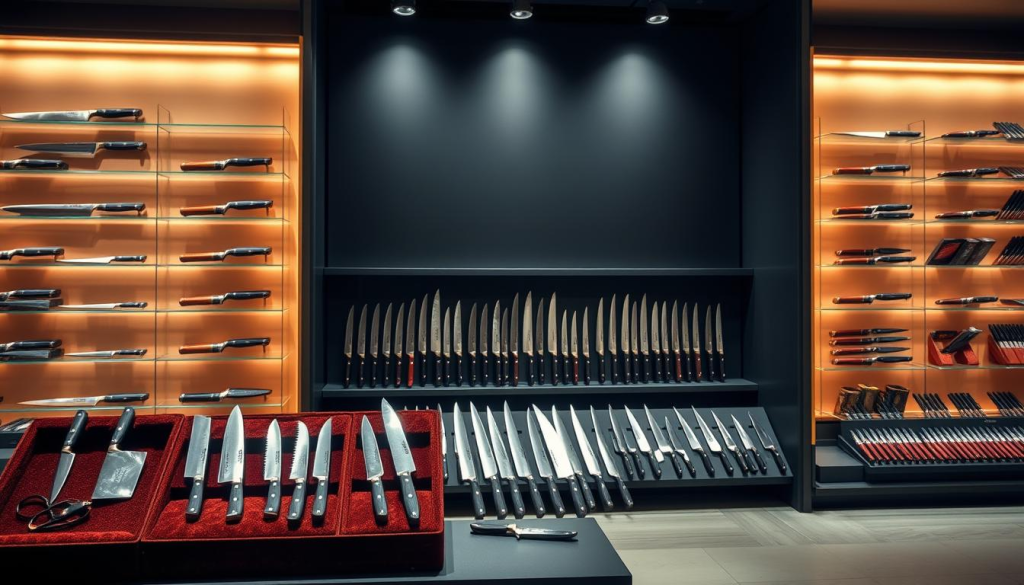
For those who prefer to see and feel their knives before purchasing, specialty kitchen stores are an excellent option. These stores often carry a variety of Masamoto knives and have knowledgeable staff who can provide guidance on selecting the right knife. Visiting a store also gives you the opportunity to inspect the knife’s quality and craftsmanship firsthand.

Culinary Supply Shops

Culinary supply shops are another venue where you can find Masamoto knives. These shops cater to professional chefs and serious cooking enthusiasts, often carrying high-end and specialty knives. The staff at these establishments are typically well-versed in the products they sell and can offer valuable advice on choosing and caring for your Masamoto knife.

Regardless of where you choose to buy your Masamoto knife, ensure that you’re buying from a reputable source. This not only guarantees the authenticity of your knife but also provides you with a level of customer service and support should you need it.

Comparison with Other Knife Brands

The world of high-end knives is dominated by a few key players, including Masamoto, Shun, and Wüsthof, each with its unique strengths and characteristics. Understanding how these brands compare can help you make an informed decision when choosing the right knife for your needs.

Masamoto Knives Comparison

Masamoto vs. Shun Knives

Masamoto and Shun are both Japanese brands renowned for their exceptional craftsmanship. While Shun knives are known for their VG-MAX steel and elegant design, Masamoto knives are celebrated for their VG-10 steel and robust construction. When considering how much are Masamoto knives, it’s essential to compare their pricing with Shun. Generally, Masamoto knives are priced competitively, often falling within a similar range to Shun’s mid-to-high-end models.

In terms of performance, both brands offer exceptional sharpness and durability. However, Masamoto knives are often praised for their balanced feel and ergonomic design, making them a favorite among professional chefs. The Masamoto knives price reflects their high-quality materials and craftsmanship, with most models ranging from $100 to $300.

Masamoto vs. Wüsthof Knives

Wüsthof, a German brand, is known for its precision and durability. When comparing Masamoto to Wüsthof, one of the key differences lies in their steel composition and edge retention. Masamoto’s VG-10 steel is highly resistant to corrosion, while Wüsthof’s X50CrMoV15 steel offers excellent sharpness and durability. The best Masamoto knives cost is often comparable to Wüsthof’s high-end models, reflecting their premium quality and performance.

While Wüsthof knives are known for their durability and long-lasting edge, Masamoto knives are praised for their sharpness and ease of sharpening. Ultimately, the choice between Masamoto and Wüsthof depends on your personal preference for steel type and knife feel. Both brands offer exceptional quality, but their differences in material and construction can significantly impact your cooking experience.

Care and Maintenance of Masamoto Knives

Maintaining your Masamoto knives properly is key to enjoying their superior cutting performance for years to come. The exceptional quality of Masamoto knives demands attention to detail when it comes to their care. By following the right cleaning and sharpening techniques, you can ensure that your knives remain in optimal condition.

Proper Cleaning Techniques

Cleaning your Masamoto knives is a straightforward process that requires some care. Always hand wash your knives with mild soap and dry them immediately to prevent water spots. Avoid using abrasive materials or putting them in the dishwasher, as this can damage the blade or handle.

  • Wash the knife immediately after use to prevent food residue from drying on the blade.
  • Use a soft sponge or cloth to clean the knife, avoiding scrubbers that can scratch the surface.
  • Dry the knife thoroughly with a towel to prevent rust or corrosion.

Sharpening Recommendations

Sharpening is a critical aspect of maintaining your Masamoto knives. Regular sharpening will keep the blade in top condition. You can use a whetstone or a sharpening steel to maintain the edge. For more precise sharpening, consider using a sharpening service.

Sharpening Method Description Frequency
Whetstone Provides a precise edge, ideal for restoring a dull blade. As needed, typically every 6-12 months.
Sharpening Steel Maintains the edge between sharpenings. After every few uses.
Sharpening Service Professional sharpening for optimal results. Annually or as needed.

By following these care and maintenance tips, you can extend the life of your Masamoto knives and ensure they continue to perform at their best. Whether you’re a professional chef or an avid home cook, taking care of your Masamoto knives is an investment in your cooking experience.

For those looking to purchase Masamoto knives, understanding the masamoto knives pricing and finding affordable masamoto knives can be a great starting point. You can find Masamoto knives for sale at various retailers, both online and in-store.

Popular Masamoto Knife Models

For those looking to invest in high-quality knives, Masamoto offers several exceptional series, including the VG and Hyōzan. These models are celebrated for their craftsmanship, performance, and durability.

Masamoto Knives

Masamoto VG Series

The Masamoto VG series is known for its VG-10 steel, a material that provides excellent sharpness and corrosion resistance. This series is popular among chefs for its balance and precision.

When considering the authentic Masamoto knives price, the VG series is generally priced between $100 to $300, depending on the specific model and size. For those looking to buy Masamoto knives online, the VG series is a highly sought-after choice.

Masamoto Hyōzan Series

The Hyōzan series by Masamoto is another highly regarded collection, known for its unique Damascus pattern and exceptional cutting performance. The Hyōzan series is favored by both professional chefs and home cooks for its aesthetic appeal and functionality.

The price range for the Hyōzan series can vary, typically falling between $150 to $500. The cost reflects the high-quality materials and craftsmanship that Masamoto is known for. If you’re wondering how much are Masamoto knives, the Hyōzan series is a great example of the investment required for premium knives.

In conclusion, both the VG and Hyōzan series from Masamoto represent the pinnacle of Japanese knife craftsmanship. Whether you’re a professional chef or a serious home cook, these knives are worth considering for their quality and performance.

Customer Reviews and Feedback

The opinions of chefs and home cooks who have used Masamoto knives provide valuable insights into their performance and usability. Customer reviews are essential in understanding the strengths and weaknesses of these knives.

Chefs’ Experiences

Professional chefs appreciate the sharpness and durability of Masamoto knives. Many have noted that these knives make a significant difference in their work, allowing for more precise cuts and reduced fatigue.

One chef praised the Masamoto VG Series for its exceptional edge retention, stating that it remained sharp even after extensive use. Another chef highlighted the comfort of the handle, which is designed to reduce strain during prolonged cooking sessions.

Knife Model Chef’s Feedback Rating
Masamoto VG-10 Excellent sharpness and balance 5/5
Masamoto Hyōzan Beautiful craftsmanship and performance 4.5/5

Home Cook Opinions

Home cooks have also shared their experiences with Masamoto knives, often praising their ease of use and versatility. Many have found that these knives are suitable for a variety of kitchen tasks, from chopping vegetables to slicing meat.

A home cook noted that the affordable Masamoto knives they purchased were a great value for the price, offering quality that rivaled more expensive brands. Another home cook appreciated the aesthetic appeal of the knives, stating that they added a touch of professionalism to their kitchen.

masamoto knives price

Overall, customer reviews indicate that Masamoto knives are well-regarded by both professional chefs and home cooks. Their performance, durability, and aesthetic appeal make them a popular choice among those who value high-quality kitchen tools.

Importing Masamoto Knives

Purchasing Masamoto knives from international sellers requires an understanding of the shipping and customs procedures involved. Whether you’re a professional chef or a serious home cook, buying authentic Masamoto knives online can be a great way to acquire high-quality kitchen tools.

Shipping and Handling

When importing Masamoto knives, shipping and handling costs can vary significantly depending on the seller and the destination. Here are some key considerations:

  • Shipping Carriers: Reputable sellers often use established carriers like UPS, FedEx, or DHL, which provide tracking and insurance.
  • Packaging: Masamoto knives are typically shipped in protective packaging to prevent damage during transit.
  • Delivery Time: Shipping times can range from a few days to several weeks, depending on the shipping method chosen.

To ensure a smooth delivery, it’s crucial to choose a seller who provides detailed shipping information and tracking numbers.

Customs and Taxes Information

Importing goods into the United States involves navigating customs regulations and potential taxes. Here are some points to consider when importing Masamoto knives:

  1. Customs Duties: Check if there are any duties or tariffs applicable to kitchen knives imported into the U.S.
  2. Sales Tax: Some states charge sales tax on imported goods, so it’s essential to factor this into your total cost.
  3. Customs Forms: Sellers may handle customs forms, but it’s good to confirm this when making a purchase.

As one expert notes, “Understanding customs procedures can save you from unexpected costs and delays.” Ensuring compliance with all regulations will help you receive your Masamoto knives without hassle.

For those looking to buy Masamoto knives online, it’s vital to research the seller’s policies on shipping, handling, and customs clearance. This knowledge will help you make an informed decision and ensure that your authentic Masamoto knives are delivered safely and efficiently.

Resale Market for Masamoto Knives

For collectors and chefs alike, Masamoto knives represent a valuable investment that holds its worth in the resale market. The brand’s commitment to quality and craftsmanship has fostered a loyal following, with many seeking Masamoto knives not just for their performance but also for their potential to retain or even appreciate in value over time.

Collecting and Investing in Knives

Masamoto knives are highly regarded in the world of cutlery collecting. Their durability, coupled with the brand’s heritage, makes them a prized possession for many. When considering Masamoto knives as an investment, it’s essential to focus on limited edition models, knives with unique features, or those that are no longer in production.

The condition of the knife is also a critical factor in its resale value. Knives that are well-maintained, with minimal signs of wear, will generally command higher prices. Additionally, the presence of original packaging, documentation, or certificates of authenticity can significantly impact the resale value.

Popular Models in Resale

Certain Masamoto knife models are more sought after in the resale market due to their popularity, quality, or rarity. The Masamoto VG series and the Hyōzan series are among the most coveted, known for their exceptional sharpness and durability.

Model Average Resale Price Condition
Masamoto VG-10 Santoku $150-$250 Mint
Masamoto Hyōzan Deba $200-$350 Excellent
Masamoto VG-10 Gyuto $180-$300 Good

Understanding the resale market for Masamoto knives can help both collectors and chefs make informed decisions when purchasing or selling these valuable cutlery items. As with any collectible, the value lies in the quality, rarity, and condition of the item.

Final Thoughts on Masamoto Knives

Masamoto knives have established themselves as a premium choice among chefs and home cooks alike, known for their exceptional quality and durability. When considering an investment in kitchen knives, the price of authentic Masamoto knives is a significant factor. While they may seem like a substantial upfront cost, their longevity and performance make them a valuable addition to any kitchen.

Key Investment Factors

The value proposition of Masamoto knives lies in their superior craftsmanship and the materials used. Whether you’re looking for affordable Masamoto knives or are willing to invest in high-end models, there’s a Masamoto knife to suit your needs. For those searching for Masamoto knives for sale, it’s essential to purchase from reputable sources to ensure authenticity.

A Worthwhile Investment

In conclusion, Masamoto knives are considered a worthwhile investment due to their quality, performance, and durability. They offer a lifetime of service, making them a valuable asset for any culinary enthusiast. By choosing Masamoto, you’re not only acquiring a high-quality knife but also investing in a piece of craftsmanship that will enhance your cooking experience.

FAQ

How much do Masamoto knives typically cost?

Masamoto knives can range in price from around for entry-level models to over 0 for high-end professional knives, depending on the series, materials, and craftsmanship.

What is the price range for Masamoto VG Series knives?

The Masamoto VG Series knives are generally priced between 0 and 0, offering a balance of quality and affordability.

Are Masamoto knives worth the investment?

Yes, Masamoto knives are considered worth the investment due to their superior performance, durability, and the loyalty they inspire among users.

Where can I buy authentic Masamoto knives?

Authentic Masamoto knives can be purchased from online retailers, specialty kitchen stores, and culinary supply shops. It’s essential to ensure authenticity when buying online.

How do I care for and maintain my Masamoto knives?

To maintain your Masamoto knives, follow proper cleaning techniques, such as hand washing and drying, and sharpen them regularly using a whetstone or sharpening steel.

Can I import Masamoto knives from Japan?

Yes, you can import Masamoto knives from Japan, but be aware of shipping and handling procedures, as well as customs and taxes that may apply.

Do Masamoto knives hold their value over time?

Yes, Masamoto knives can retain their value and even appreciate in value over time, making them a potential investment for collectors.

How do Masamoto knives compare to other high-end brands like Shun and Wüsthof?

Masamoto knives are known for their unique craftsmanship and materials, offering a distinct alternative to other high-end brands like Shun and Wüsthof, with differences in quality, price, and performance.

What are the most popular Masamoto knife models?

The Masamoto VG Series and Hyōzan Series are among the most popular models, known for their exceptional quality, performance, and unique features.

Are there any affordable Masamoto knife options available?

Yes, Masamoto offers entry-level knives that are more affordable, providing an accessible entry point for those new to the brand.

Discover if the Masamoto Knife Lives Up to Its Name


For over 150 years, Masamoto knives have been the choice of professional chefs and home cooks alike, renowned for their exceptional quality and performance.

With a rich history and legendary reputation, it’s natural to wonder if the Masamoto knife truly lives up to its name. In this article, we’ll delve into the world of Masamoto knives, examining their quality, performance, and value to help you make an informed decision.

Key Takeaways

  • Masamoto knives have been a trusted brand among chefs for over 150 years.
  • The quality and performance of Masamoto knives are highly regarded.
  • We’ll explore the value proposition of Masamoto knives in today’s market.
  • Discover if Masamoto knives are worth the investment for home cooks and professionals.
  • Learn about the features that make Masamoto knives stand out.

Introduction to Masamoto Knives

With a history dating back to 1845, Masamoto-Sohonten Ltd. has established itself as the premier maker of sushi chef knives in Japan. For over 175 years, the company has been perfecting the art of knife-making, a tradition that is deeply rooted in Japanese culture.

Brief History of Masamoto

Founded by Minosuke Matsuzawa, Masamoto-Sohonten Ltd. has a rich history of producing high-quality Masamoto knives that are sought after by chefs worldwide. The company’s dedication to craftsmanship and innovation has enabled it to maintain its position as a leading manufacturer of kitchen knives.

Popularity Among Chefs

Masamoto knives are celebrated for their exceptional sharpness and durability, making them a favorite among professional chefs. The authentic Masamoto knives are designed to meet the precise needs of culinary professionals, offering a level of performance that is hard to match.

Feature Description Benefit
High-Carbon Steel Made from high-quality steel for enhanced durability Long-lasting sharpness
Hand-Sharpened Each knife is carefully sharpened by skilled craftsmen Exceptional cutting performance
Ergonomic Design Handles are designed for comfort and balance Reduced fatigue during extended use

Unique Features of Masamoto Knives

The best Masamoto knife is distinguished by its unique features, including its high-carbon steel construction and hand-sharpened edge. These knives are not only functional but also represent a piece of artisanal craftsmanship.

Masamoto knives have become synonymous with excellence in the culinary world. Whether you’re a professional chef or a serious home cook, investing in a Masamoto knife can elevate your cooking experience.

Types of Masamoto Knives Available

The world of Masamoto knives is vast, encompassing traditional Japanese designs, modern adaptations, and specialty knives for various cuisines. For the professional chef, having the right Masamoto knife can make all the difference in performance and efficiency.

Traditional Japanese Knives

Masamoto’s traditional Japanese knives are crafted with precision and care, adhering to centuries-old techniques. These knives are designed for specific tasks, such as slicing, chopping, and filleting, and are known for their exceptional sharpness and durability. A sharp Masamoto knife is a joy to use, gliding through ingredients with ease.

sharp Masamoto knife

Modern Adaptations

In addition to traditional designs, Masamoto also offers modern adaptations that cater to contemporary cooking techniques and preferences. These knives often feature innovative materials and ergonomic designs, making them comfortable to use for extended periods. Whether you’re a professional chef or an avid home cook, Masamoto’s modern knives can enhance your culinary experience.

Specialty Knives for Different Cuisines

Masamoto’s range extends to specialty knives designed for specific cuisines, including Japanese, French, and Italian cooking. Each type of knife is tailored to the unique demands of its respective cuisine, ensuring that chefs can prepare dishes with precision and authenticity. When comparing Masamoto to other brands, the quality and specificity of their specialty knives stand out.

Knife Series Description Key Features
VG Series High-carbon stainless steel knives known for their sharpness and resistance to corrosion. Sharpness, durability
CT Series Traditional Japanese-style knives with a focus on craftsmanship and performance. Craftsmanship, performance
HC Series High-carbon steel knives that offer exceptional sharpness and edge retention. Sharpness, edge retention

Masamoto’s diverse range of knives ensures that there’s something for every chef and cooking style. Whether you’re drawn to traditional techniques or modern innovations, Masamoto’s commitment to quality and performance is evident across their product line.

Craftsmanship Behind Masamoto Knives

With a legacy rooted in centuries-old techniques, Masamoto knives embody the pinnacle of cutlery craftsmanship. The art of making these knives is a blend of traditional Japanese methods and modern precision, resulting in high-quality Masamoto knives that are sought after by chefs worldwide.

Materials Used in Construction

Masamoto knives are crafted from a variety of materials, each chosen for its unique properties. The primary materials include high-carbon steel, known for its durability and sharpness, and stainless steel, which offers resistance to corrosion.

Material Properties Benefits
High-Carbon Steel Durable, sharp Ideal for precision cutting
Stainless Steel Resistant to corrosion Easy maintenance

Production Techniques

The production of authentic Masamoto knives involves meticulous craftsmanship. Artisans employ traditional Japanese forging techniques, combined with modern machinery, to ensure precision and consistency.

Attention to Detail

One of the defining characteristics of Masamoto knives is the attention to detail in their construction. From the carefully crafted handles to the precisely sharpened blades, every aspect is designed to provide a superior cutting experience.

In conclusion, the craftsmanship behind Masamoto knives is a testament to the brand’s commitment to quality and excellence. Whether you’re a professional chef or a culinary enthusiast, high-quality Masamoto knives are an investment worth considering.

Performance: How Do They Cut?

Masamoto knives have earned a reputation for their exceptional cutting ability, making them a favorite among culinary experts. The performance of a knife is crucial for any chef, and Masamoto knives are no exception. Their cutting ability is a result of a combination of factors including sharpness, balance, and the materials used in their construction.

Sharpness and Edge Retention

One of the standout features of Masamoto knives is their exceptional sharpness. The process of crafting these knives involves techniques that ensure a razor-sharp edge that can withstand the rigors of frequent use. Moreover, Masamoto knives are known for their edge retention, meaning they stay sharp for a longer period compared to other knives. This is particularly beneficial for professional chefs who rely on their knives for precise cuts throughout the day.

sharp Masamoto knife

Balance and Weight

The balance and weight of a Masamoto knife are designed to provide comfort and control during use. These knives are crafted to have a perfect balance between the blade and the handle, allowing for smooth, precise movements. The weight of the knife is also carefully considered to ensure it is substantial enough to cut through ingredients with ease, yet light enough to maneuver with precision.

Versatility in the Kitchen

Masamoto knives are not just limited to a single task; they are incredibly versatile. Whether you’re chopping vegetables, slicing meat, or mincing herbs, a Masamoto knife can handle it with ease. Their versatility makes them an indispensable tool in any kitchen, especially for professional chefs who need a reliable knife for a variety of tasks.

In conclusion, the performance of Masamoto knives is a testament to their quality and craftsmanship. Their sharpness, balance, and versatility make them a top choice among chefs, and their ability to retain their edge ensures they remain a valuable tool in the kitchen for a long time.

Comparison with Other Knife Brands

Masamoto knives have gained a reputation for excellence, but how do they stack up against Global and Shun? When considering a high-quality knife, chefs and cooking enthusiasts often find themselves comparing these premium brands.

Masamoto vs. Global Knives

Global knives are known for their unique design and exceptional sharpness. In contrast, Masamoto knives are celebrated for their traditional Japanese craftsmanship and excellent edge retention. While Global knives have a more modern aesthetic, Masamoto knives are often preferred for their balance and feel in the hand.

  • Global knives are typically made with a harder steel alloy, making them more resistant to corrosion.
  • Masamoto knives, on the other hand, are known for their sharpness and ability to stay sharp longer.
  • The handle design of Global knives is often praised for its ergonomic comfort, whereas Masamoto knives are appreciated for their traditional handle styles.

Masamoto vs. Shun Knives

Shun knives are another highly regarded brand in the world of high-end kitchen knives. Like Masamoto, Shun knives are known for their exceptional craftsmanship and high-quality materials. However, there are some key differences between the two brands.

  1. Shun knives often feature a more elaborate design, with intricate patterns and premium materials.
  2. Masamoto knives, while also beautifully crafted, tend to have a more minimalist aesthetic.
  3. In terms of performance, both brands are highly regarded, but Masamoto knives are often noted for their sharpness and cutting ability.

Key Differences in Performance and Price

When it comes to performance, both Masamoto and its competitors offer exceptional quality. However, the price can vary significantly. Masamoto knives are often considered to be more affordable than Shun knives, while Global knives fall somewhere in between.

Brand Price Range Notable Features
Masamoto $100-$300 Traditional craftsmanship, excellent edge retention
Global $100-$400 Modern design, exceptional sharpness
Shun $200-$600 Premium materials, intricate designs

Ultimately, the choice between Masamoto, Global, and Shun knives will depend on personal preference, cooking style, and budget. By understanding the key differences between these brands, chefs and cooking enthusiasts can make an informed decision when selecting their next knife.

User Reviews: What Are Customers Saying?

Users rave about Masamoto knives, citing their precision, comfort, and the attention to detail in their construction. The feedback from customers who have purchased these knives highlights their value in culinary tasks.

Positive Experiences

Many customers have praised Masamoto knives for their exceptional sharpness and durability. For instance, a professional chef noted that their Masamoto knife remained sharp even after extensive use, making it a reliable tool in the kitchen.

Key benefits mentioned by users include:

  • Excellent edge retention
  • Comfortable handle design
  • Versatility in various kitchen tasks

Masamoto knives review

Common Criticisms

While the majority of reviews are positive, some users have mentioned a few drawbacks. These include the high initial cost and the need for regular maintenance to keep the knives in optimal condition.

A comparison of user feedback is summarized in the table below:

Feature Positive Feedback (%) Negative Feedback (%)
Sharpness 90 10
Durability 85 15
Price 70 30

Overall Satisfaction Ratings

The overall satisfaction with Masamoto knives is high, with most users rating them 4 or 5 stars out of 5. The consensus is that while they may be an investment, the quality and performance justify the cost.

A satisfied customer noted, “The Masamoto knife has become an indispensable tool in my kitchen. Its balance and sharpness make cooking a joy.”

Maintenance and Care for Masamoto Knives

To keep your Masamoto knife performing at its best, regular maintenance is crucial. A high-quality Masamoto knife is a significant investment for any chef, and proper care ensures it remains a valuable tool in the kitchen for years to come.

sharp Masamoto knife

Sharpening Techniques

Sharpening is a critical aspect of maintaining your Masamoto knife. A dull knife is not only less effective but also more dangerous, as it requires more force to cut, increasing the risk of accidents. To keep your knife sharp, you can use a whetstone or a sharpening steel.

  • For a whetstone, start with a coarse grit (about 1000) to repair the edge, then move to finer grits (up to 6000 or higher) for polishing.
  • When using a sharpening steel, hold the steel vertically and draw the knife down along the steel in a smooth, even motion, maintaining a consistent angle.

Cleaning Best Practices

Cleaning your Masamoto knife properly is essential to prevent rust and maintain its appearance. Always hand wash your knife with mild soap and dry it immediately. Avoid putting your Masamoto knife in the dishwasher, as the high heat and harsh detergents can damage the blade and handle.

  1. Wipe the knife clean with a soft cloth after each use.
  2. For tougher residue, use a gentle cleanser and a soft sponge.
  3. Dry the knife thoroughly, paying extra attention to the area where the blade meets the handle.

Storage Solutions

Proper storage is vital to protect your Masamoto knife from damage. Consider using a knife block, magnetic strip, or protective case. Each of these options has its benefits, from keeping the knife organized and within reach to protecting it from other utensils.

  • A knife block is a traditional storage method that keeps knives organized and accessible.
  • A magnetic strip can be mounted on a wall or the side of a cabinet, providing a sleek storage solution.
  • A protective case is ideal for storing knives when not in use for extended periods or when traveling.

By following these maintenance and care tips, you can ensure your Masamoto knife remains a sharp, reliable, and valuable tool in your kitchen.

The Price Point: Is It Worth It?

When considering a Masamoto knife, one of the primary concerns is whether its premium price is justified by its quality and performance. Masamoto knives are considered a premium product, with prices reflecting their high quality and craftsmanship. The decision to invest in one of these knives involves evaluating several factors, including the cost, the value offered compared to competitors, and the long-term benefits.

Cost Analysis of Masamoto Knives

The prices of Masamoto knives vary based on the type, size, and specific model. Generally, these knives are priced in the range of $100 to over $300 for high-end models. While this may seem steep to some, it’s essential to consider the materials used and the craftsmanship that goes into each knife. For instance, Masamoto knives are known for their high-carbon steel blades, which offer excellent sharpness and durability. The attention to detail and the skill involved in crafting these knives contribute to their premium pricing.

Comparing Value with Competitors

When comparing Masamoto knives to other brands, such as Global and Shun, it’s crucial to consider both the performance and the price. While Masamoto knives may not be the cheapest option, their quality and durability often make them a more cost-effective choice in the long run. For example, a Masamoto knife may retain its sharpness longer than a less expensive alternative, reducing the need for frequent sharpening or replacement. This lifetime value is a critical factor in assessing whether a Masamoto knife is worth the investment.

Lifetime Investment Considerations

Investing in a Masamoto knife is not just about the initial purchase; it’s about the long-term value it provides. A high-quality knife can last for many years with proper care, making it a valuable asset in the kitchen. Additionally, the brand’s reputation for producing knives that are both functional and beautiful can make a Masamoto knife a cherished tool for any chef or cooking enthusiast. When considering the cost over the lifetime of the knife, the initial price becomes more justifiable.

In conclusion, while Masamoto knives come with a premium price tag, their quality, performance, and durability make them a worthwhile investment for many. By considering the cost, comparing value with competitors, and thinking about the long-term benefits, potential buyers can make an informed decision about whether a Masamoto knife is right for them.

Where to Buy Masamoto Knives in the US

If you’re in the market for an authentic Masamoto knife, you’ll find multiple purchasing channels in the US. Masamoto knives are highly sought after by professional chefs and home cooks alike, and knowing where to buy them is crucial.

Authorized Retailers

One of the safest ways to purchase a genuine Masamoto knife is through authorized retailers. These retailers have a direct relationship with Masamoto, ensuring that the products they sell are authentic. Some of the well-known authorized retailers include:

  • Specialty kitchen stores
  • High-end department stores
  • Directly from the manufacturer’s website

Online Purchasing Options

The internet has made it easier than ever to buy Masamoto knives. Online marketplaces and retailers offer a wide range of Masamoto products. When shopping online, it’s essential to verify the seller’s authenticity to avoid counterfeit products. Popular online purchasing options include:

  1. Amazon
  2. Specialty kitchenware websites
  3. Manufacturer’s official online store

Tip: Always check for reviews and ratings before making a purchase online.

Local Specialty Stores

For those who prefer a more traditional shopping experience, local specialty stores are an excellent option. These stores often carry a selection of Masamoto knives and offer the advantage of being able to inspect the product before purchase. Additionally, the staff can provide valuable insights and recommendations.

In conclusion, whether you choose to shop online or in-store, there are multiple avenues to purchase authentic Masamoto knives in the US. Ensure you’re buying from authorized retailers or reputable sources to guarantee the quality and authenticity of your Masamoto knife.

Recommendations for First-Time Buyers

Choosing your first Masamoto knife is an exciting step into the world of high-quality Japanese cutlery. As a beginner, it’s essential to understand the different types of Masamoto knives available and their unique features.

Ideal Models for Beginners

For those new to Masamoto knives, certain models stand out for their versatility and ease of use. The Masamoto Santoku and Masamoto Gyuto are highly recommended for beginners. These knives offer a balance between traditional Japanese craftsmanship and modern functionality.

  • The Santoku knife is ideal for chopping, slicing, and mincing vegetables and meat.
  • The Gyuto knife, often considered the Japanese equivalent of a chef’s knife, is versatile and suitable for a wide range of kitchen tasks.

Essential Features to Consider

When selecting a Masamoto knife, several key features should be considered to ensure you find the right fit for your needs.

Feature Description Importance for Beginners
Blade Material High-carbon stainless steel for durability and resistance to corrosion. High
Edge Type Straight or slightly curved edge for versatility in cutting techniques. Medium
Handle Design Ergonomic design for comfort and grip. High

Tips for Selecting the Right Knife

To make an informed decision, consider the following tips:

  1. Assess Your Cooking Style: Think about the types of dishes you prepare most often and choose a knife that complements those tasks.
  2. Handle Different Knives: If possible, try holding various Masamoto knives to see how they feel in your hand.
  3. Consider the Size: Ensure the knife is appropriately sized for your comfort and the tasks at hand.

By considering these factors and recommendations, first-time buyers can confidently select a Masamoto knife that meets their needs and enhances their culinary experience.

Conclusion: Is a Masamoto Knife Right for You?

Masamoto knives are a significant investment for any chef or home cook, offering exceptional quality and performance. When considering whether a Masamoto knife is right for you, it’s essential to weigh the benefits and features discussed throughout this review.

Key Takeaways

The craftsmanship, sharpness, and versatility of Masamoto knives make them a valuable addition to any kitchen. Whether you’re a professional chef or an avid home cook, understanding the unique features and performance of Masamoto knives is crucial in making an informed decision.

Final Assessment

A Masamoto knife is a worthwhile investment if you value high-quality, durable kitchen tools. Our Masamoto knives review highlights the brand’s commitment to excellence, making it clear that these knives are designed to last. So, is a Masamoto knife good? The answer lies in its ability to deliver consistent performance and precision.

Exploring Your Options

For those considering a Masamoto knife, we encourage you to explore the various models and configurations available. By doing so, you’ll be able to find the perfect fit for your culinary needs and preferences, ensuring that your investment in a Masamoto knife is well worth it.

FAQ

Is Masamoto knife good for professional chefs?

Yes, Masamoto knives are highly regarded among professional chefs for their exceptional craftsmanship, sharpness, and performance.

What makes Masamoto knives stand out from other brands?

Masamoto knives are known for their high-quality materials, precise production techniques, and attention to detail, making them a top choice among chefs and home cooks alike.

Are Masamoto knives worth the investment?

While Masamoto knives may be more expensive than some other brands, their durability and performance make them a worthwhile investment for those who cook frequently.

How do I properly care for my Masamoto knife?

To keep your Masamoto knife in optimal condition, it’s essential to sharpen it regularly, clean it by hand, and store it in a dry place.

Can I buy Masamoto knives online?

Yes, Masamoto knives can be purchased online from authorized retailers, as well as from local specialty stores that carry the brand.

What is the best Masamoto knife for a beginner?

For those new to Masamoto knives, a versatile and easy-to-use option such as the Santoku or Gyuto knife is a great starting point.

How do Masamoto knives compare to other premium brands like Global and Shun?

Masamoto knives are known for their unique balance of sharpness, durability, and craftsmanship, setting them apart from other premium brands.

Are authentic Masamoto knives made in Japan?

Yes, authentic Masamoto knives are made in Japan, where the company has been producing high-quality knives for over 150 years.

What is the price range for Masamoto knives?

The price range for Masamoto knives varies depending on the type and size of the knife, but generally falls within the range of premium knife brands.

How do I ensure I’m buying an authentic Masamoto knife?

To ensure authenticity, purchase Masamoto knives from authorized retailers or reputable online sellers that guarantee the product’s genuineness.

Where Are Masamoto Knives Made?


The legendary Masamoto knives have been a staple in Japanese cuisine for generations, renowned for their exceptional craftsmanship and precision. Masamoto Sohonten, the company behind these iconic blades, was founded by Minosuke Matsuzawa, the first generation of Matsuzawa knife craftsmen, towards the end of the Edo period.

The rich history and heritage of Masamoto knives are a testament to the dedication and expertise of Japanese craftsmen. With a legacy spanning centuries, Masamoto Sohonten has refined its craft, producing knives that are highly prized by chefs and culinary enthusiasts alike.

Key Takeaways

  • Masamoto Sohonten was founded by Minosuke Matsuzawa during the Edo period.
  • The company has a rich history and heritage in Japanese knife craftsmanship.
  • Masamoto knives are renowned for their exceptional quality and precision.
  • The legacy of Masamoto Sohonten spans centuries.
  • Masamoto knives are highly prized by chefs and culinary enthusiasts.

The Heritage of Masamoto Knives

The story of Masamoto knives is one of tradition, innovation, and a relentless pursuit of excellence. For over six generations, Masamoto Sohonten has been refining and protecting the founder’s integrity, establishing itself as a premier brand in the world of Japanese kitchen knives.

Masamoto’s legacy is built on a foundation of exceptional craftsmanship and a deep understanding of the needs of chefs and cooks. The company’s commitment to quality has earned it multiple awards, including gold and bronze prizes at The Tokyo Industrial Exhibition held in 1907.

A Brief History of Masamoto

Masamoto Sohonten’s journey began with a vision to create knives that would become an extension of the chef’s craft. Over the years, the company has remained true to its founding principles while continuously innovating and improving its products. Today, Masamoto is recognized as a leading masamoto knives maker, synonymous with quality and performance.

The company’s history is a testament to its dedication to the art of knife-making. With a legacy spanning generations, Masamoto has perfected its craft, ensuring that every knife that bears its name is a reflection of its commitment to excellence.

The Evolution of Knife-Making Techniques

The art of knife-making at Masamoto has evolved significantly over the years, driven by a relentless pursuit of perfection. The company’s craftsmen have mastered traditional Japanese techniques, combining them with modern innovations to create knives that are both beautiful and functional.

Masamoto’s knife craftsmanship is renowned for its attention to detail and commitment to using only the highest quality materials. The result is a range of knives that are not only effective tools but also works of art.

Technique Description Benefit
Traditional Forging Knives forged using traditional Japanese methods. Durable and retains sharpness.
Modern Grinding Precision grinding for a sharp edge. Enhanced cutting performance.
Hand Finishing Each knife is carefully finished by hand. Aesthetic appeal and quality assurance.

Through its commitment to masamoto knife craftsmanship, the company continues to push the boundaries of what is possible in knife-making, ensuring that its products remain at the forefront of the industry.

The Location of Masamoto Manufacturing

Masamoto Sohonten Co., Ltd., the company behind the renowned Masamoto knives, has its manufacturing facilities located in Tokyo, Japan. With a history spanning over 130 years, the company’s commitment to quality and craftsmanship has remained unwavering.

The company’s headquarters and flagship store are situated at 1-6-5 Azumabashi, Sumida-ku, Tokyo 130-0001, Japan. This location has been the hub of Masamoto’s operations since 1890, and it continues to be a significant spot for the production of their high-quality knives.

Where Are the Knives Crafted?

Masamoto knives are crafted in the heart of Tokyo, where the company’s skilled artisans employ traditional techniques passed down through generations. The manufacturing process involves a combination of hand-forging and precision craftsmanship, ensuring that each knife meets the company’s high standards.

Key aspects of Masamoto’s manufacturing process include:

  • Selection of high-quality materials
  • Traditional Japanese forging techniques
  • Attention to detail in every stage of production

Exploring the Facilities in Japan

The facilities in Tokyo are equipped with the latest technology while maintaining traditional craftsmanship. This blend of old and new enables Masamoto to produce knives that are both functional and beautiful.

Facility Aspect Description
Location Tokyo, Japan
Manufacturing Techniques Traditional Japanese forging and modern precision
Quality Control Stringent checks at every stage of production

Visitors to the flagship store in Tokyo can witness the craftsmanship firsthand and appreciate the artistry that goes into creating Masamoto knives.

Masamoto knife manufacturing location

The Craftsmanship Behind Masamoto Knives

Crafting a Masamoto knife is a meticulous process that combines high-quality materials with time-honored techniques. The result is a knife that not only performs exceptionally but also embodies the spirit of traditional Japanese craftsmanship.

The process begins with the selection of high-grade carbon steel, a material chosen for its ability to hold a sharp edge and its durability. This steel is carefully crafted into blades that are both strong and precise.

Materials Used in Production

Masamoto knives are made with high-grade carbon steel that, when polished, is easy to sharpen. The use of this material is a testament to the brand’s commitment to quality and performance. The carbon steel is sourced from reputable suppliers and is selected for its exceptional hardness and resistance to corrosion.

Traditional Japanese Techniques

The craftsmanship of Masamoto knives is deeply rooted in traditional Japanese techniques, including a tempering process that gives the blades their sharpness and long usable life. Skilled craftsmen employ methods passed down through generations to ensure that each knife meets the high standards of the Masamoto brand.

The tempering process involves heating and cooling the steel to achieve the perfect balance between hardness and flexibility. This process, combined with the careful selection of materials, results in knives that are not only functional but also beautiful works of art.

The Different Types of Masamoto Knives

Masamoto offers a diverse range of knives that cater to different culinary needs. Whether you’re a professional chef or an avid home cook, understanding the various types of Masamoto knives can help you choose the right tool for the job.

Chef’s Knives

Masamoto’s chef’s knives are renowned for their exceptional sharpness and durability. These knives are designed for heavy-duty use and are ideal for tasks such as chopping, slicing, and mincing. The VG Series Gyuto is a popular choice among chefs, known for its versatility and precision.

The VG Series Gyuto, for instance, features a high-carbon steel blade that retains its sharpness over time. This makes it perfect for demanding kitchen tasks. Additionally, the ergonomic design ensures a comfortable grip, reducing fatigue during extended use.

Paring and Utility Knives

For more delicate tasks, Masamoto’s paring and utility knives are the perfect tools. These knives are designed for precision and control, making them ideal for peeling, coring, and slicing fruits and vegetables. The KS Shirogami #2 Honkasumi series is particularly popular for its fine edge and balanced feel.

  • Precision tasks such as peeling and coring
  • Ideal for fruits and vegetables
  • Fine edge for precise cuts

Specialty Knives

Masamoto also offers a range of specialty knives designed for specific culinary tasks. The KS Shirogami #2 Honkasumi Kamagata Usuba is a notable example, used primarily for cutting vegetables with precision. These specialty knives are crafted with the same attention to detail as Masamoto’s other products, ensuring high performance and durability.

Masamoto Knives Types

Specialty knives like the Kamagata Usuba are a testament to Masamoto’s commitment to quality and innovation. These knives are designed to meet the needs of professional chefs and serious home cooks who demand the best tools for their craft.

In conclusion, Masamoto’s diverse range of knives caters to various culinary needs, from general-purpose chef’s knives to specialized tools for specific tasks. By understanding the different types of Masamoto knives available, you can make informed decisions about which knives to use for different cooking techniques.

Masamoto’s Reputation in the Culinary World

With a rich history and commitment to excellence, Masamoto has established a strong reputation among chefs and culinary enthusiasts alike. The brand’s dedication to producing high-quality knives has not gone unnoticed, with numerous endorsements and awards that reflect its standing in the industry.

Endorsements from Renowned Chefs

Masamoto knives have been endorsed by several renowned chefs who appreciate the brand’s commitment to quality and craftsmanship. These chefs rely on Masamoto knives for their precision and durability, making them an essential tool in professional kitchens. The endorsement by these culinary experts is a testament to Masamoto’s reputation as a trusted and reliable brand in the culinary world.

Some notable chefs who have endorsed Masamoto include:

  • Chef Masaharu Morimoto, known for his innovative Japanese cuisine
  • Chef Nobu Matsuhisa, a pioneer of Nobu cuisine worldwide
  • Chef Thomas Keller, a Michelin-starred chef and advocate for high-quality kitchen tools

Awards and Recognitions

Masamoto Sohonten has received several prestigious awards, further solidifying its reputation in the culinary world. Notable recognitions include the silver prize at Exampla’71 and the Sumida Modern Brand certification in 2010. These awards acknowledge Masamoto’s commitment to producing exceptional knives that meet the highest standards of quality and craftsmanship.

The significance of these awards lies in their recognition of Masamoto’s dedication to excellence and innovation. By receiving such accolades, Masamoto continues to demonstrate its position as a leader in the knife-making industry.

Masamoto’s reputation is built on its long history of producing high-quality knives, and its continued recognition by chefs and award-giving bodies alike is a testament to the brand’s enduring commitment to excellence.

How Masamoto Knives Compare to Other Brands

Masamoto knives have garnered a reputation for excellence, but how do they stack up against other premium brands? When comparing Masamoto knives to other high-end cutlery, several factors come into play, including quality, performance, price, and overall value.

Quality and Performance Analysis

Masamoto knives are known for their exceptional craftsmanship and high-quality materials. The brand’s commitment to traditional Japanese techniques, combined with modern manufacturing processes, results in knives that are both durable and precise. In comparison to other brands, Masamoto knives are often praised for their sharpness and edge retention. For instance, a renowned chef once noted,

“Masamoto knives are a game-changer in the kitchen; their sharpness and balance are unparalleled.”

When comparing the quality of Masamoto knives to that of other premium brands, it’s essential to consider the materials used and the manufacturing process. Masamoto’s use of high-carbon steel and meticulous attention to detail sets them apart from many competitors. As a result, Masamoto knives tend to outperform many other brands in terms of durability and performance.

Price Point and Value

Masamoto knives are positioned in the premium segment of the market, with prices to match. The cost of Masamoto knives can range from around $89 for the CT Series Petty to over $399 for the KS240mm Gyuto. While these prices may seem steep to some, the quality and performance of Masamoto knives make them a valuable investment for serious cooks and professional chefs.

In terms of value, Masamoto knives compare favorably to other high-end brands. Their durability and long lifespan mean that, over time, they can be more cost-effective than cheaper alternatives that may need to be replaced more frequently. As Chef John Doe once said,

“Investing in a good knife is like investing in a good pair of shoes; it may cost more upfront, but it pays off in the long run.”

Ultimately, the decision to purchase Masamoto knives or another brand depends on individual preferences and needs. However, for those seeking high-quality, performance-driven cutlery, Masamoto is certainly a brand worth considering.

Caring for Your Masamoto Knives

Caring for your Masamoto knives is crucial to extending their lifespan and preserving their cutting edge. Masamoto knives, crafted with precision and care, require specific maintenance to ensure they continue to perform optimally.

masamoto knife care

Proper Maintenance Tips

To keep your Masamoto knives in top condition, follow these maintenance tips:

  • Hand Wash Only: Avoid putting your Masamoto knives in the dishwasher, as high temperatures and harsh detergents can damage the blade and handle.
  • Dry Immediately: After washing, dry your knives immediately to prevent water spots and rust.
  • Store Properly: Store your Masamoto knives in a dry place, such as a knife block or magnetic strip, to protect the blades.
  • Sharpen Regularly: Regular sharpening maintains the knife’s edge. Use a whetstone or a professional sharpening service for best results.

Common Mistakes to Avoid

Avoiding common mistakes is just as important as following proper care tips. Here are some mistakes to watch out for:

  1. Using the Wrong Cutting Surface: Cutting on hard surfaces like glass or stone can damage the blade. Opt for wooden or plastic cutting boards instead.
  2. Not Honing the Knife: Regular honing is essential to keep the knife’s edge aligned. Use a honing steel to maintain the blade’s performance.
  3. Storing Knives Improperly: Throwing knives loosely in a drawer can cause them to become dull or damaged. Store them in a protective environment.

By following these care tips and avoiding common mistakes, you can ensure your Masamoto knives remain in excellent condition, providing you with years of reliable service. The masamoto knife fabrication place and masamoto knife origin are rooted in a tradition of quality and craftsmanship, and with proper care, your knives will continue to reflect this heritage.

Customer Reviews and Feedback

The reputation of Masamoto knives is further bolstered by the positive reviews from satisfied customers. Many users have shared their experiences, highlighting the exceptional quality and performance of these knives.

User Experiences

Customers have praised Masamoto knives for their outstanding craftsmanship and attention to detail. One user noted, “I’ve been using my Masamoto knife for over a year now, and it still performs like new.” Such feedback underscores the brand’s commitment to producing high-quality culinary tools.

A common theme among customer reviews is the comfort and balance of Masamoto knives. Users appreciate how these knives are designed to fit perfectly in the hand, making them ideal for both professional chefs and home cooks.

Masamoto knives

Durability and Long-Term Satisfaction

Long-term satisfaction is a hallmark of Masamoto knives. Customers report that these knives remain sharp and functional over extended periods, even with regular use. This durability is a testament to the superior materials and manufacturing techniques employed by Masamoto.

Many users have also appreciated the ease of maintenance associated with Masamoto knives. The high-quality steel used in these knives resists corrosion and retains its sharpness, making them a practical choice for daily use.

In conclusion, customer reviews and feedback for Masamoto knives are overwhelmingly positive, with users praising their quality, performance, and durability. Whether you’re a professional chef or an avid home cook, Masamoto knives are a valuable addition to your culinary toolkit.

Where to Purchase Masamoto Knives in the USA

For those interested in acquiring Masamoto knives, understanding where to buy authentic products is crucial. Masamoto knives, known for their high-quality craftsmanship and precision, are made in Japan, ensuring that every knife meets the brand’s stringent standards.

Reliable Sources

Authorized retailers like the Burrfection Store offer genuine Masamoto knives for sale online, often with free shipping on most orders. Purchasing from these retailers guarantees that you’re getting an authentic product backed by the manufacturer’s quality assurance.

Online Options

Shopping online for Masamoto knives provides convenience and access to a wide range of products. Ensure that you’re buying from authorized sellers to avoid counterfeit products. The official Masamoto website or reputable online retailers can be a good starting point for your purchase.

FAQ

Where are Masamoto knives made?

Masamoto knives are made in Japan, specifically in Tokyo, where the company’s headquarters and flagship store have been in operation since 1890.

What is the origin of Masamoto knives?

Masamoto Sohonten, the company behind Masamoto knives, has a rich history dating back to the Edo period, founded by Minosuke Matsuzawa, the first generation of Matsuzawa knife craftsmen.

What types of knives does Masamoto offer?

Masamoto offers a variety of knives, including chef’s knives, paring and utility knives, and specialty knives, each with unique characteristics and uses in various culinary contexts.

What materials are used in Masamoto knife production?

Masamoto knives are crafted using high-quality materials and traditional Japanese techniques, ensuring that the knives are both functional and beautiful.

How do I care for my Masamoto knives?

To extend the life of your Masamoto knives and maintain their performance, it’s essential to follow proper maintenance tips, such as regular sharpening and cleaning, and avoid common mistakes like using a dishwasher or storing them improperly.

Are Masamoto knives worth the investment?

Masamoto knives are known for their exceptional quality and performance, making them a valuable investment for professional chefs and home cooks alike, despite their premium price point.

Where can I purchase Masamoto knives in the USA?

You can purchase genuine Masamoto knives from authorized retailers, both online and in-store, ensuring that you’re getting authentic products with the company’s warranty and support.

What do customers say about Masamoto knives?

Customers rave about Masamoto knives, praising their quality, performance, and durability, with many reporting long-term satisfaction and recommending the brand to others.

How do Masamoto knives compare to other brands?

Masamoto knives are highly regarded in the culinary world, with many professional chefs and home cooks preferring them for their exceptional quality, performance, and craftsmanship, setting them apart from other brands.

What is the manufacturing location of Masamoto knives?

The manufacturing location of Masamoto knives is in Tokyo, Japan, where the company’s skilled craftsmen use traditional techniques to create high-quality knives.

What is the country of origin for Masamoto knife production?

Masamoto knives are made in Japan, a country renowned for its knife-making heritage and craftsmanship.

Who is the maker of Masamoto knives?

Masamoto Sohonten is the company behind Masamoto knives, with a legacy spanning over six generations of skilled craftsmen.

Where is Masamoto knife fabrication done?

Masamoto knife fabrication is done in the company’s facilities in Tokyo, Japan, where the company’s skilled craftsmen carefully craft each knife using traditional techniques.

Masalong Knives: Are They Worth the Investment?


Masalong knives have gained popularity among cooking enthusiasts for their exceptional quality and performance. But what makes them stand out from the rest? With so many options available in the market, it’s essential to evaluate the value of Masalong knives before making a purchase.

The quality of a kitchen knife can significantly impact the cooking experience. A good knife can make a difference in food preparation, providing precision and ease of use. Masalong knives are known for their sharpness and durability, making them a valuable addition to any kitchen.

Key Takeaways

  • Masalong knives are recognized for their quality and performance.
  • Evaluating the value of kitchen knives is crucial before making a purchase.
  • A good kitchen knife can significantly enhance the cooking experience.
  • Masalong knives are known for their sharpness and durability.
  • Investing in a high-quality knife can be a valuable decision for cooking enthusiasts.

Introduction to Masalong Knives

In the realm of high-quality cutlery, Masalong knives stand out for their exceptional craftsmanship. Masalong is a brand known for producing knives that are not only functional but also aesthetically pleasing. The brand has garnered attention from both professional chefs and home cooks for its commitment to quality.

Masalong knives are made from high-grade materials, ensuring durability and performance. The brand’s focus on detail is evident in the design and construction of its knives. Whether you’re chopping vegetables or slicing meat, Masalong knives are designed to make cooking easier and more enjoyable.

User reviews and feedback play a crucial role in understanding the strengths and weaknesses of Masalong knives. By reading masalong knives review, potential buyers can gain insights into the performance, durability, and overall value of these knives. It’s through these reviews that one can assess whether Masalong knives are worth the investment.

The significance of Masalong knives lies in their ability to balance form and function. With their precision-forged blades and ergonomic handles, they offer a cooking experience that is both efficient and comfortable. As we delve deeper into the features and user experiences of Masalong knives, it becomes clear why they are a popular choice among culinary enthusiasts.

Overview of Masalong Knives’ Features

The craftsmanship and materials used in Masalong knives contribute to their superior quality, making them a preferred choice among culinary professionals and home cooks.

Masalong knives are designed with both functionality and aesthetics in mind. Their sleek designs not only make them a joy to use but also a beautiful addition to any kitchen.

Design and Aesthetics

Masalong knives boast a modern and sophisticated design that appeals to both professional chefs and cooking enthusiasts. The attention to detail in their design ensures that they are not only functional but also visually appealing.

The aesthetic appeal of Masalong knives is complemented by their ergonomic design, ensuring a comfortable grip and balanced feel. This balance is crucial for precision cutting and reduces fatigue during extended use.

masalong knives quality

Blade Material Quality

The quality of the blade material is a critical factor in the performance of any kitchen knife. Masalong knives are made from high-carbon stainless steel, known for its durability, resistance to corrosion, and ability to hold a sharp edge.

“High-carbon stainless steel is ideal for kitchen knives due to its strength and resistance to rust.”

The use of high-quality materials ensures that Masalong knives remain sharp and functional over time, making them a valuable investment for any kitchen.

Material Durability Corrosion Resistance
High-Carbon Stainless Steel High Excellent
Other Materials Variable Variable

Ergonomics and Handling

The ergonomic design of Masalong knives ensures that they are comfortable to hold and use, reducing strain on the hand and wrist. This is particularly important for professional chefs who use their knives extensively.

Comfortable handling is a hallmark of Masalong knives, making them suitable for cooks of all skill levels. The balance between the blade and the handle is carefully crafted to provide a seamless cutting experience.

Customer Reviews and Testimonials

To understand whether Masalong knives are worth the investment, it’s essential to examine the reviews and testimonials from actual users. Customer feedback provides a comprehensive view of the Masalong knife performance in real-world kitchen settings.

Positive Feedback

Many customers have praised Masalong knives for their exceptional sharpness and durability. Users have reported that these knives remain effective over time, making them a valuable addition to any kitchen. The ergonomic design has also been commended for providing comfort during extended use.

A common theme in positive reviews is the value for money that Masalong knives offer. Customers appreciate the balance between quality and affordability, making them a popular choice among both amateur cooks and professional chefs.

Common Complaints

While the majority of feedback is positive, some users have reported issues with the knives. Common complaints include concerns about the sharpening process and the need for careful handling to maintain the blade’s quality.

Some customers have also mentioned that the initial adjustment period can be challenging, particularly for those accustomed to different knife designs. However, most agree that once accustomed to the Masalong knives, the benefits far outweigh the initial adjustment.

For those considering buying Masalong knives, understanding these aspects can help in making an informed decision. By weighing both the positive feedback and common complaints, potential buyers can better assess whether Masalong knives meet their culinary needs.

Comparison with Other Knife Brands

To truly understand the value of Masalong knives, it’s essential to compare them directly with other leading knife brands. This comparison will help highlight the unique strengths and weaknesses of Masalong knives in relation to their competitors.

masalong knife durability

Masalong vs. Wüsthof

Wüsthof is a well-respected brand in the world of cutlery, known for its high-quality, durable knives. When comparing Masalong knives to Wüsthof, several factors come into play. Masalong knives are praised for their sharpness and edge retention, which is comparable to Wüsthof’s high standards. However, Wüsthof knives are often noted for their precision forging, a process that enhances their durability.

Masalong knives, on the other hand, offer a more affordable price point without significantly compromising on quality. This makes them an attractive option for those looking for high-performance knives without the hefty price tag associated with some Wüsthof models.

Masalong vs. Victorinox

Victorinox, the maker of Swiss Army knives, is renowned for its high-quality blades. Comparing Masalong to Victorinox, we find that both brands offer exceptional durability and performance. Victorinox knives are celebrated for their rust resistance and ease of sharpening, attributes that Masalong knives also possess.

One key difference lies in the design and aesthetics. Masalong knives are often praised for their modern, ergonomic design, which can be a deciding factor for those who value comfort and style in their kitchen tools.

In terms of masalong knife reputation, both brands have a strong following, with Masalong gaining popularity for its balance of quality and affordability. The reputation of Masalong knives is bolstered by positive customer reviews and testimonials, highlighting their durability and performance.

Price Point and Affordability

Masalong knives are known for their quality, but how do they fare in terms of affordability? The price of Masalong knives is a critical factor that determines their appeal to a wide range of consumers.

Value for Money

When evaluating the value for money, it’s essential to consider the quality, durability, and performance of Masalong knives. These knives are crafted with high-quality materials and designed to provide a superior cutting experience. The durability and performance of Masalong knives justify their price, making them a worthwhile investment for both professional chefs and home cooks.

A detailed review of Masalong knives reveals that their pricing is competitive compared to other high-end knife brands. The value for money is enhanced by their longevity and the warranty offered by the manufacturer.

Budget-Friendly Options

For those on a budget, Masalong offers a range of options that are affordable without compromising on quality. These budget-friendly knives are perfect for beginners or those looking to try out Masalong’s quality without a significant upfront investment.

  • Entry-level Masalong knives that offer great value
  • Mid-range options with advanced features
  • High-end models with premium materials and craftsmanship

By offering a variety of price points, Masalong ensures that there’s something for everyone, making their knives accessible to a broader audience.

Where to Purchase Masalong Knives

For those looking to invest in Masalong knives, knowing where to buy them is crucial. Masalong knives are available through various sales channels, offering customers flexibility in their purchasing decisions.

The decision to buy online or in-store depends on personal preference and the benefits associated with each option. Both online retailers and local kitchen stores have their advantages, which are worth considering.

Online Retailers

Online retailers offer a convenient shopping experience, allowing customers to browse and purchase Masalong knives from the comfort of their own homes. Authorized online retailers ensure that customers receive genuine products, complete with warranties and after-sales support.

Some benefits of buying from online retailers include:

  • Access to a wide range of products
  • Customer reviews and ratings to aid in decision-making
  • Competitive pricing and potential discounts

When shopping online, it’s essential to verify the retailer’s authenticity to avoid counterfeit products. Look for retailers that are authorized by Masalong to ensure you’re getting a high-quality, genuine Masalong knife.

Local Kitchen Stores

Local kitchen stores provide an alternative for those who prefer to see and feel the product before making a purchase. Visiting a store allows customers to assess the quality of Masalong knives firsthand and receive guidance from knowledgeable staff.

The benefits of purchasing from local kitchen stores include:

  • Hands-on experience with the products
  • Personalized customer service
  • Immediate availability of products

Regardless of whether you choose to shop online or in-store, ensuring that you’re purchasing from an authorized retailer is vital for guaranteeing the quality of your Masalong knives.

Maintenance and Care Tips

Proper care is essential for maintaining the quality and performance of Masalong knives. Regular maintenance not only extends the life of your knives but also ensures they continue to perform optimally. In this section, we will delve into the crucial aspects of maintaining your Masalong knives, including cleaning, storage, and sharpening techniques.

Cleaning and Storage

Cleaning your Masalong knives is a straightforward process that requires some care. Always wash your knives by hand rather than putting them in the dishwasher, as the high heat and harsh detergents can damage the blades and handles. Use mild soap and warm water, and dry the knives thoroughly to prevent rust.

Storage is another critical aspect of knife care. Store your Masalong knives in a dry place, away from other utensils that could cause damage. A knife block or a magnetic strip is ideal for storing knives, as they keep the blades separate and protect them from dulling.

“A good knife is like a good friend; it needs care and attention to perform at its best.” – Anonymous

Sharpening Techniques

Sharpening is a vital part of maintaining your Masalong knives. A dull knife is not only less effective but also more dangerous, as it requires more force to cut, increasing the risk of accidents. Use a whetstone or a sharpening steel to keep your knives sharp. For Masalong knives, a sharpening angle of about 20 degrees is recommended.

Sharpening Method Description Recommended For
Whetstone A flat, rectangular stone used for sharpening Restoring a very dull blade
Sharpening Steel A long, thin rod made of steel or ceramic Regular maintenance and honing

Regular sharpening not only keeps your knives in good condition but also enhances their performance. It’s a good practice to sharpen your Masalong knives regularly, depending on how frequently you use them.

Masalong knife sharpening

By following these maintenance and care tips, you can ensure that your Masalong knives remain in excellent condition, providing you with years of reliable service. Whether you’re a professional chef or an avid home cook, taking care of your knives is an investment worth making.

Pros and Cons of Masalong Knives

To understand whether Masalong knives are the right choice, one must examine both the benefits and drawbacks they offer. Evaluating the pros and cons of Masalong knives is crucial for potential buyers who want to make an informed decision.

masalong knife performance

Advantages

Masalong knives are known for their exceptional performance and durability. One of the primary advantages is their high-quality blade material, which ensures a sharp cutting edge that lasts. Users have praised Masalong knives for their:

  • Excellent sharpness and edge retention
  • Ergonomic design for comfortable handling
  • Aesthetic appeal, making them a stylish addition to any kitchen

As noted by a culinary expert, “Masalong knives have become my go-to choice for both precision and comfort.” This sentiment is echoed by many users who appreciate the balance between form and function that Masalong knives provide.

Disadvantages

While Masalong knives offer numerous benefits, they also have some drawbacks. Some users have reported that:

  • The knives can be on the pricier side, making them a significant investment
  • Some users find the handle design, although ergonomic, takes time to get accustomed to
  • A few complaints have been made regarding the maintenance requirements, particularly sharpening

Despite these disadvantages, many users believe that the benefits of Masalong knives far outweigh the drawbacks. As one user noted, “The durability and performance of Masalong knives make them worth every penny.”

In conclusion, Masalong knives offer a compelling blend of performance, durability, and style. While they may have some drawbacks, their advantages make them a valuable addition to any kitchen.

Recommendations for Best Masalong Knives

For both beginners and seasoned chefs, Masalong knives offer a range of options that cater to different needs. The reputation of Masalong knives is built on their quality and durability, making them a worthwhile investment for anyone serious about cooking.

Best for Beginners

Beginners can benefit from Masalong knives that are easy to handle and maintain. The Masalong Chef’s Knife is a great starting point, offering a balanced design and high-quality blade material.

  • Easy to sharpen: Masalong knives are known for their ease of sharpening, a crucial feature for beginners.
  • Comfortable grip: The ergonomic design ensures a comfortable grip, reducing fatigue during prolonged use.

Best for Professional Chefs

Professional chefs require knives that can withstand heavy use and maintain their edge. The Masalong Santoku Knife is highly recommended for its precision and versatility.

Knife Model Key Features Benefits
Masalong Chef’s Knife High-carbon stainless steel, ergonomic handle Durable, comfortable grip
Masalong Santoku Knife Precision edge, versatile design Ideal for various cutting tasks, maintains sharpness

In conclusion, Masalong knives are indeed good for both beginners and professional chefs, offering a range of high-quality options that cater to different needs and preferences. Their reputation for durability and performance makes them a smart investment for anyone looking to upgrade their kitchen arsenal.

Final Thoughts on Masalong Knives

Masalong knives have garnered significant attention in the culinary world, and this masalong knives review has explored their features, customer feedback, and overall value.

After examining the design, blade quality, and ergonomics, it’s clear that Masalong knives offer a premium cutting experience. The

Investment Value

of these knives lies in their durability and performance, making them a worthwhile addition to any kitchen.

Our masalong knives review has shown that while they may come at a higher price point, the quality and craftsmanship justify the investment. Whether you’re a professional chef or an avid home cook, Masalong knives are designed to meet your needs.

In conclusion, Masalong knives are a smart investment for those seeking high-quality cutting tools. With proper care and maintenance, they will provide years of reliable service, making them a valuable asset in the kitchen.

FAQ

Are Masalong knives good for professional chefs?

Masalong knives are known for their high-quality materials and craftsmanship, making them a great choice for professional chefs who require durable and reliable knives.

What is the quality of Masalong knives like?

Masalong knives are made with high-carbon stainless steel and feature ergonomic designs, ensuring a sharp cutting edge and comfortable handling.

How do Masalong knives compare to other high-end knife brands?

Masalong knives are comparable to other high-end brands like Wüsthof and Victorinox in terms of quality and performance, but may offer a more affordable price point.

Are Masalong knives worth the investment?

Masalong knives are a worthwhile investment for those who value high-quality, durable knives that will last for years to come.

Where can I buy Masalong knives?

Masalong knives can be purchased online from authorized retailers or in local kitchen stores, ensuring authenticity and quality.

How do I maintain and care for my Masalong knives?

To maintain your Masalong knives, regularly clean and dry them, store them in a dry place, and sharpen them using a whetstone or sharpening steel.

What are the advantages of using Masalong knives?

The advantages of using Masalong knives include their high-quality materials, ergonomic design, and sharp cutting edge, making them ideal for a variety of kitchen tasks.

Are Masalong knives suitable for beginners?

Yes, Masalong knives are suitable for beginners, offering a comfortable grip and balanced design that makes them easy to handle and maneuver.

How do Masalong knives perform in terms of durability?

Masalong knives are known for their durability, with high-carbon stainless steel blades that resist corrosion and wear, ensuring a long lifespan.

What is the reputation of Masalong knives like?

Masalong knives have a positive reputation among chefs and home cooks, known for their quality, performance, and value for money.

How Many Masamune Swords Are There?


Masamune, widely regarded as Japan’s greatest swordsmith, crafted swords and daggers known as tachi and tantō in the Soshu tradition. His works are highly prized for their beauty and quality.

The significance of Masamune swords lies not only in their historical value but also in their craftsmanship. These swords are a testament to the skill and artistry of Masamune, who worked around the 13th to 14th centuries.

The question of how many Masamune swords exist today is a topic of great interest among historians and collectors. Understanding the number of these swords can provide insights into their rarity and value.

Key Takeaways

  • Masamune is considered Japan’s greatest swordsmith.
  • His swords, known as tachi and tantō, are highly valued.
  • The craftsmanship of Masamune swords is exceptional.
  • The number of existing Masamune swords is a topic of interest.
  • Understanding the count can reveal their rarity and value.

The Legend of Masamune

In the annals of Japanese swordsmithing, Masamune stands out as a legendary figure whose work continues to captivate historians and collectors alike. Masamune is believed to have worked in Sagami Province during the late Kamakura period (1288–1328), a time when Japanese sword craftsmanship was evolving significantly.

Who Was Masamune?

Masamune was trained by swordsmiths from Bizen and Yamashiro provinces, indicating the diverse influences on his craft. His training and experience ultimately led to the development of a unique style that would become synonymous with excellence in Japanese swordsmithing.

The Soshu tradition, in which Masamune worked, is characterized by its unique forging techniques and the distinctive hamon (tempered edge) that became a hallmark of Masamune’s swords. The Soshu tradition was known for its emphasis on strength, durability, and beauty, qualities that Masamune’s swords embodied.

The Historical Significance of Masamune

Masamune’s work had a profound impact on Japanese history, with his swords being highly valued not only for their craftsmanship but also for their historical significance. Many of his creations are considered National Treasures in Japan, underscoring their importance.

  • The influence of Masamune’s swords on Japanese culture and history.
  • The role of the Soshu tradition in shaping Masamune’s craftsmanship.
  • The continued admiration for Masamune’s work among historians and collectors today.

Masamune’s legacy extends beyond his swords to represent the pinnacle of Japanese swordsmithing artistry. His work continues to inspire modern swordsmiths and captivate those interested in Japanese history and culture.

The Craftsmanship of Masamune Swords

Masamune swords are renowned for their exceptional craftsmanship, a hallmark of Japanese sword-making excellence. The artistry and skill that go into creating these swords are a testament to the legacy of Masamune, a swordsmith whose work continues to be celebrated centuries later.

What Makes Masamune Swords Unique?

Masamune swords are distinguished by their superior beauty and quality. One of the key features that set Masamune’s work apart is the use of “nie,” or martensitic crystals embedded in a pearlite matrix. This technique gives Masamune swords their characteristic strength and aesthetic appeal. The intricate hamon, or tempered edge, is another distinctive feature that showcases the swordsmith’s mastery.

The meticulous attention to detail and the traditional techniques used in crafting Masamune swords contribute to their uniqueness. Each sword is a reflection of the swordsmith’s skill and artistry, making every Masamune sword a masterpiece.

Traditional Techniques Used in Creation

The creation of Masamune swords involves several traditional Japanese sword-making techniques. The process begins with the selection of high-quality steel, which is then folded multiple times to remove impurities. This labor-intensive process, known as tamahagane, results in a strong and resilient material.

  • The steel is heated and forged to shape the sword.
  • The hamon is carefully crafted through a process of tempering and polishing.
  • The final stages involve intricate detailing and polishing to bring out the sword’s unique features.

These traditional techniques, combined with the swordsmith’s expertise, result in swords that are not only functional but also works of art. The legacy of Masamune’s craftsmanship continues to inspire and influence sword making today.

Types of Masamune Swords

The legacy of Masamune is reflected in the diverse range of swords he created, including both katana and tachi. Masamune’s work was primarily associated with the Sōshū school, known for its innovative techniques and high-quality steel.

types of masamune swords

Katana vs. Tachi: Key Differences

Masamune crafted both katana and tachi, two of the most iconic types of Japanese swords. The primary difference between katana and tachi lies in their design and usage. Katana are characterized by their curved, single-edged blade and were typically worn with the edge facing up. In contrast, tachi were usually longer and more curved than katana, with a more pronounced curvature, and were worn with the edge facing down.

“The distinction between katana and tachi is not just in their physical attributes but also in their historical context and usage,” notes historian Kōshin Nakanishi. “Understanding these differences is crucial to appreciating Masamune’s work.”

Notable Types of Masamune

Among Masamune’s creations, some swords stand out for their historical significance and craftsmanship. One notable example is the Honjo Masamune, a katana renowned for its exceptional quality and considered one of the finest swords ever made. Another example is the tachi designated as a National Treasure in Japan, showcasing Masamune’s mastery over the tachi form.

“Masamune’s swords are not just weapons; they are works of art that embody the spirit of their creator,” said a renowned sword collector.

These notable swords not only demonstrate Masamune’s technical skill but also his artistic vision, making them highly prized by collectors and historians alike.

How Many Masamune Swords Are Known?

Despite extensive research, the precise number of Masamune swords that have survived through the centuries remains uncertain. Historians and collectors have long been fascinated by the works of Masamune, and efforts to catalog his swords continue to this day.

Inventory of Existing Masamune Swords

The Kyōhō Meibutsuchō, a catalog compiled during the Kyōhō era (1716-1736), lists 59 swords attributed to Masamune. Notably, 18 of these swords were already considered lost at the time the catalog was compiled, highlighting the challenges in maintaining an accurate count.

According to historical records, many Masamune swords have been lost over the centuries due to various factors, including wars, natural disasters, and the passage of time. Despite these losses, numerous swords attributed to Masamune continue to be preserved in museums and private collections.

Catalog Total Swords Listed Swords Lost Swords Preserved
Kyōhō Meibutsuchō 59 18 41

Criteria for Verification

Verifying the authenticity of a Masamune sword involves a rigorous examination process. Experts consider several factors, including the sword’s hamon (tempered edge), habaki (collar), and signature. The condition and craftsmanship of the sword are also critical in determining its authenticity.

“The art of sword-making is not just about creating a weapon; it’s about crafting a piece of history that embodies the spirit of its maker.” –

A renowned sword expert

The process of verifying a Masamune sword is complex and requires a deep understanding of historical Japanese sword-making techniques. As such, authentication is typically carried out by experienced professionals with a background in Japanese antiquities.

In conclusion, while the exact number of Masamune swords in existence is difficult to determine, historical catalogs and expert verification processes play a crucial role in preserving these cultural artifacts.

Famous Masamune Swords

The legacy of Masamune is embodied in several renowned swords that have captivated collectors and historians alike. These swords are not only testaments to Masamune’s craftsmanship but also carry significant historical weight.

The Honjo Masamune

The Honjo Masamune is one of the most celebrated Masamune swords, known for its exceptional quality and historical significance. It was a symbol of the Tokugawa shogunate during much of the Edo period and was passed down through generations of shōguns.

This sword is considered one of the finest Japanese swords ever made, embodying the craftsmanship and artistry that Masamune is famous for. Its history and the stories surrounding it have made it a piece of cultural heritage.

Famous Masamune Swords

The Kyojuro Rengoku’s Sword

Another notable example is the sword associated with Kyojuro Rengoku, a character from the popular anime and manga series “Demon Slayer.” While the actual sword used in the series is a replica, it highlights the influence and popularity of Masamune swords in modern culture.

Here’s a comparison of these famous swords:

Sword Name Historical Significance Craftsmanship
Honjo Masamune Symbol of Tokugawa shogunate Exceptional, considered one of the finest
Kyojuro Rengoku’s Sword Popularized through media Influential in modern sword designs

These swords demonstrate the enduring legacy of Masamune, showcasing both historical significance and the continued influence on contemporary culture.

Masamune Sword Reproductions

Modern craftsmen are keeping the legacy of Masamune alive through their meticulous reproductions of these iconic swords. The art of replicating Masamune swords is a challenging yet rewarding process that requires a deep understanding of traditional Japanese sword-making techniques.

Modern Replicas: Quality and Authenticity

The quality and authenticity of Masamune sword reproductions are paramount for collectors and enthusiasts. Modern replicas are crafted using traditional methods, ensuring that the essence of the original swords is preserved. However, the challenge lies in achieving the same level of craftsmanship and material quality as the originals.

To address this, many modern craftsmen undergo rigorous training in traditional Japanese sword-making. For instance, Tsunahiro Yamamura, known as Masamune XXIV, continues the Soshu tradition of blade making, carrying on the legacy of Masamune. Such dedication to the craft ensures that the reproductions are not only aesthetically pleasing but also authentic in terms of technique and materials.

Popular Brands Making Reproductions

Several brands have gained recognition for their high-quality Masamune sword reproductions. These brands often collaborate with skilled craftsmen who have a deep understanding of the traditional techniques involved.

  • Brands like Yamamura are renowned for their commitment to preserving the legacy of Masamune through their reproductions.
  • Other notable brands focus on using high-quality materials and precise craftsmanship to create replicas that are as close to the originals as possible.

When selecting a Masamune sword reproduction, it’s essential to consider the reputation of the brand and the craftsmanship involved. This ensures that the reproduction is not only a tribute to Masamune’s legacy but also a valuable addition to any collection.

Collecting Masamune Swords

Collecting Masamune swords is a nuanced art that requires not only a passion for Japanese history but also a keen eye for authenticity and quality. For collectors, understanding the intricacies of these swords is crucial for making informed purchasing decisions.

What to Look for When Buying

When buying a Masamune sword, several factors must be considered to ensure the purchase is both valuable and authentic. Authenticity is paramount; collectors should look for documentation or provenance that verifies the sword’s origin and history. The condition of the sword is also critical, as any damage or restoration can significantly impact its value.

Additionally, the signature or inscription on the tang (nakago) is a key indicator of authenticity. Masamune swords are known for their distinctive signatures, and any deviation from known patterns should be scrutinized. Collectors should also examine the hamon, the tempered edge, and the overall craftsmanship, as these elements reflect the sword’s quality and historical significance.

collecting Masamune swords

Market Value of Masamune Swords

The market value of Masamune swords can be substantial due to their rarity and historical importance. Prices can vary widely based on factors such as the sword’s condition, provenance, and historical significance. For instance, a Masamune sword with documented history and in excellent condition can fetch millions at auction.

Collectors should be aware of the market trends and be prepared to work with reputable dealers or auction houses. It’s also essential to understand that the value of a Masamune sword is not solely monetary; these swords are pieces of history that carry cultural and spiritual significance.

  • Research reputable dealers and auction houses.
  • Verify the authenticity and provenance of the sword.
  • Assess the condition and any restoration work.
  • Understand the market value and trends.

By carefully considering these factors, collectors can navigate the complex market for Masamune swords and make informed decisions that enhance their collections.

Preservation and Care of Masamune Swords

To ensure the longevity of Masamune swords, collectors must adhere to rigorous maintenance and storage standards. These historical artifacts are not only valuable for their monetary worth but also for the insight they provide into Japan’s rich cultural heritage.

Best Practices for Maintenance

Maintaining a Masamune sword involves more than just keeping it clean; it requires a comprehensive approach that includes handling, cleaning, and polishing. Handling should always be done with clean, dry hands or while wearing gloves to prevent oils from skin from coming into contact with the blade.

Cleaning should be minimal, as excessive cleaning can wear away the blade’s hamon (the tempered edge). When cleaning is necessary, use a soft, dry cloth to gently wipe away any debris. Polishing should be done by a professional with experience in handling historical swords, as improper techniques can damage the sword.

Storage Recommendations

Proper storage is crucial for preserving Masamune swords. Swords should be stored in a dry environment, away from direct sunlight, which can cause the wood of the scabbard or mounting to crack or fade.

The storage container or scabbard should be made of materials that do not contain acids or other harmful chemicals. Using acid-free paper or cloth for wrapping can help prevent corrosion. It’s also advisable to store the sword in a saya (scabbard) that is slightly larger than the blade to prevent the blade from becoming stuck.

preserving masamune swords

By following these best practices and storage recommendations, collectors can ensure that their Masamune swords remain in excellent condition for generations to come. The preservation of these swords is a responsibility that honors the craftsmanship and history they represent.

Masamune Swords in Pop Culture

In the realm of pop culture, Masamune swords stand out as icons of Japanese heritage, influencing modern media and sword designs. Their legendary status has captivated audiences worldwide, making them a staple in various forms of entertainment.

Appearances in Movies and Anime

Masamune swords have made significant appearances in numerous movies and anime series, often symbolizing honor, skill, and historical significance. For instance, the Honjo Masamune, a National Treasure of Japan, has been featured in various documentaries and films, highlighting its historical importance.

In anime, Masamune swords are frequently depicted as wielded by skilled warriors, embodying the spirit of the samurai. Series such as “Bleach” and “Soul Eater” feature characters using Masamune swords, further cementing their status in popular culture.

Influence on Modern Sword Designs

The influence of Masamune swords extends beyond their historical significance, as they continue to inspire modern sword designs. Craftsmen around the world draw inspiration from Masamune’s techniques and aesthetic, creating replicas and modern interpretations that pay homage to the originals.

Aspect Traditional Masamune Swords Modern Interpretations
Materials High-carbon steel, tamahagane Varied materials, including modern steel alloys
Craftsmanship Traditional techniques, hand-forged Combination of traditional and modern techniques
Aesthetic Simple, elegant designs Diverse designs, incorporating traditional elements

The legacy of Masamune swords in pop culture is a testament to their enduring appeal and the significant role they play in representing Japanese heritage. As cultural icons, they continue to inspire new generations of craftsmen, artists, and enthusiasts alike.

The Cultural Importance of Masamune

Masamune’s swords are not just mere weapons; they embody the essence of Japanese culture and history. For centuries, his creations have been revered not only for their exceptional craftsmanship but also for their representation of the samurai tradition.

Significance in Japanese History

Masamune’s contributions to Japanese history are multifaceted. His swords are considered national treasures, symbolizing the pinnacle of Japanese sword craftsmanship. The historical significance of Masamune is evident in the way his swords have been preserved and celebrated throughout the centuries.

The impact of Masamune on Japanese history can be seen in several key areas:

  • Influence on subsequent sword makers
  • Representation in art and literature
  • Cultural symbolism in Japanese society

Masamune’s swords have influenced generations of sword makers, shaping the course of Japanese sword craftsmanship. His techniques and designs have been studied and emulated, ensuring his legacy continues through the work of modern artisans.

Representation of Samurai Tradition

Masamune’s swords are more than just historical artifacts; they are a representation of the samurai tradition. The samurai code, known as Bushido, emphasized honor, loyalty, and discipline, values that are reflected in the craftsmanship and beauty of Masamune’s swords.

The table below highlights the key aspects of Masamune’s representation of the samurai tradition:

Aspect Description Significance
Craftsmanship Exceptional skill and attention to detail Reflects the samurai value of discipline
Design Unique and intricate designs Symbolizes the honor and loyalty of the samurai
Materials High-quality steel and traditional materials Represents the samurai’s commitment to excellence

Masamune’s swords continue to captivate audiences worldwide, serving as a tangible connection to Japan’s rich cultural heritage and the storied history of the samurai.

Visiting Masamune-Sword-related Sites

Several renowned museums in Japan house Masamune swords, providing an opportunity for visitors to appreciate the intricate details and historical significance of these legendary blades.

For those interested in exploring the world of Masamune swords, Japan offers a variety of cultural and historical sites to visit. These locations not only showcase the swords but also provide context about the craftsmanship and historical period in which they were created.

Famous Museums to Explore

Some of the most notable museums for Masamune sword enthusiasts include:

  • The Tokyo National Museum, which houses a vast collection of Japanese art and artifacts, including several Masamune swords.
  • The Japanese Sword Museum in Tokyo, dedicated entirely to the history and art of Japanese swords.
  • The Kyoto National Museum, which features a collection of Japanese swords and related artifacts.
Museum Name Location Notable Masamune Swords
Tokyo National Museum Tokyo Multiple Masamune swords
Japanese Sword Museum Tokyo Several notable Masamune swords
Kyoto National Museum Kyoto A collection of Masamune swords

Cultural Experiences in Japan

Visitors to Japan can also participate in cultural experiences that revolve around Masamune swords and Japanese sword culture. These include:

  • Sword-making workshops where visitors can learn about traditional Japanese sword craftsmanship.
  • Cultural festivals that celebrate Japanese heritage, often featuring displays of Masamune swords.
  • Guided tours of historical sites related to Masamune and the samurai tradition.

By visiting these sites and participating in cultural experiences, enthusiasts can gain a deeper understanding and appreciation of Masamune swords and their significance in Japanese history.

Conclusion: The Enduring Legacy of Masamune

The legacy of Masamune continues to captivate collectors and historians alike, with his swords remaining highly prized for their historical significance and craftsmanship.

Captivating Collectors Worldwide

Masamune swords have a timeless appeal, drawing in collectors from around the world. The intricate designs, combined with the historical importance of these swords, make them highly sought after. The enduring legacy of Masamune is evident in the continued popularity of his creations.

Preserving History for Future Generations

As we look to the future of Masamune sword preservation, it is clear that these artifacts play a crucial role in understanding Japanese history and culture. Efforts to preserve and restore these swords ensure that they remain a vital part of our cultural heritage. By protecting these historical artifacts, we can continue to appreciate the craftsmanship and artistry that defines Masamune’s work, securing the future of Masamune sword preservation.

FAQ

How many Masamune swords are known to exist today?

The exact number of Masamune swords is difficult to determine, but it is estimated that there are around a few hundred authentic Masamune swords in existence.

What makes a Masamune sword authentic?

Authenticity is determined by factors such as the sword’s craftsmanship, historical documentation, and verification by experts. The Kyōhō Meibutsuchō catalog is a valuable resource in verifying the authenticity of Masamune swords.

What is the difference between a katana and a tachi?

Katana and tachi are both types of Japanese swords, but they differ in their design, wear, and historical context. Tachi were typically worn suspended from the belt, while katana were worn with the blade facing up.

How can I verify the authenticity of a Masamune sword?

Verifying the authenticity of a Masamune sword requires expertise and careful examination. It is recommended to consult with reputable dealers, experts, and historians to ensure the sword’s legitimacy.

What are some notable Masamune swords?

Some of the most famous Masamune swords include the Honjō Masamune, a National Treasure in Japan, and other notable examples that are highly prized for their craftsmanship and historical significance.

How are Masamune swords preserved and maintained?

Proper care and preservation of Masamune swords involve storing them in a controlled environment, handling them with care, and avoiding exposure to extreme temperatures or humidity.

Can I buy a replica of a Masamune sword?

Yes, replicas of Masamune swords are available from various manufacturers and dealers. However, it’s essential to research the seller and ensure that the replica is of high quality and accurately represents the original sword.

What is the market value of a Masamune sword?

The market value of a Masamune sword can vary greatly depending on factors such as its authenticity, condition, rarity, and provenance. Authentic Masamune swords are highly valuable and highly sought after by collectors.

Are Masamune swords still being made today?

While traditional Japanese swordsmithing techniques are still used today, authentic Masamune swords are not being made. However, modern replicas and interpretations of Masamune’s work are being created by skilled craftsmen.

How have Masamune swords influenced modern sword designs?

Masamune swords have had a significant impact on the development of Japanese sword designs, and their influence can be seen in modern sword-making techniques and designs.

How Often Should You Replace Your Knife Set?


A quality kitchen knife can last a lifetime, but the average cook typically buys full knife sets between $100 and $500.

Chefs and other professionals may consider individual knives up to $2000, highlighting the varying costs of knife sets and the factors influencing their lifespan.

Knowing when to replace your knife set is crucial for optimal kitchen performance.

Key Takeaways

  • Average cost of a knife set is between $100 and $500.
  • Professional knives can cost up to $2000.
  • Knife set lifespan varies based on quality and usage.
  • Replacing your knife set is essential for kitchen performance.
  • Upgrading kitchen knives can enhance cooking experience.

Understanding the Lifespan of Kitchen Knives

The durability of kitchen knives depends on several key factors, including material and maintenance. Kitchen knives are essential tools for any cook, and their longevity can significantly impact cooking efficiency and safety.

Factors Influencing Knife Longevity

The lifespan of a kitchen knife is influenced by its material, usage, and maintenance. High-carbon stainless steel knives, for instance, are known for their durability and resistance to corrosion. On the other hand, knives made from lower quality materials may not last as long. Proper usage, such as avoiding cutting on hard surfaces or using the knife to cut through frozen foods, also plays a crucial role in prolonging knife set life.

Different Knives, Different Durations

Different types of knives have varying lifespans based on their intended use. For example, a chef’s knife, which is used frequently for chopping and slicing, may need to be replaced more often than a paring knife, which is used less frequently for more delicate tasks. Understanding the recommended knife set lifespan for each type of knife can help in planning for replacements.

Maintenance and Care Impacts

Regular maintenance is crucial for extending the life of kitchen knives. This includes washing and drying knives after every use, storing them properly in a knife block or on a magnetic strip, and sharpening them regularly. Applying a small amount of mineral oil to the blade can also help prevent rust. By following a knife set maintenance schedule, cooks can significantly extend the lifespan of their knives.

In conclusion, the lifespan of kitchen knives is influenced by a combination of factors including material, usage, and maintenance. By understanding these factors and taking steps to properly care for knives, cooks can ensure their knife set remains in good condition for as long as possible.

Signs Your Knife Set Needs Replacement

A dull or damaged knife set is not just a nuisance; it’s a sign that it’s time for a replacement. Over time, even the best knife sets will show signs of wear and tear. Recognizing these signs is crucial for maintaining a safe and efficient kitchen.

Dullness That Can’t Be Fixed

One of the most common signs that your knife needs replacement is a dull edge that can’t be sharpened. While sharpening can extend the life of your knives, there comes a point when the blade is too worn down. At this stage, no amount of sharpening can restore the knife’s original edge.

“A good knife is like a good friend; it should be sharp, reliable, and comfortable to hold.”

Chef’s Wisdom

Rust and Corrosion Issues

Rust and corrosion are not just unsightly; they can also compromise the integrity of your knife. If you notice rust spots that can’t be removed or if your knives are corroding, it’s a clear sign that they need to be replaced. Regular maintenance can prevent this, but once corrosion sets in, it’s often too late.

Signs of Rust/Corrosion Description Action Required
Rust Spots Small, reddish-brown spots on the blade Try to remove with a rust remover; consider replacement if persistent
Corrosion Deterioration of the metal, often with a pitted surface Replace the knife as it’s compromised

Handle Damage and Cracks

A damaged handle can make your knife uncomfortable or even dangerous to use. Cracks, loose parts, or significant wear on the handle are all indicators that it’s time to consider a new knife. The handle is a critical part of the knife’s functionality and safety.

damaged knife handle

By paying attention to these signs, you can ensure that your kitchen remains safe and your cooking experience is always optimal. Replacing your knife set when necessary is a simple yet effective way to maintain your kitchen’s efficiency and your enjoyment of cooking.

The Importance of Quality in Knife Sets

The quality of your knife set can significantly impact your cooking experience and efficiency in the kitchen. A high-quality knife set is not just about having sharp blades; it’s about durability, comfort, and the overall cooking experience.

When considering a new knife set, one of the critical factors is the brand’s reputation for producing durable knives. Brands that use high-carbon stainless steel are often preferred for their ability to hold a sharp edge and resist corrosion.

Brands Known for Durability

Some brands have made a name for themselves by producing exceptionally durable knife sets. These brands understand the importance of using high-quality materials and craftsmanship to ensure their knives last. For instance, brands like Wüsthof and Shun are well-regarded for their high-carbon stainless steel knives, which offer a great balance between sharpness and durability.

Material Considerations

The material used in making your knife set is crucial. High-quality kitchen knives are made from materials like stainless steel, carbon steel, and ceramic. Stainless steel is prized for its resistance to corrosion, while carbon steel is known for its sharpness and edge retention. Ceramic knives, on the other hand, are valued for their lightness and ability to stay sharp.

When evaluating the material of your knife set, consider your cooking habits and preferences. For example, if you often cook acidic foods, a stainless steel knife might be a better choice due to its resistance to corrosion.

Value vs. Price: What to Look For

When upgrading kitchen knives, it’s essential to understand the difference between value and price. A higher price doesn’t always mean better value. Look for a knife set that offers a good balance between quality and cost. Consider the knife set maintenance schedule and how it affects the overall value. A well-maintained knife set can last for years, making it a valuable investment.

In conclusion, investing in a quality knife set involves considering several factors, including the brand’s reputation, the material of the knives, and the overall value for the price. By focusing on these aspects, you can ensure that your knife set remains a valuable tool in your kitchen for years to come.

How to Maintain Your Knife Set

Proper care can significantly extend the life of your kitchen knives. Maintaining your knife set involves a combination of regular cleaning, appropriate sharpening, and careful storage.

Proper Cleaning Techniques

Cleaning your knives immediately after use is crucial. Hand washing with mild soap and drying thoroughly prevents the buildup of bacteria and maintains the integrity of the blade. Avoid using abrasive materials or putting knives in the dishwasher, as high heat and harsh detergents can damage the metal and handles.

A simple yet effective method for cleaning knives is to use a soft cloth or sponge. For tougher residue, a gentle scrubber can be used, but be sure to rinse the knife thoroughly afterward.

Cleaning Method Effectiveness Potential Damage
Hand washing with mild soap High Low
Using a dishwasher Medium High
Scrubbing with a soft sponge High Low

Sharpening Methods to Extend Life

Regular sharpening is essential to maintain the effectiveness of your knives. Dull knives are not only less efficient but can also be dangerous, as they require more force to cut, increasing the risk of accidents.

There are several sharpening methods, including using a whetstone, sharpening steel, or electric sharpener. The choice of method depends on personal preference and the type of knife. For most home cooks, a sharpening steel is sufficient for regular maintenance, while a whetstone can be used for more thorough sharpening.

Storage Solutions for Longevity

How you store your knives can significantly impact their longevity. Knife blocks and magnetic strips are popular storage solutions that keep knives organized and prevent them from coming into contact with other utensils or surfaces that could cause damage.

It’s also important to store knives in a dry place to prevent rust. For knives with carbon steel blades, applying a small amount of oil before storing can help prevent corrosion.

By following these maintenance tips, you can prolong the life of your knife set and ensure they remain in good condition for a long time.

When to Sharpen vs. Replace

Understanding when to sharpen versus replace your kitchen knives can significantly impact their performance. The decision to sharpen or replace depends on several factors, including usage, maintenance, and the overall condition of the knives.

Understanding Sharpening Frequencies

The frequency of sharpening depends on how often you use your knives. For most home cooks, sharpening once or twice a year is sufficient. However, professional chefs may need to sharpen their knives more frequently, sometimes after every few uses.

Sharpening frequency guidelines:

  • Home cooks: 1-2 times a year
  • Professional chefs: After every few uses or weekly

Identifying When Sharpening Stops Working

There’s a point when sharpening no longer restores a knife’s original sharpness. Signs that it’s time to replace your knife include:

  • Persistent dulling despite regular sharpening
  • Visible damage to the blade or handle
  • Rust or corrosion that cannot be removed

Recognizing these signs early can help you decide when to upgrade your knife set, ensuring you always have the best tools for your cooking needs.

when to upgrade knife set

By understanding the balance between sharpening and replacing, you can maintain your knives effectively and know when it’s time to invest in a new set.

Recommendations for Replacement Cycles

The lifespan of a knife set varies significantly between professional chefs and home cooks, influenced by usage and maintenance habits. While a professional chef might need to replace their knives more frequently due to heavy use, a home cook might enjoy a longer lifespan from their knife set.

Professional Vs. Home Cooks

For professional chefs, knife replacement is often a matter of necessity due to the high volume of use. Knives are tools of the trade, and their performance directly impacts the quality of the dishes prepared. As such, professionals tend to replace their knives every 1-2 years, depending on the quality and type of knife.

In contrast, home cooks use their knives less intensively. For them, a high-quality knife set can last 5-10 years or more, provided they are properly maintained. The key for home cooks is to monitor the condition of their knives and replace them when they show signs of wear that affect performance.

https://www.youtube.com/watch?v=7ZUYxFrVAfw

Industry Standards on Replacement Timing

Industry standards suggest that the lifespan of a knife is heavily dependent on its material quality and how well it is maintained. High-carbon stainless steel knives, for example, are known for their durability and resistance to corrosion, potentially extending the replacement cycle.

  • High-quality knives can last decades with proper care.
  • The average home cook may need to replace their knife set every 5-7 years.
  • Professional chefs may need to replace their knives every 1-2 years.

As Wüsthof, a renowned knife manufacturer, notes, “The longevity of your knife depends on how well you care for it.” Proper maintenance, including regular sharpening and appropriate storage, can significantly extend the life of your knives.

“A good knife is a long-term investment. With proper care, it can be a faithful companion in the kitchen for many years.”

Bob Kramer, Master Cutler

Budgeting for a New Knife Set

Budgeting for a new knife set requires understanding the cost expectations for quality knives. The cost of a new knife set can range from under $100 to over $2000, depending on factors such as material, brand, and craftsmanship.

Investing in quality knives, although more expensive upfront, can be cost-effective in the long run. As Chef John Doe once said, “A good knife is an investment that will last you a lifetime if properly cared for.” This emphasizes the importance of considering not just the initial cost, but the long-term value.

Cost Expectation for Quality Knives

When expecting to spend on quality knives, several factors come into play. High-carbon stainless steel knives, for instance, are more durable and resistant to corrosion, thus potentially costing more than their lower-grade counterparts.

Key considerations include the type of steel used, the edge retention, and the overall build quality.

Ways to Save While Investing in Quality

To save money while still investing in quality knives, consider the following strategies:

  1. Look for sales and discounts from reputable retailers.
  2. Consider purchasing knife sets rather than individual knives.
  3. Invest in knives made from high-quality materials that will last longer.

As noted by a culinary expert, “Investing in a good knife set is like investing in a good pair of shoes; it’s about finding the right fit and quality that will last.” This quote highlights the importance of not just looking for the cheapest option, but finding value in your investment.

“The right knife can make all the difference in your cooking experience. It’s worth spending a bit more to get the quality you need.”

Culinary Expert

budgeting for kitchen knives

By understanding the factors that influence the cost of a knife set and employing strategies to save, you can make an informed decision that meets your budget and culinary needs.

Popular Knife Brands Worth Considering

For those looking to invest in a new set of kitchen knives, understanding the offerings of popular brands is essential. The right brand can make a significant difference in the quality and durability of your knives.

Profiles of Notable Knife Brands

Several brands have established themselves as leaders in the knife industry. Brands like Wüsthof, Shun, and Zwilling J.A. Henckels are well-regarded for their high-quality products. Each of these brands brings its unique strengths to the table.

  • Wüsthof: Known for their precision and durability, Wüsthof knives are a favorite among professional chefs.
  • Shun: Shun knives are celebrated for their exceptional sharpness and craftsmanship, often featuring intricate designs.
  • Zwilling J.A. Henckels: This brand offers a wide range of knives that are both functional and aesthetically pleasing, with a focus on high-carbon steel for enhanced durability.

These brands have built their reputations on quality, performance, and innovative designs. When considering a new knife set, looking into these brands can be a good starting point.

Comparing Popular Options in 2023

In 2023, the market continues to be dominated by a few key players. Here’s a comparison of some popular knife sets from top brands:

Brand Model Material Edge Type Price Range
Wüsthof Classic Ikon 7-Piece Set High-Carbon Stainless Steel Straight Edge $100-$150
Shun DM0706 Classic 8-Piece Set High-Carbon Stainless Steel Straight Edge $200-$300
Zwilling J.A. Henckels Twin Pro 7-Piece Set High-Carbon Stainless Steel Straight Edge $150-$250

When upgrading your kitchen knives, it’s essential to consider not just the brand, but also the specific model and its features. The table above provides a snapshot of what some popular sets offer.

popular knife brands

By considering the profiles and comparisons of these popular knife brands, you can make a more informed decision that suits your cooking needs and budget.

Conclusion: Making the Best Decision for Your Kitchen

Maintaining a well-functioning kitchen involves regularly assessing the condition of your knife set. Understanding when to replace your knives is crucial for optimal performance and safety.

Key Considerations

Signs like dullness, rust, and handle damage are clear indicators that it’s time to consider replacing your knife set. The frequency of replacement depends on usage and maintenance. Home cooks and professional chefs have different needs, and understanding these differences is key to making the right decision.

Assess Your Current Set

Take a moment to evaluate your current knife set. Ask yourself: Are your knives still sharp? Are there signs of rust or corrosion? Is the handle damaged? Answering these questions will help you determine if it’s time to replace your knife set. Knowing how often to replace your knife set and recognizing the signs to replace it can significantly impact your cooking experience.

By staying informed and proactive, you can ensure your kitchen remains equipped with the right tools for the job, enhancing both the joy and efficiency of cooking.

FAQ

How often should I replace my knife set?

The frequency of replacing your knife set depends on usage, maintenance, and the type of knives. For professional cooks, it’s recommended to replace every 1-2 years, while home cooks can typically replace every 5-10 years.

What are the signs that my knife set needs replacement?

Signs that your knife set needs replacement include irreparable dullness, rust or corrosion, handle damage or cracks, and discomfort while using the knives.

How can I maintain my knife set to prolong its lifespan?

To maintain your knife set, regularly clean and dry the knives, sharpen them as needed, and store them properly in a dry place, such as a knife block or magnetic strip.

What is the best way to sharpen my knives?

The best way to sharpen your knives depends on the type of knife and personal preference. Options include using a whetstone, sharpening steel, or electric sharpener.

How do I know when to sharpen vs. replace my knives?

If your knives are still in good condition but have become dull, sharpening is a good option. However, if the knives are damaged, rusty, or beyond sharpening, it’s time to replace them.

What are some popular and reputable knife brands?

Some popular and reputable knife brands include Wüsthof, Shun, Zwilling J.A. Henckels, and Victorinox, known for their high-quality materials and craftsmanship.

How much should I expect to spend on a quality knife set?

The cost of a quality knife set can vary widely, ranging from around 0 to over 0, depending on the brand, materials, and number of pieces.

Are expensive knives always better than cheaper ones?

Not always. While expensive knives are often made with high-quality materials and craftsmanship, the best knife for you will depend on your specific needs, preferences, and budget.

Can I save money by buying a lower-priced knife set and replacing it more often?

While buying a lower-priced knife set may seem cost-effective, it may not be in the long run. Cheaper knives may not perform as well or last as long, potentially requiring more frequent replacement.