Recent Posts

Masamoto Usuba: Precision Cutting for Your Kitchen


Discover the art of precision cutting with the Masamoto Usuba knife, a revered tool in any kitchen. Renowned for its exceptional sharpness and ability to make precise cuts, this knife is a favorite among both professional chefs and home cooks.

The Masamoto Usuba is not just any kitchen knife; it’s a culinary companion that elevates your cooking experience. With its rich history and cultural significance, it brings a touch of tradition to your kitchen.

In this article, we’ll explore the features, benefits, and uses of the Masamoto Usuba, helping you understand why it’s a must-have for any serious cook.

Key Takeaways

  • Exceptional sharpness for precise cuts
  • A must-have tool for serious cooks
  • Rich history and cultural significance
  • Elevates your cooking experience
  • Favorite among chefs and home cooks alike

What is a Masamoto Usuba?

The Masamoto Usuba knife is a traditional Japanese knife designed specifically for vegetable preparation, embodying the essence of Japanese culinary art with its thin, flat blade.

Overview of the Usuba Knife

The Usuba knife, which translates to “thin blade,” is characterized by its straight edge and flat profile, making it ideal for precise cuts and chopping of vegetables. Its design allows for smooth, even cuts, crucial for preparing ingredients for various Japanese dishes.

Historical Background

The history of the Usuba knife is deeply rooted in Japanese culinary traditions. Originating in the Edo period, it was crafted to meet the needs of chefs preparing traditional Japanese cuisine, where the emphasis on fresh, seasonal ingredients requires precise cutting techniques.

The evolution of the Usuba knife reflects the broader history of Japanese knives, with craftsmen continually refining their techniques to produce high-quality blades that are both functional and durable.

Popular Uses in Culinary Arts

In modern culinary arts, the Masamoto Usuba is valued for its versatility and precision. Chefs use it for a variety of tasks, from slicing daikon radish for tempura to finely chopping vegetables for salads and soups.

Task Benefit of Using Masamoto Usuba
Slicing Vegetables Provides precise, even cuts
Chopping Herbs Retains the freshness and flavor of herbs
Preparing Garnishes Allows for intricate designs and cuts

The Masamoto Usuba’s role in culinary arts extends beyond its functional use, as it also represents a connection to traditional Japanese cooking techniques and the cultural significance of food preparation.

Benefits of Using a Masamoto Usuba

The Masamoto Usuba is a game-changer in the kitchen, offering unparalleled sharpness and precision. This Japanese knife is designed to provide chefs with a tool that can handle various kitchen tasks with ease and finesse.

Sharpness and Precision

The Masamoto Usuba is renowned for its exceptional sharpness, allowing for clean cuts that reduce the risk of crushing ingredients. This precision is crucial in culinary arts, where the presentation of dishes is as important as their taste. The sharp edge of the Usuba ensures that vegetables and other ingredients are cut cleanly, preserving their texture and appearance.

Sharpness of Masamoto Usuba knife

Versatility for Various Ingredients

The Usuba knife is versatile and can be used with a variety of ingredients, from delicate herbs to harder root vegetables. Its straight edge makes it ideal for chopping and slicing, allowing chefs to prepare ingredients with precision and speed. Whether you’re working with soft leafy greens or harder vegetables like carrots, the Masamoto Usuba handles the task with ease.

Ergonomic Design for Comfort

Comfort is a key consideration for chefs who spend long hours in the kitchen. The Masamoto Usuba is designed with an ergonomic handle that fits comfortably in the hand, reducing fatigue and strain. This design allows for extended use without discomfort, making it an essential tool for professional chefs who demand both performance and comfort from their knives.

By combining sharpness, versatility, and ergonomic design, the Masamoto Usuba provides a superior cooking experience, making it a valuable addition to any kitchen.

Choosing the Right Masamoto Usuba

When it comes to enhancing your culinary experience, selecting the ideal Masamoto knife is a crucial step for any cooking enthusiast. The Masamoto Usuba is known for its precision and quality, making it a valuable addition to any kitchen. However, with various models and sizes available, making the right choice can be challenging.

Different Blade Sizes and Styles

The Masamoto Usuba comes in various blade sizes, typically ranging from 165mm to 210mm. The size you choose should depend on your specific cooking needs. For instance, a larger blade is ideal for bigger ingredients and more substantial chopping tasks, while a smaller blade is better suited for precision work work and smaller ingredients.

Choosing the right blade size and style is essential for maximizing the knife’s effectiveness in the kitchen. As noted by culinary experts, “The right knife can make all the difference in food preparation, turning a chore into an art form.” When deciding, consider the types of ingredients you work with most frequently and the tasks you perform regularly.

Selecting the Appropriate Material

The material of the Masamoto Usuba is another critical factor. High-carbon steel is the preferred material due to its durability and ability to hold a sharp edge. This material is less prone to rust, provided it is properly maintained, making it a practical choice for daily use. High-carbon steel knives are known for their sharpness and longevity, as emphasized by professionals in the culinary field.

Importance of Authenticity in Purchase

Ensuring the authenticity of your Masamoto Usuba is vital to guarantee its quality and performance. Counterfeit products can be prevalent, especially in online marketplaces. To avoid fake products, it’s recommended to purchase from authorized dealers or directly from the manufacturer.

By considering these factors, you can select a Masamoto Usuba that meets your culinary needs and enhances your cooking experience.

How to Care for Your Usuba Knife

Proper care for your Masamoto Usuba knife is crucial for maintaining its exceptional performance and longevity. A well-cared-for knife not only performs better but also remains a valuable tool in your kitchen for years to come.

Cleaning and Maintenance Tips

Cleaning your Masamoto Usuba knife should be done with care. Hand washing with mild soap and water is recommended. Avoid using abrasive cleaners or putting your knife in the dishwasher, as this can damage the blade and handle. After washing, dry your knife immediately to prevent rust.

Regular maintenance also involves checking for any signs of wear or damage. Inspect the blade and handle regularly to ensure that your knife remains in good condition.

Usuba knife care

Storage Solutions to Preserve Sharpness

How you store your Masamoto Usuba knife is just as important as how you clean it. Using a knife block or a magnetic strip can help preserve the sharpness of your knife by preventing it from coming into contact with other utensils. This not only keeps your knife sharp but also prevents accidents.

Alternatively, you can store your knife in a protective sheath or case. This provides an additional layer of protection against damage and keeps your knife safe when not in use.

Sharpening Techniques for Longevity

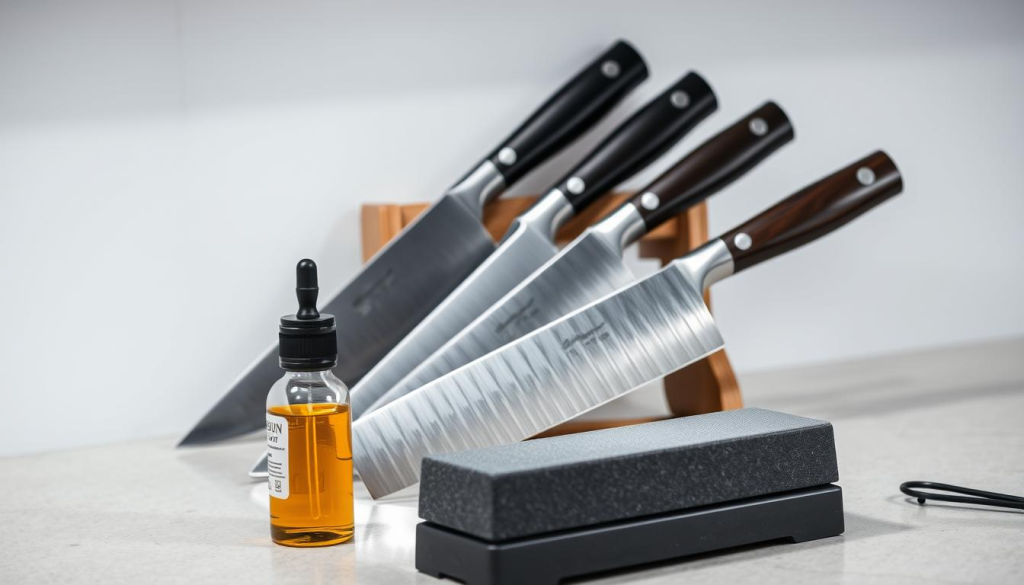
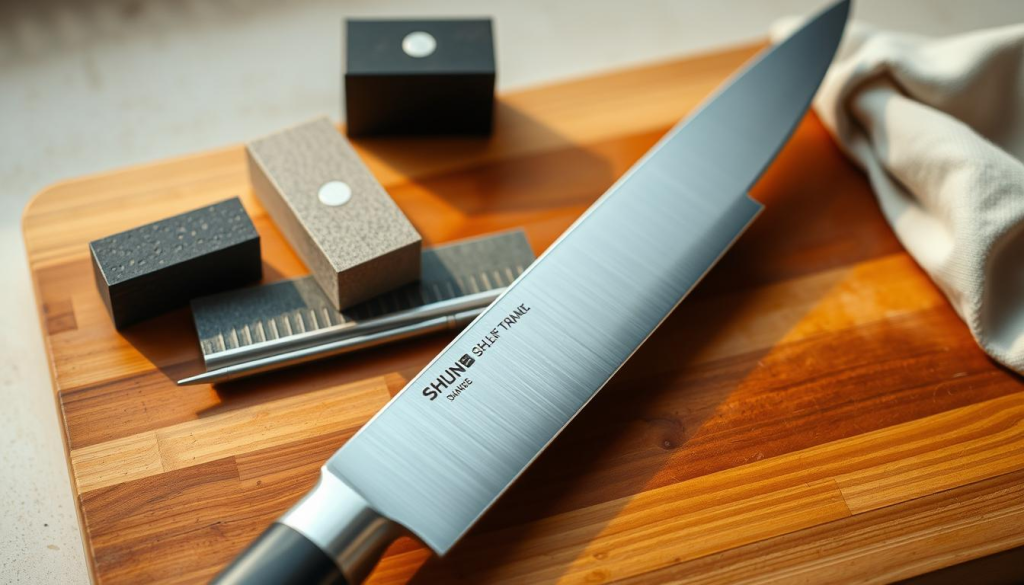
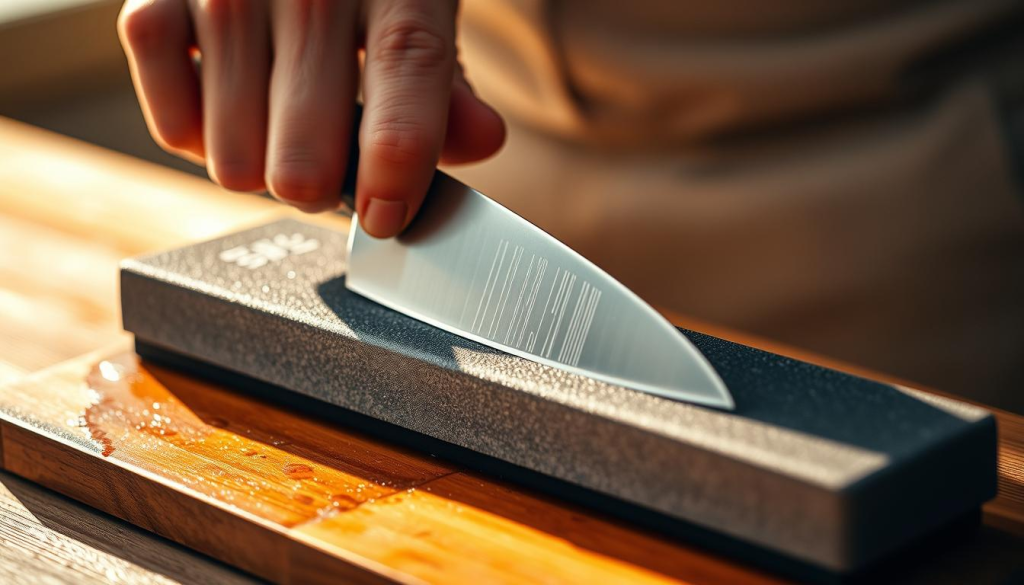
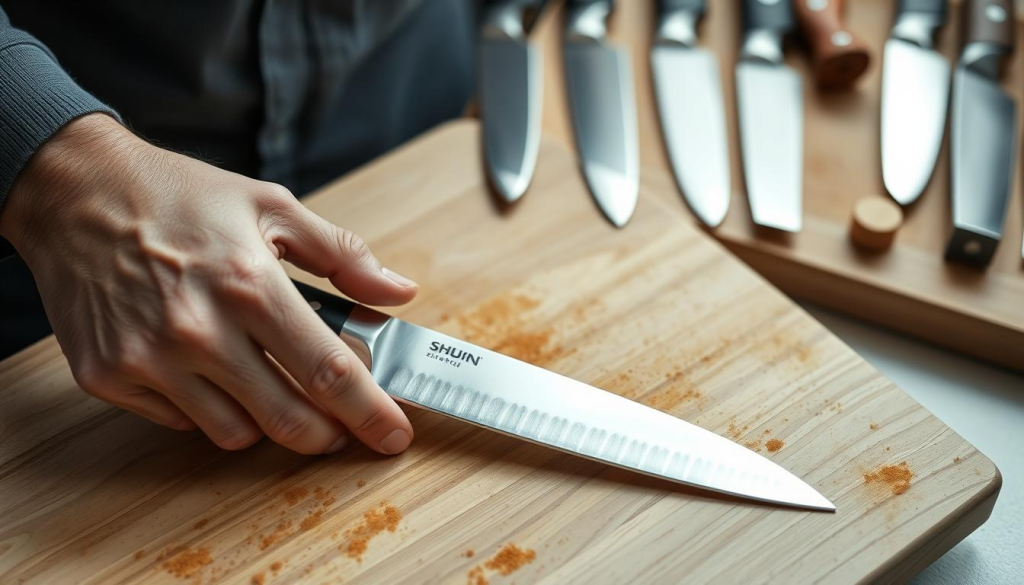
Regular sharpening is essential to maintain the performance of your Masamoto Usuba knife. Using the right sharpening stone or whetstone, you can keep your knife in optimal condition. It’s recommended to sharpen your knife regularly, depending on how frequently you use it.

For those new to sharpening, it’s advisable to practice or seek guidance to ensure that you’re using the correct technique. Proper sharpening not only enhances the longevity of your knife but also improves its performance.

Usuba vs. Other Japanese Knives

When it comes to Japanese knives, the Masamoto Usuba stands out for its precision and unique characteristics. Understanding the differences between the Usuba and other Japanese knives like the Nakiri and Gyuto can help chefs and home cooks choose the right tool for their needs.

Nakiri vs. Usuba: Key Differences

The Nakiri knife, also used for vegetable preparation, differs from the Usuba in blade thickness and edge type. While the Nakiri is typically thicker and more suited for chopping, the Usuba is designed for precision cutting.

Feature Usuba Nakiri
Blade Thickness Thin Thicker
Edge Type Straight edge Straight edge
Primary Use Precision cutting of vegetables Chopping vegetables

Gyuto vs. Usuba: Understanding the Distinctions

The Gyuto knife is a versatile, multi-purpose knife used for slicing meat, fish, and vegetables. Unlike the Usuba, which is specialized for vegetable preparation, the Gyuto is more akin to a Western chef’s knife but with a Japanese twist.

Key differences include:

  • Blade Length and Shape: Gyuto knives are often longer and more curved than Usuba knives.
  • Usage: While the Usuba is ideal for precise cuts in vegetables, the Gyuto is used for a variety of tasks including slicing and chopping meat and fish.

Advantages Over Western Knives

The Masamoto Usuba offers several advantages over Western-style knives, particularly in its precision and delicacy. The thin, straight edge of the Usuba allows for finer cuts and more control, making it ideal for intricate vegetable preparation.

In comparison to Western knives, which tend to be heavier and less precise, the Usuba provides a level of finesse that is highly valued in Japanese cuisine. This makes it an essential tool for chefs looking to achieve high levels of precision and consistency in their work.

Professional Chefs Who Use Masamoto Usuba

The world of professional chefs is where the Mas Usuba truly shines, with many culinary experts swearing by its precision and performance. For those who demand the best, this knife has become an indispensable tool in the kitchen.

Renowned chefs have praised the Mas Usuba for its ability to enhance their cooking, from preparing intricate vegetable dishes to adding the final touches to a dish. The Usuba’s role in fine dining is undeniable, as it allows chefs to achieve the level of detail and presentation required in high-end cuisine.

Notable Chefs Who Prefer the Mas Usuba

Many professional chefs have discovered the benefits of using the Mas Usuba in their kitchens. Chefs like Masaharu Morimoto and Nobu Matsuhisa have been known to appreciate high-quality knives, and the Mas Usuba is no exception.

Its razor-sharp edge and balanced design make it a joy to work with, allowing chefs to create intricate dishes with ease. The Mas Usuba’s popularity among top chefs is a testament to its exceptional quality and performance.

“A good knife is like a good partner in the kitchen – it helps you create something truly special.”

The Role of Mas Usuba in Fine Dining

In fine dining, presentation is everything, and the Mas Usuba shines in this regard. Its precision allows chefs to create beautiful, intricate cuts that elevate the dining experience.

The knife’s ability to make precise cuts is especially important in fine dining, where the presentation of a dish can be just as important as its taste. Whether it’s creating a delicate garnish or slicing a vegetable into thin strips, the Mas Usuba is up to the task.

professional mas usuba knife

Testimonials from Professional Chefs

Chefs who use the Mas Usuba in their kitchens often sing its praises. “The Mas Usuba is an essential tool for any serious chef,” says a renowned chef. “Its precision and balance make it a joy to use, and it’s helped me take my dishes to the next level.”

Other chefs have also praised the Mas Usuba for its durability and versatility, noting that it remains a reliable companion in the kitchen even after years of heavy use.

Where to Buy a Masamoto Usuba

The quest for a genuine Masamoto Usuba requires a discerning eye and knowledge of reputable sources. To ensure you’re getting an authentic product, it’s essential to know where to look.

Reliable Online Sources

When it comes to buying a Masamoto Usuba online, it’s crucial to stick with reputable retailers. Some well-known online stores that carry authentic Masamoto knives include:

  • Specialty kitchen stores with a strong online presence
  • Online marketplaces that verify the authenticity of their products
  • Directly purchasing from the manufacturer’s website, if available

Ensure that the online retailer provides detailed product descriptions, customer reviews, and a secure payment process.

Physical Stores to Visit

For those who prefer to see and feel the knife before purchasing, visiting a physical store is advisable. Specialty kitchen supply stores often carry a selection of high-quality knives, including Masamoto Usuba. When visiting a store:

  • Inspect the knife for craftsmanship and material quality
  • Ask the staff about the knife’s origin and authenticity
  • Check if the store offers any warranty or after-sales service

Where to Buy Masamoto Usuba

Factors to Consider When Purchasing

When buying a Masamoto Usuba, several factors should be considered to ensure you’re making a worthwhile investment.

Factor Description Importance Level
Authenticity Verify that the knife is a genuine Masamoto product High
Material Quality Check the quality of the materials used High
Price Compare prices across different sellers Medium
Warranty and Support Look for sellers offering a warranty or after-sales support Medium

By considering these factors and knowing where to look, you can find an authentic Masamoto Usuba that meets your needs and enhances your culinary experience.

Preparing Vegetables with Usuba

The Usuba knife is particularly adept at preparing vegetables with precision and finesse, making it an indispensable tool in any kitchen. Its sharp edge allows for smooth cuts that enhance both the appearance and texture of vegetables.

Techniques for Perfect Cuts

To achieve precise cuts, it’s essential to master the proper technique. Start by holding the knife at a slight angle to achieve the desired cut. Using a gentle rocking motion will help you slice through vegetables smoothly. Keeping the knife sharp is also crucial for clean cuts.

For more intricate cuts, consider the type of vegetable and the desired presentation. The Usuba knife’s straight edge is ideal for slicing and julienne cuts.

Slicing Techniques

Slicing is one of the most common techniques used in cooking. To slice effectively, maintain a consistent angle to ensure uniform slices. Use the correct knife edge; for most tasks, the straight edge of the Usuba is ideal.

Tips for Presentation and Plating

Presentation is key to a dish’s success. The Usuba knife’s precision allows for beautifully arranged plates. Consider the color and texture of the vegetables when plating.

Vegetable Cut Presentation Tip
Carrots Julienne Stack them neatly
Zucchini Thin slices Arrange in a fan pattern

Common Recipes to Try

With the Usuba knife, you can easily prepare ingredients for a variety of dishes. Some popular recipes include:

  • Tempura: Slice vegetables thinly for a crispy exterior.
  • Salads: Use the Usuba to cut vegetables into uniform pieces.
  • Stir-fries: Quickly slice ingredients for fast and even cooking.

Usuba Knife Workshops and Classes

For those looking to master the art of using a Masamoto Usuba, knife skills training is essential. Whether you’re a beginner or an experienced chef, hands-on training can significantly improve your technique and overall cooking experience.

Learning Opportunities in the U.S. are abundant, with various culinary schools and knife specialty stores offering classes tailored to different skill levels. These workshops not only teach the fundamentals of handling a Masamoto Usuba but also delve into advanced techniques, ensuring that participants gain a comprehensive understanding of Japanese culinary arts.

Benefits of Hands-on Training

Hands-on training with a Masamoto Usuba offers several benefits, including improved knife skills, a deeper understanding of Japanese culinary techniques, and increased confidence in the kitchen. Direct instruction from experienced chefs can help you refine your technique and avoid common mistakes.

Moreover, these workshops provide an opportunity to learn about the history and cultural significance of the Usuba knife, enriching your cooking experience. As “The right knife is not just a tool, it’s an extension of the chef’s hand.”

Locations Offering Courses

Culinary schools and knife stores across the U.S. offer Usuba knife training. Some of the top locations include major cities like New York, Los Angeles, and Chicago, where renowned chefs and culinary experts lead workshops.

  • New York: The Culinary Institute of America
  • Los Angeles: The Japanese Knife Academy
  • Chicago: The Cooking Academy

These locations offer a range of classes, from beginner to advanced levels, ensuring that there’s something for everyone. By participating in these workshops, you can enhance your skills, learn new techniques, and gain a deeper appreciation for the art of Japanese knife work.

Cultural Significance of the Usuba Knife

In the realm of Japanese cuisine, the Usuba knife stands out for its precision and historical significance. The Usuba knife is not just a tool; it is a symbol of the dedication and craftsmanship that define Japanese cooking.

Role in Japanese Cuisine

The Usuba knife plays a crucial role in Japanese cuisine, particularly in the preparation of vegetables. Its straight edge and thin blade allow for precise cuts, which are essential for the presentation and texture of dishes.

Precision cutting is a hallmark of Japanese culinary arts, and the Usuba knife is designed to deliver this precision. Chefs use it to create uniform slices of vegetables, enhancing both the visual appeal and the cooking consistency of their dishes.

Symbolism of the Usuba in Cooking

The Usuba knife symbolizes the respect for tradition and the emphasis on detail that are central to Japanese cooking. It represents a connection to the past, where techniques and tools have been passed down through generations.

In many Japanese kitchens, the Usuba is considered a treasured possession, reflecting the chef’s commitment to their craft. The act of using an Usuba knife is meditative, requiring focus and patience.

Modern Adaptations in Western Kitchens

In recent years, the Usuba knife has gained popularity in Western kitchens, where chefs appreciate its unique characteristics and the quality it brings to their cooking. The Usuba’s influence can be seen in modern vegetable preparation techniques, where precision and presentation are paramount.

Aspect Traditional Use Modern Adaptation
Culinary Role Vegetable preparation Precision cutting for presentation
Symbolism Respect for tradition Appreciation for craftsmanship
Influence Japanese cuisine Global culinary practices

The cultural significance of the Usuba knife is a testament to the enduring legacy of traditional Japanese culinary practices. As it continues to be adopted in kitchens around the world, it brings with it a piece of Japanese culture and a reminder of the importance of precision and tradition in cooking.

Frequently Asked Questions about Masamoto Usuba

For those new to the world of Masamoto Usuba, understanding its proper use and care is essential for a satisfying cooking experience. As a traditional Japanese knife, it comes with its unique characteristics and requirements.

Common Inquiries About Masamoto Usuba

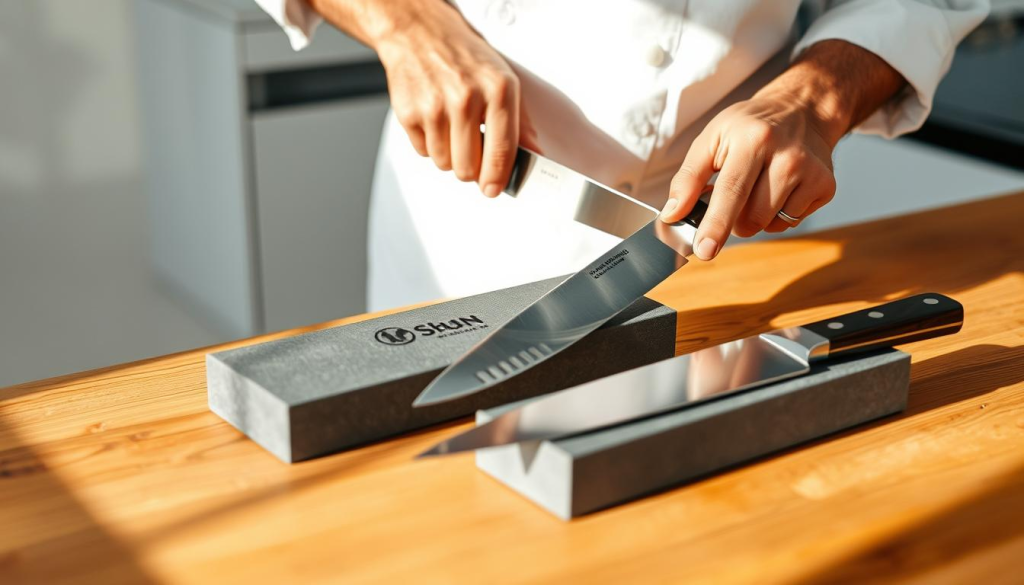
Many users wonder about the appropriate techniques for handling and maintaining their Masamoto Usuba. One common question is how to sharpen the knife properly. Sharpening a Masamoto Usuba requires a whetstone of appropriate grit; starting with a coarser grit to repair the edge, then moving to a finer grit for polishing.

Proper sharpening technique involves maintaining a precise angle and gently drawing the blade across the stone. It’s also crucial to avoid using electric sharpeners, as they can damage the blade.

Maintenance Queries

Maintenance is key to extending the life of your Masamoto Usuba. Users often ask about the best practices for cleaning and storing their knives. It’s recommended to hand wash your Usuba with mild soap and dry it immediately to prevent rust.

Regular maintenance, such as oiling the blade, can help prevent rust and maintain its appearance. Storing it in a dry place, such as a knife block or a saya, is also advisable.

Usage Tips and Recommendations

To get the most out of your Masamoto Usuba, it’s essential to use it correctly. The Usuba is designed for precise cuts, making it ideal for preparing vegetables. Techniques such as “katabiki” (push cut) and “yankiri” (pull cut) are commonly used.

By applying gentle pressure and maintaining a consistent motion, you can achieve precise cuts with minimal effort. Understanding and following these guidelines will enhance your cooking experience.

Final Thoughts on the Masamoto Usuba

The Masamoto Usuba knife is a valuable addition to any kitchen, offering precision and elegance in culinary preparation. By embracing traditional techniques in knife handling and usage, home cooks and professional chefs alike can elevate their cooking experience.

Investing in a high-quality Masamoto Usuba knife is a step towards enhancing your kitchen tools. The precision cutting it provides not only improves the presentation of dishes but also encourages culinary creativity. As you become more comfortable with using the Usuba, you’ll discover new ways to prepare and present ingredients.

Precision and Creativity

The Masamoto Usuba’s sharpness and ergonomic design make it an ideal tool for exploring various culinary techniques. Whether you’re preparing intricate vegetable cuts or simply slicing ingredients with ease, this knife is designed to inspire creativity in the kitchen.

Continuing Your Culinary Journey

As you continue on your culinary journey with the Masamoto Usuba, remember that practice and patience are key to mastering its use. Explore different recipes, attend workshops, and enjoy the process of refining your skills with this exceptional knife.

FAQ

What is a Masamoto Usuba knife used for?

The Masamoto Usuba knife is a traditional Japanese knife designed for vegetable preparation, ideal for slicing and chopping vegetables with precision.

How do I care for my Masamoto Usuba knife?

To care for your Masamoto Usuba, clean it by hand with mild soap and water, dry it immediately to prevent rust, and store it in a knife block or on a magnetic strip to preserve its sharpness.

What are the benefits of using a Masamoto Usuba knife?

The Masamoto Usuba offers exceptional sharpness and precision, versatility for various ingredients, and an ergonomic design for comfort, making it a preferred choice among culinary professionals.

How do I choose the right Masamoto Usuba knife?

When choosing a Masamoto Usuba, consider the blade size and style, material, and authenticity to ensure you get a high-quality knife that meets your needs.

What is the difference between a Masamoto Usuba and other Japanese knives?

The Masamoto Usuba is distinct from other Japanese knives like the Nakiri and Gyuto in its thin, flat profile and precision cutting ability, making it ideal for delicate vegetable preparation.

Where can I buy an authentic Masamoto Usuba knife?

You can find authentic Masamoto Usuba knives at recommended online retailers and specialty kitchen stores; ensure you’re buying from a reputable source to guarantee quality.

How do I sharpen my Masamoto Usuba knife?

Sharpening your Masamoto Usuba requires using the right techniques and tools; regular sharpening will enhance the knife’s longevity and maintain its sharpness.

Can I use my Masamoto Usuba for tasks other than vegetable preparation?

While the Masamoto Usuba is designed for vegetable preparation, its versatility allows it to be used for other tasks that require precision cutting, such as preparing herbs or slicing delicate ingredients.

What are some common recipes that I can make using a Masamoto Usuba knife?

With a Masamoto Usuba, you can prepare a variety of dishes that require precise vegetable cuts, such as salads, soups, and sashimi, and explore traditional Japanese recipes.

Are there any workshops or classes available to learn more about using a Masamoto Usuba knife?

Yes, various culinary schools and knife specialty stores offer hands-on training and workshops to help you master the techniques required to get the most out of your Masamoto Usuba knife.

The Japanese Knives Every Home Cook Needs


Cooking at home can be a delightful experience, and having the right tools is essential for elevating your culinary skills. Japanese knives are renowned for their precision, sharpness, and versatility, making them a valuable addition to any home cook’s arsenal.

For those wondering what Japanese knives they need, the good news is that you don’t need an extensive collection to start cooking effectively. A few essential Japanese knives can significantly enhance your cooking experience, allowing for more precise cuts and a more enjoyable time in the kitchen.

Key Takeaways

  • Understanding the types of Japanese knives is crucial for home cooks.
  • Essential Japanese knives can elevate your cooking experience.
  • Investing in a few quality knives is more beneficial than buying many low-quality ones.
  • Japanese knives are known for their precision and versatility.
  • Having the right tools can make cooking more enjoyable.

Understanding Japanese Knives: An Overview

The art of Japanese knife-making is a centuries-old tradition that has evolved into a global phenomenon, captivating chefs and home cooks alike. Japanese knives are celebrated for their exceptional sharpness, precision, and craftsmanship, making them a valuable addition to any kitchen.

To truly appreciate Japanese knives, it’s essential to understand what sets them apart from their Western counterparts. One of the primary factors is the material used in their construction. Japanese knives are often made from high-carbon steel, which allows for a sharper edge and more precise cutting. This characteristic is particularly beneficial for delicate tasks such as slicing sashimi or preparing intricate vegetable cuts.

What Makes Japanese Knives Unique?

Several factors contribute to the uniqueness of Japanese knives. Firstly, the craftsmanship that goes into making these knives is unparalleled. Many Japanese knives are hand-forged, a process that involves carefully heating, shaping, and honing the steel to create a blade that is both beautiful and functional. This labor-intensive process results in a knife that is not only a tool but also a work of art.

Another distinguishing feature is the attention to detail in the sharpening process. Japanese knives are sharpened to a very fine edge, which is maintained through regular sharpening. This ensures that the knife remains effective and efficient over time.

Key Differences Between Japanese and Western Knives

When comparing Japanese knives to their Western counterparts, several key differences become apparent. The table below highlights some of the main distinctions:

Characteristics Japanese Knives Western Knives
Material Often made from high-carbon steel Typically made from stainless steel
Edge Retention Sharp edge that requires regular sharpening More durable edge that resists corrosion
Craftsmanship Often hand-forged and carefully honed May be mass-produced with less emphasis on individual craftsmanship

Understanding these differences is crucial for any home cook looking to invest in the right knives for their kitchen. Whether you’re preparing delicate sashimi or chopping robust vegetables, the right knife can make all the difference.

Essential Japanese Knives for Every Kitchen

For home cooks, the journey to culinary excellence begins with essential Japanese knives. These knives are designed to make cooking easier, more efficient, and enjoyable.

The Santoku Knife: A Versatile All-Rounder

The Santoku knife is a must-have for any kitchen. Its straight edge and balanced weight make it perfect for chopping, slicing, and mincing. Whether you’re preparing vegetables, meat, or fish, the Santoku knife is up to the task.

The Gyuto Knife: Your Reliable Chef’s Companion

The Gyuto knife is often considered the Japanese equivalent of a Western chef’s knife. It’s versatile and reliable, suitable for a wide range of cutting tasks. From slicing meat to chopping vegetables, the Gyuto knife is an indispensable tool.

The Nakiri Knife: Perfect for Vegetables

For those who love cooking with vegetables, the Nakiri knife is a must-have. Designed specifically for cutting and preparing vegetables with precision, this knife makes vegetable preparation a breeze.

Essential Japanese Knives

Knife Type Primary Use Key Features
Santoku Chopping, slicing, mincing Straight edge, balanced weight
Gyuto Various cutting tasks Versatile, reliable
Nakiri Vegetable preparation Precision cutting, vegetable specific

Investing in these essential Japanese knives will elevate your cooking experience. Each knife is designed to perform specific tasks, making your time in the kitchen more efficient and enjoyable.

Specialized Japanese Knives

The world of Japanese knives extends far beyond the essentials, featuring specialized types for unique culinary requirements. These knives are designed to cater to specific cooking tasks, enhancing the overall cooking experience.

The Yanagiba: For Perfect Sashimi Slicing

The Yanagiba knife is a long, slender knife used primarily for slicing sashimi and sushi. Its unique design allows for precise, smooth cuts, making it an indispensable tool for sushi enthusiasts. The Yanagiba’s length and edge retention enable chefs to create uniform slices with minimal effort.

Using a Yanagiba knife requires a certain technique, but the result is well worth the practice. It’s perfect for those who appreciate the art of preparing sashimi and want to achieve professional-quality results at home.

The Deba Knife: Designed for Fish Preparation

The Deba knife is a sturdy, thick-bladed knife designed for fish preparation. It’s capable of handling a variety of tasks, from filleting fish to cutting through bones. The Deba’s robust construction makes it a reliable choice for chefs who frequently work with fish.

One of the key benefits of the Deba knife is its versatility. Whether you’re filleting delicate fish or cutting through thicker bones, the Deba knife is up to the task. Its durability and performance make it a valuable addition to any kitchen that regularly prepares fish dishes.

Exploring the world of specialized Japanese knives can elevate your cooking to new heights. By understanding the unique characteristics and uses of knives like the Yanagiba and Deba, home cooks can expand their culinary repertoire and achieve professional-quality results.

Choosing the Right Knife Based on Cooking Style

Your cooking style plays a crucial role in determining the most suitable Japanese knives for you. Whether you’re a vegetarian who focuses on vegetable dishes or a meat lover who frequently cooks steaks and roasts, having the right knife can make a significant difference in your cooking experience.

For Vegetarians: Must-Have Knives

Vegetarians often find themselves preparing a variety of vegetable dishes. For this, a good Nakiri or Santoku knife is indispensable. The Nakiri knife, with its straight edge, is perfect for chopping vegetables, while the Santoku knife offers versatility for slicing, dicing, and mincing.

Japanese knives for vegetarians

Knife Type Primary Use Edge Type
Nakiri Chopping Vegetables Straight Edge
Santoku Slicing, Dicing, Mincing Curved Edge

For Meat Lovers: Essential Cuts

For those who frequently cook meat, a Gyuto or Deba knife can be invaluable. The Gyuto knife, often considered the Japanese equivalent of a chef’s knife, is ideal for slicing and cutting meat, while the Deba knife is designed for fish preparation but can also be used for cutting meat.

“A good knife is the heart of any kitchen. For meat lovers, investing in a quality Gyuto or Deba knife is a step towards elevating their cooking.” –

A Kitchen Enthusiast

When choosing between these knives, consider the type of meat you most often prepare and the tasks you perform most frequently.

Maintenance Tips for Japanese Knives

Extending the life of your Japanese knives and ensuring they remain sharp and effective requires a commitment to regular maintenance. Proper care not only preserves the quality of your knives but also enhances your cooking experience.

Sharpening Techniques

Sharpening is a critical aspect of knife maintenance. Japanese knives, known for their sharpness, require regular sharpening to maintain their edge. There are several sharpening techniques, including using a whetstone, which is a traditional method preferred by many chefs, or a sharpening rod for more convenience.

  • Start with a coarse grit whetstone (about 1000 grit) to repair or reshape the edge.
  • Progress to a finer grit (up to 6000 or 8000) for honing and polishing the edge.
  • Use a sharpening rod for quick touch-ups between whetstone sharpenings.

Tip: Always sharpen your knife at the correct angle, typically around 10-15 degrees for Japanese knives, to maintain their sharpness and prevent damage.

Cleaning and Storage Best Practices

Cleaning and storing your Japanese knives properly is just as important as sharpening them. Here are some best practices:

  1. Hand wash your knives immediately after use with mild soap and dry them thoroughly.
  2. Avoid using a dishwasher, as the high heat and harsh detergents can damage the blade and handle.
  3. Store your knives in a dry place, such as a knife block or on a magnetic strip, to prevent rust and damage.

“A good knife is like a good friend; it requires care and attention to stand the test of time.”

By following these maintenance tips, you can ensure your Japanese knives remain in excellent condition, providing you with years of reliable service and enhancing your culinary endeavors.

Material Matters: Types of Steel Used

When it comes to Japanese knives, the type of steel is crucial for determining their sharpness, durability, and overall performance. The material used in making these knives significantly affects their ability to hold a sharp edge and resist corrosion.

The two most common types of steel used in Japanese knives are high-carbon steel and stainless steel. Each has its unique characteristics that cater to different needs and preferences.

High-Carbon Steel vs. Stainless Steel

High-carbon steel is prized for its ability to hold a sharp edge. It is ideal for those who value sharpness and are willing to perform regular maintenance to prevent rust. On the other hand, stainless steel offers resistance to corrosion, making it a great choice for those who want a low-maintenance option.

  • High-Carbon Steel: Sharpness, edge retention, requires maintenance
  • Stainless Steel: Corrosion resistance, durability, easier maintenance

The Benefits of Damascus Steel

Damascus steel combines the benefits of different steels, offering both sharpness and durability. It is known for its distinctive pattern and exceptional strength, making it highly sought after by chefs and knife enthusiasts.

The benefits of Damascus steel include:

  1. Exceptional sharpness and edge retention
  2. Durability and resistance to wear
  3. Aesthetic appeal due to its unique pattern

Understanding the characteristics of these materials can help you make informed decisions when selecting Japanese knives that fit your cooking style and preferences.

Finding the Right Handle: Comfort and Grip

A well-designed handle is essential for comfort and control when using Japanese knives. The handle’s material and design can significantly impact how the knife feels in your hand and its overall performance.

Different Types of Handles

Japanese knives come with various handle types, each with its unique characteristics. The most common types include:

  • Traditional Japanese Handles: Often made from wood or bamboo, these handles are designed to provide a comfortable grip and are typically used for traditional Japanese knives.
  • Western-Style Handles: Usually made from materials like stainless steel, wood, or synthetic materials, these handles are designed for durability and ease of maintenance.

The choice between these handle types largely depends on personal preference, cooking style, and the type of knife.

How Handle Material Affects Performance

The material used for the handle can affect the overall performance of the knife. For instance:

Handle Material Characteristics Performance Impact
Wood Comfortable grip, aesthetically pleasing Can be prone to wear and tear, requires maintenance
Stainless Steel Durable, easy to clean Can be heavy, may cause fatigue during extended use
Synthetic Materials Lightweight, resistant to wear May not provide the same level of grip comfort as natural materials

When choosing a Japanese knife, it’s crucial to consider the handle material and its implications for your cooking experience. A handle that complements the blade and suits your preferences can enhance your overall experience with the knife.

japanese knife handle

For home cooks looking to invest in the best Japanese knives, understanding the nuances of handle design and material is key to making an informed decision. Whether you’re a beginner or an experienced chef, the right handle can make all the difference in your cooking journey.

Caring for Your Japanese Knives

To ensure your Japanese knives remain in top condition, proper care is essential. Proper maintenance not only extends the life of your knives but also ensures they continue to perform at their best.

Regular Maintenance for Longevity

Regular maintenance is crucial for the longevity of your Japanese kitchen knives. This includes cleaning your knives after each use, storing them properly, and sharpening them regularly. Cleaning should be done by hand with mild soap and water, and the knives should be dried immediately to prevent rust.

Japanese kitchen knives maintenance

Sharpening is another critical aspect of maintaining your essential Japanese knives. Regular sharpening keeps the blade in optimal condition, ensuring clean cuts and preventing the knife from becoming too worn. You can use a whetstone or a sharpening tool designed for Japanese knives.

When to Seek Professional Sharpening

While regular maintenance can be done at home, there are times when seeking professional sharpening is necessary. If your knife has become significantly worn or has a damaged edge, a professional can restore it to its optimal condition. Professional sharpening services have the expertise and specialized equipment to sharpen even the most difficult blades.

For those who are not comfortable sharpening their knives themselves, or for knives that require a high level of precision, seeking professional sharpening is a good option. It’s also a good idea to have your knives professionally sharpened periodically to maintain their performance.

By following these care and maintenance tips, you can ensure that your Japanese knife set remains in excellent condition, providing you with years of reliable service.

Popular Brands of Japanese Knives

Japanese knives have gained worldwide recognition for their precision and durability, with certain brands leading the way. When it comes to buying Japanese knives, several factors come into play, including the brand’s reputation, the quality of the knives, and their suitability for various cooking tasks.

Top Makers to Consider

Some of the most renowned brands in the world of Japanese knives include:

Brand Description Price Range
Sakai Takayuki Known for high-quality blades and traditional craftsmanship $100-$500
Shun Famous for premium knives with VG-MAX steel $100-$600
Global Recognized for unique edge retention and comfortable handles $100-$300
Masamune Celebrated for artisanal craftsmanship and high-carbon steel $200-$1000

These brands are recognized for their commitment to quality and their ability to craft knives that meet the needs of both professional chefs and home cooks.

What to Look for When Buying

When purchasing Japanese knives, it’s crucial to consider several factors to ensure you find the right tool for your needs. Look for knives made from high-quality materials, such as high-carbon stainless steel, which offers both durability and resistance to corrosion.

Key Considerations:

  • Material: High-carbon stainless steel is balance durability with corrosion resistance.
  • Edge Retention: A good knife should hold its edge well, requiring less frequent sharpening.
  • Balance: The weight and balance of the knife can affect its usability and comfort.
  • Handle: The material and design of the handle should provide a secure grip and comfort during use.

By considering these factors and choosing a reputable brand, you can find a Japanese knife that will enhance your cooking experience and last for years to come.

Conclusion: Investing in Quality Knives

Investing in quality Japanese knives can significantly enhance your cooking experience. With the right knives, you can improve your performance in the kitchen, making meal preparation more efficient and enjoyable.

Choosing the Right Knives for Your Needs

When selecting Japanese knives, consider your cooking style and the tasks you perform most frequently. Whether you’re a vegetarian or a meat lover, having the right knives can make a significant difference. Essential Japanese knives, such as the Santoku and Gyuto, are versatile options that can handle a variety of kitchen tasks. Understanding what Japanese knives you need can elevate your culinary skills and enhance your overall cooking experience.

By considering your cooking habits and the types of dishes you prepare most often, you can determine the best knives for your needs, ensuring a more satisfying and cooking experience.

Frequently Asked Questions

What are the essential Japanese knives every home cook should have?

Every home cook should consider having a Santoku, a Gyuto, and a Nakiri knife in their kitchen. The Santoku is versatile and great for chopping, the Gyuto is ideal for various cutting tasks, and the Nakiri is perfect for preparing vegetables.

What makes Japanese knives different from Western knives knives?

Japanese knives are known for their sharpness, precision, and craftsmanship. They are often made from high-carbon steel, which allows for a sharper edge. The craftsmanship that goes into making Japanese knives is also unparalleled, with many being hand-forged.

How do I choose the right Japanese knife for my cooking style?

To choose the right Japanese knife, consider the type of cooking you do most. For vegetarians, a Nakiri or Santoku is a good choice. For meat lovers, a Gyuto or Deba knife is more suitable. Think about the tasks you perform to select the right knife.

How do I maintain my Japanese knives?

To keep your knives in top condition, sharpen them regularly, clean them after use, and store them properly. Regular maintenance is key to extending the life of your knives.

What is the difference between high-carbon steel and stainless steel Japanese knives?

High-carbon steel knives are prized for their sharpness, while stainless steel knives offer resistance to corrosion. Damascus steel combines the benefits of different steels. Understanding the characteristics of these materials can help you make an informed decision.

How often should I sharpen my Japanese knives?

The frequency of sharpening depends on usage. As a general rule, sharpen your knives when you notice they are not cutting as well as they used to. Regular sharpening maintains their performance.

What are some popular brands of Japanese knives?

There are several reputable brands known for their quality and craftsmanship. Look for brands that have a reputation for producing high-quality knives, and consider factors such as material and balance when making your selection.

Can I use a Japanese knife for everyday cooking?

Yes, Japanese knives are designed for everyday use and can enhance your cooking experience. With proper care, they can last for a long time and provide excellent performance.

What is the best way to store Japanese knives?

To maintain the quality of your Japanese knives, store them in a dry place, away from direct sunlight. You can use a knife block, magnetic strip, or protective case to store your knives safely.

How to Put Knives in a Knife Roll: A Step-by-Step Guide


Properly storing knives is essential for maintaining their quality and ensuring safety in the kitchen. A knife roll is a practical solution for storing and transporting knives, protecting both the blades and the user.

Using a knife roll not only keeps your knives organized but also makes it easier to carry them to different locations, whether you’re a professional chef or an outdoor enthusiast. This guide will walk you through the simple process of putting knives in a knife roll, making it a valuable resource for anyone looking to improve their kitchen organization and knife care.

Key Takeaways

  • Understand the benefits of using a knife roll for knife storage.
  • Learn the step-by-step process of organizing knives in a knife roll.
  • Discover tips for maintaining your knives and keeping them in good condition.
  • Improve your kitchen organization and safety with proper knife storage.
  • Enhance your knife care routine with the right storage solutions.

Understanding Knife Rolls and Their Benefits

Knife rolls have become a staple in the culinary world, offering a practical solution for storing and transporting knives. These rolls are designed to protect the blades, keep them organized, and make it easier to carry them to different locations.

What Is a Knife Roll?

A knife roll is a cylindrical or rolled storage container designed specifically for holding knives. It typically consists of a durable material, such as canvas or nylon, with individual compartments or pockets to store each knife safely. The design allows for easy rolling and unrolling, making it convenient to access the knives when needed.

Advantages of Using a Knife Roll

Using a knife roll offers several benefits, including enhanced knife safety and organization. By storing knives in a roll, chefs can prevent accidents caused by loose knives in storage or during transport. Additionally, a knife roll helps maintain the quality of the knives by keeping them clean and dry.

The advantages of a knife roll also extend to its portability and convenience. It allows chefs to carry their knives easily to different locations, such as cooking classes or catering events, without the risk of damage or injury.

Some key benefits of using a knife roll include:

  • Protection of the knives from damage
  • Easy organization and access to knives
  • Portability and convenience for transporting knives
  • Enhanced safety by preventing loose knives

Choosing the Right Knife Roll for Your Needs

The right knife roll can make a significant difference in how you store and transport your knives. With so many options available, it’s essential to consider your specific needs before making a purchase.

choosing knife roll

Types of Knife Rolls Available

Knife rolls come in various materials and designs, each with its own set of benefits. Some of the most common types include:

  • Canvas Knife Rolls: Durable and easy to clean, canvas knife rolls are a popular choice among chefs.
  • Nylon Knife Rolls: Water-resistant and lightweight, nylon knife rolls offer a practical solution for transporting knives.
  • Leather Knife Rolls: For a more premium feel, leather knife rolls provide a sophisticated look and feel.

Features to Look For

When selecting a knife roll, there are several features to consider to ensure you’re getting the best product for your needs. These include:

  1. Size and Capacity: Consider how many knives you need to store and choose a roll that can accommodate them comfortably.
  2. Material and Durability: Think about the material and how it will withstand regular use and cleaning.
  3. Organization Features: Some knife rolls come with additional pockets or compartments for organizing other kitchen tools.
  4. Closure and Security: Look for a knife roll with a secure closure system to prevent knives from falling out during transport.

By considering these factors and types of knife rolls, you can make an informed decision that meets your needs for storing and transporting your knives effectively.

Preparing Your Knives for Storage

Before you store your knives in a roll, it’s crucial to prepare them properly to maintain their quality and performance. This step is often overlooked, but it’s essential for extending the life of your knives and ensuring they remain safe to use.

Cleaning Your Knives

Cleaning your knives is the first step in preparing them for storage. Use a mild soap and warm water to clean the blades, and dry them thoroughly to prevent rust. “A clean knife is a safe knife,” as the saying goes, and it’s especially true when storing them for extended periods. Pay special attention to the areas around the handle and blade junction, where debris tends to accumulate.

Checking for Damage

Inspecting your knives for damage is a critical step before storing them. Check for any signs of wear, such as nicks, dings, or rust on the blade, and ensure the handle is secure. If you find any damage, it’s best to address it before storing your knives. As

“A small nick can become a big problem if not addressed promptly.”

Regular inspection can prevent minor issues from becoming major problems.

Proper care and storage, including checking for damage, are key aspects of knife care and storage. By doing so, you’ll not only prolong the life of your knives but also ensure they remain safe and effective for their intended use.

Organizing Your Knives Before Packing

Before you start packing your knives, it’sizing them in a way that maximizes space and accessibility is crucial for efficient storage.

Categorizing Knives

Categorizing your knives is the first step towards efficient packing. Group similar knives together, such that all chef’s knives or all paring knives are stored together. This makes it easier to find a specific knife and helps in arranging them in a way that optimizes space within the roll.

Knife Type Category Storage Tip
Chef’s Knife Primary Cutting Tool Store in easily accessible.
Paring Knife Secondary Cutting Tool Store with other secondary knives.

Arranging by Size or Type

Once you have categorized your knives, the next step is to arrange them in a manner that maximizes space. Arrange knives by size, with the largest knives at the bottom or in a designated large knife slot, and the smaller ones towards the top or in smaller slots. Alternatively, grouping knives by type can also be effective.

knife roll organization tips

Maximizing space is crucial when packing knives into a roll. By organizing your knives by size or type, you can ensure that you are making the most efficient use of the space available. This not only allows you to carry more knives but also helps in keeping them organized and easily accessible.

How to Safely Position Your Knives in the Roll

Properly positioning your knives in a knife roll is crucial for maintaining their condition and ensuring safety. When done correctly, it prevents damage to the blades and protects users from potential cuts or injuries.

Placing Knives in the Blade Guards

The first step in safely positioning your knives is to place them in the blade guards provided with the knife roll. Blade guards are designed to protect the cutting edges of your knives and prevent them from coming into contact with other objects or people. To do this effectively:

  • Carefully insert each knife into its respective guard, ensuring the blade is fully covered.
  • Make sure the guards are not damaged or worn out, as this could compromise their protective function.

Aligning Knives for Easy Access

Once your knives are secured in their guards, the next step is to align them within the roll for easy access. A well-organized knife roll not only saves time but also reduces the risk of accidents. To achieve this:

  1. Arrange the knives in a logical order, such as by size or type, to facilitate quick identification.
  2. Ensure that the knives are not overcrowded, as this can lead to damage or difficulty in retrieving a specific knife.

As

“A good chef is always prepared, and that includes having their knives in order.”

This quote emphasizes the importance of organization and preparation in the kitchen, including how you store your knives.

By following these steps, you can ensure that your knives are safely positioned in the roll, maintaining their quality and your safety.

Securing the Knives in the Knife Roll

Properly securing knives in a knife roll is vital for both the longevity of the knives and user safety. When knives are not secured correctly, they can move around during transport, potentially causing damage or injury. Therefore, understanding how to effectively secure your knives is a crucial step in utilizing a knife roll.

Using Straps and Fasteners

Most knife rolls come equipped with straps or fasteners designed to keep the knives in place. Using these straps correctly is essential for maintaining the security of your knives. To do this effectively, place your knives in the designated slots, and then tighten the straps around them. This ensures that the knives remain stationary and are protected from movement.

The type of strap or fastener used can vary depending on the knife roll. Some may have Velcro straps, while others might use buckles or elastic bands. Regardless of the type, the principle remains the same: to keep the knives firmly in place. When choosing a knife roll, consider the quality and adjustability of its straps, as this can significantly impact the security of your knives.

Ensuring Stability During Transport

Ensuring the stability of your knife roll during transport is just as important as securing the knives within it. When moving your knife roll, it’s advisable to keep it upright and supported to prevent any accidental drops or tilts that could compromise the security of the knives inside.

Best Practices Benefits
Secure knives with straps or fasteners Prevents knife movement and damage
Keep the knife roll upright during transport Reduces the risk of accidents
Regularly inspect straps and fasteners Ensures continued security and safety

By following these guidelines and utilizing the straps and fasteners provided with your knife roll, you can ensure that your knives remain secure and protected. This not only prolongs the life of your knives but also contributes to a safer working environment, aligning with best practices for storing knives.

Tips for Traveling with Your Knife Roll

For chefs on the go, a well-packed knife roll is essential for maintaining their arsenal of culinary tools. Whether you’re heading to a cooking competition or a culinary event, it’s crucial to ensure your knives are safely stored and easily transportable.

Packing Essentials for Chefs

When packing your knife roll, consider including a few essentials to keep your knives in top condition. A soft cloth can be used to wrap around the blades to prevent scratching. It’s also a good idea to pack a small sharpening stone to maintain your knives’ edges on the go.

knife packaging

Packing Essentials Purpose
Soft Cloth Protects blades from scratching
Sharpening Stone Maintains knife edges

“A good chef always takes care of their knives. It’s not just about having the right tools, but also about maintaining them.” – Chef’s Wisdom

Maintaining Knife Integrity on the Go

To keep your knives in good condition while traveling, make sure they are securely placed in the knife roll. Avoid overcrowding, as this can cause damage to the blades. Regularly cleaning and drying your knives after use will also help prevent rust and maintain their sharpness.

Proper Storage is key to extending the life of your knives. By following these simple tips, you can ensure your knives remain in excellent condition, ready for your next culinary adventure.

Cleaning and Maintaining Your Knife Roll

Proper care for your knife roll is as important as caring for your knives themselves. A well-maintained knife roll protects your knives and ensures they remain in top condition. Regular maintenance also extends the life of your knife roll, making it a worthwhile investment for any chef or cooking enthusiast.

Regular Cleaning Practices

To keep your knife roll in good condition, regular cleaning is essential. Start by emptying the roll and inspecting it for any debris or stains. For most knife rolls, a simple wipe down with a damp cloth is sufficient. For tougher stains, a mild soap solution can be used. It’s crucial to dry the roll thoroughly after cleaning to prevent moisture buildup, which can lead to mold or mildew.

Tips for Effective Cleaning:

  • Use a soft-bristled brush to remove any debris from the roll’s crevices.
  • Avoid using harsh chemicals that could damage the material.
  • Regularly cleaning your knife roll is part of good knife roll organization tips.

Signs Your Knife Roll Needs Replacement

Even with proper care, knife rolls have a limited lifespan. Signs that it’s time to replace your knife roll include visible wear and tear, persistent odors despite regular cleaning, and any damage that compromises the protection of your knives.

Signs of Wear Description Action
Visible Tears or Holes The roll is damaged, exposing knives to potential damage. Replace the knife roll.
Stubborn Odors Despite cleaning, the roll retains unpleasant smells. Consider replacing if odors persist after thorough cleaning.
Loss of Shape The roll no longer holds knives securely. Replace to ensure proper knife placement in a roll.

knife roll maintenance tips

By following these guidelines, you can ensure your knife roll remains in good condition, protecting your knives and making your culinary tasks more efficient.

Storing Your Knife Roll When Not in Use

Proper storage of your knife roll is essential to maintain its quality and extend its lifespan. When not in use, your knife roll should be stored in a way that protects your knives and keeps them organized.

Best Practices for Home Storage

To store your knife roll effectively, consider the following best practices:

  • Store your knife roll in a dry place to prevent moisture damage.
  • Keep it away from direct sunlight, which can cause the materials to degrade.
  • Use a designated storage area or hook to keep the knife roll off the floor and prevent it from getting damaged.
  • Consider storing your knife roll in a protective case or bag to shield it from dust and other contaminants.

Maximizing Storage Space

To maximize storage space, you can hang your knife roll on a wall or on the back of a door. This not only saves space but also keeps your knives within easy reach.

Storage Method Benefits Considerations
Hanging Saves space, easy access Ensure the hook is sturdy
Drawer Storage Protects from dust, keeps organized May take up drawer space
Countertop Storage EASY access, visible May clutter countertops

Avoiding Common Mistakes

When storing your knife roll, there are several common mistakes to avoid:

  1. Storing in humid environments, which can lead to rust or mold.
  2. Failing to clean the knife roll before storage, which can lead to the accumulation of debris and bacteria.
  3. Overcrowding the knife roll, which can cause damage to the knives and the roll itself.

By following these best practices and avoiding common mistakes, you can ensure that your knife roll remains in good condition and your knives stay sharp and ready for use.

Customizing Your Knife Roll

## Customizing Your Knife Roll

A personalized knife roll not only reflects your style but also improves the way you store and transport your knives. Customization can enhance both the functionality and aesthetic appeal of your knife roll, making it a unique reflection of your needs and preferences.

### Adding Personal Touches

Personalization can be as simple as adding your name or initials to the knife roll. Many manufacturers offer customization options such as monogramming or personalized embroidery. This not only adds a touch of elegance but also helps in identifying your knife roll.

You can also consider the color and material of the knife roll. Choosing a color that matches your kitchen decor or selecting a material that is durable and easy to clean can enhance your overall experience. Some knife rolls come with interchangeable covers, allowing you to change the look and feel of your knife roll as desired.

### Accessories for Enhanced Utility

Beyond personalization, there are several accessories that can enhance the utility of your knife roll. For instance, adding knife guards or sheaths can protect your knives during transport and storage. Some knife rolls come with built-in sharpening stones or storage pouches for other kitchen tools.

To maximize the functionality of your knife roll, consider the following accessories:

  • Knife sharpeners
  • Pouches for additional kitchen tools
  • Straps or bands for securing the roll
  • Protective cases for storing the roll when not in use

| Accessory | Description | Benefit |
|——————|————————————————–|—————————————————–|
| Knife Sharpener | Sharpens knives to maintain their edge | Keeps knives in optimal condition |
| Storage Pouches | Additional storage for kitchen tools | Keeps tools organized organized and within reach |
| Strap | Secures the knife roll when closed | Prevents accidental opening during transport |
| Protective Case | Durable case for storing the knife roll | Protects the knife roll from damage when not in use |

By customizing your knife roll with personal touches and useful accessories, you can create a storage solution that is both functional and reflective of your personal style.

Recycling or Disposing of Old Knife Rolls

Eventually, your knife roll may reach the end of its lifespan. When this happens, consider eco-friendly options for disposal. Many knife rolls are made from materials that can be recycled or repurposed.

Environmentally Friendly Disposal Methods

Look into local recycling programs that accept the materials your knife roll is made of. Some manufacturers also offer take-back programs or guidance on how to properly dispose of their products. Proper disposal is a crucial aspect of knife care and storage.

Signs It’s Time for a New Knife Roll

If your knife roll shows signs of wear, such as frayed straps or torn fabric, it may be time to replace it. A damaged knife roll can compromise the safety and integrity of your knives. Knowing how to put knives in a knife roll correctly is important, but so is having a roll that’s in good condition.

By choosing to recycle or properly dispose of your old knife roll and selecting a new one that’s well-suited to your needs, you’re ensuring the longevity of your knives and maintaining proper knife care and storage.

Frequently Asked Questions

What is the best way to store knives in a roll to prevent damage?

To prevent damage, store knives in a roll with individual blade guards or sheaths to protect the blades and prevent them from coming into contact with each other. You can also roll the knives in a cloth or towel to add extra protection.

How do I organize my knives in a knife roll?

Organize your knives by type, size, or frequency of use. You can also consider categorizing them by their specific uses, such as cooking, prep work, or specialty tasks. This will help you quickly find the knife you need.

What are some tips for maintaining my knife roll?

Regularly clean and inspect your knife roll to prevent damage and maintain hygiene. Check for signs of wear and tear, and replace the roll if necessary. You can also condition the material to keep it supple and prevent cracking.

Can I travel with my knife roll, and what precautions should I take?

Yes, you can travel with your knife roll, but be sure to check with your airline or transportation provider for any specific regulations or restrictions. Consider using a protective case or bag to transport your knives, and make sure they are securely stored to prevent damage or injury.

How do I clean my knife roll?

Clean your knife roll regularly by wiping it down with a damp cloth. For tougher stains or odors, use a mild soap or cleaning solution. Avoid using harsh chemicals or abrasive cleaners that can damage the material.

What are the benefits of using a knife roll?

Using a knife roll provides several benefits, including protection for your knives, easy transport, and organization. It also helps to keep your knives clean and dry, and can prevent damage to other items.

How do I choose the right knife roll for my needs?

Consider the size, material, and features you need when choosing a knife roll. Think about the types of knives you’ll be storing, how often you’ll use the roll, and any specific requirements you may have, such as portability or durability.

What are some common mistakes to avoid when using a knife roll?

Common mistakes include overcrowding the roll, not securing the knives properly, and not cleaning the roll regularly. Avoid storing knives without blade guards or sheaths, and make sure to handle the roll with care to prevent damage.

Kiritsuke Knives: Discover Their Unique Uses


Kiritsuke knives are a revered type of Japanese knife, celebrated for their exceptional craftsmanship and versatility in the culinary world. These knives are often considered a status symbol among chefs due to the skill required to wield them effectively.

The unique design of Kiritsuke knives makes them an essential tool for any serious chef. Their straight edge and flat profile allow for precise cuts, making them ideal for a variety of kitchen tasks.

Key Takeaways

  • Kiritsuke knives are a type of Japanese knife known for their versatility.
  • They are considered a status symbol among chefs due to their exceptional craftsmanship.
  • The unique design of Kiritsuke knives makes them ideal for precise cuts.
  • Kiritsuke knives are a valuable addition to any serious chef’s toolkit.
  • Their straight edge and flat profile make them suitable for various kitchen tasks.

What Is a Kiritsuke Knife?

Understanding the Kiritsuke knife requires delving into its historical roots and distinctive features. The Kiritsuke knife, a staple in Japanese cuisine, has a rich history that is deeply intertwined with the country’s culinary traditions.

The History Behind Kiritsuke Knives

The Kiritsuke knife originated in Japan, where it was traditionally used by high-ranking chefs as a symbol of their status. Its name, “Kiritsuke,” translates to “cutting edge,” reflecting its importance in the kitchen. Historically, Kiritsuke knives were reserved for the most skilled chefs, signifying their expertise and mastery over culinary arts.

Key Features That Distinguish Them

Kiritsuke knives are characterized by their straight edge and flat, wide blade, which make them ideal for slicing and chopping ingredients with precision. The straight edge allows for smooth, even cuts, while the wide blade facilitates the chopping of vegetables and meat. One of the key benefits of using a Kiritsuke knife is its versatility; it can be used for a variety of tasks, from slicing delicate fish to chopping robust vegetables.

Feature Description Benefit
Straight Edge Allows for precise cuts Enhances slicing and chopping accuracy
Flat, Wide Blade Facilitates chopping and slicing Increases efficiency in food preparation
Versatility Can be used for various kitchen tasks Makes it a valuable tool for chefs

Chefs prefer Kiritsuke knives due to their precision, versatility, and the control they offer. The unique design of the Kiritsuke knife allows for a variety of cutting techniques, making it an indispensable tool in the kitchen. Whether it’s slicing, dicing, or chopping, the Kiritsuke knife is designed to perform with excellence.

Different Types of Kiritsuke Knives

Exploring the different types of Kiritsuke knives reveals a range of options for both professional chefs and home cooks. Kiritsuke knives, known for their versatility and unique straight-edge design, come in various styles to suit different culinary tasks.

Gyuto vs. Kiritsuke

The debate between Gyuto and Kiritsuke knives centers around their similarities and subtle differences. Both are Japanese knives known for their straight edge and versatility. The Gyuto is often considered a more general-purpose knife, excellent for slicing, dicing, and mincing a variety of foods.

In contrast, the Kiritsuke is a more specialized knife, combining the length of a Gyuto with the flat, straight edge of a Nakiri, making it ideal for precise cuts and presentations. When deciding between the two, consider your primary cutting tasks and the level of precision you require.

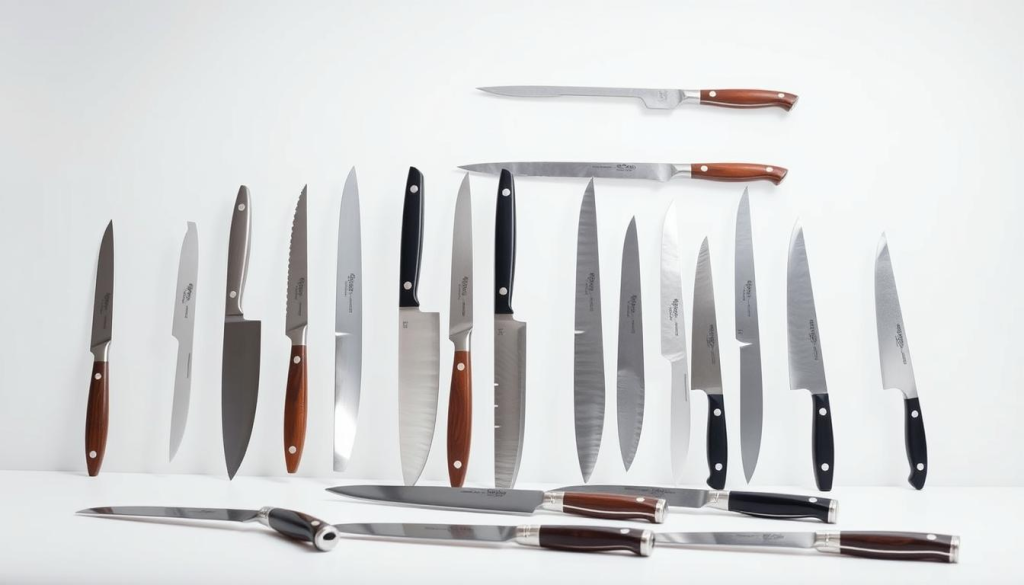
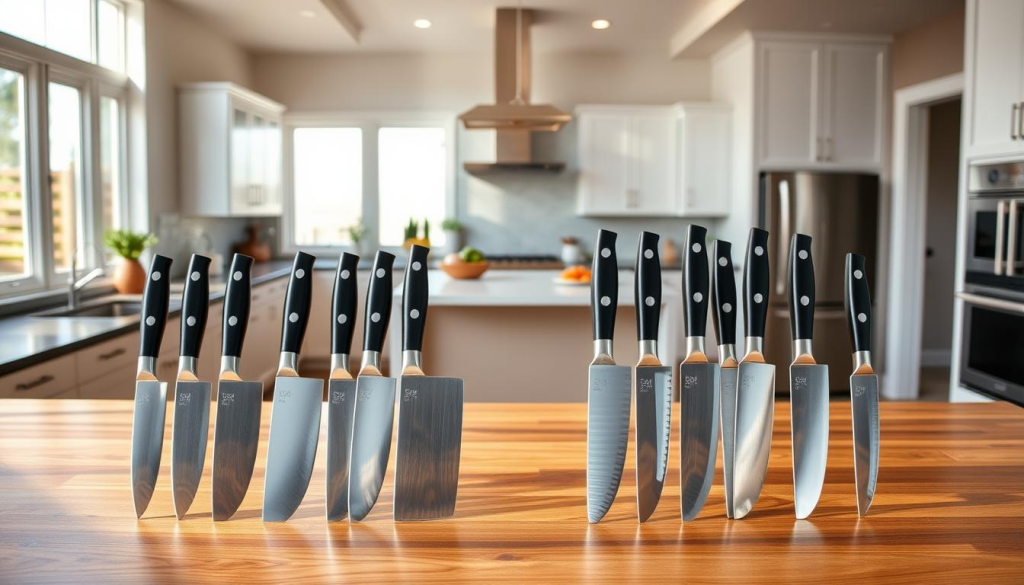
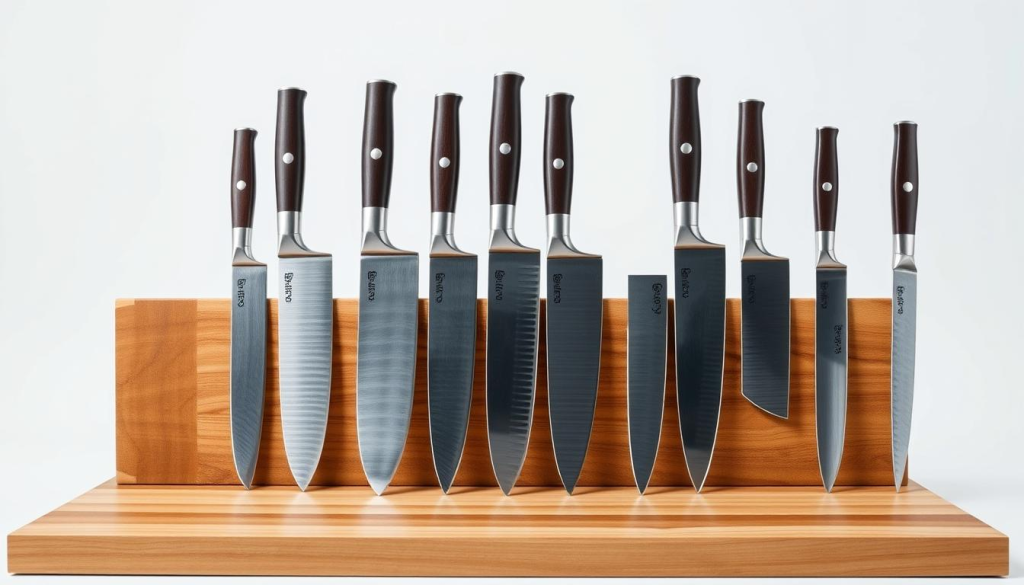
Kiritsuke Knife Types

Nakiri Kiritsuke Variations

Nakiri Kiritsuke variations blend the characteristics of Nakiri knives with the Kiritsuke’s straight edge, offering a unique tool for vegetable preparation. These knives are designed for chefs who need to make precise, clean cuts through vegetables without the burden of a curved blade.

The variations in Nakiri Kiritsuke knives often come down to the blade’s material, edge retention, and handle design. For instance, some may feature a harder steel for longer edge retention, while others may have ergonomic handles for comfort during extended use.

  • High-carbon stainless steel for durability and resistance to corrosion
  • Straight edge for precise cuts and ease of sharpening
  • Ergonomic handles for comfort and control

When choosing a Kiritsuke or its variations, it’s essential to consider your specific needs, including the type of cuisine you prepare, the frequency of use, and your personal comfort with the knife’s weight and balance.

Primary Uses of Kiritsuke Knives

Kiritsuke knives are incredibly versatile tools in the kitchen, offering a range of uses from chopping vegetables to slicing meat. Their unique design and sharpness make them ideal for various tasks, from preparation to presentation.

Slicing and Dicing Vegetables

One of the primary uses of a Kiritsuke knife is slicing and dicing vegetables. The straight edge and sharpness of the knife allow for precise cuts, making it easier to prepare ingredients for a variety of dishes. Whether you’re working with leafy greens or harder vegetables like carrots, a Kiritsuke knife can handle the task with ease.

Cutting Meat with Precision

Kiritsuke knives are also highly effective for cutting meat. The knife’s sharp edge glides through meat with minimal effort, allowing for precise cuts and slices. This is particularly useful when preparing dishes that require thinly sliced meat, such as sashimi or carpaccio.

Filleting Fish Like a Pro

Filleting fish is another task that Kiritsuke knives excel at. The flexibility and sharpness of the knife make it easier to navigate the contours of a fish, allowing for clean and precise fillets. With practice, using a Kiritsuke knife for filleting fish can become a straightforward and efficient process.

How to Properly Use a Kiritsuke Knife

To get the most out of your Kiritsuke knife, it’s crucial to learn how to use it correctly. The Kiritsuke knife, known for its versatility and precision, is a valuable tool in any kitchen. Understanding its proper use not only enhances your cooking experience but also ensures safety while handling the knife.

Techniques for Efficient Cutting

Efficient cutting with a Kiritsuke knife involves mastering a few key techniques. First, the pinch grip is recommended, where the blade is pinched between the thumb and index finger, providing control and precision. The rocking motion is another technique used for chopping and mincing ingredients, allowing for smooth, continuous cuts.

When slicing, it’s essential to maintain a consistent angle and apply gentle pressure. The Kiritsuke knife’s straight edge makes it ideal for smooth, even cuts. For chopping, a gentle rocking motion is used, with the tip of the knife acting as a pivot point.

Cutting Technique Description Best Used For
Pinch Grip Pinching the blade between thumb and index finger Precision tasks, slicing
Rocking Motion Gentle rocking motion for chopping and mincing Chopping herbs, mincing garlic

Importance of Knife Grip and Safety

A proper knife grip is fundamental to safe and effective use of a Kiritsuke knife. The pinch grip not only provides control but also protects the fingers from potential cuts. It’s also crucial to keep your fingers curled under and out of the way of the blade.

“A sharp knife is a safe knife. A dull knife is more likely to cause accidents because it requires more force to cut, increasing the risk of losing control.”

Regular maintenance, such as sharpening the knife, is also vital for safety. A sharp Kiritsuke knife glides through ingredients with ease, reducing the risk of accidents. Always cut away from your body, and be mindful of your surroundings to prevent mishaps.

By mastering the techniques for efficient cutting and understanding the importance of a proper knife grip and safety, you can fully leverage the benefits of using a Kiritsuke knife. Whether you’re slicing vegetables or filleting fish, the Kiritsuke knife is a versatile tool that, when used correctly, enhances your cooking experience.

Maintenance Tips for Your Kiritsuke Knife

Maintaining your Kiritsuke knife is crucial for its longevity and performance. A well-cared-for knife not only lasts longer but also continues to perform at its best, making it a valuable tool in your kitchen.

Cleaning and Storing Your Knife

Proper cleaning and storage are fundamental to maintaining your Kiritsuke knife. After each use, clean your knife with mild soap and dry it thoroughly to prevent rust. Avoid using abrasive cleaners or putting your knife in the dishwasher, as this can damage the blade.

When it comes to storage, use a knife block or a magnetic strip to keep your Kiritsuke knife safe and organized. Avoid storing it in a drawer where it can come into contact with other utensils and potentially get damaged.

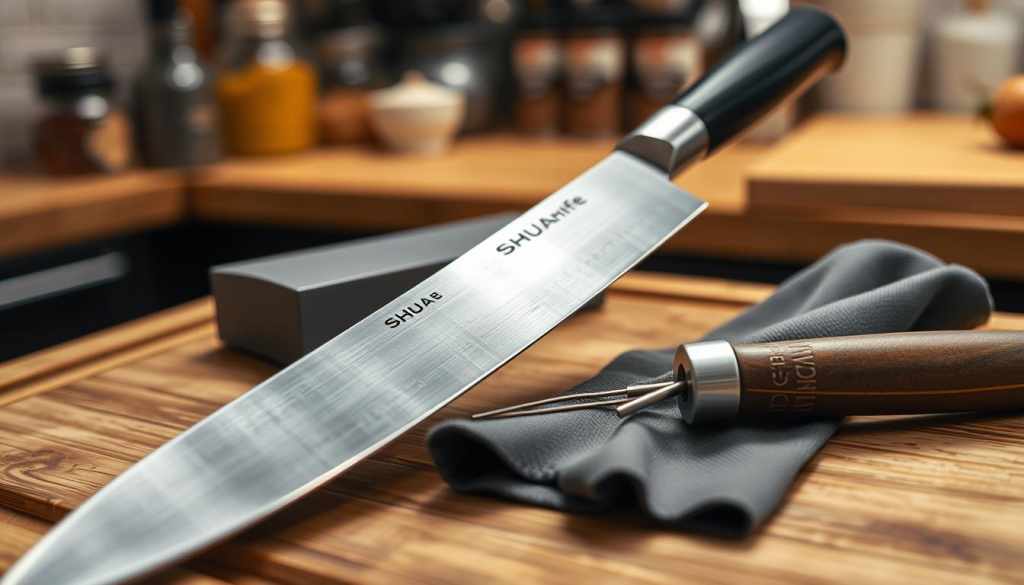
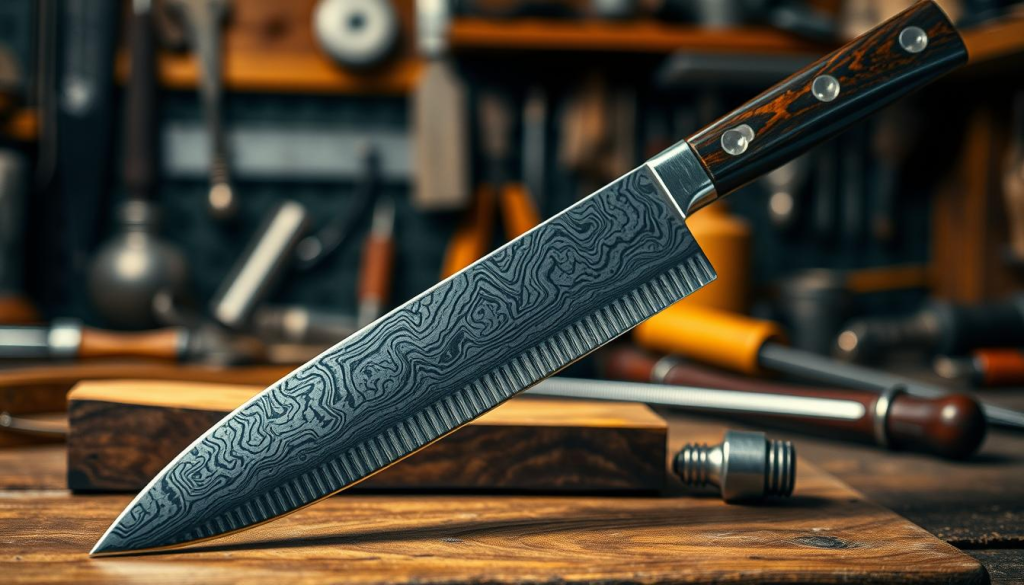
kiritsuke knife maintenance

Sharpening Techniques for Longevity

Sharpening your Kiritsuke knife regularly is essential to maintain its edge. Use a whetstone or a sharpening steel designed for high-carbon knives, as these are effective for maintaining the sharpness of your Kiritsuke.

To sharpen your knife, start with a coarse grit stone to repair any damage, then move to a finer grit for polishing. Hold the knife at the correct angle, typically around 15-20 degrees for a Kiritsuke, and gently draw it across the stone. Repeat this process several times on each side until you achieve the desired sharpness.

By following these maintenance tips, you can ensure your Kiritsuke knife remains a reliable and precise tool in your kitchen for years to come.

Comparing Kiritsuke Knives to Other Chef Knives

The Kiritsuke knife, a hybrid knife that combines the features of a chef’s knife and a sashimi knife, has garnered significant attention among professional chefs. Understanding how it compares to traditional chef knives can help in making an informed decision.

Advantages Over Traditional Chef’s Knives

One of the primary advantages of a Kiritsuke knife is its versatility. Unlike traditional chef knives that are primarily used for chopping and slicing, a Kiritsuke can be used for a variety of tasks, including slicing meat and fish with precision, thanks to its sharp, straight edge.

Key benefits of using a Kiritsuke knife include:

  • Enhanced precision due to its balanced design and sharp edge.
  • Versatility in performing various kitchen tasks, from chopping to filleting.
  • Aesthetic appeal, as it is often considered a beautiful piece to display in the kitchen.
Feature Kiritsuke Knife Traditional Chef’s Knife
Blade Design Straight edge, hybrid design Curved or straight edge, single-purpose design
Versatility Highly versatile, suitable for slicing, chopping, and filleting Primarily used for chopping and slicing
Aesthetic Appeal Highly regarded for its beauty and craftsmanship Varies, often more functional than decorative

Situations Where a Kiritsuke Shines

A Kiritsuke knife truly shines in situations that require precision and versatility. For instance, when preparing sashimi or sushi, the straight edge of a Kiritsuke allows for precise cuts, making it an invaluable tool for Japanese cuisine. Additionally, its balanced design makes it ideal for tasks that require both strength and finesse.

In conclusion, the Kiritsuke knife offers several advantages over traditional chef knives, including its versatility, precision, and aesthetic appeal. Whether you’re a professional chef or an avid home cook, understanding the unique benefits of a Kiritsuke can enhance your cooking experience.

Selecting the Right Kiritsuke Knife for You

The journey to finding your ideal Kiritsuke knife involves understanding your needs and preferences. Whether you’re a professional chef or an avid home cook, the right Kiritsuke knife can significantly enhance your cooking experience.

Factors to Consider When Buying

When selecting a Kiritsuke knife, several factors come into play. Blade material is crucial, with options ranging from stainless steel to high-carbon steel, each offering different benefits in terms of durability and sharpness. The edge type, whether straight or angled, also affects the knife’s performance and ease of sharpening.

Another important consideration is the handle design. A comfortable, ergonomic handle can reduce fatigue during extended use. Additionally, the balance of the knife is vital; a well-balanced knife feels like an extension of your hand, making precise cuts easier to achieve.

Brands Worth Exploring

Several reputable brands offer high-quality Kiritsuke knives. Shun is renowned for its premium knives that combine traditional craftsmanship with modern technology. Global knives are celebrated for their unique design and exceptional sharpness. Other notable brands include Misono and Masamune, each offering distinct features and benefits.

Kiritsuke Knife Guide

When exploring these brands, consider your budget and the specific features that matter most to you. Reading reviews and handling the knives, if possible, can also provide valuable insights into their quality and suitability for your needs.

Common Mistakes to Avoid with Kiritsuke Knives

Mastering the use of a Kiritsuke knife requires understanding its unique characteristics and avoiding common mistakes. By being aware of the potential pitfalls, users can maximize the benefits of their Kiritsuke knife.

Misusing the Blade’s Unique Shape

The Kiritsuke knife’s distinctive shape is both its strength and its weakness. Misusing this shape can lead to inefficiency and potential danger. For instance, using the tip for heavy-duty chopping or applying too much pressure can damage the blade or cause accidents.

  • Incorrect Cutting Techniques: Avoid using a rocking motion or applying excessive force, as this can strain the blade.
  • Ignoring the Knife’s Intended Use: Kiritsuke knives are designed for precision cutting. Using them for tasks like prying or cutting through hard materials can damage the blade.

kiritsuke knife care tips

Neglecting Regular Maintenance

Regular maintenance is crucial for the longevity and performance of a Kiritsuke knife. Neglecting this can lead to a dull blade and reduced effectiveness.

  1. Cleaning: Always clean the knife after use and dry it thoroughly to prevent rust.
  2. Sharpening: Regular sharpening maintains the knife’s edge. Use appropriate sharpening tools and techniques to avoid damaging the blade.

By avoiding these common mistakes, users can ensure their Kiritsuke knife remains a valuable and reliable tool in the kitchen. Proper use and maintenance not only enhance performance but also prolong the life of the knife.

Conclusion: Are Kiritsuke Knives Worth It?

Kiritsuke knives have proven to be versatile and efficient tools in the kitchen, offering a unique blend of functionality and craftsmanship. Chefs and home cooks alike can benefit from incorporating a Kiritsuke knife into their arsenal, as it excels in various tasks, from slicing and dicing to filleting fish.

Why Kiritsuke Knives Stand Out

So, what are kiritsuke knives used for? They are designed for a variety of kitchen tasks, making them an essential tool for any serious cook. Their straight edge and balanced design make them ideal for precise cuts, while their aesthetic appeal adds to their allure. Many chefs prefer Kiritsuke knives due to their versatility and the level of precision they offer, allowing for a more streamlined cooking process.

Whether you’re a professional chef or an enthusiastic home cook, a Kiritsuke knife can elevate your cooking experience. With proper care and maintenance, these knives can become a trusted companion in the kitchen, providing years of reliable service.

FAQ

What are Kiritsuke knives used for?

Kiritsuke knives are versatile Japanese knives used for various tasks, including slicing and dicing vegetables, cutting meat with precision, and filleting fish. Their straight edge and flat, wide blade make them ideal for these tasks.

What is the difference between a Gyuto and a Kiritsuke knife?

Gyuto and Kiritsuke knives are both Japanese knives, but they differ in their design and usage. Gyuto knives are more versatile and used for a variety of tasks, while Kiritsuke knives are known for their straight edge and are often used for slicing and chopping ingredients with precision.

How do I properly care for my Kiritsuke knife?

To properly care for your Kiritsuke knife, it’s essential to clean and store it correctly. Clean the knife with mild soap and dry it thoroughly after use. Store the knife in a dry place, away from other utensils that may cause damage.

What are the benefits of using a Kiritsuke knife?

The benefits of using a Kiritsuke knife include its versatility, precision, and the ability to perform various tasks with ease. Kiritsuke knives are also known for their exceptional craftsmanship, making them a valuable addition to any kitchen.

How do I choose the right Kiritsuke knife for my needs?

When choosing a Kiritsuke knife, consider factors such as the blade material, edge type, and handle comfort. Research reputable brands and read reviews to find the best Kiritsuke knife for your specific needs.

Why do chefs prefer Kiritsuke knives?

Chefs prefer Kiritsuke knives due to their exceptional craftsmanship, versatility, and precision. Kiritsuke knives are also considered a status symbol among chefs, reflecting their skill and expertise in the kitchen.

What are some common mistakes to avoid when using a Kiritsuke knife?

Common mistakes to avoid when using a Kiritsuke knife include misusing the blade’s unique shape and neglecting regular maintenance. Be aware of these potential issues to ensure you get the most out of your Kiritsuke knife.

How do I sharpen my Kiritsuke knife?

To sharpen your Kiritsuke knife, use a sharpening stone or a whetstone. Follow the manufacturer’s instructions for the correct sharpening technique, and maintain the knife’s edge to ensure optimal performance.

Discover the Best Masamoto Knives in the UK


Masamoto knives have earned a reputation for their exceptional quality and craftsmanship, making them a favorite among professional chefs and home cooks alike. Originating from Japan, these high-quality knives are designed to provide a superior cutting experience.

Crafted with precision and care, Masamoto knives are known for their sharpness and durability. Whether you’re a seasoned chef or an enthusiastic home cook, these knives are sure to enhance your cooking experience.

The UK market has seen a rise in the popularity of Masamoto knives, with many appreciating their unique blend of traditional craftsmanship and modern functionality. As a result, they have become a sought-after choice for those looking to invest in high-quality kitchen tools.

Key Takeaways

  • Masamoto knives are renowned for their exceptional quality and craftsmanship.
  • They offer a superior cutting experience due to their sharpness and durability.
  • These knives are a popular choice among both professional chefs and home cooks.
  • Masamoto knives blend traditional Japanese craftsmanship with modern functionality.
  • They have gained significant popularity in the UK market.

Introduction to Masamoto Knives

Masamoto knives have been a benchmark of quality in the culinary world for centuries, rooted deeply in Japanese tradition. These knives are not just tools for cooking; they are works of art that embody the spirit of Japanese craftsmanship.

A Brief History of Masamoto

Masamoto knives have a rich history that dates back to the early 20th century when the founder, Masamoto Masanao, began crafting knives that combined traditional techniques with innovative designs. Over the years, the brand has become synonymous with high-quality, durable knives that are cherished by chefs worldwide.

What Sets Masamoto Apart

Masamoto knives are distinguished by their exceptional quality and attention to detail. The use of high-carbon steel ensures that the knives are not only sharp but also durable. Moreover, the brand’s commitment to traditional Japanese craftsmanship gives its knives a unique character that is hard to elsewhere.

Feature Description
Material High-carbon steel for durability and sharpness
Craftsmanship Traditional Japanese techniques combined with modern manufacturing
Edge Retention Excellent edge retention due to high-quality materials

The Different Types of Masamoto Knives

From Gyuto to Nakiri, Masamoto’s knife selection is designed to meet the demands of various cooking techniques. Whether you’re a professional chef or a home cook, understanding the different types of Masamoto knives can elevate your culinary experience.

premium kitchen knives

Gyuto Knives and Their Uses

Gyuto knives are considered the Swiss Army knife of Japanese blades. They are versatile and can be used for a variety of tasks, from slicing meat to chopping vegetables. The Gyuto style is ideal for chefs who need a reliable, all-purpose knife.

Key Features of Gyuto Knives:

  • Long, curved blade for smooth cutting
  • Typically range from 210mm to 270mm in length
  • Suitable for both meat and vegetable preparation

Santoku Knives Explained

Santoku knives are another popular type from Masamoto, known for their straight edge and balanced design. The name “Santoku” translates to “three virtues,” referring to the knife’s ability to handle meat, fish, and vegetables with ease.

The Benefits of Santoku Knives:

  • Excellent for chopping, slicing, and mincing
  • Typically shorter than Gyuto knives, around 165mm to 180mm
  • Ideal for cooks who prefer a more traditional, straightforward cutting motion

Nakiri: The Veggie Master

Nakiri knives are designed specifically for vegetable preparation. They feature a straight blade with a sharp edge, making them perfect for slicing and chopping vegetables with precision.

Nakiri Knife Characteristics:

  • Straight blade for precise cuts
  • Often preferred by chefs who specialize in vegetable dishes
  • Available in various lengths to suit different needs

In conclusion, Masamoto’s range of knives, including Gyuto, Santoku, and Nakiri, offers something for every chef and cooking style. By choosing the right type of knife, you can enhance your cooking efficiency and precision.

Why Choose Masamoto Knives?

For professional chefs, the right knife is not just a tool, it’s a trusted companion in the kitchen, and Masamoto knives have earned their place as a preferred choice. The reasons behind this preference are multifaceted, revolving around the brand’s commitment to superior craftsmanship, the use of exceptional materials, and a reputation built on quality.

Craftsmanship and Quality

Masamoto knives are crafted with precision and care, reflecting the brand’s heritage in traditional Japanese sword-making. The attention to detail in every knife ensures a level of quality that is hard to match. Each Masamoto knife is a testament to the skill of its craftsmen, who dedicate themselves to perfecting their art.

Exceptional Materials

The materials used play a crucial role in their durability and performance. Masamoto knives are made from high-carbon steel, known for its strength, resistance to corrosion, and ability to hold a sharp edge. This choice of material contributes to the knives’ longevity and effectiveness in the kitchen.

A Reputation for Quality

Masamoto’s commitment to quality has earned the brand a loyal following among professional chefs. The reputation is built on the back of consistent production of high-quality knives that meet the demanding needs of culinary professionals. Whether it’s the balance, the edge retention, or the overall feel of the knife, Masamoto knives have become synonymous with excellence.

Feature Masamoto Knives Brand X Brand Y
Material High-Carbon Steel Stainless Steel High-Carbon Steel
Edge Retention Excellent Good Excellent
Price Range $$ $ $$$

Where to Buy Masamoto Knives in the UK

For those looking to purchase authentic Masamoto knives, it’s essential to know where to look. Masamoto knives are highly regarded for their quality, and purchasing from authorized retailers ensures you receive a genuine product.

Authorized Retailers

Masamoto has authorized several retailers to sell their knives. Some of the most well-known retailers include:

  • Specialty kitchen supply stores
  • High-end department stores
  • Online marketplaces

When shopping at authorized retailers, you can be confident that you’re buying an authentic Masamoto knife.

Online Shopping Options

For those who prefer the convenience of online shopping, there are several online retailers that sell Masamoto knives. Some popular options include:

Retailer Website Benefits
Amazon amazon.co.uk Competitive pricing, fast shipping
John Lewis & Partners johnlewis.com High-quality customer service, free delivery
Williams-Sonoma williams-sonoma.com Luxury shopping experience, expert customer service

buy masamoto knives online

Comparing Prices

When is the best time to buy Masamoto knives? Prices can vary between retailers, so it’s a good idea to compare prices before making a purchase. Consider the following tips:

  • Check for sales and discounts
  • Look for bundle deals that include multiple knives or accessories
  • Consider purchasing during holiday sales events

By doing your research, you can find the best deal on your Masamoto knife.

Caring for Your Masamoto Knives

Maintaining your Masamoto knives is crucial for both their longevity and their performance. High-quality Japanese knives like Masamoto require special care to keep them in optimal condition. Regular maintenance involves more than just cleaning; it’s about preserving the integrity and functionality of the knife.

Cleaning and Maintenance Tips

To maintain your Masamoto knives, it’s recommended to hand wash them with mild soap and dry immediately. Avoid using a dishwasher, as the high heat and harsh detergents can damage the blade and handle. For tougher residue, a soft sponge or cloth can be used. Regularly oiling the blade can also help prevent rust and maintain its appearance. It’s also advisable to store your knives properly, either in a dry place or in a protective case, to prevent accidental damage.

Sharpening Techniques

Sharpening is a critical aspect of knife maintenance. For Masamoto knives, using a whetstone is recommended. Start with a coarse grit stone (about 1000 grit) to repair any damage, then move to finer grits (up to 6000 grit or more) for polishing. It’s essential to maintain the correct angle, typically around 10-15 degrees for Japanese knives, to achieve a sharp edge without damaging the blade. Regular sharpening not only keeps your knife sharp but also contributes to its longevity.

By following these care and maintenance tips, you can ensure your Masamoto knives remain in excellent condition, providing you with years of reliable service. Proper care combines with the inherent quality of Masamoto knives to make them a valuable addition to any kitchen.

Masamoto Knives vs. Other Brands

Masamoto knives have gained a reputation for their exceptional craftsmanship, but how do they compare to other brands? When evaluating knives, several factors come into play, including material quality, edge retention, and overall performance.

To understand the standing of Masamoto knives in the market, it’s essential to compare them with other global brands. Many renowned brands offer high-quality knives, but Masamoto’s commitment to traditional Japanese cutlery sets it apart.

Comparing with Global Brands

Global brands like Wüsthof, Shun, and Zwilling J.A. Henckels are well-known for their high-quality knives. While these brands offer excellent products, Masamoto knives are distinguished by their authentic Japanese craftsmanship. A comparison of these brands reveals differences in materials, construction, and price.

Brand Material Edge Retention Price Range
Masamoto High-carbon stainless steel Excellent $100-$300
Wüsthof High-carbon stainless steel Very Good $100-$500
Shun High-carbon stainless steel, VG-MAX Excellent $200-$600

Unique Features of Masamoto

One of the unique features of Masamoto knives is their adherence to traditional Japanese knife-making techniques. This approach ensures that each knife is not only functional but also a work of art. The use of high-carbon stainless steel provides excellent sharpness and durability.

Masamoto knives are also known for their ergonomic design, which provides comfort and balance during use. The attention to detail in the craftsmanship of Masamoto knives is evident in their precision-forged construction.

authentic Masamoto knives

In conclusion, while other brands offer high-quality knives, Masamoto’s commitment to traditional craftsmanship and use of superior materials makes them a standout choice for chefs and home cooks alike.

The Best Masamoto Knives for Home Chefs

For home chefs looking to elevate their cooking experience, Masamoto knives are a top consideration. Known for their exceptional quality and durability, Masamoto knives can make a significant difference in the kitchen.

Top Picks for Beginners

For those just starting their culinary journey, choosing the right knife can be daunting. Masamoto offers a range of knives that are perfect for beginners. Here are some top picks:

  • Masamoto Gyuto Knife: A versatile knife ideal for various cutting tasks.
  • Masamoto Santoku Knife: Perfect for chopping, slicing, and mincing vegetables and meat.

These knives are not only functional but also beautifully crafted, making them a joy to use in the kitchen.

Recommended Knives for Professionals

For professional chefs, the right knife can enhance performance and efficiency. Masamoto knives are designed to meet the demands of a professional kitchen.

Masamoto Knives

  • Masamoto VG-10 Gyuto: Known for its sharpness and durability, this knife is a favorite among professionals.
  • Masamoto AEB-L Santoku: Offers precision and control, ideal for intricate cutting tasks.

These knives are built to last, with high-quality materials that withstand the rigors of a busy kitchen.

Whether you’re just starting out or are a seasoned professional, Masamoto knives are an excellent choice for any home chef. Their commitment to quality and craftsmanship ensures that you’ll be able to prepare meals with precision and ease.

Testimonials and Reviews

Real users, real results: let’s dive into what chefs and customers are saying about Masamoto knives. As a brand synonymous with quality and performance, Masamoto has earned its reputation through the eyes and hands of those who use their knives daily.

What Chefs Are Saying

Professional chefs praise Masamoto knives for their exceptional sharpness and balance. “I’ve been using Masamoto knives for years, and they remain the best professional chef equipment I’ve ever invested in,” says Chef Thompson.

“The precision and feel of Masamoto knives are unmatched. They make every task in the kitchen a joy.”

Such sentiments are echoed by many in the culinary world, highlighting the knives’ ability to enhance cooking experiences.

Customer Feedback

Customers who buy Masamoto knives online often comment on the knives’ durability and aesthetic appeal. “Not only do Masamoto knives perform exceptionally, but they also look beautiful on my kitchen counter,” notes one satisfied customer.

Feedback like this underscores the brand’s commitment to quality and customer satisfaction, making Masamoto a preferred choice for many.

Whether you’re a professional chef or an avid home cook, the consensus is clear: Masamoto knives are a valuable addition to any kitchen.

Frequently Asked Questions

Masamoto knives have garnered significant attention among chefs and home cooks alike, but what makes them so special? In this section, we’ll address some of the most frequently asked questions about Masamoto knives, helping you make an informed decision about your next kitchen investment.

How to Choose the Right Knife?

Choosing the right Masamoto knife depends on several factors, including your cooking style, the type of ingredients you work with most, and your personal preference for knife characteristics. Masamoto offers a variety of knives, each designed for specific tasks.

Knife Type Primary Use Blade Length
Gyuto General-purpose cutting 210mm, 240mm
Santoku Slicing, dicing, and mincing 165mm, 180mm
Nakiri Vegetable preparation 165mm, 180mm

When selecting a knife, consider the blade length and material. A longer blade can be more versatile, but may be more challenging for beginners. The material should be durable and resistant to corrosion.

Are Masamoto Knives Worth the Investment?

Investing in a Masamoto knife is a significant decision, and many wonder if it’s worth the cost. The answer lies in the quality and craftsmanship that Masamoto brings to the table. As Masamoto is known for their high-quality knives, the durability and performance of their knives can make them a valuable addition to any kitchen.

“A good knife is an extension of the chef’s hand, and Masamoto knives are among the best.” –

A seasoned chef

While the initial investment may seem substantial, the long-term benefits and longevity of Masamoto knives can make them a worthwhile investment for serious cooks.

By understanding the different types of Masamoto knives and their uses, you can make an informed decision that suits your cooking needs. Whether you’re a professional chef or an avid home cook, Masamoto knives are designed to enhance your culinary experience.

Conclusion: Elevate Your Cooking with Masamoto Knives

Investing in premium kitchen knives can significantly enhance your cooking experience. Masamoto knives, renowned for their exceptional quality and craftsmanship, are among the top knife brands in the UK. With a range of knives designed for specific tasks, Masamoto offers the perfect tool for both amateur cooks and professional chefs.

Experience the Difference

By choosing Masamoto, you’re not only selecting a high-quality knife but also investing in a piece of craftsmanship that will last. The precision and attention to detail in every Masamoto knife ensure a superior cutting experience, making cooking more enjoyable and efficient.

Explore the Masamoto range today and discover the difference that premium kitchen knives can make in your cooking. Whether you’re preparing a simple meal or a complex dish, Masamoto knives are designed to meet your needs.

FAQ

What makes Masamoto knives so special?

Masamoto knives are renowned for their exceptional quality, craftsmanship, and traditional Japanese cutlery techniques, making them a favorite among professional chefs and home cooks alike.

Are Masamoto knives available in the UK?

Yes, authentic Masamoto knives can be purchased in the UK from authorized retailers and online shopping platforms, ensuring you get a genuine product.

How do I choose the right Masamoto knife for my needs?

To choose the right Masamoto knife, consider the type of cooking you do most often, and select a knife that suits your tasks, such as Gyuto for general-purpose cutting, Santoku for chopping, or Nakiri for vegetable preparation.

What is the difference between Gyuto, Santoku, and Nakiri knives?

Gyuto knives are versatile and suitable for various cutting tasks, Santoku knives are ideal for chopping and slicing, while Nakiri knives are designed specifically for cutting and preparing vegetables.

How do I care for my Masamoto knife?

To maintain your Masamoto knife, clean it regularly, dry it thoroughly, and sharpen it periodically using a whetstone or sharpening steel to keep it in top condition.

Are Masamoto knives worth the investment?

Yes, Masamoto knives are considered a worthwhile investment due to their exceptional quality, durability, and performance, making them a valuable addition to any kitchen.

Can I buy Masamoto knives online?

Yes, you can purchase authentic Masamoto knives online from authorized retailers and online marketplaces, but be sure to check the seller’s authenticity and reviews.

How do I compare prices for Masamoto knives?

To compare prices, research authorized retailers, online marketplaces, and specialty kitchen stores, and consider factors like shipping costs, warranties, and customer support.

What are the benefits of using high-quality Japanese knives like Masamoto?

High-quality Japanese knives like Masamoto offer superior sharpness, durability, and craftsmanship, making them ideal for precise cutting and enhancing your overall cooking experience.

Discover the Best Knife Set with Knife Names


Finding the perfect knife set can be a daunting task, but with the right guidance, it becomes a breeze. In today’s kitchen, having the right tools is essential, and a good knife set is at the top of the list.

With so many options available, choosing the best one can be overwhelming. By understanding the key features and benefits, you can make an informed decision. In this article, we’ll explore what makes a great knife set and provide you with some valuable insights.

Key Takeaways

  • Understand the importance of a good knife set
  • Learn how to choose the right knives for your needs
  • Discover the benefits of investing in a quality knife set

Understanding Different Types of Kitchen Knives

Understanding the different types of kitchen knives is essential for any home cook or professional chef. The right knife can make a significant difference in your cooking experience, from preparation to presentation.

The Role of a Chef’s Knife

A chef’s knife, also known as a cook’s knife, is a versatile tool used for chopping, slicing, and mincing ingredients. It’s typically between 8-12 inches long and is considered the most essential knife in any kitchen.

The chef’s knife is designed for heavy-duty tasks, making it a crucial component of any knife set. Its broad blade and curved edge allow for a rocking motion, ideal for chopping herbs, vegetables, and meat.

Understanding a Paring Knife

A paring knife is a small, versatile knife used for tasks that require precision, such as peeling fruits and vegetables, trimming fat from meat, and cutting small pieces of food.

  • Precision: The small size of a paring knife allows for precise cuts and control.
  • Versatility: It’s used for a variety of tasks, from peeling apples to deveining shrimp.
  • Comfort: The handle of a paring knife is designed for comfort, allowing for extended use without fatigue.

Both the chef’s knife and paring knife are fundamental to any kitchen, demonstrating the importance of understanding different types of kitchen knives and their uses.

The Importance of Knife Materials

When it comes to kitchen knives, the material used can significantly impact their durabilitydurabilityand overall usability. Different materials offer unique benefits, making making some more suitable for specific tasks or preferences than others. Kitchen knives are available in various materials, each with its strengths and weaknesses.

Stainless steel knives are favored for their resistance to corrosion, making them a practical choice for everyday use. They require less maintenance compared to other materials.

High carbon steel knives are prized for their sharpness and ability to retain their edge. However, they demand more care to prevent rust.

Stainless Steel High Carbon Steel

Material Corrosion Resistance Sharpness
Stainless Steel High Good
High Carbon Steel Low Excellent

Ceramic Knives

Ceramic knives are extremely hard and resistant to corrosion, making them an attractive option for those seeking low maintenance.

high kitchen knives

Essential Knives for Every Kitchen

Understanding the essential knives for your kitchen can elevate your cooking experience. Whether you’re just starting out or are a seasoned chef, having the right knives makes a significant difference in your cooking efficiency and enjoyment.

The Essential Knife Set for Beginners

For those new to cooking, a basic knife set should include a chef’s knife, a paring knife, and a serrated utility knife. These knives cover the primary tasks in the kitchen, from chopping and slicing to paring fruits and vegetables.

A chef’s knife, typically 8-10 inches long, is versatile and used for most chopping tasks. A paring knife is perfect for peeling and coring fruit and vegetables, while a serrated utility knife can handle tasks that require a sawing motion, like cutting through bread or tomatoes.

https://www.youtube.com/watch?v=8wgc7rv5WJc

Professional Knives for Culinary Experts

For culinary experts, the knife set expands to include specialized knives that cater to specific cooking techniques and ingredients. These may include a boning knife, a fillet knife, and a cleaver.

A boning knife is used for removing bones from meat, poultry, and fish, while a fillet knife is designed for filleting fish. A cleaver, with its broad, heavy blade, is perfect for chopping through bones and thick meat.

Knife Type Primary Use Benefit
Chef’s Knife Chopping, slicing Versatility in handling various kitchen tasks
Paring Knife Peeling, coring Precision for detailed work
Serrated Utility Knife Cutting bread, tomatoes Effective for tasks requiring a sawing motion

How to Choose the Right Knife Set

Choosing the right knife set can significantly enhance your cooking experience. With numerous options available, it’s essential to consider several factors to find the perfect set that suits your needs.

Considering Your Cooking Style

Your cooking style plays a crucial role in determining the right knife set for you. For instance, if you’re a professional chef, you’ll likely need a more comprehensive set that includes a variety of knife names such as chef’s knives, paring knives, and serrated knives.

On the other hand, a home cook might require a more basic set. Consider the types of dishes you frequently prepare and the specific knives required for those tasks.

Handle Comfort and Storage

The comfort of the knife handle is often overlooked but is vital for efficient and safe cooking. Look for handles that are ergonomically designed and made from materials that provide a secure grip.

Storage is another critical factor. A good names knife set should come with a storage block or case that keeps the knives organized and within reach, yet safely stored away when not in use.

Feature Basic Knife Set Premium Knife Set
Material Stainless Steel High Carbon Steel
Handle Plastic Ergonomic Design
Storage Simple Block Customizable Case

“A good knife is not just a tool, it’s a partner in the kitchen.”

Anonymous Chef

knife set

Popular Knife Brands

Among the myriad of knife brands available, some stand out for their exceptional quality and performance. When selecting a knife set, understanding the strengths of different brands can help you make an informed decision.

Wüsthoff: A Tradition of Quality

Wüsthoff is a brand that has been synonymous with high-quality knives for many years. Known for their precision and durability, Wüsthoff knives are a favorite among professional chefs. Their knife sets are crafted with attention to detail, ensuring that each knife is not only functional but also a pleasure to use.

The materials used by Wüsthoff are of the highest grade, contributing to the longevity of their knives. Whether you’re chopping, slicing, or mincing, Wüsthoff knives are designed to perform under various conditions.

Shun: Japanese Craftsmanship

Shun is another prestigious brand that has garnered a loyal following worldwide. Renowned for their Japanese craftsmanship, Shun knives are celebrated for their sharpness and aesthetic appeal. Each Shun knife is a testament to the art of traditional Japanese knife-making, combining functionality with beauty.

Shun’s commitment to quality is evident in their meticulous manufacturing process, which involves skilled artisans who carefully craft each knife. The result is a knife set that is not only highly effective but also a joy to behold.

Brand Material Edge Retention Price Range
Wüsthoff High Carbon Steel Excellent $$
Shun High Carbon Stainless Steel Exceptional $$$

Both Wüsthoff and Shun offer exceptional knife sets that cater to different needs and preferences. By understanding the unique qualities of each brand, you can choose the knife set that best suits your cooking style.

The Benefits of Investing in Quality Knives

Investing in high-quality knives can significantly enhance your cooking experience.

High-quality knives are made to last, with materials and craftsmanship that withstand frequent use. This durability means that you won’t need to replace them often, saving you money in the long run.

Durability

The longevity of quality knives is a significant advantage. They maintain their sharpness and edge over time.

Enhanced Cooking Experience

Using high-quality knives can elevate your cooking by making it more efficient and enjoyable. The balance, sharpness, and weight of these knives make chopping, slicing, and dicing easier.

Maintenance Tips for Your Knives

Understanding how to maintain your knives is key to ensuring they remain a valuable tool in your kitchen. Proper knife care involves regular maintenance tasks that can significantly extend the lifespan and performance of your knives.

Sharpening Your Knives

Sharpening is one of the most critical aspects of knife maintenance. A dull knife is not only less effective but also more dangerous, as it requires more force and can lead to accidents. A sharp knife is a safe knife,” as many chefs say. To sharpen your knives, you can use a whetstone, sharpening steel, or electric sharpener. The method you choose depends on your preference and the type of knife you are sharpening.

knife sharpening

Proper Storage Techniques

After sharpening and cleaning your knives, proper storage is essential to maintain their condition. There are several ways to store your knives, including in a knife block, on a magnetic strip, or in a drawer with dividers. Each method has its advantages, and the best choice for you will depend on your kitchen setup and personal preference.

For example, a knife block is a popular choice because it keeps knives organized and within easy reach. On the other hand, a magnetic strip can be a space-saving option and adds a touch of modernity to your kitchen. Whatever method you choose, ensure that it protects the blades from damage and keeps them safe from accidental contact.

As Bob Kramer, a renowned knife maker, once said, “The way you care for your knives reflects the way you cook.” By following these maintenance tips, you can ensure your knives remain in excellent condition, enhancing your cooking experience.

The Significance of Knife Names

The significance of knife names lies in their ability to convey the rich history and cultural context behind various types of knives. Knife names are not just labels; they carry the weight of tradition, craftsmanship, and functionality.

Understanding the cultural significance of knife names can provide insight into the heritage and values associated with different knives. For instance, the Japanese Santoku knife is named using the Japanese term “Santoku,” which translates to “three virtues” or “three uses,” signifying its ability to perform three primary cutting tasks: slicing, dicing, and mincing. This highlights the knife’s versatility and the cultural importance of multifunctionality in kitchen tools.

knife names

Cultural Significance of Knife Names

Knife names often reflect the cultural and historical context in which they were developed. For example, the “Bowie knife” is named after the legendary American frontiersman Jim Bowie, symbolizing strength and resilience. Similarly, the “Damascus knife” references the city of Damascus, known for its historical significance in steel craftsmanship, indicating the knife’s origin and quality.

Functional Names

Many knife names directly relate to their function or the tasks they are designed to perform. The paring knife, for instance, is named for its use in paring fruit and vegetables, while the chef’s knife is a testament to its primary user—the chef. These names not only indicate the knife’s purpose but also help in understanding the specific needs they are designed to meet in the kitchen.

  • Knife names often indicate their purpose or function.
  • Cultural names reflect the heritage and values associated with the knife.
  • Understanding knife names can enhance appreciation for the craftsmanship involved.

Knife Safety Tips

Handling knives safely is crucial in any kitchen. Knife safety is not just about preventing accidents; it’s also about creating a safe cooking environment. By following simple guidelines, you can minimize risks and ensure a pleasant cooking experience.

Safe Handling Practices

Always cut away from your body, and make sure your fingers are curled under and out of the way of the blade. Use a cutting board that is stable and won’t slip. Brands like Wüsthof and Shun offer high-quality cutting boards that can help prevent accidents.

Storage and Knife Safety

Proper storage is essential for maintaining knife safety. Store your knives in a designated block or on a magnetic strip, keeping them out of reach of children. This not only prevents accidents but also helps maintain the quality of your knives.

By incorporating these knife safety tips into your daily cooking routine, you can enjoy a safer and more enjoyable cooking experience.

FAQ

What is the best knife set for a beginner?

For those just starting out, a basic knife set that includes a chef’s knife, paring knife, and serrated utility knife is ideal. Brands like Wüsthoff and Shun offer excellent starter sets.

How do I choose the right knife material?

The choice between stainless steel, high carbon steel, and ceramic depends on your cooking style and preferences. Stainless steel is durable and resistant to corrosion, while high carbon steel offers sharpness and edge retention.

What are the most essential knives for every kitchen?

Every kitchen should have a chef’s knife, a paring knife, and a serrated utility knife. These three knives can handle most kitchen tasks, from chopping and slicing to mincing and julienning.

How do I maintain my knife set?

Regular sharpening and proper storage are key to maintaining your knives. Use a sharpening stone or steel to keep your knives sharp, and store them in a dry place, away from children.

What are some popular knife names and their uses?

Some popular knife names include the chef’s knife, paring knife, boning knife, and fillet knife. Each has a specific use, such as chopping, slicing, or filleting.

How do I ensure knife safety in the kitchen?

To ensure knife safety, always handle knives with care, cut away from your body, and store them properly. Keep your knives sharp, as dull knives are more likely to cause accidents.

What is the significance of knife names in different cultures?

Knife names can have cultural significance, reflecting the history and traditions of a particular region or cuisine. For example, Japanese knives have specific names that reflect their craftsmanship and purpose.

Can I customize my knife set?

Yes, many manufacturers offer custom knife sets that allow you to choose the knives and materials that suit your needs. Some brands also offer personalized engravings or monograms.