Recent Posts

Masamoto Knife Shop: Exceptional Japanese Cutlery


Crafted with centuries of Japanese expertise, Masamoto knives deliver exceptional sharpness, durability, and balance for both professional chefs and home cooks.

Renowned for their precision and craftsmanship, these premium kitchen knives are designed to meet the demands of culinary professionals and enthusiasts alike.

With a commitment to producing high-quality Japanese cutlery, Masamoto Knife Shop has established itself as a leader in the industry.

Key Takeaways

  • Masamoto Knife Shop is known for its exceptional Japanese cutlery.
  • Their knives are crafted with centuries of Japanese expertise.
  • They offer premium kitchen knives with exceptional sharpness and balance.
  • Masamoto knives are suitable for both professional chefs and home cooks.
  • The brand is committed to producing high-quality Japanese knives.

Introduction to Masamoto Knife Shop

With a rich history dating back to the Edo period, Masamoto Knife Shop is renowned for its authentic Japanese blades. Founded by Minosuke Matsuzawa towards the end of this historic era, Masamoto Sohonten has been perfecting its craft over six generations, upholding the founder’s original integrity and commitment to quality.

The History of Masamoto Knives

The story of Masamoto knives begins with Minosuke Matsuzawa, who laid the foundation for what would become a legacy of artisan knife craftsmanship. Over the years, Masamoto Sohonten has continued to refine its techniques, ensuring that each knife not only meets but exceeds the expectations of chefs and culinary enthusiasts alike.

The history of Masamoto is a testament to the brand’s dedication to preserving traditional methods while embracing innovation. This blend of old and new is evident in the materials used, such as high-grade carbon steel and Hyper Molybdenum Vanadium stainless steel, which provide durability and sharpness.

Craftsmanship Behind Each Knife

The craftsmanship that goes into each Masamoto knife is a labor of love, involving meticulous attention to detail and a deep understanding of the materials. The process involves:

  • Selecting the finest materials for durability and performance.
  • Crafting each knife to precise specifications, ensuring balance and comfort in the hand.
  • Employing traditional techniques passed down through generations, combined with modern innovations.

Masamoto Knife Shop’s commitment to artisan knife craftsmanship is evident in every knife that leaves its workshop. Whether you’re a professional chef or a serious home cook, Masamoto knives are designed to elevate your culinary experience.

As a respected Japanese cutlery store, Masamoto Knife Shop continues to be a trusted name among culinary professionals and enthusiasts. The brand’s legacy is not just about the knives it produces but also about the community it has built around the art of cooking.

The Range of Knives Offered

With a legacy of craftsmanship, Masamoto offers an exclusive knife collection that includes sushi and sashimi knives, chef’s knives, and utility knives. This diverse range ensures that both professional chefs and home cooks can find the perfect tool for their culinary needs.

Sushi and Sashimi Knives

Masamoto’s sushi and sashimi knives are designed for precision and delicacy. These knives are crafted to slice through fish and other ingredients with ease, maintaining the integrity of the food’s texture and presentation.

Precision is key when preparing sushi and sashimi, and Masamoto’s knives deliver this precision through their sharp edges and balanced design.

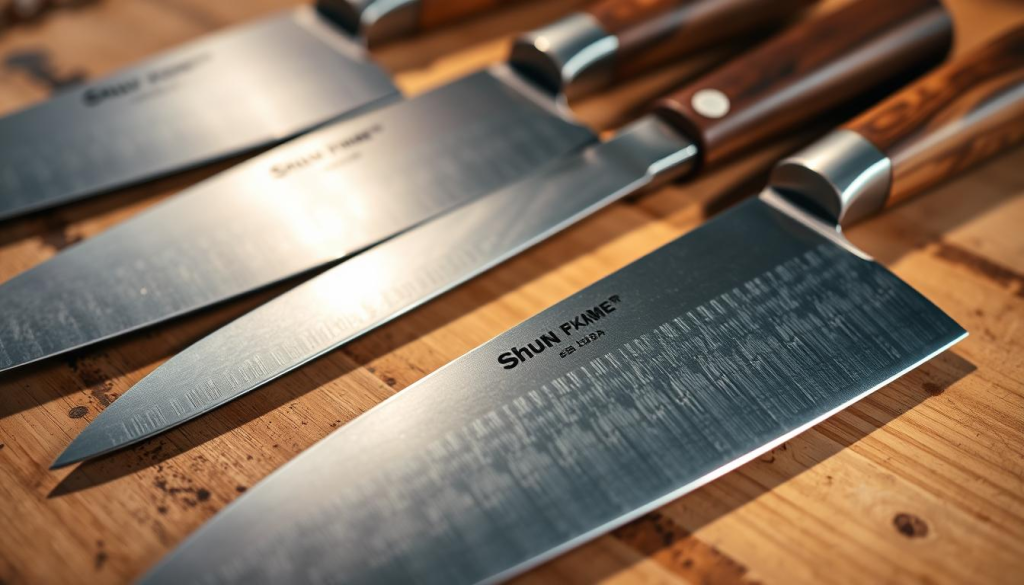
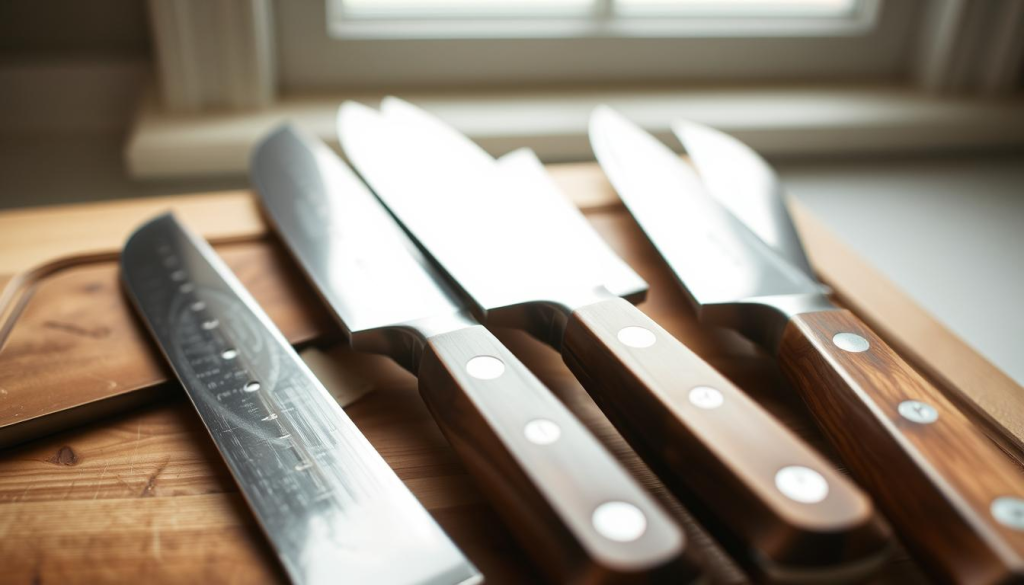
professional chef knives

Chef’s Knives

Chef’s knives are a staple in any kitchen, and Masamoto’s offerings are among the best. Their premium kitchen knives are designed for versatility, capable of handling a variety of tasks from chopping vegetables to slicing meat.

The ergonomic design of Masamoto’s chef’s knives ensures comfort during extended use, making them a favorite among professional chefs.

Utility Knives

Utility knives from Masamoto are perfect for tasks that require a bit more precision than a chef’s knife can offer. These knives are ideal for preparing garnishes, trimming fat, or slicing small fruits and vegetables.

Knife Type Primary Use Notable Feature
Sushi and Sashimi Knives Precision cutting of fish and ingredients Sharp edge for delicate slicing
Chef’s Knives General kitchen tasks, chopping, slicing Ergonomic design for comfort
Utility Knives Precision tasks, garnishing, trimming Smaller size for detailed work

Masamoto’s diverse series, including AT, VG, CT, HC, ZA, FH, KS, and SW Series, cater to different culinary needs and preferences, ensuring there’s something for every chef. Whether you’re a professional or a home cook, Masamoto’s exclusive knife collections are sure to enhance your cooking experience.

“A good knife is like a good friend; it becomes an extension of yourself in the kitchen.”

– A renowned chef’s testament to the importance of quality cutlery.

Why Choose Japanese Cutlery?

The art of Japanese knife-making is a revered craft, with Masamoto leading the way in producing exceptional cutlery. For professional chefs and home cooks alike, the choice of knife can significantly impact the cooking experience.

Japanese cutlery, particularly Masamoto knives, is celebrated for its superior materials and craftsmanship. The use of high-grade steel and traditional forging techniques results in knives that are not only durable but also exhibit a sharpness and edge retention that is hard to match.

Superior Materials and Craftsmanship

The foundation of Masamoto’s excellence lies in its commitment to using the finest materials and adhering to time-honored craftsmanship. Each knife is a testament to the skill of its makers, who carefully select and work with high-carbon steel to produce blades that are both beautiful and functional.

The process involves meticulous attention to detail, from the initial forging to the final sharpening. This dedication to quality ensures that every Masamoto knife meets the highest standards of performance and durability.

Material Characteristics Benefits
High-Carbon Steel Hardness, edge retention Sharpness, durability
Traditional Forging Strength, flexibility Reliability, performance
Hand Sharpening Precision, finish Optimal cutting performance

Precision and Sharpness

One of the hallmark features of Masamoto knives is their precision and sharpness. Achieving a razor-sharp edge requires not only high-quality materials but also a mastery of sharpening techniques.

Masamoto’s artisans are renowned for their skill in hand-sharpening each knife to a precise edge, ensuring that the blade performs flawlessly. This level of sharpness not only makes cooking easier but also enhances the overall culinary experience.

In conclusion, choosing Japanese cutlery, such as Masamoto knives, means investing in artisan knife craftsmanship that combines traditional techniques with modern precision. The result is a knife that is not only a tool but a partner in the kitchen, elevating the art of cooking.

Understanding Knife Types and Their Uses

For both novice cooks and seasoned chefs, understanding knife types and their uses is fundamental to culinary success. At Masamoto, a top-rated knife shop, the variety of knives available can be overwhelming, but selecting the right one is crucial for optimal performance in the kitchen.

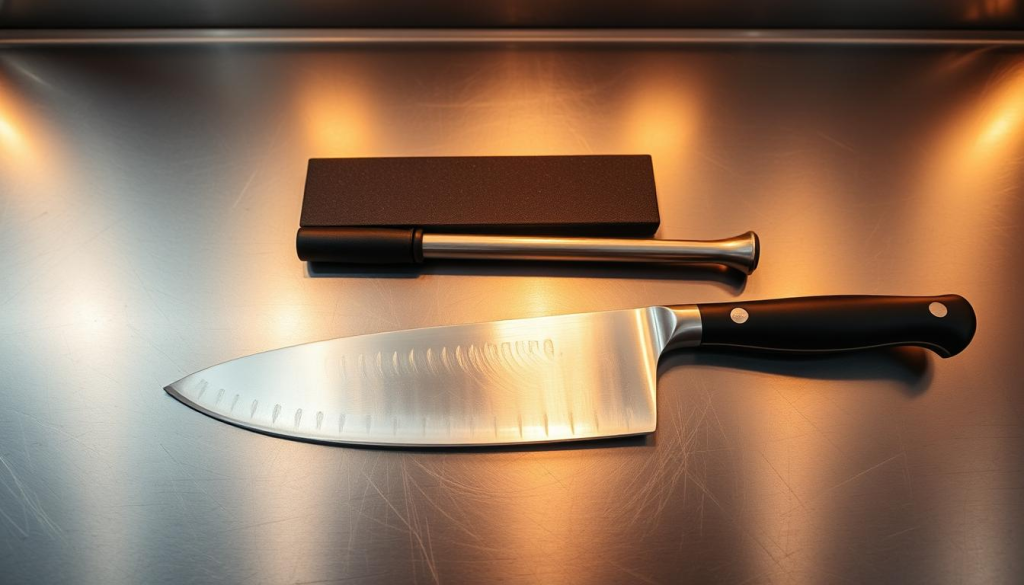
premium kitchen knives

The Importance of Knife Selection

Choosing the right knife is not just about preference; it’s about the task at hand. Different knives are designed for specific cutting techniques, and using the correct one can make a significant difference in the outcome of your dishes. For instance, a sushi knife is designed for precision and delicacy, while a chef’s knife is more versatile and used for a variety of tasks.

Premium kitchen knives like those offered by Masamoto are crafted with precision and care, ensuring that each knife meets the high standards of professional chefs and home cooks alike.

Recommended Knives for Home Cooks

For home cooks, having a few essential knives can elevate their cooking experience. Masamoto recommends starting with a good chef’s knife, a paring knife, and a serrated utility knife. These knives cover a wide range of tasks, from chopping and slicing to more delicate work like peeling fruits and vegetables.

  • A chef’s knife for chopping and slicing ingredients.
  • A paring knife for more delicate tasks like peeling and coring.
  • A serrated utility knife for cutting through tougher or more fibrous materials.

Visiting a reputable Japanese cutlery store like Masamoto can provide you with the guidance needed to select the perfect knives for your kitchen.

Caring for Your Masamoto Knives

Caring for your Masamoto knives is not just about maintaining their sharpness, but also their overall performance. High-quality Japanese knives, like those from Masamoto, are crafted with precision and care, making their maintenance crucial for longevity.

Cleaning Tips

Cleaning your Masamoto knives regularly is essential to prevent the buildup of residue and bacteria. Hand washing is recommended; avoid using a dishwasher as the high heat and harsh detergents can damage the knife’s material.

  • Wash your knives with mild soap and warm water.
  • Dry them immediately with a soft cloth to prevent rust.
  • For tougher residue, use a soft sponge or cloth to clean the knife.

Maintenance and Sharpening

Regular sharpening is vital to maintain the sharpness and precision of your Masamoto knives. You can use a sharpening stone or a whetstone designed for high-carbon Japanese knives.

Sharpening Method Description Frequency
Whetstone Use a whetstone with a fine grit to hone the edge. Every 1-3 months
Sharpening Steel Use a sharpening steel to realign the edge. Weekly or as needed

Proper Storage Techniques

Proper storage is crucial to protect your Masamoto knives from damage. Store your knives in a dry place, away from direct sunlight. You can use a knife block, a magnetic strip, or a protective case to store your knives.

  • Use a knife block with individual slots to prevent knives from touching.
  • Store knives in a dry environment to prevent rust.
  • Consider a magnetic strip for easy access and visibility.

By following these care and maintenance tips, you can ensure that your Masamoto knives remain in excellent condition, providing you with years of exceptional performance. The artisan knife craftsmanship that goes into each Masamoto knife makes them not just tools, but pieces of art that deserve careful handling.

Where to Buy Masamoto Knives

Genuine Masamoto knives are available through their official website and other trusted outlets. When looking to purchase these exceptional Japanese cutlery pieces, it’s essential to buy from authorized sellers to avoid counterfeit products.

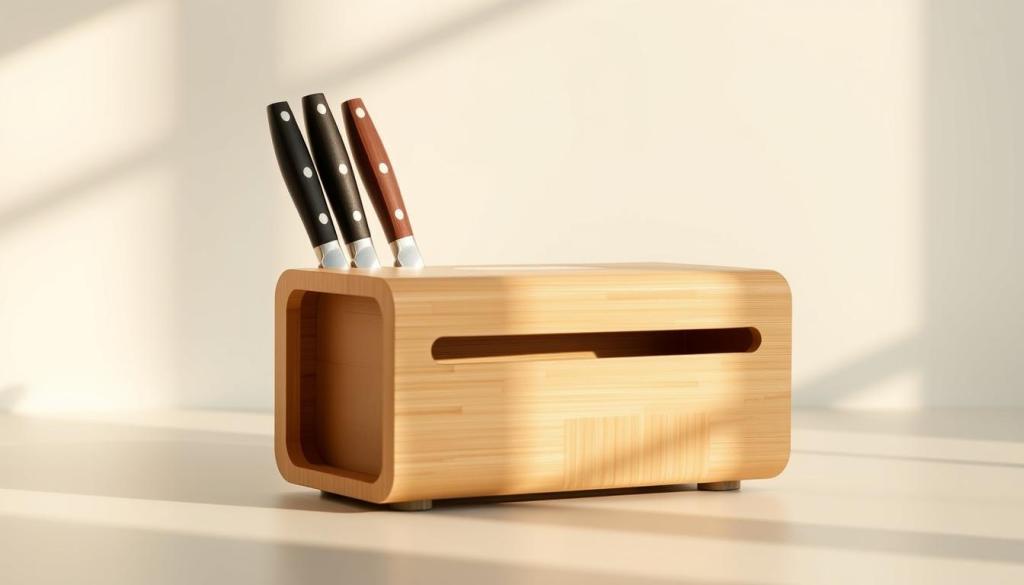
Masamoto Knife Shop

Online Shopping Options

For those who prefer the convenience of online shopping, Masamoto knives can be purchased through their official website. This ensures that you’re getting an authentic product, complete with any relevant warranties and customer support. Additionally, some reputable online retailers also carry Masamoto knives, offering competitive pricing and sometimes additional services like gift wrapping or expedited shipping.

When shopping online, it’s crucial to verify the seller’s authenticity. Look for the “Authorized Dealer” or “Official Store” labels, and be wary of significantly lower prices, as they could indicate a counterfeit product.

Trusted Retail Locations

For a more traditional shopping experience, Masamoto knives are also available at trusted retail locations. Specialty kitchen stores and culinary boutiques often carry a selection of Masamoto cutlery. These retailers can provide valuable insights into the different types of knives and their uses, helping you make an informed purchase.

Some of the top retail locations include high-end kitchen supply stores and gourmet food shops. These establishments typically carry a range of Masamoto knives, from sushi and sashimi knives to chef’s knives and utility knives. Visiting a store in person also gives you the opportunity to inspect the knives for quality and feel.

Tips for Buying Masamoto Knives

  • Always purchase from authorized dealers or the official Masamoto website.
  • Be cautious of very low prices, as they may indicate counterfeit products.
  • Inspect the knife for quality and craftsmanship when possible.
  • Consider the type of knife you need and its intended use.

By following these guidelines, you can ensure that you’re acquiring a genuine Masamoto knife that will serve you well in your culinary endeavors.

Customer Testimonials

Professional chefs and home cooks alike have shared their glowing testimonials about Masamoto knives, highlighting their exceptional quality. The feedback underscores the brand’s commitment to delivering premium kitchen knives that meet the highest standards of performance and durability.

Real Experiences with Masamoto Knives

Many of our customers have praised the sharpness and precision of Masamoto knives, noting how they have significantly improved their cooking experience. Whether it’s a professional chef or a home cook, the consensus is that these knives are a valuable addition to any kitchen.

One customer noted, “The Masamoto knife I purchased has been a game-changer in my kitchen. The balance and sharpness are unparalleled.” Such testimonials reflect the brand’s dedication to crafting knives that are not only functional but also enhance the cooking process.

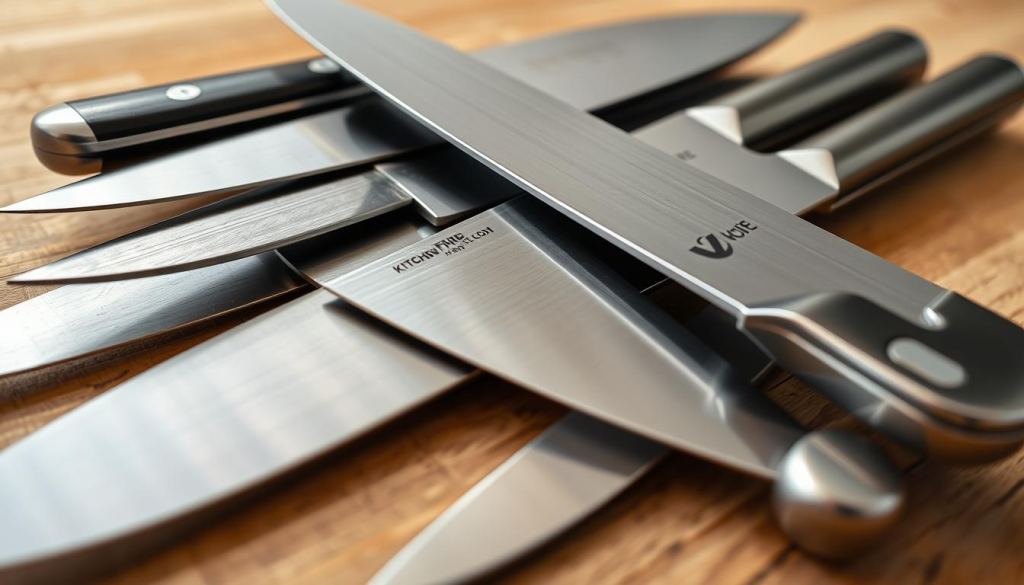
professional chef knives

What Chefs Are Saying

Renowned chefs have also shared their experiences with Masamoto knives, often praising their exclusive knife collections. The attention to detail and craftsmanship that goes into each knife is frequently highlighted in their reviews.

“Masamoto knives have become an indispensable part of my kitchen arsenal. Their quality is unmatched, and they have significantly elevated my cooking.”

A renowned chef

Such endorsements from professionals in the culinary industry further reinforce Masamoto’s reputation for producing professional chef knives that are trusted by experts worldwide.

In conclusion, the testimonials from our customers and the praise from professional chefs underscore Masamoto’s position as a leader in the world of Japanese cutlery. By choosing Masamoto, customers are not just purchasing knives; they are investing in a legacy of quality and excellence.

Special Promotions and Offers

At Masamoto Knife Shop, we believe in rewarding our customers with exclusive deals. Whether you’re a professional chef or an avid home cook, our promotions are designed to help you save on the high-quality knives you need.

Upcoming Sales Events

Masamoto Knife Shop regularly hosts sales events that offer significant discounts on our top-rated knives. These events are a great opportunity to purchase your favorite knives at a fraction of the cost. Stay tuned for our upcoming sales by following us on social media or signing up for our newsletter.

Some of our most anticipated sales events include:

  • Seasonal Clearance Sales: Get ready to save on our exclusive knife collections as we make room for new inventory.
  • Holiday Promotions: Enjoy special discounts and bundle deals during major holidays.
  • Anniversary Sales: Celebrate with us and enjoy exclusive offers on our anniversary dates.

Loyalty Programs for Frequent Shoppers

Our loyalty program is designed to reward our frequent shoppers with points for every purchase, which can be redeemed for discounts on future buys. As a member, you’ll also receive early access to new products, exclusive promotions, and special offers.

Here’s how our loyalty program works:

Purchase Amount Loyalty Points Redeemable Discount
$100-$199 100 points 5% off
$200-$499 250 points 10% off
$500+ 500 points 15% off

At Masamoto Knife Shop, we’re committed to providing our customers with the best shopping experience. By staying informed about our special promotions and offers, you can enjoy significant savings on our top-rated knives. Don’t miss out on our upcoming sales events and loyalty rewards – shop with us today and elevate your culinary experience!

Educational Resources Available

Elevate your cooking skills with Masamoto’s expertly designed educational resources. At Masamoto, we believe that having the right knowledge and skills is just as important as having the right tools. That’s why we offer a variety of educational programs to help you master the art of cooking with high-quality Japanese knives.

Knife Skills Workshops

Our knife skills workshops are designed to teach you the fundamentals of handling and maintaining your Japanese cutlery. Led by experienced chefs, these workshops cover everything from basic knife skills to advanced techniques. You’ll learn how to properly sharpen, store, and use your Masamoto knives to achieve the best results in the kitchen.

By participating in our knife skills workshops, you’ll not only improve your cooking abilities but also gain a deeper appreciation for the artisan knife craftsmanship that goes into each Masamoto knife. Our experts will guide you through hands-on exercises, ensuring you feel confident and comfortable using your knives.

Cooking Classes Featuring Masamoto Knives

In addition to our knife skills workshops, Masamoto also offers cooking classes that feature our premium knives. These classes are designed to showcase the versatility and performance of our high-quality Japanese knives in various cooking techniques. From preparing sushi and sashimi to cooking complex dishes, our classes will help you unlock the full potential of your Masamoto knives.

Our cooking classes are led by professional chefs who will share their expertise and provide personalized feedback. You’ll have the opportunity to practice with Masamoto knives and learn how to incorporate them into your daily cooking routine. By the end of the class, you’ll be able to create delicious dishes with confidence and precision.

At Masamoto, we’re committed to helping you achieve culinary excellence. Our educational resources are designed to support your journey, whether you’re a beginner or an experienced chef. Join us today and discover the difference that high-quality Japanese knives and expert knowledge can make in your cooking.

Conclusion: Elevate Your Culinary Experience with Masamoto

Investing in Masamoto knives is not just about purchasing premium kitchen knives; it’s about elevating one’s culinary experience. The brand’s commitment to quality and craftsmanship makes their authentic Japanese blades a valuable addition to any kitchen.

Investing in Quality for the Long Term

Masamoto knives are designed to provide precision and sharpness, making them an essential tool for both professional chefs and home cooks. By choosing Masamoto, you’re not only acquiring exceptional cutlery but also supporting a tradition of excellence.

For those looking to buy authentic Japanese blades, the Masamoto knife shop offers a wide range of options. Whether you’re a seasoned chef or an enthusiastic home cook, Masamoto’s premium kitchen knives are sure to enhance your cooking experience.

FAQ

What makes Masamoto knives so special?

Masamoto knives are renowned for their exceptional quality, precision, and craftsmanship, making them a favorite among professional chefs and home cooks alike. The brand’s commitment to using high-quality materials and traditional techniques sets them apart.

Are Masamoto knives suitable for beginners?

Yes, Masamoto knives are suitable for cooks of all skill levels, including beginners. Their balanced design and sharpness make them easy to handle and maneuver.

How do I care for my Masamoto knife?

To maintain your Masamoto knife, clean it by hand with mild soap and dry it thoroughly. Store it in a dry place, away from other utensils to prevent damage. Regular sharpening will also keep the blade in optimal condition.

Can I buy Masamoto knives online?

Yes, Masamoto knives can be purchased online through the official Masamoto Knife Shop website or authorized retailers. Be cautious of counterfeit products by only buying from trusted sources.

What is the difference between a sushi knife and a chef’s knife?

Sushi knives are designed for precision cutting and are typically longer and thinner, ideal for slicing raw fish. Chef’s knives are more versatile, used for a variety of tasks such as chopping, slicing, and mincing ingredients.

Do Masamoto knives come with a warranty?

Yes, Masamoto knives often come with a warranty that covers manufacturing defects. The specifics of the warranty can vary, so it’s best to check with the retailer or Masamoto directly for details.

How often should I sharpen my Masamoto knife?

The frequency of sharpening depends on usage. For regular users, sharpening every few months is recommended to maintain the knife’s sharpness and performance.

Are there any knife skills workshops available for Masamoto knives?

Yes, Masamoto offers knife skills workshops and cooking classes that teach customers how to properly use and care for their knives, enhancing their overall cooking experience.

Masamoto Knives Prices: Find the Right Fit


For over 150 years, Masamoto has been a revered name in the culinary world, particularly in Japan, where it’s considered the highest-integrity professional chef knife brand. The authenticity and quality of Masamoto knives have made them a staple among professional chefs and cooking enthusiasts alike.

Understanding the price of authentic Masamoto knives is crucial for making an informed purchase. The value of these knives lies not only in their exceptional craftsmanship but also in their durability and performance.

Key Takeaways

  • Masamoto is a prestigious brand with over 150 years of history.
  • Authentic Masamoto knives are highly valued for their quality.
  • Understanding the price is key to making an informed purchase.
  • Masamoto knives are known for their durability and performance.
  • They are a preferred choice among professional chefs and enthusiasts.

Introduction to Masamoto Knives Pricing

For culinary enthusiasts and professional chefs alike, Masamoto knives represent a pinnacle of Japanese knife-making excellence. The brand’s commitment to quality is evident in every aspect of their products, from the selection of materials to the craftsmanship that goes into each knife.

What Makes Masamoto Unique?

Masamoto knives are distinguished by their high-carbon steel blades and meticulous attention to detail. The brand’s dedication to using only the finest materials ensures that each knife is not only functional but also a work of art. This commitment to excellence contributes to the premium pricing of Masamoto knives, making them a significant investment for any serious chef or cooking enthusiast.

Overview of Price Ranges

The cost of Masamoto knives can vary widely, depending on factors such as the type of knife, the materials used, and the craftsmanship involved. Generally, prices for Masamoto knives range from a few hundred dollars for more basic models to several thousand dollars for high-end, premium knives. Understanding the factors that influence Masamoto knives cost is crucial for making an informed purchase decision.

Importance of Investing in Quality

Investing in a high-quality Masamoto knife is not just about the initial cost; it’s about the long-term value it brings to your cooking experience. A well-made knife will last for years, providing consistent performance and potentially saving money in the long run by reducing the need for frequent replacements. Moreover, a Masamoto knife can be a valuable companion in the kitchen, enhancing your cooking techniques and overall enjoyment of the culinary process. For those looking for the best Masamoto knives deals, it’s essential to consider the quality and durability of the knife as part of the overall value proposition.

Understanding the Types of Masamoto Knives

For those looking to invest in high-quality knives, understanding the different types of Masamoto knives is crucial. Masamoto offers a diverse range of knives, each designed for specific culinary tasks and preferences.

Gyuto Knives Price Overview

Gyuto knives, often considered the Japanese equivalent of a Western chef’s knife, are versatile and highly sought after. The Masamoto KS Series Wa Gyuto, made from White Steel No.2, is a prime example. Prices for Gyuto knives vary based on size, material, and craftsmanship. Generally, you can expect to pay between $100 to $300 for a high-quality Gyuto knife.

Size and Price Variations for Gyuto Knives:

Size (inches) Price Range
8.2 $150 – $250
9.5 $180 – $300
10.8 $200 – $350

Nakiri Knives Pricing

Nakiri knives are designed for vegetable preparation, featuring a straight edge for precise cuts. Masamoto’s Nakiri knives are known for their sharpness and durability. The price for Nakiri knives typically ranges from $80 to $200, depending on the size and material.

“A good knife is not just a tool, it’s a partner in the kitchen.” – Anonymous Chef

Sashimi and Sushi Knife Costs

Sashimi and Sushi knives are specialized for preparing sashimi and sushi, requiring exceptional sharpness and precision. Masamoto’s Sashimi knives are crafted with the utmost care, using high-carbon steel for superior performance. Prices for these knives can range from $150 to $400, reflecting their high-quality construction and the expertise required to craft them.

Masamoto knives types and prices

When considering the purchase of a Masamoto knife, whether it’s a Gyuto, Nakiri, or Sashimi knife, it’s essential to think about your specific needs and budget. Looking out for a Masamoto knives sale or exploring affordable Masamoto knives options can help you find the perfect knife without breaking the bank.

Factors Affecting Masamoto Knife Prices

Masamoto knife prices are determined by a combination of factors that reflect their quality and craftsmanship. The value of these knives is not just in their functionality but also in the materials used, the skill that goes into making them, and the reputation of the brand.

Material Quality Impacts

The quality of materials used in Masamoto knives significantly affects their pricing. For instance, White Steel No.2, a high-carbon steel known for its sharpness and durability, is a common material in these knives. The use of premium materials ensures that the knives are not only sharp but also resistant to corrosion and wear.

High-quality materials like White Steel No.2 require careful handling and maintenance, contributing to the overall cost. The density and hardness of the steel, along with the manufacturing process, play crucial roles in determining the final price of the knife.

Craftsmanship and Manufacturing

The craftsmanship involved in making Masamoto knives is another critical factor that influences their price. Skilled artisans spend years perfecting their craft, and the time and effort they invest in each knife are reflected in the final product. The precision and attention to detail in Masamoto knives justify their premium pricing.

Masamoto knives are known for their exceptional craftsmanship, which includes hand-sharpening and meticulous quality control. This level of detail ensures that each knife meets the high standards of the Masamoto brand, contributing to its reputation and pricing.

Brand Reputation and Demand

The reputation of the Masamoto brand and the demand for its products also play significant roles in determining the prices of its knives. Masamoto is a respected name in the culinary world, known for producing top-rated knives that are sought after by professional chefs and cooking enthusiasts alike.

The demand for Masamoto knives, coupled with the brand’s heritage and commitment to quality, contributes to their pricing. As a brand that has established itself through decades of quality craftsmanship, Masamoto commands a premium for its products, reflecting their value and the trust they inspire among users.

Where to Buy Masamoto Knives

Whether you’re a professional chef or a culinary enthusiast, finding the right place to buy Masamoto knives is crucial. Masamoto knives are renowned for their quality and craftsmanship, making them a valuable addition to any kitchen.

Authorized Retailers

One of the safest ways to purchase Masamoto knives is through authorized retailers. These retailers are vetted by the manufacturer, ensuring that the products are genuine and often come with a warranty. Buying from authorized retailers also provides the benefit of customer support and after-sales service.

Benefits of Authorized Retailers:

  • Genuine products
  • Warranty and customer support
  • Expert advice from sales staff

Online Marketplaces

For those who prefer the convenience of online shopping, online marketplaces are a viable option for buying Masamoto knives. Websites like Amazon or specialized kitchenware stores often carry a wide range of Masamoto products. However, it’s essential to be cautious of counterfeit products when shopping online.

Tips for Buying Online:

  • Check seller ratings and reviews
  • Verify product authenticity
  • Be wary of significantly lower prices

buy Masamoto knives online

Local Specialty Stores

Local specialty stores that focus on kitchenware or culinary tools can also be a great place to find Masamoto knives. These stores often have knowledgeable staff who can provide insights into the different models and help you find the perfect knife for your needs.

Advantages of Local Stores:

  • Personalized service
  • Opportunity to handle knives before purchase
  • Support for local businesses

When looking to buy Masamoto knives, whether online or in-store, it’s crucial to consider the reputation of the seller and the authenticity of the product. By choosing authorized retailers, being cautious on online marketplaces, and appreciating local specialty stores, you can ensure that you’re getting a genuine Masamoto knife that will serve you well.

Comparing Prices Across Different Retailers

To find the best value for your Masamoto knife, comparing prices across different retailers is crucial. This comparison can help you identify the best deals and discounts available in the market.

Price Matching Policies

Many retailers offer price matching policies, ensuring that you get the best deal. If you find a lower price for the same Masamoto knife at another retailer, the seller will match that price.

For instance, some authorized retailers provide a price match guarantee within a certain time frame of purchase. It’s essential to check the retailer’s policy before making a purchase.

Seasonal Discounts and Sales

Seasonal discounts and sales are another way to save on Masamoto knives. Retailers often offer discounts during holiday weekends or special shopping events.

  • Black Friday sales
  • Holiday weekend discounts
  • Clearance sales

Customer Loyalty Programs

Joining customer loyalty programs can also help you save. These programs reward repeat customers with exclusive discounts and early access to sales.

Retailer Masamoto Knife Model Price Discount
Retailer A Gyuto 210mm $200 10%
Retailer B Nakiri 165mm $150 5%
Retailer C Sashimi 240mm $250 15%

Budgeting for Masamoto Knives

Budgeting for Masamoto knives requires understanding the various price points available. Masamoto offers a range of knives at different prices, making it accessible to both beginners and seasoned professionals. To make an informed decision, it’s essential to determine your budget and what you’re willing to spend.

How to Determine Your Budget

Determining your budget involves considering how often you plan to use the knife, the type of cooking you’ll be doing, and your level of expertise. For occasional use, an entry-level Masamoto knife might suffice. However, for frequent or professional use, investing in a higher-quality knife is advisable.

To set a realistic budget, consider the following factors:

  • The frequency of use
  • The type of cuisine you prepare
  • Your level of expertise
  • The knife’s material and craftsmanship

Entry-Level Options

For those new to Masamoto knives or on a tighter budget, affordable Masamoto knives are available. These knives offer excellent quality at a lower price point, making them ideal for beginners or those looking to try out Masamoto for the first time.

Premium Options Worth the Investment

For professionals or serious enthusiasts, top-rated Masamoto knives are worth the investment. These premium knives are crafted with the finest materials and exceptional craftsmanship, ensuring a lifetime of performance and durability.

Investing in a premium Masamoto knife means you’re not just buying a tool; you’re investing in a piece of craftsmanship that will enhance your cooking experience.

Caring for Your Investment: Maintenance Costs

Investing in a Masamoto knife is just the beginning; proper care ensures it remains a valuable tool in your kitchen for years to come. The longevity and performance of your Masamoto knife depend significantly on how well you maintain it.

Sharpening and Care Basics

Regular sharpening is crucial to keep your Masamoto knife in optimal condition. Using a whetstone or a sharpening steel, you can maintain the knife’s edge. It’s also important to clean and dry your knife after each use to prevent rust and bacterial growth.

  • Use a soft cloth to wipe down the blade.
  • Avoid using abrasive cleaners or scouring pads.
  • Store your knife in a dry place, such as a knife block or on a magnetic strip.

Professional Knife Services

For more thorough maintenance, consider utilizing professional knife services. Many retailers and specialty shops offer sharpening services that can restore your knife to its original sharpness.

Benefits of Professional Sharpening:

Service Description Benefit
Precision Sharpening Expert sharpening to restore the knife’s edge. Enhanced performance and longevity.
Knife Restoration Comprehensive service including cleaning and repair. Revives the knife’s original quality.

Replacement and Warranty Considerations

Understanding the warranty and replacement policies for your Masamoto knife is vital. Authentic Masamoto knives typically come with a warranty that covers manufacturing defects.

When purchasing, check the retailer’s warranty and return policies to ensure you’re covered in case of any issues.

masamoto knives price

By investing time in the proper care and maintenance of your Masamoto knife, you can enjoy its exceptional performance for a longer period, making it a worthwhile investment in your culinary journey.

Customer Reviews and Feedback

Real users, real experiences: customer reviews reveal the strengths and weaknesses of Masamoto knives. When considering a purchase, it’s invaluable to understand how these knives perform in real-world conditions.

Insights from Chefs and Home Cooks

Both professional chefs and home cooks have shared their experiences with Masamoto knives, offering a broad perspective on their performance. “I’ve never felt such balance and precision in a knife,” said one chef. The sharpness and durability of Masamoto knives have been frequently praised.

Home cooks appreciate the ease of use and the way these knives maintain their sharpness over time. Many have noted that the knives make a significant difference in their cooking experience.

masamoto knives customer reviews

Common Praises and Critiques

Common praises include the exceptional sharpness, beautiful craftsmanship, and the comfort of the handle. However, some users have noted that the knives can be quite expensive and require careful maintenance.

A few customers have mentioned that the knives take some time to get used to, especially for those accustomed to lighter knives. Nonetheless, the consensus is that the benefits far outweigh the drawbacks.

The Value of Reviews in Pricing Decisions

Customer reviews play a crucial role in understanding the value of Masamoto knives. By reading about the experiences of others, potential buyers can make more informed decisions about whether the knives are worth the investment.

Reviews also highlight the long-term value of Masamoto knives. Many users report that while the initial cost is high, the durability and performance mean that they don’t need to be replaced often, making them a cost-effective choice in the long run.

“I’ve had my Masamoto knife for years, and it still performs like new. The quality is unmatched.” – A satisfied customer.

When looking to buy Masamoto knives online or during a Masamoto knives sale, considering the feedback from other customers can help you make a more informed decision and ensure that you’re getting a high-quality product that meets your needs.

Understanding the Resale Market

Understanding the resale value of Masamoto knives can provide insights into their long-term worth. Masamoto knives are known for their exceptional craftsmanship and durability, factors that significantly influence their resale value.

Resale Value of Masamoto Knives

Masamoto knives are renowned for retaining their value over time, making them a worthwhile investment for both professional chefs and home cooks. The resale value of these knives is influenced by several factors, including their condition, rarity, and demand.

Key factors affecting resale value:

  • Condition of the knife
  • Rarity of the model
  • Demand in the market

Maintaining your Masamoto knife in excellent condition is crucial for maximizing its resale value. Regular sharpening and proper storage are essential practices.

Trends in Collectibility

The collectibility of Masamoto knives is on the rise, driven by their quality, craftsmanship, and the growing community of knife enthusiasts. Certain models, especially limited editions or those with unique features, are highly sought after by collectors.

“The art of knife collecting is not just about the tools; it’s about appreciating the craftsmanship and history behind each piece.” – Knife Collector

Best Practices for Selling Your Knife

If you’re considering selling your Masamoto knife, there are several best practices to keep in mind to ensure you get a fair price.

  1. Accurately describe the condition of the knife.
  2. Provide clear, well-lit photos.
  3. Research comparable sales to price your knife competitively.

By following these guidelines, you can maximize the resale value of your Masamoto knife and ensure a smooth transaction.

Special Offers and Promotions

The world of Masamoto knives is filled with opportunities to save, thanks to various promotions and discounts. Whether you’re a professional chef or an avid home cook, finding the right Masamoto knife at the right price can be a thrilling experience.

Current Deals on Masamoto Knives

Many retailers are currently offering attractive deals on Masamoto knives, making it an ideal time to invest in these high-quality culinary tools. Some of the best deals include discounts on specific models, price drops on popular styles, and special promotions for loyalty program members.

  • Discounts on Gyuto and Nakiri knives
  • Bundle deals that include knife sharpening accessories
  • Limited-time offers on newly released Masamoto knife models

Bundled Products and Discounts

One of the best ways to save on Masamoto knives is by purchasing bundled products. Many retailers offer discounts when you buy multiple knives or a knife along with other kitchen essentials. These bundles not only provide value for money but also ensure that you have the right tools for various culinary tasks.

Some common bundled products include:

  1. Knife sets that cover different cooking styles
  2. Knife care kits that include sharpening stones and cleaning cloths
  3. Kitchen accessory bundles that pair knives with cutting boards and other essentials

Timing Your Purchase for Best Prices

Timing is everything when it comes to scoring the best deals on Masamoto knives. Retailers often have seasonal sales, holiday promotions, and clearance events that can significantly reduce the price of these premium knives.

To maximize your savings, consider the following tips:

  • Keep an eye on retailer websites for flash sales and limited-time offers
  • Sign up for newsletters and loyalty programs to receive exclusive discounts
  • Plan your purchase around major shopping events like Black Friday or holiday weekends

By staying informed and being strategic about your purchase, you can enjoy the best Masamoto knives at prices that fit your budget.

Conclusion: Finding Your Perfect Masamoto Knife

Finding the perfect Masamoto knife can elevate your cooking experience significantly. Throughout this article, we’ve explored various aspects of Masamoto knives, from their pricing to the factors that affect their cost.

Key Takeaways on Pricing

Masamoto knives are known for their high quality, which is reflected in their pricing. The cost of a Masamoto knife can vary widely based on the type of knife, materials used, and craftsmanship involved. Here’s a summary of the key points to consider:

Knife Type Price Range Key Features
Gyuto $100-$300 Versatile, suitable for various cutting tasks
Nakiri $80-$250 Ideal for vegetable preparation, straight edge
Sashimi/Sushi $150-$400 Long, sharp blade for precise slicing

Making an Informed Decision

When choosing a Masamoto knife, it’s essential to consider your specific needs and preferences. Think about the type of cooking you do most often and the characteristics that matter most to you, such as blade material, handle comfort, and balance.

Tips for Making Your Decision:

  • Consider the primary use of the knife.
  • Evaluate the quality of materials and craftsmanship.
  • Read reviews and feedback from other users.

Encouragement to Explore Masamoto Options

Masamoto knives offer a blend of tradition and innovation, making them a valuable addition to any kitchen. Whether you’re a professional chef or an avid home cook, exploring the range of Masamoto knives can help you find the perfect tool to enhance your culinary skills.

By considering the various factors discussed, you can make an informed decision when purchasing a Masamoto knife. We encourage you to explore the different options available and find the one that best suits your needs.

Final Thoughts on Investing in Quality Knives

Investing in a Masamoto knife is not just a purchase, it’s an investment in one’s culinary journey. The value of such a high-quality knife lies not only in its immediate functionality but also in its long-term performance and durability.

Long-Term Performance

Top-rated Masamoto knives are crafted to withstand the rigors of frequent use, maintaining their sharpness and edge over time. This durability translates into a long-term cost savings, as the need for frequent replacements is minimized. When considering the authentic Masamoto knives price, it’s essential to factor in the long-term benefits that justify the initial investment.

Community and Support

Masamoto knife owners become part of a community that values quality and craftsmanship. This community offers support and resources for knife care, usage, and appreciation. Engaging with fellow enthusiasts can enhance one’s culinary experience and provide valuable insights into getting the most out of your Masamoto knife.

Continuing Your Culinary Journey

With a Masamoto knife, you’re not just acquiring a tool; you’re embracing a culinary journey. The precision, balance, and quality of Masamoto knives can elevate your cooking, encouraging experimentation and creativity in the kitchen. As you continue on this journey, the right knife becomes an indispensable companion, making every culinary task a joy.

FAQ

What is the average price range for Masamoto knives?

The average price range for Masamoto knives varies depending on the type and quality, but generally falls between 0 to 0.

Are Masamoto knives worth the investment?

Yes, Masamoto knives are considered a worthwhile investment due to their high-quality materials, craftsmanship, and durability.

How do I determine the authenticity of a Masamoto knife?

To ensure authenticity, purchase from authorized retailers or directly from the manufacturer, and look for the Masamoto logo or certification.

What factors affect the pricing of Masamoto knives?

The pricing of Masamoto knives is influenced by factors such as material quality, craftsmanship, brand reputation, and demand.

Can I find affordable Masamoto knives?

Yes, entry-level Masamoto knives and sales can make the brand more affordable, with prices starting from around .

How do I care for my Masamoto knife to maintain its quality?

Regular sharpening, proper storage, and cleaning will help maintain the quality of your Masamoto knife.

Are there any warranty or replacement options for Masamoto knives?

Yes, Masamoto offers warranty and replacement options for defective products, and some retailers may also provide additional services.

Can I buy Masamoto knives online?

Yes, Masamoto knives can be purchased online from authorized retailers, online marketplaces, and the manufacturer’s website.

How do I know if a Masamoto knife is a good fit for me?

Consider your cooking style, the type of knife you need, and your budget to determine the best Masamoto knife for your needs.

What is the resale value of Masamoto knives?

Masamoto knives generally retain their value well, and some limited-edition or collectible models may even appreciate in value over time.

Are there any customer loyalty programs or discounts available for Masamoto knives?

Some retailers offer customer loyalty programs, seasonal discounts, or promotions that can help reduce the cost of Masamoto knives.

Can I find bundled products or deals that include Masamoto knives?

Yes, some retailers offer bundled products or discounts that include Masamoto knives, which can provide a cost-effective way to purchase multiple knives.

Knife Length Laws in Tennessee: A Comprehensive Guide


Understanding the laws surrounding knife ownership in Tennessee is crucial for both residents and visitors. The state’s legislation regarding knife laws is quite straightforward, yet it’s essential to grasp the nuances to avoid any legal issues.

Tennessee’s approach to regulating knives is relatively lenient compared to other states. The law does not restrict the types of knives that may be possessed or how they may be carried, with certain exceptions such as school grounds.

This comprehensive guide will walk you through the specifics of Tennessee knife laws, ensuring you’re well-informed about your rights and responsibilities.

Key Takeaways

  • Tennessee law does not restrict knife types or carrying methods, except in specific locations.
  • Understanding the exceptions is crucial for compliance.
  • This guide provides a detailed overview of Tennessee’s knife laws.
  • Stay informed about your rights and responsibilities regarding knife ownership.
  • Knowledge of the law can help prevent legal issues.

Overview of Knife Laws in Tennessee

Tennessee law provides clear definitions and guidelines for knife ownership and carry, ensuring that residents and visitors are aware of their rights and responsibilities.

What is Considered a Knife?

In Tennessee, a knife is defined under §39-17-1301 as a cutting instrument designed for use as a weapon or for other purposes. This definition encompasses a wide range of knives, including folding knives and fixed-blade knives. Understanding what constitutes a knife under the law is essential for complying with Tennessee knife laws.

General Legal Definitions

Tennessee law also provides specific definitions for different types of knives, such as switchblades and ballistic knives. These definitions are crucial for understanding the legal knife length in Tennessee and other regulations that apply to various knives. For instance, switchblades are defined as knives that open automatically with a spring or other device.

Importance of Understanding Knife Laws

Understanding knife possession laws in Tennessee is vital for avoiding legal issues. Ignorance of the law can lead to unintended consequences, such as fines or criminal charges. By being informed about the legal definitions and restrictions on knives, individuals can ensure they are in compliance with state laws.

Legal Knife Length Limitations

The state of Tennessee does not impose specific restrictions on knife length, but there are exceptions to this rule. Understanding these regulations is essential for knife owners and users to avoid potential legal issues.

Overview of Length Restrictions

Tennessee’s lenient approach to knife length means that, in general, there is no maximum length for knives. However, certain locations and contexts may have specific restrictions or prohibitions.

Key Points to Consider:

  • No statewide length restrictions for knives.
  • Certain locations like schools may have specific prohibitions.
  • Private property owners can set their own rules regarding knife length and possession.

Types of Knives Affected by Length Laws

While Tennessee does not have specific length restrictions, certain types of knives are regulated or prohibited under different circumstances.

Knife Type Legal Status Specific Restrictions
Fixed-Blade Knives Generally Legal Prohibited in schools and certain public buildings.
Folding Knives Legal None specific, but can be prohibited in certain locations.
Switchblades Restricted Prohibited under certain circumstances; legal for specific uses like hunting.

It’s crucial to understand that while state laws may be lenient, local ordinances and specific location rules can vary significantly.

Types of Knives and Their Legal Status

Tennessee’s laws regarding knives are nuanced, affecting different types of knives in distinct ways. Understanding these differences is crucial for knife owners and users to ensure compliance with state regulations.

Fixed-Blade Knives

Fixed-blade knives are a common type of knife used for various purposes, including hunting and outdoor activities. In Tennessee, fixed-blade knives are generally legal to possess and carry, whether openly or concealed, as long as they are not used in a criminal manner.

Folding Knives

Folding knives, also known as pocket knives, are popular for their convenience and utility. Tennessee law permits the carrying of folding knives, but it’s essential to be aware of the blade length restrictions and the context in which they are carried, especially on school grounds.

Switchblades and Ballistic Knives

Switchblades and ballistic knives are subject to stricter regulations under Tennessee law. Switchblades are prohibited due to their automatic opening mechanism, which is considered a potential danger. Ballistic knives, which propel a blade, are also heavily restricted.

Tennessee knife laws

Knife Type Legal Status in Tennessee Restrictions
Fixed-Blade Knives Legal None specific, but criminal use is illegal
Folding Knives Legal Blade length restrictions apply, especially on school grounds
Switchblades Prohibited Automatic opening mechanism is illegal
Ballistic Knives Heavily Restricted Propelling a blade is considered dangerous

Understanding the legal status of different types of knives in Tennessee is vital for compliance with state laws and avoiding legal issues. Always check the most current regulations as laws can change.

Where You Can Carry Knives

Carrying knives in Tennessee requires an understanding of the law to avoid any issues. The state’s regulations on knife carrying are designed to balance individual rights with public safety concerns.

Public Places vs. Private Property

In Tennessee, the laws regarding carrying knives differ significantly between public places and private property.

Generally, carrying knives is allowed on private property, provided you have the owner’s permission. However, public places have more restrictions.

For instance, carrying knives in government buildings, public transportation, or other areas designated as sensitive by the state or local authorities might be restricted or prohibited.

Schools and Educational Institutions

One of the most critical areas of restriction is on school property, including both K-12 schools and higher education institutions. Tennessee law prohibits carrying knives on school premises, with certain exceptions for activities like hunting or cooking classes when explicitly permitted by school authorities.

  • Elementary and secondary schools: Generally, knives are not allowed.
  • Higher education institutions: Policies may vary, but often, carrying knives is discouraged or prohibited.

Local Regulations to Consider

Apart from state laws, local regulations can also impact where you can carry knives. Municipalities or counties might have their own ordinances that either mirror state laws or add additional restrictions.

  1. Check local laws before carrying knives in public.
  2. Be aware of specific restrictions in places like parks, public buildings, or during public events.

Understanding these nuances is key to complying with Tennessee’s knife legislation.

Exemptions and Special Cases

Understanding the exemptions in Tennessee’s knife laws is crucial for lawful knife possession. While the state has specific regulations regarding knife length and types, certain individuals and activities are exempt from these laws.

Hunting and Sporting Exemptions

Tennessee law allows for exemptions related to hunting and sporting activities. For instance, individuals engaged in lawful hunting practices are permitted to carry knives that might otherwise be restricted. This exemption is crucial for hunters who rely on their knives for their activities.

  • Hunters are allowed to carry larger knives for hunting purposes.
  • Participants in recognized sporting events may also be exempt from certain knife restrictions.

Exceptions for Law Enforcement

Law enforcement officers are another group that benefits from exemptions under Tennessee’s knife laws. Officers are permitted to carry knives as part of their duty, even if the knives would otherwise be considered illegal.

Key exemptions for law enforcement include:

  1. The right to carry knives necessary for their duties, regardless of length or type.
  2. Exemptions from certain prohibitions when on duty or during training exercises.

Historical or Cultural Exceptions

Tennessee also recognizes historical or cultural exceptions for certain knives. For example, knives that are part of a historical reenactment or cultural ceremony may be exempt from the standard regulations.

Tennessee knife laws exemptions

These exceptions highlight the complexity and nuance of Tennessee’s knife laws, demonstrating that while there are strict regulations, there are also considerations for various contexts and needs.

Penalties for Violating Knife Laws

Violating knife laws in Tennessee can lead to severe consequences, including fines and criminal charges. It’s crucial for individuals to understand these penalties to avoid legal trouble.

Fines and Legal Consequences

The state of Tennessee imposes significant fines on individuals who violate its knife laws. For instance, carrying a knife on school grounds can result in a Class E felony, which is punishable by law.

Fines for Violating Knife Laws:

Offense Fine Criminal Charge
Carrying a knife on school grounds Up to $3,000 Class E Felony
Possession of a prohibited knife Up to $1,000 Misdemeanor

Criminal Charges Related to Knife Offenses

Criminal charges for knife offenses in Tennessee can range from misdemeanors to felonies, depending on the nature of the violation. For example, carrying a knife on school property is considered a serious offense and can lead to felony charges.

It’s essential to be aware of the specific laws and regulations regarding knife possession and carrying in Tennessee to avoid such consequences.

Understanding the Tennessee knife statute and adhering to it can help individuals avoid legal issues. The law is designed to promote public safety, and compliance is key to avoiding penalties.

Recent Changes to Knife Legislation

Recent amendments to Tennessee’s knife laws have aimed to provide clearer guidelines for both citizens and law enforcement. These changes reflect a broader effort to ensure that the laws are fair, effective, and easy to understand.

Overview of Recent Amendments

Tennessee has preempted local regulations, ensuring state-wide uniformity in knife laws. This means that the same rules apply across the state, eliminating confusion that can arise from varying local ordinances.

The recent amendments have clarified the definitions of certain types of knives and have provided more specific guidance on what is considered legal or illegal. For instance, the laws now more clearly define the legality of carrying certain knives in public places.

Impact on Citizens and Law Enforcement

The changes to Tennessee’s knife laws have significant implications for both citizens and law enforcement. For citizens, the new laws provide clearer guidelines on what is permissible, reducing the risk of unintentionally violating the law.

Key Impacts on Citizens:

  • Clearer understanding of legal knife types and lengths
  • Reduced confusion about where knives can be carried
  • Increased confidence in exercising their rights

For law enforcement, the amendments simplify the process of enforcing knife laws by providing a uniform standard across the state. This uniformity helps in reducing disputes and misunderstandings during enforcement.

Aspect Before Amendments After Amendments
Local Regulations Varying local laws State-wide uniformity
Knife Definitions Ambiguous definitions Clearer definitions
Public Carry Laws Confusing and varied Standardized across the state

Tennessee knife laws updates

The recent changes to Tennessee’s knife legislation mark a significant step towards creating a more consistent and fair legal environment. By understanding these changes, both citizens and law enforcement can better navigate the complexities of knife laws in the state.

Best Practices for Knife Owners

Responsible knife ownership in Tennessee involves more than just knowing the law; it requires a commitment to safety and community awareness. As a knife owner, being mindful of how you carry and use your knife is crucial for avoiding legal issues and ensuring public safety.

Understanding Local Ordinances

Tennessee’s state laws are permissive, but local ordinances can vary significantly. It’s essential for knife owners to familiarize themselves with the specific regulations in their county or city. For instance, while state law may permit carrying a certain length of knife, a local ordinance might have stricter guidelines.

Key areas to investigate include:

  • Specific knife types prohibited or restricted
  • Places where knives can be carried or used
  • Any required permits or licenses

Obtaining Proper Permits

While Tennessee does not require a permit for carrying most types of knives, certain local jurisdictions might have different requirements. Ensuring you have the necessary permits not only keeps you compliant with the law but also contributes to a culture of responsibility among knife owners.

Permit Type Description Required For
Concealed Carry Permit Allows for the concealed carrying of certain knives Folding knives or knives under a certain length
Special Event Permit Permits carrying knives in restricted areas during events Festivals, public gatherings, or other events

Responsible Knife Usage

Using your knife responsibly is paramount. This includes being aware of your surroundings, understanding the context in which you’re using your knife, and ensuring that your actions do not alarm or threaten others.

Practices to adopt:

  • Always carry your knife in a safe and secure manner
  • Be mindful of local customs and community standards
  • Educate yourself and others on knife safety and usage

responsible knife usage

By embracing these best practices, knife owners in Tennessee can enjoy their rights while contributing to a safer and more aware community.

Resources for Further Information

Tennessee’s knife laws are multifaceted, and accessing the right resources can clarify the legal landscape. For individuals seeking a deeper understanding of these laws, several organizations and government bodies provide valuable information.

State Government Resources

The Tennessee State Government website is a primary source for information on knife laws. It provides updates on legislation, legal definitions, and any recent amendments to the law. Visiting the official government website can help ensure that you have the most current information.

Legal Aid Organizations

Legal aid organizations, such as the Tennessee Bar Association, offer guidance on navigating the legal system regarding knife laws. These organizations often provide free or low-cost consultations and can be invaluable for understanding your rights and responsibilities under the law.

Knife Collectors Associations

For enthusiasts, knife collectors associations like the American Knife and Tool Institute (AKTI) are excellent resources. AKTI provides detailed information on state knife laws, including Tennessee’s, and offers insights into the legal aspects of collecting and owning knives.

Additional Resources include local law enforcement agencies, which can provide community-specific information and guidance on knife laws. Engaging with these resources can help ensure compliance and foster a better understanding of the legal framework surrounding knife ownership in Tennessee.

By leveraging these resources, individuals can stay informed about Tennessee’s knife laws and make educated decisions regarding knife ownership and use.

Community Perspectives

Local knife owners, law enforcement, and legal experts in Tennessee offer diverse insights into the state’s knife legislation, providing a nuanced view of the laws’ effects and implications.

Opinions from Local Knife Owners

Many local knife owners in Tennessee view the state’s knife laws as reasonable and necessary for public safety. “I’ve been collecting knives for years, and I understand the need for regulations,” says John Doe, a knife enthusiast from Nashville. The laws help ensure that knife owners are responsible and aware of their rights and limitations.

However, some knife owners feel that certain restrictions are too stringent. “I believe that law-abiding citizens should have more freedom to carry knives for self-defense,” argues Jane Smith, a knife collector from Memphis.

Voices from Law Enforcement

Law enforcement officials in Tennessee generally support the state’s knife laws as a necessary measure for maintaining public safety. Officer Michael Brown of the Knoxville Police Department notes that “the laws help us in our efforts to reduce violent crime by limiting the types of knives that can be carried in public.”

However, some law enforcement officers suggest that more education is needed to ensure that both the public and law enforcement understand the nuances of the laws. “There’s a need for clearer guidelines on what is allowed and what is not,” says Officer Emily Davis of the Chattanooga Police Department.

Insights from Legal Experts

Legal experts in Tennessee provide valuable insights into the complexities of the state’s knife laws. Attorney David Lee emphasizes that “while the laws are designed to be clear, there are still gray areas that can lead to confusion and potential legal issues for knife owners.”

Legal experts also highlight the importance of staying informed about any changes to the laws. “It’s crucial for knife owners to stay up-to-date on any legislative changes to avoid unintentionally violating the law,” advises Attorney Sarah Taylor.

Conclusion and Final Thoughts

Understanding Tennessee knife laws is crucial for both residents and visitors to ensure compliance and avoid legal issues. By familiarizing oneself with these laws, individuals can enjoy their right to carry knives while respecting the safety and rights of others.

Key Takeaways

The laws governing knife length and types in Tennessee are designed to balance individual rights with public safety. Key points include understanding the legal definitions of knives, knowing where and how to carry them legally, and being aware of exemptions and penalties.

Promoting Responsible Ownership

Responsible knife ownership is about more than just following the law; it’s about being mindful of how one’s actions affect others. By adopting responsible habits, knife owners can help foster a safer and more respectful community.

Staying Informed

Tennessee knife laws, like any legal framework, are subject to change. Staying informed about any amendments or updates is essential for continued compliance. Regularly checking official state resources and legal advisories can help individuals stay up-to-date on tennessee knife laws and maintain responsible habits.

FAQ

What is considered a knife under Tennessee law?

Tennessee law defines a knife as a cutting instrument with a sharp blade, including various types such as fixed-blade, folding, switchblades, and ballistic knives.

Are there any length restrictions on knives in Tennessee?

Tennessee does not have a specific state law restricting the length of knives, but certain types of knives, like switchblades and ballistic knives, are subject to specific regulations.

Can I carry a knife in public places in Tennessee?

Yes, you can carry a knife in public places in Tennessee, but it’s essential to be aware of local regulations and restrictions, especially on private property and school grounds.

Are there exemptions for carrying knives for hunting or sporting purposes?

Yes, Tennessee law provides exemptions for carrying knives for hunting and sporting purposes, allowing for the use of certain types of knives during these activities.

What are the penalties for violating Tennessee’s knife laws?

Violating Tennessee’s knife laws can result in fines, legal consequences, and potentially criminal charges, depending on the nature of the offense and the type of knife involved.

Have there been any recent changes to Tennessee’s knife legislation?

Tennessee’s knife laws have undergone changes, with amendments impacting both citizens and law enforcement; it’s crucial to stay informed about these changes.

How can I ensure I am using my knife responsibly and within the law?

To use your knife responsibly, understand local ordinances, obtain any necessary permits, and practice safe and responsible knife handling and usage.

Where can I find more information on Tennessee’s knife laws?

You can find additional resources on Tennessee’s knife laws through state government resources, legal aid organizations, and knife collectors associations.

Are there any local regulations I should be aware of regarding knife carrying?

Yes, local regulations can vary, so it’s essential to be aware of specific rules in your area, especially regarding carrying knives in public places, schools, and private property.

Can law enforcement officers carry knives as part of their duty?

Law enforcement officers are generally exempt from certain knife laws, allowing them to carry knives as part of their official duties.

Is Japanese Steel Good for Knives?


When it comes to crafting high-quality knives, the type of steel used is crucial. Japanese steel has gained a reputation for its exceptional hardness, sharpness, and durability, making it a popular choice among knife enthusiasts.

Japanese steel encompasses a range of varieties, including high carbon steel, stainless steel, and Damascus steel. Each type offers unique benefits, such as resistance to corrosion, ease of sharpening, and aesthetic appeal.

The diversity of Japanese steel allows knife makers to select the most suitable material for their craft, resulting in exceptional knives that meet specific needs and preferences.

Key Takeaways

  • Japanese steel is renowned for its hardness and sharpness.
  • Various types of Japanese steel offer different benefits.
  • The choice of steel affects the knife’s performance and durability.
  • Japanese steel knives are highly regarded for their quality.
  • Knife makers can select from a range of Japanese steel varieties.

Understanding Japanese Steel

Understanding the nuances of Japanese steel is crucial for appreciating its value in knife production. Japanese steel has a rich history and distinct characteristics that make it highly regarded in the world of cutlery.

What Makes Japanese Steel Unique?

Japanese steel is known for its high quality and performance, largely due to the careful selection of materials and traditional manufacturing techniques. The process of creating Japanese steel involves several key factors:

  • High Carbon Content: Japanese steel often contains a higher carbon content, which contributes to its hardness and ability to hold a sharp edge.
  • Traditional Techniques: The use of traditional blacksmithing techniques passed down through generations ensures a level of craftsmanship that is hard to match.
  • Material Selection: The careful selection of raw materials, including the use of tamahagane (a type of pure steel), plays a significant role in the quality of the final product.

These factors combined result in steel that is not only durable but also capable of achieving a very sharp edge, making it ideal for knife production.

Historical Context of Japanese Steel

The history of Japanese steel is deeply intertwined with the production of samurai swords, where the quality of the steel was paramount. The techniques developed for sword making were later adapted for other cutting tools, including knives.

The production of tamahagane steel, which is used for high-quality knives, is a labor-intensive process that requires great skill. This historical context has contributed to the reputation of Japanese steel as being among the best in the world for cutting instruments.

Some key historical points include:

  1. The development of tamahagane steel for samurai swords.
  2. The adaptation of sword-making techniques for knife production.
  3. The emphasis on quality and craftsmanship in Japanese steel production.

By understanding the historical context and unique characteristics of Japanese steel, it becomes clear why it is preferred for making high-quality knives.

Types of Japanese Steel

When it comes to Japanese steel for knives, there are several categories that stand out for their distinct properties. The diversity in Japanese steel is a result of centuries of refinement and innovation, catering to various needs in knife making.

High Carbon Steel

High carbon steel is prized for its ability to hold a sharp edge and its relative ease of sharpening. Japanese high carbon steel knives are known for their sharpness and are often preferred by chefs who value precision. However, high carbon steel can be prone to rust if not properly maintained.

The high carbon content, typically above 0.5%, allows for a finer edge and better edge retention. This makes high carbon steel ideal for tasks that require precision cutting.

types of Japanese steel for knives

Stainless Steel Variants

Stainless steel variants offer a different set of advantages, primarily their resistance to corrosion. Stainless Japanese steel knives are less likely to rust and require less maintenance than their high carbon counterparts. While they may not hold an edge as well as high carbon steel, advancements in metallurgy have significantly improved their performance.

Stainless steel is alloyed with chromium, which provides its corrosion-resistant properties. This makes stainless steel knives suitable for environments where exposure to acidic or salty foods is common.

Powdered Steel

Powdered steel, also known as powder metallurgy steel, is produced through a process that allows for a more uniform distribution of alloying elements. This results in a steel that has improved edge retention and wear resistance. Powdered Japanese steel knives are highly regarded for their performance and durability.

The process of creating powdered steel involves compacting metal powders into the desired shape, allowing for a high degree of control over the steel’s composition and microstructure.

The Benefits of Japanese Steel in Knives

The use of Japanese steel in knives has become synonymous with excellence in cutting performance. Japanese steel is renowned for its hardness, sharpness, and durability, making it a preferred choice among knife enthusiasts and professionals alike.

Sharpness and Edge Retention

One of the primary benefits of Japanese steel knives is their exceptional sharpness. The high carbon content in Japanese steel allows for a finer edge, making these knives incredibly sharp. Moreover, Japanese steel knives are known for their excellent edge retention, meaning they stay sharp for a longer period, reducing the need for frequent sharpening.

Sharpness Comparison

Steel Type Initial Sharpness Edge Retention
Japanese Steel 9/10 8.5/10
German Steel 8/10 7.5/10
American Steel 7.5/10 7/10

Durability and Toughness

Japanese steel knives are not only sharp but also durable and tough. The unique composition of Japanese steel provides a balance between hardness and flexibility, making these knives resistant to wear and tear. This durability ensures that Japanese steel knives remain functional over time, even with heavy use.

Aesthetic Appeal

Apart from their performance, Japanese steel knives are also appreciated for their aesthetic appeal. The craftsmanship that goes into making these knives, including the intricate designs and the high-quality finishes, makes them stand out. Many Japanese steel knives are considered pieces of art, with their beauty being a significant factor in their popularity among collectors and chefs.

The combination of functionality and aesthetics makes Japanese steel knives a favorite among many.

In conclusion, the benefits of Japanese steel in knives are multifaceted, ranging from exceptional sharpness and edge retention to durability and aesthetic appeal. Whether you are a professional chef or a home cook, Japanese steel knives offer a superior cutting experience that is hard to match with other materials.

Common Uses of Japanese Steel Knives

Japanese steel knives have become a staple in many kitchens due to their exceptional quality and versatility. These knives are crafted to meet the diverse needs of chefs and home cooks, offering a range of applications that enhance the cooking experience.

Japanese steel knife uses

Chef’s Knives

Chef’s knives are among the most versatile and widely used Japanese steel knives. They are designed for a variety of tasks, from chopping vegetables to slicing meat. The sharpness and durability of Japanese steel make these knives ideal for heavy-duty use in professional kitchens.

Key features of Japanese steel chef’s knives include:

  • Exceptional sharpness for precise cuts
  • Durable construction to withstand heavy use
  • Balanced design for comfortable handling

As noted by culinary expert, Chef Masaharu Morimoto, “A good knife is the extension of a chef’s hand; it’s an instrument that requires precision, care, and a deep understanding of its capabilities.”

“A good knife is the extension of a chef’s hand; it’s an instrument that requires precision, care, and a deep understanding of its capabilities.”

Chef Masaharu Morimoto

Specialty Knives

Japanese steel is also used to craft specialty knives designed for specific tasks. These knives are tailored to meet the unique demands of various culinary techniques, such as filleting fish or slicing sashimi.

The precision and sharpness of Japanese steel specialty knives make them invaluable in professional kitchens. Examples include:

  • Sashimi knives for slicing raw fish
  • Fillet knives for delicate fish preparation
  • Nakiri knives for vegetable preparation

Utility Knives

Utility knives made from Japanese steel offer a blend of versatility and performance. They are designed for everyday tasks and are suitable for a wide range of kitchen activities.

The durability of Japanese steel utility knives ensures they remain a reliable tool in the kitchen, even with frequent use.

Knife Type Primary Use Key Characteristics
Chef’s Knife General kitchen tasks Sharpness, durability, balance
Specialty Knife Specific culinary tasks Precision, specialized design
Utility Knife Everyday kitchen tasks Versatility, reliability

Comparison with Other Steel Types

In the realm of high-quality knives, Japanese steel stands out, but how does it compare to German and American steel? The differences between these steel types can significantly impact a knife’s performance, durability, and overall value.

Japanese Steel vs. German Steel

German steel is renowned for its durability and resistance to corrosion, often attributed to its high chromium content. In contrast, Japanese steel is celebrated for its sharpness and edge retention, thanks to its high carbon content. Sharpness is a critical factor for chefs who require precision in their work.

“The sharpness of a knife is not just about the material it’s made from, but how it’s crafted.” –

Chef’s Insight

A comparison of Japanese and German steel reveals that while German steel may offer more durability, Japanese steel excels in sharpness. This is illustrated in the following table:

Steel Type Sharpness Durability
Japanese Steel High Medium
German Steel Medium High

Japanese Steel vs. American Steel

American steel often falls somewhere in between Japanese and German steel in terms of characteristics. It tends to be more durable than Japanese steel but less sharp, and sharper than German steel but less durable. The choice between these steels ultimately depends on the user’s priorities.

When considering American steel, it’s essential to note that its properties can vary widely depending on the specific alloy and manufacturing process. Some American steel knives can offer a balance between sharpness and durability, making them a viable option for those who don’t need extreme performance in either category.

In conclusion, the comparison between Japanese, German, and American steel highlights the unique strengths and weaknesses of each. By understanding these differences, consumers can make informed decisions based on their specific needs and preferences.

Maintenance of Japanese Steel Knives

To keep your Japanese steel knives in top condition, regular maintenance is essential. Proper care not only extends the life of your knives but also ensures they continue to perform at their best.

Sharpening Techniques

Sharpening is a critical aspect of maintaining Japanese steel knives. The high carbon content in these knives allows for a sharp edge, but it requires regular sharpening to maintain. Using the right sharpening stone is crucial; a water stone is often recommended for Japanese steel knives due to its gentle yet effective sharpening capability.

“A sharp knife is a safe knife,” as the saying goes, and this is particularly true for Japanese steel knives. Regular sharpening helps maintain the knife’s edge and prevents it from becoming too worn, which can lead to accidents.

sharpening Japanese steel knives

Rust Prevention

Rust prevention is another vital aspect of maintaining Japanese steel knives, particularly those made from high carbon steel, which can be prone to rust. Drying your knives thoroughly after use and applying a thin layer of oil can help prevent rust. It’s also advisable to store your knives in a dry place or use a knife block that allows for airflow around the blades.

  • Regularly clean and dry your knives
  • Apply a rust-inhibiting oil
  • Store knives properly to prevent moisture accumulation

By following these simple steps, you can significantly extend the life of your Japanese steel knives and keep them in excellent condition.

Popular Brands and Their Offerings

Among the myriad of Japanese steel knife brands, Shun, Miyabi, and Tojiro have carved out reputations for excellence. These brands are recognized for their high-quality Japanese steel knives that cater to various needs and preferences.

Shun Knives

Shun is a prestigious brand known for its premium Japanese steel knives. Shun knives are crafted with meticulous attention to detail, featuring high-carbon steel that ensures exceptional sharpness and durability. The brand’s commitment to quality is evident in its rigorous craftsmanship process.

Japanese steel knife brands

Miyabi Knives

Miyabi knives are another example of exceptional Japanese steel craftsmanship. Miyabi, a brand under the Zwilling J.A. Henckels group, combines traditional Japanese techniques with modern technology to produce knives that are both beautiful and functional. Their knives are known for their sharpness and aesthetic appeal.

Tojiro Knives

Tojiro knives offer a balance of quality and affordability, making them accessible to a wide range of users. Tojiro, a Japanese brand with a long history, produces knives that are appreciated for their performance and value. Their product line includes a variety of knives suitable for different culinary tasks.

In conclusion, brands like Shun, Miyabi, and Tojiro represent the pinnacle of Japanese steel knife manufacturing, each bringing their unique strengths to the table. Whether you’re a professional chef or an avid home cook, these brands offer something for everyone.

The Cost of Japanese Steel Knives

The cost of Japanese steel knives is a topic of interest for many, as it reflects the value and durability they offer. Japanese steel knives are known for their high quality, and the price can vary significantly based on factors such as brand, materials, and craftsmanship.

Are They Worth the Investment?

Investing in a Japanese steel knife can be a significant decision for both professional chefs and home cooks. The durability and performance of these knives often justify the cost, as they can last for many years with proper care. According to

“A good knife is an investment, not an expense.”

This statement rings true for Japanese steel knives, which are known for their sharpness and edge retention.

The value of Japanese steel knives lies in their ability to maintain sharpness, resist corrosion, and provide a comfortable cutting experience. These factors contribute to their overall worth, making them a valuable addition to any kitchen.

Price Range Overview

Japanese steel knives can range from affordable to very expensive. The price depends on several factors, including the type of steel used, the craftsmanship, and the brand reputation.

Price Range Characteristics Examples of Brands
$50-$200 Entry-level, good quality, suitable for beginners Tojiro
$200-$500 Mid-range, high quality, balanced performance Miyabi
$500-$1000+ High-end, premium quality, exceptional craftsmanship Shun

When considering the purchase of a Japanese steel knife, it’s essential to evaluate your needs and budget. Whether you’re a professional or a home cook, there’s a Japanese steel knife that fits your requirements.

Pros and Cons of Japanese Steel Knives

To truly appreciate Japanese steel knives, one must consider both their strengths and weaknesses. Japanese steel knives have gained a reputation for their exceptional quality, but like any other product, they are not without their drawbacks.

Advantages

Japanese steel knives offer several advantages that have contributed to their popularity among chefs and home cooks alike. One of the primary benefits is their exceptional sharpness and edge retention. Japanese steel can be sharpened to a very fine edge, making it ideal for precise cutting tasks.

Another significant advantage is their durability and toughness. High-carbon Japanese steel, in particular, is known for its ability to withstand heavy use without losing its edge or suffering significant wear.

The aesthetic appeal of Japanese steel knives is also noteworthy. Many of these knives are crafted with beautiful designs and patterns, making them not just functional tools but also pieces of art.

Disadvantages

Despite their many advantages, Japanese steel knives also have some disadvantages. One of the main drawbacks is their susceptibility to rust if not properly maintained. Japanese steel, especially high-carbon variants, can corrode if exposed to moisture without adequate care.

Another disadvantage is the need for regular maintenance. Japanese steel knives require frequent sharpening to maintain their edge, which can be time-consuming for some users.

Additionally, Japanese steel knives can be more expensive than their counterparts made from other materials. The high-quality steel, craftsmanship, and brand reputation often come at a premium price.

How to Choose the Right Japanese Steel Knife

The art of selecting a Japanese steel knife that suits your needs is a blend of science and personal preference. With various types of Japanese steel knives available, each with its unique characteristics, making an informed decision is crucial.

Consider Your Cooking Style

Your cooking style plays a significant role in determining the right Japanese steel knife for you. For instance, if you frequently chop vegetables, a knife with a straight edge might be more suitable. On the other hand, if you’re more into slicing meat, a curved blade could be more appropriate.

Consider the types of dishes you prepare most often. If you’re a sushi chef, you’ll need a different type of knife compared to a chef who specializes in Western cuisine.

Handle and Balance

The handle and balance of a knife are equally important. A well-balanced knife with a comfortable handle can reduce fatigue during extended cooking sessions. The material of the handle, whether it’s wood, metal, or composite, should also be considered for durability and comfort.

To further illustrate the factors to consider, here’s a comparison table:

Feature Ideal for Benefit
Straight Edge Chopping Vegetables Precision Cutting
Curved Blade Slicing Meat Efficient Slicing
Ergonomic Handle Extended Use Reduced Fatigue

Care Tips for Japanese Steel Knives

Maintaining your Japanese steel knives is not just about keeping them sharp, but also about preserving their quality. Proper care ensures that your knives remain in good condition and continue to perform well over time.

Cleaning and Storage Tips

Cleaning your Japanese steel knives immediately after use is crucial. Food residue can cause corrosion, especially if the knife is made from high-carbon steel. Use mild soap and water to clean the knife, and dry it thoroughly to prevent rust.

When it comes to storage, keeping your knives in a dry place is essential. You can store them in a knife block, on a magnetic strip, or in a dry container. Avoid storing knives in a humid environment or wrapping them in a damp cloth.

Regular Maintenance Routines

Regular maintenance is key to extending the life of your Japanese steel knives. This includes regular sharpening to maintain the edge and honing to realign the blade.

It’s also important to check your knives regularly for signs of wear, such as rust or dullness. Addressing these issues promptly can prevent more significant problems from developing.

  • Sharpen your knives regularly to maintain their edge.
  • Use a honing rod to realign the blade and improve performance.
  • Check for signs of rust or corrosion and address them immediately.

By following these care tips, you can ensure that your Japanese steel knives remain in excellent condition and continue to serve you well.

Conclusion: Is Japanese Steel the Right Choice for You?

Japanese steel has proven to be a superior material for knives, offering a unique blend of sharpness, durability, and aesthetic appeal. Throughout this article, we’ve explored the various types of Japanese steel, their benefits, and how they compare to other steel types.

Key Takeaways

The high carbon content in Japanese steel allows for a sharper edge and better edge retention. Brands like Shun, Miyabi, and Tojiro have made significant contributions to the world of Japanese steel knives, offering a range of options for different needs and preferences.

Making an Informed Decision

When choosing a Japanese steel knife, consider your cooking style, the type of cuisine you prepare, and your personal preferences regarding handle and balance. With proper care and maintenance, a Japanese steel knife can be a valuable addition to your kitchen, providing years of reliable service.

Ultimately, whether Japanese steel is the right choice for you depends on your specific needs and preferences. By understanding the characteristics and benefits of Japanese steel, you can make an informed decision and find the perfect knife to enhance your culinary experience.

FAQ

Is Japanese steel good for knives?

Yes, Japanese steel is highly regarded for its quality and performance in knives, offering excellent sharpness, edge retention, and durability.

What are the benefits of using high carbon Japanese steel in knives?

High carbon Japanese steel provides superior sharpness and edge retention, making it ideal for precision cutting tasks.

How do I maintain my Japanese steel knife to prevent rust?

To prevent rust, dry your Japanese steel knife after use, apply a small amount of oil, and store it in a dry place.

What is the difference between Japanese steel and German steel in knives?

Japanese steel tends to be harder and more brittle, offering sharper edges, while German steel is often more durable and resistant to wear.

Are Japanese steel knives worth the investment?

Yes, Japanese steel knives are worth the investment for those who value high-quality cutting performance and are willing to maintain their knives properly.

How do I choose the right Japanese steel knife for my needs?

Consider your cooking style, the type of cutting tasks you perform, and the handle and balance of the knife to choose the right Japanese steel knife.

What are some popular brands that use Japanese steel in their knives?

Popular brands that use Japanese steel include Shun, Miyabi, and Tojiro, offering a range of high-quality knives.

How do I sharpen my Japanese steel knife?

Use a sharpening stone or whetstone to sharpen your Japanese steel knife, following the manufacturer’s recommended angle and technique.

Can I use my Japanese steel knife for heavy-duty cutting tasks?

While Japanese steel knives are durable, they may not be suitable for extremely heavy-duty cutting tasks; consider the specific knife and its intended use.

What is the price range for Japanese steel knives?

The price range for Japanese steel knives varies widely, from a few hundred to several thousand dollars, depending on the brand, quality, and craftsmanship.

Masamoto Matsato Knife on Reddit: A Comprehensive Review


The Masamoto Matsato knife has gained significant attention on Reddit for its exceptional quality and performance. As a highly-regarded Japanese blade, it has garnered numerous reviews and discussions among enthusiasts.

Users on Reddit have praised the Matsato knife for its sharpness, durability, and overall value. This comprehensive review aims to provide an in-depth look at the knife’s features, user feedback, and what makes it a popular choice among knife enthusiasts.

Key Takeaways

  • A highly-regarded Japanese blade known for its quality and performance.
  • Praised by Reddit users for its sharpness and durability.
  • A popular choice among knife enthusiasts due to its overall value.
  • Numerous reviews and discussions on Reddit.
  • A comprehensive review covering various aspects of the knife.

Introduction to Masamoto Matsato Knives

With a history spanning over 150 years, Masamoto Sohonten, the maker of Masamoto Matsato knives, has established itself as a revered brand in the culinary world. The brand’s commitment to traditional Japanese craftsmanship and attention to detail has earned it a loyal following among chefs and home cooks alike.

Overview of the Brand

Masamoto Sohonten is renowned for its high-quality knives that embody the spirit of Japanese craftsmanship. The brand’s dedication to producing exceptional knives is reflected in the Masamoto Matsato blade quality, which is praised for its sharpness and durability. As noted by a Reddit user, “The Masamoto Matsato knife has become an essential tool in my kitchen, thanks to its outstanding performance.”

“A good knife is not just a tool, it’s an extension of the chef’s hand.”

– A Reddit user

The brand’s focus on quality is evident in every aspect of its knives, from the selection of materials to the meticulous craftsmanship that goes into each piece.

History and Craftsmanship

Masamoto Sohonten’s history is a rich tapestry of tradition and innovation. Founded over 150 years ago, the company has honed its skills through generations of craftsmen. The art of knife-making is deeply rooted in Japanese culture, and Masamoto Sohonten has been at the forefront of preserving this heritage. The masamoto knife review often highlights the brand’s ability to blend traditional techniques with modern sensibilities, resulting in knives that are both functional and beautiful.

The craftsmanship that goes into each Masamoto Matsato knife is a testament to the brand’s dedication to excellence. From the forging of the blade to the final sharpening, every step is carried out with precision and care. This attention to detail ensures that each knife meets the high standards expected by professional chefs and serious home cooks.

Why Choose a Masamoto Matsato Knife?

The Masamoto Matsato knife has earned its reputation as a superior kitchen companion, and for good reason. With its exceptional sharpness, durability, and ergonomic design, it’s a favorite among both professional chefs and home cooks.

Key Features and Benefits

The Masamoto Matsato knife boasts several key features that set it apart from other knives in the market. Its high-carbon steel blade ensures a sharp edge that lasts, while the ergonomic handle provides comfort and control during extended use.

One of the standout benefits of the Masamoto Matsato knife is its exceptional sharpness. Users have reported that the knife stays sharp for a long time, making it a reliable choice for daily kitchen tasks.

Masamoto Matsato Knife Review

User Reviews from Reddit

Reddit users have shared their experiences with the Masamoto Matsato knife, praising its performance and durability. In the reddit knife community review, many users have highlighted the knife’s ability to retain its sharpness and its overall value for the price.

Some users have noted that while the knife is exceptional in many ways, it does require regular maintenance to keep it in top condition. This feedback is invaluable for potential buyers who want to understand the masamoto matsato user opinions and feedback from real users.

Overall, the Masamoto Matsato knife has garnered a loyal following among knife enthusiasts on Reddit, with many users recommending it to others looking for a high-quality kitchen knife.

Different Types of Masamoto Matsato Knives

Understanding the different types of Masamoto Matsato knives is crucial for selecting the right tool for your kitchen. Masamoto Matsato offers a diverse range of knives, each designed with specific features and benefits to cater to various cooking techniques and recipes.

Gyuto vs. Santoku

The gyuto and santoku are two of the most popular knives in the Masamoto Matsato collection. The gyuto, often considered the Japanese equivalent of a Western chef’s knife, is versatile and ideal for a wide range of cutting tasks. Its curved blade allows for a smooth, rocking motion, making it perfect for chopping, slicing, and mincing.

In contrast, the santoku is known for its straight edge and flat profile, which makes it excellent for push-cutting and chopping vegetables. The santoku’s design is optimized for precision and control, making it a favorite among chefs who value accuracy in their cutting work.

Other Specialty Knives

Beyond the gyuto and santoku, Masamoto Matsato offers a variety of specialty knives designed for specific tasks. These include nakiri knives for vegetable preparation, deba knives for fish filleting, and yanagiba knives for slicing sashimi. Each of these knives is crafted with the same attention to detail and quality as the gyuto and santoku, ensuring that chefs have the right tool for every culinary task.

When choosing a Masamoto Matsato knife, it’s essential to consider your cooking style and the types of dishes you prepare most often. Whether you’re a professional chef or an enthusiastic home cook, there’s a Masamoto Matsato knife designed to meet your needs and enhance your cooking experience.

Material and Construction Quality

When it comes to material and construction, the Masamoto Matsato knife sets a high standard. The quality of the materials used is a crucial factor in the overall performance and longevity of the knife.

Blade Composition

The Masamoto Matsato knife is made from high-quality steel, known for its sharpness and durability. The blade composition is designed to provide a long-lasting edge, making it a favorite among chefs. High-carbon steel is used, which is praised for its ability to hold a sharp edge and resist corrosion.

“The blade’s sharpness is exceptional, making it ideal for precise cuts.” – This is a common praise from users on Reddit, highlighting the knife’s cutting efficiency.

masamoto matsato blade quality

Handle Materials

The handle of the Masamoto Matsato knife is crafted with materials that provide both comfort and durability. Typically, the handle is made from high-quality wood or synthetic materials, designed to fit comfortably in the hand, reducing fatigue during extended use.

Users on Reddit have noted that the handle’s design and material contribute significantly to the overall feel and balance of the knife, making it a joy to use.

“The ergonomic design of the handle makes it very comfortable to hold and maneuver.”

In conclusion, the material and construction quality of the Masamoto Matsato knife are among its strongest attributes, making it a valuable addition to any kitchen.

Performance in the Kitchen

In the kitchen, the Masamoto Matsato knife proves to be a valuable tool, thanks to its impressive cutting efficiency and edge retention. This makes it a favorite among cooking enthusiasts who value precision and durability.

Cutting Efficiency

The Masamoto Matsato knife is designed to slice through ingredients with ease, making it a joy to use for various kitchen tasks. Its sharpness is a key factor in its cutting efficiency, allowing for smooth cuts and minimizing the effort required.

  • Effortless slicing through meat, vegetables, and herbs.
  • Precision cutting for intricate kitchen tasks.
  • Reduces fatigue during prolonged use.

Edge Retention

One of the standout features of the Masamoto Matsato knife is its ability to retain its edge over time. This means that the knife remains effective for a longer period, requiring less frequent sharpening.

The benefits of its edge retention include:

  1. Consistent performance over time.
  2. Less maintenance, as it requires less frequent sharpening.
  3. A cost-effective option in the long run.

Reddit users often praise the Masamoto Matsato knife for its durability and performance, making it a popular choice among those who have tried it. By maintaining its edge, the knife ensures that it remains a reliable tool in the kitchen.

User Experiences and Feedback

The Reddit community has shared a wide range of opinions on the Masamoto Matsato knife, from glowing reviews to constructive criticisms. This feedback provides valuable insights for both potential buyers and current users looking to understand the knife’s performance in various contexts.

Positive Insights from Reddit Users

Many Reddit users have praised the Masamoto Matsato knife for its exceptional sharpness and cutting efficiency. They have noted that the knife’s edge retention is impressive, requiring less frequent sharpening compared to other high-end knives.

  • Precision cutting: Users have appreciated the knife’s ability to make precise cuts, which is crucial for intricate cooking tasks.
  • Durability: The knife’s construction quality has been commended, with users reporting that it withstands heavy use without significant wear.

Common Criticisms

While the Masamoto Matsato knife has received widespread acclaim, some users have pointed out areas for improvement. Common criticisms include the knife’s balance and the material used for the handle.

Criticism User Feedback
Balance Some users feel that the knife is slightly front-heavy, affecting its overall balance.
Handle Material A few users have mentioned that the handle material can be uncomfortable for extended use.

Despite these criticisms, the majority of Reddit users have expressed satisfaction with their purchase, highlighting the knife’s performance and quality as key advantages.

Maintenance Tips for Longevity

Regular maintenance is key to preserving the quality and functionality of your Masamoto Matsato knife. Proper care not only extends the life of the knife but also ensures it continues to perform optimally.

Sharpening Techniques

Sharpening is a critical aspect of maintaining your Masamoto Matsato knife. A dull knife is not only less effective but also more dangerous to use. To sharpen your knife, you can use a whetstone or a sharpening rod. It’s essential to maintain the correct angle, typically around 20 degrees for Japanese knives.

  • Start with a coarse grit stone (about 1000) to repair any damage to the edge.
  • Progress to a finer grit stone (around 6000) for honing and polishing the edge.
  • Use a sharpening rod regularly to maintain the edge between sharpening sessions.

Tip: Regular sharpening not only keeps your knife sharp but also prolongs its lifespan by preventing excessive wear.

Care Instructions

Proper care involves more than just sharpening. Here are some additional tips to keep your Masamoto Matsato knife in excellent condition:

  1. Clean your knife immediately after use with mild soap and dry it thoroughly.
  2. Avoid using a dishwasher, as the high heat and harsh detergents can damage the blade and handle.
  3. Store your knife in a dry place, preferably in a knife block or on a magnetic strip to prevent damage.

“A well-maintained knife is a joy to use and a valuable companion in the kitchen.”

Maintenance Task Frequency Benefits
Sharpening Every 1-3 months Maintains sharpness, improves performance
Cleaning After every use Prevents rust, maintains hygiene
Storage Ongoing Prevents damage, prolongs lifespan

By following these maintenance tips, you can ensure your Masamoto Matsato knife remains a reliable and precise tool in your kitchen for years to come.

Masamoto Matsato Knife Maintenance

Price Range and Value Assessment

The Masamoto Matsato knife, known for its premium quality, comes with a price tag that reflects its superior craftsmanship. As a significant investment for any serious chef or cooking enthusiast, understanding its value is essential.

The price range for Masamoto Matsato knives can vary based on factors such as the type of knife, materials used, and craftsmanship. Generally, these knives are considered high-end, with prices ranging from $100 to over $300. To assess the value of a Masamoto Matsato knife, it’s crucial to compare it with other high-end knives in the market.

Comparison with Other High-End Knives

When comparing the Masamoto Matsato knife to other premium knives, several factors come into play, including blade quality, edge retention, and handle craftsmanship. For instance, knives from brands like Shun and Wüsthof are often considered in the same category. However, the Masamoto Matsato stands out due to its exceptional blade quality and the precision involved in its craftsmanship.

masamoto matsato blade quality

A detailed comparison reveals that while the initial cost may be higher, the long-term value of a Masamoto Matsato knife lies in its durability and performance. Users on Reddit have praised the knife for its cutting efficiency and edge retention, highlighting its value over time.

Is It Worth the Investment?

Determining whether the Masamoto Matsato knife is worth the investment involves considering its overall performance, longevity, and the value it brings to your cooking experience. For professional chefs and serious home cooks, the knife’s ability to deliver precise cuts and maintain its edge over time makes it a valuable asset in the kitchen.

Ultimately, the decision to invest in a Masamoto Matsato knife should be based on your cooking needs and how frequently you use high-quality knives. For those who value precision and durability, the Masamoto Matsato knife is a worthwhile investment, offering a blend of quality, performance, and long-term value.

Where to Purchase Masamoto Matsato Knives

If you’re looking to buy a Masamoto Matsato knife, you’ll have multiple purchasing channels to choose from. Both online retailers and local stores offer these high-quality knives, providing flexibility in your purchasing decision.

Online Retailers

Online retailers are a convenient option for purchasing Masamoto Matsato knives. They often provide detailed product descriptions, customer reviews, and competitive pricing. Some popular online retailers include:

  • Amazon
  • Specialty kitchen stores like Williams-Sonoma
  • Knife enthusiast forums and websites

When shopping online, ensure you’re buying from authorized dealers to avoid counterfeit products. Look for retailers that offer authentic Masamoto Matsato products and have a good return policy.

Online Retailer Price Range Shipping Time
Amazon $100-$300 2-3 days
Williams-Sonoma $150-$400 3-5 days
Knife Enthusiast Forums $80-$250 Varies

Local Stores

Purchasing from local stores allows you to physically inspect the knives before buying. Many culinary stores and specialty kitchen shops carry Masamoto Matsato knives. The benefits include:

  • Hands-on experience with the product
  • Immediate purchase and use
  • Personalized customer service

Local stores may also offer sharpening services and maintenance advice, enhancing your overall ownership experience.

Whether you choose to shop online or in-store, ensure you’re purchasing from a reputable source. This guarantees the quality and authenticity of your Masamoto Matsato knife.

Warranty and Return Policy

When investing in a Masamoto Matsato knife, understanding the warranty and return policy is crucial for a hassle-free purchase. This section will delve into the manufacturer’s guarantees and customer service experiences that back the product.

Understanding Manufacturer Guarantees

Masamoto Matsato offers a comprehensive warranty that covers manufacturing defects, ensuring that customers receive a high-quality product. The warranty period may vary depending on the specific model and region, so it’s essential to check the details at the time of purchase.

Key aspects of the warranty include:

  • Lifetime guarantee against manufacturing defects
  • Coverage for issues related to materials and craftsmanship
  • Clear guidelines on how to file a claim

Customer Service Experiences

Customer service is a critical component of the overall ownership experience. Masamoto Matsato’s customer service team is known for being responsive and helpful, addressing customer inquiries and concerns in a timely manner.

Customers have praised the brand for:

  1. Efficient handling of warranty claims
  2. Friendly and knowledgeable support staff
  3. Prompt resolution of issues

In summary, Masamoto Matsato’s warranty and return policy provides customers with confidence in their purchase, backed by a commitment to quality and customer satisfaction.

Mastering Knife Skills with a Masamoto Matsato Knife

The Masamoto Matsato knife is not just a kitchen tool; it’s a key to unlocking your culinary potential. With its exceptional sharpness and balanced design, this knife can significantly enhance your cooking experience.

To get the most out of your Masamoto Matsato knife, it’s essential to understand the techniques that can be employed with it. Here are some cooking techniques to try:

Cooking Techniques to Try

  • Chopping: The Masamoto Matsato knife excels at chopping vegetables, herbs, and nuts with precision.
  • Slicing: Its sharp edge makes it ideal for slicing meat, fish, and bread thinly and evenly.
  • Mincing: The knife’s fine edge allows for efficient mincing of garlic, ginger, and other ingredients.

By mastering these techniques, you can enhance your culinary skills and explore new recipes with confidence.

Enhancing Your Culinary Skills

To truly master knife skills, practice is key. Here are some tips to help you improve:

  1. Practice different cutting techniques regularly.
  2. Keep your knife sharp; a dull knife is more dangerous and less effective.
  3. Learn various knife grips and choose the one that feels most comfortable for you.

A well-maintained Masamoto Matsato knife is a valuable companion in the kitchen. The following table highlights some key aspects of knife care and usage:

Technique Benefit Tip
Chopping Precise cuts Use a rocking motion
Slicing Even thickness Keep the knife at a consistent angle
Mincing Fine texture Use a gentle pressing motion

By incorporating these techniques and tips into your cooking routine, you’ll find that your overall culinary skills improve, and the Masamoto Matsato knife becomes an indispensable tool in your kitchen.

Conclusion: Is the Masamoto Matsato Knife Right for You?

The Masamoto Matsato knife has garnered significant attention on Reddit, with users sharing their genuine experiences and feedback. A comprehensive review of this high-quality knife reveals its exceptional craftsmanship, performance, and durability.

For those in the market for a new knife, the Masamoto Matsato is certainly worth considering. Its sharpness, balance, and ergonomic design make it a valuable addition to any kitchen. User opinions and feedback from Reddit suggest that the knife’s edge retention and cutting efficiency are among its standout features.

Key Considerations

When evaluating the Masamoto Matsato knife, consider your specific needs and preferences. If you’re looking for a premium knife that will withstand heavy use, this may be an excellent choice. A genuine Masamoto Matsato knife review highlights the importance of proper care and maintenance to ensure the knife remains in optimal condition.

Final Assessment

In conclusion, the Masamoto Matsato knife is a high-quality product that offers excellent value for its price. With its exceptional performance and durability, it’s a great option for both professional chefs and home cooks. Masamoto Matsato user opinions and feedback reinforce the notion that this knife is a worthwhile investment for anyone seeking a reliable and efficient cutting tool.

FAQ

What is the Masamoto Matsato knife made of?

The Masamoto Matsato knife is made from high-carbon stainless steel, known for its durability and resistance to corrosion.

Is the Masamoto Matsato knife suitable for professional chefs?

Yes, the Masamoto Matsato knife is a popular choice among professional chefs due to its exceptional sharpness, balance, and durability.

How do I sharpen my Masamoto Matsato knife?

To sharpen your Masamoto Matsato knife, use a whetstone or a sharpening steel, and follow the manufacturer’s recommended sharpening angle.

What are the benefits of using a Masamoto Matsato knife?

The Masamoto Matsato knife offers excellent cutting efficiency, edge retention, and a comfortable grip, making it a valuable addition to any kitchen.

Can I purchase Masamoto Matsato knives online?

Yes, Masamoto Matsato knives are available for purchase on various online retailers, including Amazon and specialty kitchen stores.

What is the warranty on Masamoto Matsato knives?

Masamoto Sohonten offers a warranty on their knives, covering defects in materials and workmanship; for specific details, refer to the manufacturer’s website or contact their customer service.

How do I care for my Masamoto Matsato knife?

To maintain your Masamoto Matsato knife, wash it by hand, dry it thoroughly, and store it in a dry place; regular sharpening and honing will also help to maintain its performance.

Are Masamoto Matsato knives suitable for beginners?

While Masamoto Matsato knives are high-end knives, they can be used by beginners who are willing to invest time in learning proper knife skills and care.

What is the difference between Gyuto and Santoku Masamoto Matsato knives?

The Gyuto is a Japanese-style chef’s knife, while the Santoku is a more versatile, all-purpose knife; the choice between the two depends on personal preference and cooking style.

Can I return or exchange my Masamoto Matsato knife if I’m not satisfied?

Check with the retailer or manufacturer for their return and exchange policies, as they may vary.

Japanese Kitchen Knives Explained: A Comprehensive Guide


The art of crafting Japanese kitchen knives has been refined over centuries, rooted in the country’s rich history of samurai sword-making. These exceptional tools have garnered a reputation for their outstanding cutting performance and precision craftsmanship.

This comprehensive guide will explore the world of Japanese kitchen knives, delving into their history, types, and benefits. Whether you’re a professional chef or a home cook, understanding the nuances of these knives can elevate your culinary skills.

Key Takeaways

  • Gaining insight into the history and craftsmanship of Japanese knives.
  • Understanding the different types of Japanese kitchen knives.
  • Learning how to choose the right knife for your cooking needs.
  • Discovering the benefits of using high-quality Japanese knives.
  • Exploring the anatomy of a Japanese kitchen knife.

The Art of Japanese Knives: An Overview

With a history rooted in samurai sword craftsmanship, Japanese knives are not just tools but pieces of art that reflect the country’s rich cultural heritage. The evolution of Japanese knives is closely tied to the country’s culinary traditions and the need for precision in food preparation.

Japanese knife-making is an art form that has been refined over centuries. The historical context of Japanese knives is deeply intertwined with the samurai culture, where swords were not only weapons but also symbols of honor and craftsmanship. This legacy has been carried forward into the making of kitchen knives, where the emphasis is on precision, quality, and the use of high-carbon steel to achieve exceptional sharpness and durability.

A Brief History of Japanese Knives

The history of Japanese knives dates back to the Heian period (794-1185 CE), where the production of high-quality steel led to the development of swords and later, kitchen knives. The techniques developed during this era laid the foundation for the sophisticated knife-making industry that Japan is known for today.

“The art of knife-making in Japan is not just about creating a tool, it’s about crafting a piece of art that embodies the spirit of Japanese cuisine.”

The Edo period (1603-1868) saw the rise of specialized knives for specific culinary tasks, reflecting the growing sophistication of Japanese cuisine. This period was crucial in establishing the various types of Japanese knives that are revered today, each designed for particular tasks in the kitchen.

Period Significant Developments Influence on Japanese Knives
Heian (794-1185) High-quality steel production Foundation for sword and knife making
Edo (1603-1868) Specialization of knives Development of various knife types
Modern Era Blend of traditional and modern techniques Enhanced quality and functionality

Cultural Significance in Japanese Cuisine

In Japanese cuisine, knives are not just tools; they are an extension of the chef’s artistry and a symbol of the cultural values placed on food preparation. The precision and care taken in crafting Japanese knives reflect the broader cultural emphasis on detail and quality.

The use of Japanese knives is deeply ingrained in the preparation of traditional dishes such as sushi and sashimi, where the knife’s sharpness and balance are crucial. The cultural significance of these knives is also reflected in the rituals and techniques associated with their use, highlighting the reverence for the craft.

The benefits of using Japanese knives include their exceptional sharpness, durability, and the precision they bring to various kitchen tasks. Whether for a professional chef or a home cook, Japanese knives represent a commitment to quality and the art of cooking.

Types of Japanese Kitchen Knives

Understanding the different types of Japanese kitchen knives is essential for any chef or home cook looking to enhance their culinary experience. Japanese kitchen knives come in a variety of shapes and sizes, each designed for specific tasks and ingredients.

types of Japanese kitchen knives

Chef’s Knives: The Santoku

The Santoku is a versatile knife used for chopping, slicing, and mincing. It is often considered the Japanese equivalent of the Western chef’s knife. The name “Santoku” roughly translates to “three virtues,” referring to its ability to handle three primary cutting tasks: slicing, dicing, and mincing.

Key Features of Santoku Knives:

  • Typically range from 5 to 7 inches in length
  • Flat edge with a straight or slightly curved spine
  • Used for a variety of kitchen tasks

Sushi Knives: Yanagiba and Usuba

Sushi preparation requires precision and the right tools. The Yanagiba and Usuba are two types of knives used in sushi preparation.

Yanagiba: The Yanagiba is a long, thin knife used primarily for slicing raw fish. Its length allows for smooth, even cuts, making it an essential tool for sashimi preparation.

Usuba: The Usuba is a thin, flat knife used for cutting vegetables. It is particularly useful for creating thin slices of ingredients used in sushi rolls.

Specialty Knives: Nakiri and Petty

Beyond the Santoku and sushi knives, there are other specialty knives that serve unique purposes in the kitchen.

Nakiri: The Nakiri is a vegetable knife with a straight edge, ideal for chopping and slicing vegetables. Its flat profile makes it perfect for cutting through leafy greens and other vegetables without crushing them.

Petty: The Petty knife is a smaller, utility knife used for tasks that require more precision, such as peeling fruits and vegetables or cutting small ingredients.

By understanding the different types of Japanese kitchen knives, cooks can better equip their kitchens with the right tools for their culinary needs.

The Craftsmanship Behind Japanese Knives

The art of crafting Japanese knives is a revered tradition that combines skill, patience, and attention to detail. For centuries, Japanese craftsmen have perfected the art of knife-making, resulting in some of the world’s most exceptional cutting tools.

The craftsmanship behind Japanese knives is not just about creating a functional tool; it’s an art form that requires a deep understanding of materials and techniques. From the selection of high-quality steel to the precise sharpening and finishing, every step in the process is crucial to the final product’s performance.

Traditional vs. Modern Techniques

Japanese knife craftsmanship is characterized by a blend of traditional and modern techniques. Traditional methods involve hand-forging and hammering the steel to create a strong, durable blade. Modern techniques, on the other hand, often incorporate advanced machinery and technology to precision-craft the knives.

While traditional techniques are still revered for their authenticity and craftsmanship, modern methods offer consistency and precision that can be harder to achieve by hand. Many contemporary Japanese knife makers combine both approaches to create knives that are not only beautiful but also highly functional.

Material Quality: Steel Types Explained

The quality of the steel used in Japanese knives is crucial to their performance. Different types of steel offer varying levels of hardness, durability, and resistance to corrosion. Common steel types used in Japanese knives include AEB-L, known for its high carbon content and resistance to wear, and VG-10, a high-quality stainless steel that offers excellent sharpness and corrosion resistance.

Understanding the different types of steel and their characteristics can help you appreciate the craftsmanship that goes into creating a Japanese knife. Whether you’re a professional chef or a home cook, choosing a knife made from high-quality steel can make a significant difference in your cooking experience.

The anatomy of a Japanese kitchen knife is also a testament to the craftsmanship involved. From the blade’s shape and size to the handle’s design and material, every aspect is carefully considered to create a balanced, ergonomic tool that feels comfortable in the hand.

Finding the Right Japanese Knife for You

To find the ideal Japanese knife, you must consider your cooking style, tasks, and budget. With so many types available, choosing the right one can be overwhelming, but by understanding your needs, you can make an informed decision.

Factors to Consider Before Purchase

Before buying a Japanese knife, several factors should be considered to ensure you find the perfect fit. These include:

  • Cooking Style: Different cooking techniques require specific types of knives. For instance, if you frequently chop vegetables, a Nakiri knife might be ideal.
  • Task Frequency: Consider the tasks you perform most often. If you’re a sushi enthusiast, a Yanagiba knife could be a valuable addition to your kitchen.
  • Budget: Japanese knives vary significantly in price. Setting a budget will help narrow down your options and ensure you find a high-quality knife within your means.

By considering these factors, you can narrow down your options and find a knife that suits your needs.

Best Japanese Knives for Beginners

For those new to Japanese knives, starting with a versatile and easy-to-use option is advisable. Some top recommendations for beginners include:

  1. Santoku Knives: These are great all-purpose knives, ideal for chopping, slicing, and mincing.
  2. Petty Knives: Useful for detail work, such as peeling and coring fruit and vegetables.

These knives are not only functional but also help beginners get accustomed to handling Japanese knives.

In conclusion, choosing the right Japanese knife involves understanding your cooking habits, the tasks you perform, and your budget. By considering these factors, you can find a knife that enhances your cooking experience.

Maintaining Your Japanese Knives

To keep your Japanese knives in top condition, regular maintenance is essential. Proper care not only extends the life of your knives but also ensures they continue to perform at their best. By understanding the importance of maintenance and implementing simple practices, you can enjoy the many benefits of using Japanese knives for years to come.

Japanese knife sharpening techniques

Sharpening Techniques for Optimal Performance

Sharpening is a critical aspect of maintaining your Japanese knives. Dull knives are not only less effective but can also be more dangerous to use. To keep your knives sharp, it’s essential to understand the different Japanese knife sharpening techniques available. Whether you prefer using a whetstone or a sharpening rod, the key is to maintain a consistent angle and apply gentle pressure.

For high-carbon Japanese knives, a water stone is often the preferred sharpening tool. These stones come in various grits, from coarse to fine, allowing you to progressively hone your knife to a razor-sharp edge. Regular sharpening will not only improve your knife’s performance but also help to maintain its longevity.

Proper Cleaning and Storage Practices

In addition to sharpening, proper cleaning and storage are vital for maintaining your Japanese knives. After each use, clean your knives with mild soap and dry them thoroughly to prevent rust. For high-carbon knives, a light coating of oil can provide additional protection against corrosion.

When it comes to storage, a knife block or magnetic strip is ideal for keeping your knives organized and within reach. Avoid storing your knives in a drawer with other utensils, as this can cause damage to the blades. By following these simple practices, you can ensure your Japanese knives remain in excellent condition and continue to serve you well.

Notable Japanese Knife Brands to Know

Among the myriad of Japanese knife brands, some have risen to prominence due to their commitment to excellence. Understanding these brands can help you make an informed decision when purchasing a Japanese knife.

Global Leaders: Global and Shun

Global and Shun are two of the most recognized names in the world of Japanese knives. Global knives are known for their unique edge design and lightweight construction, making them a favorite among professional chefs. Shun, on the other hand, is celebrated for its premium quality and exquisite craftsmanship, often featuring traditional Japanese designs with modern twists.

Artisan Brands: Masamoto and Takeda

For those seeking high-end, artisan Japanese knives, brands like Masamoto and Takeda are worth considering. Masamoto is renowned for its high-carbon steel knives that are both durable and sharp, while Takeda is appreciated for its handcrafted knives that blend traditional techniques with modern materials.

Here’s a comparison of these notable brands:

Brand Known For Price Range
Global Unique edge design, lightweight $100-$300
Shun Premium quality, traditional designs $200-$500
Masamoto High-carbon steel, durability $150-$400
Takeda Handcrafted, traditional techniques $200-$600

When choosing a Japanese knife brand, consider factors such as material quality, craftsmanship, and your specific cooking needs. By understanding the strengths of these top brands, you can find the best Japanese chef knives to enhance your culinary experience.

The Role of Google in Japanese Knife Trends

The internet, particularly Google, has revolutionized how consumers research and buy Japanese kitchen knives. With a few clicks, individuals can access a vast array of information on different types of Japanese knives, their uses, and reviews from other customers.

Japanese kitchen knives explained

How Online Communities Influence Buying Decisions

Online forums and social media platforms have become crucial in shaping consumer preferences for Japanese knives. Enthusiasts and professionals alike share their experiences, tips, and reviews, creating a rich repository of information that potential buyers can tap into.

Key factors influenced by online communities include:

  • Product recommendations based on personal experience
  • Reviews and ratings that help in assessing quality
  • Discussions on maintenance and care, extending the life of the knives

As noted by a renowned chef, “The right knife is not just a tool, it’s an extension of the chef’s hand.” Online communities echo this sentiment, emphasizing the importance of choosing the right Japanese knife for specific culinary tasks.

Reviews and Ratings of Japanese Knives

Reviews and ratings on Google and other e-commerce platforms significantly impact the purchasing decisions of Japanese kitchen knives. Potential buyers often rely on the collective experience of the community to gauge the performance, durability, and value for money of a particular knife.

“The best knife is the one that feels like an extension of your hand and meets your cooking needs.” –

Alice Waters

By considering the insights and experiences shared online, consumers can make more informed decisions when selecting a Japanese knife that suits their needs.

Common Myths About Japanese Knives

There’s a wealth of misinformation surrounding Japanese knives, which can make it hard for cooks to make informed decisions. Many myths can deter potential users or lead to improper care and handling. Let’s explore some of these myths and set the record straight.

Debunking the “Fragile” Myth

One of the most common myths about Japanese knives is that they are fragile and prone to breaking. However, this couldn’t be further from the truth. Japanese knives are known for their durability and ability to hold a sharp edge. The high-carbon steel used in many Japanese knives is incredibly strong and resistant to wear.

To put this into perspective, consider the following benefits of using Japanese knives:

  • Sharpness: Japanese knives are renowned for their sharpness, making them ideal for precise cutting tasks.
  • Durability: When properly cared for, Japanese knives can last for many years without losing their edge.
  • Versatility: From slicing to chopping, Japanese knives are versatile tools that can handle a variety of kitchen tasks.

Understanding the Effortless Sharpness

Another myth surrounding Japanese knives is that they are difficult to sharpen. In reality, Japanese knives are designed to be sharpened with relative ease, thanks to their straight edge and high-carbon steel construction. Mastering Japanese knife sharpening techniques can significantly enhance your cooking experience.

Here are some key points to understand about the sharpness of Japanese knives:

  1. The angle of the blade plays a crucial role in determining its sharpness.
  2. Regular sharpening is essential to maintain the knife’s performance.
  3. Using the right sharpening tools can make the process easier and more effective.

Japanese knife sharpening techniques

By understanding the facts about Japanese knives, you can appreciate the benefits of using Japanese knives in your cooking. Whether you’re a professional chef or a home cook, Japanese knives can elevate your culinary experience.

Japanese Knife Showcases and Events

Attending Japanese knife showcases and events offers a unique opportunity to witness the artistry and precision that goes into crafting these exceptional tools. For both novice cooks and seasoned chefs, these events provide a platform to explore the world of Japanese knives, meet renowned craftsmen, and learn about the latest trends and techniques.

Noteworthy Knife Shows Around the World

Several international events celebrate the craftsmanship of Japanese knives, drawing enthusiasts from around the globe. One of the most notable is the Tokyo Knife Show, where top manufacturers and artisans showcase their latest creations. Visitors can witness live demonstrations, explore new designs, and even participate in workshops to hone their skills.

Another significant event is the Blade Show in the United States, which features a dedicated section for Japanese knives. Here, attendees can compare different models, learn about the history behind certain brands, and network with other enthusiasts.

Workshops and Demonstrations in the U.S.

In the U.S., various cities host workshops and demonstrations that focus on Japanese knives. These events are often organized by culinary schools or specialty kitchen stores. For instance, the Japanese Knife Association occasionally hosts events where members can learn about the proper care and use of Japanese knives from experienced professionals.

When attending these events, one can expect to gain insights into how to choose Japanese kitchen knives that suit their cooking style. Demonstrations often cover topics such as sharpening techniques, knife maintenance, and the art of cutting various ingredients effectively.

By participating in these showcases and events, enthusiasts can deepen their appreciation for Japanese knives and stay updated on the latest from top Japanese knife brands. Whether you’re a professional chef or a home cook, these experiences can enhance your understanding and enjoyment of Japanese cuisine.

Conclusion: Embracing Japanese Knives in Your Kitchen

Japanese knives have become an integral part of modern kitchens, offering a range of benefits for cooks, from exceptional sharpness to durability. By understanding their characteristics, you can make an informed decision when choosing a Japanese knife.

Key Advantages

The benefits of using Japanese knives include precision cutting, reduced fatigue, and a more enjoyable cooking experience. Whether you’re a seasoned chef or just starting out, these knives can enhance your culinary skills.

Selecting the Perfect Knife

When learning how to choose Japanese kitchen knives, consider factors such as the type of cooking you’ll be doing, the material of the knife, and your personal preferences. Brands like Global, Shun, and Masamoto offer high-quality options.

By embracing Japanese knives, you can elevate your cooking experience and achieve professional-grade results. With the right knife, you’ll be able to chop, slice, and dice with ease, making meal preparation a joy.

FAQ

What are the different types of Japanese kitchen knives?

Japanese kitchen knives come in various shapes and sizes, including Santoku, Yanagiba, Usuba, Nakiri, and Petty, each designed for specific tasks and cooking techniques.

What is the difference between traditional and modern Japanese knife-making techniques?

Traditional Japanese knife-making involves hand-forging and using high-carbon steel, while modern techniques may incorporate machine-based manufacturing and various steel types, affecting the knife’s quality and performance.

How do I choose the right Japanese knife for my cooking needs?

To choose the right Japanese knife, consider your cooking style, the type of ingredients you work with, and your budget, as well as the knife’s material, edge type, and handle comfort.

What are the benefits of using Japanese knives in my kitchen?

Japanese knives offer exceptional sharpness, durability, and precision, making them ideal for various cooking tasks, from chopping and slicing to filleting and mincing, and can enhance your overall cooking experience.

How do I maintain and care for my Japanese knives?

To maintain your Japanese knives, regularly sharpen them using a whetstone or sharpening steel, clean them by hand with mild soap and dry thoroughly, and store them in a dry place or on a magnetic strip to prevent damage.

What are some notable Japanese knife brands to consider?

Some renowned Japanese knife brands include Global, Shun, Masamoto, and Takeda, known for their high-quality materials, craftsmanship, and performance, offering a range of knives for different cooking needs and preferences.

Can I sharpen my Japanese knives at home?

Yes, you can sharpen your Japanese knives at home using a whetstone, sharpening steel, or electric sharpener, but it’s essential to follow proper sharpening techniques to maintain the knife’s edge and prevent damage.

Are Japanese knives fragile and prone to breaking?

While some Japanese knives can be more brittle than others due to their high-carbon content, they are not inherently fragile, and with proper care and handling, they can be durable and long-lasting.

How do online reviews and ratings influence the purchase of Japanese knives?

Online reviews and ratings can provide valuable insights into a knife’s performance, quality, and durability, helping you make an informed decision when purchasing a Japanese knife, especially if you’re new to Japanese knives or unsure about a particular brand or model.