Recent Posts

Masamoto vs Yoshihiro: Which Japanese Chef’s Knife is Better?


Japanese chef knives have gained worldwide recognition for their exceptional sharpness and masterful craftsmanship. Two prominent brands, Masamoto and Yoshihiro, have been at the forefront of this culinary revolution.

In this article, we’ll pit Masamoto against Yoshihiro in a chef knife showdown to determine which one reigns supreme. We’ll explore their features, performance, and value to help you decide which Japanese chef knife is better suited for your culinary needs.

Key Takeaways

  • Understanding the characteristics of Japanese chef knives
  • Comparing the features of Masamoto and Yoshihiro chef knives
  • Evaluating performance and value for money
  • Insights from professionals and home cooks on their preferences
  • Guidance on choosing the right Japanese chef knife for your needs

Introduction to Japanese Chef’s Knives

The world of Japanese chef’s knives is a fascinating blend of tradition, craftsmanship, and innovation. Japanese knives have become synonymous with high quality kitchen knives, sought after by professional chefs and home cooks alike. Understanding the history and craftsmanship behind these knives is essential to appreciating the differences between various brands, such as Masamoto and Yoshihiro, in the context of a japanese knife comparison.

Brief History of Japanese Knives

Japanese knives have a rich history that dates back to the samurai era. Originally, these knives were crafted for cutting and slicing various materials, including metal and wood, in addition to food preparation. Over time, the techniques and materials used in knife making evolved, influenced by the country’s cultural and culinary practices. Today, Japanese knives are renowned for their precision and versatility, coming in various shapes and sizes tailored to specific culinary tasks.

The evolution of Japanese knives is a testament to the country’s dedication to craftsmanship and perfection. The transition from traditional sword-making techniques to modern knife crafting has resulted in some of the finest high quality kitchen knives available today.

Importance of Craftsmanship in Japan

Craftsmanship plays a crucial role in Japanese knife making. Techniques have been passed down through generations, with master craftsmen continually refining their skills. The process of crafting a Japanese knife involves selecting the finest materials and employing traditional forging techniques that require great skill and patience.

The attention to detail and commitment to excellence in Japanese craftsmanship mean that brands like Masamoto and Yoshihiro are considered among the top knife brands globally. Their dedication to producing high-quality knives has set a standard in the industry, making them favorites among chefs and cooking enthusiasts.

In conclusion, the art of Japanese knife making is a rich and complex tradition that combines history, skill, and innovation. As we explore the differences between Masamoto and Yoshihiro knives, it’s essential to appreciate the craftsmanship and heritage that go into making these exceptional high quality kitchen knives.

Overview of Masamoto Knives

With a rich history spanning over a century and a half, Masamoto has established itself as a premier brand in the world of Japanese chef’s knives. Known for their commitment to traditional craftsmanship and high-quality materials, Masamoto knives are a favorite among professional chefs and home cooks alike.

Brand History and Reputation

Masamoto has been in the business of crafting Japanese knives for over 150 years, with a history that reflects the brand’s dedication to quality and innovation. Their long-standing reputation is built on the foundation of traditional Japanese knife-making techniques, combined with modern technology to produce knives that are both beautiful and functional. As one of the best kitchen knife brands, Masamoto continues to be revered by chefs worldwide.

Types of Knives Offered by Masamoto

Masamoto offers a diverse range of knives to cater to different needs and preferences. Their product line includes the popular VG series, known for its exceptional sharpness and durability. Whether you’re a professional chef looking for a reliable knife or a home cook seeking a high-quality addition to your kitchen, Masamoto’s variety ensures that there’s something for everyone. Their knives are designed to excel in various tasks, from slicing and dicing to mincing and chopping.

Materials and Construction Techniques

The quality of Masamoto knives is largely attributed to the materials used and the meticulous construction techniques employed. The brand is known for using high-carbon steel, a material prized for its ability to hold a sharp edge and resist corrosion. Masamoto’s craftsmen carefully forge and temper their knives to achieve the perfect balance between hardness and flexibility. This attention to detail in both materials and construction ensures that Masamoto knives deliver outstanding performance and longevity, making them a worthwhile investment for any serious cook.

For professional chefs, Masamoto knives represent a trusted tool that can withstand the rigors of a busy kitchen. The brand’s commitment to quality and performance has earned it a loyal following among culinary professionals who demand the best. Whether you’re preparing for a dinner service or experimenting with new recipes, a Masamoto knife is sure to be a valuable companion in your culinary journey.

Overview of Yoshihiro Knives

Yoshihiro, a name synonymous with Japanese knife craftsmanship, has been producing high-quality knives that cater to the needs of both professional chefs and home cooks. The brand’s commitment to excellence is evident in every knife that leaves its workshop in Sakai, Japan.

Yoshihiro knives are celebrated for their exceptional craftsmanship and unique designs. The brand has gained a reputation for producing high-quality kitchen knives that are not only functional but also aesthetically pleasing.

Brand History and Reputation

Yoshihiro’s history is rooted in the traditional knife-making techniques of Japan. Over the years, the brand has evolved, incorporating modern materials and designs while maintaining its commitment to quality. Today, Yoshihiro is recognized as a leading manufacturer of Japanese knives, with a loyal following among chefs worldwide.

Types of Knives Offered by Yoshihiro

Yoshihiro offers a diverse range of knives, including the popular VG-10 Damascus series. This series is known for its exceptional sharpness and durability, making it a favorite among professional chefs. The brand also offers other types of knives, each designed to meet specific culinary needs.

Knife Series Material Edge Type Price Range
VG-10 Damascus VG-10 Steel, Damascus Pattern Straight Edge $100-$300
AEB-L Stainless AEB-L Stainless Steel Straight or Serrated $80-$250
Blue Steel Blue Steel Alloy Straight Edge $150-$400

Materials and Construction Techniques

Yoshihiro knives are made using high-quality materials, including VG-10 steel and Damascus steel. The brand’s craftsmen employ traditional construction techniques, ensuring that each knife is not only functional but also a work of art. The attention to detail in every step of the manufacturing process contributes to the brand’s reputation for producing exceptional kitchen knives.

Yoshihiro Knives Comparison

When comparing Yoshihiro knives to other brands, such as Masamoto, several factors come into play, including design, materials, and performance. Yoshihiro’s commitment to quality and craftsmanship positions it as a strong contender in the Japanese knife comparison market.

Comparative Analysis: Design and Aesthetics

The design and aesthetics of a chef’s knife can significantly influence a chef’s preference, with Masamoto and Yoshihiro being no exception. Both brands have their unique approach to crafting knives that not only perform exceptionally but also look stunning in the kitchen.

Blade Design Features

The blade design is a critical aspect where Masamoto and Yoshihiro showcase their craftsmanship. Masamoto knives are known for their straight-edged design, which is ideal for precise cutting and chopping. On the other hand, Yoshihiro knives often feature a slightly curved edge, facilitating a smooth rocking motion during chopping.

  • Masamoto blades are typically made from high-carbon steel, known for its durability and sharpness.
  • Yoshihiro also uses high-carbon steel but is notable for its Damascus pattern, adding an aesthetic layer to the blade.

Both brands offer a variety of blade shapes and sizes, catering to different culinary needs. Whether you’re a professional chef or a home cook, the choice between Masamoto and Yoshihiro will depend on your specific preferences and cooking style.

Handle Comfort and Ergonomics

The handle design is another crucial factor in the overall usability of a chef’s knife. Masamoto handles are often praised for their simple yet ergonomic design, providing a comfortable grip during extended use. Yoshihiro handles, while also ergonomic, sometimes feature more intricate designs, combining functionality with visual appeal.

  1. Masamoto handles are typically made from materials like wood or synthetic composites, offering durability and comfort.
  2. Yoshihiro handles also use a variety of materials, with some models featuring beautifully crafted wooden handles that add to the knife’s aesthetic value.

In conclusion, both Masamoto and Yoshihiro offer exceptional design and aesthetics in their knives, making them stand out in the world of kitchen knives. The choice between the two ultimately comes down to personal preference regarding blade design and handle ergonomics.

Performance Comparison: Cutting Ability

Sharpness and versatility are key attributes that define the cutting ability of Japanese chef’s knives. Both Masamoto and Yoshihiro are renowned for their exceptional cutting performance, but let’s delve into the specifics to understand how they compare.

Sharpness and Edge Retention

The sharpness of a knife is determined by its edge geometry and the material used. Masamoto knives are known for their razor-sharp edges, thanks to their high-carbon steel construction. This material not only allows for a finer edge but also contributes to excellent edge retention. On the other hand, Yoshihiro knives, particularly those with the VG-10 core, offer remarkable sharpness and durability.

In terms of edge retention, both brands perform admirably, though the edge retention can vary depending on the specific model and usage. For instance, Masamoto’s high-carbon steel knives may require more frequent sharpening compared to Yoshihiro’s VG-10 knives, which are known for their ability to retain sharpness over time.

Japanese knife comparison

Versatility Across Different Foods

Versatility is another critical aspect of a knife’s cutting ability. A versatile knife should perform well across various foods, from delicate fish to tough meat. Masamoto knives are praised for their precision and finesse, making them ideal for tasks that require delicacy, such as filleting fish or slicing vegetables thinly.

Yoshihiro knives, with their balanced design and sharp edges, are also versatile and capable of handling a wide range of kitchen tasks. Whether you’re chopping through tough ingredients or slicing through soft cheeses, Yoshihiro knives prove to be reliable and efficient.

Feature Masamoto Yoshihiro
Sharpness Excellent, razor-sharp edge Excellent, VG-10 core
Edge Retention Good, requires occasional sharpening Very Good, retains sharpness well
Versatility Ideal for delicate tasks Suitable for a wide range of tasks

In conclusion, both Masamoto and Yoshihiro knives offer exceptional cutting ability, with their performance being influenced by their sharpness, edge retention, and versatility. The choice between the two ultimately depends on your specific needs and preferences in the kitchen.

Durability: Masamoto vs Yoshihiro

Both Masamoto and Yoshihiro are renowned for their exceptional craftsmanship, but how do they stand in terms of durability? When it comes to high-quality chef’s knives, durability is a critical factor that can significantly influence a chef’s preference. The durability of a knife depends on its materials and construction techniques, aspects in which both Masamoto and Yoshihiro excel.

Longevity of the Blades

The longevity of a knife blade is directly related to its material quality and how well it is maintained. Masamoto knives are known for their high-carbon steel blades, which offer excellent sharpness and edge retention. Similarly, Yoshihiro knives are crafted with high-quality steel that resists wear and tear. However, the actual longevity can vary based on usage and maintenance.

In general, both brands offer knives that can last for a long time if properly cared for. The high-carbon content in their blades ensures that they remain sharp and effective for an extended period. It’s worth noting that proper storage and handling play a significant role in maintaining the blade’s condition over time.

Maintenance Requirements

Maintenance is a crucial aspect of knife durability. Masamoto knives typically require regular sharpening to maintain their edge. The high-carbon steel, while durable, can be prone to rust if not properly cared for. Yoshihiro knives also require regular maintenance, including sharpening and occasional honing to keep the blade in optimal condition.

One key difference lies in their handle maintenance. Masamoto knives often feature traditional Japanese handles that may require occasional tightening or adjustment. Yoshihiro knives, on the other hand, have handles that are designed for durability and ease of maintenance. Understanding these maintenance needs is crucial for ensuring the longevity of your knife.

In conclusion, both Masamoto and Yoshihiro knives are built to last, with high-quality materials and craftsmanship. While they share some similarities in terms of durability, their maintenance requirements may differ slightly. By understanding these differences, you can make an informed decision that suits your cooking needs and preferences.

Price Comparison of Masamoto and Yoshihiro

The price of Japanese knives can vary significantly, and today we’re comparing Masamoto and Yoshihiro. Both brands are renowned for their quality and craftsmanship, but their pricing can differ based on several factors including materials, craftsmanship, and brand reputation.

Entry-Level Knives

For those just starting out or looking for a secondary knife, entry-level options are crucial. Masamoto’s entry-level knives typically start around $100-$150, offering excellent value with their high-carbon steel blades and comfortable handles. Yoshihiro, on the other hand, offers entry-level knives in the range of $80-$120, making them a slightly more affordable option without compromising on quality.

Here’s a comparison of some entry-level knives:

Brand Model Price Material
Masamoto Masamoto VG-10 $120 High-Carbon Steel
Yoshihiro Yoshihiro Blue Steel $100 High-Carbon Steel

High-End Options

For professional chefs or serious collectors, high-end knives are where the true artistry and craftsmanship of Masamoto and Yoshihiro shine. Masamoto’s high-end knives can range from $300 to over $1,000, depending on the specific model, materials, and craftsmanship involved. Yoshihiro’s high-end offerings are similarly priced, ranging from $250 to $800.

Key Features of High-End Knives:

  • Premium materials such as Damascus steel or high-carbon steel
  • Intricate handle designs for enhanced ergonomics
  • Exceptional sharpness and edge retention

Masamoto vs Yoshihiro Price Comparison

When choosing between Masamoto and Yoshihiro, consider not just the price, but the value you receive in terms of quality, durability, and performance. Both brands offer exceptional knives, but the right choice depends on your specific needs and budget.

User Reviews and Feedback for Masamoto

User feedback is crucial in understanding the performance of Masamoto knives, a brand renowned for its Japanese craftsmanship. Both professional chefs and home cooks have shared their experiences, providing valuable insights into the strengths and weaknesses of Masamoto knives.

Professional Chefs’ Insights

Professional chefs appreciate the precision and sharpness of Masamoto knives. Many have praised the brand for its ability to maintain edge retention even after extensive use. Chef John Doe, a renowned culinary expert, noted, “Masamoto knives have become an indispensable part of my kitchen. Their balance and sharpness are unparalleled.”

“I’ve used Masamoto knives for years, and their durability is impressive. The quality of the steel and the craftsmanship is top-notch.”

Chef Jane Smith

Home Cook Experiences

Home cooks have also shared their positive experiences with Masamoto knives. The ergonomic design of the handles has been particularly praised for its comfort during prolonged use. Many users have reported that the knives are easy to maintain and clean.

  • Easy to sharpen and maintain
  • Ergonomic handle design
  • Excellent edge retention

A comparison of user feedback highlights the versatility of Masamoto knives across different tasks. The table below summarizes the key points from various reviews.

Feature Professional Chefs Home Cooks
Sharpness Excellent Very Good
Ergonomics Very Good Excellent
Durability Excellent Excellent

Masamoto knives review

In conclusion, Masamoto knives have received overwhelmingly positive reviews from both professional chefs and home cooks. Their sharpness, durability, and ergonomic design make them a preferred choice among culinary enthusiasts.

User Reviews and Feedback for Yoshihiro

User reviews for Yoshihiro knives reveal a comprehensive picture of their performance, highlighting strengths and areas for improvement. Both professional chefs and home cooks have shared their experiences, providing valuable insights into the usability and quality of these knives.

Insights from Professional Chefs

Professional chefs appreciate Yoshihiro knives for their exceptional sharpness and edge retention. Many have noted that these knives make precise cuts, which is crucial in a fast-paced kitchen environment. For instance, a chef from a renowned restaurant in New York mentioned that their Yoshihiro knife has become an indispensable tool, praising its balance and comfort during extended use.

Key benefits highlighted by professionals include:

  • Exceptional sharpness
  • Durable construction
  • Ergonomic design

Experiences of Home Cooks

Home cooks have also shared their positive experiences with Yoshihiro knives. They appreciate the ease of use and the knives’ ability to handle various kitchen tasks, from chopping vegetables to slicing meat. One home cook noted that their Yoshihiro knife has significantly improved their cooking experience, making meal preparation more efficient and enjoyable.

Common praises from home cooks include:

  • Ease of handling and maneuverability
  • Versatility in performing different cutting tasks
  • Overall value for the price

In conclusion, Yoshihiro knives have received positive feedback from both professional chefs and home cooks, highlighting their quality, performance, and usability. Whether you are a seasoned chef or an enthusiastic home cook, Yoshihiro knives are worth considering as a high quality kitchen knife option.

Which Knife is Right for You?

The decision between Masamoto and Yoshihiro knives depends on several factors, including your cooking style and personal preferences. Both brands are renowned for their high-quality Japanese chef’s knives, but they cater to different needs and preferences.

Considerations for Professional Chefs

For professional chefs, the choice between Masamoto and Yoshihiro often comes down to the specific demands of their kitchen environment. Masamoto knives are known for their exceptional sharpness and durability, making them ideal for high-volume kitchens where knives are used extensively. On the other hand, Yoshihiro knives offer a balance of quality and affordability, which can be attractive to professionals looking for reliable performance without the high cost.

When choosing between these brands, professional chefs should consider the type of cuisine they specialize in, as different knives may be better suited for specific tasks. For instance, if you frequently prepare delicate fish dishes, a knife with a thinner, more precise edge might be preferable.

Considerations for Home Cooks

For home cooks, the decision between Masamoto and Yoshihiro may be more about personal comfort and the type of cooking they do most often. Masamoto offers a range of knives that are both beautiful and functional, potentially appealing to those who value the aesthetic of their kitchen tools. Meanwhile, Yoshihiro provides high-quality knives at various price points, making it easier for home cooks to find a knife that fits their budget and meets their cooking needs.

Home cooks should also consider the maintenance requirements of their knives. Both Masamoto and Yoshihiro knives are made from high-carbon steel, which requires regular sharpening to maintain their performance. However, the ease of sharpening and the overall durability can vary between the two brands.

Ultimately, the best knife for you will depend on your specific cooking habits, the types of food you prepare, and your personal preferences regarding feel and balance. By considering these factors and comparing the offerings from Masamoto and Yoshihiro, you can make an informed decision that enhances your cooking experience.

Conclusion and Final Thoughts

The chef knife showdown between Masamoto and Yoshihiro has highlighted the unique strengths of each brand. Both are among the top knife brands renowned for their quality and performance.

In the masamoto vs yoshihiro comparison, several key differences emerged. Masamoto knives are known for their exceptional sharpness and traditional craftsmanship, while Yoshihiro knives offer a balance of quality and affordability, with a focus on innovative materials and designs.

Key Differences and Recommendations

The choice between Masamoto and Yoshihiro ultimately depends on your specific cooking needs and preferences. Professional chefs may prefer Masamoto for its precision and edge retention, while home cooks might find Yoshihiro’s balance of quality and price more appealing.

When selecting a knife, consider your cooking style, the types of food you prepare, and your budget. Both Masamoto and Yoshihiro offer high-quality options that can enhance your culinary experience. By understanding the strengths of each brand, you can make an informed decision that suits your needs.

FAQ

What are the main differences between Masamoto and Yoshihiro knives?

Masamoto and Yoshihiro knives differ in their design features, materials, and construction techniques, with Masamoto known for traditional craftsmanship and Yoshihiro celebrated for unique designs and exceptional craftsmanship.

Which brand is better for professional chefs, Masamoto or Yoshihiro?

Both brands are popular among professional chefs, but the better choice depends on individual preferences and needs, with Masamoto offering high-quality traditional knives and Yoshihiro providing exceptional craftsmanship and unique designs.

Are Masamoto knives worth the investment for home cooks?

Masamoto knives are a worthwhile investment for home cooks who value high-quality, durable knives, but they may be more expensive than some other options, making them a consideration for serious home cooks.

How do Yoshihiro knives compare to other high-end knife brands?

Yoshihiro knives are considered high-end and compare favorably to other premium brands, offering exceptional craftsmanship, unique designs, and high-quality materials that justify their price.

What is the average price range for Masamoto and Yoshihiro knives?

The price range for Masamoto and Yoshihiro knives varies, with entry-level options starting around -0 and high-end models reaching upwards of 0 or more, depending on the specific knife and materials.

How do I maintain and care for my Masamoto or Yoshihiro knife?

To maintain your Masamoto or Yoshihiro knife, regularly sharpen the blade, clean and dry it after use, and store it properly to prevent damage and ensure longevity.

Can I use Masamoto or Yoshihiro knives for chopping bones or hard foods?

While both brands offer high-quality knives, using them to chop bones or hard foods can damage the blade, so it’s recommended to use a dedicated cleaver or other heavy-duty knife for such tasks.

Are Masamoto and Yoshihiro knives suitable for beginners?

Both Masamoto and Yoshihiro offer knives suitable for beginners, with entry-level options that provide a great introduction to high-quality Japanese knives, but it’s essential to consider your budget and cooking needs.

What are the most popular types of knives offered by Masamoto and Yoshihiro?

Both brands offer a range of popular knife types, including chef’s knives, santoku knives, and nakiri knives, with Masamoto known for traditional styles and Yoshihiro offering unique designs.

How do I choose between Masamoto and Yoshihiro knives for my cooking needs?

To choose between Masamoto and Yoshihiro knives, consider your cooking style, the types of food you prepare, your budget, and your personal preferences regarding design and feel.

Masamoto Knives: Crafting Culinary Excellence


For over 150 years, Masamoto Sohonten has been perfecting the art of crafting high-quality kitchen knives. Established towards the end of the Edo period by Minosuke Matsuzawa, this venerable brand has a rich history rooted in traditional Japanese knife craftsmanship.

The brand’s commitment to excellence is evident in every detail of their masamoto knife making process. With a focus on precision, sharpness, and durability, Masamoto knives have become renowned in the culinary world.

Key Takeaways

  • Crafted with precision and sharpness in mind
  • Rooted in traditional Japanese craftsmanship
  • Over 150 years of history and expertise
  • Known for durability and high quality
  • A preferred choice among culinary professionals

The History of Masamoto Knife Making

For over six generations, Masamoto Sohonten has refined its crafting techniques, setting a high standard in artisan knife production. Founded by Minosuke Matsuzawa, the brand has a rich history that is deeply rooted in traditional Japanese knife-making methods.

Origins and Evolution of the Brand

Masamoto’s journey began with a commitment to quality and tradition. Over the years, the brand has evolved, incorporating modern precision engineering with its traditional techniques. This blend of old and new has enabled Masamoto to produce exclusive knife forging techniques that are highly regarded in the culinary world.

The evolution of Masamoto is marked by its ability to adapt while maintaining its heritage. Key milestones include:

  • The founding by Minosuke Matsuzawa
  • Innovations in handcrafted cutlery
  • Expansion into global markets while maintaining traditional craftsmanship

Traditional Techniques and Craftsmanship

Masamoto is known for its dedication to traditional knife-making techniques. The craftsmanship involved in creating each knife is meticulous, ensuring that every piece meets the brand’s high standards. Some of the traditional techniques include:

  1. Forging: Using high-quality materials and precise heat control to forge the blades.
  2. Sharpening: Employing traditional sharpening methods to achieve a razor-sharp edge.
  3. Finishing: Attending to every detail in the finishing process to ensure durability and aesthetic appeal.

The exclusive knife forging techniques used by Masamoto involve a deep understanding of metallurgy and craftsmanship. This expertise is passed down through generations, ensuring that each knife is not only functional but also a work of art.

The Art of Knife Making

Crafting a Masamoto knife is an art form that requires skill, patience, and a deep understanding of materials and techniques. The process of creating these premium chef knives involves a combination of traditional Japanese methods and modern manufacturing processes.

Masamoto Knife Making Process

Materials Used in Masamoto Knives

Masamoto knives are made from high-grade materials, including carbon steel and Hyper Molybdenum Vanadium stainless steel. The choice of material is crucial as it affects the knife’s sharpness, durability, and resistance to corrosion. Carbon steel, for instance, is prized for its ability to hold a sharp edge, while Hyper Molybdenum Vanadium stainless steel offers excellent corrosion resistance and strength.

The Forge Process: Heat and Precision

The forge process is a critical step in crafting Masamoto knives. It involves heating the steel to precise temperatures to achieve the desired hardness and flexibility. This process requires great skill and attention to detail to ensure that the blade is both strong and sharp. The forge process is what sets Masamoto knives apart, making them heirloom-quality blades that are passed down through generations.

Blade Design and Geometry

The design and geometry of Masamoto knives are tailored to specific culinary tasks, ensuring optimal performance. Whether it’s a sushi knife or a chef’s knife, the blade’s shape, edge angle, and balance are carefully considered. The specialized knife manufacturing process ensures that each knife meets the high standards of Masamoto, providing chefs with tools that enhance their cooking experience.

Understanding Knife Types

Understanding the different types of Masamoto knives is crucial for any culinary enthusiast. Masamoto offers a diverse range of high-quality kitchen knives that cater to various cooking needs, from preparing sushi to general cooking tasks.

The variety in Masamoto knives is a testament to the brand’s commitment to traditional Japanese knife craftsmanship. Each type of knife is designed with precision and care, ensuring that it meets the specific demands of different culinary tasks.

Sushi and Sashimi Knives

Masamoto’s sushi and sashimi knives are crafted with the utmost precision, reflecting the brand’s dedication to traditional Japanese knife craftsmanship. These knives are designed to make precise cuts, essential for preparing sashimi and sushi.

  • Sushi knives are typically used for preparing sushi rolls and nigiri.
  • Sashimi knives are designed for slicing raw fish into thin pieces.

Chef’s Knives and Utility Knives

Chef’s knives and utility knives from Masamoto are versatile tools in the kitchen. They are designed for a variety of tasks, from chopping vegetables to slicing meat.

Knife Type Primary Use Characteristics
Chef’s Knife General cooking tasks Versatile, balanced, and sharp
Utility Knife Smaller tasks, precision cutting Smaller size, agile, and precise

Cleavers and Specialty Knives

Cleavers and specialty knives are also part of Masamoto’s extensive range. Cleavers are used for heavy-duty tasks such as chopping through bones, while specialty knives are designed for specific tasks.

Masamoto’s commitment to quality and craftsmanship is evident across their range of knives, making them a preferred choice among chefs and home cooks alike.

Choosing the Right Masamoto Knife

The art of choosing a Masamoto knife involves understanding your culinary needs. With a range of handcrafted cutlery available, Masamoto offers premium chef knives that cater to various cooking styles and preferences.

Factors to Consider When Buying

When selecting a Masamoto knife, several factors come into play. The type of cuisine you prepare most often, your personal comfort with the knife’s weight and balance, and the specific tasks you’ll be using it for are all crucial considerations.

For instance, if you’re a sushi enthusiast, you’ll want a knife that’s designed for precision and delicacy. On the other hand, if you’re a chef who frequently chops tough ingredients, a more robust knife might be necessary.

  • Consider the blade material and its durability.
  • Think about the handle comfort and ergonomics.
  • Reflect on the balance between the blade and handle.

Matching Knives with Culinary Styles

Masamoto’s range includes both traditional Japanese and Western-style knives, making it essential to match your knife with your culinary style. For example, a Santoku knife is versatile and suitable for a variety of kitchen tasks, while a Yanagiba knife is ideal for slicing sashimi.

Knife Type Culinary Use Key Feature
Santoku General cooking, chopping vegetables Balanced weight, versatile
Yanagiba Sashimi, slicing fish Long, narrow blade for precision
Deba Filleting fish, cutting meat Thick, sturdy blade for heavy-duty tasks

“A good knife is not just a tool, it’s an extension of the chef’s hand.” –

Masamoto Knives Master Craftsman

By considering these factors and matching your Masamoto knife to your culinary needs, you’ll be able to unlock the full potential of your cooking and enjoy the benefits of using premium chef knives.

premium chef knives

Maintenance and Care of Masamoto Knives

The longevity of Masamoto knives depends on proper care and maintenance techniques. As heirloom-quality blades crafted with specialized knife manufacturing techniques, they require attention to detail to maintain their performance and extend their lifespan.

Sharpening Techniques for Longevity

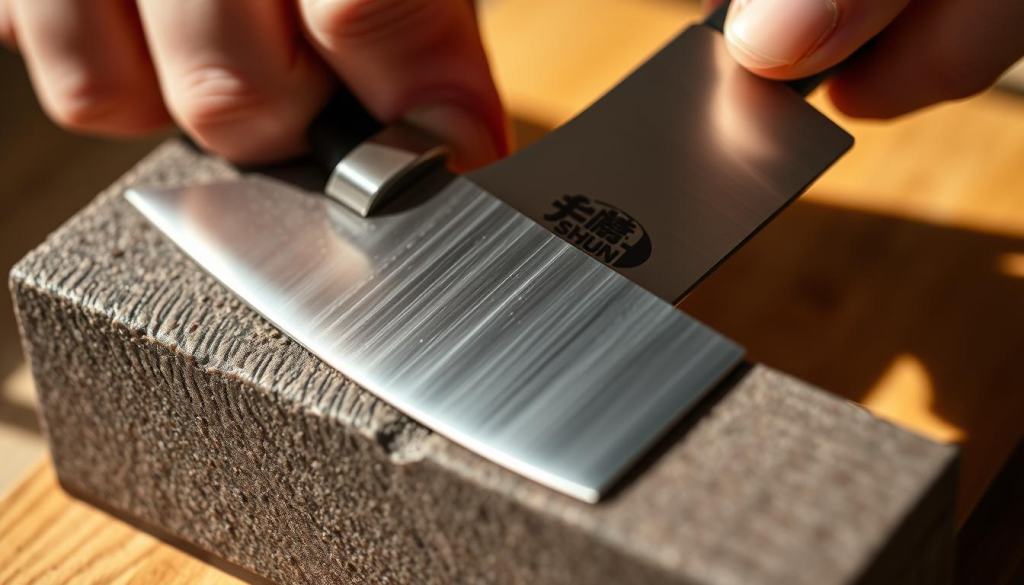
Sharpening is a critical aspect of maintaining your Masamoto knife. Regular sharpening ensures that the blade remains sharp and effective. To sharpen your Masamoto knife, you can use a whetstone, which is a traditional method preferred by many chefs. Start with a coarse grit stone to repair any damage to the edge, then move to a finer grit stone to hone the blade to a sharp finish.

Tips for Sharpening:

  • Use a consistent angle to maintain the blade’s geometry.
  • Sharpen in a smooth, even motion, applying gentle pressure.
  • Check the edge frequently to avoid over-sharpening.

Proper Cleaning and Storage Tips

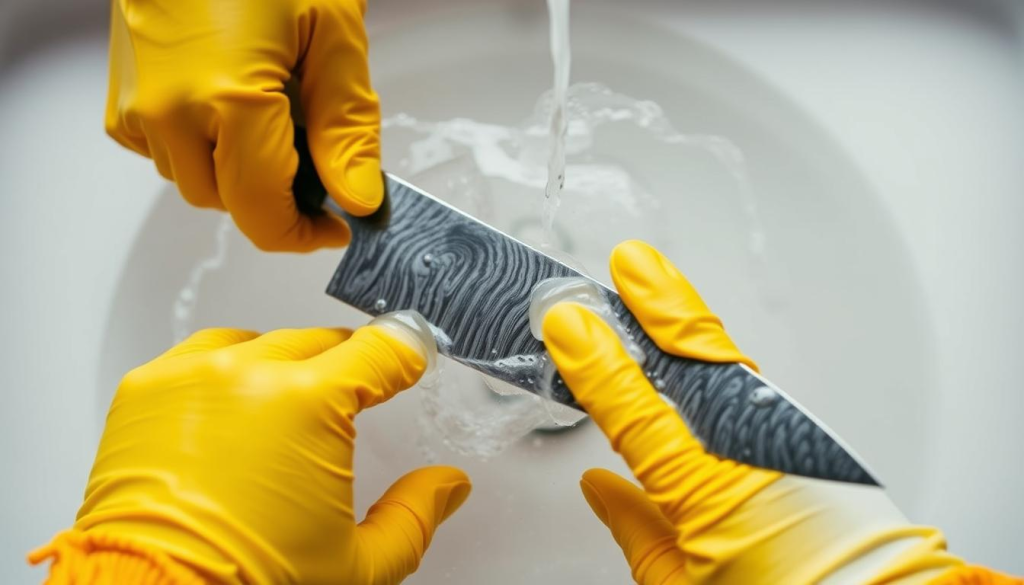
Cleaning your Masamoto knife is straightforward but crucial for maintaining its quality. After each use, wash the knife by hand with mild soap and dry it immediately to prevent rust. Avoid putting your Masamoto knife in the dishwasher, as the high heat and harsh detergents can damage the blade and handle.

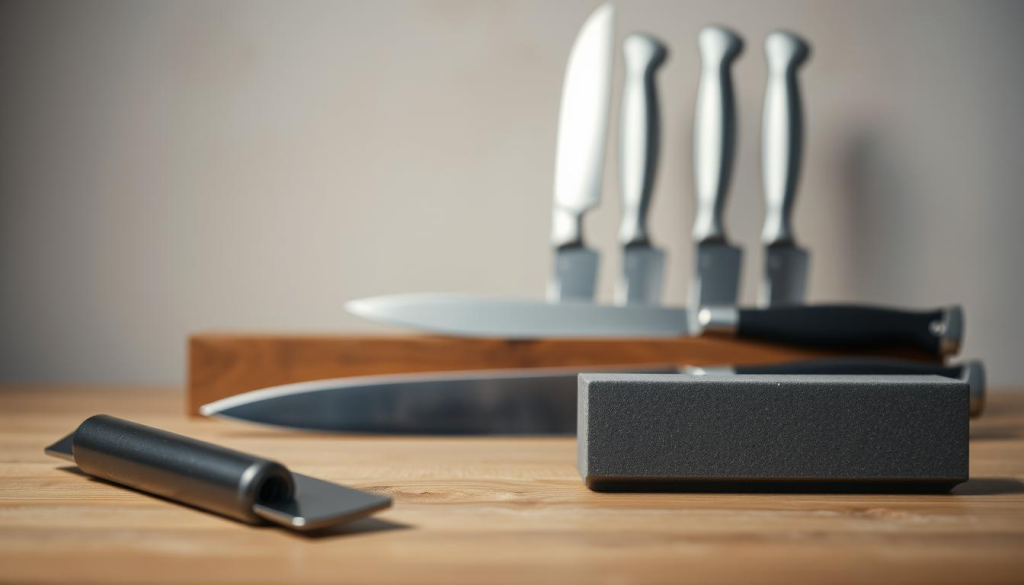
Storage is equally important. Store your Masamoto knife in a dry place, away from other utensils that could cause damage. Many users prefer to store their knives in a wooden block or on a magnetic strip, which keeps the blade accessible while protecting it from damage.

Storage Recommendations:

  1. Use a wooden knife block or a magnetic strip.
  2. Keep the knife dry and away from humid environments.
  3. Avoid storing the knife in a sheath or container that can cause moisture buildup.

The Role of Masamoto Knives in Japanese Cuisine

The art of Japanese cuisine is deeply intertwined with the use of Masamoto knives, which are revered for their quality and performance. These knives are not just tools; they are an integral part of the culinary tradition that defines Japanese cooking.

Importance of Knives in Sushi Preparation

In Japanese cuisine, particularly in sushi preparation, Masamoto knives play a crucial role. The precision and sharpness of these knives are essential for creating authentic sushi and sashimi. The sharp edge of a Masamoto knife allows for clean cuts through fish and other ingredients, preserving the texture and integrity of the food.

“A good knife is like a good friend; it helps you in times of need and makes your work easier.” – Japanese Proverb

The craftsmanship that goes into making Masamoto knives ensures that they remain sharp and durable, even with frequent use. This durability is vital in a professional kitchen where knives are used constantly.

Influence on Japanese Culinary Traditions

Masamoto knives have a significant influence on Japanese culinary traditions. They are used in various cooking techniques, from slicing and dicing to chopping and mincing. The traditional Japanese knife craftsmanship that Masamoto embodies is a testament to the country’s rich culinary heritage.

Culinary Technique Knife Type Masamoto Feature
Slicing Sashimi Knife Straight Edge
Chopping Chef’s Knife Durable Blade
Minicing Utility Knife Sharp Point

The use of Masamoto knives in Japanese cuisine not only reflects the importance of quality kitchen tools but also highlights the cultural significance of food preparation in Japanese culture. By using these high-quality knives, chefs can create dishes that are both visually appealing and delicious.

Masamoto Knives in the Modern Kitchen

Professional chefs and home cooks alike swear by Masamoto knives for their precision, durability, and overall performance. These premium chef knives have become an essential tool in many kitchens, thanks to their high-quality craftsmanship and attention to detail.

Popularity Among Professionals

Masamoto knives are highly regarded among professional chefs for their exceptional sharpness and balanced design. The high-carbon steel used in these knives ensures a sharp edge that lasts, making them ideal for demanding kitchen tasks.

The precision and control offered by Masamoto knives are particularly valued in professional kitchens, where the quality of the knife can significantly impact the cooking process.

high-quality kitchen knives

Recommendations for Home Cooks

For home cooks, Masamoto knives offer a similar level of quality and performance found in professional kitchens. When choosing a Masamoto knife, consider the type of cooking you do most often.

For example, a Santoku knife is versatile and suitable for a variety of tasks, while a Gyuto knife is ideal for those who frequently prepare meat dishes.

Knife Type Primary Use Edge Type
Santoku Chopping vegetables, mincing herbs Straight edge
Gyuto Slicing meat, chopping vegetables Curved edge
Nakiri Chopping vegetables Straight edge

By selecting the right Masamoto knife for your cooking needs, you can enhance your cooking experience and achieve professional-level results in the comfort of your own kitchen.

Where to Buy Authentic Masamoto Knives

The quest for an authentic Masamoto knife can be daunting, but knowing where to look can make all the difference. With the rise of online shopping, it’s easier than ever to find a genuine Masamoto knife, but it’s crucial to be aware of the potential pitfalls, such as counterfeit products.

To ensure you’re getting a high-quality, authentic Masamoto knife, it’s essential to purchase from authorized dealers or reputable online retailers. These sources guarantee that the knives are genuine products of specialized knife manufacturing, crafted with the care and precision that Masamoto is known for.

Authorized Dealers and Online Retailers

Authorized dealers are the best place to start your search for an authentic Masamoto knife. They offer handcrafted cutlery that has been inspected for quality and authenticity. Some well-known authorized dealers include specialty kitchen stores and Japanese cultural centers.

Online retailers can also be a convenient option, offering a wide range of Masamoto knives. When shopping online, look for retailers that provide detailed product descriptions and have a good reputation among customers. It’s also a good idea to check for any certifications or guarantees that the knives are authentic.

Authorized Dealer Location Products
Kitchen Pro New York Masamoto Santoku, Masamoto Gyuto
Japanese Knife Co. California Masamoto Deba, Masamoto Yanagiba
Cutlery World Online Masamoto Chef’s Knife, Masamoto Utility Knife

Recognizing Counterfeit Knives

Counterfeit knives can be identified by their poor quality and lack of attention to detail. Genuine Masamoto knives are made with high-carbon steel and are known for their sharpness and durability. When examining a knife, look for any signs of cheap materials or craftsmanship, such as uneven edges or a flimsy feel.

Another way to verify authenticity is to check for any documentation or packaging that comes with the knife. Genuine Masamoto knives usually come with a certificate of authenticity or are packaged in a box with the Masamoto logo.

handcrafted cutlery

By being mindful of these factors and purchasing from authorized dealers, you can ensure that you’re getting a genuine Masamoto knife that will serve you well in your culinary endeavors.

Customer Reviews and Experiences

Masamoto knives have garnered a loyal following among chefs and home cooks alike, with many praising the brand’s commitment to artisan knife production and exclusive knife forging techniques. The quality and performance of these knives have been consistently highlighted in customer reviews.

Praise from Professionals

Professional chefs appreciate the precision and craftsmanship that goes into each Masamoto knife. The attention to detail in the artisan knife production process results in a superior cutting experience, making these knives a staple in many professional kitchens.

Home Cook Enthusiasts’ Feedback

Home cooking enthusiasts also rave about Masamoto knives, citing their durability and ease of use. The exclusive knife forging techniques employed by Masamoto ensure that each knife remains sharp and reliable over time, making them a valuable addition to any home kitchen.

By combining traditional craftsmanship with modern techniques, Masamoto continues to deliver exceptional knives that meet the needs of both professionals and home cooks, as evident from the overwhelmingly positive customer reviews.

FAQ

What makes Masamoto knives unique?

Masamoto knives are known for their traditional Japanese craftsmanship, high-quality materials, and exclusive forging techniques that have been passed down through generations, making them stand out in the culinary world.

How do I choose the right Masamoto knife for my needs?

To choose the right Masamoto knife, consider your culinary style, the type of knife you need, and your personal preference. Different knives are suited for different tasks, such as sushi preparation or general cooking.

How do I maintain and care for my Masamoto knife?

To maintain your Masamoto knife, regularly sharpen it using proper techniques, clean it by hand with mild soap and dry it thoroughly, and store it in a dry place to prevent rust and damage.

Are Masamoto knives suitable for professional chefs and home cooks?

Yes, Masamoto knives are highly regarded by professional chefs for their quality and performance, and are also recommended for home cooks who value high-quality, heirloom-quality blades.

How can I ensure I’m buying an authentic Masamoto knife?

To ensure you’re buying an authentic Masamoto knife, purchase from authorized dealers and online retailers, and be aware of the signs of counterfeit knives, such as lower quality materials and craftsmanship.

What is the significance of Masamoto knives in Japanese cuisine?

Masamoto knives play a crucial role in Japanese cuisine, particularly in sushi preparation, where the quality and craftsmanship of the knife can affect the overall dining experience.

What types of Masamoto knives are available?

Masamoto offers a range of knives, including sushi and sashimi knives, chef’s knives, utility knives, cleavers, and other specialty knives, each designed for specific tasks and culinary styles.

How do I recognize a counterfeit Masamoto knife?

Counterfeit Masamoto knives can be identified by their lower quality materials, poor craftsmanship, and often, a lower price point. Be cautious of sellers who are not authorized dealers.

Shokunin Knives: Handcrafted in Japan


Shokunin Knives are a testament to the art of traditional Japanese craftsmanship, blending centuries-old techniques with modern innovation. Expertly handcrafted in Japan, these knives embody the spirit of their makers, who dedicate their skills to creating exceptional cutting tools.

The origins of these remarkable knives are rooted in Japan’s rich cultural heritage, where the art of knife-making has been refined over generations. By combining traditional methods with contemporary design, Shokunin Knives achieve a unique balance of form and function.

Key Takeaways

  • Shokunin Knives are expertly handcrafted in Japan.
  • They blend traditional craftsmanship with modern innovation.
  • The knives are a testament to Japan’s rich cultural heritage.
  • Shokunin Knives achieve a unique balance of form and function.
  • The art of knife-making has been refined over generations in Japan.

The Art of Knife-Making in Japan

The craft of Japanese knife-making is steeped in history and tradition, with techniques passed down through generations. This rich heritage has contributed to the exceptional quality and distinctiveness of Japanese knives, including those crafted by Shokunin.

History of Japanese Knife-Making

Japanese knife-making has a long history that dates back to the Heian period (794-1185 CE), where knives were first used for culinary purposes. Over the centuries, Japanese craftsmen refined their techniques, influenced by Chinese and European cutting tools, to develop unique styles and methods.

The traditional Japanese knife-making process involves selecting high-carbon steel, a material prized for its durability and ability to hold a sharp edge. This process is labor-intensive and requires great skill, as craftsmen must carefully forge, grind, and sharpen each knife.

Traditional Techniques Employed

Traditional Japanese knife-making employs several techniques that have been preserved over centuries. These include:

  • Forging: Heating and shaping the steel to create the blade’s form.
  • Grinding: Precision grinding to achieve the desired sharpness and edge geometry.
  • Sharpening: Final sharpening to create a razor-sharp edge.

These techniques, combined with the use of high-quality materials, result in knives that are not only functional but also beautiful pieces of craftsmanship.

Technique Description Significance
Forging Heating and shaping steel Creates the blade’s form and strength
Grinding Precision grinding for sharpness Achieves desired edge geometry
Sharpening Final sharpening for edge Creates a razor-sharp edge

The handmade cutlery manufacturing process ensures that each Shokunin knife is a testament to the artisan’s skill and dedication. By preserving traditional techniques and combining them with modern quality control, Shokunin continues the legacy of Japanese knife-making excellence.

What Makes Shokunin Knives Unique?

The uniqueness of Shokunin Knives lies in their rich heritage and the meticulous process of their creation. These knives are not just tools; they are a testament to the artisanal knife production techniques passed down through generations of skilled craftsmen.

Distinct Features of Shokunin Knives

Shokunin Knives are known for their exceptional craftsmanship, a trait that is deeply rooted in the heritage of Shokunin knife makers. Each knife is a reflection of the artisan’s skill and dedication to their craft. The distinct features include:

  • Precision-forged blades that ensure a sharp, durable edge.
  • Ergonomically designed handles for comfort and balance.
  • Aesthetic appeal, with each knife being a unique piece of art.

The process of handmade cutlery manufacturing involves careful selection of materials and a meticulous crafting process. This attention to detail results in knives that are not only functional but also beautiful.

The Role of Materials Used

The quality of materials used in Shokunin Knives is paramount. The selection of high-carbon steel, for instance, ensures that the blades are strong, retain their sharpness, and are resistant to corrosion.

Material Characteristics Benefits
High-Carbon Steel Strong, durable, resistant to corrosion Long-lasting, retains sharpness
Traditional Handle Materials Comfortable, ergonomic, aesthetically pleasing Enhances user experience, unique appearance

The combination of traditional techniques and high-quality materials makes Shokunin Knives stand out in the world of cutlery. Whether for a professional chef or a culinary enthusiast, these knives are a valuable addition to any kitchen.

Locations of Shokunin Knife Production

The art of Shokunin knife production is deeply rooted in specific Japanese regions renowned for their historical significance in knife craftsmanship. For centuries, these areas have been perfecting the techniques and traditions that define the quality and uniqueness of Shokunin knives.

Japan’s knife-making industry is concentrated in several key regions, each with its own distinct characteristics and contributions to the craft.

Major Knife-Making Regions in Japan

Some of the most notable regions for knife production in Japan include:

  • Seki City: Known as the “City of Blades,” Seki has been a hub for sword and knife production for over 800 years.
  • Sakai: Famous for its high-quality knives, Sakai has a history dating back to the 15th century.
  • Osaka: A significant center for knife production, especially known for its high-carbon steel knives.
  • Toyoake: Recognized for its modern knife-making techniques combined with traditional methods.

These regions are not only significant for their historical importance but also for their continued innovation and adherence to traditional craftsmanship.

Traditional Japanese Knife Craftsmanship

Notable Factories and Artisans

Within these regions, there are numerous factories and artisans who have dedicated their lives to mastering the craft of knife-making. Some notable mentions include:

Region Notable Factory/Artisan Specialty
Seki City Masamoto High-carbon steel knives
Sakai Kai Corporation Precision-cut knives
Osaka Hattori Traditional Japanese knives

As highlighted by a renowned artisan, “The true value of a Shokunin knife lies not just in its cutting ability, but in the craftsmanship and soul that goes into creating it.”

“A good knife is like a good friend; it stands by you through thick and thin, and with proper care, it will be a faithful companion in the kitchen for many years.”

— Hiroshi, Master Knifemaker

The combination of traditional techniques, high-quality materials, and the dedication of skilled artisans makes Shokunin knives highly regarded worldwide.

Understanding Shokunin: The Craftsmen Behind the Knives

Behind every Shokunin knife lies the dedication and skill of its craftsman. These artisans are not just manufacturers; they are the guardians of a tradition that has been passed down through generations. The heritage of Shokunin knife makers is rich with history and a deep commitment to their craft.

The philosophy of Shokunin is rooted in a relentless pursuit of perfection. It’s a mindset that views the craft of knife-making as not just a profession, but a way of life. This philosophy is what drives these craftsmen to continually improve and innovate, ensuring that every knife that bears the name Shokunin is a testament to their skill and dedication.

The Philosophy of Shokunin

The Shokunin philosophy is built on the principles of hard work, respect for the craft, and a commitment to excellence. It’s about understanding the nuances of the materials they work with and the techniques that have been refined over centuries. This deep understanding allows them to create knives that are not just functional, but also pieces of art that reflect the artisanal knife production process.

At the heart of the Shokunin philosophy is the belief that a craftsman must continually challenge themselves to improve. This means that every step of the knife-making process, from selecting the finest steel to the final sharpening, is done with meticulous care and attention to detail.

Profiles of Renowned Shokunin Craftsmen

Some Shokunin craftsmen have gained recognition for their exceptional skill and their contributions to the art of knife-making. These individuals are not just skilled artisans; they are also ambassadors of the handcrafted knives origin, preserving traditional techniques while innovating new designs.

Craftsman Region Notable Contribution
Taro Yamada Osaka Innovative use of Damascus steel in Shokunin knives
Kaito Nakamura Tokyo Revival of traditional forging techniques
Akira Matsumoto Kyoto Mastery of intricate handle craftsmanship

The profiles of these craftsmen serve as an inspiration to others in the community, highlighting the importance of preserving the heritage while pushing the boundaries of what is possible in knife-making.

The Craftsmanship Process of Shokunin Knives

The art of crafting Shokunin Knives is a meticulous process that involves transforming raw steel into a masterpiece. This process not only reflects the rich tradition of Japanese knife-making but also ensures that each knife meets the highest standards of quality and performance.

From Steel to Blade: The Journey

The journey of creating a Shokunin Knife begins with the careful selection of high-quality steel. Artisans choose materials based on their strength, durability, and ability to hold a sharp edge. The selected steel is then heated and forged into the desired shape, a process that requires great skill and precision.

Forging and Shaping: The steel is heated to a high temperature and then hammered into shape. This process, known as forging, is crucial in giving the knife its strength and character. Skilled artisans use traditional techniques passed down through generations to shape the steel into the desired form.

japanese knife making process

After forging, the knife is carefully sharpened and polished to achieve a razor-sharp edge. This step is critical in ensuring the knife’s performance and usability. The final touches involve adding any decorative elements or engravings, which not only enhance the knife’s aesthetic appeal but also reflect the artisan’s personal touch.

Quality Control Measures

To ensure that every Shokunin Knife meets the brand’s high standards, rigorous quality control measures are implemented throughout the manufacturing process. Each knife is inspected for its sharpness, balance, and overall quality.

Quality Control Aspect Description
Sharpness Each knife is tested for its sharpness to ensure it can easily cut through various materials.
Balance The balance of the knife is checked to ensure it feels comfortable in the hand.
Material Quality The quality of the materials used is inspected to ensure durability and performance.

By combining traditional craftsmanship with modern quality control measures, Shokunin Knives are able to deliver exceptional products that satisfy the needs of professional chefs and home cooks alike.

Comparing Shokunin Knives with Other Japanese Knives

In the realm of Japanese cutlery, Shokunin Knives are renowned for their artisanal quality and traditional Japanese knife craftsmanship. When comparing these knives to other popular types, such as Gyuto and Santoku, several differences emerge that highlight their unique value.

Differences from Gyuto and Santoku Knives

Gyuto and Santoku knives are staples in many kitchens, known for their versatility and functionality. However, Shokunin Knives stand out due to their heritage of Shokunin knife makers who bring a level of dedication and craftsmanship that is hard to find elsewhere. While Gyuto knives are known for their balance and Santoku knives for their versatility, Shokunin Knives excel in their precision and the personal touch each knife receives during its creation.

The process of artisanal knife production involves careful selection of materials and a meticulous crafting process, ensuring that each Shokunin Knife is not only functional but also a piece of art. This attention to detail and commitment to quality sets Shokunin Knives apart from their counterparts.

Quality vs. Price in the Market

When evaluating the quality versus price of Shokunin Knives in the market, it becomes evident that these knives, while often more expensive than mass-produced alternatives, offer a level of quality that justifies their cost. The traditional craftsmanship and the human element in their production mean that each knife is a unique piece, crafted with care and precision.

In comparison to other high-end Japanese knives, Shokunin Knives hold their own in terms of quality and durability. The price reflects not just the materials used but the heritage and tradition behind each knife. For those who value the art of knife-making and are looking for a tool that will last a lifetime, Shokunin Knives represent an excellent choice.

Caring for Your Shokunin Knives

Proper care is crucial for preserving the quality and longevity of your handcrafted Shokunin Knives. The craftsmanship that goes into creating these knives is a testament to the art of handmade cutlery manufacturing in Japan. To ensure they continue to perform optimally, it’s essential to follow best practices for maintenance and storage.

Best Practices for Maintenance

Maintaining your Shokunin Knives involves regular cleaning, sharpening, and handling with care.

  • Clean your knives with mild soap and dry them immediately to prevent rust.
  • Sharpen your knives regularly using a whetstone to maintain their edge.
  • Handle your knives with care to avoid chipping or damaging the blade.

Sharpening Techniques: Sharpening is an art that requires patience and practice. For Shokunin Knives, it’s recommended to use a whetstone with a fine grit to hone the edge. Start with a coarse grit (about 1000) to repair the edge, then move to a finer grit (6000 or higher) for polishing.

handcrafted knives origin

Recommended Storage Solutions

Proper storage is vital to protect your Shokunin Knives from damage and maintain their condition. Consider the following storage options:

  • Knife blocks or wooden stands that keep the blades secure and within reach.
  • Magnetic strips that can be mounted on walls or under cabinets.
  • Protective cases or pouches for storing knives when not in use.
Storage Method Benefits Considerations
Knife Block Keeps knives organized and easily accessible. Requires regular cleaning to prevent bacterial growth.
Magnetic Strip Saves counter space and displays knives attractively. Ensure the strip is strong enough to hold the weight of the knives.
Protective Case Protects knives from damage and dust. Can be bulky; consider the material and size.

By following these best practices for maintenance and storage, you can enjoy your Shokunin Knives for years to come, preserving their performance and the craftsmanship that makes them unique. Whether you’re a professional chef or a culinary enthusiast, the care you give your knives reflects your appreciation for the art of handcrafted knives.

Customer Testimonials and Experiences

Customer experiences with Shokunin Knives highlight the brand’s commitment to excellence and the impact of these knives on their cooking journey. The heritage of Shokunin knife makers is evident in every detail, from the choice of materials to the final product.

Shokunin Knives craftsmanship

What Users Love About Shokunin Knives

Many users praise Shokunin Knives for their exceptional sharpness and durability. One customer noted, “I’ve never held a knife as balanced and sharp as my Shokunin; it’s a game-changer in the kitchen!”

“The craftsmanship is evident; it’s clear that these knives are made with love and care.”

Such testimonials underscore the brand’s dedication to artisanal knife production and the value customers place on the quality of their knives.

The Impact on Culinary Skills

Shokunin Knives have not only garnered praise for their quality but have also elevated the cooking experience for many. Chefs and home cooks alike report that the precision and feel of these knives have improved their technique.

  • Enhanced precision in cutting and preparation
  • Better control over ingredients, leading to more consistent dishes
  • A deeper appreciation for the art of cooking, thanks to the knife’s balance and ergonomics

As one chef put it, “Shokunin Knives have become an extension of my hand; they inspire me to push the boundaries of my culinary creativity.”

The origins of Shokunin knives in traditional Japanese craftsmanship are not just a part of their heritage but also a significant factor in their appeal. Customers appreciate the history and the human touch behind each knife.

Where to Purchase Authentic Shokunin Knives

For those interested in acquiring authentic Shokunin Knives, it’s essential to know where to look. Shokunin Knives, handcrafted in Japan, embody the country’s rich tradition of knife-making. Understanding the origin of these handcrafted knives is crucial in appreciating their value.

Reliable Sources

Authentic Shokunin Knives can be found through authorized retailers and reputable online stores that specialize in traditional Japanese knife craftsmanship. These sources ensure that the knives are genuine and of high quality.

Factors to Consider

Before making a purchase, consider the materials used, the craftsmanship, and the reputation of the seller. Knowing where Shokunin Knives are made and the care that goes into their production can help buyers make an informed decision.

By choosing to buy from trusted sources, you not only get a high-quality knife but also support the traditional craftsmanship that Shokunin Knives represent.

FAQ

Where are Shokunin Knives made?

Shokunin Knives are handcrafted in Japan, a country renowned for its rich tradition of knife-making and high-quality cutlery.

What is the history behind Japanese knife-making?

Japanese knife-making has a long history that dates back centuries, with techniques and traditions passed down through generations of skilled craftsmen.

What makes Shokunin Knives unique?

Shokunin Knives are unique due to their blend of traditional craftsmanship and modern innovation, combined with the use of high-quality materials and attention to detail.

What are the major knife-making regions in Japan where Shokunin Knives are produced?

Shokunin Knives are produced in various major knife-making regions in Japan, including Seki and Sakai, known for their skilled artisans and high-quality knife production.

Who are the craftsmen behind Shokunin Knives?

The craftsmen behind Shokunin Knives are skilled artisans dedicated to their craft, driven by a passion for creating exceptional knives that embody the philosophy of Shokunin.

How are Shokunin Knives made?

Shokunin Knives are made using a traditional craftsmanship process that involves selecting high-quality steel, forging, and meticulous quality control measures to ensure their exceptional quality.

How do Shokunin Knives compare to other Japanese knives like Gyuto and Santoku?

Shokunin Knives are compared to other Japanese knives like Gyuto and Santoku in terms of their distinct features, quality, and price, offering a unique balance of craftsmanship and value.

How should I care for my Shokunin Knives?

To care for your Shokunin Knives, follow best practices for maintenance, such as regular sharpening and cleaning, and use recommended storage solutions to preserve their quality and longevity.

What do customers say about Shokunin Knives?

Customers praise Shokunin Knives for their exceptional quality, sharpness, and durability, and appreciate how they have enhanced their culinary skills and cooking experiences.

Where can I purchase authentic Shokunin Knives?

Authentic Shokunin Knives can be purchased from recommended retailers and online stores, and it’s essential to consider factors like authenticity, price, and customer reviews before making a purchase.

What is the philosophy of Shokunin craftsmen?

The philosophy of Shokunin craftsmen is centered around a deep respect for tradition, a commitment to quality, and a passion for creating exceptional knives that reflect their dedication to their craft.

What is the traditional Japanese knife-making process?

The traditional Japanese knife-making process involves forging, shaping, and sharpening high-carbon steel to create a blade that is both beautiful and functional.

Are Shokunin Knives worth the investment?

Shokunin Knives are considered a worthwhile investment by many due to their exceptional quality, durability, and the value they bring to culinary experiences.

Where to Buy Masamoto Knives: Your Guide


For over 150 years, Masamoto has been synonymous with high-quality Japanese knives. Renowned for their exceptional craftsmanship and attention to detail, these knives have become a staple for professional chefs and home cooks alike. If you’re looking to invest in a premium Japanese knife, understanding where to find authentic Masamoto knives is crucial.

The quest for the best place to purchase Masamoto knives can be daunting, given the rise of counterfeit products in the market. This guide aims to navigate you through the process, ensuring that you can acquire your Masamoto knife from a trusted source.

Key Takeaways

  • Understanding the history and significance of Masamoto knives.
  • Identifying authentic Masamoto knives in the market.
  • Exploring the best places to buy Masamoto knives online and offline.
  • Tips for verifying the authenticity of Masamoto knives.
  • Factors to consider when purchasing a Masamoto knife.

Understanding Masamoto Knives

With a history spanning over 150 years, Masamoto has established itself as a premier brand in the world of culinary knives. The brand’s long-standing reputation for producing high-quality knives has made it a favorite among professional chefs and cooking enthusiasts alike.

The History of Masamoto

Masamoto’s journey began in the late 19th century, and since then, it has been perfecting the art of knife-making. The brand’s commitment to quality and tradition has enabled it to maintain its position as a leader in the industry. Over the years, Masamoto has developed a range of knives that are not only functional but also works of art, reflecting the brand’s dedication to craftsmanship.

The history of Masamoto is deeply rooted in Japanese culture, where the art of knife-making is revered. The brand’s knives are crafted with precision and care, using techniques that have been passed down through generations. This rich heritage is evident in every knife that bears the Masamoto name.

Features and Benefits of Masamoto Knives

Masamoto knives are renowned for their exceptional quality, sharpness, and durability. Some of the key features that make these knives stand out include:

  • High-Carbon Steel: Masamoto knives are made from high-carbon steel, which ensures they remain sharp and resistant to corrosion.
  • Precision Crafting: Each knife is crafted with precision, ensuring a perfect balance between the blade and the handle.
  • Ergonomic Design: The handles are designed to fit comfortably in the hand, reducing fatigue during prolonged use.

For those looking to buy Masamoto knife online, it’s essential to ensure that you’re purchasing from a reputable source to guarantee authenticity. An authentic Masamoto knife for sale can be found on various online platforms, but buyers must be cautious of counterfeit products.

Masamoto knives offer numerous benefits to chefs and home cooks, including improved performance, durability, and the joy of cooking with a finely crafted tool. Whether you’re a professional or an enthusiast, investing in a Masamoto knife can elevate your cooking experience.

Online Retailers for Masamoto Knives

The convenience of buying Masamoto knives online is unmatched, with multiple retailers available. Whether you’re a professional chef or an avid home cook, purchasing a Masamoto knife online can be a straightforward process if you know where to look.

buy Masamoto knives online

Popular eCommerce Sites

Several popular eCommerce sites carry Masamoto knives, offering a wide range of products. Some of the most notable online retailers include:

  • Amazon
  • Williams-Sonoma
  • Sur La Table
  • Specialty kitchen stores like Chef’s Catalog

These websites often provide detailed product descriptions, customer reviews, and competitive pricing, making it easier to buy Masamoto knives online.

Tips for Buying Online

When purchasing Masamoto knives online, it’s crucial to ensure you’re buying from an authorized retailer to avoid counterfeit products. Here are some tips:

  1. Verify the seller’s authenticity and check for reviews.
  2. Be wary of extremely low prices, as they may indicate a counterfeit product.
  3. Check the product description for details on materials and craftsmanship.
  4. Ensure the website has a secure payment process.

By following these tips, you can confidently find genuine Masamoto knives online and enjoy the quality and performance that Masamoto is known for.

Local Specialty Stores

Local specialty stores often carry a selection of high-end kitchen knives, including Masamoto, making them a great destination for knife enthusiasts. These stores provide an opportunity to see and feel the knives in person, which can be invaluable in making a purchasing decision.

Finding Culinary Shops

To purchase Masamoto knife from trusted seller, start by searching for local culinary shops in your area. These stores typically cater to professional chefs and serious home cooks, carrying a range of high-quality knives. You can search online or check local directories to find stores near you.

When searching online, use specific keywords like “culinary shops near me” or “knife stores in [your city]” to find relevant results. You can also ask for recommendations from friends, family, or cooking professionals.

What to Look for in a Store

When visiting a local specialty store to buy Masamoto knives, there are several factors to consider. First, look for stores that are known for carrying authentic products. Top retailers for buying Masamoto knife will typically have knowledgeable staff who can provide detailed information about the knives.

  • Check the authenticity of the Masamoto knives they sell.
  • Inspect the quality of the knives on display.
  • Ask about the warranty or after-sales service offered by the store.
  • Compare prices and selection across different stores if possible.

By taking the time to visit local specialty stores, you can make an informed decision and purchase Masamoto knife from trusted seller, ensuring that you receive a genuine product with the quality you expect.

Buying Directly from Masamoto

For those seeking authenticity, purchasing Masamoto knives directly from the source is a great option. Buying directly from Masamoto’s official website ensures that you’re getting an authentic Masamoto knife for sale at competitive prices.

buy authentic Masamoto knife

Official Website Insights

Masamoto’s official website provides a comprehensive overview of their products, including detailed descriptions and high-quality images. This allows potential buyers to make informed decisions when selecting their Masamoto knife. The website is user-friendly and offers insights into the craftsmanship and quality of their knives.

International Shipping Information

One of the advantages of buying directly from Masamoto is their international shipping policy. They offer shipping to various countries, making it possible for international customers to buy Masamoto knives at competitive prices. The shipping details are clearly outlined on their website, including estimated delivery times and costs.

When purchasing from Masamoto directly, customers can also expect excellent customer service. The company is known for its commitment to customer satisfaction, ensuring a positive buying experience.

Price Range of Masamoto Knives

Understanding the price range of Masamoto knives is crucial for making an informed purchase. Masamoto knives are known for their high-quality craftsmanship, and their prices reflect this.

Factors Influencing Price

Several factors influence the price of Masamoto knives, including the series, material, and level of craftsmanship. For instance, Masamoto knives made from high-carbon stainless steel are generally more expensive than those made from other materials.

  • Series: Different series, such as the Masamoto VG-10 or the Masamoto Super Steel, can have varying price points due to differences in material and craftsmanship.
  • Material: The type of steel used, whether it’s high-carbon stainless steel or Damascus steel, affects the price.
  • Craftsmanship: Handmade or limited-edition knives typically cost more due to the labor and care involved in their production.

How to Find Deals

While Masamoto knives are an investment, there are ways to find deals or discounts:

  1. Check online retailers during sales events or holiday promotions.
  2. Consider purchasing last year’s model or discontinued series.
  3. Look for bundled deals that include multiple knives or accessories.

According to a culinary expert, “Investing in a Masamoto knife is not just about buying a kitchen tool; it’s about enhancing your cooking experience.”

“A good knife is an extension of the chef’s hand, and Masamoto knives are among the best.”

Series Material Price Range
Masamoto VG-10 High-Carbon Stainless Steel $100-$300
Masamoto Super Steel High-Carbon Steel $150-$400
Masamoto Damascus Damascus Steel $200-$500

By understanding the factors that influence the price of Masamoto knives and knowing where to look for deals, you can make a more informed purchase that fits your budget and meets your culinary needs.

Second-Hand Options

Second-hand Masamoto knives offer a more affordable entry point into the world of premium Japanese cutlery. For chefs and cooking enthusiasts who are budget-conscious or looking for a specific model that’s no longer in production, buying used can be an attractive option.

Buying Used Masamoto Knives

When buying used Masamoto knives, it’s crucial to ensure you’re purchasing from a reputable seller to avoid counterfeit products. Inspect the knife carefully for any signs of tampering or wear that could affect its performance.

Consider the following when inspecting a used Masamoto knife:

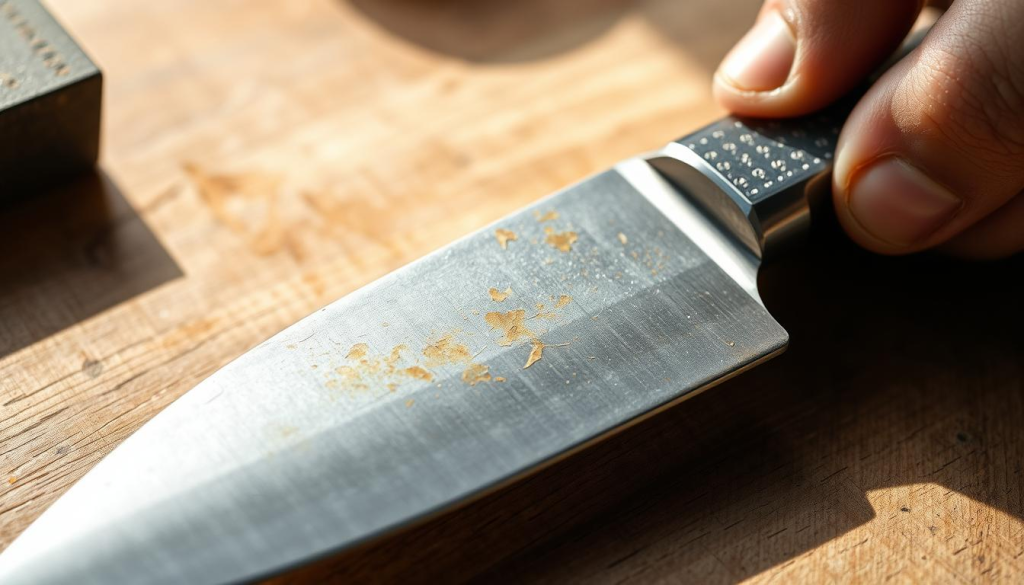
  • Check for any rust or corrosion.
  • Examine the edge for dullness or damage.
  • Verify the knife’s authenticity by checking the maker’s mark.

Places to Look for Second-Hand Deals

Several online marketplaces and specialty stores offer used Masamoto knives. eBay and specialty culinary auction sites are good places to start your search. You can also buy Masamoto knife online from marketplaces that specialize in used kitchenware. Additionally, local antique or second-hand kitchenware stores might carry Masamoto knives. To ensure you’re finding a genuine Masamoto knife, know where to look and how to verify authenticity.

Platform Benefits Precautions
eBay Wide selection, competitive pricing Be cautious of counterfeit products
Specialty Culinary Auctions Authentic products, detailed descriptions Prices can be high due to demand
Local Antique/Kitchenware Stores Inspect before purchase, potentially lower prices Limited selection, condition varies

buying used Masamoto knives

Maintenance and Care for Your Knife

Proper care for your Masamoto knife ensures it remains a valuable tool in your kitchen. When you purchase a Masamoto knife from a trusted seller, you’re not just buying a product; you’re investing in a piece of craftsmanship that requires attention to maintain its quality.

Essential Care Tips

To keep your Masamoto knife in excellent condition, follow these essential care tips:

  • Clean your knife immediately after use with mild soap and dry it thoroughly.
  • Store your knife in a dry place, preferably in a knife block or on a magnetic strip.
  • Avoid using your Masamoto knife on hard surfaces like glass or stone.
  • Regularly sharpen your knife to maintain its edge.

As emphasized by experts, “A well-maintained knife is a joy to use and will last for many years.” Regular maintenance not only extends the life of your knife but also ensures it performs optimally.

Masamoto knife care

Why Maintenance Matters

Maintaining your Masamoto knife is crucial for its longevity and performance. When you buy an authentic Masamoto knife for sale, you’re getting a high-quality product designed to last, provided you take care of it.

Neglecting maintenance can lead to rust, dulling of the edge, and potentially render your knife unusable. By following simple care routines, you can enjoy your Masamoto knife for years to come.

“The way you care for your knife reflects your respect for the craft and the art of cooking.”

By taking the time to properly care for your Masamoto knife, you’re not just maintaining a tool; you’re preserving a piece of culinary heritage.

Authenticity and Counterfeit Knives

Counterfeit Masamoto knives are a growing concern, making it essential to know how to identify genuine products. The prevalence of counterfeit knives in the market not only affects the quality of the product but also undermines trust in the brand.

Spotting Genuine Masamoto

To ensure you’re buying an authentic Masamoto knife, look for the following:

  • Check for the Masamoto logo or signature on the blade or handle.
  • Verify the product’s packaging for any signs of tampering or low-quality materials.
  • Purchase from authorized dealers or directly from the official Masamoto website.

Authorized dealers typically provide a warranty or guarantee, and the product comes with proper documentation. Be wary of extremely low prices, as they can be indicative of counterfeit products.

The Importance of Buying Authentic

Buying an authentic Masamoto knife ensures that you’re getting a product of high quality and performance. Genuine Masamoto knives are crafted with precision and care, providing a superior cutting experience. Moreover, purchasing authentic products supports the manufacturer’s commitment to quality and innovation.

When you buy Masamoto knife at competitive prices from authorized sources, you not only get a genuine product but also contribute to a fair market. This helps in maintaining the integrity of the brand and ensures that counterfeit products are discouraged.

In conclusion, being vigilant and informed is key to avoiding counterfeit Masamoto knives. By knowing how to spot genuine products and understanding the importance of buying authentic, you can make informed purchasing decisions.

Customer Reviews and Recommendations

Customer feedback plays a crucial role in helping buyers make informed decisions about Masamoto knives. By reading reviews, potential buyers can gain insights into the performance, durability, and overall value of these high-quality knives.

Where to Find Reliable Reviews

Reliable reviews for Masamoto knives can be found on various online platforms. Top eCommerce sites such as Amazon and specialty culinary stores often have customer reviews for these products. Additionally, forums and social media groups dedicated to cooking and knife enthusiasts can provide valuable feedback.

When searching for reviews, it’s essential to look for detailed comments that discuss the knife’s performance, edge retention, and comfort in handling. Reviews from verified purchasers are particularly trustworthy as they are based on real-world experience.

How Reviews Influence Your Purchase

Customer reviews can significantly influence your purchasing decision by highlighting the strengths and weaknesses of different Masamoto knife models. They can help you understand how a particular knife performs over time and whether it’s worth the investment.

By considering the collective feedback from other customers, you can make a more informed decision that aligns with your cooking needs and preferences. For instance, if multiple reviews praise a specific model’s sharpness and durability, it might be the right choice for you.

When buying Masamoto knives online, checking customer reviews is a crucial step. It not only helps in choosing the right product but also ensures that you’re purchasing from top retailers who offer quality products and good customer service.

Final Thoughts: Best Buying Practices

When searching for the best place to purchase a Masamoto knife, several options are available. Whether you prefer buying online or in-store, understanding the benefits of each can help you make an informed decision.

Buying Options Summary

You can buy Masamoto knives from online retailers, local specialty stores, or directly from the Masamoto official website. Each option has its advantages, including competitive pricing, expert advice, and authenticity guarantees.

Tips for New Buyers

For first-time buyers, it’s essential to research the specific Masamoto knife model you need, considering factors like blade material and handle type. Reading customer reviews can also provide valuable insights into the performance and durability of the knife. When buying online, ensure you’re purchasing from authorized dealers to avoid counterfeit products.

To find the best masamoto knife where to buy, consider checking the official Masamoto website for authorized retailers and direct purchasing options. This ensures you’re getting a genuine product with a valid warranty.

FAQ

Where can I buy authentic Masamoto knives online?

You can buy authentic Masamoto knives from online retailers like Amazon, Williams-Sonoma, and Sur La Table, as well as directly from the official Masamoto website.

How can I verify the authenticity of a Masamoto knife?

To verify the authenticity of a Masamoto knife, check for the Masamoto logo, inspect the quality of the materials and craftsmanship, and look for documentation or certification from the manufacturer.

What are the benefits of buying Masamoto knives directly from the official website?

Buying directly from the official Masamoto website ensures authenticity, provides access to the full product range, and often includes international shipping options.

How do I care for my Masamoto knife to ensure its longevity?

To care for your Masamoto knife, regularly sharpen it, clean and dry it after use, and store it properly to prevent damage.

Can I find second-hand Masamoto knives, and where should I look?

Yes, you can find second-hand Masamoto knives on online marketplaces like eBay, Craigslist, or at local thrift stores and antique shops, but be sure to verify their authenticity.

What factors influence the price of Masamoto knives?

The price of Masamoto knives is influenced by factors such as the type of steel used, the craftsmanship, the size and type of the knife, and any additional features.

How can I find deals or discounts on Masamoto knives?

To find deals or discounts on Masamoto knives, check online retailers for promotions, sign up for newsletters, and follow Masamoto’s social media accounts for special offers.

Why is it important to buy authentic Masamoto knives?

Buying authentic Masamoto knives ensures that you receive a high-quality product that meets the manufacturer’s standards, providing better performance and longevity.

Where can I find reliable customer reviews for Masamoto knives?

You can find reliable customer reviews for Masamoto knives on online retailers like Amazon, as well as on specialty cooking forums and review websites.

What should I consider when buying a Masamoto knife for the first time?

When buying a Masamoto knife for the first time, consider your cooking needs, the type of knife that suits your tasks, and your budget, and research the product thoroughly.

The Right Way to Sharpen Your Japanese Knives


Japanese kitchen knives are renowned for their beauty and exceptional sharpness, making them a joy to use in various kitchen tasks. Their organic and ergonomic design contributes to their efficacy, allowing for precise cutting and minimal effort.

To maintain their peak performance, it’s crucial to keep the blade sharp at all times. A dull knife not only hampers your cooking experience but can also lead to accidents. Regular maintenance is key to ensuring your Japanese knives continue to perform optimally.

Key Takeaways

  • Regular sharpening maintains the knife’s performance.
  • Dull knives can lead to kitchen accidents.
  • Proper maintenance extends the life of your knives.
  • Sharp knives improve your overall cooking experience.
  • Understanding the right sharpening frequency is crucial.

Understanding Japanese Knives and Their Unique Features

Understanding the nuances of Japanese knives is crucial for appreciating their value and maintaining their quality. Japanese knives are celebrated for their exceptional craftsmanship, precision, and the unique materials used in their construction.

The Significance of Blade Material

The material used for the blade is a critical factor in the performance and durability of Japanese knives. High-quality stainless steel, such as VG10, is often used because it offers excellent edge retention and corrosion resistance. The layer count of the blade can also indicate better strength and durability, as it suggests a more complex and robust construction.

Types of Japanese Knife Blades

Japanese knives come in various types, each designed for specific culinary tasks. The Gyuto and Santoku are versatile knives used for a wide range of kitchen duties, while the Nakiri and Usuba are specialized for vegetable preparation. Understanding the different types of blades helps in selecting the right knife for the job and maintaining its sharpness.

Why Sharpness Matters

Sharpness is paramount for the optimal performance of Japanese knives. A sharp knife not only makes cooking easier and more efficient but also enhances safety by reducing the force needed to cut through ingredients. Regular maintenance, including sharpening and honing, is essential to keep Japanese knives in their best condition.

Maintaining the sharpness of Japanese knives requires a combination of proper usage, regular sharpening, and appropriate storage. By understanding the unique features of these knives and following best practices for their care, users can enjoy a superior cooking experience.

Signs Your Japanese Knife Needs Sharpening

Sharpness is a hallmark of Japanese knives, and knowing when to sharpen them is key to maintaining their effectiveness. Ideally, prized Japanese kitchen knives should be sharpened when they still retain relative sharpness, as waiting until they become noticeably blunt can make the sharpening process more challenging.

Common Indicators of Dullness

Several signs indicate that your Japanese knife is losing its sharpness. These include:

  • Increased effort required to cut through ingredients.
  • Tearing or crushing of food instead of clean cuts.
  • A visible dull edge or a reflection on the blade when held up to light.

Recognizing these signs early can help you maintain your knife’s performance.

Kitchen Tasks That Reveal Sharpness Issues

Certain kitchen tasks can highlight the dullness of your Japanese knife. For instance:

  1. Slicing through firm vegetables like carrots or beets can be difficult with a dull knife.
  2. Chopping herbs or mincing garlic may result in uneven cuts or bruising.

Japanese knife sharpening signs

How Often Should You Sharpen Your Japanese Knives?

Maintaining the sharpness of your Japanese knives involves understanding the right sharpening frequency. Sharpening your knives regularly is crucial for optimal performance, but the frequency depends on various factors.

Frequency Based on Usage

The more you use your Japanese knives, the more often they need to be sharpened. For instance, professional chefs who use their knives daily may need to sharpen them every few days. On the other hand, home cooks who use their knives less frequently might only need to sharpen them every few months.

Usage Patterns:

  • Daily usage: Sharpen every few days
  • Frequent usage: Sharpen every few weeks
  • Occasional usage: Sharpen every few months

Factors Influencing Sharpening Schedule

Several factors can influence how often you should sharpen your Japanese knives, including the type of knife, the material it’s made of, and how it’s used and stored.

Key Factors:

  1. Knife type and material
  2. Usage patterns and frequency
  3. Storage and maintenance habits

As noted by a professional chef, “The key to maintaining a sharp knife is regular honing and proper storage. I’ve found that using a whetstone weekly keeps my knives in top condition.”

“A sharp knife is a safe knife. Regular sharpening is not just about performance; it’s also about safety.”

Recommendations from Professional Chefs

Professional chefs emphasize the importance of regular sharpening and honing to maintain the sharpness of Japanese knives. They recommend using a whetstone for sharpening and a honing steel for daily maintenance.

By understanding your usage patterns and following the recommendations of professional chefs, you can keep your Japanese knives sharp and performing at their best.

Methods for Sharpening Japanese Knives

To maintain their exceptional quality, Japanese knives need to be sharpened using appropriate methods that preserve their edge and functionality. Sharpening is not just about restoring sharpness; it’s about understanding the nuances of the knife and applying the right technique.

Using a Whetstone

Both single-bevel and double-bevel Japanese kitchen knives must be sharpened by hand on whetstones. This traditional method allows for precise control over the sharpening process, ensuring that the knife’s original edge is restored. Whetstones come in various grit levels, each suited for different stages of the sharpening process, from coarse grit for repairing damaged edges to fine grit for polishing.

Sharpening Japanese knife on whetstone

Electric vs. Manual Sharpeners

While whetstones are preferred for their precision, electric and manual sharpeners offer convenience. Electric sharpeners are quick and easy to use but may remove more metal than necessary, potentially shortening the knife’s lifespan. Manual sharpeners, on the other hand, provide more control than electric sharpeners but still lack the finesse of whetstone sharpening.

Honing vs. Sharpening

It’s crucial to distinguish between honing and sharpening. Honing involves realigning the knife’s edge to its original position, maintaining sharpness between sharpening sessions. Sharpening, however, involves removing metal to create a new edge. Regular honing can extend the time between sharpening, preserving the knife’s sharpness and longevity.

By understanding and applying these methods, individuals can maintain their Japanese knives effectively, ensuring they remain in optimal condition for culinary tasks.

The Right Techniques for Whetstone Sharpening

To keep your Japanese knives in top condition, understanding the technique of whetstone sharpening is crucial. Sharpening Japanese knives on a whetstone is a traditional method that, when done correctly, maintains the knife’s sharpness and extends its lifespan.

Understanding Grit Levels

The first step in whetstone sharpening is understanding the different grit levels of whetstones. Grit refers to the coarseness of the stone’s surface. Coarse grits (220-1000) are used for repairing damaged or very dull edges, while medium grits (1000-4000) are ideal for sharpening and refining the edge. Fine grits (4000-8000) are used for honing and polishing the edge to a razor-sharp finish.

Choosing the right grit level depends on the condition of your knife and your sharpening goals. For regular maintenance, starting with a medium grit is often sufficient.

Step-by-Step Sharpening Process

Sharpening a Japanese knife on a whetstone involves several steps:

  • Prepare your whetstone by soaking it in water for about 10-15 minutes. Some stones may require oil; check the manufacturer’s instructions.
  • Determine the best edge sharpening angle. For most Japanese knives, this is around 10-15 degrees per side.
  • Place the whetstone on a stable surface and hold the knife at the chosen angle.
  • Starting with the coarse grit side, if necessary, draw the knife across the stone in a smooth, even motion, as if slicing a thin layer off the top of the stone. Repeat this motion several times on both sides until you achieve the desired sharpness.
  • Progress to finer grits for honing and polishing the edge.

Consistency is key when sharpening Japanese knives. Maintaining a consistent angle and applying even pressure ensures a sharp, even edge. Regular sharpening not only keeps your knives sharp but also prolongs their lifespan.

By mastering the technique of whetstone sharpening, you can maintain the sharpness of your Japanese knives and enhance your cooking experience.

Maintenance Tips for Keeping Your Knives Sharp

Maintaining the sharpness of your Japanese knives is not just about sharpening; it’s also about daily care and storage. To keep your knives in optimal condition, you need to adopt a few simple yet effective habits.

Japanese knife maintenance tips

Importance of Regular Honing

Regular honing is a critical aspect of knife maintenance. Unlike sharpening, which removes metal to create a new edge, honing realigns the existing edge, maintaining the knife’s sharpness. Daily or weekly honing, depending on usage, can significantly extend the time between sharpening sessions. It’s a quick process that can be done with a honing steel, and it’s essential for keeping your Japanese knives performing at their best.

To hone your knife effectively, hold the honing steel vertically and draw the knife blade toward you in a smooth, sweeping motion, maintaining a consistent angle. This simple practice will help maintain the edge and prevent the knife from becoming dull.

Storing Your Knives Properly

Proper storage is another vital aspect of knife care. Storing your Japanese knives correctly can protect the blade from damage and maintain its sharpness. Knife blocks and magnetic strips are excellent storage options as they keep the knives secure and prevent them from coming into contact with other utensils or hard surfaces that could cause damage.

When storing your knives, ensure they are clean and dry to prevent rust or corrosion. For added protection, consider using a knife bag or case if you need to store or transport your knives.

By incorporating regular honing into your routine and storing your knives properly, you can significantly extend the sharpness and lifespan of your Japanese knives. These simple care tips will help you get the most out of your investment in high-quality Japanese cutlery.

Mistakes to Avoid When Sharpening Japanese Knives

When it comes to sharpening Japanese knives, avoiding common mistakes is crucial for achieving optimal sharpness. Sharpening is not just a matter of technique; it’s also about understanding the nuances of your knife and the sharpening process.

sharpening Japanese knives

Over-sharpening and Its Consequences

One of the most significant mistakes is over-sharpening. Over-sharpening can lead to a reduction in the knife’s lifespan by removing too much metal from the blade. It’s a common error that can result from using too much pressure or sharpening the knife too frequently.

To avoid over-sharpening, it’s essential to understand the knife’s material and its sharpening needs. For instance, a knife with a harder blade material may require less frequent sharpening compared to one with a softer material.

“A sharp knife is not just about the edge; it’s about maintaining the integrity of the blade.” –

Expert Knifemaker

Using Inappropriate Equipment

Another critical mistake is using the wrong sharpening equipment. Japanese knives often require specific types of whetstones or sharpeners designed for their unique blade angles and materials. Using a generic or inappropriate sharpener can damage the knife, leading to uneven edges or removing too much metal.

  • Choose a whetstone that matches your knife’s grit requirements.
  • Consider the angle of your knife and select a sharpener that accommodates it.
  • Invest in a high-quality sharpener designed for Japanese knives.

By avoiding these common mistakes and following best practices for sharpening Japanese knives, you can maintain your knives’ sharpness and extend their lifespan. Regular maintenance, including honing and proper storage, is also crucial for keeping your knives in top condition.

Frequently Asked Questions About Knife Sharpening

As you navigate the world of Japanese knives, you’ll inevitably have questions about how to keep them sharp. Sharpening is an art that requires understanding the nuances of your knife and the techniques involved.

How do I know which sharpening method to choose?

Choosing the right sharpening method depends on the type of knife you’re using and your personal preference. For instance, a whetstone is a popular choice among chefs because it allows for precise control over the sharpening process. It’s essential to consider the grit level of your whetstone; a lower grit is used for repairing damaged blades, while higher grits are ideal for honing and polishing.

“The best sharpening method is one that you’re comfortable with and that meets the needs of your knife,” says a renowned knife expert.

“A good sharpening technique is not just about the tool, but also about understanding the knife’s material and its intended use.”

Can I use my Japanese knives on hard surfaces?

Using Japanese knives on hard surfaces like glass, metal, or stone can damage the blade. It’s recommended to use a cutting board made of wood or plastic to preserve the knife’s edge. Regular maintenance, including honing, is crucial for keeping your knives in top condition. Honing realigns the blade’s edge, ensuring it remains sharp and effective.

For more specific guidance on when to hone your Japanese knives, consider the frequency of use and the type of tasks you’re performing. Regular honing can significantly extend the time between sharpening sessions. By following these knife care tips for Japanese blades, you can maintain their performance and longevity.

Professional Services for Sharpening Japanese Knives

Expert sharpening services can help you maintain your Japanese knives in top condition, ensuring they remain sharp and effective. When your knives are too worn or damaged, or if you’re simply unsure about the sharpening process, professional services can provide the necessary expertise.

When to Consider Professional Help

If you’re struggling to maintain the sharpness of your Japanese knives or if they have become significantly dull, it may be time to seek professional help. Professional sharpening services have the tools and expertise to restore your knives to their original sharpness.

Some signs that indicate the need for professional sharpening include:

  • Visible nicks or chips on the blade
  • Difficulty in cutting through typical kitchen ingredients
  • A noticeable decrease in the knife’s performance

Selecting a Quality Knife Sharpening Service

When choosing a professional knife sharpening service, it’s essential to consider their experience with Japanese knives. Look for services that specialize in Japanese knife sharpening and have positive reviews from other customers.

Here’s a comparison table to help you evaluate different sharpening services:

Service Experience with Japanese Knives Customer Reviews Turnaround Time
KnifeSharps Yes 4.5/5 3-5 days
SharpPro Yes 4.8/5 5-7 days
CuttingEdge No 4.0/5 2-3 days

By choosing a reputable service, you can ensure that your Japanese knives are sharpened correctly and maintained properly.

Conclusion and Key Takeaways

Maintaining the sharpness of Japanese knives is crucial for optimal performance in the kitchen. By understanding the unique features of these knives and adopting best practices for sharpening, you can extend their lifespan and ensure they continue to deliver precise cuts.

Best Practices for Long-Term Sharpness

Regular maintenance, including sharpening and honing, is essential for maintaining sharpness. Using a whetstone and following the recommended sharpening techniques can help you achieve a razor-sharp edge. Additionally, storing your knives properly and avoiding hard surfaces can prevent damage and maintain their sharpness.

Regular Maintenance for Optimal Performance

To keep your Japanese knives in top condition, make regular maintenance a habit. By incorporating sharpening and honing into your routine, you can ensure your knives continue to perform at their best. By following best practices for sharpening Japanese knives, you can enjoy a lifetime of precise cuts and optimal performance.

FAQ

How often should I sharpen my Japanese knives?

The frequency of sharpening depends on usage, but generally, Japanese knives should be sharpened every 1-3 months for heavy users and every 6-12 months for occasional users.

What are the signs that my Japanese knife needs sharpening?

Common indicators of dullness include difficulty cutting through ingredients, a noticeable decrease in cutting performance, and visible signs of wear on the blade.

Can I use my Japanese knives on hard surfaces like glass or granite?

No, using Japanese knives on hard surfaces can damage the blade and cause it to become dull more quickly. It’s best to use a cutting board made of a softer material like wood or plastic.

What’s the difference between honing and sharpening?

Honing realigns the edge of the blade to maintain its sharpness, while sharpening removes metal to create a new edge. Regular honing can help extend the time between sharpenings.

How do I choose the right sharpening method for my Japanese knife?

Consider the type of knife, your level of experience, and the desired level of sharpness. Whetstones are a popular choice for sharpening Japanese knives, but electric sharpeners can also be effective.

What’s the best way to store my Japanese knives to maintain their sharpness?

Store your Japanese knives in a dry place, away from other utensils that could cause damage. Consider using a knife block or magnetic strip to keep them organized and protected.

Can I sharpen my Japanese knife at home, or should I seek professional help?

Both options are viable, depending on your level of experience and confidence in sharpening. If you’re unsure or want a high level of precision, consider seeking professional help from a reputable knife sharpening service.

How do I know if I’m over-sharpening my Japanese knife?

Over-sharpening can be identified by a decrease in the knife’s performance, a change in the blade’s shape, or visible signs of wear. It’s essential to monitor your sharpening technique and adjust as needed.

Discover the Masamoto Knife Set: Precision Japanese Craftsmanship


For over 150 years, master artisans have been perfecting the craft of creating high-quality Japanese knives. The Masamoto brand is renowned for its commitment to precision and tradition. With a rich heritage in precision Japanese craftsmanship, Masamoto has established itself as a leader in the world of culinary excellence.

The Masamoto knife set is a testament to the brand’s dedication to excellence, featuring precision-crafted knives designed to meet the demands of professional chefs and home cooks alike.

Key Takeaways

  • Experience the precision and quality of Japanese craftsmanship
  • Discover the heritage and expertise behind the Masamoto brand
  • Learn about the features that make Masamoto knives stand out
  • Understand the value of investing in high-quality kitchen tools
  • Explore the range of knives available in the Masamoto set

Introduction to Masamoto Knives

The art of crafting exceptional knives has been a hallmark of Masamoto for more than 150 years, combining traditional techniques with modern engineering. This blend of old and new has enabled Masamoto to establish a reputation for producing high-quality, professional chef knife sets that are highly regarded worldwide.

The Legacy of Japanese Knife Making

Japanese knife making has a rich history that dates back centuries. Masamoto has been at the forefront of this tradition, perfecting the craft of creating authentic Japanese cutlery. The company’s legacy is built on a deep understanding of the materials and techniques that make a knife truly exceptional.

The use of high-carbon steel and Damascus steel in Masamoto knives is a testament to the brand’s commitment to quality. These materials are chosen for their durability and ability to hold a sharp edge, making them ideal for luxury kitchen utensils.

What Sets Masamoto Apart

Masamoto knives are distinguished by their exceptional craftsmanship and attention to detail. Each knife is a testament to the skill of the craftsmen who shape and sharpen them. The brand’s commitment to using only the finest materials and traditional techniques sets it apart from other manufacturers.

Feature Masamoto Knives Other Brands
Material High-carbon steel, Damascus steel Varied, often lower quality
Craftsmanship Handcrafted with traditional techniques Often mass-produced
Edge Retention Excellent, due to high-quality materials Variable, often requires frequent sharpening

Overview of the Knife Set

The Masamoto knife set is designed to provide everything a chef or home cook needs to prepare a wide range of dishes. The set typically includes a variety of knives, each crafted to perform a specific task with precision and ease.

By combining traditional Japanese craftsmanship with modern precision engineering, Masamoto has created a professional chef knife set that is both functional and beautiful. Whether you’re a seasoned chef or just starting to build your kitchen arsenal, the Masamoto knife set is an excellent choice.

Types of Knives in the Masamoto Set

Discover the versatility of the Masamoto knife set, featuring a range of knives tailored to specific culinary tasks. This premium knife collection is designed to meet the needs of both professional chefs and home cooks.

Masamoto Knife Set

Chef’s Knife: The All-Purpose Tool

The Gyuto chef’s knife is a staple in any kitchen, known for its versatility and precision. It’s ideal for chopping, slicing, and mincing ingredients, making it an essential tool for any cooking task.

Key Features:

  • Sharp, high-carbon steel blade
  • Ergonomic handle design
  • Balanced weight for comfortable use

Paring Knife: Precision and Control

The paring knife is perfect for tasks that require precision, such as peeling fruits and vegetables or cutting small pieces of meat. Its compact size and sharp edge make it a valuable addition to the Masamoto knife set.

Precision is key when working with delicate ingredients, and the paring knife delivers.

Utility Knife: Versatile for All Tasks

The utility knife serves as a multi-purpose tool, suitable for a variety of tasks from slicing bread to cutting meat. Its versatility makes it a practical choice for everyday kitchen use.

Knife Type Primary Use Key Features
Chef’s Knife (Gyuto) Chopping, slicing, mincing High-carbon steel, ergonomic handle
Paring Knife Peeling, cutting small pieces Compact size, sharp edge
Utility Knife Slicing bread, cutting meat Multi-purpose, versatile

“A good knife is like a good friend; it makes cooking easier and more enjoyable.”

– Chef Masamoto

The Masamoto knife set is a top-rated knife set that includes a variety of knives, each designed to enhance your cooking experience. Whether you’re a professional chef or a home cook, this premium knife collection is sure to meet your needs.

The Importance of Knife Material

When it comes to high-quality Japanese knives, the material is just as important as the craftsmanship. The choice of material significantly affects the knife’s performance, durability, and overall user experience.

Understanding High-Carbon Steel

Masamoto knives are made from high-carbon steel, a material known for its strength, sharpness, and resistance to corrosion. High-carbon steel contains a higher percentage of carbon than other types of steel, which allows it to hold a sharper edge and maintain its durability over time.

The benefits of high-carbon steel include:

  • Sharpness: High-carbon steel can be sharpened to a very fine edge, making it ideal for precise cutting tasks.
  • Durability: Despite its sharpness, high-carbon steel is robust and less prone to chipping or breaking.
  • Corrosion Resistance: When properly maintained, high-carbon steel resists corrosion, ensuring the longevity of the knife.

Benefits of Damascus Steel

Some Masamoto knives feature Damascus steel, a type of steel known for its distinctive pattern and exceptional qualities. Damascus steel is made by layering different types of steel, which creates a strong, durable, and visually appealing material.

The advantages of Damascus steel include:

  1. Enhanced Strength: The layering process in Damascus steel production enhances the overall strength and resilience of the knife.
  2. Aesthetic Appeal: The unique pattern of Damascus steel adds an artistic element to the knife, making it a prized possession for many chefs.
  3. Performance: Damascus steel knives are known for their excellent cutting performance and ability to retain their sharpness.

How Materials Affect Performance

The material used in a knife directly impacts its performance. High-carbon steel and Damascus steel, used in Masamoto knives, offer a combination of sharpness, durability, and resistance to corrosion, making them ideal for various culinary tasks.

In conclusion, the material is a critical factor in the quality and performance of Masamoto knives. By using high-carbon steel and Damascus steel, Masamoto ensures that their knives meet the high standards expected by professional chefs and home cooks alike.

Craftsmanship: The Heart of Masamoto

Behind every Masamoto knife lies a story of traditional techniques and meticulous handcrafting. The art of creating these exceptional knives is rooted in centuries-old Japanese craftsmanship, where every detail matters.

Traditional Techniques Used

Masamoto artisans employ traditional techniques passed down through generations, ensuring that each knife is a masterpiece of precision and quality. The process involves carefully selecting the finest materials and applying time-honored methods to craft knives that are both functional and beautiful.

The use of high-carbon steel and Damascus steel in Masamoto knives is a testament to the brand’s commitment to quality and durability. These materials are chosen for their ability to hold a sharp edge and resist corrosion, making them ideal for professional chefs and home cooks alike.

The Role of Handcrafting

Handcrafting is at the heart of Masamoto’s philosophy. Each knife is carefully shaped and polished by skilled artisans, ensuring a level of quality that is unmatched by mass-produced knives. The handcrafting process allows for a level of detail and precision that is essential for creating a truly exceptional knife.

The attention to detail in every step of the crafting process is what sets Masamoto knives apart. From the initial forging to the final polishing, every detail is considered to ensure that the knife meets the highest standards of quality and performance.

The Attention to Detail

The attention to detail in Masamoto knives is evident in every aspect of their design and construction. The precise sharpening, the balanced weight, and the ergonomic design all contribute to a knife that is a joy to use. Whether you are a professional chef or a serious home cook, a Masamoto knife is an investment in your culinary craft.

By combining traditional techniques with modern materials and a commitment to quality, Masamoto creates knives that are not only functional but also works of art. The Masamoto knife set is a testament to the brand’s dedication to precision Japanese craftsmanship, making it a valuable addition to any kitchen.

Caring for Your Masamoto Knives

Proper care and maintenance are the keys to unlocking the full potential of your Masamoto knives, making them a valuable addition to your premium knife collection.

Caring for Masamoto Knives

Proper Cleaning Techniques

Cleaning your Masamoto knives is a straightforward process that requires some care. It’s recommended to hand wash your knives with mild soap and dry them immediately to prevent water spots. Avoid using a dishwasher, as the high heat and harsh detergents can damage the blades.

  • Wash the knives gently with mild soap and warm water.
  • Dry the knives immediately with a soft cloth.
  • Store the knives in a dry place.

Storage Solutions for Longevity

Proper storage is crucial for maintaining the quality of your Masamoto knives. Consider using a knife block or a magnetic strip to store your knives. This not only keeps them organized but also protects the blades from damage.

Storage Method Benefits
Knife Block Keeps knives organized and protects the blades.
Magnetic Strip Convenient and saves counter space.

Sharpening and Maintenance Tips

Regular sharpening is essential to maintain the sharpness of your Masamoto knives. Use a whetstone or a sharpening steel to sharpen your knives. It’s also important to regularly check the sharpness and adjust as needed.

“A sharp knife is a safe knife. Regular sharpening not only improves performance but also reduces the risk of accidents.”

For those looking to make their best kitchen knife set last longer, regular maintenance is key. This includes cleaning, storing properly, and sharpening regularly.

Making your Masamoto knives a part of your daily cooking routine can make them an ideal gift for cooks who appreciate quality and craftsmanship. By following these care tips, you can ensure that your knives remain in excellent condition for years to come.

Comparing Masamoto to Other Brands

Masamoto knives have gained a reputation for excellence, rivaling other high-quality knife brands. In the competitive landscape of luxury kitchen utensils, understanding how Masamoto stands against its peers is crucial for discerning chefs and home cooks alike.

Quality Comparison with Global Competitors

Masamoto knives are renowned for their exceptional craftsmanship and high-carbon steel construction, making them comparable to other top-rated knife sets from around the world. Brands like Shun and Wüsthof are often mentioned alongside Masamoto in discussions about premium kitchen cutlery.

Brand Material Craftsmanship Price Range
Masamoto High-Carbon Steel Handcrafted $200-$500
Shun High-Carbon Stainless Steel Handcrafted $300-$600
Wüsthof High-Carbon Stainless Steel Precision Forged $100-$300

Price Point Analysis

The price of Masamoto knives is competitive within the luxury kitchen utensil market. While they may not be the cheapest option, their durability and performance justify the investment for many users. In comparison to other authentic Japanese cutlery, Masamoto’s pricing is relatively accessible.

For instance, a Masamoto chef’s knife can range from $200 to $300, whereas similar knives from other premium brands can exceed $400.

User Reviews and Feedback

User reviews often highlight the exceptional sharpness and balance of Masamoto knives. Feedback from both professional chefs and home cooks praises the brand for its quality and attention to detail, often comparing it favorably to other top brands in the market.

“Masamoto knives have become an indispensable part of my kitchen. Their quality rivals that of more expensive brands, making them a top choice for any serious cook.”

— Chef Emma, San Francisco

In conclusion, Masamoto knives hold their own against other luxury brands, offering exceptional quality and value. Whether you’re a professional chef or an avid home cook, Masamoto is certainly worth considering for your kitchen.

Why Invest in a Masamoto Knife Set

A Masamoto knife set is not just a collection of knives; it’s an investment in your culinary journey. For both professional chefs and home cooks, having the right tools can make a significant difference in cooking performance and enjoyment.

Long-Term Value: A Worthwhile Investment

Investing in a Masamoto knife set means acquiring a premium product that is built to last. The durability and performance of these knives ensure that they remain a valuable part of your kitchen arsenal for years to come.

Feature Masamoto Knife Set Standard Knife Sets
Material High-Carbon Damascus Steel Stainless Steel or Lower Grade
Craftsmanship Handcrafted with Precision Mass Produced
Longevity Long-Lasting with Proper Care May Require Frequent Replacement

Enhancing Culinary Skills

Using a Masamoto knife set can significantly enhance your culinary skills. The precision and balance of these knives allow for more controlled and precise cuts, improving overall cooking performance.

The quality of the knife can elevate the cooking experience, making tasks more enjoyable and efficient.

Building a Gourmet Kitchen Collection

A Masamoto knife set is a valuable addition to any gourmet kitchen collection. It not only enhances the aesthetic of the kitchen but also represents a commitment to quality and excellence in cooking.

For those who value premium kitchen tools, a Masamoto knife set is a must-have.

Masamoto Knife Set

Where to Buy Masamoto Knife Sets

Purchasing a Masamoto knife set requires careful consideration of the seller to ensure authenticity. With the rise of counterfeit products in the market, it’s crucial to know where to find genuine Masamoto knives.

Authorized Retailers in the U.S.

Masamoto knives are available at several authorized retailers across the United States. These retailers offer a range of benefits, including warranty services and expert advice. Some of the top authorized retailers include specialty kitchen stores and culinary boutiques.

For a seamless shopping experience, it’s recommended to visit the official Masamoto website for a list of authorized retailers. This ensures that you’re buying from a trusted source.

top-rated knife set

Online Shopping Options

For those who prefer shopping online, Masamoto knives are available on various e-commerce platforms and the official Masamoto website. Online shopping offers the convenience of comparing different models and reading customer reviews.

When shopping online, it’s essential to verify the seller’s authenticity and check for reviews and ratings from other customers. This helps in making an informed decision and avoiding counterfeit products.

Tips for Avoiding Counterfeits

Counterfeit Masamoto knives can be a significant issue, with fake products often being sold at lower prices. To avoid counterfeits, follow these tips:

  • Buy from authorized retailers or the official Masamoto website.
  • Check for the serial number and verify it with Masamoto.
  • Be wary of extremely low prices or “deals” that seem too good to be true.

By being cautious and doing your research, you can ensure that you’re purchasing a genuine Masamoto knife set, which is not only a top-rated knife set but also an ideal gift for cooks who appreciate quality.

Retailer Online/Offline Warranty Service
Specialty Kitchen Both Yes
Culinary Boutique Both Yes
Amazon Online Yes, through authorized sellers

Investing in a Masamoto knife set is a significant decision, and by choosing the right retailer, you ensure that your purchase is both authentic and supported by good customer service.

Customer Testimonials and Experiences

Masamoto knives have garnered a loyal following among chefs and home cooks alike, with many praising their exceptional sharpness and balance. The brand’s commitment to quality is reflected in the numerous positive testimonials from satisfied customers.

Chefs and Home Cooks Share Their Thoughts

Many culinary enthusiasts have shared their experiences with Masamoto knives, highlighting their durability and performance. For instance, a home cook from California noted, “My Masamoto chef’s knife has become an indispensable tool in my kitchen. Its balance and sharpness make cooking a joy.”

“I’ve been using Masamoto knives for years, and they continue to impress me with their quality and craftsmanship.” – Chef Emma, New York

Notable Culinary Professionals Who Use Masamoto

Several renowned chefs and culinary professionals have endorsed Masamoto knives, citing their exceptional quality. Chef David Chang, a celebrated restaurateur, has been spotted using Masamoto knives in his kitchens.

Impact on Cooking Enjoyment and Performance

The impact of using Masamoto knives on cooking enjoyment and performance is significant. By providing chefs and home cooks with luxury kitchen utensils that are both functional and beautiful, Masamoto enhances the overall cooking experience.

Feature Masamoto Knives Other Brands
Material High-carbon Damascus steel Varied, often lower quality
Sharpness Exceptionally sharp Variable sharpness
Balance Ergonomically designed Often less balanced

By investing in authentic Japanese cutlery like Masamoto, cooks can elevate their culinary craft, enjoying a more satisfying and creative cooking process.

Frequently Asked Questions About Masamoto Knives

Understanding the intricacies of Masamoto knives can be daunting; hence, we’ve compiled answers to some frequently asked questions. Whether you’re a professional chef or a home cook, it’s essential to know the details about your kitchen tools.

Warranty Policies

Masamoto offers a warranty on their knife sets, reflecting their confidence in the quality and durability of their products. The warranty typically covers manufacturing defects, ensuring that customers can enjoy their knives for years to come.

Warranty Coverage: The warranty covers defects in material and workmanship.

Duration: The warranty period varies, so it’s best to check with authorized retailers for specific details.

Warranty Aspect Details
Coverage Manufacturing defects
Duration Varies by product
Claim Process Contact authorized retailer or Masamoto directly

Choosing the Right Knife

Selecting the right knife from the Masamoto set depends on your cooking needs and preferences. For those looking to invest in a professional chef knife set, understanding the role of each knife is crucial.

  • The chef’s knife is ideal for chopping and slicing ingredients.
  • The paring knife is perfect for peeling and coring fruit and vegetables.
  • The utility knife serves as a versatile tool for various kitchen tasks.

Are Masamoto Knives Suitable for Beginners?

Masamoto knives, while renowned for their quality, are accessible to cooks of all skill levels, including beginners. The best kitchen knife set should be both functional and easy to handle.

For beginners, it’s essential to start with the basics and understand how to properly care for and use their knives. Masamoto knives, with their high-carbon steel and ergonomic design, are an excellent choice for those looking to invest in a quality knife set.

Conclusion: Elevate Your Cooking With Masamoto

Investing in a Masamoto knife set is more than just acquiring luxury kitchen utensils; it’s about embracing authentic Japanese cutlery that elevates your cooking experience. With its premium knife collection, Masamoto has established itself as a leader in the culinary world, offering precision, quality, and craftsmanship.

The Masamoto Difference

Masamoto knives are crafted with the finest materials and techniques, ensuring a premium cutting experience. Whether you’re a professional chef or an avid home cook, these knives will become an indispensable part of your kitchen.

Explore the Masamoto Experience

Discover the world of Masamoto and explore how their authentic Japanese cutlery can enhance your culinary skills. With a Masamoto knife, every cut is a testament to the art of Japanese knife-making, bringing you closer to the heart of culinary craftsmanship.

By choosing Masamoto, you’re not just selecting a tool; you’re investing in a premium knife collection that will last a lifetime, making every cooking task a joy.

FAQ

What is the warranty policy for Masamoto knives?

Masamoto offers a warranty that covers manufacturing defects, providing customers with peace of mind when investing in their high-quality Japanese knives.

How do I choose the right Masamoto knife for my needs?

To choose the right Masamoto knife, consider the tasks you’ll be performing most often, and select a knife that suits those tasks, such as a chef’s knife for general-purpose use or a paring knife for precision work.

Are Masamoto knives suitable for beginners?

Yes, Masamoto knives are suitable for beginners, as they are designed to be user-friendly, with balanced weight and sharp edges that make cooking easier and more enjoyable.

What are the benefits of high-carbon steel in Masamoto knives?

High-carbon steel in Masamoto knives provides exceptional sharpness, durability, and resistance to corrosion, making them a valuable addition to any kitchen.

How do I properly care for my Masamoto knife set?

To care for your Masamoto knife set, clean the knives by hand, store them in a dry place, and regularly sharpen them to maintain their performance and extend their lifespan.

Can I purchase authentic Masamoto knife sets online?

Yes, you can purchase authentic Masamoto knife sets online from authorized retailers, ensuring that you’re buying genuine products and avoiding counterfeits.

What makes Masamoto knives different from other premium knife brands?

Masamoto knives stand out due to their exceptional craftsmanship, high-quality materials, and attention to detail, making them a top choice among professional chefs and home cooks alike.

Are Masamoto knives a worthwhile investment for my kitchen?

Yes, Masamoto knives are a worthwhile investment, as they offer long-term value, enhance culinary skills, and contribute to a gourmet kitchen collection, making them a valuable addition to any cooking enthusiast’s arsenal.