Recent Posts

Ichiro Hattori Knives: Precision, Quality, and Performance


I have always believed that a chef is only as good as their tools. Over the years, I have tested countless blades, but few names carry the weight of a true Japanese master. One such figure has defined the standard for precision and quality in the culinary world.

The work produced by this artisan represents the pinnacle of high-end cutlery. Every piece feels balanced and strikes with effortless performance. I admire the dedication to the craft that ensures every edge is sharp and durable.

Owning these specialized tools means holding a piece of history from Seki City. The attention to detail is truly unmatched by mass-produced items. I find that these tools elevate my cooking experience every single time I step into the kitchen.

Exceptional craftsmanship is not just a phrase; it is a way of life for this legendary maker. I appreciate how his designs blend traditional techniques with modern needs. It is rare to find such a perfect mix of beauty and utility in a single blade.

Key Takeaways

  • Legendary Japanese craftsmanship from a master in Seki City.
  • Unmatched balance designed for professional culinary tasks.
  • Superior materials ensuring long-lasting edge retention.
  • Every tool features extreme attention to fine details.
  • A perfect fusion of traditional art and modern utility.
  • Highly valued by serious chefs and collectors globally.

The Legacy of Ichiro Hattori Knives

Ichiro Hattori’s journey as a master knife maker has been marked by a relentless pursuit of excellence. Born in 1939, Hattori began his career in knife making at the age of 18, driven by a passion that would define his life’s work. Over the years, he has honed his skills, eventually starting his own business in 1971.

History and Craftsmanship

Hattori’s early start in the industry and his decision to venture out on his own were pivotal moments in his career. His commitment to craftsmanship and quality quickly earned him recognition. Hattori’s knives are not just tools; they are a testament to the art of knife making, reflecting his dedication to precision and performance.

The craftsmanship behind Ichiro Hattori knives involves a deep understanding of materials and techniques passed down through generations. Hattori’s expertise in selecting the finest materials and his meticulous attention to detail have set a new standard in the industry. As an artisan knife maker, he continues to innovate while respecting traditional methods.

Notable Achievements

Throughout his career, Ichiro Hattori has garnered numerous accolades for his work. Notably, he received the “Excellent Skilled Craftsman Award” from the Seki City Cutlery Association, a prestigious honor that underscores his contributions to the craft. Hattori’s work with major U.S. knife companies as an OEM manufacturer has also been significant, showcasing his versatility and expertise.

Hattori’s achievements are not limited to his awards; his knives have become synonymous with quality and performance. By creating knives under his own brand, he has further cemented his legacy as a master craftsman. The impact of his work is evident in the kitchens of professional chefs and home cooks alike, who rely on the precision and durability of his knives.

Why Choose Ichiro Hattori Knives?

Ichiro Hattori knives have earned a reputation for being among the finest luxury kitchen tools available, thanks to their superior materials and design. As a connoisseur of high-quality cutlery, I can attest that the choice of materials and the attention to detail in design are crucial factors that set Ichiro Hattori knives apart from others in the market.

Superior Materials

The foundation of any exceptional knife lies in the quality of its materials. Ichiro Hattori knives are crafted from high-grade materials such as VG-10 stainless steel, known for its durability, corrosion resistance, and ability to hold a sharp edge. The use of such premium materials ensures that each knife not only performs exceptionally but also withstands the rigors of frequent use.

The benefits of using superior materials in Ichiro Hattori knives include:

  • Enhanced durability and longevity
  • Resistance to corrosion and wear
  • Exceptional sharpness and edge retention

Exceptional Design

Beyond the quality of materials, the design of Ichiro Hattori knives is a testament to the brand’s commitment to excellence. Each knife is designed with both form and function in mind, resulting in tools that are not only beautiful but also ergonomic and balanced. For instance, the FH “NOAH” Series features a VG-10 Clad Steel blade paired with a Black Linen Micarta handle, offering a comfortable grip and precise control.

The exceptional design of Ichiro Hattori knives is characterized by:

  1. Hand-contoured handles for a comfortable fit
  2. Precision-crafted blades for optimal performance
  3. Aesthetic appeal that complements any kitchen

By combining superior materials with exceptional design, Ichiro Hattori knives offer a truly premium knife collection that meets the needs of both professional chefs and discerning home cooks.

Types of Ichiro Hattori Knives

Exploring Ichiro Hattori’s knives reveals a broad spectrum of types, each designed to enhance kitchen performance. Ichiro Hattori produces a variety of Japanese kitchen knives that are highly regarded for their precision and quality.

Chef’s Knives

Ichiro Hattori’s chef’s knives, such as the Gyuto, are designed for versatility and precision. The Gyuto is a multipurpose knife used for slicing, dicing, and chopping various ingredients. Its balanced design makes it a favorite among chefs.

The FH Series by Ichiro Hattori includes a Gyuto that exemplifies his attention to detail and commitment to quality.

Paring Knives

Paring knives are another essential type in Ichiro Hattori’s collection. These knives are ideal for tasks that require precision, such as peeling and coring fruits and vegetables.

Their compact size and sharp edge make them indispensable for detailed work in the kitchen.

Specialty Knives

Ichiro Hattori also crafts specialty knives that cater to specific culinary tasks. These knives are designed to excel in particular functions, making them valuable additions to any kitchen.

Knife Type Description Primary Use
Chef’s Knife (Gyuto) Multipurpose knife with a balanced design Slicing, dicing, chopping
Paring Knife Compact knife with a sharp edge Peeling, coring fruits and vegetables
Specialty Knives Designed for specific culinary tasks Varies by design

Understanding Knife Performance

Ichiro Hattori knives are renowned for their exceptional performance, which is rooted in their sharpness, balance, and control. The craftsmanship that goes into each knife ensures that it not only meets but exceeds the expectations of professional chefs and home cooks alike.

Sharpness and Edge Retention

One of the standout features of Ichiro Hattori knives is their sharpness. The high-quality materials used in their construction allow for a razor-sharp edge that makes cutting through even the toughest ingredients effortless. Moreover, these knives are designed to retain their edge over time, reducing the need for frequent sharpening. This edge retention is a testament to the superior craftsmanship and attention to detail that Ichiro Hattori brings to every knife.

Balance and Control

Apart from sharpness, the balance of a knife is crucial for its overall performance. Ichiro Hattori knives are carefully crafted to provide a perfect balance between the blade and the handle, allowing for smooth, controlled movements. This balance, combined with the ergonomic design of the handles, ensures that the knives feel like an extension of the user’s hand, providing precision control that is essential for intricate cutting tasks.

The control offered by these knives is not just about the physical feel; it’s also about how they respond to the user’s actions. Whether you’re chopping, slicing, or dicing, Ichiro Hattori knives respond with precision, making them an indispensable tool in any kitchen.

Maintenance Tips for Ichiro Hattori Knives

To keep your Ichiro Hattori knives in pristine condition, regular maintenance is not just recommended, it’s essential. Proper care ensures that your knives continue to perform optimally, maintaining their sharpness and overall quality.

Maintaining your Ichiro Hattori knives involves a few simple yet crucial steps. First and foremost, it’s vital to understand the importance of cleaning and sharpening. Proper cleaning techniques are fundamental to preventing damage and maintaining hygiene.

Proper Cleaning Techniques

Cleaning your Ichiro Hattori knives should be done with care. It’s recommended to hand wash your knives with mild soap and dry them immediately to prevent water spots and rust. Avoid using abrasive materials or putting your knives in the dishwasher, as this can damage the blade and handle.

Gentle cleaning not only preserves the aesthetic appeal of your knives but also ensures that they remain in good working condition. Regular cleaning after each use is advisable to prevent the buildup of residue and bacteria.

Sharpening Your Knives

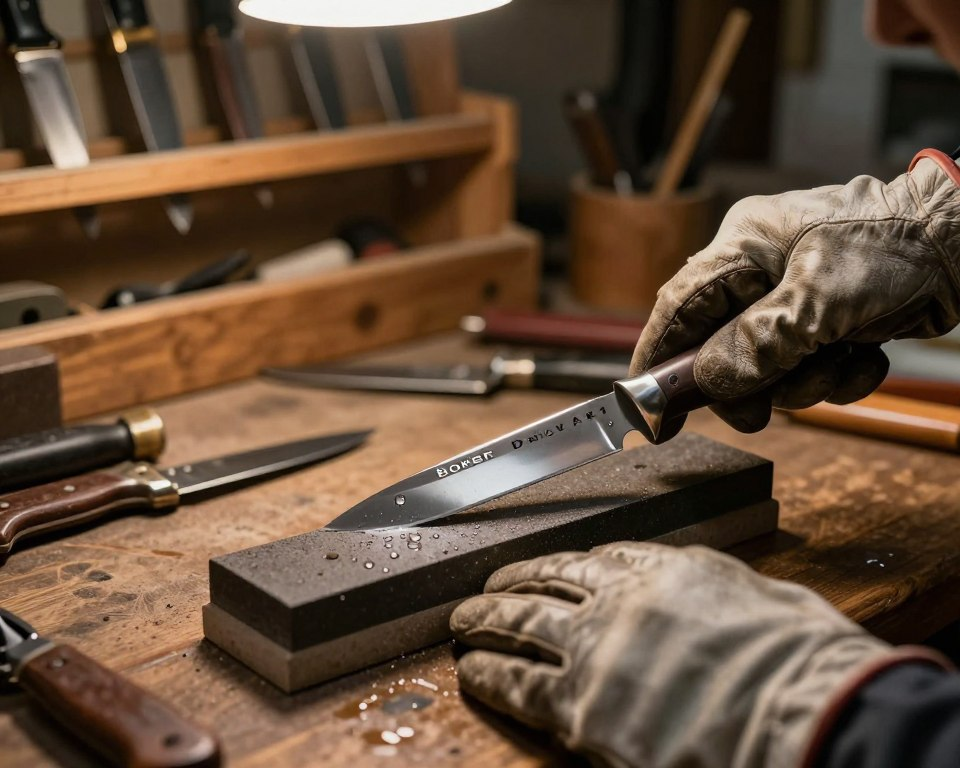
Sharpening is another critical aspect of maintaining your Ichiro Hattori knives. To maintain their edge, it’s recommended to use Japanese whetstones. These stones are designed to hone the blade to a precise edge, ensuring that your knives remain sharp and effective.

The process of sharpening can seem daunting, but with practice, it becomes straightforward. Start with a coarse grit stone to repair any damage to the edge, then progress to finer grits to polish and sharpen the blade. Regular sharpening will keep your Ichiro Hattori knives performing like new.

By following these maintenance tips, you can extend the life of your Ichiro Hattori knives and ensure they continue to deliver the precision and quality expected from custom chef knives.

Comparing Ichiro Hattori Knives to Other Brands

Ichiro Hattori knives have gained a reputation for excellence, but how do they stack up against other premium knife brands? When evaluating the best knives for your kitchen, it’s essential to consider several factors, including craftsmanship, materials, and overall performance.

Ichiro Hattori knives are distinguished by their exceptional quality and attention to detail. The brand’s commitment to using high-quality materials and traditional craftsmanship sets its knives apart from many competitors.

Key Differentiators

Several key differentiators contribute to the uniqueness of Ichiro Hattori knives. These include:

  • Exceptional Craftsmanship: Each knife is carefully crafted with precision and attention to detail.
  • High-Quality Materials: The use of premium materials ensures durability and performance.
  • Unique Designs: Ichiro Hattori knives often feature distinctive designs that reflect both traditional and modern elements.

premium knife collection comparison

Value for Money

While Ichiro Hattori knives may be priced higher than some other brands, they offer significant value for money. Their durability and performance mean that they can be a cost-effective choice in the long run.

Here are some points to consider when evaluating the value for money:

  1. The longevity of Ichiro Hattori knives reduces the need for frequent replacements.
  2. Their exceptional performance enhances cooking efficiency and enjoyment.
  3. The brand’s reputation for quality ensures that your investment is protected.

In conclusion, when comparing Ichiro Hattori knives to other brands, it becomes clear that their unique blend of craftsmanship, quality materials, and performance makes them a valuable addition to any kitchen.

Customer Testimonials and Reviews

With a legacy rooted in craftsmanship and innovation, Ichiro Hattori knives have become a benchmark for quality in the culinary world, as reflected in user experiences and expert opinions. The true measure of their excellence lies in the satisfaction of their users, from professional chefs to home cooks.

Ichiro Hattori’s commitment to quality is evident in the feedback from customers who have put his knives to the test in various culinary settings. The consensus is clear: his knives deliver on their promise of precision, durability, and performance.

User Experiences

Many users praise Ichiro Hattori knives for their exceptional sharpness and edge retention. One customer noted, “I’ve been using my Ichiro Hattori chef’s knife for over a year now, and it still cuts like new.” Such testimonials underscore the value of investing in a high-quality knife that can withstand the rigors of frequent use.

Others appreciate the balance and control offered by these knives, making them a joy to use for extended periods. As one user put it, “The balance of my Ichiro Hattori paring knife is perfect; it feels like an extension of my hand.”

User Experience Rating Comment
Sharpness and Edge Retention 5/5 “Still cuts like new after a year.”
Balance and Control 5/5 “Feels like an extension of my hand.”
Durability 4.5/5 “High-quality materials, but requires careful handling.”

Expert Opinions

Experts in the culinary world also hold Ichiro Hattori knives in high esteem. Renowned chefs and culinary instructors often recommend these knives for their precision and craftsmanship. As one expert noted, “Ichiro Hattori’s attention to detail and commitment to quality make his knives stand out in a crowded market.”

Some experts highlight the unique characteristics of Ichiro Hattori knives, such as their ability to hold a sharp edge and their ergonomic design. These features make them particularly appealing to professionals who rely on their knives for daily tasks.

In conclusion, the overwhelmingly positive feedback from both users and experts alike is a testament to Ichiro Hattori’s skill as an artisan knife maker. His dedication to producing high-quality knives has earned him a loyal following among culinary professionals and enthusiasts.

Where to Purchase Ichiro Hattori Knives

The quest for the perfect Ichiro Hattori knife begins with identifying trusted sellers. When investing in luxury kitchen tools like Ichiro Hattori knives, it’s essential to ensure that you’re buying from a reputable source to guarantee authenticity and warranty.

Authorized Retailers

Ichiro Hattori knives are available at various authorized retailers worldwide. These retailers have been vetted by the manufacturer to ensure that they provide genuine products along with the expected level of customer service. Some of these retailers may also offer additional services such as sharpening and maintenance, enhancing the overall ownership experience.

To find an authorized retailer near you, it’s recommended to visit the official Ichiro Hattori website or contact their customer service directly. This not only ensures that you’re purchasing a genuine product but also allows you to take advantage of any warranty or after-sales services offered by the manufacturer.

Online Options

In today’s digital age, purchasing Ichiro Hattori knives online is a convenient option for many. Several online retailers are authorized to sell Ichiro Hattori products, offering a wide range of knives that can be delivered directly to your doorstep.

When shopping online, it’s crucial to verify the authenticity of the retailer. Look for the “Authorized Dealer” or “Authorized Retailer” badge on their website, and check for customer reviews and ratings to gauge their reliability. Here is a comparison of some online retailers that sell Ichiro Hattori knives:

Retailer Authorization Shipping Customer Rating
KnifeMart Yes Free Shipping on Orders Over $50 4.5/5
CutleryPro Yes $10 Flat Rate Shipping 4.7/5
EliteKnives Yes Free Standard Shipping 4.8/5

luxury kitchen tools

By choosing to purchase from authorized retailers or reputable online sellers, you can be confident that your Ichiro Hattori knife is genuine and covered by the manufacturer’s warranty. This not only protects your investment but also ensures that you receive the high level of quality and performance that Ichiro Hattori is known for.

Caring for Your Ichiro Hattori Knife Collection

As a proud owner of Ichiro Hattori knives, you understand the importance of proper care and maintenance to ensure their longevity. Caring for your high-end cutlery is not just about maintaining their performance, but also preserving their beauty and craftsmanship.

Proper care involves several key practices that, when followed, will keep your Ichiro Hattori knives in excellent condition. First and foremost, it’s crucial to store your knives correctly. Storage recommendations play a significant role in maintaining the quality of your knives.

Storage Recommendations

To prevent damage and maintain the edge of your Ichiro Hattori knives, it’s recommended to store them in a dry place. Moisture can lead to rust or corrosion, especially on high-carbon steel blades. Consider using a knife block, magnetic strip, or a dry storage container to keep your knives safe and organized.

When choosing a storage method, ensure it protects the blades from coming into contact with other metals or hard surfaces that could cause damage. A soft, dry cloth can also be used to wrap your knives when not in use, providing an additional layer of protection.

Long-Term Care

Long-term care for your Ichiro Hattori knives involves regular maintenance and inspection. Regularly cleaning your knives with mild soap and drying them thoroughly will prevent the buildup of residue and moisture. It’s also essential to sharpen your knives periodically to maintain their edge and performance.

Long-term care tips include avoiding the use of harsh chemicals or abrasive cleaners, which can damage the blade or handle materials. For knives with wooden or other sensitive handles, occasional treatment with a suitable oil or wax can help maintain their appearance and durability.

By following these guidelines for storage and long-term care, you can enjoy your Ichiro Hattori knives for years to come, ensuring they remain a valuable and integral part of your culinary endeavors.

Conclusion: The Value of Investing in Quality Knives

Investing in quality knives like those made by Ichiro Hattori can significantly enhance one’s cooking experience. The precision, quality, and performance of his knives make them a valuable addition to any kitchen.

Elevating Your Cooking Experience

High-quality Japanese kitchen knives are not just tools; they are an investment in the art of cooking. With their exceptional sharpness and balance, they allow for precise cuts and effortless handling, making meal preparation a joy rather than a chore.

A Commitment to Precision

By choosing quality knives, you are committing to precision in the kitchen. This commitment not only improves your cooking skills but also enhances your overall culinary experience. As you continue to use and care for your Ichiro Hattori knives, you will appreciate the difference that precision makes in your daily cooking routines.

In the end, the value of investing in quality knives lies in the joy and precision they bring to your cooking. With Ichiro Hattori knives, you are not just purchasing a tool; you are investing in a better cooking experience.

FAQ

Why do I consider Ichiro Hattori knives to be the gold standard for high-end cutlery?

In my experience, Ichiro Hattori knives represent a rare intersection of heritage and technical perfection. As a master artisan knife maker based in Seki City, Hattori ensures that every blade meets a rigorous standard of performance. I find that the precision of his grinds and the heat treatment of the steel provide a cutting experience that mass-produced brands simply cannot replicate.

What are the primary materials used in these handcrafted kitchen knives?

I have observed that Hattori often utilizes premium steels such as VG-10, Cowry-X, and high-nickel Damascus. These materials are essential for creating luxury kitchen tools that maintain a razor-sharp edge while resisting corrosion. By using these superior alloys, I believe he produces a premium knife collection that stands the test of time in both professional and home kitchens.

Is a custom chef knife by Hattori suitable for a beginner, or is it strictly for professionals?

While these are professional-grade tools, I recommend them to anyone who values precision. I believe that starting with a high-quality custom chef knife actually helps a beginner develop better technique, as the balance and sharpness reduce the physical effort required. Whether you are using a Hattori KD series or the FH series, the ease of use is a hallmark of his design.

How should I properly maintain my Japanese kitchen knives to ensure they last a lifetime?

I always emphasize that you must never put these knives in a dishwasher. To care for my high-end cutlery, I hand-wash them with mild soap and dry them immediately with a soft cloth. For sharpening, I recommend using high-grit whetstones rather than honing rods, as this preserves the delicate geometry of the blade and maintains that signature Hattori edge.

Where can I find authentic Ichiro Hattori knives for my premium knife collection?

I advise purchasing only from authorized and reputable retailers to ensure authenticity. I personally look to sources like JapaneseChefsKnife (JCK) or KnifeMerchant, as they have long-standing relationships with the Hattori workshop. Given his limited production runs, buying from trusted experts ensures you are receiving a genuine piece of Japanese craftsmanship.

What makes the balance and control of these knives so different from Western brands like Wüsthof?

When I compare a Hattori to a Western brand like Wüsthof or Henckels, the most striking difference is the weight distribution. Hattori’s handcrafted kitchen knives are typically lighter and more “nimble” in the hand. I find that the ergonomic handles and the precise center of gravity allow for extended periods of prep work without the hand fatigue often associated with heavier, bolster-heavy European blades.

Are these luxury kitchen tools worth the higher price point?

From my perspective, yes. While the initial investment is higher, the value for money becomes clear over years of use. I have found that Ichiro Hattori knives retain their edge significantly longer than cheaper alternatives, meaning fewer sharpenings and a longer overall lifespan. When you invest in an artisan knife maker of his caliber, you are paying for decades of expertise and a tool that can be passed down through generations.

How should I store my collection to prevent damage to the blades?

I suggest using a wooden magnetic knife strip or individual wooden sayas (sheaths). In my own kitchen, I avoid storing high-end cutlery in a crowded utensil drawer, as the blades can clatter against other metal objects, leading to chips or dulling. Proper storage is the final step in honoring the craftsmanship that goes into every Hattori blade.

The Portuguese Word for Knife: Knife Knife Knife


I recently started exploring romance languages to broaden my linguistic skills. One of the most basic tools within a kitchen is a sharp blade. Learning the phrase knife knife knife knife in portuguese was my first step on this journey.

The primary translation for this essential cutting tool is faca. You will hear this word daily while visiting a local market or dining out. It covers everything from a simple table utensil to professional chef equipment.

However, specific situations require different vocabulary. For example, I use the word canivete when referring to a handy pocket tool. If I am talking about a razor, I choose the term navalha instead.

Locals often refer to a heavy dagger as a punhal. Understanding these subtle differences helps me communicate more effectively with native speakers. It makes the language feel much more natural and precise.

Key Takeaways

  • The primary word for a standard blade is faca.
  • Use canivete when you are talking about a pocket tool.
  • Navalha is the specific term used for a razor.
  • A heavy dagger or stiletto is called a punhal.
  • Context is essential for choosing the right translation.
  • Learning these nuances improves your fluency significantly.

Understanding the Basic Translation of Knife

In Portuguese, the word for knife is ‘faca,’ a term that is used in various contexts.

The Portuguese Word for Knife

The term “faca” is used to refer to different types of knives, including kitchen knives and pocket knives. Understanding this basic translation is crucial for effective communication in Portuguese, especially when it comes to cooking or discussing culinary practices.

For instance, a “faca de cozinha” (kitchen knife) is an essential tool in Portuguese cuisine, reflecting the culture’s emphasis on food preparation. If you’re looking for the best knife in Portuguese cuisine, it’s worth exploring various types of “facas” designed for specific tasks.

Cultural Significance of Knives in Portuguese

Knives hold significant cultural value in Portugal, particularly in the context of culinary traditions. The preparation and sharing of meals are integral to Portuguese culture, and knives play a vital role in this process.

In many Portuguese households, knives are not just tools but also symbols of hospitality and community. The act of preparing a meal with care and precision is seen as a sign of respect for the guests and the occasion.

Common Usages of “Faca”

The term “faca” is used in various everyday contexts, from cooking to utility tasks. In the kitchen, different types of “facas” are used for specific tasks, such as chopping, slicing, and mincing ingredients.

When reading knife reviews, it’s helpful to understand the different types of “facas” and their uses. This knowledge can guide you in selecting the right knife for your needs, whether you’re a professional chef or a home cook.

Type of Knife Portuguese Term Common Use
Kitchen Knife Faca de Cozinha General kitchen tasks
Pocket Knife Faca de Bolso Outdoor or utility tasks
Specialty Knife Faca Especial Specific culinary tasks

Different Types of Knives in Portuguese

In Portuguese, the variety of knives is as diverse as their uses, ranging from kitchen tasks to outdoor activities. This diversity is reflected in the specific names given to different types of knives, each corresponding to its particular use or context.

Kitchen Knives: Facas de Cozinha

Kitchen knives, or “facas de cozinha,” are essential tools in any Portuguese kitchen. They come in various shapes and sizes, each designed for a specific task. For instance, a “faca para trinchar” is used for carving meat, while a “faca de cozinha geral” is a general-purpose kitchen knife.

If you’re looking to buy knife online, it’s essential to consider the type of knife you need, whether it’s for a specific recipe or a general kitchen task. Some of the top knife brands offer high-quality kitchen knives that are both durable and efficient.

Type of Knife Portuguese Name Use
General Kitchen Knife Faca de Cozinha Geral General kitchen tasks
Carving Knife Faca para Trinchar Carving meat
Paring Knife Faca de Parear Peeling and paring fruit and vegetables

Pocket Knives: Facas de Bolso

Pocket knives, known as “facas de bolso” or “canivete,” are handy tools that serve multiple purposes, from cutting fruit to tightening loose screws. They are popular among outdoor enthusiasts and individuals who appreciate the convenience of having a knife readily available.

Specialty Knives: Facas Especiais

Specialty knives, or “facas especiais,” are designed for specific tasks or industries. For example, a “faca de açougueiro” is used by butchers for cutting and trimming meat. These knives are often crafted with precision and care, reflecting the importance of their role in their respective contexts.

Grasping the Nuances of Knife in Context

The term “faca” is versatile and is used in different situations, ranging from everyday conversations to specific culinary contexts. Understanding these nuances is essential for effective communication in Portuguese.

Different Contexts for Using “Faca”

In Portuguese, “faca” can refer to any knife, but its usage varies significantly depending on the context. For instance, in everyday conversations, “faca” might simply mean a knife used for general purposes.

In more specific contexts, such as cooking, “faca” can refer to various types of knives designed for particular tasks. This specificity is crucial for clear communication, especially in environments like kitchens where precision is key.

Related Terms in the Culinary World

The culinary world in Portugal is rich with specific terminology related to knives. For example, a “faca de pão” is a bread knife, designed specifically for slicing bread without crushing it. Similarly, a “faca de manteiga” is a butter knife, used for spreading butter on bread.

Understanding these related terms can enhance your ability to communicate effectively in culinary settings. Here’s a table summarizing some common types of knives and their uses:

Type of Knife Portuguese Term Use
Bread Knife Faca de Pão Slicing bread
Butter Knife Faca de Manteiga Spreading butter
Chef’s Knife Faca de Chef General kitchen tasks

By familiarizing yourself with these terms, you can improve your comprehension and usage of Portuguese in culinary contexts, making you more confident in your ability to communicate effectively.

Knife Usage in Everyday Portuguese Conversations

As I explore the nuances of the Portuguese language, I find that knives play a significant role in everyday conversations. The term “faca” is deeply ingrained in Portuguese culture, and understanding its usage can provide valuable insights into the language and its people.

In everyday Portuguese conversations, knives are often referenced in various contexts, from cooking and dining to more figurative expressions. Being familiar with these references can help learners of Portuguese sound more natural and be better understood in different situations.

Common Phrases Involving Knives

There are several common phrases in Portuguese that involve knives, reflecting their importance in daily life. For example, “faca de dois gumes” translates to “double-edged knife,” referring to something that has two sides or can be interpreted in two ways.

Another example is “estar com a faca e o queijo na mão,” which means “to have the knife and cheese in hand,” indicating that someone has complete control over a situation. These expressions are not only useful for understanding Portuguese but also for appreciating the cultural nuances behind them.

knife buying guide

Regional Variations of Knife References

While the term “faca” is universally understood in Portuguese-speaking countries, there can be regional variations in how knives are referenced or used in expressions. For instance, certain idiomatic expressions might be more prevalent in Brazil than in Portugal, or vice versa.

Understanding these regional variations can enhance one’s comprehension of the language and its cultural context. It can also help learners to communicate more effectively with native speakers from different regions.

Region Common Knife Reference Meaning
Portugal Faca de dois gumes Double-edged knife, something with two interpretations
Brazil Estar com a faca e o queijo na mão To have complete control over a situation
Portugal/Brazil Pôr a faca nos dentes To be determined or fierce in one’s actions or decisions

Exploring Knife-Related Idioms in Portuguese

Exploring Portuguese idioms related to knives offers a unique window into the language’s ability to convey complex ideas and emotions through simple, yet powerful, imagery. In Portuguese, idioms involving knives, or “facas,” are not just about the literal meaning; they convey a depth of cultural insight that’s fascinating to explore.

Popular Idiomatic Expressions

Portuguese is rich with idiomatic expressions involving knives. For instance, “estar com a faca e o queijo na mão” translates to having the knife and cheese in hand, meaning to have complete control over a situation. Another expression, “faca de dois gumes,” or a double-edged knife, refers to something that has two sides or can be interpreted in two ways.

These expressions are not just colorful sayings; they are integral to understanding the nuances of the Portuguese language and culture. They often convey complex emotions or situations in a concise and vivid manner.

The Meanings Behind the Idioms

Understanding the meanings behind these idioms can provide insight into Portuguese culture and language. For example, the use of “faca” in idioms often relates to the idea of cutting or sharpness, which can symbolize clarity, precision, or danger.

Idiomatic Expression Translation Meaning
Estar com a faca e o queijo na mão Having the knife and cheese in hand To have complete control over a situation
Faca de dois gumes Double-edged knife Something with two sides or interpretations

By exploring these idioms, learners of Portuguese can gain a deeper understanding of the language and its cultural context. It’s a fascinating way to see how a simple object like a knife can be used to convey a wide range of meanings and emotions.

The Role of Knives in Portuguese Culinary Traditions

Knives are an essential tool in Portuguese cuisine, reflecting the culture’s rich culinary heritage. The right knife can make a significant difference in food preparation, and various types of knives are used for different tasks.

best knife in portuguese

Importance of Knives in Portuguese Cuisine

In Portuguese cooking, knives are not just utensils; they are an extension of the chef’s skill and artistry. The best knife in Portuguese cuisine is often one that is well-balanced and suited to its specific task, whether it’s chopping, slicing, or mincing ingredients.

The precision and quality of knives directly impact the preparation of traditional Portuguese dishes. For instance, a sharp faca de cozinha (kitchen knife) is indispensable for preparing intricate dishes like bacalhau à brás, a codfish dish that requires finely chopped onions and potatoes.

Traditional Portuguese Delicacies That Use Knives

Many traditional Portuguese delicacies rely on the precise use of knives. For example, preparing pastéis de nata (custard tarts) requires a skilled hand to cut the puff pastry into perfect layers.

Another example is feijoada, a hearty bean stew that requires chopping various meats and vegetables. The knife used here is crucial for ensuring that the ingredients are evenly sized and cook uniformly.

  • Faca de chef for chopping and slicing ingredients.
  • Faca de descascar for peeling fruits and vegetables.
  • Faca de serra for cutting through tougher ingredients like meat.

These examples illustrate the integral role knives play in Portuguese culinary traditions, highlighting their importance in both everyday cooking and special occasion dishes.

Learning Portuguese Through Vocabulary: Knife

Understanding the Portuguese terminology for knives and their uses can greatly improve your comprehension and communication skills. Learning vocabulary related to knives can be a useful way to improve Portuguese language skills.

Expanding Your Vocabulary with Knife-Related Words

To expand your vocabulary, it’s helpful to learn the different types of knives and their specific uses. For instance, facas de cozinha (kitchen knives) are essential tools in any Portuguese kitchen. Within this category, there are various types such as faca de chef (chef’s knife), faca de descascar (paring knife), and faca de serra (serrated knife). Each of these knives has a specific function and is used in different culinary contexts.

Additionally, learning related terms can further enhance your vocabulary. For example, afiar means “to sharpen,” and amolar means “to whet” or “to grind.” Understanding these terms can help you communicate more effectively when discussing cooking or culinary techniques.

Engaging Activities for Learning Knife Terminology

Engaging in activities that involve practicing with different types of knives and their uses can be an effective way to learn knife terminology. For example, you can practice by cooking traditional Portuguese dishes that require specific knives, such as bacalhau à brás, which involves using a faca de cozinha to shred codfish.

Another engaging activity is to read knife reviews in Portuguese. This not only helps you learn new vocabulary but also gets you accustomed to the language used in reviews and descriptions. You can find these reviews online or in culinary magazines.

To reinforce your learning, you can also create flashcards with the names of different knives on one side and their descriptions or uses on the other. This method can help you memorize the vocabulary more effectively.

Safety and Maintenance of Knives in Portuguese Culture

In Portuguese culture, the safety and maintenance of knives are deeply rooted in tradition and daily life. Knives are not just tools; they are an integral part of the culinary heritage and are treated with respect and care.

The importance of handling knives safely cannot be overstated. Proper handling techniques are essential to prevent accidents and ensure a safe cooking environment. This includes being mindful of how knives are stored and used.

Best Practices for Handling Knives

When handling knives, it’s crucial to follow best practices to minimize the risk of injury. This includes always cutting away from the body, keeping fingers curled under and out of the way of the blade, and using a cutting board that is stable and won’t slip.

Safe storage is also a critical aspect of knife safety. Knives should be stored in a designated area, such as a knife block or on a magnetic strip, to prevent them from being misplaced or accidentally knocked out of a drawer.

How to Care for Your Kitchen Knives

Caring for your kitchen knives not only extends their lifespan but also maintains their performance. Regular sharpening is essential to keep knives in good condition. A dull knife is more dangerous than a sharp one because it requires more force to cut, increasing the risk of accidents.

To keep your knives in optimal condition, it’s recommended to hand wash them and dry them immediately. This prevents rust and maintains the sharpness of the blade. If you’re looking to buy knife online, consider purchasing from reputable brands that offer high-quality products and care instructions.

Regular maintenance also involves checking the knives for any signs of wear and tear. This includes inspecting the handle for any looseness or damage and ensuring that the blade is securely attached.

  • Store knives properly to prevent damage and accidents.
  • Sharpen knives regularly to maintain their effectiveness.
  • Clean and dry knives after each use to prevent rust.

Shopping for Knives in Portugal

When traveling to Portugal, one of the unique experiences is shopping for knives that blend traditional craftsmanship with modern functionality. Portugal is renowned for its rich culinary culture, and a key component of this is the array of knives used in its kitchens.

For both locals and tourists, finding the right knife can be a memorable experience. The country offers a variety of shopping options, ranging from specialty kitchen stores to online retailers, making it easier to find the perfect knife for any need.

Where to Buy Knives in Portugal

In Portugal, knives can be found in various types of stores. Specialty kitchen stores are a great place to start, as they typically carry a wide selection of high-quality knives from both local and international manufacturers.

Online retailers are another convenient option, offering the ability to browse and compare different knives from the comfort of your own home. Some popular online platforms also provide customer reviews, which can be invaluable in making an informed decision.

Recommended Brands and Products

When it comes to purchasing knives in Portugal, several brands stand out for their quality and craftsmanship. Here are a few top recommendations:

Brand Product Type Notable Features
Dalstrong Chef’s Knife High-carbon stainless steel, ergonomic handle
Victorinox Pocket Knife Durable, versatile, and compact
Santoku All-Purpose Knife Sharp edge, balanced weight, and comfort in handling

For those looking for a knife for sale, it’s worth exploring these brands further. Each offers unique features that cater to different needs, whether you’re a professional chef or a home cook.

By considering the options available and understanding what to look for in a knife, you can make an informed purchase that meets your needs. Whether shopping in-store or online, Portugal’s diverse market ensures that you’ll find a knife that suits your preferences.

Conclusion: Embracing the Portuguese Word for Knife

As I reflect on the significance of “faca” in the Portuguese language, it becomes clear that understanding this term is crucial for anyone looking to grasp the nuances of Portuguese culture and cuisine. The various contexts in which “faca” is used, from everyday conversations to culinary traditions, highlight the importance of knives in Portuguese life.

Key Takeaways

Throughout this exploration, we’ve seen how “faca” encompasses a range of meanings and uses. For those interested in Portuguese cuisine or looking to enhance their kitchen tools, a knife buying guide can be a valuable resource. Reading knife reviews can also provide insights into the best knives for specific tasks, whether you’re preparing traditional Portuguese dishes or simply looking to upgrade your kitchen arsenal.

Final Insights

Embracing the nuances of “faca” and its various contexts can enrich one’s understanding of the Portuguese language and its cultural underpinnings. As you continue to explore the world of Portuguese cuisine and language, I encourage you to consider the role that knives play in shaping culinary traditions and everyday conversations.

FAQ

What is the best knife in portuguese for professional chefs?

In my experience, the best knife in portuguese manufacturing for professionals is often made by ICEL. They produce high-carbon stainless steel blades that are favored by chefs across Portugal for their durability and edge retention.

Where can I buy knife online if I want authentic Portuguese brands?

I recommend you buy knife online through specialized retailers like Cutilaria Cutelaria or the official ICEL website. They offer international shipping and a wide selection of traditional and modern designs.

Are there any specific knife reviews for Portuguese cutlery?

Yes, I frequently check knife reviews on platforms like KitchenKnifeForums or YouTube channels like Burrfection, which occasionally feature Portuguese brands like MAM or ICEL to compare them with global giants like Victorinox.

What should I look for in a knife buying guide for Portuguese kitchens?

A good knife buying guide should emphasize the importance of the bolster and the type of steel. For Portuguese cooking, I suggest looking for a versatile faca de chef (8-inch) as your primary investment.

Where can I find a high-quality knife for sale in Lisbon?

If you are looking for a knife for sale in Lisbon, I highly recommend visiting Pollux in the Baixa district. They have an extensive collection of both professional-grade tools and everyday cutlery.

What are the top knife brands currently made in Portugal?

The top knife brands I always look for are ICEL, MAM (Filmam), and Bico de Grilo. For high-end, artistic cutlery, Cutipol is world-famous for its contemporary designs.

How do I say “sharp knife” in Portuguese?

I use the phrase faca afiada. If the knife is exceptionally sharp, I might say it is bem afiada to emphasize its cutting capability.

Canada’s Knife Laws: What You Need to Know


I often visit the Great White North for hunting or work. I always make sure I am aware of the legalities regarding sharp tools. Remaining educated is my top priority whenever I cross the border with gear.

I believe that being prepared helps prevent accidental encounters with the police or border agents. Understanding canadian knife regulations is essential for every visitor or local resident. Compliance ensures tranquility throughout any outdoor adventure or professional project.

I want to help you grasp the legalities effectively. Following these standards ensures your trip remains stress-free while you enjoy your favorite outdoor hobbies in the woods. Using these items for daily tasks requires specific knowledge to avoid serious penalties or confiscation in this territory.

Key Takeaways

  • Review rules before traveling across the northern border.
  • Avoid carrying prohibited cutting tools to prevent delays.
  • Learn how to transport your gear safely and legally.
  • Stay compliant with local statutes for all sharp instruments.
  • Protect yourself from legal issues by knowing the limits.
  • Differentiate between utility folders and forbidden weapons.

Overview of Knife Laws in Canada

Navigating the legal landscape of knife ownership in Canada can be challenging due to its intricacies. The country’s laws regarding knives are not as straightforward as one might expect, and understanding them is crucial for compliance.

Definition of a Knife in Canadian Law

In Canada, the legal definition of a knife is broad and encompasses various types of blades. According to Canadian law, a knife is considered a weapon if it is used or intended for use as a weapon. However, not all knives are treated equally under the law; the context and type of knife play significant roles in determining its legality.

The Canadian Criminal Code provides the framework for understanding what constitutes a prohibited weapon, including certain types of knives. For instance, knives with specific features such as automatic opening mechanisms or those designed to be used as weapons are subject to legal restrictions.

Importance of Understanding Local Regulations

Understanding local regulations regarding knife laws is vital because these laws can vary significantly across different provinces and even municipalities within Canada. What is legal in one region may be prohibited in another, making it essential for individuals to familiarize themselves with local laws to avoid legal issues.

For example, some municipalities may have bylaws that restrict the carrying of certain types of knives in public spaces or during specific events. Being aware of these regulations can help individuals avoid unintentionally violating the law.

Key considerations include:

  • Understanding the legal definition of a knife and how it applies to different types of blades.
  • Familiarizing oneself with local regulations and bylaws regarding knife possession and carry.
  • Being aware of the context in which a knife is considered a weapon.

By staying informed about Canada’s knife laws and local regulations, individuals can ensure they are in compliance with the law and avoid potential legal complications.

Types of Knives and Their Legal Status

The legality of knives in Canada varies significantly depending on the type and context of use. Understanding these differences is crucial for compliance with Canadian law.

Many types of knives are completely legal to own and use in Canada, such as hunting knives, fixed-blade knives, and kitchen knives. However, the legality can change based on the context, such as carrying them in public or using them in certain situations.

Folding Knives: What You Should Know

Folding knives are generally legal in Canada, but their legality can depend on the blade length and mechanism. According to Canadian law, a folding knife with a blade that can be opened with a centrifugal motion or a flick of the wrist may be considered a prohibited weapon if it’s used or intended for use as a weapon.

As stated by the Canadian government, “the legality of a knife is determined by its design and intended use.”

“A knife is considered a prohibited weapon if it is designed to be used as a weapon or if it is used in a way that is likely to cause harm to others.”

Fixed-Blade Knives: The Legal Standing

Fixed-blade knives are legal to own and use in Canada for various purposes such as hunting, camping, or kitchen use. However, carrying them in public requires a valid reason, as they can be considered a weapon.

Other Knife Variants and Restrictions

Other types of knives, such as switchblades or gravity knives, are subject to specific restrictions under Canadian law. These knives are often considered prohibited weapons due to their design and potential for quick deployment.

When it comes to blade length restrictions in Canada, there isn’t a specific length that dictates legality across all contexts. However, the overall length and the type of knife can influence its legality, especially in public places.

For instance, carrying a large fixed-blade knife in a public place without a reasonable excuse could lead to legal issues. It’s essential to understand the Canada weapon laws to avoid any potential problems.

General Rules About Carrying Knives

The laws surrounding knife carry in Canada are nuanced, requiring a closer look at what is permissible. In Canada, you can carry a legal knife in public, but there are conditions to be aware of.

Primarily, it’s essential to understand that carrying a knife for self-defense is not considered a valid reason and is against the law. The purpose of carrying a knife should be for utility or as part of your profession, such as for camping, fishing, or as a chef.

Open Carry vs. Concealed Carry

When it comes to carrying knives, the distinction between open carry and concealed carry is significant. Open carry refers to carrying a knife openly, where it is visible to others. While this is generally allowed for legal knives, it’s crucial to be mindful of the context and potential perceptions.

Concealed carry, on the other hand, means carrying a knife in a way that it is not visible. The laws regarding concealed carry are more restrictive, and it’s generally advised to avoid carrying a knife in a concealed manner unless it’s for a legitimate purpose and done in a manner that is not perceived as threatening.

Purpose of Carry: Self-Defense vs. Utility

The purpose behind carrying a knife is a critical factor in determining its legality. As mentioned, carrying a knife for self-defense is not a valid reason and can lead to legal consequences. However, carrying a knife for utility purposes, such as for work, outdoor activities, or everyday carry for tasks, is generally acceptable.

It’s also worth noting that even when carrying a knife for utility, it should be done in a manner that is not threatening to others. Being aware of your surroundings and how others might perceive your actions is key to avoiding legal issues.

In summary, while carrying a legal knife in Canada is permissible under certain conditions, it’s vital to be aware of the nuances of the law, including the distinction between open and concealed carry, and to ensure that the purpose of carrying is legitimate and not perceived as threatening.

The Legal Test: Prohibited Knives Explained

Prohibited knives in Canada are defined by specific characteristics and uses, as outlined in the country’s legislation. The Canadian government has established clear guidelines to help citizens understand what types of knives are considered prohibited.

Definition and Examples of Prohibited Knives

Canadian law prohibits certain types of knives that are considered dangerous or have limited utility. These include switchblades, butterfly knives, push daggers, gravity knives, and knives disguised as other objects. Each of these types has distinct features that make them fall under the prohibited category.

For instance, switchblades are knives that open automatically with a spring mechanism. Butterfly knives, on the other hand, are characterized by their folding design and the ability to be opened with a flipping motion. Push daggers are designed for stabbing and have a handle that fits in the palm of the hand.

Consequences of Carrying Prohibited Knives

Carrying a prohibited knife in Canada can lead to serious legal consequences. If you’re found carrying a knife that is classified as prohibited, you could face fines or imprisonment. The severity of the penalty often depends on the circumstances of the case and whether it’s a first-time offense.

It’s crucial for individuals to understand the laws regarding prohibited knives to avoid unintentionally breaking the law. If you’re a knife enthusiast or simply someone who carries a knife for utility purposes, being informed about the legal status of your knife is essential.

Regional Variations in Knife Laws

Canada’s knife laws are not uniform, varying significantly across different provinces and territories. This diversity in legislation means that what is permissible in one region may be prohibited in another, making it essential for individuals to understand the specific laws in their area.

Knife Laws in Ontario

In Ontario, the laws governing knives are generally aligned with federal regulations, but there are specific nuances. For instance, while the Criminal Code of Canada sets out prohibited weapons, Ontario’s laws may impose additional restrictions on carrying knives in certain contexts, such as in public events or schools.

It’s crucial for residents and visitors in Ontario to be aware of these regulations to avoid any legal issues. The legal age to carry a knife in Canada is not uniformly defined across the country, but in Ontario, individuals must be aware of the context in which they are carrying a knife.

Regulations in British Columbia

British Columbia has its own set of regulations regarding knives, which, while largely consistent with federal law, include specific provisions. For example, certain types of knives may be restricted in public places or during specific events.

Understanding these regulations is vital for compliance. British Columbia’s laws emphasize the importance of responsible knife ownership and use.

Alberta’s Unique Knife Laws

Alberta is known for having some of the more permissive knife laws in Canada. However, this does not mean there are no restrictions. Alberta law still prohibits certain types of knives and has specific rules regarding the carrying of knives in public.

It’s essential for individuals in Alberta to familiarize themselves with the local laws to ensure they are in compliance. This includes understanding the context in which knives can be carried and used.

In conclusion, while Canada has federal laws governing knives, the regional variations in knife laws across provinces like Ontario, British Columbia, and Alberta necessitate a thorough understanding of local regulations. By being informed, individuals can ensure they are complying with the law and avoiding potential legal issues.

The Role of the Criminal Code of Canada

To comprehend the intricacies of knife laws in Canada, one must examine the Criminal Code.

The Criminal Code of Canada is the cornerstone of the country’s legal framework regarding knife possession and use. It outlines what constitutes a legal or illegal knife, providing clarity for both law enforcement and the general public.

Understanding Section 84: Prohibited Weapons

Section 84 of the Criminal Code is particularly relevant as it defines prohibited weapons, including certain types of knives. The Code defines a prohibited weapon as “a knife that has a blade that opens automatically by gravity or centrifugal force or by hand pressure applied to a button, spring or other device attached to or in the handle of the knife.”

This definition is crucial for understanding what types of knives are considered illegal under Canadian law. It highlights the importance of the mechanism by which a knife is opened, rather than just its presence or utility.

Implications for Knife Owners and Enthusiasts

For knife owners and enthusiasts, understanding the implications of the Criminal Code is vital. It not only affects what knives one can legally possess but also how they can be carried and used.

Knife Type Legal Status Implications
Folding Knives with Automatic Opening Prohibited Possession is illegal; can result in fines or imprisonment.
Fixed-Blade Knives Generally Legal Can be possessed and carried for utility purposes, but carrying with intent to harm is illegal.
Switchblades Prohibited Illegal to possess or sell; considered a prohibited weapon.

canadian knife regulations

As a knife owner or enthusiast in Canada, it’s essential to be aware of these regulations to avoid legal repercussions. The law aims to balance individual rights with public safety, and understanding this balance is key to responsible knife ownership.

Knife Laws at Public Events

Public events in Canada have specific rules regarding the carrying of knives. As someone interested in understanding these laws, I find it essential to delve into the details of what is allowed and what is not at various public gatherings.

When it comes to festivals and concerts, the rules can be quite stringent. Generally, carrying knives at such events is discouraged, and in many cases, prohibited. For instance, some provinces won’t allow carrying knives in places like bars or pubs, which are often venues for live music or other events. Different cities may have even stricter rules than more rural areas, so it’s crucial to check local regulations before attending any event.

Carrying Knives at Festivals and Concerts

At festivals and concerts, the primary concern is safety. Event organizers often have the authority to decide what items are allowed into the venue.It’s advisable to check with the event organizers or the venue management beforehand to understand their specific rules regarding knives.Some events may have metal detectors or bag checks, which can further restrict what you can bring in.

In my experience, understanding these rules can save a lot of trouble. For example, if you’re planning to attend a music festival, it’s a good idea to leave your knives at home unless you’re sure they’re allowed.

Regulations During Sports Events and Gatherings

Sports events and gatherings have their own set of rules regarding knives.Typically, carrying knives is not allowed at indoor sports events, and outdoor events may have specific restrictions based on the type of event and the venue. For instance, events that involve alcohol, like those held in or near bars or pubs, may have stricter knife carry laws.

To give you a clearer picture, here’s a table summarizing some common regulations at different types of public events:

Event Type Typical Knife Carry Regulations Notes
Festivals Generally prohibited Check with event organizers
Concerts Often prohibited, metal detectors may be used Venue-specific rules apply
Sports Events Typically not allowed indoors, varies outdoors Depends on venue and event type

By understanding these regulations, you can better navigate the complexities of Canada’s knife laws at public events. Always check the specific rules for the event you plan to attend to ensure you’re complying with the law.

Buying and Selling Knives in Canada

Buying and selling knives in Canada involves navigating a complex legal landscape that varies by province and municipality. As I explore the intricacies of Canadian knife legislation, it becomes clear that understanding these laws is crucial for both buyers and sellers.

The legal age to buy a knife in Canada is not federally mandated, but some provinces and municipalities have their own regulations. For instance, while there’s no nationwide minimum age, certain local laws might restrict the sale of knives to minors.

Legal Considerations When Purchasing

When purchasing a knife in Canada, it’s essential to be aware of the local laws regarding the types of knives that can be bought and sold. Prohibited knives, as defined by the Criminal Code of Canada, cannot be legally purchased or owned. Buyers should ensure that the knife they intend to purchase is not classified as prohibited.

As stated by the Canadian government, “The Criminal Code prohibits certain types of knives that are considered to be inherently dangerous or have no legitimate purpose other than to cause harm.”

“The law aims to balance public safety with the rights of individuals to possess and use knives for legitimate purposes.”

E-commerce and Knife Sales Regulations

The rise of e-commerce has changed how knives are sold in Canada. Online sellers must comply with Canadian laws and regulations regarding the sale and shipment of knives. This includes ensuring that the knives sold are not prohibited and that age restrictions are adhered to, where applicable.

Sellers should also be aware of the regulations surrounding the shipping of knives. Carriers may have their own policies regarding the transport of knives, and sellers must comply with these to avoid any issues.

Canadian knife legislation

In conclusion, buying and selling knives in Canada requires a thorough understanding of the legal landscape. By being informed about local regulations, prohibited knives, and e-commerce laws, both buyers and sellers can ensure they are complying with Canadian law.

Traveling with Knives: Dos and Don’ts

Whether you’re a knife enthusiast or just need a knife for utility purposes, understanding the laws around traveling with knives in Canada is crucial. Traveling with knives can be tricky, as laws vary not just between countries but also within Canada, across different provinces and territories.

Before you pack your knives for a trip, it’s essential to familiarize yourself with the regulations to avoid any legal issues or confiscation of your knives. Canada’s knife laws are specific, and ignorance of these laws is not a valid defense if you’re caught carrying a prohibited knife.

Air Travel Restrictions for Knives

When it comes to air travel, the regulations are strict. The Canadian Air Transport Security Authority (CATSA) has clear guidelines on what can and cannot be carried onto a plane. Generally, knives are not allowed in carry-on luggage, with some exceptions for certain types of pocket knives or utility knives that meet specific criteria.

However, even if a knife is allowed in checked luggage, it’s crucial to check with your airline for their specific policies regarding knives in luggage. Some airlines may have additional restrictions beyond the legal requirements.

Traveling by Car or Public Transit

Traveling by car or public transit within Canada has different rules compared to air travel. When driving, you’re generally allowed to transport knives as long as they are not prohibited under Canadian law and are being transported for a legitimate purpose, such as camping or fishing.

However, it’s still important to be cautious. Knives that are legal within Canada might still be confiscated at the border if they fall into a grey area regarding importation laws. When using public transit, it’s a good idea to check with the transit authority for their policies on carrying knives.

To avoid any issues, it’s always best to err on the side of caution. If you’re unsure about the legality of carrying a particular knife, consider alternative arrangements, such as shipping the item or purchasing it at your destination.

Understanding and complying with Canada’s knife laws and weapon laws not only helps you avoid legal trouble but also contributes to a safer and more respectful community.

Knife Ownership Rights and Responsibilities

Understanding Canadian knife laws is crucial for responsible knife ownership. As a knife owner, being aware of the laws and regulations surrounding knife possession can help you avoid legal trouble.

To exercise your right to own a knife, it’s essential to know the restrictions and regulations in your area. Familiarize yourself with local laws, such as those in Ontario, British Columbia, or Alberta, as they may differ.

Best Practices for Knife Enthusiasts

When carrying a knife, always consider the purpose and ensure it’s not prohibited under Canadian knife regulations. Be mindful of knife possession laws, especially in public places or during events.

Accessing Legal Resources

For further guidance, consult the Criminal Code of Canada and local authorities for information on knife laws. Staying informed will help you navigate the complexities of knife ownership and use.

By being aware of your rights and responsibilities as a knife owner, you can enjoy your hobby while respecting the law and public safety.

FAQ

What are the primary knife laws in Canada that I should be aware of?

The primary knife laws in canada are governed by the Criminal Code, which prohibits specific types of knives (like switchblades and butterfly knives) and forbids carrying any knife for a purpose “dangerous to the public peace,” such as self-defense.

Are there specific blade length restrictions in Canada for folding knives?

Interestingly, there are no federal blade length restrictions canada for folding knives. However, the longer the blade, the harder it may be to justify as a daily utility tool if you are questioned by authorities.

What is the legal age to carry a knife in Canada?

There is no specific federal legal age to carry a knife in canada, but most retailers, such as House of Knives, require you to be 18 to purchase one. Local bylaws and parental supervision expectations also play a role.

Can I carry a knife for self-defense under Canadian knife regulations?

No. Under canadian knife regulations, carrying any object—including a knife—for the purpose of self-defense is considered carrying a weapon and is illegal. You should only carry a knife as a utility tool.

Which prohibited knife types in Canada should I avoid purchasing?

You must avoid prohibited knife types in canada such as automatic knives (switchblades), centrifugal or gravity knives, butterfly knives (balisongs), and push daggers. Possession of these can lead to criminal charges.

How does the Canadian knife legislation view “spring-assisted” knives?

Canadian knife legislation and the CBSA have become very strict on spring-assisted knives. If the knife can be opened with one hand using centrifugal force (flicking it), it may be classified as a prohibited weapon.

What are the legal restrictions on knives in Canada when traveling by air?

Legal restrictions on knives in canada for air travel are clear: no knives of any size are allowed in carry-on luggage. You must pack your Spyderco or Benchmade in your checked bags.

Do knife carry laws differ between provinces like Ontario and Alberta?

While the Criminal Code is federal, knife carry laws can feel different due to local municipal bylaws and enforcement priorities in provinces like Ontario, British Columbia, and Alberta.

What should I know about knife possession laws regarding concealed carry?

Knife possession laws prohibit carrying a concealed weapon. If you have a knife hidden in your pocket without a clear, non-dangerous reason (like work or a hobby), you could face legal repercussions.

Are there any specific Canada weapon laws for public events?

Yes, canada weapon laws and private property rules generally prohibit knives at festivals, concerts, and sports events. Security at venues like Bell Centre will likely confiscate any blades found during screening.

Hattori Knife Sharpener: Keep Your Blades Razor-Sharp


Every culinary enthusiast understands the constant struggle of a dull edge. Preparing organic vegetables often feels like an exhausting chore when your equipment is blunt. Furthermore, utilizing a worn surface can be quite dangerous in a busy kitchen.

I always look for tools that make my prep work more efficient. This specific device is my primary choice for keeping my gear ready for any cooking task. It provides a reliable way to maintain my entire collection without difficulty.

Using the right equipment ensures your metal lasts longer and performs much better. I truly believe this is the best knife sharpener for anyone who values precision. It delivers professional results without the high cost of a pro service.

Maintaining a fine point does not have to be a complicated or long process. With the correct technique, you can restore a perfect edge in just a few minutes of effort. A clean cut makes a substantial difference when preparing a fresh meal.

Key Takeaways

  • Achieving a razor-sharp edge is simple with the right equipment.
  • Keeping blades in top shape improves safety during food preparation.
  • Regular maintenance extends the lifespan of your kitchen tools.
  • Professional results are possible at home with minimal effort.
  • This tool is essential for anyone who values culinary precision.

What Makes Hattori Knife Sharpeners Unique?

At the heart of every Hattori knife sharpener lies a commitment to precision, quality, and simplicity. This philosophy has guided the brand since its inception, resulting in professional-grade sharpening solutions that are accessible to both home cooks and professional chefs. Hattori’s dedication to excellence is evident in every aspect of their knife sharpeners, from the materials used to the design features that make their products stand out.

Premium Materials Used

Hattori knife sharpeners are crafted with high-quality materials that ensure durability and effectiveness. The use of premium materials not only enhances the performance of the sharpeners but also contributes to their longevity. This attention to detail is a hallmark of Hattori’s commitment to quality.

  • High-grade stainless steel for durability
  • Advanced abrasive materials for precise sharpening
  • Ergonomic design elements for comfortable handling

Innovative Design Features

The design of Hattori knife sharpeners is characterized by innovation and practicality. Features such as adjustable sharpening angles and secure knife guides make the sharpening process both efficient and safe. These design elements reflect Hattori’s understanding of the needs of chefs and home cooks alike.

Some of the key design features include:

  1. Adjustable sharpening angles for versatility
  2. Secure knife guides for safe operation
  3. Compact designs for easy storage

Trusted Brand Heritage

Hattori’s heritage as a respected brand in the world of knife sharpening is built on a foundation of trust and reliability. With a history of producing high-quality sharpening tools, Hattori has earned the confidence of professionals and home cooks around the world. Their commitment to delivering exceptional products has made them a preferred choice for those seeking a reliable Japanese knife sharpener.

Types of Hattori Knife Sharpeners Available

Hattori offers a diverse range of knife sharpeners catering to various needs and preferences. Whether you’re a professional chef or a home cook, understanding the different types of sharpeners available can help you make an informed decision.

Manual vs. Electric Options

Hattori’s lineup includes both manual and electric knife sharpeners, each with its unique benefits. Manual sharpeners, like the top-rated knife sharpener models, offer precision and control, allowing for a more personalized sharpening experience. On the other hand, electric sharpeners provide convenience and speed, making them ideal for those who need to sharpen multiple knives quickly.

Key differences between manual and electric sharpeners:

Feature Manual Sharpeners Electric Sharpeners
Control and Precision High Moderate
Speed Variable Fast
Ease of Use Requires Skill Easy

Portable Models for Chefs on the Go

For chefs who are always on the move, Hattori offers portable knife sharpeners that are compact and lightweight. These models are perfect for culinary professionals who need to maintain their knives’ edge while traveling or working in different kitchens.

Specialty Sharpeners for Specific Knives

Hattori also caters to chefs with specialized knife collections by offering sharpeners designed for specific types of knives. Whether you have serrated knives or straight-edge blades, Hattori has a sharpener that’s tailored to your needs, ensuring that every knife is honed to perfection using the right honing tool.

How to Choose the Right Hattori Sharpener

With various Hattori sharpeners available, choosing the right one can be daunting, but by considering a few key factors, you can make an informed decision. Hattori offers a range of knife sharpening systems, including options for ceramic knife sharpeners, which are particularly useful for maintaining delicate blades.

Assessing Your Knife Collection

The first step in selecting the right Hattori sharpener is to assess your knife collection. Consider the types of knives you own, their materials, and their condition. If you have a variety of knives, including ceramic knives, you’ll want a sharpener that can accommodate different blade types.

Knife Type Recommended Sharpener Key Features to Look For
Straight Edge Knives Hattori Manual Sharpener Adjustable sharpening angle, durable construction
Ceramic Knives Hattori Ceramic Knife Sharpener Specialized ceramic sharpening stones, gentle on blades
Serrated Knives Hattori Electric Sharpener Multiple sharpening stages, serrated knife setting

Understanding Sharpening Angles

Understanding the sharpening angles required for your knives is crucial. Different knives require different sharpening angles to achieve optimal sharpness. Hattori sharpeners often come with adjustable angles or pre-set settings for various knife types.

Considering Your Skill Level

Your skill level and comfort with sharpening knives should also influence your choice. If you’re a beginner, you may prefer a Hattori sharpener with guided sharpening stages and clear instructions. More experienced users might opt for a model that offers more control over the sharpening process.

By carefully assessing your knife collection, understanding the sharpening angles required, and considering your skill level, you can choose a Hattori sharpener that meets your needs and helps maintain your knives in top condition.

Step-by-Step Guide to Using Your Hattori Knife Sharpener

To get the most out of your Hattori knife sharpener, follow these simple steps. Using a Hattori knife sharpener is a straightforward process that requires some preparation and understanding of the sharpening process.

Preparing Your Knife for Sharpening

Before you start sharpening, ensure your knife is clean and free of debris. It’s also crucial to choose the right sharpening angle for your knife, as different knives require different angles for optimal sharpening.

Key steps to prepare your knife:

  • Clean the knife thoroughly
  • Check the manufacturer’s recommended sharpening angle
  • Ensure the knife is dry to prevent slipping during sharpening

Operating the Sharpener Safely

Safety is paramount when using any sharpener. The Hattori knife sharpener is designed with safety features, but it’s still important to use it correctly.

Safety tips:

  • Always handle the knife with care
  • Keep your fingers away from the sharpening wheel
  • Use the sharpener on a stable surface

Post-Sharpening Care Tips

After sharpening, it’s essential to care for your knife properly to maintain its edge and longevity.

Post-sharpening care:

Care Tip Description
Clean the knife Wipe the knife clean with a soft cloth to remove any metal particles
Store properly Store the knife in a dry place, away from other utensils that could cause damage
Regular maintenance Regularly check and maintain the sharpener to ensure it continues to perform optimally

By following these steps and tips, you can ensure that your Hattori knife sharpener continues to perform well and your knives remain in excellent condition.

The Benefits of Regular Knife Sharpening

Using a professional knife sharpening tool like Hattori’s can significantly enhance your cooking experience. Regular knife sharpening is not just about maintaining your knives; it’s about elevating your overall cooking efficiency, safety, and cost-effectiveness in the kitchen.

Enhanced Cooking Efficiency

A sharp knife glides through ingredients with ease, making food preparation faster and more enjoyable. This is particularly important for professional chefs who rely on their knives to perform at their best. With a Japanese knife sharpener, you can achieve the perfect edge that makes a significant difference in your cooking.

Sharp knives require less force to cut through ingredients, reducing the strain on your hands and wrists. This not only improves your cooking experience but also reduces the risk of fatigue and injury.

Improved Safety in the Kitchen

Dull knives are more hazardous than sharp ones because they require more force to cut, increasing the likelihood of accidents. By regularly sharpening your knives with a reliable professional knife sharpening tool, you minimize the risk of slips and cuts.

A sharp knife is more predictable and easier to control, making it safer to use, especially when handling tough or slippery ingredients.

Cost Savings Over Time

Regular sharpening extends the life of your knives, saving you money in the long run. By maintaining your knives properly, you reduce the need for frequent replacements. A Japanese knife sharpener is an investment in your kitchen’s efficiency and your knives’ longevity.

Benefits Description Long-term Impact
Enhanced Cooking Efficiency Faster food preparation, less strain on hands and wrists Improved productivity in the kitchen
Improved Safety Reduced risk of accidents, easier control over knives A safer cooking environment
Cost Savings Extended knife life, reduced need for replacements Lower maintenance costs over time

Maintenance Tips for Your Hattori Knife Sharpener

A well-maintained Hattori knife sharpener is key to consistently sharp knives. Regular maintenance not only prolongs the life of your sharpener but also ensures it continues to perform optimally.

Cleaning and Storage Best Practices

To keep your top-rated knife sharpener in good condition, it’s essential to clean it regularly. Use a soft brush or cloth to remove any debris or metal particles that may have accumulated during use. For more thorough cleaning, refer to the manufacturer’s instructions.

Proper storage is also crucial. Store your Hattori knife sharpener in a dry place, away from direct sunlight and moisture. This will help prevent rust and maintain the sharpener’s effectiveness.

Recognizing When to Replace Parts

Over time, certain parts of your Hattori knife sharpener may wear out. It’s essential to recognize when these parts need replacement to maintain the sharpener’s performance. Check your sharpener regularly for signs of wear, such as dullness or difficulty sharpening.

Using a honing tool periodically can also help maintain your knives and reduce the wear on your sharpener. This can be particularly useful for professional chefs or frequent users.

Maintenance Task Frequency Benefit
Cleaning After each use Prevents debris buildup
Storage Check Regularly Ensures dry, secure storage
Part Inspection Monthly Identifies worn parts early

Keeping Your Sharpener in Optimal Condition

Regularly sharpening your knives with your Hattori sharpener is just the first step. To keep it in optimal condition, follow the manufacturer’s guidelines for maintenance and upkeep.

knife sharpener maintenance

By following these maintenance tips, you can ensure your Hattori knife sharpener continues to provide you with razor-sharp knives for years to come.

Comparing Hattori to Other Knife Sharpeners

Hattori knife sharpeners have gained a reputation for their quality, but how do they stack up against other sharpeners on the market? As a user considering the best tool for your kitchen, understanding the strengths and weaknesses of Hattori sharpeners compared to others is crucial.

The market offers a variety of knife sharpening systems, from manual whetstones to electric sharpeners, and ceramic knife sharpeners. Hattori’s products are known for their innovative design and premium materials, which set them apart in a crowded field.

Key Advantages of Hattori’s Offerings

Hattori knife sharpeners are distinguished by several key features. Firstly, their use of high-quality materials ensures durability and longevity. Unlike some other brands that may compromise on material quality to reduce costs, Hattori maintains a standard that justifies its reputation among professionals and serious home cooks.

Innovative design is another area where Hattori excels. Their sharpeners are designed to be user-friendly, making the sharpening process straightforward even for those new to knife maintenance. This contrasts with some other sharpeners that may require a learning curve or more effort to achieve the desired sharpness.

Here’s a comparison of Hattori’s key advantages with those of other notable brands:

Feature Hattori Brand X Brand Y
Material Quality High-grade Variable High-grade
User-Friendly Design Yes No Yes
Price Range Premium Budget to Premium Premium

User Reviews and Satisfaction Ratings

User reviews provide valuable insights into the real-world performance of Hattori knife sharpeners. While some users praise their effectiveness and ease of use, others have noted areas for improvement, such as the initial cost and the need for occasional maintenance.

“I’ve been using my Hattori sharpener for a few months now, and it’s been a game-changer. My knives are sharper than ever, and the process is so straightforward.”

A satisfied customer

Comparatively, user reviews for other brands show a mixed bag. Some users report satisfaction with their purchases, while others express dissatisfaction with durability or performance. It’s essential to consider these reviews when making a decision.

Price Comparison and Value

The price of Hattori knife sharpeners is generally in the premium range, reflecting their high-quality construction and performance. When comparing prices, it’s crucial to consider the value proposition. While cheaper alternatives may be tempting, the long-term benefits and cost savings of a high-quality sharpener like Hattori’s can outweigh the initial expense.

In conclusion, Hattori knife sharpeners stand out in the market due to their quality, design, and performance. While they may come at a higher upfront cost, the benefits they offer can make them a valuable investment for those serious about their kitchen tools.

Frequently Asked Questions (FAQs) about Hattori Sharpeners

Understanding the ins and outs of your Hattori knife sharpener can significantly improve your sharpening results and overall satisfaction. As you continue to use your Hattori sharpener, you may have questions about the best practices for maintaining your knives and the sharpener itself.

How Often Should I Sharpen My Knives?

The frequency of sharpening your knives depends on how often you use them. As a general rule, knives should be sharpened every 1-3 months for regular users. However, if you notice your knives are not performing as well as they should, it might be time to sharpen them, regardless of the time elapsed.

Regular sharpening not only maintains the knife’s edge but also prolongs its lifespan. For professional chefs, more frequent sharpening may be necessary due to the high volume of use.

Can I Sharpen All Types of Knives?

Hattori knife sharpeners are designed to be versatile and can sharpen a variety of knife types. However, it’s essential to check the manufacturer’s guidelines to ensure compatibility. Most Hattori sharpeners can handle straight-edge knives, but some models may also accommodate serrated knives.

It’s crucial to identify the type of knife you have before attempting to sharpen it, as some knives, like those with certain coatings or materials, may require special care.

What Warranty or Support is Offered?

Hattori stands behind the quality of their sharpeners with a comprehensive warranty and dedicated customer support. The specifics of the warranty can vary depending on the model and region, so it’s advisable to consult the product documentation or contact Hattori’s customer service for detailed information.

“I’ve been using my Hattori sharpener for years, and the customer support has always been top-notch. They’re very helpful with any questions I have.” – A satisfied Hattori customer

Hattori knife sharpener

By understanding the answers to these frequently asked questions, you can maximize the benefits of your Hattori knife sharpener and keep your knives in optimal condition.

Customer Testimonials: Real Experiences with Hattori Sharpeners

With over 250,000 users, Hattori knife sharpeners have become a staple in kitchens worldwide. The true measure of their effectiveness lies in the stories of those who use them daily.

Personal Stories of Kitchen Success

For many home cooks and professional chefs, the Hattori knife sharpener is more than just a tool; it’s a key to unlocking their full potential in the kitchen. One user shared that after switching to Hattori, they noticed a significant improvement in their cooking efficiency and overall enjoyment of the cooking process. The precision and ease of sharpening their knives allowed them to focus more on the art of cooking rather than the maintenance of their tools.

“Hattori’s sharpener has been a game-changer for me. It’s so easy to use, and my knives have never been sharper!” – Emily R., Home Cook

Transformative Results from Regular Use

Regular use of a Hattori knife sharpener can lead to transformative results in the kitchen. By maintaining razor-sharp knives, users can achieve more precise cuts, reduce cooking times, and enhance the overall quality of their dishes. A professional chef noted that since incorporating the Hattori professional knife sharpening tool into their daily routine, they’ve seen a marked improvement in their knife’s performance and longevity.

Hattori’s Impact on Professional Chefs

Professional chefs demand the best tools for their craft, and Hattori knife sharpeners have earned their respect. The reliability and precision of Hattori’s products make them an essential part of many professional kitchens. As one chef put it, “A good sharpener is as important as a good knife. Hattori delivers on both fronts.”

The Hattori brand has become synonymous with quality and performance, making it a preferred choice among professionals who understand the value of a Japanese knife sharpener. Whether it’s the ease of use or the consistent results, Hattori’s impact on professional chefs is undeniable.

Where to Buy Hattori Knife Sharpeners

When looking to purchase a top-rated knife sharpener like Hattori’s knife sharpening system, it’s essential to buy from authorized retailers to ensure authenticity and validity of the product warranty.

Authorized Retailers and Online Stores

Hattori Knife Sharpeners are available at various online stores and specialty kitchen stores. To guarantee you’re getting a genuine product, look for authorized dealers on Hattori’s official website. Some well-known retailers carry Hattori products, offering a reliable honing tool for your kitchen needs.

Ensuring Authentic Purchases

To avoid counterfeit products, be cautious of extremely low prices or sellers that are not authorized by Hattori. Buying from authorized retailers not only ensures you’re getting a genuine Hattori knife sharpener but also provides access to customer support and warranty services.

Special Offers and Discounts

Keep an eye out for special deals and discounts offered by authorized retailers, especially during holiday sales or special promotions. This can be a great way to acquire a high-quality knife sharpening system at a more affordable price.

FAQ

How often should I sharpen my knives using a Hattori knife sharpener?

I recommend a full sharpening session every few months depending on your volume of cooking. However, for daily maintenance, using a honing tool or a quick pass through the top-rated knife sharpener once a week will keep the edge perfectly aligned.

Can I use this Japanese knife sharpener on my Western-style blades?

Yes, you can. While it is optimized as a Japanese knife sharpener with a 15-degree angle, it will effectively put a sharper, thinner edge on Western blades like Wüsthof, though you should be prepared for the edge to feel slightly different than the original factory grind.

Is the Hattori considered the best knife sharpener for expensive Damascus steel?

In my professional opinion, it is certainly among the best. Because it uses high-quality abrasives, it is a professional knife sharpening tool that treats hard Damascus steel with the care it requires, preventing chipping while restoring a keen edge.

Does the Hattori knife sharpening system require water or oil?

Most manual and electric models in the Hattori line are designed to be used dry. This makes the knife sharpening system much cleaner and easier to use on a kitchen counter compared to traditional whetstones that require soaking.

What is the difference between the ceramic wheels and the diamond wheels in this sharpener?

I use the diamond stage for “re-profiling” or fixing very dull blades, as it removes metal more aggressively. The ceramic knife sharpener stage is for finishing and polishing the edge to a mirror-like sharpness.

Can I sharpen serrated bread knives with these tools?

Most pull-through Hattori models have a specific slot designed for serrated blades. I always suggest checking the specific model instructions, as serrated knives require a different contact point than straight-edged blades.

What kind of warranty or support is offered with a Hattori professional knife sharpening tool?

Authentic Hattori products typically come with a manufacturer’s warranty against defects. I always suggest registering your purchase through the authorized dealer to ensure you have access to customer support and replacement parts if needed.

Hattori Hanzo Knife: A Masterpiece of Craftsmanship


I have always admired the legendary steel coming out of Japan. These pieces are more than just simple kitchen tools; they represent true masterpieces of craftsmanship with profound historical roots. Every curve and edge tells a story of ancient techniques that skilled smiths pass down through generations.

When I hold this legendary artisan blade, I feel the immense weight of centuries-old tradition in my hand. Professional chefs across the United States consider it the absolute peak of culinary excellence. This specific tool serves as a vital bridge between historical artistry and modern gourmet requirements.

Collectors value these objects for their breathtaking beauty and incredibly sharp edges. Each one embodies the spirit of a dedicated maker who treats every tiny detail with absolute precision. Owning such a tool in my kitchen transforms the entire process of food preparation.

Key Takeaways

  • Skilled smiths ensure unmatched durability through traditional forging methods.
  • These items appeal greatly to both professional cooks and serious collectors.
  • Each individual piece provides a perfect balance of beauty and sharpness.
  • The structural designs maintain strong ties to historical Japanese sword-making.
  • Professional chefs view these tools as top-tier status symbols in the kitchen.
  • Every blade represents a unique blend of functional utility and artistic expression.

Overview of Hattori Hanzo Knives

As a connoisseur of fine cutlery, I’ve always been fascinated by the Hattori Hanzo knife, a true masterpiece of Japanese craftsmanship. The Hattori Hanzo knife is part of a legacy that dates back centuries, with its roots intertwined with the history of Japanese swords.

The Hattori Hanzo name is synonymous with exceptional quality and precision, attributes that have been honed over generations. The connection between Hattori Hanzo knives and the legendary hattori hanzo sword is not coincidental; both are testaments to the skill and dedication of Japanese craftsmen.

History and Origin

The history of Hattori Hanzo knives is deeply rooted in the tradition of Japanese sword-making. The Hattori family was renowned for their skill in crafting swords, with Masamitsu Hattori, also known as Hanzo, being a particularly celebrated figure in the 16th century. Over time, the Hattori family’s expertise transitioned from swords to knives, maintaining the high standards they had established.

The evolution of Hattori Hanzo knives reflects the changing needs of Japanese cuisine while retaining the traditional techniques and values of their ancestors. Today, these knives are celebrated not only for their authentic hattori hanzo heritage but also for their exceptional performance.

Makers and Artisans

The craftsmanship behind Hattori Hanzo knives is a result of the dedication and skill of numerous artisans. Each knife is a testament to the meticulous attention to detail and the adherence to traditional methods that have been passed down through generations.

  • Skilled artisans spend years mastering their craft, ensuring every knife meets the high standards associated with the Hattori Hanzo name.
  • The use of high-quality materials and time-honored techniques is a hallmark of Hattori Hanzo knives.
  • The collaboration between modern craftsmanship and traditional methods results in knives that are both functional and beautiful.

Significance in Popular Culture

Hattori Hanzo knives have gained significant recognition in popular culture, partly due to their association with the legendary swords and their appearance in various films and media. For instance, the hattori hanzo sword featured in the movie Kill Bill is a notable example of how these knives have captured the imagination of audiences worldwide.

This cultural significance not only highlights the knife’s legendary status but also underscores its appeal to a broad audience, from culinary professionals to collectors and enthusiasts.

The Craftsmanship Behind Hattori Hanzo Knives

The art of creating Hattori Hanzo knives involves a deep understanding of materials, design, and traditional crafting methods. These knives are not just tools for culinary professionals but are also considered works of art, reflecting the rich heritage of Japanese sword-making.

Materials Used

Hattori Hanzo knives are known for their high-quality materials. The blades are typically made from high-carbon steel, which is valued for its strength, durability, and ability to hold a sharp edge. The use of high-carbon steel is a testament to the emphasis on quality and performance.

Material Properties:

Material Characteristics Benefits
High-Carbon Steel High hardness, resistant to wear Retains sharpness, durable
Traditional Handle Materials Aesthetically pleasing, ergonomic Comfortable grip, visually appealing

Blade Design and Functionality

The design of Hattori Hanzo knives is both functional and aesthetically pleasing. The blades are crafted to provide optimal balance and maneuverability, making them a joy to use for both professional chefs and culinary enthusiasts.

Hand-Crafting Techniques

The hand-crafting techniques employed in making Hattori Hanzo knives are rooted in traditional Japanese sword-making. Skilled artisans meticulously forge and sharpen each blade, ensuring that every knife meets the highest standards of quality and performance.

The process involves several stages, from selecting the finest materials to the final sharpening and polishing. This meticulous attention to detail is what sets Hattori Hanzo knives apart from mass-produced knives.

Different Types of Hattori Hanzo Knives

For culinary enthusiasts, Hattori Hanzo offers a variety of knives that cater to different needs and preferences. The range includes chef knives, utility knives, and specialty knives, each designed with specific tasks in mind.

Chef Knives

Chef knives are the cornerstone of any kitchen, and Hattori Hanzo’s offerings in this category are exceptional. These knives are designed for heavy-duty use, featuring blades that are both sharp and durable. The best Hattori Hanzo chef knives are crafted to provide a perfect balance between weight and sharpness, making them ideal for tasks such as chopping, slicing, and mincing.

The craftsmanship that goes into these knives is evident in their precision and performance. Whether you’re a professional chef or an avid home cook, a Hattori Hanzo chef knife is a valuable addition to your kitchen arsenal.

Utility Knives

Utility knives are versatile tools that can be used for a variety of tasks, from trimming fat to slicing vegetables. Hattori Hanzo’s utility knives are designed to be agile and precise, making them perfect for detailed work. Their compact size and balanced design allow for comfortable handling and control.

These knives are not just useful for professionals; they are also a great asset for home cooks who value precision and ease of use in their kitchen tools.

Specialty Knives

Hattori Hanzo also offers a range of specialty knives designed for specific culinary tasks. These knives are crafted with the same attention to detail and commitment to quality as their other products. Whether you’re looking for a knife to fillet fish, slice bread, or perform some other specialized task, Hattori Hanzo has a knife that’s tailored to your needs.

The diversity of Hattori Hanzo’s product line ensures that there’s a knife for every culinary requirement, making them a go-to choice for many chefs and cooking enthusiasts.

Features That Set Hattori Hanzo Knives Apart

The allure of Hattori Hanzo knives lies in their unique combination of durability, performance, and aesthetics. These knives are not just tools for cooking; they are masterpieces that reflect the pinnacle of Japanese craftsmanship.

Durability and Performance

Hattori Hanzo knives are celebrated for their exceptional durability and performance. Crafted with high-quality materials and designed with precision, these knives maintain their sharpness and edge retention over time. The durability of Hattori Hanzo knives is a testament to the skill of their makers and the quality of the materials used.

The performance of these knives is characterized by their ability to make precise cuts with minimal effort. This is due in part to the careful selection of materials and the meticulous attention to detail in their construction. Whether used for delicate slicing or heavy chopping, Hattori Hanzo knives deliver consistent results.

Key benefits of Hattori Hanzo knives include:

  • Exceptional sharpness and edge retention
  • Durable construction that withstands heavy use
  • Precision cutting that makes culinary tasks easier

Unique Aesthetics

One of the distinguishing features of Hattori Hanzo knives is their unique aesthetics. Each knife is a work of art, with intricate designs and patterns that reflect the rich cultural heritage of Japan. The aesthetic appeal of these knives is not just about their visual beauty; it’s also about the sense of tradition and craftsmanship they embody.

“A Hattori Hanzo knife is not just a tool; it’s a piece of art that reflects the soul of the craftsman who made it.”

The unique aesthetics of Hattori Hanzo knives also extend to their finish and detailing. From the elegant hamon to the carefully crafted handle, every aspect of the knife is designed to provide a visually pleasing and comfortable user experience.

Ergonomic Design

The ergonomic design of Hattori Hanzo knives is another feature that sets them apart. The handles are crafted to fit comfortably in the hand, reducing fatigue and improving control during use. The balance and weight distribution of the knives are also carefully considered to enhance their usability.

When comparing authentic Hattori Hanzo knives to replicas, the difference in ergonomic design is often noticeable. Authentic Hattori Hanzo knives are designed to provide a seamless user experience, while hattori hanzo replica knives often lack the precision and comfort of the genuine articles.

Feature Authentic Hattori Hanzo Hattori Hanzo Replica
Ergonomic Design Excellent, tailored to comfort and control Often compromised, may cause discomfort
Material Quality High-quality materials for durability Variable, often lower quality
Aesthetic Appeal Unique, intricate designs reflecting Japanese heritage May lack the detail and craftsmanship of authentic knives

Maintenance Tips for Hattori Hanzo Knives

Proper care and maintenance are crucial for preserving the quality and functionality of Hattori Hanzo knives. As a valuable investment for any culinary enthusiast or professional, these knives require regular attention to maintain their exceptional performance.

Cleaning and Care

Cleaning your Hattori Hanzo knife is the first step in its maintenance. It’s essential to hand wash the knife with mild soap and dry it immediately to prevent water spots. Avoid using a dishwasher, as the high heat and harsh detergents can damage the blade and handle.

Key cleaning tips:

  • Wash the knife by hand with mild soap.
  • Dry the knife immediately after washing.
  • Avoid using abrasive materials that can scratch the blade.

Sharpening Techniques

Sharpening is a critical aspect of maintaining your Hattori Hanzo knife. Regular sharpening ensures the knife remains effective and precise. I recommend using a whetstone or a sharpening steel suitable for high-carbon knives.

Sharpening tips:

Sharpening Method Description Frequency
Whetstone Provides a precise edge and is ideal for restoring the knife’s sharpness. Every 1-3 months
Sharpening Steel Maintains the knife’s edge between sharpenings. After every use

Proper Storage Methods

Proper storage is vital to protect your Hattori Hanzo knife from damage. I recommend storing the knife in a dry place, away from other utensils that could cause it to become dull or damaged.

Storage options:

  • Knife block or magnetic strip.
  • Protective case or pouch.

By following these maintenance tips, you can ensure your Hattori Hanzo knife remains in excellent condition, providing you with years of reliable service. For those looking to acquire a Hattori Hanzo knife, it’s worth noting that proper maintenance is a long-term investment, and finding a reputable source for hattori hanzo for sale is the first step.

How to Choose the Right Hattori Hanzo Knife

Selecting the ideal Hattori Hanzo knife requires a thoughtful assessment of your culinary needs and preferences. With a wide range of models available, each crafted with precision and care in Japan, finding the perfect Hattori Hanzo knife can be a rewarding experience.

Assessing Your Culinary Needs

Before diving into the world of Hattori Hanzo knives, it’s essential to consider your cooking habits and the types of dishes you frequently prepare. Are you a professional chef or a home cook? Do you specialize in a particular cuisine that requires specific cutting techniques?

  • Identify your primary cooking tasks: Understanding whether you need a knife for chopping, slicing, or mincing will help narrow down your options.
  • Consider the frequency of use: If you cook daily, you may prefer a more durable and versatile knife.
  • Think about the ingredients you work with: Different materials, such as meat, vegetables, or fish, may require knives with specific characteristics.

Understanding Knife Specifications

Hattori Hanzo knives are known for their exceptional craftsmanship and attention to detail. When evaluating different models, consider the following specifications:

  1. Blade Material: Hattori Hanzo knives often feature high-carbon stainless steel blades, known for their durability and resistance to corrosion.
  2. Edge Type: The edge type, whether straight, serrated, or a combination, affects the knife’s performance and suitability for various tasks.
  3. Handle Design: Ergonomic handles made from materials like wood, metal, or synthetic composites can enhance comfort and control.

Hattori Hanzo Knife Specifications

Popular Models to Consider

Hattori Hanzo offers a variety of knives that cater to different needs and preferences. Some popular models include:

  • Hattori Hanzo Damascus Chef Knife: Renowned for its beautiful Damascus pattern and exceptional sharpness.
  • Hattori Hanzo Utility Knife: A versatile option suitable for a range of kitchen tasks.
  • Hattori Hanzo Specialty Knife: Designed for specific tasks, such as filleting or boning.

By carefully assessing your culinary needs, understanding the specifications of different Hattori Hanzo knives, and considering popular models, you can make an informed decision and find the perfect knife to enhance your cooking experience.

Hattori Hanzo Knives in the Culinary World

The legendary Hattori Hanzo knives have become an integral part of the culinary world, cherished by professional chefs and culinary experts alike. Their presence is felt not only in professional kitchens but also in various culinary events and competitions.

Professional Chefs Who Use Them

Many renowned chefs have sworn by the quality and performance of Hattori Hanzo knives. These chefs appreciate the precision, balance, and craftsmanship that go into making each knife. For instance, chefs like Masaharu Morimoto and Hiroyuki Sakai have been known to use Hattori Hanzo knives in their culinary preparations.

The preference for Hattori Hanzo knives among professional chefs can be attributed to their exceptional sharpness and durability. These qualities make them indispensable tools in the kitchen, allowing chefs to perform intricate cuts with ease and precision.

Competitions and Events

Hattori Hanzo knives have made a significant impact in various culinary competitions and events. Their presence is often seen as a mark of excellence, with many chefs relying on these knives to showcase their skills. The knives’ performance under pressure and their ability to maintain sharpness are key factors in their popularity among competitors.

At events like the Culinary Olympics and international cooking competitions, Hattori Hanzo knives are frequently used by participating chefs. The knives’ reputation for quality and performance makes them a trusted choice for chefs looking to make a statement in the culinary world.

Reviews from Culinary Experts

Culinary experts have consistently praised Hattori Hanzo knives for their exceptional quality and craftsmanship. Reviews often highlight the knives’ balance, sharpness, and durability, making them a valuable asset for any serious chef.

In various culinary publications and online forums, Hattori Hanzo knives are often featured as top recommendations for professional chefs. The consensus among experts is that these knives represent the pinnacle of Japanese knife-making craftsmanship.

The Investment Value of Hattori Hanzo Knives

Investing in a Hattori Hanzo knife is not just about acquiring a tool, it’s about owning a piece of history. Hattori Hanzo knives are renowned for their exceptional craftsmanship, making them valuable assets for both collectors and culinary professionals.

The allure of Hattori Hanzo knives lies in their ability to retain and even increase their value over time. This characteristic makes them an attractive investment opportunity.

Pricing and Value Comparison

Hattori Hanzo knives are premium products with prices to match. The cost can range from a few hundred to several thousand dollars, depending on the model, materials, and craftsmanship.

Model Material Price Range
Chef’s Knife High-Carbon Stainless Steel $200-$500
Utility Knife Damascus Steel $300-$700
Specialty Knife High-Carbon Steel with Hand-forged Finish $500-$1,500

When comparing the pricing of Hattori Hanzo knives to other high-end knife brands, it becomes clear that their value lies not only in their functionality but also in their craftsmanship and historical significance.

Resale Value and Collectibility

Hattori Hanzo knives are highly sought after by collectors, which contributes to their strong resale value. Limited edition models and those with unique features tend to appreciate in value over time.

Key factors influencing resale value include:

  • Rarity of the model
  • Condition and maintenance of the knife
  • Original packaging and documentation

Warranty and Customer Support

Hattori Hanzo knives typically come with a warranty that covers manufacturing defects. Manufacturers also often provide dedicated customer support for maintenance and repair services.

Some of the support services include:

  1. Sharpening and maintenance advice
  2. Repair services for damaged knives
  3. Guidance on proper storage and handling

By offering comprehensive warranty and customer support, manufacturers enhance the overall value proposition of Hattori Hanzo knives, making them a more attractive investment.

Buying Hattori Hanzo Knives: Where to Find Them

The quest for a genuine Hattori Hanzo knife involves navigating various sales channels. As a highly revered brand, Hattori Hanzo knives are sought after by chefs and collectors alike, making it crucial to understand where to make a purchase.

To ensure you’re getting an authentic hattori hanzo knife, it’s essential to explore authorized retailers. These are the most reliable sources for purchasing genuine products.

Authorized Retailers

Authorized retailers are the best places to start your search for a Hattori Hanzo knife. These retailers have a direct relationship with the manufacturers or authorized distributors, ensuring that the products they sell are genuine.

  • Specialty kitchen stores
  • High-end cookware retailers
  • Official Hattori Hanzo website or authorized dealers listed on the official website

When shopping at authorized retailers, you can be confident that you’re purchasing a handmade hattori hanzo knife that meets the brand’s high standards.

Online Shopping Tips

Online shopping offers convenience, but it requires extra caution to avoid counterfeit products. Here are some tips for buying Hattori Hanzo knives online:

  1. Verify the seller’s authenticity and check for reviews or ratings.
  2. Ensure the website is an authorized retailer or an official Hattori Hanzo sales platform.
  3. Be wary of significantly lower prices, as they may indicate counterfeit products.

authentic hattori hanzo knife

Second-Hand Market Insights

The second-hand market can be a viable option for finding Hattori Hanzo knives, but it comes with risks. When purchasing from second-hand dealers or online marketplaces:

  • Research the seller thoroughly.
  • Check the product for signs of authenticity, such as serial numbers or hallmarks.
  • Be prepared for potentially higher prices due to the knife’s rarity or condition.

In conclusion, acquiring a genuine Hattori Hanzo knife requires diligence and a clear understanding of where to look. By focusing on authorized retailers, being cautious with online purchases, and carefully navigating the second-hand market, you can find the perfect handmade hattori hanzo knife for your needs.

Customer Testimonials and Reviews

To truly understand the value of Hattori Hanzo knives, it’s essential to look at what customers and experts have to say. The feedback from users provides a comprehensive view of the knives’ performance in real-world conditions.

User Experiences

Many users praise Hattori Hanzo knives for their exceptional sharpness and durability. For instance, a professional chef noted that their Hattori Hanzo knife remained sharp even after extensive use, making it a valuable asset in the kitchen.

  • Users appreciate the balance and ergonomics of the knives, making them comfortable to use for extended periods.
  • The aesthetic appeal of Hattori Hanzo knives is also frequently mentioned, with many users admiring their beautiful craftsmanship.

Expert Recommendations

Experts in the culinary world often recommend Hattori Hanzo knives for their high quality and performance. A culinary instructor praised the best Hattori Hanzo knives for their precision and reliability, making them ideal for both professionals and serious home cooks.

“Hattori Hanzo knives are a game-changer in the kitchen. Their sharpness and balance are unmatched.”

A renowned chef

Common Praise and Criticism

While many users are extremely satisfied with their Hattori Hanzo knives, some have noted that the high price can be a barrier. However, most agree that the quality justifies the investment.

A few users have mentioned that authentic Hattori Hanzo knives can be difficult to distinguish from Hattori Hanzo replica products, emphasizing the importance of buying from authorized retailers.

In conclusion, customer testimonials and expert reviews highlight the exceptional quality and performance of Hattori Hanzo knives, making them a worthwhile investment for anyone serious about cooking.

Cultural Impact of Hattori Hanzo Knives

The Hattori Hanzo knife has transcended its functional role to become a cultural icon, symbolizing excellence and precision. As a masterpiece of Japanese craftsmanship, it has not only influenced the culinary world but has also made significant inroads into popular culture and martial arts.

Influence in Film and Media

Hattori Hanzo knives have appeared in numerous films and television shows, often symbolizing characters’ skills, status, or cultural heritage. For instance, in the movie Kill Bill, the Hattori Hanzo sword is featured prominently, highlighting its legendary status. As Quentin Tarantino, the film’s director, once said,

“The Hattori Hanzo sword is a work of art, a masterpiece that embodies the spirit of the samurai.”

Symbolism in Martial Arts

In martial arts, Hattori Hanzo knives and swords are revered for their historical significance and the values they represent, such as discipline, honor, and precision. Practitioners often view these knives as symbols of their dedication to their craft. The craftsmanship of Hattori Hanzo is often seen as a reflection of the martial artist’s own pursuit of perfection.

A Symbol of Excellence: The Hattori Hanzo knife is not just a tool but a symbol of the excellence that martial artists strive for. Its presence in martial arts training and competitions underscores its cultural significance.

Celebrations and Events

Hattori Hanzo knives are celebrated in various cultural events and exhibitions, showcasing their beauty and craftsmanship. Collectors and enthusiasts gather to appreciate these knives, often sharing stories of their history and significance. For those interested in acquiring one, there are various outlets where hattori hanzo for sale can be found, ranging from specialty knife shops to online marketplaces.

The cultural impact of Hattori Hanzo knives is a testament to their enduring legacy, bridging traditional craftsmanship with modern cultural expressions. Whether in film, martial arts, or cultural celebrations, these knives continue to inspire and captivate audiences worldwide.

The Future of Hattori Hanzo Knives

The legendary hattori hanzo knife has been a cornerstone of exceptional craftsmanship for centuries. As we look to the future, it’s clear that innovations in design will continue to play a significant role in shaping the next generation of these iconic knives.

Design Evolution

With advancements in technology and materials science, Hattori Hanzo knives are likely to incorporate new features that enhance their performance and durability. The integration of modern materials and techniques will ensure these knives remain at the forefront of culinary excellence.

Culinary Trends

Trends in culinary tools are also expected to influence the future of Hattori Hanzo knives. As chefs and home cooks continue to push the boundaries of culinary innovation, the demand for high-quality, versatile knives will drive the development of new models and designs.

Eco-Friendly Craftsmanship

Sustainability in craftsmanship is becoming increasingly important. The future of the hattori hanzo knife will likely involve a greater emphasis on eco-friendly production methods and materials, ensuring that these legendary knives not only perform exceptionally but also align with modern values of sustainability.

FAQ

Is there a real-life connection between the Hattori Hanzo sword and the kitchen knives?

While the legendary ninja Hattori Hanzo is a historical figure, the modern kitchen knives are produced by master smiths like Ichiro Hattori. The connection lies in the shared heritage of Hattori Hanzo Japan and the centuries-old techniques of Japanese bladesmithing that were once used to create katanas.

How can I distinguish between an authentic Hattori Hanzo and a hattori hanzo replica?

An authentic hattori hanzo will feature precise engravings, superior balance, and high-quality steel like VG-10. Replicas, often marketed as movie memorabilia, are usually made of cheap stainless steel and are not suitable for culinary use. Always buy from authorized dealers to ensure you are getting a handmade hattori hanzo.

What is the best Hattori Hanzo knife for a beginner?

For those new to high-end Japanese cutlery, I believe the best hattori hanzo to start with is the 8-inch Gyuto from the FH Series. It offers a familiar Western-style handle while providing the legendary sharpness and performance of Japanese steel.

Why is a legendary Hattori Hanzo knife so much more expensive than standard kitchen knives?

The price reflects the materials and the labor. Each handmade hattori hanzo involves dozens of steps, including specialized heat treatment and hand-grinding by master artisans in Japan. You are paying for a tool that, with proper care, will last a lifetime.

Where can I find a genuine Hattori Hanzo for sale?

I recommend looking at reputable specialty importers such as JapaneseChefsKnife (JCK) or high-end culinary boutiques. Be cautious with generic auction sites where hattori hanzo replica items are common.

Can I use a Hattori Hanzo knife to cut through bone?

No. These are precision instruments. Using an authentic hattori hanzo on bones or frozen foods can chip the extremely hard, thin edge. For those tasks, I always suggest using a heavy-duty cleaver instead.

Hattori Hanzo Chef Knives: Crafted for Culinary Excellence


I believe that every culinary masterpiece starts with the right equipment. My long search for excellence led me to discover how hattori hanzo chef knives transform simple ingredients into art. These tools represent a stunning blend of tradition and modern innovation.

I love how they offer a comfortable grip that prevents my hand from getting tired during long prep sessions. The weight feels balanced, giving me the confidence to tackle any recipe in my kitchen. Every slice feels smooth and effortless.

I rely on Japanese chef knives to maintain a high level of accuracy when I cook for my family. This precise control makes every task feel much easier and more enjoyable for me. The sharp edge stays reliable even after weeks of heavy use.

Choosing premium kitchen knives has changed my entire approach to food. I feel a deep sense of pride whenever I use such finely crafted instruments. They are truly essential for anyone who values quality in their home.

Key Takeaways

  • Experience exceptional quality and precision in every single cut.
  • Enjoy a perfect blend of traditional and modern Japanese craftsmanship.
  • Benefit from an ergonomic design that ensures a comfortable grip.
  • Achieve precise control for both professional and home cooking tasks.
  • Invest in durable tools that maintain their sharp edge over time.

Introduction to Hattori Hanzo Knives

With a rich history and commitment to excellence, Hattori Hanzo knives are revered by culinary experts worldwide. These high-quality cutlery pieces are not just tools but extensions of the chef’s artistry, reflecting the precision and craftsmanship that Hattori Hanzo is known for.

Brief History of Hattori Hanzo

Ichiro Hattori, the master craftsman behind Hattori Hanzo, began his journey in knife-making at the age of 18, learning the intricacies of the trade in his father’s factory. Now, at 82, Ichiro Hattori is celebrated as a Grand Master, his expertise in crafting handmade knives unparalleled. His dedication to the art form has been instrumental in establishing Hattori Hanzo as a leader in the world of professional chef tools.

What Makes Hattori Hanzo Unique?

Hattori Hanzo’s uniqueness lies in its adherence to traditional Japanese knife-making techniques combined with modern precision. The brand’s commitment to using only the finest materials and its meticulous attention to detail set it apart from other cutlery manufacturers. Each knife is a testament to the brand’s pursuit of perfection, making Hattori Hanzo knives highly sought after by chefs who value precision and durability.

The Brand’s Legacy in Culinary Arts

Hattori Hanzo’s legacy in the culinary arts is built on its contribution to enhancing the cooking experience. The brand’s knives are designed to facilitate precision cutting, thereby elevating the art of cooking. Chefs worldwide appreciate the balance and sharpness of Hattori Hanzo knives, which have become an integral part of their kitchens.

Feature Description Benefit
Traditional Craftsmanship Combination of traditional techniques with modern technology Unique blend of heritage and innovation
High-Quality Materials Use of premium materials for durability and performance Long-lasting knives that retain their sharpness
Attention to Detail Meticulous craftsmanship ensuring precision and quality Knives that meet the high standards of professional chefs

The Craftsmanship Behind Hattori Hanzo Knives

Every Hattori Hanzo knife is a testament to the meticulous craftsmanship that defines Japanese culinary tools. The creation of these top-rated culinary tools involves a deep understanding of traditional techniques combined with modern precision.

Materials Used in Production

Hattori Hanzo knives are crafted from high-quality materials that ensure their durability and performance. The blades are made from either Damascus steel or high-carbon stainless steel. Damascus steel is prized for its strength, sharpness, and distinctive pattern, while high-carbon stainless steel offers resistance to corrosion and ease of maintenance.

Material Characteristics Benefits
Damascus Steel Pattern-welded steel known for its strength and sharpness Aesthetic appeal, sharpness, durability
High-Carbon Stainless Steel Resistant to corrosion, high carbon content for sharpness Low maintenance, resistant to rust, retains sharpness

The handles, crafted to provide a comfortable grip, are made from materials that complement the blade’s quality. This attention to detail in both blade and handle construction underscores Hattori Hanzo’s commitment to producing handmade knives that excel in performance and aesthetics.

The Art of Japanese Knife Making

Japanese knife making is an art form that has been refined over centuries. It involves traditional techniques passed down through generations, combined with a deep understanding of the materials used. The process includes forging, shaping, and sharpening the blade to achieve the desired level of sharpness and durability.

The artisanal aspect of Hattori Hanzo’s production process means that each knife is a unique piece, reflecting the skill and craftsmanship of its maker. This dedication to traditional methods, while incorporating modern precision, results in Japanese chef knives that are both functional and beautiful.

Precision Engineering Explained

Precision engineering plays a crucial role in the production of Hattori Hanzo knives. The use of advanced machinery allows for precise control over the dimensions and edge geometry of the blades. This precision ensures that each knife meets the high standards of Hattori Hanzo, providing chefs with tools that are both reliable and effective.

The combination of traditional craftsmanship and modern engineering techniques makes Hattori Hanzo knives stand out in the world of culinary tools. Whether for a professional chef or a serious home cook, these knives represent a pinnacle of quality and performance.

Types of Hattori Hanzo Chef Knives

Hattori Hanzo’s commitment to excellence is reflected in their diverse range of chef knives, designed to meet the demands of professional chefs and home cooks alike. The collection includes a variety of knives to suit different kitchen tasks, ensuring that every culinary need is met with precision and quality.

Santoku Knives: Versatility in the Kitchen

Santoku knives, known for their versatility, are a staple in many kitchens. These knives are designed for chopping, slicing, and mincing, making them an essential tool for a wide range of culinary tasks. The straight edge and flat profile of Santoku knives allow for a straightforward, push-pull cutting motion, ideal for preparing ingredients with precision.

Key Features of Santoku Knives:

  • Straight edge for precise cuts
  • Flat profile for easy chopping and slicing
  • Typically used for chopping vegetables, meat, and fish

Gyuto Knives: The Japanese Chef’s Knife

Gyuto knives are often considered the Japanese equivalent of a Western chef’s knife. They are designed for a variety of cutting tasks and are known for their balance and sharpness. The curved blade of a Gyuto knife allows for a smooth, rocking motion, making it ideal for chopping, slicing, and mincing ingredients.

The Gyuto knife’s versatility makes it a favorite among chefs who value precision and control.

Knife Type Primary Use Blade Characteristic
Santoku Chopping, slicing, mincing Straight edge, flat profile
Gyuto Chopping, slicing, mincing Curved blade for rocking motion
Petty Detail work, paring Smaller, agile blade

Petty Knives: Perfect for Detail Work

Petty knives are smaller, more agile knives used for detail work such as paring and trimming. They are an essential tool for tasks that require precision and control. The smaller size and sharpness of Petty knives make them ideal for intricate work, such as coring fruit or trimming meat.

In conclusion, Hattori Hanzo’s range of chef knives, including Santoku, Gyuto, and Petty knives, offers something for every kitchen task. Whether you’re a professional chef or a home cook, these knives are designed to deliver exceptional performance and durability.

Choosing the Right Hattori Hanzo Knife

The world of Hattori Hanzo knives offers a range of high-quality cutlery that can elevate your cooking experience, but selecting the right one is key. As a professional chef or a dedicated home cook, having the right knife can make a significant difference in your culinary endeavors.

When it comes to selecting a Hattori Hanzo knife, several factors come into play. Understanding these factors is crucial in making an informed decision.

Factors to Consider When Buying

When buying a Hattori Hanzo knife, it’s essential to consider the type of cuisine you prepare most often, the tasks you perform regularly, and the level of maintenance you’re willing to commit to. For instance, if you’re a sushi chef, a Gyuto or Santoku knife might be your go-to choice due to their versatility and precision.

  • The type of cuisine you cook
  • The tasks you perform most frequently
  • The level of maintenance you’re comfortable with
  • Your personal comfort and grip preference

As Thomas Keller, a renowned chef, once said, “A good knife is like a good friend; it becomes an extension of yourself.” This quote underscores the importance of choosing a knife that feels right in your hand.

“A good knife is like a good friend; it becomes an extension of yourself.”

Thomas Keller

Matching Knives to Culinary Styles

Different culinary styles demand different types of knives. For example, a Santoku knife is ideal for chopping vegetables and meat with a push-pull motion, while a Gyuto knife is better suited for slicing and dicing with a more traditional rocking motion.

Culinary Style Recommended Knife Key Features
Japanese Cuisine Gyuto or Santoku Sharpness, precision, and balance
Western Cuisine Chef’s Knife Versatility and durability
Sushi Preparation Santoku or Petty Precision and sharpness

Maintenance and Care Tips

Proper care and maintenance are crucial for extending the life of your Hattori Hanzo knife. Regular sharpening and safe storage are essential practices.

To keep your knife in optimal condition, consider the following tips:

  1. Sharpen your knife regularly using a whetstone or sharpening steel.
  2. Store your knife in a dry place, away from other utensils.
  3. Clean your knife by hand, avoiding the dishwasher.

Hattori Hanzo Knife Care

By following these guidelines and considering your specific needs, you can choose a Hattori Hanzo knife that will become a trusted companion in your culinary journey.

Performance of Hattori Hanzo Knives

As a chef’s best friend, Hattori Hanzo knives deliver outstanding results in the kitchen. Their exceptional performance is a testament to the brand’s commitment to quality and craftsmanship.

Sharpness and Edge Retention

Hattori Hanzo knives are celebrated for their exceptional sharpness, a trait that is largely attributed to the high-quality materials used and the meticulous craftsmanship involved in their production. The sharpness of these handmade knives ensures precise cuts, making them indispensable for professional chefs and home cooks alike.

“A sharp knife is a joy to use,” says a renowned chef, “and Hattori Hanzo knives have consistently delivered that joy.” The edge retention of these knives is equally impressive, maintaining their sharpness over extended periods with proper care.

Balance and Weight Distribution

The balance and weight distribution of Hattori Hanzo knives are designed to provide comfort and control during use. The careful balancing of the knife’s weight between the blade and the handle reduces fatigue, allowing for prolonged use without strain.

  • Ergonomic handle design for comfortable grip
  • Precision weight distribution for optimal balance
  • High-carbon steel for durability and sharpness

User Experience and Feedback

Users of Hattori Hanzo knives often praise their performance, citing the knives’ sharpness, balance, and overall feel. “I’ve used many Japanese chef knives, but Hattori Hanzo stands out for its exceptional quality and performance,” notes a satisfied customer.

The feedback from both professional chefs and home cooks underscores the versatility and reliability of Hattori Hanzo knives, making them a trusted choice in kitchens around the world.

Comparisons to Other High-End Knives

Hattori Hanzo knives have earned their place among the world’s best, but how do they stack up against the competition? When considering premium kitchen knives, several brands come to mind, including Shun, Global, and Wüsthof. This section will delve into the comparisons between Hattori Hanzo and these high-end brands, providing insights into their relative qualities.

Hattori Hanzo vs. Shun Knives

Both Hattori Hanzo and Shun are renowned for their exceptional craftsmanship and high-quality cutlery. Shun knives are known for their sharpness and precision, thanks to their proprietary VG-MAX steel. Hattori Hanzo, on the other hand, boasts its own high-carbon steel that offers excellent edge retention. While both brands excel in sharpness, Hattori Hanzo knives are often praised for their durability and resistance to wear.

A key difference lies in their design philosophy. Shun knives typically feature a more curved profile, ideal for a rocking motion, whereas Hattori Hanzo knives offer a variety of edge types, catering to different cutting techniques. This versatility makes Hattori Hanzo a favorite among professional chef tools users who appreciate the flexibility to adapt their knives to various tasks.

Hattori Hanzo vs. Global Knives

Global knives are celebrated for their unique design and ergonomic handles. When comparing Hattori Hanzo to Global, one of the main differences is in their handle design. Global knives feature a distinctive, straight handle that provides a comfortable grip for some users. In contrast, Hattori Hanzo knives often have more traditional handle designs, which may appeal to those accustomed to classic Japanese knives.

In terms of performance, both brands offer exceptional sharpness. However, Hattori Hanzo knives are noted for their balanced weight distribution, making them suitable for prolonged use without fatigue. Global knives, while sharp, can sometimes be criticized for their heavier weight, which may affect their balance.

Hattori Hanzo vs. Wüsthof Knives

Wüsthof is a well-established German brand known for its high-quality knives. When comparing Hattori Hanzo to Wüsthof, the difference in materials and manufacturing processes becomes apparent. Wüsthof knives are made using a forged process that enhances their durability, while Hattori Hanzo knives benefit from Japanese precision engineering.

One notable distinction is in their edge retention. Hattori Hanzo knives, with their high-carbon steel, tend to maintain their sharpness over time. Wüsthof knives, while initially very sharp, may require more frequent sharpening. This aspect is crucial for professionals who rely on their knives for daily tasks.

In conclusion, Hattori Hanzo knives stand out in the world of premium kitchen knives by offering a unique blend of traditional Japanese craftsmanship and modern precision engineering. When compared to other high-end brands like Shun, Global, and Wüsthof, Hattori Hanzo knives hold their own in terms of quality, performance, and value.

Customization Options

For chefs seeking a truly unique culinary experience, Hattori Hanzo offers a range of customization options for their esteemed chef knives. This personalized approach allows chefs to tailor their knives to their individual preferences, enhancing both the functionality and aesthetic appeal of their kitchen tools.

Personalized Handle Designs

Hattori Hanzo provides a variety of handle designs that can be personalized to fit the chef’s style. From different materials to unique shapes, the handle can be customized to provide a comfortable grip and a personalized touch.

The handle designs are crafted with precision, ensuring that each knife not only performs exceptionally but also looks distinctive. Some of the materials used include premium woods and intricately designed metals.

Unique Blade Finishes

The blade finish is another aspect where Hattori Hanzo offers customization. Chefs can choose from various finishes that not only affect the appearance of the knife but can also impact its performance. For instance, certain finishes can reduce friction, making slicing and chopping more efficient.

Available Blade Finishes:

Finish Type Description Benefit
Polished High-gloss finish Aesthetic appeal
Damascus Pattern-welded steel Unique pattern, enhanced sharpness
Black Matte black coating Reduced glare, modern look

Engraving Services

Hattori Hanzo also offers engraving services, allowing chefs to add a personal message or their name to the knife. This not only makes the knife truly unique but also adds a touch of elegance.

“A personalized knife is not just a tool, it’s a statement of craftsmanship and personal style.”

The Importance of Knife Skills

To unlock the full potential of Japanese chef knives, one must first master the basics of knife skills. As a chef, having the right techniques and tools is crucial for culinary excellence. Hattori Hanzo knives, known for their exceptional quality, can significantly enhance a chef’s performance.

Mastering the Basics

Mastering the basics of knife skills involves understanding the proper grip, stance, and cutting techniques. It’s essential to practice regularly to develop muscle memory and precision. Here are some fundamental techniques to focus on:

  • Proper grip and stance
  • Basic cutting techniques (chopping, slicing, dicing)
  • Knife maintenance and sharpening

Recommended Techniques for Hattori Hanzo

Hattori Hanzo knives are designed to excel in various cutting tasks. To get the most out of these professional chef tools, chefs should practice techniques such as:

  1. The “push-pull” cutting motion for efficient chopping
  2. The “rocking” motion for precise slicing
  3. Using the knife’s weight to aid in cutting

Japanese chef knives

Continuing Education for Chefs

Continuing education is vital for chefs to refine their skills and stay updated on the latest techniques. Workshops, online tutorials, and culinary classes can provide valuable insights into advanced knife skills. For many chefs, a high-quality knife like Hattori Hanzo becomes their chef’s best friend, and mastering its use is a lifelong journey.

Hattori Hanzo Knife Sets

Whether you’re a seasoned chef or an avid home cook, Hattori Hanzo’s diverse knife sets provide the perfect blend of quality and functionality. These sets are designed to cater to a wide range of culinary needs, ensuring that every chef can find the ideal tools for their craft.

Complete Sets for Professional Chefs

Hattori Hanzo’s complete knife sets for professional chefs are designed to provide everything needed for demanding kitchen environments. These sets typically include a variety of knives such as Gyuto, Santoku, and Petty knives, all crafted with the highest quality materials and precision engineering.

Key Features of Professional Sets:

  • High-carbon stainless steel blades for durability and sharpness
  • Ergonomic handles for comfort and balance
  • Includes a range of knife types for versatility

Affordable Options for Home Cooks

For home cooks, Hattori Hanzo offers more affordable knife sets that do not compromise on quality. These sets are perfect for those looking to enhance their kitchen arsenal without breaking the bank.

Benefits for Home Cooks:

  • Quality construction at an accessible price point
  • Essential knives for everyday cooking tasks
  • Ideal for those new to cooking or looking to upgrade their tools

Special Edition Sets and Collectibles

Hattori Hanzo also releases special edition knife sets and collectibles, often featuring unique designs, materials, or collaborations with renowned chefs or artists. These sets are highly sought after by collectors and culinary enthusiasts.

Notable Features of Special Editions:

Feature Description
Unique Designs Special edition sets often feature exclusive designs or finishes
Limited Production These sets are produced in limited quantities, making them collectible
Collaborations Some sets are the result of collaborations with famous chefs or artists

Where to Buy Hattori Hanzo Knives

The quest for authentic Hattori Hanzo knives leads many to wonder where they can make a reliable purchase. As a discerning chef or culinary enthusiast, ensuring the authenticity and quality of your Hattori Hanzo chef knives is paramount.

To start, it’s crucial to identify authorized retailers who can guarantee the genuineness of their products. Authorized retailers not only provide authentic products but also offer warranties and after-sales services that are invaluable for maintaining your Japanese chef knives.

Authorized Retailers

Buying from authorized retailers is the best way to ensure you’re getting a genuine Hattori Hanzo product. These retailers have been vetted by the manufacturer and are committed to selling authentic products. Some well-known authorized retailers include specialty kitchen stores and high-end culinary shops.

Online Shopping Options

The convenience of online shopping makes it an attractive option for purchasing high-quality cutlery. Many authorized retailers have online platforms where you can browse and buy Hattori Hanzo knives. When shopping online, it’s essential to verify the retailer’s authenticity and check for customer reviews and ratings.

Tips for Finding Deals

To find the best deals on Hattori Hanzo knives, keep an eye on seasonal sales and special promotions offered by authorized retailers. Signing up for newsletters and following your favorite retailers on social media can also alert you to upcoming deals.

Chef Endorsements and Experiences

Many professional chefs endorse Hattori Hanzo knives for their exceptional quality and performance. Their experiences and testimonials can provide valuable insights into the real-world performance of these top-rated culinary tools.

“Hattori Hanzo knives have become an indispensable part of my kitchen. Their balance and sharpness are unmatched.” –

Chef Emma, Michelin-starred restaurant

User Reviews and Ratings

User reviews and ratings are a great resource for understanding the strengths and weaknesses of Hattori Hanzo knives. They offer a glimpse into the user experience and can help you make an informed decision.

  • Check online review platforms for feedback on specific models.
  • Look for reviews from verified purchasers to ensure authenticity.
  • Consider the overall rating and the number of reviews.

Culinary Influencers’ Opinions

Culinary influencers often share their experiences with various kitchen tools, including Hattori Hanzo knives. Their opinions can be particularly valuable as they frequently use these tools in their daily cooking and can provide detailed insights into their performance.

By considering the opinions of both professional chefs and culinary influencers, you can gain a comprehensive understanding of Hattori Hanzo knives and make a well-informed purchase decision.

Conclusion: Investing in Quality

Investing in Hattori Hanzo chef knives is a decision that pays off in the long run, as these premium kitchen knives are crafted to stand the test of time. As a chef’s best friend, they are designed to deliver exceptional performance and durability.

Timeless Craftsmanship

The brand’s commitment to quality is evident in every detail, from the selection of materials to the precision engineering that goes into each knife. This attention to detail ensures that Hattori Hanzo knives remain sharp and functional, making them a valuable addition to any kitchen.

Culinary Excellence

With Hattori Hanzo chef knives, culinary excellence is within reach. These knives are designed to help chefs perform at their best, whether they’re preparing intricate dishes or cooking for large crowds. By investing in Hattori Hanzo, you’re investing in your craft.

Explore Hattori Hanzo

I encourage you to explore the range of Hattori Hanzo products and discover the difference that premium kitchen knives can make in your cooking. With their exceptional quality and performance, it’s no wonder that Hattori Hanzo chef knives are a favorite among professional chefs and home cooks alike.

FAQ

Why are Hattori Hanzo chef knives considered a premier choice for professionals?

In my experience, Hattori Hanzo chef knives represent the pinnacle of Japanese chef knives due to the legendary expertise of Ichiro Hattori. These handmade knives combine centuries of traditional sword-making techniques with modern metallurgy, creating high-quality cutlery that offers a level of precision and balance I rarely find in mass-produced brands. They are truly a chef’s best friend in a high-pressure kitchen.

What materials make these premium kitchen knives stand out from competitors?

I have found that the use of high-carbon stainless steel and stunning Damascus steel is what gives these knives their edge. Unlike standard blades, these top-rated culinary tools utilize specialized core steels that allow for incredible sharpness and edge retention. The craftsmanship involved in layering these materials ensures that each of these professional chef tools is both a work of art and a high-performance instrument.

Which should I choose first: a Santoku, Gyuto, or Petty knife?

If I were to recommend a starting point, it would be the Gyuto, which is the versatile Japanese chef’s knife equivalent to a Western chef knife. However, if you prefer a flatter edge for push-cutting vegetables, the Santoku is an excellent choice. I always suggest a Petty knife for smaller, detailed tasks like peeling or trimming, as it offers the nimbleness required for intricate work.

How do Hattori Hanzo knives compare to other major brands like Shun, Global, or Wüsthof?

While I respect the consistency of Shun and the industrial durability of Wüsthof or Global, Hattori Hanzo knives offer a more bespoke, artisanal feel. In my professional opinion, the hand-finished edge and the specific weight distribution achieved by Ichiro Hattori provide a more intimate connection between the chef and the ingredients compared to the more common high-end brands.

What is the best way to maintain the longevity of my high-quality cutlery?

To protect my investment, I never put my premium kitchen knives in the dishwasher. I always hand-wash them with mild soap and dry them immediately to prevent any oxidation. Regular honing is important, but for these handmade knives, I recommend periodic sharpening on high-grit whetstones to maintain their razor-sharp performance without wearing down the blade prematurely.

Can I customize my Hattori Hanzo knife to fit my personal style?

Yes, I love the fact that there are various customization options available, including personalized handle designs made from premium woods and unique blade finishes. Some collectors and chefs even seek out engraving services to make these top-rated culinary tools a truly one-of-a-kind part of their kit.

Where can I ensure I am buying authentic Hattori Hanzo professional chef tools?

I always advise buyers to purchase only through authorized retailers or established specialists like Japanese Chefs Knife (JCK). Because of the brand’s prestige, it is vital to verify the source to ensure you are receiving a genuine product crafted by the Grand Master himself, rather than a counterfeit imitation found on unverified third-party marketplaces.