Recent Posts

Hattori SOG Knife: Crafted for Outdoor Enthusiasts


I have always valued high-quality tools that represent a lifetime of skill and hard work. When I first picked up my hattori sog knife, the superior quality was clear from the very first touch. This piece reflects a standard of excellence that is incredibly hard to find in modern gear today.

Ichiro Hattori is a world-famous maker who follows a very strict path of quality and precision. He possesses a never compromise character that guides his hands through every stage of production. Every small detail shows his focus on creating the best possible equipment for the rugged field.

These items are much more than just simple steel and handles for the average user. I believe they are vital partners for anyone who spends significant time in the wild. You can trust this specific blade to handle the toughest outdoor tasks with total ease and grace.

Key Takeaways

  • Experience legendary craftsmanship from the master Ichiro Hattori.
  • The design follows a strict “never compromise” philosophy for durability.
  • This tool is a perfect companion for rugged outdoor adventures.
  • Each piece represents a rich history of traditional Japanese precision.
  • The high-quality materials ensure reliable performance in the field.
  • It is a valuable asset for collectors and serious hikers alike.

Introduction to Hattori SOG Knives

Understanding the Hattori SOG Knife requires a look into its rich history and the company behind it. The Hattori SOG Knife is a product of collaboration between Hattori, a renowned Japanese knife manufacturer, and SOG Specialty Knives, a U.S.-based company known for its high-quality knives and tools.

The history of Hattori knives dates back to the post-war period, but it was in 1971 that Ichiro Hattori started his own business, Hattori Hamono K.K., to pursue his interest in sporting knives. Ichiro Hattori’s dedication to quality and craftsmanship laid the foundation for the Hattori brand’s reputation.

The History of Hattori Knives

Hattori’s journey into the world of knives began with OEM work for major U.S. knife companies, including SOG Specialty Knives. This collaboration not only honed Hattori’s manufacturing capabilities but also introduced their products to a broader market. The quality and precision of Hattori knives quickly gained recognition.

The partnership between Hattori and SOG led to the development of knives that combined Japanese craftsmanship with American design sensibilities. This blend of cultures and expertise resulted in knives that were both functional and durable.

Overview of SOG Specialty Knives

SOG Specialty Knives has been a significant player in the knife industry, known for its innovative designs and high-quality products. The company’s history is marked by its commitment to producing knives that meet the needs of outdoor enthusiasts and professionals alike.

SOG’s collaboration with Hattori brought about a new line of knives that leveraged Hattori’s manufacturing prowess and SOG’s design expertise. The result was a range of knives that were both aesthetically pleasing and highly functional.

Key Features of Hattori SOG Knives

The Hattori SOG Knife is characterized by its high-carbon steel blade, known for its durability and edge retention. The ergonomic design of the handle ensures a comfortable grip, making it suitable for various tasks.

Feature Description Benefit
High-Carbon Steel Blade Made from high-quality steel for durability Long-lasting edge retention
Ergonomic Handle Designed for comfort and grip Reduces fatigue during use
Precision Craftsmanship Reflects the quality of Hattori’s manufacturing Ensures reliability and performance

The Hattori SOG Knife’s history and features make it a valuable tool for outdoor enthusiasts. Its blend of Japanese and American design philosophies results in a product that is both functional and durable.

Design and Aesthetics

The Hattori SOG Knife stands out in the world of outdoor gear due to its exceptional design and aesthetics. This knife is not just a tool but a testament to the fusion of form and function.

Blade Material and Construction

The Hattori SOG Knife is crafted with high-quality blade materials, including Cowry-X Damascus and VG10 steel. These materials are chosen for their durability and performance. The use of such premium materials ensures that the knife remains sharp and resistant to corrosion.

The construction of the blade is meticulous, with attention to detail that enhances both its functionality and aesthetic appeal. The Damascus steel, in particular, is known for its distinctive pattern and strength.

https://www.youtube.com/watch?v=Ek1sE5sd7Gg

Handle Ergonomics and Comfort

The handle of the Hattori SOG Knife is designed with ergonomics in mind, providing a comfortable grip even during extended use. The materials used for the handle are durable and resistant to the elements, ensuring that the knife remains a reliable companion in various outdoor conditions.

The ergonomic design allows for a secure grip, reducing the risk of accidents and making it easier to perform tasks that require precision and control.

Aesthetic Appeal in Outdoor Gear

The Hattori SOG Knife is not only functional but also a visually appealing addition to any outdoor gear. Its sleek design and the intricate patterns on the Damascus steel make it a standout piece.

Material Characteristics Benefits
Cowry-X Damascus High carbon content, distinctive pattern Durable, resistant to corrosion, visually appealing
VG10 Steel High-quality stainless steel, excellent edge retention Sharpness, durability, low maintenance

Performance in Outdoor Activities

I’ve found that the Hattori SOG Knife excels in a wide range of outdoor tasks, making it an indispensable tool for any enthusiast. Whether you’re camping, hiking, or engaging in other wilderness activities, this knife proves to be a reliable companion.

Versatility for Various Outdoor Tasks

The Hattori SOG Knife is designed to handle multiple tasks with ease. From cutting branches for a campfire to preparing food, its versatility is unmatched. Its ability to perform various functions makes it a valuable asset for outdoor enthusiasts.

The knife’s design allows for precise cutting and slashing, which is essential for tasks such as cutting rope or opening packages. Its effectiveness in different conditions and tasks has been praised in numerous hattori sog knife reviews.

Edge Retention and Durability

One of the standout features of the Hattori SOG Knife is its edge retention. The knife maintains its sharpness even after extensive use, which is crucial for tasks that require precision and reliability.

The durability of the Hattori SOG Knife is also noteworthy. Built to last, it withstands the rigors of outdoor use, including exposure to various environmental conditions. This durability ensures that the knife remains a trusted tool over time.

Lightweight Design for Hiking

For hikers, the weight of their gear is a significant consideration. The Hattori SOG Knife is designed to be lightweight, making it an ideal choice for those who need a reliable knife without the extra bulk.

Its ergonomic design not only contributes to its lightweight nature but also ensures comfort during use. This balance of weight and performance makes the Hattori SOG Knife a favorite among hikers and backpackers.

Choosing the Right Hattori SOG Knife

For outdoor enthusiasts, finding the perfect Hattori SOG Knife involves considering several key factors. Hattori offers a range of SOG Knife models, each with unique features and benefits. Whether you’re a seasoned adventurer or just starting out, selecting the right knife can significantly enhance your outdoor experience.

Popular Models to Consider

Hattori SOG Knives are renowned for their quality and versatility. Some of the most popular models include:

  • The SOG Specialty Knife, known for its durability and precision.
  • The Hattori Survival Knife, designed for harsh environments and survival situations.
  • The SOG Folding Knife, ideal for everyday carry and tactical use.

Each model is designed with specific features that cater to different needs and preferences. For instance, some models are optimized for heavy-duty tasks, while others are designed for more precise work.

Factors to Evaluate Before Purchase

When choosing a Hattori SOG Knife, several factors should be considered to ensure you find the right one for your needs. These include:

Feature Description Importance Level
Blade Material The type of steel used, affecting durability and edge retention. High
Handle Type The material and design of the handle, impacting comfort and grip. Medium
Size and Weight The overall dimensions and weight of the knife, influencing portability. Medium
Additional Features Features like serrations, locking mechanisms, and more. Low to High

Tips for First-Time Buyers

For those new to Hattori SOG Knives, here are some tips to consider:

  1. Identify Your Needs: Understand the primary use of the knife to narrow down your options.
  2. Research Different Models: Look into the various models available and their features.
  3. Read Reviews and Testimonials: Insights from other users can provide valuable information.
  4. Consider Your Budget: Hattori SOG Knives vary in price; set a budget before making a purchase.

By carefully evaluating these factors and considering your specific needs, you can find the perfect Hattori SOG Knife for your outdoor adventures. If you’re looking to purchase a Hattori SOG Knife for sale, ensure you’re buying from authorized retailers to guarantee authenticity and quality.

Care and Maintenance

The Hattori SOG Knife, like any high-quality tool, requires proper care to function optimally. Maintaining your Hattori SOG Knife is not just about preserving its value; it’s about ensuring it remains a reliable companion on your outdoor adventures.

Proper Cleaning Techniques

Cleaning your Hattori SOG Knife is the first step in its maintenance. Use mild soap and warm water to clean the blade and handle. Avoid harsh chemicals or abrasive materials that could damage the knife’s finish.

Step-by-Step Cleaning Guide:

  • Disassemble the knife if possible.
  • Wash the blade and handle separately.
  • Dry thoroughly to prevent rust.

Sharpening Your Hattori SOG Knife

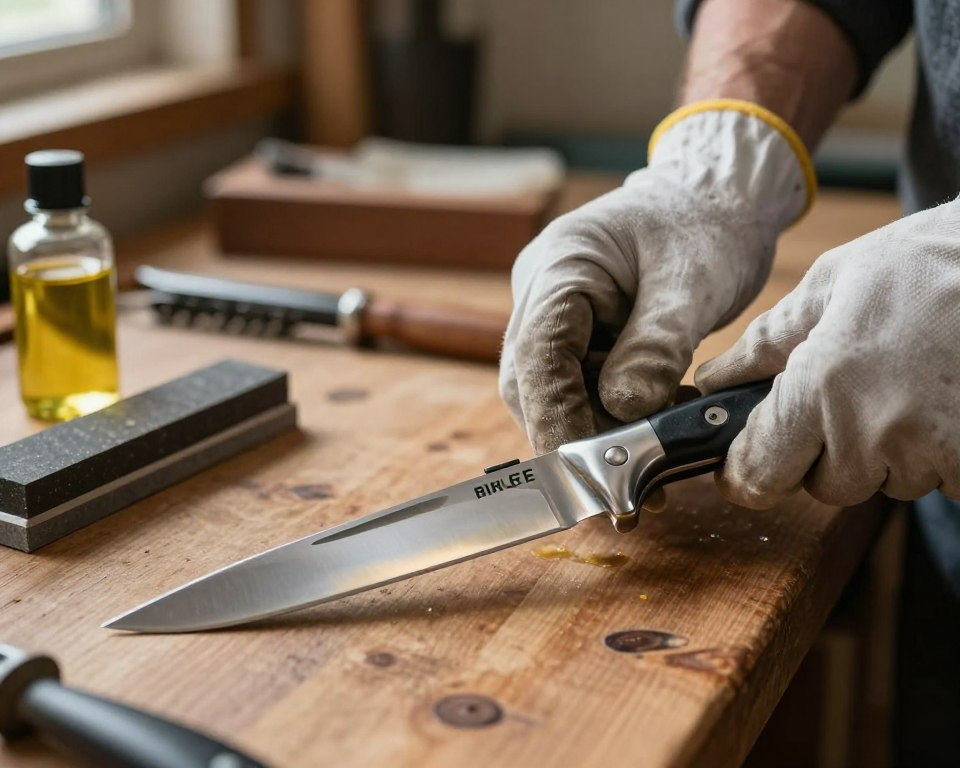
A sharp knife is a safe knife. Regular sharpening maintains the effectiveness of your Hattori SOG Knife. You can use a whetstone or a sharpening steel for this purpose.

Sharpening Method Tools Required Skill Level
Whetstone Whetstone, sharpening oil Intermediate
Sharpening Steel Sharpening steel Beginner

Storage Tips for Longevity

Proper storage is crucial for maintaining your Hattori SOG Knife. Store it in a dry place, away from direct sunlight. Consider using a protective sheath or case to prevent damage.

Additional Tips:

  • Avoid storing the knife in a humid environment.
  • Keep the knife out of reach of children.
  • Regularly inspect the knife for signs of wear.

By following these care and maintenance tips, you can ensure your Hattori SOG Knife remains in excellent condition, ready for your next adventure. The price of a Hattori SOG Knife is an investment in quality, and with proper care, it will provide years of reliable service.

Customer Reviews and Testimonials

Customer reviews and testimonials reveal the Hattori SOG Knife’s impact on outdoor enthusiasts, who appreciate its durability and versatility. As a testament to its quality, many users have come to regard the Hattori SOG Knife as a collector’s item, cherished not only for its functionality but also for its craftsmanship.

Positive Feedback from Outdoor Enthusiasts

Outdoor enthusiasts have praised the Hattori SOG Knife for its exceptional performance in various conditions. One user noted,

“The Hattori SOG Knife has been my go-to tool for camping and hiking. Its edge retention is impressive, and it has withstood harsh weather conditions without any issues.”

Another enthusiast shared,

“I’ve used my Hattori SOG Knife for years, and it still looks and performs like new. The quality is top-notch, making it a valuable addition to my outdoor gear.”

Common Concerns and Suggestions

While the majority of feedback is positive, some users have suggested areas for improvement. Common concerns include the knife’s weight and the desire for additional features such as a serrated edge. However, these concerns are often outweighed by the knife’s overall performance and reliability.

  • Some users find the knife slightly heavier than expected.
  • A few have suggested adding a serrated edge for increased versatility.
  • Overall, users appreciate the knife’s durability and edge retention.

Comparison with Competitor Knives

When compared to other knives in its class, the Hattori SOG Knife stands out for its quality and craftsmanship. Users have noted that while competitor knives may offer similar features, they often lack the same level of durability and attention to detail.

Feature Hattori SOG Knife Competitor Knife
Blade Material High-carbon steel Stainless steel
Edge Retention Excellent Good
Weight Moderate Lightweight

hattori sog knife collector's item

In conclusion, customer reviews and testimonials highlight the Hattori SOG Knife’s strengths as a reliable and high-quality tool for outdoor enthusiasts. Its durability and performance make it a valuable asset for any outdoor adventure.

The Role of Hattori SOG Knives in Survival Situations

Survival often depends on having the right equipment, and the Hattori SOG Knife is designed to meet the demands of harsh outdoor conditions. Its durability and performance make it an essential tool for outdoor enthusiasts who find themselves in survival situations.

Essential Functions for Survival

The Hattori SOG Knife is engineered with several key features that make it invaluable in survival scenarios. Its robust blade is designed for a variety of tasks, from cutting branches to hunting. The knife’s ergonomic handle ensures a secure grip, even in wet conditions, allowing for precise control.

Some of the essential functions include:

  • Cutting and slashing
  • Hunting and preparing game
  • Self-defense
  • Crafting shelter and tools

As noted by survival experts, “A good knife is the backbone of any survival kit.” The Hattori SOG Knife embodies this principle with its high-quality construction and versatility.

“A knife is not just a tool; it’s a lifeline in the wilderness.”

— John ‘Lofty’ Wiseman, SAS Survival Handbook

User Stories from Outdoor Adventures

Outdoor enthusiasts who have used the Hattori SOG Knife in survival situations often praise its reliability and performance. One user shared a story of how the knife helped them cut through thick vines to create a makeshift shelter during a sudden rainstorm.

User Scenario Hattori SOG Knife Feature Benefit
Cutting vines for shelter Sharp, durable blade Quick and efficient task completion
Hunting and preparing game Ergonomic handle Secure grip and precise control
Self-defense Robust construction Reliability in critical situations

Expert Advice for Survival Gear

Experts recommend including a high-quality knife like the Hattori SOG in any survival kit. They emphasize the importance of a knife’s durability, ease of use, and versatility in survival situations.

In conclusion, the Hattori SOG Knife is a vital component of any outdoor enthusiast’s survival gear, offering a combination of durability, performance, and versatility that is hard to match.

Innovations in Hattori SOG Knives

As a testament to their commitment to excellence, Hattori continues to push the boundaries of knife design and functionality. The brand’s dedication to innovation is evident in its incorporation of the latest technological advancements and high-quality materials.

Latest Technological Advancements

Hattori SOG knives have seen significant improvements with the integration of modern technologies. One of the key advancements is the use of advanced steel alloys that enhance the durability and edge retention of the knives. Additionally, Hattori has adopted precision forging techniques that allow for more intricate designs and stronger blades.

The use of technology has also enabled Hattori to improve the ergonomics of their knives. Handles are now designed with ergonomic contours and textured grips to provide comfort and control during use. This attention to detail ensures that Hattori SOG knives are not only functional but also comfortable to hold and use.

Materials That Enhance Performance

The choice of materials is crucial in determining the performance of a knife. Hattori SOG knives utilize high-carbon stainless steel for their blades, which offers a balance between hardness and corrosion resistance. This material choice ensures that the knives remain sharp and resistant to rust, even in harsh outdoor conditions.

Material Properties Benefits
High-Carbon Stainless Steel Hardness, Corrosion Resistance Sharpness, Durability
Advanced Steel Alloys Strength, Edge Retention Long-Lasting Performance
Ergonomic Materials Comfort, Grip Reduced Fatigue

hattori sog knife quality

Future Developments in Knife Design

Looking ahead, Hattori is expected to continue its trend of innovation. Potential future developments may include the integration of new materials and design technologies that further enhance the performance and usability of their knives. As outdoor enthusiasts, we can expect Hattori SOG knives to remain at the forefront of knife design, offering products that meet the evolving needs of adventurers and professionals alike.

The origin of Hattori SOG knives, rooted in Japanese craftsmanship, combined with modern technological advancements, positions them as a leader in the industry. Understanding the hattori sog knife origin and the quality that goes into each knife helps appreciate the value they bring to outdoor enthusiasts.

Hattori SOG Knife Community

Joining the Hattori SOG Knife community opens up a world of shared knowledge, experiences, and adventures. As outdoor enthusiasts, we value the camaraderie and expertise that comes with being part of a community that appreciates high-quality gear like Hattori SOG Knives.

Online Forums and Discussion Groups

The internet is abuzz with online forums and discussion groups dedicated to Hattori SOG Knives. These platforms are invaluable resources for both new and seasoned owners, offering a space to ask questions, share experiences, and learn from others. When looking for a hattori sog knife review, these forums can provide candid feedback from users who have put their knives through various outdoor tasks.

Some popular online forums include specialized outdoor gear discussion boards and social media groups focused on knives and camping equipment. These online communities are great places to connect with other enthusiasts and stay updated on the latest hattori sog knife for sale announcements.

Connecting with Other Outdoor Lovers

One of the joys of being part of the Hattori SOG Knife community is the opportunity to connect with like-minded individuals who share a passion for the outdoors. Whether it’s through local meetups, outdoor events, or online gatherings, connecting with other Hattori SOG Knife owners can enhance your appreciation for the knife and open up new adventures.

Many owners have reported forming lasting friendships and learning new skills through their involvement in the community. For instance, experienced users often share tips on knife maintenance and usage, helping newcomers get the most out of their Hattori SOG Knives.

Sharing Experiences and Tips

Sharing your experiences and tips with the Hattori SOG Knife community not only helps others but also enriches your own understanding and appreciation of your knife. Whether it’s a story of how your knife performed in a challenging situation or advice on how to sharpen it effectively, your contributions are valuable to the community.

Here’s a summary of common topics discussed within the Hattori SOG Knife community:

Topic Description Frequency of Discussion
Knife Maintenance Tips on cleaning, sharpening, and storing Hattori SOG Knives High
Outdoor Uses Sharing experiences of using Hattori SOG Knives in various outdoor activities High
Comparisons Comparisons with other knife brands and models Medium
Purchase Advice Guidance for those looking to buy a Hattori SOG Knife, including where to find a hattori sog knife for sale Medium

By engaging with the Hattori SOG Knife community, you’re not only enhancing your own experience with the knife but also contributing to a collective knowledge base that benefits all members. Whether you’re looking for a hattori sog knife review or simply want to share your story, the community welcomes you.

Where to Buy Hattori SOG Knives

The authenticity and quality of Hattori SOG Knives can be ensured by purchasing from the right sources. As a collector or outdoor enthusiast, it’s crucial to know where to find these exceptional knives.

Authorized Retailers and Distributors

To guarantee the genuineness of your Hattori SOG Knife, it’s advisable to purchase from authorized retailers and distributors. These sellers are vetted by the manufacturer and provide products that are covered under warranty. Authorized retailers often have a wide range of models available, including limited editions that might be highly sought after by collectors.

Some benefits of buying from authorized retailers include:

  • Authentic products
  • Warranty coverage
  • Access to a wide range of models
  • Expert advice from knowledgeable staff

Online Purchase Options

In today’s digital age, online platforms have become a convenient way to purchase Hattori SOG Knives. Many authorized retailers have online stores, and there are also reputable online marketplaces where you can find these knives. When buying online, it’s essential to verify the seller’s ratings and reviews to ensure you’re purchasing from a trustworthy source.

Online purchases offer several advantages, including:

  1. Convenience of shopping from anywhere
  2. Ability to compare prices across different sellers
  3. Access to customer reviews and ratings

When considering an online purchase, keep an eye out for competitive hattori sog knife prices and be wary of deals that seem too good to be true, as they might indicate counterfeit products.

Local Outdoor Stores

For those who prefer a more traditional shopping experience, local outdoor stores are another viable option. These stores often carry a selection of Hattori SOG Knives and can offer personalized service and advice from staff who are familiar with the products.

Visiting a local store allows you to inspect the knives in person, which can be particularly important for collectors or those looking for a specific model. Additionally, staff can provide valuable insights into the different models and their uses, helping you make an informed decision.

Whether you’re looking to add a Hattori SOG Knife to your collection or seeking a reliable tool for outdoor adventures, being mindful of where you make your purchase is key to ensuring you acquire a genuine hattori sog knife collector’s item or a functional outdoor tool.

Conclusion: Making the Right Choice

The Hattori SOG Knife is a valuable companion for outdoor enthusiasts, offering a range of benefits that enhance their adventures. With its high-quality construction and versatile design, this knife is well-suited for various outdoor tasks.

Key Benefits Summary

The hattori sog knife quality stands out due to its durable blade material and ergonomic handle design. Its lightweight construction makes it ideal for hiking and other outdoor activities.

Final Considerations

When choosing a hattori sog knife, consider the specific needs of your outdoor adventures. Evaluate the knife’s features and ensure they align with your requirements.

Embracing the Adventure

With a Hattori SOG Knife by your side, you’re ready to embark on your next outdoor adventure with confidence. Its reliability and performance will prove to be a valuable asset in various situations.

Where is the Hattori SOG knife origin located?

Every genuine Hattori SOG knife has its origin in Seki City, Japan, the historical heart of Japanese sword and knife making. These blades were handcrafted or overseen by the master smith Ichiro Hattori.

Why is the Hattori SOG knife considered a collector’s item?

It is a highly sought-after collector’s item because many of the original SOG models produced by Hattori are no longer in production. The combination of limited availability and the legendary status of Ichiro Hattori drives its value among enthusiasts.

What can I expect regarding a Hattori SOG knife price?

The price typically reflects its premium status. Depending on the model and condition (especially for vintage SOG collaborations), prices can range from a few hundred dollars to well over a thousand for rare Damascus versions.

Is there a specific Hattori SOG knife review I should look for before buying?

I recommend looking for reviews that focus on long-term field use. Most reviews highlight the exceptional edge retention and the “hand-fitted” feel of the handle, which are hallmarks of Hattori’s work for SOG Specialty Knives.

How would you describe the overall Hattori SOG knife quality?

The quality is world-class. Unlike mass-produced modern knives, these pieces feature hand-ground blades and precision-fitted components. I consider them to be “semi-custom” because of the high level of manual labor involved in their creation.

Where can I find a Hattori SOG knife for sale today?

You can find them through specialized Japanese cutlery exporters, high-end knife retailers, or secondary markets like eBay and collector forums. Always look for the “Seki” mark to ensure authenticity.

Hattori Paring Knife: Precision Cutting for Your Kitchen


I have always believed that a successful dish begins with the right preparation. In my journey through various culinary styles, I have learned that premium kitchen tools are essential. The Hattori paring knife stands out as a prime example of Japanese craftsmanship.

This specific blade boasts precision cutting and balance. I use it for delicate tasks like deveining shrimp or scoring dough. The sharpness allows me to work quickly without compromising on accuracy or safety.

Both professional chefs and home enthusiasts appreciate the legacy behind these items. The high-carbon steel ensures that the edge remains functional for a long time. Owning one of these means I can focus more on my creativity and less on the effort.

It is truly an investment in quality that makes daily meal prep a joy. I recommend these kitchen tools to anyone looking to upgrade their current collection.

Key Takeaways

  • Exceptional sharpness designed for intricate and delicate kitchen tasks.
  • Handcrafted quality representing a long tradition of Japanese excellence.
  • Enhanced control and balance suitable for both home cooks and professionals.
  • Durable high-carbon steel construction that maintains a keen edge longer.
  • Ergonomic design that provides comfort during extended periods of use.
  • Versatile functionality for peeling, slicing, and decorative garnishing.

The Essence of the Hattori Paring Knife

The Hattori paring knife is a testament to the rich history and exceptional craftsmanship of Hattori knives. As a renowned brand in the world of culinary arts, Hattori has been synonymous with quality and precision.

To understand the essence of the Hattori paring knife, it’s essential to delve into the history of Hattori knives. The brand’s legacy is built on a foundation of tradition and innovation, with a story that spans generations.

A Brief History of Hattori Knives

Hattori knives have a storied past, with their origins tracing back to the early 20th century. The Hattori family’s dedication to crafting high-quality knives has been a constant driving force behind the brand’s success. Master Ichiro Hattori, the Grand Master of the Hattori family, continues to be involved in the knife-making process, ensuring that every Hattori knife meets the highest standards of quality.

The family’s commitment to excellence is evident in every detail of their knives, from the selection of materials to the final sharpening process. This meticulous attention to detail has earned Hattori knives a reputation for being among the finest in the world.

Craftsmanship Behind the Blade

The craftsmanship that goes into making a Hattori paring knife is truly exceptional. Each knife is crafted with precision and care, using traditional techniques that have been passed down through generations. The result is a knife that not only performs exceptionally but also tells a story of heritage and tradition.

The high-quality Hattori paring knife is a reflection of the brand’s commitment to excellence. From the high-carbon steel used in the blade to the ergonomic design of the handle, every aspect of the knife is designed to provide the user with a superior cutting experience.

In conclusion, the Hattori paring knife is more than just a kitchen tool; it’s a piece of art that embodies the history, tradition, and craftsmanship of the Hattori brand. Whether you’re a professional chef or a home cook, the Hattori paring knife is an indispensable addition to your kitchen arsenal.

Why Choose a Paring Knife for Your Kitchen?

A paring knife, like the Hattori, is not just a simple cutting tool; it’s a key to unlocking a world of culinary possibilities. Its compact size and sharp edge make it an indispensable asset for a variety of kitchen tasks.

“A good paring knife is like an extension of your hand,” says many a seasoned chef, highlighting its importance in precision cutting and delicate food preparation.

Versatility in Food Preparation

The Hattori paring knife excels in its versatility, allowing for a range of tasks from peeling and coring fruits and vegetables to more intricate cutting jobs. Its agility in handling small, detailed work makes it a favorite among chefs and home cooks alike.

Key tasks where the Hattori paring knife shines include:

  • Peeling and coring apples and pears
  • Trimming fat from meats
  • Creating garnishes for dishes
  • Precision cutting of herbs and vegetables

Precision for Intricate Tasks

Precision is paramount in cooking, and the Hattori paring knife delivers with its finely sharpened edge. It allows for the precise cuts needed for intricate recipes, making it an essential tool for both professional chefs and serious home cooks.

The precision offered by the Hattori paring knife is not just about the knife itself but also about the confidence it instills in the cook, enabling them to tackle complex recipes with ease.

By incorporating a Hattori paring knife into your kitchen arsenal, you’re not just adding another tool; you’re enhancing your ability to prepare a wide range of dishes with precision and finesse.

Key Features of the Hattori Paring Knife

The Hattori Paring Knife stands out in the kitchen with its exceptional craftsmanship and attention to detail. This knife is designed to provide a superior cutting experience, making it an essential tool for both professional chefs and home cooks.

The Hattori Paring Knife’s excellence can be attributed to several key features that set it apart from other knives in the market. These features not only enhance its performance but also contribute to its durability and user comfort.

High-Quality Steel Composition

One of the standout features of the Hattori Paring Knife is its high-quality steel composition. Made from premium materials like VG-10 steel, this knife is known for its sharpness, durability, and resistance to corrosion. The use of high-quality steel ensures that the knife remains sharp for a longer period, reducing the need for frequent sharpening.

VG-10 steel, in particular, is a popular choice among knife manufacturers due to its excellent balance of hardness and flexibility. This results in a blade that is not only sharp but also less prone to chipping or breaking.

Steel Type Sharpness Durability Corrosion Resistance
VG-10 Excellent High Good
Stainless Steel Good Medium Excellent
High Carbon Steel Excellent High Poor

Ergonomic Handle Design

The Hattori Paring Knife also boasts an ergonomic handle design that provides comfort and control during use. The handle is crafted to fit comfortably in the hand, reducing fatigue and strain even during extended use.

“A good knife is not just about the blade; the handle is equally important for a comfortable cutting experience.”

A renowned chef

The ergonomic design of the handle ensures that the knife feels like an extension of the user’s hand, allowing for precise control and maneuverability.

Attention to Detail in Blade Sharpening

Another key feature of the Hattori Paring Knife is its precision sharpening. The blade is sharpened to a fine edge, ensuring that it cuts through ingredients with ease and precision.

  • The sharpening process involves meticulous attention to detail to achieve a razor-sharp edge.
  • The precision sharpening enhances the knife’s performance, making it ideal for intricate cutting tasks.

In conclusion, the Hattori Paring Knife’s high-quality steel composition, ergonomic handle design, and attention to detail in blade sharpening make it a superior choice for anyone looking to elevate their kitchen experience.

How to Use a Hattori Paring Knife Effectively

The Hattori Paring Knife is a valuable tool in any kitchen, and knowing how to use it effectively can make a significant difference. Whether you’re a home cook or a professional chef, mastering the techniques for using this knife can enhance your food preparation experience.

Basic Cutting Techniques

To start using your Hattori Paring Knife, it’s essential to learn the basic cutting techniques. Proper grip and knife handling are fundamental. Hold the knife with a firm, but not overly tight, grip, allowing for precision and control. The pinch grip, where you hold the blade between your thumb and index finger, is recommended for its stability and maneuverability.

Begin with simple tasks such as peeling fruits and vegetables, or coring and trimming. The paring motion, which involves gently cutting away the skin or unwanted parts, is a basic technique that requires practice to master. As you become more comfortable, you can move on to more intricate cuts.

Hattori Paring Knife cutting techniques

Advanced Techniques for Professionals

For professional chefs, the Hattori Paring Knife offers the opportunity to refine their craft with advanced techniques. One such technique is the tourne cut, which involves cutting vegetables into uniform, oblong shapes. This not only enhances the presentation of dishes but also ensures even cooking.

Another advanced technique is the use of the paring knife for decorative cuts. By making precise, intricate cuts, chefs can create garnishes and add a touch of elegance to their dishes. The Hattori Paring Knife’s sharpness and precision make it ideal for such detailed work.

To further enhance your skills, consider practicing various cuts and techniques regularly. This will not only improve your proficiency with the Hattori Paring Knife but also expand your repertoire in the kitchen.

Maintaining Your Hattori Paring Knife

A well-maintained Hattori Paring Knife is a chef’s best friend, and I’m here to guide you through the process. Proper maintenance not only extends the life of your knife but also ensures it continues to perform at its best. In this section, we’ll delve into the essential practices for keeping your Hattori Paring Knife in top condition.

Proper Cleaning Techniques

Cleaning your Hattori Paring Knife is the first step in its maintenance. It’s essential to clean the knife immediately after use to prevent any food residue from drying onto the blade. Use mild soap and warm water, and gently scrub the blade with a soft sponge. Avoid using abrasive materials or harsh chemicals that could damage the knife’s finish or harm its edge.

After cleaning, dry the knife thoroughly to prevent rust. This is particularly important for high-carbon steel knives, as they are more prone to rust. Store your knife in a dry place, away from other utensils that could cause it to become damaged.

Sharpening and Honing Tips

Sharpening and honing are critical for maintaining the edge of your Hattori Paring Knife. Sharpening removes metal from the blade to create a new edge, while honing realigns the existing edge. For most users, honing is a more frequent task than sharpening.

To hone your Hattori Paring Knife, use a honing steel with a few light strokes on each side of the blade. This process should be done regularly, ideally before each use, to maintain the knife’s sharpness. For sharpening, you can use a whetstone or consider professional sharpening services for optimal results.

  • Start with a coarse grit whetstone (about 1000) for sharpening.
  • Progress to finer grits (up to 6000 or more) for polishing the edge.
  • Use a consistent angle and light pressure to avoid damaging the blade.

Comparing Hattori Paring Knife with Other Brands

When it comes to paring knives, the Hattori Paring Knife stands out among its competitors due to its exceptional quality and precision. As a tool that is indispensable in both professional and home kitchens, the Hattori Paring Knife’s value becomes evident when compared to other brands in the market.

The Hattori Paring Knife is crafted with high-quality steel and designed with an ergonomic handle, making it a preferred choice among chefs. Let’s delve into its advantages over other brands and analyze its price in relation to its quality.

Advantages over Competitors

The Hattori Paring Knife offers several advantages that set it apart from its competitors. Some of these advantages include:

  • Superior Sharpness: The Hattori Paring Knife is known for its razor-sharp edge, which is a result of meticulous sharpening techniques.
  • Durability: Made from high-carbon steel, it resists corrosion and maintains its sharpness over time.
  • Ergonomic Design: The handle is designed to fit comfortably in the hand, reducing fatigue during prolonged use.

Hattori Paring Knife comparison

Price vs. Quality Analysis

When evaluating the Hattori Paring Knife, it’s essential to consider its price in relation to its quality. While it may be priced higher than some of its competitors, the quality and performance it offers justify the investment.

A comparison of the Hattori Paring Knife with other brands reveals that its price is competitive, especially considering its durability and the fact that it requires less frequent sharpening. Here’s a brief comparison:

Brand Price Material Sharpness Retention
Hattori $50-$70 High-Carbon Steel Excellent
Brand X $30-$50 Stainless Steel Good
Brand Y $70-$100 High-Carbon Steel Excellent

In conclusion, the Hattori Paring Knife offers a compelling blend of quality, performance, and price, making it a worthwhile investment for anyone looking to enhance their kitchen tools.

Customer Reviews and Testimonials

The true test of any kitchen tool lies in its real-world application, as reflected in customer reviews and testimonials. The Hattori Paring Knife has been put to the test by both professional chefs and home cooks, and their feedback is invaluable in understanding its performance and quality.

What Chefs Say About the Hattori Paring Knife

Professional chefs praise the Hattori Paring Knife for its precision cutting and ergonomic design. “This knife has become an essential tool in my kitchen. The balance and sharpness are exceptional.” – Chef James, a renowned culinary expert. Many chefs appreciate the knife’s ability to handle intricate tasks with ease, making it a valuable asset for any serious culinary professional.

Some of the common praises from chefs include the knife’s durability and the quality of its craftsmanship. The attention to detail in the Hattori Paring Knife is evident in its performance.

Home Cook Experiences

Home cooks also have positive experiences with the Hattori Paring Knife, citing its ease of use and versatility.

“I was amazed at how easily I could chop and slice vegetables with this knife. It’s now my go-to tool for meal prep.”

– Emily, home cook. The ergonomic handle is particularly appreciated by home cooks who are new to using high-quality knives.

Feature Chef Feedback Home Cook Feedback
Precision Cutting Excellent for intricate tasks Easy to use for everyday chopping
Ergonomic Design Comfortable for extended use Reduces fatigue during meal prep
Durability Withstands heavy use Maintains sharpness over time

Overall, the Hattori Paring Knife has received positive feedback from both professional chefs and home cooks, highlighting its quality, performance, and versatility in the kitchen.

Where to Buy Your Hattori Paring Knife

The Hattori Paring Knife is a valuable addition to any kitchen, and I’m here to guide you on where to purchase it. With its growing popularity, the knife is now available through various channels, both online and offline.

Recommended Online Stores

For those who prefer the convenience of online shopping, several reputable stores offer the Hattori Paring Knife. Some of the top online retailers include:

  • Amazon – Known for its wide selection and competitive pricing, Amazon offers a seamless shopping experience.
  • Williams-Sonoma – This premium retailer carries a range of Hattori knives, including the paring knife, and often provides excellent customer service.
  • Sur La Table – Specializing in cookware and kitchen tools, Sur La Table is another trusted source for purchasing Hattori knives online.

When shopping online, ensure that you’re buying from authorized dealers to avoid counterfeit products. Look for the “Authorized Dealer” or “Official Store” label on the retailer’s website.

Local Retail Options

If you prefer to shop in person or need the knife for immediate use, consider visiting local retailers that specialize in kitchenware or Japanese knives. These stores often carry a selection of Hattori knives and can offer expert advice on choosing the right knife.

Some benefits of buying from local retailers include:

  • The ability to inspect the knife before purchasing.
  • Personalized service from knowledgeable staff.
  • No shipping costs or wait times.

To find local retailers that carry Hattori knives, you can check online directories or visit specialty kitchen stores in your area.

Conclusion: Is the Hattori Paring Knife Worth It?

Investing in a Hattori Paring Knife is a decision that can elevate your cooking experience with its exceptional craftsmanship. Throughout this article, we’ve explored the various aspects that make this knife a standout in the culinary world.

The top-rated Hattori paring knife is not just a tool; it’s an investment in quality that promises durability and performance. Its high-quality steel composition and ergonomic handle design make it a joy to use for both professionals and home cooks.

Final Thoughts on Investment in Quality

When considering investment in quality, it’s essential to look at the long-term benefits. The Hattori Paring Knife, with its attention to detail in blade sharpening and overall craftsmanship, is designed to last. This durability means that while the initial cost might be higher than some other brands, the knife’s lifespan and consistent performance make it a cost-effective choice in the long run.

Encouragement to Upgrade Your Kitchen Tools

Upgrading your kitchen with a Hattori Paring Knife is a step towards enhancing your cooking experience. Whether you’re a professional chef or a passionate home cook, having the right tools can make a significant difference in your culinary creations. The precision and ease of use offered by this knife can inspire new recipes and techniques, taking your cooking to the next level.

In conclusion, the Hattori Paring Knife is indeed worth the investment for anyone looking to upgrade their kitchen tools. Its blend of quality, performance, and durability makes it a valuable addition to any kitchen, promising to deliver satisfaction and results for years to come.

Frequently Asked Questions about Hattori Knives

The Hattori paring knife, with its precision and durability, is a valuable addition to any kitchen, but it may also come with some queries. As users integrate this tool into their culinary practices, certain questions and concerns commonly arise.

Common Inquiries and Answers

One of the most frequent questions about Hattori paring knives relates to their maintenance. How often should I sharpen my Hattori paring knife? The frequency of sharpening depends on usage, but generally, it’s recommended to sharpen it every few months if used regularly. Another common inquiry is about the material of the blade. Hattori paring knives are made from high-quality steel, ensuring durability and resistance to corrosion.

Is the Hattori paring knife suitable for all types of food preparation? Yes, it is versatile and can be used for a variety of tasks, from peeling fruits and vegetables to intricate cutting tasks. Users also often ask about the comfort and ergonomics of the handle. The ergonomic design of the Hattori paring knife ensures a comfortable grip, reducing fatigue during prolonged use.

Troubleshooting Tips for Users

Despite the high quality of Hattori paring knives, users may occasionally encounter issues. What if my knife becomes dull more quickly than expected? This could be due to improper sharpening techniques or using the knife on hard or frozen foods. To maintain the knife’s edge, it’s essential to sharpen it correctly and avoid cutting through hard materials.

If you notice any rust or discoloration on your Hattori paring knife, it’s crucial to address it promptly. How do I prevent rust on my Hattori paring knife? Ensure the knife is dried thoroughly after washing, and consider applying a small amount of oil to the blade. Regular maintenance will extend the life of your knife and keep it in optimal condition.

By understanding the answers to these common questions and following the troubleshooting tips, users can maximize the performance and longevity of their Hattori paring knife. Whether you’re a seasoned chef or an enthusiastic home cook, having the right knowledge can enhance your overall experience with this valuable kitchen tool.

Additional Resources for Knife Enthusiasts

For those passionate about knives, like myself, delving deeper into the world of knife care and usage can be incredibly rewarding. As we’ve explored the benefits and features of the affordable Hattori paring knife, it’s clear that there’s a wealth of knowledge to uncover.

Recommended Reading

I recommend exploring books that focus on knife maintenance, sharpening techniques, and the art of knife making. These resources can provide valuable insights into the craftsmanship behind high-quality knives like the Hattori paring knife.

Engaging with the Community

Joining online forums and communities dedicated to knife enthusiasts is another great way to expand your knowledge. These platforms allow you to connect with others who share your interests, learn from their experiences, and share your own.

By exploring these additional resources, knife enthusiasts can further enhance their skills and appreciation for the craft, ultimately getting the most out of their affordable Hattori paring knife.

FAQ

What qualities make this the best Hattori paring knife for both professional and home use?

In my professional opinion, what sets the best Hattori paring knife apart is the legendary craftsmanship of Master Ichiro Hattori. By combining high-carbon stainless steels like VG-10 with traditional forging techniques, these knives offer a level of sharpness and balance that is rarely matched. When I use one, the weight distribution and the thinness of the blade allow for effortless precision that defines a high-quality Hattori paring knife.

What are the most significant Hattori paring knife benefits I should expect?

The primary Hattori paring knife benefits include exceptional edge retention and superior control. Because the blades are hand-sharpened by artisans in Seki City, Japan, I find that they stay sharper much longer than mass-produced alternatives. This means less time spent at the whetstone and more time performing intricate tasks like deveining shrimp or scoring delicate pastries with absolute confidence.

Can you describe the standout Hattori paring knife features found in the HD and KD series?

The most impressive Hattori paring knife features include the use of Nickel Damascus steel cladding and Cowry X powder steel cores. I also value the ergonomic handles, often made from durable Linen Bakelite or natural Cocobolo wood, which provide a non-slip grip. These features ensure that the knife performs as a top-rated Hattori paring knife even under the heavy demands of a commercial kitchen.

I am looking for a Hattori paring knife for sale; where is the most reliable place to buy one?

When searching for a Hattori paring knife for sale, I always recommend sticking to authorized dealers to ensure authenticity. Websites like Japanese Chef’s Knife (JCK) are excellent resources for finding genuine products. Because these are handcrafted in limited quantities, finding a high-quality Hattori paring knife sometimes requires checking stock at specialty boutiques like Korin or Chuboknives.

Is there an affordable Hattori paring knife option for someone on a budget?

While “affordable” is subjective for artisan cutlery, the Hattori FH Series (Linen Bakelite) offers incredible value. I consider it an affordable Hattori paring knife because the price-to-performance ratio is outstanding. You receive the same attention to detail and heat treatment from Master Hattori at a price point that is accessible for serious home cooks looking to upgrade their toolkit.

How does a typical Hattori paring knife review compare to other Japanese brands?

Every Hattori paring knife review I have conducted or read emphasizes the “soul” of the blade. Unlike some larger brands that prioritize volume, Hattori focuses on the individual character of each knife. Users consistently rate it as a top-rated Hattori paring knife because of the flawless fit and finish—there are no gaps between the bolster and the handle, and the spine is polished to a mirror-like smoothness.

How should I troubleshoot a dull edge on my high-quality Hattori paring knife?

If your knife loses its “bite,” I suggest avoiding electric sharpeners at all costs. To maintain the integrity of a high-quality Hattori paring knife, you should use a fine-grit Japanese whetstone, such as a King or Shapton 1000/6000 grit combo. This preserves the specific 15-degree angle that makes it the best Hattori paring knife for detailed work.

Okinawa’s Hattori Knives: Blades of Tradition and Innovation


I always look for kitchen tools that balance history with high performance. Finding a traditional hattori knife changed how I prepare meals at home. These tools are not just metal; they represent centuries of Japanese skill and dedication.

Master craftsmen spend hours shaping every edge to ensure it stays sharp. I value the way these hand-forged items feel in my hand during long prep sessions. It makes slicing through tough vegetables feel like a simple task.

Each piece uses durable materials that stand the test of time. I believe that having reliable equipment makes every recipe more enjoyable to create. These blades provide a sense of confidence that helps me master new techniques.

Skilled artisans combine old methods with modern precision. This results in a product that is both incredibly sharp and very strong. I have found that my cooking flow improves when I use tools made with such meticulous care.

Key Takeaways

  • Master artisans handcraft each blade for superior quality.
  • Premium materials ensure long-lasting durability and edge retention.
  • The tools provide a perfect balance of innovation and tradition.
  • Precision cutting makes daily meal preparation more efficient.
  • Reliable construction ensures a safe and comfortable cooking experience.
  • Chefs value these blades for their artistic and functional power.

The Legacy of Hattori Knives in Okinawa

Hattori Knives, founded in 1930, has built a lasting legacy in Okinawa through its relentless pursuit of excellence in knife craftsmanship. With a history spanning decades, the brand has become synonymous with quality and innovation.

Historical Roots of Hattori Knives

The historical roots of Hattori Knives are deeply embedded in the traditions of Japanese sword-making. Although the brand was founded in Seki City, Japan, its influence has spread across the country, including Okinawa. The art of crafting Hattori Knives is a continuation of the centuries-old techniques used in making samurai swords, emphasizing sharpness, durability, and aesthetic appeal.

The evolution of Hattori Knives from traditional sword-making techniques to modern knife craftsmanship is a testament to the brand’s adaptability and commitment to quality. This transition was not merely about changing the form of the product but also about refining the techniques to suit the needs of modern cooks.

Evolution of Craftsmanship

Over the years, Hattori Knives has evolved its craftsmanship to incorporate both traditional methods and modern innovations. The brand’s dedication to using high-quality materials and its relentless pursuit of perfection have made it a trusted name among chefs and home cooks alike. The best Hattori knives are a result of this evolution, combining the precision of traditional craftsmanship with the benefits of modern technology.

A review of Hattori knives reveals a consistent theme: the brand’s ability to balance tradition with innovation. This balance is not accidental but the result of a deliberate effort to stay true to the brand’s heritage while embracing new techniques and materials.

As a result, Hattori Knives has become a staple in many kitchens, not just in Okinawa but around the world. The brand’s legacy is a reflection of its commitment to quality, innovation, and customer satisfaction.

The Crafting Process Behind Hattori Knives

Crafting an authentic Hattori knife involves a meticulous process that honors heritage while embracing modern techniques. The journey of creating these exceptional knives is rooted in tradition, yet it is also influenced by contemporary innovations that enhance their performance and durability.

The process begins with the selection of premium materials, which is crucial for the quality of the final product. Hattori knives are made from high-carbon steels such as VG-10 and reverse Damascus steels. These materials are chosen for their ability to provide excellent sharpness and resistance to corrosion.

Selecting the Best Materials

The choice of material is fundamental to the crafting of Hattori knives. VG-10 steel, for instance, is known for its high carbon content, which allows it to hold a sharp edge and resist corrosion. Reverse Damascus steel, on the other hand, not only offers exceptional sharpness but also presents a visually striking pattern that is unique to each knife.

Material Characteristics Benefits
VG-10 Steel High carbon content, corrosion-resistant Sharpness, durability
Reverse Damascus Steel Pattern-welded, high carbon content Aesthetic appeal, sharpness, durability

Traditional Techniques and Modern Innovations

The crafting of Hattori knives combines traditional Japanese techniques with modern innovations. Artisans employ age-old methods such as hand-forging and hand-sharpening to ensure that each knife meets the highest standards of quality. At the same time, modern technologies are utilized to enhance the performance and longevity of the knives.

As Yoshiaki Hattori, a renowned knife maker, once said,

“A good knife is not just a tool, it’s an extension of the chef’s hand, a partner in the culinary dance.”

This philosophy is reflected in the meticulous attention to detail and the commitment to excellence that characterizes the crafting of Hattori knives.

The integration of traditional techniques with modern innovations is what sets Hattori knives apart. For example, the use of advanced materials and manufacturing processes has improved the durability and performance of the knives, making them more versatile for various culinary tasks.

In conclusion, the crafting process behind Hattori knives is a testament to the blend of tradition and innovation. By selecting the finest materials and employing a combination of traditional techniques and modern technologies, Hattori craftsmen create knives that are not only functional but also works of art.

Types of Hattori Knives

Exploring the types of Hattori Knives reveals a rich assortment that meets the demands of both professional chefs and home cooks. Hattori offers a diverse range of knives, including chef’s knives, Santoku knives, paring knives, and specialty knives, each designed with precision and durability in mind.

The variety in Hattori’s lineup ensures that there’s a knife for every culinary task. Whether you’re preparing intricate dishes or performing everyday kitchen chores, Hattori’s range has got you covered.

Chef Knives: A Culinary Essential

Chef knives are a staple in any kitchen, and Hattori’s offerings are no exception. These knives are designed for heavy-duty use, featuring high-carbon steel blades that retain their sharpness and resist corrosion. A top Hattori knife model, such as their premium chef knife, is a testament to the brand’s commitment to quality and performance.

  • Sharpness and edge retention
  • Durable construction
  • Ergonomic handle design

As a hattori knife expert, I can attest that their chef knives are designed to make chopping, slicing, and mincing a breeze. The balanced weight and comfortable grip make them a joy to use, even during extended cooking sessions.

Utility Knives: Versatility in the Kitchen

Utility knives from Hattori are designed for tasks that require precision and flexibility. These knives are perfect for smaller jobs, such as trimming, coring, and slicing smaller fruits and vegetables.

The key features of Hattori’s utility knives include:

  1. Compact and lightweight design
  2. High-quality stainless steel construction
  3. Sharp, precise edge for detailed work

These knives are a valuable addition to any kitchen, offering the versatility needed for a variety of tasks. Whether you’re a professional chef or a home cook, Hattori’s utility knives are sure to become a trusted companion in your culinary endeavors.

Understanding the Features of Hattori Knives

The features of Hattori knives are a blend of traditional craftsmanship and modern innovation. These knives have gained popularity worldwide due to their exceptional quality and performance. In this section, I will delve into the key features that make Hattori knives stand out.

Blade Design and Performance

The blade design of Hattori knives is a critical factor in their performance. Crafted with precision, these blades are made from high-quality materials that ensure durability and sharpness. The unique design allows for effortless cutting, making them a favorite among chefs.

Key Blade Features:

  • High-carbon steel for enhanced durability
  • Precision sharpening for a razor-sharp edge
  • Ergonomic design for balanced weight

Handle Comfort and Ergonomics

The handle of a Hattori knife is designed with comfort and ergonomics in mind. The materials used are not only durable but also provide a comfortable grip, reducing fatigue during extended use. This attention to detail in handle design is a testament to the craftsmanship of Hattori knives.

Handle Material Comfort Level Durability
Wood High Medium
Synthetic Medium High
Metal Low High

Edge Retention and Maintenance

One of the standout features of Hattori knives is their edge retention. The high-quality materials and precise craftsmanship ensure that the edge remains sharp for a long time. However, to maintain this sharpness, regular maintenance is necessary.

To keep your Hattori knife in optimal condition, it’s recommended to sharpen it regularly and store it safely. Proper care will extend the life of your knife and ensure it continues to perform well.

For those interested in purchasing a Hattori knife, reading a hattori knife review can provide valuable insights into the performance and durability of different models. If you’re ready to make a purchase, you can buy hattori knife online from reputable retailers.

Hattori Knives for Home Cooks

The art of cooking is elevated with the right tools, and Hattori knives are among the best choices for home cooks seeking excellence. For passionate home cooks who appreciate the art of cooking, Hattori knives offer unparalleled quality and ease of use.

Choosing the Right Knife for Your Needs

Selecting the best Hattori knife can be a bit overwhelming given the variety of options available. However, understanding your cooking habits and the tasks you perform most frequently can help narrow down the choices.

For everyday cooking, a versatile chef’s knife is often the go-to choice. Hattori’s chef knives are designed to balance sharpness and durability, making them ideal for chopping, slicing, and mincing ingredients.

Knife Type Primary Use Key Features
Chef’s Knife Chopping, slicing, mincing Balanced sharpness and durability
Utility Knife Precision tasks, smaller ingredients Smaller, more agile blade
Paring Knife Peeling, coring fruits and vegetables Short, curved blade for precision

Tips for Care and Maintenance

To ensure that your Hattori knife remains in optimal condition, regular care and maintenance are crucial. Here are some tips to keep your knife sharp and durable:

  • Hand wash your knife with mild soap and dry immediately to prevent rust.
  • Store your knife in a dry place, ideally in a knife block or on a magnetic strip.
  • Regularly sharpen your knife using a whetstone or sharpening steel.

For those looking to purchase Hattori knives, visiting a reputable Hattori knife store can provide the opportunity to handle the knives and receive expert advice.

Professional Chefs’ Choice: Why They Trust Hattori

Hattori knives have earned the trust of professional chefs globally, thanks to their outstanding quality and innovative designs. For chefs who demand the best, Hattori knives are the perfect choice, offering precision, durability, and exceptional performance in their daily culinary creations.

Performance in High-Pressure Cooking Environments

In high-pressure cooking environments, the performance of a knife can make all the difference. Hattori knives are designed to withstand the rigors of professional kitchens, where they are subjected to intense use. The top Hattori knife models are crafted with high-quality materials and designed to provide exceptional sharpness and durability.

Some key features that contribute to the superior performance of Hattori knives include:

  • High-carbon stainless steel blades that resist corrosion and retain their sharpness
  • Ergonomically designed handles that provide comfort and reduce fatigue
  • Precision-forged blades that ensure a sharp edge and balanced performance

As a hattori knife expert would attest, the attention to detail in Hattori’s craftsmanship is evident in every knife. Whether you’re preparing delicate sashimi or chopping through tough ingredients, Hattori knives deliver the performance and reliability that professional chefs need.

top hattori knife model

The trust that professional chefs place in Hattori knives is a testament to the brand’s commitment to quality and innovation. By choosing Hattori, chefs can focus on what they do best: creating culinary masterpieces with precision and confidence.

The Cultural Significance of Knives in Okinawa

Knives have played a vital role in Okinawan culture, extending beyond their practical use. In Okinawa, the art of knife-making is not just about crafting a tool, but about preserving a piece of history and cultural heritage.

The figure of Hattori Hanzo, whether it’s the historical samurai or the charismatic swordsmith from popular culture, is undoubtedly captivating. This fascination with skilled craftsmen underscores the deep respect for the art of knife-making in Okinawan culture.

Knives as Cultural Artifacts

In Okinawa, traditional Hattori knives are considered cultural artifacts that embody the spirit of the island’s craftsmen. These knives are not just functional items but also symbols of the region’s rich history and traditions.

The craftsmanship that goes into creating a Hattori knife is a testament to the skill and dedication of Okinawan craftsmen. Each knife is a reflection of the region’s cultural identity.

Cultural Significance Aspect of Hattori Knives Reflection in Okinawan Culture
Historical Importance Craftsmanship and Tradition Preservation of Heritage
Symbolism Representation of Skill and Dedication Appreciation for Artisanal Craft
Cultural Identity Unique Designs and Techniques Regional Pride and Identity

The Symbolism of Craftsmanship

The craftsmanship involved in making Hattori knives symbolizes the values of precision, patience, and dedication that are deeply rooted in Okinawan culture. The process of crafting these knives is a meditative art that requires a deep understanding of the materials and techniques involved.

The Hattori knife Okinawa represents a connection to the past while also embracing modern innovations. This blend of tradition and innovation is a hallmark of Okinawan craftsmanship.

Comparing Hattori Knives to Other Brands

Hattori Knives have gained a reputation for excellence, but how do they compare to other brands? To understand their standing in the market, it’s essential to compare Hattori Knives with both Western and Japanese competitors.

Hattori vs. Western Brands

Western brands often have a distinct style and functionality that differs from their Japanese counterparts. When comparing Hattori Knives to Western brands, several factors come into play, including material quality, craftsmanship, and design.

One of the primary differences lies in the materials used. Hattori Knives are known for their high-carbon steel blades, which offer superior sharpness and durability. In contrast, some Western brands may use stainless steel or other materials that, while resistant to corrosion, may not hold an edge as well.

Feature Hattori Knives Western Brands
Blade Material High-Carbon Steel Stainless Steel/Other Materials
Craftsmanship Traditional Japanese Techniques Varied, Often Mechanized
Edge Retention Excellent Good, but Variable

Hattori vs. Japanese Competitors

When comparing Hattori Knives to other Japanese brands, the competition is fierce, as both are known for their high-quality craftsmanship. However, Hattori Knives stand out due to their unique blend of traditional techniques and innovative designs.

Ichiro Hattori, the master craftsman behind Hattori Knives, is particularly renowned for his attention to detail and commitment to quality. This dedication is reflected in the performance and longevity of his knives.

A review of Hattori Knives reveals that their exceptional quality is not just a result of the materials used but also the meticulous craftsmanship that goes into each knife. This attention to detail sets Hattori apart from many competitors, both Japanese and Western.

In conclusion, when comparing Hattori Knives to other brands, it becomes clear that their unique blend of traditional craftsmanship and modern innovation makes them a standout choice for both professional chefs and home cooks.

Purchasing Hattori Knives: What to Know

To ensure you’re getting an authentic Hattori knife, it’s vital to be aware of the authorized sales channels. Hattori knives are renowned for their quality and craftsmanship, making them a significant investment for any serious cook or collector.

When looking to buy a Hattori knife, it’s essential to know where to look. Authorized dealers and reputable retailers are the best sources for genuine products. You can find Hattori knives through specialty kitchenware stores, online marketplaces, and directly through the official Hattori website.

Where to Buy Authentic Hattori Knives

Authentic Hattori knives can be purchased through various channels. Here are some of the most reliable sources:

  • Official Hattori Website: Buying directly from the official Hattori website ensures that you’re getting a genuine product.
  • Authorized Dealers: Hattori has a list of authorized dealers who sell their products. These dealers are vetted and guaranteed to provide authentic Hattori knives.
  • Specialty Kitchenware Stores: Many specialty kitchenware stores carry Hattori knives. These stores often have knowledgeable staff who can help you choose the right knife.
  • Reputable Online Retailers: Online retailers like Amazon or other kitchenware-focused websites often carry Hattori knives. Be sure to check the seller’s ratings and reviews to ensure you’re buying from a reputable source.

As Chef Kenji Lopez-Alt once said, “A good knife is not just a tool, it’s an extension of your hand.” Choosing the right Hattori knife can elevate your cooking experience. When purchasing online, make sure to read reviews and check the seller’s ratings.

Recognizing Genuine Hattori Products

To avoid counterfeit products, it’s crucial to know how to recognize genuine Hattori knives. Here are some tips:

Feature Genuine Hattori Knives Counterfeit Knives
Logo and Branding Clear, precise logo and branding Fuzzy, misspelled, or missing logo
Materials and Craftsmanship High-quality materials, precise craftsmanship Poor materials, sloppy craftsmanship
Packaging Proper packaging with instructions and warranty information Poor or missing packaging

By being aware of these differences, you can ensure that you’re purchasing a genuine Hattori knife. Remember, a genuine Hattori knife is an investment in your cooking and a testament to the craftsmanship of Okinawan bladesmiths.

buy hattori knife online

When buying a Hattori knife, take your time, and don’t hesitate to reach out to the seller if you have any questions. With the right knowledge and a bit of patience, you can find the perfect Hattori knife to suit your needs.

The Future of Hattori Knives

Hattori Knives stands at the forefront of culinary innovation, merging traditional craftsmanship with modern advancements. As a renowned Hattori knife expert, I can attest that the brand’s commitment to quality and tradition is unwavering. The Satake family, behind Hattori Knives, continues to blend the legacy of the past with the innovation of the future, maintaining the high standards expected of a premium blade.

Hattori Knives’ journey into the future is marked by two significant areas of focus: innovation in blade technology and sustainability in craftsmanship.

Innovation in Blade Technology

The innovation in blade technology is a critical aspect of Hattori Knives’ future. By integrating modern materials and techniques, Hattori is able to produce knives that are not only sharper and more durable but also more versatile. Some of the advancements include:

  • Development of new steel alloys that offer improved edge retention and corrosion resistance.
  • Enhanced heat treatment processes that optimize the blade’s hardness and flexibility.
  • Incorporation of ergonomic design principles to improve handle comfort and usability.

These innovations ensure that Hattori Knives remain a top choice among chefs and home cooks alike, offering a top Hattori knife model for every need.

Sustainability in Craftsmanship

Sustainability is becoming increasingly important in the world of craftsmanship, and Hattori Knives is no exception. The brand is exploring ways to reduce its environmental footprint while maintaining its traditional craftsmanship. This includes:

  1. Sourcing materials from suppliers who adhere to sustainable practices.
  2. Implementing energy-efficient processes in their manufacturing facilities.
  3. Creating products that are built to last, reducing the need for frequent replacements.

By focusing on sustainability, Hattori Knives not only contributes to a healthier planet but also ensures the longevity of its craft, making it a leader in the industry.

Customer Reviews and Testimonials

The true measure of a Hattori knife’s value lies in the experiences of those who wield them daily. For many chefs and home cooks, Hattori knives have become an integral part of their culinary journey.

Owning a Hattori knife has transformed my culinary experience,” shares Chef Naomi Tanaka. “The precision and balance of these knives are unmatched, making every chop, slice, and dice a joy. This sentiment is echoed by numerous customers who praise Hattori knives for their exceptional craftsmanship and performance.

Why Users Love Hattori Knives

Users love Hattori knives for several reasons. Firstly, the precision and balance of these knives make them a pleasure to use. The attention to detail in the crafting process ensures that each knife is not only functional but also a work of art.

Many customers have reported that Hattori knives have improved their cooking techniques. The sharpness and durability of the blades allow for precise cuts, making food preparation more efficient and enjoyable.

Common Themes in Customer Feedback

Upon examining customer reviews, several common themes emerge. Users consistently praise the durability and sharpness of Hattori knives. The ergonomic design of the handles is also frequently commended, as it provides comfort during extended use.

Another common theme is the emotional connection users develop with their Hattori knives. Many customers report feeling a sense of pride and satisfaction when using their Hattori knives, which enhances their overall cooking experience.

In conclusion, customer reviews and testimonials highlight the exceptional quality and performance of Hattori knives. Whether you’re a professional chef or a home cook, Hattori knives are a valuable addition to any kitchen, offering a blend of tradition, innovation, and culinary excellence.

Conclusion: The Lasting Impact of Hattori Knives

Holding a Hattori knife is like turning the pages of a living history book, one that embodies the spirit of Okinawa’s rich culinary heritage. The traditional Hattori knife, with its exceptional craftsmanship, continues to play a vital role in kitchens around the world.

The Hattori knife from Okinawa is more than just a kitchen tool; it represents a legacy of tradition and innovation. As seen in the Satake Damascus knife, which carries the essence of Seki and the Satake family’s centuries-old knowledge, Hattori Knives embody a deep-rooted history and a commitment to excellence.

Pioneering the Future

By embracing tradition while pioneering innovation, Hattori Knives remains at the forefront of culinary culture. Their dedication to quality and craftsmanship ensures that every knife is not only functional but also a work of art, reflecting the soul of Okinawan tradition.

The impact of Hattori Knives extends beyond Okinawa, influencing culinary practices globally. As a testament to their enduring legacy, Hattori Knives continue to be cherished by chefs and home cooks alike, symbolizing a perfect blend of heritage and innovation.

FAQ

Where can I find a hattori knife okinawa and what makes it unique?

I have found that the hattori knife okinawa represents a specialized intersection of mainland Japanese forging traditions and the unique culinary requirements of the Ryukyu Islands. While the forge is centered in Seki, these knives are a staple in high-end Okinawan kitchens because they masterfully blend traditional hattori knife aesthetics with a level of corrosion resistance that is essential for coastal environments.

What is considered the best hattori knife for a professional kitchen?

In my professional opinion, the best hattori knife for a high-pressure environment is the Hattori FH Series. These knives are crafted from VG-10 Cobalt Steel, providing a level of durability and edge retention that I believe is unmatched by most mass-produced Western alternatives.

How can I ensure I am purchasing an authentic hattori knife?

To guarantee you are holding an authentic hattori knife, I always advise checking the blade for the signature “Hattori” mark. Because Ichiro Hattori is a legendary craftsman, his work is often imitated; therefore, I only trust products that come with original Japanese packaging and certification from recognized masters.

Where is the most reliable place to buy hattori knife online?

When you are ready to buy hattori knife online, I recommend visiting specialized retailers like JapaneseChefsKnife (JCK). They act as a primary hattori knife store and have a long-standing relationship with the Hattori forge, ensuring you receive a genuine tool rather than a generic substitute.

What should I look for in a hattori knife review before making a purchase?

A quality hattori knife review should focus on the “out-of-the-box” sharpness and the balance of the top hattori knife model in question. I suggest looking for feedback regarding the Hattori HD Series, specifically noting how the Damascus steel cladding affects food release during intensive prep work.

Who can I consult if I want to speak with a hattori knife expert?

If you need deep technical insight, I recommend reaching out to a hattori knife expert at JCK, such as Koki Iwahara. He has spent years documenting the evolution of these blades and can provide detailed information on the specific heat treatment processes that make these knives so resilient.

Which is the top hattori knife model for a home cook?

For daily use in a home setting, I believe the top hattori knife model is the Hattori FH Series 210mm Gyuto. It offers a versatile length and a Western-style handle that I find provides incredible comfort for those who are not yet accustomed to traditional Japanese wa-handles.

How do I maintain the edge of a traditional hattori knife?

Maintaining a traditional hattori knife requires the use of high-quality whetstones rather than honing rods. I have found that starting with a 1000-grit stone for sharpening and finishing with a 6000-grit stone preserves the exceptional edge retention that the Hattori brand is famous for globally.

Buy Hattori Knives on eBay: High-Quality Japanese Blades


I have always believed that every home cook deserves a professional tool that feels both strong and reliable. My recent search for hattori damascus knives on eBay opened a new world of culinary possibilities for me. These items come from skilled masters who value high precision and the beauty of traditional art.

Each piece uses premium materials to ensure it remains sharp for a very long time. I found that owning such a blade makes my daily kitchen chores much easier and more efficient. They are durable, balanced, and truly beautiful to look at while they sit on my counter.

Using these professional tools makes the process of cooking a real joy for me. I love how they slice through fresh food with almost no effort at all. They represent a significant investment for anyone who loves to create delicious meals at home for their family.

Key Takeaways

  • Experience the high-quality damascus knives crafted by experts.
  • Find reliable Japanese cutlery from various sellers on eBay.
  • Enjoy the superior sharpness and long-term durability of these tools.
  • Improve your kitchen performance with items made from premium steel.
  • Discover why professional gear makes your daily cooking a total joy.
  • Invest in authentic craftsmanship that lasts for many years.

Overview of Hattori Knives

With a rich history and commitment to quality, Hattori Knives has carved a niche for itself in the realm of high-quality knives. The brand’s journey is deeply rooted in tradition and craftsmanship, making it a sought-after name among chefs and knife enthusiasts alike.

As a testament to its excellence, Hattori Knives has been associated with some of the finest japanese damascus steel knives available in the market. The art of creating these knives involves intricate craftsmanship and a deep understanding of the materials used.

The History of Hattori Knives

Ichiro Hattori, the founder, was involved in knife making from a young age. At 18, he joined his father’s knife company, “Masahiro,” where he honed his skills and developed a passion for creating exceptional knives. In 1971, Ichiro Hattori opened his own workshop, marking the beginning of Hattori Knives as we know it today. Initially, the company focused on producing high-quality hunting knives for export.

As Ichiro Hattori once said,

“The art of knife making is not just about creating a tool, it’s about crafting a piece of art that reflects the soul of the craftsman.”

This philosophy has been the guiding principle behind Hattori Knives’ success.

Craftsmanship and Quality

Hattori Knives is renowned for its handcrafted damascus knives, which are a testament to the brand’s commitment to quality and craftsmanship. Each knife is carefully handcrafted by skilled artisans who have spent years perfecting their craft.

Feature Description Benefit
Damascus Steel Known for its strength and durability Long-lasting knives
Handcrafted Each knife is carefully crafted by skilled artisans Unique character and quality
Sharpness Exceptional sharpness due to precise craftsmanship Enhanced performance

Unique Features of Hattori Knives

One of the standout features of Hattori Knives is their use of high-quality materials and traditional techniques. The brand’s commitment to excellence is evident in every aspect of their knives, from the selection of materials to the final product.

The result is a range of knives that are not only functional but also beautiful pieces of art. Whether you’re a professional chef or a culinary enthusiast, Hattori Knives offers something for everyone.

Why Choose eBay for Your Hattori Knives

eBay offers a compelling platform for buyers seeking the best Hattori knives, backed by competitive pricing and robust buyer protection. When purchasing high-quality Hattori knives, several factors make eBay an attractive option.

Competitive Pricing

eBay’s marketplace is known for its competitive pricing, allowing buyers to find professional Damascus chef knives at prices that fit various budgets. Sellers on eBay often provide discounts and promotions, further enhancing the value for money.

The competitive pricing on eBay is largely due to the diverse range of sellers, from individual collectors to professional retailers. This diversity fosters a competitive environment where prices are driven down, benefiting the buyer.

Diverse Selection of Listings

The platform boasts a diverse selection of Hattori knives, catering to different needs and preferences. Whether you’re a professional chef or a culinary enthusiast, you can find the perfect knife on eBay.

From traditional Japanese blades to modern Damascus steel knives, eBay’s listings cover a broad spectrum of Hattori knives. This variety ensures that buyers can find exactly what they’re looking for.

Buyer Protection Policies

eBay’s buyer protection policies provide a safe and secure shopping experience. These policies protect buyers from counterfeit products and ensure that they receive their purchases as described.

Protection Feature Description Benefit
Money Back Guarantee Buyers can get a refund if the item is not as described. Reduces risk for buyers.
Authenticity Guarantee eBay verifies the authenticity of products. Ensures buyers receive genuine Hattori knives.
Purchase Protection Covers buyers against counterfeit products. Provides peace of mind during transactions.

Types of Hattori Knives Available on eBay

The variety of Hattori knives available on eBay is impressive, featuring chef knives, utility knives, and specialty knives. Hattori offers a range of knives that cater to different culinary tasks and preferences.

Chef Knives

Chef knives are among the most versatile and essential tools in any kitchen. Hattori’s chef knives are renowned for their sharpness and durability, making them ideal for chopping, slicing, and mincing ingredients. These knives are crafted with high-quality materials, including authentic Damascus steel, which is prized for its strength and aesthetic appeal.

Some of the key features of Hattori’s chef knives include:

  • High-carbon steel construction for enhanced durability
  • Ergonomic handles designed for comfort and balance
  • Precision edge for clean cuts and minimal effort

Utility Knives

Utility knives are designed for tasks that require more precision than a chef’s knife can offer. Hattori’s utility knives are perfect for paring, coring, and slicing smaller ingredients. They are available in various sizes and styles to suit different needs.

Utility knives from Hattori are known for their:

  1. Sharp, precise edges
  2. Compact, lightweight designs
  3. High-quality materials and craftsmanship

Specialty Knives

Hattori also offers a range of specialty knives designed for specific culinary tasks. These include custom Damascus blade knives that are both functional and visually stunning. Specialty knives can add a unique touch to any kitchen and are often sought after by professional chefs and collectors alike.

Some examples of Hattori’s specialty knives include:

  • Sashimi knives for precise slicing of raw fish
  • Nakiri knives for chopping vegetables
  • Deba knives for filleting fish

Understanding the Hattori Brand

When it comes to high-quality Japanese knives, Hattori is a name that stands out among culinary professionals and enthusiasts alike. The brand’s commitment to excellence is evident in every aspect of its products, from the materials used to the meticulous attention to detail in the manufacturing process.

Hattori’s Manufacturing Process

Hattori’s manufacturing process involves a blend of traditional Japanese techniques and modern technology. The brand is renowned for its Damascus knives, which are crafted using a labor-intensive process that involves folding and hammering the steel multiple times to create a blade with a distinctive pattern and exceptional sharpness.

The use of high-carbon steel ensures that Hattori knives are not only beautiful but also durable and resistant to corrosion. This attention to detail and commitment to quality has earned Hattori a loyal following among chefs and culinary enthusiasts.

Hattori Damascus knives

Reputation in the Culinary World

Hattori’s reputation in the culinary world is built on its long history of producing high-quality Damascus knives and other exceptional blades. Chefs and culinary professionals worldwide appreciate the brand’s dedication to craftsmanship and the performance of its knives.

Feature Hattori Damascus Knives Other Brands
Material High-carbon steel Varies
Craftsmanship Traditional Japanese techniques Mix of traditional and modern
Sharpness Exceptional Varies

In conclusion, the Hattori brand is a testament to the art of Japanese knife-making, combining tradition with innovation to produce truly exceptional blades.

Tips for Buying Hattori Knives on eBay

The process of buying Hattori knives on eBay can be straightforward if you follow some key guidelines. When looking to purchase japanese damascus steel knives or handcrafted damascus knives, it’s essential to be well-informed to make the best choice.

Researching Sellers and Ratings

One of the first steps in buying Hattori knives on eBay is to research the seller. Checking the seller’s ratings and reviews can provide valuable insights into their reliability and the quality of their products. Look for sellers with high ratings and a history of positive feedback from previous customers.

A reputable seller will not only provide genuine products but also ensure timely and secure shipping. You can check the seller’s ratings by looking at their feedback score and reading through comments left by other buyers.

Checking Return Policies

Understanding the return policies of the seller is crucial. A flexible return policy can provide peace of mind, especially when buying high-value items like Hattori knives. Ensure you read and understand the return and refund policies before making a purchase.

Some sellers may offer returns within a specific timeframe, while others might have more stringent conditions. It’s also worth checking if the seller provides any warranty or guarantee for the knives.

Return Policy Aspect What to Look For
Timeframe Check how long you have to return the item.
Condition Ensure you understand the condition the item must be in to be returned.
Refund Verify if you will receive a full refund or if there are any restocking fees.

Shipping Considerations

Shipping is another critical aspect to consider when buying Hattori knives on eBay. Since these knives are high-quality and often delicate, they require careful handling and packaging. Look for sellers who use secure packaging to prevent damage during transit.

“Proper packaging is key to ensuring that your Hattori knife arrives safely. Look for sellers who take extra care in this regard.”

Additionally, consider the shipping cost and estimated delivery time. Some sellers may offer free shipping or expedited shipping options for an additional fee.

Authenticity and Counterfeits

The rise of counterfeit Hattori knives on eBay has made it essential for buyers to be vigilant. As a renowned brand, Hattori is often targeted by counterfeiters, making it crucial to verify the authenticity of the product before making a purchase.

Counterfeit Hattori knives can be found on eBay, and it’s crucial to identify genuine products by looking for specific features and verifying seller authenticity. “A genuine Hattori knife is not just a tool, it’s a work of art that requires precision and craftsmanship,” as emphasized by culinary experts.

Identifying Genuine Hattori Knives

To ensure you’re buying a genuine Hattori knife, look for the following characteristics:

  • The knife should have a clear and precise engraving of the Hattori logo on the blade.
  • Genuine Hattori knives are made with high-quality materials, such as professional damascus chef knives, known for their durability and sharpness.
  • The craftsmanship should be impeccable, with a focus on detail and finish.

Signs of Counterfeit Products

Counterfeit Hattori knives often exhibit certain characteristics that can help identify them as fake. Some common signs include:

  • Poor craftsmanship, such as uneven edges or rough finishes.
  • Missing or poorly executed engravings, including the Hattori logo.
  • Low-quality materials that are not consistent with the standards of best hattori knives.

Being aware of these signs can help you avoid purchasing counterfeit products and ensure that you’re getting a high-quality, genuine Hattori knife.

Caring for Your Hattori Knives

Caring for your Hattori knives properly ensures they remain a valuable part of your authentic Damascus knife collection. Proper maintenance not only extends the lifespan of your knives but also preserves their performance and aesthetic appeal.

To maintain your Hattori knives, it’s essential to understand the basics of knife care, including cleaning and sharpening. Regular maintenance prevents rust, maintains sharpness, and ensures your knives continue to perform optimally.

Proper Cleaning Techniques

Cleaning your Hattori knives is a straightforward process that requires attention to detail. Always hand wash your knives with mild soap and dry them immediately to prevent water spots and rust.

  • Use a soft sponge or cloth to clean the knife, avoiding abrasive materials that can damage the blade.
  • Avoid putting your Hattori knives in the dishwasher, as the high heat and harsh detergents can cause damage.
  • Dry your knives thoroughly, paying extra attention to the area where the blade meets the handle.

Sharpening Your Knife

Sharpening is a critical aspect of knife maintenance. A dull knife is not only less effective but also more dangerous to use. Regular sharpening maintains the edge and ensures your Hattori knife remains a reliable tool in your kitchen.

Sharpening Method Description Frequency
Whetstone Provides a precise edge and is ideal for maintaining your Hattori knife’s sharpness. Every 1-3 months
Sharpening Steel Helps to realign the edge and maintain sharpness between whetstone sharpenings. After every use

By following these care and maintenance tips, you can enjoy your Hattori knives for years to come, ensuring they remain in excellent condition and continue to be a valuable part of your culinary arsenal.

Customer Reviews and Experiences

Hearing from customers who have already purchased Hattori knives can offer prospective buyers a clearer understanding of what to expect. Many customers have shared their experiences with these custom damascus blade knives, providing valuable insights into their performance and quality.

Buyer Testimonials

Numerous buyers have praised Hattori knives for their exceptional craftsmanship and durability. For instance, one customer noted, “I’ve been using my Hattori knife for months now, and it still looks and performs like new.” Such testimonials highlight the high-quality construction of these knives.

custom damascus blade knives

Another satisfied customer commented on the knife’s sharpness, saying, “The custom damascus blade is incredibly sharp and has made a significant difference in my cooking experience.” These positive reviews reinforce the reputation of Hattori knives as a top choice among chefs and cooking enthusiasts.

Common Questions from Customers

Despite the overall positive feedback, some customers have raised questions about the authenticity and maintenance of Hattori knives. Common queries include how to verify the authenticity of a Hattori knife and how to properly care for the blade.

To address these concerns, it’s essential to purchase from reputable sellers on eBay and follow the manufacturer’s guidelines for maintenance. Regular cleaning and sharpening can significantly extend the life of your Hattori knife.

By considering the experiences and questions of other customers, prospective buyers can make more informed decisions when purchasing Hattori knives on eBay.

The Best Hattori Knives to Look For

For those looking to invest in a high-quality Hattori knife, understanding the most popular and recommended models is crucial. Hattori knives are celebrated for their exceptional craftsmanship and performance, making them a favorite among chefs and cooking enthusiasts.

When browsing through eBay listings, you’ll come across various Hattori knife models, each with its unique characteristics and uses. To make an informed decision, it’s helpful to know which models are highly regarded in the culinary world.

Popular Models and Their Uses

Hattori offers a range of knives that cater to different needs and preferences. Some of the most popular models include:

  • Hattori Damascus Chef’s Knife: Known for its sharp edge and beautiful Damascus pattern, this knife is ideal for chopping, slicing, and mincing.
  • Hattori Utility Knife: A versatile knife used for various tasks, from trimming meat to slicing vegetables.
  • Hattori Santoku Knife: A Japanese-style knife that excels at chopping, slicing, and dicing vegetables and meat.

These models are not only functional but also showcase the high-quality craftsmanship that Hattori is known for. When choosing a Hattori knife, consider the specific tasks you’ll be using it for to select the most appropriate model.

Recommendations from Chefs

Professional chefs often have valuable insights into the best Hattori knives for various culinary tasks. According to many chefs, Hattori Damascus knives are among the top recommendations due to their exceptional sharpness and durability.

Knife Model Recommended Use Chef’s Rating
Hattori Damascus Chef’s Knife General cooking, chopping, slicing 5/5
Hattori Utility Knife Trimming, slicing, everyday tasks 4.5/5
Hattori Santoku Knife Chopping, slicing, dicing vegetables and meat 5/5

These recommendations can serve as a guide when selecting a Hattori knife that meets your culinary needs. Whether you’re a professional chef or an avid home cook, investing in a high-quality Hattori knife is sure to enhance your cooking experience.

Conclusion: Enhancing Your Culinary Skills with Hattori Knives

Hattori knives are a valuable addition to any kitchen, offering high-quality performance that can significantly enhance culinary skills. With their renowned craftsmanship and attention to detail, these knives are a must-have for both professional chefs and home cooks.

When it comes to japanese damascus steel knives, Hattori stands out for its exceptional quality and durability. Their professional damascus chef knives are particularly popular among culinary enthusiasts, providing the precision and reliability needed for a wide range of cooking tasks.

Quality and Value

The quality of Hattori knives is unmatched, making them a worthwhile investment for anyone serious about cooking. Their knives not only perform exceptionally well but also retain their value over time.

Start Shopping

I encourage enthusiasts to explore the various Hattori knives available on eBay, where competitive pricing and diverse listings make it easy to find the perfect knife. By choosing Hattori, you’re investing in a piece of culinary excellence that will elevate your cooking experience.

The Best Hattori Knives to Look For

The History of Hattori Knives

In my exploration of blade history, the story of Ichiro Hattori is legendary. He began his career at his father’s company, Masahiro, before establishing his own workshop in 1971. I am consistently impressed by how he has maintained a reputation for perfection over five decades, becoming one of the most respected craftsmen in Japan.

Craftsmanship and Quality

When I hold a Hattori blade, the precision is palpable. Each knife undergoes a rigorous heat treatment and hand-finishing process. The brand is synonymous with handcrafted damascus knives that balance aesthetic beauty with unrivaled edge retention.

Unique Features of Hattori Knives

What I find most striking about these blades is the “Hattori” signature and the seamless fit and finish. Whether it is the Hattori FH Series or their KD Series, the geometry of the blade is designed for effortless slicing, reflecting a commitment to quality that I rarely see in mass-produced brands.

Competitive Pricing

I have observed that eBay often hosts auctions and “Buy It Now” listings that allow for more competitive pricing than specialized high-end boutiques. For those looking to start an authentic damascus knife collection, it is a great place to find value.

Diverse Selection of Listings

One of the reasons I frequent eBay is the sheer variety. From rare, discontinued custom damascus blade knives to the latest professional damascus chef knives, the global reach of the platform brings unique inventory to my fingertips.

Buyer Protection Policies

I always feel more secure purchasing high-ticket items like these because of the eBay Money Back Guarantee. If a knife arrives and does not match the description of being high-quality damascus knives, the platform provides a clear path for returns and refunds.

Chef Knives

The Hattori Gyuto is my personal favorite. It is the Japanese equivalent of a Western chef knife, perfect for a wide range of tasks. These best hattori knives are celebrated for their thin profiles and incredible sharpness.

Utility Knives

For smaller tasks, I look for the Hattori Petty or utility knives. These are essential for peeling, paring, and intricate work where a larger blade would be cumbersome.

Specialty Knives

I also keep an eye out for specialty items like the Sujihiki (slicing knife) or the Santoku. These japanese damascus steel knives are designed for specific textures and techniques, making them a must-have for serious cooks.

Hattori’s Manufacturing Process

I’ve learned that Hattori’s process involves a blend of traditional hand-forging and modern metallurgy. By using premium steels like VG-10 or Cowry-X, he creates handcrafted damascus knives that are as durable as they are beautiful.

Reputation in the Culinary World

In my conversations with professional chefs, the Hattori name is spoken with reverence. Their professional damascus chef knives are not just tools; they are considered heirlooms that can last a lifetime with proper care.

Researching Sellers and Ratings

I cannot emphasize enough the importance of checking seller feedback. I always look for sellers with a high percentage of positive ratings and a history of selling japanese damascus steel knives to ensure a smooth transaction.

Checking Return Policies

Before I place a bid, I verify the return policy. Even with high-quality damascus knives, having the option to return the item if it doesn’t meet my expectations is a crucial safety net.

Shipping Considerations

Since many of these blades come directly from Japan, I always account for international shipping costs and potential customs duties. I find it helpful to communicate with the seller about packaging to ensure the hattori damascus knives are protected during transit.

Identifying Genuine Hattori Knives

I look for the specific Kanji markings and the “Hattori” logo etched into the blade. Genuine hattori damascus knives will have a level of finish—particularly on the spine and choil—that counterfeiters simply cannot replicate.

Signs of Counterfeit Products

In my experience, if the price seems too good to be true for an authentic damascus knife collection, it usually is. I watch out for laser-etched patterns that mimic damascus rather than true folded steel layers.

Proper Cleaning Techniques

I never put my handcrafted damascus knives in the dishwasher. I hand-wash them with mild soap and dry them immediately to prevent any spotting or corrosion on the high-carbon core.

Sharpening Your Knife

To maintain the edge of best hattori knives, I use high-quality whetstones. I recommend a progression from a 1000 grit to a 6000 grit stone to keep the blade hair-shaving sharp without damaging the custom damascus blade knives‘ profile.

Buyer Testimonials

I’ve read countless reviews from users who claim their Hattori knife changed their approach to cooking. The consensus is that these professional damascus chef knives provide a level of control and “feel” that is second to none.

Common Questions from Customers

Many buyers ask me about the difference between the various series. I explain that while all are high-quality damascus knives, the difference often lies in the core steel and the handle material, such as Linen Micarta or Cocobolo wood.

Popular Models and Their Uses

The Hattori KD series is the “holy grail” for many. These custom damascus blade knives are incredibly rare. For daily use, I recommend the FH Series, which offers a perfect balance for any culinary task.

Recommendations from Chefs

Top chefs often recommend the 210mm Gyuto as the most versatile tool in a japanese damascus steel knives collection. It is long enough for large proteins but nimble enough for vegetable prep.

How to Properly Use a Knife: Essential Tips for Safety


Cooking at home brings me so much joy, but it also requires respect for the tools in my hand. I remember my first time trying to dice an onion without any real guidance. It was messy and honestly quite dangerous for my fingertips.

Learning the proper use of knife techniques changed everything about how I navigate my kitchen. I started focusing on my grip and how I position my cutting board. These simple knife safety tips helped me become more confident and efficient every single day.

Safety isn’t just about avoiding accidents; it is about mastering your craft. When I handle my sharp blades with care, I feel like a professional chef. I want to share my journey and the best ways to keep your kitchen sessions both fun and secure.

Key Takeaways

  • Always maintain a sharp edge to prevent the blade from slipping during tasks.
  • Use the claw grip to keep your fingertips tucked away from the sharp edge.
  • Ensure your cutting board is stable and secure by placing a damp cloth underneath it.
  • Keep your eyes on your work to maintain total focus and avoid distractions while cutting.
  • Never try to catch a falling blade; simply step back and let it hit the floor.
  • Store your tools in a block or magnetic strip to protect the edges and your hands.

1. Understanding the Fundamentals of Knife Safety

Understanding the basics of knife safety can significantly reduce the risk of injury in the kitchen. As someone who has spent years honing their cooking skills, I’ve come to realize that knife safety is not just a precaution, but a fundamental aspect of cooking itself.

Why Knife Safety Matters in Every Kitchen

Knife safety matters because it prevents accidents that can be painful and debilitating. A cut from a sharp knife can be deep and may require medical attention, potentially keeping you out of the kitchen for weeks. Moreover, a safe kitchen is a more efficient and enjoyable workspace.

By following basic knife safety tips, you can minimize the risk of accidents. This includes being mindful of your surroundings, keeping your knives sharp, and storing them properly when not in use.

Common Knife-Related Injuries I’ve Witnessed

Over the years, I’ve seen my fair share of knife-related injuries, from minor cuts to more serious lacerations. One of the most common mistakes is cutting towards oneself, which can happen when you’re not paying attention to your hand positioning or when you’re using a dull knife that requires more force.

Another frequent issue is accidental contact with a sharp blade, often occurring when knives are left lying around or not stored correctly. These incidents can be avoided by adopting safe knife handling techniques and maintaining a tidy kitchen workspace.

The Golden Rules I Follow Every Time I Pick Up a Knife

My approach to knife safety is guided by a set of golden rules that I’ve developed over time. First, I always ensure my knives are sharp, as dull knives are more likely to cause accidents. Second, I maintain a firm, controlled grip on the knife handle, never holding it loosely or allowing my fingers to stray near the blade.

I also keep my fingers curled under and out of the way of the blade, using the “claw grip” technique to guide the knife and protect my fingertips. Additionally, I always cut away from my body, ensuring that if the knife slips, it won’t cut me.

By adhering to these principles, I’ve been able to cook safely and efficiently, even in a busy kitchen environment. It’s a mindset that prioritizes caution and control, making cooking a more enjoyable and safe experience.

2. Choosing the Right Knife for Each Task

In my experience, choosing the correct knife is vital for achieving the desired results in cooking. Having the right tool for the job not only enhances efficiency but also ensures safety in the kitchen.

When it comes to knife handling techniques, understanding the different types of knives and their specific uses is fundamental. This knowledge allows for more precise and safe cutting, which is essential for preparing a variety of dishes.

Chef’s Knife: My Go-To Kitchen Workhorse

My chef’s knife is an indispensable tool in my kitchen. It’s versatile and used for a multitude of tasks, from chopping vegetables to slicing meat. A good chef’s knife should feel balanced in your hand and have a sharp edge that can be maintained with regular kitchen knife care.

According to culinary experts, a chef’s knife is considered the most essential knife in any kitchen. As Chef Thomas Keller once said, “A good knife is like a good friend; it becomes an extension of yourself.” This quote underscores the importance of selecting a high-quality chef’s knife that feels comfortable and suits your cooking style.

Paring Knife: When I Need Precision

A paring knife is used for tasks that require precision, such as peeling fruits and vegetables or cutting small pieces of meat. Its small size and sharp point make it ideal for detailed work.

For tasks that demand precision, a paring knife is my tool of choice. It’s perfect for coring apples or deveining shrimp, tasks that require a delicate touch.

Serrated Knife: My Secret for Bread and Tomatoes

A serrated knife is designed for cutting through foods with a hard exterior and soft interior, such as bread and tomatoes. The serrated edge helps to prevent the knife from slipping and tearing the food.

Using a serrated knife for bread and tomatoes has been a game-changer in my kitchen. It ensures clean cuts and prevents the bread from becoming squished or the tomatoes from being crushed.

Utility and Specialty Knives I Keep on Hand

In addition to the essential knives, I also keep utility and specialty knives in my kitchen. These include knives for specific tasks, such as filleting fish or boning meat.

Knife Type Primary Use Key Feature
Chef’s Knife Chopping, slicing Versatility
Paring Knife Precision tasks Small size, sharp point
Serrated Knife Cutting bread, tomatoes Serrated edge
Utility Knife Various tasks Flexible, handy

Having the right knife for each task not only improves my cooking efficiency but also enhances my overall kitchen safety. By understanding the different types of knives and their uses, I can ensure that I’m always prepared for any culinary task.

3. The Importance of Sharp Knives for Safety and Efficiency

I’ve learned that using sharp knives is fundamental to preventing accidents and achieving culinary success. A sharp knife is not just a tool; it’s a safeguard against the excessive force that can lead to slips and cuts. When knives are dull, they require more pressure to cut through ingredients, increasing the risk of losing control.

Why I Never Work with Dull Knives

Dull knives are a hazard in the kitchen. They demand more force, which can cause the knife to slip and potentially lead to injury. In contrast, a sharp knife glides through ingredients smoothly, allowing for precise cuts with minimal effort. As knife safety experts emphasize, the risk of accidents significantly decreases with sharp knives.

A sharp knife is a safe knife, a mantra that I adhere to in my kitchen practices. The importance of sharp knives is underscored by their role in reducing the force needed for cutting, thereby minimizing the risk of accidents.

How I Test My Knife’s Sharpness

Testing a knife’s sharpness is straightforward and doesn’t require specialized equipment. There are a couple of simple methods I use to check if my knives are ready for use.

  • The Paper Test Method: This involves gently slicing through a sheet of paper. A sharp knife will cut through cleanly and smoothly.
  • The Tomato Test: A more practical test involves cutting through a tomato. A sharp knife will slice through the tomato’s skin and flesh with ease.

The Tomato Test

The tomato test is particularly useful because it not only checks the knife’s sharpness but also its ability to cut through a relatively soft, yet slightly resistant, material. A sharp knife will make a clean cut without applying too much pressure, which is crucial for maintaining control.

Recognizing When My Knives Need Attention

Recognizing the signs that indicate a knife needs sharpening or maintenance is crucial. Some key indicators include:

  1. Difficulty in cutting through ingredients that were previously easy to cut.
  2. A noticeable increase in the force required to make cuts.
  3. Visible signs of wear on the blade, such as nicks or dull edges.

Regularly checking my knives and maintaining them not only ensures their longevity but also enhances kitchen safety and efficiency. By keeping my knives sharp, I can work more effectively and with greater confidence.

4. Proper Use of Knife: Essential Handling Techniques

Mastering the art of knife handling is crucial for both safety and efficiency in the kitchen. Proper knife handling techniques not only reduce the risk of accidents but also improve your overall cooking experience.

The Correct Grip I Always Use

The grip is the foundation of effective knife handling. A correct grip provides control, precision, and comfort while cutting.

The Pinch Grip for Maximum Control

I always use the pinch grip for maximum control over the knife. This grip involves holding the blade between your thumb and index finger, with your other fingers wrapped around the handle. The pinch grip allows for precise movements and is ideal for delicate tasks.

When I Use the Handle Grip

The handle grip is used for tasks that require more force, such as chopping through bones or thick vegetables. In this grip, I hold the handle firmly with all my fingers, ensuring a secure grasp.

Hand Positioning and the Claw Technique

Proper hand positioning is critical for safe and effective cutting. The claw technique is a fundamental aspect of hand positioning.

Protecting My Fingertips

To protect my fingertips, I curl them under and use my knuckles as a guide for the knife. This technique, known as the claw technique, helps prevent accidental cuts.

Using My Knuckles as a Guide

By using my knuckles as a guide, I can maintain a consistent cutting distance and avoid cutting myself. This technique requires practice to master but is essential for safe knife handling.

knife handling techniques

Maintaining Proper Body Posture While Cutting

Maintaining proper body posture is vital for comfort and safety while cutting. I stand with my feet shoulder-width apart and keep my back straight, ensuring a stable position.

Creating a Stable Cutting Surface

A stable cutting surface is essential for safe and effective cutting. I ensure that my cutting board is secure and won’t move around while I’m cutting.

Technique Description Benefit
Pinch Grip Holding the blade between thumb and index finger Maximum control and precision
Handle Grip Holding the handle firmly with all fingers More force and leverage for tough tasks
Claw Technique Curling fingertips under and using knuckles as a guide Protects fingertips from cuts

5. Mastering Basic Cutting Techniques

The art of cutting is a critical component of cooking that requires practice and patience. As I continue to hone my skills in the kitchen, I’ve come to realize that mastering basic cutting techniques is essential for efficient and safe food preparation.

The Rock Chop Method I Use Daily

The rock chop is a fundamental technique that I use daily to prepare a variety of ingredients. It’s a versatile method that can be applied to different foods, from vegetables to herbs.

Setting Up the Rock Chop

To set up the rock chop, I start by positioning the knife at a 45-degree angle to the cutting board. I then place the tip of the knife on the board and gently rock the blade back and forth, applying gentle pressure.

Maintaining Rhythm and Control

Maintaining a consistent rhythm and control is crucial when using the rock chop method. I focus on applying gentle, repetitive motions to achieve uniform cuts.

Slicing Technique for Consistent Results

Slicing is another essential cutting technique that requires precision and control. To achieve consistent results, I use a smooth, even motion, applying gentle pressure to the knife.

Dicing and Mincing Like a Professional

Dicing and mincing are critical techniques for preparing ingredients for a variety of dishes. To dice or mince like a professional, I use a combination of the rock chop and slicing techniques.

Cutting Technique Description Best Used For
Rock Chop A chopping motion that uses a 45-degree angle Herbs, vegetables, and nuts
Slicing A smooth, even motion to achieve uniform cuts Meat, bread, and vegetables
Dicing A combination of rock chop and slicing techniques Vegetables, fruits, and meat

Julienne and Chiffonade Cuts for Presentation

Julienne and chiffonade cuts are specialized techniques used to add visual appeal to dishes. To achieve these cuts, I use a sharp knife and precise control to create uniform strips or shreds.

By mastering these basic cutting techniques, I can enhance my overall cooking skills and create visually appealing dishes.

6. Knife Handling Techniques for Different Foods

As I continue to hone my skills, I’ve learned that adapting knife techniques to different foods is key to culinary success. Whether I’m preparing a simple salad or a complex dish, the way I handle my knife can make all the difference in terms of safety, efficiency, and the final presentation of the dish.

How I Cut Vegetables Safely

Cutting vegetables safely requires attention to their shape, size, and texture. I’ve developed a few techniques over the years that help me navigate this process with ease.

Round Vegetables: Creating a Flat Surface First

When dealing with round vegetables like onions or bell peppers, I always create a flat surface first. This simple step helps prevent the vegetable from rolling around on the cutting board, reducing the risk of accidents.

To do this, I place the vegetable on its side and carefully slice off a small portion of the top or bottom. This creates a stable base, allowing me to chop or slice the vegetable with confidence.

Leafy Greens and Herbs

Leafy greens and herbs require a delicate touch to avoid bruising or tearing. I use a gentle pressing motion with my knife to chop these ingredients, taking care not to apply too much pressure.

For herbs like basil or parsley, I often stack the leaves on top of each other, roll them into a tight cylinder, and then slice through the roll to create uniform pieces.

Working with Meat and Poultry

When working with meat and poultry, it’s essential to use techniques that ensure both safety and the quality of the final dish.

Trimming Fat and Silver Skin

Trimming excess fat and silver skin from meat is a crucial step in preparing it for cooking. I use a sharp knife to carefully cut away these unwanted parts, taking care not to cut too deeply and waste valuable meat.

Cutting Against the Grain

Cutting against the grain is vital when slicing meat to ensure tenderness. I always examine the meat to identify the direction of the muscle fibers before making my cuts.

Food Type Recommended Knife Technique Safety Precautions
Round Vegetables Create a flat surface first Stable cutting board, gentle pressure
Leafy Greens and Herbs Gentle pressing motion Avoid bruising or tearing
Meat and Poultry Cut against the grain Sharp knife, cut on stable surface

Handling Fruits and Softer Items Without Slipping

Fruits and softer items can be challenging to cut due to their texture. I’ve found that using the correct knife technique and maintaining a firm grip on the fruit can help prevent slipping.

For fruits like apples or pears, I use a gentle sawing motion to cut through the flesh, applying gentle pressure to avoid applying too much pressure and causing the fruit to break apart.

7. Kitchen Knife Care and Maintenance Practices

To keep your knives in top condition, it’s vital to understand the basics of knife care. Proper maintenance not only extends the life of your knives but also ensures they remain safe and effective to use. In this section, I’ll share my personal approach to cleaning, honing, sharpening, and preventing damage to my kitchen knives.

How I Clean My Knives Properly

Cleaning your knives properly is the first step in maintaining them. I’ve learned that it’s not just about wiping them down; it’s about doing it correctly to prevent damage.

Why I Never Put Knives in the Dishwasher

I never put my knives in the dishwasher because the high heat and harsh detergents can damage the blade and handle. Hand washing is always the best option to preserve the quality of your knives.

My Hand-Washing Technique

I wash my knives immediately after use with mild soap and warm water. Using a soft sponge, I gently clean the blade, taking care not to touch the sharp edge. After washing, I dry my knives thoroughly with a towel to prevent water spots and rust.

Honing vs. Sharpening: What I’ve Learned

Understanding the difference between honing and sharpening is crucial for maintaining your knives. Honing realigns the edge of the blade, while sharpening removes metal to create a new edge.

Using a Honing Steel Before Each Use

I use a honing steel before each use to realign the blade’s edge. This simple step ensures my knives are always performing at their best.

When I Sharpen My Knives

I sharpen my knives when they become dull, which can be determined by the paper test or when they start to feel resistant while cutting. Regular sharpening maintains the knife’s effectiveness.

My Approach to Knife Sharpening

Sharpening knives requires some skill and the right tools. I’ve found that using the right sharpening method makes a significant difference in the performance of my knives.

Whetstones: My Preferred Method

I prefer using whetstones for sharpening my knives. They offer a high level of control and can be used to sharpen both straight and serrated edges.

Electric Sharpeners and Pull-Through Sharpeners

While whetstones are my preferred method, I also recognize the convenience of electric sharpeners and pull-through sharpeners. These tools can be useful for quick touch-ups and for those less experienced with sharpening.

Preventing Rust and Corrosion

Preventing rust and corrosion is essential, especially for carbon steel knives. I ensure my knives are dry after washing and store them in a dry environment. Regularly oiling my knives also helps to prevent rust.

  • Dry knives thoroughly after washing
  • Store knives in a dry environment
  • Regularly oil your knives to prevent rust

8. Knife Storage Tips for Safety and Longevity

I’ve learned that storing knives correctly is a vital aspect of kitchen safety and knife longevity. Proper storage not only keeps your knives in good condition but also prevents accidents.

Knife Blocks: What I Look For

Knife blocks are a popular storage solution. When choosing a knife block, I look for one that is made from a durable material and has slots that are spaced appropriately to hold various knife sizes securely. A good knife block should keep your knives organized and within easy reach.

The material of the block is also important; it should be easy to clean and resistant to wear. I’ve found that wooden or plastic blocks are common and effective options.

In-Drawer Organizers I Recommend

In-drawer organizers are another excellent storage option, especially for those with limited counter space. These organizers typically consist of dividers or slots that keep knives separate and prevent them from coming into contact with other utensils.

When selecting an in-drawer organizer, consider the size of your knives and the layout of your drawer. A well-designed organizer will protect both your knives and your hands.

Magnetic Knife Strips: My Space-Saving Solution

Magnetic knife strips are a great space-saving solution. They can be mounted on a wall or on the side of a cabinet, keeping your knives accessible yet out of the way.

Magnetic strips are particularly useful in smaller kitchens where counter and drawer space is limited. Ensure the strip is strong enough to hold the weight of your knives.

knife storage tips

Blade Guards and Protective Sheaths for Travel

For those who need to transport their knives, blade guards or protective sheaths are essential. These covers protect the blade from damage and prevent accidental cuts.

When traveling with knives, always use a protective sheath to ensure safety and comply with any relevant regulations.

Storage Mistakes I Avoid

One common storage mistake is throwing knives loosely into a drawer. This can lead to damage to the knives and potentially cause injuries.

Avoid storing knives in a way that they are in contact with other metal utensils or are exposed. Proper storage is key to maintaining your knives and ensuring kitchen safety.

9. Developing Your Knife Skills Development Over Time

As I continue on my culinary journey, I’ve come to realize that developing knife skills is a continuous process that requires patience and practice. It’s not just about learning the basic cuts; it’s about refining your technique and building muscle memory.

Practice Exercises I Give to Beginners

When I’m teaching beginners, I always start with simple exercises that help build confidence and dexterity. Two of my favorite exercises are the onion dicing exercise and practicing the claw technique with carrots.

The Onion Dicing Exercise

Dicing an onion is a fundamental skill that requires precision and control. I recommend starting with a small onion and focusing on making uniform cuts. As you become more comfortable, you can gradually move on to larger onions.

Practicing the Claw Technique with Carrots

The claw technique is essential for safe and efficient cutting. I practice this technique by cutting carrots into thin slices or julienne strips. It’s a great way to develop finger strength and coordination.

Building Speed Without Sacrificing Safety

As you become more comfortable with basic cutting techniques, it’s natural to want to increase your speed. However, safety should always be your top priority. I focus on making smooth, controlled cuts rather than rushing through the process.

“The key to building speed is to practice regularly and focus on proper technique,” says Chef Thomas Keller, a renowned culinary expert. By following this advice, you can improve your knife skills without compromising safety.

Resources and Techniques I’ve Learned from Professional Chefs

I’ve had the opportunity to learn from some exceptional chefs, and I’ve picked up valuable tips and techniques along the way. One of the most useful resources I’ve found is online tutorials and cooking classes that focus on knife skills.

I also recommend checking out cookbooks and online forums where professional chefs share their experiences and advice. By learning from others and practicing regularly, you can continue to improve your knife skills over time.

Setting Realistic Goals for Improvement

To make progress in your knife skills development, it’s essential to set realistic goals. I recommend starting with small, achievable goals, such as mastering a new cutting technique each week. By setting achievable milestones, you can stay motivated and track your progress.

“The most important thing is to be consistent and patient. With regular practice, you’ll see improvement over time,” says Chef Julia Child. By following this advice and staying committed to your goals, you can develop the knife skills you need to succeed in the kitchen.

10. Conclusion

As we’ve explored throughout this article, the proper use of a knife is fundamental to both kitchen safety and efficiency. By understanding the fundamentals of knife safety, choosing the right knife for each task, and maintaining sharp knives, we can significantly reduce the risk of accidents.

Mastering basic cutting techniques, handling different foods with care, and properly storing knives are also crucial elements in creating a safe and functional kitchen environment. Regular practice and adherence to knife care and maintenance practices will further enhance your skills.

By applying the knife safety tips and techniques discussed, you’ll not only improve your cooking experience but also ensure a safer kitchen for everyone. Whether you’re a beginner or an experienced cook, the importance of proper knife use cannot be overstated. It’s a skill that benefits every aspect of cooking, from preparation to presentation.

As you continue to develop your knife skills, remember that patience and consistent practice are key. With time, you’ll find that your confidence and efficiency in the kitchen grow, making cooking a more enjoyable and rewarding experience.

FAQ

What are the most essential knife safety tips I should follow to avoid common kitchen injuries?

In my experience, the most critical safety rule is to always keep your fingers tucked in using the claw technique. I also make it a point to never try and catch a falling knife; I simply step back and let it drop. Ensuring your cutting board is secured with a damp paper towel underneath is another one of the knife safety tips I swear by to prevent slipping.

Why is the importance of sharp knives so frequently emphasized by professional chefs?

I’ve learned that a dull knife is actually far more dangerous than a sharp one. The importance of sharp knives lies in the fact that a keen edge, like that on a Wüsthof Classic, bites into the food easily. A dull blade requires more downward pressure, making it much more likely to slip off a round onion or a tough squash and cut your hand instead.

How can I improve my knife handling techniques for better control and precision?

I recommend mastering the pinch grip. By gripping the blade’s bolster between your thumb and index finger, you gain significantly more control over the movement of the knife. This is one of the fundamental knife handling techniques that separates a novice from a seasoned home cook, allowing for much more precise and consistent cuts.

What does a proper kitchen knife care routine involve on a daily basis?

For effective kitchen knife care, I never put my high-quality blades in the dishwasher. The heat and harsh detergents can damage the handle and the edge. Instead, I hand-wash my knives with mild soap, dry them immediately with a soft towel, and use a honing steel regularly to keep the edge perfectly aligned between professional sharpenings.

Which cutting techniques should I prioritize when first learning?

I suggest starting with the rock chop for herbs and the circular slicing motion for vegetables. These basic cutting techniques provide a solid foundation. Once you are comfortable with these, you can move on to more advanced skills like julienning or chiffonade to elevate your food presentation.

What are your top knife storage tips for keeping blades safe and sharp?

My favorite knife storage tips involve keeping the blades from touching other metal objects. I personally prefer a magnetic knife strip or an in-drawer organizer. If you must keep them in a drawer without a dedicated slot, I highly recommend using individual blade guards or sheaths, such as those made by Victorinox, to protect both the edge and your fingers.

How often should I perform knife maintenance like sharpening?

Regular knife maintenance depends on how often you cook. I typically hone my knives every time I use them, but I only perform a deep sharpening every six to twelve months. I know it’s time for maintenance when my knife fails the “paper test”—if it can’t slice through a piece of printer paper cleanly, it’s time to bring out the whetstone.

What is the best way to approach knife skills development as a beginner?

Consistent practice is the only way to achieve true knife skills development. I tell beginners to focus on accuracy and safety first, rather than speed. I started by practicing on inexpensive vegetables like 5-pound bags of onions or potatoes. As your muscle memory improves, you will naturally find your speed increasing without compromising your safety.

Does the proper use of knife change when working with different brands, like Shun or Global?

Absolutely. The proper use of knife involves understanding the tool’s geometry. For example, Japanese knives like Shun are often made of harder, thinner steel and have a more acute edge angle than Western knives. I use a more delicate slicing motion with these, whereas I might use a sturdier Zwilling for heavier-duty tasks like breaking down a chicken.

Vintage Hattori Knives: Discover Our Curated Selection


I have spent many years gathering a very special collection of high-end Japanese blades. These items represent the absolute peak of craftsmanship from a legendary master based in Seki. My primary goal is to offer you a look at tools that combine elegant beauty with incredible strength and precision.

Finding high-quality collectible pieces from this maker takes a great deal of patience and a very keen eye. I have personally handpicked every item here to ensure it meets a high standard of excellence. These pieces reflect a rich history of traditional metalwork that is becoming harder to find today.

I am truly happy to present these special selections to you today. Since these rare items are finally available, I invite you to explore this group and find a piece of Japanese heritage to add to your collection. Every edge has its own unique history and a superior balance when held.

Key Takeaways

  • Curated selection of rare Japanese blades.
  • Masterful craftsmanship from the Seki region.
  • Historical significance behind every unique item.
  • Ideal balance of beauty and functional power.
  • Limited stock available for dedicated collectors.
  • Authentic items maintained in excellent condition.

1. Why I Collect and Curate Vintage Hattori Knives

My fascination with vintage Hattori knives stems from their unique blend of traditional Japanese forging techniques and historical significance. As I hold one of these knives, I’m not just grasping a tool; I’m connecting with a piece of history that reflects the artistry and precision of Japanese craftsmanship.

Collectors like myself feel the compression of history and craftsmanship in the hand of a well-crafted knife.

“A good knife is not just a tool, it’s a piece of art that tells a story,”

a sentiment that resonates deeply with me. The intricate designs, the superior steel compositions, and the meticulous attention to detail all contribute to the allure of these vintage pieces.

The process of curating vintage Hattori knives is both a passion and a meticulous endeavor. It involves tracing the history of each knife, understanding its origins, and appreciating the craftsmanship that went into its creation. I’m drawn to the rare Hattori knife collection because each piece is a testament to the legacy of Hattori’s blade-making tradition.

For those interested in buying vintage Hattori knives, it’s essential to understand the value that lies not just in their functionality but in their historical and aesthetic appeal. Each knife is a window into the past, showcasing techniques and designs that have been refined over generations.

As I continue to curate my collection, I’m constantly on the lookout for pieces that stand out for their rarity, condition, and historical significance. The joy of collecting lies in the hunt, the discovery, and the knowledge that each addition to my collection will be cherished by future generations.

2. The Rich Heritage of Hattori Knife Craftsmanship

For those who appreciate the art of fine cutlery, Hattori knives represent a pinnacle of excellence. The Hattori brand is built on a legacy of quality, precision, and a deep understanding of the art of blade making. As a collector and curator of vintage Hattori knives, I have always been fascinated by the rich heritage behind these exceptional tools.

The Hattori Family Legacy in Japanese Blade Making

The Hattori family’s involvement in Japanese blade making dates back generations, with a history that is deeply intertwined with the evolution of Japanese cutlery. The family’s commitment to quality and innovation has been a driving force behind the development of authentic Hattori knives. Master smiths like Ichiro Hattori have played a crucial role in shaping the brand’s reputation for producing knives that are both functional and beautiful.

Ichiro Hattori’s approach to knife making is characterized by a meticulous attention to detail and a passion for using high-quality materials. He starts with first-rate stainless steel—often VG-10 or proprietary powder steels—and crafts his knives with precision, ensuring they are thin enough to glide through delicate ingredients yet sturdy enough for demanding tasks.

How Hattori Knives Became Legendary

Hattori knives have become legendary due to their exceptional craftsmanship and the brand’s commitment to preserving traditional Japanese techniques while embracing modern innovations. The combination of superior steel compositions and traditional forging methods has resulted in knives that are highly sought after by chefs and collectors alike.

The legendary status of Hattori knives can also be attributed to their durability and performance. Whether used in a professional kitchen or for personal cooking, vintage kitchen knives for sale from Hattori are prized for their ability to maintain their edge and withstand the rigors of frequent use.

What Defines Different Hattori Knife Eras

One of the fascinating aspects of collecting Hattori knives is understanding the different eras of production and what defines them. Various factors, including changes in materials, design preferences, and manufacturing techniques, have contributed to the distinct characteristics of Hattori knives from different periods.

For collectors, identifying the era of a particular knife can be a challenging but rewarding task. It involves examining the knife’s construction, materials, and any markings or signatures that can provide clues about its origins. As a collector, I have found that understanding these nuances not only enhances my appreciation for the craftsmanship but also helps in verifying the authenticity of authentic Hattori knives.

3. What Makes Vintage Hattori Knives Exceptional

The allure of vintage Hattori knives lies in their rich history, superior materials, and timeless appeal. As a collector, I’ve come to appreciate the unique characteristics that make these knives stand out in the world of culinary cutlery.

Exceptional Quality is a hallmark of vintage Hattori knives. According to collectors, the physical reality of the piece, including materials such as early stainless Sheffield steel, Westinghouse ivory micarta, and desert ironwood, significantly influences their value and appeal. Each material carries its own fan base and price curve, making every knife unique.

Superior Steel Compositions of Vintage Models

Vintage Hattori knives are renowned for their superior steel compositions. The use of high-quality steel has always been a priority in Hattori’s craftsmanship. As noted by collectors, the steel used in these knives has aged remarkably well, retaining its sharpness and durability over time.

“The steel used in vintage Hattori knives is truly exceptional,” says a seasoned collector. “It’s not uncommon to find knives from decades ago still performing beautifully in the kitchen.”

Traditional Japanese Forging Techniques

The traditional Japanese forging techniques employed by Hattori craftsmen are another factor that contributes to the exceptional quality of these knives. The process involves careful heating, folding, and hammering of the steel to create a blade that is both strong and sharp.

This labor-intensive process not only enhances the performance of the knife but also gives it a unique character. The visible signs of craftsmanship, such as the hamon (the tempered edge) and the intricate patterns on the blade, are testaments to the skill of Hattori’s craftsmen.

Craftsmanship That Stands the Test of Time

The craftsmanship of vintage Hattori knives is truly timeless. Despite being made decades ago, these knives continue to be cherished by chefs and collectors alike for their beauty and functionality. The attention to detail and the care with which they were made are evident in every aspect of their design.

For those looking to invest in a piece of culinary history, vintage Hattori knives offer best deals on vintage hattori knives that are both functional and valuable. Whether you’re a serious collector or a professional chef, these knives are sure to impress. If you’re interested in exploring the available options, you can find vintage hattori knives for sale from reputable dealers who specialize in curated selections of these exceptional knives.

4. Vintage Hattori Knives for Sale in My Collection

As a collector, I’m excited to share my curated selection of vintage Hattori knives available for purchase. My collection showcases a range of exceptional knives that embody the quality and craftsmanship Hattori is known for.

Hattori HD Series Damascus Gyuto 240mm

Overview

The Hattori HD Series Damascus Gyuto is a masterpiece of modern Japanese knife-making, blending traditional techniques with contemporary design. This 240mm Gyuto knife is designed for professional chefs and serious home cooks who demand precision and durability.

Key Features

  • Damascus Steel: The blade is crafted from high-carbon Damascus steel, known for its strength, sharpness, and beautiful pattern.
  • Sharp Edge: The knife is sharpened to a fine edge, ensuring precise cutting performance.
  • Ergonomic Handle: The handle is designed for comfort and balance, making it suitable for extended use.

Condition and Provenance

This Hattori HD Series Gyuto is in excellent condition, having been well-maintained by its previous owner. It comes with documentation verifying its authenticity.

Hattori FH Series Stainless Petty Knife 150mm

Overview

The Hattori FH Series Stainless Petty Knife is a versatile and practical addition to any kitchen. Its 150mm length makes it ideal for detailed work and precision cutting.

Key Features

  • Stainless Steel: The blade is made from high-quality stainless steel, resistant to corrosion and easy to maintain.
  • Sharp Point: The knife features a sharp, pointed tip for precise cutting and detail work.
  • Balanced Design: The knife is designed to provide a comfortable, balanced feel in the hand.

Condition and Provenance

This Hattori FH Series Petty Knife is in good condition, showing signs of gentle use. It is accompanied by a certificate of authenticity.

Hattori KD Series Santoku 180mm

Overview

The Hattori KD Series Santoku knife is a testament to the brand’s commitment to quality and functionality. This 180mm Santoku is designed for chopping, slicing, and mincing with ease.

Key Features

  • High-Carbon Steel: The blade is crafted from high-carbon steel, known for its sharpness and durability.
  • Flat Edge: The knife features a flat edge, ideal for chopping and slicing ingredients.
  • Comfortable Handle: The handle is designed for comfort, reducing fatigue during extended use.

Condition and Provenance

This Hattori KD Series Santoku is in excellent condition, having been carefully maintained. It comes with documentation verifying its authenticity.

Hattori Forum Series Chef Knife 210mm

Overview

The Hattori Forum Series Chef Knife is a premium offering from Hattori, designed for professional chefs. This 210mm knife is ideal for a variety of kitchen tasks, from chopping to slicing.

Key Features

  • High-Quality Steel: The blade is made from premium steel, ensuring sharpness and durability.
  • Curved Edge: The knife features a curved edge, allowing for a smooth, rocking motion during chopping.
  • Ergonomic Design: The handle is ergonomically designed for comfort and control.

Condition and Provenance

This Hattori Forum Series Chef Knife is in good condition, showing signs of professional use. It is accompanied by a certificate of authenticity.

Hattori Cowry-X Utility Knife 135mm

Overview

The Hattori Cowry-X Utility Knife is a versatile tool for any kitchen, designed for tasks that require precision and control. Its 135mm length makes it ideal for detailed work.

Key Features

  • High-Carbon Stainless Steel: The blade is crafted from high-carbon stainless steel, offering both sharpness and corrosion resistance.
  • Sharp Point: The knife features a sharp, pointed tip for precise cutting.
  • Comfortable Grip: The handle is designed for comfort, providing a secure grip.

Condition and Provenance

This Hattori Cowry-X Utility Knife is in excellent condition, having been well-cared for by its previous owner. It comes with documentation verifying its authenticity.

Knife Model Blade Length Material Condition
Hattori HD Series Gyuto 240mm Damascus Steel Excellent
Hattori FH Series Petty 150mm Stainless Steel Good
Hattori KD Series Santoku 180mm High-Carbon Steel Excellent
Hattori Forum Series Chef 210mm Premium Steel Good
Hattori Cowry-X Utility 135mm High-Carbon Stainless Steel Excellent

5. How I Verify Authentic Hattori Knives

The authenticity of a Hattori knife can be confirmed through a combination of visual inspection and historical research. As a collector and seller of vintage Hattori knives, I have developed a rigorous process to ensure that every knife I offer is genuine.

Recognizing Genuine Hattori Stamps and Engravings

One of the primary methods of verifying the authenticity of a Hattori knife is by examining the stamps and engravings on the blade. Genuine Hattori knives typically bear distinctive markings that can indicate their origin and age. For instance, older Hattori knives may have stamps that reflect the company’s earlier branding, while later models may have different engravings.

Key markings to look for include:

  • The Hattori company name or logo
  • Serial numbers or production codes
  • Indications of the knife’s material composition, such as “Damascus” or “Stainless Steel”

As noted by a collector, “Provenance doesn’t have to be military; regional craft counts too. A hand-forged Finnish puukko bearing the smith’s village mark speaks for an entire culture of birch-bark handles and winter chores.” This highlights the importance of understanding the cultural and historical context of a knife.

Examining Construction Quality and Materials

Another crucial aspect of verifying the authenticity of a Hattori knife is examining its construction quality and materials. Genuine Hattori knives are known for their exceptional craftsmanship and high-quality materials. I look for signs of meticulous attention to detail, such as:

Feature Description Indication of Authenticity
Blade Material High-carbon stainless steel or Damascus steel High-quality materials are consistent with Hattori’s reputation
Edge Retention Sharpness and ability to hold an edge A well-crafted Hattori knife will retain its edge well
Handle Construction Durable, ergonomic design Comfortable, well-crafted handles are characteristic of genuine Hattori knives

Documentation and Provenance Research

Finally, researching the documentation and provenance of a Hattori knife can provide valuable insights into its authenticity. This may involve tracing the knife’s history, examining any accompanying documentation, and verifying its origin. As I always say, understanding the history behind a knife is crucial to appreciating its value.

“The story behind a knife is just as important as the knife itself.”

By combining these methods, I can confidently verify the authenticity of Hattori knives and ensure that my customers receive genuine products.

6. Maintaining Your Vintage Hattori Kitchen Knives

As a collector of vintage Hattori knives, I understand the importance of maintaining these precious items. Proper care not only preserves their functionality but also their value and aesthetic appeal. In this section, I’ll share my insights on how to keep your vintage Hattori kitchen knives in top condition.

Cleaning and Daily Care Best Practices

Cleaning your vintage Hattori knives requires a gentle approach. Avoid using abrasive materials or harsh chemicals, as they can damage the blade or harm the handle. Instead, simply wipe the knives clean with a soft cloth after each use, and dry them thoroughly to prevent rust.

For more thorough cleaning, mild soap and warm water can be used, but be sure to dry the knives immediately. It’s also advisable to avoid putting your vintage Hattori knives in the dishwasher, as the high heat and harsh detergents can cause damage.

Sharpening Vintage Japanese Steel Properly

Sharpening vintage Hattori knives requires skill and the right tools. Japanese steel, known for its hardness and ability to hold a sharp edge, can be challenging to sharpen. I recommend using a whetstone, as it allows for precise control over the sharpening process.

Start with a coarse stone to repair any nicks or unevenness, then progress to finer stones for polishing the edge. It’s essential to maintain the original edge angle of the knife to preserve its cutting performance.

Sharpening Stage Grit Recommendation Purpose
Coarse Sharpening 1000-1500 grit Repairing nicks and unevenness
Fine Sharpening 4000-6000 grit Polishing the edge
Final Honing 8000-10000 grit Razor-sharp finish

Long-Term Storage and Preservation

Proper storage is crucial for maintaining your vintage Hattori knives. Store them in a dry place, away from direct sunlight, which can cause the materials to degrade. Consider using a knife roll or a wooden knife box to protect the blades and prevent them from coming into contact with other metals.

For long-term preservation, applying a thin layer of oil to the blades can help prevent rust. Camellia oil or mineral oil are good options. Additionally, collectors often appreciate the natural patina that develops on vintage knives over time, as it tells a story of their history and use.

vintage Hattori knife maintenance

By following these guidelines, you can ensure that your vintage Hattori knives remain in excellent condition, retaining their beauty and functionality for years to come. Whether you’re a seasoned collector or a new owner of these exceptional knives, proper maintenance is key to enjoying your investment.

7. The Investment Value of Rare Hattori Knife Collections

The world of collectible Hattori knives is not just about culinary utility, but also a realm of significant investment potential. As a collector, understanding the factors that contribute to a knife’s value is crucial.

Rarity, maker reputation, historical provenance, and the condition of the knife are key determinants of its collectibility and, by extension, its investment value. Limited production runs, signature crafts by renowned makers, and knives with historical significance tend to appreciate over time.

Market Trends for Collectible Hattori Knives

The market for vintage Hattori knives has seen a steady increase in demand, driven by collectors and chefs alike who appreciate their craftsmanship and historical value. This trend is expected to continue as the appreciation for Japanese knife-making culture grows globally.

Key factors influencing market trends include:

  • Rarity and limited production
  • Maker reputation and signature craft
  • Historical provenance and cultural significance
  • Condition and patina

Functional Tools That Appreciate in Value

Unlike some collectibles that are primarily for display, Hattori knives are functional tools that can be used daily. Their utility, combined with their potential to appreciate in value, makes them a unique investment opportunity.

A well-maintained Hattori knife not only retains its functionality but also its value. Proper care, including regular sharpening and storage, is essential to preserving the knife’s condition.

Building a Vintage Japanese Knife Collection

For those looking to start or expand their collection, focusing on knives with documented provenance, rarity, and excellent condition is advisable. Researching market trends and understanding the factors that contribute to a knife’s value are crucial steps.

Here’s a brief overview of what to consider when building a collection:

Factor Description Impact on Value
Rarity Limited production or unique models High
Maker Reputation Knives crafted by renowned makers High
Condition State of preservation and maintenance High
Provenance Historical or cultural significance Variable

As the market for collectible Hattori knives continues to evolve, staying informed about market trends and the factors that influence a knife’s value will be essential for collectors looking to make savvy investments.

8. Where to Find Vintage Hattori Knives: Buying from My Curated Selection

For those seeking to own a piece of culinary history, my curated selection of vintage Hattori knives is now available for purchase. As a collector and enthusiast, I’ve dedicated years to sourcing the finest vintage Hattori knives, ensuring each piece meets the highest standards of quality and authenticity.

vintage Hattori knives for sale

My Sourcing and Selection Standards

My journey to curate the best vintage Hattori knives involves a rigorous selection process. I scour auctions, estate sales, and private collections to find knives that not only bear the Hattori stamp but also exemplify the brand’s legacy of excellence. Each knife is carefully inspected for its condition, rarity, and historical significance.

Rigor in Sourcing: I verify the authenticity of every Hattori knife through meticulous examination and research, ensuring that each piece is genuine and worthy of inclusion in my collection.

Transparent Pricing and Best Deals on Vintage Hattori Knives

When it comes to pricing, transparency is key. I believe in providing clear and fair pricing for my vintage Hattori knives, reflecting their true value based on condition, rarity, and demand. Whether you’re a seasoned collector or a culinary professional, you can trust that you’re getting a genuine Hattori knife at a competitive price.

“The art of knife-making is not just about crafting a tool; it’s about creating a legacy that stands the test of time.”

Hattori Family Legacy

I strive to offer the best deals on vintage Hattori knives by comparing market trends and understanding the value that these knives bring to collectors and chefs alike.

Secure Purchasing Process and Guarantees

Your satisfaction and trust are paramount. That’s why I’ve implemented a secure purchasing process, ensuring that your transaction is smooth and hassle-free. From payment to delivery, every step is designed to provide you with peace of mind.

  • Secure Payment: I offer multiple secure payment options to accommodate your needs.
  • Careful Packaging: Each knife is carefully packaged to ensure it arrives in pristine condition.
  • FedEx DDP Shipping: For our U.S. customers, all orders ship via FedEx DDP, meaning duties and tariffs are covered, ensuring no extra fees.
  • Satisfaction Guarantee: I stand behind the quality and authenticity of every vintage Hattori knife sold.

By choosing to buy from my curated selection, you’re not just acquiring a vintage Hattori knife; you’re becoming part of a legacy that celebrates the art of Japanese knife-making.

9. Conclusion

As we’ve explored the world of vintage Hattori knives, it’s clear that these exceptional blades are not just functional tools, but also pieces of art that embody the rich heritage of Japanese craftsmanship. My curated selection of vintage Hattori knives for sale offers a unique opportunity to own a piece of history.

From the superior steel compositions to the traditional forging techniques, every aspect of these collectible Hattori knives speaks to their enduring value. Whether you’re a seasoned collector or just starting your journey, authentic Hattori knives can elevate your kitchen experience and become a cherished part of your collection.

I invite you to explore my selection of vintage Hattori knives, carefully verified for their authenticity and quality. Discover the perfect addition to your kitchen or collection, and experience the craftsmanship that has made Hattori knives legendary.

FAQ

The Hattori Family Legacy in Japanese Blade Making

The Hattori family has been involved in the knife-making industry for generations. Ichiro Hattori, the master craftsman behind these blades, started his own workshop in 1971 after honing his skills at the family’s Masahiro factory. His commitment to excellence has made the Hattori name synonymous with the pinnacle of Japanese blade manufacturing.

How Hattori Knives Became Legendary

The legend of Hattori grew through collaborations with brands like Fallkniven and the production of the KD Series, which is often cited as one of the most desirable knife lines ever produced. By refusing to compromise on quality for the sake of mass production, Ichiro Hattori ensured that every knife bearing his name was a masterpiece of balance and sharpness.

What Defines Different Hattori Knife Eras

Understanding the different eras of Hattori production is key for any collector. Early pieces often feature different handle configurations and stamps compared to later “Forum” or “Special Edition” releases. I pay close attention to these nuances to ensure that the heritage of each era is preserved and properly represented in my selection.

Superior Steel Compositions of Vintage Models

Vintage Hattori knives often utilize high-carbon VG-10 or the ultra-rare Cowry-X powder metallurgy steel. These materials, when heat-treated by Hattori’s exacting standards, provide an edge retention and toughness that modern, mass-produced knives simply cannot match.

Traditional Japanese Forging Techniques

I am consistently amazed by the Damascus cladding and the San Mai construction techniques used in these vintage pieces. The layers are forged with such precision that they create a beautiful, organic pattern while providing structural integrity to the core steel.

Craftsmanship That Stands the Test of Time

The fit and finish of a Hattori knife—the way the bolster meets the wood, the rounding of the spine, and the balance in the hand—are hallmarks of Ichiro Hattori’s personal touch. Even decades later, these knives remain perfectly aligned and ready for professional use.

Hattori HD Series Damascus Gyuto 240mm

This HD Series Gyuto features a stunning 63-layer Nickel Damascus pattern over a V-Gold 10 core. It is in excellent vintage condition, retaining its original profile and offering a superb balance for heavy-duty kitchen tasks.

Hattori FH Series Stainless Petty Knife 150mm

The FH Series (Hattori Forum) represents the collaboration between Hattori and the enthusiast community. This 150mm Petty knife features Cocobolo wood handles and a high-tapered blade, making it a rare find for those who appreciate precision utility tools.

Hattori KD Series Santoku 180mm

A true “holy grail” for collectors, this KD Series Santoku is forged from Cowry-X steel. It is one of the most collectible Hattori knives in existence, known for its incredible hardness and the intricate Damascus pattern that is a signature of the KD line.

Hattori Forum Series Chef Knife 210mm

This 210mm Chef Knife is part of a limited run. It offers the classic Hattori ergonomics with a Micarta handle for durability, making it an ideal choice for a collector who intends to use their investment daily.

Hattori Cowry-X Utility Knife 135mm

This 135mm utility knife is a testament to the versatility of Hattori’s work. Small, nimble, and incredibly sharp, it features a rare steel composition that ensures it will stay sharp through years of service.

Recognizing Genuine Hattori Stamps and Engravings

I carefully inspect the “Hattori” kanji and the “Seki-Japan” engravings. Authentic Hattori knives have clean, precisely struck marks. I cross-reference these marks with historical catalogs to ensure the stamp matches the production era of the knife.

Examining Construction Quality and Materials

A Hattori is defined by its finish. I look for the signature rounding of the choil and spine, as well as the seamless transition between the handle and the tang. Any signs of “over-machining” or poor handle fit are immediate red flags that I use to filter out inferior products.

Documentation and Provenance Research

Whenever possible, I source knives with their original Hattori boxes and paperwork. I maintain a database of Hattori releases to verify that the specific model, steel type, and handle material were indeed produced by the Hattori workshop.

Cleaning and Daily Care Best Practices

To preserve your vintage kitchen knives for sale, I recommend hand-washing only with mild soap and immediate drying. Never place these blades in a dishwasher, as the heat and chemicals can destroy the linen micarta or natural wood handles and degrade the steel.

Sharpening Vintage Japanese Steel Properly

I suggest using high-quality Japanese waterstones, such as Shapton or Chosera, for sharpening. Because Hattori steel is hardened to a high HRC, a consistent angle and a fine-grit finishing stone are required to maintain that laser-like edge without removing unnecessary material.

Long-Term Storage and Preservation

For long-term storage, a light coat of camellia oil (Tsubaki oil) will protect the high-carbon core from oxidation. I always recommend storing these knives in a wooden Saya or a dedicated knife roll to prevent the edges from coming into contact with other metal objects.

Market Trends for Collectible Hattori Knives

The market for collectible Hattori knives has seen steady growth as Ichiro Hattori nears the end of his active career. As supply diminishes, the demand for rare Hattori knife collection pieces has surged among international collectors, making them a viable alternative investment.

Functional Tools That Appreciate in Value

Unlike many collectibles that must sit on a shelf, a Hattori knife retains its value even with careful use. The durability of VG-10 and Cowry-X means that these tools can be passed down through generations while their market price continues to rise.

Building a Vintage Japanese Knife Collection

My advice for building a rare Hattori knife collection is to focus on diversity—collecting different series like the HD, FH, and KD. By acquiring a variety of shapes and steels, you create a comprehensive portfolio of Seki craftsmanship.

My Sourcing and Selection Standards

When people ask where to find vintage Hattori knives, I point them to my strictly vetted inventory. I only source from reputable collectors and estate sales where the history of the knife is known, ensuring that every piece I sell is 100% genuine.

Transparent Pricing and Best Deals on Vintage Hattori Knives

I strive to offer the best deals on vintage Hattori knives by providing fair market pricing based on current auction trends and the specific condition of the blade. I provide high-resolution photos and detailed condition reports so you know exactly what you are investing in.

Secure Purchasing Process and Guarantees

When you buy vintage Hattori knives from me, you are protected by a secure checkout process and a guarantee of authenticity. I handle every knife with care, ensuring it is packed securely for international transit to reach its new home in perfect condition.Owning a vintage Hattori is more than just owning a kitchen tool; it is owning a piece of Ichiro Hattori’s lifelong dedication to the art of the blade. My curated selection of vintage Hattori knives for sale offers a rare opportunity to acquire these legendary instruments. Whether you are a professional chef seeking the perfect edge or a collector looking for the best deals on vintage Hattori knives, I invite you to explore my collection and experience the unmatched quality of Seki’s finest craftsmanship.

Where is the best place to find vintage Hattori knives from a trusted source?

If you are looking for where to find vintage Hattori knives, my curated selection is the premier destination. I specialize in sourcing authentic Hattori knives directly from long-term collectors and verified estates, ensuring that every blade is a genuine product of the Ichiro Hattori workshop in Seki City.

How can I be certain that the vintage kitchen knives for sale are authentic?

I verify all authentic Hattori knives by performing a multi-point inspection. This includes checking the specific kanji engravings, the geometry of the Damascus cladding, and the unique construction details of the handles. My expertise ensures that any vintage kitchen knives for sale in my shop are exactly what they are claimed to be.

Why should I choose to buy vintage Hattori knives instead of new ones?

When you buy vintage Hattori knives, you are often acquiring steel and craftsmanship from a period where Ichiro Hattori was personally involved in the final finishing of every piece. These collectible Hattori knives represent a historical peak in Japanese cutlery that modern mass production rarely replicates.

What makes a rare Hattori knife collection a good investment?

A rare Hattori knife collection is highly sought after because Master Hattori is a living legend with limited future production. Pieces like the KD Series or Cowry-X utility knives have shown significant appreciation in value, making them excellent collectible Hattori knives for both chefs and financial investors.

How do you offer the best deals on vintage Hattori knives compared to auction sites?

I provide the best deals on vintage Hattori knives by cutting out the uncertainty of blind auctions. Every knife is professionally cleaned, inspected, and priced transparently based on its rarity and condition. This gives you the best value for vintage Hattori knives for sale without the risk of purchasing a counterfeit or a damaged tool.

Are the items in your rare Hattori knife collection suitable for daily kitchen use?

Yes, the vintage kitchen knives for sale in my collection are maintained to be fully functional. While they are collectible Hattori knives, they are built with superior steels like VG-10 and Cowry-X, designed to perform at the highest level in a professional culinary environment.