Recent Posts

Masamoto Knife Prices: Discover the Cost of These Renowned Blades


For over 150 years, Masamoto has been crafting exceptional Japanese-style knives that have garnered worldwide acclaim. The brand’s commitment to quality and performance has made it a benchmark for professional chefs and home cooks alike.

The Masamoto brand is synonymous with excellence, and its knives are highly sought after. Understanding the factors that influence the cost of these premium blades is essential for those looking to invest in a high-quality knife.

Key Takeaways

  • Masamoto is a renowned brand with a rich history of producing high-quality Japanese knives.
  • The brand’s commitment to excellence is reflected in its premium pricing.
  • Several factors contribute to the cost of Masamoto knives, including materials and craftsmanship.
  • Understanding these factors can help buyers make informed purchasing decisions.
  • Masamoto knives are considered a valuable investment for both professional chefs and serious home cooks.

Overview of Masamoto Knives

With a rich history and commitment to excellence, Masamoto knives have become the go-to option for chefs and home cooks alike. The brand’s dedication to producing high-quality blades has earned it a revered place in kitchens around the world.

Introduction to Masamoto Brand

Masamoto is a Japanese knife brand that has been perfecting the art of knife-making since its inception. Founded by Minosuke Matsuzawa, the brand has remained true to its roots while evolving to meet the demands of modern culinary practices. Masamoto knives are known for their exceptional sharpness, durability, and aesthetic appeal.

History and Heritage of Masamoto

The history of Masamoto is deeply intertwined with the art of Japanese knife-making. Minosuke Matsuzawa, the founder, devoted his life to crafting kitchen knives that would stand the test of time. His dedication to quality and innovation has been carried forward by successive generations, making Masamoto a brand that is both traditional and forward-thinking. The brand’s heritage is reflected in its attention to detail and commitment to using only the finest materials.

Why Choose Masamoto Knives?

Choosing a Masamoto knife is about more than just selecting a kitchen tool; it’s about investing in a piece of culinary heritage. Masamoto knives are preferred by professional chefs and home cooks for their precision, balance, and the value they bring to cooking. Whether you’re preparing delicate sashimi or chopping robust vegetables, a Masamoto knife is designed to perform exceptionally.

Feature Benefit Masamoto Advantage
Material Quality Durability and Sharpness High-carbon steel for long-lasting sharpness
Craftsmanship Precision and Balance Expert forging for perfect balance and feel
Aesthetic Appeal Visual Appeal and Pride Elegant designs that enhance any kitchen

Understanding the value of Masamoto knives involves appreciating their history, craftsmanship, and the role they play in enhancing culinary experiences. As we explore the various models and their prices, it’s clear that Masamoto knives are not just tools but investments in the art of cooking.

Types of Masamoto Knives and Their Prices

Masamoto’s extensive collection of knives is designed to meet the demands of both professional chefs and cooking enthusiasts. With various series and models available, understanding the different types of Masamoto knives and their prices is essential for making an informed purchase.

Chef’s Knives

Chef’s knives are a staple in any kitchen, and Masamoto offers several high-quality options. The VG-10 series is particularly popular for its durability and sharpness. Prices for Masamoto chef’s knives can range from $100 to over $300, depending on the specific model and features.

Paring Knives

Paring knives are ideal for precision tasks, and Masamoto’s offerings in this category are known for their balance and control. The CT series paring knives, for example, are crafted with precision and can be found in the $50 to $150 price range.

Masamoto Knife Models and Prices

Utility Knives

Utility knives serve as a versatile tool in the kitchen, suitable for a variety of tasks. Masamoto’s utility knives, such as those in the HC series, are designed for comfort and versatility, typically priced between $80 and $200.

Specialty Knives

Masamoto also produces specialty knives, including sashimi and nakiri knives, which cater to specific culinary needs. These knives can range in price from $100 to $500 or more, depending on the series and craftsmanship involved.

By comparing Masamoto knife costs across different models and series, buyers can find the perfect knife to suit their needs and budget. Whether you’re a professional chef or a home cook, Masamoto’s diverse range ensures that there’s a knife for everyone.

Factors Influencing Masamoto Knife Prices

Masamoto knife prices are determined by a combination of elements, including materials, craftsmanship, and market demand. Understanding these factors is crucial for appreciating the value and quality of these renowned blades.

Materials Used

The quality and type of materials used in Masamoto knives significantly impact their pricing. High-carbon stainless steel, for instance, is a premium material that enhances durability and resistance to corrosion. The use of such materials contributes to the overall cost.

  • High-carbon stainless steel for durability
  • Premium handle materials for comfort and aesthetics
  • Advanced coatings for improved performance

Craftsmanship and Labor

The craftsmanship and labor involved in producing Masamoto knives are critical factors in their pricing. Skilled artisans dedicate considerable time and expertise to crafting each knife, ensuring high-quality standards.

Key aspects of craftsmanship include:

  1. Precision forging techniques
  2. Hand-sharpening for optimal edge retention
  3. Quality control measures to ensure consistency

Knife Age and Rarity

The age and rarity of Masamoto knives can also influence their prices. Vintage or limited-edition models, for example, may command higher prices due to their scarcity and historical significance.

Factors contributing to the value of rare knives include:

  • Historical significance
  • Limited production runs
  • Condition and preservation

Market Demand

Market demand plays a significant role in determining Masamoto knife prices. High demand for specific models or types can drive up prices, while fluctuations in market trends can affect pricing strategies.

Market demand is influenced by:

  1. Culinary trends and preferences
  2. Professional chef endorsements
  3. Availability and distribution channels

Comparing Masamoto Knife Prices with Competitors

In the world of high-end cutlery, Masamoto knives stand out, but their prices are often compared to those of other top-tier brands like Shun, Wüsthof, and Global Knives. Understanding these comparisons is crucial for making an informed decision when investing in a premium knife.

compare Masamoto knife costs

Price Comparison with Shun

Shun knives are known for their exceptional sharpness and craftsmanship, often coming with a higher price tag. On average, Shun knives can range from $100 to over $300 for a single knife, depending on the series and materials used. In contrast, Masamoto knives, while also premium, tend to be priced slightly lower, typically ranging from $70 to $200. This makes Masamoto a more affordable option for those seeking high-quality Japanese craftsmanship without the hefty price tag associated with some Shun models.

Price Comparison with Wüsthof

Wüsthof knives are celebrated for their durability and precision, with prices that can vary significantly based on the collection. Generally, Wüsthof knives are priced between $50 and $200. While both Masamoto and Wüsthof offer high-quality knives, Masamoto tends to be more affordable for the entry-level to mid-range products, making them an attractive option for those looking for quality on a budget.

Price Comparison with Global Knives

Global knives are recognized for their unique design and exceptional cutting performance. Their prices typically range from $50 to over $200. Masamoto knives, in comparison, offer a similar level of quality and performance, often at a comparable or slightly lower price point, especially for their more traditional Japanese-style knives.

When comparing Masamoto knife prices with those of competitors, it’s clear that Masamoto offers a compelling value proposition. Their knives are not only of high quality but are also priced competitively within the premium knife market. Whether you’re a professional chef or a serious home cook, understanding these price comparisons can help you make a more informed decision that aligns with your budget and culinary needs.

Where to Buy Masamoto Knives in the U.S.

The quest for the perfect Masamoto knife ends here, as we explore the various avenues to buy these renowned blades in the United States. For culinary enthusiasts and professional chefs alike, acquiring a Masamoto knife is a significant investment in quality and craftsmanship.

Authorized Retailers

One of the safest ways to purchase authentic Masamoto knives is through authorized retailers. These retailers are vetted by the manufacturer to ensure that they are selling genuine products. Some well-known authorized retailers include:

  • Amazon
  • Williams-Sonoma
  • Sur La Table

Buying from authorized retailers not only guarantees the authenticity of the product but also provides a level of customer service and support.

Online Marketplaces

Online marketplaces have become a popular destination for purchasing Masamoto knives due to their convenience and often competitive pricing. However, it’s crucial to be cautious of counterfeit products. Reputable online marketplaces like Amazon and eBay have measures in place to protect buyers, but verifying the seller’s ratings and reviews is still important.

Specialty Kitchen Stores

Specialty kitchen stores are another excellent source for Masamoto knives. These stores often have knowledgeable staff who can provide guidance on selecting the right knife. Some notable specialty kitchen stores include:

Store Name Location Services
Chef’s Catalog Multiple Locations Knife Sharpening, Cooking Classes
Kitchen Supply Store New York, Los Angeles Personalized Shopping, Knife Sharpening
Cooking.com Online Wide Selection, Customer Reviews

These stores often carry a range of Masamoto knives and can offer a more personalized shopping experience.

In conclusion, whether you prefer the convenience of online shopping or the personalized service of a specialty store, there are multiple avenues to acquire authentic Masamoto knives in the U.S. Ensuring that you buy from reputable sources is key to getting the best value for your investment.

Care and Maintenance Costs for Masamoto Knives

To keep your Masamoto knife in top condition, understanding care and maintenance costs is essential. Proper care not only extends the life of your knife but also ensures it continues to perform optimally.

Masamoto Knife Care and Maintenance

Professional Sharpening Services

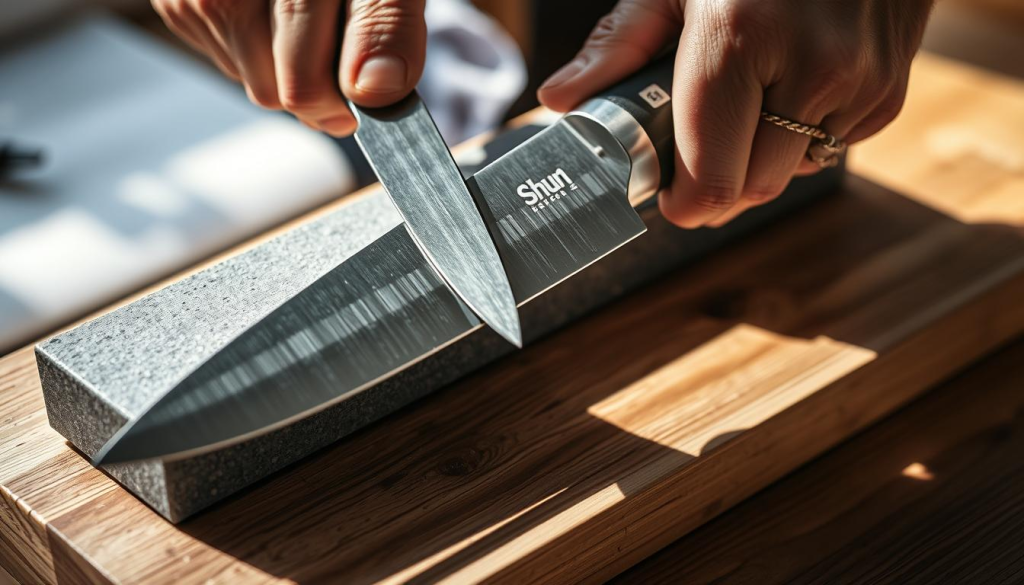
One of the critical aspects of maintaining a Masamoto knife is sharpening. While some users prefer to sharpen their knives themselves, others opt for professional sharpening services. Professional sharpening can cost anywhere from $10 to $30 per sharpening, depending on the service provider and the knife’s complexity.

DIY Sharpening Tools

For those who prefer to sharpen their Masamoto knives at home, DIY sharpening tools are available. These can range from simple whetstones to advanced electric sharpeners. The cost for DIY sharpening tools varies widely, from $20 for basic whetstones to over $100 for high-end electric sharpeners.

Storage Solutions

Proper storage is another crucial aspect of knife care. Masamoto knives can be stored in knife blocks, on magnetic strips, or in protective cases. The cost for these storage solutions ranges from $10 for simple magnetic strips to over $50 for high-quality knife blocks or cases.

In conclusion, while the initial investment in a Masamoto knife is significant, the ongoing care and maintenance costs are relatively manageable. By choosing the right sharpening method and storage solution, you can ensure your Masamoto knife remains a valuable tool in your kitchen for years to come.

Understanding the Value of Masamoto Knives

The value of Masamoto knives lies in their durability, precision, and the culinary experience they offer. For chefs and home cooks alike, these knives represent a significant investment in their craft.

Longevity and Durability

Masamoto knives are crafted with high-quality materials and designed to withstand the rigors of frequent use. Their longevity is a testament to the brand’s commitment to excellence.

Key factors contributing to their durability include:

  • High-carbon stainless steel construction
  • Precision forging techniques
  • Rigorous quality control processes

Performance in the Kitchen

The performance of Masamoto knives in the kitchen is unparalleled. They offer a sharpness and balance that make culinary tasks more efficient and enjoyable.

Masamoto knife models and prices

Fulfilling Culinary Needs

Masamoto knives are designed to meet the diverse needs of cooks. From chef’s knives to specialty knives, the range caters to various culinary tasks.

Knife Model Price Range Key Features
Masamoto Super Gold $100-$150 High-carbon steel, ergonomic handle
Masamoto Black Boss $80-$120 Durable construction, sharp edge retention
Masamoto VG10 $150-$200 VG10 steel, precision forged, balanced

By understanding the value of Masamoto knives, cooks can make informed decisions about their kitchen investments. Whether you’re a professional chef or an avid home cook, Masamoto knives offer a blend of quality, performance, and durability that is hard to match.

Customer Reviews and Experiences

Customer reviews and feedback provide invaluable insights into the real-world performance of Masamoto knives. By examining the experiences of both professional chefs and home cooks, we can gain a more comprehensive understanding of the value and quality of these renowned blades.

User Feedback on Prices

Many users of Masamoto knives appreciate the quality and craftsmanship that goes into each blade, but some have expressed that the prices can be steep. However, a common theme among reviews is that the durability and longevity of Masamoto knives justify the initial investment.

For instance, a comparison of Masamoto knife prices with other high-end brands reveals competitive pricing. The table below illustrates this:

Knife Brand Average Price Range
Masamoto $100 – $300
Shun $100 – $400
Wüsthof $80 – $250

Longevity and Maintenance Stories

Users often share stories of how Masamoto knives have become trusted companions in the kitchen, with some reporting that their knives have remained in excellent condition even after years of regular use.

A professional chef noted, “My Masamoto knife has been with me for over a decade, and it still cuts as smoothly as the day I bought it. The edge retention is exceptional.”

Professional Chef Insights

Professional chefs often praise Masamoto knives for their balance, sharpness, and overall performance. One chef commented, “The precision and feel of Masamoto knives are unmatched. They are a joy to use, and the quality is evident in every cut.”

When comparing Masamoto knife costs to the benefits they provide, many professionals feel that the investment is well worth it for the value they bring to their work.

Promotions and Discounts for Masamoto Knives

Masamoto knife enthusiasts can rejoice in the various promotions and discounts available for these premium blades. Whether you’re a professional chef or an avid home cook, staying informed about the latest deals can help you save money on your purchase.

Seasonal Sales and Offers

Many retailers offer seasonal sales and promotions on Masamoto knives. These can be a great opportunity to purchase a high-quality knife at a discounted price. Some popular seasonal sales include:

  • Black Friday and Cyber Monday sales
  • Holiday weekend sales
  • End-of-season clearance sales

To stay informed about these sales, it’s a good idea to sign up for newsletters from authorized retailers or follow them on social media.

Newsletter Sign-Up Discounts

Many retailers offer exclusive discounts to their newsletter subscribers. By signing up for newsletters from authorized Masamoto knife retailers, you can receive notifications about upcoming promotions and discounts.

Some popular retailers that offer newsletter sign-up discounts include:

Retailer Discount Offered
Amazon Up to 10% off first purchase
Williams-Sonoma $10 off first purchase
Sur La Table 15% off first purchase

Loyalty Programs

Some retailers offer loyalty programs that reward repeat customers with exclusive discounts and promotions. By joining these programs, you can earn points or rewards that can be redeemed on future purchases.

For example, some retailers offer loyalty programs that provide:

  • Points for every dollar spent
  • Exclusive discounts on Masamoto knives
  • Early access to new products and promotions

To find out more about loyalty programs and promotions available for Masamoto knives, visit the websites of authorized retailers or check out online marketplaces like Amazon.

Frequently Asked Questions About Pricing

Masamoto knives, known for their quality, come with a range of price tags that warrant exploration. For those looking to invest in these renowned blades, understanding the pricing is crucial.

What is the Price Range for Masamoto Knives?

The price range for Masamoto knives can vary significantly based on several factors, including the type of knife, materials used, and craftsmanship involved. Generally, Masamoto knives can be found in the range of $50 to over $200.

A key factor influencing the price is the specific model and its features. For instance, a basic Masamoto chef’s knife might start at around $50, while more specialized or larger knives can cost upwards of $200.

Do Prices Vary by Model?

Yes, prices for Masamoto knives do vary by model. Different models are designed for specific tasks, and their prices reflect their intended use, material quality, and size. For example, a paring knife will typically be less expensive than a larger chef’s knife.

“The price of a Masamoto knife is a reflection of its quality and the value it brings to the user’s kitchen experience.” – Expert Chef

Are Masamoto Knives Worth the Investment?

Many chefs and cooking enthusiasts believe that Masamoto knives are worth the investment due to their durability, performance, and the value they add to culinary endeavors. While they may be more expensive than some other brands, their longevity and the quality of cut they provide can make them a valuable addition to any kitchen.

  • Durable and long-lasting
  • Excellent performance in various kitchen tasks
  • Enhances the overall cooking experience

In conclusion, understanding the pricing of Masamoto knives involves considering several factors, including the model, materials, and craftsmanship. While the initial investment might seem significant, the long-term value and satisfaction these knives provide can make them a worthwhile purchase.

Personalizing Your Masamoto Knife Experience

Elevate your culinary experience with a personalized Masamoto knife, tailored to your unique preferences. Masamoto offers various customization options to make your knife truly special.

Custom Engraving Options

Add a personal touch to your Masamoto knife with custom engraving. Whether it’s your name, a special message, or a culinary quote, engraving makes your knife unique. Masamoto’s engraving service uses high-quality techniques to ensure that the engraving is durable and long-lasting.

  • Personalized names or initials
  • Special messages or dedications
  • Culinary quotes or inspiration

Choosing Handle Materials

Masamoto knives offer a variety of handle materials to suit your style and preferences. From traditional wood to modern synthetic materials, the choice is yours. Handle materials can affect the overall feel and balance of your knife, so it’s essential to choose one that complements your cooking style.

  1. Wood handles for a classic look
  2. Synthetic handles for durability
  3. Metal handles for a modern aesthetic

Special Orders

For those looking for something truly unique, Masamoto offers special order options. This includes custom knife models, unique blade materials, and more. Special orders allow you to create a one-of-a-kind knife that reflects your personality and cooking style.

When personalizing your Masamoto knife, consider the top rated Masamoto knives and Masamoto knife models and prices to ensure you’re getting the best value for your investment.

Conclusion: Investing in Masamoto Knives

Masamoto knives have long been revered for their exceptional quality and craftsmanship. As we’ve explored throughout this article, understanding the best Masamoto knife prices and the factors influencing them is crucial for making an informed purchase.

Price Benefits Summary

When considering the Masamoto knife price list, it’s essential to weigh the initial cost against the long-term benefits. Masamoto knives, though potentially more expensive upfront, offer durability and performance that can significantly enhance your culinary experience.

Choosing the Right Blade

Selecting the perfect Masamoto knife involves considering your specific needs, from the type of cuisine you prepare to the feel and balance of the knife in your hand. By choosing a Masamoto knife, you’re investing in a tool that will elevate your cooking.

Exploring Masamoto Options

With a range of models and prices available, there’s a Masamoto knife to suit every chef’s needs. We encourage you to explore the various options, considering both the best Masamoto knife prices and the unique characteristics of each blade.

By investing in a Masamoto knife, you’re not just purchasing a kitchen tool; you’re acquiring a piece of craftsmanship that will serve you for years to come.

FAQ

What is the typical price range for Masamoto knives?

Masamoto knife prices can vary significantly, generally ranging from around for more basic models to over 0 for high-end or specialty knives, depending on factors like materials, craftsmanship, and the specific series.

Do Masamoto knife prices vary by model?

Yes, Masamoto offers various series, such as VG, CT, and HC, each with different price points due to differences in materials, construction, and performance characteristics. For instance, the VG series is known for its durability and is generally priced lower than the premium HC series, which is renowned for its sharpness and edge retention.

Are Masamoto knives worth the investment?

Many professional chefs and home cooks believe Masamoto knives are worth the investment due to their exceptional quality, durability, and performance. While they may be more expensive than some other brands, their longevity and the value they bring to cooking can make them a valuable addition to any kitchen.

How do I know if I’m buying an authentic Masamoto knife?

To ensure you’re purchasing an authentic Masamoto knife, buy from authorized retailers or directly from the manufacturer’s website. Be wary of extremely low prices or sellers that don’t provide clear product information, as these can be indicators of counterfeit products.

Can I personalize my Masamoto knife?

Yes, Masamoto offers personalization options for some of their knives, including custom engraving and the choice of handle materials. For more specific or unique requests, some retailers may offer special order services, allowing you to tailor your knife to your preferences.

What are the care and maintenance costs for Masamoto knives?

The care and maintenance costs for Masamoto knives can vary. Professional sharpening services can range from to per sharpening, while DIY sharpening tools can be a one-time cost ranging from to 0. Proper storage solutions, such as a knife block or magnetic strip, can also vary in price but are essential for maintaining the knife’s condition.

Where can I find the best prices for Masamoto knives?

To find the best prices for Masamoto knives, compare prices across different retailers, both online and in-store. Authorized retailers, specialty kitchen stores, and the official Masamoto website are good places to start. Additionally, look out for seasonal sales, newsletter sign-up discounts, and loyalty programs that can offer savings.

How do Masamoto knife prices compare to other high-end knife brands?

Masamoto knife prices are competitive with other high-end knife brands like Shun, Wüsthof, and Global Knives. While prices can vary depending on the specific model and series, Masamoto is generally considered to offer excellent value for the quality and performance provided, making them a worthwhile investment for many cooks.

Masamoto Kitchen Knives: Exceptional Quality for Home Chefs


For home chefs seeking exceptional quality in their cooking tools, Masamoto kitchen knives stand out as a premier choice. With a rich history spanning over 150 years, Masamoto has established itself as a leading brand in the world of Japanese kitchen knives.

Renowned for their outstanding performance and craftsmanship, Masamoto knives have become a staple in many kitchens. Their commitment to quality and innovation has earned them a loyal following among cooking enthusiasts.

Key Takeaways

  • Masamoto knives are known for their exceptional quality and performance.
  • With over 150 years of history, Masamoto is a trusted brand in the industry.
  • Home chefs prefer Masamoto knives for their cooking needs.
  • Masamoto knives are a great choice for those seeking high-quality cooking tools.
  • Masamoto’s commitment to innovation has earned them a loyal following.

Introduction to Masamoto Kitchen Knives

With a history spanning over 150 years, Masamoto has established itself as a premier brand in traditional Japanese knife-making. The brand’s dedication to crafting high-quality chef knives has earned it a revered place among culinary professionals and enthusiasts alike.

The Legacy of Masamoto

Masamoto’s legacy is rooted in its commitment to preserving traditional Japanese techniques while innovating to meet the evolving needs of chefs. The brand’s history is a testament to the art of knife-making, where every knife is a reflection of the craftsman’s skill and dedication. As noted by a renowned chef, “A good knife is not just a tool, it’s an extension of the chef’s hand.”

“The art of knife-making is a journey, not a destination.”

The brand’s heritage is built on a foundation of quality, with each knife being a masterpiece that embodies the spirit of Japanese craftsmanship. Masamoto’s high-quality chef knives are designed to provide precision and durability, making them an indispensable tool in any kitchen.

Craftsmanship and Tradition

The craftsmanship that goes into making Masamoto knives is a blend of traditional techniques and modern precision. Every step, from forging to sharpening, is carried out with meticulous attention to detail, ensuring that each knife meets the brand’s high standards. The result is a range of traditional Japanese blades that are not only functional but also works of art.

Masamoto’s commitment to tradition is evident in its use of high-carbon steel and hand-sharpening techniques, which provide the knives with a sharpness and edge retention that is hard to match. As a result, Masamoto knives have become the choice of many professional chefs who value the precision and performance they offer.

Why Choose Masamoto Knives?

When it comes to premium kitchen knife brands, Masamoto stands out for its unwavering commitment to excellence. With a rich history and a legacy of producing high-quality cutlery, Masamoto knives have become a preferred choice among both professional chefs and home cooks.

Masamoto knives are crafted with meticulous attention to detail, using superior materials that ensure their durability and performance. The brand’s dedication to using high-carbon steel, known for its strength and ability to hold a sharp edge, sets Masamoto apart from other knife manufacturers.

Superior Materials

The use of high-quality materials is a hallmark of Masamoto knives. The blades are typically made from high-carbon steel, which is valued for its hardness and resistance to corrosion. This material choice contributes to the knives’ exceptional sharpness and longevity.

premium kitchen knife brands

Durability and Longevity

Masamoto knives are renowned for their durability and longevity. The combination of superior materials and expert craftsmanship results in knives that withstand the rigors of frequent use. Whether you’re a professional chef or an avid home cook, a Masamoto knife is a valuable investment that will provide years of reliable service.

The durability of Masamoto knives also means that they require less frequent sharpening, maintaining their effectiveness over time. This characteristic, coupled with their exceptional performance, makes Masamoto knives a staple in many kitchens around the world.

Types of Masamoto Kitchen Knives

Masamoto’s extensive collection of kitchen knives includes chef’s knives, paring knives, and specialty knives, each crafted with precision. Whether you’re a professional chef or a home cook, understanding the different types of Masamoto kitchen knives can help you choose the right tool for your culinary needs.

Chef’s Knives

The chef’s knife is a fundamental tool in any kitchen, and Masamoto’s offerings are among the top-rated chef’s knives available. These knives are designed for versatility, capable of handling a variety of tasks from chopping vegetables to slicing meat. With a balanced weight and ergonomic design, Masamoto’s chef’s knives make cooking more efficient and enjoyable.

Paring Knives

For more delicate tasks, Masamoto’s paring knives are the perfect choice. These artisanal culinary tools are ideal for peeling fruits and vegetables, trimming fat, and other precise cutting tasks. Their compact size and sharp edge make them a favorite among chefs who value precision and control.

Specialty Knives

Masamoto also offers a range of specialty knives designed for specific culinary tasks. From bread knives to boning knives, these specialized tools are crafted to meet the demands of various cooking techniques. As one renowned chef noted,

“A good knife is not just a tool, it’s an extension of the chef’s hand.”

Masamoto’s specialty knives embody this philosophy, providing cooks with the right instruments to excel in their craft.

In conclusion, Masamoto’s diverse range of kitchen knives ensures that there’s something for every cook, from the novice to the experienced professional. By choosing the right type of Masamoto knife, you can elevate your cooking experience and achieve better results in the kitchen.

Features of Masamoto Knives

What sets Masamoto knives apart is their attention to detail in terms of edge retention, handle design, and overall weight and balance. These features combine to make Masamoto kitchen knives a preferred choice among chefs and home cooks.

Edge Retention

One of the standout features of Masamoto knives is their exceptional edge retention. The high-carbon steel used in their construction ensures that the blade stays sharp for a long time, reducing the need for frequent sharpening. This is particularly beneficial for busy kitchens where time is of the essence.

Key benefits of edge retention include:

  • Efficient cutting performance
  • Less time spent on sharpening
  • Consistency in cooking results

Handle Design

The ergonomic design of Masamoto knife handles provides comfort and control, making them a joy to use. The handles are crafted to fit comfortably in the hand, reducing fatigue during extended cooking sessions.

The thoughtful design of the handle includes:

  1. Contoured shape for a secure grip
  2. Material selection for durability and comfort
  3. Aesthetically pleasing design that complements the blade

Weight and Balance

Masamoto knives are designed to have a perfect weight and balance, allowing for smooth, precise cuts. This balance is crucial for techniques that require finesse, such as slicing or chopping.

high quality chef knife

The weight and balance of a Masamoto knife contribute to its overall performance, making it an indispensable tool in the kitchen.

How to Maintain Your Masamoto Knife

The key to extending the life of your Masamoto knife lies in proper care and maintenance. As a valuable investment in your kitchen, a Masamoto knife requires regular upkeep to preserve its exceptional quality and performance.

Sharpening Techniques

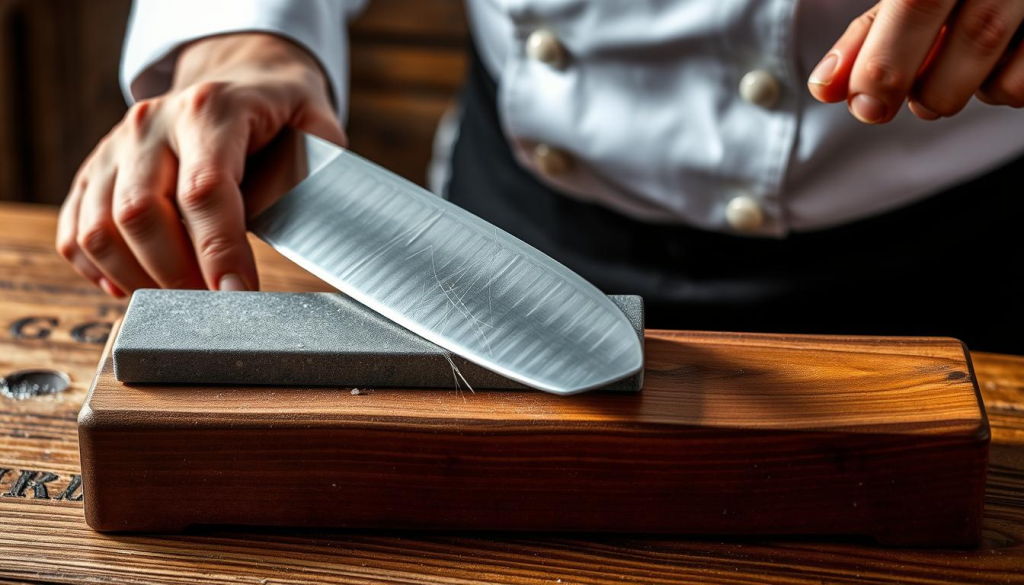
Sharpening is a critical aspect of maintaining your Masamoto knife. Traditional Japanese blades require precise sharpening to maintain their edge. You can use a whetstone or a sharpening rod to hone your knife. For a more precise edge, consider using a water stone or a diamond stone.

To sharpen your Masamoto knife effectively, follow these steps:

  • Soak the whetstone in water for at least 10 minutes.
  • Place the knife on the stone at the desired angle.
  • Draw the knife across the stone in a smooth, even motion.

Cleaning and Care Tips

Proper cleaning and care are essential to maintaining the quality of your Masamoto knife. After each use, clean your knife with mild soap and dry it thoroughly to prevent rust. Avoid using abrasive cleaners or scouring pads, as they can damage the blade.

Cleaning Method Recommended Not Recommended
Mild Soap and Water Yes
Abrasive Cleaners No
Dishwasher No

By following these simple care and maintenance tips, you can ensure that your Masamoto knife remains a trusted companion in your kitchen for years to come.

The Art of Japanese Knives

The art of Japanese knife-making is a tradition steeped in history, with brands like Masamoto leading the charge in modern kitchens. Japanese knives have long been celebrated for their exceptional craftsmanship, precision, and attention to detail.

Historical Significance

Roots of Excellence

Japanese knives have a rich history that dates back centuries, with their origins rooted in the country’s samurai culture. The traditional craftsmanship involved in making these knives has been passed down through generations, with techniques refined over time to produce some of the world’s best Japanese kitchen knives.

The historical significance of Japanese knives is not just in their construction but also in their cultural impact. They symbolize the dedication to excellence and the reverence for the culinary arts that are hallmarks of Japanese culture.

Knife Type Historical Use Modern Application
Chef’s Knife Originally used for preparing meals in monasteries and aristocratic households. Now a staple in kitchens worldwide, used for a variety of tasks from chopping to slicing.
Paring Knife Used for precise cutting tasks, such as preparing ingredients for traditional dishes. Continues to be used for detailed work, appreciated for its precision and control.

Modern Relevance

Continuing a Legacy

Today, premium kitchen knife brands like Masamoto continue to uphold the traditions of Japanese knife-making while innovating to meet the needs of modern chefs. The relevance of Japanese knives in contemporary kitchens is a testament to their enduring quality and performance.

Masamoto knives, in particular, are renowned for their edge retention, handle design, and overall balance, making them a favorite among professional chefs and home cooks alike.

best Japanese kitchen knives

The art of Japanese knives is a blend of tradition and innovation, with brands like Masamoto at the forefront. Whether you’re a professional chef or a culinary enthusiast, understanding and appreciating the craftsmanship behind these knives can elevate your cooking experience.

Masamoto vs. Other Knife Brands

Masamoto kitchen knives have garnered a reputation for excellence, but how do they compare to other brands? When considering a top-rated chef’s knife, it’s essential to evaluate not just the quality but also the unique features that set Masamoto apart from its competitors.

Masamoto stands out among other knife brands due to its unique blend of traditional craftsmanship and modern precision. This blend is evident in the meticulous attention to detail and the high-quality materials used in each knife.

Global Brand Comparisons

When comparing Masamoto knives to other global brands, several factors come into play. Here are some key points of comparison:

  • Material Quality: Masamoto knives are known for their high-carbon stainless steel, which offers superior durability and resistance to corrosion.
  • Craftsmanship: The traditional Japanese craftsmanship that goes into making Masamoto knives is unparalleled, with each knife being a testament to the skill of its maker.
  • Edge Retention: Masamoto knives are praised for their ability to retain their edge, requiring less frequent sharpening compared to some other brands.

Unique Selling Points

So, what makes Masamoto knives unique? Here are some of their standout features:

  1. Precision Forging: Masamoto knives are forged with precision, ensuring a perfect balance between the blade and the handle.
  2. Ergonomic Design: The handles are designed to fit comfortably in the hand, reducing fatigue during prolonged use.
  3. Brand Heritage: Masamoto’s rich history and commitment to traditional techniques add a layer of authenticity and quality that is hard to find elsewhere.

In conclusion, when comparing Masamoto kitchen knives to other brands, it becomes clear that their unique blend of traditional craftsmanship, high-quality materials, and modern precision makes them a top choice for both professional chefs and home cooks.

Customer Reviews and Testimonials

The artisanal culinary tools from Masamoto have captured the hearts of many with their precision and craftsmanship. Customers praise Masamoto knives for their quality, performance, and craftsmanship, with many chefs and home cooks sharing their positive experiences.

What Chefs Are Saying

Professional chefs and culinary experts have lauded Masamoto knives for their exceptional edge retention and balance. “Masamoto knives are a game-changer in the kitchen,” says Chef Thompson, a renowned culinary instructor. The high-quality chef knife from Masamoto has become an indispensable tool for many professionals.

“I’ve used many knife brands, but Masamoto stands out for its durability and sharpness. It’s a worthwhile investment for any serious chef.” – Chef James

User Experiences

Home cooks also appreciate the value Masamoto knives bring to their cooking experience. The ergonomic design and lightweight construction make them easy to maneuver, even for extended periods.

Feature Customer Feedback Rating
Edge Retention Exceptional sharpness over time 5/5
Handle Design Comfortable grip, reduces fatigue 4.5/5
Durability Withstands heavy use, minimal wear 5/5

As seen in the table, customers are highly satisfied with the performance and durability of Masamoto knives. The artisanal culinary tools are designed to meet the high standards of both professional chefs and home cooks.

high quality chef knife

In conclusion, Masamoto kitchen knives have earned a loyal following due to their high-quality construction and performance. Whether you’re a professional chef or a home cook, Masamoto knives are sure to enhance your culinary experience.

Where to Buy Masamoto Kitchen Knives

To get your hands on Masamoto kitchen knives, consider checking out authorized retailers and online shopping options. Masamoto knives are renowned for their exceptional quality as professional kitchen cutlery, making them a sought-after choice among chefs and home cooks alike.

Authorized Retailers

For those who prefer to shop in-store, Masamoto kitchen knives are available at various authorized retailers. These retailers offer the advantage of being able to handle and inspect the knives before purchase. Some of the authorized retailers include specialty kitchen stores and culinary boutiques that stock traditional Japanese blades.

  • Specialty kitchen stores
  • Culinary boutiques
  • High-end department stores

Online Shopping Options

For the convenience of shopping from home, Masamoto kitchen knives can also be purchased online. Online retailers often provide detailed product descriptions, customer reviews, and competitive pricing. When shopping online, ensure that you’re buying from an authorized dealer to guarantee authenticity.

  1. Amazon
  2. Williams-Sonoma
  3. Sur La Table

When purchasing Masamoto kitchen knives, whether in-store or online, it’s essential to verify the authenticity of the product. Buying from authorized retailers ensures that you’re getting a genuine product with the quality and craftsmanship that Masamoto is known for.

By choosing to buy from authorized sources, you’re not only ensuring the quality of your Masamoto kitchen knife but also supporting the brand’s legacy of producing exceptional cutlery. Whether you’re a professional chef or a serious home cook, investing in a Masamoto knife is a decision that will enhance your cooking experience.

Final Thoughts on Masamoto Kitchen Knives

Investing in Masamoto knives is not just about purchasing kitchen tools; it’s about elevating one’s cooking experience and appreciating the craftsmanship behind these exceptional blades. As a premium kitchen knife brand, Masamoto offers some of the best Japanese kitchen knives available, renowned for their superior quality and durability.

Crafting Excellence in the Kitchen

Masamoto knives have been shown to be a valuable asset for home chefs, providing the precision and reliability needed for a variety of cooking tasks. Their edge retention, handle design, and overall balance make them stand out among other premium kitchen knife brands.

A Wise Investment for Cooking Enthusiasts

For those who value high-quality cooking tools, Masamoto kitchen knives represent a wise investment. They not only enhance the cooking experience but also last longer, making them a cost-effective choice in the long run. Whether you’re a seasoned chef or an enthusiastic home cook, Masamoto knives are sure to meet your culinary needs.

FAQ

What makes Masamoto kitchen knives so special?

Masamoto kitchen knives are renowned for their exceptional quality, historical significance, and traditional craftsmanship, making them a preferred choice among home chefs and professional cooks alike.

Are Masamoto knives suitable for professional chefs?

Yes, Masamoto knives are designed to meet the high standards of professional chefs, offering superior materials, durability, and longevity that can withstand the demands of a busy kitchen.

How do I choose the right Masamoto knife for my needs?

To choose the right Masamoto knife, consider the type of cooking you do most often and the specific tasks you need the knife for, such as chopping, slicing, or mincing, and select from their range of chef’s knives, paring knives, and specialty knives.

What is the best way to sharpen my Masamoto knife?

To sharpen your Masamoto knife, use a whetstone or a high-quality sharpening steel, and follow proper sharpening techniques to maintain the knife’s edge retention and overall performance.

Can I buy Masamoto knives online?

Yes, you can buy Masamoto knives from authorized online retailers, ensuring that you purchase genuine products while enjoying the convenience of online shopping.

How do I care for my Masamoto knife to ensure its longevity?

To care for your Masamoto knife, clean it regularly, dry it thoroughly, and store it properly, avoiding exposure to extreme temperatures or harsh chemicals that can damage the blade or handle.

What sets Masamoto apart from other premium kitchen knife brands?

Masamoto stands out due to its commitment to traditional Japanese craftsmanship, superior materials, and attention to detail, resulting in high-quality chef knives that are both functional and beautiful.

Are Masamoto knives worth the investment?

Yes, Masamoto knives are a worthwhile investment for anyone serious about cooking, as they offer exceptional performance, durability, and longevity, making them a valuable addition to any kitchen.

Discover the Versatile Uses of Japanese Knives


In the world of culinary arts, precision and craftsmanship are paramount. Renowned for their exceptional quality, Japanese knives have become a staple in kitchens worldwide.

According to Yoshihiro Cutlery, a respected name in the industry, Japanese knives are celebrated for their specialized designs and precision. Whether you’re a professional chef or an avid home cook, having the right knife can elevate your cooking experience.

This article will explore the various applications of Japanese knives, highlighting their importance in the kitchen and beyond. We’ll delve into the characteristics that make them stand out and provide insights into selecting the best Japanese knives for your culinary needs.

Key Takeaways

  • Understanding the different types of Japanese knives and their uses
  • Discovering the characteristics that make Japanese knives exceptional
  • Learning how to choose the best Japanese knives for your kitchen
  • Exploring the various applications of Japanese knives beyond the kitchen
  • Gaining insights into the craftsmanship and precision that goes into making Japanese knives

What Are Japanese Knives?

Japanese knives embody the perfect blend of form and function, shaped by the country’s rich culinary history and dedication to excellence. These knives are not just tools; they are an extension of the chef’s artistry, reflecting centuries of tradition and innovation.

The History of Japanese Knives

The history of Japanese knives is deeply rooted in the country’s sword-making traditions. The techniques used in crafting samurai swords were adapted over time to create knives that were both functional and beautiful. The art of knife-making became a revered craft, with many artisans dedicating their lives to mastering the skill.

“The art of Japanese knife-making is a reflection of the country’s deep respect for craftsmanship and the pursuit of perfection.”

Japanese knives have evolved to cater to various culinary needs, from preparing sushi and sashimi to cooking Western-inspired dishes. The materials used, such as high-carbon steel and Damascus steel, contribute to their durability and sharpness.

Unique Features of Japanese Knives

One of the distinguishing features of Japanese knives is their sharpness and precision. The craftsmanship involved in creating these knives ensures that they retain their edge and perform consistently. Japanese knives are also known for their ergonomic design, which provides comfort and control during use.

Feature Description Benefit
High-Carbon Steel Made from high-quality carbon steel Retains sharpness and durability
Damascus Steel Pattern-welded steel for strength Enhanced strength and visual appeal
Ergonomic Design Handles designed for comfort Reduces fatigue during prolonged use

Japanese knives are tailored for specific tasks, reflecting the country’s culinary tradition. Whether it’s a Gyuto for all-purpose cutting or a Nakiri for vegetable preparation, each type of knife is designed to excel in its intended use.

Understanding the unique features and history of Japanese knives can enhance your appreciation for these culinary tools. Proper maintenance, including sharpening and cleaning, is essential to preserving their performance and longevity.

Types of Japanese Knives and Their Uses

With a rich history and diverse applications, Japanese knives have become an essential tool in modern kitchens. The variety of Japanese knives available today caters to different cooking techniques and ingredients, making them a versatile addition to any kitchen.

Gyuto: The All-Purpose Chef’s Knife

The Gyuto is a Japanese chef’s knife that has gained popularity worldwide for its versatility and comfort. Characterized by its Western-style curved blade, the Gyuto is designed for pushing and pulling cutting motions, making it ideal for slicing, chopping, and mincing ingredients. Its balanced design and sharp edge make it a favorite among chefs for various kitchen tasks.

Santoku: A Versatile Kitchen Companion

The Santoku knife is another highly versatile Japanese knife that has become a staple in many kitchens. With its straight edge and round tip, the Santoku is designed for chopping, slicing, and mincing vegetables, meat, and other ingredients. Its flat profile allows for a smooth, even cutting motion, making it particularly useful for preparing ingredients for a variety of dishes.

Santoku knives are often preferred for their ability to perform multiple tasks without the need for multiple knives, making them a practical choice for home cooks and professional chefs alike.

Nakiri: The Vegetable Specialist

The Nakiri is a traditional Japanese knife designed specifically for cutting vegetables. Its straight blade and rectangular shape make it perfect for chopping and slicing vegetables with precision. The Nakiri is particularly useful for preparing ingredients for salads, stir-fries, and other vegetable-centric dishes.

Using a Nakiri knife can enhance the preparation of vegetable dishes, allowing for more precise cuts and a more enjoyable cooking experience.

Understanding the different types of Japanese knives and their uses can significantly enhance your cooking experience. Whether you’re a professional chef or a home cook, having the right knife for the task can make a significant difference in the quality of your dishes.

The Art of Knife Skills with Japanese Knives

To fully appreciate the value of Japanese knives, one must learn the fundamental skills required to wield them with confidence and precision. Japanese knives have evolved to become an integral part of culinary arts, offering a range of techniques that can elevate cooking to new heights.

Basic Techniques for Beginners

For those new to Japanese knives, starting with the basics is essential. Proper grip and stance are the foundation upon which all other techniques are built. A firm, yet gentle grip allows for control and precision, while a balanced stance ensures stability.

  • Learn the correct way to hold the knife, with a firm but not overly tight grip.
  • Practice basic cutting motions, such as chopping and slicing, to develop muscle memory.
  • Understand the importance of keeping fingers curled under and out of the way of the blade.

Advanced Techniques for Professionals

For experienced chefs, mastering advanced techniques with Japanese knives can further refine their craft. Techniques such as pushing cuts and drawing cuts allow for greater precision and control, enabling the preparation of intricate dishes.

  1. Practice advanced cutting techniques, such as katsuramuki (thinly slicing cylindrical vegetables) and dozuki (chopping through bones).
  2. Experiment with different knife angles and pressures to achieve varied textures and presentations.
  3. Develop your own techniques by combining traditional methods with personal creativity.

japanese knife techniques

By mastering both basic and advanced techniques, cooks can unlock the full potential of their Japanese knives, enhancing their culinary creations and efficiency in the kitchen.

How to Maintain Your Japanese Knives

Japanese knives require careful maintenance to preserve their sharpness and beauty. Proper maintenance not only extends the life of your knives but also ensures they continue to perform optimally.

Sharpening Techniques

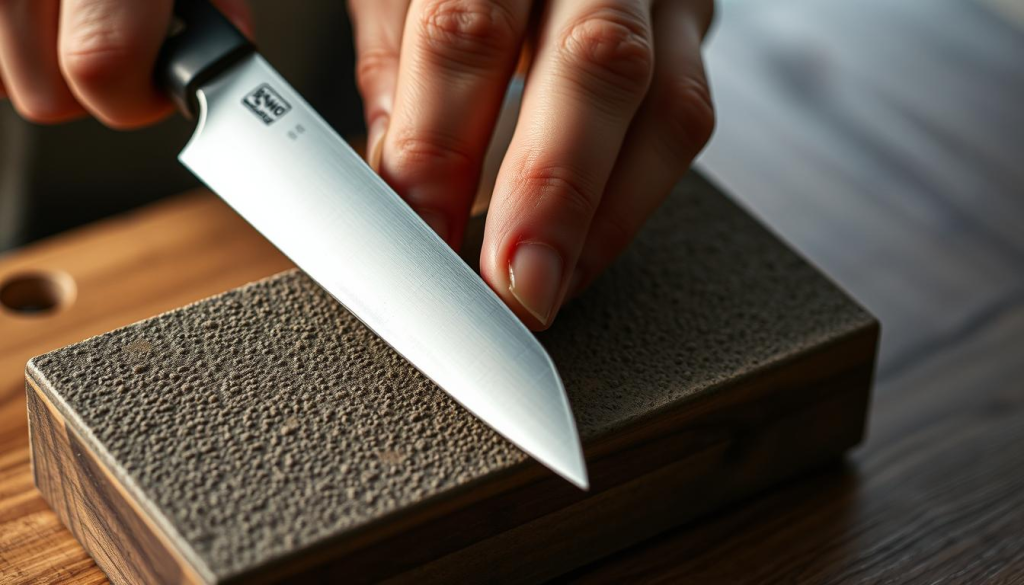
Sharpening is a critical aspect of maintaining Japanese knives. These knives are known for their sharpness, and regular sharpening is necessary to maintain this edge. There are several sharpening techniques, including using a whetstone, which is a traditional method preferred by many chefs.

Using a Whetstone: To sharpen your Japanese knife with a whetstone, start by soaking the stone in water for about 10-15 minutes. Then, hold the knife at the desired angle and gently draw it across the stone, moving from the heel to the tip. Repeat this process several times on each side until you achieve the desired sharpness.

Proper Cleaning Methods

Cleaning your Japanese knives properly is just as important as sharpening them. Improper cleaning can damage the blade and handle, reducing the knife’s lifespan.

  • Hand wash your Japanese knives with mild soap and dry them immediately to prevent rust.
  • Avoid using a dishwasher, as the high heat and harsh detergents can damage the blade and handle.
  • For tougher stains, you can use a soft sponge or cloth with a small amount of baking soda and water to gently scrub the blade.

By following these maintenance tips, you can keep your Japanese knives in excellent condition, ensuring they remain a valuable part of your culinary arsenal for years to come.

Japanese Knives for Different Cuisines

From sushi to Western-style cooking, Japanese knives play a crucial role in culinary excellence. The precision and quality of Japanese knives make them indispensable in various kitchens, whether it’s preparing delicate sashimi or chopping ingredients for a hearty Western-style meal.

Sushi and Sashimi Preparation

Japanese knives are particularly celebrated for their role in sushi and sashimi preparation. The Yanagiba, a traditional sashimi knife, is used by sushi chefs to make razor-thin cuts of raw fish. Its long, curved blade allows for smooth, even cuts, which is essential for creating sashimi slices that are both visually appealing and pleasing to the palate.

Sashimi preparation requires not only the right knife but also the skill to handle it with precision. The Yanagiba’s design facilitates the delicate task of slicing raw fish, making it an essential tool for any sushi chef.

Japanese knives for sushi preparation

Western Cooking Applications

While Japanese knives are often associated with sushi and sashimi, they are also highly versatile in Western cooking applications. Knives like the Gyuto and Santoku are used for a variety of tasks, from chopping vegetables to slicing meat. Their sharpness and balance make them ideal for chefs who value precision and control in their cooking.

The Santoku, with its straight edge and compact size, is particularly useful for chopping and mincing ingredients, making it a favorite among chefs who need to prepare ingredients quickly and efficiently.

Choosing the Right Japanese Knife

The world of Japanese knives is vast, and finding the ideal one depends on several factors. Whether you’re a professional chef or a home cook, selecting the right knife can elevate your cooking experience. Japanese knives are known for their precision, sharpness, and craftsmanship, making them a valuable addition to any kitchen.

Factors to Consider When Buying

When searching for the perfect Japanese knife, several factors come into play. First, consider the type of knife you need. Different knives are designed for specific tasks, such as slicing, chopping, or mincing. The material of the blade is also crucial; high-carbon steel is prized for its sharpness and durability, while stainless steel offers resistance to corrosion.

Another important consideration is the handle. Japanese knives often feature ergonomic handles designed for comfort and balance. The handle material can vary, with options ranging from traditional wood to modern synthetic materials. Ensure that the handle feels comfortable in your hand, as this will affect your ability to maneuver the knife.

Lastly, consider the brand and craftsmanship. Renowned brands like Yoshihiro Cutlery are known for their high-quality, handcrafted knives. At Yoshihiro Cutlery, they offer a wide selection of handcrafted Japanese knives to suit every level of expertise. Researching the brand and understanding the craftsmanship behind the knife can provide insights into its quality and value.

Popular Brands to Explore

Several brands have made a name for themselves in the world of Japanese knives. Yoshihiro Cutlery is one such brand, celebrated for its commitment to quality and craftsmanship. Other notable brands include Shun and Global, each offering unique features and benefits.

When exploring popular brands, it’s essential to read reviews and, if possible, handle the knives personally. This hands-on experience can give you a better feel for the knife’s balance, sharpness, and overall quality. Additionally, consider the warranty and customer service offered by the brand, as these can be indicators of their confidence in their products.

For those looking to purchase Japanese knives online, numerous retailers offer a wide range of options. When buying online, ensure that you’re purchasing from a reputable seller who provides detailed product descriptions and customer reviews. This can help you make an informed decision and find the perfect Japanese knife for your needs.

Using Japanese Knives for Outdoor Cooking

The versatility of Japanese knives extends beyond the kitchen, making them ideal for outdoor cooking activities. Having a Japanese blade signifies more than just cutting; it’s about being resourceful, as it allows you to prepare a variety of dishes in the great outdoors.

Japanese knives for outdoor cooking

When venturing into the wilderness, the right knife can elevate your outdoor cooking experience. Japanese knives, known for their sharpness and durability, are perfect for camping and grilling. They enable you to chop ingredients efficiently, slice meat with precision, and even help in preparing garnishes for a more appealing meal.

Ideal Knives for Camping and Grilling

For outdoor cooking, certain types of Japanese knives stand out. The Gyuto, a versatile chef’s knife, is excellent for a variety of tasks, from chopping vegetables to slicing meat. The Santoku knife, with its straight edge, is also highly useful for chopping and slicing. For more specialized tasks, like filleting fish or cutting through bones, a Deba knife can be invaluable.

Preparing Delicious Meals in Nature

Preparing meals outdoors requires creativity and the right tools. With a Japanese knife, you can efficiently chop fresh herbs, slice meats thinly for grilling, and even dice vegetables for a hearty stew. The key to delicious outdoor meals is in the preparation, and a sharp Japanese knife makes all the difference.

To make the most of your outdoor cooking experience, consider the following tips:

  • Choose a knife that is both durable and lightweight.
  • Keep your knife sharp to ensure safety and efficiency.
  • Practice basic knife skills to enhance your outdoor cooking.

By incorporating Japanese knives into your outdoor cooking repertoire, you not only enhance your culinary experience but also connect with the tradition of Japanese cuisine, where the knife is an extension of the chef’s skill and creativity.

The Cultural Significance of Japanese Knives

The cultural importance of Japanese knives extends far beyond their utility in the kitchen. These finely crafted tools are imbued with the spirit of Japanese cuisine and reflect the country’s rich cultural heritage.

Japanese blades are considered one of the finest works offered by blacksmiths, with origins tracing back to sovereign Chinese Dynasties. This historical context underscores the significance of Japanese knives in culinary traditions.

Japanese knives cultural significance

Symbolism in Japanese Cuisine

In Japanese cuisine, knives are not just instruments for preparing meals; they symbolize the precision, dedication, and respect for nature that are central to the culture. Different types of Japanese knives are designed for specific tasks, reflecting the nuanced approach to cooking and the value placed on specialization.

The art of preparing sushi and sashimi, for example, is deeply rooted in the tradition of using the right knife for the task. This attention to detail and commitment to using the appropriate tool highlights the cultural significance of knives in achieving culinary excellence.

Celebrating Tradition through Knives

The tradition of Japanese knife-making is celebrated through the careful maintenance of Japanese knives. Proper care, including sharpening and cleaning, is essential to preserving the integrity and performance of these valuable tools.

By understanding and respecting the craftsmanship that goes into creating Japanese knives, cooks can better appreciate the role these instruments play in their culinary journey. Whether for a professional chef or a home cook, the cultural significance of Japanese knives enriches the cooking experience, connecting the individual to a broader tradition of culinary artistry.

Common Mistakes to Avoid with Japanese Knives

To get the most out of your Japanese knives, it’s crucial to steer clear of frequent errors. Japanese knives require minimal maintenance but need proper care to last. Understanding the common mistakes can help you maintain your knives’ quality and extend their lifespan.

Misusing the Knife

One of the most common mistakes is misusing the knife. Japanese knives are designed for specific tasks, and using them otherwise can lead to damage. For instance, using a Santoku knife to cut through bones or hard materials can chip the blade.

Another mistake is not using the correct cutting technique. Japanese knives are typically designed for a more precise, gentle cutting motion. Applying too much pressure or using a sawing motion can strain the knife and lead to accidents.

Neglecting Maintenance

Neglecting maintenance is another critical mistake. Japanese knives need regular sharpening to maintain their edge. Using a knife on a hard surface like glass or stone without proper sharpening can damage the blade.

Proper cleaning is also essential. Avoid using a dishwasher, as the high heat and harsh detergents can damage the knife’s materials. Instead, hand wash your Japanese knives with mild soap and dry them immediately to prevent rust.

Common Mistake Consequence Prevention
Using knife on hard materials Chipping or cracking the blade Use appropriate knife for task
Incorrect cutting technique Straining the knife, accidents Practice precise, gentle cutting motion
Neglecting sharpening Dull blade, increased effort Regularly sharpen the knife
Improper cleaning Rust, damage to materials Hand wash with mild soap, dry immediately

By avoiding these common mistakes, you can ensure your Japanese knives remain in excellent condition, providing you with years of reliable service in the kitchen.

Conclusion: Embrace the Versatility of Japanese Knives

Understanding the unique features and uses of Japanese knives can significantly enhance your cooking experience. With various types of knives available, each designed for specific tasks, you can elevate your culinary skills and explore new recipes.

Exploring New Recipes

Experimenting with different Japanese knives in the kitchen can open up new possibilities for culinary creativity. Whether you’re preparing sushi, slicing vegetables, or chopping meat, the right knife can make a significant difference. Discover the best japanese knives for kitchen tasks and experience the precision and control they offer.

Mastering Knife Skills

As you continue to use Japanese knives, you’ll develop your skills and confidence in the kitchen. By mastering various techniques and understanding the japanese knives uses, you’ll be able to tackle a wide range of cooking tasks with ease. From basic chopping to intricate preparations, Japanese knives are an indispensable tool for any serious cook or chef.

FAQ

What are the most common types of Japanese knives used in the kitchen?

The most common types of Japanese knives used in the kitchen are Gyuto, Santoku, and Nakiri, each with its unique characteristics and uses. Gyuto is an all-purpose chef’s knife, Santoku is a versatile knife for chopping and slicing, and Nakiri is a vegetable specialist.

How do I maintain my Japanese knives to ensure their longevity?

To maintain your Japanese knives, it’s essential to sharpen them regularly using a whetstone or sharpening steel, and clean them properly with soap and water after each use. Regular maintenance will help prevent rust and keep the blades in good condition.

What are the best Japanese knife brands available in the market?

Some of the best Japanese knife brands include Shun, Global, and Miyabi, known for their high-quality craftsmanship and materials. These brands offer a range of knives suitable for different cooking styles and preferences.

Can Japanese knives be used for outdoor cooking, such as camping and grilling?

Yes, Japanese knives can be used for outdoor cooking, and some models are specifically designed for camping and grilling. Look for knives with durable materials and ergonomic handles that can withstand outdoor conditions.

How do I choose the right Japanese knife for my cooking needs?

To choose the right Japanese knife, consider factors such as the type of cooking you’ll be doing, the material and craftsmanship of the knife, and your personal preferences. Research different types of knives and brands to find the one that suits your needs.

What are some common mistakes to avoid when using Japanese knives?

Common mistakes to avoid when using Japanese knives include misusing the knife, neglecting maintenance, and using the wrong knife for the task. Proper handling and care will help prevent accidents and ensure the longevity of the knife.

Are Japanese knives suitable for Western cooking applications?

Yes, Japanese knives are suitable for Western cooking applications, and many chefs use them for tasks such as chopping, slicing, and mincing. The sharpness and precision of Japanese knives make them ideal for a variety of cooking techniques.

How do I properly clean and store my Japanese knives?

To properly clean and store your Japanese knives, wash them with soap and water after each use, dry them thoroughly, and store them in a dry place, such as a knife block or magnetic strip. Avoid storing knives in a humid environment or with other utensils that may cause damage.

Discover the Masamoto Eel Knife: A Culinary Essential


In the world of culinary arts, having the right tools is crucial for delivering exceptional dishes. One such essential tool is the Masamoto eel knife, a specialized knife designed for filleting eels with precision and ease.

This premium Japanese knife is renowned for its exceptional performance and is a favorite among chefs. Its unique design and high-quality craftsmanship make it an indispensable asset in any kitchen.

Key Takeaways

  • The Masamoto eel knife is a specialized tool for filleting eels.
  • It’s known for its precision and performance.
  • This premium Japanese knife is a favorite among chefs.
  • Its unique design and craftsmanship make it a valuable kitchen asset.
  • Having the right tools is crucial in culinary arts.

What Makes the Masamoto Eel Knife Unique?

The Masamoto eel knife stands out in the world of traditional Japanese cutlery, known for its exceptional craftsmanship and precision. To understand what makes this knife unique, it’s essential to delve into the history of Masamoto knives, the artistry behind Japanese knife-making, and the specific features that set the eel knife apart.

History of Masamoto Knives

Masamoto knives have a rich history rooted in the traditions of Japanese sword-making. The brand has evolved over the years, maintaining its commitment to quality and craftsmanship. Japanese knife-making is an art form that requires dedication, skill, and attention to detail. Masamoto has been at the forefront of this tradition, producing high quality kitchen knives that are sought after by professional chefs worldwide.

The Art of Japanese Knife-Making

Japanese knife-making is a meticulous process that involves several stages, from selecting the finest steel to the final sharpening. The art lies in achieving the perfect balance between hardness and flexibility, ensuring that the knife is both durable and effective. Masamoto’s commitment to this art form is evident in every knife they produce, including the eel knife, which is designed to meet the needs of professional chef s.

  • Selecting high-carbon steel for durability and sharpness
  • Crafting the knife with precision and care
  • Sharpening to achieve a razor-sharp edge

Features of the Eel Knife

The Masamoto eel knife is designed with specific features that make it ideal for filleting eel and other delicate tasks. Its long, slender blade allows for precise cuts, while the ergonomic handle provides comfort during extended use. Some key features include:

  1. A high-carbon steel blade that retains its sharpness
  2. A unique blade shape optimized for filleting
  3. An ergonomic design for reduced fatigue

These features, combined with the rich history and craftsmanship of Masamoto knives, make the eel knife a valuable addition to any kitchen, especially for those who appreciate traditional Japanese cutlery.

Benefits of Using a Masamoto Eel Knife

Precision, comfort, and versatility are just a few of the advantages that make the Masamoto eel knife a must-have in any kitchen. As a top-rated kitchen tool, it has garnered attention from both professional chefs and home cooks for its exceptional performance.

Precision and Control for Filleting

The Masamoto eel knife is designed with precision filleting in mind, making it the best eel filleting knife available. Its unique blade shape and sharp edge allow for smooth, precise cuts, ensuring that even the most delicate eel fillets are prepared with ease.

best eel filleting knife

Ergonomic Design for Comfort

Comfort is crucial when working with knives, especially during extended cooking sessions. The Masamoto eel knife features an ergonomic design that fits comfortably in the hand, reducing fatigue and strain. This thoughtful design enables cooks to work efficiently without compromising on precision.

“A good knife is not just about cutting; it’s about the feel, the balance, and how it makes you feel when you’re cooking.”

Versatility in the Kitchen

Beyond its primary use for filleting eel, the Masamoto eel knife proves to be a high-quality kitchen knife that can handle a variety of tasks. From slicing fish to cutting vegetables, its versatility makes it a valuable addition to any kitchen arsenal.

Feature Benefit
Precision Blade Accurate filleting and slicing
Ergonomic Handle Comfortable grip, reduced fatigue
Versatile Use Applicable for various kitchen tasks

How to Care for Your Masamoto Eel Knife

Proper care and maintenance are vital to extending the life of your Masamoto eel knife. As a high quality kitchen knife, it requires regular attention to maintain its performance and longevity.

Proper Cleaning Techniques

Cleaning your Masamoto eel knife immediately after use is crucial. Avoid using a dishwasher, as the high heat and harsh detergents can damage the blade. Instead, gently hand wash the knife with mild soap and dry it thoroughly with a soft cloth. This practice helps maintain the integrity of the professional chef knife.

Sharpening Tips for Longevity

Regular sharpening is essential to keep your Masamoto eel knife in optimal condition. Use a whetstone or a sharpening rod that is appropriate for the knife’s material. For a traditional Japanese cutlery like the Masamoto eel knife, it’s recommended to sharpen at a precise angle to maintain the blade’s edge.

Storage Tips to Preserve Quality

Proper storage is key to preserving the quality of your Masamoto eel knife. Store the knife in a dry place, away from other utensils that could cause damage. Consider using a knife block or a protective sheath to keep the blade safe and prevent accidents.

By following these care and maintenance tips, you can ensure that your Masamoto eel knife remains a reliable and precise tool in your kitchen for years to come.

The Difference Between Eel Knives and Other Knives

The Masamoto eel knife stands out in the world of kitchen knives due to its unique design and functionality tailored for eel filleting. This specialization sets it apart from more general-purpose knives found in typical kitchens.

Unique Blade Shape and Function

The Masamoto eel knife boasts a distinctive blade shape that is long, thin, and curved, allowing for smooth, precise cuts through the eel’s flesh. This curvature is crucial for making clean cuts and minimizing waste.

The functionality of the eel knife is deeply rooted in its design, making it an indispensable tool for chefs who frequently prepare eel dishes. Its unique shape facilitates the removal of the eel’s skin and bones with ease.

Specific Uses for Eel Knives

Eel knives are specifically designed for filleting eels, a task that requires precision and delicacy. The Masamoto eel knife excels in this role, making it a valuable asset for any chef or home cook who prepares eel regularly.

  • Precision filleting of eels
  • Efficient removal of skin and bones
  • Enhanced control during preparation

Comparison with Chef’s Knives

While chef’s knives are versatile and used for a variety of tasks, the Masamoto eel knife is a specialized tool that outperforms general-purpose knives when it comes to filleting eels. Chef’s knives may not offer the same level of precision or ease of use for this specific task.

Feature Masamoto Eel Knife Chef’s Knife
Blade Shape Long, thin, and curved Broad, straight edge
Primary Use Filleting eels General kitchen tasks
Precision High precision for eel filleting Variable precision

Choosing the Right Masamoto Eel Knife for You

Masamoto offers a range of eel knives, each with unique features that cater to different needs and preferences. Whether you’re a professional chef or an avid home cook, selecting the right Masamoto eel knife can elevate your culinary experience.

Different Models Available

Masamoto’s eel knife collection includes various models, each designed with specific characteristics to suit different cooking styles. Some models feature traditional Japanese craftsmanship, while others incorporate modern innovations for enhanced performance. When choosing a model, consider the type of cuisine you prepare most often and the level of precision you require.

Masamoto Eel Knife Models

Price Range and Value

The price of Masamoto eel knives varies based on factors such as materials, craftsmanship, and features. While some models are more affordable, others are considered premium Japanese knives due to their high-quality construction and exceptional performance. It’s essential to balance your budget with the value you expect to derive from the knife.

Investing in a high-quality Masamoto eel knife can be cost-effective in the long run, as it will last longer and perform better than a cheaper alternative.

Where to Buy Authentic Masamoto Knives

To ensure you’re purchasing an authentic Masamoto knife, it’s crucial to buy from authorized dealers or reputable online retailers. When you decide to buy online eel knife, verify the seller’s credentials and check for customer reviews to confirm the product’s authenticity.

Buying from trusted sources not only guarantees the quality of the knife but also provides protection against counterfeit products.

Mastering Eel Preparation Techniques

Mastering the art of eel preparation is a skill that every professional chef should possess. With the right techniques and tools, such as the Masamoto eel knife, preparing eels can become a straightforward process.

Basic Eel Filleting Steps

Filleting an eel requires precision and control, making the Masamoto eel knife an ideal tool for the task. To start, lay the eel on a flat surface and make a small incision just behind the gills.

  • Lay the eel flat and make an incision behind the gills.
  • Carefully fillet the eel along the spine.
  • Remove the skin and any remaining bones.

Advanced Techniques for Presentation

Once you’ve mastered the basic filleting steps, you can move on to more advanced techniques for presenting your eel dishes. The key is to create visually appealing arrangements that enhance the dining experience.

  1. Arrange the filleted eel on a plate in a decorative pattern.
  2. Garnish with fresh herbs and edible flowers.
  3. Serve with a complementary sauce.

Common Mistakes to Avoid

Even experienced chefs can make mistakes when preparing eels. Here are some common pitfalls to avoid:

Mistake Correction
Cutting too deeply and damaging the flesh Use a gentle touch and let the high-quality kitchen knife do the work.
Not removing all bones Take your time to ensure all bones are removed for a smooth fillet.

By following these steps and avoiding common mistakes, you can master the art of eel preparation using the Masamoto eel knife, a truly professional chef knife that makes all the difference in your culinary creations.

Cooking with Eel: Recipes and Pairings

With the Masamoto eel knife, a top-rated kitchen tool, cooking with eel becomes an art form, allowing for precise filleting and creative presentation. Eel is a versatile ingredient used in various dishes, offering a range of culinary possibilities.

Popular Dishes Featuring Eel

Eel is a staple in many cuisines, particularly in Japanese cuisine, where it’s often used in sushi and sashimi. One popular dish is Unagi, a grilled eel dish glazed with a sweet sauce, typically served over rice.

Another favorite is eel sushi rolls, where the eel is paired with avocado, cucumber, and other ingredients, creating a delicious and refreshing meal.

Masamoto eel knife

Recommended Side Dishes

When serving eel, several side dishes complement its rich flavor. Steamed vegetables, such as asparagus or bok choy, provide a light contrast to the savory eel.

A simple salad with a citrus vinaigrette can also cut through the richness, while a bowl of steamed rice or noodles can help to round out the meal.

Best Cooking Methods for Eel

Eel can be cooked in various ways, each bringing out different aspects of its flavor and texture. Grilling is a popular method, as it adds a smoky flavor and a tender texture.

Steaming is another healthy option, preserving the delicate flavor of the eel. For a more indulgent dish, eel can be pan-fried, creating a crispy exterior while keeping the inside moist.

Using a Masamoto eel knife, a piece of traditional Japanese cutlery, ensures that eel is prepared with precision, making the cooking process more enjoyable and the outcome more satisfying.

Customer Reviews: What Users Are Saying

Customer feedback on the Masamoto Eel Knife reveals a pattern of satisfaction among users who value its performance. Many have taken to online platforms to share their experiences, providing valuable insights into the knife’s usability and effectiveness.

Positive Feedback on Performance

The Masamoto Eel Knife has received widespread acclaim for its precision and control. Users appreciate the premium Japanese knife craftsmanship, which allows for smooth filleting and minimal waste.

“I’ve never used a knife as good as this Masamoto Eel Knife. It’s a game-changer for preparing eel.” –

John D., Professional Chef

Many customers have noted that the knife’s ergonomic design makes it comfortable to use for extended periods, reducing fatigue during complex preparations.

Common Issues and Concerns

While the majority of reviews are positive, some users have reported issues with maintaining the knife’s sharpness. A few customers have suggested that the authentic Masamoto knife could benefit from a more comprehensive sharpening guide.

  • Some users find the price point to be on the higher side, although they acknowledge that the quality justifies the cost.
  • A few customers have experienced issues with the knife’s storage case, suggesting that a more durable material would be preferable.

Long-Term User Experiences

Long-term users of the Masamoto Eel Knife have reported sustained satisfaction with its performance. They appreciate the durability and the fact that it remains a crucial tool in their kitchens.

Aspect Initial Impression Long-Term Experience
Sharpness Excellent Maintains sharpness well with proper care
Ergonomics Comfortable Continues to be comfortable over time
Durability High-quality materials Resistant to wear and tear

For those considering purchasing the Masamoto Eel Knife, many recommend buying from authorized dealers to ensure authenticity and to buy online eel knife from trusted sources.

Premium Japanese Knife

Comparing Masamoto to Other Knife Brands

Masamoto’s reputation as a maker of premium Japanese knives is well-deserved, but how does it stack up against the competition? In the world of high-quality kitchen knives, several brands stand out for their craftsmanship and performance.

Key Competitors in the Market

Masamoto competes with other renowned brands in the market, including Shun, Global, and Wüsthof. Each of these brands has its unique strengths and weaknesses.

Brand Known For Price Range
Masamoto Premium Japanese knives, exceptional sharpness $100-$500
Shun High-carbon stainless steel, precision $100-$600
Global Unique edge retention, ergonomic design $100-$400
Wüsthof Classic German engineering, durability $50-$300

Brand Reputation and Heritage

Masamoto has a rich history and is revered for its commitment to quality. “A good knife is not just a tool, it’s a partner in the kitchen.” This philosophy is reflected in the craftsmanship of Masamoto knives, which are designed to provide a superior cutting experience.

Other brands also have strong reputations: Shun is known for its high-carbon stainless steel construction, Global for its unique edge retention, and Wüsthof for its classic German engineering.

Value for Money Assessment

When assessing value for money, Masamoto knives are considered a premium product, offering exceptional quality and performance. While they may be priced higher than some competitors, their durability and performance make them a worthwhile investment for professional chefs and serious home cooks.

In conclusion, while there are several high-quality knife brands available, Masamoto stands out for its premium Japanese craftsmanship and exceptional performance. Whether you’re a professional chef or a culinary enthusiast, Masamoto knives offer a superior cutting experience that justifies their reputation as a top-tier brand.

Final Thoughts on the Masamoto Eel Knife

The Masamoto eel knife is a valuable addition to any kitchen, offering precision, quality, and performance. As a top-rated kitchen tool, it stands out for its exceptional craftsmanship and functionality.

Key Takeaways

This best eel filleting knife is designed to make filleting and preparing eel a breeze. Its unique features and ergonomic design provide comfort and control, making it a joy to use.

Recommendations

For culinary enthusiasts looking to elevate their cooking experience, the Masamoto eel knife is highly recommended. Its versatility and performance make it an essential tool for various kitchen tasks.

Exploring Culinary Possibilities

With the Masamoto eel knife, the possibilities are endless. Explore new recipes, experiment with different cooking techniques, and discover the joy of working with a premium kitchen tool that makes a real difference in your cooking.

FAQ

What is a Masamoto eel knife, and why is it considered a premium Japanese knife?

The Masamoto eel knife is a high-quality, traditional Japanese knife designed specifically for filleting eels. It’s considered premium due to its exceptional craftsmanship, precise edge, and ergonomic design, making it a valuable tool for professional chefs and home cooks alike.

How do I care for my Masamoto eel knife to maintain its quality and performance?

To care for your Masamoto eel knife, clean it by hand with mild soap and dry it thoroughly. Sharpen the knife regularly using a whetstone or sharpening steel, and store it in a dry place, away from other utensils that could cause damage.

What are the benefits of using a Masamoto eel knife for filleting eels?

The Masamoto eel knife offers precision, control, and ease of use when filleting eels. Its unique blade shape and ergonomic design make it ideal for this task, allowing for smooth, precise cuts and minimizing waste.

How does the Masamoto eel knife compare to other knives, such as chef’s knives?

The Masamoto eel knife is specifically designed for filleting eels, with a unique blade shape and size that differs from chef’s knives. While chef’s knives are versatile, the eel knife’s specialized design makes it the best choice for eel preparation.

Where can I buy an authentic Masamoto eel knife, and what price range can I expect?

Authentic Masamoto eel knives can be purchased from reputable online retailers, specialty kitchen stores, or directly from the manufacturer. The price range varies depending on the model, materials, and craftsmanship, but you can expect to pay between 0 to 0 for a high-quality Masamoto eel knife.

Are Masamoto eel knives suitable for other tasks besides filleting eels?

While the Masamoto eel knife is designed specifically for filleting eels, its versatility and precision make it suitable for other delicate filleting tasks, such as preparing fish or poultry. However, it’s not ideal for chopping or heavy-duty tasks.

How do I choose the right Masamoto eel knife for my needs?

To choose the right Masamoto eel knife, consider factors such as the size and type of eel you’ll be filleting, your personal comfort with the knife’s weight and balance, and your budget. Research different models, read reviews, and consider purchasing from a reputable retailer to ensure authenticity.

What are some common mistakes to avoid when using a Masamoto eel knife?

Common mistakes to avoid when using a Masamoto eel knife include applying too much pressure, which can cause the knife to bind or the eel to tear. It’s also essential to keep the knife sharp and clean to maintain its performance and prevent accidents.

Masamoto Bunka Knife: A Versatile Tool for Home Chefs


The Masamoto Bunka Knife is a highly regarded tool among home chefs, known for its exceptional versatility and performance. This Japanese knife is designed to excel in various kitchen tasks, from slicing and dicing to chopping and mincing.

With its unique curved shape and sharp edge, the Bunka knife makes food preparation a breeze. Home chefs appreciate its ability to handle a wide range of ingredients, including vegetables, meat, and fish, with precision and ease.

Key Takeaways

  • A versatile tool for various kitchen tasks
  • Exceptional performance and precision
  • Designed for home chefs and professional cooks alike
  • Sharp edge and curved shape for easy food preparation
  • Handles a wide range of ingredients with ease

Introduction to the Masamoto Bunka Knife

Understanding the Masamoto Bunka Knife begins with appreciating its origins and design. This knife is not just a tool; it’s a piece of culinary history that has been refined over generations.

What is a Bunka Knife?

A Bunka Knife is a type of Japanese knife known for its versatility and utility in the kitchen. The term “Bunka” translates to “cultural” or “civilization,” reflecting the knife’s role in Japanese culinary culture. The Masamoto Bunka Knife, in particular, is celebrated for its sharpness and durability, making it a favorite among chefs.

The design of the Bunka Knife typically features a straight edge with a curved tip, allowing for a variety of cutting techniques, from chopping to slicing. This versatility makes it an essential tool for various kitchen tasks, including preparing vegetables, meat, and fish.

History of the Masamoto Brand

The Masamoto brand has a rich history that dates back to the early 20th century. Founded by Masamoto Hayashi, the company quickly gained a reputation for producing high-quality knives that combined traditional Japanese craftsmanship with modern techniques. Over the years, Masamoto has continued to innovate, using premium materials and precise manufacturing processes to create knives that are both functional and beautiful.

Today, Masamoto is recognized as one of the top brands in the world of Japanese knives, with a loyal following among professional chefs and home cooks. The brand’s commitment to quality and excellence has made its knives, including the Masamoto Bunka Knife, highly sought after by those who value precision and durability in their kitchen tools.

Key Features of the Masamoto Bunka Knife

For home chefs and professional cooks alike, the Masamoto Bunka Knife offers a blend of tradition and innovation. This versatile knife is designed to excel in various kitchen tasks, making it an essential tool for anyone who values precision and quality.

Blade Construction and Materials

The Masamoto Bunka Knife is crafted with high-carbon steel, known for its durability and ability to hold a sharp edge. The blade’s construction involves a meticulous process that ensures a strong, yet lightweight knife. The high-quality steel used in its making resists corrosion and maintains its sharpness over time, making it a reliable choice for daily use.

Masamoto Bunka Knife Blade Construction

The Bunka style blade is characterized by its unique shape, featuring a straight edge with a curved tip. This design allows for efficient chopping, slicing, and mincing, making it a versatile addition to any kitchen. The blade’s thickness and weight are balanced to provide optimal control and comfort during use.

Handle Design and Ergonomics

The handle of the Masamoto Bunka Knife is designed with ergonomics in mind, providing a comfortable grip that reduces fatigue during extended use. The traditional Japanese handle design is not only aesthetically pleasing but also functional, allowing for a secure hold and precise control over the knife.

The materials used for the handle are chosen for their durability and comfort. The high-quality finish ensures that the handle remains in good condition even after prolonged use, making the Masamoto Bunka Knife a long-lasting investment for any chef.

Benefits of Using a Bunka Knife in the Kitchen

Whether you’re a seasoned chef or a culinary novice, the Masamoto Bunka knife provides the versatility and precision needed for various cooking tasks. This knife is designed to make a significant difference in your cooking experience, offering a range of benefits that can enhance your overall kitchen efficiency.

Versatility for Various Cutting Tasks

The Bunka knife is renowned for its versatility, capable of handling a wide array of cutting tasks with ease. From precision slicing of vegetables to chopping herbs, and even mincing garlic, this knife is designed to adapt to your culinary needs. Its unique blade shape allows for smooth, even cuts, making it an essential tool for any kitchen task.

As culinary expert, Chef John, once said,

“A good knife is the backbone of any kitchen. The Bunka knife, with its versatile design, is a must-have for any serious home cook.”

This sentiment is echoed by many chefs who appreciate the knife’s ability to perform multiple functions without the need for multiple knives.

Efficiency in Food Preparation

Efficiency is key in the kitchen, and the Masamoto Bunka knife excels in this area. Its balanced design and sharp blade make quick work of even the most demanding cutting tasks, allowing you to prepare ingredients faster and with greater precision. This not only saves time but also reduces the effort required for meal preparation, making cooking a more enjoyable experience.

  • Reduces preparation time
  • Increases cutting precision
  • Enhances overall cooking efficiency

By incorporating a Masamoto Bunka knife into your kitchen, you’ll not only benefit from its versatility and efficiency but also elevate your cooking skills. Whether you’re preparing a simple meal or an elaborate dish, this knife is sure to become an indispensable companion in your culinary journey.

How to Choose the Right Masamoto Bunka Knife

The Masamoto Bunka knife is a versatile tool, and picking the right one involves understanding the nuances of blade size and material. Whether you’re a home chef or a professional cook, selecting the ideal knife can significantly impact your cooking experience.

Different Blade Sizes Explained

Masamoto Bunka knives come in various blade sizes, typically ranging from 120mm to 180mm. The size you choose depends on your specific needs and preferences.

  • 120mm-135mm: Ideal for precision tasks and smaller hands.
  • 150mm-165mm: Suitable for general cooking tasks and offers a balance between maneuverability and cutting capacity.
  • 180mm: Preferred by professionals for its ability to handle larger ingredients with ease.

Masamoto Bunka knife sizes

Choosing Between Steel Types

The type of steel used in a Masamoto Bunka knife affects its performance and maintenance. Masamoto knives are known for using high-quality steel that retains sharpness and resists corrosion.

White Steel: Known for its sharpness, white steel is a popular choice among chefs. However, it requires more maintenance as it can be prone to rust.

Blue Steel: Offers a balance between sharpness and durability, with added resistance to rust due to its coating.

Stainless Steel: Ideal for those who prefer a low-maintenance option, stainless steel knives are resistant to rust and corrosion but may not hold their edge as long as other types.

When choosing your Masamoto Bunka knife, consider your cooking style, the tasks you’ll be performing most often, and your maintenance preferences to select the top rated Masamoto Bunka knife that suits your needs. For those looking to purchase an authentic Masamoto Bunka knife, ensure you’re buying from reputable sources to guarantee quality.

Maintenance Tips for Your Bunka Knife

Proper care and maintenance can significantly extend the life of your Masamoto Bunka knife. Regular maintenance not only ensures the longevity of your knife but also maintains its performance and safety. In this section, we’ll explore the essential tips for keeping your Bunka knife in top condition.

Proper Cleaning Techniques

Cleaning your Masamoto Bunka knife immediately after use is crucial. Food particles and debris can cause rust or damage to the blade if left unchecked. Here are some steps to follow:

  • Hand wash your knife with mild soap and warm water.
  • Dry the knife thoroughly, especially the blade, to prevent rust.
  • Avoid using abrasive materials or putting your knife in the dishwasher.

For more stubborn stains or residue, a soft sponge or cloth can be used. It’s also recommended to occasionally oil the blade to maintain its condition.

Sharpening Recommendations

Sharpening is a critical aspect of maintaining your Bunka knife. A dull knife is not only less effective but also more dangerous, as it requires more force and can lead to accidents. Here are some sharpening tips:

  1. Use a whetstone or sharpening steel suitable for your knife’s material.
  2. Sharpen at the correct angle, typically around 15-20 degrees for a Bunka knife.
  3. Regularly check your knife’s edge and sharpen as needed.

For a high quality Masamoto Bunka knife, regular sharpening will maintain its edge and ensure it remains a valuable tool in your kitchen. Whether you’re a professional chef or a home cook, a well-maintained knife is essential for cooking with precision and confidence.

By following these maintenance tips, you can enjoy your Masamoto Bunka knife for years to come, ensuring it remains a trusted companion in your culinary endeavors. Positive Masamoto Bunka knife reviews often highlight the importance of proper care and maintenance in achieving a long-lasting and high-performing knife.

Comparing the Masamoto Bunka Knife to Other Knives

Japanese knives are renowned for their quality and precision, with the Masamoto Bunka Knife being a prime example; but how does it stack up against other notable types like Gyuto and Santoku? Understanding the differences between these knives can help you make an informed decision when choosing the right tool for your kitchen.

Bunka vs. Gyuto Knife

The Masamoto Bunka Knife and the Gyuto knife share some similarities, but they also have distinct differences. The Gyuto knife, often considered the Japanese equivalent of a Western chef’s knife, is designed for more general-purpose use, including chopping, slicing, and mincing. In contrast, the Bunka knife is known for its versatility and precision, particularly in tasks that require intricate cutting.

One of the key differences lies in their blade shape and size. The Gyuto typically has a longer, more curved blade, making it ideal for chopping and slicing larger ingredients. The Bunka, with its shorter, more angular blade, excels at precise cutting tasks and is particularly useful for preparing vegetables and fish.

Bunka vs. Santoku Knife

The comparison between the Masamoto Bunka Knife and the Santoku knife is another important consideration. The Santoku, known for its flat edge and straight or slightly curved spine, is designed for chopping, slicing, and mincing with a straight up-and-down motion. While both knives are versatile, the Bunka’s unique k-tip (a small, angled tip) allows for more precise cutting and poking, making it particularly useful for delicate tasks.

Both knives are excellent choices for home chefs, but the decision ultimately comes down to personal preference and specific cooking needs. If you prioritize precision and the ability to perform a variety of cutting tasks, the Masamoto Bunka Knife might be the better choice. If you prefer a more straightforward, all-purpose knife, the Santoku could be the way to go.

When deciding between these knives, consider your cooking habits and the types of ingredients you work with most often. By understanding the strengths and weaknesses of each, you can make a more informed decision and enhance your overall cooking experience.

Popular Recipes to Try with Your Bunka Knife

Discover the versatility of the Masamoto Bunka Knife through popular recipes that highlight its cutting capabilities. This knife is designed to make various kitchen tasks easier, from slicing vegetables to dicing fish.

Slicing Vegetables for Stir-Fry

The Masamoto Bunka Knife excels at slicing vegetables thinly and evenly, making it perfect for stir-fry dishes. To prepare a delicious stir-fry, follow these steps:

  • Choose your favorite vegetables, such as bell peppers, carrots, and broccoli.
  • Slice the vegetables into thin strips using your Bunka Knife.
  • Heat some oil in a pan and sauté the vegetables until they are tender.
  • Season with soy sauce, garlic, and ginger for added flavor.

Slicing Vegetables with Bunka Knife

Dicing Fish for Sushi

The precision of the Masamoto Bunka Knife also makes it ideal for dicing fish for sushi. Here’s how to do it:

  1. Select a fresh piece of fish suitable for sushi, such as salmon or tuna.
  2. Cut the fish into small cubes using the sharp edge of your Bunka Knife.
  3. Mix the diced fish with sushi rice, wasabi, and soy sauce for a simple yet delicious sushi dish.
  4. Serve immediately and enjoy.

Using your Masamoto Bunka Knife, you can create a variety of dishes that are both visually appealing and delicious. Whether you’re making stir-fries or sushi, this knife is sure to become a trusted companion in your kitchen.

User Testimonials and Reviews

Reviews and testimonials from users of the Masamoto Bunka Knife highlight its versatility and effectiveness in various kitchen tasks. This section showcases what chefs and home cooks are saying about their experience with this exceptional knife.

What Chefs Are Saying

Professional chefs appreciate the Masamoto Bunka Knife for its precision and durability. Here are some key points from their testimonials:

  • Exceptional Sharpness: Many chefs praise the knife’s ability to stay sharp over time, making it a reliable tool for daily use.
  • Versatility in Cutting Tasks: The Bunka Knife’s design allows for a variety of cutting techniques, from slicing to chopping.
  • Ergonomic Design: Chefs appreciate the comfortable handle, which reduces fatigue during extended cooking sessions.

“The Masamoto Bunka Knife has become an indispensable tool in my kitchen. Its balance and sharpness are unmatched.”

Chef Emma, San Francisco

Home Cook Experiences

Home cooks also benefit from the Masamoto Bunka Knife’s performance. Here are some insights from their reviews:

  1. Easy to Maneuver: Home cooks appreciate how the knife’s design makes it easy to handle, even for those new to cooking.
  2. Authentic Quality: Users comment on the authenticity of the Masamoto brand, noting the difference in quality compared to other knives.
  3. Top-Rated Performance: Many home cooks have rated the Masamoto Bunka Knife highly, citing its performance and durability.

masamoto bunka knife reviews

The Masamoto Bunka Knife has clearly made a positive impact on both professional chefs and home cooks. Its combination of quality, performance, and ergonomic design makes it a top choice for anyone looking to elevate their cooking experience.

Investing in a Masamoto Bunka Knife as a Kitchen Essential

Enhance your cooking precision and efficiency with the Masamoto Bunka Knife, a worthy investment for any serious cook. This versatile tool is designed to meet the demands of both home chefs and professional cooks, offering a blend of quality, durability, and performance.

Price Range and Value

The Masamoto Bunka Knife is available across various price ranges, depending on factors such as blade size, material, and handle type. While it’s considered an investment, the value it brings to your cooking experience is undeniable. A high-quality Masamoto Bunka knife can last for years, maintaining its sharpness and performance, thus proving to be cost-effective in the long run.

When considering the purchase of a Masamoto Bunka Knife, it’s essential to weigh the initial cost against the long-term benefits. Professional chefs and home cooks alike appreciate the knife’s versatility and the confidence it inspires in the kitchen.

Long-Term Benefits of Quality Knives

Investing in a professional Masamoto Bunka knife offers several long-term benefits. Firstly, a high-quality knife requires less frequent sharpening, saving time and effort. Secondly, its durability means it can withstand the rigors of daily use without losing its edge or suffering damage.

  • Enhanced cooking precision and efficiency
  • Durability and long lifespan
  • Less frequent sharpening required
  • Versatility for various cutting tasks

By choosing to buy a Masamoto Bunka knife, you’re not just acquiring a kitchen tool; you’re investing in a companion that will enhance your culinary journey. Whether you’re preparing delicate slices or chopping through tougher ingredients, this knife is designed to perform exceptionally, making it a valuable asset in any kitchen.

Where to Buy Your Masamoto Bunka Knife

Whether you’re a seasoned chef or a home cook, finding the right place to buy a Masamoto Bunka Knife is crucial. With several purchasing options available, you can choose the one that best suits your needs.

Recommended Online Retailers

For those who prefer the convenience of online shopping, several reputable retailers offer the Masamoto Bunka Knife. Some of the top online stores include:

  • Amazon – Known for its wide selection and competitive pricing, Amazon is a popular choice for buying kitchen knives.
  • Williams-Sonoma – This upscale retailer offers a range of high-quality kitchen tools, including the Masamoto Bunka Knife.
  • Sur La Table – Specializing in cookware and kitchen utensils, Sur La Table is another trusted source for purchasing a Masamoto Bunka Knife.

When shopping online, ensure you’re buying from authorized dealers to guarantee authenticity and avoid counterfeit products.

Retailer Price Range Shipping
Amazon $50-$100 Free shipping on orders over $25
Williams-Sonoma $60-$120 Free shipping on orders over $50
Sur La Table $55-$110 Free shipping on orders over $40

Local Kitchen Supply Stores

For those who prefer to shop in person, local kitchen supply stores are an excellent option. These stores often carry a selection of high-quality knives, including the Masamoto Bunka Knife.

“Shopping at local kitchen supply stores allows you to see and feel the knife before purchasing, ensuring it’s the right fit for you.” – Chef’s Review

Some benefits of buying from local stores include the ability to inspect the product before purchase and receiving personalized service from knowledgeable staff.

By considering both online retailers and local kitchen supply stores, you can find the best place to buy your Masamoto Bunka Knife, ensuring a satisfying purchase that meets your cooking needs.

Conclusion: Elevate Your Cooking Skills

The Masamoto Bunka Knife is more than just a kitchen tool; it’s a game changer for home cooks looking to elevate their culinary skills. With its versatile design and high-quality construction, this knife is perfect for a variety of cutting tasks, from slicing vegetables to dicing fish.

A Professional Edge in Your Kitchen

Investing in a professional masamoto bunka knife means you’re not just buying a knife, you’re upgrading your cooking experience. The best masamoto bunka knife can make a significant difference in your kitchen, providing precision, efficiency, and a level of professionalism that’s hard to match with lower-quality knives.

Investing in Quality for Long-Term Benefits

By choosing a masamoto bunka knife, you’re investing in a tool that will last for years to come. The durability and performance of this knife make it a valuable addition to any kitchen. Whether you’re a seasoned chef or an enthusiastic home cook, the Masamoto Bunka Knife is an essential tool that will help you achieve your culinary goals.

FAQ

What is a Masamoto Bunka Knife?

The Masamoto Bunka Knife is a high-quality, versatile knife designed for various cutting tasks in the kitchen, known for its exceptional sharpness and durability.

What makes the Masamoto brand so renowned?

Masamoto is a respected brand in the world of Japanese knives, celebrated for its commitment to quality, craftsmanship, and the use of premium materials.

How do I choose the right blade size for my Masamoto Bunka Knife?

Choosing the right blade size depends on your personal preference, the type of cooking you do most often, and the size of the ingredients you typically work with.

What are the benefits of using a Bunka Knife in the kitchen?

The Bunka Knife is incredibly versatile, making it ideal for a variety of cutting tasks, from slicing and dicing to mincing and chopping, enhancing efficiency in food preparation.

How do I properly clean and maintain my Masamoto Bunka Knife?

To maintain your Masamoto Bunka Knife, clean it by hand with mild soap and dry it thoroughly after use, and sharpen it regularly to keep it in optimal condition.

What is the difference between a Bunka Knife and a Gyuto Knife?

While both are Japanese knives, the Bunka Knife has a more angular tip and is designed for precise cutting, whereas the Gyuto Knife is more versatile and similar to a Western chef’s knife.

Is the Masamoto Bunka Knife suitable for professional chefs and home cooks alike?

Yes, the Masamoto Bunka Knife is suitable for both professional chefs and home cooks, offering high-quality performance and durability that meets the demands of various cooking environments.

Where can I buy an authentic Masamoto Bunka Knife?

You can purchase an authentic Masamoto Bunka Knife from recommended online retailers and local kitchen supply stores that specialize in Japanese knives.

What is the price range for a Masamoto Bunka Knife?

The price range for a Masamoto Bunka Knife varies depending on the specific model, blade size, and materials, but it is generally considered an investment in a high-quality kitchen tool.

Are there any specific recipes that showcase the versatility of the Masamoto Bunka Knife?

Yes, recipes such as stir-fries, sushi, and salads showcase the knife’s versatility, as it excels at slicing, dicing, and chopping a variety of ingredients.

Discover the Best Masamoto Knives in Europe


Masamoto knives are renowned for their exceptional craftsmanship and performance, making them a favorite among culinary professionals and enthusiasts alike. With a rich history and commitment to quality, Masamoto has established itself as a leader in the world of high-quality Japanese knives.

Choosing the right knife is crucial for any culinary task, whether you’re a professional chef or a home cook. The right knife can make all the difference in your cooking experience, providing precision, comfort, and durability.

Key Takeaways

  • Masamoto knives are known for their exceptional craftsmanship.
  • High-quality Japanese knives are a favorite among culinary professionals.
  • Choosing the right knife is crucial for culinary tasks.
  • Masamoto knives provide precision, comfort, and durability.
  • Premium kitchen knives are essential for any cooking experience.

What Makes Masamoto Knives Unique?

In the world of culinary arts, few brands stand out like Masamoto, whose knives are celebrated for their craftsmanship, durability, and aesthetic appeal. For those looking to buy Masamoto knives online, understanding what makes them unique is crucial.

Craftsmanship and Heritage

Masamoto knives are a testament to the rich heritage of Japanese knife-making. Each knife is crafted with precision and care, reflecting the skill and tradition passed down through generations. The meticulous attention to detail ensures that every Masamoto knife is not only functional but also a work of art.

Blade Materials and Construction

The quality of a Masamoto knife lies in its blade material and construction. Typically made from high-carbon stainless steel, these knives offer a perfect balance between durability and sharpness. The process of forging and tempering gives Masamoto knives their renowned strength and edge retention.

Material Characteristics Benefits
High-Carbon Stainless Steel Durable, resistant to corrosion Ideal for heavy use, easy maintenance
VG-10 Steel High carbon content, sharpness Excellent edge retention, sharpens easily

Popular Knife Models

Masamoto offers a range of knife models, each designed for specific tasks. The Masamoto VG-10 series is particularly popular among chefs for its exceptional sharpness and durability. Other models, like the Masamoto Super Steel, are prized for their hardness and resistance to wear.

For those seeking authentic Masamoto knives, it’s essential to purchase from reputable dealers who source their products directly from Japan. This ensures that the knives meet the high standards of Masamoto’s craftsmanship and quality.

The History of Masamoto Knives

The history of Masamoto knives is a tale of tradition, innovation, and a passion for cutting excellence. Masamoto has its roots in traditional Japanese knife-making, a craft that has been refined over centuries.

Masamoto knives are crafted using techniques passed down through generations of Japanese craftsmen. The process involves meticulous attention to detail and a deep understanding of the materials used. Traditional Japanese knife-making emphasizes the importance of the blade’s geometry, the quality of the steel, and the craftsmanship that goes into shaping and sharpening the knife.

Traditional Japanese Knife-Making Techniques

Traditional Japanese knife-making techniques are characterized by their emphasis on precision and durability. The process typically involves forging high-carbon steel, which is known for its ability to hold a sharp edge. Masamoto craftsmen employ a combination of traditional forging methods and modern techniques to create knives that are both functional and beautiful.

The forging process involves heating the steel to high temperatures, followed by hammering and shaping the metal into the desired form. This labor-intensive process requires great skill and is a testament to the craftsman’s dedication to their art.

Masamoto Knife Craftsmanship

Evolution Over the Years

Over the years, Masamoto has evolved to incorporate new technologies and design innovations while staying true to its traditional roots. This evolution has enabled Masamoto to maintain its position as a leading brand in the world of high-quality knives.

For those interested in purchasing Masamoto knives, Europe offers a range of options. Whether you’re looking for masamoto knives for sale Europe or wondering where to find masamoto knives in Europe, there are several reputable retailers and online stores that stock these exceptional knives.

The blend of traditional techniques with modern innovations has made Masamoto a favorite among chefs and home cooks alike. As the demand for high-quality kitchen knives continues to grow, Masamoto remains at the forefront, offering products that are both functional and a joy to use.

Choosing the Right Masamoto Knife for Your Needs

The key to choosing the right Masamoto knife lies in understanding the various types available and their intended uses. Masamoto offers a variety of knives suitable for different needs, ensuring that whether you’re a home cook or a professional chef, you can find the perfect tool for your culinary tasks.

Types of Knives Available

Masamoto’s product line includes a range of knives, each designed for specific cutting tasks. Some of the most popular types include:

  • Santoku knives, ideal for chopping, slicing, and mincing vegetables and meat.
  • Nakiri knives, perfect for cutting and slicing vegetables.
  • Deba knives, used for filleting fish and cutting through tougher ingredients.
  • Yanagiba knives, designed for slicing raw fish and other delicate foods.

Understanding the purpose of each knife type is crucial in making an informed decision.

Factors to Consider When Buying

When selecting a Masamoto knife, several factors should be taken into account. These include:

  1. The material of the blade and its durability.
  2. The comfort and ergonomics of the handle.
  3. The balance of the knife, which affects its overall usability.
  4. Your budget, as Masamoto knives can vary significantly in price.

Considering these factors will help you narrow down your options and find a knife that meets your needs.

Recommendations for Home Cooks vs. Chefs

For home cooks, a versatile knife like the Santoku or Nakiri is often a good starting point. These knives can handle a variety of tasks and are relatively easy to maintain.

Professional chefs, on the other hand, may require a more specialized set of knives. For example, a Yanagiba for slicing raw fish or a Deba for filleting.

Regardless of your level of expertise, Masamoto’s high-quality craftsmanship ensures that their knives will be a valuable addition to your kitchen.

To find the best place to buy Masamoto knives, consider reputable retailers both online and in-store, ensuring that you’re purchasing authentic products. For those on a budget, looking for affordable Masamoto knives in Europe can be a viable option, as there are various price points available.

Buying Masamoto Knives in Europe

If you’re in Europe and looking to purchase Masamoto knives, you’re in luck because there are several reliable retailers and online stores that sell these high-quality Japanese knives.

Masamoto knives have gained popularity worldwide for their exceptional craftsmanship and performance. In Europe, you can find these knives through various channels. Reliable retailers often carry a selection of Masamoto knives, catering to both professional chefs and home cooks.

Reliable Retailers and Online Stores

Several online stores specialize in kitchenware and carry Masamoto knives. Some of the notable retailers include:

Retailer Location Online Presence
Kitchen Supply Store London, UK Yes
Cooking World Paris, France Yes
Chef’s Corner Berlin, Germany Yes

These retailers often have a wide range of Masamoto knives available, including various models and sizes. When buying online, it’s essential to check the retailer’s shipping policies and ensure they deliver to your location.

Import Considerations and Shipping

When purchasing Masamoto knives from European retailers, consider the following:

  • Check if the retailer ships internationally or has a distribution network in Europe.
  • Verify the authenticity of the Masamoto knives to avoid counterfeit products.
  • Understand the return and refund policies in case you’re not satisfied with your purchase.

For those looking to buy Masamoto knives online, it’s crucial to read reviews and check the seller’s ratings to ensure a smooth transaction.

Masamoto knives Europe

By choosing reputable retailers and being mindful of import considerations, you can enjoy your Masamoto knives while cooking in Europe.

The Popularity of Masamoto Knives in Europe

With their rich heritage and commitment to quality, Masamoto knives have carved out a niche for themselves in the European market. The brand’s reputation for excellence has been a driving force behind their growing popularity.

Key Markets and Trends

Masamoto knives are particularly popular in European countries with a strong culinary culture, such as France, Italy, and the UK. The trend towards premium kitchen knives has been on the rise, with consumers seeking high-quality tools that can enhance their cooking experience.

The demand for Masamoto knives in Europe is driven by their exceptional craftsmanship, durability, and performance. As a result, these knives have become a staple in many professional kitchens and homes.

Customer Testimonials

Customers across Europe have praised Masamoto knives for their precision and balance. Many have shared their positive experiences, highlighting the knives’ ability to improve their cooking techniques and overall kitchen experience.

“Masamoto knives have become an indispensable part of my kitchen. Their quality is unmatched, and they have significantly improved my cooking.”

Chef, London

Such testimonials underscore the brand’s commitment to delivering high-quality Japanese knives that meet the needs of discerning chefs and home cooks alike.

How to Care for Your Masamoto Knives

Masamoto knives require specific care to maintain their exceptional quality and performance. Proper care not only extends the lifespan of your knives but also ensures they continue to perform at their best.

Cleaning and Maintenance Tips

Cleaning your Masamoto knives regularly is crucial. Hand washing is recommended to prevent damage from the high heat and harsh detergents found in dishwashers. Use mild soap and dry the knives immediately to prevent rust.

  • Wash your Masamoto knives by hand with mild soap.
  • Dry the knives immediately after washing to prevent rust.
  • Avoid using abrasive materials that can scratch the blades.

Sharpening Techniques

Sharpening is an essential part of maintaining your Masamoto knives. Regular sharpening keeps the blades in optimal condition. You can use a sharpening stone or a whetstone for this purpose.

Sharpening Method Description Frequency
Sharpening Stone Use a fine-grit stone for regular sharpening. Weekly
Whetstone Ideal for maintaining the knife’s edge. Monthly

Storage Solutions

Proper storage is vital to protect your Masamoto knives from damage. Consider using a knife block or a magnetic strip to store your knives safely.

Masamoto knife storage

When purchasing authentic Masamoto knives from reputable Masamoto knife dealers, you may also receive recommendations on the best storage practices.

Comparing Masamoto Knives to Other Brands

Masamoto knives have gained a loyal following in Europe, but the question remains: how do they stack up against the competition? In the high-end kitchen knife market, several brands compete for the top spot, each offering unique features and benefits.

masamoto knives for sale Europe

Key Competitors in the Market

Masamoto competes with other renowned knife brands such as Shun, Global, and Wüsthof. Each of these brands has its own strengths and loyal customer base. For instance, Shun is known for its precision edge and beautiful craftsmanship, while Global knives are celebrated for their unique edge design and lightweight construction.

When comparing these brands, factors such as material quality, edge retention, and ergonomic design come into play. Masamoto knives are praised for their exceptional sharpness and durability, making them a favorite among chefs and home cooks alike.

Price vs. Performance Analysis

The price of Masamoto knives can vary significantly based on the model, materials, and craftsmanship. Generally, Masamoto knives are priced competitively with other high-end brands. For example, a Masamoto VG-10 knife might be priced similarly to a Shun Classic knife, around $100-$200.

To determine the best value, it’s essential to consider the performance of these knives. Masamoto knives are known for their excellent sharpness and edge retention, which can reduce the need for frequent sharpening. This performance, combined with their durability, makes them a worthwhile investment for those who cook frequently.

For those looking to purchase Masamoto knives for sale in Europe, there are several reputable retailers and online stores to consider. Ensuring that you’re buying from an authorized dealer can help guarantee the authenticity and quality of your knife.

When evaluating affordable Masamoto knives in Europe, it’s crucial to balance the price with the expected performance. While Masamoto knives are generally considered premium products, there are models available at various price points, making them accessible to a wider range of consumers.

Cooking Techniques to Use with Masamoto Knives

For those who value high-quality kitchen tools, Masamoto knives offer a range of benefits for various cooking techniques. Whether you’re a home cook or a professional chef, the precision and quality of Masamoto knives can elevate your culinary skills.

Slicing, Dicing, and Mincing

Masamoto knives are designed to excel in fundamental cutting tasks such as slicing, dicing, and mincing. The sharpness and balance of these knives make them ideal for:

  • Slicing delicate ingredients like smoked salmon or thinly cut meat
  • Dicing vegetables with precision, ensuring uniform pieces for even cooking
  • Mincing herbs and garlic, releasing their full flavors into your dishes

Essential Cutting Techniques for Different Ingredients

Different ingredients require specific cutting techniques to bring out their best qualities. Masamoto knives, with their high-quality Japanese craftsmanship, are suited for a variety of cutting methods:

  1. Julienne Cut: Ideal for vegetables like carrots and bell peppers, creating thin strips for sautés or salads.
  2. Chiffonade: Perfect for leafy herbs like basil, creating thin ribbons that add flavor and visual appeal.
  3. Tourner: Used for vegetables, creating seven-sided football-shaped pieces that cook evenly and present well.

By mastering these techniques with Masamoto knives, cooks can enhance the texture, presentation, and flavor of their dishes, making mealtime more enjoyable and sophisticated.

Using premium kitchen knives Europe like Masamoto not only improves your cooking experience but also ensures that you’re preparing meals with the utmost care and precision. Whether you’re preparing a simple meal or an elaborate feast, Masamoto knives are a valuable tool in your culinary arsenal.

Masamoto Knives: A Chef’s Perspective

For many chefs, Masamoto knives represent the pinnacle of knife craftsmanship and precision. The preference for authentic Masamoto knives is not just about the brand’s heritage but also about the quality and performance they offer.

Interviews with Professional Chefs

We had the opportunity to speak with several professional chefs about their experiences with Masamoto knives. “I’ve been using Masamoto knives for years,” says Chef Thompson. “Their balance and sharpness are unmatched, making them indispensable in my kitchen.”

Chef Patel from a Michelin-starred restaurant in London shares a similar sentiment: “The precision of Masamoto knives allows us to prepare ingredients with finesse, which is crucial for the presentation and quality of our dishes.”

Favorite Models from Culinary Experts

When asked about their favorite models, chefs often mention the Masamoto VG-10 and the Masamoto Super Steel. “The VG-10 is my go-to knife for most tasks,” notes Chef Lee. “Its durability and resistance to corrosion make it a reliable choice.”

For those looking to purchase authentic Masamoto knives, it’s essential to buy from reputable sources. The best place to buy Masamoto knives is often through authorized dealers or specialty kitchenware stores that guarantee authenticity.

Whether you’re a professional chef or an avid home cook, investing in a Masamoto knife can elevate your cooking experience. With their exceptional craftsmanship and performance, it’s no wonder that Masamoto knives are a favorite among culinary experts.

The Future of Masamoto Knives in Europe

Europe’s high-end kitchenware market is witnessing a significant shift, with Masamoto knives leading the charge in innovation and quality. As the culinary landscape continues to evolve, the demand for premium kitchen tools is on the rise, driven by a growing interest in gourmet cooking.

Masamoto knives, known for their exceptional craftsmanship and rich heritage, are poised to captivate a new generation of European chefs and home cooks. The future of these knives in Europe looks promising, with several trends and innovations expected to drive their popularity.

Trends in High-End Kitchenware

The high-end kitchenware market in Europe is characterized by a growing demand for products that combine traditional craftsmanship with modern innovation. Masamoto knives, with their high-carbon steel blades and ergonomic designs, are perfectly positioned to capitalize on this trend.

  • Increased focus on sustainability and eco-friendly products
  • Growing popularity of Japanese cuisine and cooking techniques
  • Rise of social media influencing kitchenware purchasing decisions

Potential Innovations and Developments

As technology advances and consumer preferences evolve, Masamoto is likely to introduce new innovations to stay ahead of the curve. Some potential developments include:

Innovation Description Potential Impact
Advanced Materials Use of new materials for improved durability and performance Enhanced knife longevity and performance
Customization Options Personalized knives tailored to individual preferences Increased customer satisfaction and loyalty
Smart Kitchenware Integration of technology into kitchen tools for enhanced functionality New avenues for culinary innovation and exploration

As Masamoto continues to innovate and adapt to changing consumer demands, their knives are likely to remain a staple in European kitchens. Whether you’re a professional chef or a home cook, the future of Masamoto knives in Europe looks bright.

Community and Culture Around Masamoto Knives

With their exceptional quality and craftsmanship, Masamoto knives have become a focal point for a community of culinary enthusiasts. This community is not just about the knives themselves but also about the culture and shared passion for cooking that they represent.

Building a Community of Knife Enthusiasts

The community around Masamoto knives is growing, with enthusiasts sharing their experiences and knowledge. This community is built on the foundation of a shared passion for high-quality knives and the art of cooking.

For those interested in buying Masamoto knives online, there are several reputable dealers and online stores that offer a wide range of models. It’s essential to research and find Masamoto knife dealers who provide authentic products and good customer service.

Events and Workshops for Knife Lovers

To further foster this community, various events and workshops are organized where enthusiasts can come together, share techniques, and learn from each other. These events range from knife sharpening workshops to cooking classes where Masamoto knives are featured prominently.

Aspect Description Benefits
Community Engagement Online forums and social media groups dedicated to Masamoto knives. Sharing knowledge, showcasing knife collections.
Workshops and Events Hands-on workshops and cooking classes. Learning new techniques, networking with fellow enthusiasts.
Knife Care and Maintenance Tips and best practices for maintaining Masamoto knives. Extending the life of the knives, preserving their quality.

Conclusion: Invest in Quality

Masamoto knives have established themselves as a benchmark for quality and performance in the culinary world. Their exceptional craftsmanship, coupled with the use of high-grade materials, makes them a valuable addition to any kitchen.

Benefits of Choosing Masamoto

The benefits of using Masamoto knives are numerous, ranging from their durability and sharpness to their ergonomic design. Whether you’re a professional chef or an avid home cook, these premium kitchen knives Europe can significantly enhance your cooking experience.

For those looking to invest in quality kitchen knives, Masamoto offers a range of options that cater to different needs and preferences. You can find affordable Masamoto knives Europe, making it easier to elevate your culinary skills without breaking the bank.

Exploring Your Options

If you’re in the market for premium kitchen knives, we encourage you to explore the available Masamoto options in Europe. With their rich heritage and commitment to excellence, Masamoto knives are sure to meet your expectations and provide a valuable addition to your kitchen arsenal.

FAQ

Are Masamoto knives available for purchase in Europe?

Yes, Masamoto knives can be purchased in Europe through various retailers and online stores that specialize in high-quality Japanese knives.

What makes Masamoto knives unique compared to other brands?

Masamoto knives are known for their exceptional craftsmanship, heritage, and the use of high-quality materials in their construction, making them stand out in the market.

How do I choose the right Masamoto knife for my cooking needs?

To choose the right Masamoto knife, consider the type of cooking you do most often, the types of ingredients you work with, and the specific tasks you need the knife for, such as slicing, dicing, or mincing.

Can I buy authentic Masamoto knives online?

Yes, you can buy authentic Masamoto knives online from reputable retailers and the official Masamoto website, ensuring you receive a genuine product.

How do I care for my Masamoto knife to maintain its quality?

To care for your Masamoto knife, regularly clean and dry it, sharpen it using appropriate techniques, and store it in a protective environment to prevent damage.

Are Masamoto knives worth the investment compared to other brands?

Masamoto knives are considered a worthwhile investment by many due to their high quality, performance, and durability, making them a valuable addition to any kitchen.

What are the popular models of Masamoto knives available in Europe?

Popular models of Masamoto knives include various types such as Santoku, Gyuto, and Nakiri, each designed for specific cutting tasks and preferred by different cooks.

How do Masamoto knives compare in terms of price vs. performance?

Masamoto knives are generally priced higher than some other brands due to their high-quality materials and craftsmanship, but they offer superior performance and longevity.

Can professional chefs recommend Masamoto knives?

Yes, many professional chefs recommend Masamoto knives for their exceptional quality, sharpness, and balance, making them a preferred choice in professional kitchens.

Are there any events or workshops for Masamoto knife enthusiasts in Europe?

Yes, there are events and workshops organized for knife enthusiasts, providing opportunities to learn about knife care, techniques, and to connect with other enthusiasts.

What is the future outlook for Masamoto knives in the European market?

The future outlook for Masamoto knives in Europe is positive, driven by trends in high-end kitchenware and a growing interest in premium cooking tools.

Where can I find reliable retailers for Masamoto knives in Europe?

Reliable retailers for Masamoto knives can be found through online research, culinary stores, and specialty kitchenware shops that carry high-quality Japanese knives.