Recent Posts

Discover the Masamoto Sujihiki Knife: Precision Slicing Power


The Masamoto Sujihiki Knife is a specialist tool designed for slicing meat with unmatched precision. Its long, narrow blade makes clean, straight cuts, ensuring that meat is sliced to perfection.

This Japanese kitchen knife is renowned for its precision slicing capabilities, making it an essential tool for both professional chefs and home cooks. With its unique design, it provides a level of precision that is hard to achieve with other knives.

Key Takeaways

  • Precision slicing capabilities for perfect cuts
  • Long, narrow blade for clean and straight cuts
  • Essential tool for professional chefs and home cooks
  • Unique design for unparalleled precision
  • Part of the esteemed Japanese kitchen knives tradition

What is a Sujihiki Knife?

For those unfamiliar with Japanese kitchen knives, the Sujihiki knife is a long, slender blade designed for precision slicing. It’s a versatile tool that has become indispensable in many professional and home kitchens.

Understanding the Sujihiki Style

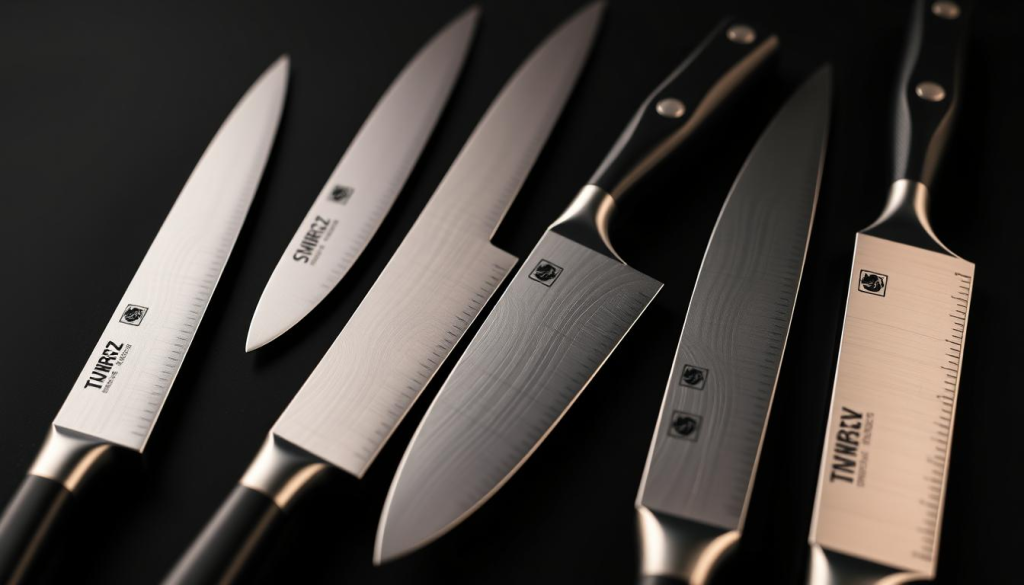
The Sujihiki knife is characterized by its long, narrow blade, typically ranging from 240mm to 300mm in length. This design makes it ideal for slicing large cuts of meat and fish, allowing for smooth, even cuts with minimal tearing.

The blade’s straight edge and sharpness enable precise control, making it a favorite among chefs for tasks that require delicacy and accuracy.

Common Uses in the Kitchen

In the kitchen, the Sujihiki knife is used for a variety of tasks, including slicing meat, fish, and poultry. Its long blade is particularly useful for carving roasts and filleting fish, making it a valuable asset for any chef or home cook.

Task Sujihiki Knife Benefits
Slicing Meat Provides smooth, even cuts with minimal tearing
Filleting Fish Allows for precise control and delicate handling
Carving Roasts Enables clean, uniform slices with ease

Whether you’re a professional chef or an avid home cook, the Sujihiki knife is an essential tool that can elevate your cooking experience. Its precision and versatility make it a valuable addition to any kitchen.

History of Masamoto Knives

The history of Masamoto Knives is a rich tapestry of tradition and innovation. With a long history of producing high-quality knives, Masamoto has established itself as a leading manufacturer of Japanese knives.

Founding and Evolution

Masamoto Knives was founded with a commitment to craftsmanship and attention to detail. Over the years, the company has evolved, incorporating new techniques while maintaining traditional methods. This blend of old and new has enabled Masamoto to stay at the forefront of knife manufacturing.

The company’s evolution is marked by its ability to adapt to changing culinary needs while maintaining its core values. Today, Masamoto Knives is renowned for its high-quality sujihiki knives, among other products.

Craftsmanship and Quality

At the heart of Masamoto Knives is a dedication to craftsmanship. Each knife is carefully crafted using high-quality materials and traditional techniques. The result is a product that is not only functional but also a work of art.

The craftsmanship of Masamoto Knives is evident in every detail, from the balance of the knife to the sharpness of the blade. This attention to detail has earned Masamoto Knives a loyal following among chefs and home cooks alike.

Masamoto Knives craftsmanship

Features of the Masamoto Sujihiki Knife

Designed for the discerning chef, the Masamoto Sujihiki Knife offers unparalleled slicing performance. This knife is a testament to the craftsmanship and quality that Masamoto is known for, making it a valuable addition to any professional kitchen.

Blade Material and Design

The Masamoto Sujihiki Knife features a high-carbon steel blade that is renowned for its sharpness and durability. The blade’s design is optimized for slicing, with a straight edge that allows for smooth, even cuts. This makes it ideal for preparing a variety of dishes, from delicate sashimi to perfectly sliced meats.

Key Blade Features:

  • Made from high-carbon steel for enhanced sharpness and durability
  • Straight edge design for smooth, even cuts
  • Precision-balanced for optimal performance

Handle Construction and Ergonomics

The handle of the Masamoto Sujihiki Knife is designed with ergonomics in mind, providing a comfortable grip that reduces fatigue during extended use. The handle material is carefully selected to ensure durability and comfort, making it suitable for chefs who spend long hours in the kitchen.

Handle Feature Benefit
Ergonomic Design Reduces hand fatigue
Durable Material Withstands heavy use
Comfortable Grip Enhances control and precision

Edge Retention and Sharpness

One of the standout features of the Masamoto Sujihiki Knife is its edge retention and sharpness. The high-carbon steel blade is capable of maintaining its sharpness over time, requiring less frequent sharpening. This ensures that the knife remains a reliable tool in the kitchen, always ready to deliver precise cuts.

Edge Retention Benefits:

  • Less frequent sharpening required
  • Maintains sharpness over time
  • Consistent performance

Benefits of Using a Masamoto Sujihiki Knife

With its exceptional craftsmanship, the Masamoto Sujihiki Knife stands out for its precision, versatility, and ease of maintenance. This top-rated sujihiki knife is designed to provide chefs and home cooks with a reliable tool that enhances their culinary experiences.

Masamoto Sujihiki Knife precision slicing

Precision in Slicing

The Masamoto Sujihiki Knife excels in precision slicing, allowing users to achieve uniform cuts with minimal effort. This precision is crucial for presenting dishes attractively and ensuring even cooking.

  • Enables precise cuts for various ingredients
  • Reduces the effort required for slicing, making it ideal for both professionals and home cooks
  • Enhances the overall presentation of dishes

Versatility for Various Ingredients

This knife’s versatility is one of its standout features. It is not limited to slicing meat; it can also be used for a variety of ingredients, including fish, vegetables, and more.

Some of the key benefits of its versatility include:

  1. Handling different types of meat with ease
  2. Slicing fish and delicate ingredients without causing damage
  3. Preparing vegetables for various recipes

Ease of Maintenance and Care

Maintaining the Masamoto Sujihiki Knife is relatively straightforward. The knife’s design and materials ensure that it remains in good condition with proper care.

To keep your knife in optimal condition, consider the following tips:

  • Regularly clean and dry the knife to prevent rust
  • Store the knife properly to avoid damage
  • Sharpen the knife as needed to maintain its edge

By incorporating a Masamoto Sujihiki Knife into your kitchen arsenal, you can enjoy the benefits of precision slicing, versatility, and ease of maintenance, making it a valuable addition to your cooking routine.

How to Properly Use a Sujihiki Knife

Unlock the full potential of your Masamoto Sujihiki Knife by mastering the art of slicing and handling with precision. The Masamoto Sujihiki Knife, known for its exceptional sharpness and balanced design, is a versatile tool in the kitchen, ideal for slicing various ingredients with ease.

Techniques for Slicing

To slice effectively with your Sujihiki Knife, it’s essential to employ the correct technique. Start by holding the knife at a slight angle, with the blade facing the direction you want the cut to go. Use a smooth, gentle motion, applying gentle pressure to slice through the ingredient. For uniform slices, maintain a consistent angle and apply steady, controlled pressure.

As noted by culinary experts, “The key to smooth slicing is not just the sharpness of the knife, but also the technique used.”

“A good knife is like a good friend; it helps you through thick and thin, but you need to know how to use it properly.” –

Chef’s Insight

Tips for Safe Handling

Safe handling of your Sujihiki Knife is paramount. Always cut away from your body, keeping your fingers curled under and out of the way of the blade. Ensure your cutting board is stable and won’t move during use. When not in use, store your knife in a safe place, such as a knife block or on a magnetic strip, to prevent accidents.

  • Keep your fingers away from the blade’s path.
  • Use a cutting board that won’t slip or move.
  • Store your knife properly when not in use.

Recommendations for Different Foods

The Masamoto Sujihiki Knife is versatile and can be used for slicing a variety of foods, from delicate fish to firm vegetables. For sushi and sashimi, use a smooth, gentle slicing motion to avoid tearing the fish. For meats and roasts, apply a bit more pressure, maintaining a consistent slice thickness.

By following these guidelines and practicing your technique, you’ll be able to achieve professional-grade results with your Masamoto Sujihiki Knife, enhancing your culinary creations.

Comparing Masamoto Sujihiki to Other Knives

Comparing the Masamoto Sujihiki Knife to Gyuto and Santoku knives reveals its unique slicing capabilities. While all three are Japanese knives, they serve different primary functions in the kitchen.

Key Differences from Gyuto and Santoku Knives

The Masamoto Sujihiki Knife is designed specifically for slicing, with a long, narrow blade that allows for smooth, even cuts. In contrast, Gyuto knives are more versatile, often used for chopping and slicing, and Santoku knives are known for their balanced design, suitable for a variety of tasks including mincing and slicing.

Knife Type Primary Use Blade Characteristics
Masamoto Sujihiki Slicing Long, narrow blade
Gyuto Chopping, slicing Versatile, often curved
Santoku Mincing, slicing, chopping Balanced, straight edge

Advantages of the Sujihiki Style

The Sujihiki style offers several advantages, particularly for tasks that require precision slicing. Its long blade allows for a smooth, rocking motion, making it ideal for slicing large or delicate foods. Additionally, the Masamoto Sujihiki Knife’s sharpness and edge retention make it a favorite among chefs.

Masamoto Sujihiki Knife comparison

Precision Slicing: The Masamoto Sujihiki Knife excels in tasks that require thin, even slices, such as preparing sashimi or slicing roast meats.

Ease of Use: Despite its specialized design, the Masamoto Sujihiki Knife is relatively easy to handle, even for those with less experience with Japanese knives.

Caring for Your Masamoto Sujihiki Knife

To keep your Masamoto Sujihiki Knife in optimal condition, regular care is essential. Proper maintenance not only extends the life of your knife but also ensures it continues to perform at its best.

Cleaning Tips

Cleaning your Masamoto Sujihiki Knife is a straightforward process that requires some care. Hand washing is recommended to prevent damage to the blade. Use mild soap and warm water, and dry the knife thoroughly to prevent rust.

Avoid using a dishwasher, as the high heat and harsh detergents can damage the blade and handle. For tougher residue, a soft sponge or cloth can be used, but be sure to clean the knife gently to avoid scratching.

caring for Masamoto Sujihiki Knife

Storage Solutions

Proper storage is crucial to maintaining your knife’s condition. Store your Masamoto Sujihiki Knife in a dry place, away from other utensils that could cause damage. A knife block or a magnetic strip is ideal for storing your knife, as it keeps the blade safe and within easy reach.

If you prefer to store your knife in a drawer, consider using a knife roll or individual blade covers to protect the blade and prevent accidents.

Sharpening Techniques

Sharpening your Masamoto Sujihiki Knife regularly is vital to maintaining its slicing precision. Use a whetstone or a sharpening rod designed for high-carbon knives. Start with a coarse grit to repair any damage, then move to finer grits for polishing.

  • Hold the knife at the correct angle, typically around 10-15 degrees for a Sujihiki.
  • Draw the knife across the stone in a smooth, even motion.
  • Repeat on the other side to maintain even sharpness.

By following these care and maintenance tips, you can ensure your Masamoto Sujihiki Knife remains a trusted companion in the kitchen for years to come.

Where to Buy the Masamoto Sujihiki Knife

The Masamoto Sujihiki Knife is available from various retailers, both online and in-store, but it’s crucial to choose a trusted source. Ensuring the authenticity and quality of the knife is paramount for both professional chefs and home cooks.

Trusted Retailers and Online Options

Several reputable retailers offer the Masamoto Sujihiki Knife. Some of the most trusted online options include:

  • Amazon
  • Specialty kitchen stores like Williams-Sonoma
  • Knife enthusiast forums and websites

When shopping online, it’s essential to verify the seller’s ratings and reviews to ensure you’re purchasing from a trusted source. Look for sellers with high ratings and a history of positive customer feedback.

Retailer Online Availability Price Range
Amazon Yes $100-$200
Williams-Sonoma Yes $150-$300
Knife Enthusiast Forums Yes $80-$250

Considerations Before Purchasing

Before buying a Masamoto Sujihiki Knife, consider the following factors:

  1. Authenticity: Ensure the knife is a genuine Masamoto product.
  2. Price: Compare prices across different retailers to find the best deal.
  3. Warranty: Check if the retailer offers a warranty or guarantee.

As noted by a culinary expert, “Investing in a high-quality knife like the Masamoto Sujihiki is a decision that can elevate your cooking experience.”

“A good knife is an extension of the chef’s hand, and the Masamoto Sujihiki Knife is among the best.”

By considering these factors and choosing a trusted retailer, you can ensure that your Masamoto Sujihiki Knife is of the highest quality and will provide years of service in the kitchen.

Customer Reviews and Testimonials

Reviews and testimonials from users provide valuable insights into the quality and functionality of the Masamoto Sujihiki Knife. By examining the experiences of both professional chefs and home cooks, we can gain a better understanding of the knife’s strengths and weaknesses.

User Experiences and Feedback

Many users have praised the Masamoto Sujihiki Knife for its exceptional sharpness and precision. One customer noted that the knife’s edge retention is impressive, staying sharp even after repeated use. Another user appreciated the ergonomic design of the handle, which makes it comfortable to hold and maneuver.

Common Praises and Criticisms

While the majority of reviews are positive, some users have noted areas for improvement. Common praises include the knife’s precision slicing capabilities and the high-quality materials used in its construction. Some criticisms include the need for careful handling to maintain the knife’s edge and the relatively high price point compared to other knives on the market.

A detailed analysis of customer reviews reveals that the Masamoto Sujihiki Knife is particularly well-suited for tasks that require precision and delicacy, such as slicing sashimi or carving meat. Users have also appreciated the knife’s versatility, using it for a variety of tasks in the kitchen.

  1. The knife’s sharpness and edge retention are frequently praised.
  2. The ergonomic handle design is comfortable to hold.
  3. The knife is versatile, suitable for various kitchen tasks.

Overall, the Masamoto Sujihiki Knife has received positive reviews from customers, with many appreciating its performance and quality.

FAQ About Masamoto Sujihiki Knives

When it comes to Masamoto Sujihiki knives, several questions often arise among kitchen enthusiasts. Understanding the facts about these premium knives can help you make informed decisions about their use and maintenance.

Addressing Common Questions

Many users wonder about the durability of Masamoto Sujihiki knives. The answer lies in their high-quality blade material, which is designed to withstand the rigors of frequent use. Here are some common questions and their answers:

  • What is the ideal way to clean a Masamoto Sujihiki knife? Hand washing with mild soap and drying immediately is recommended.
  • Can I use my Masamoto Sujihiki knife for chopping bones? No, it’s best to use it for slicing and cutting softer ingredients to maintain its edge.
  • How often should I sharpen my Masamoto Sujihiki knife? Sharpening frequency depends on usage, but generally, it’s recommended every few months.

Myth-busting Misconceptions

There are several misconceptions about Masamoto Sujihiki knives that need to be addressed. For instance, some believe that these knives are too delicate for heavy-duty tasks. However, their design is focused on precision slicing, making them ideal for specific kitchen tasks.

Myth Reality
Masamoto Sujihiki knives are fragile. They are crafted with high-carbon steel, making them durable.
These knives are only for professional chefs. Home cooks can also benefit from their precision and quality.

By understanding the facts about Masamoto Sujihiki knives, you can better appreciate their value in the kitchen. Whether you’re a professional or a home cook, these knives are designed to enhance your cooking experience.

Conclusion: Why Choose a Masamoto Sujihiki Knife

With its exceptional craftsmanship and performance, the Masamoto Sujihiki Knife is a valuable addition to any kitchen. This top-rated sujihiki knife has garnered attention for its precision slicing capabilities and versatility in handling various ingredients.

Summary of Benefits

The Masamoto Sujihiki Knife offers numerous benefits, making it a worthwhile investment for anyone serious about cooking. Its precision slicing ability ensures that ingredients are cut to the exact desired thickness, enhancing the overall presentation and cooking experience.

Additionally, the knife’s versatility allows it to be used for a wide range of kitchen tasks, from slicing delicate fish to cutting through tougher meats. This adaptability makes it an indispensable tool for both professional chefs and home cooks.

Final Thoughts on Investing in Quality

Investing in a Masamoto Sujihiki Knife is not just about purchasing a kitchen tool; it’s about investing in quality and performance. The durability and longevity of this knife mean that it will remain a trusted companion in the kitchen for years to come.

By choosing a Masamoto Sujihiki Knife, you’re not only enhancing your cooking experience but also supporting a tradition of craftsmanship and excellence. Whether you’re a seasoned chef or an enthusiastic home cook, this knife is sure to become an essential part of your culinary arsenal.

Additional Resources for Knife Enthusiasts

For those looking to expand their knowledge and skills in the world of Japanese kitchen knives, numerous resources are available. Whether you’re a seasoned chef or an enthusiastic home cook, exploring these resources can help you deepen your understanding of knives and cooking techniques.

Recommended Resources

Several cookbooks and websites offer valuable insights into knife skills and techniques. Notable cookbooks include those focused on Japanese cuisine, which often feature detailed instructions on using knives like the Masamoto Sujihiki. Websites dedicated to cooking and knife care also provide tutorials, maintenance tips, and product reviews.

Enhance Your Skills

Classes and workshops on knife skills are another excellent way to improve your craft. Many culinary schools and cooking institutes offer hands-on training sessions where you can learn from experienced professionals. By taking advantage of these additional resources, you can continue to refine your skills with Japanese kitchen knives, including the Masamoto Sujihiki.

FAQ

What is a Sujihiki Knife used for?

A Sujihiki Knife is a type of Japanese knife designed for slicing meat and fish, making it perfect for tasks that require precision and control, such as carving roasts or filleting fish.

What makes the Masamoto Sujihiki Knife high-quality?

The Masamoto Sujihiki Knife is made with a high-carbon steel blade renowned for its sharpness and durability, and its handle is constructed with ergonomics in mind, providing a comfortable grip.

How do I properly care for my Masamoto Sujihiki Knife?

To care for your Masamoto Sujihiki Knife, follow proper cleaning and maintenance tips, store the knife correctly, and use the right sharpening techniques to maintain its performance and longevity.

What are the benefits of using a Masamoto Sujihiki Knife?

The Masamoto Sujihiki Knife offers precision slicing capabilities, versatility for various ingredients, and ease of maintenance and care, making it a valuable addition to any kitchen.

How do I properly use a Sujihiki Knife?

To properly use a Sujihiki Knife, master the correct slicing techniques, handle the knife safely, and understand how to hold the knife correctly and slice different types of food.

What is the difference between a Sujihiki Knife and other types of knives?

The Sujihiki Knife’s unique design and features make it a top choice for slicing tasks, offering advantages that other knives, such as Gyuto and Santoku knives, may not provide.

Where can I buy a Masamoto Sujihiki Knife?

You can buy a Masamoto Sujihiki Knife from trusted retailers and online options, but be sure to consider factors like price and authenticity before making a purchase.

How do I sharpen my Masamoto Sujihiki Knife?

To sharpen your Masamoto Sujihiki Knife, use the right sharpening techniques, such as whetstones or sharpening steels, to maintain its edge retention and sharpness.

What do customers say about the Masamoto Sujihiki Knife?

Customer reviews and testimonials provide insights into the knife’s performance and quality, with many praising its precision slicing capabilities and durability.

Masamoto Knives: Crafted in Tokyo for Culinary Excellence


For centuries, the art of crafting exceptional knives has been perfected in Tokyo, a city renowned for its culinary excellence. At the heart of this tradition is Masamoto Sohonten, a venerable institution founded towards the end of the Edo period.

Minosuke Matsuzawa, the visionary founder, dedicated his life to developing techniques that would result in authentic, high-quality knives. This dedication has led to the creation of iconic Masamoto knives that are cherished by chefs worldwide.

The legacy of Masamoto Sohonten continues to thrive, with a commitment to excellence that is evident in every Masamoto knife crafted in Tokyo. These knives embody the perfect blend of tradition, quality, and performance.

Key Takeaways

  • Crafted in Tokyo for culinary excellence
  • Founded by Minosuke Matsuzawa towards the end of the Edo period
  • Dedicated to producing high-quality, authentic knives
  • Iconic Masamoto knives cherished by chefs worldwide
  • Legacy continues with a commitment to excellence
  • Blend of tradition, quality, and performance

The Legacy of Masamoto Knives

For over six generations, Masamoto has been perfecting the art of knife making, blending traditional techniques with modern precision. This dedication to craftsmanship has established Masamoto as a revered name in the culinary world.

A Brief History of Masamoto

Masamoto’s history is a rich tapestry of tradition and innovation. Founded in Tokyo, the brand has remained true to its roots while embracing modern advancements in knife making. The result is a range of original Masamoto knives that are highly sought after by chefs and culinary enthusiasts alike.

The brand’s commitment to quality is evident in every detail, from the selection of materials to the precision of the craftsmanship. Masamoto’s journey is a testament to the brand’s enduring legacy and its contribution to the world of culinary arts.

The Art of Japanese Knife Making

Japanese knife making is an art form that requires skill, patience, and attention to detail. Masamoto’s artisans are trained in the traditional techniques of Japanese sword making, which are adapted to create high-quality kitchen knives. The process involves carefully selecting and crafting the blade, handle, and other components to create a balanced and functional tool.

The art of Japanese knife making is not just about creating a tool; it’s about crafting a work of art that enhances the cooking experience. Masamoto’s commitment to this art form is reflected in the quality and performance of its knives.

Feature Description Benefit
Traditional Techniques Combining centuries-old methods with modern precision Enhanced durability and performance
High-Quality Materials Careful selection of steel and handle materials Superior sharpness and comfort
Artisanal Craftsmanship Skilled artisans trained in traditional Japanese knife making Unique, handcrafted quality in every knife

When you choose a Masamoto knife, you’re not just selecting a tool; you’re investing in a piece of culinary heritage. Whether you’re a professional chef or a home cook, Masamoto’s legacy of quality and craftsmanship is sure to enhance your cooking experience.

Why Choose a Masamoto Knife?

Crafted with precision and care, Masamoto knives represent the zenith of Japanese knife-making tradition. With a legacy that spans over 150 years, these knives are not just tools but heirlooms that embody the spirit of culinary excellence.

Exceptional Craftsmanship

Masamoto knives are the result of master artisans dedicating their lives to perfecting the art of knife making. Each knife is a testament to the artisan’s skill, with every detail meticulously attended to. The precision forging process ensures that every knife meets the highest standards of quality and performance.

Masamoto Knife Craftsmanship

Superior Materials

The use of high-carbon steel in Masamoto knives guarantees exceptional sharpness and durability. This material choice is a hallmark of Masamoto’s commitment to producing knives that not only perform exceptionally but also stand the test of time.

Material Characteristics Benefits
High-Carbon Steel Exceptional sharpness, durability Long-lasting performance, easy to sharpen
Traditional Forging Precision, craftsmanship Aesthetic appeal, functional excellence

Enduring Performance

Masamoto knives are designed to provide enduring performance, making them a valuable investment for any serious cook. Whether you’re a professional chef or a culinary enthusiast, the reliability and consistency of Masamoto knives are unmatched.

For those looking to purchase a top-rated Masamoto knife, it’s advisable to buy from authorized retailers or the official Masamoto knife store in Tokyo to ensure authenticity. You can also explore reputable online stores that specialize in Masamoto knives.

Types of Masamoto Knives

Masamoto Knives offers a diverse range of high-quality knives, each designed for specific culinary tasks. Whether you’re a professional chef or a home cook, understanding the different types of Masamoto Knives can help you choose the right tool for your needs.

Santoku Knives

Santoku knives are versatile and ideal for chopping, slicing, and mincing vegetables, meat, and fish. Their straight edge and balanced design make them a favorite among chefs. For those looking for the best Masamoto knife for general kitchen tasks, a Santoku knife is a great choice.

Gyuto Knives

Gyuto knives are considered an all-in-one kitchen essential. They are designed for cutting meat, fish, and vegetables with precision and ease. The Gyuto’s curved blade allows for a smooth, rocking motion, making it perfect for chopping and slicing. Many chefs consider the Gyuto to be an authentic Masamoto knife that embodies the brand’s quality.

Nakiri Knives

Nakiri knives are vegetable knives with a straight blade, ideal for chopping and slicing vegetables. Their simple design and sharp edge make them perfect for preparing ingredients for various dishes.

Yanagiba Knives

Yanagiba knives are long, slender knives used primarily for slicing raw fish for sashimi and sushi. Their length and sharpness allow for precise, smooth cuts, making them an essential tool for sushi preparation. Crafted in Tokyo, these knives reflect the tradition and skill associated with Masamoto knives.

Knife Type Primary Use Blade Characteristics
Santoku Chopping, slicing, mincing Straight edge, balanced design
Gyuto Cutting meat, fish, vegetables Curved blade, precise cutting
Nakiri Chopping, slicing vegetables Straight blade, sharp edge
Yanagiba Slicing raw fish Long, slender, sharp blade

“A good knife is not just a tool, it’s an extension of the chef’s hand.” –

A culinary expert

How to Care for Your Masamoto Knife

To maintain the excellence of your Masamoto knife, proper care is essential. Masamoto knives are renowned for their quality and performance, and with the right care, they can last a lifetime.

Proper Cleaning Techniques

Cleaning your Masamoto knife is a straightforward process that requires some care. Always hand wash your knife with mild soap and warm water. Avoid using a dishwasher, as the high heat and harsh detergents can damage the blade and handle. After washing, dry your knife immediately to prevent rust or water spots.

For more thorough cleaning, you can use a soft cloth and a small amount of oil to wipe down the blade. This helps maintain the knife’s finish and prevents corrosion.

Sharpening Your Knife

Sharpening is a critical aspect of knife care. A dull knife is not only less effective but also more dangerous, as it requires more force to cut, increasing the risk of accidents. Use a whetstone or a sharpening rod designed for high-carbon Japanese knives like Masamoto.

Begin with a coarse grit stone (about 1000 grit) to repair any nicks or dullness, then move to a finer grit (6000 or higher) to hone the edge to sharpness. Regular sharpening maintains the knife’s performance and extends its lifespan.

Safe Storage Practices

Proper storage is vital to protect your Masamoto knife from damage. Store your knife in a dry place, away from other utensils that could cause it to become nicked or scratched. A knife block or a magnetic strip is ideal for storing your knife, as it keeps the blade secure and within easy reach.

If you prefer to store your knife in a drawer, consider using a knife guard or sheath to protect the blade. This also helps prevent accidents when reaching into the drawer.

Masamoto Knife Care

By following these care guidelines, you can ensure your Masamoto knife remains a trusted companion in the kitchen for years to come. Whether you’re purchasing masamoto knives online or through an authorized retailer, proper care will maintain its status as a top rated masamoto knife. Investing in an original masamoto knife is just the first step; maintaining it properly is key to its longevity.

Understanding Knife Specifications

The world of Masamoto knives is vast, with various specifications that cater to different culinary needs. Understanding these specifications is key to selecting the right knife for your cooking style.

Blade Length and Shape

Masamoto knives come in a variety of blade lengths and shapes, each designed for specific tasks. The length of the blade can range from compact sizes ideal for precision work to longer blades suited for slicing larger ingredients.

  • Santoku Knives: Typically range from 165mm to 180mm in length, these knives are versatile and ideal for chopping, slicing, and mincing.
  • Gyuto Knives: Available in lengths from 210mm to 270mm, Gyuto knives are perfect for those who need a bit more reach for slicing and chopping.

The shape of the blade also plays a crucial role in the knife’s functionality. A straight edge is great for chopping, while a curved edge allows for smooth rocking motions.

Handle Material Types

The handle of a Masamoto knife is designed for comfort and durability. The materials used can vary, offering different benefits:

  1. Traditional Wood Handles: Provide a classic feel and are often preferred by chefs for their warmth and texture.
  2. Modern Synthetic Handles: Durable and easy to clean, these handles are perfect for busy kitchens.

When choosing a Masamoto knife, consider where you plan to buy it, such as a reputable masamoto knife store Tokyo or online retailers that specialize in authentic Masamoto products, ensuring you’re getting a genuine product.

For those interested in purchasing, it’s worth exploring options like where to buy Masamoto knives to find authorized dealers. This ensures that you’re not only getting an authentic product but also the right specifications for your needs.

Comparison with Other Knife Brands

The culinary world is replete with various knife brands, but Masamoto’s commitment to quality sets it apart. When considering a high-quality knife, it’s essential to evaluate how Masamoto compares to other brands in terms of unique features, price, and overall user experience.

Unique Features of Masamoto

Masamoto Knives are distinguished by their high-carbon steel blades and traditional craftsmanship. This combination results in knives that are not only durable but also maintain their sharpness over time. Unlike some other brands, Masamoto’s focus on traditional techniques ensures a level of quality that is hard to find elsewhere.

One of the standout features of Masamoto Knives is their precision edge retention. This means that chefs can rely on their Masamoto knives to perform consistently, even after repeated use and cleaning.

Masamoto Knives comparison

Price Point Analysis

When it comes to pricing, Masamoto Knives are positioned as a premium product. However, the quality justifies the investment. A comparison with other high-end brands reveals that Masamoto is competitively priced, especially considering the longevity and performance of their knives.

Brand Price Range Material
Masamoto $100-$300 High-Carbon Steel
Brand X $150-$400 Stainless Steel
Brand Y $80-$250 High-Carbon Steel

User Experience

Professional chefs and home cooks alike appreciate the ergonomic design of Masamoto Knives. The handles are crafted to provide comfort and control, reducing fatigue during extended use. Additionally, the balanced weight distribution enhances the overall handling of the knife.

Users of Masamoto Knives often praise their sharpness and cutting performance. Whether it’s chopping vegetables or slicing meat, Masamoto Knives deliver a superior cutting experience that makes cooking more efficient and enjoyable.

Testimonials from Professional Chefs

Renowned chefs across the globe trust Masamoto Knives for their original design, superior materials, and outstanding performance. The brand has garnered a loyal following among culinary experts who appreciate the precision, sharpness, and durability that Masamoto Knives offer.

Real Feedback from Culinary Experts

Professional chefs praise Masamoto Knives for their ability to deliver high-quality performance in the kitchen. For instance, Chef Michael notes that Masamoto Knives are his go-to choice for their exceptional balance and sharpness, allowing him to work efficiently and effectively.

“Masamoto Knives have become an indispensable part of my kitchen. Their precision and durability are unmatched, making them a valuable investment for any serious chef.”

Chef Michael

Other chefs echo similar sentiments, highlighting the top-rated Masamoto knife models for their iconic design and functionality. The knives’ ability to maintain their sharpness and perform consistently under demanding kitchen conditions is particularly appreciated.

Why Chefs Prefer Masamoto

Chefs prefer Masamoto Knives for several reasons, primarily due to their exceptional craftsmanship and the use of superior materials. The brand’s commitment to quality is evident in every detail, from the knife’s balance to its edge retention.

  • The precision and sharpness of Masamoto Knives allow for precise cuts and minimal waste.
  • The durability of the knives ensures they remain a valuable tool in the kitchen for years to come.
  • The iconic design of Masamoto Knives makes them not only functional but also a pleasure to use.

With their original Masamoto knives, chefs can achieve the highest level of performance and reliability. Whether it’s for slicing, chopping, or mincing, Masamoto Knives are designed to meet the demands of professional chefs.

top rated Masamoto knife

In conclusion, Masamoto Knives have earned their reputation among professional chefs for their quality, performance, and durability. By choosing Masamoto, chefs can trust they are getting a top-rated tool that will enhance their culinary creations.

Finding Authentic Masamoto Knives

Genuine Masamoto knives embody the pinnacle of Japanese craftsmanship, and purchasing from authorized retailers ensures authenticity. With the rise of counterfeit products in the market, it’s crucial for consumers to know where to buy authentic Masamoto knives.

Authorized Retailers in the United States

Masamoto has established a network of authorized retailers across the United States to ensure that customers have access to genuine products. Some of the reputable retailers include specialty kitchen stores and online marketplaces that have been vetted by Masamoto. When shopping, look for the “Authorized Masamoto Dealer” logo or check the product packaging for a hologram sticker, which is a sign of authenticity.

For a seamless shopping experience, visit Masamoto’s official website to find a list of authorized retailers near you. This not only guarantees that you’re buying a genuine Masamoto knife but also supports local businesses.

Online Shopping Tips

Shopping online for Masamoto knives can be convenient, but it requires extra caution to avoid counterfeit products. Here are some tips to ensure a safe online shopping experience:

  • Only purchase from authorized online retailers or Masamoto’s official website.
  • Be wary of extremely low prices or “too good to be true” deals.
  • Check for customer reviews and ratings to gauge the seller’s reliability.
  • Ensure the website has a secure checkout process (https) to protect your personal and financial information.

By following these guidelines, you can confidently purchase authentic Masamoto knives online, enjoying the benefits of Masamoto’s exceptional craftsmanship and superior quality in the comfort of your own home.

For those interested in visiting a physical store, Tokyo remains a hub for Masamoto knife enthusiasts. Visiting a Masamoto knife store in Tokyo can be a unique experience, offering a chance to explore a wide range of Masamoto products and receive expert advice from knowledgeable staff.

How to Select the Right Masamoto Knife

To find the perfect Masamoto knife, one must assess their culinary needs and preferences. With a range of authentic Masamoto knives available, the selection process can be streamlined by understanding the different types and their uses.

Assessing Your Needs

Before choosing a Masamoto knife, consider your cooking habits. Are you a professional chef or a home cook? Do you specialize in Japanese cuisine or experiment with various cooking styles? The best Masamoto knife for you will depend on your specific needs.

For instance, if you frequently prepare vegetables, a Nakiri knife might be ideal. If you’re more into slicing meat, a Gyuto or Santoku knife could be more suitable. Understanding your primary cooking tasks will help narrow down the options.

Choosing the Right Style

Masamoto offers a variety of knife styles, each with its unique characteristics. The iconic Masamoto knife is known for its exceptional craftsmanship and superior materials.

Knife Type Description Ideal Use
Santoku All-purpose knife with a straight edge Chopping vegetables, slicing meat
Gyuto Similar to a Western chef’s knife Slicing, dicing, and mincing
Nakiri Vegetable knife with a straight edge Chopping and slicing vegetables
Yanagiba Sashimi knife with a curved edge Preparing sashimi and sushi

By assessing your cooking needs and understanding the different styles of Masamoto knives, you can choose the authentic Masamoto knife that best suits your culinary endeavors.

The Role of Masamoto in Japanese Cuisine

In the heart of Japanese culinary tradition lies the Masamoto knife, a tool revered by chefs for its craftsmanship and performance. Masamoto knives have become an indispensable part of Japanese cuisine, known for their high-quality blades that are essential for preparing delicate dishes.

Cultural Significance

Masamoto knives hold a significant cultural place in Japan, symbolizing the country’s rich culinary heritage. The craftsmanship that goes into making these knives is a testament to the traditional Japanese values of precision and dedication. The original Masamoto knives are particularly prized for their authenticity and superior quality.

The use of Masamoto knives in Japanese cuisine is not just about functionality; it’s also deeply rooted in the cultural appreciation for the art of cooking. Chefs who use these knives are not just preparing meals; they are preserving a tradition that has been passed down through generations.

Crafting Delicate Dishes

The precision and sharpness of Masamoto knives make them ideal for crafting delicate dishes that are characteristic of Japanese cuisine. From slicing sashimi to chopping vegetables, these knives are designed to meet the exacting standards of Japanese cooking.

Dish Knife Used Technique
Sashimi Yanagiba Slicing
Vegetables Nakiri Chopping
Sushi Santoku Cutting

Masamoto knives, particularly the top rated Masamoto knife models, are designed to facilitate the preparation of a wide range of Japanese dishes. Their quality and performance are trusted by professional chefs and home cooks alike, making them a staple in kitchens across the United States and around the world.

Upcoming Trends in Kitchen Knives

Sustainability and design innovation are becoming key factors in the production of kitchen knives. As consumers become more environmentally conscious, manufacturers are adapting by using eco-friendly materials and production methods.

Design Innovations

The design of kitchen knives is evolving, with a focus on ergonomics and functionality. Modern knives are being crafted to fit comfortably in the hand, reducing fatigue during prolonged use. For instance, some Masamoto knives feature handles made from sustainable materials, combining tradition with modern design principles.

Key Features of Innovative Knife Designs:

  • Ergonomic handles for comfort
  • High-carbon steel for durability
  • Unique blade shapes for specific tasks

Sustainability in Production

The production of kitchen knives is becoming more sustainable, with companies opting for eco-friendly materials and processes. This includes using recycled materials, minimizing waste, and implementing energy-efficient manufacturing techniques.

Sustainable Practice Benefit
Using recycled materials Reduces waste and conserves resources
Energy-efficient manufacturing Lowers carbon footprint
Eco-friendly packaging Minimizes environmental impact

For those looking to purchase high-quality, sustainable knives, it’s possible to find Masamoto knives online through authorized retailers. Ensuring authenticity is crucial, so buyers should verify the seller’s credentials before making a purchase.

When searching for where to buy Masamoto knives, consider visiting the official Masamoto website or authorized dealers to ensure you’re getting an iconic Masamoto knife that meets your culinary needs.

Join the Masamoto Community

Becoming part of the Masamoto community opens up a world of culinary excellence and connection with like-minded individuals. By engaging with Masamoto, you gain access to a wealth of knowledge, expert tips, and the latest innovations from the renowned masamoto knife store in Tokyo.

Stay Connected with Fellow Enthusiasts

Masamoto encourages customers to connect with other knife enthusiasts through newsletters and online resources. This is your chance to share experiences, learn from others, and stay updated on authentic masamoto knives and the best masamoto knife for your needs.

Access Valuable Resources and Support

By joining the Masamoto community, you will have access to a range of online resources, including care guides, tutorials, and customer support. This ensures that your best masamoto knife remains in top condition and continues to perform exceptionally.

FAQ

Where are Masamoto Knives made?

Masamoto Knives are crafted in Tokyo, Japan, ensuring the highest quality and adherence to traditional Japanese knife-making techniques.

What makes Masamoto Knives special?

Masamoto Knives are renowned for their exceptional craftsmanship, superior materials, and enduring performance, making them a preferred choice among chefs and home cooks.

What types of Masamoto Knives are available?

Masamoto offers a range of knives, including Santoku, Gyuto, Nakiri, and Yanagiba, each designed for specific cutting tasks and cooking styles.

How do I care for my Masamoto Knife?

To maintain your Masamoto Knife, follow proper cleaning techniques, sharpening methods, and safe storage practices to extend its lifespan.

What is the significance of blade length and shape in Masamoto Knives?

The blade length and shape of Masamoto Knives are designed to optimize performance for specific cutting tasks, such as chopping, slicing, or mincing.

How do I choose the right Masamoto Knife for my needs?

Assess your cooking habits and needs, and choose a Masamoto Knife style that suits your requirements, whether it’s for chopping vegetables or slicing meat.

Are Masamoto Knives worth the investment?

Yes, Masamoto Knives are known for their exceptional quality, durability, and performance, making them a valuable investment for serious cooks and chefs.

How can I ensure I’m buying an authentic Masamoto Knife?

To avoid counterfeit products, purchase Masamoto Knives from authorized retailers in the United States or online, and be cautious of extremely low prices or unverified sellers.

What is the cultural significance of Masamoto Knives in Japanese cuisine?

Masamoto Knives play a vital role in Japanese cuisine, as they are used to craft delicate dishes and are deeply rooted in the country’s culinary traditions.

How do Masamoto Knives compare to other knife brands?

Masamoto Knives stand out due to their exceptional craftsmanship, superior materials, and attention to detail, setting them apart from other knife brands.

Can I find Masamoto Knives online?

Yes, you can find Masamoto Knives online through authorized retailers or the official Masamoto website, but be sure to follow online shopping tips to ensure authenticity.

What are the benefits of joining the Masamoto community?

Joining the Masamoto community allows you to connect with other knife enthusiasts, access online resources and support, and stay updated on the latest developments and trends.

Masamoto VG Petty Knife: The Perfect Blade for Everyday Cooking


A high-quality kitchen knife is an essential tool for any home cook or professional chef. The Masamoto VG Petty Knife is a prime example of a kitchen essential that combines precision and durability.

Made from high-carbon stainless steel, this knife is designed to withstand the rigors of daily use. Its sharp edge and balanced design make it ideal for a variety of tasks, from chopping vegetables to slicing meat.

Key Takeaways

  • A high-quality kitchen knife is essential for everyday cooking.
  • The Masamoto VG Petty Knife is made from high-carbon stainless steel.
  • Its sharp edge and balanced design make it ideal for various kitchen tasks.
  • This knife is a valuable addition to any kitchen.
  • It is designed to withstand the rigors of daily use.

Introduction to the Masamoto VG Petty Knife

For chefs and home cooks alike, the Masamoto VG Petty Knife represents a pinnacle of Japanese knife-making tradition. This knife is not just a tool; it’s an extension of the cook’s hand, designed to perform with precision and finesse.

What Makes a Petty Knife Unique?

A petty knife is typically used for delicate tasks such as peeling and trimming fruits and vegetables. Its smaller size allows for more control and precision, making it an essential tool in any kitchen. The Masamoto VG Petty Knife, with its high-carbon steel blade, is particularly adept at these tasks, offering a sharpness that makes even the most intricate cuts effortless.

The ergonomic design of the handle ensures a comfortable grip, reducing fatigue during prolonged use. This combination of a sharp blade and comfortable handle makes the Masamoto VG Petty Knife a joy to use, whether you’re a professional chef or a culinary enthusiast.

Overview of Masamoto’s Reputation

Masamoto is a renowned brand in the world of cutlery, known for producing high-quality, professional chef knives that are both durable and precise. With a history rooted in traditional Japanese sword-making, Masamoto has adapted its craftsmanship to create knives that are highly regarded by chefs worldwide. The brand’s commitment to using high-grade materials and time-honored techniques has earned it a loyal following among culinary professionals.

The Masamoto VG Petty Knife is a testament to the brand’s dedication to excellence. As a piece of premium cutlery, it reflects Masamoto’s pursuit of perfection in every detail, from the forging of the blade to the finishing touches on the handle.

Design Features of the Masamoto VG Petty Knife

The Masamoto VG Petty Knife is a masterpiece of Japanese craftsmanship, boasting a unique blend of functionality and design. This petty knife has gained popularity among chefs for its exceptional performance and comfort.

Blade Material and Construction

The Masamoto VG Petty Knife features a high-carbon stainless steel blade known for its durability and resistance to corrosion. This material ensures that the blade remains sharp and retains its edge over time, making it a reliable tool for daily kitchen tasks.

Key Features of the Blade:

  • Made from high-carbon stainless steel
  • Durable and resistant to corrosion
  • Retains sharpness over time
Material Characteristics Benefits
High-Carbon Stainless Steel Durable, corrosion-resistant Long-lasting, easy to maintain

Handle Design and Comfort

The handle of the Masamoto VG Petty Knife is made from Duracon, a material chosen for its comfort and durability. The ergonomic design ensures a comfortable grip, reducing fatigue during extended use.

The ergonomic handle design is tailored to fit comfortably in the hand, making it ideal for prolonged cooking sessions.

durable blade

Aesthetic Appeal of the Knife

The Masamoto VG Petty Knife is not only functional but also a visually appealing addition to any kitchen. Its sleek design and balanced weight make it a joy to use and display.

The combination of the high-carbon stainless steel blade and the Duracon handle gives the knife a premium look and feel, making it a favorite among top chef knives.

Performance and Versatility

With its exceptional balance of performance and versatility, the Masamoto VG Petty Knife is a valuable addition to any kitchen. This knife is designed to handle a variety of tasks with ease, making it an indispensable tool for both novice cooks and experienced chefs.

Ideal Uses for the Petty Knife

The Masamoto VG Petty Knife excels in tasks that require precision, such as peeling fruits and vegetables, slicing small pieces of meat, and chopping herbs. Its compact size and sharp blade make it ideal for intricate work where larger knives might be cumbersome.

Some of the ideal uses for this petty knife include:

  • Peeling and coring fruits and vegetables
  • Slicing small pieces of meat and poultry
  • Chopping fresh herbs and garnishes
  • Trimming fat from meat and fish

Comparison with Other Types of Knives

When compared to other types of knives, the Masamoto VG Petty Knife stands out for its versatility and precision. Unlike larger chef’s knives, it is perfect for detailed work that requires control and finesse.

Knife Type Ideal Use Precision Level
Masamoto VG Petty Knife Peeling, slicing small pieces, chopping herbs High
Chef’s Knife Chopping, slicing large pieces Medium
Paring Knife Peeling, coring fruits and vegetables High

The table above illustrates how the Masamoto VG Petty Knife compares to other common kitchen knives. Its high precision level and versatility make it a valuable kitchen essential.

Maintenance and Care

Proper care and maintenance are vital to extending the life of your durable blade. A well-maintained Japanese knife not only performs better but also remains a joy to use for a longer period.

Japanese knife maintenance

How to Properly Sharpen the Knife

Sharpening your Masamoto VG Petty Knife is crucial for maintaining its edge. To sharpen your knife, you’ll need a whetstone or a sharpening steel. Begin by placing the whetstone on a stable surface or securing the sharpening steel in a comfortable position.

For a whetstone, start with a coarse grit (about 1000) and draw the blade across the stone at a 10-degree angle, moving from the heel to the tip. Repeat this process several times on each side until you achieve the desired sharpness.

For a sharpening steel, hold the steel vertically and draw the knife down along the steel, maintaining a 10-degree angle. This process realigns the edge and maintains sharpness.

Cleaning and Storage Tips

Cleaning your knife after each use is essential to prevent the buildup of bacteria and food residue. Hand wash your Masamoto VG Petty Knife with mild soap and dry it immediately to prevent rust.

For storage, consider using a knife block or a magnetic strip to keep your knives organized and within reach. If you prefer to store your knife in a drawer, use a knife roll or individual blade covers to protect the edge and prevent accidents.

  • Hand wash and dry your knife after each use.
  • Store your knife in a dry place, away from children.
  • Regularly sharpen your knife to maintain its edge.

The Ideal Choice for Home Cooks

In the world of kitchen essentials, the Masamoto VG Petty Knife emerges as a must-have for home cooks. This knife is designed to make various kitchen tasks easier and more efficient, thereby enhancing the overall cooking experience.

Why Every Kitchen Needs a Petty Knife

A petty knife is an indispensable tool in any kitchen. It is used for a variety of tasks, from peeling and coring fruit and vegetables to slicing and chopping ingredients. The Masamoto VG Petty Knife, with its high-quality blade and ergonomic handle, makes these tasks effortless.

Having a petty knife in the kitchen is not just about having another tool; it’s about having the right tool that can significantly improve cooking skills. The precision and control offered by a high-quality petty knife like the Masamoto VG can make a substantial difference in food preparation.

Key Benefits of Using a Petty Knife:

  • Precision in cutting and slicing ingredients
  • Enhanced control during food preparation
  • Versatility in handling various kitchen tasks

Enhancing Cooking Skills with the Right Tools

The right kitchen tools can significantly enhance cooking skills. The Masamoto VG Petty Knife is designed to provide home cooks with the precision and control needed to improve their cooking techniques. Whether it’s slicing ingredients thinly or chopping them finely, this knife makes the process easier and more efficient.

“A good knife is the backbone of any kitchen. It makes cooking easier, faster, and more enjoyable.” –

Renowned Chef

Cooking with the right tools not only improves the quality of the dishes but also makes the cooking process more enjoyable. The Masamoto VG Petty Knife is an investment in quality kitchen tools that can elevate the cooking experience for home cooks.

Knife Feature Benefit to Home Cooks
High-quality blade Precision and durability
Ergonomic handle Comfort and control
Versatility Handling various kitchen tasks

Recommendations for Purchasing

When it comes to acquiring the Masamoto VG Petty Knife, several factors come into play. As a professional chef knife, it’s essential to consider where to buy it and what factors to evaluate before making a purchase.

Where to Buy the Masamoto VG Petty Knife

The Masamoto VG Petty Knife can be purchased from various online retailers, offering a range of options for buyers. Some popular places to buy include:

  • Specialty kitchen stores
  • Online marketplaces like Amazon
  • Directly from the manufacturer’s website

Each of these options has its advantages, including competitive pricing, customer reviews, and warranty services.

Factors to Consider Before Buying

Before making a purchase, several factors should be considered to ensure you’re getting the best value for your money.

Factor Description Importance Level
Price Compare prices across different retailers to find the best deal. High
Brand Reputation Consider the reputation of the brand and the quality of their products. High
Customer Reviews Read reviews from other customers to understand the product’s performance. Medium
Warranty Check if the product comes with a warranty or guarantee. Medium

By considering these factors and knowing where to buy the Masamoto VG Petty Knife, you can make an informed decision and enjoy the benefits of this exceptional professional chef knife.

Creating a Culinary Experience

The art of cooking is not just about following a recipe, but about the precision and quality of the tools you use. A high quality kitchen knife like the Masamoto VG Petty Knife is essential for any serious home cook or professional chef.

Precision is crucial in cooking, as it directly affects the presentation and quality of the dishes. The Masamoto VG Petty Knife, with its premium cutlery craftsmanship, offers the precision needed for intricate cuts and delicate preparations.

Elevating Your Cooking with Precision

Using a knife that is both sharp and balanced can significantly enhance your cooking experience. The Masamoto VG Petty Knife is designed to provide a seamless cutting experience, allowing for more control and precision in the kitchen.

The importance of precision in cooking cannot be overstated. It not only improves the aesthetic appeal of the dishes but also ensures that ingredients are prepared consistently, which is crucial for achieving the desired flavors and textures.

The Role of Quality Knives in Food Presentation

Food presentation is an integral part of the culinary experience, and quality knives play a significant role in this aspect. A well-crafted knife like the Masamoto VG Petty Knife enables chefs to prepare ingredients in a way that enhances the visual appeal of the dish.

The table below highlights the differences that a high-quality knife can make in food presentation:

Aspect With High-Quality Knife With Average Knife
Precision Cuts Uniform and clean cuts Irregular and rough cuts
Presentation Visually appealing dishes Less appealing, uneven presentation
Cooking Experience Enhanced control and ease More effort, less control

high quality kitchen knife

In conclusion, investing in a high quality kitchen knife like the Masamoto VG Petty Knife is a step towards creating a more enjoyable and sophisticated culinary experience. Whether you’re a professional chef or a home cook, the right tools can make a significant difference in your cooking.

Testimonials from Culinary Experts

The culinary world reveres Masamoto knives for their precision and durability. These Japanese knives have become an indispensable tool for many professional chefs.

What Chefs Say About Masamoto Knives

Many professional chefs endorse Masamoto knives for their quality and performance. For instance, Chef Masaharu Morimoto praises Masamoto knives for their exceptional sharpness and balance.

“Masamoto knives are a testament to Japanese craftsmanship. Their balance and sharpness are unparalleled.” – Chef Masaharu Morimoto

Case Studies of Professional Use

Masamoto knives are used in various professional culinary settings, from sushi preparation to fine dining. A case study of a Michelin-starred restaurant revealed that the chefs preferred Masamoto knives for their precision and reliability.

Restaurant Cuisine Type Knife Preference
Restaurant XYZ Sushi Masamoto VG Petty Knife
Fine Dining Cafe French Masamoto Santoku Knife

These professional chef knives are not just tools; they are an extension of the chef’s skill and artistry. The preference for Masamoto knives among professionals underscores their value in high-pressure kitchen environments.

professional chef knife

By choosing Masamoto, chefs are investing in a legacy of quality that enhances their culinary creations.

Price Range and Value

Evaluating the long-term value of the Masamoto VG Petty Knife requires a closer look at its durability and performance relative to its price. As a durable blade that withstands the rigors of frequent use, this knife proves to be a valuable kitchen essential.

Cost Comparisons with Other Brands

The price of the Masamoto VG Petty Knife is competitive with other high-quality knives available in the market. When comparing it with similar products from other brands, several factors come into play, including material quality, craftsmanship, and brand reputation.

For instance, while some premium knife brands may offer similar products at a higher price point, the Masamoto VG Petty Knife stands out due to its exceptional quality and Japanese craftsmanship. This balance of quality and price makes it an attractive option for both professional chefs and home cooks.

Assessing Long-Term Value

Assessing the long-term value of the Masamoto VG Petty Knife involves considering its durability, performance, and how it enhances cooking experiences. The knife’s high-carbon steel construction ensures that it remains sharp and resistant to corrosion over time, thereby providing long-term value.

Furthermore, the knife’s ergonomic design and balanced weight contribute to its overall usability, making it a joy to use for extended periods. This combination of durability, performance, and usability justifies the investment in the Masamoto VG Petty Knife, making it a worthwhile addition to any kitchen.

Conclusion: Is the Masamoto VG Petty Knife Right for You?

The Masamoto VG Petty Knife is a top-tier kitchen tool that combines quality, performance, and aesthetic appeal. As we’ve explored throughout this article, its exceptional craftsmanship and durability make it a valuable asset for any serious home cook or professional chef.

Final Thoughts on Quality and Performance

The Masamoto VG Petty Knife excels in both quality and performance. Its high-carbon steel blade ensures a sharp edge that lasts, while its ergonomic handle provides comfort during extended use. Whether you’re slicing vegetables or trimming meat, this knife performs admirably.

The precision and control it offers can elevate your cooking experience, making tasks more efficient and enjoyable. For those who value precision and are willing to invest in quality kitchen tools, the Masamoto VG Petty Knife is an excellent choice.

Encouraging Investment in Quality Kitchen Tools

Investing in a high-quality knife like the Masamoto VG Petty Knife is a decision that pays off in the long run. Not only does it provide consistent performance, but it also lasts longer, reducing the need for frequent replacements.

Feature Masamoto VG Petty Knife Other Petty Knives
Blade Material High-Carbon Steel Varied, often lower carbon content
Handle Design Ergonomic, comfortable grip Varied, sometimes less ergonomic
Sharpness Retention Excellent, long-lasting edge Good, but may require more frequent sharpening

As shown in the table, the Masamoto VG Petty Knife stands out for its high-quality materials and design. For cooks who are serious about their craft, investing in such a knife is a prudent decision.

In conclusion, if you’re in the market for a reliable, high-performance petty knife, the Masamoto VG is certainly worth considering. Its blend of quality, performance, and aesthetic appeal makes it a standout choice among top chef knives.

Frequently Asked Questions

Understanding the Masamoto VG Petty Knife’s capabilities and how to maintain it can enhance your cooking experience. As a high quality kitchen knife, it’s designed to make a significant difference in your kitchen essentials.

Common Queries About the Masamoto VG Petty Knife

Many users have questions about the Masamoto VG Petty Knife, including its maintenance, usage, and benefits. Here are some of the most frequently asked questions:

  • Is the Masamoto VG Petty Knife durable? Yes, it’s made from high-carbon steel, known for its strength and resistance to corrosion.
  • How do I sharpen the Masamoto VG Petty Knife? It’s recommended to use a whetstone or a sharpening steel to maintain its edge.
  • Can I use the Masamoto VG Petty Knife for chopping bones? While it’s a versatile knife, it’s not recommended for chopping bones as it may damage the blade.

Tips for New Knife Users

For those new to using high-quality kitchen knives like the Masamoto VG Petty Knife, here are some tips to get the most out of your kitchen essentials:

  1. Practice proper handling: Ensure you’re holding the knife correctly to maintain control and safety.
  2. Keep it sharp: Regular sharpening maintains the knife’s effectiveness and makes it safer to use.
  3. Clean and store properly: Hand wash and dry the knife, then store it in a dry place or a protective cover.

By understanding the Masamoto VG Petty Knife’s features and following proper care and usage tips, you can significantly enhance your cooking experience. Whether you’re a seasoned chef or a home cook, this knife is a valuable addition to your kitchen essentials.

Additional Resources

For those interested in furthering their knowledge of Japanese knives and premium cutlery, several resources are available. Exploring these can enhance your understanding and appreciation of the culinary arts.

Cookbooks for Inspiration

Cookbooks focused on Japanese cuisine, such as those by Masaharu Morimoto, offer insights into the techniques and recipes that highlight the use of high-quality knives like the Masamoto VG Petty Knife.

Blogs for Tutorials and Reviews

Several blogs are dedicated to knife enthusiasts, providing tutorials on knife care, reviews of premium cutlery, and discussions on the latest trends in Japanese knives.

Online Communities

Joining online forums and communities where knife enthusiasts share their experiences can be a valuable resource. These platforms allow users to learn from others, share tips, and stay updated on the best practices for maintaining and using Japanese knives and other premium cutlery.

FAQ

What is the Masamoto VG Petty Knife made of?

The Masamoto VG Petty Knife is made from high-quality VG steel, known for its durability and sharpness, making it a premium choice for kitchen tasks.

How do I properly sharpen my Masamoto VG Petty Knife?

To sharpen your Masamoto VG Petty Knife, use a whetstone with a fine grit, holding the knife at the correct angle, typically around 15-20 degrees, and gently draw it across the stone.

What are the ideal uses for a petty knife in the kitchen?

A petty knife is versatile and ideal for tasks such as chopping herbs, slicing small fruits and vegetables, and making precise cuts, making it an essential tool for home cooks and professional chefs alike.

How do I maintain the aesthetic appeal of my Masamoto VG Petty Knife?

To maintain the aesthetic appeal, regularly clean and dry the knife, and occasionally oil the handle to prevent cracking, ensuring it remains in good condition.

Is the Masamoto VG Petty Knife suitable for beginners?

Yes, the Masamoto VG Petty Knife is suitable for beginners due to its balanced design and sharpness, making it easier to handle and maneuver, ideal for those new to cooking.

Where can I purchase the Masamoto VG Petty Knife?

You can purchase the Masamoto VG Petty Knife from reputable online retailers, specialty kitchen stores, or directly from the manufacturer’s website, ensuring authenticity and quality.
How does the Masamoto VG Petty Knife compare to other brands in terms of value?

The Masamoto VG Petty Knife offers excellent value due to its high-quality materials, durability, and performance, comparing favorably to other premium brands in the market.

What is the price range of the Masamoto VG Petty Knife?

The price range of the Masamoto VG Petty Knife varies depending on the retailer and location, but it generally falls within the range of high-quality, professional chef knives, reflecting its premium quality and craftsmanship.

Can I use the Masamoto VG Petty Knife for tasks other than cooking?

While the Masamoto VG Petty Knife is designed for cooking tasks, its versatility means it can be used for other precise cutting tasks, though it’s essential to clean and maintain it properly to avoid cross-contamination.

How do I store my Masamoto VG Petty Knife to maintain its quality?

Store your Masamoto VG Petty Knife in a dry place, either in a knife block or on a magnetic strip, to protect the blade and maintain its sharpness, ensuring it remains a valuable kitchen companion.

Elevate Your Cooking with an Old Masamoto Knife


Cooking with precision and finesse is a hallmark of any skilled chef, and having the right tools can make all the difference. An old Masamoto knife is one such tool that can elevate your culinary experience. With over 150 years of history, Masamoto is a revered name in Japanese knife making, known for its exceptional craftsmanship and attention to detail.

The Masamoto VG series, in particular, stands out for its use of high-quality VG-10 stainless steel, offering a perfect balance between sharpness and ease of maintenance. Using a vintage Masamoto knife is not just about cooking; it’s about embracing a piece of history and tradition in your kitchen.

Key Takeaways

  • Masamoto knives have been crafted for over 150 years, reflecting a rich history and tradition.
  • The Masamoto VG series uses VG-10 stainless steel for enhanced sharpness and durability.
  • Using an antique Masamoto knife can elevate your cooking precision and finesse.
  • Masamoto knives are known for their exceptional craftsmanship and attention to detail.
  • Cooking with a vintage Masamoto knife adds a touch of tradition to your culinary experience.

What Makes Masamoto Knives Unique?

In the world of culinary arts, Masamoto knives are revered for their unique blend of traditional techniques and modern materials. The craftsmanship behind these knives is a testament to the skill and dedication of Japanese artisans.

The Craftsmanship Behind Masamoto

Masamoto knives are crafted using traditional methods that have been passed down through generations. The process involves meticulous attention to detail, from the selection of high-quality materials to the final sharpening of the blade. The result is a knife that is not only functional but also a work of art.

The craftsmanship is characterized by:

  • Precision forging techniques that ensure durability and sharpness
  • Hand-finishing processes that add a personal touch to each knife
  • A focus on creating a balance between the blade and the handle for optimal usability

Materials Used in Masamoto Knives

The materials used in Masamoto knives are a key factor in their exceptional performance. One of the standout materials is VG-10 stainless steel, known for its:

  1. High carbon content, which enhances sharpness and durability
  2. Resistance to corrosion, ensuring the knife remains in good condition over time
  3. Ability to hold its edge, reducing the need for frequent sharpening

The combination of VG-10 stainless steel and traditional craftsmanship results in a pre-owned Masamoto knife that is highly sought after by chefs and collectors alike. Whether you’re looking for a collectible Masamoto knife or a traditional Masamoto knife for everyday use, these knives are sure to impress.

A Brief History of Masamoto Knives

With a rich history that dates back over a century and a half, Masamoto knives embody the essence of Japanese culinary tradition. The brand’s legacy is built on the principles of quality, craftsmanship, and a deep understanding of the needs of chefs and home cooks alike.

Origin of the Brand

Masamoto’s journey began in the late 19th century, a time when traditional Japanese knife-making was at its peak. The brand quickly gained recognition for its commitment to using only the finest materials and adhering to time-honored crafting techniques. This dedication to excellence laid the foundation for Masamoto’s reputation as a premier knife maker.

The craftsmanship behind Masamoto knives is a hallmark of the brand. Each knife is carefully handcrafted by skilled artisans who have spent years mastering their craft. This attention to detail and commitment to quality has made Masamoto a beloved brand among chefs and collectors.

Evolution Through the Years

Over the years, Masamoto has continued to evolve, embracing new techniques while remaining true to its heritage. The brand has expanded its range to include various types of knives, each designed to meet the specific needs of different cooking tasks. Despite these changes, the core values of Masamoto have remained unchanged, ensuring that every knife that bears the Masamoto name is a testament to the brand’s rich history and commitment to excellence.

Today, Masamoto knives are sought after by chefs and home cooks around the world. The brand’s classic Masamoto knives are particularly prized for their beauty and functionality, making them a valuable addition to any kitchen.

The Different Types of Masamoto Knives

Whether you’re a professional chef or an enthusiastic home cook, understanding the different types of Masamoto knives can elevate your cooking experience. Masamoto offers a variety of knives, each designed for specific tasks in the kitchen, ensuring that you have the right tool for the job.

Gyuto: The All-Purpose Chef’s Knife

The Gyuto is Masamoto’s take on the traditional chef’s knife, ideal for chopping, slicing, and mincing ingredients. An old Masamoto Gyuto knife is particularly prized for its balance and sharpness, making it a versatile tool in any kitchen.

old Masamoto knife

Yanagiba: The Slicing Pro

For those who appreciate the art of slicing, the Yanagiba is the knife to use. It’s designed for precision cutting, particularly for sashimi and sushi. A vintage Masamoto Yanagiba is cherished for its ability to make clean, smooth cuts, enhancing the dining experience.

Deba: The Specialist for Fish

The Deba knife is a heavy-duty knife used primarily for filleting and preparing fish. An antique Masamoto Deba is valued for its strength and durability, capable of handling the toughest tasks with ease.

In conclusion, Masamoto’s range of knives caters to various culinary needs, from the all-purpose Gyuto to the specialized Deba. Understanding the strengths of each type can help you choose the right knife for your cooking style.

Benefits of Using an Old Masamoto Knife

The allure of an old Masamoto knife lies in its ability to deliver exceptional cooking experiences through its longevity and precision. For chefs and home cooks alike, incorporating such a knife into their culinary practice is not just about having a tool, but about embracing a piece of culinary heritage.

Longevity and Durability

One of the standout benefits of an old Masamoto knife is its remarkable longevity and durability. Crafted with high-quality materials and a level of craftsmanship that is hard to find in modern knives, these knives are built to last. As Masamoto’s commitment to quality is evident in every detail, from the forging process to the final sharpening, an old Masamoto knife can withstand the rigors of frequent use without losing its edge.

“A good knife is like a good friend,” says a seasoned chef. “It stands by you through thick and thin, and an old Masamoto knife is the epitome of this friendship.” Such knives have been known to remain in service for decades, a testament to their durability.

Enhanced Cutting Precision

Another significant advantage of using an old Masamoto knife is its enhanced cutting precision. The precision is partly due to the knife’s sharpness, which is a result of the high-carbon content and meticulous sharpening. Moreover, the balance and weight distribution of these knives allow for smooth, controlled cuts, making tasks like slicing, dicing, and chopping more efficient and precise.

“The precision of an old Masamoto knife is unmatched. It’s like an extension of your hand, allowing you to cook with confidence and finesse.”

The combination of longevity, durability, and cutting precision makes an old Masamoto knife an invaluable asset in the kitchen. Whether you’re a professional chef or a passionate home cook, the benefits of using such a knife are undeniable.

How to Identify an Old Masamoto Knife

The art of identifying a pre-owned Masamoto knife lies in recognizing its unique characteristics and markings. For collectors and enthusiasts, being able to distinguish an authentic old Masamoto knife from a newer or counterfeit version is crucial.

pre-owned Masamoto knife

Distinct Markings and Logos

One of the primary ways to identify an old Masamoto knife is by examining its markings and logos. Masamoto knives often feature a distinct logo or stamp that can indicate their authenticity and age. For instance, older models may have a different logo compared to newer ones, or they might include a serial number that can be traced back to a specific production period.

It’s essential to familiarize yourself with the various logos and markings used by Masamoto over the years. This knowledge can help you narrow down the age and authenticity of the knife. Additionally, checking for any certificates of authenticity or documentation that comes with the knife can further verify its legitimacy.

Blade Characteristics and Wear

The blade’s characteristics and wear are also critical indicators of an old Masamoto knife. Over time, the blade will develop certain wear patterns, such as sharpening marks or a patina that develops from use. The material quality and craftsmanship of Masamoto knives mean that even older knives can remain in excellent condition if properly maintained.

Inspecting the blade for any signs of aging, such as slight rust spots or wear on the edge, can provide clues about its history. Moreover, the balance and feel of the knife in the hand can also indicate its age and quality, as older knives often have a unique balance that is developed over years of use and sharpening.

By carefully examining these aspects, collectors and cooks can confidently identify and appreciate the value of an old Masamoto knife, whether it’s for its culinary utility or its historical significance as a collectible item.

Caring for Your Old Masamoto Knife

To keep your traditional Masamoto knife in top condition, regular care is essential. Proper maintenance not only extends the life of the knife but also ensures it continues to perform at its best.

Proper Cleaning Techniques

Cleaning your old Masamoto knife is a crucial step in its maintenance. Avoid using a dishwasher, as the high heat and harsh detergents can damage the blade and handle. Instead, gently wash the knife by hand with mild soap and dry it immediately to prevent rust.

For tougher residue, a soft sponge or cloth can be used. Be sure to clean both the blade and the handle, paying special attention to the area where the blade meets the handle, as this can be a spot where debris accumulates.

Sharpening Methods for Longevity

Sharpening is vital to maintaining the cutting performance of your historical Masamoto knife. Use a whetstone that is appropriate for your knife’s material. For most Masamoto knives, a water stone is recommended.

  • Start with a coarse grit to repair any damage or wear.
  • Progress to finer grits for honing and polishing the edge.
  • Sharpen regularly to maintain the knife’s performance and prevent excessive wear.

A well-sharpened knife is not only more effective but also safer to use, as it requires less force and is less likely to slip.

Sharpening Method Description Benefit
Whetstone Using a water stone to sharpen the knife Precise control over the sharpening process
Sharpening Steel Honing the edge with a steel rod Quick maintenance between sharpenings
Electric Sharpener Using an automated device to sharpen the knife Convenient and fast sharpening

By following these care and sharpening tips, you can ensure your classic Masamoto knife remains a valuable and reliable tool in your kitchen for years to come.

Where to Buy Old Masamoto Knives

The hunt for an old Masamoto knife can be a rewarding journey, leading to the discovery of a truly exceptional culinary tool. Whether you’re a collector, a professional chef, or an enthusiastic home cook, acquiring a vintage Masamoto knife can elevate your cooking experience.

Trusted Retailers and Online Platforms

One of the most straightforward ways to purchase an old Masamoto knife is through trusted retailers and online platforms. These sources often provide authenticity guarantees and detailed product descriptions, making it easier to find the right knife.

  • Specialty Kitchen Stores: Many specialty kitchen stores carry a selection of vintage or used Masamoto knives. These stores often have knowledgeable staff who can provide insights into the history and quality of the knives.
  • Online Marketplaces: Websites like eBay, Etsy, and Amazon have a wide range of old Masamoto knives. When purchasing online, it’s crucial to check the seller’s ratings and reviews, as well as any authenticity guarantees.

vintage Masamoto knife

Auctions and Specialty Shops

For those willing to take a more adventurous approach, auctions and specialty shops can be a treasure trove for old Masamoto knives. These venues often feature rare and unique items that can be a valuable addition to any kitchen.

  1. Auction Houses: Reputable auction houses sometimes feature vintage kitchenware, including Masamoto knives. Bidders can find rare models, but it’s essential to research the auction house’s credibility and understand the bidding process.
  2. Antique Shops: Some antique shops specialize in vintage kitchen items, including old Masamoto knives. Visiting these shops can be a delightful experience, as they often contain hidden gems.

When purchasing an old Masamoto knife, regardless of the source, it’s vital to inspect the knife’s condition carefully. Look for signs of wear, check the blade’s sharpness, and ensure that the knife is authentic. With patience and persistence, you can find a high-quality old Masamoto knife that will serve you well in your culinary endeavors.

Comparing Old vs. New Masamoto Knives

Old and new Masamoto knives have their own unique qualities that set them apart in terms of performance and value. For culinary enthusiasts and collectors alike, understanding these differences is crucial in making an informed decision.

Performance Differences

The performance of a Masamoto knife, whether old or new, is largely determined by its craftsmanship and materials. Old Masamoto knives are often praised for their exceptional sharpness and durability, characteristics that have been honed over years of use.

  • Old Masamoto knives have a patina that can enhance their cutting performance.
  • New Masamoto knives, on the other hand, offer a pristine condition and often come with modern features such as improved edge retention.

pre-owned Masamoto knife comparison

Value for Collectors

For collectors, the value of a Masamoto knife lies not only in its performance but also in its historical significance and rarity. A pre-owned Masamoto knife or a rare Masamoto knife can be highly sought after due to its unique characteristics and the story behind it.

  1. Collectors often look for old Masamoto knives with unique markings or historical significance.
  2. The condition and originality of the knife can significantly impact its value.
  3. A collectible Masamoto knife can appreciate in value over time, making it a worthwhile investment.

In conclusion, whether you are a chef looking for a reliable tool or a collector seeking a rare find, understanding the differences between old and new Masamoto knives is essential.

Using Your Old Masamoto Knife in Everyday Cooking

Using an old Masamoto knife is not just about cutting ingredients; it’s about elevating your cooking to an art form. With its rich history and exceptional craftsmanship, a traditional Masamoto knife becomes a trusted companion in the kitchen.

Tips for Home Chefs

For home chefs, incorporating a historical Masamoto knife into daily cooking can make a significant difference. Here are some tips to get the most out of your classic Masamoto knife:

  • Choose the right knife for the task. A Gyuto is versatile for general cooking, while a Yanagiba excels at slicing.
  • Maintain your knife regularly. Regular sharpening and proper storage will extend its lifespan.
  • Experiment with different cutting techniques. The balance and sharpness of a Masamoto knife allow for precise cuts, enhancing your cooking experience.

Best Practices for Seasonal Ingredients

When working with seasonal ingredients, a traditional Masamoto knife proves invaluable. Here are best practices to maximize its utility:

  1. Prepare ingredients with care. The sharp edge of a Masamoto knife ensures clean cuts, preserving the integrity of the ingredients.
  2. Adapt your cutting technique to the ingredient. For example, delicate fish requires a gentle touch, while harder vegetables can be chopped more robustly.
  3. Store your knife properly after use. A dry, secure place will prevent damage and maintain its historical value.

By following these guidelines, home chefs can fully appreciate the value of their old Masamoto knife, making everyday cooking a more enjoyable and creative process.

The Cultural Significance of Masamoto Knives

The significance of Masamoto knives extends far beyond their functionality, deeply influencing both Japanese cuisine and global culinary practices. These knives are not just tools; they are a bridge between tradition and innovation.

Masamoto knives have become an integral part of Japanese culinary culture, symbolizing the precision and dedication that define Japanese cooking. The craftsmanship that goes into creating these knives is a testament to the value placed on quality and tradition in Japanese society.

Influence in Japanese Cuisine

In Japanese cuisine, Masamoto knives are revered for their role in preparing dishes with precision and finesse. From the delicate slices of sashimi to the intricate cuts of vegetables, these knives are essential tools for chefs.

The use of Masamoto knives in Japanese cooking is not just about functionality; it’s also about the artistry and skill involved. Chefs who wield these knives are not just preparing meals; they are performing a culinary dance that requires precision, patience, and practice.

Global Appeal and Recognition

Beyond Japan, Masamoto knives have gained global recognition for their quality and craftsmanship. Chefs around the world appreciate the value of using an old Masamoto knife or a vintage Masamoto knife in their kitchens.

The appeal of Masamoto knives lies in their ability to combine traditional techniques with modern culinary needs. Whether it’s an antique Masamoto knife or a newer model, these knives are prized for their durability and performance.

Aspect Japanese Cuisine Global Cuisine
Craftsmanship Highly valued for traditional techniques Appreciated for quality and durability
Culinary Use Essential for precise cuts and presentation Used for a variety of cooking techniques
Cultural Significance Symbolizes tradition and skill Recognized as a tool of culinary excellence

In conclusion, Masamoto knives hold a significant place in both Japanese and global culinary cultures. Their influence extends beyond the kitchen, representing a blend of tradition, craftsmanship, and innovation.

Testimonials from Chefs and Home Cooks

Many professional chefs and home cooks have shared their positive experiences with old Masamoto knives, highlighting their exceptional quality and performance. These testimonials underscore the value and craftsmanship that Masamoto knives are known for.

Professional Endorsements

Renowned chefs across the globe endorse Masamoto knives for their precision and durability. For instance, Chef Takashi Yamamoto, a Michelin-starred chef, praises his old Masamoto knife for its unparalleled sharpness and ability to withstand the rigors of a busy kitchen.

  • Rare Masamoto knives are particularly sought after by top chefs for their unique characteristics and historical significance.
  • Many professionals attribute their success in the kitchen to the quality of their knives, with Masamoto being a preferred brand.

Chef Yumi Yamada, known for her intricate sushi preparations, uses a pre-owned Masamoto Yanagiba knife, appreciating its exquisite balance and the way it glides through fish.

Personal Experiences with Old Masamoto Knives

Home cooks also have heartfelt stories about their old Masamoto knives. For many, these knives are more than just kitchen tools; they are cherished companions that have been passed down through generations.

“My grandmother’s old Masamoto Deba knife has become a family heirloom. It’s not just a knife; it’s a piece of our history.” –

Emiko Tanaka, Home Cook

Others appreciate the collectible value of their Masamoto knives, often seeking out rare or vintage pieces to add to their collection.

  1. Some home cooks enjoy the hunt for pre-owned Masamoto knives at auctions or antique shops.
  2. Others value the historical significance and craftsmanship that goes into each Masamoto knife.

The stories from both professional chefs and home cooks highlight the enduring appeal of Masamoto knives. Whether you’re a seasoned chef or a passionate home cook, an old Masamoto knife can be a valuable addition to your kitchen arsenal.

Conclusion: Why You Should Invest in an Old Masamoto Knife

Investing in an old Masamoto knife can be a valuable addition to any kitchen, offering a unique blend of traditional craftsmanship and historical significance. A traditional Masamoto knife is not just a tool, but a piece of culinary heritage that can elevate your cooking experience.

Timeless Quality and Performance

An old Masamoto knife, whether it’s a historical or classic model, is renowned for its exceptional quality and performance. The durability and precision of these knives make them a favorite among chefs and home cooks alike. By incorporating a traditional Masamoto knife into your kitchen arsenal, you’ll be able to tackle a variety of cooking tasks with ease and precision.

Enhancing Your Culinary Journey

A classic Masamoto knife is more than just a kitchen tool; it’s a companion that will help you refine your cooking techniques and explore new recipes. With its rich history and timeless appeal, an old Masamoto knife is an investment that will continue to appreciate over time, both in value and in the joy it brings to your culinary journey.

FAQ

What is the significance of using a vintage Masamoto knife in cooking?

Using a vintage Masamoto knife in cooking brings precision, durability, and a rich history to the kitchen, elevating the cooking experience.

What makes Masamoto knives unique?

Masamoto knives are unique due to their craftsmanship, materials, and traditional techniques used in their manufacture, particularly the use of VG-10 stainless steel.

How can I identify an antique Masamoto knife?

To identify an antique Masamoto knife, look for distinct markings, logos, and blade characteristics, as well as signs of wear that indicate its age and authenticity.

What are the benefits of using a pre-owned Masamoto knife?

The benefits of using a pre-owned Masamoto knife include its longevity, enhanced cutting precision, and the connection it provides to culinary tradition.

How do I care for my old Masamoto knife?

To care for your old Masamoto knife, use proper cleaning techniques and sharpening methods to ensure its longevity and maintain its performance.

Where can I buy a rare Masamoto knife?

You can buy a rare Masamoto knife from trusted retailers, online platforms, auctions, and specialty shops, but be aware of the benefits and risks associated with each option.

What is the difference between an old and a new Masamoto knife?

The difference between an old and a new Masamoto knife lies in their performance differences and value for collectors, with old knives often holding a unique historical significance.

How can I use my traditional Masamoto knife in everyday cooking?

To use your traditional Masamoto knife in everyday cooking, follow tips for home chefs and best practices for handling seasonal ingredients to get the most out of your knife.

What is the cultural significance of Masamoto knives?

Masamoto knives have a significant influence on Japanese cuisine and a global appeal, recognized for their quality and craftsmanship, making them important beyond the kitchen.

Are historical Masamoto knives worth collecting?

Yes, historical Masamoto knives are worth collecting for their value to collectors, their performance, and the connection they provide to culinary history.

What do chefs and home cooks say about using old Masamoto knives?

Chefs and home cooks endorse old Masamoto knives for their quality, performance, and the experience they bring to cooking, sharing personal experiences and professional endorsements.

Why should I invest in a classic Masamoto knife?

Investing in a classic Masamoto knife provides a summary of key benefits, including its longevity, precision, and connection to culinary tradition, making it a valuable addition to any kitchen.

Masamoto Tsukiji Knife: Precision and Performance in the Kitchen


The Masamoto Tsukiji knife is a revered tool among chefs and cooking enthusiasts alike, known for its exceptional precision and performance. Originating from Japan, this knife has become a staple in many professional kitchens and homes due to its outstanding quality and durability.

Crafted with meticulous attention to detail, the Masamoto Tsukiji is designed to provide a superior cutting experience. Its rich history and heritage make it not just a kitchen tool, but an investment in culinary excellence. Whether you’re a serious home chef or a professional cook, understanding the unique features and benefits of this knife can elevate your cooking to new heights.

Key Takeaways

  • Exceptional precision and performance in the kitchen.
  • Crafted with meticulous attention to detail.
  • An investment in culinary excellence.
  • Suitable for both professional cooks and serious home chefs.
  • Rich history and heritage.

Overview of the Masamoto Tsukiji Knife

With a rich history and exceptional craftsmanship, the Masamoto Tsukiji knife stands out in the world of kitchen knives. This high-quality kitchen knife is a testament to the art of traditional Japanese cutlery, where every detail matters.

The Masamoto Tsukiji knife is not just any knife; it’s a handcrafted knife made with precision and care. The process of creating such a knife involves a deep understanding of the materials and techniques passed down through generations.

What Makes It Unique?

The uniqueness of the Masamoto Tsukiji knife lies in its exceptional craftsmanship and the materials used. The knife is made from high-carbon steel, known for its durability and ability to hold a sharp edge.

“A good knife is not just a tool, it’s an extension of the chef’s hand,” said a renowned chef about the importance of quality cutlery. The Masamoto Tsukiji knife embodies this philosophy, offering precision and control in every cut.

The combination of traditional manufacturing techniques and modern materials results in a knife that is both durable and precise. This blend of old and new is what sets the Masamoto Tsukiji knife apart from others in the market.

Feature Description Benefit
High-Carbon Steel Made from high-quality steel for durability Long-lasting and resistant to wear
Handcrafted Crafted by skilled artisans Unique character and precision
Traditional Techniques Uses methods passed down through generations Authenticity and heritage

History and Heritage

The Masamoto Tsukiji knife has a rich history rooted in Japanese culinary traditions. Understanding the heritage behind this knife adds to its value and appeal, making it more than just a kitchen tool.

The history of Masamoto knives dates back to the early 20th century, with a legacy that spans decades. The brand has been synonymous with quality and excellence, making it a favorite among professional chefs and home cooks alike.

Where It’s Made

The Masamoto Tsukiji knife is made in Japan, a country known for its culinary culture and attention to detail. The manufacturing process involves skilled artisans who have honed their craft over years, if not decades.

The region where it’s made is renowned for its production of high-quality knives, with a focus on traditional techniques and materials. This environment fosters the creation of exceptional cutlery that is sought after worldwide.

Types of Masamoto Tsukiji Knives

Understanding the various types of Masamoto Tsukiji knives is essential for selecting the right tool for your kitchen. Masamoto Tsukiji offers a range of knives, each designed for specific tasks, ensuring that whether you’re a professional chef or a home cook, you can find the perfect knife to enhance your culinary skills.

Gyuto – The Chef’s Knife

The Gyuto is a versatile professional chef knife ideal for chopping, slicing, and mincing. Its balanced design makes it comfortable to use for extended periods, and its sharp edge ensures precise cuts. A stainless steel gyuto knife is particularly durable and resistant to corrosion.

Nakiri – The Vegetable Knife

The Nakiri knife is designed specifically for vegetable preparation. Its straight edge and flat profile make it perfect for chopping and slicing vegetables with precision. This premium kitchen utensil is a must-have for anyone who frequently cooks with fresh vegetables.

Sujihiki – The Slicing Knife

The Sujihiki is a long, slender knife used primarily for slicing. It’s ideal for cutting thin slices of meat, fish, and other proteins. The Sujihiki’s design allows for smooth, even cuts, making it an indispensable tool for presentation.

To better understand the differences and applications of these knives, here’s a comparison table:

Knife Type Primary Use Edge Type Material
Gyuto Chopping, Slicing, Mincing Curved High-Carbon Stainless Steel
Nakiri Vegetable Preparation Straight High-Carbon Stainless Steel
Sujihiki Slicing Straight High-Carbon Stainless Steel

Types of Masamoto Tsukiji Knives

By understanding the unique characteristics and uses of each Masamoto Tsukiji knife, you can choose the right knife to enhance your cooking experience and improve your culinary skills.

Material and Craftsmanship

The Masamoto Tsukiji knife is a testament to the art of Japanese knife-making, featuring high-carbon steel and meticulous craftsmanship. This blend of superior materials and expert techniques results in a truly authentic Japanese knife that stands out in any kitchen.

High-Carbon Steel Explained

At the core of the Masamoto Tsukiji knife is its high-carbon steel blade. This material is chosen for its durability, ability to hold a sharp edge, and resistance to corrosion. High-carbon steel contains a higher percentage of carbon than other types of steel, which allows it to be sharpened to a finer edge and maintain its sharpness over time.

The use of high-carbon steel in the Masamoto Tsukiji knife ensures that it remains a high-quality kitchen knife, capable of performing demanding tasks with ease. Whether you’re slicing through tough ingredients or precision-cutting delicate herbs, this knife’s blade will serve you well.

Material Properties Benefits
High-Carbon Content Sharpens to a fine edge, retains sharpness
Durability Resists wear and tear, long-lasting
Corrosion Resistance Withstands exposure to acidic ingredients

Traditional Manufacturing Techniques

The Masamoto Tsukiji knife is not just made from high-quality materials; it’s also crafted using traditional manufacturing techniques passed down through generations. Skilled artisans carefully forge and sharpen each knife, ensuring that it meets the high standards of Japanese craftsmanship.

“The art of knife-making is a tradition that requires patience, skill, and attention to detail. Every Masamoto Tsukiji knife is a reflection of this heritage.”

Benefits of Exceptional Craftsmanship

The exceptional craftsmanship of the Masamoto Tsukiji knife results in a handcrafted knife that is both functional and beautiful. The attention to detail and care taken in its creation mean that the knife will be a trusted companion in the kitchen for years to come.

The benefits of such craftsmanship include improved performance, as the knife is designed to balance perfectly in the hand, and a longer lifespan, as the high-quality materials and construction withstand the rigors of frequent use.

Care and Maintenance

Maintaining your Masamoto Tsukiji knife is crucial for its longevity and performance. A premium kitchen utensil like this requires regular attention to keep it in top condition.

high quality kitchen knife maintenance

Proper Cleaning Techniques

Cleaning your Masamoto Tsukiji knife after each use is vital. Use mild soap and warm water to clean the knife, and dry it thoroughly to prevent rust. Avoid using abrasive materials or putting the knife in a dishwasher, as this can damage the high-carbon steel.

“A clean knife is a safe knife,” says a renowned chef. “Regular cleaning not only maintains the knife’s performance but also ensures safety in the kitchen.”

Sharpening Your Knife

Regular sharpening is essential to maintain the knife’s edge. Use a whetstone or a sharpening rod designed for traditional Japanese cutlery. Sharpening not only improves the knife’s performance but also extends its lifespan.

  • Use a coarse grit stone to repair the edge.
  • Switch to a finer grit stone to hone the edge.
  • Repeat the process regularly to maintain sharpness.

Storage Recommendations

Proper storage is critical to prevent damage and maintain the knife’s quality. Store your Masamoto Tsukiji knife in a dry place, away from other utensils that could cause damage. Consider using a knife block or a magnetic strip to keep the knife safe and within reach.

“A good knife deserves proper storage. It’s not just about keeping it safe; it’s about maintaining its performance and longevity.”

By following these simple care and maintenance tips, you can ensure that your Masamoto Tsukiji knife remains a trusted companion in the kitchen for years to come.

Why Choose a Masamoto Tsukiji Knife?

For chefs and home cooks alike, the Masamoto Tsukiji knife represents a pinnacle of quality and performance. Whether you’re preparing a simple meal or crafting a complex dish, this knife is designed to meet your needs with precision and finesse.

Precision in Every Cut

The Masamoto Tsukiji knife is renowned for its sharpness and ability to make precise cuts. This precision is crucial for both presentation and the overall cooking experience. Chefs appreciate how the knife glides through ingredients with ease, making tasks like chopping, slicing, and mincing effortless.

Many users have praised the knife’s performance, noting that it significantly improves their kitchen efficiency. The Masamoto Tsukiji knife has changed the way I cook,” says a professional chef. “Its balance and sharpness make every task a joy.”

Durability and Longevity

One of the standout features of the Masamoto Tsukiji knife is its durability. Crafted from high-carbon steel, it resists wear and tear, maintaining its edge over time. This longevity means that while the initial investment might be higher, the long-term value is undeniable.

  • Resistant to corrosion and wear
  • Maintains sharpness with proper care
  • A valuable addition to any kitchen

Enhancing Your Culinary Skills

Using a professional chef knife like the Masamoto Tsukiji can elevate your cooking. It encourages precision and technique, helping you to refine your skills. Whether you’re a novice or an experienced cook, this knife can help you achieve better results.

“A good knife is an extension of the chef’s hand. The Masamoto Tsukiji knife is one of the best I’ve ever used.”

Alice Waters, Renowned Chef

By choosing a Masamoto Tsukiji knife, you’re not just selecting a tool; you’re investing in your culinary journey. With its blend of precision, durability, and craftsmanship, this knife is sure to enhance your cooking experience.

User Experiences and Reviews

Professional chefs and home cooks have shared their thoughts on the Masamoto Tsukiji knife, highlighting its precision and craftsmanship. The feedback from users provides valuable insights into the performance and durability of this premium kitchen utensil.

Chefs’ Opinions

Many professional chefs have praised the Masamoto Tsukiji knife for its exceptional sharpness and balance. “This knife has become an indispensable tool in my kitchen,” says Chef Thompson. “The authentic japanese craftsmanship is evident in every cut.”

“The Masamoto Tsukiji knife is a game-changer. Its precision and performance are unmatched.”

Chef Maria, Michelin-starred restaurant

Home Cook Feedback

Home cooks have also shared their positive experiences with the Masamoto Tsukiji knife. They appreciate its ease of use and the handcrafted quality that makes every meal preparation a joy.

  • Easy to sharpen and maintain
  • Excellent balance and ergonomics
  • Durable and long-lasting

Comparing Similar Brands

When comparing the Masamoto Tsukiji knife with similar brands, several key differences emerge. The table below highlights these differences:

Brand Material Edge Retention Price
Masamoto Tsukiji High-carbon steel Excellent $200
Brand X Stainless steel Good $150
Brand Y High-carbon steel Excellent $250

The Masamoto Tsukiji knife stands out for its premium quality and authentic japanese heritage. Whether you’re a professional chef or a home cook, this knife is sure to enhance your culinary experience.

authentic japanese knife

Price Range and Value

When considering a Masamoto Tsukiji knife, it’s essential to understand its pricing and value. The cost of these knives can vary significantly based on factors such as the type of knife, materials used, and the level of craftsmanship.

What Influences Pricing?

Several elements contribute to the final price of a Masamoto Tsukiji knife. These include:

  • The type of steel used, with high-carbon steel being more expensive due to its durability and sharpness.
  • The complexity of the knife’s design, with more intricate designs requiring more time and skill.
  • The size of the knife, as larger knives require more material.
  • The brand’s reputation and heritage, with Masamoto being a respected name in the industry.

Understanding Cost vs. Quality

While the initial cost of a Masamoto Tsukiji knife might seem high, it’s crucial to consider the long-term value. A high quality kitchen knife like those from Masamoto can last for many years with proper care, making it a worthwhile investment for both professional chefs and home cooks.

A professional chef knife, such as the Gyuto, is designed for heavy use and can withstand the rigors of a commercial kitchen. The quality of the knife directly impacts its performance and longevity.

Knife Type Material Price Range
Gyuto High-Carbon Steel $100-$300
Nakiri Stainless Steel $80-$250
Sujihiki High-Carbon Steel $120-$350

Finding the Right Model for You

To get the best value, it’s essential to choose a Masamoto Tsukiji knife that fits your needs. Consider your cooking habits and the types of tasks you’ll be using the knife for. For example, a stainless steel gyuto knife is versatile and suitable for a wide range of kitchen tasks.

By understanding the factors that influence pricing and considering your specific needs, you can make an informed decision and appreciate the value that a Masamoto Tsukiji knife brings to your kitchen.

Buying Guide for Masamoto Tsukiji Knives

The process of buying a Masamoto Tsukiji knife can be daunting, but with the right guidance, it becomes straightforward. To ensure that you are getting an authentic premium kitchen utensil, it’s essential to be informed.

Where to Purchase

When looking to buy a Masamoto Tsukiji knife, purchasing from authorized dealers is crucial. This ensures that the product is genuine and not a counterfeit. Some reputable sources include specialty kitchen stores and online marketplaces that are authorized by Masamoto.

  • Specialty kitchen stores that carry high-end Japanese knives
  • Online marketplaces with a reputation for selling authentic products
  • Directly from the manufacturer’s website, if available

Key Features to Consider

When selecting a Masamoto Tsukiji knife, several key features should be considered. These include the type of steel used, the edge type, and the material of the handle.

Feature Description Importance
Steel Type High-carbon steel is preferred for its durability and sharpness. High
Edge Type Straight or serrated edges serve different purposes. Medium
Handle Material Ergonomic handles made from durable materials enhance usability. High

Avoiding Common Pitfalls

One of the most significant pitfalls when buying a Masamoto Tsukiji knife is purchasing counterfeit products. To avoid this, always buy from authorized dealers and be wary of prices that are significantly lower than the market average.

Counterfeit products not only lack the quality of authentic knives but can also be unsafe to use.

Masamoto Tsukiji Knife

By being informed and cautious, you can ensure that your Masamoto Tsukiji knife is a valuable addition to your kitchen, providing years of service and enhancing your culinary experience.

The Impact on Food Preparation

With its exceptional craftsmanship, the Masamoto Tsukiji knife significantly impacts food preparation, enhancing both efficiency and flavor. This high-quality kitchen knife is designed to make a difference in the kitchen, providing a cutting experience that is both precise and enjoyable.

Improving Efficiency in the Kitchen

The Masamoto Tsukiji knife is designed to streamline kitchen tasks, making food preparation faster and more efficient. Its sharp edge and balanced design allow for smooth, precise cuts, reducing the effort required for meal preparation.

  • Sharpness that lasts, reducing the need for frequent sharpening
  • Ergonomic design for comfortable handling
  • Precision cutting for consistent results

Elevating Presentation and Flavor

A handcrafted knife like the Masamoto Tsukiji not only improves the efficiency of food preparation but also elevates the presentation and flavor of dishes. The precision cutting allows for uniform pieces, enhancing the visual appeal of meals.

The knife’s sharpness also ensures that ingredients are cut cleanly, preserving their natural flavors and textures. This attention to detail can make a significant difference in the overall quality of the dining experience.

Experiencing Cultural Heritage

Using a Masamoto Tsukiji knife is not just about preparing food; it’s also about connecting with a rich cultural heritage. This traditional Japanese cutlery is crafted with techniques passed down through generations, bringing a piece of history into the kitchen.

Aspect Description Benefit
Craftsmanship Handcrafted with traditional techniques Unique character and quality
Material High-carbon steel for durability and sharpness Long-lasting performance
Cultural Significance Represents Japanese culinary heritage Enhances cooking experience with tradition

In conclusion, the Masamoto Tsukiji knife is more than just a tool; it’s an experience that combines efficiency, quality, and cultural heritage, making it a valuable addition to any kitchen.

Final Thoughts on Masamoto Tsukiji Knives

The Masamoto Tsukiji knife is a testament to the art of Japanese knife-making, combining precision, performance, and heritage. As a premium kitchen utensil, it’s designed for both professional chefs and home cooks.

Investment in Excellence

Investing in a Masamoto Tsukiji knife means choosing a professional chef knife that will last a lifetime. Its high-carbon steel and traditional craftsmanship ensure durability and performance.

Enhancing Your Cooking Experience

Selecting the right Masamoto Tsukiji knife enhances your cooking, providing precision and performance. This knife becomes an indispensable tool, elevating your culinary skills and experience.

Crafting Culinary Joy

Cooking with a Masamoto Tsukiji knife is a joy. Its balance, sharpness, and craftsmanship make every task a pleasure, allowing you to fully appreciate the art of cooking.

FAQ

What makes a Masamoto Tsukiji knife so special?

A Masamoto Tsukiji knife is renowned for its exceptional craftsmanship, rich history, and the fact that it is handmade in Japan using high-carbon steel and traditional manufacturing techniques, resulting in a durable and precise knife.

What types of Masamoto Tsukiji knives are available?

Masamoto Tsukiji offers a range of knives, including the Gyuto (a versatile chef’s knife), Nakiri (perfect for vegetable preparation), and Sujihiki (designed for slicing), each designed for specific tasks and applications.

How do I care for my Masamoto Tsukiji knife?

To maintain the performance and longevity of your Masamoto Tsukiji knife, it’s essential to clean it after use, sharpen it regularly, and store it safely, ensuring it remains in excellent condition.

What is the price range for a Masamoto Tsukiji knife?

The price of a Masamoto Tsukiji knife can vary based on several factors, including the type of knife, materials used, and craftsmanship, so it’s essential to understand the factors that influence pricing to appreciate the value for money.

Where can I buy an authentic Masamoto Tsukiji knife?

To ensure authenticity, it’s recommended to purchase a Masamoto Tsukiji knife from authorized dealers, and be aware of common pitfalls such as counterfeit products.

How can a Masamoto Tsukiji knife enhance my cooking experience?

Using a Masamoto Tsukiji knife can significantly impact food preparation, making tasks more efficient and enjoyable, while elevating the presentation and flavor of dishes, and providing a connection to Japanese culinary heritage.

What are the benefits of using a high-carbon steel knife like Masamoto Tsukiji?

High-carbon steel knives, like Masamoto Tsukiji, are known for their durability and ability to hold a sharp edge, making them a valuable investment for serious home chefs and professional cooks alike.

Can I use my Masamoto Tsukiji knife for various kitchen tasks?

Yes, Masamoto Tsukiji knives are designed to be versatile, with different types suitable for specific tasks, such as chopping, slicing, and vegetable preparation, making them a valuable addition to any kitchen.

Masamoto Usuba Knife: A Must-Have for the Discerning Chef


For chefs who demand the best, the Masamoto Usuba Knife stands out as a premier choice. Renowned for its exceptional sharpness and precision, this traditional Japanese kitchen knife is a testament to the country’s rich culinary heritage.

A high-quality Usuba knife is essential for any serious chef, offering the precision needed for intricate cuts and preparations. The Masamoto Usuba Knife is crafted with meticulous attention to detail, ensuring a superior cutting experience.

Key Takeaways

  • A premium choice for discerning chefs.
  • Exemplifies traditional Japanese craftsmanship.
  • Offers exceptional sharpness and precision.
  • Essential for intricate culinary preparations.
  • A valuable addition to any professional or home kitchen.

Introduction to the Masamoto Usuba Knife

The Masamoto Usuba knife is a revered tool among professional chefs, known for its precision and authenticity as a handcrafted Japanese knife. This knife is a staple in many Japanese kitchens, particularly for vegetable preparation.

What Makes the Usuba Knife Special?

The Usuba knife is distinguished by its straight edge, making it ideal for precise cuts, especially when working with vegetables. Its design allows for smooth, even cuts, which is crucial for presentation in culinary arts.

Key Features:

  • Straight edge for precise cutting
  • Handcrafted with traditional Japanese techniques
  • High-carbon steel for durability and sharpness
Feature Description Benefit
Straight Edge Designed for precise cutting Enhances presentation with clean cuts
Handcrafted Made with traditional Japanese craftsmanship Ensures high quality and attention to detail
High-Carbon Steel Material used for the blade Provides durability and maintains sharpness

A Brief History of Masamoto Knives

Masamoto knives have a rich history rooted in traditional Japanese sword-making techniques. The craftsmanship dates back centuries, with a focus on precision and quality.

The legacy of Masamoto knives continues to influence contemporary knife-making, with a blend of traditional methods and modern materials.

By understanding the history and craftsmanship behind Masamoto knives, chefs can appreciate the value and authenticity of their tools.

Key Features of the Masamoto Usuba Knife

The Masamoto Usuba Knife stands out as a paragon of Japanese knife craftsmanship, renowned for its exceptional sharpness and durability. As the best usuba knife brand, Masamoto has set a high standard in the culinary world.

Blade Design and Material

The Masamoto Usuba Knife features a straight blade, ideal for precise cuts in vegetable preparation. Crafted from high-carbon steel, this premium kitchen knife is known for its ability to maintain a sharp and durable usuba knife edge.

sharp and durable usuba knife

Handle and Ergonomics

The handle of the Masamoto Usuba Knife is designed for comfort and ergonomics, allowing chefs to work for extended periods without fatigue. The traditional Japanese design ensures a balanced feel, making it a joy to use.

Weight and Balance

The weight and balance of the Masamoto Usuba Knife are carefully calibrated to provide a seamless cutting experience. This balance is crucial for the precision and control required in intricate vegetable preparations.

Feature Description Benefit
Blade Material High-Carbon Steel Sharpness and Durability
Handle Design Ergonomic Comfort and Reduced Fatigue
Weight and Balance Calibrated for Precision Enhanced Control and Cutting Experience

Why Choose an Usuba Knife for Vegetable Prep?

For chefs who value both form and function, the Masamoto Usuba knife is an indispensable tool. Its precision and versatility make it a favorite among professionals who understand the importance of presentation and technique in culinary arts.

Precision Cutting for Beautiful Presentation

The Masamoto Usuba knife is designed for precision cutting, allowing chefs to create beautifully presented dishes. The knife’s sharp edge and balanced design enable smooth, accurate cuts, making it easier to achieve uniform slices and intricate designs.

A key feature of the Usuba knife is its ability to make precise cuts, which is crucial for creating visually appealing dishes. Whether you’re preparing a simple salad or an elaborate vegetable arrangement, the Usuba knife’s precision cutting capabilities ensure that your ingredients are cut to perfection.

Versatility in Different Culinary Techniques

Beyond its precision, the Masamoto Usuba knife is also valued for its versatility in various culinary techniques. From slicing and dicing to chopping and mincing, this knife can handle a wide range of tasks with ease.

Culinary Technique Usuba Knife’s Feature Benefit
Slicing Sharp, straight edge Uniform, thin slices
Dicing Balanced weight and design Easy, precise cuts
Chopping High-carbon steel blade Durable, retains sharpness

The high-quality Usuba knife is not just a tool; it’s an extension of the chef’s skill and creativity. Its versatility in different culinary techniques makes it an essential component of any professional chef’s toolkit.

How to Properly Care for Your Masamoto Usuba Knife

Maintaining your authentic Japanese cutlery, such as the Masamoto Usuba knife, involves a few simple yet crucial steps. Proper care ensures the longevity and performance of this premium kitchen knife, a valuable addition to any chef’s toolkit.

Cleaning and Maintenance Tips

To keep your Masamoto Usuba knife in optimal condition, it’s essential to clean it immediately after use. Hand washing with mild soap and drying thoroughly will prevent rust and maintain the knife’s sharpness. Avoid using a dishwasher, as the high heat and harsh detergents can damage the blade.

Regular maintenance also includes storing the knife properly. Use a knife block or a protective sheath to prevent the blade from coming into contact with other utensils or hard surfaces. This not only protects the knife but also ensures safety in the kitchen.

“A well-maintained knife is a chef’s best friend.” –

Masamoto Knife Proverb

Sharpening Techniques for Longevity

Sharpening is a critical aspect of maintaining your handcrafted Japanese knife. Regular sharpening with a whetstone is recommended to maintain the knife’s edge. Start with a coarse grit stone (about 1000 grit) to repair any damage, then move to finer grits (up to 6000 or 8000 grit) for polishing and sharpening the edge.

Sharpening Stage Grit Level Purpose
Coarse Sharpening 1000 grit Repairing damage
Fine Sharpening 4000 grit Sharpening the edge
Polishing 6000-8000 grit Polishing the edge

For those new to sharpening, it’s advisable to practice on a cheaper knife or seek guidance from a professional. The art of sharpening is crucial for the longevity and performance of your Masamoto Usuba knife.

Sharpening a Japanese Knife

By following these care and maintenance tips, you can ensure that your Masamoto Usuba knife remains a reliable and precise tool in your kitchen for years to come.

Comparing Masamoto Usuba to Other Knives

In the realm of Japanese kitchen knives, the Masamoto Usuba stands out, yet it’s often compared to the Nakiri knife in terms of functionality and preference. Both knives are staples in Japanese cuisine, but they serve slightly different purposes and cater to different cooking styles.

Usuba vs. Nakiri: Which is Better?

The Usuba and Nakiri knives are both used for vegetable preparation, but they have distinct characteristics. The Masamoto Usuba knife is known for its sharpness and durability, making it a favorite among chefs who value precision. Here are some key differences:

  • The Usuba knife has a thinner, more curved blade, ideal for precise cuts and intricate vegetable work.
  • The Nakiri knife, on the other hand, has a straight edge and is better suited for chopping and slicing vegetables in a straightforward manner.

When deciding between the two, personal preference and specific culinary needs play a significant role. Chefs who require precision and are comfortable with a more traditional Japanese cutting style may prefer the Masamoto Usuba. Those who need a knife for more straightforward chopping tasks might find the Nakiri more suitable.

Benefits of Choosing Masamoto Over Other Brands

Masamoto is a revered brand in the world of Japanese knives, known for producing sharp and durable knives that stand the test of time. Here are some benefits of choosing Masamoto:

  1. Quality Craftsmanship: Masamoto knives are crafted with precision and care, ensuring a high-quality product.
  2. Traditional Japanese Techniques: The brand adheres to traditional Japanese knife-making techniques, resulting in a truly authentic product.
  3. Durability: Masamoto knives are known for their durability, requiring less frequent sharpening and maintaining their edge well.

For those seeking a traditional Japanese kitchen knife that combines functionality with heritage, the Masamoto Usuba is an excellent choice. Its reputation as a best usuba knife brand is well-deserved, making it a valuable addition to any chef’s toolkit.

Popular Dishes to Prepare with an Usuba Knife

Whether you’re preparing sushi, sashimi, or Asian-inspired salads, the Masamoto Usuba knife is an indispensable tool. Its precision edge and authentic Japanese craftsmanship make it ideal for a variety of culinary tasks.

Sushi and Sashimi Preparations

The Masamoto Usuba knife is particularly well-suited for preparing sushi and sashimi. Its sharp edge allows for precise cuts through delicate fish, ensuring that the integrity of the ingredients is maintained. When preparing sushi, the Usuba knife’s straight edge enables smooth, even cuts through rolls and fillings.

Key benefits of using the Usuba knife for sushi and sashimi include:

  • Precision cutting for beautiful presentation
  • Minimal damage to delicate fish and ingredients
  • Ease of handling for intricate cuts

As noted by culinary experts, “A good knife is essential for preparing high-quality sushi and sashimi. The Masamoto Usuba knife, with its authentic Japanese cutlery, is a professional chef’s tool of choice.”

“The art of sushi making is not just about the ingredients, but also about the tools you use. A sharp Usuba knife is crucial for the precision and delicacy required in sushi preparation.”

Asian-Inspired Salads and Stir-Fries

Beyond sushi and sashimi, the Masamoto Usuba knife is also versatile enough for chopping vegetables and preparing Asian-inspired salads and stir-fries. Its sharpness makes quick work of even the toughest ingredients, and its balance in the hand allows for efficient chopping and slicing.

Dish Key Ingredients Usuba Knife’s Role
Sushi Rolls Rice, Nori, Various Fillings Cutting through rolls and fillings with precision
Sashimi Raw Fish, Soy Sauce, Wasabi Slicing raw fish into thin pieces
Stir-Fry Vegetables, Protein (Chicken, Beef, Tofu), Stir-Fry Sauce Chopping vegetables and protein into uniform pieces

The Masamoto Usuba knife is a valuable addition to any kitchen, offering the precision and versatility needed for a wide range of dishes. Whether you’re a professional chef or an avid home cook, this authentic Japanese cutlery is sure to enhance your culinary creations.

masamoto usuba knife

Where to Buy the Masamoto Usuba Knife

If you’re in the market for a high-quality Usuba knife, knowing where to shop is essential. The Masamoto Usuba Knife is a premium kitchen knife sought after by professional chefs and culinary enthusiasts alike. Ensuring you purchase from authorized retailers or reputable online sources is crucial for authenticity and quality.
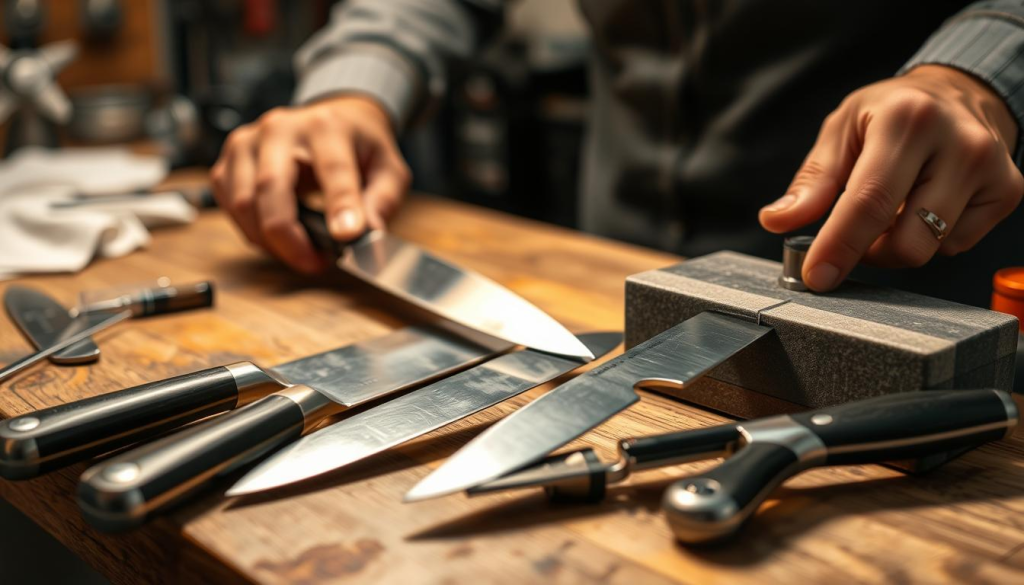
Authorized Retailers in the United States

For those based in the United States, there are several authorized retailers where you can find the Masamoto Usuba Knife. Specialty kitchen stores and Japanese cultural centers often carry a selection of Masamoto knives. Visiting the official Masamoto website can provide a list of authorized dealers. Some well-known retailers include:

  • Specialty kitchen supply stores
  • Japanese import stores
  • High-end culinary shops

It’s advisable to call ahead and confirm availability, as stock can vary.

Online Options and Reviews

For those preferring to shop online, there are several reputable websites that sell the Masamoto Usuba Knife. Online marketplaces and specialty kitchen websites often have customer reviews that can help inform your purchasing decision. When shopping online, ensure the seller is authorized by Masamoto to avoid counterfeit products.

Online Retailer Customer Rating Price Range
Amazon 4.5/5 $100-$200
Williams-Sonoma 4.7/5 $150-$250
Sur La Table 4.5/5 $120-$220

When purchasing online, consider the retailer’s return policy and customer service in case you need assistance with your order.

By choosing to buy from authorized retailers or reputable online sources, you can ensure that your Masamoto Usuba Knife is authentic and of the highest quality. Whether you’re a professional chef or a serious home cook, investing in a premium kitchen knife like the Masamoto Usuba is a decision that will enhance your culinary experience.

Customer Feedback on the Masamoto Usuba Knife

As a handcrafted Japanese knife, the Masamoto Usuba Knife has captured the hearts of many culinary enthusiasts, who praise its sharpness and durability. Customer feedback is crucial in understanding the strengths and weaknesses of this esteemed knife.

Positive Experiences: What Customers Love

Many customers have expressed their satisfaction with the sharp and durable usuba knife, highlighting its ability to precision-cut vegetables with ease. The knife’s authentic Japanese cutlery craftsmanship is often praised for its attention to detail and quality.

  • Exceptional sharpness that lasts
  • Comfortable handle design
  • Beautiful blade craftsmanship

Customers have also shared their experiences with using the Masamoto Usuba Knife in various culinary preparations, from sushi and sashimi to intricate vegetable arrangements.

sharp and durable usuba knife

Common Complaints and Solutions

While the Masamoto Usuba Knife has received widespread acclaim, some customers have reported issues with maintenance and sharpening. Here is a summary of common complaints and potential solutions:

Complaint Solution
Sharpening difficulty Use a high-quality sharpening stone specifically designed for Japanese knives
Handle discomfort Consider a different handle material or size for better ergonomics
Blade rust Regularly clean and dry the blade, and apply a rust inhibitor

By understanding and addressing these common complaints, customers can further enhance their experience with the Masamoto Usuba Knife.

Cooking Techniques for Mastering the Usuba Knife

To unlock the full potential of the Masamoto Usuba knife, one must understand and practice various cutting techniques. This traditional Japanese kitchen knife is a professional chef tool designed to make precise cuts, and with the right techniques, it can become an indispensable part of your culinary toolkit.

Basic Cutting Techniques

For beginners, mastering the basic cutting techniques is essential. The Usuba knife is primarily used for cutting vegetables, and the most common techniques include:

  • Push Cut: A forward motion used for cutting through vegetables.
  • Pull Cut: A backward motion that helps in achieving a clean cut.
  • Slice Cut: A gentle, sawing motion for slicing vegetables thinly.

These techniques require practice to perfect, but they form the foundation of using the Masamoto Usuba knife effectively.

Advanced Techniques for Professional Chefs

For professional chefs, the Masamoto Usuba knife offers the precision needed for intricate dishes. Advanced techniques include:

  1. Katsuramuki: A decorative technique involving the peeling of vegetables in a continuous sheet.
  2. Sashimi Cutting: Cutting fish into thin slices with precision.
  3. Mincing: Using a rocking motion to chop herbs or vegetables finely.

These advanced techniques showcase the versatility of the Usuba knife and its value as a professional chef tool.

Technique Description Application
Push Cut Forward cutting motion Cutting through vegetables
Katsuramuki Peeling vegetables in a continuous sheet Decorative vegetable presentation
Sashimi Cutting Cutting fish into thin slices Sashimi and sushi preparation

“The art of cutting is not just about the knife, but the technique and the understanding of the material being cut.” –

A renowned Japanese chef

By mastering these techniques, chefs can fully leverage the capabilities of the Masamoto Usuba knife, making it a true asset in the kitchen.

The Value of Investing in a Quality Knife

The Masamoto Usuba Knife, renowned for its quality and performance, is an essential tool for anyone serious about cooking. Its value extends beyond the initial purchase price, offering long-term benefits that make it a worthwhile investment for both professional chefs and home cooks.

Cost vs. Longevity and Performance

While the initial cost of a premium kitchen knife like the Masamoto Usuba may seem high, it’s essential to consider its longevity and performance. A high-quality knife can last for many years with proper care, making it a cost-effective choice in the long run.

Knife Brand Initial Cost Average Lifespan Cost per Year
Masamoto Usuba $200 10 years $20
Lower Quality Knife $50 2 years $25

As shown in the table, although the Masamoto Usuba Knife has a higher initial cost, its longevity makes it a more economical choice over time.

How the Usuba Fits into Your Culinary Toolkit

The Masamoto Usuba Knife is not just a knife; it’s a vital component of your culinary toolkit. Its precision and versatility make it ideal for a variety of tasks, from preparing sushi and sashimi to chopping vegetables for salads and stir-fries.

For chefs who value precision and performance, the Masamoto Usuba Knife is a best usuba knife brand choice, offering the quality and durability needed for demanding kitchen tasks.

Conclusion: Elevate Your Cooking with the Masamoto Usuba Knife

The Masamoto Usuba Knife is a masterpiece of authentic Japanese cutlery, bringing precision and durability to your kitchen. As a handcrafted Japanese knife, it embodies the tradition and quality that professional chefs and home cooks alike demand.

Precision and Craftsmanship

This exceptional knife is designed for vegetable preparation, offering a level of precision that enhances both the cooking process and the presentation of dishes. Its blade design and material ensure a sharp cutting edge that lasts, making it an indispensable tool for any serious culinary enthusiast.

Invest in Quality

Investing in a Masamoto Usuba Knife means investing in your cooking. With its superior craftsmanship and performance, this knife will become a trusted companion in your kitchen, elevating your dishes and simplifying meal preparation. For those seeking to enhance their culinary skills with authentic Japanese cutlery, the Masamoto Usuba Knife is an excellent choice.

FAQ

What is the Masamoto Usuba Knife used for?

The Masamoto Usuba Knife is a traditional Japanese kitchen knife primarily used for vegetable preparation. Its straight edge and sharpness make it ideal for precise cuts, chopping, and slicing vegetables.

What makes the Masamoto Usuba Knife different from other knives?

The Masamoto Usuba Knife stands out due to its exceptional craftsmanship, sharpness, and durability. It is a handcrafted, high-quality traditional Japanese kitchen knife that is designed to provide precision and versatility in various culinary techniques.

How do I care for my Masamoto Usuba Knife?

To care for your Masamoto Usuba Knife, it’s essential to hand wash it, dry it thoroughly, and sharpen it regularly using a whetstone. Proper care will maintain the knife’s performance and extend its lifespan.

What is the difference between an Usuba knife and a Nakiri knife?

While both knives are used for vegetable preparation, the Usuba knife has a straight edge, making it ideal for precise cuts, whereas the Nakiri knife has a rectangular blade with a straight edge, making it better suited for chopping and slicing. The choice between the two ultimately depends on personal preference and specific culinary needs.

Where can I buy an authentic Masamoto Usuba Knife?

You can buy an authentic Masamoto Usuba Knife from authorized retailers in the United States or online from reputable sources. Be sure to check reviews and ensure the seller is authorized to sell Masamoto products to guarantee authenticity.

Is the Masamoto Usuba Knife worth the investment?

Yes, the Masamoto Usuba Knife is a worthwhile investment for both professional chefs and home cooks. Its durability, sharpness, and performance make it a valuable addition to any kitchen, and its long-term benefits outweigh the initial cost.

What cooking techniques can I master with the Masamoto Usuba Knife?

With the Masamoto Usuba Knife, you can master various cutting techniques, from basic chopping and slicing to advanced techniques used in professional kitchens, such as preparing sushi and sashimi. The knife’s precision and versatility make it an excellent tool for elevating your culinary skills.

How do I sharpen my Masamoto Usuba Knife?

To sharpen your Masamoto Usuba Knife, use a whetstone with a fine grit, typically between 6000 to 8000 grit, and sharpen the knife at the correct angle, usually around 15 to 20 degrees. Regular sharpening will maintain the knife’s sharpness and performance.