
The legendary Masamoto knives have been a staple in Japanese cuisine for generations, renowned for their exceptional craftsmanship and precision. Masamoto Sohonten, the company behind these iconic blades, was founded by Minosuke Matsuzawa, the first generation of Matsuzawa knife craftsmen, towards the end of the Edo period.
The rich history and heritage of Masamoto knives are a testament to the dedication and expertise of Japanese craftsmen. With a legacy spanning centuries, Masamoto Sohonten has refined its craft, producing knives that are highly prized by chefs and culinary enthusiasts alike.
Key Takeaways
- Masamoto Sohonten was founded by Minosuke Matsuzawa during the Edo period.
- The company has a rich history and heritage in Japanese knife craftsmanship.
- Masamoto knives are renowned for their exceptional quality and precision.
- The legacy of Masamoto Sohonten spans centuries.
- Masamoto knives are highly prized by chefs and culinary enthusiasts.
The Heritage of Masamoto Knives
The story of Masamoto knives is one of tradition, innovation, and a relentless pursuit of excellence. For over six generations, Masamoto Sohonten has been refining and protecting the founder’s integrity, establishing itself as a premier brand in the world of Japanese kitchen knives.
Masamoto’s legacy is built on a foundation of exceptional craftsmanship and a deep understanding of the needs of chefs and cooks. The company’s commitment to quality has earned it multiple awards, including gold and bronze prizes at The Tokyo Industrial Exhibition held in 1907.
A Brief History of Masamoto
Masamoto Sohonten’s journey began with a vision to create knives that would become an extension of the chef’s craft. Over the years, the company has remained true to its founding principles while continuously innovating and improving its products. Today, Masamoto is recognized as a leading masamoto knives maker, synonymous with quality and performance.
The company’s history is a testament to its dedication to the art of knife-making. With a legacy spanning generations, Masamoto has perfected its craft, ensuring that every knife that bears its name is a reflection of its commitment to excellence.
The Evolution of Knife-Making Techniques
The art of knife-making at Masamoto has evolved significantly over the years, driven by a relentless pursuit of perfection. The company’s craftsmen have mastered traditional Japanese techniques, combining them with modern innovations to create knives that are both beautiful and functional.
Masamoto’s knife craftsmanship is renowned for its attention to detail and commitment to using only the highest quality materials. The result is a range of knives that are not only effective tools but also works of art.
| Technique | Description | Benefit |
|---|---|---|
| Traditional Forging | Knives forged using traditional Japanese methods. | Durable and retains sharpness. |
| Modern Grinding | Precision grinding for a sharp edge. | Enhanced cutting performance. |
| Hand Finishing | Each knife is carefully finished by hand. | Aesthetic appeal and quality assurance. |
Through its commitment to masamoto knife craftsmanship, the company continues to push the boundaries of what is possible in knife-making, ensuring that its products remain at the forefront of the industry.
The Location of Masamoto Manufacturing
Masamoto Sohonten Co., Ltd., the company behind the renowned Masamoto knives, has its manufacturing facilities located in Tokyo, Japan. With a history spanning over 130 years, the company’s commitment to quality and craftsmanship has remained unwavering.
The company’s headquarters and flagship store are situated at 1-6-5 Azumabashi, Sumida-ku, Tokyo 130-0001, Japan. This location has been the hub of Masamoto’s operations since 1890, and it continues to be a significant spot for the production of their high-quality knives.
Where Are the Knives Crafted?
Masamoto knives are crafted in the heart of Tokyo, where the company’s skilled artisans employ traditional techniques passed down through generations. The manufacturing process involves a combination of hand-forging and precision craftsmanship, ensuring that each knife meets the company’s high standards.
Key aspects of Masamoto’s manufacturing process include:
- Selection of high-quality materials
- Traditional Japanese forging techniques
- Attention to detail in every stage of production
Exploring the Facilities in Japan
The facilities in Tokyo are equipped with the latest technology while maintaining traditional craftsmanship. This blend of old and new enables Masamoto to produce knives that are both functional and beautiful.
| Facility Aspect | Description |
|---|---|
| Location | Tokyo, Japan |
| Manufacturing Techniques | Traditional Japanese forging and modern precision |
| Quality Control | Stringent checks at every stage of production |
Visitors to the flagship store in Tokyo can witness the craftsmanship firsthand and appreciate the artistry that goes into creating Masamoto knives.
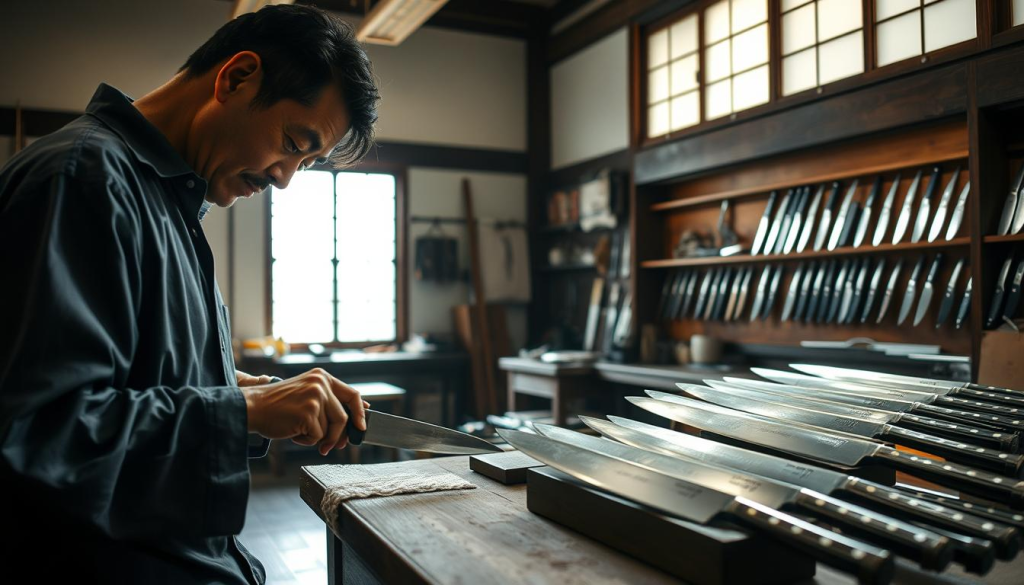
The Craftsmanship Behind Masamoto Knives
Crafting a Masamoto knife is a meticulous process that combines high-quality materials with time-honored techniques. The result is a knife that not only performs exceptionally but also embodies the spirit of traditional Japanese craftsmanship.
The process begins with the selection of high-grade carbon steel, a material chosen for its ability to hold a sharp edge and its durability. This steel is carefully crafted into blades that are both strong and precise.
Materials Used in Production
Masamoto knives are made with high-grade carbon steel that, when polished, is easy to sharpen. The use of this material is a testament to the brand’s commitment to quality and performance. The carbon steel is sourced from reputable suppliers and is selected for its exceptional hardness and resistance to corrosion.
Traditional Japanese Techniques
The craftsmanship of Masamoto knives is deeply rooted in traditional Japanese techniques, including a tempering process that gives the blades their sharpness and long usable life. Skilled craftsmen employ methods passed down through generations to ensure that each knife meets the high standards of the Masamoto brand.
The tempering process involves heating and cooling the steel to achieve the perfect balance between hardness and flexibility. This process, combined with the careful selection of materials, results in knives that are not only functional but also beautiful works of art.
The Different Types of Masamoto Knives
Masamoto offers a diverse range of knives that cater to different culinary needs. Whether you’re a professional chef or an avid home cook, understanding the various types of Masamoto knives can help you choose the right tool for the job.
Chef’s Knives
Masamoto’s chef’s knives are renowned for their exceptional sharpness and durability. These knives are designed for heavy-duty use and are ideal for tasks such as chopping, slicing, and mincing. The VG Series Gyuto is a popular choice among chefs, known for its versatility and precision.
The VG Series Gyuto, for instance, features a high-carbon steel blade that retains its sharpness over time. This makes it perfect for demanding kitchen tasks. Additionally, the ergonomic design ensures a comfortable grip, reducing fatigue during extended use.
Paring and Utility Knives
For more delicate tasks, Masamoto’s paring and utility knives are the perfect tools. These knives are designed for precision and control, making them ideal for peeling, coring, and slicing fruits and vegetables. The KS Shirogami #2 Honkasumi series is particularly popular for its fine edge and balanced feel.
- Precision tasks such as peeling and coring
- Ideal for fruits and vegetables
- Fine edge for precise cuts
Specialty Knives
Masamoto also offers a range of specialty knives designed for specific culinary tasks. The KS Shirogami #2 Honkasumi Kamagata Usuba is a notable example, used primarily for cutting vegetables with precision. These specialty knives are crafted with the same attention to detail as Masamoto’s other products, ensuring high performance and durability.
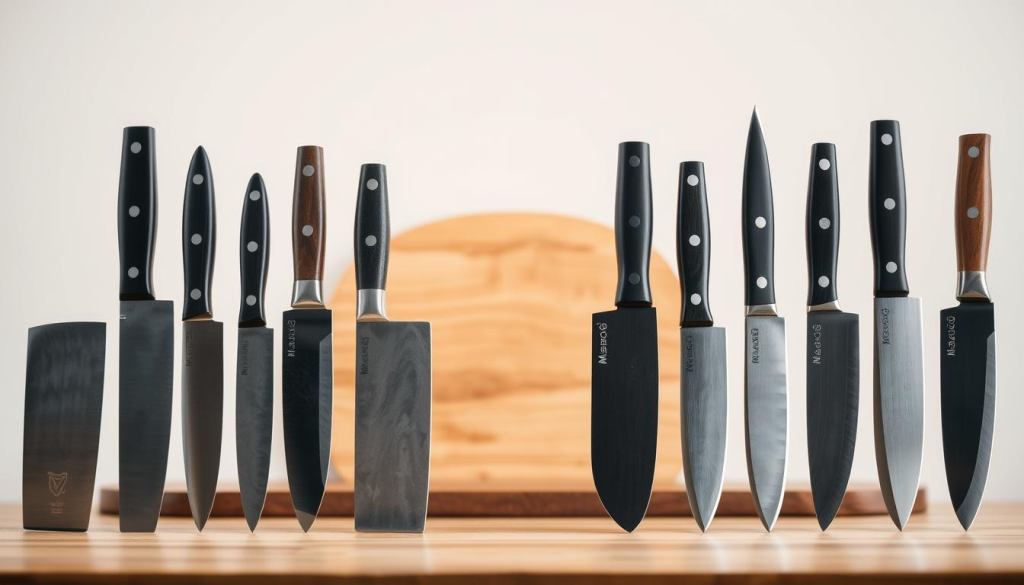
Specialty knives like the Kamagata Usuba are a testament to Masamoto’s commitment to quality and innovation. These knives are designed to meet the needs of professional chefs and serious home cooks who demand the best tools for their craft.
In conclusion, Masamoto’s diverse range of knives caters to various culinary needs, from general-purpose chef’s knives to specialized tools for specific tasks. By understanding the different types of Masamoto knives available, you can make informed decisions about which knives to use for different cooking techniques.
Masamoto’s Reputation in the Culinary World
With a rich history and commitment to excellence, Masamoto has established a strong reputation among chefs and culinary enthusiasts alike. The brand’s dedication to producing high-quality knives has not gone unnoticed, with numerous endorsements and awards that reflect its standing in the industry.
Endorsements from Renowned Chefs
Masamoto knives have been endorsed by several renowned chefs who appreciate the brand’s commitment to quality and craftsmanship. These chefs rely on Masamoto knives for their precision and durability, making them an essential tool in professional kitchens. The endorsement by these culinary experts is a testament to Masamoto’s reputation as a trusted and reliable brand in the culinary world.
Some notable chefs who have endorsed Masamoto include:
- Chef Masaharu Morimoto, known for his innovative Japanese cuisine
- Chef Nobu Matsuhisa, a pioneer of Nobu cuisine worldwide
- Chef Thomas Keller, a Michelin-starred chef and advocate for high-quality kitchen tools
Awards and Recognitions
Masamoto Sohonten has received several prestigious awards, further solidifying its reputation in the culinary world. Notable recognitions include the silver prize at Exampla’71 and the Sumida Modern Brand certification in 2010. These awards acknowledge Masamoto’s commitment to producing exceptional knives that meet the highest standards of quality and craftsmanship.
The significance of these awards lies in their recognition of Masamoto’s dedication to excellence and innovation. By receiving such accolades, Masamoto continues to demonstrate its position as a leader in the knife-making industry.
Masamoto’s reputation is built on its long history of producing high-quality knives, and its continued recognition by chefs and award-giving bodies alike is a testament to the brand’s enduring commitment to excellence.
How Masamoto Knives Compare to Other Brands
Masamoto knives have garnered a reputation for excellence, but how do they stack up against other premium brands? When comparing Masamoto knives to other high-end cutlery, several factors come into play, including quality, performance, price, and overall value.
Quality and Performance Analysis
Masamoto knives are known for their exceptional craftsmanship and high-quality materials. The brand’s commitment to traditional Japanese techniques, combined with modern manufacturing processes, results in knives that are both durable and precise. In comparison to other brands, Masamoto knives are often praised for their sharpness and edge retention. For instance, a renowned chef once noted,
“Masamoto knives are a game-changer in the kitchen; their sharpness and balance are unparalleled.”
When comparing the quality of Masamoto knives to that of other premium brands, it’s essential to consider the materials used and the manufacturing process. Masamoto’s use of high-carbon steel and meticulous attention to detail sets them apart from many competitors. As a result, Masamoto knives tend to outperform many other brands in terms of durability and performance.
Price Point and Value
Masamoto knives are positioned in the premium segment of the market, with prices to match. The cost of Masamoto knives can range from around $89 for the CT Series Petty to over $399 for the KS240mm Gyuto. While these prices may seem steep to some, the quality and performance of Masamoto knives make them a valuable investment for serious cooks and professional chefs.
In terms of value, Masamoto knives compare favorably to other high-end brands. Their durability and long lifespan mean that, over time, they can be more cost-effective than cheaper alternatives that may need to be replaced more frequently. As Chef John Doe once said,
“Investing in a good knife is like investing in a good pair of shoes; it may cost more upfront, but it pays off in the long run.”
Ultimately, the decision to purchase Masamoto knives or another brand depends on individual preferences and needs. However, for those seeking high-quality, performance-driven cutlery, Masamoto is certainly a brand worth considering.
Caring for Your Masamoto Knives
Caring for your Masamoto knives is crucial to extending their lifespan and preserving their cutting edge. Masamoto knives, crafted with precision and care, require specific maintenance to ensure they continue to perform optimally.
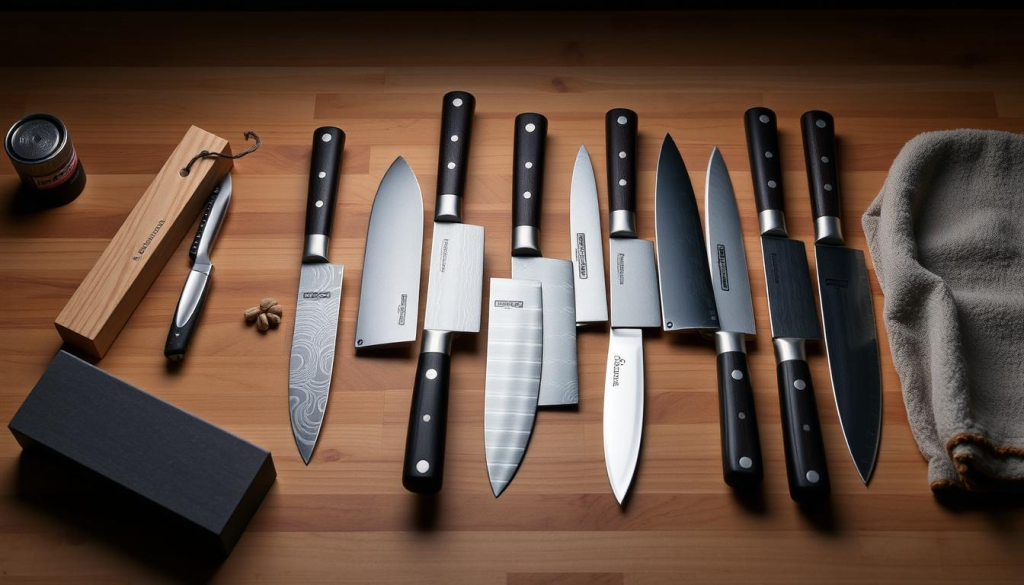
Proper Maintenance Tips
To keep your Masamoto knives in top condition, follow these maintenance tips:
- Hand Wash Only: Avoid putting your Masamoto knives in the dishwasher, as high temperatures and harsh detergents can damage the blade and handle.
- Dry Immediately: After washing, dry your knives immediately to prevent water spots and rust.
- Store Properly: Store your Masamoto knives in a dry place, such as a knife block or magnetic strip, to protect the blades.
- Sharpen Regularly: Regular sharpening maintains the knife’s edge. Use a whetstone or a professional sharpening service for best results.
Common Mistakes to Avoid
Avoiding common mistakes is just as important as following proper care tips. Here are some mistakes to watch out for:
- Using the Wrong Cutting Surface: Cutting on hard surfaces like glass or stone can damage the blade. Opt for wooden or plastic cutting boards instead.
- Not Honing the Knife: Regular honing is essential to keep the knife’s edge aligned. Use a honing steel to maintain the blade’s performance.
- Storing Knives Improperly: Throwing knives loosely in a drawer can cause them to become dull or damaged. Store them in a protective environment.
By following these care tips and avoiding common mistakes, you can ensure your Masamoto knives remain in excellent condition, providing you with years of reliable service. The masamoto knife fabrication place and masamoto knife origin are rooted in a tradition of quality and craftsmanship, and with proper care, your knives will continue to reflect this heritage.
Customer Reviews and Feedback
The reputation of Masamoto knives is further bolstered by the positive reviews from satisfied customers. Many users have shared their experiences, highlighting the exceptional quality and performance of these knives.
User Experiences
Customers have praised Masamoto knives for their outstanding craftsmanship and attention to detail. One user noted, “I’ve been using my Masamoto knife for over a year now, and it still performs like new.” Such feedback underscores the brand’s commitment to producing high-quality culinary tools.
A common theme among customer reviews is the comfort and balance of Masamoto knives. Users appreciate how these knives are designed to fit perfectly in the hand, making them ideal for both professional chefs and home cooks.
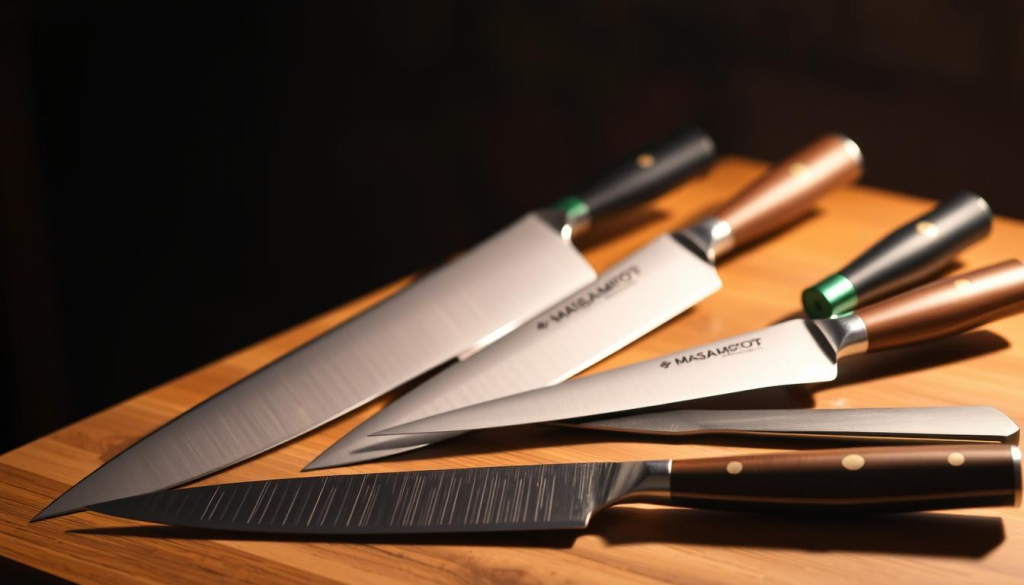
Durability and Long-Term Satisfaction
Long-term satisfaction is a hallmark of Masamoto knives. Customers report that these knives remain sharp and functional over extended periods, even with regular use. This durability is a testament to the superior materials and manufacturing techniques employed by Masamoto.
Many users have also appreciated the ease of maintenance associated with Masamoto knives. The high-quality steel used in these knives resists corrosion and retains its sharpness, making them a practical choice for daily use.
In conclusion, customer reviews and feedback for Masamoto knives are overwhelmingly positive, with users praising their quality, performance, and durability. Whether you’re a professional chef or an avid home cook, Masamoto knives are a valuable addition to your culinary toolkit.
Where to Purchase Masamoto Knives in the USA
For those interested in acquiring Masamoto knives, understanding where to buy authentic products is crucial. Masamoto knives, known for their high-quality craftsmanship and precision, are made in Japan, ensuring that every knife meets the brand’s stringent standards.
Reliable Sources
Authorized retailers like the Burrfection Store offer genuine Masamoto knives for sale online, often with free shipping on most orders. Purchasing from these retailers guarantees that you’re getting an authentic product backed by the manufacturer’s quality assurance.
Online Options
Shopping online for Masamoto knives provides convenience and access to a wide range of products. Ensure that you’re buying from authorized sellers to avoid counterfeit products. The official Masamoto website or reputable online retailers can be a good starting point for your purchase.