
I have spent years collecting quality blades, and I often get asked about specific origins. People frequently wonder about a certain manufacturing location when they see different labels on the boxes.
It is vital to understand that this legendary brand utilizes global resources to create its diverse catalog. Precision and history guide every decision they reach regarding their international partnerships.
Actually, these tools come from several distinct regions. The primary facilities sit in Solingen, but the reach extends much further than most collectors realize.
If you want to know boker knives are made where, you must look at a map covering several continents. My experience shows that craftsmanship remains consistent across these various borders.
Production currently happens in Germany, Argentina, and even right here in the USA. Additionally, high-quality pieces arrive from Taiwan and China to meet different price points.
Each site follows strict standards to ensure that every edge remains sharp and reliable for daily use. I will help you navigate these different lines so you can choose the best steel for your needs.
Key Takeaways
- Solingen, Germany serves as the primary hub for premium production.
- Regional facilities in Argentina and the USA handle specific product lines.
- Manufacturing in Taiwan and China supports more affordable, budget-friendly options.
- Every global facility adheres to rigorous quality control and testing standards.
- Labeling clearly identifies the country of origin for each specific model.
- The brand balances traditional craftsmanship with modern global efficiency.
Introduction to Boker Knives
The story of Boker knives begins in 1869, marking the start of a legacy that would become synonymous with excellence in knife-making. With a history that spans over 150 years, Boker has established itself as a premier manufacturer of high-quality knives.
Boker’s long-standing reputation is built on its commitment to craftsmanship and innovation. The company’s dedication to producing exceptional knives has been a driving force behind its success.
Brief History of Boker
Boker was founded in 1869, and since its inception, the company has been focused on creating knives that embody the perfect blend of form and function. The origin of Boker knives is rooted in traditional German craftsmanship, with a strong emphasis on quality and precision.
Throughout its history, Boker has remained committed to its core values of quality, innovation, and customer satisfaction. This commitment has enabled the company to maintain its position as a leader in the knife-making industry.
The Legacy of Boker’s Craftsmanship
The legacy of Boker’s craftsmanship is a testament to the company’s enduring dedication to excellence. Boker knife craftsmanship origin is characterized by attention to detail, precision, and a passion for creating exceptional blades.
Some key aspects that contribute to Boker’s legacy include:
- High-quality materials and manufacturing processes
- Innovative designs that combine functionality with aesthetics
- A commitment to preserving traditional craftsmanship techniques
Boker’s legacy is not just about its past achievements but also about its continued commitment to innovation and quality. As a result, Boker knives remain highly regarded among knife enthusiasts and professionals alike.
The Origins of Boker Knives
Solingen, Germany, known as the ‘City of Blades,’ is where Boker knives originated. The city has a long history of cutlery production, providing a fertile ground for Boker to establish itself.
Boker’s establishment in Solingen dates back to its founding years. The city’s expertise in blade-making significantly influenced Boker’s early manufacturing techniques.
Boker’s Establishment in Germany
Boker was founded in Solingen, a city that has been associated with high-quality cutlery for centuries. The company’s early success was largely due to its ability to leverage Solingen’s skilled craftsmen and established manufacturing practices.
Solingen’s legacy in cutlery played a crucial role in shaping Boker’s identity as a premium knife manufacturer. The city’s tradition of producing high-quality blades continues to influence Boker’s products.
Early Manufacturing Techniques
The early manufacturing techniques used by Boker were heavily influenced by traditional Solingen methods. These techniques emphasized quality and precision, setting the stage for Boker’s reputation as a premium knife manufacturer.
Boker’s commitment to using traditional manufacturing techniques alongside modern innovations has helped maintain its position in the market. The company’s production processes are designed to ensure high-quality products.
The Current Manufacturing Locations
Boker has diversified its manufacturing across various regions to meet the growing demand for its high-quality knives. This strategic expansion has enabled the company to maintain its commitment to excellence while catering to a global customer base.
Production in Germany
Germany remains a significant location for Boker’s production, with the company leveraging the country’s renowned precision engineering and craftsmanship. Boker’s German facilities are equipped with state-of-the-art technology, ensuring that the knives produced here meet the highest standards of quality.
The production in Germany is focused on high-end models that require meticulous attention to detail and precision. This not only helps in maintaining the brand’s legacy but also in setting benchmarks for quality in the industry.
Operations in the United States
In addition to its German operations, Boker also has a presence in the United States. The U.S. operations are tailored to meet the specific needs of the local market, with a focus on producing knives that cater to the preferences of American consumers.
Boker’s U.S. factory is involved in the production of a range of knives, from tactical models to everyday carry (EDC) knives. This localized production helps in reducing lead times and ensuring that products are tailored to the local market’s requirements.
International Collaborations
Boker has also established international collaborations to further enhance its global footprint. The company works with partners in countries such as Argentina, Taiwan, and China to produce a diverse range of knives.
These collaborations not only expand Boker’s production capacity but also bring in new perspectives and expertise, contributing to the development of innovative products.
| Country | Production Focus |
|---|---|
| Germany | High-end models, precision engineering |
| United States | Tactical knives, EDC knives |
| Argentina, Taiwan, China | Diverse range of knives through international collaborations |
The diverse manufacturing locations and international collaborations underscore Boker’s commitment to producing high-quality knives that meet the needs of a global customer base. By leveraging the strengths of different regions, Boker continues to innovate and expand its product offerings.
Craftsmanship and Quality Assurance
Craftsmanship is at the heart of Boker’s manufacturing process, ensuring each knife meets high standards. Boker’s long history and legacy are built on the foundation of skilled artisans and rigorous quality control.
Standards in Boker Manufacturing
Boker maintains strict quality control measures throughout the manufacturing process. This includes:
- Material selection: High-quality steel and other materials are chosen for durability and performance.
- Precision crafting: Each knife is carefully crafted to meet Boker’s high standards.
- Testing and inspection: Finished knives undergo rigorous testing to ensure they meet quality and performance expectations.
| Stage | Description | Key Focus |
|---|---|---|
| Material Selection | Choosing the right materials for the knife | Quality and durability |
| Precision Crafting | Crafting the knife with precision and care | Attention to detail |
| Testing and Inspection | Rigorous testing to ensure quality and performance | Performance and reliability |
The Importance of Skilled Artisans
The role of skilled artisans in Boker’s manufacturing process cannot be overstated. These craftsmen bring years of experience and a deep understanding of knife-making techniques to every knife they produce. Their expertise ensures that every Boker knife is not only functional but also a testament to the art of knife-making.
By combining traditional techniques with modern manufacturing processes, Boker is able to produce knives that are both high-quality and innovative.
Material Sourcing for Boker Knives
Material sourcing plays a crucial role in the production of Boker knives, reflecting the brand’s commitment to excellence. The quality of materials used directly impacts the performance, durability, and overall quality of the knives.
Boker is known for using a variety of high-quality materials in their knives. The selection of materials is a critical step in the manufacturing process, ensuring that each knife meets the brand’s high standards.
Types of Steel Used in Boker Knives
Boker utilizes various types of steel in their knives, each chosen for its unique properties. High-carbon steel, for instance, is valued for its strength and ability to hold a sharp edge.
Stainless steel is another popular choice, offering resistance to corrosion and requiring less maintenance than other types of steel.
| Type of Steel | Properties | Uses in Boker Knives |
|---|---|---|
| High-Carbon Steel | Strong, holds sharp edge | High-performance knives |
| Stainless Steel | Corrosion-resistant, low maintenance | Knives for outdoor use |
Other Materials and Components
In addition to steel, Boker knives often incorporate other materials, such as wood and horn, for handles and other components. These natural materials not only provide a unique aesthetic but also offer durability and comfort.
The use of diverse materials allows Boker to create a wide range of knives, each suited to specific needs and preferences.
Popular Boker Knife Collections
The world of Boker knives is diverse, offering a range of collections that appeal to both enthusiasts and professionals. Boker’s commitment to quality and innovation has resulted in a variety of knife collections that cater to different needs and preferences.
Boker offers several popular knife collections, each with its unique features and designs. Two of the most notable categories are tactical and EDC knives, as well as collectible knives.
Tactical and EDC Knives
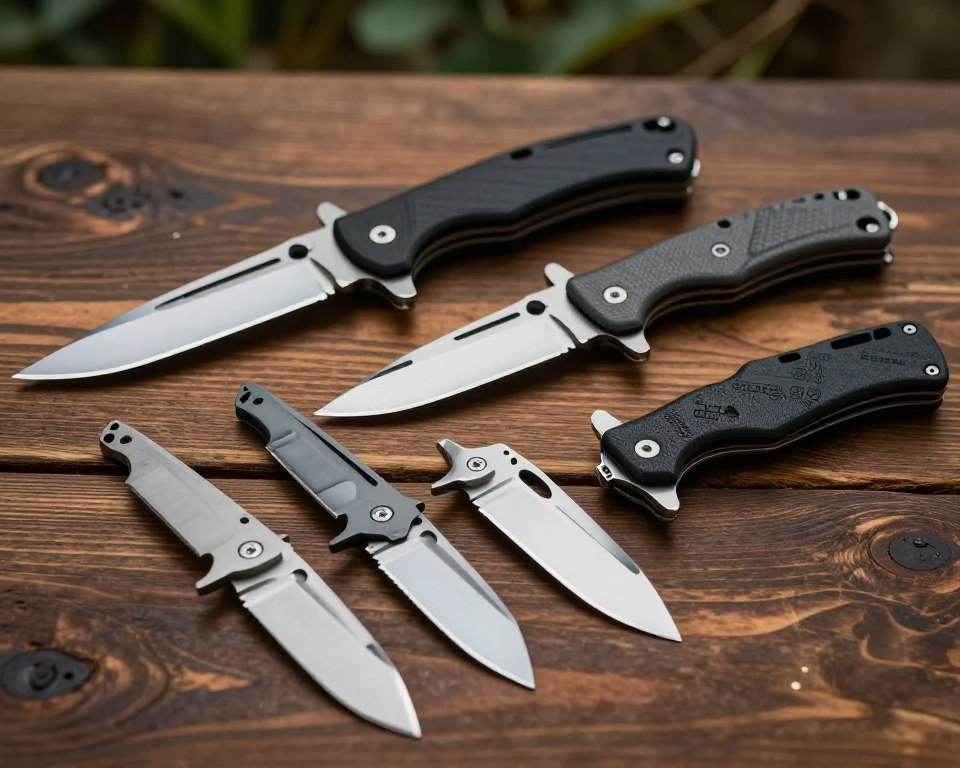
Boker’s tactical and EDC (Every Day Carry) knives are designed for functionality and durability. These knives are crafted to meet the demands of professionals and outdoor enthusiasts who require reliable and efficient cutting tools.
- Durable Materials: Boker’s tactical knives are made from high-quality materials, such as stainless steel and aluminum, ensuring they can withstand harsh environments.
- Ergonomic Design: The ergonomic handles of these knives provide a comfortable grip, reducing fatigue during extended use.
- Versatile Functions: Many of Boker’s tactical and EDC knives feature multiple functions, such as assisted opening and various blade configurations.
Some popular models in this category include the Boker Plus Series and the Boker Magnum Series, known for their robust construction and practical designs.
Collectible Boker Knives
Boker also produces a range of collectible knives that are highly prized by enthusiasts. These knives often feature unique designs, limited production runs, and exceptional craftsmanship.
The collectible Boker knives are not only functional but also serve as pieces of art. They are made with attention to detail and often incorporate premium materials.
- Unique Designs: Boker collaborates with renowned designers to create knives with distinctive and innovative designs.
- Limited Editions: Limited production runs make these knives exclusive and highly sought after by collectors.
- Premium Materials: The use of high-quality materials, such as Damascus steel and exotic woods, adds to their appeal.
Examples of collectible Boker knives include the Boker Arbolito Series and the Boker Damascus Series, which are admired for their beauty and craftsmanship.
The Influence of Global Production
The globalization of Boker’s production has brought about both opportunities and challenges. As a renowned knife manufacturer, Boker has expanded its manufacturing footprint across various countries, leveraging the benefits of international production while navigating its complexities.
Boker’s decision to adopt a global production strategy has been driven by the need to access diverse markets, tap into specialized expertise, and optimize production costs. This approach has enabled the company to stay competitive in a rapidly evolving market.
Benefits of International Manufacturing
One of the primary advantages of Boker’s global production is the ability to source high-quality materials and components from specialized suppliers worldwide. This has resulted in improved product quality and diversity.
- Access to advanced manufacturing technologies
- Diverse talent pool and expertise
- Enhanced product customization capabilities
As Boker’s global production network continues to evolve, the company is well-positioned to capitalize on emerging trends and technologies in the knife manufacturing industry.
“Globalization has transformed the way we manufacture and distribute our products. It’s a complex process, but one that has allowed us to stay ahead of the curve.”
Challenges in Global Supply Chains
Despite the benefits, Boker faces several challenges in managing its global supply chains, including logistical complexities, regulatory compliance, and supply chain disruptions.
| Challenge | Impact | Mitigation Strategy |
|---|---|---|
| Logistical Complexities | Delays in delivery and increased costs | Investing in supply chain management technology |
| Regulatory Compliance | Risk of non-compliance and reputational damage | Regular audits and training for compliance |
| Supply Chain Disruptions | Disruption to production and sales | Diversifying suppliers and developing contingency plans |
To address these challenges, Boker has implemented various strategies, including investing in supply chain management technology and diversifying its supplier base.
In conclusion, Boker’s global production strategy has both positively and negatively impacted its operations. By understanding the benefits and challenges associated with international manufacturing, Boker can continue to adapt and thrive in a global market.
Boker’s Commitment to Sustainability
Boker’s journey towards sustainability is a testament to its commitment to environmental responsibility. As a company with a rich history, Boker has always been mindful of its impact on the environment, particularly considering the origin of Boker knives and the processes involved in their manufacture.
The company’s commitment to sustainability is reflected in its adoption of eco-friendly practices and responsible sourcing methods. By integrating these practices into its operations, Boker aims to minimize its ecological footprint while maintaining the high quality of its products.
Eco-Friendly Practices
Boker has implemented various eco-friendly practices in its manufacturing processes. These include reducing waste, optimizing energy consumption, and using environmentally friendly materials whenever possible. By doing so, Boker not only contributes to a healthier environment but also enhances the sustainability of its products.
Furthermore, Boker’s commitment to sustainability is evident in its efforts to reduce its carbon footprint. The company continuously explores new ways to make its operations more environmentally friendly, from production to packaging.
Sourcing Responsibly
Boker understands the importance of sourcing materials responsibly. The company ensures that the materials used in its knives are obtained from suppliers who adhere to sustainable practices. This approach not only supports the environment but also guarantees the quality and durability of Boker knives.
By sourcing responsibly, Boker reinforces its commitment to sustainability and to the production of high-quality knives that reflect the company’s heritage and values related to the origin of Boker knives.
The Role of Technology in Boker Manufacturing
As Boker continues to evolve, the integration of technology in its manufacturing processes has become increasingly significant. The company’s embrace of modern technology has not only enhanced the quality and precision of its knives but also streamlined its production processes.
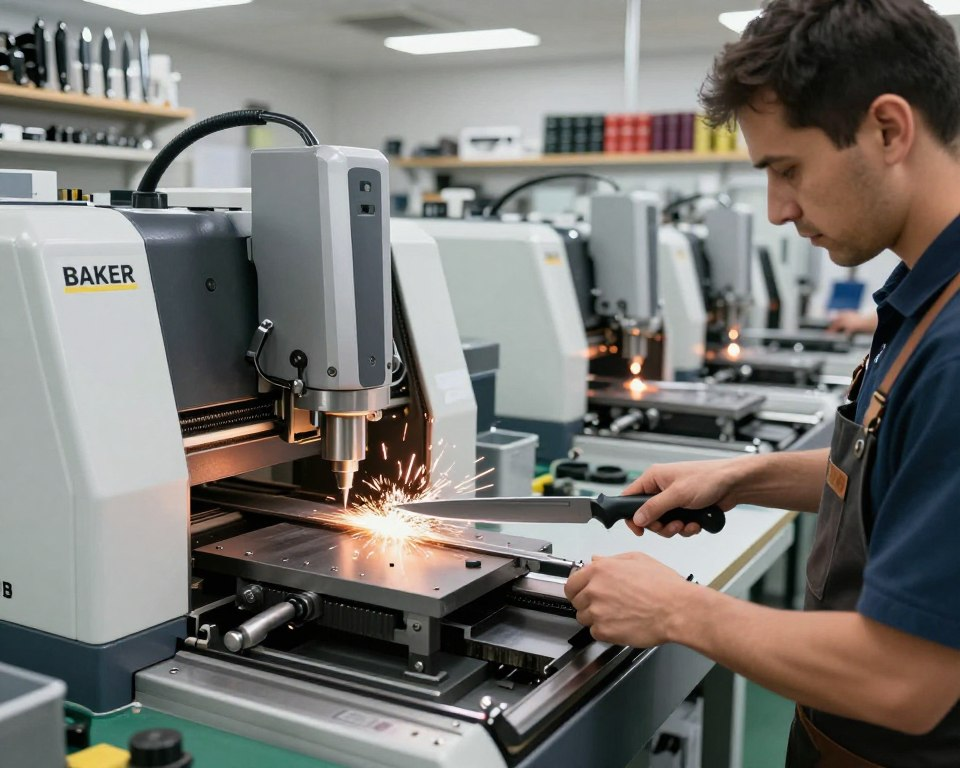
Boker’s manufacturing facilities now utilize advanced machinery and computer-controlled systems to precision-craft various components of their knives. This technological integration has enabled the company to maintain consistency across its product line while allowing for greater customization options.
Innovations in Knife-Making Techniques
Boker has been at the forefront of adopting innovative knife-making techniques. Some of these innovations include:
- Advanced steel processing technologies that enhance the durability and performance of the knives.
- Precision grinding and sharpening systems that ensure a consistently high level of sharpness.
- Computer-aided design (CAD) software that allows for the creation of complex and ergonomic designs.
Automation vs. Handcrafting
While technology has played a significant role in modernizing Boker’s manufacturing processes, the company remains committed to its heritage of handcrafting. The balance between automation and handcrafting is crucial to maintaining the quality and uniqueness of Boker knives.
| Aspect | Automation | Handcrafting |
|---|---|---|
| Precision | High consistency through machine precision | Variable, dependent on the craftsman’s skill |
| Customization | Limited by machine capabilities | Highly customizable based on craftsman’s expertise |
| Production Time | Faster production rates | Slower, more labor-intensive |
Boker achieves a harmonious blend of both worlds by leveraging automation for precision and consistency while reserving handcrafting for the finer details that make each knife unique.
Customer Support and Warranty
Boker’s dedication to its customers is evident in its comprehensive support and warranty offerings. The brand understands that customer satisfaction is crucial to its success and has thus implemented robust measures to ensure customers are supported throughout their ownership experience.
At the heart of Boker’s customer support is a commitment to quality and reliability. This commitment is not only reflected in the craftsmanship of their knives but also in the service provided to customers. Whether you have questions about a product or need assistance with a warranty claim, Boker’s customer service team is designed to be responsive and helpful.
Boker’s Customer Service Philosophy
Boker’s customer service philosophy is built around the principles of transparency, responsiveness, and fairness. The company strives to provide clear and concise information about its products and services, ensuring that customers can make informed decisions. This philosophy extends to the warranty and support services, where Boker aims to resolve issues promptly and to the customer’s satisfaction.
Key aspects of Boker’s customer service philosophy include:
- Prompt response to customer inquiries
- Clear and transparent communication regarding products and services
- A fair and efficient warranty claims process
Overview of Warranty Options
Boker offers a comprehensive warranty program designed to protect its customers’ investments. The warranty options vary depending on the product and its intended use, reflecting Boker’s understanding of the diverse needs of its customer base.
Warranty Coverage: Boker knives are backed by a limited lifetime warranty that covers defects in materials and workmanship. This warranty is a testament to the brand’s confidence in the quality of its products.
| Warranty Type | Coverage | Duration |
|---|---|---|
| Limited Lifetime Warranty | Defects in materials and workmanship | Lifetime of the product |
| Standard Warranty | Manufacturing defects | Specified period from date of purchase |
In conclusion, Boker’s customer support and warranty options are designed to provide peace of mind to its customers, reinforcing the brand’s commitment to quality and customer satisfaction.
How to Choose a Boker Knife
To find the ideal Boker knife, one must consider several key factors. Boker knives are renowned for their quality and craftsmanship, but with so many options available, making an informed decision can be challenging.
Factors to Consider When Buying
When choosing a Boker knife, several factors come into play.
- Type of Knife: Boker offers a variety of knife types, including tactical, EDC (Every Day Carry), and collectible knives. Understanding the intended use of the knife is crucial.
- Materials: The material used in the blade and handle can significantly affect the knife’s performance and durability. Boker knives are made from high-quality steel, such as stainless steel and high-carbon steel, and various handle materials, including wood, bone, and synthetic materials.
- Size and Weight: The size and weight of the knife are important considerations, depending on whether you prefer a compact knife for everyday carry or a larger knife for outdoor activities.
When evaluating the quality of a Boker knife, it’s essential to consider the craftsmanship and the reputation of the manufacturer. Boker has a long history of producing high-quality knives, and their products are known for their precision and durability.
Popular Models Among Enthusiasts
Boker has several popular models among knife enthusiasts. Some of these include:
- The Boker Plus Series, known for its modern designs and high-quality materials.
- The Boker Manufaktur Series, which showcases traditional craftsmanship and attention to detail.
- The Boker Arktos Series, designed for outdoor enthusiasts with features such as robust construction and ergonomic handles.
These models are highly regarded for their performance, durability, and aesthetic appeal. When choosing a Boker knife, considering the specific features and benefits of each model can help you make an informed decision.
Conclusion: The Future of Boker Knives
Boker continues to evolve, adapting to trends in the knife industry while maintaining its commitment to quality and craftsmanship. As a renowned brand with a rich history, Boker’s dedication to its heritage is evident in its manufacturing processes, which blend traditional techniques with modern innovations.
Industry Trends and Innovations
The knife industry is witnessing a surge in demand for high-quality, precision-crafted knives. Boker is well-positioned to capitalize on this trend, given its expertise in boker knife craftsmanship origin and its global presence in boker knives production country.
Boker’s Vision
Looking ahead, Boker aims to further enhance its product offerings by incorporating cutting-edge technology and sustainable practices. By doing so, the company is poised to maintain its leadership in the industry while appealing to a new generation of knife enthusiasts.