A well-stocked kitchen is unthinkable without a good set of knives. From preparing simple meals to intricate dishes, knives are an essential tool for any home cook or professional chef.
A typical knife set includes a variety of knives designed for specific tasks, making cooking and food preparation more efficient. Understanding the composition of a knife set is crucial for selecting the right tools for your kitchen.
Key Takeaways
- Essential knives in a knife set include chef’s knives, paring knives, and serrated knives.
- A well-rounded knife set can enhance cooking efficiency and precision.
- Different types of knives are designed for specific tasks, such as chopping, slicing, and mincing.
- Investing in a quality knife set is a worthwhile investment for any kitchen.
- A good knife set can last for years with proper care and maintenance.
Introduction to Knife Sets
The right knife set can elevate your cooking experience, making meal preparation more efficient and enjoyable. A good knife set is more than just a collection of knives; it’s a toolkit that enhances your ability to prepare a variety of dishes.
What Is a Knife Set?
A knife set is a collection of knives designed to meet various kitchen needs. Typically, a professional knife set includes essential knives like a chef’s knife, paring knife, bread knife, utility knife, and steak knives. These knives are designed to work together to help you tackle different cooking tasks with ease.
| Knife Type | Primary Use |
|---|---|
| Chef’s Knife | Chopping, slicing, and mincing ingredients |
| Paring Knife | Peeling and coring fruit and vegetables |
| Bread Knife | Slicing bread and pastries |
Benefits of Having a Knife Set
Having a knife set provides several benefits, including having the right tool for the job, improving cooking efficiency, and enhancing the overall cooking experience. A good knife set can also be a valuable investment for any kitchen, providing a solid foundation for cooking techniques.
Some of the key benefits include:
- Improved cooking efficiency
- Better cooking results
- Enhanced kitchen safety
- A more enjoyable cooking experience
By investing in a quality knife set, you’re not just buying knives; you’re investing in your cooking skills and the overall quality of your meals.
Essential Knives in a Basic Set
When it comes to equipping your kitchen, understanding the essential knives in a basic set is crucial. A basic knife set forms the foundation of your kitchen’s cutting tools, enabling you to perform a variety of tasks with ease.
Chef’s Knife
The Chef’s Knife, also known as a cook’s knife, is a versatile tool used for chopping, slicing, and mincing ingredients. Its broad blade and curved edge make it ideal for rocking motions, allowing for efficient chopping of vegetables, meat, and other foods.
Paring Knife
A Paring Knife is a small, handy knife used for precision tasks such as peeling fruits and vegetables, trimming fat from meat, and other delicate cutting tasks. Its compact size and sharp edge make it perfect for detailed work.
Bread Knife
The Bread Knife is characterized by its serrated edge, which is designed to slice through bread without crushing it. This knife is essential for any kitchen, as it makes serving bread and pastries a straightforward task.
To illustrate the importance of these knives, consider the following table that highlights their primary uses:
| Knife Type | Primary Use |
|---|---|
| Chef’s Knife | Chopping, slicing, mincing ingredients |
| Paring Knife | Peeling fruits and vegetables, trimming fat |
| Bread Knife | Slicing bread and pastries |
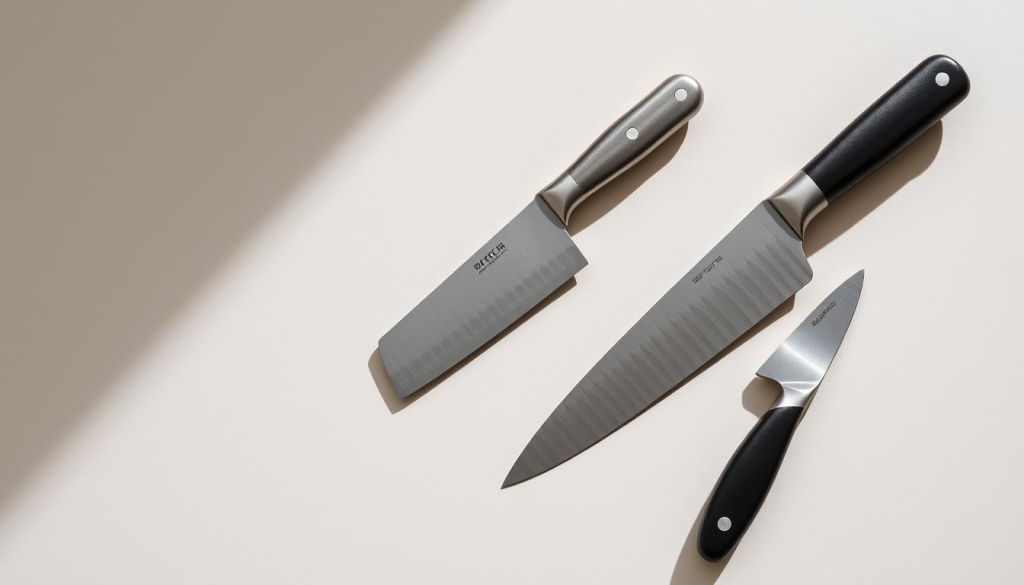
In summary, a basic knife set that includes a Chef’s Knife, Paring Knife, and Bread Knife provides the fundamental tools needed for everyday cooking tasks. These knives are indispensable in any kitchen, offering the versatility and precision required for a wide range of culinary activities.
Specialty Knives for Specific Tasks
Specialty knives are the unsung heroes of any comprehensive knife set, offering precision and ease for particular culinary tasks. These knives are designed to perform specific functions, making them indispensable for both professional chefs and home cooks.
Fillet Knife
A fillet knife is a long, narrow, and flexible knife used primarily for filleting fish. Its design allows for smooth, precise cuts around bones and delicate flesh, ensuring that the fillets are intact and boneless. The flexibility of a fillet knife is key to its effectiveness, as it can be maneuvered with ease around the contours of fish.
Cleaver
A cleaver is a broad, heavy knife used for chopping through bones, meat, and vegetables. Its weight and broad blade make it ideal for tasks that require force, such as cutting through thick cuts of meat or crushing garlic. Cleavers are available in various sizes, with larger ones being more suited to heavy-duty tasks.
Jigsaw Knife
Though less common, a jigsaw knife or a curved blade knife is used for specific cutting tasks that require a curved motion. It’s particularly useful for cutting out intricate patterns or for tasks that require a high degree of precision and control.
Understanding the role of these specialty knives can significantly enhance your cooking experience. By having the right tool for the job, you can achieve more precise cuts, reduce preparation time, and improve the overall quality of your dishes.
| Specialty Knife | Primary Use | Key Characteristics |
|---|---|---|
| Fillet Knife | Filleting fish | Long, narrow, flexible |
| Cleaver | Chopping through bones and thick meat | Broad, heavy, robust |
| Jigsaw Knife | Cutting intricate patterns | Curved blade, precise |
By incorporating these specialty knives into your knife set, you’ll be better equipped to handle a variety of cooking tasks with ease and precision. Whether you’re a professional chef or an avid home cook, having the right knives for the job makes all the difference.
Knife Materials and Construction
Understanding the materials and construction of knives is crucial for selecting the right knife set. The durability, performance, and maintenance requirements of a knife are directly influenced by its material and how it’s constructed.
Stainless Steel vs. Carbon Steel
The blade material is a critical factor in a knife’s performance. Stainless steel and carbon steel are two of the most common materials used. Stainless steel is known for its resistance to corrosion, making it a great choice for those who live in humid environments or prefer less maintenance. On the other hand, high-carbon stainless steel offers a balance between durability and resistance to rust, making it a popular choice among chefs.
Carbon steel, while more prone to rust, is valued for its ability to hold a sharp edge and is often preferred by professional chefs who are willing to maintain their knives regularly. The choice between stainless steel and carbon steel ultimately depends on personal preference, cooking habits, and the level of maintenance one is willing to undertake.
| Material | Corrosion Resistance | Sharpness | Maintenance |
|---|---|---|---|
| Stainless Steel | High | Good | Low |
| Carbon Steel | Low | Excellent | High |
| High-Carbon Stainless Steel | High | Excellent | Medium |
Handle Materials: Wood, Plastic, and Metal
The handle material is just as important as the blade, affecting the comfort, grip, and overall usability of the knife. Common handle materials include wood, plastic, and metal. Wooden handles offer a traditional look and feel but may require more maintenance than other materials. Plastic handles are durable and easy to clean, making them a practical choice. Metal handles, often used in high-end knives, provide a solid feel and can be ergonomic but may become slippery when wet.
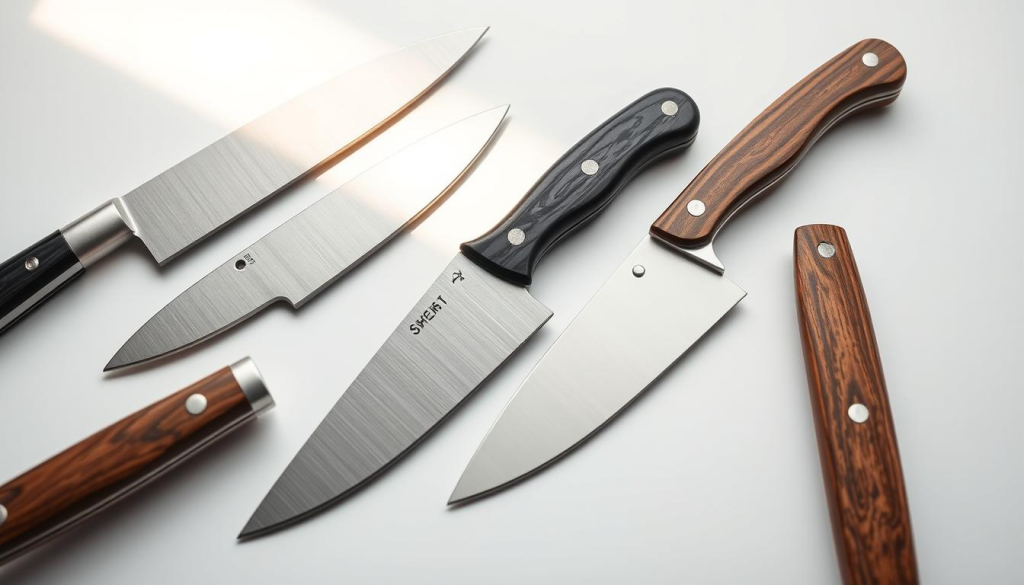
When choosing a knife set, considering the handle material is crucial for ensuring that the knives are not only functional but also comfortable to use. Whether you prefer the classic look of wood, the durability of plastic, or the solidity of metal, there’s a handle material to suit your needs.
Size Matters: Choosing the Right Knife Sizes
Knife size plays a significant role in determining its usability. The right size can make a significant difference in your cooking experience, whether you’re chopping vegetables or slicing meat.
When it comes to essential knives in a knife set, the chef’s knife is a crucial component. Chef’s knives, in particular, come in a variety of sizes, ranging from as compact as 6 inches to as long as 12 inches. However, an 8-inch-long blade is often considered the sweet spot for most home cooks.
Common Sizes for Chef’s Knives
Chef’s knives are available in various sizes to suit different needs and preferences. Here are some common sizes:
- 6 inches: Ideal for small tasks and precise cutting.
- 8 inches: The most popular size for home cooks, offering a good balance between control and cutting capacity.
- 10 inches: Preferred by professional chefs, providing a larger cutting surface.
- 12 inches: Suitable for large or heavy-duty cutting tasks.
As noted by culinary experts, “The size of the knife you choose should depend on the tasks you perform most often.”
“A good chef’s knife should feel like an extension of your hand, allowing you to chop, slice, and dice with ease and precision.”
Importance of Knife Length
The length of a knife is crucial as it affects the cutting motion and the type of tasks it can perform. A longer knife can handle larger ingredients and make smoother, more even cuts. However, it may be less maneuverable for smaller tasks.
| Knife Length | Ideal Use |
|---|---|
| 6-7 inches | Precision tasks, small ingredients |
| 8 inches | General cooking, everyday tasks |
| 10-12 inches | Large ingredients, heavy-duty tasks |
Choosing the right knife size is a personal decision that depends on your cooking habits and preferences. It’s essential to consider the types of tasks you perform most often and select a knife that feels comfortable and balanced in your hand.
Knife Set Styles and Configurations
Knife sets are available in a variety of styles and configurations, catering to different kitchen needs and personal preferences. The way your knives are stored and organized can significantly impact your kitchen’s functionality and aesthetic appeal.
Block Sets
Knife block sets are a classic choice, keeping your knives safe and organized while adding a touch of elegance to your countertop. They typically come with slots for different knives in a knife set, such as chef’s knives, paring knives, and bread knives.
Magnetic Strips
Magnetic knife holders, on the other hand, save counter space and look sleek. They are ideal for kitchens where space is limited, and they can be mounted on a wall or under a cabinet, providing easy access to your knives.
Drawer Inserts
Drawer inserts are another practical option for storing knives. They keep your knives organized and protected within your drawer, preventing them from getting damaged or causing accidents.
When choosing a knife set style, consider your kitchen setup and personal preference. Here’s a comparison of the different configurations:
| Configuration | Space Efficiency | Aesthetic Appeal | Ease of Access |
|---|---|---|---|
| Block Sets | Moderate | High | Easy |
| Magnetic Strips | High | Moderate | Easy |
| Drawer Inserts | High | Low | Moderate |
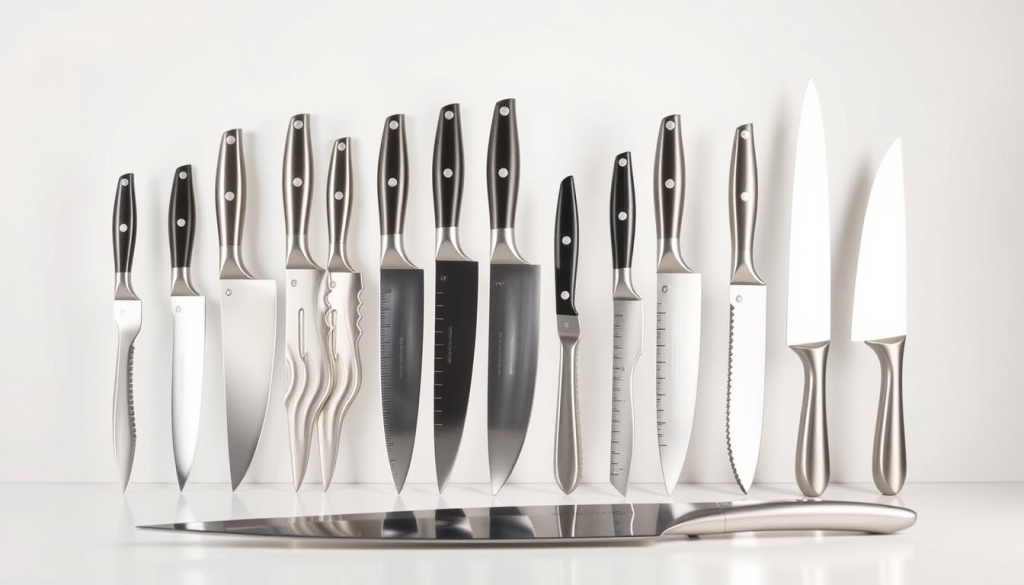
In conclusion, the style and configuration of your knife set should align with your kitchen’s layout and your cooking habits. Whether you opt for a block set, magnetic strip, or drawer insert, ensure that it meets your needs for accessibility, safety, and style.
Caring for Your Knife Set
Maintaining your knife set is crucial for both performance and longevity. A well-cared-for knife is not only more effective but also safer to use. Regular maintenance involves cleaning, sharpening, and proper storage.
Proper Cleaning Techniques
Cleaning your knives immediately after use is vital. Food particles, especially acidic or salty substances, can damage the blade if left to sit. Use mild soap and warm water, and dry the knives thoroughly to prevent rust.
Tips for Cleaning:
- Wash knives individually to prevent scratching.
- Avoid using abrasive materials that can damage the blade.
- Dry knives immediately after washing to prevent water spots.
Sharpening Your Knives
Sharpening is an essential part of knife maintenance. A dull knife is not only less effective but also more dangerous, as it requires more force to cut, increasing the risk of accidents.
Regular honing is your knife’s morning stretch. Using a honing rod, you keep the blade aligned and ready for action. Sharpening, on the other hand, involves removing metal to restore the blade’s edge.
| Sharpening Method | Description | Frequency |
|---|---|---|
| Honing | Realignment of the blade’s edge | Before each use |
| Whetstone Sharpening | Removal of metal to restore edge | Every few months |
| Electric Sharpening | Automated sharpening process | As needed |
By incorporating these care and maintenance practices into your routine, you can extend the life of your knives and ensure they continue to perform optimally.
Understanding Knife Types by Cuisine
Understanding the types of knives used in different cuisines can enhance your cooking experience. Different cuisines often have their own preferred types of knives, reflecting the specific cooking techniques and ingredients used.
Asian Knives
Asian knives, such as the Santoku, are known for their thin, lightweight design and are ideal for precise cutting. These knives are typically made from high-carbon steel, which retains sharpness and is durable.
- Santoku Knives: Ideal for chopping, slicing, and mincing vegetables and meat.
- Nakiri Knives: Designed for vegetable preparation, with a straight edge for precise cuts.
European Knives
European knives, on the other hand, are often thicker and more robust. They are designed for heavy-duty chopping and are typically made from stainless or high-carbon steel.
- Chef’s Knives: Versatile knives used for a variety of tasks, from chopping to slicing.
- Bread Knives: Serrated knives designed specifically for cutting through bread without crushing it.
By understanding the different types of knives associated with various cuisines, you can choose the right knives for your cooking style, enhancing your overall culinary experience.
How to Choose the Right Knife Set
Understanding your cooking habits and preferences is key to selecting a knife set that truly meets your needs. Choosing a professional knife set isn’t just about picking the sharpest one off the shelf; it involves considering several critical factors.
Factors to Consider: Budget, Usage, and Quality
When selecting a knife set, there are several factors to keep in mind, including budget, usage, and quality. Your budget will help narrow down the options, while your usage will dictate the types of knives you need. Quality is also crucial as it affects the durability and performance of the knives.
Here are some key considerations:
- Handle Material: The material of the handle can affect comfort and durability. Common materials include wood, plastic, and metal.
- Blade Material: The blade material impacts the knife’s sharpness and resistance to corrosion. Stainless steel and carbon steel are popular choices.
- Balance and Weight: A well-balanced knife with appropriate weight can enhance your cutting experience.
- Edge Retention and Sharpness: The ability of the knife to retain its sharpness is vital for efficient cutting.
| Factor | Description | Importance |
|---|---|---|
| Handle Material | Affects comfort and durability | High |
| Blade Material | Impacts sharpness and corrosion resistance | High |
| Balance and Weight | Enhances cutting experience | Medium |
| Edge Retention | Affects how often you need to sharpen | High |
Recommended Brands for Knife Sets
Several reputable brands offer high-quality knife sets. Some of the top recommendations include:
- Wüsthof
- Shun
- Zwilling J.A. Henckels
- Victorinox
These brands are known for their quality, durability, and performance. When choosing a brand, consider your budget and the specific needs you have for your knife set.
Enhancing Your Kitchen with Additional Knives
Once you’re comfortable with your basic knife set, considering additional specialty knives can enhance your culinary skills. Specialty knives are designed for specific tasks, making them invaluable for serious cooks.
Specialty Knives to Consider
Depending on your cooking style, you might need specific knives. For instance, if you’re a fan of sushi, a Japanese knife set with a Santoku knife is a game-changer. Other specialty knives worth considering include:
- A fillet knife for delicate fish filleting
- A cleaver for chopping through bones and thick vegetables
- A boning knife for precision meat preparation
When to Invest in High-End Knives
Investing in high-end knives can be a consideration, especially if you’re looking for superior quality and performance. High-end knives are typically made with premium materials and craftsmanship, offering:
- Enhanced durability and resistance to wear
- Superior sharpness and edge retention
- Ergonomic design for comfort and reduced fatigue
For professional chefs or serious cooking enthusiasts, high-end knives can be a worthwhile investment, providing a significant improvement in cooking experience and results.
Conclusion: Embrace the Variety in Your Knife Set
A well-rounded knife set is an essential tool for any kitchen, providing the versatility needed for various cooking tasks. By understanding what knives are included in a knife set and their specific uses, you can significantly enhance your cooking experience and efficiency.
The knives in a knife set, ranging from chef’s knives to specialty knives, are designed to cater to different culinary needs. Embracing this variety and continuing to learn about the different types of knives and their applications will make you a more confident and skilled cook.
Whether you’re preparing a simple meal or experimenting with complex recipes, having the right knives included in a knife set can make all the difference. So, explore your knife set, understand the role of each knife, and enjoy the process of refining your cooking skills.