I believe that the right tools define a chef’s success. Historically, these blades evolved from simple, heavy equipment into the sharp assets we use today. This evolution helps me achieve perfect precision with every slice.
The traditional trio consists of the Deba, Usuba, and Yanagiba models. These are the gold standard for authentic culinary tasks. Using a Yanagiba for thin slicing feels like a dream in my hand.
I often hear people ask, what japanese knives do i need for my home? Selecting the correct pieces creates a better cooking experience for me and my family. Quality tools turn a chore into a true art form.
Key Takeaways
- Explore the history of refined, specialized blade shapes.
- Discover the classic trio: Deba, Usuba, and Yanagiba.
- Understand how precision tools elevate your home cooking.
- Learn the specific uses for traditional fish and vegetable blades.
- Prioritize quality gear to master authentic culinary techniques.
- Transform your kitchen prep into a professional experience.
Introduction to Japanese Knives
Japanese knives have gained worldwide recognition for their exceptional quality and sharpness, making them a valuable addition to any kitchen.
As a beginner looking for the best Japanese knives, it’s essential to understand what makes them stand out. Japanese kitchen knives are crafted with precision and care, offering unparalleled quality that can transform your cooking experience.
The benefits of using Japanese knives include their durability and the precision they offer, allowing for more efficient and enjoyable cooking.
| Characteristics | Japanese Knives | Western Knives |
|---|---|---|
| Sharpness | Exceptionally sharp | Sharp, but may not retain sharpness as long |
| Material | High carbon steel, stainless steel, or Damascus steel | Often stainless steel |
| Durability | Highly durable with proper care | Durable, but may not match Japanese knives |
Understanding these characteristics can help you make an informed decision when selecting your first Japanese knife.
The Essential Types of Japanese Knives
The world of Japanese knives is diverse, with various types designed for specific tasks and cooking techniques. Understanding these essential knives can significantly enhance your cooking experience and efficiency in the kitchen.
Japanese knives are crafted to perform specific functions, making it easier to prepare a variety of dishes. Here, we’ll explore four essential types: Santoku, Gyuto, Nakiri, and Petty.
Santoku: The All-Purpose Knife
The Santoku knife is a multi-purpose knife used for slicing, dicing, and mincing vegetables, fish, and meat. Its straight edge and balanced design make it an ideal choice for those who want a versatile knife for various kitchen tasks.
Gyuto: The Chef’s Favorite
The Gyuto is often considered the Japanese version of a Western-style chef’s knife. It’s designed for cutting meat, fish, and vegetables with precision and ease. The Gyuto’s curved shape allows for a smooth, rocking motion, making it a favorite among chefs.
Nakiri: Ideal for Vegetables
The Nakiri knife is specifically designed for cutting vegetables. Its straight blade and flat profile enable precise, clean cuts, making it a must-have for any serious vegetable preparation.
Petty: The Paring Knife Alternative
The Petty knife serves as a smaller alternative to the Gyuto, ideal for detailed work such as peeling and coring fruit and vegetables. Its compact size and sharp edge make it perfect for tasks that require precision and control.
By understanding and incorporating these essential Japanese knives into your kitchen arsenal, you’ll be better equipped to tackle a wide range of cooking tasks with ease and precision.
Understanding Japanese Knife Materials
The material composition of Japanese knives plays a crucial role in their durability, sharpness, and overall performance. Japanese knives can be made from a variety of materials, each with its unique characteristics, advantages, and disadvantages.
When selecting a Japanese knife, understanding the different materials used is essential to make an informed decision that suits your cooking needs. The primary materials used in the construction of Japanese knives include high-carbon steel, stainless steel, and Damascus steel.
High Carbon Steel vs Stainless Steel
High-carbon steel is prized for its exceptional sharpness and edge retention. Knives made from this material are capable of achieving a razor-sharp edge, making them ideal for precise cutting tasks. However, high-carbon steel requires more maintenance as it is prone to rust and corrosion if not properly cared for.
On the other hand, stainless steel knives are more resistant to corrosion and require less maintenance compared to their high-carbon steel counterparts. While they may not achieve the same level of sharpness as high-carbon steel knives, stainless steel knives are durable and easy to clean, making them a practical choice for everyday use.
Key differences between high-carbon steel and stainless steel knives:
- Sharpness: High-carbon steel knives are sharper.
- Maintenance: High-carbon steel requires more maintenance.
- Corrosion Resistance: Stainless steel is more resistant to corrosion.
Damascus Steel: Aesthetic and Functional
Damascus steel knives are known for their distinctive patterned appearance, which is both aesthetically pleasing and indicative of their high quality. The process of creating Damascus steel involves layering different types of steel to produce a blade that is not only visually striking but also offers a balance between sharpness, durability, and corrosion resistance.
Damascus steel knives are highly regarded for their performance and beauty. The layering process involved in their manufacture can result in a blade that combines the benefits of different steel types, such as the sharpness of high-carbon steel and the corrosion resistance of stainless steel.
“The art of making Damascus steel knives is a testament to the craftsmanship and tradition that goes into Japanese knife-making.”
When choosing a Japanese knife, considering the material is crucial. Whether you prioritize sharpness, durability, or aesthetic appeal, there’s a Japanese knife material that suits your needs.
Importance of Knife Maintenance
To get the most out of your must-have Japanese knives, proper maintenance is crucial. Regular care ensures they remain sharp, functional, and a valuable tool in your kitchen.
Maintaining your Japanese knives involves several key practices. First and foremost, sharpening is essential to keep the blade in optimal condition. A dull knife is not only less effective but also more dangerous to use.
Sharpening Techniques for Japanese Knives
Sharpening Japanese knives requires the right techniques and tools. Here are some key points to consider:
- Use a whetstone specifically designed for Japanese knives.
- Maintain the correct sharpening angle, typically around 10-15 degrees per side.
- Sharpen in a consistent, smooth motion, starting from the heel and moving towards the tip.
Cleaning and Storage Tips
Proper cleaning and storage are also vital for maintaining your Japanese knives. Here are some tips:
- Clean your knives immediately after use with mild soap and dry thoroughly.
- Store your knives in a dry place, away from other utensils that could cause damage.
- Consider using a knife block or magnetic strip to keep your knives organized and protected.
By following these maintenance tips, you can extend the life of your Japanese knives and ensure they continue to perform at their best.
Choosing the Right Japanese Knife for You
Selecting the perfect Japanese knife can be a daunting task, but with the right guidance, it becomes a straightforward process. When it comes to enhancing your kitchen experience, having the right tools is essential, and a Japanese knife is no exception.
As I delve into the world of Japanese knives, I find that understanding your cooking style and preferences is crucial. The type of cooking you do most often, the ingredients you typically work with, and your personal comfort with the knife are all important factors.
Factors to Consider
When choosing a Japanese knife, several factors come into play. First, consider the type of cooking you do. If you’re an avid vegetable cutter, a Nakiri or Usuba knife might be your best bet. For those who do a lot of meat preparation, a Gyuto or Santoku could be more suitable.
The material of the knife is another critical factor. Japanese knives are made from various materials, including high carbon steel, stainless steel, and Damascus steel. High carbon steel knives are known for their sharpness and edge retention, while stainless steel knives offer durability and resistance to corrosion.
Handle design is also vital for comfort and control. Japanese knives come with various handle styles, from traditional to modern designs. Choosing a handle that fits comfortably in your hand can make a significant difference in your cutting experience.
| Knife Type | Ideal For | Material |
|---|---|---|
| Gyuto | Meat preparation, chopping vegetables | High Carbon Steel, Stainless Steel |
| Nakiri | Vegetable cutting | High Carbon Steel |
| Santoku | All-purpose chopping | High Carbon Steel, Damascus Steel |
Popular Brands to Explore
Several brands are renowned for their high-quality Japanese knives. Sakai Kyuba is a well-respected name, known for its traditional craftsmanship and high-performance knives. Oishya is another brand that offers a range of Japanese knives suitable for various cooking needs.
“A good knife is not just a tool, it’s an extension of the chef’s hand.”
When exploring different brands, consider factors such as the materials used, the craftsmanship, and the specific needs you have for your kitchen. Reading reviews and seeking recommendations can also help in making an informed decision.
By considering these factors and exploring popular brands, you can find the perfect Japanese knife to enhance your cooking experience. Whether you’re a professional chef or a home cook, the right knife can make a significant difference in your culinary journey.
Specialized Japanese Knives You Might Need
Beyond the basics, there are several specialized Japanese knives that can elevate your culinary skills. As a home cook, having the right tools can make a significant difference in your cooking experience. Specialized knives are designed to perform specific tasks with precision and ease.
Sujihiki: The Slicing Knife
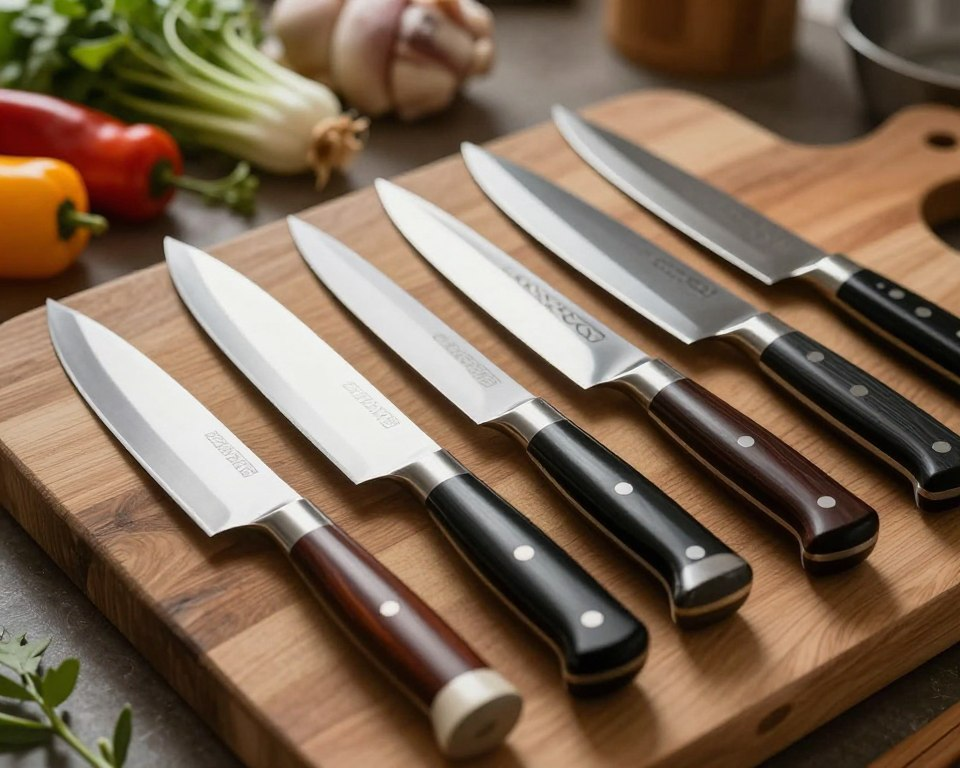
The Sujihiki knife is a long, slender knife used primarily for slicing. Its length and shape allow for smooth, even cuts, making it ideal for slicing meat, fish, and other delicate ingredients. When choosing a Sujihiki, consider the length that best suits your needs, as they come in various sizes.
A key feature of the Sujihiki is its ability to make precise cuts, which is essential for presentation and texture. Whether you’re slicing raw fish for sashimi or cutting cooked meat for a roast, the Sujihiki knife is an indispensable tool.
Usuba: For Precision Vegetable Cutting
The Usuba knife is a traditional Japanese vegetable knife known for its straight edge and thin blade. It is designed for precision cutting and is particularly useful for preparing vegetables for various Japanese dishes. The Usuba is ideal for tasks that require a high level of detail, such as cutting thin slices or intricate designs.
One of the benefits of using an Usuba knife is its ability to cut vegetables without bruising or tearing them, preserving their texture and appearance. This makes it a valuable addition to any kitchen where vegetables are a staple.
By incorporating specialized knives like the Sujihiki and Usuba into your kitchen, you can enhance your cooking techniques and expand your culinary repertoire. These knives are among the top Japanese knives for home cooks looking to refine their skills.
The Role of Handle Design in Comfort
The comfort and performance of a Japanese knife are significantly influenced by its handle design. A well-crafted handle can enhance the overall cooking experience by providing a secure and comfortable grip.
When selecting a Japanese knife, it’s essential to consider the handle style, as it can greatly impact the user’s comfort and control. Different handle styles offer unique benefits, catering to various preferences and cooking techniques.
Different Handle Styles Explained
Japanese knives feature various handle styles, primarily categorized into Western and Japanese styles. Western-style handles are typically made from durable materials like wood, plastic, or metal, and are often contoured to fit comfortably in the hand.
Japanese-style handles, on the other hand, are usually made from wood or bamboo and are designed to provide a more subtle, nuanced grip. Some popular types of Japanese handles include:
- D-octopus handle: Characterized by its ergonomic design and textured surface.
- Wa handle: Traditional Japanese handle style, often made from wood.
Choosing the Right Handle for Your Grip
When choosing a Japanese knife, it’s crucial to select a handle that complements your grip style. Consider factors such as material, shape, and size to ensure a comfortable and secure hold.
To determine the ideal handle for your needs, consider the following:
- Material: Choose a material that provides the desired balance of durability and comfort.
- Shape: Opt for a shape that fits your hand comfortably, allowing for smooth, controlled movements.
- Size: Ensure the handle is proportionate to your hand size, enabling a secure grip.
By considering these factors and exploring different handle styles, you can find the perfect Japanese knife to suit your cooking needs and preferences.
How to Properly Hold a Japanese Knife
Holding a Japanese knife properly is a fundamental skill that every kitchen enthusiast should possess. When it comes to using best japanese knives for beginners, understanding the correct grip is essential for safety, control, and overall performance.
A proper grip not only enhances your cutting technique but also reduces the risk of accidents. As you begin to explore the world of Japanese knives, mastering the grip is the first step towards elevating your cooking skills.
Basic Knife Grip Techniques
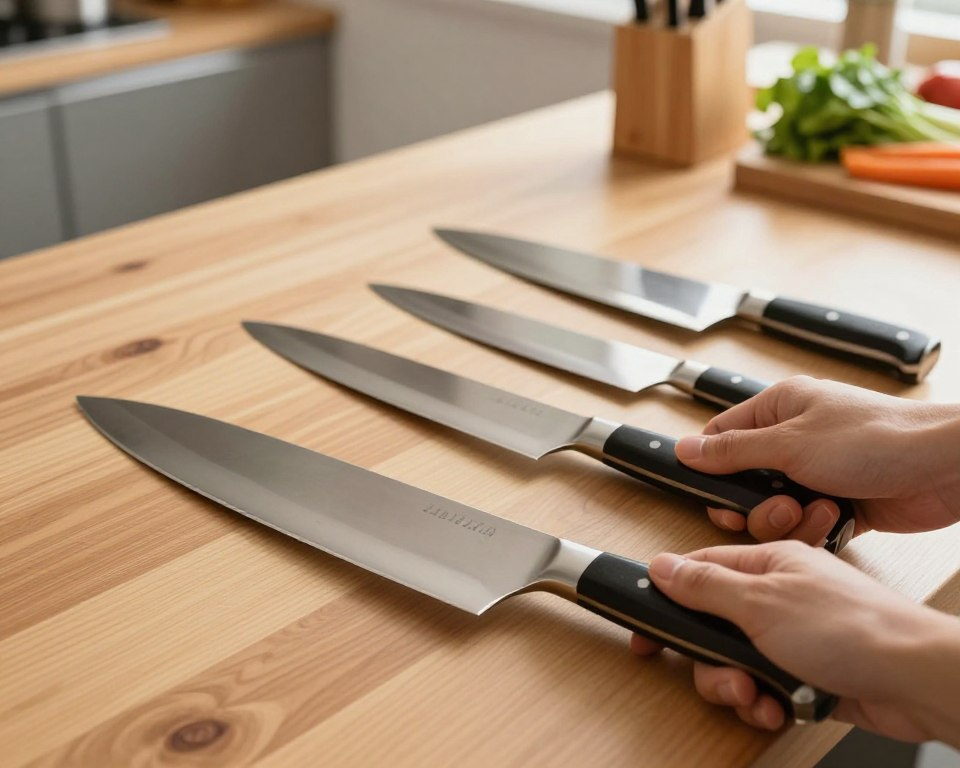
The most common grip used for Japanese knives is the “pinch grip.” To achieve this grip, hold the blade between your thumb and index finger, with your thumb on the blade’s spine and your index finger on the opposite side of the blade. This grip provides stability and control.
Your remaining fingers should wrap around the handle, providing a firm but not overly tight hold. The grip should be comfortable and allow for smooth, precise movements. Practicing the pinch grip with your best japanese knives for beginners will help you develop muscle memory and improve your overall technique.
Advanced Techniques for Control
Once you’ve mastered the basic pinch grip, you can explore advanced techniques to further enhance your control and precision. One such technique is adjusting your grip to suit different cutting tasks.
For example, when performing delicate tasks, you may want to apply a lighter grip to allow for more nuanced control. Conversely, for heavier tasks, a firmer grip may be necessary to apply the required force.
Experimenting with different grip pressures and angles will help you develop a deeper understanding of how to optimize your technique for various cutting tasks. As you become more comfortable with your Japanese knife, you’ll find that your confidence and proficiency in the kitchen grow significantly.
The Impact of Japanese Knives on Cooking
The right Japanese knife is not just a tool, it’s a key to unlocking your culinary potential. With the precision and quality that Japanese knives offer, home cooks and professional chefs alike can experience a significant improvement in their cooking.
When it comes to cooking, the tools you use can greatly affect the outcome. Essential Japanese knives are designed to provide a level of precision and control that is hard to match with other types of knives.
Enhancing Your Cooking Skills
Using a high-quality Japanese knife can enhance your cooking skills in several ways. Firstly, the sharpness and balance of these knives make tasks like chopping, slicing, and mincing much easier and more efficient.
- Improved precision in cutting ingredients
- Better control over the knife, reducing fatigue
- Enhanced overall cooking experience
For instance, a Santoku knife can become an extension of your hand, allowing you to perform various tasks with ease and precision.
| Knife Type | Primary Use | Benefit |
|---|---|---|
| Gyuto | General-purpose cutting | Versatility in handling various ingredients |
| Nakiri | Vegetable preparation | Precision in cutting vegetables |
| Petty | Paring and detail work | Control for delicate tasks |
Boosting Your Culinary Creativity
Having the right knife can also boost your culinary creativity. With the confidence that comes from using a well-balanced and sharp knife, you’re more likely to experiment with new recipes and techniques.
Moreover, the aesthetic appeal of Japanese knives can inspire you to try new approaches in the kitchen. The craftsmanship and attention to detail in these knives reflect the artistry involved in Japanese cooking.
By incorporating essential Japanese knives into your cooking routine, you not only improve your skills but also open yourself up to a world of culinary possibilities.
Where to Buy High-Quality Japanese Knives
The quest for the perfect Japanese knife begins with knowing where to look. High-quality Japanese knives can significantly enhance one’s cooking experience, making it essential to find a reliable source.
To help readers in their search, we will explore both top retailers in the U.S. and online options available for purchasing Japanese knives.
Top Retailers in the U.S.
Several retailers in the U.S. specialize in Japanese knives, offering a range of products for different needs. Some of the notable retailers include:
- Oishya: Known for their extensive collection of Japanese knives and expert service.
Online Options for Knife Enthusiasts
For those who prefer shopping online, there are numerous websites that offer high-quality Japanese knives. These online retailers often provide detailed product descriptions and customer reviews, making it easier to make an informed decision when choosing the right Japanese knives for your kitchen.
| Retailer/Online Store | Specialty | Customer Service | Price Range |
|---|---|---|---|
| Oishya | Japanese Knives | Expert | $50-$500 |
| Amazon | Various Knives | Varied | $20-$1000 |
| Williams-Sonoma | High-End Knives | Good | $100-$500 |
| Sur La Table | Japanese Knives | Good | $50-$300 |
By considering these options and doing your research, you can find the perfect Japanese knife set that meets your needs and enhances your cooking experience.
Conclusion: Elevating Your Kitchen Experience
As we’ve explored the world of Japanese knives, it’s clear that these exceptional tools can significantly enhance your cooking experience. By understanding the different types, materials, and maintenance requirements, home cooks can elevate their kitchen game.
Investing in Quality Knives
Investing in must-have Japanese knives, such as a Santoku or Gyuto, can make a significant difference in your cooking. These top Japanese knives for home cooks offer precision, durability, and a level of craftsmanship that’s hard to match.
Exploring Japanese Cooking Techniques
With the right knives, you can explore the art of Japanese cooking, from precise vegetable cutting to delicate slicing. By embracing these techniques, you’ll not only improve your cooking skills but also develop a deeper appreciation for the culinary art.
As you continue on your culinary journey, remember that the right tools can make all the difference. Japanese knives are an investment worth considering, and with the right care, they will remain a trusted companion in your kitchen for years to come.