
The Nakiri knife, a Japanese-style vegetable cleaver, has become a staple in many kitchens. Its straight edge and thin blade make it perfect for precise cuts, while its wide cutting surface allows for efficient chopping.
This versatile tool is designed specifically for vegetable preparation, making it an essential asset for both home cooks and professional chefs. The Nakiri knife’s unique design enables users to chop, slice, and dice with ease, streamlining kitchen tasks.
Key Takeaways
- Efficiently chop vegetables with the Nakiri knife’s wide cutting surface.
- Make precise cuts with the straight edge and thin blade.
- Ideal for both home cooks and professional chefs.
- Streamline kitchen tasks with the Nakiri knife’s versatility.
- Enhance your vegetable preparation with this Japanese-style cleaver.
Understanding the Nakiri Knife Design
At the heart of the Nakiri knife’s effectiveness is its straightforward yet elegant design. The Nakiri knife is a traditional Japanese knife used primarily for cutting vegetables. Its design is centered around a straight, square blade that allows for precise, vertical chopping motions.
The key to the Nakiri knife’s functionality lies in its rectangular blade shape, typically around 7 inches in length, with a flat edge that is perfect for making precise cuts. This design enables efficient chopping and is particularly useful for hard-skinned vegetables like squash and root vegetables.
Key Features of a Nakiri Knife
The Nakiri knife boasts several distinctive features that make it an indispensable tool in the kitchen. Some of its key features include:
- A straight, flat blade ideal for vertical chopping
- A rectangular shape that facilitates precise cuts
- A thin blade that allows for minimal waste and maximum control
These features combine to make the Nakiri knife an essential tool for any chef or home cook looking to improve their vegetable preparation techniques.
How It Differs from Other Knives
Unlike other knives, the Nakiri is specifically designed for vegetable-centric cuts, such as julienne and brunoise. Its straight edge and flat profile make it ideal for chopping and slicing vegetables without the rocking motion required by curved knives.
| Knife Type | Blade Shape | Primary Use |
|---|---|---|
| Nakiri | Straight, Rectangular | Vegetable Preparation |
| Chef’s Knife | Curved | General Purpose Cutting |
| Santoku | Flat, Slightly Curved | Slicing, Dicing, Mince |
The table above highlights the unique characteristics of the Nakiri knife in comparison to other popular knife types, showcasing its specialized design for vegetable preparation.
Benefits of Using a Nakiri Knife
In the realm of vegetable preparation, the Nakiri knife has earned a reputation for its outstanding benefits. This recognition stems from its design and functionality, which cater specifically to the needs of chefs and home cooks.
https://www.youtube.com/watch?v=yulgMGWOmrs
Precision in Vegetable Preparation
The Nakiri knife offers a clean cut that doesn’t damage or bruise delicate vegetables, making it a favorite among professional chefs and home cooks. Its straight blade edge allows for a smooth, even cut, which is crucial for both the aesthetic appeal and the cooking consistency of vegetables.
Precision cutting is one of the primary advantages of using a Nakiri knife. The knife’s design enables cooks to slice through vegetables with ease, maintaining their texture and integrity. This is particularly beneficial when preparing ingredients for dishes where presentation matters.
Improved Cutting Speed and Efficiency
The Nakiri knife’s design also contributes to improved cutting speed and efficiency. The knife’s balanced weight and ergonomic handle reduce fatigue during prolonged use, allowing cooks to work for longer periods without strain.
Furthermore, the Nakiri knife’s sharpness and the straight edge facilitate quick chopping and slicing. This efficiency is invaluable in both professional kitchens, where time is of the essence, and in home cooking, where it makes meal preparation less daunting.
By incorporating a Nakiri knife into their kitchen arsenal, cooks can experience the benefits of enhanced precision and efficiency in their vegetable preparation tasks.
Ideal Ingredients for a Nakiri Knife
The Nakiri knife, with its straight edge and flat profile, is designed to excel at cutting through various kitchen ingredients. Its versatility makes it an essential tool for both professional chefs and home cooks. Whether you’re preparing a simple salad or a complex vegetable dish, a Nakiri knife can help you achieve precise cuts with ease.
Best Vegetables to Cut
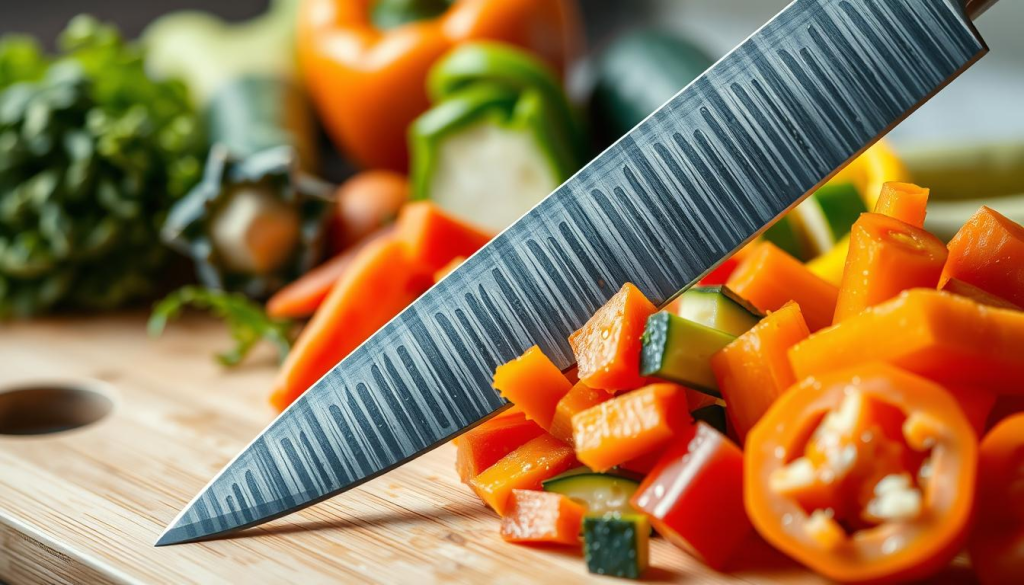
A Nakiri knife is particularly effective for cutting a variety of vegetables. Hard-skinned vegetables like pumpkins and butternut squash are easily sliced through, thanks to the knife’s sharp edge. Additionally, the Nakiri knife is ideal for slicing and dicing potatoes and other root vegetables, making it a valuable asset for preparing hearty meals.
Leafy greens are another category of vegetables that benefit greatly from the use of a Nakiri knife. The knife’s flat profile allows for smooth, even cuts, ensuring that delicate greens like spinach and kale are not bruised or torn. This makes it easier to prepare salads and sautéed greens with a professional finish.
Fruits That Benefit from a Nakiri
While Nakiri knives are primarily used for vegetables, they can also be used to cut certain fruits. Fruits with a firm texture, such as apples and pears, can be sliced and diced with precision, making them ideal for salads, fruit arrangements, and baked goods.
The straight edge of a Nakiri knife also makes it suitable for cutting through melons and other fruits with a hard rind. This can be particularly useful when preparing fruit platters or desserts that require neatly cut fruit.
How to Properly Use a Nakiri Knife
To get the most out of a Nakiri knife, it’s essential to learn the proper cutting techniques and maintenance habits. The Nakiri knife is designed for precise cutting, and its effectiveness can be maximized by understanding its unique features and how to care for it.
Recommended Cutting Techniques
The Nakiri knife excels at vegetable preparation due to its straight edge, which allows for a straight up and down, vertical chopping motion. This technique is crucial for achieving precise cuts and maintaining the integrity of the vegetables.
- Use a push-cutting motion to slice through vegetables efficiently.
- Keep the knife sharp to ensure clean cuts and prevent crushing the vegetables.
- Practice the correct grip and stance to maintain control and comfort while cutting.
Importance of Knife Maintenance
Regular maintenance is vital to extend the life of your Nakiri knife and ensure it continues to perform optimally. Sharpening the knife regularly is crucial, as a dull knife can be dangerous and less effective.
- Sharpen your Nakiri knife regularly to maintain its edge.
- Store the knife properly in a dry place, away from other utensils that could damage it.
- Clean the knife after each use to prevent the buildup of residue and bacteria.
By following these guidelines, you can enjoy the benefits of using a Nakiri knife, including improved cutting efficiency and precision, making it an indispensable tool in your kitchen.
Comparing Nakiri Knives to Other Types
In the realm of kitchen knives, the Nakiri stands out for its unique design and functionality, but how does it compare to more traditional knives? Nakiri knives are specialized tools primarily used for vegetable preparation, but their characteristics set them apart from other popular knife types.
Nakiri vs. Chef’s Knife
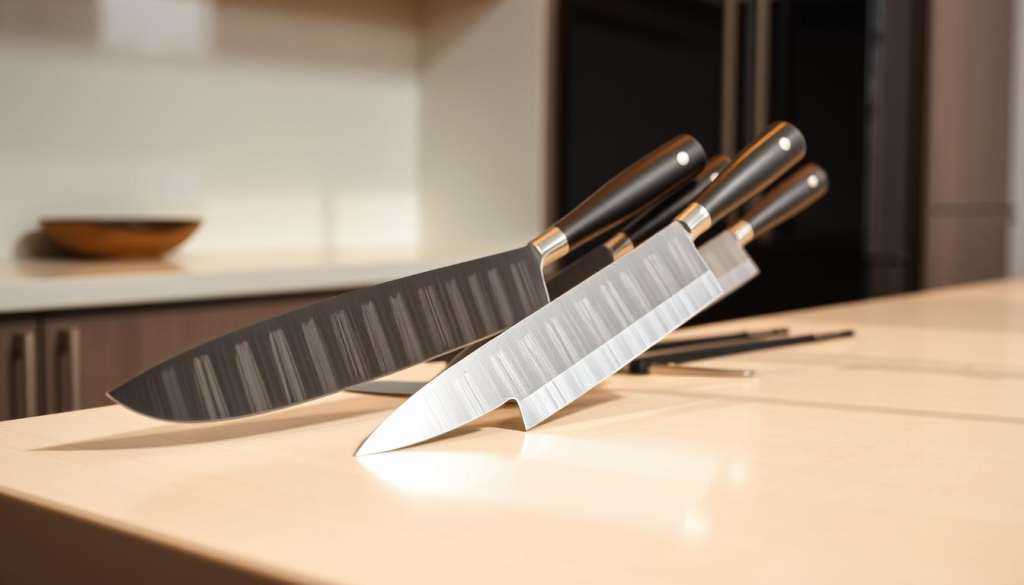
A Chef’s Knife is often considered the workhorse of the kitchen, used for a variety of tasks from chopping vegetables to slicing meat. In contrast, a Nakiri knife is specifically designed for cutting vegetables, with a straight edge and rectangular blade that allows for precise, push-cutting motions.
While a Chef’s Knife can accomplish many tasks, the Nakiri’s design makes it superior for vegetable preparation. As noted by culinary experts, “The Nakiri knife’s flat profile and sharp edge enable cooks to chop vegetables with ease and precision, making it an indispensable tool for any serious chef or home cook.“
- The Nakiri knife excels in precision cutting for vegetables.
- Chef’s Knives are more versatile, handling a broader range of kitchen tasks.
Nakiri vs. Santoku Knife
The Santoku knife is another popular choice among cooks, known for its versatility and ability to handle various kitchen tasks. While both Nakiri and Santoku knives are used for chopping, the Santoku’s slightly curved edge allows for a rocking motion, making it suitable for a wider range of ingredients.
However, the Nakiri’s straight edge is advantageous for push-cutting, particularly for those who prefer this technique. The key differences lie in their design and the cutting techniques they facilitate.
| Knife Type | Blade Shape | Primary Use |
|---|---|---|
| Nakiri | Rectangular, straight edge | Vegetable preparation |
| Chef’s Knife | Curved edge | Versatile, various tasks |
| Santoku | Slightly curved edge | Versatile, chopping, slicing |
Ultimately, the choice between a Nakiri, Chef’s, or Santoku knife depends on the specific needs and preferences of the cook. Understanding the strengths and ideal uses of each can help in making an informed decision.
Caring for Your Nakiri Knife
Maintaining your Nakiri knife involves a few simple steps that can significantly impact its longevity. Proper care not only ensures the knife remains sharp and functional but also prevents damage and maintains its overall condition.
Cleaning and Storage Tips
Cleaning your Nakiri knife after each use is crucial. Hand washing with mild soap and drying immediately helps prevent rust and maintains the knife’s edge. Avoid using a dishwasher, as the high heat and harsh detergents can damage the blade.
For storage, consider using a knife block or a magnetic strip. These storage methods protect the blade from damage and prevent accidents. If you prefer to store your knife in a drawer, use a knife guard or sheath to protect the edge and prevent it from coming into contact with other utensils.
| Storage Method | Benefits |
|---|---|
| Knife Block | Protects the blade, keeps the knife organized, and is easily accessible. |
| Magnetic Strip | Saves space, keeps the knife visible, and is easy to install. |
| Knife Guard/Sheath | Protects the blade when stored in a drawer, preventing damage and accidents. |
How to Sharpen Your Nakiri Knife
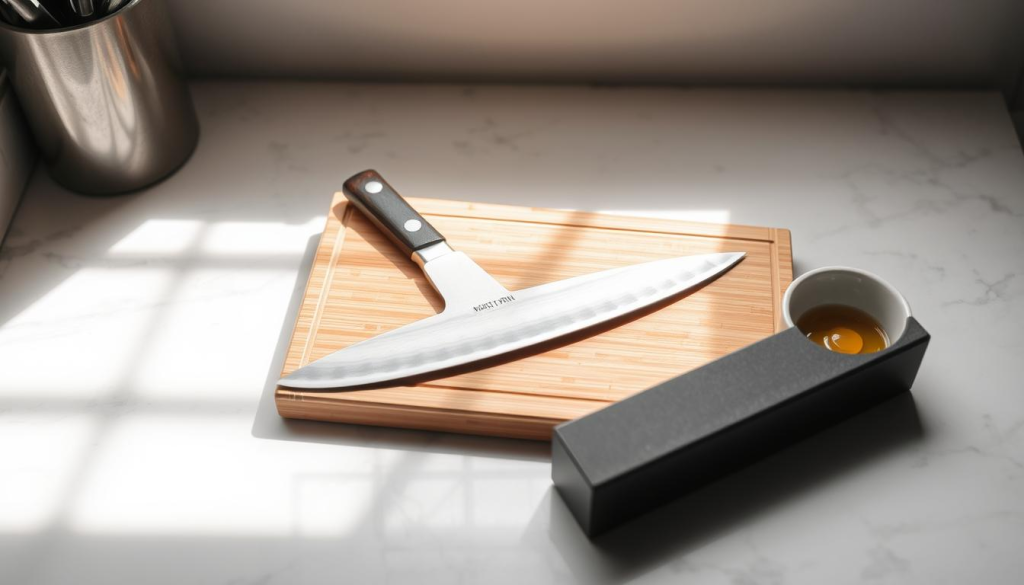
Sharpening your Nakiri knife is essential to maintaining its effectiveness. The most recommended method is using a whetstone. Begin by soaking the whetstone in water for about 10 minutes. Then, holding the knife at the correct angle (usually around 10-15 degrees for Nakiri knives), gently draw the knife across the stone in a smooth, even motion.
“A sharp knife is a safe knife. Regular sharpening not only improves the performance of your Nakiri knife but also reduces the risk of accidents.”
Repeat the sharpening process several times, checking the edge after each stroke. For finer sharpening, you can use a leather strop or honing steel to polish the edge.
By following these simple care and maintenance tips, you can ensure your Nakiri knife remains in excellent condition, providing you with years of reliable service.
Cooking Styles That Benefit from a Nakiri Knife
In the realm of cooking, certain styles greatly benefit from the use of a Nakiri knife, including the intricate preparations found in Japanese cuisine and the vegetable-centric approach of plant-based cooking. These culinary traditions rely heavily on the precise preparation of vegetables, a task for which the Nakiri knife is particularly well-suited.
Japanese Cuisine
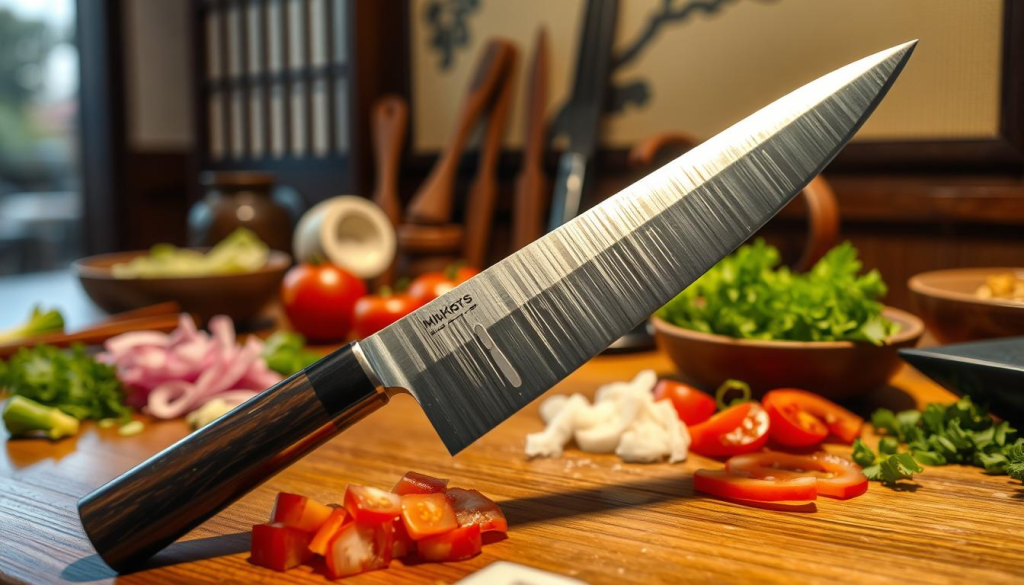
Japanese cuisine is renowned for its emphasis on fresh ingredients and meticulous preparation techniques. The Nakiri knife is an essential tool in this context, used for preparing ingredients for a variety of dishes, including sushi, tempura, and salads. Its straight blade and sharp edge allow for precise cuts, ensuring that vegetables are prepared consistently and attractively.
Key Uses in Japanese Cuisine:
- Chopping vegetables for sushi rolls
- Slicing ingredients for tempura
- Preparing salads with precise cuts
Plant-Based Cooking
Plant-based cooking, which focuses on vegetables, fruits, and grains, also benefits significantly from the use of a Nakiri knife. The knife’s design facilitates the chopping and dicing of a wide variety of vegetables, making it an indispensable tool for chefs and home cooks who specialize in plant-based cuisine.
| Vegetable | Preparation Method | Benefit of Nakiri Knife |
|---|---|---|
| Carrots | Slicing | Precise, uniform slices |
| Broccoli | Chopping | Efficient chopping with minimal waste |
| Onions | Dicing | Easy, tear-free dicing |
The Nakiri knife’s versatility and precision make it a valuable asset in both Japanese cuisine and plant-based cooking, allowing cooks to prepare ingredients with ease and consistency.
Nakiri Knife Brands to Consider
When it comes to selecting a Nakiri knife, several brands stand out for their quality and performance. The right brand can make a significant difference in the knife’s functionality, durability, and overall value.
Some of the most reputable brands in the market include Tojiro, Global, and Messermeister. These brands have established themselves through their commitment to producing high-quality knives that meet the needs of both professional chefs and home cooks.
Popular Brands in the Market
Here are some popular Nakiri knife brands known for their exceptional quality:
- Tojiro: Renowned for their high-carbon steel blades and ergonomic handles.
- Global: Offers a range of Nakiri knives with unique handle designs and exceptional sharpness.
- Messermeister: Provides high-quality Nakiri knives with a focus on precision and durability.
These brands offer a variety of Nakiri knives with different features, such as varying blade lengths and materials, to suit different cooking styles and preferences.
Price Range and Quality Options
Nakiri knives from these brands are available across a range of price points, making it easier for consumers to find a knife that fits their budget. Here are some general price ranges to expect:
- Budget-friendly: $20-$50 for entry-level Nakiri knives with basic features.
- Mid-range: $50-$100 for high-quality Nakiri knives with advanced features.
- Premium: $100-$250 for top-of-the-line Nakiri knives with exceptional craftsmanship and materials.
When choosing a Nakiri knife, consider not only the price but also the quality, brand reputation, and the specific features that matter most to you.
Conclusion: Is a Nakiri Knife Right for You?
A Nakiri knife is a valuable addition to any kitchen, offering precision and efficiency in vegetable preparation. Its unique design and functionality make it an essential tool for various cooking tasks.
Key Advantages
The benefits of using a Nakiri knife include improved cutting speed and efficiency, making it ideal for chefs and home cooks who regularly prepare vegetables. By choosing a Nakiri knife, users can enhance their kitchen experience and achieve professional-grade results.
Making an Informed Decision
When considering a Nakiri knife, it’s essential to understand its uses in the kitchen and how it can benefit your cooking style. Whether you’re preparing Japanese dishes or plant-based meals, a Nakiri knife can be a versatile and reliable tool. By weighing the advantages and proper care requirements, you can make an informed decision about whether a Nakiri knife is right for your needs.