The kiritsuke knife is a highly versatile and essential tool in any kitchen, embodying the spirit of Japanese culinary excellence. Its unique blade shape and versatile knife design make it perfect for a variety of tasks.
Whether you’re slicing through delicate fish, dicing vegetables with precision, or chopping herbs with ease, the kiritsuke knife is designed to excel. Its flat back edge allows for smooth mincing of parsley and green onions, making it a multipurpose tool for both professional chefs and home cooks.
Key Takeaways
- The kiritsuke knife is a versatile Japanese chef’s knife.
- It excels at various kitchen tasks like slicing, dicing, and chopping.
- The unique blade shape enhances its functionality.
- Ideal for both professional chefs and home cooks.
- Its design allows for smooth mincing of herbs.
Introduction to Kiritsuke Knives
The kiritsuke knife, a staple in professional kitchens, embodies the pinnacle of Japanese knife craftsmanship. It is a versatile tool that has garnered respect from chefs around the world for its exceptional performance and multipurpose functionality.
Kiritsuke knives are distinguished by their high-quality construction, typically featuring blades made from traditional Japanese steel known for its hardness and ability to retain a sharp edge. This characteristic makes them particularly appealing to professional chefs who demand precision and reliability in their kitchen tools.
What Sets Kiritsuke Knives Apart
One of the defining features of kiritsuke knives is their unique design, which combines the straight edge of a sashimi knife with the versatility of a chef’s knife. This design allows for a wide range of cutting techniques, from precise slicing to chopping and mincing, making the kiritsuke a multipurpose kitchen tool par excellence.
As Tsutomu Nakajima, a renowned Japanese knife maker, once said, “A good knife is not just a tool, it’s an extension of the chef’s hand, enabling precision and creativity in the kitchen.” This quote encapsulates the essence of why kiritsuke knives are cherished by professionals.
Brief History of Kiritsuke Knives
The history of kiritsuke knives is deeply rooted in Japanese culinary traditions, dating back centuries. Originally, these knives were crafted for specific tasks in the preparation of sushi and sashimi, reflecting the high esteem in which precision and quality are held in Japanese cuisine.
Over time, the design and craftsmanship of kiritsuke knives have evolved, incorporating modern techniques while maintaining the traditional values of Japanese blade making. Today, they are recognized as a professional chef knife of choice, admired for their balance, sharpness, and aesthetic appeal.
Key Features of Kiritsuke Knives
As a high-quality slicing tool, the kiritsuke knife is designed to perform a variety of precision cutting tasks with ease. Its unique characteristics make it a valuable asset in any kitchen.

Blade Design and Shape
The defining feature of a kiritsuke knife is its sharp pointed tip, sometimes referred to as a K or kengata tip. The blade length typically ranges from 210mm to 330mm, making it suitable for a variety of cutting tasks. The unique blade shape allows for precise cuts and is a hallmark of the kiritsuke’s versatile knife design.
The flat blade of the kiritsuke knife is designed for smooth, even cuts, making it ideal for slicing vegetables, filleting fish, and other precision cutting tasks. Its straight edge ensures that cuts are clean and accurate.
Material Used for Construction
The construction of a kiritsuke knife involves high-quality materials that contribute to its durability and performance. Common materials used include:
- High-carbon stainless steel for resistance to corrosion and ease of sharpening
- Damascus steel for a distinctive pattern and exceptional sharpness
- Other high-quality alloys that provide strength and durability
The choice of material affects the knife’s sharpness, edge retention, and overall performance. High-quality materials ensure that the kiritsuke knife remains a reliable tool in the kitchen.
Handle Types and Comfort
The handle of a kiritsuke knife is designed for comfort and grip, allowing chefs to work for extended periods without fatigue. Different handle types are available, including:
- Traditional Japanese handles made from materials like wood or bamboo
- Modern ergonomic handles designed for comfort and grip
- Handles made from durable materials like stainless steel or resin
The handle type can significantly impact the user’s experience, providing a comfortable grip that enhances control and precision during cutting tasks.
Common Uses in the Kitchen
The Kiritsuke knife is a multipurpose kitchen tool that excels at various precision cutting tasks, making it an indispensable asset for both professional chefs and home cooks. Its flat blade and angled tip are particularly effective for tasks that require precision and delicacy.
Slicing Vegetables
Slicing vegetables is one of the Kiritsuke knife’s forte. The knife’s straight edge allows for smooth, even cuts, while its sharpness ensures that vegetables are cut cleanly without tearing. This is particularly important when preparing dishes where presentation matters, such as salads or sashimi.
Chopping Herbs
Chopping herbs is another task where the Kiritsuke knife shines. The knife’s precision tip allows for delicate handling of herbs, minimizing waste and ensuring that the herbs are chopped evenly. This is crucial for achieving the right flavor and texture in dishes.
Filleting Fish
Filleting fish is a task that requires both precision and care. The Kiritsuke knife’s angled tip and flat blade make it ideal for this task, allowing for smooth, precise cuts that help in removing bones and skin efficiently.
| Task | Kiritsuke Knife’s Feature | Benefit |
|---|---|---|
| Slicing Vegetables | Straight Edge | Even, clean cuts |
| Chopping Herbs | Precision Tip | Delicate handling, minimal waste |
| Filleting Fish | Angled Tip, Flat Blade | Precise cuts, efficient bone and skin removal |
In conclusion, the Kiritsuke knife is a versatile and essential tool in the kitchen, capable of handling a variety of tasks with precision and ease. Its unique design features make it ideal for slicing vegetables, chopping herbs, and filleting fish, among other tasks.
The Kiritsuke Knife vs. Other Knives
The Kiritsuke knife, a staple in many professional kitchens, is frequently likened to chef’s knives and sujihiki knives, yet it boasts distinct characteristics that set it apart from other traditional Japanese knives.
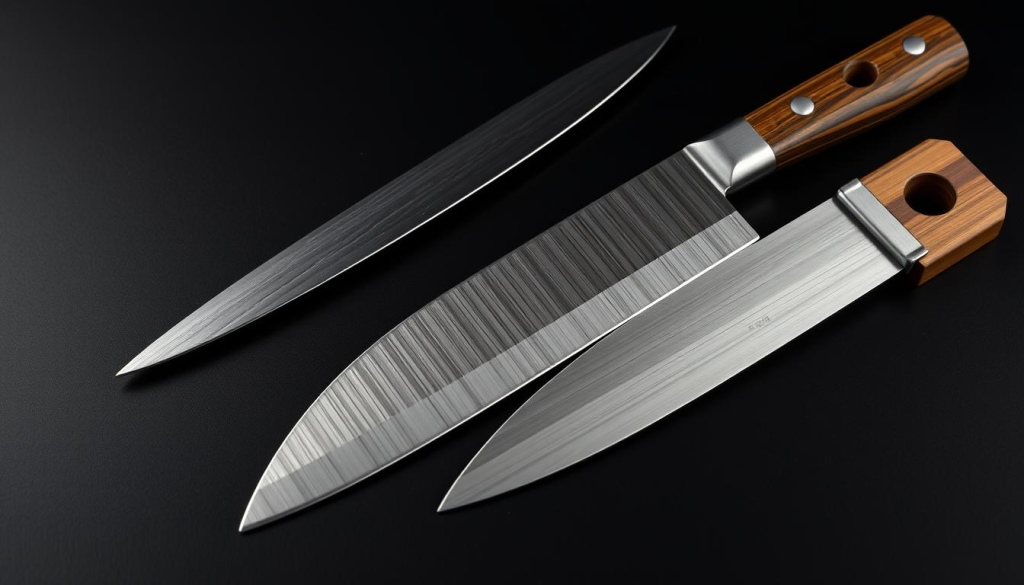
One of the primary comparisons made is between Kiritsuke knives and chef’s knives. While both are versatile and used for a variety of tasks, there are key differences. Chef’s knives are generally more curved, allowing for a rocking motion that is ideal for chopping. In contrast, Kiritsuke knives have a straighter edge, making them more suited for precise, straight cuts.
Comparing with Chef’s Knives
When comparing Kiritsuke knives to professional chef knives, the difference in blade shape becomes apparent. The Kiritsuke’s straight edge is designed for push cuts, making it ideal for slicing and chopping vegetables with precision. This characteristic makes it a favorite among chefs who value precision and control in their cutting tools.
Another significant difference lies in the handling and balance. Kiritsuke knives, being typically longer and sometimes heavier than standard chef’s knives, require a bit more skill and balance to maneuver. However, this also contributes to their ability to make smooth, even cuts through larger or more dense ingredients.
Differences from Sujihiki Knives
Sujihiki knives, known for their long, slender blades, are designed specifically for slicing. While they share the straight edge characteristic with Kiritsuke knives, sujihiki knives are generally more specialized towards slicing tasks, particularly for raw fish and meats.
The Kiritsuke, on the other hand, is considered a more versatile high-quality slicing tool. It can be used not only for slicing but also for chopping and other tasks, making it a valuable addition to any professional kitchen. The Kiritsuke’s versatility, combined with its precision, makes it a unique and valuable tool for chefs.
In conclusion, while Kiritsuke knives share similarities with other knives like chef’s knives and sujihiki knives, their distinct characteristics make them stand out. Understanding these differences is crucial for chefs and cooks looking to expand their toolkit with the right knife for their needs.
Professional Use in Culinary Settings
Professional chefs highly value Kiritsuke knives for their ability to perform precision cutting tasks. These knives are not just tools; they are an extension of the chef’s skill and artistry in the kitchen.
The adoption of Kiritsuke knives by professional chefs can be attributed to their versatility and the precision they offer. Unlike other knives, Kiritsuke knives provide a unique combination of slicing and chopping capabilities, making them multipurpose kitchen tools.
Adoption by Chefs
Many professional chefs prefer Kiritsuke knives for their daily tasks due to their balanced design and sharp blades. The knife’s straight edge and sharp tip allow for precise cuts, which are crucial in a fast-paced kitchen environment.
“A good knife is like a good partner; it makes all the difference in your performance.” –
The use of Kiritsuke knives is not limited to specific cuisines; they are universally appreciated for their functionality. Chefs from various culinary backgrounds appreciate the knife’s ability to handle different ingredients with ease.
Kiritsuke in Sushi Preparation
In sushi preparation, the Kiritsuke knife plays a pivotal role. Its long, straight blade is ideal for slicing fish into thin pieces, a critical task in creating sushi rolls and sashimi.
The precision offered by Kiritsuke knives is unmatched, allowing chefs to create uniform slices that are essential for the presentation of sushi dishes.
| Knife Feature | Benefit in Sushi Preparation |
|---|---|
| Straight Edge | Allows for smooth, even cuts through fish. |
| Sharp Tip | Enables precise cuts and minimal waste. |
| Balanced Design | Provides comfort during extended use. |
The Kiritsuke knife is a testament to the art of knife-making and its importance in culinary arts. Its adoption by professional chefs worldwide is a reflection of its value in enhancing culinary precision and creativity.
Choosing the Right Kiritsuke Knife
Kiritsuke knives, revered for their versatility and precision, require careful selection to ensure they meet your culinary needs. Whether you’re a professional chef or an avid home cook, the right kiritsuke knife can elevate your cooking experience.
Factors to Consider
When choosing a kiritsuke knife, several factors come into play. The blade material is crucial, as it affects the knife’s durability and sharpness. High-carbon stainless steel is a popular choice due to its resistance to corrosion and ability to hold a sharp edge.
The handle type is another important consideration. Traditional Japanese handles are often made from wood or bamboo, offering a comfortable grip. Modern designs may incorporate synthetic materials for added durability.
- Blade Length: Kiritsuke knives typically range from 210mm to 270mm. The length you choose should depend on your cutting style and the tasks you perform most often.
- Edge Type: Decide between a straight edge or a slightly curved edge, depending on your preference for slicing and chopping techniques.
- Balance: The balance of the knife, referring to the distribution of weight between the blade and handle, affects its maneuverability.
Popular Brands and Models
Several renowned brands are celebrated for their high-quality kiritsuke knives. Shun and Global are well-known for their premium products, offering a range of models that cater to different needs and preferences.
When exploring popular models, consider the Sakai Takayuki Kiritsuke, known for its exceptional sharpness and craftsmanship, or the Masamune Kiritsuke, which boasts a distinctive hamon and superior cutting performance.
Ultimately, the best kiritsuke knife for you will depend on your personal preferences, cooking style, and budget. By considering these factors and exploring reputable brands, you can find a kiritsuke knife that becomes an indispensable tool in your kitchen.
Maintenance and Care Tips
Maintaining your kiritsuke knife is essential for precision cutting tasks. A kiritsuke knife, being a multipurpose kitchen tool, requires regular care to ensure its longevity and performance. Proper maintenance not only extends the life of the knife but also ensures that it continues to perform at its best, making it a reliable high-quality slicing tool in your kitchen.
Sharpening Techniques
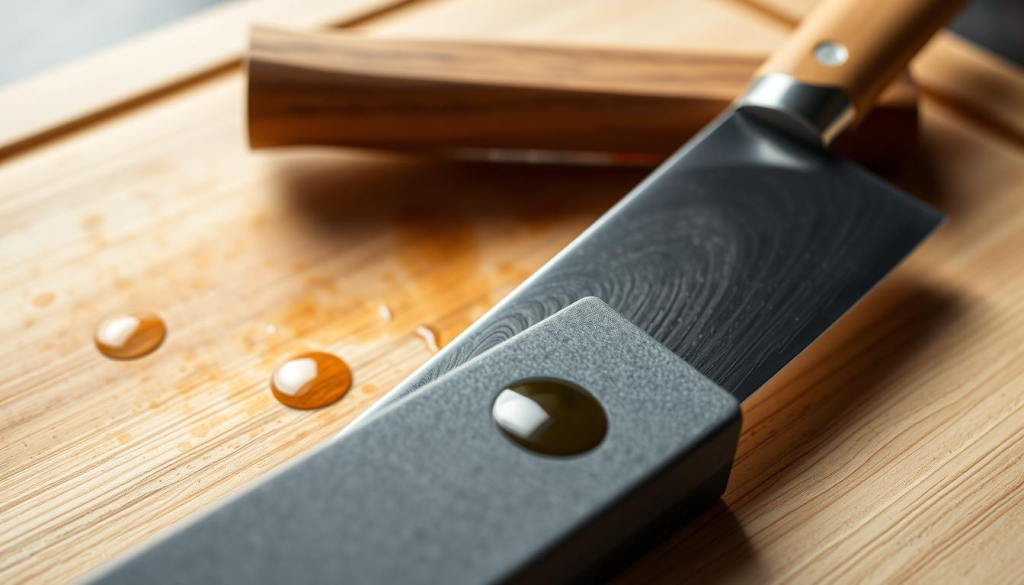
Sharpening is a critical aspect of maintaining your kiritsuke knife. A dull knife is not only less effective but also more dangerous to use. To sharpen your kiritsuke knife, you can use a whetstone, which is a traditional method preferred by many chefs. Start by soaking the whetstone in water for about 10-15 minutes. Then, holding the knife at the correct angle (usually around 10-15 degrees for Japanese knives), slowly draw the knife across the stone, moving from the heel to the tip. Repeat this process on both sides of the blade until you achieve the desired sharpness.
Another method is using a sharpening rod, which is quicker and more convenient. However, it may not provide the same level of sharpness as a whetstone. Regardless of the method, it’s essential to check the sharpness regularly by slicing through a piece of paper or a tomato.
Cleaning and Storage Recommendations
Cleaning your kiritsuke knife after each use is vital to prevent the buildup of bacteria and residue. Hand wash the knife with mild soap and dry it immediately to prevent rust, especially if it’s made of carbon steel. Avoid using a dishwasher, as the high heat and harsh detergents can damage the knife.
For storage, consider using a knife block or a magnetic strip. These not only keep your knives organized but also protect them from damage. If you prefer to store your kiritsuke knife in a drawer, use a knife roll or individual sheath to prevent the blade from coming into contact with other utensils.
Regular maintenance, including sharpening and proper storage, will ensure that your kiritsuke knife remains a valuable and trusted multipurpose kitchen tool for years to come.
Incorporating Kiritsuke Knives at Home
The versatility of a Kiritsuke knife makes it an ideal tool for various kitchen tasks at home. With its unique blade shape and versatile knife design, it’s perfect for home cooks looking to enhance their cooking experience.
Ideal Recipes to Try
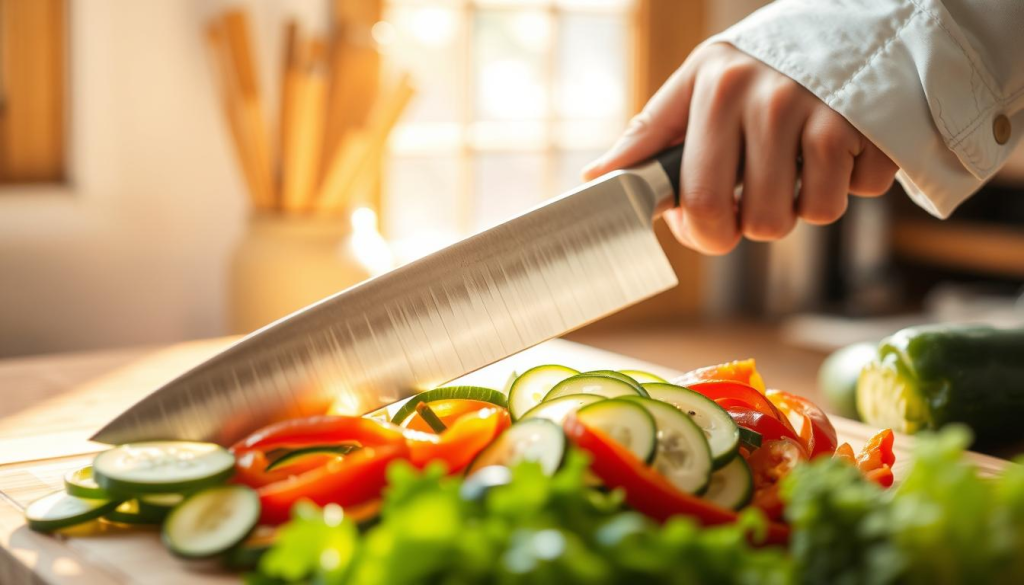
A Kiritsuke knife is particularly useful for preparing Japanese-inspired dishes, such as sushi and sashimi, where precise slicing is crucial. It’s also great for dicing vegetables for stir-fries and chopping herbs for garnishes.
Some ideal recipes to try with your Kiritsuke knife include:
- Sushi rolls with fresh vegetables
- Sashimi with soy sauce and wasabi
- Stir-fries with a variety of diced vegetables
- Salads with chopped herbs and edible flowers
Tips for Home Cooks
To get the most out of your Kiritsuke knife, it’s essential to handle it correctly. Start by ensuring a firm but comfortable grip, as this will help you maintain control while slicing or chopping.
Another tip is to keep your Kiritsuke knife sharp, as a dull knife can be dangerous and less effective. Regular sharpening will maintain its performance and extend its lifespan.
By incorporating a Kiritsuke knife into your kitchen routine, you’ll not only enhance your cooking skills but also enjoy the process of preparing meals with a high-quality, versatile tool.
The Art of Using a Kiritsuke Knife
The art of wielding a kiritsuke knife lies in understanding its nuances and mastering the subtleties of Japanese cutting techniques. This traditional Japanese knife is not just a tool, but an extension of the chef’s hand, requiring a harmonious blend of technique, practice, and patience.
Techniques for Precision Cutting
Precision cutting is at the heart of using a kiritsuke knife effectively. It involves mastering various cutting techniques, such as the “push cut” and “pull cut,” to achieve clean, precise cuts. The kiritsuke knife’s straight edge and sharpness make it ideal for precision cutting tasks, allowing chefs to slice ingredients with minimal waste and maximum uniformity.
To achieve precision, it’s crucial to maintain the knife’s sharpness. Regular sharpening and honing are essential practices for any chef using a kiritsuke knife. The technique involves not just moving the knife through the ingredient, but doing so with a smooth, controlled motion that leverages the knife’s design.
Understanding the Grip and Stance
Equally important to the cutting technique is the grip and stance of the chef. A proper grip provides control and stability, while a balanced stance allows for efficient movement and reduces fatigue. The traditional grip for a kiritsuke knife involves holding the handle firmly but not too tightly, with the blade’s balance point resting on the thumb or index finger.
“The way you hold the knife is just as important as the knife itself. A good grip can make all the difference in your cutting technique.”
Adopting the correct stance is also vital. Standing with feet shoulder-width apart and maintaining a balanced posture enables the chef to move efficiently and safely while cutting. This stance, combined with a proper grip, enhances the overall technique and allows for more precise cuts.
By focusing on both the technique for precision cutting and the proper grip and stance, chefs can fully leverage the capabilities of a kiritsuke knife, making it a valuable high-quality slicing tool in any kitchen.
Conclusion: Embracing the Kiritsuke Knife
The kiritsuke knife is a valuable addition to any kitchen, offering precision and versatility for a variety of tasks. Its unique blade shape and versatile knife design make it an essential tool for both professional chefs and home cooks.
Benefits for Your Kitchen
By incorporating a kiritsuke knife into your kitchen arsenal, you’ll be able to tackle a range of tasks with ease, from slicing vegetables to filleting fish. The kiritsuke knife’s precision and control will help you to achieve professional-grade results, making it an ideal choice for those looking to elevate their cooking skills.
Exploring New Possibilities
As you become more comfortable with your kiritsuke knife, you’ll discover new ways to use it, from preparing intricate sushi dishes to creating beautiful garnishes. The possibilities are endless, and with a little practice, you’ll be able to unlock the full potential of this versatile knife. Whether you’re a seasoned chef or an enthusiastic home cook, the kiritsuke knife is sure to become a trusted companion in the kitchen, helping you to create delicious meals and explore new culinary horizons.