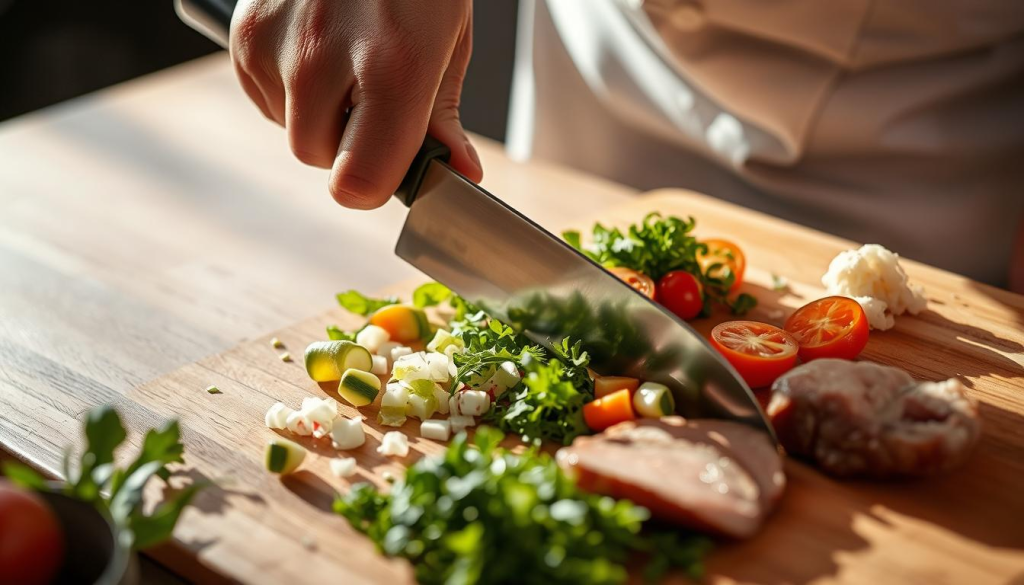
The Kiritsuke knife is a highly versatile and valuable addition to any kitchen, offering precision and flexibility in various cutting tasks. This Japanese-style blade is designed to handle a range of duties, from cutting meat with ease to mincing fresh herbs like parsley and green onions with its flat back edge.
Its unique design makes it an essential tool for chefs and home cooks alike, providing the ability to perform multiple tasks with a single, high-quality knife. The benefits of using a Kiritsuke knife include enhanced kitchen efficiency and the ability to prepare ingredients with precision.
Key Takeaways
- Kiritsuke knife is a versatile tool for various kitchen tasks.
- It is designed for cutting meat and mincing herbs.
- The knife’s flat back edge adds to its versatility.
- Using a Kiritsuke knife enhances kitchen efficiency.
- It is a valuable addition for both chefs and home cooks.
Understanding the Kiritsuke Knife
The Kiritsuke knife, a hybrid of traditional Japanese knives, offers a blend of functionality and tradition. It combines the characteristics of a yanagi, used for slicing raw fish, and an usuba, a vegetable knife, making it a versatile tool in the kitchen.
Origin and History of Kiritsuke Knives
The Kiritsuke knife originates from Japan, where it was traditionally used by high-ranking chefs. Its design is rooted in the country’s culinary history, blending the precision of a yanagi with the versatility of an usuba.
Historically, Kiritsuke knives were reserved for master chefs as a symbol of their expertise and status in the kitchen. Today, they are sought after by professional chefs and cooking enthusiasts alike for their unique blend of functionality and tradition.
Key Features of a Kiritsuke Knife
A Kiritsuke knife is characterized by its straight edge and a blade length typically ranging from 210mm to 270mm. The knife’s design allows for precise cuts, making it ideal for slicing and chopping various ingredients.
The key to its versatility lies in its hybrid design, enabling chefs to perform a wide range of tasks with a single knife. The Kiritsuke’s straight edge facilitates smooth, even cuts, while its length allows for efficient chopping and slicing.
Differences between Kiritsuke and Other Knives
Unlike other knives, the Kiritsuke combines the functions of multiple blades, making it a valuable asset in the kitchen. Its unique design sets it apart from more specialized knives like the Gyuto or Nakiri.
- The Kiritsuke’s straight edge differs from the curved edge of a Gyuto, making it more suitable for certain cutting techniques.
- Its length and versatility distinguish it from the typically shorter and more specialized Nakiri knife.
Understanding these differences is crucial for choosing the right knife for specific culinary tasks.
Common Uses of the Kiritsuke Knife
The long, flat blade of a Kiritsuke knife makes it ideal for a variety of kitchen applications, from preparing delicate sushi to chopping meat and vegetables with precision.
Slicing Vegetables with Precision
One of the standout features of a Kiritsuke knife is its ability to slice vegetables with ease and precision. The straight edge allows for smooth, even cuts, making it perfect for creating uniform slices of carrots, cucumbers, and other vegetables.
When choosing the best Kiritsuke knife for slicing vegetables, look for a blade that is sharp and well-balanced. This will ensure that you can make precise cuts without applying too much pressure, which can be dangerous.
Chopping Meat Efficiently
The Kiritsuke knife is also highly effective for chopping meat. Its length and straight edge make it easy to cut through larger cuts of meat, and its sharpness ensures clean cuts that preserve the texture of the meat.
For efficient chopping, it’s essential to use the correct technique. Hold the knife at a slight angle and use a gentle rocking motion to cut through the meat. This technique, combined with the knife’s sharpness, makes chopping meat a straightforward task.
Perfecting Your Presentation Skills
Presentation is a crucial aspect of cooking, and the Kiritsuke knife can help you perfect your presentation skills. The knife’s ability to make precise cuts allows you to create visually appealing dishes that are sure to impress.
When preparing dishes for presentation, consider the arrangement of the ingredients on the plate. Use the Kiritsuke knife to create uniform slices or cuts that can be arranged artfully. Some of the top Kiritsuke knife brands offer knives with beautifully crafted handles that can add to the overall presentation.
| Task | Kiritsuke Knife Benefits | Tips for Best Results |
|---|---|---|
| Slicing Vegetables | Precision and uniformity | Use a sharp blade and smooth motion |
| Chopping Meat | Efficiency and clean cuts | Employ a gentle rocking motion |
| Presentation | Uniform cuts for visual appeal | Arrange ingredients artfully on the plate |
Ideal Techniques for Using a Kiritsuke Knife
Effective use of a Kiritsuke knife hinges on mastering the right grip, cutting techniques, and maintenance. This versatile knife, known for its straight edge and sharp tip, is a valuable tool in any kitchen. To unlock its full potential, understanding the proper techniques is crucial.
Proper Grip and Handling
When using a Kiritsuke knife, the proper grip is known as a pinch grip, where you hold the knife just above the handle, pinching the blade between the thumb and pointer finger. This grip provides control and precision, allowing for smooth, accurate cuts.
The pinch grip is essential for delicate tasks such as slicing vegetables or filleting fish. It allows the user to apply gentle yet firm pressure, ensuring clean cuts.
Common Cutting Techniques
The Kiritsuke knife is used for various cutting techniques, including slicing, dicing, and chopping. Slicing involves gliding the knife through the ingredient in a smooth, continuous motion, ideal for preparing sashimi or thinly sliced vegetables.
- Slicing: Ideal for sashimi and thinly sliced vegetables.
- Dicing: Requires a controlled, push-pull motion to achieve uniform cubes.
- Chopping: Uses a gentle rocking motion for herbs or tougher ingredients.
| Cutting Technique | Description | Best Used For |
|---|---|---|
| Slicing | Smooth, continuous motion | Sashimi, thinly sliced vegetables |
| Dicing | Controlled, push-pull motion | Uniform vegetable cubes |
| Chopping | Gentle rocking motion | Herbs, tougher ingredients |
Maintenance and Care Tips
To maintain your Kiritsuke knife’s performance, regular sharpening is necessary. Use a whetstone or sharpening steel to hone the edge. Additionally, cleaning and drying the knife after each use prevents rust and maintains hygiene.
Proper storage is also crucial. Store your Kiritsuke knife in a dry place, such as a knife block or on a magnetic strip, to protect the blade and ensure safety.
Comparing Kiritsuke Knives to Other Chef Knives
The Kiritsuke knife, with its unique design and functionality, is a favorite among chefs, but how does it compare to other knives? To understand its value, it’s essential to compare the Kiritsuke with other popular chef knives.
Kiritsuke vs. Gyuto: What’s the Difference?
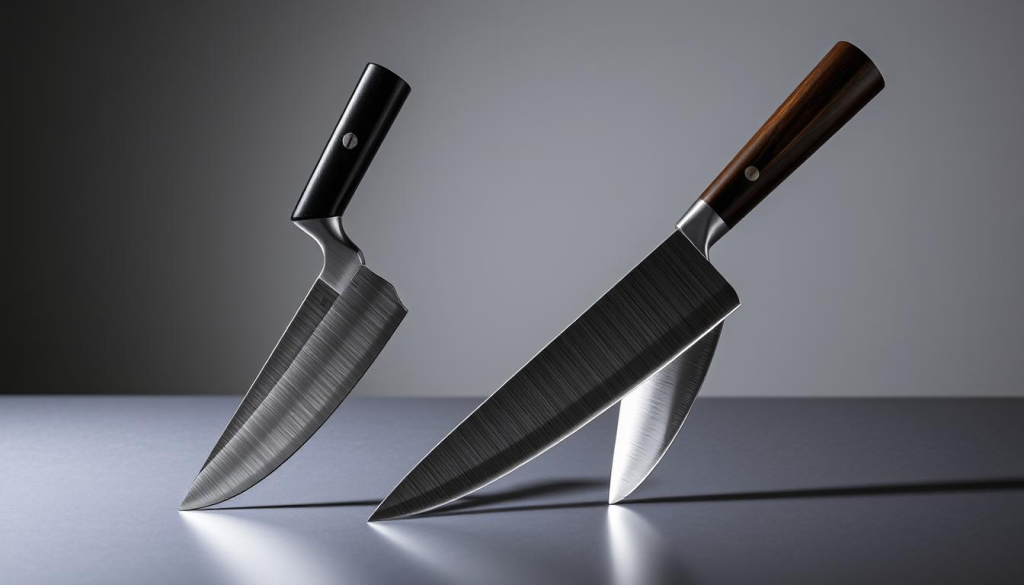
The Kiritsuke and Gyuto are both Japanese knives, but they serve slightly different purposes. The Gyuto is considered a more versatile knife, similar to a Western chef’s knife, while the Kiritsuke is known for its precision and is often used for slicing and chopping.
Key differences:
- The Kiritsuke has a more angular blade, making it ideal for precise cuts.
- The Gyuto has a more curved blade, allowing for a rocking motion during chopping.
Advantages of a Kiritsuke Over Nakiri
The Nakiri is a vegetable knife with a straight blade, excellent for chopping vegetables. However, the Kiritsuke offers more versatility.
Advantages of Kiritsuke:
- It can be used for both slicing and chopping, making it a more versatile tool.
- The Kiritsuke’s angled blade allows for precise cuts, which is beneficial when preparing dishes that require exacting presentation.
When to Choose a Kiritsuke Knife
Choosing the right knife depends on your cooking style and the tasks you perform most often. The Kiritsuke is ideal for chefs who value precision and versatility.
| Knife Type | Best For | Key Feature |
|---|---|---|
| Kiritsuke | Precision slicing and chopping | Angular blade |
| Gyuto | Versatile chopping and slicing | Curved blade |
| Nakiri | Chopping vegetables | Straight blade |
By understanding the strengths and weaknesses of each knife, chefs can make informed decisions about which tools to use for different tasks, ultimately enhancing their cooking experience.
Choosing the Right Kiritsuke Knife for You
The right Kiritsuke knife can elevate your cooking experience, but how do you choose it? Selecting the perfect Kiritsuke knife involves considering several key factors that impact its performance and your overall satisfaction.
Blade Length Considerations
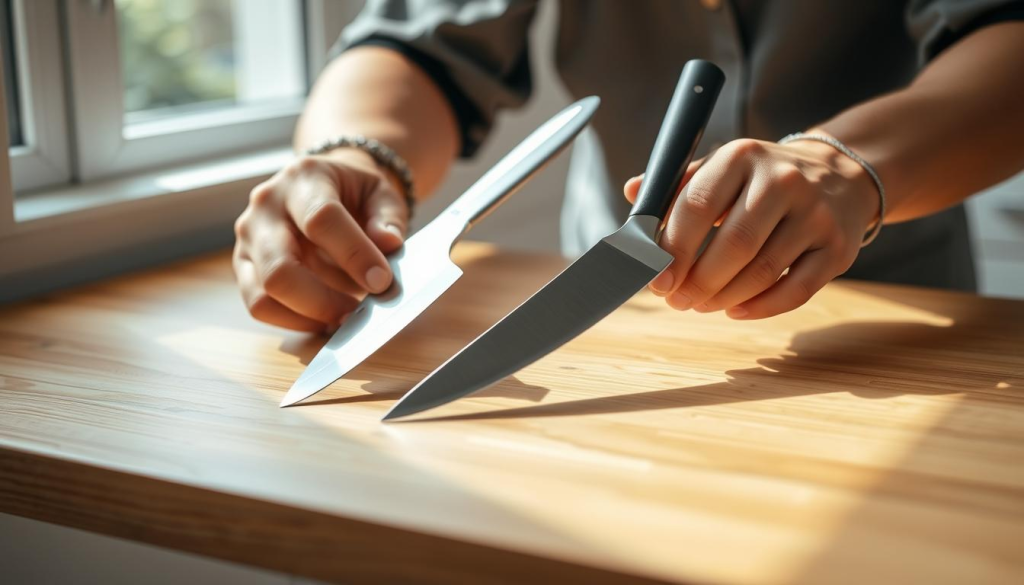
Kiritsuke knives typically range from 210mm to 330mm in length. The choice of blade length depends on your specific needs and preferences. A longer blade is ideal for slicing larger ingredients, while a shorter blade offers more control for precise cuts.
Choosing the right blade length is crucial for achieving the desired cutting performance. For most home cooks, a blade length between 240mm to 270mm is considered versatile and effective.
Material Types and Their Advantages
The material of the Kiritsuke knife significantly affects its performance and durability. Common materials include stainless steel, high-carbon steel, and Damascus steel. Each material has its advantages, such as resistance to corrosion, sharpness retention, and aesthetic appeal.
- Stainless steel knives are known for their corrosion resistance and ease of maintenance.
- High-carbon steel knives offer exceptional sharpness and edge retention.
- Damascus steel knives are prized for their unique patterns and combined benefits of different steel types.
Recommendations for Beginners
For those new to using Kiritsuke knives, it’s advisable to start with a knife that offers a balance between quality and affordability. Consider a Kiritsuke knife made from high-carbon stainless steel, as it provides a good balance of sharpness, durability, and maintenance ease.
Additionally, beginners should look for knives with ergonomic handles that provide comfort and control during use. Practicing proper cutting techniques and maintaining the knife regularly will also enhance the overall experience.
Safety Tips When Using a Kiritsuke Knife
Safety should always be the top priority when working with a Kiritsuke knife, a tool renowned for its sharpness and effectiveness. Whether you’re a seasoned chef or a culinary enthusiast, understanding how to handle this versatile knife is crucial for preventing accidents and maintaining its performance.
Understanding Knife Safety Basics
Knife safety begins with the basics. Always ensure your workspace is clear and stable, and keep your fingers curled under and away from the blade’s path. It’s also essential to maintain your Kiritsuke knife regularly, as a dull knife is more hazardous than a sharp one. Regular maintenance includes cleaning and drying the blade after use, as well as checking for any damage.
When handling a Kiritsuke knife, it’s vital to be mindful of your surroundings and the people around you. Ensure that children and pets are kept at a safe distance, and never leave the knife unattended or within reach of others who may not be aware of its dangers.
Best Practices for Cutting Techniques
Mastering the correct cutting techniques is not only about efficiency but also about safety. When using a Kiritsuke knife, adopt a firm grip, with your thumb and index finger on either side of the blade for control. Practice different cutting motions, such as push cuts and pull cuts, to understand what works best for various ingredients.
To minimize the risk of accidents, always cut away from your body, and avoid applying too much pressure, which can cause the knife to slip. For top Kiritsuke knife brands, the balance and ergonomics of the handle play a significant role in safe handling.
Storage Solutions for Knife Safety
Proper storage is a critical aspect of knife safety. When not in use, store your Kiritsuke knife in a designated place, such as a knife block or a magnetic strip, to prevent it from being misplaced or accidentally knocked off a counter. For added safety, consider using a knife guard or sheath, especially when storing the knife in a drawer.
Regular maintenance tips for Kiritsuke knives include sharpening the blade periodically to maintain its edge. A well-maintained knife is not only safer but also more effective in the kitchen.
How to Sharpen Your Kiritsuke Knife Properly
A sharp Kiritsuke knife is essential for any chef, and knowing how to sharpen it properly is a valuable skill. Sharpening your Kiritsuke knife regularly not only improves its performance but also extends its lifespan.
Equipment Needed for Sharpening
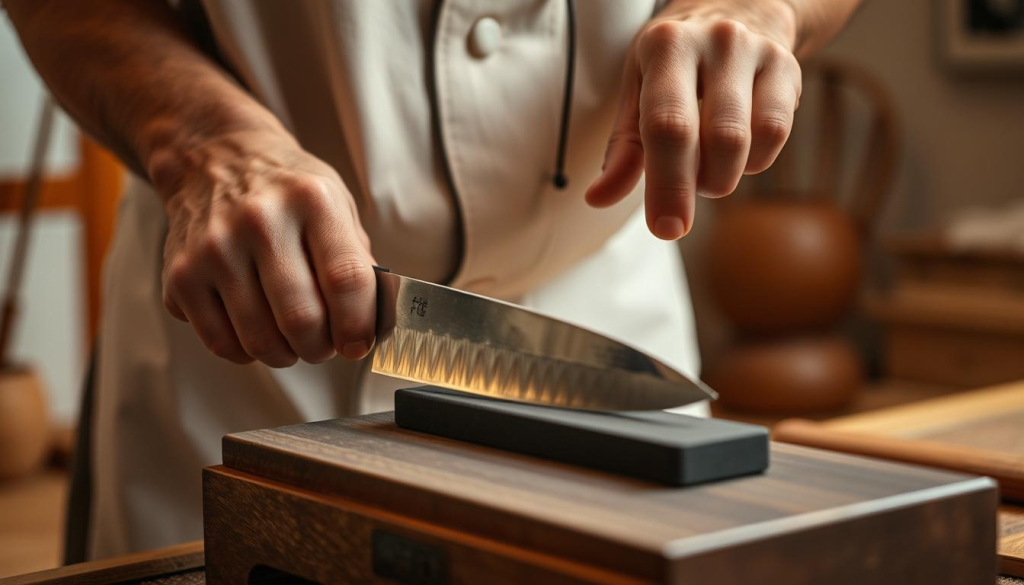
To sharpen your Kiritsuke knife, you will need a few essential tools. The most critical item is a whetstone, which is used to restore the knife’s edge to its full potential. There are different types of whetstones available, including water stones and oil stones, each with its own advantages.
- Water stones: These are popular for sharpening high-carbon knives and are known for their ability to sharpen quickly.
- Oil stones: These are more traditional and are used with oil to lubricate the stone.
- Sharpening steel: This is used to hone the knife’s edge between sharpening sessions.
Step-by-Step Sharpening Guide
Sharpening a Kiritsuke knife involves several steps that require attention to detail. Here’s a step-by-step guide to help you sharpen your knife effectively.
- Prepare your whetstone by soaking it in water for at least 10 minutes.
- Place the whetstone on a stable surface and position the knife at the desired angle.
- Slowly draw the knife across the stone, maintaining the angle, and repeat on the other side.
- Check the edge for sharpness and repeat the process until desired sharpness is achieved.
“A sharp knife is a safe knife, and knowing how to sharpen it is a fundamental skill for any chef.”
Maintaining the Edge and Longevity
After sharpening your Kiritsuke knife, maintaining its edge is crucial. Regularly honing the knife with a sharpening steel can help keep it sharp between sharpening sessions.
| Maintenance Task | Frequency | Benefit |
|---|---|---|
| Honing with steel | After each use | Maintains sharpness |
| Sharpening with whetstone | Every 1-3 months | Restores edge |
| Cleaning and drying | After each use | Prevents rust |
By following these steps and maintaining your Kiritsuke knife properly, you can ensure it remains a valuable tool in your kitchen for years to come.
Kiritsuke Knife in Culinary Traditions
In the world of culinary arts, the Kiritsuke knife stands out as a symbol of Japanese cuisine’s emphasis on precision and aesthetics. This distinctive knife is not just a tool; it’s an extension of the chef’s skill and creativity.
Its Role in Modern Culinary Arts
The Kiritsuke knife plays a significant role in modern culinary arts, particularly in high-end restaurants where presentation and precision are paramount. Chefs use the Kiritsuke for a variety of tasks, from slicing raw fish to chopping vegetables with ease. Its versatility makes it an indispensable tool in the kitchen.
Precision and control are key benefits of using a Kiritsuke knife. The knife’s straight edge and balanced weight allow for smooth, accurate cuts, enhancing the overall quality of the dishes prepared.
Celebrating Japanese Cuisine with Kiritsuke
Japanese cuisine is renowned for its emphasis on fresh ingredients and meticulous preparation. The Kiritsuke knife is at the heart of this culinary culture, enabling chefs to prepare dishes that are both visually appealing and flavorful. From sushi to tempura, the Kiritsuke knife is used in the preparation of many traditional Japanese dishes.
The art of using a Kiritsuke knife is deeply rooted in Japanese culinary traditions. It requires a deep understanding of the knife’s capabilities and the techniques involved in its use.
Impact on Global Cooking Styles
The influence of the Kiritsuke knife extends beyond Japanese cuisine, impacting global cooking styles. Chefs around the world appreciate the knife’s versatility and precision, incorporating it into their cooking techniques. Whether it’s used for chopping, slicing, or mincing, the Kiritsuke knife has become a valuable tool in kitchens globally.
As global cuisine continues to evolve, the Kiritsuke knife remains a constant, symbolizing the blend of tradition and innovation in cooking. Its presence in kitchens worldwide is a testament to the enduring legacy of Japanese culinary arts.
Final Thoughts on the Kiritsuke Knife
The Kiritsuke knife is a valuable addition to any kitchen, offering professional-level precision and versatility. Its design helps develop better knife skills, making it an essential tool for home cooks and professional chefs alike.
Precision and Versatility
By incorporating a Kiritsuke knife into your kitchen arsenal, you can elevate your cooking experience. To maintain its performance, consider maintenance tips for kiritsuke knife, such as regular sharpening and proper storage.
Investing in Quality
When selecting a Kiritsuke knife, look for top kiritsuke knife brands that offer high-quality materials and craftsmanship. Investing in a premium knife ensures a lifetime of sharpness and durability.
Cooking with Joy
Cooking with the right knife can be a truly enjoyable experience. The Kiritsuke knife’s balance, sharpness, and precision make it a joy to use, allowing you to focus on the art of cooking.