
As a cooking enthusiast, I’ve always been fascinated by the precision and craftsmanship of traditional Japanese knives. The Sakai Takayuki Nakiri Knife is a prime example, reimagined as part of the new flagship Grand Chef line. Forged from Böhler N685 stainless steel, this knife delivers professional-level performance in any kitchen.
I appreciate how this high carbon steel nakiri knife combines durability, sharpness, and corrosion resistance, making it an essential tool for both professional chefs and home cooks. In this ultimate guide, we’ll explore its features, benefits, and uses, providing you with a deeper understanding of its value and versatility.
Key Takeaways
- Discover the craftsmanship behind the Sakai Takayuki Nakiri Knife
- Learn about the materials used and their benefits
- Understand the knife’s features and how they enhance performance
- Explore the various uses of the Nakiri Knife in cooking
- Find out why this knife is a valuable addition to any kitchen
What is a Nakiri Knife?
Understanding the Nakiri knife begins with exploring its origins and evolution. The Nakiri knife is a traditional Japanese vegetable knife known for its flat, straight blade.
Origins and History of the Nakiri Knife
The Nakiri knife has its roots in traditional Japanese cuisine, where it was used primarily for preparing vegetables. Its history dates back to the Edo period, where Japanese chefs needed a precise tool for cutting vegetables.
Historical Significance: The Nakiri knife was not just a tool but an extension of the chef’s skill and artistry.
Features of a Traditional Nakiri
A traditional Nakiri knife is characterized by its flat, straight edge and a blade length typically ranging from 165mm to 180mm.
- Straight blade for precise cuts
- Flat profile for easy chopping
- Typically made from high-carbon steel
The Modern Adaptation of Nakiri Knives
Modern Nakiri knives have evolved to include various materials and designs, making them more versatile and durable.
| Feature | Traditional | Modern |
|---|---|---|
| Material | High-carbon steel | Stainless steel, ceramic |
| Edge | Straight edge | Straight or slightly curved |
| Handle | Wooden handles | Variety of materials including wood, plastic, and metal |
“A good knife is not just a tool, it’s a partner in cooking.” –
The evolution of the Nakiri knife reflects the changing needs of chefs and home cooks, adapting to new materials and techniques while retaining its traditional essence.
Why Choose the Sakai Takayuki Nakiri Knife?
In the world of culinary arts, the Sakai Takayuki Nakiri Knife stands out for its outstanding craftsmanship and high-quality materials. This knife has garnered significant attention among chefs and cooking enthusiasts alike, and for good reason.
Reputation in the Culinary World
Sakai Takayuki is a renowned brand in the culinary world, known for producing high-quality knives that meet the demands of professional chefs and home cooks. The brand’s commitment to excellence has earned it a loyal following globally.
The Sakai Takayuki Nakiri Knife, in particular, has received praise for its exceptional performance in vegetable preparation. Its reputation is built on the back of its ability to deliver precise cuts and its durability.
Craftsmanship and Quality Materials
The craftsmanship that goes into making the Sakai Takayuki Nakiri Knife is exceptional. Each knife is made from high-carbon steel, a material known for its strength, durability, and ability to hold a sharp edge.
Key Features of the Sakai Takayuki Nakiri Knife:
| Feature | Description | Benefit |
|---|---|---|
| High-Carbon Steel | Made from high-quality, high-carbon steel | Durable and retains sharpness |
| Unique Design | Specifically designed for vegetable preparation | Enhances cutting efficiency |
| Craftsmanship | Expertly crafted by skilled artisans | Ensures precision and quality |
Unique Features of the Sakai Takayuki Knife
One of the standout features of the Sakai Takayuki Nakiri Knife is its unique design, which is tailored specifically for cutting vegetables. The knife’s straight edge and flat profile make it ideal for chopping and slicing vegetables with precision.
The combination of high-quality materials, exceptional craftsmanship, and a design that meets the specific needs of chefs makes the Sakai Takayuki Nakiri Knife a valuable addition to any kitchen.
How to Use the Sakai Takayuki Nakiri Knife
Effective use of the Sakai Takayuki Nakiri Knife involves more than just cutting; it’s about technique and precision. To unlock the full potential of this versatile tool, understanding the proper cutting techniques and best practices for vegetable preparation is crucial.
Proper Cutting Techniques
To master the Sakai Takayuki Nakiri Knife, start by adopting the correct grip and stance. Hold the knife with a firm, but not overly tight, grip, allowing for flexibility and control. When cutting, use a push-pull motion, keeping the knife in contact with the cutting board to maintain stability. This technique helps in achieving precise cuts and reduces the risk of accidents.
Best Practices for Vegetable Preparation
Preparing vegetables with the Sakai Takayuki Nakiri Knife involves more than just slicing. It’s about understanding the type of cut required for different dishes. For instance, julienne cuts are ideal for salads, while thin slices are better suited for sautéing. The Nakiri Knife’s straight edge makes it perfect for these tasks, allowing for uniform cuts that enhance the presentation and cooking of vegetables.
- Choose the right cutting board to prevent damage to the knife.
- Keep your fingers curled under and out of the way of the blade.
- Cut in a smooth, even motion, applying gentle pressure.
Tips for Maintaining Precision
Maintaining the precision of your Sakai Takayuki Nakiri Knife requires regular maintenance. Sharpening the knife regularly is essential to keep its edge sharp. Additionally, storing the knife properly in a dry place or using a knife block can prevent dulling and damage. By following these tips, you can ensure that your Nakiri Knife remains a reliable tool in your kitchen, providing consistent performance over time.
- Sharpen your Nakiri Knife after every few uses.
- Clean and dry the knife after each use to prevent rust.
- Store the knife in a protective case or on a magnetic strip.
Caring for Your Sakai Takayuki Nakiri Knife
Proper care and maintenance of your Nakiri Knife are vital for optimal performance. The Sakai Takayuki Nakiri Knife, known for its quality and craftsmanship, requires attention to detail to maintain its edge and overall condition.
Cleaning and Storage Tips
Cleaning your Nakiri Knife after each use is crucial. Hand washing with mild soap and drying immediately helps prevent rust and maintains the knife’s sharpness. Avoid using a dishwasher, as the high heat and harsh detergents can damage the blade.
- Wash the knife by hand with mild soap and warm water.
- Dry the knife immediately with a towel to prevent rust.
- Store the knife in a dry place, such as a knife block or on a magnetic strip.
For storage, consider using a knife roll or case if you need to transport your Nakiri Knife. This protects the blade from damage and prevents accidents.
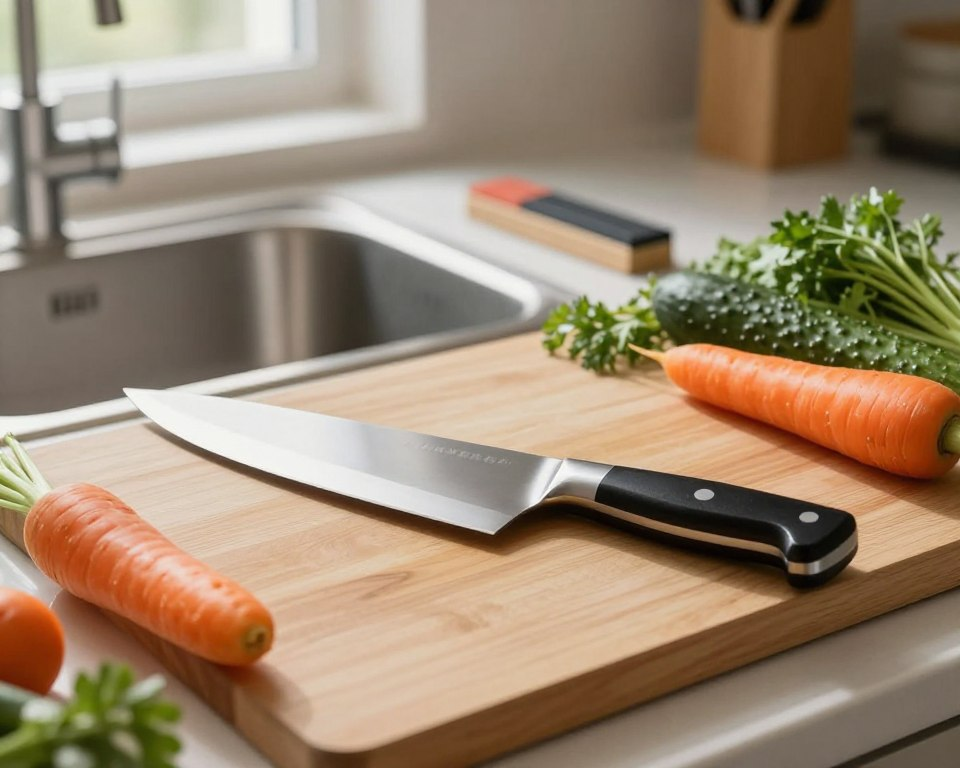
Sharpening Methods for Longevity
Regular sharpening is essential to maintain the Nakiri Knife’s performance. There are several methods to sharpen your knife, including:
- Using a whetstone to hone the blade to a precise edge.
- Employing a sharpening steel to realign the blade’s edge.
- Utilizing an electric sharpener for convenience and speed.
For the Sakai Takayuki Nakiri Knife, a whetstone is recommended for its ability to provide a precise sharpening angle and maintain the knife’s high-carbon steel edge.
Signs That Your Knife Needs Maintenance
It’s essential to recognize when your Nakiri Knife requires maintenance. Signs include:
- A dull edge that struggles to cut through vegetables.
- Rust spots or discoloration on the blade.
- A loose or uncomfortable handle.
Addressing these issues promptly will extend the life of your Sakai Takayuki Nakiri Knife and ensure it continues to perform optimally.
Comparing Nakiri Knives: Sakai Takayuki vs. Other Brands
When it comes to Nakiri knives, the Sakai Takayuki stands out, but how does it compare to other top brands in the market? As a culinary enthusiast, understanding the differences between various Nakiri knives is crucial for making an informed decision.
Key Differences with Other Leading Brands
The Sakai Takayuki Nakiri Knife is distinguished by its high-carbon steel construction and precise edge retention. In comparison, brands like Shun and Global offer similar quality but with different materials and edge geometries. For instance, Shun knives are known for their VG-MAX steel, which provides excellent sharpness and corrosion resistance.
A key differentiator for the Sakai Takayuki is its balance of price and performance. While premium brands like Zwilling J.A. Henckels offer exceptional quality, they often come at a significantly higher price point. The Sakai Takayuki, on the other hand, provides professional-grade performance at a more accessible price.
Price Points: Is It Worth the Investment?
Nakiri knives vary widely in price, ranging from under $50 for entry-level models to over $500 for high-end, handcrafted knives. The Sakai Takayuki falls into the premium category, with a price around $200-$300. This investment is justified by its durability and performance, making it a valuable tool for both professional chefs and serious home cooks.
“A good knife is an investment, not an expense. It will last you for years and improve your cooking experience significantly.” –
User Reviews and Comparisons
User reviews provide valuable insights into the real-world performance of Nakiri knives. According to reviews, the Sakai Takayuki is praised for its sharpness, balance, and ease of use. In comparison, some users find that other brands, while excellent, may require more frequent sharpening or have a steeper learning curve.
- The Sakai Takayuki is noted for its sharpness and durability.
- Users appreciate its balanced design, making it comfortable for extended use.
- Comparisons with other brands highlight its value for money.
In conclusion, while there are several excellent Nakiri knives on the market, the Sakai Takayuki stands out for its quality, performance, and value. Whether you’re a professional chef or a dedicated home cook, it’s worth considering for your kitchen arsenal.
The Versatility of the Nakiri Knife in Cooking
The versatility of the Nakiri knife is a game-changer for both home chefs and professional culinary artists, offering a multitude of creative possibilities.
Ideal for Home Chefs
For home chefs, the Sakai Takayuki Nakiri knife is an indispensable tool that simplifies meal preparation. Its straight edge and flat profile make it perfect for chopping, slicing, and dicing vegetables with precision.
- Effortlessly chop ingredients for salads and stir-fries.
- Precision-cut vegetables for uniform cooking.
- Simplify meal prep with its balanced design and comfortable grip.
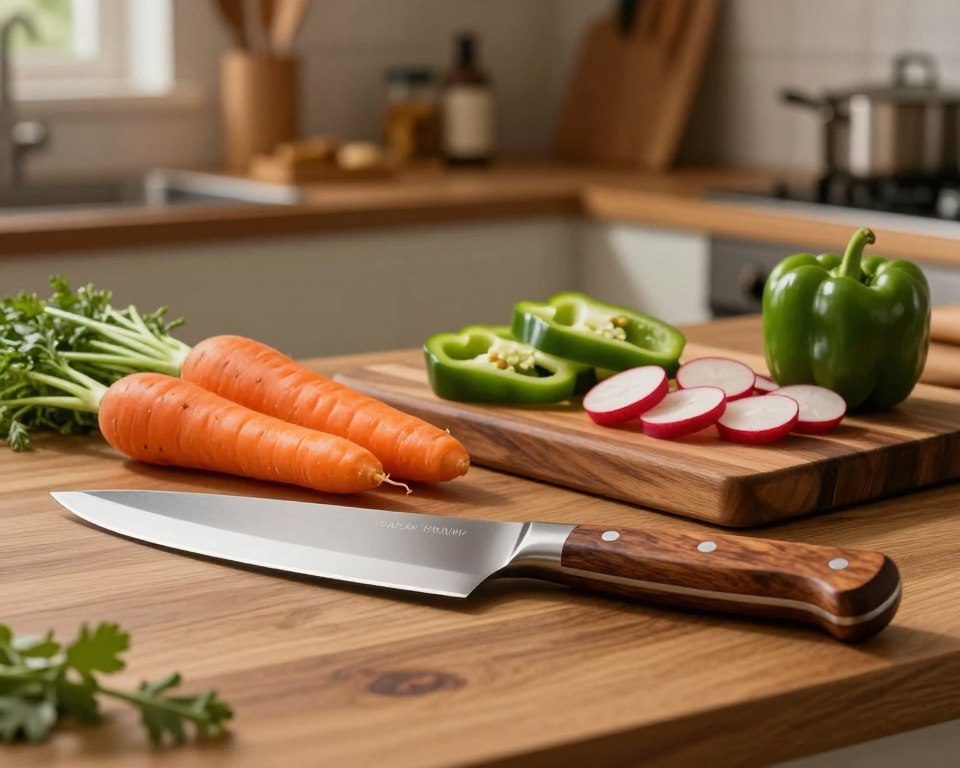
Professional Applications in Culinary Arts
In professional kitchens, the Nakiri knife is valued for its precision and versatility. Chefs appreciate its ability to perform a variety of tasks, from intricate garnishes to bulk vegetable preparation.
- Use the Nakiri knife for precise julienne cuts.
- Create uniform slices for presentation.
- Employ it for chopping herbs and leafy greens.
Creative Uses Beyond Traditional Vegetable Cutting
Beyond its traditional uses, the Nakiri knife can be employed in various creative ways. For instance, it can be used to slice fruit, cut through thin dough for pastries, or even help in preparing ingredients for sushi.
- Slice through fruit for decorative platters.
- Cut dough for homemade pasta or pastries.
- Prepare ingredients for sushi and sashimi.
In conclusion, the Sakai Takayuki Nakiri knife is a versatile and essential tool for both home chefs and professional culinary artists. Its applications extend far beyond traditional vegetable cutting, making it a valuable addition to any kitchen.
Purchasing Your Sakai Takayuki Nakiri Knife
Acquiring a high-quality Nakiri knife like the Sakai Takayuki requires careful consideration of several factors. Whether you’re a professional chef or an avid home cook, the right knife can significantly enhance your culinary experience.
Where to Buy: Retail vs. Online
When it comes to purchasing a Sakai Takayuki Nakiri Knife, you have the option to buy from retail stores or online marketplaces. Both have their advantages.
- Retail stores allow you to physically inspect the knife, feel its balance, and test its sharpness.
- Online marketplaces often provide a wider selection, customer reviews, and competitive pricing.
As noted by a culinary expert, “Buying a knife is not just about the price; it’s about the feel and the quality.”
“A good knife is an extension of your hand, and you need to feel comfortable with it,” says Chef Thomas Keller.
What to Look for When Buying
When purchasing a Sakai Takayuki Nakiri Knife, there are several key factors to consider:
| Feature | Description | Importance Level |
|---|---|---|
| Material | High-carbon stainless steel for durability and rust resistance | High |
| Edge Type | Straight edge for precise cutting | High |
| Handle | Ergonomic design for comfort | Medium |
| Balance | Well-balanced for reduced fatigue | High |
Price Ranges and Budget Considerations
The price of a Sakai Takayuki Nakiri Knife can vary based on factors like the retailer, location, and availability. Generally, you can expect to pay between $100 to $300 for a high-quality Nakiri knife.
Budget Considerations:
- Entry-level: $100-$150
- Mid-range: $150-$250
- Professional: $250-$300
As “The Joy of Cooking” suggests, “A good knife is worth the investment.” When budgeting, consider the long-term value and the knife’s potential to enhance your cooking experience.
Nakiri Knife in Japanese Cuisine
The Nakiri knife plays a vital role in Japanese cooking, reflecting the culture’s emphasis on precision and simplicity. In Japanese cuisine, knives are not just tools; they are an extension of the chef’s skill and artistry.
Importance of Knives in Japanese Cooking
Knives are fundamental to Japanese cooking, with different types designed for specific tasks. The Nakiri knife, with its straight edge, is ideal for cutting vegetables, a staple ingredient in many Japanese dishes.
Precision is key in Japanese cuisine, and the Nakiri knife’s design facilitates this by allowing for clean, straight cuts.
Specific Dishes Best Suited for Nakiri Use
The Nakiri knife is particularly useful for preparing traditional Japanese dishes that feature vegetables as the main ingredient. Some examples include:
- Tempura vegetables, where the Nakiri knife’s precision helps in creating uniform pieces.
- Namasu, a dish made from thinly sliced raw vegetables, requiring the fine cutting ability of a Nakiri knife.
- Oden, a Japanese stew, where vegetables need to be cut into appropriate sizes for simmering.
Cultural Significance of the Nakiri
The Nakiri knife holds cultural significance in Japan, symbolizing the respect for nature and the emphasis on seasonality (shun) in Japanese cuisine. The care and maintenance of a Nakiri knife also reflect the Japanese values of patience and dedication.
Furthermore, the craftsmanship that goes into making a Nakiri knife, such as the Sakai Takayuki, is a testament to the artisanal traditions in Japan, where the quality of a knife is considered a reflection of the craftsman’s skill.
Frequently Asked Questions (FAQs)
For those new to the world of Nakiri knives, a common concern is how to properly use and maintain this valuable kitchen tool. The Sakai Takayuki Nakiri Knife, with its high-quality craftsmanship, is no exception. Below, we address some of the most frequently asked questions about Nakiri knives, covering usage, care, and tips for new owners.
Common Questions About Nakiri Knives
Many users wonder about the differences between Nakiri knives and other types of knives. Nakiri knives are specifically designed for cutting vegetables, making them an essential tool for any kitchen that frequently prepares vegetable dishes.
One common query is about the ideal cutting technique. To maximize the effectiveness of your Sakai Takayuki Nakiri Knife, it’s essential to use a straight up and down motion, rather than a sawing motion, which is more typical with Western-style knives.
- Always cut on a stable, flat surface.
- Keep your fingers curled under and out of the way of the blade.
- Use a gentle, consistent pressure.
Answers to Usage and Care Queries
Caring for your Nakiri knife is crucial for its longevity. Regular sharpening and proper storage are key. It’s recommended to sharpen your knife regularly using a whetstone or a sharpening steel.
| Care Activity | Frequency | Tips |
|---|---|---|
| Cleaning | After each use | Use mild soap and dry thoroughly. |
| Sharpening | Every 1-3 months | Use a whetstone or sharpening steel. |
| Storage | Always after cleaning | Store in a dry place, consider a knife block or magnetic strip. |
Tips for New Nakiri Owners
For new owners, it’s essential to get comfortable with handling the knife. Practice cutting various vegetables to get a feel for the weight and balance of the Sakai Takayuki Nakiri Knife.
Additionally, consider the following tips:
- Start with soft vegetables like cucumbers or tomatoes.
- Gradually move to harder vegetables like carrots or sweet potatoes.
- Watch online tutorials for advanced cutting techniques.
By following these guidelines and practicing regularly, you’ll be able to unlock the full potential of your Sakai Takayuki Nakiri Knife, enhancing your cooking experience and the quality of your dishes.
Personal Stories: Home Chefs’ Experiences
The true measure of a knife’s worth lies in the hands of those who use it, and the Sakai Takayuki Nakiri Knife has garnered praise from home chefs who share their personal experiences. These stories not only highlight the knife’s performance but also its impact on their cooking routines.
Testimonials from Amateur Cooks
Many home chefs have discovered the joy of cooking with the Sakai Takayuki Nakiri Knife. “It’s been a game-changer for me,” says Emily, a home cook from California. “The precision and ease of cutting vegetables have made meal prep so much faster.”
Another home chef, David, appreciates the knife’s balance and comfort. “I’ve never held a knife that feels so natural in my hand. It’s like it was made for me.”
Professional Chefs Share Their Insights
Professional chefs also have high praise for the Sakai Takayuki Nakiri Knife. Chef Maria, a culinary instructor, notes, “This knife is a staple in my kitchen. Its sharpness and durability make it indispensable for teaching knife skills.”
Chef John, a restaurant owner, values the knife’s versatility. “Whether we’re chopping vegetables for a salad or slicing ingredients for a stir-fry, this knife performs flawlessly.”
Community Recommendations for Usage
The cooking community has shared various tips for getting the most out of the Sakai Takayuki Nakiri Knife. Here are some key recommendations:
- Regularly sharpen the knife to maintain its edge.
- Store the knife properly to prevent damage.
- Use a cutting board that is gentle on the knife’s blade.
A comparison of different storage methods is shown in the table below:
| Storage Method | Knife Safety | Ease of Access |
|---|---|---|
| Knife Block | High | Easy |
| Magnetic Strip | Medium | Very Easy |
| Drawer Storage | Low | Difficult |
By following these recommendations, home chefs can extend the life of their Sakai Takayuki Nakiri Knife and continue to enjoy its benefits.
Conclusion: Elevate Your Cooking with the Sakai Takayuki Nakiri Knife
The Sakai Takayuki Nakiri Knife offers numerous key benefits that make it a worthwhile investment for home chefs and professional cooks alike. Its exceptional craftsmanship, quality materials, and precise cutting capabilities make it an indispensable tool in the kitchen.
Benefits and Investment
Investing in quality cutlery like the Sakai Takayuki Nakiri Knife enhances your cooking experience and improves the overall quality of your dishes. With proper care and maintenance, this knife will remain a trusted companion in your culinary journey.
Precision in Cooking
Cooking with precision is an art that the Sakai Takayuki Nakiri Knife makes accessible to everyone. By incorporating this knife into your kitchen routine, you’ll prepare a variety of dishes with ease and confidence.
The Sakai Takayuki Nakiri Knife is a valuable asset for anyone looking to elevate their cooking. Its unique blend of traditional craftsmanship and modern functionality makes it an excellent choice for those seeking to invest in quality cutlery.