Shun knives have long been revered for their exceptional quality and precision craftsmanship. As a brand synonymous with Japanese heritage, Shun has garnered a loyal following among culinary enthusiasts. However, a question often arises: what’s the true origin of these esteemed knives?
The curiosity surrounding the manufacturing location of Shun knives stems from the brand’s complex global presence. While rooted in Japan, the company operates on a global scale, leaving some to wonder if their products are crafted elsewhere, such as China.
As we delve into the world of Shun knives, we’ll explore the intricacies of their production and uncover the truth behind their manufacturing process.
Key Takeaways
- Shun knives are known for their high-quality and precision craftsmanship.
- The brand has a rich Japanese heritage but operates globally.
- The manufacturing origin of Shun knives is a topic of interest.
- We’ll explore the production process and global presence of Shun.
- Understanding the brand’s history and values.
Are Shun Knives Truly Made in China?
With a legacy spanning decades, Shun knives embody the essence of Japanese knife-making traditions. The question of their origin has sparked interest among culinary enthusiasts and professionals alike.
The History of Shun Knives
Shun knives are crafted by the KAI Group, a Japanese company with a rich history dating back to the early 20th century. The KAI Group has been perfecting the art of knife-making, blending traditional techniques with modern innovations.
Traditional Japanese Craftsmanship is at the heart of Shun knives. The manufacturing process involves meticulous attention to detail, from the selection of high-quality materials to the final sharpening of the blade.
Craftsmanship and Quality
The quality of Shun knives is a result of the exceptional craftsmanship and rigorous quality control measures implemented by the KAI Group. Each knife is a testament to the skill and dedication of Japanese artisans.
| Feature | Description | Benefit |
|---|---|---|
| High-Carbon Steel | Material used for the blades | Sharpness and durability |
| Hand-Sharpening | Technique used for final sharpening | Precision and sharpness |
| Ergonomic Handles | Design of the knife handles | Comfort and balance |
By combining traditional techniques with modern materials and designs, Shun knives have become a benchmark for quality in the culinary world.
The Manufacturing Process: A Closer Look
The art of crafting Shun knives involves a meticulous process that blends traditional techniques with modern precision. Shun knives are made using high-quality materials, including various types of steel, which are carefully selected to ensure the highest standards of quality and performance.
Sourcing Materials
The journey of creating a Shun knife begins with sourcing the finest materials. The company uses a special steel alloy known as VG-MAX, which is renowned for its durability and ability to hold a sharp edge. This alloy is a critical component in the production of Shun knives, contributing to their exceptional quality.
The materials are sourced from reputable suppliers who adhere to strict quality standards. The selection process involves evaluating the composition and properties of the materials to ensure they meet Shun’s rigorous criteria.
Techniques Used in Production
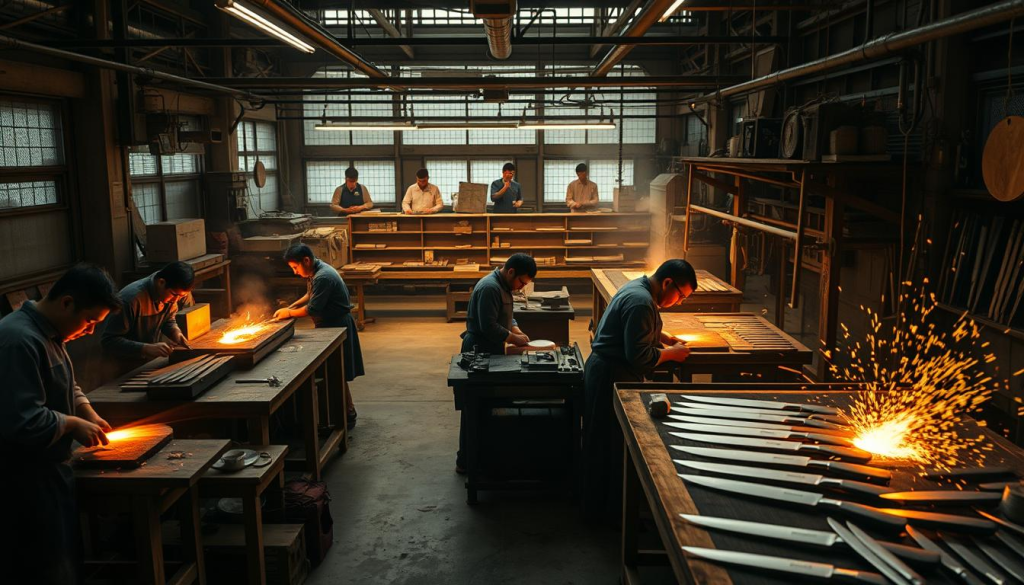
The production of Shun knives involves several traditional techniques that have been refined over centuries. One of the key methods used is hand-forging, where skilled artisans shape and sharpen the steel to create a knife that is both functional and aesthetically pleasing.
Another significant technique is the layering of metals, which involves folding and hammering the steel multiple times to create a blade with a precise edge and exceptional strength. This process not only enhances the knife’s performance but also contributes to its distinctive pattern.
Quality Control Measures
To ensure that every Shun knife meets the brand’s high standards, rigorous quality control measures are in place throughout the manufacturing process. Each knife is inspected for its sharpness, balance, and overall quality.
| Quality Control Aspect | Description |
|---|---|
| Sharpness Testing | Each knife is tested for its sharpness to ensure it meets the required standards. |
| Balance Evaluation | The balance of the knife is evaluated to ensure it is comfortable to hold and use. |
| Visual Inspection | A thorough visual inspection is conducted to check for any defects or imperfections. |
By combining high-quality materials, traditional techniques, and stringent quality control, Shun knives are crafted to deliver exceptional performance and durability.
Japan vs. China: A Comparison of Knife Production
The world of high-quality knives is dominated by two major players: Japan and China, each with its unique strengths and production methodologies. Understanding the differences between these two nations’ approaches to knife making can provide insight into the quality and characteristics of knives like those produced by Shun.
Advantages of Japanese Craftsmanship
Japanese knife production, as exemplified by Shun knives, is renowned for its meticulous attention to detail and adherence to traditional craftsmanship. Japanese artisans undergo rigorous training, honing their skills over years to master the art of knife making. This dedication results in knives that are not only functional but also considered pieces of art.
The use of high-quality materials, such as VG-MAX steel in Shun knives, combined with precise forging and sharpening techniques, ensures that Japanese knives are highly regarded for their sharpness, durability, and aesthetic appeal.
The Growing Reputation of Chinese Manufacturing
Chinese knife manufacturing has made significant strides in recent years, improving both quality and consistency. While traditionally known for producing more affordable, mass-market knives, Chinese manufacturers have begun to adopt advanced production techniques and higher-quality materials, enhancing their reputation in the global market.
Chinese manufacturers have also shown a willingness to innovate, incorporating modern technologies into their production processes. This blend of traditional techniques with modern innovation has allowed Chinese knife makers to produce a wide range of knives that cater to various needs and preferences.
As the global demand for high-quality knives continues to grow, both Japan and China are poised to play significant roles, each contributing their unique strengths to the market. Shun knives, with their Japanese heritage, represent a commitment to traditional craftsmanship, while Chinese manufacturers offer a compelling alternative with their own set of advantages.
The Role of Artisans in Shun Knife Creation
Behind every Shun knife is a story of human craftsmanship, where skilled artisans pour their expertise into each blade. The creation of Shun knives is a labor-intensive process that relies heavily on the skills and training of its artisans.
Skilled Labor and Training
Shun’s artisans undergo rigorous training, honing their skills through years of apprenticeship and hands-on experience. This training ensures that each artisan is well-versed in the traditional techniques that have defined Shun’s quality for centuries.
The artisans’ expertise is not limited to technical skills; they also possess a deep understanding of the materials they work with, from the high-carbon steel used in the blades to the intricate designs that adorn the handles.
Traditional Techniques vs. Modern Practices
Shun’s approach to knife-making is characterized by a blend of traditional techniques and modern practices. While the brand respects the heritage of Japanese knife-making, it also embraces innovation to enhance the performance and durability of its knives.
This balance is achieved through the use of advanced materials and manufacturing techniques, combined with the timeless skills passed down through generations of artisans. The result is a product that is both a work of art and a tool of precision.
The artisans’ role in Shun’s production process is not just about crafting knives; it’s about preserving a tradition while pushing the boundaries of what is possible in knife-making.
| Aspect | Traditional Techniques | Modern Practices |
|---|---|---|
| Materials | High-carbon steel forged using traditional methods | Advanced steel alloys for enhanced durability |
| Craftsmanship | Hand-sharpening and manual finishing | Precision machinery for consistent quality |
| Design | Classic designs inspired by heritage | Innovative designs incorporating modern aesthetics |
Understanding Shun’s Brand Identity
Shun knives have become synonymous with premium quality and traditional Japanese craftsmanship, captivating chefs and cooking enthusiasts worldwide. This reputation is not accidental but the result of careful branding and marketing strategies that emphasize the unique value proposition of Shun knives.
The brand’s identity is deeply rooted in its heritage and the art of Japanese knife-making. Shun’s commitment to quality is evident in every step of its manufacturing process, from sourcing high-quality materials to the meticulous craftsmanship that goes into each knife.
Marketing Strategies
Shun markets its products by highlighting the blend of traditional techniques and modern innovation. The brand’s marketing campaigns often feature the skilled artisans who craft the knives, emphasizing the human element behind each product. This approach not only appeals to the emotional aspect of purchasing a high-quality knife but also educates consumers about the value of traditional craftsmanship.
The use of high-quality materials and attention to detail are key selling points for Shun. The brand’s marketing materials often showcase the durability and performance of its knives, appealing to both professional chefs and home cooks who value longevity and performance in their kitchen tools.
Crafting a Global Reputation
Shun’s global reputation is built on its consistent delivery of high-quality products and its ability to appeal to a wide audience. The brand has successfully expanded its reach beyond Japan, establishing a strong presence in markets around the world, including the United States.
The table below highlights some key aspects of Shun’s brand identity and marketing strategies:
| Aspect | Description | Impact |
|---|---|---|
| Heritage | Rooted in traditional Japanese knife-making | Authenticity and quality |
| Craftsmanship | Meticulous attention to detail and skilled artisans | High-quality products |
| Marketing | Emphasis on traditional techniques and modern innovation | Appeals to a wide audience |

By understanding Shun’s brand identity and how it markets its products, we can appreciate the value that the brand brings to the world of culinary arts. Shun’s commitment to quality, craftsmanship, and innovation has established it as a leader in the industry, with a loyal following among chefs and cooking enthusiasts.
Customer Perceptions: What Do Buyers Think?
Understanding customer perceptions is crucial in assessing the true value of Shun knives in the market. As a premium brand, Shun’s reputation is built not only on the quality of its products but also on how customers perceive them.
Customer reviews and testimonials provide valuable insights into the strengths and weaknesses of Shun knives. Generally, customers praise these knives for their exceptional sharpness, durability, and overall quality. Many users appreciate the balance and feel of the knives, making them a joy to use in the kitchen.
Reviews and Testimonials
Reviews from various sources indicate a high level of satisfaction among customers. A common theme is the knives’ ability to retain their sharpness over time, with many users noting that they remain effective even after extensive use. As one customer noted, “
Shun knives are a game-changer; they have made cooking so much easier and more enjoyable.
“
Testimonials often highlight the craftsmanship and attention to detail that goes into each knife. Customers appreciate the heritage and tradition behind Shun knives, which adds to their perceived value. The brand’s commitment to using high-quality materials and traditional techniques resonates with buyers who are willing to invest in premium products.
The Impact of Brand Heritage
The heritage of Shun knives plays a significant role in shaping customer perceptions. The brand’s history and its association with Japanese craftsmanship enhance its reputation for producing high-quality knives. Customers often trust brands with a rich heritage, believing that the tradition and experience translate into superior products.
As a result, the perceived value of Shun knives is not just about their functional qualities but also about the brand’s story and the values it represents. This narrative around heritage and quality craftsmanship contributes to customer loyalty and satisfaction.
In conclusion, customer perceptions of Shun knives are overwhelmingly positive, driven by their quality, performance, and the brand’s heritage. Understanding these perceptions helps in appreciating the value that customers place on these premium knives.
Exploring Alternatives to Shun Knives
The world of high-quality knives extends far beyond Shun, with several brands offering unique features and exceptional craftsmanship. For those looking to explore other options, both Japanese and Chinese manufacturers are producing outstanding knives that are worth considering.
Other Brands from Japan
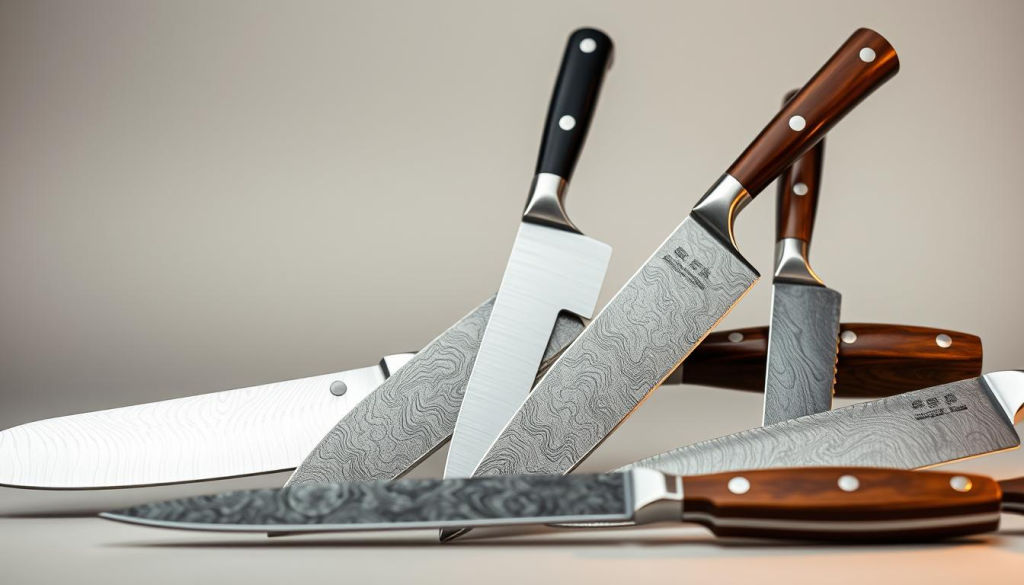
Japan is renowned for its knife-making tradition, and several brands are making waves in the culinary world. Miyabi, for instance, is known for its high-carbon steel knives that offer a perfect balance between sharpness and durability. Another notable brand is Global, which produces knives with a distinctive design and exceptional cutting performance.
These Japanese brands are celebrated for their attention to detail and commitment to quality. While they may share some similarities with Shun knives, each brand has its unique characteristics. For example, Miyabi knives are often praised for their hand-sharpened edges, which provide a level of sharpness that is hard to match.
High-Quality Chinese Knife Manufacturers
China is also emerging as a significant player in the high-quality knife market. Manufacturers like ZWilling J.A. Henckels have operations in China but maintain high standards of quality and craftsmanship. Chinese-made knives are often praised for their value for money, offering features like high-carbon steel construction and ergonomic design at competitive prices.
While the perception of Chinese products can sometimes be associated with lower quality, many Chinese knife manufacturers are now producing high-grade products that can stand alongside their Japanese counterparts. The key is to look for brands that emphasize quality control and use premium materials.
When exploring alternatives to Shun knives, it’s essential to consider factors like material quality, craftsmanship, and price. Both Japanese and Chinese manufacturers offer a range of options that can cater to different needs and preferences. Whether you’re looking for the traditional craftsmanship of Japan or the value proposition of Chinese-made knives, there’s a wealth of choice available in the market.
The Value of Shun Knives
Understanding the value of Shun knives requires examining their features and durability. Shun knives are premium products known for their high-quality materials and exceptional craftsmanship, which justifies their corresponding price.
Price Points and Features
Shun knives are available at various price points, generally ranging from $100 to over $500, depending on the series and specific model. The features that contribute to their value include:
- High-carbon steel blades that retain their sharpness and resist corrosion.
- Precision forging techniques that ensure a strong, durable blade.
- Ergonomic handles designed for comfort and balance.
- Hand-sharpening to achieve a razor-sharp edge.
These features make Shun knives a valuable investment for serious cooks and chefs who demand high performance and durability.
Long-Term Durability and Care
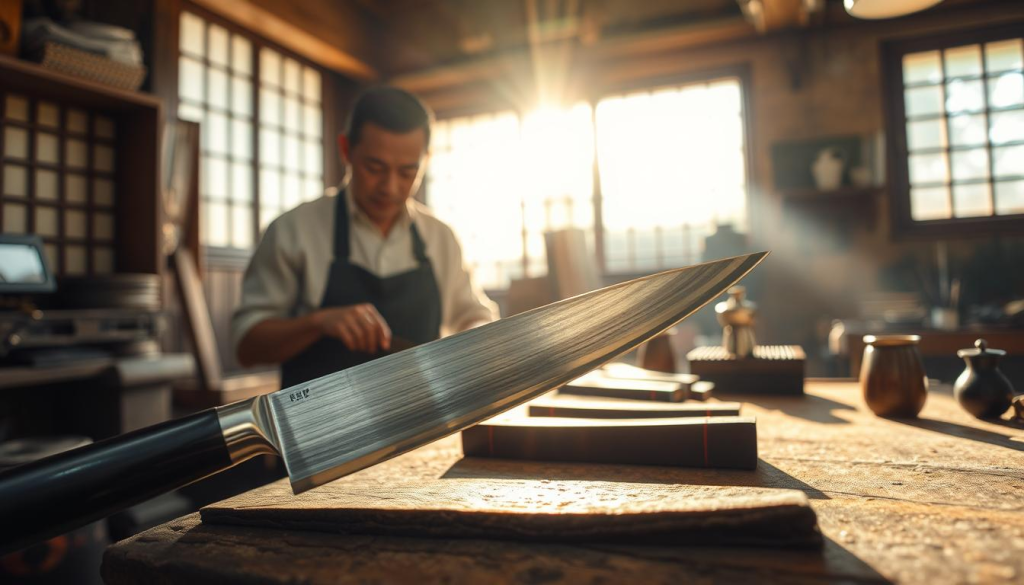
The long-term durability of Shun knives is one of their most significant advantages. With proper care, these knives can last for many years, maintaining their sharpness and performance. To ensure longevity, it’s essential to:
- Hand wash the knives to prevent damage from high-temperature dishwashers.
- Dry the knives immediately to prevent rust.
- Store the knives in a protective case or on a magnetic strip.
- Regularly sharpen the knives to maintain their edge.
By following these care instructions, owners can enjoy their Shun knives for a long time, making them a cost-effective choice in the long run.
In conclusion, the value of Shun knives lies in their premium quality, advanced features, and long-term durability. While they may have a higher upfront cost, their performance and longevity make them a worthwhile investment for those who cook frequently.
Conclusion: The Legacy of Shun Knives
Shun knives have established a reputation for excellence, reflecting the brand’s commitment to traditional craftsmanship and quality. The manufacturing location of Shun knives in Japan is a significant factor in their exceptional performance and durability.
Origin and Quality
The production country of Shun knives is Japan, where skilled artisans employ traditional techniques to craft these high-quality knives. The attention to detail and rigorous quality control measures ensure that every Shun knife meets the brand’s high standards.
Exploring Further
For those interested in premium knives, Shun offers a range of products that cater to different needs and preferences. Whether you’re a professional chef or an avid home cook, Shun knives are worth exploring for their exceptional value and performance. Understanding the shun knives manufacturing location and shun knives production country can help appreciate the craftsmanship that goes into each knife.