A fundamental tool in any kitchen, a high-quality chef knife is designed for versatility, handling various tasks such as chopping, slicing, and dicing ingredients with ease.
Understanding the benefits of a chef knife is essential for both professional and amateur cooks. It makes cooking more efficient and enjoyable, capable of handling a wide range of kitchen tasks.
Key Takeaways
- A chef knife is a versatile tool for various kitchen tasks.
- It is designed for chopping, slicing, and dicing ingredients.
- A high-quality chef knife enhances cooking efficiency.
- It is an indispensable tool for both professional and amateur cooks.
- Investing in a good chef knife improves cooking experiences.
Understanding the Chef Knife: An Overview
The chef knife, often considered the workhorse of the kitchen, deserves a closer look. It’s a versatile tool that can be used for a variety of tasks, from chopping vegetables to slicing meat.
A chef knife typically has a blade length between 8 and 10 inches, with a curved shape that allows for a rocking motion when chopping. This design makes it an essential tool for any chef.
What is a Chef Knife?
A chef knife is characterized by its broad, curved blade that tapers to a sharp edge. The blade’s material, shape, and size can vary, influencing its performance and durability. High-carbon stainless steel is a popular choice for chef knives due to its resistance to corrosion and ability to hold a sharp edge.
Common Features of Chef Knives
Understanding the common features of chef knives can help in selecting the right knife for your needs. Some key features include:
- Full-tang construction for added durability
- Ergonomic handles for comfortable grip
- High-quality blade materials for sharpness and resistance to corrosion
These features contribute to the overall performance and longevity of the best chef knife, making it a valuable investment for any kitchen.
The Versatility of a Chef Knife
The versatility of a chef knife is one of its most significant advantages, allowing cooks to perform various tasks with ease. A chef knife is designed to handle a wide range of kitchen duties, from preparing ingredients for complex recipes to simple tasks like chopping vegetables for a salad.
Cutting Techniques
Mastering different cutting techniques is essential for any cook. A chef knife is used for various cutting methods, including slicing, dicing, chopping, and mincing. Each technique requires a specific motion and knife handling skill.
- Slicing involves cutting ingredients into thin, uniform pieces, often used for meats and vegetables.
- Dicing requires cutting ingredients into small, cube-shaped pieces, commonly used for onions, carrots, and other vegetables.
- Chopping involves cutting ingredients into smaller, irregular pieces, often used for herbs and nuts.
- Mincing is the process of cutting ingredients into very fine pieces, typically used for garlic and ginger.
Slicing vs. Dicing
Understanding the difference between slicing and dicing is crucial for achieving the desired texture and presentation in dishes. Slicing is ideal for creating uniform, thin cuts, while dicing is better suited for creating uniform, small cubes.
| Technique | Description | Common Uses |
|---|---|---|
| Slicing | Cutting into thin, uniform pieces | Meats, vegetables, bread |
| Dicing | Cutting into small, cube-shaped pieces | Onions, carrots, bell peppers |
Chopping and Mincing
Chopping and mincing are fundamental techniques that require precision and control. Chopping is used for ingredients that need to be broken down into smaller pieces, while mincing is used for ingredients that need to be finely chopped.
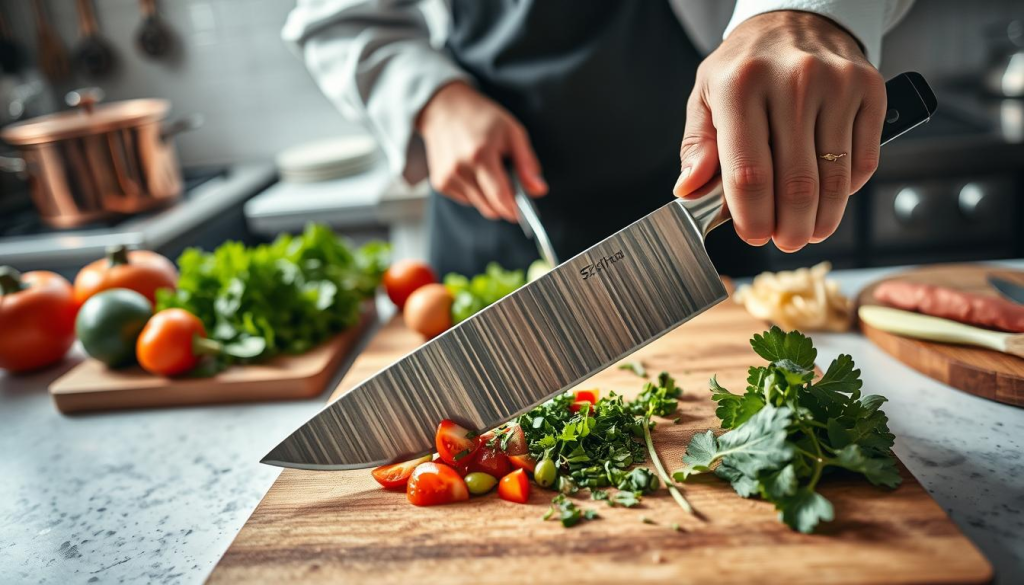
By mastering these techniques, cooks can enhance their efficiency in the kitchen and improve the overall quality of their dishes.
Materials Used in Chef Knives
Understanding the materials used in chef knives is essential for any serious cook. The quality and type of material can significantly affect the knife’s performance, durability, and overall value.
Blade Material Options
Chef knives can be made from various blade materials, including stainless steel, carbon steel, and ceramic. Each material has its advantages and disadvantages.
- Stainless steel blades are resistant to corrosion and easy to maintain.
- Carbon steel blades are known for their sharpness and edge retention but require more maintenance.
- Ceramic blades are extremely hard and resistant to corrosion but can be brittle.
| Material | Sharpness | Durability | Maintenance |
|---|---|---|---|
| Stainless Steel | High | High | Low |
| Carbon Steel | Very High | Medium | High |
| Ceramic | High | Medium | Low |
Handle Materials Explained
The handle of a chef knife is just as important as the blade, as it affects the user’s comfort and control. Common handle materials include wood, plastic, and metal.
Wooden handles offer a traditional look and feel but may require more maintenance. Plastic handles are durable and easy to clean, while metal handles provide a modern aesthetic and can be very durable.
The Impact of Construction Quality
The construction quality of a chef knife significantly impacts its performance and longevity. A well-constructed knife will have a balanced feel, with the weight of the blade evenly distributed throughout the handle.
Full-tang construction, where the metal extends into the handle, provides added strength and durability. The quality of the materials and the craftsmanship can make a significant difference in the overall quality of the knife.
Choosing the Right Chef Knife
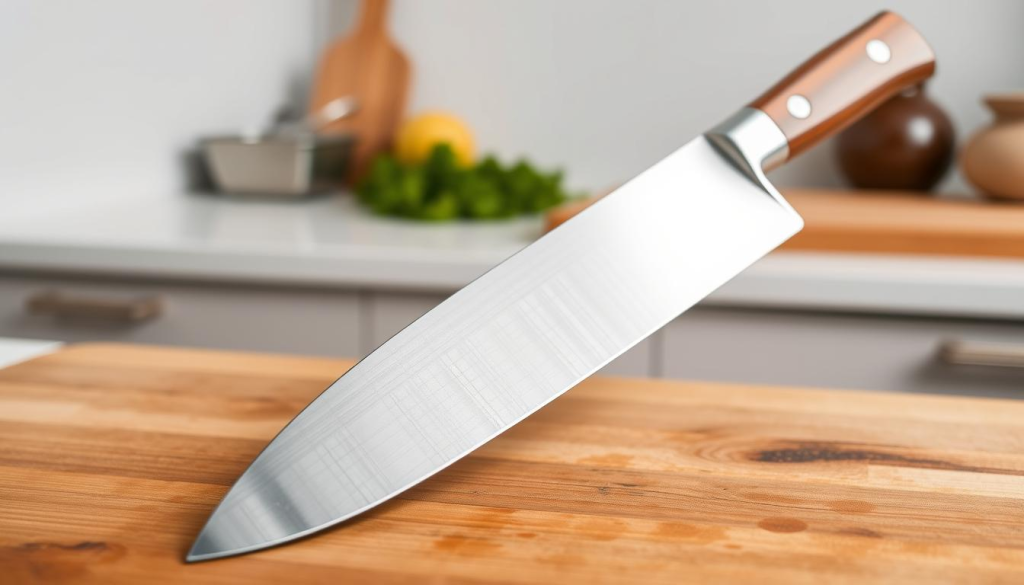
Understanding how to pick the ideal chef knife is vital for both professional chefs and home cooks. The right chef knife can make a significant difference in your cooking experience, providing precision, comfort, and efficiency.
Factors to Consider
When selecting a chef knife, several factors come into play. The material of the blade is crucial, as it affects the knife’s durability and performance. High-carbon stainless steel is a popular choice due to its resistance to corrosion and ability to hold a sharp edge.
The handle design is another important consideration. A comfortable, ergonomic handle can reduce fatigue and improve control. Materials such as wood, plastic, and metal are commonly used for handles, each offering different benefits in terms of durability and grip.
Knife Size and Weight
The size and weight of a chef knife are critical factors that influence its usability. Knife sizes typically range from 6 to 12 inches, with 8 inches being the most popular for general use. The weight of the knife should be balanced with its size to ensure it feels comfortable in your hand.
- A larger knife is ideal for chopping and slicing large vegetables.
- A smaller knife is more maneuverable and suitable for precise tasks.
Blade Shape and Design
The blade shape and design significantly impact the knife’s functionality. A straight-edge blade is perfect for chopping and slicing, while a curved blade allows for a rocking motion, ideal for mincing and chopping herbs.
When choosing a chef knife, it’s essential to consider your cooking style and the tasks you perform most frequently. By selecting a knife that aligns with your needs, you can enhance your overall cooking experience and efficiency.
Caring for Your Chef Knife
To ensure your chef knife remains in top condition, it’s crucial to understand the basics of its care and maintenance. A well-maintained chef knife not only performs better but also lasts longer, providing you with chef knife benefits that enhance your cooking experience.
Proper Cleaning Techniques
Cleaning your chef knife after each use is vital. Use mild soap and warm water to clean the blade and handle. Avoid using abrasive materials that can damage the knife. For high-carbon stainless steel knives, drying thoroughly after washing is crucial to prevent rust.
“A clean knife is a safe knife. Regular cleaning prevents the buildup of bacteria and other contaminants.”
Sharpening Your Knife
Sharpening is an essential part of maintaining your chef knife. A dull knife is not only less effective but also more dangerous, as it requires more force to cut, increasing the risk of accidents. Use a whetstone or a sharpening steel to maintain the edge of your knife. For a high-quality chef knife, regular sharpening will keep it in optimal condition.
| Sharpening Method | Description | Frequency |
|---|---|---|
| Whetstone | Provides a precise edge | Weekly |
| Sharpening Steel | Maintains the edge between sharpening | Daily |
Storing Your Chef Knife Safely
Proper storage is critical to maintaining your chef knife. Store your knife in a dry place, away from other utensils that could damage it. Consider using a knife block, magnetic strip, or protective sheath to store your knife safely. This not only protects the chef knife features but also prevents accidents.
By following these care practices, you can extend the life of your chef knife and maintain its performance. Remember, a well-cared-for knife is a valuable tool in the kitchen.
Chef Knife Uses in the Kitchen
A chef knife is an indispensable tool in any kitchen, serving multiple purposes with ease. Its versatility is one of its most significant advantages, making it a go-to knife for various tasks.
Preparing Vegetables
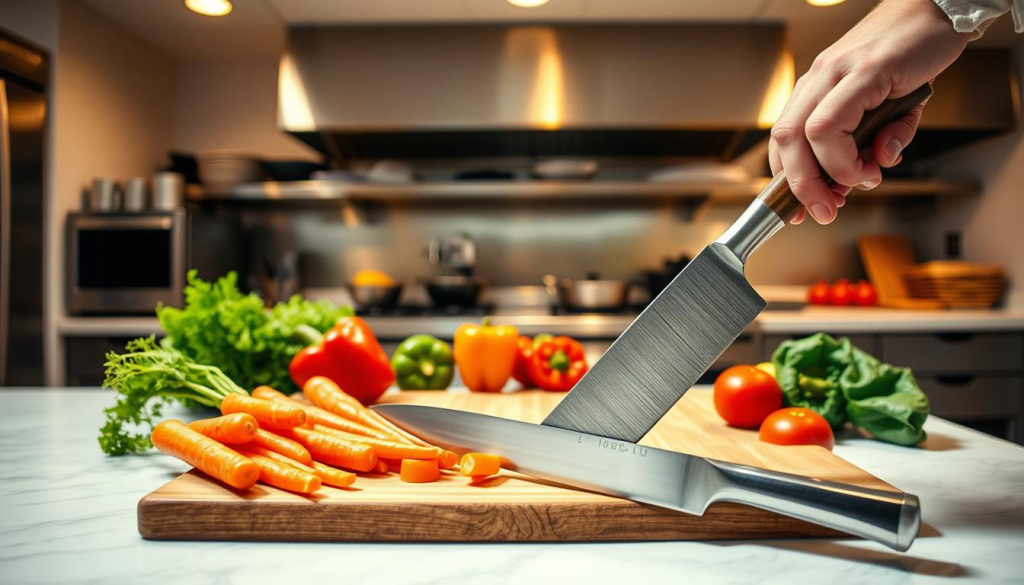
When it comes to preparing vegetables, a chef knife is the perfect tool. Its broad, curved blade allows for efficient chopping and mincing. Proper technique is essential to get the most out of your chef knife. For instance, using a gentle rocking motion can help you chop vegetables quickly and safely.
Some common tasks when preparing vegetables include slicing, dicing, and julienne cutting. A chef knife’s sharp edge makes these tasks effortless, ensuring that your vegetables are prepared consistently and with minimal waste.
Meat Preparation Techniques
In addition to vegetable preparation, a chef knife is also ideal for meat preparation techniques. Slicing raw meat or cutting cooked meat into portions is made easy with a sharp chef knife. Precision is key when working with meat to ensure even cooking and appealing presentation.
As
“A good knife is the heart of a good kitchen.”
, a well-maintained chef knife is crucial for any professional or home cook. Regular sharpening and proper storage will extend the life of your knife and maintain its effectiveness.
By understanding the various uses of a chef knife, you can maximize its potential in your cooking, making meal preparation more efficient and enjoyable.
The Importance of Knife Skills
The right knife skills can elevate your cooking to new heights. Mastering the art of handling a chef knife not only enhances your cooking experience but also improves the quality of your dishes. By developing your knife skills, you can become more confident and proficient in the kitchen.
Basic Knife Skills Every Cook Should Know
To get started, it’s essential to learn the fundamental knife skills that every cook should possess. This includes understanding how to properly hold a chef knife, the correct cutting techniques, and how to slice, dice, and chop ingredients efficiently. Practicing these basic skills will lay the foundation for more advanced techniques and improve your overall cooking.
Some of the key basic skills include:
- Proper grip and stance
- Basic cutting techniques (slicing, dicing, chopping)
- Knife safety and maintenance
Improving Your Efficiency in the Kitchen
As you become more comfortable with the basics, you can focus on improving your efficiency in the kitchen. This involves refining your techniques, learning to work with different ingredients, and understanding how to use your chef knife to its full potential. By doing so, you’ll be able to prepare meals more quickly and with greater ease, enjoying the many chef knife benefits that come with advanced knife skills.
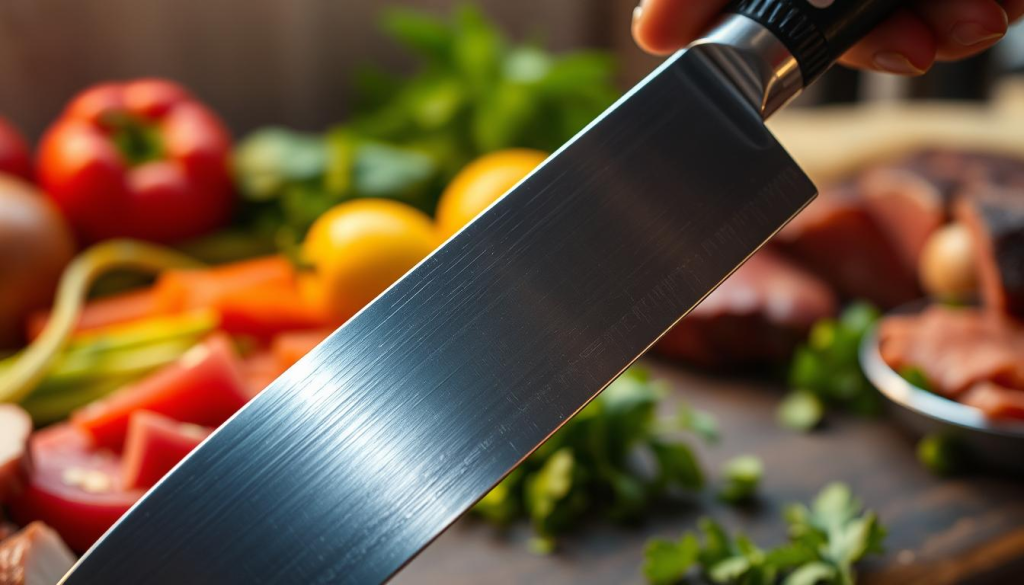
Investing time in developing your knife skills is a worthwhile endeavor, as it can significantly impact your cooking experience. Whether you’re preparing simple meals or complex dishes, having the right skills can make all the difference. By mastering your craft with a top-quality chef knife, you’ll be able to unlock the full chef knife purpose and enjoy a more rewarding cooking experience.
Comparing Chef Knives to Other Knives
While a chef knife is a versatile tool, other knives like paring and Santoku knives have their own specific uses. Understanding the differences between these knives can help you choose the right tool for the task at hand.
Paring Knives vs. Chef Knives
Paring knives are designed for precision tasks, such as peeling fruit and vegetables, coring, and trimming. They typically have a shorter blade length, ranging from 2 to 4 inches, making them ideal for detailed work. In contrast, chef knives are larger, with blades usually between 8 and 12 inches long, and are used for a variety of tasks including chopping, slicing, and mincing.
Here are some key differences between paring knives and chef knives:
- Blade Length: Paring knives have shorter blades, while chef knives have longer blades.
- Task Specificity: Paring knives are for precision tasks, whereas chef knives are for general kitchen use.
- Handling: Paring knives are typically used with a pinch grip for precision, while chef knives are used with a firmer grip for more force.
Santoku Knives Explained
Santoku knives are a type of Japanese knife that has gained popularity worldwide. They are designed for chopping, slicing, and mincing with a straight-edge motion. Unlike chef knives, which often have a curved blade, Santoku knives have a straight edge, making them ideal for tasks that require a push-pull motion.
The key features of Santoku knives include:
- Straight Edge: Ideal for push-pull cutting motions.
- Sheep’s Foot Blade: Some Santoku knives feature this design, which is great for chopping herbs and vegetables.
- Lightweight: Santoku knives are often lighter, making them easier to maneuver.
When choosing between a high-quality chef knife and a Santoku knife, consider the type of cooking you do most often. If you prefer a more traditional, versatile knife, a chef knife might be the best choice. However, if you’re looking for a knife that’s optimized for straight-cutting motions, a Santoku knife could be the better option.
Investing in a Quality Chef Knife
A professional chef knife is an essential tool for any serious cook, offering numerous chef knife benefits that enhance cooking efficiency and precision. When looking to invest in a top chef knife, understanding the price ranges and what to expect is crucial.
Price Ranges and What to Expect
Investing in a high-quality chef knife can range from a few dozen to several hundred dollars, depending on the brand and materials used. Brands like WÜSTHOF offer durable and high-performance chef knives that justify the investment.
Top Brands to Consider
When selecting a professional chef knife, consider top chef knives from reputable brands known for their quality and craftsmanship. Researching and comparing different models will help you make an informed decision, ensuring you find a knife that meets your cooking needs and provides long-term value.