A fundamental tool in the kitchen, a chef’s knife is used for various tasks such as chopping, slicing, and mincing ingredients.
Understanding its significance is crucial for any cook, whether professional or home-based. The versatility and multi-functionality of this kitchen essential make it a vital tool for food preparation.
Key Takeaways
- A chef’s knife is a medium to large sized generalist kitchen knife.
- It is used for chopping, slicing, and mincing ingredients.
- The knife’s versatility makes it essential for both professionals and home cooks.
- Understanding its significance is crucial for effective food preparation.
- A chef’s knife is a fundamental tool in the kitchen.
What is a Chef Knife?
A chef knife is an indispensable tool in any kitchen, serving as a versatile instrument for various culinary tasks. It’s a knife that can handle a multitude of functions, from chopping vegetables to slicing meat, making it a fundamental piece of equipment for both professional chefs and home cooks.
https://www.youtube.com/watch?v=N46Bany7mus
Definition of a Chef Knife
A chef knife, also known as a cook’s knife, is defined by its broad blade and sharp edge, typically ranging between 8 to 12 inches in length. The definition of a chef knife encompasses its role as a multi-purpose knife designed for various kitchen tasks, including chopping, slicing, and mincing ingredients.
Common Features of Chef Knives
Chef knives share certain common features that make them effective and versatile. These include a broad, straight or slightly curved blade that allows for a rocking motion, enhancing the knife’s ability to chop and slice efficiently. The blade’s material, often high-carbon stainless steel, contributes to its durability and resistance to corrosion.
The handle of a chef knife is another critical feature, designed for comfort and grip. Materials such as wood, plastic, or metal are used, with some handles featuring ergonomic design for reduced fatigue during prolonged use.
Variations in Design
Despite their shared characteristics, variations in design among chef knives are significant, reflecting different culinary traditions and preferences. Western-style chef knives tend to have a broader, more curved blade, while Japanese chef knives are often straighter and more tapered, with some having a more angular profile.
The size of a chef knife can also vary, with lengths ranging from 6 to 14 inches, although 8 inches is a common standard. The choice of blade material, edge type (straight or serrated), and handle design further contribute to the diversity in chef knife designs, catering to different needs and preferences.
History of Chef Knives
The history of chef knives is a fascinating tale that spans centuries. The chef knife, an essential tool in any kitchen, has its roots in 18th-century Europe.
Origins of the Chef Knife
The first chef knives were developed in France during the 18th century, a period marked by significant advancements in culinary arts. These early knives were designed to be versatile, capable of performing a variety of tasks such as chopping, slicing, and mincing ingredients. The French influence on the design of chef knives is still evident today, with many modern chef knives bearing a resemblance to their French predecessors.
Evolution of the Design
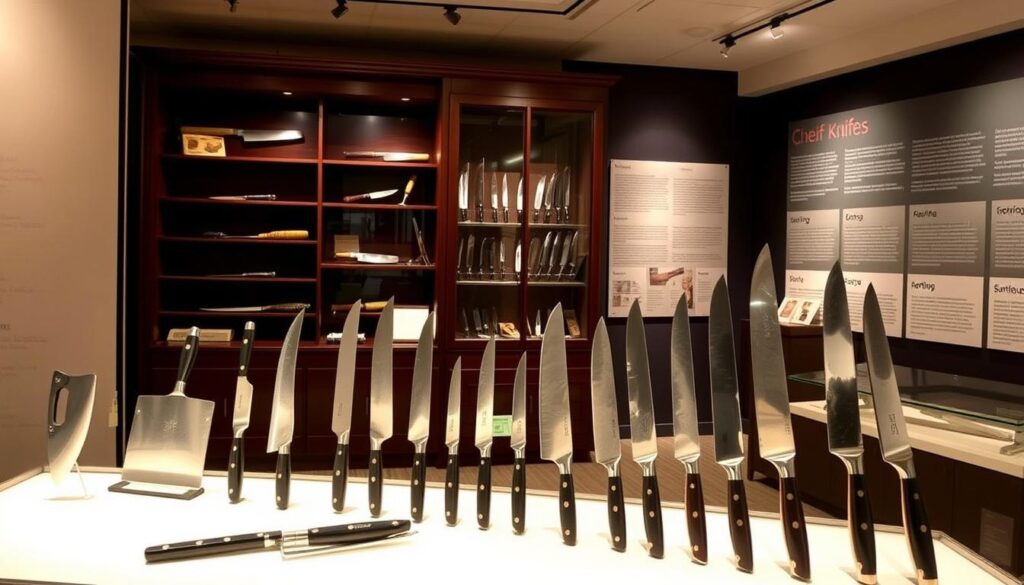
Over time, the design of the chef knife has evolved, influenced by various cultures and technological advancements. The introduction of new materials and manufacturing techniques has enabled the production of high-quality chef knives with precision and durability. The evolution of the chef knife is a testament to the importance of this tool in the culinary world.
The design variations have also been influenced by regional preferences, leading to the development of different types of chef knives. For instance, Japanese chef knives are known for their sharpness and precision, while Western-style chef knives are often more robust and versatile.
Cultural Significance in Culinary Arts
Chef knives hold a significant place in the culinary arts, symbolizing the skill and craftsmanship of chefs. In many cultures, the chef knife is considered an extension of the chef’s hand, a tool that requires care, maintenance, and respect. The cultural significance of chef knives is evident in the way they are used and revered in different culinary traditions.
In conclusion, the history of chef knives is a rich and complex narrative that reflects the evolution of culinary arts. From their origins in 18th-century Europe to their modern-day variations, chef knives continue to play a vital role in kitchens around the world.
Types of Chef Knives
Understanding the different types of chef knives is essential for any kitchen, whether professional or home-based. The variety in chef knives caters to different cooking styles, ingredients, and personal preferences.
Western vs. Japanese Chef Knives
The primary distinction in chef knives lies between Western and Japanese styles. Western chef knives are typically made with a thicker, heavier blade, making them suitable for chopping through bones and dense ingredients. In contrast, Japanese chef knives are known for their lighter, more precise blades, ideal for delicate cuts and preparation of sushi or sashimi.
Different Blade Materials
The material of the blade significantly affects the knife’s performance and durability. Common materials include:
- Stainless Steel: Resistant to corrosion and easy to clean.
- High Carbon Steel: Known for its sharpness and edge retention.
- Ceramic: Lightweight and resistant to corrosion, but can be brittle.
| Material | Characteristics | Maintenance |
|---|---|---|
| Stainless Steel | Corrosion-resistant, durable | Easy to clean |
| High Carbon Steel | Sharp, retains edge well | Requires regular sharpening |
| Ceramic | Lightweight, corrosion-resistant | Can be brittle, requires careful handling |
Knife Sizes and Their Uses
Knife sizes vary, and each size is suited for specific tasks. Common sizes include:
- 8-inch: General-purpose chef knife for chopping and slicing.
- 10-inch: Larger tasks, such as cutting through bigger vegetables or meat.
- 6-inch: More precise tasks, ideal for smaller ingredients or detailed work.
Choosing the right type of chef knife involves considering the blade material, size, and style that best fits your cooking needs.
How to Choose the Right Chef Knife
The right chef knife can elevate your cooking experience, but how do you choose the perfect one? Selecting a chef knife that suits your needs involves considering several factors, including your cooking style, the type of cuisine you prepare, and your personal preferences.
Considerations for Beginners
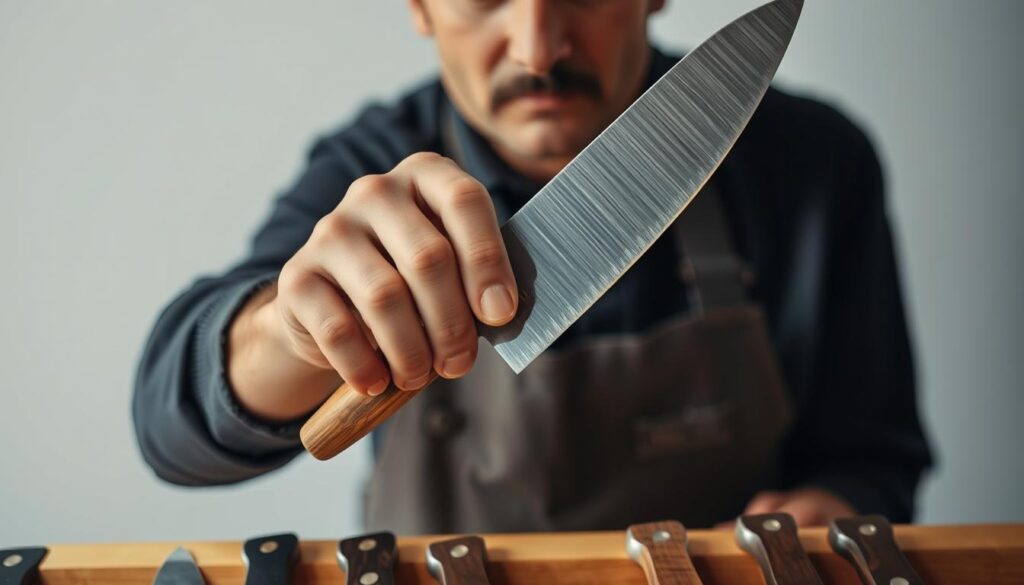
For those new to cooking, a good starting point is to look for a knife that is balanced, with a comfortable handle and a blade that is not too heavy. Beginners should opt for a versatile knife that can handle various tasks, from chopping vegetables to slicing meat. A knife with a high-carbon stainless steel blade is a good choice due to its durability and resistance to corrosion.
Professional vs. Home Use
The distinction between professional and home use chef knives lies in the level of durability, precision, and comfort required. Professional chefs often prefer knives with high-carbon content for their sharpness and longevity, while home cooks may prioritize ease of maintenance and affordability. Understanding your usage will help in making a more informed decision.
Budget-Friendly Options
Choosing a chef knife doesn’t have to break the bank. Budget-friendly options are available that still offer quality and performance. Look for knives made from stainless steel or high-carbon steel, as these materials provide a good balance between cost and durability. Brands that offer affordable options without compromising on quality should be considered.
When choosing a chef knife, it’s also important to consider the size and weight of the knife, as well as the material of the handle. A well-balanced knife with a comfortable grip can make a significant difference in your cooking experience.
Importance of Chef Knives in Cooking
The significance of a chef’s knife in cooking cannot be overstated, as it provides the precision and versatility needed for various culinary tasks. A chef’s knife is an essential tool for any cook, offering the flexibility to chop, slice, and dice ingredients with ease.
Versatility in Food Preparation
One of the key reasons chef knives are so important is their versatility in food preparation. Whether you’re chopping vegetables, slicing meat, or mincing garlic, a chef’s knife is the go-to tool. As culinary expert Jacques Pépin once said, “The knife is the most important tool in the kitchen. It’s the key to everything you do.”
“A good knife is like a good friend; it makes the task at hand a pleasure.”
This versatility is not limited to specific types of cuisine; chef knives are used across various cooking traditions, from Western to Japanese cooking.
Essential for Professional Chefs
For professional chefs, a chef’s knife is not just a tool; it’s an extension of their craft. The precision and control it offers are crucial for preparing complex dishes. Professional chefs rely on their chef’s knives daily, and the quality of the knife can significantly impact their work.
- Precision in cutting ingredients
- Efficiency in food preparation
- Consistency in the quality of dishes
Impact on Cooking Techniques
The type of chef’s knife used can also affect cooking techniques. Different blade materials and edge types can influence how ingredients are cut and prepared. For instance, a knife with a sharp, straight edge is ideal for chopping, while a knife with a curved edge may be better suited for rocking motions.
Understanding the impact of a chef’s knife on cooking techniques is essential for mastering various culinary skills.
Knife Care and Maintenance
Caring for your chef knife is not just about longevity; it’s also about safety and performance. A well-maintained knife is a joy to use and can significantly enhance your cooking experience.
Sharpening Your Chef Knife
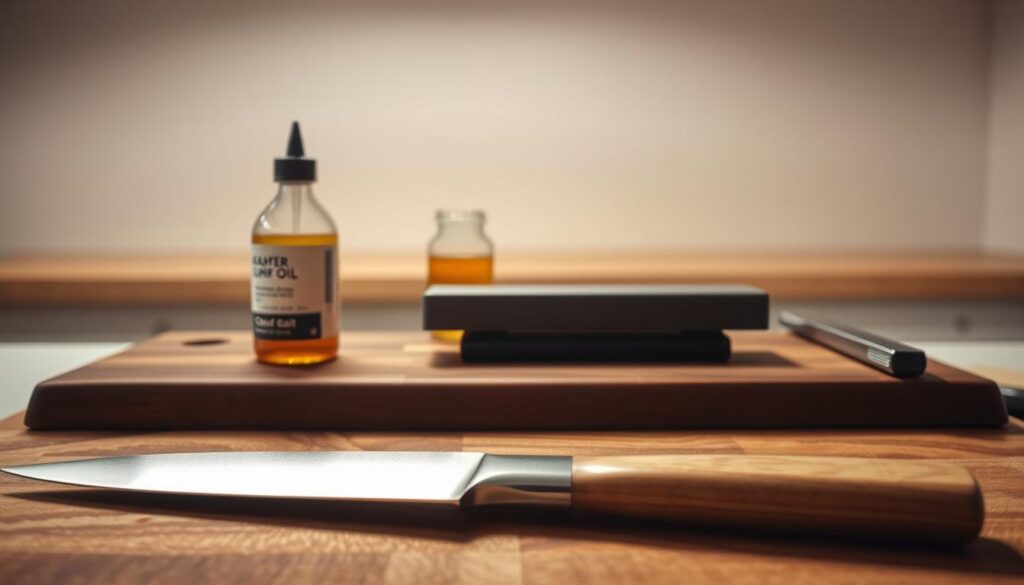
Regular sharpening is essential to maintain the effectiveness of your chef knife. Dull knives are not only frustrating to use but can also be dangerous. To sharpen your knife, you can use a whetstone, sharpening steel, or electric sharpener. For a more detailed guide on upgrading your kitchen with the top chef, consider exploring resources that offer expert advice.
When using a whetstone, it’s crucial to maintain the correct angle, typically around 20 degrees for most chef knives. Start with a coarse grit stone to repair any damage and then move to a finer grit for polishing the edge.
Proper Cleaning Techniques
Cleaning your chef knife properly is vital to prevent rust and maintain its appearance. Always hand wash your knife with mild soap and dry it immediately. Avoid putting your chef knife in the dishwasher, as the high heat and harsh detergents can damage the blade and handle.
For stubborn stains or residue, you can use a soft sponge or cloth. Never use abrasive materials that can scratch the blade. Regular cleaning not only keeps your knife in good condition but also ensures hygiene.
Storing Your Knife Safely
Proper storage is critical to prevent accidents and damage to your chef knife. Consider using a knife block, magnetic strip, or protective sheath. These storage options not only keep your knife safe but also organized and within easy reach.
When storing your knife, ensure it’s clean and dry. For magnetic strips, be cautious when retrieving your knife to avoid any accidental cuts. A well-organized knife storage system is a valuable addition to any kitchen.
Popular Chef Knife Brands
Among the myriad of chef knife brands available, some names consistently rise to the top due to their exceptional craftsmanship. These brands have earned the trust of both professional chefs and home cooks through their commitment to quality, durability, and performance.
Explore Renowned Brands
Several brands are particularly noteworthy in the world of chef knives. Wüsthof and Shun are two examples of high-end brands that are celebrated for their premium products. Wüsthof, a German company, is known for its precision-forged knives that offer a perfect balance between sharpness and durability. Shun, on the other hand, is a Japanese brand that combines traditional craftsmanship with modern technology to produce knives that are both beautiful and functional.
Other notable brands include Global, known for their unique edge geometry and ergonomic handles, and Misono, which offers a range of knives that blend Japanese and Western styles. Each of these brands brings something unique to the table, catering to different preferences and cooking styles.
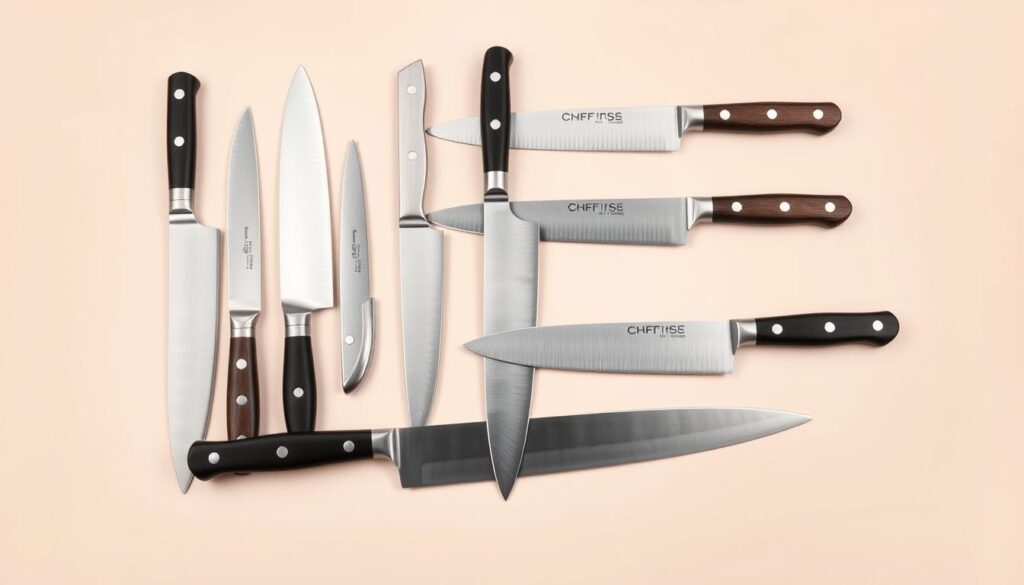
Comparison of Features
When comparing these brands, several factors come into play. The material used for the blade is a critical consideration, with options ranging from high-carbon stainless steel to Damascus steel. The edge retention, sharpening ease, and overall durability are also important features to consider.
For instance, Wüsthof knives are known for their Classic Ikon series, which features a straight-edge design and a full tang for added strength. Shun knives, particularly the Shun Classic series, boast a VG-MAX steel alloy for superior sharpness and a hamon edge for precision cutting.
- Blade Material: High-carbon stainless steel, Damascus steel
- Edge Type: Straight edge, serrated edge
- Handle Material: Wood, synthetic materials, metal
Pricing Ranges
The pricing for chef knives from these renowned brands can vary significantly, reflecting differences in materials, craftsmanship, and brand reputation. Entry-level options from Wüsthof might start around $100, while high-end Shun knives can cost upwards of $500.
| Brand | Entry-Level Price | High-End Price |
|---|---|---|
| Wüsthof | $100 | $300 |
| Shun | $200 | $500 |
| Global | $150 | $400 |
Understanding these factors and comparing the features and pricing of different brands can help you make an informed decision when selecting the perfect chef knife for your needs.
Chef Knife vs. Other Kitchen Knives
Chef knives are a staple in many kitchens, but how do they compare to other types of knives like Santoku and utility knives? Understanding the differences between these knives is essential for choosing the right tool for your cooking needs.
Differences Between Chef Knives and Paring Knives
Chef knives and paring knives serve different purposes in the kitchen. While a chef knife is designed for chopping, slicing, and mincing ingredients, a paring knife is used for more delicate tasks such as peeling and coring fruits and vegetables.
The main difference lies in their size and edge geometry. Chef knives are typically larger, ranging from 8 to 12 inches in length, with a curved edge that allows for a rocking motion during chopping. In contrast, paring knives are much smaller, usually between 2 to 4 inches, with a straight or slightly curved edge.
Key differences include:
- Size: Chef knives are larger than paring knives.
- Edge type: Chef knives have a curved edge, while paring knives have a straight or slightly curved edge.
- Usage: Chef knives are for chopping and slicing, while paring knives are for peeling and coring.
Understanding Utility Knives
Utility knives fall somewhere in between chef knives and paring knives in terms of size and versatility. They are designed for tasks that require more precision than a chef knife can offer but are not as delicate as those requiring a paring knife.
Utility knives are typically used for slicing, dicing, and cutting through various foods. Their size, usually between 4 to 7 inches, makes them more manageable for certain tasks than a large chef knife.
| Knife Type | Size | Primary Use |
|---|---|---|
| Chef Knife | 8-12 inches | Chopping, slicing, mincing |
| Paring Knife | 2-4 inches | Peeling, coring |
| Utility Knife | 4-7 inches | Slicing, dicing, cutting |
The Role of Santoku Knives
Santoku knives, originating from Japan, are known for their straight edge and flat profile, which allows for a push-pull cutting motion. They are designed for chopping, slicing, and mincing, similar to chef knives, but their design caters to a different cutting technique.
The choice between a chef knife and a Santoku knife often comes down to personal preference and the type of cuisine being prepared. Santoku knives are particularly adept at handling vegetables and are a favorite among chefs who prefer a more straightforward cutting motion.
Comparison Points:
- Edge type: Chef knives have a curved edge, while Santoku knives have a straight edge.
- Cutting motion: Chef knives are used with a rocking motion, while Santoku knives are used with a push-pull motion.
- Cuisine suitability: Chef knives are versatile, while Santoku knives are particularly suited for Japanese cuisine.
Chef Knife Etiquette
Chef knife etiquette encompasses more than just cutting skills; it involves safety and cultural respect. Handling a chef knife is an integral part of cooking, and doing so with etiquette is crucial for both professionals and home cooks.
Safe Handling Practices
Safe handling practices are fundamental to preventing accidents in the kitchen. This includes proper grip and stance when holding the knife, ensuring fingers are curled under and away from the blade. It’s also essential to keep the knife sharp, as a dull knife is more likely to cause accidents due to the increased force required to cut.
Another critical aspect is knife maintenance. Regularly cleaning and storing the knife properly not only prolongs its lifespan but also prevents cross-contamination and accidents. A clean knife is a safe knife,” as many chefs would say.
“The way you handle a knife reflects your respect for the craft and for the ingredients you’re working with.”
Respecting Cultural Differences in Knife Use
Cultural differences play a significant role in how knives are used in various cuisines. For instance, the use of knives in Japanese cuisine is deeply rooted in tradition and respect for the ingredients. Understanding and respecting these differences is crucial, especially in multicultural kitchens.
When cooking or working in a multicultural environment, being aware of these differences can enhance your culinary skills and show respect for other cultures. It’s not just about the knife itself, but how it’s used in the context of different culinary traditions.
By embracing both safe handling practices and cultural respect, chefs and home cooks can elevate their cooking experience, ensuring a safe and enriching environment for everyone involved.
Chef Knife in Culinary Training
In culinary training, the chef knife is more than just a tool; it’s an extension of the chef’s skill and technique. The way a chef wields a knife can significantly impact their efficiency, safety, and overall cooking quality.
The importance of chef knives in culinary schools cannot be overstated. They are the primary tool for teaching knife skills, which are fundamental to a chef’s training. Knife skills training encompasses a variety of techniques, including chopping, slicing, dicing, and mincing, all of which are essential for preparing ingredients in professional kitchens.
Importance in Culinary Schools
Culinary schools place a significant emphasis on knife skills, recognizing that proficiency with a chef knife is a cornerstone of culinary competence. Students are taught various cutting techniques, and their progress is often measured by their ability to perform these tasks efficiently and safely.
The training involves not just the technical aspect of cutting but also the development of fine motor skills, hand-eye coordination, and the ability to work under pressure. Precision and consistency are key attributes that students are encouraged to develop through repetitive practice.
| Skill Developed | Description | Importance in Professional Cooking |
|---|---|---|
| Chopping | Cutting ingredients into larger pieces | Essential for preparing ingredients for various dishes |
| Slicing | Cutting ingredients into thin, uniform pieces | Critical for presentation and portion control |
| Dicing | Cutting ingredients into small, cube-shaped pieces | Important for ensuring uniform cooking and texture |
Skills Developed Through Knife Skills Training
Through knife skills training, students develop a range of skills that are crucial for their future careers. These include not only technical skills but also the ability to work efficiently and maintain a safe working environment.
The skills developed through this training are transferable across various cooking techniques and cuisines, making them invaluable in the culinary industry. As culinary students progress in their training, they become more confident and proficient in their use of the chef knife, laying the foundation for a successful culinary career.
Conclusion: The Significance of Chef Knives
Chef knives are a fundamental tool in cooking, providing versatility and precision for various cooking tasks. Understanding the significance of chef knives is essential for both professional chefs and home cooks.
Key Takeaways
The key points discussed throughout this article highlight the importance of chef knives in culinary arts. From their history and design variations to their role in cooking techniques and kitchen safety, chef knives are an indispensable asset.
A summary of key points reveals that choosing the right chef knife, maintaining it properly, and using it effectively are crucial skills for any cook. Whether you’re a beginner or an experienced chef, understanding the significance of chef knives can elevate your cooking experience.
Elevating Your Cooking Journey
As you continue on your cooking journey, remember that a high-quality chef knife is an investment worth making. By incorporating the knowledge gained from this article, you’ll be able to appreciate the impact of a well-crafted chef knife on your cooking techniques and overall culinary experience.