
I often marvel at the shadow warriors of old Japan. This specific leader became synonymous with stealth and elite skills. Legends suggest his steel could cut through lightning itself.
My curiosity leads me to investigate these ancient claims. I believe looking deep into the past reveals hidden secrets. Pop culture creates many myths about this historical figure.
Authenticity often replaces cinematic flair. I feel that discovering the truth matters for every history enthusiast. I want to examine if this item was forged or simply imagined.
We will look at museum records and family lineages. This journey helps us separate myth from solid facts. The legacy of the Iga clansmen continues to fascinate the world today.
I will explore every record to find the truth. Understanding the craftsmanship of the Sengoku period provides essential context. My goal involves finding the connection between the person and the weapon.
Key Takeaways
- The historical figure actually led elite ninja forces.
- Famous movies often exaggerate his skills with katanas.
- Experts suggest no personal blades survived until today.
- Records prioritize his military status over weapon smithing.
- Mythology frequently blends historical facts with fictional stories.
The Origins of Hattori Hanzo
During the Sengoku period, a time marked by incessant warfare, Hattori Hanzo emerged as a significant historical figure. This era, which spanned from the mid-15th to the early 17th century, was characterized by the constant struggle for power among Japan’s daimyo (feudal lords). It was within this context that Hattori Hanzo, known for his exceptional skills as a ninja and a warrior, served Tokugawa Ieyasu, one of the most powerful daimyo of the time.
Historical Context of the Samurai Era
The Sengoku period was a time of great upheaval in Japan, marked by the rise and fall of various daimyo families. The samurai class, adhering to a strict code of honor known as Bushido, played a crucial role in the conflicts of this era. Hattori Hanzo’s life and career were deeply influenced by these historical circumstances.
The samurai era was not just about warfare; it was also a time of cultural and philosophical development. The concept of Bushido, which emphasized loyalty, honor, and discipline, was central to the samurai way of life. Hattori Hanzo, as a prominent figure of this era, embodied many of these ideals.
Who Was Hattori Hanzo?
Hattori Hanzo was a real historical figure, renowned for his prowess as a ninja and his loyalty to Tokugawa Ieyasu. He was instrumental in the success of the Tokugawa shogunate, which eventually unified Japan under a single rule. Hanzo’s skills as a warrior and his strategic thinking were highly valued by Ieyasu, who later became the shogun of Japan.
Hattori Hanzo’s contributions to the Tokugawa shogunate cannot be overstated. He played a key role in the events leading up to the Battle of Sekigahara in 1600, which marked the beginning of the Edo period and the rule of the Tokugawa shogunate.
Hattori Hanzo’s Role in Japanese History
Hattori Hanzo’s legacy extends beyond his military achievements. He is often celebrated in Japanese culture as a symbol of loyalty and honor. His name has become synonymous with the ninja tradition, although the extent of his involvement in ninja activities is a subject of historical debate.
| Aspect | Description | Historical Significance |
|---|---|---|
| Role in Sengoku Period | Served Tokugawa Ieyasu as a ninja and warrior | Contributed to the unification of Japan |
| Skills and Abilities | Exceptional ninja and warrior skills | Embodied the ideals of Bushido |
| Legacy | Symbol of loyalty and honor in Japanese culture | Continues to influence Japanese folklore and popular culture |
The historical significance of Hattori Hanzo’s sword is deeply connected to his legacy as a warrior and a ninja. While the sword itself is often shrouded in myth, its importance in Japanese history is undeniable.
Understanding the Legendary Sword
The Hattori Hanzo sword is shrouded in mystery, with its legendary status often overshadowing its historical roots. This sword, attributed to the legendary samurai Hattori Hanzo, is often depicted as a uniquely crafted weapon with exceptional qualities.
Characteristics of the Hattori Hanzo Sword
The Hattori Hanzo sword is renowned for its exceptional sharpness and durability, characteristics that are often associated with the high-quality Tamahagane steel used in its construction. The process of forging such a sword involves intricate techniques passed down through generations of Japanese swordsmiths.
The craftsmanship involved in creating a Hattori Hanzo sword is meticulous, with attention to detail being paramount. From the folding of steel to the final polishing, each step is crucial in achieving the sword’s distinctive hamon and overall aesthetic appeal.
The Craftsmanship of Japanese Swords
Japanese swords are celebrated for their superior craftsmanship, a result of the rigorous techniques and high-quality materials used. The process of crafting a Japanese sword is labor-intensive and requires a deep understanding of metallurgy and swordsmithing traditions.
- The selection of Tamahagane steel, known for its purity and strength.
- The repeated folding and hammering of the steel to remove impurities and achieve the desired hardness.
- The precise shaping and polishing to bring out the sword’s unique characteristics.
Symbolism of the Sword in Japanese Culture
In Japanese culture, swords are not merely weapons but are imbued with symbolic meanings. They represent honor, loyalty, and the soul of the samurai. The Hattori Hanzo sword, in particular, is often seen as a symbol of the samurai’s unwavering dedication to their craft and their lord.
The cultural significance of swords is further underscored by their role in various rituals and ceremonies, highlighting their importance beyond the battlefield.
Hattori Hanzo in Popular Culture
From films to video games, Hattori Hanzo’s image has been immortalized, reflecting both the fascination and the misconceptions surrounding his legacy. Hattori Hanzo’s presence in popular culture is a multifaceted phenomenon that warrants a closer examination.
Appearance in Films and Television
Hattori Hanzo has been portrayed in various films and television shows, often as a master swordsman or a ninja leader. For instance, the character Hanzo Hattori in the movie “Kill Bill” is a nod to the historical figure, showcasing his exceptional swordsmanship.
“Hanzo’s sword is not just a weapon; it’s an extension of his being, a symbol of honor and skill.”
Such representations, while entertaining, sometimes blur the lines between historical fact and fiction.
Impact on Video Games
The influence of Hattori Hanzo extends into the realm of video games, where he is frequently depicted as a legendary figure. Games like “Sekiro: Shadows Die Twice” feature characters and storylines inspired by Hanzo’s historical significance and mythological status.
In “Sekiro,” the protagonist’s journey is influenced by the lore surrounding Hattori Hanzo, highlighting the impact of his legacy on modern gaming narratives.
The Myth vs. Reality in Media Representations
The portrayal of Hattori Hanzo in media often oscillates between historical accuracy and creative embellishment. While some works strive to honor his historical significance, others use his name and image to add depth or authenticity to their narratives.
| Media Representation | Historical Accuracy | Creative Liberties |
|---|---|---|
| Films and TV Shows | Depiction of swordsmanship techniques | Exaggerated ninja skills |
| Video Games | Inspiration from historical events | Fictional storylines and characters |
For those interested in the authentic Hattori Hanzo sword, understanding the distinction between these representations and historical reality is crucial. If you’re looking to purchase a Hattori Hanzo sword for sale, it’s essential to research reputable sellers who offer historically accurate replicas or interpretations.
The Reality of Historical Samurai Swords
Samurai swords have long been revered for their beauty and lethality, but what is the reality behind these legendary weapons? To understand the significance of samurai swords, it’s essential to explore their historical context and the craftsmanship that went into their creation.
Types of Swords Used by Samurai
Samurai warriors utilized various types of swords, each designed for specific purposes and occasions. The most renowned types include the katana, wakizashi, and tanto. Thekatana, with its curved blade and single edge, was the primary sword used by samurai for cutting and slashing. Thewakizashi, a shorter sword, was often worn alongside the katana and used in closer combat or for beheading defeated opponents. Thetanto, a dagger-like sword, was used for close-quarters fighting.
The variety of swords used by samurai reflects the complexity and sophistication of their martial culture. Each sword type was crafted with precision and care, embodying the honor and discipline of the samurai class.
Notable Swordsmiths in History
Throughout Japanese history, numerous swordsmiths gained fame for their exceptional skill and craftsmanship. These artisans were not only masters of their craft but also often considered artists. One such legendary swordsmith isMasamune, known for creating some of the finest swords in Japanese history. His works are highly prized for their beauty and sharpness.
Other notable swordsmiths includeGoro MasamuneandAwataguchi Yoshimitsu, who were celebrated for their innovative techniques and the high quality of their swords. These swordsmiths played a crucial role in shaping the history of Japanese swords and influencing the craft of swordmaking.
Comparison: Hattori Hanzo vs. Other Famous Swordsmiths
When discussing legendary swordsmiths,Hattori Hanzois often mentioned alongside other famous names like Masamune and Yoshimitsu. While Hanzo is renowned for his association with the Tokugawa shogunate and his role as a swordsmith, the authenticity of swords attributed to him is a topic of much debate. Toverify authenticity of Hattori Hanzo sword, one must consider factors such as the sword’s craftsmanship, historical records, and provenance.
In comparison to other famous swordsmiths, Hattori Hanzo’s work is distinguished by its association with the ninja and samurai traditions. However, the romanticized image of Hanzo in popular culture often overshadows the historical reality. A thorough examination of historical records and the characteristics of swords attributed to Hanzo is necessary to separate fact from fiction.
Are Hattori Hanzo Swords Still Made?
The question of whether Hattori Hanzo swords are still made today is a topic of interest among historians and collectors. While Hattori Hanzo was a real historical figure, the swords attributed to him have become legendary. Today, both traditional and modern interpretations of these swords continue to captivate audiences.
Traditional Japanese swordsmithing is an art form that has been preserved through generations. Although Hattori Hanzo himself is no longer crafting swords, his legacy lives on through the work of contemporary artisan swordsmiths.
Modern Interpretations of Hattori Hanzo Swords
Modern interpretations of Hattori Hanzo swords blend traditional techniques with contemporary designs. These swords are not only functional but also serve as pieces of art that reflect the craftsmanship of Japanese swordsmithing.
Characteristics of Modern Hattori Hanzo Swords:
- Crafted using traditional Japanese techniques
- Incorporate modern design elements
- Use high-quality materials
- Often feature intricate hamon (tempered edge)
Artisan Swordsmiths Today
Artisan swordsmiths continue to play a crucial role in keeping the tradition of Japanese swordsmithing alive. These skilled craftsmen undergo rigorous training and adhere to traditional methods to produce high-quality swords.
| Notable Swordsmiths | Location | Specialization |
|---|---|---|
| Masamune | Japan | Traditional Katana |
| Gassan Sadatoshi | Japan | Hattori Hanzo-style Swords |
| John Smith | USA | Modern Katana Interpretations |
The Process of Crafting Authentic Katana
Crafting an authentic katana is a meticulous process that involves several stages, from selecting the right materials to the final polishing.
The key steps include:
- Selecting high-carbon steel for the blade
- Forging the blade using traditional techniques
- Tempering the blade to achieve the desired hardness
- Polishing the blade to reveal its hamon
The result is a sword that not only reflects the craftsmanship of Japanese swordsmithing but also honors the legacy of legendary swordsmiths like Hattori Hanzo.
Authenticity vs. Replicas
For those seeking to purchase a Hattori Hanzo sword, understanding the differences between authentic and replica swords is vital. The market for Japanese swords is vast and includes both historical pieces and modern replicas.
As a collector, it’s essential to be aware of the characteristics that distinguish a genuine Hattori Hanzo sword from a replica. One of the primary indicators of authenticity is the craftsmanship and attention to detail.
How to Identify a Real Hattori Hanzo Sword
Identifying a real Hattori Hanzo sword involves examining several key factors, including the sword’s materials, construction, and historical documentation.
- Examine the sword’s blade for signs of aging and wear.
- Check for the presence of a hamon, the tempered edge that is a hallmark of Japanese swords.
- Verify the sword’s mei (signature) or nakago (tang) for indications of its origin.
Authentic Hattori Hanzo swords are rare and highly valued, making them a significant investment for collectors.
Risks of Purchasing Replicas
Purchasing a replica Hattori Hanzo sword can be a costly mistake, both financially and in terms of the collector’s reputation.
Some of the risks associated with buying replicas include:
- Financial loss due to the sword’s lower value.
- Damage to one’s reputation among collectors.
- The potential for the replica to be misrepresented as an authentic sword.
Collecting Samurai Swords: A Guide
For those interested in collecting samurai swords, including Hattori Hanzo swords, there are several key considerations to keep in mind.
| Factor | Description | Importance Level |
|---|---|---|
| Provenance | Historical documentation and ownership history. | High |
| Craftsmanship | Quality of construction and materials. | High |
| Condition | The sword’s state of preservation. | Medium |
| Rarity | The sword’s uniqueness and scarcity. | High |
By understanding these factors and being aware of the risks associated with replicas, collectors can make informed decisions when purchasing a Hattori Hanzo sword.
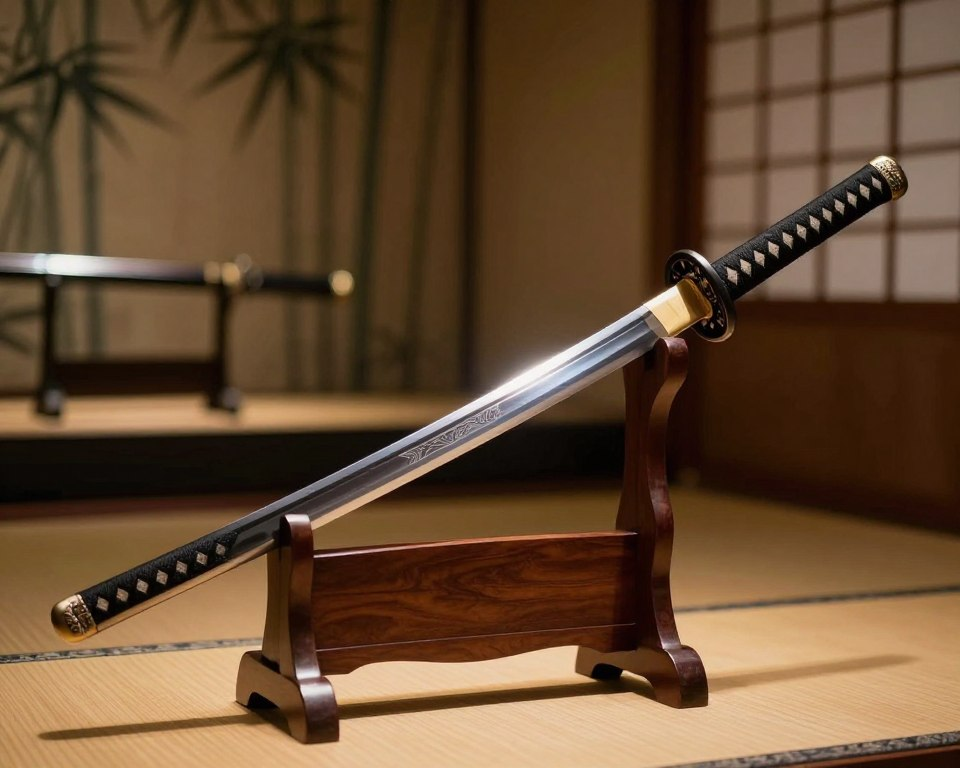
Ultimately, collecting Hattori Hanzo swords requires a deep understanding of Japanese history, sword craftsmanship, and the nuances of authentication.
The Legend of the Unbreakable Sword
Legends surrounding the Hattori Hanzo sword often highlight its extraordinary power and durability, sparking both fascination and skepticism. The Hattori Hanzo sword, a symbol of Japanese craftsmanship, has been enveloped in a mythology that transcends its historical significance.
The stories surrounding this sword are not just mere fantasies but are rooted in the cultural and historical context of Japan. To understand the legend of the Hattori Hanzo sword, it’s essential to delve into the folklore and historical accounts that have contributed to its legendary status.
Stories Surrounding the Sword’s Power
Many tales have been told about the exceptional strength and cutting ability of the Hattori Hanzo sword. Some stories claim that these swords were so sharp and resilient that they could cut through any material without sustaining damage. Such claims have contributed to the sword’s legendary reputation, making it a subject of interest among historians and collectors.
“The sword is not just a weapon; it is a work of art, a symbol of honor, and a representation of the soul of the samurai.”
The influence of folklore on the mythology of the Hattori Hanzo sword cannot be overstated. Folklore has played a significant role in exaggerating the sword’s capabilities, often blurring the lines between fact and fiction.
The Influence of Folklore on Sword Mythology
Folklore has significantly contributed to the Hattori Hanzo sword’s legendary status. Stories passed down through generations have embellished the sword’s characteristics, often attributing supernatural or extraordinary qualities to it. This mythology has been perpetuated through various forms of media and oral traditions.
| Aspect | Historical Fact | Legendary Claim |
|---|---|---|
| Durability | Known for high-quality craftsmanship | Unbreakable |
| Sharpness | Sharp and effective in combat | Could cut through any material |
| Significance | Symbol of honor and skill | Possesses supernatural powers |
Historical Truths Behind Legendary Claims
While the Hattori Hanzo sword is indeed a remarkable piece of craftsmanship with significant historical importance, separating fact from fiction is crucial. The historical truths behind the legendary claims often reveal a more nuanced reality. For instance, the sword’s durability and sharpness are well-documented, but the notion of it being “unbreakable” is likely an exaggeration.
Understanding the historical context and the cultural significance of the Hattori Hanzo sword can provide insights into how these legends were formed and perpetuated. It’s also important to consider the role of hattori hanzo sword replica in popularizing the legend, as replicas often carry the legacy and mythology of the original swords.
The historical significance of the Hattori Hanzo sword lies not only in its craftsmanship but also in its representation of the cultural and martial values of the samurai era. By examining both the historical facts and the legendary claims, we can gain a deeper understanding of the sword’s enduring legacy.
Hattori Hanzo and the Shinobi
Delving into Hattori Hanzo’s relationship with the ninja culture reveals the intricacies of his historical significance. Hattori Hanzo was indeed associated with the ninja culture, and his role as a leader of Iga ninja groups is well-documented.
Connection to Ninja Culture
Hattori Hanzo’s connection to the shinobi, or ninja, is a significant aspect of his legacy. As a leader of the Iga ninja groups, Hanzo played a crucial role in the strategic operations of the Takeda and later the Tokugawa clans. The ninja were known for their espionage and guerrilla warfare tactics, and Hanzo’s involvement with them underscores his adaptability and strategic importance.
The synergy between Hanzo and the ninja culture is also reflective of the complex socio-political landscape of feudal Japan. The ninja, often operating in the shadows, were vital for gathering intelligence and conducting covert operations. Hanzo’s leadership among these groups highlights his understanding of the value of unconventional warfare and espionage.
The Role of Swords in Espionage
Swords played a pivotal role in the arsenal of the ninja, serving not only as weapons but also as tools for espionage. The Hattori Hanzo sword, renowned for its quality and craftsmanship, would have been an invaluable asset in the hands of a skilled ninja. The sword’s design and functionality made it suitable for close combat and stealth operations.
In the context of espionage, swords like those attributed to Hattori Hanzo were often used in covert operations. The ninja employed various tactics, including the use of short swords or daggers, which were easier to conceal and use in tight spaces. The craftsmanship of these swords, often bearing the signature of skilled swordsmiths like Hanzo, added to their lethality and effectiveness.
Famous Techniques and Tactics
The ninja, with whom Hanzo was closely associated, were known for their innovative tactics and techniques. These included the use of disguise, deception, and surprise attacks. The employment of swords in these tactics was central, with ninja often using their blades in conjunction with other tools and strategies to achieve their objectives.
Some of the famous techniques attributed to the ninja include the use of shuriken (throwing stars) and ninja-to (ninja swords), which were designed for specific combat situations. The versatility and adaptability of the ninja, coupled with their arsenal of weapons, made them formidable opponents in the shadows of feudal Japan.
The Impact of Hattori Hanzo on Martial Arts
As a figure of historical significance, Hattori Hanzo’s impact on modern martial arts cannot be overstated. His techniques and strategies, developed during the Sengoku period, continue to influence contemporary martial practices.
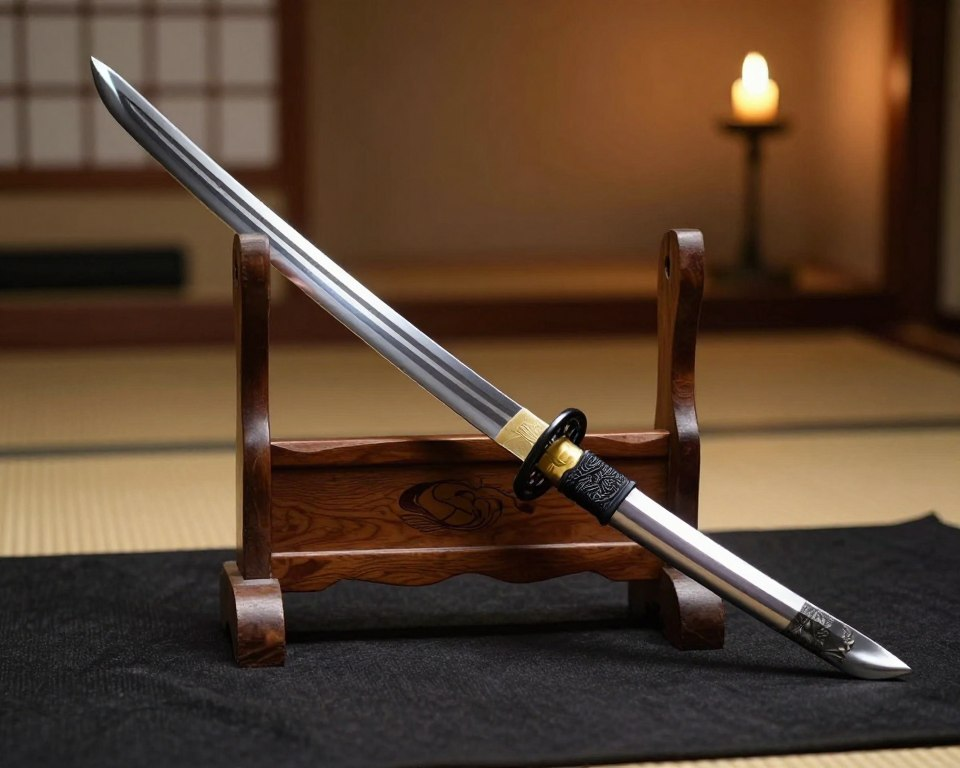
Influence on Modern Martial Arts
Hattori Hanzo’s legacy extends into various modern martial arts, with his emphasis on discipline, strategy, and swordsmanship remaining relevant. Many martial arts schools today incorporate elements of his teachings into their curricula.
The study of Hattori Hanzo’s tactics and sword techniques provides valuable insights into the historical context of Japanese martial arts. By understanding his methods, practitioners can gain a deeper appreciation for the evolution of martial arts.
Training Practices Inspired by Hanzo’s Techniques
Several training practices have been inspired by Hattori Hanzo’s techniques, including:
- Focus on mental discipline: Hanzo’s approach to martial training emphasized the importance of mental toughness and focus.
- Strategic planning: His strategies for combat and espionage are studied by martial artists to improve their tactical thinking.
- Swordsmanship techniques: The techniques developed by Hanzo are still practiced today, offering a connection to the historical roots of Japanese sword fighting.
The Role of Swordsmanship in Martial Arts Today
Swordsmanship remains a vital component of many martial arts disciplines. The techniques and philosophies developed by Hattori Hanzo continue to influence the practice of sword fighting, emphasizing the importance of skill, strategy, and mental discipline.
To verify the authenticity of a Hattori Hanzo sword, one must consider several factors, including the sword’s craftsmanship, historical documentation, and provenance. A genuine Hattori Hanzo sword is not only a valuable collector’s item but also a significant piece of martial history.
The Cultural Significance of Swords in Japan
In Japan, swords are not merely weapons but carry deep cultural and symbolic meanings. They have been an integral part of Japanese history, art, and spirituality for centuries.
The significance of swords in Japanese culture can be understood through their role as artifacts and symbols. Swords are considered works of art, reflecting the skill and craftsmanship of their makers. They symbolize honor, loyalty, and discipline, values that are deeply ingrained in Japanese culture.
Swords as Artifacts and Symbols
Swords are revered as artifacts that embody the spirit of their creators and the era in which they were made. The craftsmanship of Japanese swords is renowned worldwide, with master swordsmiths dedicating their lives to perfecting their art.
- The intricate design and meticulous attention to detail in sword making reflect the high level of craftsmanship.
- Swords are often passed down through generations as family heirlooms, symbolizing continuity and tradition.
Rituals and Ceremonies Involving Swords
Swords play a significant role in various Japanese rituals and ceremonies. They are used in:
- Martial arts ceremonies, where they symbolize discipline and respect.
- Traditional Shinto ceremonies, where they are used to purify and protect.
The Spiritual Aspect of Swords in Shinto Beliefs
In Shinto beliefs, swords are considered sacred objects that embody the spirit of the gods. They are believed to possess spiritual power and are often used in rituals to ward off evil spirits.
If you’re interested in exploring the world of authentic Japanese swords, including those attributed to legendary figures like Hattori Hanzo, it’s essential to understand their cultural and historical context. For those looking to acquire an authentic Hattori Hanzo sword or learn more about the Hattori Hanzo sword for sale, consulting reputable sources and experts is crucial.
Buying a Hattori Hanzo Sword
Purchasing a Hattori Hanzo sword can be a daunting task, especially for those unfamiliar with the intricacies of Japanese swords. As a symbol of historical significance and craftsmanship, the Hattori Hanzo sword is highly sought after by collectors and martial artists.
Factors to Consider When Buying a Sword
When considering the purchase of a Hattori Hanzo sword, several factors come into play. Authenticity is paramount; verifying the sword’s origin and history is crucial. This involves checking for documentation or provenance that links the sword to Hattori Hanzo or his lineage.
Another critical factor is the craftsmanship. A genuine Hattori Hanzo sword is characterized by exceptional skill and attention to detail. Look for signs of quality, such as the hamon (the tempered edge), the quality of the blade, and the fittings.
Trusted Retailers and Brands
To avoid purchasing a replica, it’s essential to buy from trusted retailers or brands that specialize in Japanese swords. Some reputable dealers have established relationships with artisans and historians, ensuring the authenticity of their products.
When dealing with online retailers, be cautious and look for customer reviews, ratings, and any available documentation or certification that verifies the sword’s authenticity.
Price Ranges and What to Expect
The price of a Hattori Hanzo sword can vary significantly based on factors such as authenticity, condition, and rarity. Antique swords attributed to Hattori Hanzo or his school can command high prices, often ranging into tens of thousands of dollars.
For those on a budget, replicas or modern interpretations of the Hattori Hanzo sword can be more affordable, with prices starting from a few hundred dollars. However, it’s crucial to understand that these are not historical artifacts but rather tributes to the craftsmanship of Hattori Hanzo.
In conclusion, buying a Hattori Hanzo sword requires a combination of knowledge, patience, and diligence. By understanding the factors that determine a sword’s value and authenticity, buyers can make informed decisions and appreciate the historical significance of their purchase.
Conclusion: Fiction or Reality?
The legend of Hattori Hanzo and his sword continues to captivate audiences worldwide, blending historical fact with fictional representations. As we explore the reality behind the Hattori Hanzo sword, it becomes clear that the line between myth and reality is often blurred.
Myth vs. Reality
While the existence of a “real” Hattori Hanzo sword is a topic of debate, understanding its origin provides insight into the historical significance of this iconic weapon. The Hattori Hanzo sword origin is deeply rooted in Japanese history and the craftsmanship of renowned swordsmiths.
Legacy of Hattori Hanzo
The enduring legacy of Hattori Hanzo is a testament to the impact of his sword on Japanese culture and beyond. I find that the fascination with Hattori Hanzo swords stems from a mix of historical reverence and the allure of the legendary.
Reflections on the Iconic Sword
In conclusion, the question of whether there is a real Hattori Hanzo sword may be less relevant than the cultural and historical significance it represents. The Hattori Hanzo sword remains an iconic symbol of Japan’s rich heritage.