Japanese kitchen knives are renowned for their exceptional quality, sharpness, and durability, transforming the cooking experience for home chefs. With numerous options available, selecting the right knives can be overwhelming.
Discovering the must-have knives for every kitchen is crucial. This guide will navigate you through the world of essential kitchen knives, helping you make an informed decision. Understanding the different types and their characteristics is key to enhancing your cooking.
Key Takeaways
- Identify the primary types of Japanese knives for home chefs.
- Understand the characteristics of each knife type.
- Learn how to choose the right knives for your kitchen needs.
- Discover the importance of knife material and maintenance.
- Explore the benefits of investing in high-quality knives.
Understanding Japanese Knives and Their Craftsmanship
Understanding the nuances of Japanese knives requires a look into their rich history and unique features. Japanese knives are not just tools; they are a blend of art, tradition, and functionality, designed to enhance the cooking experience.
The History of Japanese Knife Making
The history of Japanese knife making dates back centuries, with roots in sword making. The techniques and materials used have evolved over time, influenced by various factors including cultural exchange and technological advancements. Japanese knife making is characterized by a deep respect for tradition and a commitment to excellence.
The evolution of Japanese knives has been shaped by the country’s culinary needs and cultural practices. For instance, the emphasis on raw fish in Japanese cuisine led to the development of knives with specific characteristics, such as the Yanagiba, designed for slicing fish with precision.
Unique Features of Japanese Knives
Japanese knives are distinguished by their unique features, including their construction, edge retention, and balance. Unlike many Western knives, Japanese knives are often made with extra-hard, high-carbon steel with an iron core, making them exceptionally sharp and durable.
- Thin and Light Blades: Japanese knives typically have thinner and lighter blades, allowing for precision and ease of use.
- Sharpness and Edge Retention: The high-carbon steel used in Japanese knives enables them to achieve a very sharp edge and retain it for a long time.
- Ergonomic Design: Many Japanese knives are designed with ergonomic handles that fit comfortably in the hand, reducing fatigue during extended use.
The Importance of Blade Materials
The materials used in the construction of Japanese knives play a crucial role in their performance and longevity. High-carbon steel is prized for its hardness and ability to hold a sharp edge. The choice of blade material can significantly affect the knife’s sharpness, durability, and maintenance requirements.
| Material | Characteristics | Maintenance |
|---|---|---|
| High-Carbon Steel | Hard, holds sharp edge well | Requires regular sharpening and care to prevent rust |
| Stainless Steel | Resistant to corrosion, easier to maintain | Less hard than high-carbon steel, may not hold edge as well |
The Must-Have Japanese Knives for Every Kitchen
Every kitchen deserves a set of versatile Japanese knives that can handle various tasks with ease. Japanese knives are renowned for their sharpness, durability, and aesthetic appeal, making them a valuable addition to any kitchen. Among the numerous types available, there are three that stand out as essential for everyday cooking.
Santoku Knife: The All-Purpose Performer
The Santoku knife is a multipurpose knife that excels at chopping, slicing, and mincing vegetables, meat, and fish. Its straight edge and flat blade make it ideal for push-pull cutting motions, allowing for precise control and minimal waste. When choosing a Santoku knife, consider top Japanese knife brands known for their high-quality materials and craftsmanship.
“A good Santoku knife can become your go-to tool in the kitchen, simplifying meal preparation and enhancing your overall cooking experience,” as noted by culinary experts. The Santoku’s versatility makes it a favorite among home cooks and professional chefs alike.
Chef’s Knife: The Versatile Workhorse
The Chef’s Knife, or Gyuto in Japanese, is designed for a variety of tasks, from chopping and slicing to mincing and dicing. Its curved blade allows for a smooth, rocking motion, making it efficient for chopping herbs or slicing through meat. The best Japanese knives in this category are prized for their balance, sharpness, and durability.
- Look for a Chef’s Knife with a comfortable handle that fits your grip.
- Consider the blade’s material and edge retention.
- A well-balanced knife will make a significant difference in your cooking routine.
Petty Knife: The Small but Mighty Tool
The Petty knife is a smaller, more precise tool used for detailed work such as coring fruit, trimming fat, or slicing small vegetables. Its compact size and sharp edge make it an indispensable asset for any kitchen. When selecting a Petty knife, look for top Japanese knife brands that offer high-quality, precision-forged knives.
Using a Petty knife can add a level of precision to your cooking, allowing for more intricate preparations and presentations. It’s a testament to the saying, “the right tool for the job makes all the difference.”
Specialty Japanese Knives to Consider
Japanese knife craftsmanship is renowned for its diversity, with several specialty knives designed for specific tasks. These knives not only reflect the precision and artistry of Japanese cutlery but also cater to the nuanced needs of various cooking techniques.
Yanagiba Knife: The Sushi Expert
The Yanagiba knife is a long, slender knife primarily used for slicing fish for sushi and sashimi. Its length allows for smooth, even cuts, making it an essential tool for chefs who specialize in sushi preparation.
Deba Knife: For Fish Preparation
The Deba knife is a traditional Japanese filleting knife used for preparing fish and breaking down poultry. Its robust blade is designed to withstand the rigors of cutting through bones and thick flesh.
Usuba Knife: The Vegetable Master
The Usuba knife is a vegetable knife known for its thin, straight blade, ideal for precise cuts and intricate vegetable preparation. It’s a favorite among chefs who value the art of vegetable cutting.
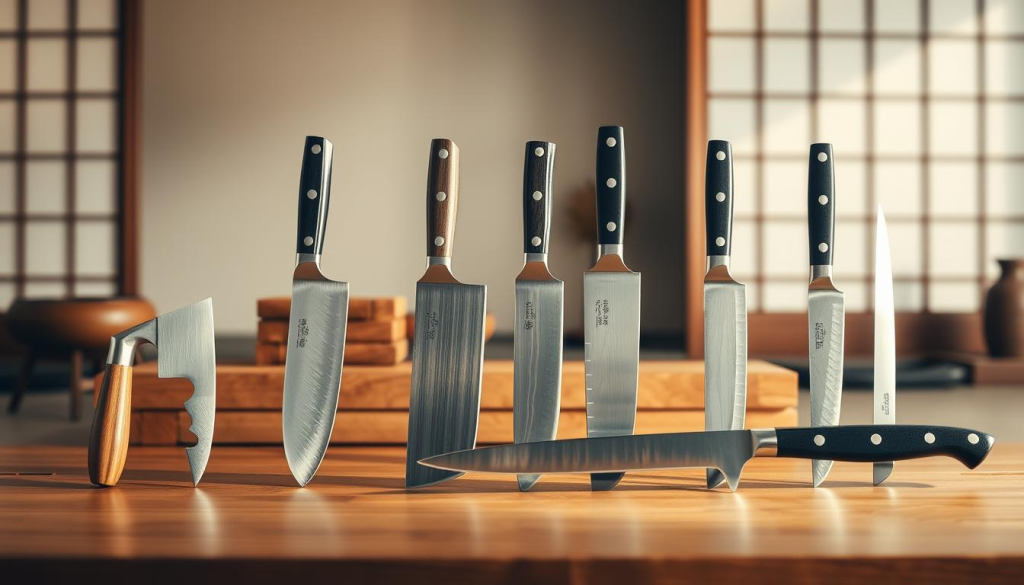
When choosing specialty Japanese knives, it’s essential to consider the specific tasks you’ll be using them for. Whether it’s the elegance of slicing sushi with a Yanagiba, the robustness of filleting fish with a Deba, or the precision of cutting vegetables with an Usuba, each knife offers unique benefits.
| Knife Type | Primary Use | Blade Characteristics |
|---|---|---|
| Yanagiba | Slicing fish for sushi and sashimi | Long, slender blade |
| Deba | Fish preparation and poultry | Robust, thick blade |
| Usuba | Vegetable preparation | Thin, straight blade |
Understanding the roles these specialty knives play can help you refine your cooking techniques and expand your culinary repertoire. Whether you’re a professional chef or an enthusiastic home cook, incorporating these knives into your kitchen arsenal can elevate your cooking to new heights.
Comparing Japanese Knives and Western Knives
Japanese and Western knives have distinct features that set them apart, making it essential to compare them to determine the best fit for your cooking needs. Understanding these differences can help you choose the right tool for your kitchen.
Blade Shapes and Uses
The shape of a knife’s blade significantly influences its use. Japanese knives tend to have straighter edges and more angular shapes, making them ideal for precise cuts. Western knives, on the other hand, often have more curved edges, which are better suited for chopping and rocking motions.
Key differences in blade shapes include:
- Japanese knives: Straight edge, angular shape
- Western knives: Curved edge, more rounded shape
Steel Types and Maintenance
The type of steel used in a knife affects its sharpness, durability, and maintenance needs. Japanese knives are known for their high-carbon steel, which makes them harder and sharper but also more brittle. Western knives often use stainless steel or high-carbon stainless steel, which offers greater durability and resistance to corrosion.
| Feature | Japanese Knives | Western Knives |
|---|---|---|
| Steel Type | High-carbon steel | Stainless steel or high-carbon stainless steel |
| Sharpness | Very sharp | Sharp, but less than Japanese knives |
| Durability | Brittle, prone to chipping | More durable, resistant to corrosion |
“The quality of a knife is not just about its material, but also about its craftsmanship and the care it receives.”
Handle Styles and Grip Preferences
The handle style and grip of a knife can greatly affect its comfort and usability. Japanese knives often have simpler, more minimalist handles, while Western knives may have more elaborate designs and materials.
When choosing a knife, consider the handle style that feels most comfortable to you.
How to Choose the Right Japanese Knife
The right Japanese knife can elevate your cooking experience, but how do you choose the one that’s right for you? Selecting the ideal knife involves considering several factors that align with your cooking habits and personal preferences.
Consider the Type of Cooking You Do
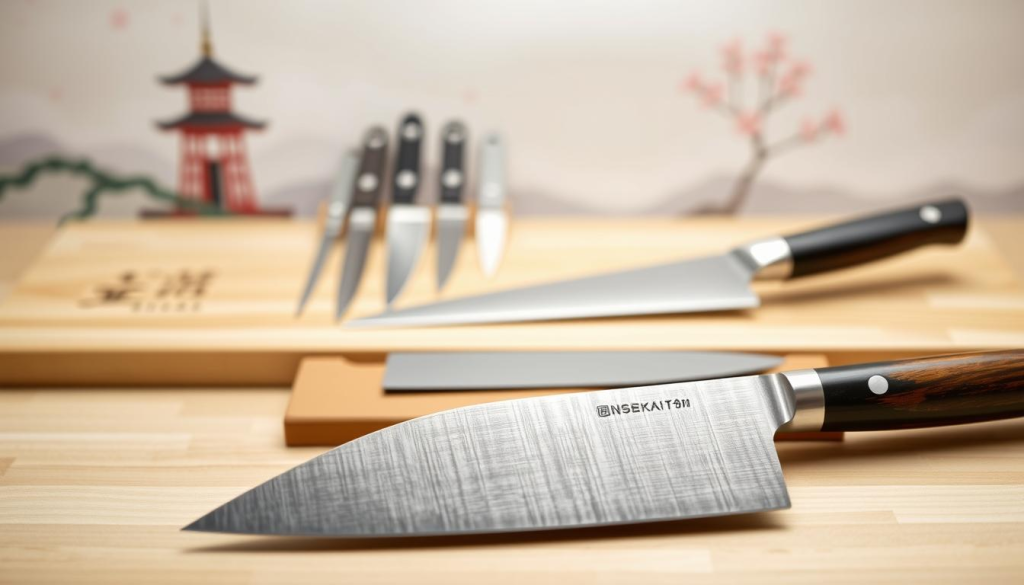
Your cooking style and the types of dishes you prepare most often should guide your choice of Japanese knife. For instance, if you frequently cook Asian dishes that require precise vegetable cuts, a Santoku or Usuba knife might be an excellent choice. On the other hand, if you’re more into preparing sushi, a Yanagiba knife would be more suitable.
- If you do a lot of chopping, a knife with a straight or slightly curved edge might be best.
- For slicing tasks, a knife with a long, curved blade can be more efficient.
- If you’re looking for an all-around knife, consider a Santoku or Chef’s knife.
Hand Size and Comfort
The size and comfort of the knife in your hand are crucial. A knife that feels balanced and comfortable will make cooking more enjoyable and reduce the risk of accidents. Consider the following:
- Handle size: Ensure the handle fits comfortably in your hand.
- Blade length: Choose a blade length that suits your cooking tasks and hand size.
- Weight: Some prefer heavier knives for their stability, while others like lighter knives for their maneuverability.
Weight and Balance
The weight and balance of a Japanese knife significantly affect its usability. A well-balanced knife feels like an extension of your hand, making cutting tasks easier and more precise. When trying out a knife, pay attention to how it feels when held and used.
By considering these factors, you can find a Japanese knife that not only meets your cooking needs but also enhances your overall cooking experience. Whether you’re a beginner or an experienced cook, the right knife can make a significant difference in your culinary endeavors.
Caring for Your Japanese Knives
Caring for your Japanese knives is not just about maintaining their sharpness; it’s about preserving their craftsmanship. Proper care and maintenance are essential to extend the life of these precision instruments.
Proper Cleaning Techniques
Cleaning your Japanese knives immediately after use is crucial. Avoid putting them in the dishwasher, as the high heat and harsh detergents can damage the blade and handle. Instead, gently wash them by hand with mild soap and dry them thoroughly to prevent rust.
- Wipe the knife clean with a soft cloth after each use.
- Use a mild detergent that is free from abrasive particles.
- Dry the knife immediately to prevent water spots and rust.
Sharpening Your Knives: Tools and Tips
Sharpening is a critical aspect of knife maintenance. Japanese knives are known for their sharpness, and maintaining this sharpness requires the right tools and techniques.
Sharpening Tools:
| Tool | Description | Use Case |
|---|---|---|
| Whetstone | A flat, rectangular stone used for sharpening | Ideal for precise sharpening and maintaining edge quality |
| Sharpening Steel | A long, thin rod made of steel or ceramic | Used for honing and realigning the edge between sharpenings |
Storage Solutions for Longevity
Proper storage is vital to protect your Japanese knives from damage and maintain their condition.
Storage Options:
- Knife Block: A wooden or plastic block with slots to hold knives.
- Magnetic Strip: A strip mounted on the wall or under a cabinet where knives can be hung.
- Knife Roll: A fabric or leather roll that can be tied up with knives inside.
By following these care and maintenance tips, you can ensure that your Japanese knives remain in excellent condition, providing you with years of reliable service and exceptional performance in the kitchen.
Investing in Quality Japanese Knives
When it comes to enhancing your culinary skills, investing in quality Japanese knives is a great starting point. Japanese knives are renowned for their sharpness, durability, and craftsmanship, making them a valuable addition to any kitchen.
Understanding the factors that influence the price of Japanese knives is crucial for making an informed investment. The price can vary significantly based on the materials used, the craftsmanship involved, and the brand reputation.
Understanding Price Ranges
Japanese knives can range from affordable to very expensive. Entry-level knives can start from around $50, offering a good introduction to Japanese knife craftsmanship. High-end knives, on the other hand, can cost several hundred dollars, featuring premium materials and exceptional craftsmanship.
| Price Range | Description | Target User |
|---|---|---|
| $50-$200 | Entry-level to mid-range knives with good quality steel and craftsmanship. | Home cooks and beginners. |
| $200-$500 | Mid-range to high-end knives with superior materials and edge retention. | Serious home cooks and professionals. |
| $500+ | High-end knives with premium materials, exceptional craftsmanship, and brand reputation. | Professional chefs and collectors. |
Where to Buy Authentic Japanese Knives
To ensure you’re buying authentic Japanese knives, consider purchasing from reputable dealers or directly from the manufacturer’s website. Specialty kitchen stores and online marketplaces that specialize in culinary tools are also good sources.
Recognizing Brand Reputation and Quality
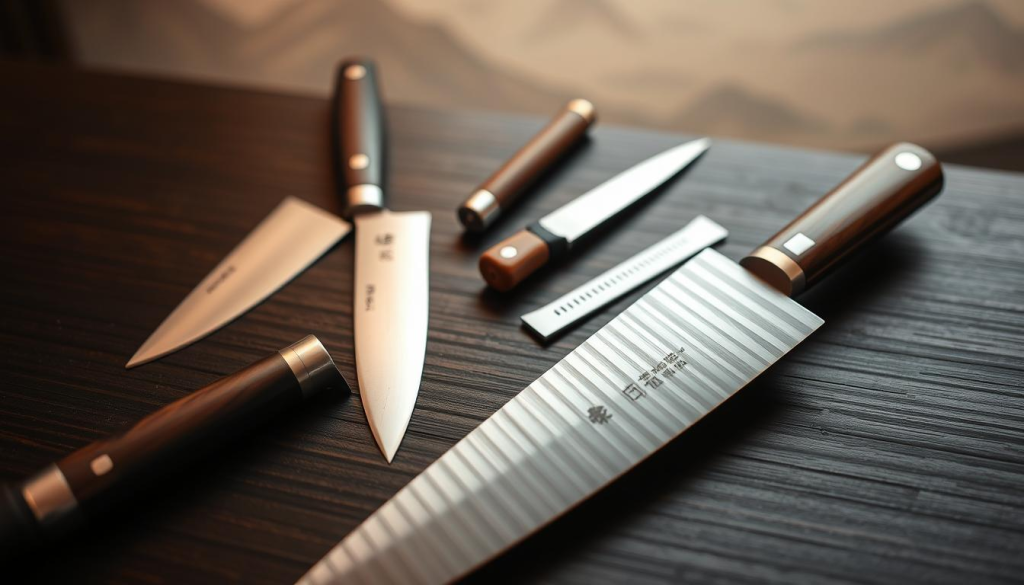
When investing in Japanese knives, it’s essential to recognize brands that are known for their quality and craftsmanship. Brands like Shun, Global, and Takeda have established themselves as leaders in the industry, offering high-quality knives that are both functional and durable.
- Research the brand’s history and reputation.
- Read reviews and testimonials from other customers.
- Compare the quality and features of different models.
By understanding the price ranges, knowing where to buy authentic products, and recognizing reputable brands, you can make an informed decision when investing in quality Japanese knives.
Popular Japanese Knife Brands in the Market
The world of Japanese knives is dominated by several renowned brands that have garnered international acclaim for their exceptional quality and craftsmanship. These brands have not only mastered the traditional techniques of Japanese knife-making but have also innovated and adapted to modern needs.
Global Knives: A Blend of Tradition and Modernity
Global knives are celebrated for their unique blend of traditional Japanese craftsmanship and modern design elements. Their knives are known for being lightweight, with ergonomic handles that provide comfort and precision. The Global knife brand is particularly noted for its high-quality stainless steel blades that retain their sharpness.
Shun: Artistry Meets Functionality
Shun is another prestigious brand that has made a significant impact in the world of Japanese knives. Known for their exquisite craftsmanship, Shun knives are often considered works of art. They feature a unique VG-MAX steel alloy that provides exceptional sharpness and durability. The attention to detail in Shun knives is unparalleled, making them a favorite among professional chefs and culinary enthusiasts alike.
Takeda: Formed by Tradition
Takeda knives embody the traditional spirit of Japanese knife-making, with a focus on high-carbon stainless steel that ensures strength and resistance to corrosion. The brand is recognized for its commitment to quality and the traditional methods employed in crafting their knives. Takeda knives are designed to meet the needs of both professional chefs and home cooks, offering a range of styles and sizes.
When selecting a Japanese knife, it’s essential to consider the brand’s reputation, the quality of materials used, and the craftsmanship involved. The following table provides a comparison of the mentioned brands based on key factors:
| Brand | Material | Edge Retention | Ergonomics |
|---|---|---|---|
| Global | High-quality stainless steel | Excellent | Very Ergonomic |
| Shun | VG-MAX steel alloy | Exceptional | Highly Comfortable |
| Takeda | High-carbon stainless steel | Very Good | Traditional, yet comfortable |
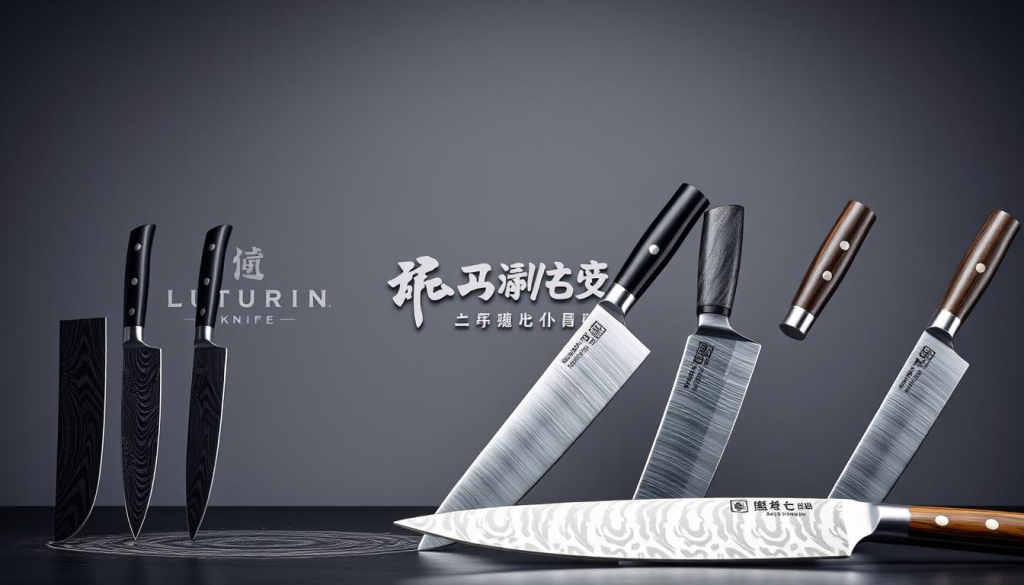
In conclusion, the top Japanese knife brands such as Global, Shun, and Takeda offer a range of high-quality knives that cater to different needs and preferences. Whether you’re a professional chef or a culinary enthusiast, investing in a knife from one of these reputable brands can significantly enhance your cooking experience.
Final Thoughts on Japanese Knives
As you explore the world of Japanese knives, you’ll discover that the right tool can elevate your cooking experience. Building a collection that suits your needs can be a rewarding journey, allowing you to refine your cooking techniques and enhance your overall culinary experience.
Cultivating Your Cooking Style
When it comes to choosing japanese knives, consider the type of cooking you do most often. Whether you’re preparing sushi, chopping vegetables, or slicing meat, having the right knife can make all the difference. Think about how many japanese knives should i have to meet your cooking needs.
Enhancing Your Kitchen
Investing in quality japanese knives is a step towards embracing the art of japanese cooking. As you build your personalized knife collection, you’ll find that each knife becomes an extension of your cooking style, making meal preparation more enjoyable and efficient.
The joy of cooking with quality tools is undeniable. With the right japanese knives, you’ll be able to tackle a variety of dishes with confidence and precision, taking your cooking to the next level.