Shun knives are renowned for their exceptional craftsmanship and performance. However, like any high-carbon steel product, they require maintenance to prevent rust. The material used in Shun knives, such as VG-MAX and VG10, plays a significant role in their rust resistance.
Understanding the materials used is the first step in knowing how to prevent rust. By taking proper care, users can maintain the quality and longevity of their Shun knives.
Key Takeaways
- Shun knives are made from high-carbon stainless steels like VG-MAX and VG10.
- Proper maintenance is crucial to prevent rust.
- Understanding the material is key to rust prevention.
- Regular care ensures the longevity of Shun knives.
- High-carbon steel requires special maintenance.
Understanding Shun Knives and Their Material
Understanding the materials used in Shun knives is crucial for appreciating their value and maintaining their condition. Shun knives are crafted with precision, using high-quality materials that contribute to their durability and performance.
What Materials Are Used in Shun Knives?
Shun knives are made from various premium materials, including VG-MAX, VG10, and AUS10A stainless steel. Each of these materials has unique properties that enhance the knife’s overall performance and rust resistance.
| Material | Properties | Benefits |
|---|---|---|
| VG-MAX | High carbon content, corrosion-resistant | Durable, retains sharpness |
| VG10 | High chromium content, resistant to rust | Sharpens well, durable |
| AUS10A | High carbon content, balanced hardness | Sharpens easily, corrosion-resistant |
The use of these high-quality materials ensures that Shun knives remain sharp and durable over time. As noted by a renowned chef, “The quality of a knife is not just about its sharpness, but also its ability to withstand the rigors of frequent use.”
“A good knife is like a good friend; it becomes an extension of yourself in the kitchen.”
Why Choose Shun Knives Over Other Brands?
Shun knives stand out due to their exceptional craftsmanship and the use of premium materials. The attention to detail in their construction ensures a superior cutting experience.
Choosing Shun knives means investing in a tool that is designed to last, with proper care and maintenance. By understanding the materials used and following best practices for maintenance, you can enjoy your Shun knives for years to come.
Do Shun Knives Actually Rust?
Understanding the rust susceptibility of Shun knives is crucial for their maintenance. Shun knives, known for their high-quality materials and craftsmanship, are used by both professional chefs and home cooks. However, like any other steel product, they can be susceptible to rust if not properly cared for.
The Science Behind Rust Formation
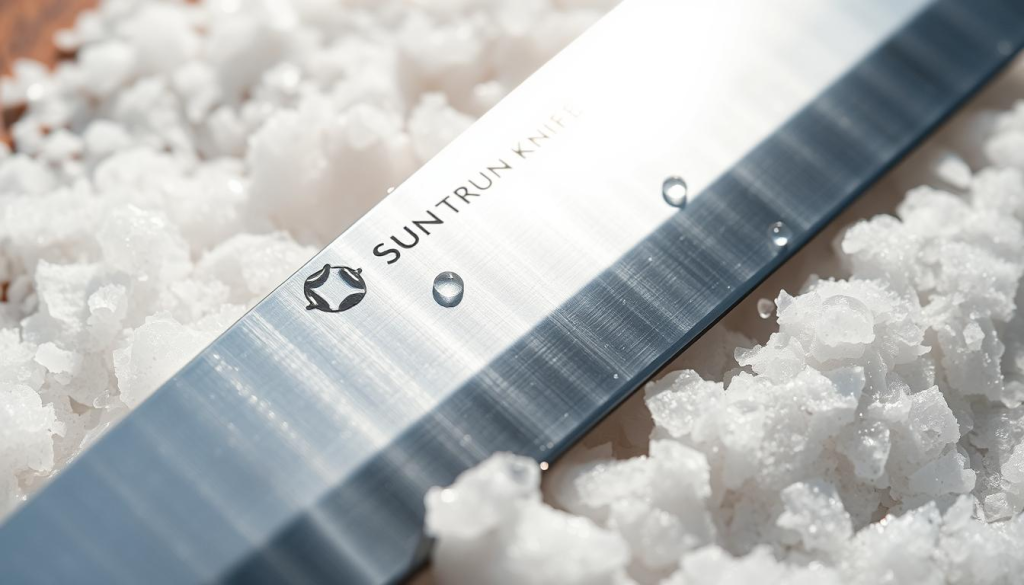
Rust formation on knives is primarily due to the presence of moisture and oxygen. High-carbon steel, while durable, can rust if exposed to certain conditions. The science behind rust involves the oxidation of iron in the presence of oxygen and water, leading to the formation of iron oxide, or rust.
Key factors that contribute to rust include high humidity, exposure to acidic substances, and improper drying after washing. To prevent rust, it’s essential to understand these factors and take proactive steps.
Factors That Contribute to Rusting
Several factors can contribute to the rusting of Shun knives. These include:
- Exposure to acidic foods like citrus or tomatoes
- High humidity environments
- Improper drying after washing
- Storage in a humid or poorly ventilated area
By being aware of these factors, users can take steps to avoid rust on their Shun knives. Regular maintenance and proper care are key to keeping these knives in good condition.
To keep your Shun knives rust-free, follow tips for maintaining your knives, such as regular cleaning, drying, and proper storage. By doing so, you can enjoy your Shun knives for years to come without worrying about rust.
Types of Steel Used in Shun Knives
The steel used in Shun knives plays a crucial role in their performance and durability. Shun knives are crafted from high-quality materials that are designed to provide exceptional sharpness, durability, and resistance to corrosion.
VG-MAX Steel and Its Benefits
One of the key steel types used in Shun knives is VG-MAX steel. This high-carbon steel is known for its exceptional sharpness retention and durability. The high carbon content in VG-MAX steel allows it to be hardened to a very high level, making it ideal for knives that require a sharp edge.
VG-MAX steel also contains chromium, which provides excellent corrosion resistance. This means that Shun knives made from VG-MAX steel are not only sharp and durable but also resistant to rust and corrosion.
The Role of Stainless Steel in Rust Resistance
In addition to VG-MAX steel, some Shun knives incorporate stainless steel elements to enhance their rust resistance. Stainless steel contains a minimum of 10.5% chromium content, which forms a protective layer on the surface of the steel, preventing rust and corrosion.
The combination of high-carbon steel and stainless steel in Shun knives provides a balance between sharpness, durability, and rust resistance. This makes Shun knives suitable for a wide range of kitchen tasks, from cutting acidic foods to handling moist ingredients.
By understanding the types of steel used in Shun knives, users can better appreciate the craftsmanship and quality that goes into each knife. Proper care and maintenance, including regular cleaning and drying, can further enhance the performance and longevity of these exceptional knives.
Proper Care and Maintenance Techniques
To keep your Shun knives in pristine condition, it’s essential to understand the proper care and maintenance techniques. Proper care not only ensures the longevity of your knives but also maintains their performance and aesthetic appeal.
Cleaning Your Shun Knives Correctly
Cleaning your Shun knives correctly is the first step in maintaining them. It’s recommended to hand wash your knives with mild soap and dry them immediately. Avoid using abrasive materials or harsh chemicals, as they can damage the knife’s finish. Always clean your knives immediately after use to prevent food residue from drying onto the blade.
The Importance of Drying After Washing
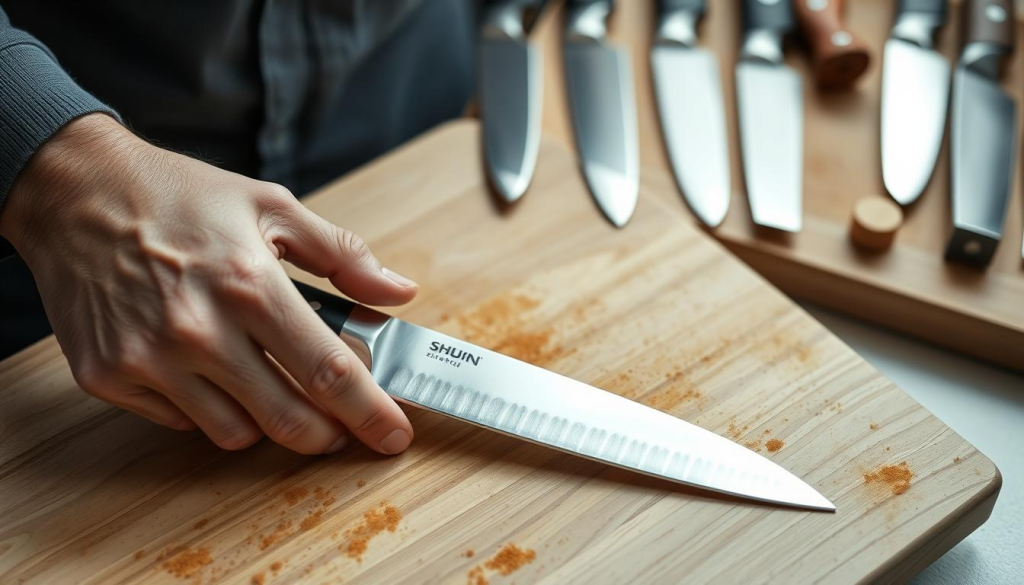
Drying your Shun knives after washing is crucial in preventing rust. Water spots can lead to rust if left to dry on the blade. Use a soft cloth to dry your knives thoroughly, paying extra attention to the area where the blade meets the handle.
Storage Tips to Prevent Rust
Proper storage is also vital in maintaining your Shun knives. Store your knives in a dry place, away from other metals that can cause scratching or rust. Consider using a knife block or a magnetic strip that allows for airflow around the blades. Avoid storing your knives in a humid environment or wrapping them in a damp cloth.
Common Myths About Shun Knives and Rust
The notion that Shun knives are completely rust-proof is a common misconception. While Shun knives are made from high-quality materials, including VG-MAX steel, which is known for its resistance to corrosion, they are not entirely immune to rust under certain conditions.
Debunking Rust Myths
One of the primary myths surrounding Shun knives is that their stainless steel construction makes them completely resistant to rust. However, stainless steel is not entirely rust-proof; it can still corrode under specific circumstances, such as exposure to high humidity, salt, or acidic substances.
To keep your Shun knives in optimal condition, it’s essential to understand that regular maintenance is key. This includes proper cleaning, drying, and storage. By following these simple steps, you can significantly reduce the risk of rust forming on your knives.
Understanding Oxidation vs. Rust
Many users confuse oxidation with rust. While both are chemical reactions that can affect the appearance and integrity of your Shun knives, they are distinct processes. Oxidation refers to the formation of a layer on the surface of the metal when it reacts with oxygen, which can lead to discoloration. Rust, on the other hand, is a specific type of oxidation that involves the reaction of iron with oxygen and moisture, leading to the degradation of the metal.
| Process | Description | Effect on Shun Knives |
|---|---|---|
| Oxidation | Reaction with oxygen leading to surface layer formation | Discoloration, potential for rust if not maintained |
| Rust | Reaction of iron with oxygen and moisture | Degradation of metal, weakening the knife |
Understanding the difference between these two processes can help you better care for your Shun knives and prevent unwanted damage. By adopting proper care and maintenance habits, you can enjoy your Shun knives for years to come without worrying about rust.
How to Spot Signs of Rust on Shun Knives
One of the key aspects of Shun knife care is identifying rust before it becomes a major problem. Rust can compromise the integrity and appearance of your Shun knives, but with regular inspection and proper maintenance, you can prevent it from becoming a significant issue.
Visual Indicators of Rust
Rust on Shun knives often appears as orange or brown spots, typically on the blade. These spots can be small and may not immediately affect the knife’s performance, but they can quickly escalate if not addressed.
Common areas to inspect for rust include:
- The edge of the blade
- Areas around the bolster
- The back of the blade, especially near the spine
What to Do If You Find Rust
If you discover rust on your Shun knife, it’s essential to act quickly. Here are the steps to follow:
- Clean the knife gently with soap and water to remove any debris.
- Dry the knife thoroughly, paying extra attention to the areas where rust was present.
- Apply a rust inhibitor or a small amount of oil to the affected area to prevent further rust formation.
For more severe rust, you may need to use a gentle scrubber or a rust removal product specifically designed for knives. Always follow the manufacturer’s instructions and test any cleaning solution on a small, inconspicuous area first.
| Rust Severity | Recommended Action |
|---|---|
| Mild | Clean with soap and water, dry, and apply oil |
| Moderate | Use a gentle scrubber and rust inhibitor |
| Severe | Consider professional sharpening or replacement |
Regularly inspecting your Shun knives and addressing any rust promptly is crucial for maintaining their quality and longevity. By following these steps, you can enjoy your Shun knives for years to come, rust-free.
The Importance of Regular Maintenance
Ensuring your Shun knives remain in excellent condition requires a commitment to regular maintenance. This not only includes sharpening but also proper storage and regular inspections to prevent issues like rust.
When to Sharpen Your Shun Knife
Regular sharpening is crucial for maintaining the performance of your Shun knife. It’s recommended to sharpen your knife every few months, depending on usage. A dull knife is not only less effective but can also be dangerous as it requires more force to cut, increasing the risk of accidents.
Signs that your Shun knife needs sharpening include:
- Dullness or difficulty in cutting
- Visible nicks or unevenness on the blade
- Increased pressure required to make cuts
Proactive Steps to Avoid Rust
Preventing rust on your Shun knives involves a combination of proper cleaning, drying, and storage. Here are some proactive steps you can take:
| Maintenance Task | Frequency | Benefits |
|---|---|---|
| Cleaning | After every use | Removes food residue that can cause rust |
| Drying | After every wash | Prevents moisture from accumulating and causing rust |
| Storage | After every use | Proper storage in a dry place or with a rust-inhibiting coating can prevent rust |
Regular maintenance not only extends the life of your Shun knives but also ensures they continue to perform optimally.
Using Shun Knives in Different Environments
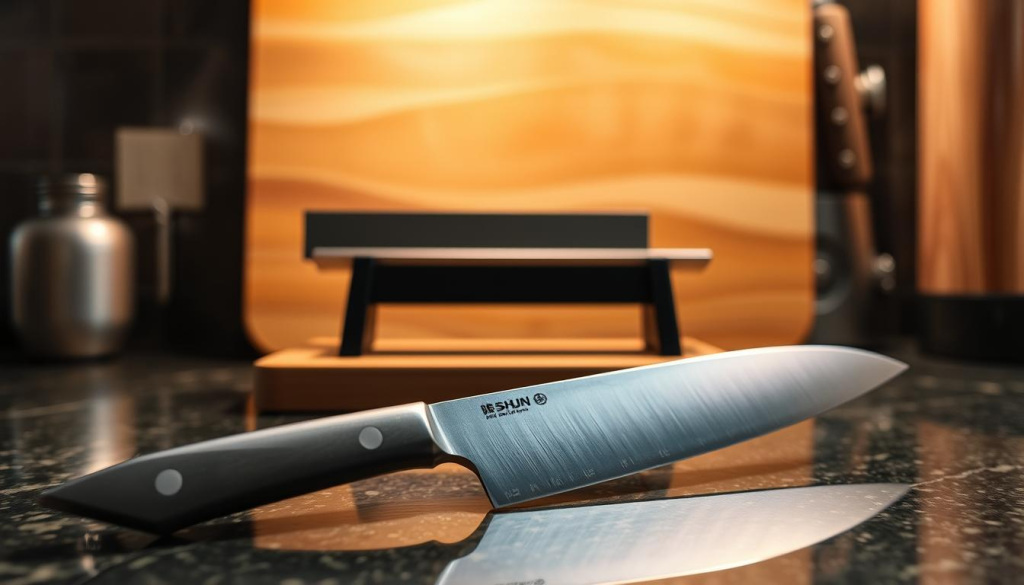
Understanding how different environments affect Shun knives is crucial for maintaining their longevity and performance. The conditions in which you use your Shun knives can significantly impact their maintenance needs.
Kitchen Use vs. Outdoor Use
Shun knives are designed for precision and durability, making them suitable for both kitchen and outdoor use. However, the environment in each setting differs significantly. In the kitchen, knives are generally exposed to controlled temperatures and humidity levels. In contrast, outdoor use exposes knives to varying temperatures, humidity, and potentially harsh conditions.
When using Shun knives outdoors, such as during camping or picnics, it’s essential to be mindful of the increased risk of rust due to exposure to moisture. Proper cleaning and drying after use are critical to prevent rust formation.
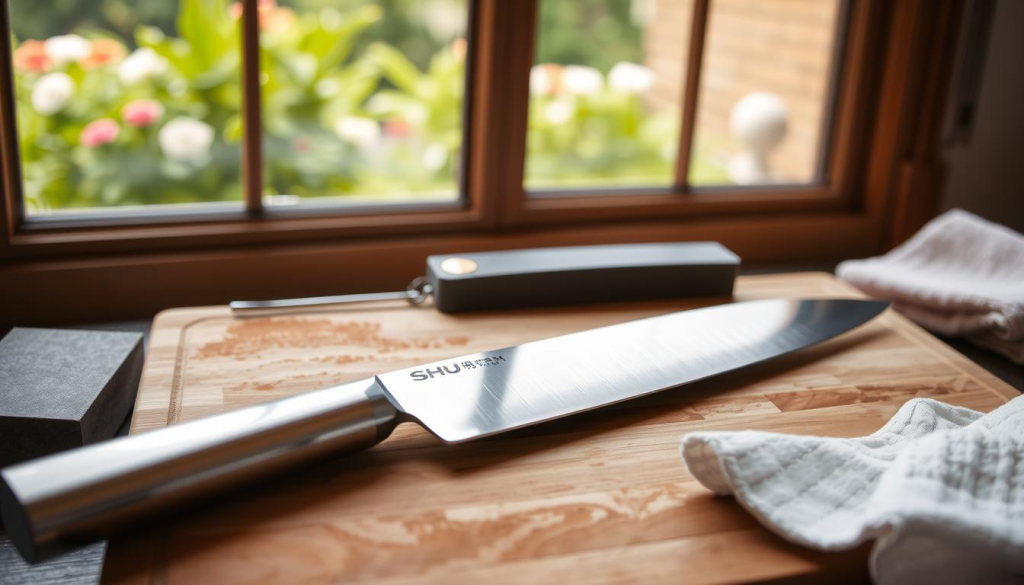
Humidity and Its Effects on Knife Maintenance
Humidity is a significant factor in knife maintenance, particularly for high-carbon steel knives like those in the Shun range. High humidity can accelerate the rusting process if the knife is not properly cared for.
To mitigate the effects of humidity, it’s recommended to:
- Dry your Shun knives thoroughly after washing.
- Apply a thin layer of oil to the blade to protect it from moisture.
- Store knives in a dry environment, such as a knife block or a dry drawer.
| Environment | Risk of Rust | Maintenance Tips |
|---|---|---|
| Kitchen | Low to Moderate | Dry thoroughly, store in a knife block |
| Outdoor | High | Clean and dry immediately, apply oil |
| Humid Environments | Very High | Regularly oil the blade, store in a dry place |
By understanding the impact of different environments on your Shun knives and following these maintenance tips, you can enjoy your knives for years to come while keeping them rust-free.
Warranty and Manufacturer Support
When investing in Shun Knives, understanding the warranty and manufacturer support is crucial for peace of mind. Shun offers a comprehensive warranty that covers manufacturing defects, providing assurance to users about the quality and durability of their knives.
What Does Shun’s Warranty Cover?
Shun’s warranty covers defects in materials and workmanship, including issues related to rust resistance. This means that if your Shun Knife develops rust due to a manufacturing defect, it is likely covered under the warranty. It’s essential to register your knife and keep the receipt as proof of purchase.
- Coverage for manufacturing defects
- Rust resistance issues due to defects in materials
- Warranty registration process
How to Get Support for Rust Issues
If you encounter rust issues with your Shun Knife, the first step is to contact Shun’s customer support. They will guide you through the process of determining whether the issue is covered under the warranty. Prompt maintenance and proper care, as discussed in previous sections, can prevent many issues.
- Contact Shun customer support via their official website or phone.
- Provide detailed information about the issue, including photos if requested.
- Follow the instructions given by the support team for repair or replacement.
Shun’s commitment to quality is reflected in their comprehensive warranty and dedicated customer support. By understanding what is covered and how to seek help when needed, you can enjoy your Shun Knives with confidence.
User Experiences with Shun Knives
Shun knives have garnered a loyal following among both home cooks and professional chefs, who swear by their exceptional quality and performance. The experiences of these users provide valuable insights into the real-world performance and maintenance needs of Shun knives.
Testimonials from Home Chefs
Home chefs who use Shun knives often praise their durability and sharpness. Many have reported that with proper care, their Shun knives remain in excellent condition even after years of use.
One home chef noted, “I’ve been using my Shun knife for over five years, and it still cuts like a dream. The care instructions are simple, and it’s worth the extra effort to keep it in top shape.”
Insights from Professional Chefs
Professional chefs also have high praise for Shun knives, citing their precision and balance as key factors in their preference for the brand.
A professional chef shared, “Shun knives are a game-changer in the kitchen. They require regular maintenance, but the payoff is worth it – they stay sharp and perform consistently.”
| User Group | Key Praises | Maintenance Tips |
|---|---|---|
| Home Chefs | Durability, Sharpness | Regular cleaning, drying, and proper storage |
| Professional Chefs | Precision, Balance | Frequent sharpening, careful handling |
By understanding the experiences of both home chefs and professional chefs, it’s clear that proper care and maintenance are crucial to getting the most out of Shun knives. Whether you’re a seasoned pro or an enthusiastic home cook, following the right care techniques can help prevent rust and ensure your Shun knives remain in top condition.
Frequently Asked Questions About Rust and Shun Knives
Shun knives are renowned for their quality, but users often have questions about their maintenance, particularly regarding rust. Understanding the best practices for caring for your Shun knife can help prevent rust and ensure it remains in top condition.
Can I Use My Shun Knife for Acidic Foods?
Using your Shun knife for acidic foods can potentially increase the risk of rust, as acidic ingredients can react with the metal. However, with proper care, you can minimize this risk. It’s essential to clean your knife thoroughly after use with acidic foods.
Tips for using your Shun knife with acidic foods:
- Clean the knife immediately after use
- Dry the knife thoroughly to prevent water spots
- Apply a small amount of oil to the blade to protect it from rust
How Long Will a Shun Knife Last With Proper Care?
With proper care, a Shun knife can last for many years. The high-quality materials and craftsmanship that go into making Shun knives ensure they remain durable and resistant to rust when maintained correctly.
Factors that affect the longevity of your Shun knife:
| Factor | Description | Impact on Longevity |
|---|---|---|
| Material Quality | High-carbon steel, stainless steel | High-quality materials increase durability |
| Maintenance | Regular cleaning, drying, and oiling | Proper maintenance extends lifespan |
| Usage | Frequency of use, type of foods prepared | Heavy use can reduce lifespan if not properly maintained |
By following these tips and understanding the factors that affect your Shun knife’s longevity, you can enjoy your knife for years to come.
Conclusion: Enjoying Your Shun Knives Without Rust Worries
With the right care and maintenance, Shun knives can remain in excellent condition, free from rust. By understanding and implementing proper care techniques, users can enjoy their Shun knives for a long time.
Effective Care for Long-Lasting Knives
To prevent rust, it’s essential to follow best practices for shun knives maintenance, including regular cleaning, drying, and storage in a dry environment. This helps maintain the quality and performance of the knives.
Appreciating Shun Knives’ Craftsmanship
Shun knives are known for their exceptional craftsmanship and high-quality materials. By following shun knives rust prevention tips, users can appreciate the durability and performance of their knives, making them a valuable addition to any kitchen.
Proper care and maintenance not only enhance the longevity of Shun knives but also ensure they continue to perform optimally, making cooking a more enjoyable experience.