
Proper maintenance of your kitchen tools is crucial for their longevity and performance. The quality of a Shun knife is not just in its blade but also in its handle.
Caring for the handle is often overlooked, yet it is essential for maintaining the overall quality of the knife. Hand washing and drying are simple yet effective methods to prevent damage.
By adopting best practices for maintenance, you can extend the life of your kitchen tools.
Key Takeaways
- Regular cleaning is crucial for maintaining your Shun knife’s handle.
- Hand washing is recommended to prevent damage.
- Drying your knife handle thoroughly after washing is essential.
- Avoid using abrasive materials that can damage the handle.
- Proper care extends the life of your Shun knife.
Understanding the Importance of Knife Handle Care
Maintaining your Shun knife handle is not just about aesthetics; it’s also about ensuring the knife’s durability and effectiveness. A well-cared-for handle can significantly enhance your overall experience with the knife.
Why Proper Care Matters
Proper care of your Shun knife handle is crucial for several reasons. Firstly, it prevents damage to the handle material, whether it’s wood, metal, or another substance. Damage can lead to a compromised grip, affecting the knife’s usability and safety. Secondly, regular maintenance ensures that the handle remains hygienic, reducing the risk of bacterial contamination.
“A well-maintained knife is a joy to use,” says a renowned chef. “It’s not just about the blade; the handle plays a significant role in the overall performance and feel of the knife.”
Benefits of a Well-Maintained Handle
A well-maintained Shun knife handle offers several benefits. It ensures a comfortable grip, reducing fatigue during extended use. The handle’s condition also affects the knife’s balance and maneuverability, making it easier to perform precise cuts.
- Enhanced durability of the handle material
- Improved grip comfort and reduced fatigue
- Better hygiene and reduced risk of contamination
- Maintained aesthetic appeal of the knife
By following simple care and maintenance tips, you can extend the life of your Shun knife handle and ensure it continues to perform at its best. Regular cleaning, proper storage, and occasional conditioning are key to maintaining your knife’s handle.
Different Types of Shun Knife Handles
When it comes to Shun knives, the handles are a crucial aspect, offering a range of materials that not only add to the aesthetic appeal but also contribute to the overall functionality. The choice of handle material can significantly impact the user’s experience, making it essential to understand the different types available.
Materials Used in Shun Handles
Shun knives feature a variety of handle materials, each selected for its unique properties. The most common materials include wood and synthetic options, such as Pakkawood and stainless steel. Wood handles, for instance, are prized for their warmth and comfort, while synthetic handles are valued for their durability and resistance to wear.
Unique Features of Each Handle Type
Each handle type has its distinct features that cater to different user preferences. For example, Pakkawood handles are known for their rich texture and stability, making them a popular choice among chefs. On the other hand, stainless steel handles offer a sleek, modern look and are highly resistant to corrosion.
| Handle Material | Key Features | Care Requirements |
|---|---|---|
| Wood | Warmth, comfort, aesthetic appeal | Regular oiling, avoid harsh chemicals |
| Pakkawood | Rich texture, stability, durable | Occasional cleaning, dry storage |
| Stainless Steel | Modern look, corrosion-resistant, durable | Regular cleaning, dry storage |
Understanding the unique characteristics and care requirements of each handle type is crucial for caring for shun knife handles effectively. By choosing the right handle material and following the appropriate care instructions, users can ensure their Shun knives remain in excellent condition for years to come.
Regular Cleaning and Maintenance
To keep your Shun knife in top condition, regular cleaning and maintenance are essential. This not only ensures the longevity of your knife but also maintains its performance and hygiene.
Safe Cleaning Practices
Cleaning your Shun knife handle safely involves gentle techniques to avoid damaging the material. Hand washing with mild soap is recommended. Avoid using harsh chemicals or abrasive cleaners that can strip away the finish or damage the handle material.
- Wash the handle with mild soap and warm water.
- Gently scrub the handle with a soft-bristled brush to remove any debris.
- Rinse thoroughly to remove soap residue.
- Dry the handle completely with a soft cloth to prevent water spots.
Recommended Cleaning Products
When it comes to cleaning your Shun knife handle, the products you use are just as important as the technique. Mild soap and soft cloths are ideal for daily cleaning. For more thorough maintenance, consider using a wood or package wood conditioner if your handle is made of wood.
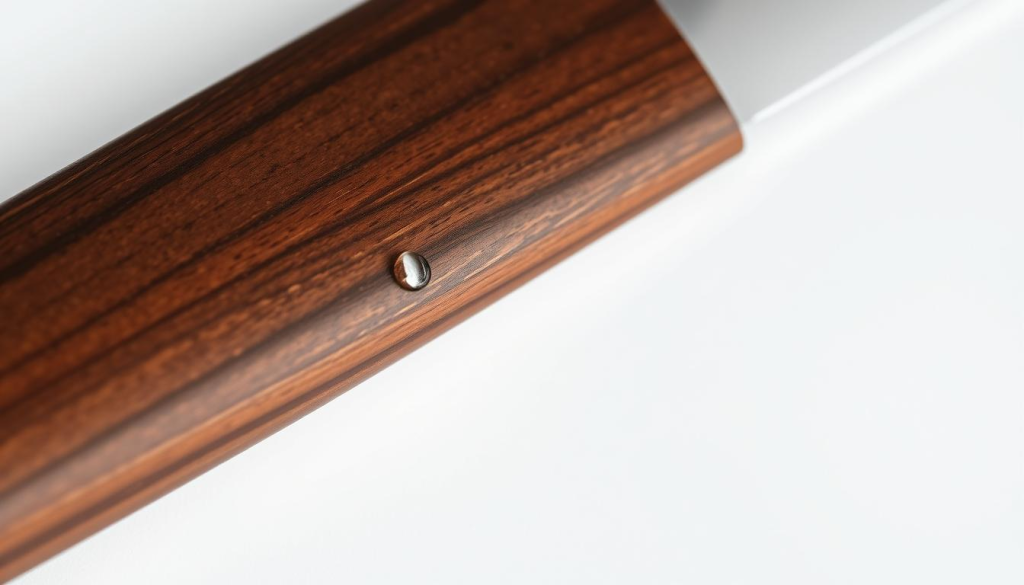
For handles made from other materials, such as stainless steel or resin, a simple wipe down with a damp cloth followed by a dry cloth is sufficient. Regular maintenance not only keeps your knife looking its best but also ensures that it remains a reliable tool in your kitchen.
By following these simple steps and using the right cleaning products, you can keep your Shun knife handle in excellent condition, ensuring a comfortable grip and a lifetime of service.
Avoiding Common Mistakes
When it comes to maintaining your Shun knife, avoiding common mistakes is key. Proper care and maintenance not only extend the life of your knife but also ensure it continues to perform at its best. In this section, we’ll explore some of the most common mistakes to avoid when caring for your Shun knife handle.
What Not to Use for Cleaning
Cleaning your Shun knife handle requires careful consideration of the materials you use. Avoid harsh chemicals and abrasive materials, as they can damage the handle’s finish and compromise its integrity. Instead, opt for mild soap and water. A soft cloth is ideal for cleaning, as it won’t scratch the surface.
Never soak your Shun knife in water, as this can cause the handle to crack or the blade to rust. For tougher stains, a gentle cleaning product specifically designed for kitchen knives is recommended. Always dry your knife thoroughly after cleaning to prevent water spots.
Proper Storage Techniques
Proper storage is crucial for maintaining your Shun knife handle. Store your knife in a dry place, such as a wooden block or a dry sheath. Avoid storing your knife in a humid environment or in a container that can cause moisture buildup. This helps prevent damage to the handle and reduces the risk of rust on the blade.
When storing your Shun knife, ensure it’s clean and dry. For added protection, consider using a knife guard or a protective cover. This not only safeguards the blade but also helps maintain the handle’s condition.
- Store knives in a wooden block or dry sheath.
- Avoid humid environments.
- Keep knives clean and dry before storage.
- Consider using a knife guard or protective cover.
By avoiding common mistakes and following these simple care tips, you can ensure your Shun knife remains in excellent condition, providing you with years of reliable service.
Seasonal Care Tips for Shun Knives
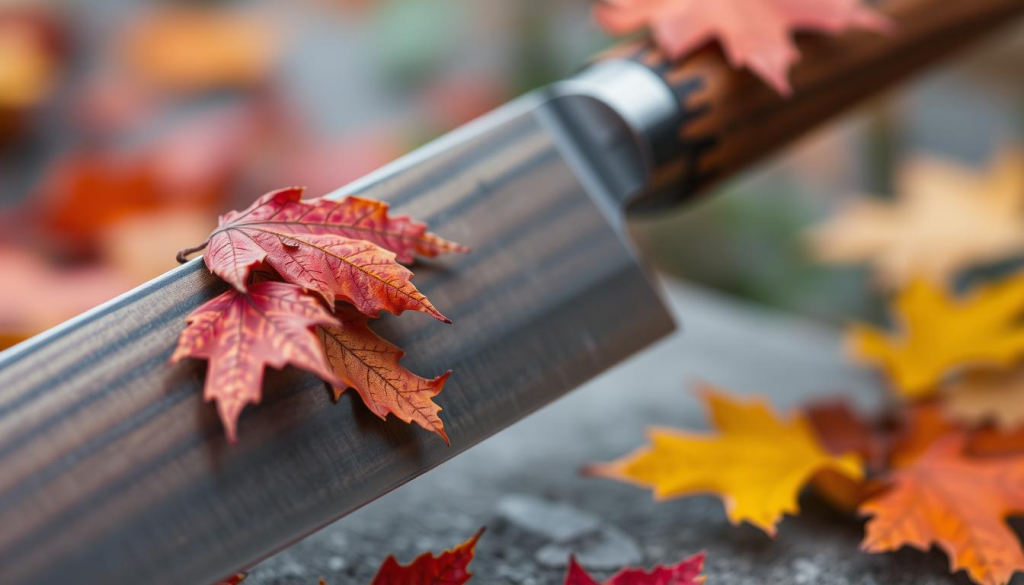
Seasonal changes can significantly impact the condition of your Shun knife handle, making it crucial to adapt your care habits accordingly. Different materials respond differently to changes in temperature and humidity, and understanding these dynamics is key to maintaining your knife’s integrity.
Winter Care Considerations
During the winter months, dry air can cause wood handles to shrink or crack. To mitigate this, it’s recommended to:
- Apply a small amount of mineral oil to the handle to keep it moisturized.
- Avoid exposing your knife to extreme cold or heating sources.
- Store your knife in a humidified environment if possible.
Benefits of Proper Winter Care: By taking these precautions, you can prevent damage to your Shun knife handle and ensure it remains in good condition throughout the winter.
Summer Humidity Tips
In contrast, summer humidity can cause wood handles to swell. To manage this:
- Regularly inspect your knife handle for signs of excessive moisture.
- Wipe the handle dry if it becomes wet.
- Consider using a dehumidifier in very humid environments.
| Season | Primary Concern | Recommended Action |
|---|---|---|
| Winter | Dryness | Apply mineral oil |
| Summer | Humidity | Keep handle dry |
By adjusting your care routine according to the season, you can preserve the quality and longevity of your Shun knife handle. Regular maintenance not only enhances the performance of your knife but also ensures it remains a valuable companion in your culinary endeavors.
Addressing Wear and Tear on Handles
Wear and tear on Shun knife handles can be mitigated with proper care and timely intervention. As a valuable tool in your kitchen, maintaining the handle is as important as maintaining the blade.
Identifying Signs of Damage
Regular inspection is key to identifying potential issues before they become major problems. Signs of wear and tear include cracks, discoloration, and loosening of the handle. Regularly checking your knife handle can help you catch these issues early.
- Cracks or splits in the handle material
- Discoloration or fading of the handle finish
- Loosening of the handle from the blade
Upon noticing any of these signs, it’s essential to take action to prevent further damage.
Repair or Replace: What to Consider
Once you’ve identified damage, the next step is to decide whether to repair or replace the handle. This decision depends on the extent of the damage and the overall condition of the knife.
| Damage Type | Recommended Action |
|---|---|
| Minor cracks or discoloration | Repair with appropriate materials (e.g., mineral oil for discoloration) |
| Significant cracks or splits | Consider replacing the handle or the entire knife |
| Loosening of the handle | Tighten or repair the handle attachment |
For minor issues, simple repairs can extend the life of your Shun knife handle. However, significant damage may necessitate replacement to ensure continued safe and effective use.
By addressing wear and tear proactively, you can maintain the performance and longevity of your Shun knives. Regular maintenance not only preserves the quality of your knives but also enhances your overall cooking experience.
Enhancing Grip and Comfort
Enhancing the grip and comfort of your Shun knife handle can significantly improve your cooking experience. A comfortable grip not only reduces fatigue but also enhances control over the knife, making precise cuts easier to achieve.
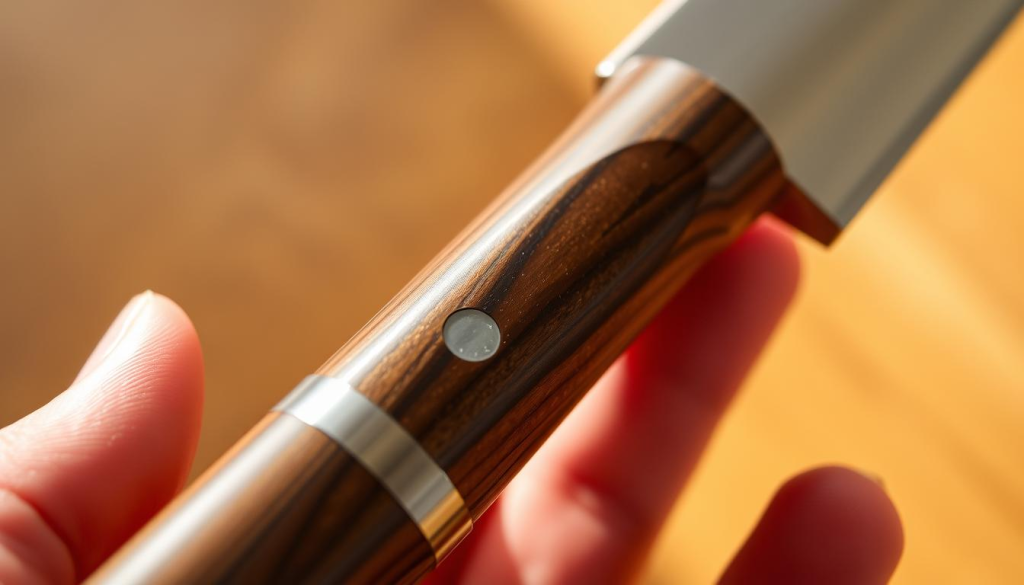
One effective way to maintain the comfort and grip of your Shun knife handle, especially for those with wood handles, is by applying mineral oil. Mineral oil helps to keep the wood moisturized, preventing it from drying out and cracking.
Applying Mineral Oil
To apply mineral oil, start by wiping down the handle with a soft, dry cloth to remove any debris. Then, using a clean cloth, apply a small amount of mineral oil to the handle, rubbing it in thoroughly. Let it sit for a few minutes before wiping off any excess oil with a clean cloth. This process should be repeated periodically, depending on the humidity and usage of the knife.
Benefits of Mineral Oil: Mineral oil is non-toxic and safe for use on knife handles that come into contact with food. It helps maintain the wood’s natural appearance and prevents cracking.
Best Practices for Handling Techniques
In addition to maintaining the handle, adopting proper handling techniques can significantly enhance grip comfort and control. Hold the knife with a firm but not overly tight grip, ensuring your fingers are curled under and your thumb is on the blade’s spine or on the handle’s bolster for balance.
- Practice proper knife handling techniques to improve control and comfort.
- Keep your fingers curled under to avoid accidental cuts.
- Balance the knife in your hand, using your thumb for guidance.
By combining regular maintenance with proper handling techniques, you can enhance your overall experience with your Shun knife, ensuring a comfortable grip and precise control.
Long-Term Care Strategies
Maintaining your Shun knives involves more than just occasional cleaning; it requires a comprehensive long-term care plan. By adopting the right strategies, you can ensure that your knife handles remain in excellent condition for years to come.
Ensuring Longevity
To ensure the longevity of your Shun knife handles, regular maintenance is crucial. This includes regular cleaning and applying mineral oil to prevent drying out, especially for handles made from natural materials. Regular inspection for signs of wear and tear is also vital, allowing you to address any issues before they become major problems.
Consistency is key when it comes to maintaining your Shun knives. By making care a routine part of your kitchen maintenance, you’ll be able to enjoy your knives for a longer period.
Creating a Care Schedule
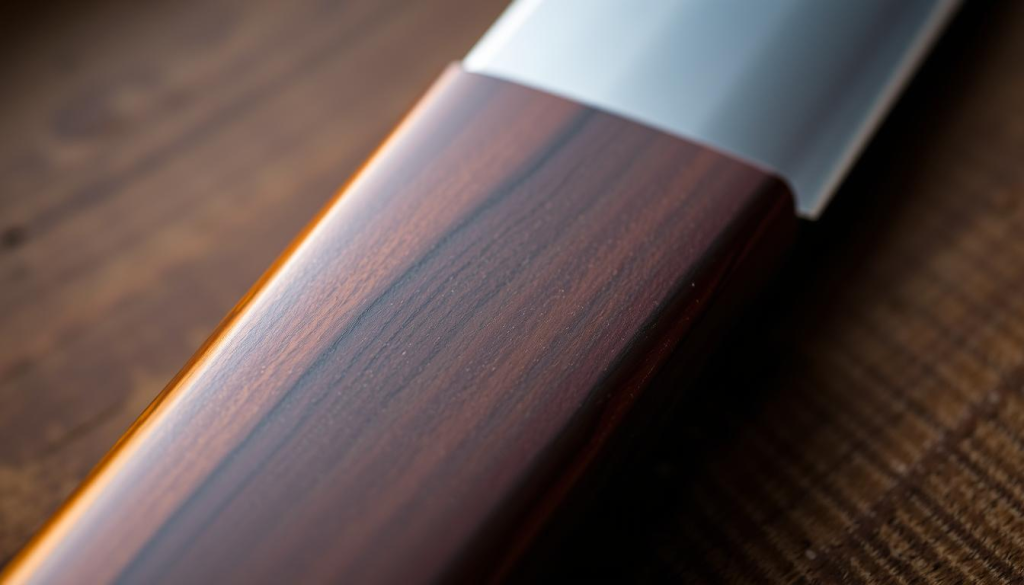
Creating a care schedule is an effective way to ensure that your Shun knife handles receive the attention they need. Consider setting reminders for regular cleaning and maintenance tasks. For example, you might clean your knives weekly and apply mineral oil monthly. Adjust the schedule based on your usage and the environmental conditions your knives are exposed to.
A well-planned care schedule not only helps in maintaining the handle’s condition but also contributes to the overall longevity of your Shun knives. By following these tips for Shun knife handle care, you can keep your knives in optimal working condition.
For how to maintain Shun knife handles effectively, it’s essential to stay informed about the best practices and adapt your care routine accordingly. This proactive approach will help you get the most out of your investment in Shun knives.
When to Seek Professional Help
While regular care can prevent many issues, some problems require the expertise of a professional. Understanding when to seek help is crucial for maintaining the integrity and functionality of your Shun knife handle.
Signs You Need a Professional
If you notice any of the following signs, it may be time to consult a professional:
- Deep cracks or splits in the handle that compromise its structure.
- Loosening of the blade or handle that cannot be tightened with regular maintenance.
- Visible damage to the bolster or other critical areas that affect the knife’s performance.
Choosing a Qualified Service
When selecting a professional service for your Shun knife, consider the following:
- Look for services that specialize in high-end or Japanese knives, as they are more likely to understand the specific needs of Shun knives.
- Check for customer reviews and testimonials to gauge the service provider’s reputation and quality of work.
- Ensure they offer a warranty or guarantee on their repairs, providing peace of mind and protection for your investment.
By knowing when to seek professional help and choosing a qualified service, you can ensure your Shun knife remains in excellent condition, continuing to perform optimally for years to come.
Comparing Shun Knives to Other Brands
The world of kitchen knives is vast, with numerous brands offering high-quality products, yet Shun knives are distinct due to their unique handle designs and care requirements.
Shun knives have garnered a reputation for their premium quality and attention to detail, particularly in their handle construction. Understanding how Shun knives compare to other brands can provide valuable insights into their unique care needs.
What Makes Shun Unique
Shun knives are crafted with high-quality materials, including their handles, which are often made from beautifully finished wood or durable synthetic materials. The craftsmanship that goes into creating these handles not only enhances the aesthetic appeal of the knives but also contributes to their durability and performance.
Key Features of Shun Knives:
- High-quality handle materials
- Exceptional craftsmanship
- Unique design elements
One of the standout features of Shun knives is their ergonomic design, which provides a comfortable grip and reduces fatigue during extended use. This attention to detail in handle design is a hallmark of the Shun brand.
Handle Care Across Different Brands
Different knife brands have varying handle materials and designs, each with its own care requirements. For instance, some brands may use stainless steel or titanium for their handles, which can be more resistant to wear and tear compared to wooden or synthetic handles.
| Brand | Handle Material | Care Requirements |
|---|---|---|
| Shun | Wood/Synthetic | Regular cleaning, occasional oiling |
| Wüsthof | Synthetic | Regular cleaning, dishwasher safe |
| Global | Stainless Steel | Regular cleaning, dry after washing |
Comparing these care requirements highlights the unique needs of Shun knives, particularly in terms of preserving their handle integrity. Regular cleaning and occasional oiling are recommended to maintain the beauty and functionality of Shun knife handles.
By understanding the differences in handle care across various brands, users can better appreciate the specific needs of their Shun knives and take appropriate steps to preserve their quality.
Conclusion: Embracing Proper Knife Handle Care
Proper care for your Shun knife handles is crucial for maintaining their quality and longevity. By understanding the importance of handle care and implementing the best practices discussed, you can enjoy your Shun knives for years to come.
Maintaining Quality
Caring for Shun knife handles involves regular cleaning, avoiding common mistakes, and adopting long-term care strategies. By following these guidelines, you can prevent damage and ensure your knives remain in optimal condition. Effective shun knife handle maintenance includes using the right cleaning products and techniques, as well as storing your knives properly.
Best Practices for Enthusiasts
Knife enthusiasts can benefit from adopting best practices for shun knife handle care. This includes being mindful of the materials used in your Shun handles and taking steps to enhance grip and comfort. By doing so, you can maximize the performance and lifespan of your knives.
By embracing these practices, you can protect your investment and continue to enjoy the precision and craftsmanship that Shun knives are known for. Whether you’re a professional chef or a home cook, proper care for your Shun knife handles is essential for optimal performance.