Maintaining a high-quality Shun knife requires attention to detail, especially when it comes to sharpening. A dull knife can be frustrating and affect performance in the kitchen.
Understanding the basics of knife care and maintenance is crucial before diving into the sharpening process. This includes cleaning and storing the knife properly to maintain its edge and longevity.
Sharpening a Shun knife is a straightforward process when done correctly. By following a step-by-step guide, you can achieve a razor-sharp edge that enhances your cooking experience.
Key Takeaways
- Understand the basics of knife care and maintenance.
- Learn the importance of sharpening a Shun knife.
- Follow a step-by-step guide to sharpen your Shun knife.
- Discover the best practices for cleaning and storing your knife.
- Achieve a razor-sharp edge with the right sharpening techniques.
Why Sharpening Your Shun Knife is Important
The importance of sharpening your Shun knife cannot be overstated, as it directly impacts your cooking experience. A well-sharpened knife not only makes cooking easier but also safer.
Benefits of a Sharp Knife
A sharp Shun knife provides several benefits, including precise cuts and efficient slicing. When your knife is sharp, you can cut through ingredients with ease, which is particularly important when preparing delicate dishes. Moreover, a sharp knife requires less force, reducing the strain on your hand and wrist.
Using a sharp knife also enhances the overall quality of your cooking. For instance, when chopping vegetables, a sharp blade ensures clean cuts, preserving the texture and appearance of the ingredients. This attention to detail can elevate your dishes and make a significant difference in the culinary experience.
Avoiding Damage to the Blade
Regular sharpening helps prevent damage to the blade. A dull knife is more prone to slipping and causing accidents, which can lead to nicks and chips in the blade. By maintaining a sharp edge, you minimize the risk of damaging your Shun knife, thus extending its lifespan.
Furthermore, a sharp knife is less likely to tear or crush food, which can be particularly problematic with soft or delicate ingredients. By keeping your Shun knife sharp, you ensure that it remains in optimal condition, ready for any task.
Enhancing Safety While Cooking
Safety is a critical aspect of cooking, and a sharp knife plays a significant role in maintaining a safe kitchen environment. A dull knife requires more force, increasing the likelihood of accidents. In contrast, a sharp knife glides through ingredients smoothly, reducing the risk of slips and cuts.
Additionally, a sharp knife allows for more controlled movements, giving you greater precision and confidence while cooking. This is especially important when handling larger or more unwieldy ingredients, where a sharp knife can make all the difference between a safe and hazardous cooking experience.
Understanding Shun Knife’s Blade Composition
Understanding the intricacies of Shun knife blade composition is essential for appreciating their craftsmanship and sharpening them effectively. Shun knives are crafted with precision, combining high-quality materials and advanced techniques to achieve superior performance.
V-Gold Steel and its Features
Shun knives feature blades made from V-Gold steel, a high-carbon steel known for its ability to hold a sharp edge and resist corrosion. V-Gold steel is a proprietary material developed by Shun, offering a unique balance between hardness and flexibility. This balance is crucial for achieving a sharp edge that is also durable.
The use of V-Gold steel in Shun knives ensures that they remain sharp for a longer period, reducing the need for frequent sharpening. As noted by experts,
“The high-carbon content in V-Gold steel allows for a sharper edge and better edge retention.”
Damascus Patterns and Performance
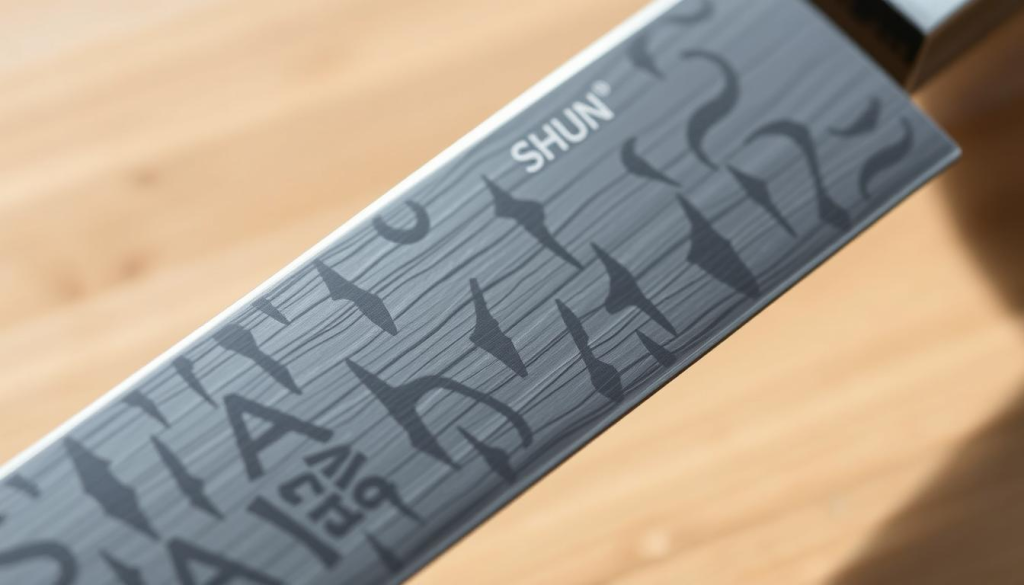
Many Shun knives also feature Damascus patterns, which are not only aesthetically pleasing but also indicative of the knife’s performance capabilities. The Damascus pattern is achieved through a process of layering different types of steel, resulting in a blade that is both strong and sharp.
The layering process involved in creating Damascus patterns contributes to the overall performance of the knife. It enhances the edge’s ability to stay sharp and improves the knife’s overall durability.
Importance of Edge Geometry
The edge geometry of a Shun knife is another critical aspect of its blade composition. The precise angle and shape of the edge determine how well the knife cuts and how easily it can be sharpened. A well-crafted edge geometry is essential for optimal performance, as it directly affects the knife’s ability to make clean cuts.
Understanding the edge geometry is vital for sharpening Shun knives effectively. It requires a careful approach to maintain the knife’s performance and extend its lifespan.
Tools Required for Sharpening
Effective sharpening of a Shun knife depends on using the right equipment. The quality of the sharpening tool directly impacts the sharpness and longevity of the knife’s edge.
Honing Steel vs. Whetstone
Two primary tools are used for sharpening knives: honing steel and whetstone. Honing steel is used to realign the edge of the blade, maintaining its sharpness. It’s not meant to sharpen a dull knife but rather to hone an already sharp edge. On the other hand, a whetstone is used for sharpening and can restore a dull edge.
The choice between honing steel and whetstone depends on the condition of your Shun knife. If the knife is slightly dull, a whetstone is the better choice. For maintaining a sharp edge, honing steel is ideal.
Choosing the Right Grit for Your Blade
Whetstones come in various grits, which refer to the size of the abrasive particles on the stone. The grit you choose depends on the condition of your knife. For a very dull knife, a lower grit (around 1000) is recommended. For regular maintenance, a higher grit (6000 or higher) is suitable.
| Grit Level | Usage | Result |
|---|---|---|
| Low (1000-2000) | Sharpening a very dull knife | Coarse sharpening |
| Medium (3000-4000) | Regular sharpening and refining | Sharp edge with some refinement needed |
| High (6000 and above) | Polishing and final honing | Razor-sharp edge |
Alternate Options: Electric Sharpeners
For those who prefer a more convenient option, electric sharpeners are available. These devices can quickly sharpen a knife and often come with various settings for different types of blades. However, they can remove more metal than necessary, potentially shortening the life of your Shun knife.
When using an electric sharpener, it’s crucial to follow the manufacturer’s instructions and to monitor the sharpening process closely to avoid damaging your knife.
Preparing Your Workspace for Sharpening
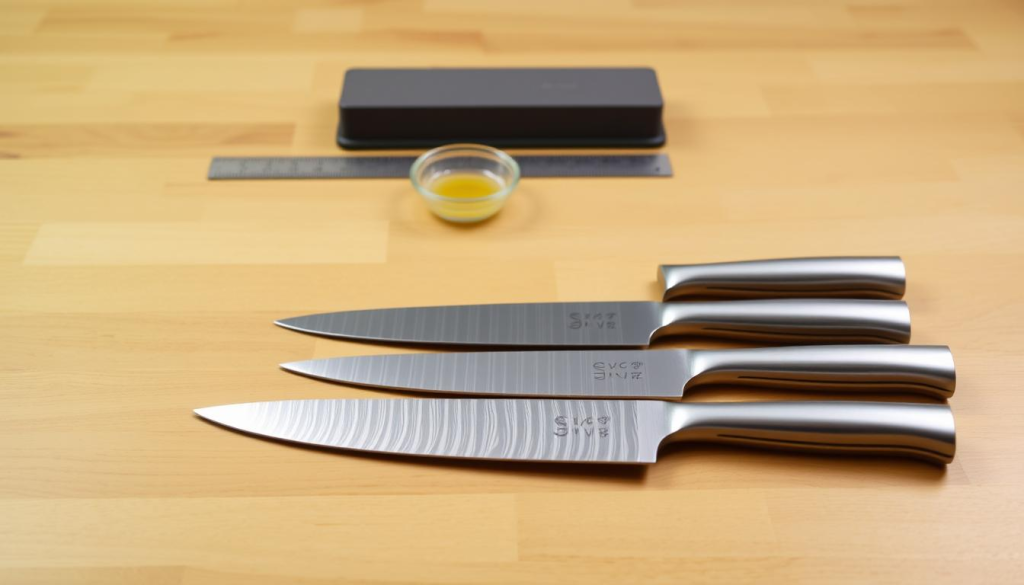
A well-prepared workspace is essential for effectively sharpening your Shun knife. Sharpening a high-quality knife like Shun requires attention to detail and a suitable environment to maintain its premium edge.
Ideal Environment for Knife Care
Creating an ideal environment for sharpening involves several factors. First, ensure your workspace is clean and free from distractions. A cluttered workspace can lead to accidents and affect the sharpening quality. Good lighting is also crucial; it helps you see the edge of the blade clearly, allowing for more precise sharpening.
Stable Workspace: A stable, flat surface is necessary for sharpening. This stability ensures that your sharpening tool and knife remain steady, reducing the risk of accidents.
Safety Precautions to Keep in Mind
Safety should always be a priority when sharpening your Shun knife. Sharp blades are hazardous, and the sharpening process can expose you to risks if not handled properly.
- Keep your fingers curled under and away from the blade’s edge.
- Use a sharpening stone or tool with a stable base to prevent slipping.
- Maintain a consistent sharpening angle to avoid damaging the blade.
By following these safety precautions and creating an ideal sharpening environment, you can ensure a safe and effective sharpening process for your Shun knife, maintaining its quality and longevity.
Step-by-Step Guide to Sharpening with a Whetstone
To achieve a razor-sharp edge on your Shun knife, follow this step-by-step guide on using a whetstone. Sharpening with a whetstone is a traditional method that, when done correctly, can significantly enhance the performance of your knife.
Soaking the Whetstone
Before you begin sharpening, it’s crucial to prepare your whetstone. Soaking the whetstone in water for about 10 to 15 minutes is essential. This process ensures that the stone is saturated and ready for sharpening. A well-soaked whetstone will effectively sharpen your Shun knife without causing damage.
The Correct Angle for Sharpening
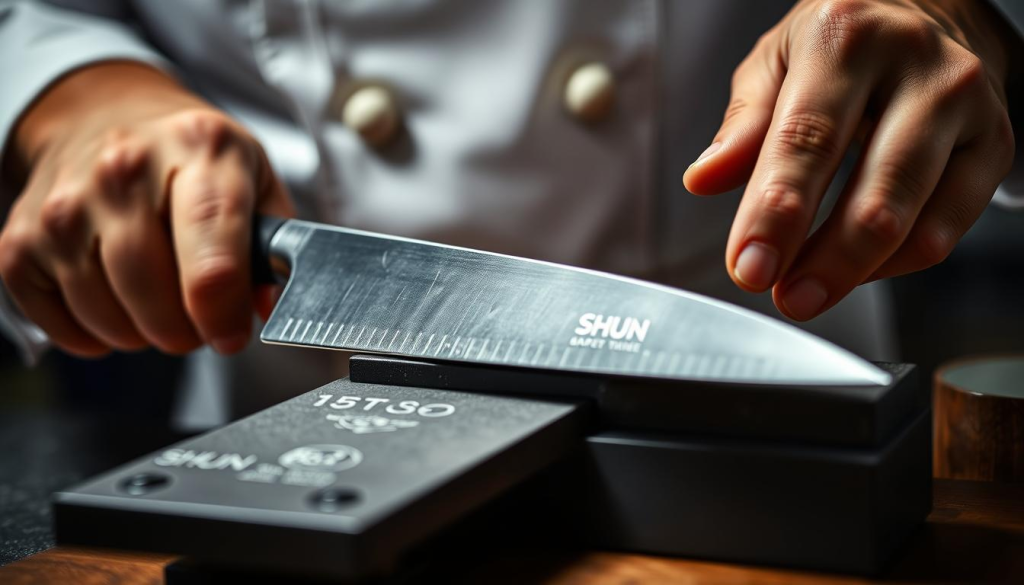
Maintaining the correct angle is vital when sharpening your Shun knife. The ideal angle for sharpening is typically between 15 to 20 degrees. To achieve this, you can use an angle guide or develop a steady hand through practice. Consistency is key to ensuring that your knife is sharpened evenly.
Sharpening the Edge: A Methodical Approach
With your whetstone ready and the correct angle determined, you can start sharpening. Begin by placing the knife on the whetstone at the desired angle and gently draw it across the stone in a smooth, consistent motion. Repeat this process several times, checking the edge for sharpness. It’s essential to sharpen both sides of the blade evenly to maintain balance.
After several strokes, inspect the edge. If it still appears dull, continue sharpening until you achieve the desired sharpness. Remember, patience and a steady hand are crucial in this process.
Honing Your Knife: A Quick Maintenance Tip
Regular honing is a vital step in maintaining the sharpness and longevity of your Shun knife. Honing realigns the edge of the blade, ensuring it remains sharp and effective. Unlike sharpening, which removes metal to create a new edge, honing is a maintenance process that can be performed frequently to keep your knife in optimal condition.
When to Hone Your Knife
You should hone your Shun knife before or after each use, depending on how frequently you use it. If you notice that your knife is not cutting as smoothly as it should, it’s likely time to hone it. Regular honing can significantly extend the time between sharpening sessions, making it an essential part of your knife maintenance routine.
Signs that your knife needs honing include:
- Visible signs of wear on the edge
- Difficulty cutting through food
- A noticeable decrease in the knife’s performance
How to Use a Honing Steel Correctly
Using a honing steel correctly is crucial for effective honing. Here’s a step-by-step guide:
- Hold the honing steel vertically with the tip on a stable surface.
- Place the heel of the knife against the steel at the correct angle (typically around 20 degrees for Shun knives).
- Slowly draw the knife down the length of the steel, maintaining the angle and moving the blade from the heel to the tip.
- Repeat this process several times on each side of the blade.
It’s essential to maintain the correct angle and apply gentle, consistent pressure to avoid damaging the blade.
| Honing Frequency | Knife Usage | Recommended Action |
|---|---|---|
| Daily | Heavy usage | Hone before and after use |
| Weekly | Moderate usage | Hone after use |
| Monthly | Light usage | Hone before next use |
By incorporating regular honing into your knife care routine, you can maintain the sharpness and performance of your Shun knife. For more complex sharpening needs, consider utilizing a professional Shun knife sharpening service to ensure your knife is restored to its optimal condition.
Common Mistakes to Avoid While Sharpening
To keep your Shun knife in optimal condition, it’s crucial to avoid certain pitfalls during the sharpening process. Sharpening a high-quality knife like Shun requires not only the right tools but also an understanding of the common mistakes that can damage the blade.
Applying Too Much Pressure
One of the most common mistakes when sharpening a Shun knife is applying too much pressure. Excessive pressure can lead to uneven sharpening and potentially damage the edge of the blade. Instead, use light, consistent strokes to achieve a sharp edge.
Ignoring the Angle
The angle at which you sharpen your knife is critical. Shun knives are typically sharpened at a specific angle, and deviating from this can result in a poor edge. Ensure you’re using a sharpening guide or have a good understanding of the correct angle for your particular Shun knife model.
Not Cleaning the Knife Properly
Before and after sharpening, it’s essential to clean your Shun knife thoroughly. Any debris or residue can interfere with the sharpening process and affect the blade’s performance. Use mild soap and dry the knife immediately to prevent rust.
To further illustrate the importance of avoiding these mistakes, consider the following comparison:
| Common Mistake | Consequence | Prevention |
|---|---|---|
| Applying Too Much Pressure | Uneven sharpening, potential damage | Use light, consistent strokes |
| Ignoring the Angle | Poor edge quality | Use a sharpening guide or know the correct angle |
| Not Cleaning the Knife | Interference with sharpening, rust | Clean with mild soap, dry immediately |
By being aware of these common mistakes and taking steps to avoid them, you can ensure your Shun knife remains in excellent condition. Proper sharpening techniques not only enhance the performance of your knife but also extend its lifespan.
Maintaining Your Shun Knife Post-Sharpening
To keep your Shun knife in optimal condition, regular maintenance is key. After sharpening your Shun knife, it’s essential to adopt a routine that includes cleaning, proper storage, and regular checks to ensure its longevity and performance.
Cleaning Your Knife After Use
Cleaning your Shun knife after each use is vital to prevent the buildup of residue and bacteria. Use mild soap and warm water to clean the blade, and dry it thoroughly to prevent rust. Avoid using abrasive cleaners or scouring pads, as they can damage the blade’s finish.
For tougher residue, you can use a mixture of equal parts water and white vinegar on a soft cloth to gently wipe the blade. It’s also recommended to clean the handle, especially if it’s made of a material that can harbor bacteria, like wood or certain synthetic materials.
“A clean knife is not just a matter of hygiene; it’s also about maintaining the integrity of the blade. Residue and stains can lead to corrosion and dulling of the edge.”
Proper Storage Techniques
Proper storage is crucial for maintaining your Shun knife. Store your knife in a dry place, away from other utensils that could cause damage. Using a knife block or a magnetic strip is recommended, as these storage methods protect the blade and keep it organized.
| Storage Method | Benefits | Precautions |
|---|---|---|
| Knife Block | Protects the blade, keeps it organized | Ensure the block is clean and dry |
| Magnetic Strip | Easy to install, keeps knives visible | Avoid storing other metal objects nearby |
| Drawer Storage | Convenient, keeps knives out of sight | Use dividers to prevent knives from touching |
Regular Maintenance Routines
Regular maintenance involves more than just cleaning and storage. It includes regular honing to maintain the edge and periodic sharpening to restore the blade’s sharpness. Honing should be done more frequently than sharpening, as it realigns the edge without removing metal.
For Shun knives, using a honing steel specifically designed for high-carbon or stainless steel knives is recommended. The frequency of honing depends on usage, but a general rule is to hone after every few uses or when you notice a slight decrease in the knife’s performance.
When to Seek Professional Help for Sharpening
While many knife enthusiasts can sharpen their Shun knives at home, there are instances where seeking professional help is advisable. Sharpening a high-quality knife like Shun requires precision and the right technique. If you’re unsure or if your knife has been significantly damaged, professional sharpening services can restore its edge.
Signs It’s Time for a Professional
Several signs indicate that your Shun knife needs professional sharpening. These include:
- A noticeable decrease in the knife’s performance, such as requiring more force to cut.
- Visible damage to the edge, like nicks or chips that are difficult to remove with home sharpening methods.
- If you’ve tried sharpening the knife multiple times without achieving the desired sharpness.
Professional sharpening can address these issues by using specialized equipment and techniques to restore the knife’s original edge.
Choosing a Reliable Sharpening Service
When selecting a professional sharpening service for your Shun knife, consider the following:
- Look for services that specialize in high-end or Japanese knives, as they are more likely to understand the specific needs of Shun knives.
- Check reviews and testimonials from other customers to gauge the service’s reputation and quality of work.
- Inquire about the sharpening techniques and equipment used to ensure they can handle your knife’s specific material and edge geometry.
By choosing a reputable sharpening service, you can ensure that your Shun knife is sharpened correctly and maintained for optimal performance.
Final Tips for Long-Lasting Sharpness
Maintaining the sharpness of your Shun knife is crucial for optimal performance and longevity. By incorporating expert tips into your daily routine, you can ensure your knife remains in top condition.
Best Practices for Cutting Techniques
Using the correct cutting techniques is vital for preserving the edge of your Shun knife. Employ gentle, smooth strokes, and avoid applying excessive pressure, which can damage the blade. Familiarize yourself with Japanese knife sharpening techniques to enhance your cutting skills.
Understanding Knife Care Essentials
Proper care is essential for maintaining the sharpness and overall health of your Shun knife. Regularly clean and dry your knife, and store it in a protective environment. By following these expert tips and understanding knife care essentials, you can enjoy a long-lasting, sharp edge on your Shun knife.