
The art of preparing sashimi is deeply rooted in Japanese culture, and at its core is the sashimi knife, a tool that embodies precision, patience, and practice.
Mastering the sashimi knife is not just about cutting fish; it’s about understanding the techniques, the right handling, and the cultural significance behind this traditional Japanese knife.
In culinary arts, the sashimi knife plays a crucial role, offering diverse uses that enhance the dining experience. Its significance extends beyond functionality, representing a connection to tradition and heritage.
Key Takeaways
- Understanding the cultural significance of the sashimi knife.
- Mastering techniques for handling the sashimi knife.
- Exploring the diverse culinary uses of the sashimi knife.
- Appreciating the precision and patience required.
- Recognizing the knife’s role in enhancing the dining experience.
Understanding the Sashimi Knife and Its Importance
The art of preparing sashimi requires precision and the right tools, with the sashimi knife being paramount. A professional sashimi knife is designed to provide a clean and precise cut, which is crucial for the overall sashimi experience.
What is a Sashimi Knife?
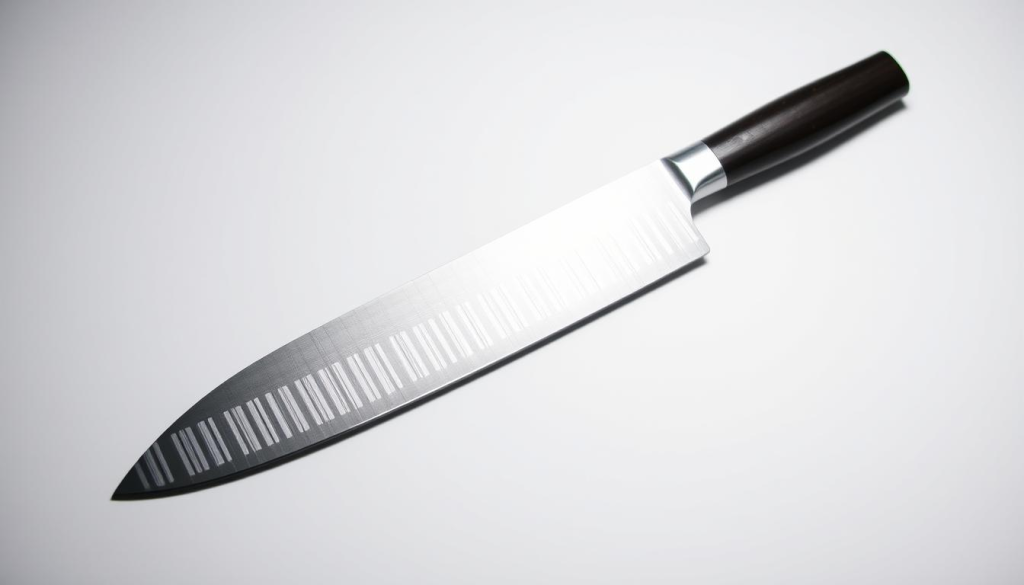
A Japanese sashimi knife is a type of knife that is specifically designed for preparing sashimi and other delicate dishes. It is characterized by its sharp edge and unique blade shape, which allows for precise cuts and minimal damage to the food.
Key Features of Sashimi Knives
The key features of sashimi knives include their sharpness, durability, and ergonomic design. These features are crucial for precise cutting and comfort during use.
| Feature | Description | Benefit |
|---|---|---|
| Sharpness | High-carbon content for a razor-sharp edge | Precise cuts with minimal effort |
| Durability | Resistant to corrosion and wear | Long-lasting performance |
| Ergonomic Design | Comfortable handle design | Reduced fatigue during extended use |
Types of Sashimi Knives
There are several types of sashimi knives, each with its unique characteristics. Understanding these differences is essential for selecting the right knife for your needs.
Some common types include the Yanagiba, Takohiki, and Santoku, each designed for specific cutting tasks and preferences.
Essential Sashimi Knife Uses
Beyond its primary use for sashimi, this knife is incredibly versatile, handling tasks that require finesse and delicacy. The fish sashimi knife is designed to make precise cuts, which is essential for various culinary preparations.
Preparing Sashimi
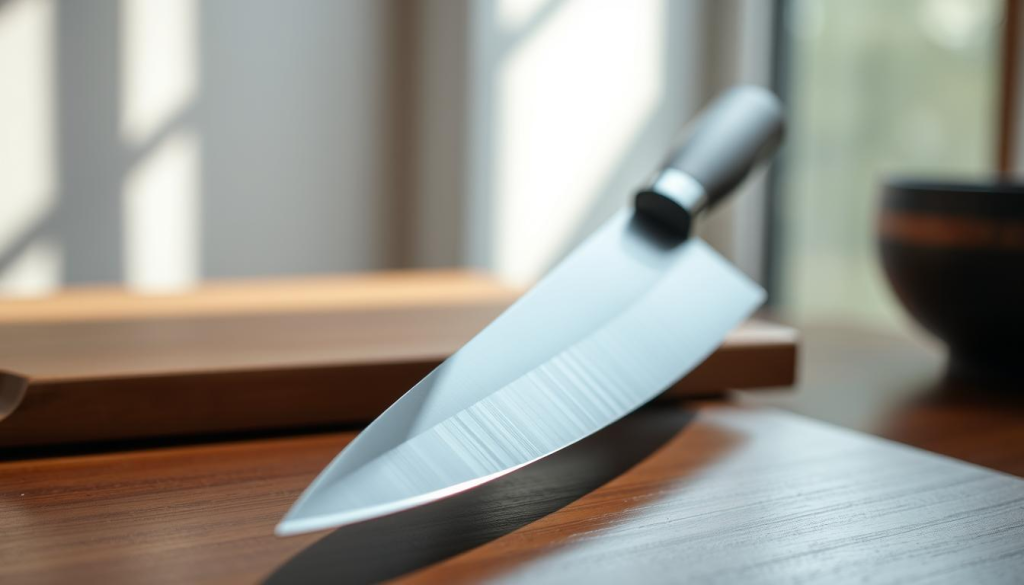
The most obvious use of a sashimi knife is for preparing sashimi. The sharp blade glides through the fish with ease, creating thin, uniform slices that are crucial for presentation and texture. When preparing sashimi, it’s essential to use a knife that is designed for this purpose, as it ensures the fish is cut correctly without tearing.
Slicing Other Delicate Foods
Apart from slicing fish for sashimi, these knives are also ideal for cutting other delicate foods such as smoked salmon, thinly sliced meats, or even certain types of fruit. The precision and control offered by a fish sashimi knife make it perfect for tasks that require a delicate touch.
Chopping Ingredients with Precision
While sashimi knives are known for their slicing ability, they can also be used for chopping ingredients with precision. This is particularly useful when working with herbs or other ingredients that need to be chopped finely but evenly. The sharp edge of the knife ensures clean cuts, preserving the integrity of the ingredients.
In summary, a sashimi knife is not just a specialized tool but a versatile instrument that can be used in various kitchen tasks, from preparing sashimi to chopping ingredients with precision. Its sharp blade and balanced design make it an indispensable tool for any chef.
Choosing the Right Sashimi Knife
With numerous options available, choosing a sashimi knife that suits your needs is essential. The process involves considering several key factors that impact the knife’s performance and your overall cooking experience.
Blade Materials and Performance
The material of the blade is crucial for its durability and sharpness. Common materials include high-carbon stainless steel, known for its resistance to corrosion and ease of sharpening, and Damascus steel, which offers a distinctive pattern and exceptional sharpness.
High-carbon stainless steel is a popular choice due to its balance between hardness and flexibility. On the other hand, Damascus steel is prized for its aesthetic appeal and superior cutting performance.
| Material | Characteristics | Performance |
|---|---|---|
| High-Carbon Stainless Steel | Resistant to corrosion, easy to sharpen | Balanced hardness and flexibility |
| Damascus Steel | Distinctive pattern, exceptional sharpness | Superior cutting performance |
Length and Shape Considerations
The length and shape of the sashimi knife are vital for its intended use. Knives range from 210mm to 330mm in length, with 240mm and 270mm being the most common. The shape affects the knife’s balance and maneuverability.
For beginners, a knife with a balanced design and a length that feels comfortable in the hand is recommended.
Recommendations for Beginners
For those new to using sashimi knives, it’s advisable to start with a knife that is durable and easy to handle. Look for knives made from high-quality materials and consider the balance and feel of the knife.
A beginner-friendly sashimi knife should offer a good balance between sharpness, durability, and comfort in handling.
Techniques for Using a Sashimi Knife
To unlock the full potential of a sashimi knife, one must learn the proper techniques. A sashimi knife is a precision instrument designed for slicing raw fish and other delicate foods with precision and ease. Mastering its use can significantly enhance your culinary experience.
Proper Grip and Handling
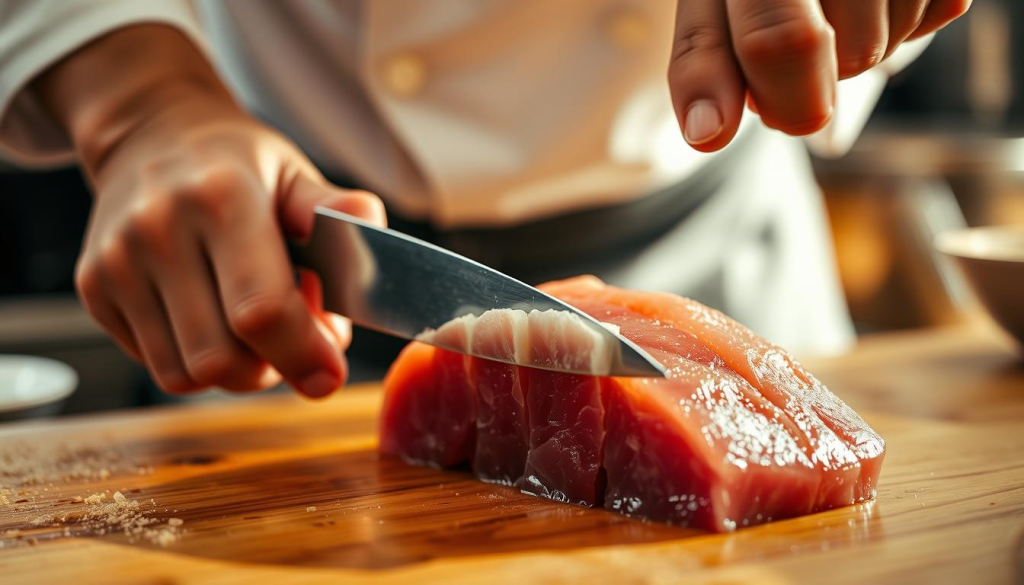
The way you hold and handle a sashimi knife is fundamental to its effective use. A firm, yet gentle grip is recommended. The blade should be held between the thumb and index finger, with the other fingers wrapped around the handle for support. This grip allows for precise control over the knife.
Mastering Slicing Techniques
Slicing with a sashimi knife requires precision and a smooth motion. To achieve thin, even slices, it’s essential to keep the knife at a consistent angle and apply gentle pressure. Practice is key to mastering the slicing technique, as it helps develop the necessary muscle memory.
- Keep the knife sharp to avoid tearing the fish.
- Use a smooth, gliding motion to slice through ingredients.
- Maintain a consistent angle to ensure even slices.
Maintenance and Care
Proper maintenance and care are crucial for extending the life of a sashimi knife. Regular sharpening is necessary to maintain the knife’s edge. After use, the knife should be cleaned and dried to prevent rust. Storage in a dry place or on a magnetic strip is recommended.
By following these techniques and maintaining your sashimi knife properly, you can enjoy a superior culinary experience. Whether you’re preparing sashimi or slicing other delicate foods, the right techniques make all the difference.
Alternative Uses for a Sashimi Knife
The sashimi knife is a versatile tool that can be used in various culinary applications beyond preparing sashimi. Its precision and sharpness make it an essential instrument in many kitchen tasks.
Preparing Carpaccio
One of the alternative uses of a sashimi knife is preparing carpaccio. The thin, sharp blade allows for precise cuts, making it ideal for slicing raw meat into thin strips. This is particularly useful for dishes that require uniformity and delicacy.
Garnishing Dishes
A sashimi knife can also be used to garnish dishes with precision. The sharp tip and edge enable chefs to create intricate designs and cuts, adding an aesthetic touch to the presentation of various culinary creations.
Exploring Different Cuisines
The best sashimi knife is not limited to Japanese cuisine alone. It can be used to explore different culinary traditions that value precision cutting, such as slicing ingredients for Korean or Italian dishes. This versatility makes the sashimi knife a valuable asset in any kitchen.
Sashimi Knife vs. Other Knives
When it comes to precision cutting, understanding the differences between a sashimi knife and other knives is crucial. The primary distinction lies in their design, functionality, and the tasks they are best suited for.
Comparison with Chef’s Knives
Chef’s knives are versatile and used for a variety of tasks in the kitchen, from chopping vegetables to slicing meat. However, their thickness and weight can make them less ideal for delicate tasks that require precision, such as slicing sashimi. Sashimi knives, on the other hand, are designed specifically for cutting raw fish and other delicate foods. They are typically sharper and have a more angled blade than chef’s knives, allowing for smoother, more precise cuts.
| Feature | Sashimi Knife | Chef’s Knife |
|---|---|---|
| Blade Thickness | Thin, for precise cuts | Thicker, for durability |
| Edge Angle | More angled for smooth cuts | Less angled, versatile |
| Primary Use | Slicing raw fish and delicate foods | General kitchen tasks |
Key differences between sashimi knives and chef’s knives lie in their design and application. Understanding these differences is essential for choosing the right tool for specific culinary tasks.
Benefits of Specialized Knives
Using the right knife for the job can significantly enhance the cooking experience. Sashimi knives offer precision and control that is hard to achieve with more general-purpose knives. Their design allows for clean cuts that preserve the integrity of the ingredients, which is particularly important when preparing sashimi and other delicate dishes.
Choosing the Right Tool for the Job
Selecting between a sashimi knife and another type of knife depends on the task at hand. For tasks that require precision and delicacy, such as slicing raw fish, a sashimi knife is the ideal choice. For more general kitchen tasks, a chef’s knife might be more appropriate.
Sourcing Quality Sashimi Knives
The quest for the perfect sashimi knife can be a daunting task, but understanding a few key factors can simplify the process. Whether you’re a seasoned chef or an enthusiastic home cook, investing in a quality knife is essential for achieving the best results in the kitchen.
Recommended Brands and Artisans
When it comes to sourcing a high-quality sashimi knife, several brands stand out for their craftsmanship and attention to detail. Brands like Shun, Global, and Zwilling J.A. Henckels are well-known for their high-quality knives. Artisanal knife makers who use traditional techniques can also produce exceptional pieces.
Online vs. Offline Shopping
Deciding where to buy your sashimi knife depends on your personal preferences and needs. Online shopping offers convenience, while offline shopping allows you to inspect the knife before purchasing.
Signs of a Quality Knife
When evaluating a sashimi knife, look for a sharp, straight edge and a comfortable fit. High-carbon stainless steel is a desirable material. A well-crafted knife will also have a precise fit between the blade and the handle.
By considering these factors, you can find a high-quality sashimi knife that meets your needs.
Safety Tips for Using Sashimi Knives
The art of wielding a sashimi knife safely is just as important as its culinary applications. Handling these knives with care is paramount to prevent accidents and ensure a safe cooking environment.
Handling Knives Safely
To handle a sashimi knife safely, it’s crucial to maintain a firm grip without applying too much pressure, which can lead to loss of control. Here are some key tips:
- Always cut away from your body to prevent injuries.
- Keep your fingers curled under and out of the way of the blade.
- Use a cutting board that is stable and won’t move around while cutting.
Storage and Maintenance
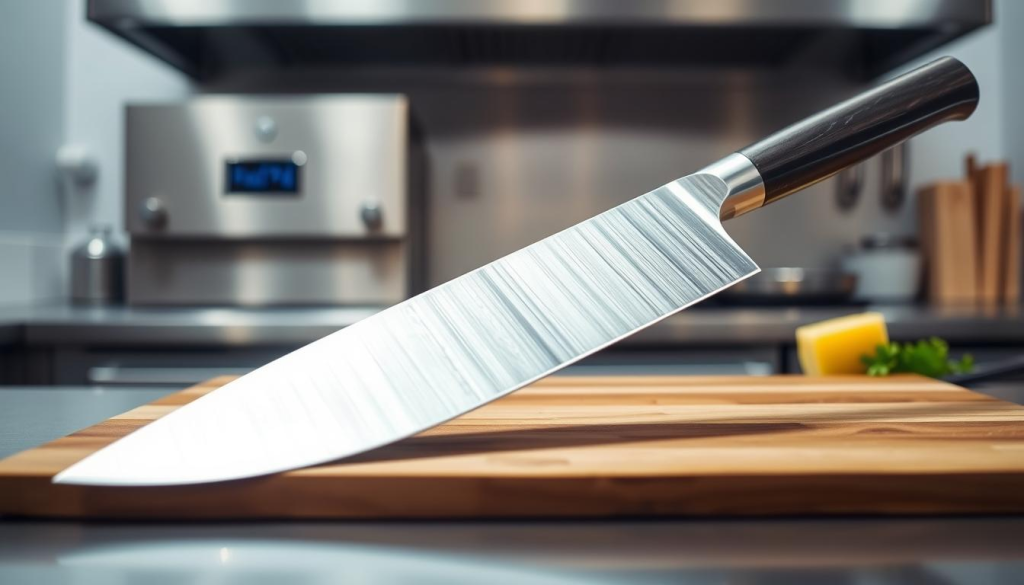
Proper storage and maintenance of your sashimi knife are also critical for safety. A well-maintained knife is not only more effective but also safer to use.
Some best practices include:
- Store your knife in a dry place, away from children and pets.
- Use a knife block or magnetic strip to keep the knife secure.
- Regularly sharpen your knife to maintain its effectiveness and safety.
Teaching Knife Safety
Teaching others about sashimi knife safety is an important aspect of creating a safe cooking environment. Whether you’re instructing children or novice cooks, emphasizing the importance of handling knives with care is crucial.
Some tips for teaching knife safety include:
- Demonstrate proper handling techniques clearly.
- Supervise beginners as they practice using the knife.
- Encourage questions and discussions about safety practices.
By following these guidelines, you can significantly reduce the risk of accidents and ensure that your culinary experiences are both enjoyable and safe.
The Cultural Significance of Sashimi Knives
Sashimi knives are not just tools for preparing sashimi; they embody a rich cultural heritage that reflects Japan’s culinary traditions and values. The craftsmanship and precision that go into creating these knives are a testament to the importance of attention to detail in Japanese cuisine.
Historical Background
The history of sashimi knives dates back centuries, with roots in traditional Japanese sword-making techniques. Over time, these knives evolved to meet the specific needs of preparing sashimi, reflecting the cultural significance of this dish in Japan.
Role in Japanese Cuisine
In Japanese cuisine, the sashimi knife plays a crucial role in the preparation of sashimi, a dish that requires precision and delicacy. The knife’s design and functionality are tailored to this specific task, highlighting the importance of specialized tools in culinary traditions.
Cultural Impact
The cultural impact of sashimi knives extends beyond their functional use, symbolizing the respect for tradition and craftsmanship that is characteristic of Japanese culture. As a symbol of culinary art, the sashimi knife continues to inspire chefs and food enthusiasts around the world.