I recently had the opportunity to attend the Sakai Takayuki workshop, a renowned institution for knife making that inherits the 600-year history of Sakai’s traditions.
The workshop is a place where artisans and enthusiasts come together to master the art of creating high-quality blades. With a rich history, Sakai Takayuki is a name synonymous with excellence in knife making.
At this exceptional workshop, participants learn from skilled craftsmen and gain hands-on experience in the art of knife making, allowing them to appreciate the intricacies of crafting a truly exceptional knife.
Key Takeaways
- Learn from skilled craftsmen in the art of knife making.
- Gain hands-on experience crafting high-quality blades.
- Understand the 600-year history and traditions behind Sakai knife making.
- Master techniques for creating exceptional knives.
- Appreciate the art and craftsmanship involved in knife making.
Introduction to Sakai Takayuki Workshop
With the establishment of its workshop, Sakai Takayuki is addressing the challenge of succession in traditional Japanese knife making. The workshop is not just a platform for learning; it’s an initiative to preserve the traditional Japanese craft that has been passed down through generations.
The Sakai Takayuki workshop is significant because it provides a structured environment where young craftsmen can learn the intricacies of Japanese knife making from experienced artisans. This hands-on approach ensures that the techniques and traditions are passed on effectively.
- Comprehensive training in traditional Japanese knife-making techniques
- Hands-on experience with high-quality materials and tools
- Guidance from skilled craftsmen who have mastered the art of Japanese knife making
By focusing on these elements, the Sakai Takayuki workshop is playing a crucial role in keeping the art of Japanese knife making alive. It’s an opportunity for aspiring craftsmen to gain the skills and knowledge required to continue this legacy.
The significance of this workshop extends beyond the preservation of traditional crafts; it also contributes to the evolution of Japanese knife making by introducing new talent and innovative techniques.
A Legacy of Craftsmanship
With a history spanning generations, Sakai Takayuki has perfected the craft of Sakai knife making. The art of creating exceptional knives has been passed down through the years, with each generation contributing to the evolution of Sakai knife craftsmanship.
The story of Sakai Takayuki is one of dedication and passion for traditional Japanese cutlery. From its origins to the present day, Sakai Takayuki has remained committed to preserving the traditional techniques that have defined its craft.
History of Sakai Takayuki
Sakai Takayuki’s history is deeply rooted in the traditions of Sakai, a city renowned for its knife-making heritage. The craft has been influenced by various factors over the centuries, including the demands of the Japanese culinary world and the innovations of skilled craftsmen.
- The early days of Sakai Takayuki were marked by a focus on creating high-quality knives for the Japanese market.
- Over time, the company expanded its reach, catering to a global clientele while maintaining its commitment to traditional techniques.
- Today, Sakai Takayuki is recognized for its exceptional Sakai knife craftsmanship, blending tradition with modern innovations.
Traditional Techniques Used in Knife Making
The art of knife making at Sakai Takayuki involves a range of traditional techniques that have been refined over generations. These include:
- Forging: The process of shaping and strengthening the steel to create a durable and sharp blade.
- Tempering: A critical step that involves heating and cooling the steel to achieve the perfect balance of hardness and flexibility.
- Sharpening: The final stage, where the knife is honed to a razor-sharp edge, ready for use.
These traditional techniques, combined with a deep understanding of traditional Japanese cutlery, enable Sakai Takayuki to produce knives that are not only functional but also works of art.
The Significance of Quality Knives
Quality knives are a cornerstone of culinary excellence, impacting every aspect of food preparation. Whether you’re a professional chef or an enthusiastic home cook, the right knife can make a significant difference in your cooking experience.
Why Quality Matters in Culinary Arts
In the culinary world, quality knives are not just tools; they are an extension of the chef’s skill and artistry. A quality knife is crafted with precision and care, ensuring that it performs optimally and withstands the rigors of frequent use.
The materials used in a quality knife, such as high-carbon steel, contribute to its durability and ability to hold a sharp edge. This results in cleaner cuts and less damage to ingredients, preserving their texture and appearance.
The Impact of a Good Knife on Cooking
A good knife can significantly enhance your cooking experience by providing precision and control. With a quality knife, tasks such as chopping, slicing, and mincing become more efficient, allowing you to focus on the creative aspects of cooking.
Moreover, a well-balanced knife reduces fatigue during prolonged cooking sessions, making the overall cooking process more enjoyable. As highlighted in our artisan knife workshop, mastering the use of quality knives is essential for any culinary professional or enthusiast.
By investing in a quality knife and learning proper techniques, you can elevate your cooking to new heights. The right knife becomes an indispensable tool in your kitchen, enhancing both the process and the outcome of your culinary endeavors.
The Workshop Experience: What to Expect
The Sakai Takayuki workshop is designed to provide a comprehensive understanding of knife-making, from forging to sharpening techniques. As you participate in the workshop, you’ll gain a deep appreciation for the craftsmanship involved in creating high-quality knives.
During the workshop, you’ll have the opportunity to engage in hands-on activities and learn from experienced craftsmen. This immersive experience is designed to equip you with the skills and knowledge necessary to appreciate and work with Sakai Takayuki knives.
Hands-On Knife-Making Sessions
One of the highlights of the Sakai Takayuki workshop is the hands-on knife-making sessions. Under the guidance of skilled craftsmen, you’ll learn the intricacies of knife-making, including forging, shaping, and sharpening techniques. This practical experience allows you to understand the precision and care that goes into crafting each knife.
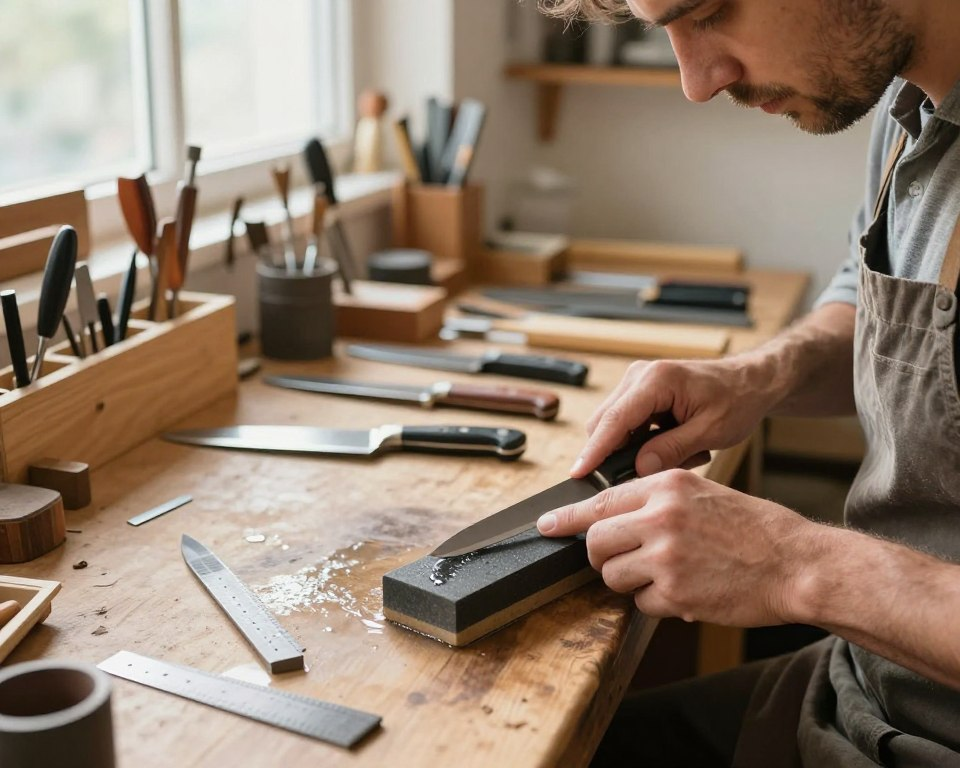
To give you a better understanding of the process, here’s an overview of what you’ll learn during the hands-on sessions:
| Session | Topic | Key Takeaways |
|---|---|---|
| 1 | Forging | Understanding steel selection and heating techniques |
| 2 | Shaping | Mastering the art of shaping the knife to perfection |
| 3 | Sharpening | Learning various sharpening techniques for optimal edge retention |
Expert Guidance from Skilled Craftsmen
The Sakai Takayuki workshop is led by experienced craftsmen who have spent years perfecting their craft. Their expertise provides valuable insights into the world of Japanese knife-making, including the importance of sharpening techniques. You’ll have the opportunity to ask questions and learn from their experiences.
By the end of the workshop, you’ll not only have a newfound appreciation for the craftsmanship involved in creating Sakai Takayuki knives, but you’ll also have the skills to maintain and care for your knives, including mastering various sharpening techniques.
Understanding Different Knife Types
Different knives serve different purposes, and being aware of these distinctions is vital for both professional chefs and home cooks. The world of professional knife making has evolved to cater to various culinary needs, resulting in a diverse range of knives.
In this section, we’ll explore the essential knives that every kitchen should have, as well as specialty knives that are used for specific tasks.
Essential Knives for Every Kitchen
Every kitchen, whether professional or home-based, requires a set of fundamental knives. These include:
- The Chef’s Knife: A versatile knife used for chopping, slicing, and mincing ingredients.
- The Paring Knife: Ideal for peeling and coring fruit and vegetables.
- The Serrated Utility Knife: Useful for slicing through tough or fibrous materials.
These knives form the backbone of any kitchen, enabling cooks to perform a variety of tasks efficiently.
Specialty Knives: When and How to Use Them
Beyond the essentials, there are numerous specialty knives designed for specific culinary tasks. These include:
- The Boning Knife: Used to remove bones from meat, poultry, and fish.
- The Fillet Knife: Essential for filleting fish, providing a smooth, boneless cut.
- The Cleaver: A heavy knife used for chopping through bones and thick meat.
Understanding when and how to use these specialty knives can significantly enhance your cooking experience, allowing for more precise and efficient preparation of ingredients.
By familiarizing yourself with both the essential and specialty knives, you’ll be better equipped to tackle a wide range of culinary tasks, from everyday meal preparation to more complex cooking techniques.
Choosing the Right Materials
In the world of artisanal bladesmithing, the choice of materials is paramount. The materials used in knife making play a significant role in determining the quality and performance of the knife.
Types of Steel Used in Sakai Takayuki Knives
Sakai Takayuki knives are renowned for their high-quality steel. The type of steel used is crucial for the knife’s sharpness, durability, and resistance to corrosion. Common types of steel used include:
- VG-10: Known for its high carbon content and excellent sharpness retention.
- AEB-L: A stainless steel that offers superior corrosion resistance.
- Blue Steel: A high-carbon steel that is prized for its sharpness and edge retention.
| Steel Type | Carbon Content | Corrosion Resistance | Sharpness Retention |
|---|---|---|---|
| VG-10 | High | Good | Excellent |
| AEB-L | Medium | Excellent | Good |
| Blue Steel | High | Fair | Excellent |
The Role of Handle Materials in Performance
The handle material is not just about aesthetics; it also plays a crucial role in the overall performance of the knife. Different materials offer varying levels of durability, comfort, and maintenance requirements.
For instance, wooden handles are prized for their beauty and comfort, but they require more maintenance than synthetic or metal handles. On the other hand, metal handles are durable and easy to clean but can be slippery in wet conditions.
Ultimately, the choice of handle material depends on personal preference, intended use, and maintenance willingness.
Caring for Your Sakai Takayuki Knife
To ensure your Sakai Takayuki knife remains in top condition, regular care is essential. Proper maintenance not only extends the life of your knife but also ensures it continues to perform at its best.
Proper Cleaning Techniques
Cleaning your Sakai Takayuki knife is a straightforward process that requires some care. Always hand wash your knife with mild soap and dry it immediately to prevent rust. Avoid using a dishwasher, as the high heat and harsh detergents can damage the blade.
For tougher residue, you can use a soft sponge or cloth to gently scrub the blade. However, be sure to avoid using abrasive materials that could scratch the knife.
Sharpening Tips for Longevity
Sharpening is a critical aspect of maintaining your Sakai Takayuki knife. Regular sharpening keeps the blade in optimal condition and prevents it from becoming dull.
- Use a whetstone or sharpening rod that is appropriate for your knife’s material.
- Sharpen at the correct angle, typically around 15-20 degrees for Japanese knives.
- Sharpen regularly, even if it’s just a few strokes to maintain the edge.
By following these tips, you can ensure your Sakai Takayuki knife remains a valuable tool in your kitchen for years to come.
Knife Skills: Techniques to Master
Effective knife skills are not just about chopping ingredients; they’re about transforming the way you cook and interact with food. Mastering these skills can elevate your culinary experience, making cooking more efficient and enjoyable. Whether you’re a novice cook or an experienced chef, refining your knife techniques is essential for achieving precision and safety in the kitchen.
When it comes to traditional Japanese cutlery, the art of knife handling is deeply rooted in tradition and precision. The craftsmanship of Sakai Takayuki knives, known for their exceptional quality, demands a level of skill that is both revered and required. By mastering knife skills, you not only enhance your cooking but also pay homage to the artisanal heritage behind these exceptional tools.
Basic Knife Skills Every Chef Should Know
To start, every chef should master basic knife skills that form the foundation of cooking. This includes:
- Proper grip: Holding the knife correctly to ensure control and safety.
- Chopping techniques: Understanding how to chop ingredients efficiently and uniformly.
- Slicing: Learning to slice ingredients thinly and evenly.
- Mincing: Mastering the technique of mincing ingredients finely.
These fundamental skills are crucial for preparing ingredients and are used in a variety of dishes. Practicing these techniques with a high-quality knife, such as those produced by Sakai Takayuki, can significantly improve your cooking.
Advanced Techniques for Enthusiasts
For those looking to advance their skills, techniques such as filleting fish, deboning meat, and creating intricate garnishes can add a new dimension to your cooking. These advanced techniques require patience, practice, and a deep understanding of knife handling.
One advanced technique is the art of Julienne cutting, which involves cutting vegetables into thin, uniform strips. This technique not only enhances the presentation of dishes but also ensures even cooking. Mastering such techniques with traditional Japanese cutlery can elevate your culinary creations.
By dedicating time to mastering both basic and advanced knife skills, you’ll not only become more proficient in the kitchen but also develop a deeper appreciation for the craftsmanship behind exceptional knives like those from Sakai Takayuki.
The Role of Sakai Takayuki in Culinary Education
Through its workshops and collaborations, Sakai Takayuki plays a pivotal role in shaping culinary education. By integrating traditional knife-making techniques into culinary curricula, Sakai Takayuki enhances the learning experience for students.
Workshops Tailored for Culinary Students
Sakai Takayuki offers specialized workshops designed specifically for culinary students, providing them with hands-on experience in sakai knife craftsmanship. These workshops are an integral part of culinary education, offering insights into the art of knife making and the importance of quality knives in professional kitchens.
The workshops cover various aspects of knife craftsmanship, from selecting the right materials to mastering the techniques involved in creating an artisan knife. Students learn about the different types of steel used in knife making and the role of handle materials in performance.
Collaborations with Culinary Schools
Sakai Takayuki collaborates with culinary schools to develop curriculum modules that focus on knife skills and the art of knife making. These collaborations ensure that students receive comprehensive training in the use and care of high-quality knives.
One of the key outcomes of these collaborations is the development of artisan knife workshops that are integrated into the culinary programs. These workshops not only teach students about knife making but also provide them with the opportunity to work with experienced craftsmen.
| Collaboration Benefits | Description |
|---|---|
| Enhanced Curriculum | Inclusion of traditional knife-making techniques in culinary programs |
| Hands-on Experience | Opportunities for students to engage in artisan knife workshops |
| Industry Insights | Access to experienced craftsmen and industry experts |
As culinary education continues to evolve, the role of Sakai Takayuki in shaping the next generation of chefs remains invaluable. Through its workshops and collaborations, Sakai Takayuki ensures that culinary students are equipped with the skills and knowledge necessary to excel in their careers.
Testimonials from Workshop Attendees
Attendees of the Sakai Takayuki workshop have shared inspiring stories of personal and culinary growth. Their experiences not only highlight the workshop’s effectiveness in teaching knife-making skills but also its impact on their overall approach to cooking.
Personal Growth Through Mastery of Knives
Mastering the art of knife making at the Sakai Takayuki workshop has been a journey of personal growth for many attendees. By learning professional knife making techniques, participants have gained confidence in their abilities, which extends beyond the kitchen. As one attendee noted, “The workshop wasn’t just about making knives; it was about understanding the value of precision and patience.”
Another attendee shared, “The hands-on experience and expert guidance helped me refine my skills and appreciate the craftsmanship behind a well-made knife.” This personal growth is a testament to the workshop’s comprehensive approach to teaching not just sharpening techniques, but the art of knife making as a whole.
How the Workshop Influenced Attendees’ Cooking
The Sakai Takayuki workshop has had a profound influence on attendees’ cooking techniques. By understanding the intricacies of a well-crafted knife, participants have been able to elevate their culinary skills. As reflected in the testimonials, attendees have noticed significant improvements in their cooking efficiency and technique.
“The workshop changed my perspective on cooking. With a properly made knife, every task becomes more enjoyable and precise.” – Workshop Attendee
The feedback from workshop attendees underscores the value of the Sakai Takayuki experience. It’s not just about learning to make knives; it’s about transforming one’s approach to cooking and culinary arts.
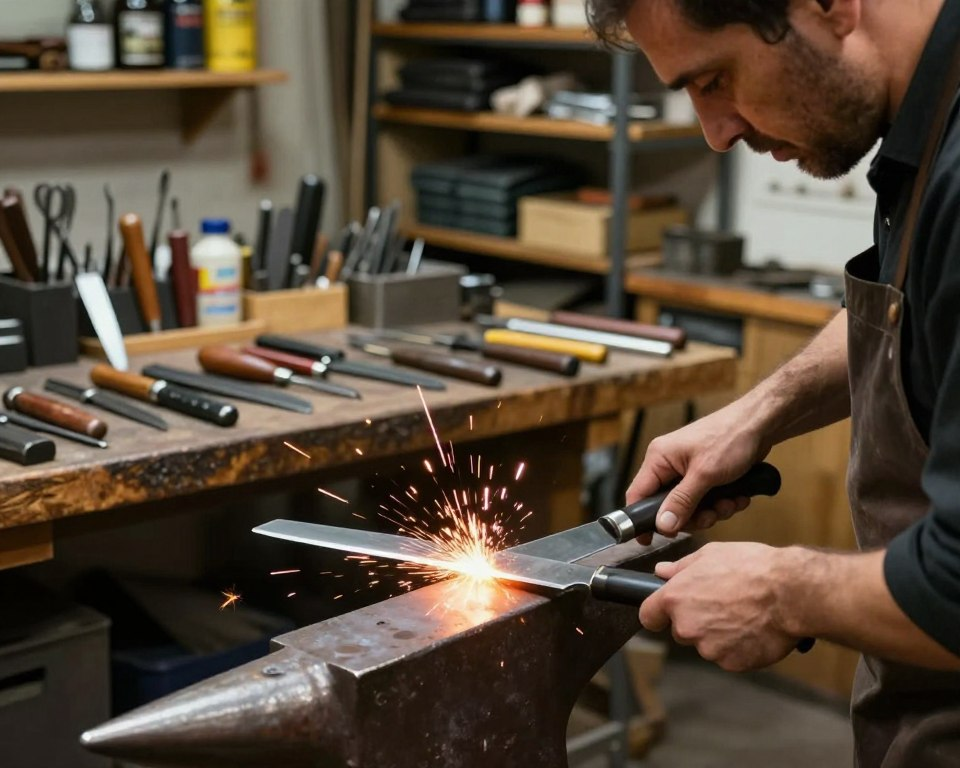
Through the testimonials, it’s clear that the Sakai Takayuki workshop offers more than just technical skills; it provides a foundation for personal and professional growth in the culinary world.
How to Sign Up for a Workshop
For those eager to master the art of knives, signing up for a Sakai Takayuki artisanal bladesmithing workshop is a great opportunity. The workshop offers hands-on experience in crafting high-quality knives.
Registration Details
To register, simply visit our website and fill out the online application form. The registration fee is $200, which includes all materials and instruction. A deposit of $100 is required to secure your spot.
Upcoming Workshop Dates
Our upcoming artisanal bladesmithing workshop dates are scheduled for March 15-17 and June 20-22. The workshops will be held at our facility in Sakai, Japan. We look forward to welcoming you to our artisanal bladesmithing workshop, where you can hone your skills and take home your very own handmade Sakai Takayuki knife.