
I have always been fascinated by the art of Japanese knife craftsmanship, and the Sakai Takayuki White Steel Yanagiba is a testament to this tradition. This exceptional knife is designed for precision and durability, making it a valuable asset in any chef’s kitchen.
The Yanagiba knife, with its slender, curved blade, is a staple for chefs who demand the highest quality cutting performance. Its white steel blade is renowned for its sharpness and ability to retain its edge, ensuring that chefs can work with confidence and precision.
Key Takeaways
- The Sakai Takayuki White Steel Yanagiba is a high-quality, handmade Japanese knife.
- It features a white steel blade known for its sharpness and durability.
- This knife is designed for precision and is a must-have for professional chefs.
- The Yanagiba’s curved blade is ideal for slicing and cutting with precision.
- Its craftsmanship reflects the traditional Japanese art of knife making.
Introduction to Sakai Takayuki Yanagiba
With a history rooted in the knife-making traditions of Sakai City, Osaka, the Sakai Takayuki Yanagiba is a testament to the art of Japanese knifemaking. Sakai City has been renowned for its knife production for over 600 years, and Sakai Takayuki continues this legacy with its exceptional craftsmanship.
A Brief History of Sakai Takayuki
Sakai Takayuki is a respected name in the world of Japanese cutlery, known for producing high-quality knives that blend traditional techniques with modern sensibilities. The company’s history is deeply intertwined with the traditions of Sakai City, a place that has been a hub for Japanese sword and knife production for centuries. This heritage is evident in the meticulous attention to detail and the high carbon steel used in their knives, such as the Yanagiba.
The Art of Japanese Knifemaking
Japanese knifemaking is an art form that requires precision, patience, and a deep understanding of the materials and techniques involved. The process of crafting a traditional Japanese chef knife like the Yanagiba involves selecting the finest high carbon steel, carefully heat-treating the metal to achieve the perfect balance between hardness and flexibility, and then honing the blade to a razor-sharp edge. This dedication to quality results in a knife that is not only functional but also a work of art.
Importance of Yanagiba in Culinary Arts
The Yanagiba is a traditional Japanese chef knife used primarily for slicing fish for sashimi and sushi. Its long, slender blade allows for precise, smooth cuts, making it an indispensable tool for chefs who require precision and control in their work. The Yanagiba’s role in culinary arts extends beyond its functionality; it is also a symbol of the respect and reverence for the craft of cooking that is deeply ingrained in Japanese culture.
Understanding White Steel
White steel, a material prized for its hardness and edge retention, is the backbone of the Sakai Takayuki Yanagiba’s performance. This type of high-carbon steel is particularly valued in the culinary world for its ability to hold a sharp edge, a critical feature for knives used in precise cutting tasks.
What is White Steel?
White steel is a specific type of steel alloy known for its high carbon content, which contributes to its hardness and durability. The process of making white steel involves careful control of the carbon content and the inclusion of other elements that enhance its properties. The result is a material that is not only hard but also capable of achieving a very sharp edge, making it ideal for single-edged knives like the Yanagiba.
The characteristics of white steel make it particularly suited for applications where sharpness and edge retention are paramount. Its ability to be sharpened to a fine edge is crucial for tasks that require precision, such as slicing fish for sushi.
Benefits of Using White Steel for Knives
The use of white steel in knife construction offers several benefits, particularly for sushi knives. One of the primary advantages is its ability to achieve and maintain a sharp edge. White steel knives are known for their sharpness, which is essential for making clean cuts through delicate foods without causing damage.
- Sharpness: White steel can be sharpened to a very fine edge, crucial for precise cutting.
- Durability: Despite its hardness, white steel is durable and can withstand the rigors of frequent use.
- Edge Retention: The high carbon content in white steel allows it to retain its edge longer than other materials.
Comparison with Other Steel Types
When compared to other types of steel, white steel stands out due to its unique combination of hardness and edge retention. Other steel types, such as stainless steel or Damascus steel, have their own advantages but may not offer the same level of sharpness or require more maintenance.
| Steel Type | Sharpness | Edge Retention | Maintenance |
|---|---|---|---|
| White Steel | High | High | Moderate |
| Stainless Steel | Moderate | Moderate | Low |
| Damascus Steel | High | High | High |
In conclusion, white steel is a superior material for knives, particularly for those used in sushi preparation, due to its sharpness, durability, and edge retention. The Sakai Takayuki Yanagiba, with its white steel blade, exemplifies the qualities that make this material so valued in the culinary arts.
Design Features of the Yanagiba
Crafted with meticulous attention to detail, the Yanagiba embodies the art of Japanese knifemaking. As a professional chef knife, it is designed to deliver precision and performance in culinary tasks.
Blade Shape and Functionality
The Yanagiba’s blade is characterized by its long, curved shape, which is ideal for slicing fish and other delicate ingredients. This unique shape allows for smooth, even cuts, making it an essential tool for preparing sushi and sashimi. The curved edge enables chefs to slice through ingredients with minimal pressure, reducing the risk of tearing or damaging the food.
Handle Material and Ergonomics
The handle of the Yanagiba is typically made from natural materials such as wood, providing a comfortable grip for chefs. The ergonomic design of the handle ensures that it fits well in the hand, allowing for precise control over the knife. As a handmade Yanagiba knife, the handle is crafted to balance with the weight of the blade, creating a harmonious feel during use.
Aesthetics: Traditional vs. Modern Design
The Yanagiba’s design reflects a blend of traditional and modern aesthetics. While traditional models feature classic designs and materials, modern variations may incorporate innovative materials and styles. This blend of old and new makes the Yanagiba appealing to both traditionalists and those who appreciate modern twists on classic designs.
In conclusion, the Yanagiba’s design features, including its blade shape, handle material, and aesthetics, make it a versatile and valuable tool for chefs. Whether used for traditional Japanese cuisine or modern culinary creations, the Yanagiba stands out as a professional chef knife of exceptional quality.
Why Choose the Yanagiba?
The Sakai Takayuki White Steel Yanagiba is a knife that stands out for its exceptional precision and versatility. This characteristic makes it an essential tool for chefs who require high performance in their kitchen.
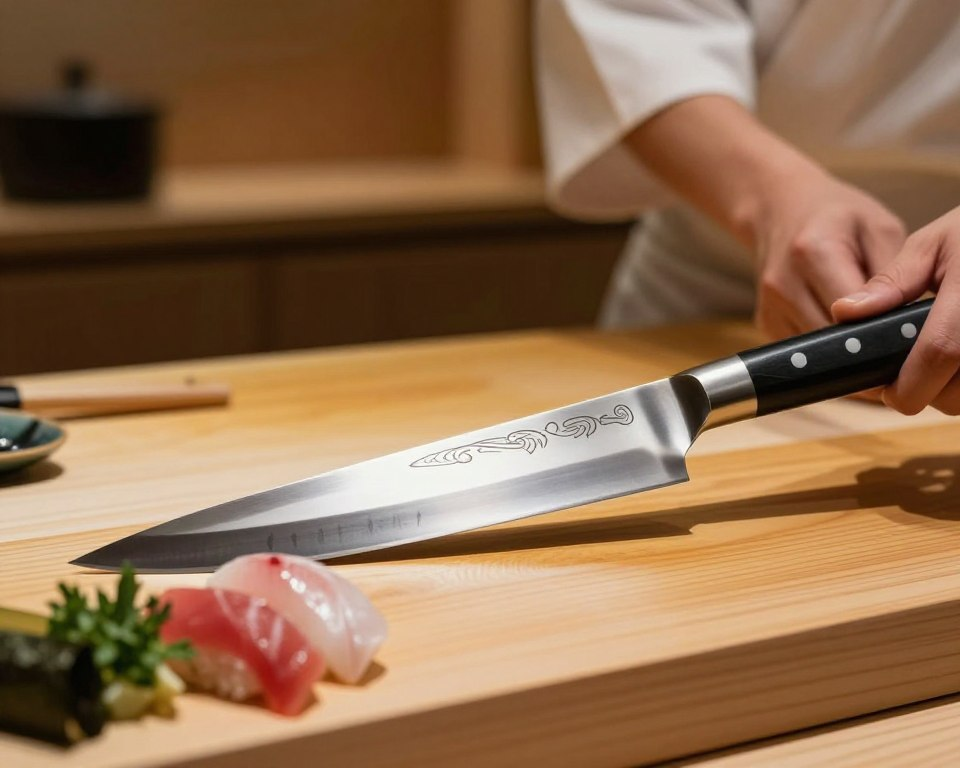
Precision Slicing for Sushi and Sashimi
The Yanagiba is particularly renowned for its ability to slice ingredients with precision, a critical skill in the preparation of sushi and sashimi. Its long, curved blade allows for smooth, even cuts, ensuring that each piece is uniform and visually appealing.
Precision slicing is not just about aesthetics; it’s also crucial for the texture and overall dining experience. The Yanagiba’s design enables chefs to achieve the perfect cut every time, making it an indispensable tool for sushi and sashimi preparation.
Versatility Beyond Japanese Cuisine
While the Yanagiba is deeply rooted in Japanese culinary traditions, its versatility extends far beyond. It can be used for a variety of tasks, from slicing meat and vegetables to preparing delicate garnishes. The knife’s balance and ergonomics make it comfortable to use for extended periods, reducing fatigue and improving overall performance.
The versatility of the Yanagiba makes it a valuable addition to any kitchen, whether you’re a professional chef or a home cook. Its ability to perform multiple tasks with precision and ease is a significant advantage.
Ideal for Professional Chefs and Home Cooks
The Yanagiba is a knife that appeals to both professional chefs and home cooks. For professionals, it offers the precision and reliability needed for high-volume kitchens. For home cooks, it provides an opportunity to elevate their cooking with professional-grade tools.
Investing in a Yanagiba is not just about purchasing a knife; it’s about enhancing your culinary experience. Whether you’re preparing complex dishes or simple meals, the Yanagiba’s quality and performance make it a worthwhile investment.
Maintenance Tips for Your Yanagiba
The longevity and effectiveness of your traditional Japanese chef knife depend on proper care. Maintaining your Yanagiba involves several key practices that ensure it remains a valuable tool in your kitchen.
How to Properly Sharpen White Steel Knives
Sharpening is a critical aspect of maintaining your Yanagiba. White steel knives require regular sharpening to maintain their edge. I recommend using a whetstone, as it allows for precise control over the sharpening angle.
- Start with a coarse grit stone (about 1000) to repair any damage to the edge.
- Progress to a finer grit stone (around 6000) for honing and polishing the edge.
- Finish with a polishing stone for a razor-sharp edge.
Tip: Maintain a consistent angle and apply gentle pressure to avoid damaging the blade.
Cleaning and Storage Best Practices
Cleaning your Yanagiba immediately after use is crucial to prevent rust. Avoid washing it in a dishwasher, as the high heat and harsh detergents can damage the blade.
- Hand wash the knife with mild soap and dry it thoroughly.
- Apply a thin layer of oil to the blade to prevent rust.
- Store the knife in a dry place, away from other utensils that could cause damage.
Avoiding Common Mistakes
To extend the life of your Yanagiba, avoid common mistakes such as exposing it to acidic foods or harsh chemicals. Regularly check your knife for signs of wear and address any issues promptly.
- Avoid cutting on hard surfaces like stone or metal.
- Don’t leave your knife wet or dirty for extended periods.
- Regularly inspect and maintain the handle to ensure it remains secure.
By following these maintenance tips, you can ensure your Sakai Takayuki White Steel Yanagiba remains a trusted companion in your culinary endeavors.
How to Select the Right Yanagiba
The right Yanagiba knife can elevate your culinary skills, but choosing it requires careful consideration. With so many options available, understanding the key features of a Yanagiba is crucial.
Blade Lengths and Their Uses
Yanagiba knives come in various blade lengths, typically ranging from 210mm to 315mm. The choice of blade length depends on the intended use and personal preference.
| Blade Length | Typical Use |
|---|---|
| 210mm | Ideal for preparing sashimi and sushi, offering precision and control. |
| 270mm | Suitable for slicing larger fish fillets and for chefs who prefer a longer blade. |
| 315mm | Often used by professional chefs for large-scale food preparation. |
As noted by Chef Yukio Hattori, “The length of the Yanagiba blade is not just a matter of personal preference; it’s about the type of cuisine you’re preparing.”
Personal Preferences: Handle Type and Shape
The handle of a Yanagiba is just as important as the blade. Different handle materials and shapes can significantly affect the knife’s ergonomics.
Understanding Handle Materials
Handle materials range from traditional wood to modern synthetic materials. Each has its benefits:
- Wooden handles offer a traditional feel and are often more comfortable in the hand.
- Synthetic materials are durable and resistant to wear and tear.
Understanding Different Brands and Models
Several brands are renowned for their high-quality Yanagiba knives, including Sakai Takayuki. When choosing a brand, consider factors such as the material used for the blade, the craftsmanship, and the brand’s reputation.
“A good knife is not just about cutting; it’s about the experience. Sakai Takayuki’s Yanagiba knives are crafted with precision and care, making them a favorite among chefs.” –
When selecting a Yanagiba, it’s essential to consider the type of steel used. High carbon steel knives, like those from Sakai Takayuki, are prized for their sharpness and durability.
Popular Models of Sakai Takayuki Yanagiba
When it comes to sushi knives, Sakai Takayuki’s Yanagiba stands out for its excellence. The brand offers a range of models that cater to different needs, particularly for professional chefs.
Overview of the 210mm Yanagiba
The 210mm Yanagiba is a versatile model, ideal for preparing sushi and sashimi. Its length provides a good balance between control and slicing capability.
Key Features:
- Precision-ground White Steel blade
- Ergonomic handle design
- Balanced weight for reduced fatigue
Advantages of the 270mm Yanagiba
The 270mm Yanagiba is preferred by many professional chefs for its ability to slice larger fish with ease. The longer blade allows for smoother, more even cuts.
Benefits:
- Enhanced slicing performance
- Ideal for larger fish and more intricate cuts
- Maintains sharpness over time
Customer Favorites and Reviews
Customer feedback highlights the quality and performance of Sakai Takayuki’s Yanagiba knives. Many users praise the sharpness and durability of the White Steel.
“The Sakai Takayuki Yanagiba has become an indispensable tool in my kitchen. Its balance and sharpness are unmatched.”
| Model | Length | Material | Customer Rating |
|---|---|---|---|
| 210mm Yanagiba | 210mm | White Steel | 4.8/5 |
| 270mm Yanagiba | 270mm | White Steel | 4.9/5 |
Comparing Yanagiba to Other Japanese Knives
The world of Japanese knives is diverse, but the Yanagiba is renowned for its precision in slicing fish. As a chef or culinary enthusiast, understanding the differences between various Japanese knives is crucial for selecting the right tool for your needs.
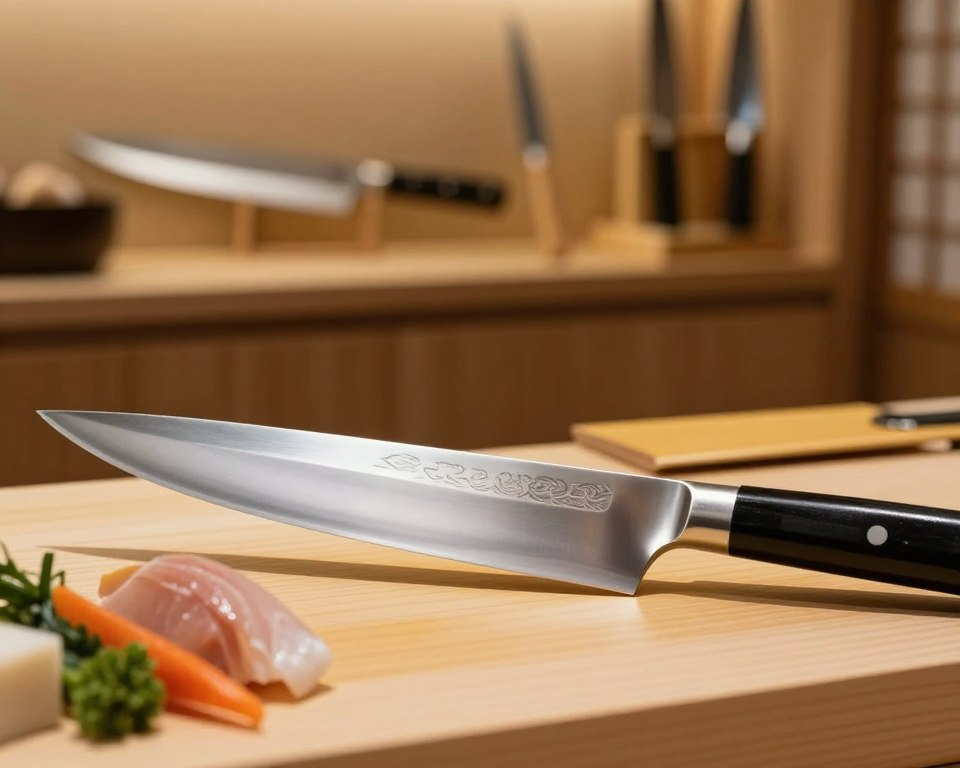
Differences Between Yanagiba and Gyuto
The Yanagiba and Gyuto are two distinct types of Japanese knives, each designed for specific tasks. The Yanagiba is a specialty knife primarily used for slicing fish, particularly for sashimi and sushi. Its long, curved blade allows for smooth, even cuts through fish, preserving its delicate texture.
In contrast, the Gyuto is a more versatile chef’s knife, similar to a Western chef’s knife. It is designed for a variety of tasks, including chopping, slicing, and mincing vegetables, meat, and fish. While the Gyuto can be used for slicing fish, it does not offer the same level of precision as the Yanagiba for this specific task.
The Role of Deba in Japanese Cooking
The Deba knife is another specialty knife in Japanese cuisine, primarily used for filleting and cutting fish. It is a heavy, sturdy knife with a thick spine, making it ideal for tasks that require more force, such as cutting through bones.
Unlike the Yanagiba, which is designed for slicing, the Deba is used for more robust tasks. However, both knives are essential in a Japanese kitchen, highlighting the importance of having a variety of knives for different culinary tasks.
Specialty Knives vs. All-Purpose Knives
Japanese cuisine often emphasizes the use of specialty knives for specific tasks, as seen with the Yanagiba and Deba. These knives are designed to excel in their particular roles, offering precision and ease of use.
On the other hand, all-purpose knives like the Gyuto are versatile and can be used for a wide range of tasks. The choice between specialty knives and all-purpose knives depends on the chef’s preferences and the specific requirements of their culinary work.
For those who frequently prepare Japanese dishes, investing in a handmade Yanagiba knife like the Sakai Takayuki White Steel Yanagiba can be a valuable addition to their kitchen arsenal. It offers the precision needed for slicing fish and other delicate ingredients, enhancing the overall quality of their dishes.
Culinary Techniques with the Yanagiba
For chefs looking to elevate their skills, the Yanagiba knife is an indispensable asset in the kitchen. This traditional Japanese chef knife is not just a tool; it’s a key to unlocking various culinary techniques that can transform the way you cook and present your dishes.
Mastering Slicing Techniques
The Yanagiba is renowned for its ability to slice ingredients with precision. To master slicing techniques, it’s essential to understand the proper grip and angle of the knife. The Yanagiba’s long, curved blade allows for smooth, even cuts, making it ideal for slicing fish, meat, and vegetables.
As emphasized by culinary experts, “The art of slicing is not just about cutting; it’s about presenting the ingredient in its most appealing form.” Practicing with the Yanagiba will help you achieve the perfect slice every time.
Creative Uses Beyond Fish
While the Yanagiba is traditionally used for slicing fish, its versatility extends far beyond this single use. Chefs can use it to slice thin cuts of meat for dishes like carpaccio or to precision-cut vegetables for salads and garnishes.
- Slicing meat for carpaccio
- Cutting vegetables for salads
- Creating garnishes for soups and dishes
Food Presentation and Plating Skills
The way you present your dish can elevate the dining experience. The Yanagiba’s precision allows for uniform slices that can be arranged artfully on a plate. This attention to detail not only showcases your culinary skills but also adds an aesthetic appeal to the dish.
As noted by a renowned chef, “The presentation is not just about making the dish look good; it’s about telling a story through the arrangement and choice of ingredients.” The Yanagiba helps you achieve this by enabling precise cuts and creative plating.
| Technique | Description | Benefit |
|---|---|---|
| Slicing | Precise cuts for uniform slices | Enhances presentation |
| Cutting Vegetables | Uniform cuts for salads and garnishes | Adds texture and visual appeal |
Cost and Investment in a Yanagiba
The cost of a Yanagiba knife can vary widely, depending on several key factors that determine its quality and performance. When investing in a high-quality Yanagiba, it’s essential to understand these factors and how they impact the overall price.
Understanding Pricing: What to Expect
The price of a Yanagiba knife is influenced by the materials used, the craftsmanship involved, and the brand reputation. High-carbon steel, for instance, is a premium material that offers superior sharpness and durability, but it comes at a higher cost. The complexity of the knife’s design and the skill level of the craftsman also play significant roles in determining the final price.
Here is a breakdown of the typical price ranges for Yanagiba knives:
| Material | Craftsmanship | Price Range |
|---|---|---|
| High-Carbon Steel | Handmade | $200-$500 |
| High-Carbon Steel | Machine-made | $100-$300 |
| Stainless Steel | Handmade | $150-$400 |
Long-Term Value of Quality Knives
Investing in a high-quality Yanagiba knife, especially one made from high-carbon steel, is a decision that pays off in the long run. These knives are known for their durability and ability to retain their sharpness, reducing the need for frequent replacements. Moreover, a well-maintained Yanagiba can become a trusted companion in the kitchen for years to come.
Where to Buy: Retailers and Online Options
When it comes to purchasing a Yanagiba knife, you have several options. Specialty kitchen stores and online retailers offer a wide range of Yanagiba knives from various brands. It’s crucial to buy from reputable sources to ensure authenticity and quality. Online marketplaces like Amazon, as well as specialty knife stores, provide customer reviews and detailed product descriptions that can help in making an informed decision.
Some key considerations when buying online include checking the seller’s ratings, reading customer reviews, and looking for warranties or guarantees offered by the manufacturer or retailer.
- Check for authenticity and brand reputation
- Read customer reviews and product descriptions
- Consider the warranty and after-sales service
By understanding the factors that influence the cost of a Yanagiba knife and knowing where to buy, you can make a well-informed investment in a single-edged knife that meets your culinary needs.
Community and Culture around the Yanagiba
With its rich history and precise craftsmanship, the Yanagiba has become an integral part of Japan’s gastronomic heritage. The Yanagiba knife is not just a tool; it’s a bridge between tradition and innovation, connecting chefs and culinary enthusiasts worldwide.
Significance in Japanese Culinary Tradition
The Yanagiba holds a revered place in Japanese culinary culture, particularly in the preparation of sushi and sashimi. Its long, slender blade is designed for precise slicing, allowing chefs to create uniform pieces that are both visually appealing and flavorful.
As Takashi Saito, a renowned Japanese chef, once said,
“A good Yanagiba is like an extension of the chef’s hand, allowing for the subtlest of movements and the most precise of cuts.”
This quote highlights the intimate relationship between the chef and the knife, a connection that is deeply rooted in Japanese culinary tradition.
Online Communities and Resources
The digital age has made it easier for enthusiasts and professionals to connect, share knowledge, and learn from one another. Online forums and social media groups dedicated to Japanese knives and culinary arts have flourished, providing a platform for discussions on everything from knife maintenance to advanced slicing techniques.
- Online forums like Reddit’s r/knives and r/cooking
- Specialized Facebook groups for knife enthusiasts
- YouTube channels focused on knife reviews and cooking tutorials
These online communities serve as valuable resources for those looking to deepen their understanding of the Yanagiba and its role in Japanese cuisine.
Workshops and Classes for Aspiring Chefs
For those who prefer hands-on learning, workshops and cooking classes offer an opportunity to gain practical experience under the guidance of experienced chefs. These sessions cover a range of topics, from basic knife skills to advanced culinary techniques.
| Workshop/Class | Focus | Level |
|---|---|---|
| Knife Skills Basics | Fundamental knife handling and safety | Beginner |
| Advanced Slicing Techniques | Precision slicing for sushi and sashimi | Intermediate |
| Culinary Mastery | Advanced cooking techniques and presentation | Advanced |
By participating in these workshops and classes, aspiring chefs can gain a deeper appreciation for the Yanagiba and its significance in professional chef training.
Conclusion: Making the Most of Your Yanagiba
As we conclude our exploration of the Sakai Takayuki White Steel Yanagiba, it’s clear that this handmade yanagiba knife is a valuable tool for any chef. The journey through the world of Japanese knives has highlighted the importance of quality and craftsmanship in culinary arts.
Key Takeaways
The Yanagiba’s precision and versatility make it an essential knife for slicing sushi and sashimi, as well as for various other culinary tasks. Understanding the benefits of White Steel and the art of Japanese knifemaking can enhance your appreciation for this exceptional Japanese knife.
Exploring Culinary Arts
Investing in a high-quality, handmade Yanagiba knife can elevate your culinary skills and deepen your appreciation for the traditions behind Japanese knife-making. I encourage you to continue exploring the world of culinary arts, experimenting with new techniques, and discovering the joy of cooking with exceptional tools.
Investing in Quality
A high-quality Yanagiba knife is not just a tool, but an investment in your culinary journey. By choosing a handmade yanagiba knife, you’re supporting the tradition of Japanese knifemaking and acquiring a piece of craftsmanship that will last a lifetime.