
I recently had the opportunity to work with the Sakai Takayuki VG10 Nashiji Gyuto Knife, and I was impressed by its exceptional quality and performance. This premium kitchen knife is designed to deliver outstanding cutting results, making it a valuable tool for both professional chefs and home cooks.
The knife’s VG10 stainless steel construction ensures it remains razor-sharp and resistant to corrosion. Its handmade Japanese craftsmanship is evident in its rugged yet elegant design, making it a reliable choice for various culinary tasks.
Key Takeaways
- Exceptional cutting performance due to its VG10 stainless steel construction
- Rugged yet elegant design suitable for professional and home kitchens
- High resistance to corrosion, ensuring durability
- Versatile for various culinary tasks
- A premium addition to any kitchen knife collection
Introduction to the Sakai Takayuki Nashiji Gyuto
The Sakai Takayuki Nashiji Gyuto is a premium Japanese chef’s knife that combines traditional craftsmanship with modern functionality. This knife is designed for chefs who value both the aesthetic and practical aspects of their tools.
What is a Gyuto Knife?
A Gyuto knife is a type of Japanese chef’s knife that is versatile and used for a variety of cutting tasks in the kitchen. It is often compared to a Western chef’s knife but has its own unique characteristics, such as a more curved blade that allows for a rocking motion during chopping.
The Gyuto knife is designed to handle various kitchen tasks, from slicing meat and fish to chopping vegetables. Its balanced design makes it comfortable to use for extended periods.
Overview of Sakai Takayuki Brand
Sakai Takayuki is a renowned brand in the world of Japanese knives, known for its high-quality and durable products. The brand combines traditional Sakai knifemaking techniques with modern materials and designs, resulting in knives that are both functional and beautiful.
The Sakai Takayuki brand has a long history of producing exceptional knives that cater to the needs of professional chefs and home cooks alike. Their commitment to quality is evident in every detail of their products.
The Significance of Nashiji Finish
The Nashiji finish on the Sakai Takayuki Gyuto knife gives it a distinctive textured appearance, resembling the skin of a pear. This finish is not just aesthetic; it also serves a practical purpose by reducing glare and improving the knife’s overall performance.
The Nashiji finish is achieved through a specialized process that involves creating a pattern on the blade. This process not only enhances the knife’s visual appeal but also contributes to its functionality.
| Feature | Description | Benefit |
|---|---|---|
| Nashiji Finish | Textured, stone-like appearance | Reduces glare, aesthetic appeal |
| Blade Material | High-carbon stainless steel | Durable, resistant to corrosion |
| Handle Design | Ergonomic, comfortable grip | Reduces fatigue, improves control |
Key Features of the Sakai Takayuki Nashiji Gyuto
Crafted with meticulous attention to detail, the Sakai Takayuki Nashiji Gyuto represents the pinnacle of handmade Japanese knives. This exceptional professional chef knife is designed to deliver outstanding performance in the kitchen.
Blade Material
The blade of the Sakai Takayuki Nashiji Gyuto is made from high-quality steel, known for its durability and ability to hold a sharp edge. This material ensures that the knife remains effective over time, requiring less frequent sharpening.
Blade Design
The design of the blade is both aesthetically pleasing and functional. The Nashiji finish gives the blade a unique appearance while also providing a practical benefit by reducing the risk of rust. The curved shape of the Gyuto allows for a smooth, rocking motion during chopping, making it ideal for a variety of kitchen tasks.
Handle Comfort and Grip
The handle of the Sakai Takayuki Nashiji Gyuto is crafted from luxurious ebony wood, offering not only durability but also a perfect balance and a rich, dark tone that complements the blade. The ergonomic design ensures a comfortable grip, reducing fatigue during extended use.
In summary, the Sakai Takayuki Nashiji Gyuto is a versatile and high-performance knife that combines exceptional craftsmanship with practical features, making it an invaluable tool for any serious chef or cooking enthusiast.
Benefits of Using the Nashiji Gyuto Knife
With its stainless steel construction, the Sakai Takayuki Nashiji Gyuto knife offers durability and precision, making it an indispensable tool in the kitchen.
Versatility in the Kitchen
The Sakai Takayuki Nashiji Gyuto is designed as an all-purpose knife, excelling at slicing meat, fish, and vegetables with precision. Its versatility makes it a favorite among chefs who need a reliable knife for various tasks.
The Gyuto’s ability to handle different ingredients with ease is a significant advantage. Whether you’re chopping vegetables or slicing meat, this knife performs exceptionally well.
Precision Cutting and Chopping
One of the standout features of the Sakai Takayuki Nashiji Gyuto is its ability to make precise cuts. The sharp edge and balanced design allow for smooth, accurate cutting, reducing the risk of accidents.
The precision cutting capability is particularly beneficial when working with delicate ingredients. The knife’s sharpness ensures clean cuts without damaging the food.
Durability and Longevity
The stainless steel construction of the Sakai Takayuki Nashiji Gyuto not only provides resistance to corrosion but also ensures the knife remains sharp over time. This durability means less frequent sharpening is required.
| Feature | Benefit |
|---|---|
| Stainless Steel Construction | Resistant to corrosion, durable |
| Sharp Edge | Precise cutting, less effort required |
| Balanced Design | Comfortable to use, reduces fatigue |
By investing in a premium kitchen knife like the Sakai Takayuki Nashiji Gyuto, you’re not only getting a high-quality tool but also a long-term companion in your culinary journey.
How to Choose the Right Size Gyuto Knife
When it comes to Gyuto knives, size matters, and finding the right fit is essential. The Sakai Takayuki Nashiji Gyuto is a versatile, handmade Japanese knife designed to cater to various cooking needs.
Common Sizes Available
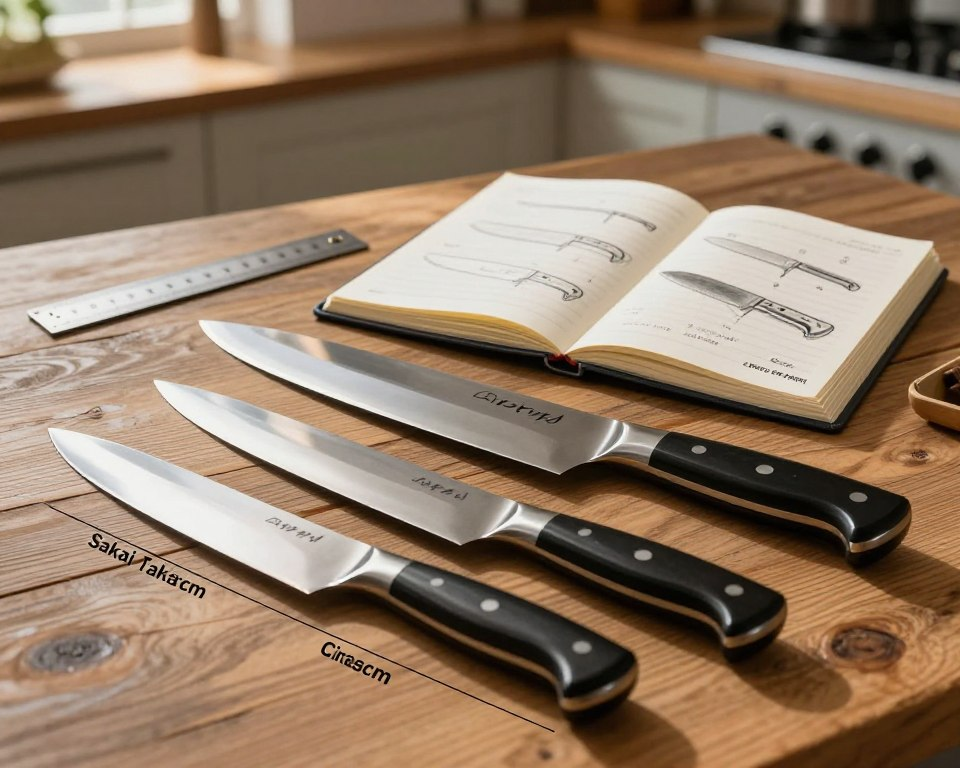
Gyuto knives come in a range of sizes, typically from 210mm to 270mm. The 210mm Gyuto is particularly popular among chefs due to its balance between maneuverability and cutting capability. This size is ideal for most kitchen tasks, from slicing vegetables to cutting meat.
Larger sizes, such as 240mm and 270mm, offer more extensive cutting surfaces, which can be advantageous for preparing larger quantities of food. However, they may be more challenging to handle for those with smaller hands.
Selecting Based on User Preferences
When choosing a Gyuto knife, it’s essential to consider your personal preferences and cooking style. If you prioritize precision and control, a smaller Gyuto might be more suitable. On the other hand, if you often prepare large meals, a bigger knife could be more efficient.
As a professional chef knife, the Sakai Takayuki Nashiji Gyuto is designed to meet the demands of both professional chefs and serious home cooks. Its handmade craftsmanship ensures a high level of quality and performance.
Importance of Hand Size in Knife Selection
Hand size is a critical factor in selecting the right Gyuto knife. A knife that is too large for your hand can be cumbersome and difficult to control, while one that is too small may not provide enough cutting power.
To choose the ideal size, consider measuring your hand and testing different knives to find the one that feels most comfortable. The right fit will enhance your cutting technique and overall cooking experience.
Maintenance Tips for the Sakai Takayuki Nashiji Gyuto
The Sakai Takayuki Nashiji Gyuto, a high-quality Japanese gyuto knife, requires proper care to maintain its performance. As a valuable addition to any kitchen, maintaining this premium kitchen knife is crucial for its longevity and continued sharpness.
Proper Cleaning Techniques
Cleaning your Sakai Takayuki Nashiji Gyuto knife is a straightforward process that involves washing it with mild dishwashing detergent and warm water. It’s essential to avoid using abrasive materials or harsh chemicals that could damage the blade or handle. After washing, dry the knife thoroughly to prevent any water spots or rust.
I recommend hand washing your knife to maintain its quality. Avoid putting it in the dishwasher, as the high heat and harsh detergents can cause damage.
Sharpening Your Gyuto Knife
Regular sharpening is vital to maintain the edge of your stainless steel gyuto knife. Using a sharpening stone, you can hone the blade to a precise edge. Start with a coarse grit stone and progress to finer grits for a polished finish.
To sharpen effectively, hold the knife at the correct angle and draw it across the stone in a smooth, consistent motion. Repeat this process several times on each side until you achieve the desired sharpness.
Storage Recommendations
Proper storage is critical to protect your knife’s edge and prevent accidents. I recommend storing your Sakai Takayuki Nashiji Gyuto in a knife block or on a magnetic strip. This will keep the knife safe and within easy reach.
If you prefer to store your knife in a drawer, consider using a protective sheath or wrapping it in a cloth to prevent damage and injury.
By following these maintenance tips, you can ensure your Sakai Takayuki Nashiji Gyuto remains a reliable and trusted tool in your kitchen for years to come.
Comparing Gyuto Knives with Other Knife Types
Understanding the unique characteristics of Gyuto knives in relation to other knives such as Santoku and Nakiri can significantly enhance kitchen efficiency. The Sakai Takayuki Nashiji Gyuto, as a prime example of a Japanese Gyuto knife, offers versatility that is hard to match with other knife types.
The Gyuto knife is often considered the Swiss Army knife of Japanese knives, exceling in various tasks such as slicing meat, fish, and vegetables. To appreciate its value, it’s essential to compare it with other popular knife types.
Gyuto vs. Santoku Knife
The Santoku knife is another versatile knife that originates from Japan. While both Gyuto and Santoku knives are used for similar tasks, there are key differences. The Gyuto knife typically has a more pointed tip, making it ideal for precision cutting and chopping. In contrast, the Santoku knife has a flat edge, which is better suited for push-cutting motions.
When deciding between a Gyuto and a Santoku, personal preference and cutting style play significant roles. However, for those who prefer a more traditional Japanese cutting motion, the Gyuto might be the better choice.
Gyuto vs. Nakiri Knife
The Nakiri knife is a vegetable knife with a straight edge, designed specifically for chopping vegetables. While the Gyuto can also chop vegetables, the Nakiri is more specialized for this task. The Gyuto’s curved edge allows for a rocking motion, making it suitable for chopping a variety of ingredients, not just vegetables.
If your kitchen tasks involve a lot of vegetable preparation, having both a Gyuto and a Nakiri could be beneficial, as they complement each other well.
Advantages of Gyuto Over Other Knives
The Gyuto knife’s advantages lie in its versatility and the precision it offers. As a professional chef knife, it is designed to handle a wide range of kitchen tasks, from slicing and dicing to mincing. Its curved shape and sharp edge make it an indispensable tool for any chef.
Moreover, the Gyuto’s design allows for a more comfortable grip and better balance, reducing fatigue during extended use. This makes it an excellent choice for both professional chefs and serious home cooks.
How to Use the Sakai Takayuki Nashiji Gyuto Effectively
Effective use of the Sakai Takayuki Nashiji Gyuto involves more than just cutting; it’s about technique and safety. This handmade Japanese knife is designed for precision and versatility, making it a valuable tool in any kitchen.
Basic Cutting Techniques
To maximize the potential of your premium kitchen knife, mastering basic cutting techniques is essential. This includes understanding the proper grip, cutting angle, and motion. The stainless steel gyuto is designed for smooth, precise cuts, and with practice, you’ll find it becomes an extension of your hand.
Start with a comfortable grip, ensuring your hand is not too tense or too relaxed. The pinch grip, where you hold the blade between your thumb and index finger, is recommended for precision. Practice cutting various ingredients to get a feel for the knife’s balance and sharpness.
Different Uses in Meal Preparation
The Sakai Takayuki Nashiji Gyuto is incredibly versatile, suitable for a wide range of kitchen tasks. From chopping vegetables to slicing meat, this knife can handle it all with ease. Its stainless steel construction ensures durability and resistance to corrosion, making it a reliable choice for daily use.
- Chopping vegetables for salads or stir-fries
- Slicing meat for main courses
- Minced ingredients for sauces or marinades
Safety Tips for Handling Knives
Safety is paramount when handling any knife, especially a sharp one like the Sakai Takayuki Nashiji Gyuto. Always cut away from your body, keep your fingers curled under, and use a cutting board that won’t slip. Regular maintenance, such as sharpening and proper storage, will also ensure your safety and the longevity of the knife.
By following these guidelines and practicing regularly, you’ll be able to use your handmade Japanese knife effectively and safely, enhancing your overall cooking experience.
The History of Sakai Takayuki Knives
With a heritage spanning generations, Sakai Takayuki knives embody the essence of Japanese culinary art. The history of these knives is deeply rooted in the traditions of Sakai knifemaking.
Origins of Sakai Knifemaking
Sakai knifemaking dates back to the 15th century when the city of Sakai was a major hub for sword production. Over time, craftsmen adapted their skills to create high-quality knives. The techniques and methods developed during this period continue to influence contemporary knifemaking.
Key milestones in Sakai knifemaking include:
- The development of unique steel compositions.
- Innovations in blade forging techniques.
- The evolution of distinct knife styles.
Evolution of the Nashiji Finish
The Nashiji finish, characterized by its distinctive pear-skin texture, is a hallmark of Sakai Takayuki knives. This finish not only enhances the aesthetic appeal but also improves the functionality by reducing glare and preventing knife marks on food.
The process of achieving the Nashiji finish involves meticulous craftsmanship, including multiple stages of hammering and polishing. This labor-intensive process contributes to the unique character of each knife.
Influence on Modern Culinary Practices
Sakai Takayuki knives have significantly influenced modern culinary practices, particularly in professional kitchens. Chefs appreciate the precision, balance, and durability these knives offer.
“A good knife is an extension of the chef’s hand, and Sakai Takayuki knives have set a high standard for what a chef’s knife should be.”
The legacy of Sakai Takayuki knives continues to inspire both chefs and home cooks, promoting a deeper appreciation for the art of Japanese knifemaking.
Customer Reviews and Experiences
Chefs and home cooks alike have shared their experiences with the Sakai Takayuki Nashiji Gyuto, praising its versatility and cutting performance. This handmade Japanese knife has become a staple in many professional and home kitchens due to its exceptional quality.
Positive Feedback from Chefs
Many professional chefs have praised the Sakai Takayuki Nashiji Gyuto for its precision cutting and durability. The knife’s Nashiji finish is often cited as a key factor in its performance, providing a unique balance between sharpness and resistance to corrosion.
One of the standout features of this premium kitchen knife is its ability to maintain sharpness over time, a trait highly valued by chefs who rely on their knives for daily tasks.
Common Critiques and Considerations
While the majority of feedback is positive, some users have noted that the knife requires regular maintenance to uphold its performance. Sharpening is a crucial aspect of owning a high-carbon handmade Japanese knife like the Sakai Takayuki Nashiji Gyuto.
Additionally, a few users have mentioned that the handle, while comfortable for most, may not suit everyone’s grip style. However, this is a common consideration with any knife, and the overall ergonomics of the Sakai Takayuki Nashiji Gyuto have been well-received.
Real-Life Performance in Kitchens
In real-world kitchen environments, the Sakai Takayuki Nashiji Gyuto has proven itself to be a versatile tool, capable of handling a variety of tasks from chopping vegetables to slicing meat. Its performance has been praised by both professional chefs and home cooks.
The knife’s Sakai Takayuki Nashiji Gyuto craftsmanship is evident in its ability to deliver consistent results, making it a valuable addition to any kitchen.
Where to Buy the Sakai Takayuki Nashiji Gyuto
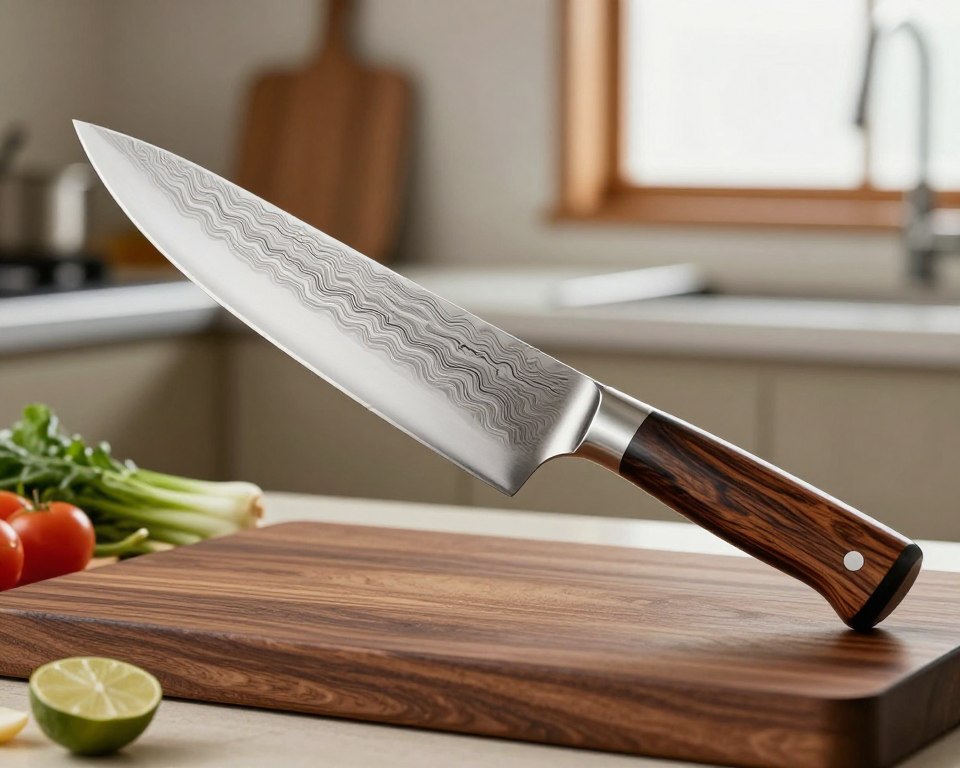
If you’re in the market for a high-quality Japanese gyuto knife like the Sakai Takayuki Nashiji Gyuto, you’ll find it at select retailers. The knife, known for its stainless steel construction and Nashiji finish, is a valuable addition to any kitchen.
Trusted Retailers
Several trusted retailers carry the Sakai Takayuki Nashiji Gyuto. Some of the most reputable include:
- Tomoe-Ya: Known for their extensive collection of Japanese knives.
- Specialty kitchen stores: These often carry a selection of high-end knives.
Online Marketplaces
In addition to physical retailers, the Sakai Takayuki Nashiji Gyuto is also available on various online marketplaces. These include:
- Amazon: Offering competitive pricing and customer reviews.
- eBay: A platform where you can find both new and used knives.
- Specialty online stores: Dedicated to kitchenware and culinary tools.
Price Range Overview
The price of the Sakai Takayuki Nashiji Gyuto can vary depending on the retailer and the specific model. On average, you can expect to pay around $209 for this stainless steel gyuto knife. It’s advisable to compare prices across different retailers to find the best deal.
Conclusion: Why the Nashiji Gyuto Is a Worthy Investment
The Sakai Takayuki Nashiji Gyuto is a testament to the art of Japanese knifemaking, combining exceptional performance with elegant design. As a professional chef knife, it has proven its worth in various kitchen tasks, from precise cutting to effortless chopping.
Key Benefits
This premium kitchen knife stands out due to its high-quality blade material, ergonomic handle, and the distinctive Nashiji finish, which not only adds to its aesthetic appeal but also reduces glare during use. The craftsmanship that goes into creating this handmade Japanese knife is evident in its durability and longevity.
Choosing the Right Gyuto
When selecting a Gyuto knife, consider the size that best fits your hand and cooking style. The Sakai Takayuki Nashiji Gyuto is available in various sizes, making it accessible to both professional chefs and home cooks.
Experience the Craftsmanship
The Sakai Takayuki Nashiji Gyuto makes an excellent gift for culinary enthusiasts, representing both performance and style. I encourage you to experience the quality and craftsmanship of this exceptional knife, elevating your cooking experience to new heights.