
Rooted in Sakai City, Osaka, a city with over 600 years of knife-making tradition, Sakai Takayuki is one of Japan’s most esteemed cutlery makers. The brand is renowned for crafting Japanese knives that embody precision, durability, and beauty.
These handcrafted knives are not just tools but works of art, reflecting the skill and dedication of their makers. With a rich heritage and a commitment to quality, Sakai Takayuki knives have become a benchmark in the world of culinary excellence.
Key Takeaways
- Precision, durability, and beauty are hallmarks of Sakai Takayuki knives.
- The brand is rooted in a city with over 600 years of knife-making tradition.
- Sakai Takayuki knives are considered works of art, reflecting the skill of their makers.
- These knives are a benchmark in culinary excellence.
- Sakai Takayuki is one of Japan’s most esteemed cutlery makers.
The Legacy of Sakai Takayuki: A Journey Through Japanese Bladesmithing History
Sakai Takayuki’s journey started during the Edo period, a time when Japanese swordsmiths crafted weapons for samurai warriors. This historical context laid the foundation for the brand’s commitment to quality and craftsmanship.
Origins in Sakai City: The Birthplace of Japanese Cutlery
Sakai City has been renowned for its cutlery since ancient times. The city’s unique blend of traditional techniques and innovative spirit has contributed significantly to Japanese bladesmithing. Sakai Takayuki’s roots in this city have instilled in the brand a deep respect for heritage and a commitment to producing high-quality cutlery.
The historical significance of Sakai City is highlighted by its role in producing some of Japan’s most skilled craftsmen. The city’s legacy in cutlery production dates back centuries, with craftsmen continually refining their techniques to produce exceptional blades.
| Period | Significant Events in Sakai City’s Cutlery History |
|---|---|
| Edo Period | Production of high-quality swords and cutlery for samurai |
| Meiji Period | Adoption of new manufacturing techniques |
Evolution of the Brand Through Generations
Over generations, Sakai Takayuki has evolved while maintaining its traditional roots. The brand has adapted to changing times by incorporating modern innovations into its craft, ensuring its knives remain relevant in contemporary kitchens.
“The art of knife-making is not just about crafting a tool, but about preserving a legacy.”
This blend of tradition and innovation has enabled Sakai Takayuki to establish itself as a leader in the world of Japanese cutlery. The brand’s commitment to quality and its rich heritage continues to inspire both professional chefs and home cooks.
The Art of Japanese Knife Making: Sakai Takayuki’s Craftsmanship
Sakai Takayuki’s mastery of Japanese knife making is a blend of ancient traditions and modern innovations. The brand’s commitment to preserving the art of Japanese bladesmithing while embracing contemporary advancements has resulted in knives that are both functional and beautiful.
Traditional Techniques Preserved
The craftsmanship of Sakai Takayuki knives begins with the preservation of traditional Japanese techniques. The forging process involves hand-hammering and folding the steel to create a blade that is not only sharp but also durable. This labor-intensive process is a testament to the skill and patience of Sakai Takayuki’s craftsmen.
Traditional Japanese knife making involves using high-carbon steel, which is known for its strength and ability to hold a sharp edge. The process of creating a Sakai Takayuki knife includes multiple steps, from forging and shaping to polishing and assembling.
Modern Innovations in an Ancient Craft
While Sakai Takayuki honors traditional techniques, the brand also incorporates modern innovations into its knife-making process. The use of advanced materials and technologies has enabled Sakai Takayuki to create knives that are not only aesthetically pleasing but also highly functional.
One of the key modern innovations is the use of various steel types, including Damascus and high-carbon stainless steel. These materials offer improved durability and resistance to corrosion, making the knives suitable for a wide range of kitchen tasks.
| Steel Type | Characteristics | Benefits |
|---|---|---|
| High-Carbon Steel | Strong, sharp, and durable | Ideal for precision cutting tasks |
| Damascus Steel | Pattern-welded, corrosion-resistant | Unique aesthetic appeal and enhanced durability |
| Stainless Steel | Corrosion-resistant, easy to maintain | Suitable for everyday kitchen use |
Understanding Sakai Takayuki Knives: Core Features and Characteristics
Sakai Takayuki knives embody the perfect blend of traditional techniques and modern design sensibilities. These knives are not just tools for cutting; they are a testament to the art of Japanese bladesmithing. With a focus on precision, durability, and beauty, Sakai Takayuki knives have become a favorite among chefs and culinary enthusiasts alike.
Signature Design Elements
Sakai Takayuki knives are known for their distinctive design elements, which set them apart from other knives in the market. One of the most notable features is their meticulous attention to detail, from the carefully crafted handles to the precisely sharpened blades. The knives often feature traditional Japanese motifs and designs, blending seamlessly with modern kitchen aesthetics.
| Design Element | Description | Benefit |
|---|---|---|
| High-Carbon Steel | Blades made from high-carbon steel for sharpness and durability | Long-lasting sharpness, resistant to wear |
| Handcrafted Handles | Handles crafted with precision and care for comfort and aesthetics | Ergonomic fit, visually appealing |
| Traditional Motifs | Incorporation of traditional Japanese designs | Cultural significance, unique visual identity |
Balance, Weight, and Ergonomics
The balance, weight, and ergonomics of Sakai Takayuki knives are designed to provide users with a comfortable and efficient cutting experience. The knives are carefully weighted to ensure a perfect balance between the blade and the handle, reducing fatigue during extended use. The ergonomic design of the handles allows for a natural grip, fitting comfortably in the hand.
By combining these elements, Sakai Takayuki knives offer a cutting experience that is both precise and enjoyable, making them an excellent choice for professional chefs and home cooks alike.
Steel Mastery: The Materials Behind Sakai Takayuki Blades
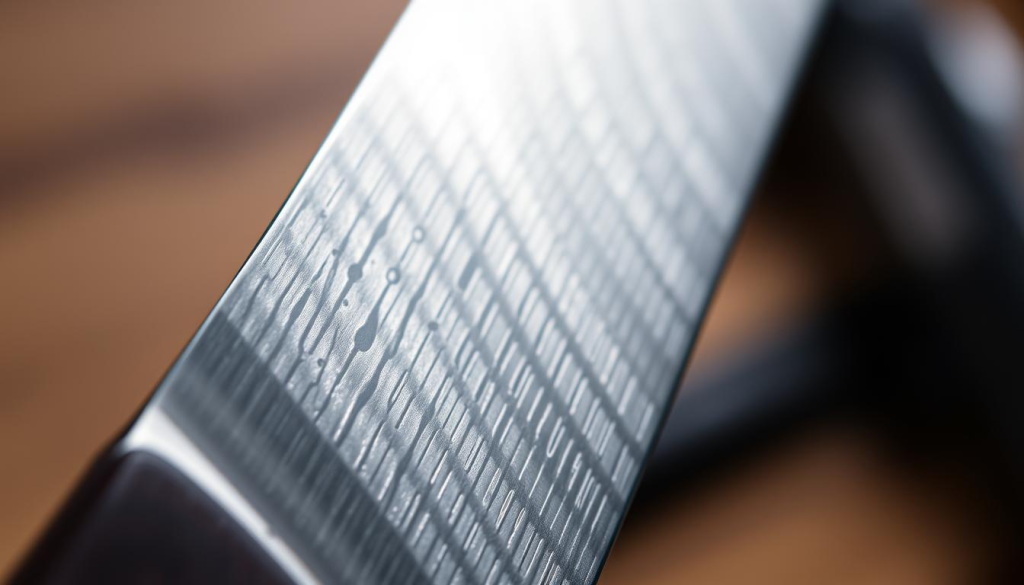
The heart of any great knife lies in its steel, and Sakai Takayuki excels in this crucial aspect. The brand’s commitment to using high-quality materials is evident in every blade they produce. Sakai Takayuki’s steel mastery is a result of combining traditional Japanese craftsmanship with modern metallurgical advancements.
High-Carbon Steel Varieties
Sakai Takayuki utilizes high-carbon steel in many of their knives, prizing it for its ability to hold a sharp edge and its durability. High-carbon steel contains a higher percentage of carbon than other types of steel, which allows it to be hardened to a greater degree, resulting in a sharper, more durable edge. This makes it ideal for heavy-duty kitchen tasks.
The use of high-carbon steel also allows for a more precise sharpening process, which is crucial for achieving the razor-sharp edges that professional chefs demand. Sakai Takayuki’s high-carbon steel knives are known for their excellent edge retention and resistance to wear.
Damascus and Pattern-Welded Steels
For those who appreciate both form and function, Sakai Takayuki offers knives crafted from Damascus and pattern-welded steels. These materials are not only visually striking, with their distinctive patterns, but also offer exceptional performance. The layering process involved in creating Damascus steel results in a strong, sharp blade with a beautiful pattern.
Damascus steel is made by folding and welding multiple layers of steel, creating a blade that is both strong and flexible. This process not only enhances the knife’s performance but also gives it a unique aesthetic appeal. Sakai Takayuki’s Damascus steel knives are highly prized by chefs and collectors alike.
Stainless Steel Options for Modern Kitchens
Recognizing the needs of modern kitchens, Sakai Takayuki also offers knives made from stainless steel. These knives are resistant to corrosion and easy to maintain, making them ideal for busy culinary environments. While they may not hold an edge as long as high-carbon steel, advancements in metallurgy have significantly improved the performance of stainless steel knives.
Sakai Takayuki’s stainless steel knives are designed to offer a balance between durability and ease of maintenance, catering to chefs who require reliability without compromising on quality.
Exploring Sakai Takayuki’s Knife Collections
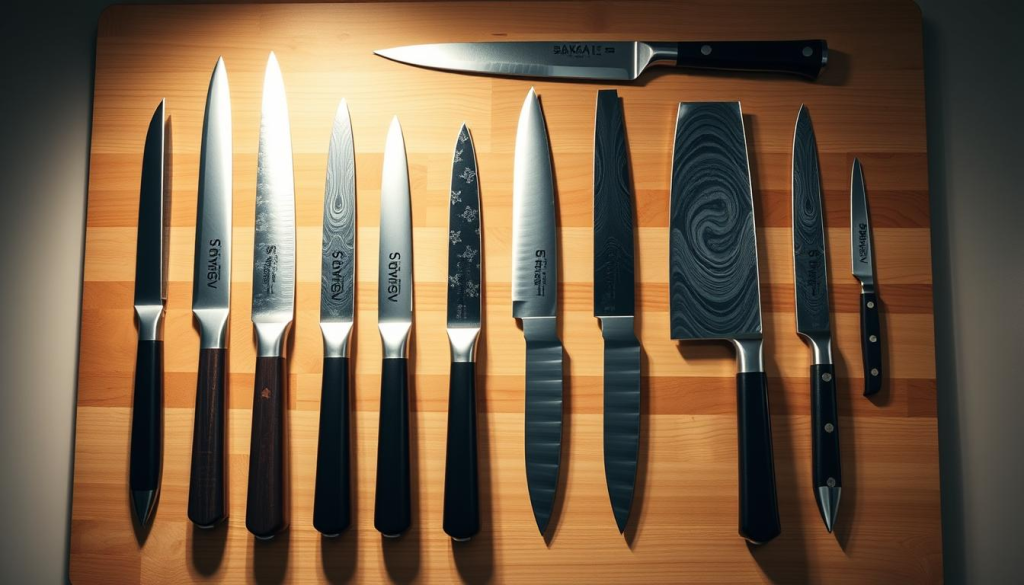
Sakai Takayuki offers a diverse range of knife collections, each crafted with precision and attention to detail. These collections cater to various culinary needs and preferences, showcasing the brand’s commitment to quality and innovation.
The brand’s knife collections are designed to meet the demands of both professional chefs and home cooks. From high-carbon steel to Damascus patterns, each collection has its unique features and benefits.
The Grand Chef Series
The Grand Chef Series by Sakai Takayuki is designed for the modern chef, combining traditional Japanese craftsmanship with modern functionality. Knives in this series are known for their exceptional sharpness and durability, making them ideal for a wide range of kitchen tasks.
- High-carbon steel construction for long-lasting sharpness
- Ergonomic design for comfortable handling
- Precision-forged for optimal balance and weight distribution
The Damascus Hammered Series
The Damascus Hammered Series stands out for its unique hammered finish and intricate Damascus patterns. This series combines aesthetic appeal with superior performance, making it a favorite among chefs who value both form and function.
Key features include:
- Damascus steel construction for strength and visual appeal
- Hammered finish for a unique, textured surface
- Sharpness and edge retention that meets professional standards
The 45-Layer Damascus Series
The 45-Layer Damascus Series is a testament to Sakai Takayuki’s mastery of Damascus steel craftsmanship. With 45 layers of steel, these knives offer not only stunning visual patterns but also exceptional performance and durability.
This series is particularly noted for its:
- Complex layering for enhanced strength and sharpness
- Distinctive patterns that make each knife unique
- High-quality materials for long-lasting performance
The Aonikou Blue Steel Series
The Aonikou Blue Steel Series is renowned for its distinctive blue finish and exceptional cutting performance. This series is crafted using high-quality blue steel, known for its hardness and ability to hold a sharp edge.
Key characteristics of this series include:
- Blue steel construction for enhanced hardness and sharpness
- Aesthetic appeal with a unique blue finish
- Precision crafting for optimal performance
Essential Sakai Takayuki Knife Types for Every Kitchen
Understanding the different types of Sakai Takayuki knives is crucial for choosing the right tool for your culinary tasks. Sakai Takayuki, a renowned brand in the world of Japanese cutlery, offers a variety of knives that cater to different cooking needs and preferences.
Gyuto: The Japanese Chef’s Knife
The Gyuto is a versatile knife that serves as the primary tool for many chefs. It is designed for chopping, slicing, and mincing ingredients with precision. The Gyuto’s curved blade allows for a smooth, rocking motion, making it ideal for a wide range of kitchen tasks.
Santoku: The Three-Virtue Knife
The Santoku knife is known for its straight edge and flat blade, making it perfect for push-cutting motions. It is designed to excel at three main tasks: mincing, slicing, and dicing. The Santoku is a favorite among chefs who prefer a more straightforward cutting style.
Nakiri: The Vegetable Knife
The Nakiri is a specialized knife designed specifically for cutting vegetables. Its straight blade and sharp edge make it ideal for chopping and slicing vegetables with precision. The Nakiri is a must-have for any kitchen that frequently prepares vegetable dishes.
Yanagiba: The Sashimi Knife
The Yanagiba is a long, slender knife used primarily for preparing sashimi and sushi. Its curved blade is designed for slicing fish into thin, uniform pieces. The Yanagiba is an essential tool for anyone who enjoys preparing Japanese cuisine.
| Knife Type | Primary Use | Blade Characteristics |
|---|---|---|
| Gyuto | General-purpose cutting | Curved blade, versatile |
| Santoku | Mincing, slicing, dicing | Straight edge, flat blade |
| Nakiri | Cutting vegetables | Straight blade, sharp edge |
| Yanagiba | Preparing sashimi and sushi | Long, curved blade |
Each of these Sakai Takayuki knife types brings unique benefits to the kitchen, catering to different cooking styles and preferences. By understanding the strengths of each knife, cooks can enhance their culinary experience and achieve better results in their cooking endeavors.
Handle Designs and Materials in Sakai Takayuki Knives
The handle designs of Sakai Takayuki knives reflect a blend of traditional Japanese aesthetics and modern functionality. This blend is a testament to the brand’s commitment to preserving heritage while embracing innovation.
Traditional Japanese Handles (Wa-Handle)
Traditional Japanese handles, known as Wa-Handles, are crafted to provide a comfortable grip that complements the knife’s balance and maneuverability. These handles are typically made from natural materials such as magnolia wood or ichiko wood, which are valued for their durability and aesthetic appeal. The Wa-Handle design adheres to traditional Japanese craftsmanship, offering a unique feel that is deeply rooted in Japanese culinary culture.
Western-Style Handles (Yo-Handle)
In contrast, Western-style handles, or Yo-Handles, are designed to offer a more contemporary look and feel. These handles are often made from materials like Pakkawood or resin, which provide durability and resistance to wear. The Yo-Handle design caters to those who prefer a more modern aesthetic or are accustomed to Western-style knives. The ergonomic design of these handles ensures a comfortable fit, making them suitable for prolonged use.
| Handle Type | Materials | Characteristics |
|---|---|---|
| Wa-Handle | Magnolia wood, Ichiko wood | Traditional, natural look; comfortable grip |
| Yo-Handle | Pakkawood, Resin | Modern aesthetic; durable and ergonomic |
The Cutting Experience: Performance of Sakai Takayuki Knives
The cutting experience offered by Sakai Takayuki knives is unparalleled, thanks to their superior edge retention and sharpness. These knives are designed to provide exceptional performance in various cutting tasks, making them a valuable tool for both professional chefs and home cooks.
Edge Retention and Sharpness
Sakai Takayuki knives are known for their ability to maintain a sharp edge over time. This is due to the high-quality materials used in their construction, such as high-carbon steel and Damascus steel, which are renowned for their durability and ability to hold a sharp edge.
Key features contributing to edge retention include:
- High-carbon content for enhanced hardness
- Precision heat treatment for optimal edge retention
- Advanced steel alloys for improved durability
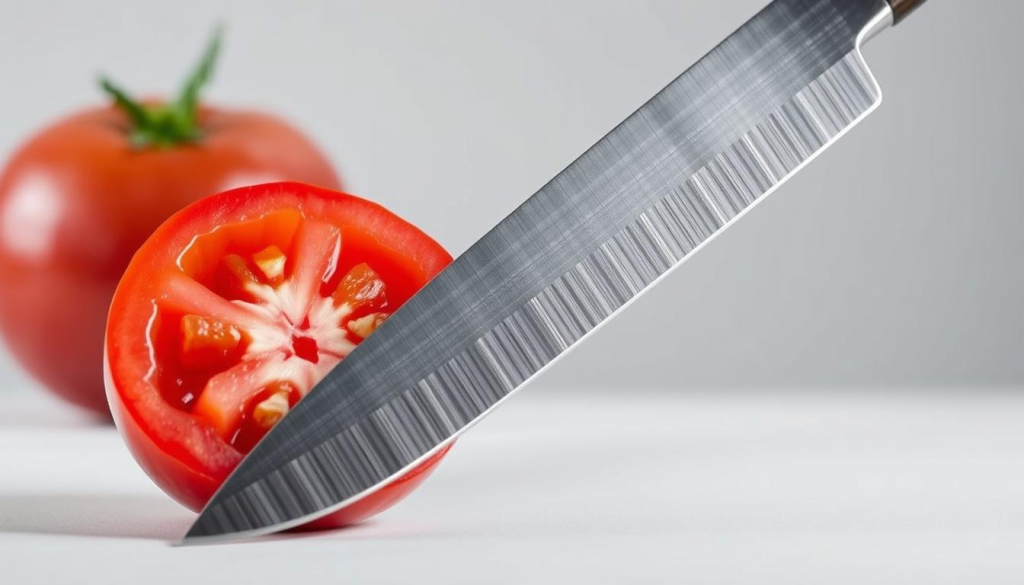
The sharpness of Sakai Takayuki knives is another critical aspect of their performance. The precise grinding and honing techniques used in their manufacture ensure that the blades are razor-sharp right out of the box.
Precision and Control in Various Cutting Tasks
Sakai Takayuki knives excel in a variety of cutting tasks, from delicate slicing to heavy chopping. The balanced design and ergonomic handles provide the control needed for precise cuts, while the sharp blades ensure clean, effortless cutting.
The benefits of using Sakai Takayuki knives include:
- Improved precision for intricate cuts
- Enhanced control for heavy-duty chopping
- Consistent performance across various cutting tasks
In conclusion, Sakai Takayuki knives offer an exceptional cutting experience due to their outstanding edge retention, sharpness, and precision. Whether you’re a professional chef or a serious home cook, these knives are sure to meet your needs and exceed your expectations.
Care and Maintenance of Your Sakai Takayuki Knives
Proper care and maintenance are vital for extending the life of your Sakai Takayuki knives. By following the right techniques, you can ensure that your knives continue to perform at their best.
Proper Cleaning Techniques
Cleaning your Sakai Takayuki knives regularly is essential to prevent the buildup of bacteria and other contaminants. Hand washing is recommended; avoid putting your knives in the dishwasher as the high heat and harsh detergents can damage the blades and handles. Use mild soap and warm water, and dry the knives thoroughly after washing to prevent rust.
Sharpening Methods and Frequency
Sharpening is a critical aspect of knife maintenance. For Sakai Takayuki knives, you can use a whetstone or a sharpening steel. The frequency of sharpening depends on how often you use your knives. As a general rule, sharpen your knives when you notice a decrease in their cutting performance. Regular honing can help maintain the edge between sharpening sessions.
For high-carbon steel knives, it’s recommended to sharpen them every 1-3 months with regular use. Damascus and stainless steel knives may require less frequent sharpening, but it’s still important to check their edge regularly.
Storage Solutions for Longevity
Proper storage is crucial for maintaining the quality of your Sakai Takayuki knives. Store your knives in a dry place, away from direct sunlight. You can use a knife block, a magnetic strip, or a protective case to store your knives. Avoid storing knives in a drawer where they can come into contact with other utensils and become damaged.
By following these care and maintenance tips, you can ensure that your Sakai Takayuki knives remain in excellent condition and continue to serve you well in the kitchen.
Sakai Takayuki Knives in Different Cooking Styles
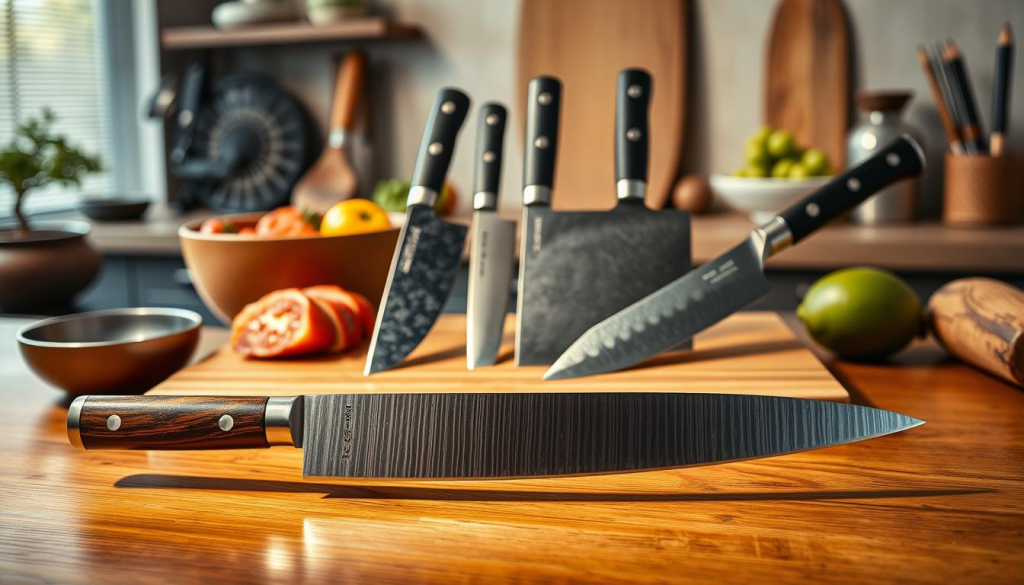
From traditional Japanese dishes to modern Western cuisine, Sakai Takayuki knives are a chef’s trusted companion. Their exceptional craftsmanship and high-quality materials make them versatile tools for various cooking techniques.
Japanese Cuisine: The Perfect Match
Sakai Takayuki knives are deeply rooted in Japanese culinary traditions. They excel in preparing delicate sushi and sashimi, where precision and sharpness are paramount. The knives’ balance and ergonomics also make them ideal for intricate vegetable cutting techniques, such as sasagaki and hyoretsuki, which are essential in Japanese cuisine.
Western Cooking Applications
In Western kitchens, Sakai Takayuki knives prove to be equally valuable. Their sharp edges and durable construction make them perfect for tasks like slicing roasts, dicing vegetables, and mincing herbs. The Gyuto and Santoku models are particularly popular among Western chefs for their versatility in handling various cutting tasks.
Versatility in Global Culinary Techniques
Beyond traditional Japanese and Western cooking, Sakai Takayuki knives adapt seamlessly to global culinary techniques. They are used in Korean barbecue for slicing thin cuts of meat, in Indian cuisine for chopping spices, and in modern fusion cooking for intricate garnishes. The knives’ ability to perform a wide range of cutting tasks with precision makes them an indispensable tool for chefs exploring diverse culinary styles.
In conclusion, Sakai Takayuki knives are not limited to a single cooking style but are instead a versatile tool that can be used across various culinary traditions. Their quality, precision, and adaptability make them a valuable asset for any chef, whether they’re preparing traditional Japanese dishes, Western classics, or innovative fusion cuisine.
Why Choose Sakai Takayuki Knives Over Other Japanese Brands
For those seeking high-quality Japanese knives, Sakai Takayuki offers a compelling combination of precision, durability, and beauty. With a rich history and a commitment to excellence, Sakai Takayuki has established itself as a leading brand in the world of Japanese cutlery.
Distinctive Qualities and Advantages
Sakai Takayuki knives are renowned for their exceptional craftsmanship and attention to detail. The brand’s dedication to preserving traditional Japanese techniques while incorporating modern innovations results in knives that are both functional and aesthetically pleasing. One of the key advantages of Sakai Takayuki knives is their outstanding edge retention, ensuring that they remain sharp and effective over time.
The use of high-quality materials, such as high-carbon steel and Damascus steel, contributes to the durability and performance of Sakai Takayuki knives. Additionally, the brand’s focus on ergonomics ensures that their knives are comfortable to hold and use, reducing fatigue during extended cooking sessions.
Comparative Analysis with Premium Competitors
When compared to other premium Japanese knife brands, Sakai Takayuki stands out for its unique blend of traditional craftsmanship and modern design. While brands like Shun and Global are known for their high-quality products, Sakai Takayuki offers a more affordable option without compromising on quality. As noted by culinary experts, “Sakai Takayuki knives offer an unbeatable balance of performance and value.”
“Sakai Takayuki knives have become the go-to choice for many professional chefs due to their exceptional quality and durability.”
In conclusion, Sakai Takayuki knives are an excellent choice for anyone seeking high-quality Japanese cutlery. Their distinctive qualities, combined with a competitive price point, make them an attractive option for both professional chefs and home cooks.
Price Points and Value: Investing in Sakai Takayuki Knives
Investing in Sakai Takayuki knives can be a significant decision, and understanding their price points is crucial. The brand offers a diverse range of knives that cater to different needs and budgets, making them accessible to both professionals and home cooks.
The value of Sakai Takayuki knives lies not only in their price but also in their quality, durability, and performance. Whether you’re a beginner looking to start your knife collection or a seasoned chef seeking premium blades, Sakai Takayuki has something to offer.
Entry-Level Options for Beginners
For those new to high-quality knives, Sakai Takayuki offers entry-level options that are both affordable and excellent in quality. These knives are perfect for beginners who want to experience the difference that Japanese craftsmanship makes in their cooking. Prices for entry-level Sakai Takayuki knives typically range from $50 to $200.
Mid-Range Collections for Enthusiasts
Enthusiasts and serious home cooks often look for knives that offer a balance between quality and affordability. Sakai Takayuki’s mid-range collections fit this bill, providing exceptional performance and durability at a reasonable price. The mid-range options are priced between $200 and $500, making them an excellent investment for those who cook frequently.
Premium Lines for Professional Chefs and Collectors
For professional chefs and collectors, Sakai Takayuki offers premium lines that embody the pinnacle of Japanese knife-making artistry. These knives are crafted with the finest materials and techniques, ensuring unparalleled performance and beauty. Premium Sakai Takayuki knives can range from $500 to over $1,000, reflecting their exceptional quality and craftsmanship.
To give you a better understanding of the value proposition of Sakai Takayuki knives, let’s compare their price points with those of other premium brands:
| Brand | Entry-Level Price | Mid-Range Price | Premium Price |
|---|---|---|---|
| Sakai Takayuki | $50-$200 | $200-$500 | $500-$1,000+ |
| Shun | $100-$300 | $300-$600 | $600-$1,200+ |
| Global | $100-$400 | $400-$700 | $700-$1,500+ |
As the table illustrates, Sakai Takayuki knives offer competitive pricing across all categories, making them an attractive option for those looking to invest in high-quality knives.
In conclusion, Sakai Takayuki knives offer a range of price points that cater to different budgets and preferences, providing excellent value for the quality and performance they deliver.
Where to Buy Authentic Sakai Takayuki Knives in the United States
To ensure you’re getting a genuine Sakai Takayuki knife, it’s essential to buy from authorized dealers in the United States. The popularity of these high-quality knives has led to a rise in counterfeit products, making it crucial for buyers to be cautious.
Authorized Retailers and Specialty Shops
Several reputable retailers and specialty shops across the United States carry authentic Sakai Takayuki knives. Some of these include:
- Specialty kitchen stores that focus on Japanese cutlery
- High-end cookware retailers
- Online marketplaces with a reputation for selling authentic products
When shopping in-store, it’s a good idea to inspect the knife for the Sakai Takayuki logo and any other authenticity markers.
Online Shopping Tips and Authenticity Verification
When buying online, ensure you’re purchasing from authorized retailers or directly from the official Sakai Takayuki website. Here are some tips to verify authenticity:
- Check for the Sakai Takayuki logo on the product and packaging
- Look for a certificate of authenticity
- Verify the seller’s ratings and reviews
By being diligent and purchasing from trusted sources, you can enjoy your Sakai Takayuki knife with confidence in its quality and authenticity.
Conclusion: Why Sakai Takayuki Knives Stand the Test of Time
Sakai Takayuki knives embody a legacy of precision, durability, and beauty, reflecting the brand’s commitment to exceptional craftsmanship. With a rich history rooted in Japanese bladesmithing, Sakai Takayuki has established itself as a premier manufacturer of high-quality knives.
The brand’s dedication to traditional techniques, combined with modern innovations, results in knives that are both functional and aesthetically pleasing. Whether for professional chefs or culinary enthusiasts, Sakai Takayuki knives offer a cutting experience that is unparalleled in the industry.
The value of Sakai Takayuki knives lies not only in their superior performance but also in their ability to withstand the test of time. As a testament to the brand’s legacy and craftsmanship, these knives continue to be sought after by collectors and chefs worldwide.
By investing in a Sakai Takayuki knife, individuals are not only acquiring a tool for cooking but also a piece of art that reflects the brand’s heritage and commitment to excellence.