
I recently had the opportunity to work with the Sakai Takayuki Damascus Nakiri knife, and I was impressed by its exceptional quality and performance. This premium cutting tool is designed for culinary enthusiasts who demand precision and durability in their kitchen utensils.
The Sakai Takayuki Damascus Nakiri features a high-carbon Damascus steel blade with a unique pattern, providing a sharp cutting edge that makes slicing and dicing vegetables a breeze. The ergonomic handle is designed for comfort, allowing for extended use without fatigue.
As a culinary enthusiast, I appreciate the craftsmanship and history behind the Sakai Takayuki brand, known for producing high-quality Japanese kitchen knives. This knife is a testament to the brand’s commitment to excellence.
Key Takeaways
- High-carbon Damascus steel blade for exceptional sharpness
- Ergonomic handle design for comfort and reduced fatigue
- Crafted with precision and attention to detail
- Ideal for slicing and dicing vegetables with ease
- A premium addition to any kitchen, reflecting the quality of Japanese kitchen knives
What is a Nakiri Knife?
The Nakiri knife, a staple in Japanese cuisine, is designed for precision cutting of vegetables, making it a valuable tool in any kitchen. As a type of Japanese knife, it is specifically crafted for cutting and preparing vegetables with ease and accuracy.
Definition and Purpose
A Nakiri knife is characterized by its rectangular blade with a straight edge and a flat profile. This unique design allows for smooth, even cuts, making it ideal for slicing, chopping, and mincing a variety of vegetables. The primary purpose of a Nakiri knife is to facilitate efficient and precise vegetable preparation, a crucial aspect of many culinary traditions.
The Shape and Design Features
The Nakiri knife’s distinctive shape and design features contribute to its functionality. The straight edge enables users to make clean, straight cuts, while the flat profile allows for easy scooping and transferring of chopped vegetables. The blade’s rectangular shape also makes it easier to maintain and sharpen.
The craftsmanship that goes into creating a Nakiri knife, such as those made from high-quality damascus steel, enhances its durability and cutting performance. The use of handmade cutlery techniques ensures that each knife is not only functional but also a work of art.
Essential Uses in the Kitchen
Nakiri knives are versatile tools that can be used for a variety of tasks in the kitchen. Some of the essential uses include:
- Slicing vegetables thinly and evenly
- Chopping vegetables for salads and stir-fries
- Mincing herbs and other ingredients
The following table highlights some key benefits of using a Nakiri knife:
| Feature | Benefit |
|---|---|
| Straight Edge | Clean, straight cuts |
| Flat Profile | Easy scooping and transferring |
| Rectangular Shape | Easy maintenance and sharpening |
Overview of Sakai Takayuki Brand
For those who value professional kitchen tools, Sakai Takayuki is a brand that stands out for its exceptional craftsmanship. As a renowned Japanese knife brand, Sakai Takayuki has a rich history that dates back to the traditional knife-making techniques of Japan.
History and Heritage of Sakai Takayuki
Sakai Takayuki’s history is deeply rooted in the art of Japanese sword-making, which has been refined over centuries. The brand’s founders were inspired by the traditional methods and techniques used in Japanese sword production, adapting these skills to create high-quality knives. This heritage is evident in every knife produced by Sakai Takayuki, from the selection of materials to the final product.
The brand’s commitment to preserving traditional techniques while incorporating modern innovations has resulted in a unique blend of old and new. This blend is reflected in the brand’s chef’s collection, which includes a variety of knives designed to meet the needs of both professional chefs and home cooks.
Craftsmanship and Quality Standards
Sakai Takayuki is known for its rigorous quality standards, ensuring that every knife meets the highest expectations. The craftsmanship involved in producing each knife is meticulous, with attention to detail at every stage of production. From forging to sharpening, every process is carried out with precision and care.
- High-carbon steel is used for its durability and ability to hold a sharp edge.
- Damascus steel patterns are crafted to create visually stunning designs.
- Handles are designed for comfort and balance, making them suitable for extended use.
The result is a knife that not only performs exceptionally but also becomes a trusted companion in the kitchen. As part of their professional kitchen tools, Sakai Takayuki knives are designed to withstand the demands of frequent use while maintaining their quality and performance.
The Unique Features of Damascus Steel
In the world of high-end knives, Damascus steel stands out for its distinctive features. The craftsmanship that goes into creating a Damascus steel knife is truly exceptional, making it a prized possession among chefs and knife enthusiasts alike.
What is Damascus Steel?
Damascus steel is a type of steel known for its unique pattern and high quality. It is made by layering different types of steel to create a strong and durable blade. This process, known as pattern welding, involves folding and hammering the steel multiple times to achieve the desired pattern and strength.
The result is a blade that not only performs exceptionally well but also has a beautiful, distinctive pattern. The layering process creates a unique visual effect that is both aesthetically pleasing and indicative of the knife’s quality.
Benefits of Using Damascus Steel Knives
Using a Damascus steel knife, such as the Sakai Takayuki Damascus Nakiri, offers several benefits. The primary advantages include exceptional sharpness, durability, and resistance to corrosion. The layered steel construction helps to distribute the force of cutting evenly, reducing the likelihood of the blade chipping or breaking.
Additionally, Damascus steel knives are known for their ability to hold a sharp edge, making them ideal for precise cutting tasks. The aesthetic appeal of the Damascus pattern also adds an element of sophistication to any kitchen.
- Exceptional sharpness and cutting performance
- Durable and resistant to corrosion
- Aesthetically pleasing with a unique pattern
Advantages of the Sakai Takayuki Damascus Nakiri
With its high-carbon Damascus steel blade, the Sakai Takayuki Damascus Nakiri knife offers unparalleled cutting performance. This knife is designed to provide exceptional results in the kitchen, making it a valuable tool for both professional chefs and home cooks.
Exceptional Cutting Performance
The Sakai Takayuki Damascus Nakiri knife is engineered for precision cutting. Its high-carbon Damascus steel blade ensures a sharp edge that lasts, allowing for smooth and effortless slicing of vegetables.
- Sharpness that stays longer
- Precision cutting for detailed work
- Effortless slicing through tough vegetables
Ergonomic Design for Comfort
The ergonomic design of the Sakai Takayuki Damascus Nakiri knife ensures comfort during extended use. The handle is crafted to fit comfortably in the hand, reducing fatigue and improving control.
Key features of the ergonomic design include:
- Comfortable handle material
- Balanced weight distribution
- Precise control for intricate cuts
Durability and Longevity
The durability of the Sakai Takayuki Damascus Nakiri knife is one of its standout features. The high-quality Damascus steel is resistant to corrosion and wear, ensuring that the knife remains in excellent condition over time.
Investing in a Sakai Takayuki Damascus Nakiri knife means investing in a long-term kitchen companion.
Comparing Nakiri with Other Knife Types
As part of a chef’s collection, Nakiri knives offer distinct advantages over other knife types, but how do they compare to Chef’s and Santoku knives? The Nakiri knife, known for its straight blade and sharp edge, is designed specifically for cutting vegetables. In contrast, other knives like Chef’s and Santoku knives are more versatile, used for a variety of tasks in the kitchen.
Nakiri vs. Chef’s Knife
The Chef’s knife is a multipurpose tool, used for chopping, slicing, and mincing ingredients. While it can be used to cut vegetables, its curved blade is not as efficient as the straight edge of a Nakiri knife for this specific task. According to culinary experts, “A Nakiri knife is ideal for vegetable preparation due to its flat, straight edge that allows for smooth, even cuts.”
In terms of design, the Nakiri knife has a thinner, more delicate blade compared to the thicker, more robust Chef’s knife. This difference in design affects their usage; the Nakiri is perfect for precise cuts, while the Chef’s knife is better suited for tasks that require more force, like chopping through bones or thick vegetable stalks.
Nakiri vs. Santoku Knife
The Santoku knife, originating from Japan, is another popular choice among chefs. It is often described as a hybrid between the Nakiri and Chef’s knives, offering a balance between the precision of a Nakiri and the versatility of a Chef’s knife. The Santoku knife has a straighter edge than a Chef’s knife but is not as flat as a Nakiri knife, making it suitable for a variety of cutting tasks.
When comparing the Nakiri to the Santoku, the key difference lies in their edge design and the tasks they are suited for. While both can be used for cutting vegetables, the Nakiri’s flat edge makes it superior for pushing cuts, whereas the Santoku’s slightly curved edge allows for a rocking motion, useful for chopping.
In conclusion, when choosing between a Nakiri, Chef’s, or Santoku knife, it’s essential to consider the specific needs of your kitchen and the types of tasks you perform most frequently. As part of a well-rounded handmade cutlery collection, each of these knives has its unique strengths and can complement each other in a chef’s arsenal.
“The right knife can make all the difference in cooking. For vegetable preparation, a Nakiri is unparalleled.”
Tips for Proper Knife Care
To keep your Sakai Takayuki Damascus Nakiri knife in top condition, it’s essential to follow a few simple care tips. Proper care and maintenance not only extend the life of your professional kitchen tools but also ensure they continue to perform optimally.
Cleaning and Maintenance
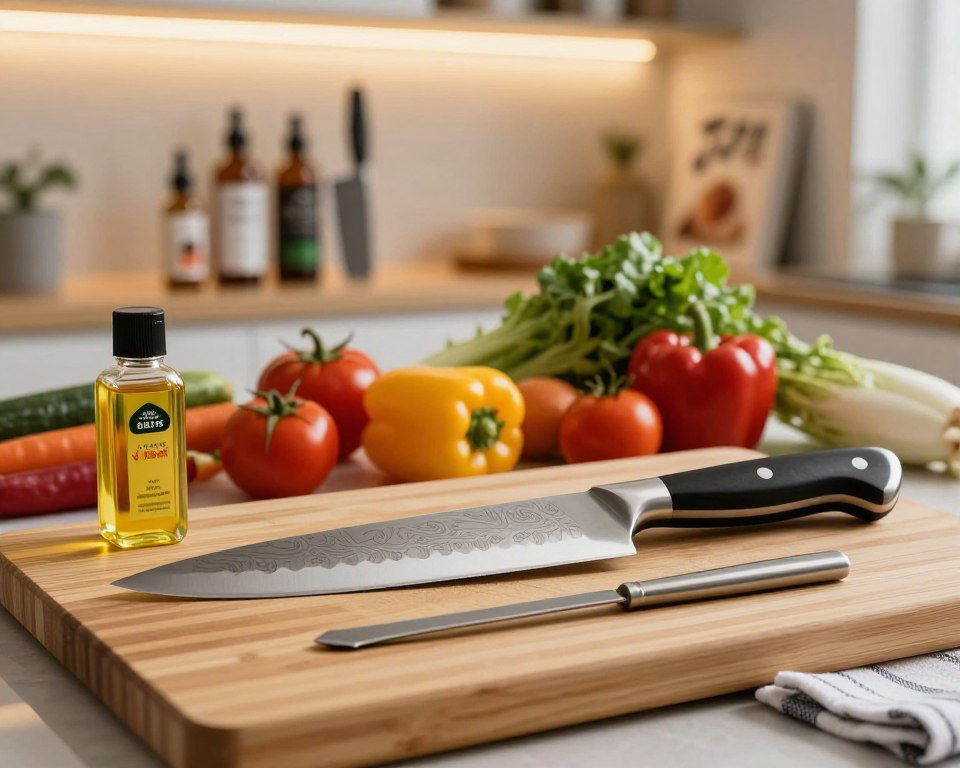
Cleaning your Nakiri knife is a straightforward process that requires some care. After each use, gently wash the knife with mild soap and dry it thoroughly to prevent water spots. Avoid using abrasive cleaners or scouring pads, as they can damage the artisanal knife craftsmanship. For tougher residue, a soft sponge or cloth can be used.
- Wash the knife immediately after use to prevent food residue from drying onto the blade.
- Dry the knife thoroughly, paying extra attention to the area between the blade and the handle.
- Store the knife in a dry place, such as a knife block or on a magnetic strip, to prevent rust.
Sharpening Techniques
Sharpening is a critical aspect of maintaining your Nakiri knife’s performance. Regular sharpening keeps the blade in optimal condition, ensuring precise cuts and reducing the risk of accidents. Here are some sharpening techniques to follow:
- Use a whetstone: Start with a coarse grit (about 1000) to repair any nicks or unevenness, then move to a finer grit (6000 or higher) for polishing.
- Maintain the correct angle: For a Nakiri knife, the ideal sharpening angle is around 10-15 degrees per side.
- Check your progress: After sharpening, inspect the blade for any remaining dull spots or imperfections.
By following these knife care tips, you can enjoy your Sakai Takayuki Damascus Nakiri knife for years to come, maintaining its exceptional cutting performance and artisanal craftsmanship.
How to Choose the Right Nakiri Knife
As a culinary enthusiast, I’ve learned that the right Nakiri knife can elevate your cooking experience, and here’s how to choose it. Choosing the right Nakiri knife involves considering several key factors that will impact your cooking performance and overall satisfaction with the tool.
The Nakiri knife, a staple in Japanese kitchens, is designed for cutting vegetables with precision and ease. When selecting a Nakiri knife, it’s essential to consider factors that will affect its performance and your comfort while using it.
Factors to Consider
When choosing a Nakiri knife, several factors come into play. These include:
- Blade Material: The material of the blade affects its durability, sharpness, and maintenance. Damascus steel, for instance, is renowned for its strength and aesthetic appeal.
- Blade Size: The size of the blade should be appropriate for the tasks you intend to perform. Larger blades are better for bigger vegetables, while smaller blades offer more precision.
- Handle Design: The design of the handle impacts comfort and control. Look for handles that fit comfortably in your hand and provide a secure grip.
- Balance: The balance of the knife, referring to the distribution of weight between the blade and handle, affects its maneuverability.
Ideal Blade Sizes and Weights
The ideal blade size and weight for a Nakiri knife depend on personal preference and the specific tasks you plan to use it for. Generally, Nakiri knives range from 165mm to 180mm in length.
A 165mm Nakiri knife is ideal for most home cooks, offering a good balance between precision and the ability to handle larger vegetables. For more professional or heavy-duty use, a 180mm blade may be more suitable.
The weight of the knife is also a consideration. Heavier knives can provide more power for chopping, but may cause fatigue over time. Lighter knives offer more agility but may require more effort.
Real-Life Applications of the Nakiri Knife
Crafted with precision, the Sakai Takayuki Damascus Nakiri knife is tailored for slicing vegetables and creating visually appealing dishes. Its high-quality Damascus steel and ergonomic design make it an essential tool in the kitchen.
The Nakiri knife’s primary function is to slice vegetables with precision. The straight edge of the blade allows for smooth, even cuts, making it ideal for preparing ingredients for a variety of dishes. Whether you’re slicing delicate herbs or chopping robust vegetables, the Nakiri knife’s sharpness and balance ensure a seamless experience.
Slicing Vegetables with Precision
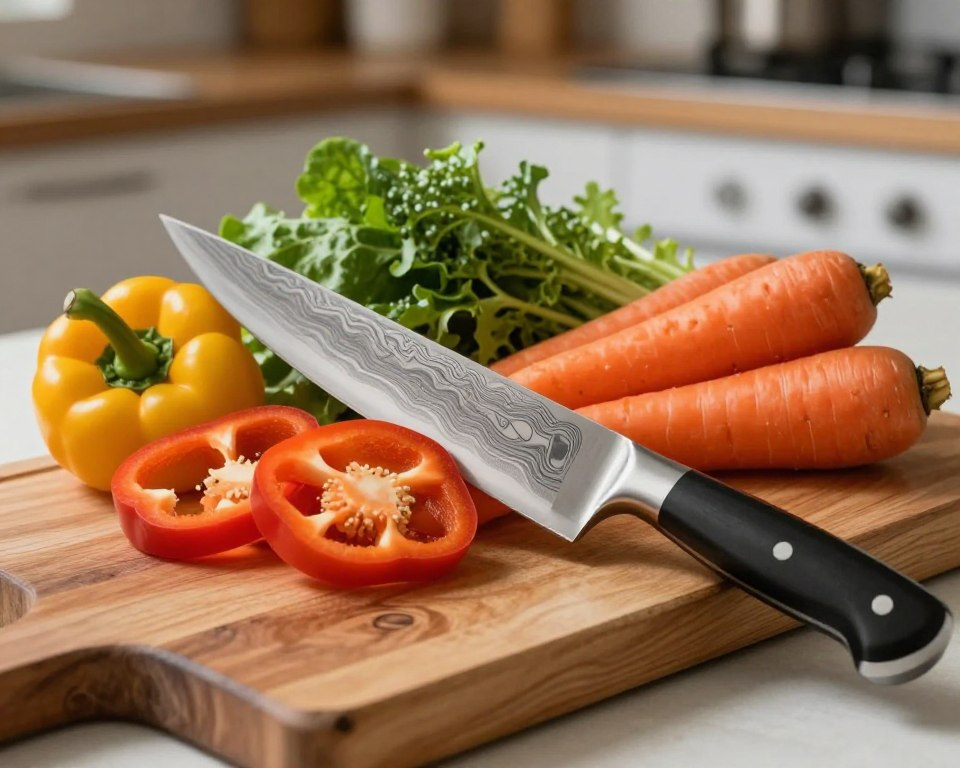
The Nakiri knife excels at slicing vegetables due to its straight edge and balanced weight. This makes it perfect for tasks such as:
- Slicing carrots into thin rounds
- Chopping bell peppers into uniform pieces
- Mincing fresh herbs for garnishes
Using a Nakiri knife for these tasks not only improves the presentation of your dishes but also enhances the overall cooking experience.
Creative Food Presentation
Beyond its functional uses, the Nakiri knife is also a tool for creativity in the kitchen. Its precision allows chefs to craft visually appealing dishes, making it a valuable asset for:
- Creating intricate vegetable designs
- Preparing uniform slices for salads and garnishes
- Enhancing the overall presentation of culinary creations
The handmade cutlery craftsmanship of the Sakai Takayuki Damascus Nakiri knife ensures that it will be a reliable companion in your culinary endeavors, combining functionality with artistry.
Customer Reviews and Feedback
As a premium addition to any chef’s collection, the Sakai Takayuki Damascus Nakiri knife has been praised by users for its cutting-edge features. Customer reviews and feedback provide valuable insights into the performance and quality of this knife, highlighting its strengths and benefits.
Insights from Home Cooks
Home cooks have praised the Sakai Takayuki Damascus Nakiri knife for its ease of use and versatility in the kitchen. Many have noted that the knife’s sharpness and balance make it ideal for everyday cooking tasks, such as chopping vegetables and slicing meat.
A common theme among home cook reviews is the knife’s ability to make meal preparation more efficient and enjoyable. The ergonomic design of the handle is also frequently praised for its comfort during extended use.
Professional Chef Endorsements
Professional chefs have endorsed the Sakai Takayuki Damascus Nakiri knife for its exceptional cutting performance and durability. The knife’s high-carbon Damascus steel construction is particularly appreciated for its ability to retain sharpness and resist corrosion.
Many professional chefs have noted that the Sakai Takayuki Damascus Nakiri knife is a valuable addition to their professional kitchen tools, enhancing their ability to prepare dishes with precision and finesse.
| Feature | Home Cooks’ Feedback | Professional Chefs’ Feedback |
|---|---|---|
| Sharpness | Easy to chop vegetables | Excellent for precise cuts |
| Ergonomics | Comfortable handle | Reduces fatigue during long cooking sessions |
| Durability | Resistant to everyday wear | Maintains sharpness over time |
In conclusion, the Sakai Takayuki Damascus Nakiri knife has received widespread acclaim from both home cooks and professional chefs. Its exceptional performance, durability, and ergonomic design make it a valuable addition to any chef’s collection.
Where to Buy Sakai Takayuki Damascus Nakiri Knives
The Sakai Takayuki Damascus Nakiri knife is available from various retailers and online stores, showcasing the artisanal knife craftsmanship that Sakai Takayuki is known for. When looking to purchase this premium knife, consider trusted retailers that specialize in high-end kitchenware.
Reliable Sources
Reliable sources for the Sakai Takayuki Damascus Nakiri include specialty kitchen stores and reputable online marketplaces. These sources often provide detailed product descriptions, customer reviews, and competitive pricing, making it easier to make an informed purchasing decision.
Price Comparison
Prices for the Sakai Takayuki Damascus Nakiri knife can vary depending on the seller, location, and availability. Comparing prices across different retailers can help you find the best value for your investment in this exceptional sakai takayuki damascus nakiri knife.