For chefs who demand the best, choosing the right knife is crucial. Two renowned brands, Miyabi and Shun, have been making waves in the culinary world with their exceptional craftsmanship and performance. While both are Japanese-designed, they have distinct features that set them apart.
Miyabi, a line from the German brand Zwilling J.A. Henckels, is known for its precision and durability. On the other hand, Shun knives, produced by the Japanese company KAI, are celebrated for their intricate design and razor-sharp edges. In this article, we’ll delve into a detailed comparison of these two high-end knife brands, exploring their unique characteristics and what makes them stand out in the world of culinary arts.
Key Takeaways
- Understanding the craftsmanship behind Miyabi and Shun knives
- Comparing the features and performance of both brands
- Identifying the best choice for discerning chefs
- Exploring the unique characteristics of each brand
- Evaluating the durability and precision of Miyabi and Shun knives
The Origins of Miyabi and Shun Knives
Understanding the origins of Miyabi and Shun knives can provide valuable insights into their distinct characteristics and help discerning chefs make informed decisions.
Miyabi knives, crafted in Seki, Japan, are known for their innovative manufacturing processes. One of the key technologies employed by Miyabi is the CRYODUR® ice-hardening process, which enhances the durability and sharpness of their blades.
History of Miyabi
Miyabi, a brand under the Zwilling J.A. Henckels group, has its roots in traditional Japanese sword-making techniques. The brand combines these traditional methods with modern technology to produce high-quality knives.
“Miyabi knives are a perfect blend of traditional Japanese craftsmanship and modern innovation.”
The CRYODUR® process involves freezing the steel to a very low temperature, which improves its hardness and edge retention. This technology is a significant factor in Miyabi’s reputation for producing premium chef knives.
History of Shun
Shun knives, also made in Japan, are recognized for their traditional craftsmanship and high-quality materials. Shun’s manufacturing process involves meticulous attention to detail and a deep understanding of traditional Japanese knife-making techniques.
Shun knives are known for their VG-MAX steel, a high-carbon stainless steel that provides excellent sharpness and corrosion resistance. The craftsmanship involved in shaping and sharpening Shun knives is unparalleled, making them a favorite among professional chefs.
| Brand | Manufacturing Process | Key Features |
|---|---|---|
| Miyabi | CRYODUR® ice-hardening process | Innovative technology, traditional craftsmanship |
| Shun | Traditional Japanese techniques | VG-MAX steel, meticulous craftsmanship |
Both Miyabi and Shun have established themselves as leaders among top kitchen knife brands. Their commitment to quality and craftsmanship is evident in every knife they produce.
Blade Design: Aesthetic and Performance
In the world of premium kitchen knives, Miyabi and Shun stand out for their exceptional blade designs, combining beauty with functionality. The design of a knife’s blade is crucial not only for its aesthetic appeal but also for its cutting performance.
Miyabi Design Features
Miyabi knives are renowned for their 101-layer flower Damascus pattern, which not only adds to their visual appeal but also indicates the complexity of their construction. The use of SG2 micro-carbide powder steel ensures that these knives maintain their sharpness and offer excellent cutting performance.
- The 101-layer Damascus construction provides a robust and durable blade.
- The SG2 steel is known for its ability to retain sharpness.
- The unique flower pattern adds an aesthetic element to the knives.
Shun Design Features
Shun knives, on the other hand, are celebrated for their VG-MAX steel, a high-carbon steel known for its sharpness and durability. The unique Damascus pattern on Shun knives adds to their luxurious feel and appearance, making them a favorite among professional chefs.
- The VG-MAX steel ensures exceptional sharpness and edge retention.
- The Damascus pattern on Shun knives is both beautiful and indicative of their high-quality construction.
- Shun knives are designed to provide a premium cutting experience.
Both Miyabi and Shun knives are designed with the professional chef in mind, offering a blend of aesthetic appeal and high performance. The choice between them often comes down to personal preference and specific needs in the kitchen.
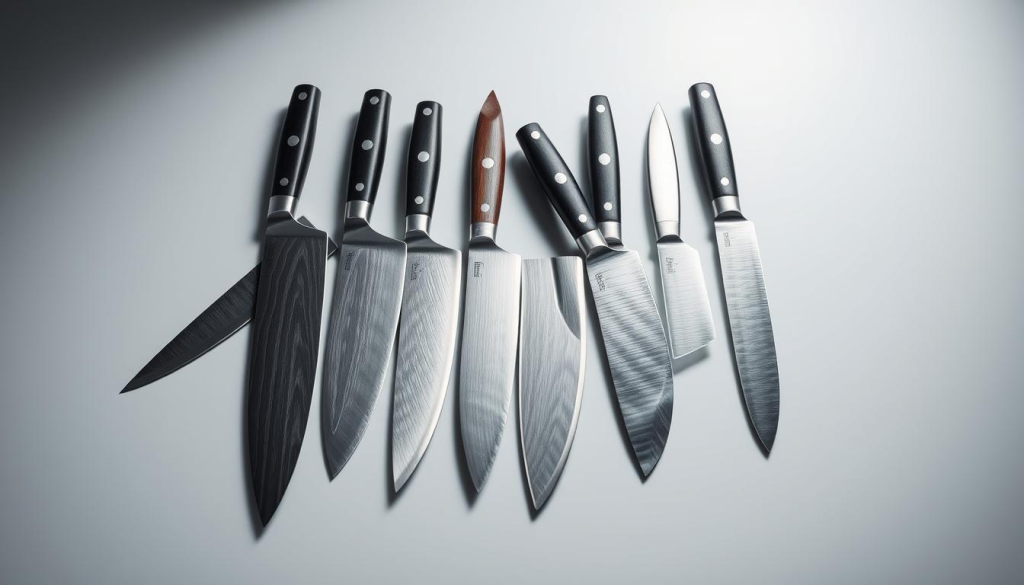
When comparing the blade designs of Miyabi and Shun knives, it’s clear that both brands prioritize both form and function. Whether you’re a professional chef or a serious home cook, understanding the nuances of these designs can help you make an informed decision.
Materials Used in Knife Construction
Understanding the materials behind Miyabi and Shun knives is essential for chefs seeking the perfect tool for their craft. The quality of these materials directly impacts the knives’ performance, durability, and overall value.
Steel Composition of Miyabi
Miyabi knives are renowned for their use of SG2 micro-carbide powder steel, a material that offers exceptional hardness and sharpness retention. This steel is known for its ability to maintain a sharp edge, making it ideal for precise cutting tasks.
“The SG2 steel used in Miyabi knives provides a perfect balance between hardness and flexibility, ensuring a long-lasting sharp edge.”
Steel Composition of Shun
Shun knives, on the other hand, utilize VG-MAX steel, a high-carbon steel known for its strength, durability, and resistance to corrosion. VG-MAX steel is designed to provide a sharp, durable edge that withstands the rigors of professional kitchen use.
Comparison of Handle Materials
The handle materials of Miyabi and Shun knives also vary, reflecting different design philosophies. Miyabi often features wooden handles, known for their aesthetic appeal and comfort. In contrast, Shun knives offer a range of handle materials, including wood and synthetic options, catering to different user preferences.
Miyabi Handle Materials: Typically made from high-quality wood, Miyabi’s handles are designed for comfort and durability.
Shun Handle Materials: Shun knives feature a variety of handle materials, including traditional wood and modern synthetic materials.
Edge Retention and Sharpness
The sharpness and edge retention of a knife are vital for any chef, and both Miyabi and Shun have developed unique technologies to enhance these qualities. When comparing premium chef knives, it’s essential to understand how these brands achieve and maintain their sharpness.
Miyabi Edge Technology
Miyabi knives are known for their exceptional sharpness, thanks in part to their CRYODUR® process. This technology involves cryogenic treatment of the steel, which enhances its hardness and durability. The result is a knife that stays sharp longer and requires less maintenance.
Cryogenic treatment involves freezing the steel to extremely low temperatures, which alters its molecular structure, making it more resistant to wear and tear. This process contributes significantly to the edge retention of Miyabi knives, making them a favorite among chefs who value precision.
Shun Edge Technology
Shun knives, on the other hand, utilize VG-MAX steel, a high-carbon stainless steel known for its exceptional sharpness and corrosion resistance. The VG-MAX steel is designed to provide a sharp edge that lasts, and when combined with Shun’s proprietary sharpening techniques, the result is a knife that remains sharp with minimal effort.
The VG-MAX steel used in Shun knives is notable for its ability to hold a sharp edge, even under heavy use. This makes Shun knives particularly appealing to professional chefs who require consistent performance from their kitchen tools.
User Experience with Sharpness
Users of both Miyabi and Shun knives often report excellent performance in terms of sharpness and edge retention. Chefs appreciate how these knives maintain their cutting ability over time, even with regular use.
In real-world applications, both brands have proven themselves to be reliable choices for chefs. Whether it’s the precision cutting required for delicate sauces or the heavy chopping needed for vegetables, both Miyabi and Shun knives deliver the sharpness and edge retention that professionals demand.
Weight and Balance: What Matters Most
The usability and comfort of a knife during extended use are largely determined by its weight and balance. For professional chefs, a knife that feels balanced in the hand is crucial for precise cutting and reduced fatigue. Both Miyabi and Shun are renowned for their attention to detail in crafting knives that not only perform exceptionally but also feel comfortable in the hand.
Miyabi Weight Characteristics
Miyabi knives are known for their lightweight yet robust construction, making them ideal for chefs who prefer agility and quick maneuverability. The careful balance of the knife ensures that the weight is evenly distributed, providing a comfortable grip and reducing strain during prolonged use.
Shun Weight Characteristics
Shun knives, on the other hand, are often praised for their substantial feel, which some chefs prefer for its solidity and heft. The balance point in Shun knives is typically well-designed, allowing for smooth, controlled movements. This balance, combined with the weight, contributes to the overall handling of the knife.
To better understand the differences, let’s examine a comparison table:
| Brand | Average Weight | Balance Point |
|---|---|---|
| Miyabi | Light to Medium | Near the bolster |
| Shun | Medium to Heavy | Slightly towards the blade |
When choosing between Miyabi and Shun, it’s essential to consider your personal preference regarding weight and balance. Some chefs may prefer the lighter, more agile feel of Miyabi knives, while others might enjoy the solidity and heft of Shun knives.
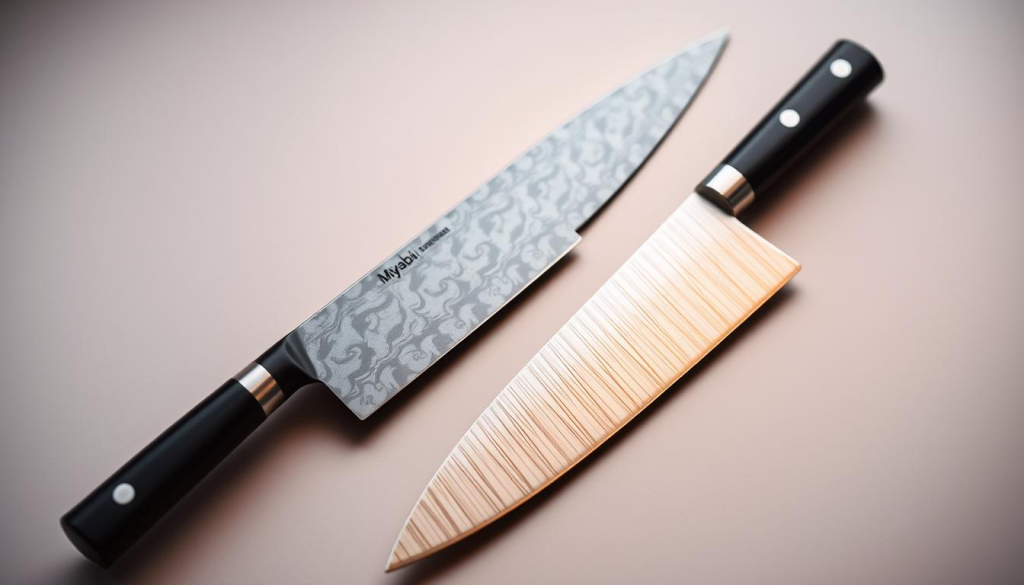
In conclusion, both Miyabi and Shun offer high-quality knives with distinct weight and balance characteristics. By understanding these differences, chefs can make an informed decision that suits their cooking style and preferences.
Price Range: Investing in Quality
Investing in high-quality knives is a crucial decision for any serious chef, with both Miyabi and Shun offering premium options. The price of these knives can vary significantly based on factors such as materials, craftsmanship, and brand reputation.
When considering the purchase of a high-end knife, it’s essential to understand the value proposition behind the price. Both Miyabi and Shun knives are known for their exceptional quality, but their pricing reflects different aspects of their brand and product offerings.
Miyabi Pricing Overview
Miyabi knives are recognized for their precision and sharpness, attributes that contribute to their premium pricing. The cost of Miyabi knives can range from a few hundred to over a thousand dollars for their top-tier models. For instance, the Miyabi Classic series is more affordable, while the Miyabi Kaizen or Miyabi Zenen series are priced higher due to their advanced materials and craftsmanship.
A key factor in Miyabi’s pricing is the use of high-carbon steel and the incorporation of traditional Japanese craftsmanship. This attention to detail and commitment to quality justifies the investment for many professional chefs.
Shun Pricing Overview
Shun knives are another highly regarded brand in the world of premium cutlery, known for their exquisite craftsmanship and high-quality materials. The price range for Shun knives is similarly broad, with entry-level models starting at around $100 and high-end models reaching into the thousands.
Shun’s pricing is influenced by its use of premium materials, such as high-carbon VG-MAX steel, and its meticulous hand-sharpening process. The brand’s commitment to excellence is reflected in the price, making Shun knives a significant investment for serious culinary professionals.
As noted by a culinary expert, “The price of a knife is not just about the materials; it’s about the craftsmanship, the brand’s heritage, and the performance it delivers.” This sentiment is echoed by chefs who invest in premium knives, recognizing that the cost is reflective of the value they bring to their work.
“A good knife is an investment, not an expense. It’s about understanding the value it brings to your cooking and the longevity it offers.”
In conclusion, both Miyabi and Shun offer high-quality knives that justify their premium pricing through their materials, craftsmanship, and performance. When choosing between these brands, chefs should consider their specific needs, cooking style, and budget to make an informed decision.
Maintenance: Caring for Your Knives
To keep your Miyabi or Shun knives performing at their best, regular maintenance is crucial. Proper care not only extends the life of your knives but also ensures they continue to deliver exceptional performance.
Sharpening Techniques
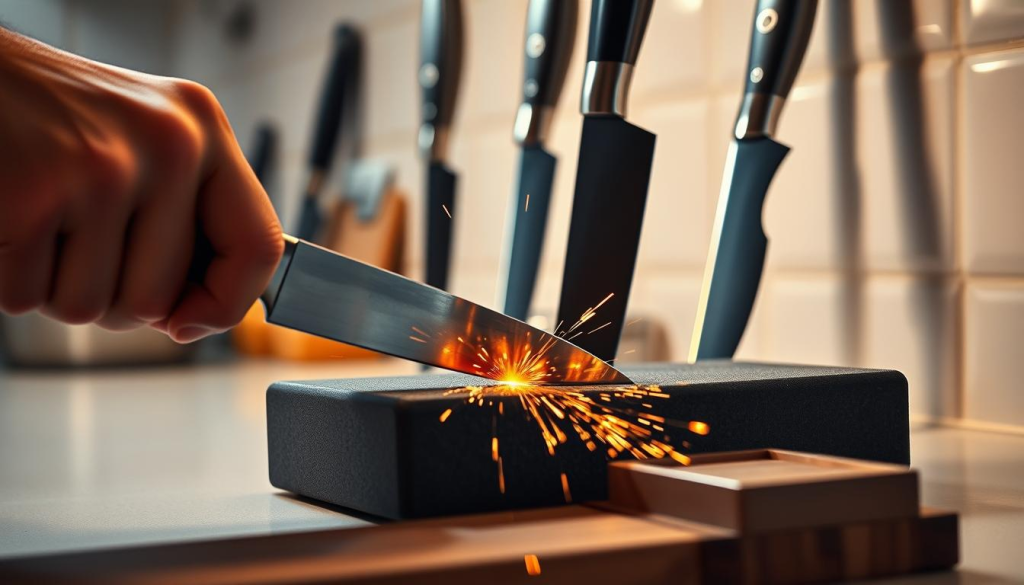
Sharpening is a critical aspect of knife maintenance. Both Miyabi and Shun knives require regular sharpening to maintain their edge.
- For Miyabi knives, use a sharpening stone with a grit of 1000 to 3000. Start with the coarser grit to repair the edge, then move to the finer grit for polishing.
- Shun knives, with their VG-MAX steel, also benefit from a sharpening stone. A water stone or a diamond stone can be effective for sharpening Shun knives.
Cleaning and Storage Tips
Cleaning and storing your knives properly are just as important as sharpening them. Here are some tips to keep your high quality kitchen knives in top condition:
- Hand wash your knives with mild soap and dry them immediately to prevent rust.
- Store your knives in a dry place, such as a knife block or a magnetic strip. Avoid storing them in a humid environment or wrapping them in a damp cloth.
- For added protection, consider using a knife guard or blade cover when storing your knives.
By following these professional chef knife comparison maintenance tips, you can ensure that your Miyabi or Shun knives remain a valuable part of your kitchen arsenal for years to come.
Popular Knife Models from Miyabi and Shun
For discerning chefs, choosing the right knife is crucial, and Miyabi and Shun offer some of the best models available in the market. Both brands are known for their high-quality craftsmanship and attention to detail, making their knives highly sought after by culinary professionals.
Noteworthy Miyabi Knives
Miyabi’s Classic series is particularly popular among chefs for its exceptional sharpness and durability. The Miyabi 5000MDC Classic is a standout model, featuring a micro-carbide powder steel blade that provides a sharp edge and excellent edge retention.
Another noteworthy model is the Miyabi Kaizen series, known for its unique design and ergonomic handle. This series combines traditional Japanese craftsmanship with modern technology, making it a favorite among professional chefs.
Noteworthy Shun Knives
Shun’s Classic knife block is a highly regarded model, offering a comprehensive set of knives that cater to various culinary needs. The Shun Classic 8-Piece Knife Block Set includes a range of knives, from a chef’s knife to a paring knife, all featuring high-carbon stainless steel blades.
The Shun DM0706 Classic is another popular model, known for its precision and sharpness. This knife is designed for professional chefs, with a focus on durability and performance.
Both Miyabi and Shun offer a range of knife models that cater to different needs and preferences. Whether you’re a professional chef or an avid home cook, these top kitchen knife brands have something to offer.
Performance in Professional Kitchens
Professional chefs demand the highest quality from their tools, and Miyabi and Shun knives are among the top choices. Both brands have established a reputation for delivering exceptional performance, durability, and sharpness, making them staples in many professional kitchens.
Miyabi in Culinary Settings
Miyabi knives are renowned for their precision and cutting performance. In culinary settings, chefs appreciate the balance and sharpness that Miyabi knives offer. The Micro Carbide Powder steel used in Miyabi knives provides a sharp edge that lasts, reducing the need for frequent sharpening.
Sharpness and Precision: Miyabi knives are designed to deliver precise cuts, which is crucial in professional kitchens where consistency is key. The sharpness of these knives allows chefs to work efficiently, making tasks like slicing and dicing easier.
Shun in Culinary Settings
Shun knives, on the other hand, are celebrated for their craftsmanship and the quality of their cutting edge. The VG-MAX steel used in Shun knives is known for its hardness and ability to retain sharpness. In professional kitchens, Shun knives are valued for their durability and performance under heavy use.
Durability and Sharpness Retention: Shun knives are designed to withstand the rigors of a professional kitchen. Their ability to retain sharpness over time is a significant advantage, as it reduces downtime for sharpening and maintenance.
Feedback from Chefs
Feedback from professional chefs indicates that both Miyabi and Shun knives excel in different areas. While Miyabi is praised for its sharpness and precision, Shun is admired for its durability and craftsmanship. Ultimately, the choice between the two brands often comes down to personal preference and specific kitchen needs.
Many chefs appreciate the ergonomic design of both brands, noting that the comfortable handles reduce fatigue during long cooking sessions. The aesthetic appeal of these knives also adds to their popularity, as they are often considered a valuable addition to any kitchen.
In conclusion, both Miyabi and Shun knives have proven themselves in professional kitchen settings. Their performance, coupled with their durability and sharpness, makes them valuable tools for any chef. Whether you’re a seasoned professional or an aspiring culinary expert, investing in either Miyabi or Shun knives is a decision that can enhance your cooking experience.
User Reviews: What Chefs Are Saying
Chefs and cooking enthusiasts alike share their experiences with Miyabi and Shun knives, providing valuable insights into their real-world performance. User reviews often praise the sharpness, durability, and ergonomic design of both brands, but there are also some critiques worth noting.
Positive Feedback on Miyabi
Miyabi knives are frequently commended for their exceptional sharpness and balance. Many users appreciate the precision cutting ability these knives offer, making tasks like slicing and dicing effortless. Some reviewers have noted that Miyabi knives hold their edge well, requiring less frequent sharpening.
- Excellent sharpness out of the box
- Ergonomic handle design for comfort
- Durable construction with high-quality materials
Positive Feedback on Shun
Shun knives are lauded for their craftsmanship and attention to detail. Users often highlight the exquisite beauty of Shun knives, alongside their functional superiority. The sharpness and retention of Shun knives are particularly praised, with many users finding them to be among the sharpest knives they’ve ever used.
- Superior sharpness and edge retention
- Aesthetic appeal with intricate designs
- Comfortable, ergonomic handles
Common Critiques
While both brands receive overwhelmingly positive reviews, there are some common critiques. Some users find Miyabi knives to be slightly less durable than Shun, particularly in terms of edge retention over time. On the other hand, Shun knives are sometimes criticized for being quite expensive, although many agree that the quality justifies the cost.
It’s worth noting that user experiences can vary based on personal preferences, cooking styles, and maintenance habits.
In conclusion, both Miyabi and Shun knives have garnered significant praise from the culinary community for their high quality and performance. By considering user reviews, potential buyers can make more informed decisions based on the experiences of other chefs and cooking enthusiasts.
Final Thoughts: Choosing the Right Knife for You
The decision to choose between Miyabi and Shun knives often hinges on several key factors, including personal preference, cooking style, and budget.
Factors to Consider
When deciding between Miyabi and Shun, several factors come into play. These include:
- Edge Retention: How well does the knife hold its edge over time?
- Sharpness: How easy is it to sharpen the knife?
- Balance and Weight: How does the knife feel in your hand?
- Material Quality: What is the knife made of, and how does it affect performance?
- Price: Is the investment justified by the quality and performance?
Personal Preferences and Cooking Styles
Your cooking style and personal preferences play a significant role in choosing the right knife. For instance, if you’re a chef who values precision and elegance, you might lean towards Shun knives for their exceptional craftsmanship and aesthetic appeal. On the other hand, if you’re looking for a balance between quality and affordability, Miyabi knives might be the way to go.
Ultimately, the best Japanese knife comparison comes down to understanding your needs. Whether you’re a professional chef or an avid home cook, considering your specific requirements will guide you to the perfect knife.
In conclusion, choosing between Miyabi and Shun knives is a professional chef knife comparison that requires careful consideration of various factors. By weighing these elements, you’ll be able to make an informed decision that suits your culinary needs.
Where to Buy: Finding Your Perfect Knife
After comparing the top kitchen knife brands, Miyabi and Shun, you’re ready to make a purchase. Both premium chef knives comparison leaders are available through various retailers, both online and in-store.
Authorized Retailers
Miyabi knives can be found at retailers like Amazon, Williams-Sonoma, and Sur La Table. For Shun knives, consider visiting the official Shun website, Amazon, or specialty kitchen stores like Crate and Barrel.
Online Marketplaces
Online marketplaces offer a convenient way to compare prices and read reviews from other customers. Be cautious when purchasing from third-party sellers to ensure authenticity.
Purchasing Insights
When buying premium chef knives, consider the warranty, customer service, and return policies offered by the retailer. This ensures a smooth purchasing experience and support for your investment in top kitchen knife brands.