
Japanese chef knives have gained worldwide recognition for their exceptional sharpness and masterful craftsmanship. Two prominent brands, Masamoto and Yoshihiro, have been at the forefront of this culinary revolution.
In this article, we’ll pit Masamoto against Yoshihiro in a chef knife showdown to determine which one reigns supreme. We’ll explore their features, performance, and value to help you decide which Japanese chef knife is better suited for your culinary needs.
Key Takeaways
- Understanding the characteristics of Japanese chef knives
- Comparing the features of Masamoto and Yoshihiro chef knives
- Evaluating performance and value for money
- Insights from professionals and home cooks on their preferences
- Guidance on choosing the right Japanese chef knife for your needs
Introduction to Japanese Chef’s Knives
The world of Japanese chef’s knives is a fascinating blend of tradition, craftsmanship, and innovation. Japanese knives have become synonymous with high quality kitchen knives, sought after by professional chefs and home cooks alike. Understanding the history and craftsmanship behind these knives is essential to appreciating the differences between various brands, such as Masamoto and Yoshihiro, in the context of a japanese knife comparison.
Brief History of Japanese Knives
Japanese knives have a rich history that dates back to the samurai era. Originally, these knives were crafted for cutting and slicing various materials, including metal and wood, in addition to food preparation. Over time, the techniques and materials used in knife making evolved, influenced by the country’s cultural and culinary practices. Today, Japanese knives are renowned for their precision and versatility, coming in various shapes and sizes tailored to specific culinary tasks.
The evolution of Japanese knives is a testament to the country’s dedication to craftsmanship and perfection. The transition from traditional sword-making techniques to modern knife crafting has resulted in some of the finest high quality kitchen knives available today.
Importance of Craftsmanship in Japan
Craftsmanship plays a crucial role in Japanese knife making. Techniques have been passed down through generations, with master craftsmen continually refining their skills. The process of crafting a Japanese knife involves selecting the finest materials and employing traditional forging techniques that require great skill and patience.
The attention to detail and commitment to excellence in Japanese craftsmanship mean that brands like Masamoto and Yoshihiro are considered among the top knife brands globally. Their dedication to producing high-quality knives has set a standard in the industry, making them favorites among chefs and cooking enthusiasts.
In conclusion, the art of Japanese knife making is a rich and complex tradition that combines history, skill, and innovation. As we explore the differences between Masamoto and Yoshihiro knives, it’s essential to appreciate the craftsmanship and heritage that go into making these exceptional high quality kitchen knives.
Overview of Masamoto Knives
With a rich history spanning over a century and a half, Masamoto has established itself as a premier brand in the world of Japanese chef’s knives. Known for their commitment to traditional craftsmanship and high-quality materials, Masamoto knives are a favorite among professional chefs and home cooks alike.
Brand History and Reputation
Masamoto has been in the business of crafting Japanese knives for over 150 years, with a history that reflects the brand’s dedication to quality and innovation. Their long-standing reputation is built on the foundation of traditional Japanese knife-making techniques, combined with modern technology to produce knives that are both beautiful and functional. As one of the best kitchen knife brands, Masamoto continues to be revered by chefs worldwide.
Types of Knives Offered by Masamoto
Masamoto offers a diverse range of knives to cater to different needs and preferences. Their product line includes the popular VG series, known for its exceptional sharpness and durability. Whether you’re a professional chef looking for a reliable knife or a home cook seeking a high-quality addition to your kitchen, Masamoto’s variety ensures that there’s something for everyone. Their knives are designed to excel in various tasks, from slicing and dicing to mincing and chopping.
Materials and Construction Techniques
The quality of Masamoto knives is largely attributed to the materials used and the meticulous construction techniques employed. The brand is known for using high-carbon steel, a material prized for its ability to hold a sharp edge and resist corrosion. Masamoto’s craftsmen carefully forge and temper their knives to achieve the perfect balance between hardness and flexibility. This attention to detail in both materials and construction ensures that Masamoto knives deliver outstanding performance and longevity, making them a worthwhile investment for any serious cook.
For professional chefs, Masamoto knives represent a trusted tool that can withstand the rigors of a busy kitchen. The brand’s commitment to quality and performance has earned it a loyal following among culinary professionals who demand the best. Whether you’re preparing for a dinner service or experimenting with new recipes, a Masamoto knife is sure to be a valuable companion in your culinary journey.
Overview of Yoshihiro Knives
Yoshihiro, a name synonymous with Japanese knife craftsmanship, has been producing high-quality knives that cater to the needs of both professional chefs and home cooks. The brand’s commitment to excellence is evident in every knife that leaves its workshop in Sakai, Japan.
Yoshihiro knives are celebrated for their exceptional craftsmanship and unique designs. The brand has gained a reputation for producing high-quality kitchen knives that are not only functional but also aesthetically pleasing.
Brand History and Reputation
Yoshihiro’s history is rooted in the traditional knife-making techniques of Japan. Over the years, the brand has evolved, incorporating modern materials and designs while maintaining its commitment to quality. Today, Yoshihiro is recognized as a leading manufacturer of Japanese knives, with a loyal following among chefs worldwide.
Types of Knives Offered by Yoshihiro
Yoshihiro offers a diverse range of knives, including the popular VG-10 Damascus series. This series is known for its exceptional sharpness and durability, making it a favorite among professional chefs. The brand also offers other types of knives, each designed to meet specific culinary needs.
| Knife Series | Material | Edge Type | Price Range |
|---|---|---|---|
| VG-10 Damascus | VG-10 Steel, Damascus Pattern | Straight Edge | $100-$300 |
| AEB-L Stainless | AEB-L Stainless Steel | Straight or Serrated | $80-$250 |
| Blue Steel | Blue Steel Alloy | Straight Edge | $150-$400 |
Materials and Construction Techniques
Yoshihiro knives are made using high-quality materials, including VG-10 steel and Damascus steel. The brand’s craftsmen employ traditional construction techniques, ensuring that each knife is not only functional but also a work of art. The attention to detail in every step of the manufacturing process contributes to the brand’s reputation for producing exceptional kitchen knives.
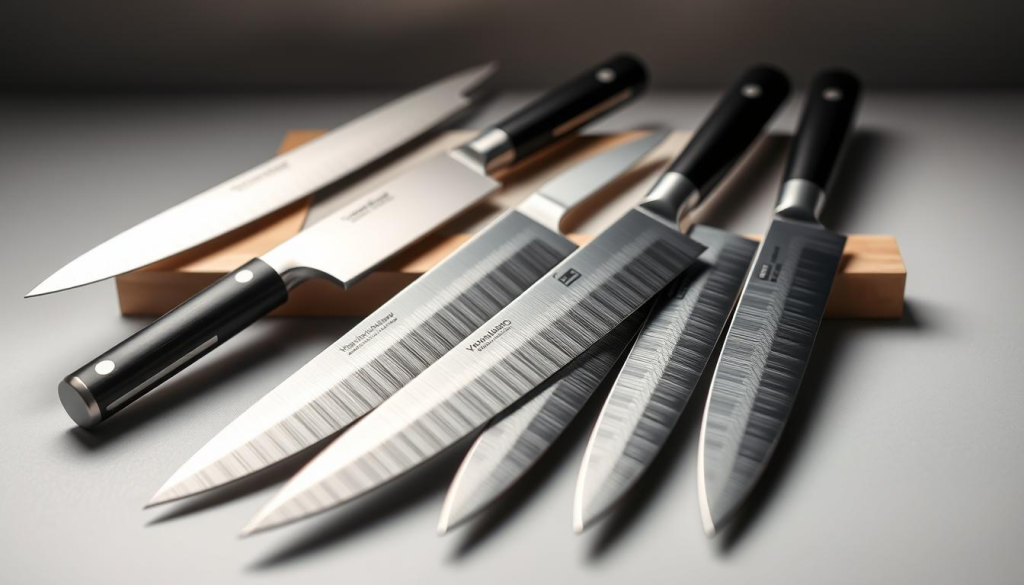
When comparing Yoshihiro knives to other brands, such as Masamoto, several factors come into play, including design, materials, and performance. Yoshihiro’s commitment to quality and craftsmanship positions it as a strong contender in the Japanese knife comparison market.
Comparative Analysis: Design and Aesthetics
The design and aesthetics of a chef’s knife can significantly influence a chef’s preference, with Masamoto and Yoshihiro being no exception. Both brands have their unique approach to crafting knives that not only perform exceptionally but also look stunning in the kitchen.
Blade Design Features
The blade design is a critical aspect where Masamoto and Yoshihiro showcase their craftsmanship. Masamoto knives are known for their straight-edged design, which is ideal for precise cutting and chopping. On the other hand, Yoshihiro knives often feature a slightly curved edge, facilitating a smooth rocking motion during chopping.
- Masamoto blades are typically made from high-carbon steel, known for its durability and sharpness.
- Yoshihiro also uses high-carbon steel but is notable for its Damascus pattern, adding an aesthetic layer to the blade.
Both brands offer a variety of blade shapes and sizes, catering to different culinary needs. Whether you’re a professional chef or a home cook, the choice between Masamoto and Yoshihiro will depend on your specific preferences and cooking style.
Handle Comfort and Ergonomics
The handle design is another crucial factor in the overall usability of a chef’s knife. Masamoto handles are often praised for their simple yet ergonomic design, providing a comfortable grip during extended use. Yoshihiro handles, while also ergonomic, sometimes feature more intricate designs, combining functionality with visual appeal.
- Masamoto handles are typically made from materials like wood or synthetic composites, offering durability and comfort.
- Yoshihiro handles also use a variety of materials, with some models featuring beautifully crafted wooden handles that add to the knife’s aesthetic value.
In conclusion, both Masamoto and Yoshihiro offer exceptional design and aesthetics in their knives, making them stand out in the world of kitchen knives. The choice between the two ultimately comes down to personal preference regarding blade design and handle ergonomics.
Performance Comparison: Cutting Ability
Sharpness and versatility are key attributes that define the cutting ability of Japanese chef’s knives. Both Masamoto and Yoshihiro are renowned for their exceptional cutting performance, but let’s delve into the specifics to understand how they compare.
Sharpness and Edge Retention
The sharpness of a knife is determined by its edge geometry and the material used. Masamoto knives are known for their razor-sharp edges, thanks to their high-carbon steel construction. This material not only allows for a finer edge but also contributes to excellent edge retention. On the other hand, Yoshihiro knives, particularly those with the VG-10 core, offer remarkable sharpness and durability.
In terms of edge retention, both brands perform admirably, though the edge retention can vary depending on the specific model and usage. For instance, Masamoto’s high-carbon steel knives may require more frequent sharpening compared to Yoshihiro’s VG-10 knives, which are known for their ability to retain sharpness over time.
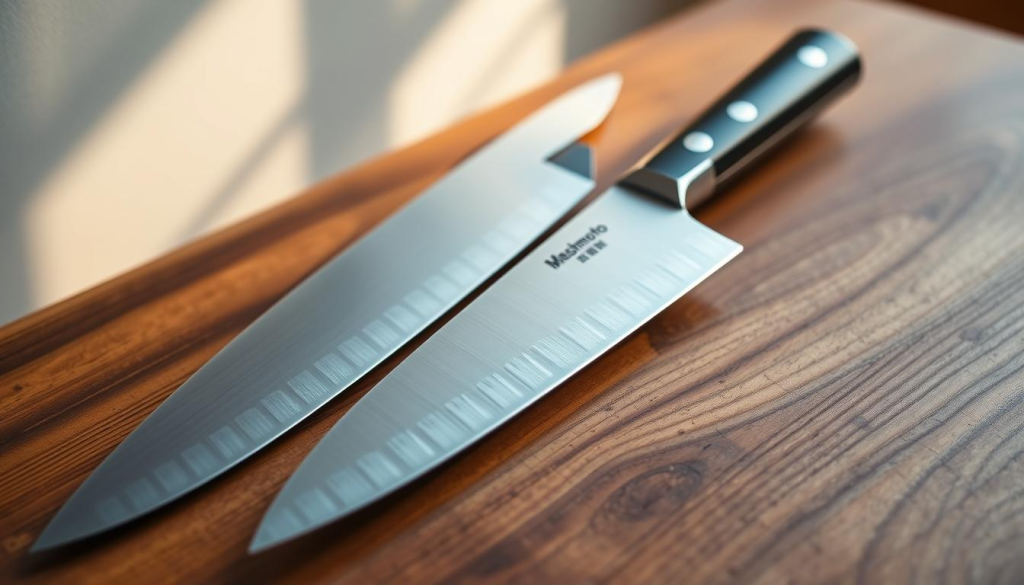
Versatility Across Different Foods
Versatility is another critical aspect of a knife’s cutting ability. A versatile knife should perform well across various foods, from delicate fish to tough meat. Masamoto knives are praised for their precision and finesse, making them ideal for tasks that require delicacy, such as filleting fish or slicing vegetables thinly.
Yoshihiro knives, with their balanced design and sharp edges, are also versatile and capable of handling a wide range of kitchen tasks. Whether you’re chopping through tough ingredients or slicing through soft cheeses, Yoshihiro knives prove to be reliable and efficient.
| Feature | Masamoto | Yoshihiro |
|---|---|---|
| Sharpness | Excellent, razor-sharp edge | Excellent, VG-10 core |
| Edge Retention | Good, requires occasional sharpening | Very Good, retains sharpness well |
| Versatility | Ideal for delicate tasks | Suitable for a wide range of tasks |
In conclusion, both Masamoto and Yoshihiro knives offer exceptional cutting ability, with their performance being influenced by their sharpness, edge retention, and versatility. The choice between the two ultimately depends on your specific needs and preferences in the kitchen.
Durability: Masamoto vs Yoshihiro
Both Masamoto and Yoshihiro are renowned for their exceptional craftsmanship, but how do they stand in terms of durability? When it comes to high-quality chef’s knives, durability is a critical factor that can significantly influence a chef’s preference. The durability of a knife depends on its materials and construction techniques, aspects in which both Masamoto and Yoshihiro excel.
Longevity of the Blades
The longevity of a knife blade is directly related to its material quality and how well it is maintained. Masamoto knives are known for their high-carbon steel blades, which offer excellent sharpness and edge retention. Similarly, Yoshihiro knives are crafted with high-quality steel that resists wear and tear. However, the actual longevity can vary based on usage and maintenance.
In general, both brands offer knives that can last for a long time if properly cared for. The high-carbon content in their blades ensures that they remain sharp and effective for an extended period. It’s worth noting that proper storage and handling play a significant role in maintaining the blade’s condition over time.
Maintenance Requirements
Maintenance is a crucial aspect of knife durability. Masamoto knives typically require regular sharpening to maintain their edge. The high-carbon steel, while durable, can be prone to rust if not properly cared for. Yoshihiro knives also require regular maintenance, including sharpening and occasional honing to keep the blade in optimal condition.
One key difference lies in their handle maintenance. Masamoto knives often feature traditional Japanese handles that may require occasional tightening or adjustment. Yoshihiro knives, on the other hand, have handles that are designed for durability and ease of maintenance. Understanding these maintenance needs is crucial for ensuring the longevity of your knife.
In conclusion, both Masamoto and Yoshihiro knives are built to last, with high-quality materials and craftsmanship. While they share some similarities in terms of durability, their maintenance requirements may differ slightly. By understanding these differences, you can make an informed decision that suits your cooking needs and preferences.
Price Comparison of Masamoto and Yoshihiro
The price of Japanese knives can vary significantly, and today we’re comparing Masamoto and Yoshihiro. Both brands are renowned for their quality and craftsmanship, but their pricing can differ based on several factors including materials, craftsmanship, and brand reputation.
Entry-Level Knives
For those just starting out or looking for a secondary knife, entry-level options are crucial. Masamoto’s entry-level knives typically start around $100-$150, offering excellent value with their high-carbon steel blades and comfortable handles. Yoshihiro, on the other hand, offers entry-level knives in the range of $80-$120, making them a slightly more affordable option without compromising on quality.
Here’s a comparison of some entry-level knives:
| Brand | Model | Price | Material |
|---|---|---|---|
| Masamoto | Masamoto VG-10 | $120 | High-Carbon Steel |
| Yoshihiro | Yoshihiro Blue Steel | $100 | High-Carbon Steel |
High-End Options
For professional chefs or serious collectors, high-end knives are where the true artistry and craftsmanship of Masamoto and Yoshihiro shine. Masamoto’s high-end knives can range from $300 to over $1,000, depending on the specific model, materials, and craftsmanship involved. Yoshihiro’s high-end offerings are similarly priced, ranging from $250 to $800.
Key Features of High-End Knives:
- Premium materials such as Damascus steel or high-carbon steel
- Intricate handle designs for enhanced ergonomics
- Exceptional sharpness and edge retention
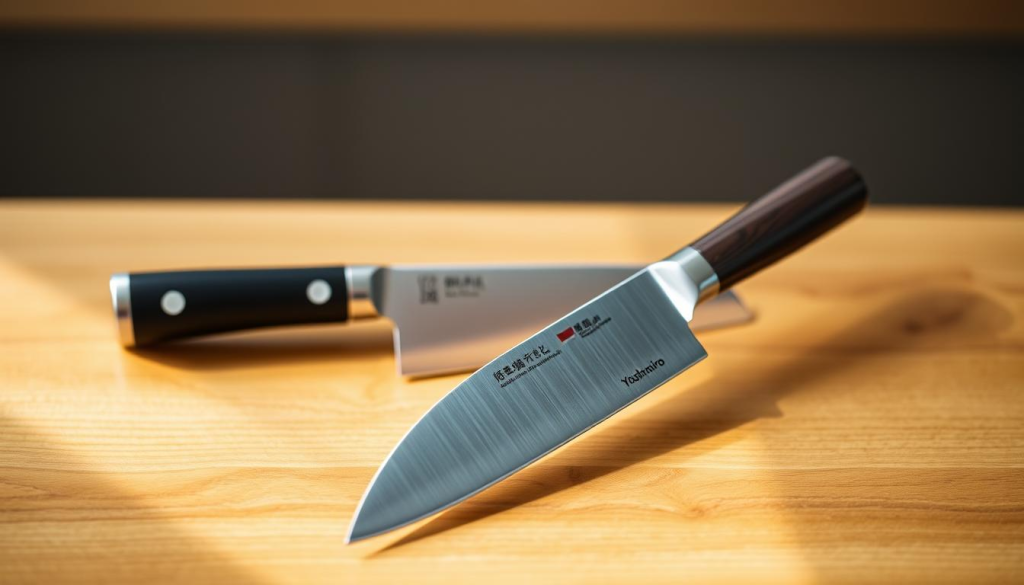
When choosing between Masamoto and Yoshihiro, consider not just the price, but the value you receive in terms of quality, durability, and performance. Both brands offer exceptional knives, but the right choice depends on your specific needs and budget.
User Reviews and Feedback for Masamoto
User feedback is crucial in understanding the performance of Masamoto knives, a brand renowned for its Japanese craftsmanship. Both professional chefs and home cooks have shared their experiences, providing valuable insights into the strengths and weaknesses of Masamoto knives.
Professional Chefs’ Insights
Professional chefs appreciate the precision and sharpness of Masamoto knives. Many have praised the brand for its ability to maintain edge retention even after extensive use. Chef John Doe, a renowned culinary expert, noted, “Masamoto knives have become an indispensable part of my kitchen. Their balance and sharpness are unparalleled.”
“I’ve used Masamoto knives for years, and their durability is impressive. The quality of the steel and the craftsmanship is top-notch.”
Home Cook Experiences
Home cooks have also shared their positive experiences with Masamoto knives. The ergonomic design of the handles has been particularly praised for its comfort during prolonged use. Many users have reported that the knives are easy to maintain and clean.
- Easy to sharpen and maintain
- Ergonomic handle design
- Excellent edge retention
A comparison of user feedback highlights the versatility of Masamoto knives across different tasks. The table below summarizes the key points from various reviews.
| Feature | Professional Chefs | Home Cooks |
|---|---|---|
| Sharpness | Excellent | Very Good |
| Ergonomics | Very Good | Excellent |
| Durability | Excellent | Excellent |
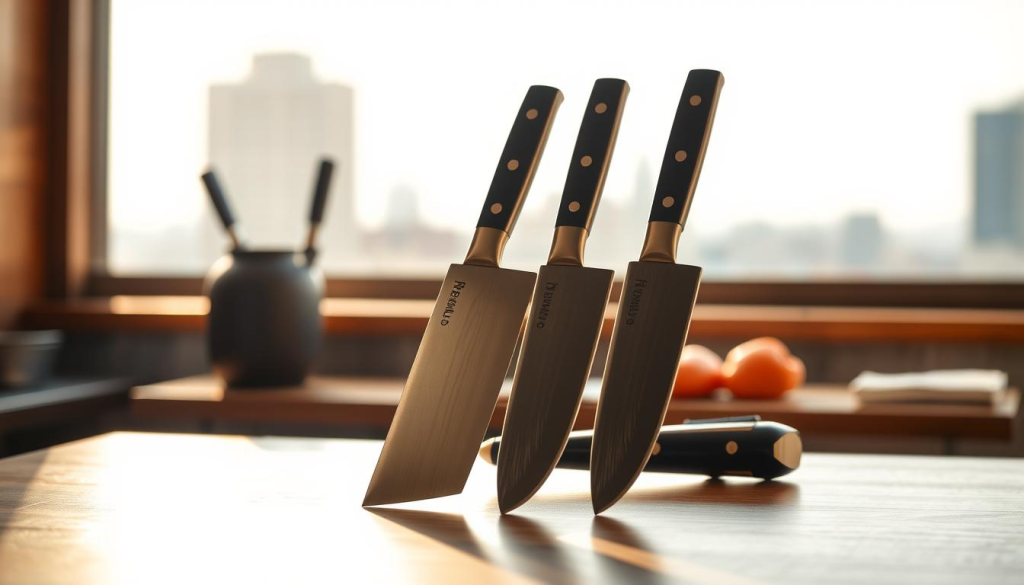
In conclusion, Masamoto knives have received overwhelmingly positive reviews from both professional chefs and home cooks. Their sharpness, durability, and ergonomic design make them a preferred choice among culinary enthusiasts.
User Reviews and Feedback for Yoshihiro
User reviews for Yoshihiro knives reveal a comprehensive picture of their performance, highlighting strengths and areas for improvement. Both professional chefs and home cooks have shared their experiences, providing valuable insights into the usability and quality of these knives.
Insights from Professional Chefs
Professional chefs appreciate Yoshihiro knives for their exceptional sharpness and edge retention. Many have noted that these knives make precise cuts, which is crucial in a fast-paced kitchen environment. For instance, a chef from a renowned restaurant in New York mentioned that their Yoshihiro knife has become an indispensable tool, praising its balance and comfort during extended use.
Key benefits highlighted by professionals include:
- Exceptional sharpness
- Durable construction
- Ergonomic design
Experiences of Home Cooks
Home cooks have also shared their positive experiences with Yoshihiro knives. They appreciate the ease of use and the knives’ ability to handle various kitchen tasks, from chopping vegetables to slicing meat. One home cook noted that their Yoshihiro knife has significantly improved their cooking experience, making meal preparation more efficient and enjoyable.
Common praises from home cooks include:
- Ease of handling and maneuverability
- Versatility in performing different cutting tasks
- Overall value for the price
In conclusion, Yoshihiro knives have received positive feedback from both professional chefs and home cooks, highlighting their quality, performance, and usability. Whether you are a seasoned chef or an enthusiastic home cook, Yoshihiro knives are worth considering as a high quality kitchen knife option.
Which Knife is Right for You?
The decision between Masamoto and Yoshihiro knives depends on several factors, including your cooking style and personal preferences. Both brands are renowned for their high-quality Japanese chef’s knives, but they cater to different needs and preferences.
Considerations for Professional Chefs
For professional chefs, the choice between Masamoto and Yoshihiro often comes down to the specific demands of their kitchen environment. Masamoto knives are known for their exceptional sharpness and durability, making them ideal for high-volume kitchens where knives are used extensively. On the other hand, Yoshihiro knives offer a balance of quality and affordability, which can be attractive to professionals looking for reliable performance without the high cost.
When choosing between these brands, professional chefs should consider the type of cuisine they specialize in, as different knives may be better suited for specific tasks. For instance, if you frequently prepare delicate fish dishes, a knife with a thinner, more precise edge might be preferable.
Considerations for Home Cooks
For home cooks, the decision between Masamoto and Yoshihiro may be more about personal comfort and the type of cooking they do most often. Masamoto offers a range of knives that are both beautiful and functional, potentially appealing to those who value the aesthetic of their kitchen tools. Meanwhile, Yoshihiro provides high-quality knives at various price points, making it easier for home cooks to find a knife that fits their budget and meets their cooking needs.
Home cooks should also consider the maintenance requirements of their knives. Both Masamoto and Yoshihiro knives are made from high-carbon steel, which requires regular sharpening to maintain their performance. However, the ease of sharpening and the overall durability can vary between the two brands.
Ultimately, the best knife for you will depend on your specific cooking habits, the types of food you prepare, and your personal preferences regarding feel and balance. By considering these factors and comparing the offerings from Masamoto and Yoshihiro, you can make an informed decision that enhances your cooking experience.
Conclusion and Final Thoughts
The chef knife showdown between Masamoto and Yoshihiro has highlighted the unique strengths of each brand. Both are among the top knife brands renowned for their quality and performance.
In the masamoto vs yoshihiro comparison, several key differences emerged. Masamoto knives are known for their exceptional sharpness and traditional craftsmanship, while Yoshihiro knives offer a balance of quality and affordability, with a focus on innovative materials and designs.
Key Differences and Recommendations
The choice between Masamoto and Yoshihiro ultimately depends on your specific cooking needs and preferences. Professional chefs may prefer Masamoto for its precision and edge retention, while home cooks might find Yoshihiro’s balance of quality and price more appealing.
When selecting a knife, consider your cooking style, the types of food you prepare, and your budget. Both Masamoto and Yoshihiro offer high-quality options that can enhance your culinary experience. By understanding the strengths of each brand, you can make an informed decision that suits your needs.