
Discover the art of precision cutting with the Masamoto Usuba knife, a revered tool in any kitchen. Renowned for its exceptional sharpness and ability to make precise cuts, this knife is a favorite among both professional chefs and home cooks.
The Masamoto Usuba is not just any kitchen knife; it’s a culinary companion that elevates your cooking experience. With its rich history and cultural significance, it brings a touch of tradition to your kitchen.
In this article, we’ll explore the features, benefits, and uses of the Masamoto Usuba, helping you understand why it’s a must-have for any serious cook.
Key Takeaways
- Exceptional sharpness for precise cuts
- A must-have tool for serious cooks
- Rich history and cultural significance
- Elevates your cooking experience
- Favorite among chefs and home cooks alike
What is a Masamoto Usuba?
The Masamoto Usuba knife is a traditional Japanese knife designed specifically for vegetable preparation, embodying the essence of Japanese culinary art with its thin, flat blade.
Overview of the Usuba Knife
The Usuba knife, which translates to “thin blade,” is characterized by its straight edge and flat profile, making it ideal for precise cuts and chopping of vegetables. Its design allows for smooth, even cuts, crucial for preparing ingredients for various Japanese dishes.
Historical Background
The history of the Usuba knife is deeply rooted in Japanese culinary traditions. Originating in the Edo period, it was crafted to meet the needs of chefs preparing traditional Japanese cuisine, where the emphasis on fresh, seasonal ingredients requires precise cutting techniques.
The evolution of the Usuba knife reflects the broader history of Japanese knives, with craftsmen continually refining their techniques to produce high-quality blades that are both functional and durable.
Popular Uses in Culinary Arts
In modern culinary arts, the Masamoto Usuba is valued for its versatility and precision. Chefs use it for a variety of tasks, from slicing daikon radish for tempura to finely chopping vegetables for salads and soups.
| Task | Benefit of Using Masamoto Usuba |
|---|---|
| Slicing Vegetables | Provides precise, even cuts |
| Chopping Herbs | Retains the freshness and flavor of herbs |
| Preparing Garnishes | Allows for intricate designs and cuts |
The Masamoto Usuba’s role in culinary arts extends beyond its functional use, as it also represents a connection to traditional Japanese cooking techniques and the cultural significance of food preparation.
Benefits of Using a Masamoto Usuba
The Masamoto Usuba is a game-changer in the kitchen, offering unparalleled sharpness and precision. This Japanese knife is designed to provide chefs with a tool that can handle various kitchen tasks with ease and finesse.
Sharpness and Precision
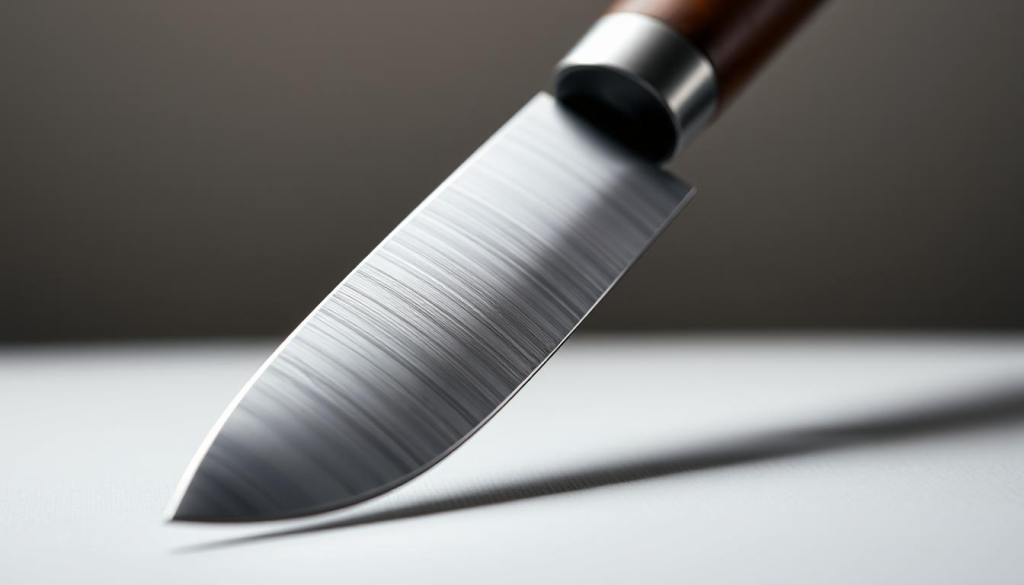
The Masamoto Usuba is renowned for its exceptional sharpness, allowing for clean cuts that reduce the risk of crushing ingredients. This precision is crucial in culinary arts, where the presentation of dishes is as important as their taste. The sharp edge of the Usuba ensures that vegetables and other ingredients are cut cleanly, preserving their texture and appearance.
Versatility for Various Ingredients
The Usuba knife is versatile and can be used with a variety of ingredients, from delicate herbs to harder root vegetables. Its straight edge makes it ideal for chopping and slicing, allowing chefs to prepare ingredients with precision and speed. Whether you’re working with soft leafy greens or harder vegetables like carrots, the Masamoto Usuba handles the task with ease.
Ergonomic Design for Comfort
Comfort is a key consideration for chefs who spend long hours in the kitchen. The Masamoto Usuba is designed with an ergonomic handle that fits comfortably in the hand, reducing fatigue and strain. This design allows for extended use without discomfort, making it an essential tool for professional chefs who demand both performance and comfort from their knives.
By combining sharpness, versatility, and ergonomic design, the Masamoto Usuba provides a superior cooking experience, making it a valuable addition to any kitchen.
Choosing the Right Masamoto Usuba
When it comes to enhancing your culinary experience, selecting the ideal Masamoto knife is a crucial step for any cooking enthusiast. The Masamoto Usuba is known for its precision and quality, making it a valuable addition to any kitchen. However, with various models and sizes available, making the right choice can be challenging.
Different Blade Sizes and Styles
The Masamoto Usuba comes in various blade sizes, typically ranging from 165mm to 210mm. The size you choose should depend on your specific cooking needs. For instance, a larger blade is ideal for bigger ingredients and more substantial chopping tasks, while a smaller blade is better suited for precision work work and smaller ingredients.
Choosing the right blade size and style is essential for maximizing the knife’s effectiveness in the kitchen. As noted by culinary experts, “The right knife can make all the difference in food preparation, turning a chore into an art form.” When deciding, consider the types of ingredients you work with most frequently and the tasks you perform regularly.
Selecting the Appropriate Material
The material of the Masamoto Usuba is another critical factor. High-carbon steel is the preferred material due to its durability and ability to hold a sharp edge. This material is less prone to rust, provided it is properly maintained, making it a practical choice for daily use. High-carbon steel knives are known for their sharpness and longevity, as emphasized by professionals in the culinary field.
Importance of Authenticity in Purchase
Ensuring the authenticity of your Masamoto Usuba is vital to guarantee its quality and performance. Counterfeit products can be prevalent, especially in online marketplaces. To avoid fake products, it’s recommended to purchase from authorized dealers or directly from the manufacturer.
By considering these factors, you can select a Masamoto Usuba that meets your culinary needs and enhances your cooking experience.
How to Care for Your Usuba Knife
Proper care for your Masamoto Usuba knife is crucial for maintaining its exceptional performance and longevity. A well-cared-for knife not only performs better but also remains a valuable tool in your kitchen for years to come.
Cleaning and Maintenance Tips
Cleaning your Masamoto Usuba knife should be done with care. Hand washing with mild soap and water is recommended. Avoid using abrasive cleaners or putting your knife in the dishwasher, as this can damage the blade and handle. After washing, dry your knife immediately to prevent rust.
Regular maintenance also involves checking for any signs of wear or damage. Inspect the blade and handle regularly to ensure that your knife remains in good condition.
Storage Solutions to Preserve Sharpness
How you store your Masamoto Usuba knife is just as important as how you clean it. Using a knife block or a magnetic strip can help preserve the sharpness of your knife by preventing it from coming into contact with other utensils. This not only keeps your knife sharp but also prevents accidents.
Alternatively, you can store your knife in a protective sheath or case. This provides an additional layer of protection against damage and keeps your knife safe when not in use.
Sharpening Techniques for Longevity
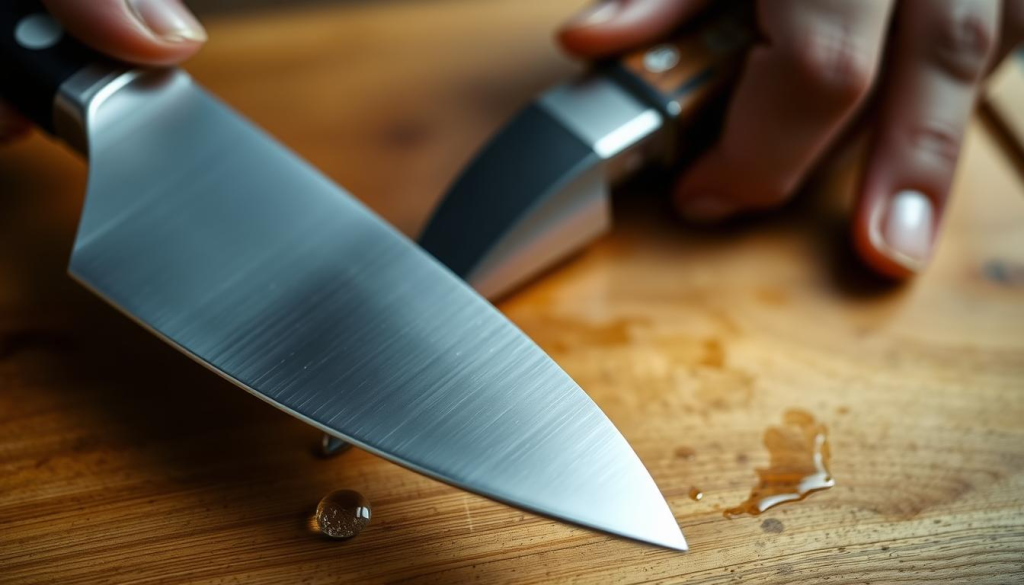
Regular sharpening is essential to maintain the performance of your Masamoto Usuba knife. Using the right sharpening stone or whetstone, you can keep your knife in optimal condition. It’s recommended to sharpen your knife regularly, depending on how frequently you use it.
For those new to sharpening, it’s advisable to practice or seek guidance to ensure that you’re using the correct technique. Proper sharpening not only enhances the longevity of your knife but also improves its performance.
Usuba vs. Other Japanese Knives
When it comes to Japanese knives, the Masamoto Usuba stands out for its precision and unique characteristics. Understanding the differences between the Usuba and other Japanese knives like the Nakiri and Gyuto can help chefs and home cooks choose the right tool for their needs.
Nakiri vs. Usuba: Key Differences
The Nakiri knife, also used for vegetable preparation, differs from the Usuba in blade thickness and edge type. While the Nakiri is typically thicker and more suited for chopping, the Usuba is designed for precision cutting.
| Feature | Usuba | Nakiri |
|---|---|---|
| Blade Thickness | Thin | Thicker |
| Edge Type | Straight edge | Straight edge |
| Primary Use | Precision cutting of vegetables | Chopping vegetables |
Gyuto vs. Usuba: Understanding the Distinctions
The Gyuto knife is a versatile, multi-purpose knife used for slicing meat, fish, and vegetables. Unlike the Usuba, which is specialized for vegetable preparation, the Gyuto is more akin to a Western chef’s knife but with a Japanese twist.
Key differences include:
- Blade Length and Shape: Gyuto knives are often longer and more curved than Usuba knives.
- Usage: While the Usuba is ideal for precise cuts in vegetables, the Gyuto is used for a variety of tasks including slicing and chopping meat and fish.
Advantages Over Western Knives
The Masamoto Usuba offers several advantages over Western-style knives, particularly in its precision and delicacy. The thin, straight edge of the Usuba allows for finer cuts and more control, making it ideal for intricate vegetable preparation.
In comparison to Western knives, which tend to be heavier and less precise, the Usuba provides a level of finesse that is highly valued in Japanese cuisine. This makes it an essential tool for chefs looking to achieve high levels of precision and consistency in their work.
Professional Chefs Who Use Masamoto Usuba
The world of professional chefs is where the Mas Usuba truly shines, with many culinary experts swearing by its precision and performance. For those who demand the best, this knife has become an indispensable tool in the kitchen.
Renowned chefs have praised the Mas Usuba for its ability to enhance their cooking, from preparing intricate vegetable dishes to adding the final touches to a dish. The Usuba’s role in fine dining is undeniable, as it allows chefs to achieve the level of detail and presentation required in high-end cuisine.
Notable Chefs Who Prefer the Mas Usuba
Many professional chefs have discovered the benefits of using the Mas Usuba in their kitchens. Chefs like Masaharu Morimoto and Nobu Matsuhisa have been known to appreciate high-quality knives, and the Mas Usuba is no exception.
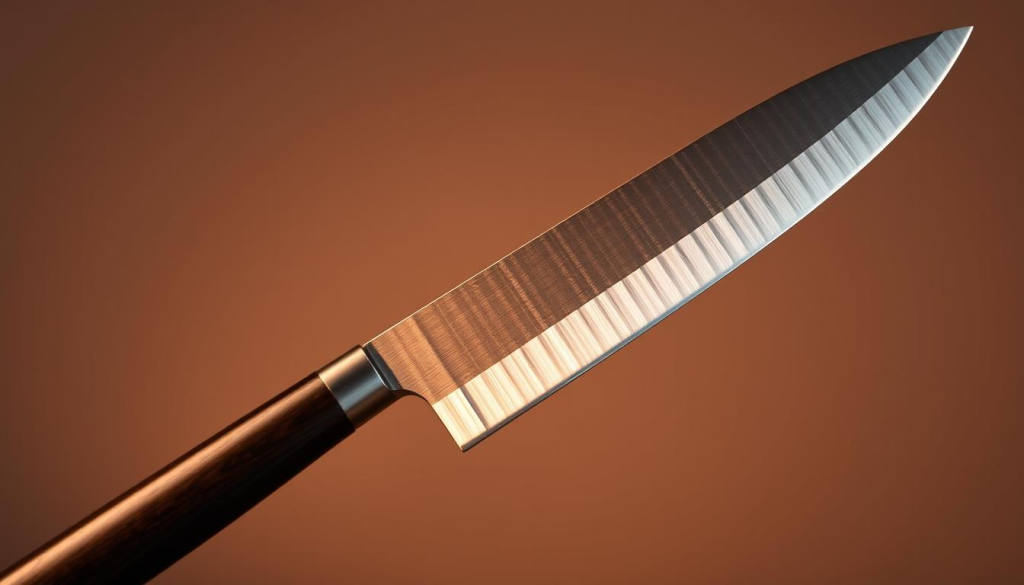
Its razor-sharp edge and balanced design make it a joy to work with, allowing chefs to create intricate dishes with ease. The Mas Usuba’s popularity among top chefs is a testament to its exceptional quality and performance.
“A good knife is like a good partner in the kitchen – it helps you create something truly special.”
The Role of Mas Usuba in Fine Dining
In fine dining, presentation is everything, and the Mas Usuba shines in this regard. Its precision allows chefs to create beautiful, intricate cuts that elevate the dining experience.
The knife’s ability to make precise cuts is especially important in fine dining, where the presentation of a dish can be just as important as its taste. Whether it’s creating a delicate garnish or slicing a vegetable into thin strips, the Mas Usuba is up to the task.
Testimonials from Professional Chefs
Chefs who use the Mas Usuba in their kitchens often sing its praises. “The Mas Usuba is an essential tool for any serious chef,” says a renowned chef. “Its precision and balance make it a joy to use, and it’s helped me take my dishes to the next level.”
Other chefs have also praised the Mas Usuba for its durability and versatility, noting that it remains a reliable companion in the kitchen even after years of heavy use.
Where to Buy a Masamoto Usuba
The quest for a genuine Masamoto Usuba requires a discerning eye and knowledge of reputable sources. To ensure you’re getting an authentic product, it’s essential to know where to look.
Reliable Online Sources
When it comes to buying a Masamoto Usuba online, it’s crucial to stick with reputable retailers. Some well-known online stores that carry authentic Masamoto knives include:
- Specialty kitchen stores with a strong online presence
- Online marketplaces that verify the authenticity of their products
- Directly purchasing from the manufacturer’s website, if available
Ensure that the online retailer provides detailed product descriptions, customer reviews, and a secure payment process.
Physical Stores to Visit
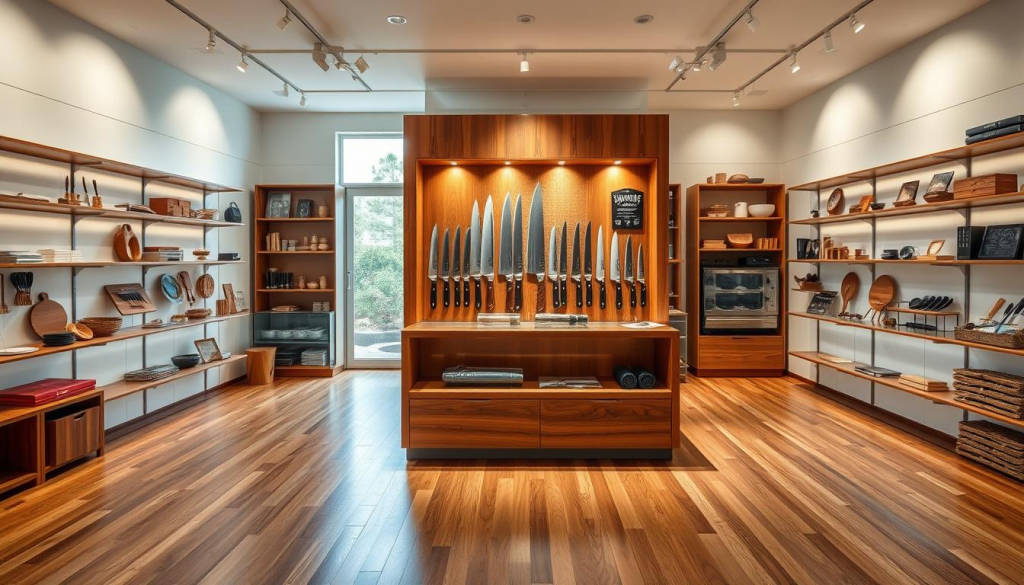
For those who prefer to see and feel the knife before purchasing, visiting a physical store is advisable. Specialty kitchen supply stores often carry a selection of high-quality knives, including Masamoto Usuba. When visiting a store:
- Inspect the knife for craftsmanship and material quality
- Ask the staff about the knife’s origin and authenticity
- Check if the store offers any warranty or after-sales service
Factors to Consider When Purchasing
When buying a Masamoto Usuba, several factors should be considered to ensure you’re making a worthwhile investment.
| Factor | Description | Importance Level |
|---|---|---|
| Authenticity | Verify that the knife is a genuine Masamoto product | High |
| Material Quality | Check the quality of the materials used | High |
| Price | Compare prices across different sellers | Medium |
| Warranty and Support | Look for sellers offering a warranty or after-sales support | Medium |
By considering these factors and knowing where to look, you can find an authentic Masamoto Usuba that meets your needs and enhances your culinary experience.
Preparing Vegetables with Usuba
The Usuba knife is particularly adept at preparing vegetables with precision and finesse, making it an indispensable tool in any kitchen. Its sharp edge allows for smooth cuts that enhance both the appearance and texture of vegetables.
Techniques for Perfect Cuts
To achieve precise cuts, it’s essential to master the proper technique. Start by holding the knife at a slight angle to achieve the desired cut. Using a gentle rocking motion will help you slice through vegetables smoothly. Keeping the knife sharp is also crucial for clean cuts.
For more intricate cuts, consider the type of vegetable and the desired presentation. The Usuba knife’s straight edge is ideal for slicing and julienne cuts.
Slicing Techniques
Slicing is one of the most common techniques used in cooking. To slice effectively, maintain a consistent angle to ensure uniform slices. Use the correct knife edge; for most tasks, the straight edge of the Usuba is ideal.
Tips for Presentation and Plating
Presentation is key to a dish’s success. The Usuba knife’s precision allows for beautifully arranged plates. Consider the color and texture of the vegetables when plating.
| Vegetable | Cut | Presentation Tip |
|---|---|---|
| Carrots | Julienne | Stack them neatly |
| Zucchini | Thin slices | Arrange in a fan pattern |
Common Recipes to Try
With the Usuba knife, you can easily prepare ingredients for a variety of dishes. Some popular recipes include:
- Tempura: Slice vegetables thinly for a crispy exterior.
- Salads: Use the Usuba to cut vegetables into uniform pieces.
- Stir-fries: Quickly slice ingredients for fast and even cooking.
Usuba Knife Workshops and Classes
For those looking to master the art of using a Masamoto Usuba, knife skills training is essential. Whether you’re a beginner or an experienced chef, hands-on training can significantly improve your technique and overall cooking experience.
Learning Opportunities in the U.S. are abundant, with various culinary schools and knife specialty stores offering classes tailored to different skill levels. These workshops not only teach the fundamentals of handling a Masamoto Usuba but also delve into advanced techniques, ensuring that participants gain a comprehensive understanding of Japanese culinary arts.
Benefits of Hands-on Training
Hands-on training with a Masamoto Usuba offers several benefits, including improved knife skills, a deeper understanding of Japanese culinary techniques, and increased confidence in the kitchen. Direct instruction from experienced chefs can help you refine your technique and avoid common mistakes.
Moreover, these workshops provide an opportunity to learn about the history and cultural significance of the Usuba knife, enriching your cooking experience. As “The right knife is not just a tool, it’s an extension of the chef’s hand.”
Locations Offering Courses
Culinary schools and knife stores across the U.S. offer Usuba knife training. Some of the top locations include major cities like New York, Los Angeles, and Chicago, where renowned chefs and culinary experts lead workshops.
- New York: The Culinary Institute of America
- Los Angeles: The Japanese Knife Academy
- Chicago: The Cooking Academy
These locations offer a range of classes, from beginner to advanced levels, ensuring that there’s something for everyone. By participating in these workshops, you can enhance your skills, learn new techniques, and gain a deeper appreciation for the art of Japanese knife work.
Cultural Significance of the Usuba Knife
In the realm of Japanese cuisine, the Usuba knife stands out for its precision and historical significance. The Usuba knife is not just a tool; it is a symbol of the dedication and craftsmanship that define Japanese cooking.
Role in Japanese Cuisine
The Usuba knife plays a crucial role in Japanese cuisine, particularly in the preparation of vegetables. Its straight edge and thin blade allow for precise cuts, which are essential for the presentation and texture of dishes.
Precision cutting is a hallmark of Japanese culinary arts, and the Usuba knife is designed to deliver this precision. Chefs use it to create uniform slices of vegetables, enhancing both the visual appeal and the cooking consistency of their dishes.
Symbolism of the Usuba in Cooking
The Usuba knife symbolizes the respect for tradition and the emphasis on detail that are central to Japanese cooking. It represents a connection to the past, where techniques and tools have been passed down through generations.
In many Japanese kitchens, the Usuba is considered a treasured possession, reflecting the chef’s commitment to their craft. The act of using an Usuba knife is meditative, requiring focus and patience.
Modern Adaptations in Western Kitchens
In recent years, the Usuba knife has gained popularity in Western kitchens, where chefs appreciate its unique characteristics and the quality it brings to their cooking. The Usuba’s influence can be seen in modern vegetable preparation techniques, where precision and presentation are paramount.
| Aspect | Traditional Use | Modern Adaptation |
|---|---|---|
| Culinary Role | Vegetable preparation | Precision cutting for presentation |
| Symbolism | Respect for tradition | Appreciation for craftsmanship |
| Influence | Japanese cuisine | Global culinary practices |
The cultural significance of the Usuba knife is a testament to the enduring legacy of traditional Japanese culinary practices. As it continues to be adopted in kitchens around the world, it brings with it a piece of Japanese culture and a reminder of the importance of precision and tradition in cooking.
Frequently Asked Questions about Masamoto Usuba
For those new to the world of Masamoto Usuba, understanding its proper use and care is essential for a satisfying cooking experience. As a traditional Japanese knife, it comes with its unique characteristics and requirements.
Common Inquiries About Masamoto Usuba
Many users wonder about the appropriate techniques for handling and maintaining their Masamoto Usuba. One common question is how to sharpen the knife properly. Sharpening a Masamoto Usuba requires a whetstone of appropriate grit; starting with a coarser grit to repair the edge, then moving to a finer grit for polishing.
Proper sharpening technique involves maintaining a precise angle and gently drawing the blade across the stone. It’s also crucial to avoid using electric sharpeners, as they can damage the blade.
Maintenance Queries
Maintenance is key to extending the life of your Masamoto Usuba. Users often ask about the best practices for cleaning and storing their knives. It’s recommended to hand wash your Usuba with mild soap and dry it immediately to prevent rust.
Regular maintenance, such as oiling the blade, can help prevent rust and maintain its appearance. Storing it in a dry place, such as a knife block or a saya, is also advisable.
Usage Tips and Recommendations
To get the most out of your Masamoto Usuba, it’s essential to use it correctly. The Usuba is designed for precise cuts, making it ideal for preparing vegetables. Techniques such as “katabiki” (push cut) and “yankiri” (pull cut) are commonly used.
By applying gentle pressure and maintaining a consistent motion, you can achieve precise cuts with minimal effort. Understanding and following these guidelines will enhance your cooking experience.
Final Thoughts on the Masamoto Usuba
The Masamoto Usuba knife is a valuable addition to any kitchen, offering precision and elegance in culinary preparation. By embracing traditional techniques in knife handling and usage, home cooks and professional chefs alike can elevate their cooking experience.
Investing in a high-quality Masamoto Usuba knife is a step towards enhancing your kitchen tools. The precision cutting it provides not only improves the presentation of dishes but also encourages culinary creativity. As you become more comfortable with using the Usuba, you’ll discover new ways to prepare and present ingredients.
Precision and Creativity
The Masamoto Usuba’s sharpness and ergonomic design make it an ideal tool for exploring various culinary techniques. Whether you’re preparing intricate vegetable cuts or simply slicing ingredients with ease, this knife is designed to inspire creativity in the kitchen.
Continuing Your Culinary Journey
As you continue on your culinary journey with the Masamoto Usuba, remember that practice and patience are key to mastering its use. Explore different recipes, attend workshops, and enjoy the process of refining your skills with this exceptional knife.