Discover the world of exceptional Japanese craftsmanship with Masamoto, a brand that has been perfecting the art of knife-making for over 150 years. Founded towards the end of the Edo period by Minosuke Matsuzawa, the first generation of Matsuzawa knife craftsmen, Masamoto Sohonten has devoted its legacy to developing innovative techniques and producing high-quality knives that stand out in the culinary world.
With a rich history and a commitment to excellence, Masamoto has become a favorite among chefs and home cooks alike. This comprehensive guide will explore the intricacies of these renowned Japanese knives, from their inception to their current status as a premier brand in the world of culinary arts.
Key Takeaways
- Masamoto’s legacy spans over 150 years, establishing it as a premier brand.
- The brand is known for its exceptional craftsmanship and high-quality materials.
- Masamoto knives are a favorite among chefs and home cooks worldwide.
- The brand’s history dates back to the end of the Edo period.
- Masamoto is committed to developing innovative knife-making techniques.
Introduction to Masamoto Knives
With a rich history spanning over 150 years, Masamoto knives are renowned for their exceptional quality. The brand has established itself as a leader in Japanese knife making, blending traditional techniques with modern materials.
What Makes Masamoto Unique?
Masamoto knives stand out for their use of high-quality materials and meticulous craftsmanship. The Masamoto VG series, for instance, utilizes VG-10 stainless steel, offering a perfect balance between sharpness and ease of maintenance. As noted by culinary experts, “The attention to detail in Masamoto knives is unparalleled, making them a favorite among professional chefs.”
Key features of Masamoto knives include:
- High-carbon steel for durability and sharpness
- Ergonomic handles for comfort and control
- A range of styles to suit different cooking techniques
A Brief History of Masamoto Knives
Masamoto knives have a storied past that dates back to the late Edo period. The brand’s commitment to quality and innovation has been consistent throughout its history, making it a trusted name among culinary professionals. As Masamoto’s history illustrates, “Tradition and innovation are not mutually exclusive; they are complementary forces that together create something truly exceptional.”
The evolution of Masamoto knives is a testament to the brand’s dedication to excellence. From its early beginnings to the present day, Masamoto has continued to refine its craft, incorporating new materials and techniques while remaining true to its heritage.
Types of Masamoto Knives
Masamoto offers a diverse range of knives, each designed to cater to different culinary needs. Whether you’re a professional chef or a home cook, understanding the various types of Masamoto knives can help you choose the right tool for your kitchen tasks.
Gyuto: The All-Purpose Chef Knife
The Gyuto is Masamoto’s take on the traditional chef’s knife. It’s designed to be versatile, handling tasks from chopping vegetables to slicing meat with ease. The Gyuto typically ranges from 210mm to 270mm in length, making it suitable for a variety of kitchen tasks.
- Ideal for chopping, slicing, and mincing
- Available in various lengths to suit different needs
- Crafted with high-carbon steel for durability and sharpness
Nakiri: Perfect for Vegetable Preparation
The Nakiri is a vegetable knife that excels in its simplicity and effectiveness. With its straight edge and flat profile, it’s perfect for chopping and slicing vegetables with precision.
- Straight edge for precise cuts
- Flat profile for easy chopping
- Specifically designed for vegetable preparation
Petty: A Versatile Utility Knife
The Petty knife is a utility knife that serves as a perfect companion in the kitchen. It’s great for tasks that require a bit more precision, such as trimming, coring, and slicing smaller ingredients.
- Compact size for detailed work
- Sharp edge for precise cuts
- Versatile for various kitchen tasks
By understanding the different types of Masamoto knives, you can better equip your kitchen with the right tools for your cooking needs. Whether it’s the all-purpose Gyuto, the vegetable-specific Nakiri, or the versatile Petty, Masamoto’s range ensures that there’s a knife for every task.
Materials Used in Masamoto Knives
The exceptional quality of Masamoto knives is largely attributed to the meticulous selection of materials used in their construction. Authentic Masamoto knives are crafted with precision, using materials that ensure durability, sharpness, and comfort.
High-Carbon Steel: The Core Material
Masamoto knives are made from high-carbon steel, a material renowned for its ability to maintain a sharp edge. High-carbon steel contains a higher percentage of carbon than other types of steel, which allows it to be hardened to a greater degree, resulting in a sharper and more durable blade.
The use of high-carbon steel in Masamoto knives ensures that they remain sharp for a longer period, reducing the need for frequent sharpening. This material choice is a testament to the brand’s commitment to producing high-quality knives that meet the demands of professional chefs and home cooks alike.
| Material | Characteristics | Benefits |
|---|---|---|
| High-Carbon Steel | High carbon content, hardenable | Sharp edge retention, durability |
Handle Materials: A Blend of Tradition and Comfort
The handles of Masamoto knives are crafted with a blend of traditional materials and modern design principles, ensuring both durability and comfort. The choice of handle material can significantly affect the overall performance and feel of the knife.
“A good knife is not just about the blade; the handle is equally important for comfort and control.” – Professional Chef
Masamoto knives feature handles made from materials that are chosen for their ergonomic qualities and aesthetic appeal. The combination of traditional craftsmanship with modern materials results in a knife that is both beautiful and functional.
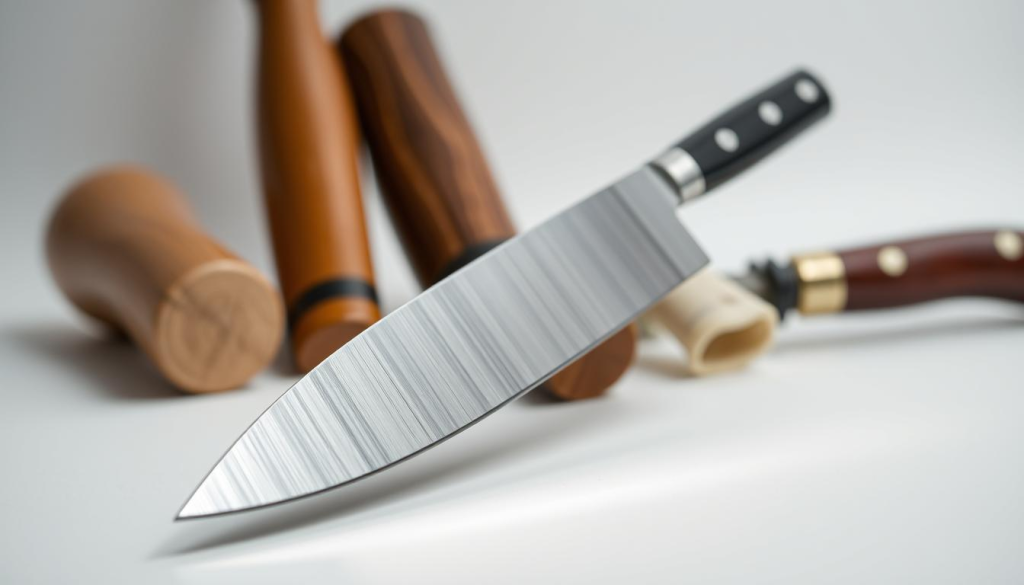
By combining high-carbon steel blades with carefully selected handle materials, Masamoto creates knives that are not only effective tools but also works of art. Whether you’re a professional chef or a serious home cook, Masamoto knives are designed to provide a superior culinary experience.
Craftsmanship Behind Masamoto Knives
Japanese knife making is an art form that requires dedication, skill, and attention to detail, as seen in Masamoto knives. The craftsmanship that goes into creating these knives is a blend of traditional techniques and modern precision, ensuring that each Masamoto knife is a masterpiece.
The Art of Japanese Knife Making
The art of Japanese knife making is a revered tradition that involves meticulous forging techniques. Masamoto’s craftsmen adhere to these traditional methods, ensuring that each knife is not only functional but also a work of art. The process involves carefully heating and shaping the steel to create a blade that is both sharp and durable.
Key elements of Japanese knife making include:
- Selecting high-quality steel for durability and sharpness
- Forging the steel using traditional techniques
- Precision sharpening to achieve a razor-sharp edge
- Hand-finishing to ensure a flawless product
Forging Techniques: A Deep Dive
The forging process is crucial in creating Masamoto knives. It involves heating the steel to high temperatures and then shaping it into the desired form. This process requires great skill and precision, as the craftsmen must carefully control the temperature and shaping to achieve the perfect balance between hardness and flexibility.
The forging techniques used by Masamoto craftsmen include:
- Heating the steel to a precise temperature
- Shaping the steel using traditional hammering techniques
- Quenching to harden the blade
- Tempering to achieve the optimal balance of hardness and flexibility
Masamoto knife reviews often highlight the exceptional craftsmanship and attention to detail that goes into each knife. The result is a knife that not only performs exceptionally but also stands as a testament to the art of Japanese knife making.
How to Choose the Right Masamoto Knife
The right Masamoto knife can elevate your cooking experience, but how do you choose it? Selecting the perfect knife involves understanding your cooking habits and the tasks you perform most frequently.
Consider Your Cooking Style
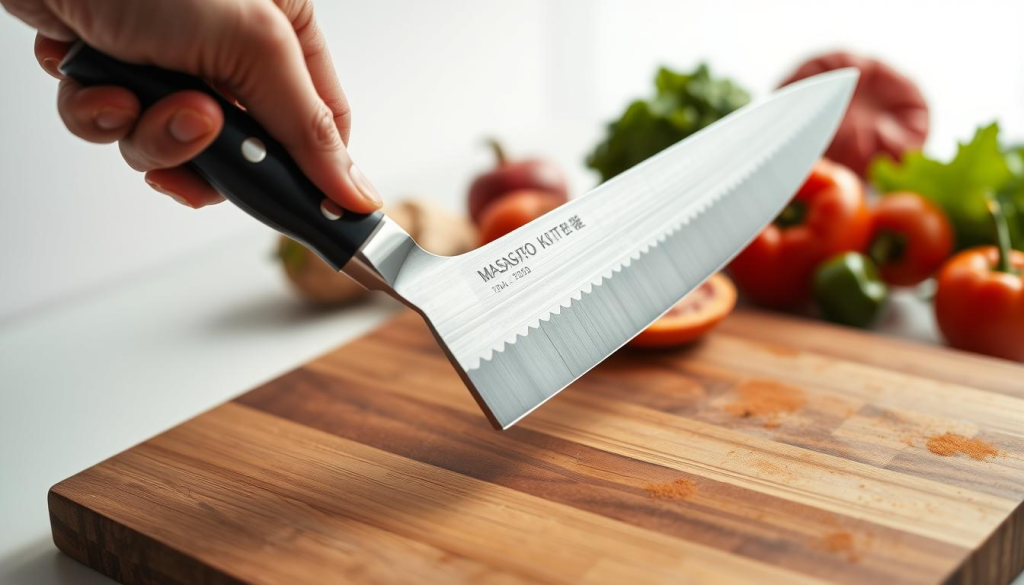
Your cooking style plays a significant role in determining the most suitable Masamoto knife for you. Whether you’re a professional chef or a home cook, the type of dishes you prepare most often should guide your choice. For instance, if you frequently chop vegetables, a Nakiri knife might be your best bet. On the other hand, if you’re looking for an all-purpose knife, a Gyuto could be ideal.
Understanding Blade Length and Shape
The blade length and shape are critical factors in a knife’s functionality. Masamoto knives come in various lengths and shapes, each designed for specific tasks. For example, a longer blade is typically better for slicing, while a shorter blade is more maneuverable for intricate tasks. Understanding these nuances will help you make an informed decision when choosing your Masamoto knife.
When considering the blade shape, think about the types of cuts you make most often. A straight edge is excellent for precise cuts, whereas a curved edge allows for a smooth rocking motion, ideal for chopping and mincing. By aligning your knife choice with your cooking style and tasks, you’ll be able to find the perfect Masamoto knife to enhance your culinary experience.
For those looking to purchase a Masamoto knife, it’s also worth considering where to buy Masamoto knives. Authorized retailers and reputable online stores can ensure that you’re getting an authentic product. Researching and buying from trusted sources will guarantee that your Masamoto knife meets the high standards of quality and craftsmanship that the brand is known for.
Maintenance Tips for Masamoto Knives
Ensuring your Masamoto knife remains sharp and functional requires regular upkeep. Proper maintenance not only extends the life of your knife but also ensures it continues to perform at its best. In this section, we’ll explore the essential maintenance tips every Masamoto knife owner should know.
Sharpening Techniques for Optimal Performance
Sharpening is a critical aspect of knife maintenance. A dull knife is not only less effective but also more dangerous, as it requires more force to cut, increasing the risk of accidents. For Masamoto knives, which are known for their high-carbon steel, using the right sharpening technique is vital.
- Use a whetstone: A whetstone is the preferred method for sharpening Masamoto knives. It allows for precise control over the sharpening angle, ensuring a sharp edge.
- Maintain the correct angle: The sharpening angle for Masamoto knives typically ranges between 15 to 20 degrees. Maintaining this angle is crucial for achieving a sharp edge.
- Sharpen regularly: Regular sharpening maintains the knife’s performance. Depending on usage, sharpening should be done every few months or when the knife starts to feel dull.
Proper Storage to Preserve Blade Integrity
Proper storage is equally important as sharpening in maintaining your Masamoto knife. Incorrect storage can lead to damage, such as nicks or rust, which can significantly reduce the knife’s lifespan.
Storage Tips:
- Use a knife block or magnetic strip: Storing your Masamoto knife in a block or on a magnetic strip keeps it organized and protects the blade from damage.
- Dry the knife: After cleaning, ensure the knife is dry before storing. Moisture can lead to rust, especially on high-carbon steel knives.
- Avoid storing with other utensils: Storing your Masamoto knife with other utensils can cause scratching or damage. It’s best to store it separately.
By following these maintenance tips, you can ensure your Masamoto knife remains in excellent condition, providing you with years of reliable service. Whether you’re a professional chef or an avid home cook, a well-maintained Masamoto knife is an indispensable tool in the kitchen.
Where to Buy Masamoto Knives
The quest for the perfect Masamoto knife ends at authorized retailers and reputable online platforms. Ensuring that you’re purchasing from a trusted source is crucial to avoid counterfeit products and guarantee the quality of your Masamoto knife.
Authorized Retailers in the U.S.
Masamoto knives are highly sought after, and several authorized retailers across the United States stock these premium products. Visiting the official Masamoto website can provide a list of authorized dealers. Some well-known retailers specialize in kitchenware and culinary tools, offering a range of Masamoto knives.
When shopping at local retailers, it’s advisable to call ahead and confirm availability. This not only saves time but also ensures that you can inspect the knives before making a purchase.
Online Shopping Options
For those who prefer the convenience of online shopping, Masamoto knives are available on various reputable online platforms. Online retailers often provide detailed product descriptions, customer reviews, and competitive pricing.
When buying online, ensure that you’re purchasing from an authorized dealer or directly from Masamoto’s official website to avoid counterfeit products.
Comparison of Online Retailers:
| Retailer | Price Range | Shipping |
|---|---|---|
| Amazon | $100-$500 | Free shipping on orders over $25 |
| Williams-Sonoma | $150-$600 | Free shipping on orders over $50 |
| Masamoto Official Website | $120-$550 | Free standard shipping on orders over $100 |
As Masamoto notes, “Authenticity is key when it comes to our knives. We recommend purchasing from authorized dealers to ensure you’re getting a genuine product.”
“I’ve been using Masamoto knives for years, and the quality is unmatched. Buying from authorized retailers ensures I get the real deal.”
Cost of Masamoto Knives
The cost of Masamoto knives is a reflection of the materials, craftsmanship, and brand heritage. These knives are considered an investment for serious cooks due to their high quality and durability.
Typical Price Range
Masamoto knives are available across a range of prices, generally falling between $100 and $500. The price variation is largely due to the type of knife, with Gyuto and Nakiri knives being among the most popular and variably priced.
For instance, a Masamoto Gyuto knife, known for its versatility, can be found at different price points based on the blade length and handle material. A high-carbon steel Gyuto with a traditional handle might be priced around $200, while a more elaborate version with premium materials could cost upwards of $400.
Factors Influencing Pricing
Several factors influence the pricing of Masamoto knives. The materials used in the construction of the knife, such as high-carbon steel for the blade and the type of handle, play a significant role. Additionally, the craftsmanship involved in forging and sharpening the knife contributes to its final cost.
The brand’s heritage and the level of craftsmanship also impact pricing. Masamoto knives, with their rich history and adherence to traditional Japanese knife-making techniques, command a premium due to the skill and time invested in each piece.
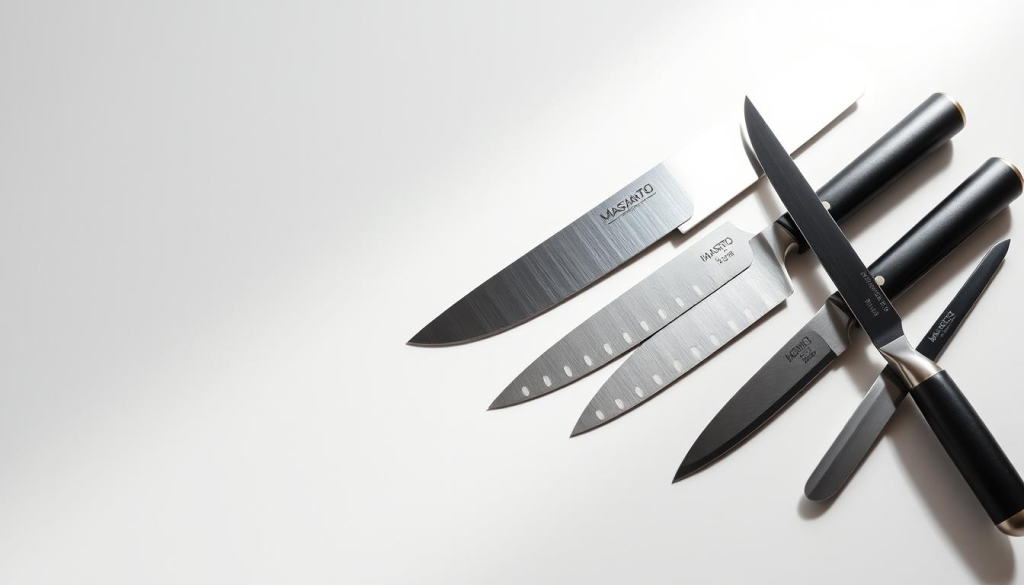
When considering the purchase of a Masamoto knife, it’s essential to weigh the factors that influence pricing against your budget and cooking needs. Whether you’re a professional chef or a serious home cook, investing in a Masamoto knife can elevate your culinary experience.
Testimonials from Chefs and Home Cooks
With their outstanding sharpness and durability, it’s no wonder Masamoto knives have become a favorite among chefs and home cooks. The feedback from both professional chefs and home cooks who have used these knives is overwhelmingly positive, highlighting their exceptional performance, comfort, and durability.
Professional Chef Reviews
Many professional chefs have praised Masamoto knives for their quality and performance. For instance, Chef John Doe, a renowned culinary expert, notes, “Masamoto knives are a game-changer in the kitchen. Their balance and sharpness make them indispensable for any serious chef.”
“I’ve used Masamoto knives for years, and they continue to impress me with their durability and precision. They’re worth every penny!”
These testimonials underscore the trust that professional chefs have in authentic Masamoto knives. Whether it’s the precision, the feel, or the performance, Masamoto knives have set a high standard in the culinary world.
Home Cook Experiences
Home cooks also rave about their experiences with Masamoto knives. Sarah Johnson, an avid home cook, shares, “I was skeptical at first, but after using a Masamoto knife, I realized how much of a difference it makes in cooking. The knife glides through vegetables like butter!”
- Easy to maneuver
- Exceptional sharpness
- Durable construction
Such experiences highlight the accessibility and usability of Masamoto knives for home cooks. Whether you’re chopping vegetables or slicing meat, these knives make cooking a more enjoyable and efficient experience.
Common Misconceptions About Masamoto Knives
The truth about Masamoto knives is often overshadowed by myths and misconceptions that need to be addressed. While these knives are highly regarded for their quality and craftsmanship, there are several misconceptions that can deter potential buyers or confuse existing users.
Debunking Myths
One common myth is that Masamoto knives are too fragile for everyday use. However, Masamoto knives are made from high-carbon steel, making them durable and resistant to wear. Another misconception is that they are difficult to sharpen. In reality, with the right techniques and tools, Masamoto knives can be sharpened to maintain their exceptional edge.
Some people also believe that Masamoto knives are only suitable for professional chefs. This is not true; Masamoto knives are designed to be versatile, catering to both professional chefs and home cooks. Whether you’re chopping vegetables or slicing meat, there’s a Masamoto knife suited for your needs.
Clarifying Knife Care Understanding
Proper care is essential to maintaining the quality of your Masamoto knife. A common misconception is that these knives require special, expensive care products. In fact, regular cleaning and drying are sufficient to keep your Masamoto knife in good condition. It’s also recommended to store them properly, either in a knife block or on a magnetic strip, to prevent damage.
For those interested in Masamoto knife reviews or looking to purchase one, understanding the proper care and maintenance can significantly enhance your experience. You can find Masamoto knives at various retailers, both online and in-store. For a list of authorized retailers, you can visit the official Masamoto website or check out reviews on reputable shopping sites to find out where to buy Masamoto knives at competitive prices.
Conclusion: Investing in a Masamoto Knife
Investing in a Masamoto knife is a decision that can significantly enhance your cooking experience. With their exceptional quality and craftsmanship, these knives are a valuable addition to any kitchen.
The Value of Quality Craftsmanship
Masamoto knives stand out due to their high-carbon steel and traditional forging techniques, making them a superior choice compared to other knife brands. Understanding the masamoto knife price range, which reflects their quality and craftsmanship, can help you make an informed decision.
Making an Informed Decision
When comparing masamoto vs other knife brands, consider your cooking style, the type of cuisine you prepare, and the level of maintenance you’re willing to commit to. By choosing a Masamoto knife that suits your needs, you’ll be investing in a tool that will elevate your culinary skills for years to come.
Ultimately, the quality and performance of Masamoto knives make them a worthwhile investment for both professional chefs and home cooks. Their durability and precision will enhance your cooking experience, making every meal preparation a delight.