For over 150 years, Masamoto Knives has been a premier brand for professional-quality Japanese kitchen knives. Known for their exceptional craftsmanship, these knives have become a trusted name in the culinary world.
The commitment to culinary excellence is evident in every detail, from the selection of high-carbon steel to the precise sharpening techniques. As a result, Masamoto Knives are renowned for their durability and precision, making them a favorite among chefs and home cooks alike.
Key Takeaways
- Crafted with high-carbon steel for durability
- Precision sharpening for optimal performance
- Over 150 years of expertise in knife making
- Trusted by professional chefs and home cooks
- Commitment to culinary excellence
Introduction to Masamoto Knives
For those who value traditional Japanese cutlery, Masamoto knives represent the pinnacle of culinary excellence. With a rich history and a commitment to quality, Masamoto has become a respected name among professional chef knives.
A Brief History of Masamoto
Masamoto Sohonten was founded towards the end of the Edo period by Minosuke Matsuzawa. The brand’s dedication to traditional Japanese knife-making techniques has been a cornerstone of its identity. Over the years, Masamoto has continued to innovate while remaining true to its heritage, resulting in knives that are both functional and beautiful.
The history of Masamoto is not just about the brand itself, but also about the artisans who have contributed to its legacy. Skilled craftsmen have played a crucial role in shaping the brand’s reputation for excellence.
The Art of Japanese Knife Making
Japanese knife making is an art form that requires precision, patience, and a deep understanding of the materials involved. Masamoto knives are crafted using traditional techniques that have been passed down through generations. The process involves carefully selecting high-quality materials and employing time-honored methods to create knives that are both durable and aesthetically pleasing.
The art of Japanese knife making is not just about creating a tool; it’s about crafting a piece of art that enhances the cooking experience. Masamoto’s commitment to this art form is evident in every knife they produce.
What Sets Masamoto Apart
What distinguishes Masamoto from other knife manufacturers is its unwavering commitment to quality and tradition. Masamoto knives are made with the finest materials and crafted with precision to ensure they meet the highest standards. The brand’s focus on detail and its dedication to preserving traditional techniques set it apart in the world of professional chef knives.
Furthermore, Masamoto’s ability to balance tradition with innovation has allowed the brand to stay relevant in modern kitchens. Whether you’re a professional chef or a culinary enthusiast, Masamoto knives offer a level of quality and performance that is hard to match.
The Types of Masamoto Knives
The world of Masamoto knives is vast, with different types designed to excel in specific kitchen duties. Masamoto offers a variety of precision kitchen knives that cater to the diverse needs of chefs and home cooks alike.
Understanding the different types of Masamoto knives is essential to choosing the right tool for your culinary tasks. Below, we explore the characteristics and uses of Gyuto, Santoku, and Nakiri knives.
Gyuto Knives: The All-Purpose Workhorse
Gyuto knives are considered the Swiss Army knife of Japanese blades. They are versatile and can be used for a wide range of kitchen tasks, from slicing meat to chopping vegetables. The curved blade allows for a smooth, rocking motion, making it ideal for chopping and slicing.
Key Features of Gyuto Knives:
- Versatile for various kitchen tasks
- Curved blade for rocking motion
- Ideal for both meat and vegetables
Santoku Knives: Versatile and Efficient
Santoku knives are known for their straight edge and flat blade, which make them perfect for push-cutting motions. They are highly versatile and can be used for slicing, dicing, and mincing. Santoku knives are particularly popular among chefs for their balance and precision.
Benefits of Santoku Knives:
- Excellent for push-cutting motions
- Straight edge for precise cuts
- Well-balanced for comfort
Nakiri Knives: Perfect for Vegetables
Nakiri knives are designed specifically for vegetable preparation. They feature a straight blade with a sharp edge, ideal for slicing and chopping vegetables with precision. The flat profile of Nakiri knives makes them perfect for tasks that require a gentle touch.
Characteristics of Nakiri Knives:
- Straight blade for precise cuts
- Ideal for vegetable preparation
- Flat profile for gentle tasks
| Knife Type | Primary Use | Key Features |
|---|---|---|
| Gyuto | All-purpose cutting | Curved blade, versatile |
| Santoku | Slicing, dicing, mincing | Straight edge, balanced |
| Nakiri | Vegetable preparation | Straight blade, flat profile |
By understanding the different types of Masamoto Knives, you can better equip your kitchen with the right tools for your cooking needs. Whether you’re preparing a complex meal or simply chopping vegetables, Masamoto’s range of precision kitchen knives has something to offer.
Materials Used in Masamoto Knives
Understanding the materials used in Masamoto knives is crucial for appreciating their value and performance. The choice of materials significantly impacts the durability, sharpness, and overall quality of these high-quality Japanese knives.
High Carbon Steel vs. Stainless Steel
Masamoto knives are typically made from high-carbon steel, known for its ability to hold a sharp edge and its durability. High-carbon steel contains a higher percentage of carbon, which allows it to be hardened to a greater extent, making it ideal for knives that require sharpness and resilience.
In contrast, stainless steel is more resistant to corrosion but is generally considered softer than high-carbon steel. This doesn’t mean stainless steel knives are inferior; they have their own advantages, particularly in environments where moisture is prevalent.
| Material | Sharpness | Corrosion Resistance | Durability |
|---|---|---|---|
| High Carbon Steel | Excellent | Low | High |
| Stainless Steel | Good | High | Medium |
The Importance of Blade Hardness
The hardness of a blade is a critical factor in its performance. Masamoto knives are known for their exceptional hardness, which is achieved through precise heat treatment processes. A harder blade retains its sharpness longer and is more effective at cutting.
“A good knife is not just about the material it’s made of, but how it’s treated. The hardness of Masamoto knives is a testament to the craftsmanship that goes into making them.”
Handle Materials and Their Benefits
The handle of a Masamoto knife is just as important as the blade. Common materials used for handles include wood, plastic, and metal. Each material has its benefits, ranging from aesthetic appeal to durability and comfort.
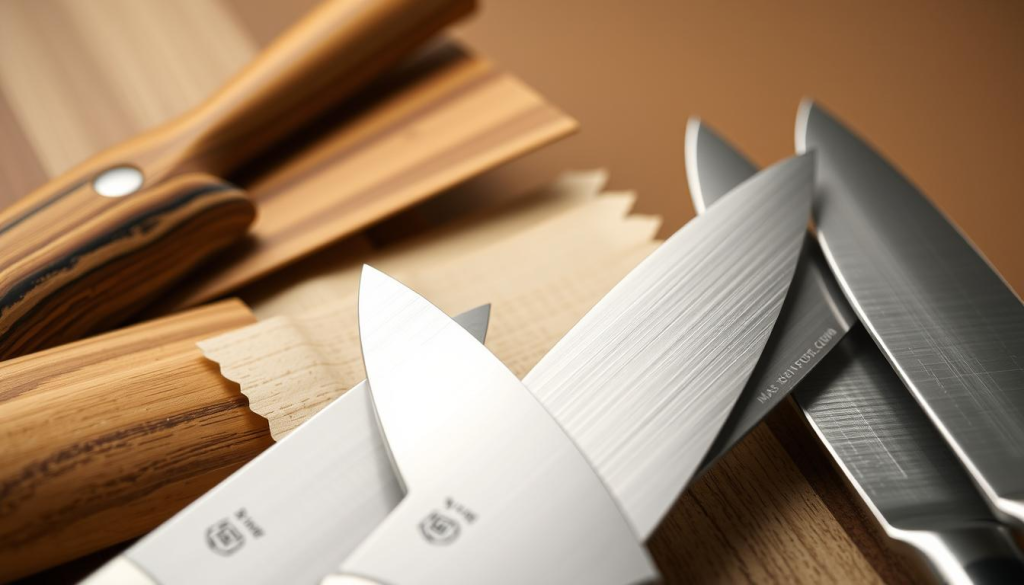
For instance, wooden handles offer a traditional look and feel, while plastic handles are often more durable and easier to clean. Metal handles, on the other hand, provide a sleek, modern appearance and can be very durable.
By understanding the materials used in Masamoto knives, users can better appreciate the craftsmanship and quality that goes into each knife, ultimately enhancing their cooking experience.
The Craftsmanship Behind Masamoto Knives
Every Masamoto knife is a masterpiece, forged using techniques passed down through generations. The craftsmanship that goes into creating these exceptional knives is a blend of tradition, skill, and attention to detail.
Hand Forging Traditional Techniques
Masamoto knives are crafted using traditional hand-forging techniques that have been refined over centuries. This process involves heating and shaping high-carbon steel to create a blade that is both durable and razor-sharp.
The hand-forging process allows artisans to carefully control the temperature and shaping of the steel, resulting in a knife that is not only functional but also a work of art.
The Role of Skilled Artisans
Skilled artisans play a crucial role in the creation of Masamoto knives. These craftsmen undergo years of training to master the techniques required to forge, sharpen, and finish each knife to perfection.
Their expertise ensures that every Masamoto knife meets the highest standards of quality and performance, making them a trusted choice among professional chefs and home cooks alike.
Unique Design Features
Masamoto knives are known for their unique design features, which include:
- Precision Edge: A sharp, precision-ground edge that retains its sharpness over time.
- Ergonomic Handles: Handles designed to fit comfortably in the hand, reducing fatigue during extended use.
- Aesthetic Appeal: Beautifully crafted blades that are as visually appealing as they are functional.
These design features, combined with the exceptional craftsmanship, make Masamoto knives a valuable addition to any kitchen.
Caring for Your Masamoto Knife
A well-maintained Masamoto knife is a chef’s best friend, and here’s how you can keep it in top shape. Proper care is essential to maintain the quality and longevity of these precision kitchen knives.
Proper Cleaning Techniques
Cleaning your Masamoto knife after each use is crucial. Hand washing with mild soap and warm water is recommended. Avoid using a dishwasher, as the high heat and harsh detergents can damage the blade.
Dry your knife immediately after washing to prevent water spots and rust. For tougher residue, a soft sponge or cloth can be used, but avoid abrasive materials that might scratch the blade.
Sharpening Your Knife at Home
Sharpening is a critical aspect of knife care. For Masamoto knives, a whetstone is the preferred sharpening tool. Start with a coarse grit to repair any damage, then move to a finer grit for polishing.
As
“A sharp knife is a safe knife,”
maintaining the edge of your Masamoto knife not only improves performance but also reduces the risk of accidents.
Storing Knives Safely
Proper storage is vital to protect both the knife and the user. Knife blocks or magnetic strips are excellent storage options, keeping the blades secure and within reach.
If you prefer storing your knives in a drawer, consider using knife guards or sheaths to prevent the blades from coming into contact with other utensils or surfaces, which can cause damage.
By following these care tips, you can ensure that your Masamoto knife remains a reliable and precise tool in your kitchen for years to come.
Masamoto Knives in Professional Kitchens
The precision and craftsmanship of Masamoto knives make them a favorite among top chefs. In professional kitchens, the right tools can make all the difference in the quality of the dishes prepared.
Testimonials from Top Chefs
Many renowned chefs have expressed their preference for Masamoto knives. For instance, Chef Masaharu Morimoto has been known to use Masamoto knives in his culinary preparations, praising their sharpness and durability.
“Masamoto knives are not just tools, they are partners in creating culinary masterpieces.” –
Other top chefs have also shared their positive experiences with Masamoto knives, highlighting their:
- Exceptional sharpness
- Balanced weight
- Ergonomic design
The Influence on Culinary Arts
Masamoto knives have significantly influenced the culinary arts by providing chefs with the precision needed for intricate preparations. Their high-quality steel and craftsmanship have raised the bar for kitchen tools.
Endorsements and Awards
Masamoto knives have received numerous endorsements from culinary experts and have won several awards for their excellence. Some of the notable recognitions include:
- The International Association of Culinary Professionals Award
- The Culinary Arts Award for Best Kitchen Tool
These accolades are a testament to the quality and performance of Masamoto knives in professional kitchens.
Purchasing Your First Masamoto Knife
Purchasing your first Masamoto knife is a significant step for any cooking enthusiast. With a reputation for excellence, Masamoto knives are a top-rated knife brand that can elevate your culinary skills.
Choosing the Right Type for Your Cooking Style
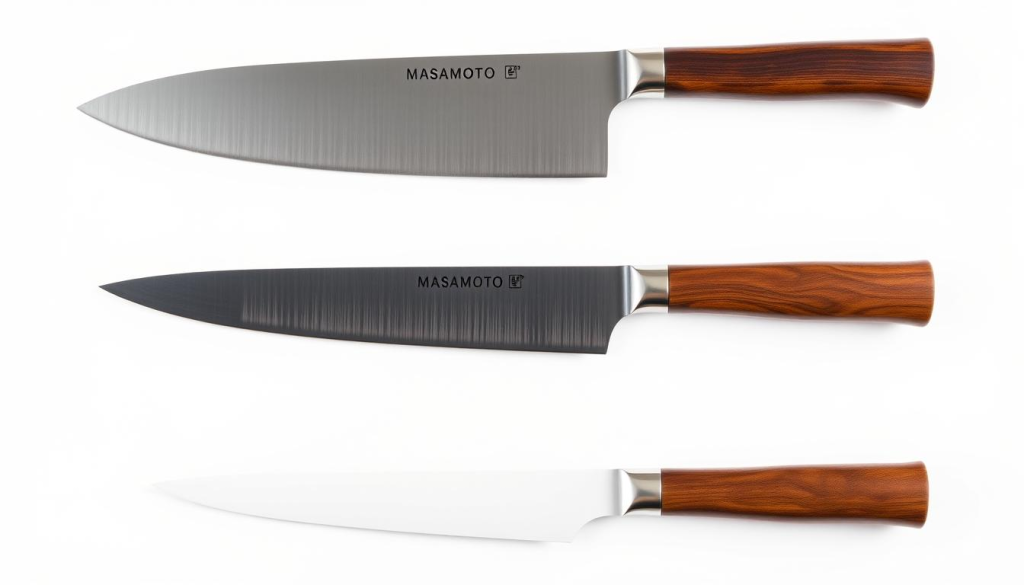
Masamoto offers a variety of knives, each designed for specific tasks. The Gyuto knife is ideal for those who need an all-purpose knife, while the Santoku is perfect for chopping vegetables and meat. For vegetable preparation, the Nakiri knife is a great choice.
Understanding Pricing and Value
Masamoto knives are available at different price points, reflecting the craftsmanship and materials used. While it’s tempting to opt for the cheapest option, investing in a higher-quality knife can provide long-term value through durability and performance.
| Knife Type | Price Range | Key Features |
|---|---|---|
| Gyuto | $100-$300 | All-purpose, versatile |
| Santoku | $80-$250 | Ideal for chopping, slicing |
| Nakiri | $70-$200 | Perfect for vegetable preparation |
Where to Buy Authentic Masamoto Knives
To ensure you’re purchasing an authentic Masamoto knife, buy from authorized dealers or directly from the manufacturer’s website. Be wary of counterfeit products, especially when shopping online.
By considering your cooking style, understanding the pricing, and buying from reputable sources, you can enjoy the benefits of owning a Masamoto knife.
Masamoto Knife Maintenance Tips
Proper maintenance is key to extending the life of your Masamoto knives and preserving their quality. Regular care ensures that your knives continue to perform at their best, making cooking a more enjoyable experience.
Routine Care for Longevity
To maintain your Masamoto knives, it’s essential to clean them immediately after use. Avoid using abrasive cleaners or scouring pads, as they can damage the blade. Instead, wash your knives by hand with mild soap and dry them thoroughly to prevent water spots.
Daily Maintenance Tips:
- Wipe the blade clean after each use
- Dry the knife thoroughly to prevent rust
- Store knives in a dry place, away from other utensils
Handling Rust and Damage
Despite their high-quality construction, Masamoto knives can be susceptible to rust if not properly cared for. Regularly inspect your knives for signs of rust or damage. If you notice any issues, address them promptly to prevent further deterioration.
For rust spots, gently rub the area with a soft cloth and a small amount of oil. For more severe damage, consider consulting a professional.
Professional Sharpening Services
While maintaining your knives at home is crucial, there are times when professional sharpening is necessary. Professional sharpening services can restore your Masamoto knives to their original sharpness, ensuring they continue to perform optimally.
The following table highlights the benefits of professional sharpening services:
| Service | Benefit | Frequency |
|---|---|---|
| Professional Sharpening | Restores original sharpness | Every 6-12 months |
| Blade Honing | Maintains edge alignment | Every 3-6 months |
| Rust Removal | Prevents damage and rust | As needed |
By following these maintenance tips and utilizing professional services when necessary, you can ensure your Masamoto knives remain in excellent condition, providing you with years of reliable service.
The Impact of Masamoto Knives on Cooking
The impact of Masamoto knives on cooking is profound, elevating both the art and science of culinary preparation. With their exceptional quality and precision, these knives have become an indispensable tool for both professional chefs and home cooks.
Enhancing Culinary Skills
Masamoto knives are designed to enhance culinary skills by providing the precision needed for intricate cuts and preparations. The balance and ergonomics of these knives allow for comfortable handling, reducing fatigue during extended cooking sessions.
Key benefits of using Masamoto knives include:
- Improved precision in cutting and preparation
- Enhanced control over the knife, leading to better technique
- Durability that withstands the rigors of frequent use
The Joy of Cooking with Quality Tools
Cooking with Masamoto knives brings a level of joy and satisfaction that is hard to match with lesser tools. The weight, balance, and sharpness of these knives make every task more enjoyable, from chopping vegetables to slicing meat.
The table below highlights some of the key features that contribute to the joy of cooking with Masamoto knives:
| Feature | Benefit | Impact on Cooking |
|---|---|---|
| High Carbon Steel | Sharpness and durability | Effortless cutting and reduced preparation time |
| Ergonomic Handle | Comfort and control | Reduced fatigue and improved technique |
| Precision Edge | Clean cuts and minimal waste | Enhanced presentation and reduced food waste |
Building a Collection of Masamoto Knives
For many cooks, building a collection of Masamoto knives becomes a passion. Each knife is a valuable addition to the kitchen, offering unique capabilities and enhancing the overall cooking experience.
Starting a Masamoto knife collection can be as simple as choosing a versatile Gyuto or Santoku knife and gradually adding specialized knives as needed.
Conclusion: Investing in Masamoto Knives
Masamoto knives represent a pinnacle of traditional Japanese cutlery, offering unparalleled quality that can transform your cooking experience. For both professional chefs and home cooks, investing in Masamoto knives is a decision that brings long-term benefits.
The Value of Quality Kitchen Tools
Quality kitchen tools are essential for achieving culinary excellence. Masamoto knives, with their high-carbon steel blades and ergonomic handles, are designed to provide precision and durability. The value of these knives lies not only in their performance but also in their ability to enhance the cooking process.
Key benefits of Masamoto knives include:
- Exceptional sharpness and edge retention
- Durable construction that withstands heavy use
- Ergonomic design for comfortable handling
Final Thoughts on Culinary Excellence
Culinary excellence is not just about the recipes you follow, but also about the tools you use. Masamoto knives are crafted to inspire confidence and precision in cooking. By investing in these high-quality knives, cooks can elevate their dishes and explore new culinary possibilities.
The journey to culinary excellence is ongoing, and having the right tools makes all the difference.
Embracing the Journey of Cooking
Cooking is a journey that involves experimentation, creativity, and practice. With Masamoto knives, cooks can embrace this journey with enthusiasm. Whether you’re preparing a simple meal or experimenting with complex recipes, these knives will be your trusted companions.
By choosing Masamoto knives, you’re not just investing in kitchen tools; you’re investing in your culinary future.
Frequently Asked Questions about Masamoto Knives
As you consider investing in Masamoto knives, you may have some questions about their quality, usage, and maintenance. Here, we address some of the most common FAQs to help you make an informed decision.
Best Knife for Beginners
For those new to Masamoto knives, the Gyuto knife is an excellent starting point. Its versatility and balanced design make it ideal for a variety of cutting tasks, from chopping vegetables to slicing meat.
Sharpening Frequency
The frequency of sharpening depends on usage. For regular users, sharpening every 1-3 months is recommended to maintain optimal performance. Masamoto knives are known for their durability and retain their sharpness well.
Investment Worthiness
Masamoto knives are considered a valuable investment for serious cooks and professional chefs. Their high-quality craftsmanship, durability, and performance make them a favorite among culinary experts. While they may be more expensive than other options, their longevity and performance justify the cost.
By understanding the answers to these FAQs, you can better appreciate the value of Masamoto knives and make the most of your culinary journey with these exceptional chef’s favorite knives.