
For over 150 years, Masamoto has been a respected name in Japanese knife making, renowned for its exceptional craftsmanship and performance. The Masamoto VG series stands out for its use of VG-10 stainless steel, offering a perfect balance between sharpness and ease of maintenance.
With a rich history and a commitment to quality, Masamoto knives have become a staple in Japanese kitchens. Whether you’re a professional chef or a home cook, these high-quality knives are an excellent choice. In this article, we’ll explore the benefits and features that make Masamoto knives a standout choice for your kitchen.
Key Takeaways
- Masamoto knives are known for their exceptional craftsmanship and performance.
- The Masamoto VG series features VG-10 stainless steel for optimal sharpness and durability.
- These high-quality knives are ideal for both professional chefs and home cooks.
- Masamoto knives offer a perfect balance between sharpness and ease of maintenance.
- With over 150 years of history, Masamoto is a trusted brand in Japanese knife making.
Overview of Masamoto Knives
With a rich history rooted in traditional Japanese craftsmanship, Masamoto knives are highly regarded among culinary professionals. The brand’s dedication to producing high-quality knives is evident in every detail, from the selection of materials to the final product.
History of the Brand
Masamoto has its roots deeply embedded in Japanese culture, where the art of knife-making is revered. The brand’s history is a testament to the evolution of traditional Japanese knife craftsmanship, with techniques passed down through generations. This heritage is reflected in the quality and precision of every Masamoto knife produced.
Traditional Techniques: Masamoto knives are handcrafted using time-honored techniques that ensure each knife meets the highest standards of quality and performance.
Craftsmanship and Quality
The craftsmanship of Masamoto knives is unparalleled, with each knife being a testament to the skill of its makers. The brand is known for using high-quality materials such as high-carbon steel and VG-10 stainless steel, which are prized for their durability and ability to hold a sharp edge.
| Material | Characteristics | Benefits |
|---|---|---|
| High-Carbon Steel | High carbon content for sharpness | Excellent edge retention, durable |
| VG-10 Stainless Steel | Corrosion-resistant, high carbon content | Sharp, resistant to rust and corrosion |
Types of Knives Offered
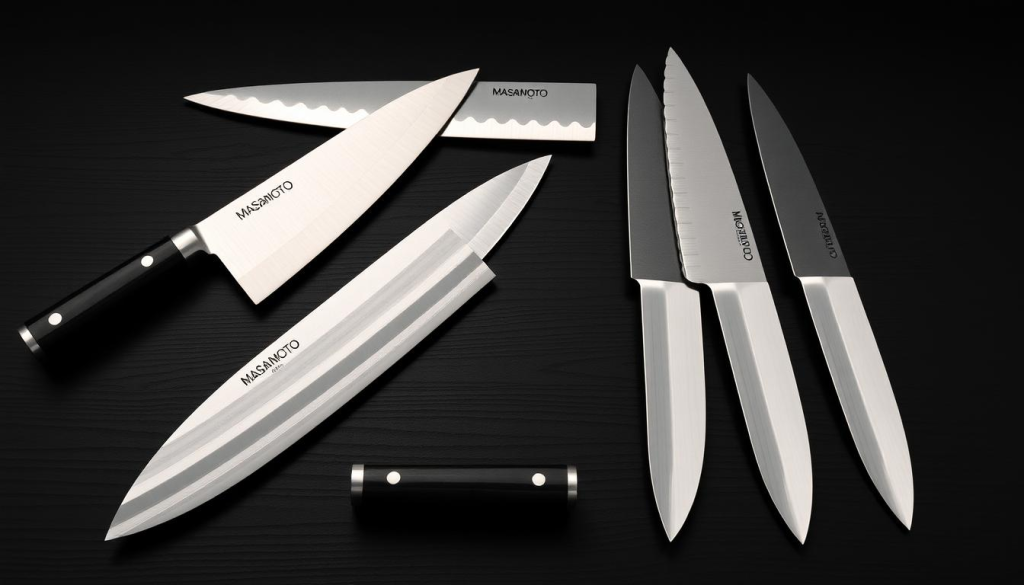
Masamoto offers a diverse range of knives to cater to different culinary needs. From Nakiri knives for vegetable preparation to Santoku knives for versatile cutting tasks, there’s a Masamoto knife for every kitchen task.
Some of the popular types include:
- Nakiri Knives
- Santoku Knives
- Deba Knives
- Yanagiba Knives
Reviews of Masamoto knives often highlight their exceptional sharpness, durability, and ergonomic design, making them a favorite among both professional chefs and home cooks.
Key Benefits of Using Masamoto Knives
Known for their precision and durability, Masamoto knives are a valuable addition to any kitchen. Whether you’re a professional chef or a home cook, these knives offer a range of benefits that enhance your cooking experience.
Precision Cutting
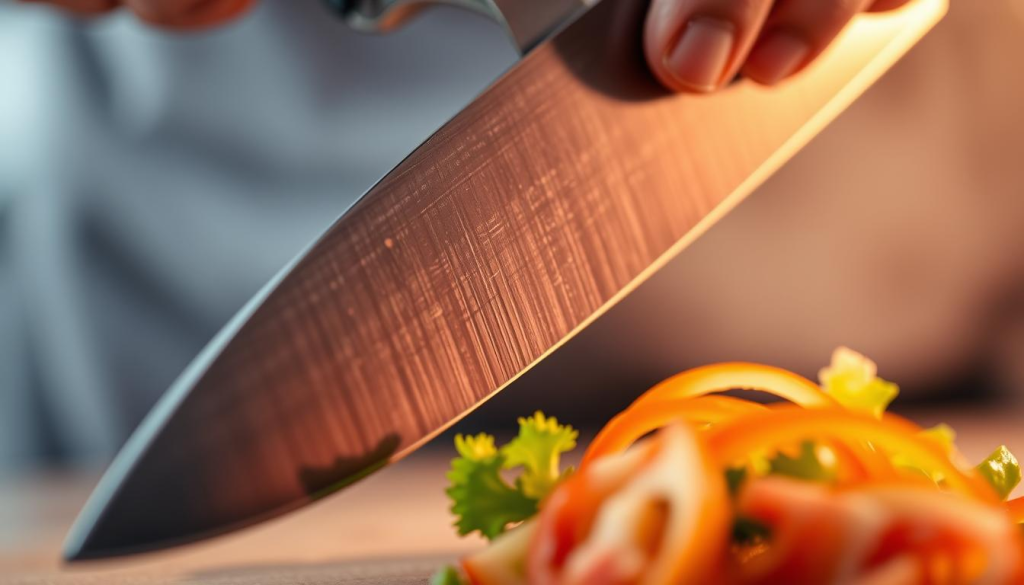
One of the standout features of Masamoto knives is their ability to deliver precise cuts. The sharpness of these knives, combined with their balanced design, makes them a joy to use. Precision cutting is essential for intricate culinary tasks, and Masamoto knives provide the control and accuracy needed.
Durability and Longevity
Masamoto knives are not only sharp but also incredibly durable. The high-quality materials used in their construction ensure that they can withstand the rigors of frequent use. This durability and longevity make Masamoto knives a worthwhile investment for any serious cook.
| Feature | Benefit |
|---|---|
| High-Carbon Steel | Retains sharpness longer |
| Ergonomic Handle | Reduces fatigue during extended use |
| Balanced Design | Enhances control and precision |
Ergonomic Design
The ergonomic design of Masamoto knives is another key benefit. The handles are designed to fit comfortably in the hand, reducing fatigue during extended use. This ergonomic design allows cooks to work efficiently without discomfort, making the cooking process more enjoyable.
- Comfortable grip reduces strain
- Balanced weight distribution enhances control
- Aesthetic design adds to the overall cooking experience
Materials Used in Masamoto Knives
Understanding the materials used in Masamoto knives is crucial to appreciating their value and performance. Masamoto knives are crafted with precision, using high-quality materials that contribute to their durability and effectiveness in the kitchen.
High-Carbon Steel
The blades of Masamoto knives are made from high-carbon steel, known for its hardness and ability to hold a sharp edge. This material is chosen for its exceptional performance, allowing for precise cutting and minimal maintenance.
Handle Materials
The handles of Masamoto knives are crafted from materials such as POM (Polyoxymethylene), which offers durability and comfort. The ergonomic design ensures a comfortable grip, reducing fatigue during extended use.
Blade Finishing Techniques
The finishing techniques applied to Masamoto knife blades not only enhance their appearance but also contribute to their performance. Techniques such as mirror polishing reduce drag and prevent food from sticking, making the knives more efficient to use.
| Material | Characteristics | Benefits |
|---|---|---|
| High-Carbon Steel | Hard, retains sharpness | Precise cutting, durable |
| POM (Polyoxymethylene) | Durable, comfortable grip | Ergonomic, reduces fatigue |
| Mirror Polishing | Reduces drag, prevents sticking | Efficient cutting, easy maintenance |
When looking for top Masamoto knives or seeking authentic Masamoto knives, understanding these materials and techniques can guide your purchase. For those wondering where to buy Masamoto knives, knowing the quality of materials can help identify authorized retailers.
Popular Masamoto Knife Models
Masamoto knives have gained a loyal following among chefs and home cooks alike, with several models standing out for their exceptional quality. The brand’s commitment to craftsmanship and performance has resulted in a range of highly-regarded knives that cater to various cooking needs.
Masamoto VG Series
The Masamoto VG series is particularly celebrated for its use of VG-10 stainless steel, a material that offers an excellent balance between sharpness and maintenance. This series is ideal for those who seek a durable knife that remains sharp over time.
Key Features of the VG Series:
- VG-10 stainless steel construction
- Excellent sharpness and edge retention
- Resistant to corrosion
Masamoto Shirogami Series
The Shirogami series is known for its high-carbon steel blades, prized for their sharpness and ability to retain their edge. This series is favored by chefs who value precision and are willing to maintain their knives regularly.
Notable Characteristics:
| Feature | Description | Benefit |
|---|---|---|
| High-Carbon Steel | Made from high-quality carbon steel | Exceptional sharpness and edge retention |
| Sharpness | Known for its razor-sharp edge | Ideal for precise cutting tasks |
| Maintenance | Requires regular maintenance | Ensures longevity and optimal performance |
Masamoto Nakiri Knives
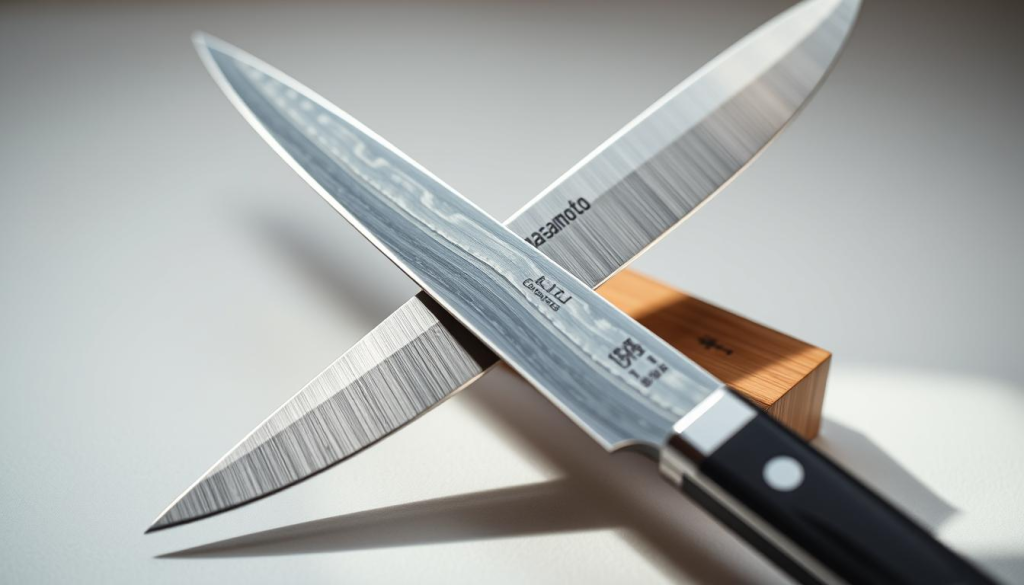
Nakiri knives, designed specifically for vegetable preparation, feature straight blades that are perfect for chopping and slicing vegetables with precision. The Masamoto Nakiri knives are a favorite among chefs for their ability to make vegetable preparation a breeze.
For those interested in purchasing Masamoto knives, including the popular models discussed, it’s essential to explore reviews and authorized retailers to ensure authenticity and quality. Whether you’re a professional chef or an avid home cook, Masamoto knives are definitely worth considering for your culinary needs.
How to Care for Masamoto Knives
Masamoto knives, known for their high quality, require specific care to maintain their edge and overall condition. Proper maintenance not only extends the life of these authentic Masamoto knives but also ensures they continue to perform at their best.
Proper Cleaning Techniques
To keep your Masamoto knives in optimal condition, it’s crucial to adopt proper cleaning techniques. Hand washing with mild soap and drying immediately is recommended. Avoid using a dishwasher, as the high heat and harsh detergents can damage the blade and handle.
Cleaning Tips:
- Gently wash the knife with mild soap and lukewarm water.
- Dry the knife immediately with a soft cloth to prevent rust.
- Avoid using abrasive cleaners or scourers that can scratch the blade.
Sharpening Tips
Regular sharpening is essential to maintain the sharp edge of your Masamoto knives. Using a whetstone or honing rod can help keep the blade in optimal condition. For high-quality Masamoto knives, it’s advisable to sharpen them regularly to ensure precision cutting.
Sharpening Techniques:
- Use a whetstone with a coarse grit (about 1000) for initial sharpening.
- Progress to finer grits (up to 6000 or 8000) for polishing the edge.
- Regularly hone your knife to maintain the edge between sharpening sessions.
Storage Recommendations
Proper storage is vital to protect the blades of your Masamoto knives from damage. Using a knife block or a magnetic strip is recommended. If you prefer to store them in a drawer, consider using a knife roll or individual blade covers to prevent the knives from coming into contact with other utensils.
For those looking to purchase high-quality Masamoto knives or learn more about where to buy Masamoto knives, it’s essential to consider the care and maintenance requirements as part of the overall investment in these premium knives.
Comparing Masamoto Knives to Other Brands
Masamoto knives have gained a reputation for excellence, but how do they compare to other premium brands? When evaluating knives, several factors come into play, including performance, price, and user satisfaction.
Performance Evaluation
Masamoto knives are recognized for their outstanding performance, offering sharpness and durability that rivals more expensive brands. A comparison with other top brands like Shun and Miyabi reveals that Masamoto knives hold their own in terms of cutting precision and edge retention.
Key Performance Features:
- Sharpness and edge retention
- Durability and resistance to wear
- Balance and ergonomics
| Brand | Sharpness | Durability | Price Range |
|---|---|---|---|
| Masamoto | 9/10 | 9/10 | $100-$300 |
| Shun | 9.5/10 | 9.5/10 | $200-$500 |
| Miyabi | 9/10 | 9/10 | $150-$400 |
Price Point Analysis
The price point of Masamoto knives is generally considered competitive, offering excellent value for the quality provided. While they may not be the cheapest option, their durability and performance justify the investment.
“I’ve used Masamoto knives for years, and their balance and sharpness are unmatched. The price is reasonable considering the quality.” –
User Reviews and Experiences
User reviews and experiences often highlight the satisfaction of using Masamoto knives, citing their balance, sharpness, and overall performance. Many users appreciate the value for money that Masamoto knives offer compared to other premium brands.
In conclusion, Masamoto knives stand out in the market for their exceptional performance, competitive pricing, and positive user reviews. Whether you’re a professional chef or an avid home cook, Masamoto knives are definitely worth considering.
Where to Purchase Masamoto Knives
To ensure you’re getting a genuine Masamoto knife, it’s vital to purchase from reputable retailers. Masamoto knives are highly sought after, and their popularity can sometimes lead to counterfeit products being sold. Therefore, knowing where to buy authentic Masamoto knives is crucial for both quality and value.
Authorized Retailers
Buying from authorized retailers is one of the safest ways to ensure you’re getting a genuine Masamoto knife. These retailers have been vetted by the manufacturer and typically offer warranty services. Some well-known authorized retailers include specialty kitchen stores and high-end department stores. When visiting a store, it’s a good idea to inspect the knife for any signs of poor craftsmanship or packaging that might indicate it’s not an authentic product.
Online Shopping Options
The rise of online shopping has made it easier than ever to purchase Masamoto knives. Many online retailers offer a wide range of Masamoto models, often with competitive pricing and customer reviews to help with your decision. When shopping online, make sure to check that the retailer is authorized by Masamoto to sell their products. Look for the official Masamoto website or authorized dealer logos on the retailer’s site. Be cautious of extremely low prices, as they could be indicative of counterfeit products.
Some popular online shopping options include Amazon, specialty kitchenware websites, and the official Masamoto website if available. When purchasing online, ensure that you’re buying from a reputable seller by checking customer reviews and ratings. Reading reviews can provide valuable insights into the product’s quality and the seller’s customer service.
In conclusion, whether you choose to shop in-store or online, the key to buying a genuine Masamoto knife is to stick with authorized retailers. This ensures not only that you’re getting a high-quality product but also that you’re protected by the manufacturer’s warranty. Happy shopping!
Masamoto Knives and Professional Chefs
Among professional chefs, Masamoto knives are highly regarded for their ability to deliver precise cuts and withstand heavy use. The preference for Masamoto knives among culinary experts is a testament to their exceptional craftsmanship and performance.
Endorsements from Culinary Experts
Many renowned chefs endorse Masamoto knives for their sharpness, balance, and durability. For instance, Chef Masaharu Morimoto, a celebrated Japanese chef, has been known to use Masamoto knives in his culinary preparations. High-quality Masamoto knives have become a staple in many professional kitchens due to their reliability and precision.
“A good knife is essential for any chef. Masamoto knives have become my go-to choice due to their exceptional sharpness and durability.” – Chef Masaharu Morimoto
Usage in High-End Restaurants
High-end restaurants, where the demands on kitchen tools are particularly high, frequently use Masamoto knives. The durability and performance of these knives make them ideal for the fast-paced environment of a professional kitchen.
| Restaurant | Chef | Masamoto Knife Model |
|---|---|---|
| Sushi Saito | Takashi Saito | Masamoto VG Series |
| Nobu | Nobu Matsuhisa | Masamoto Shirogami Series |
| Morimoto | Masaharu Morimoto | Masamoto Nakiri Knives |
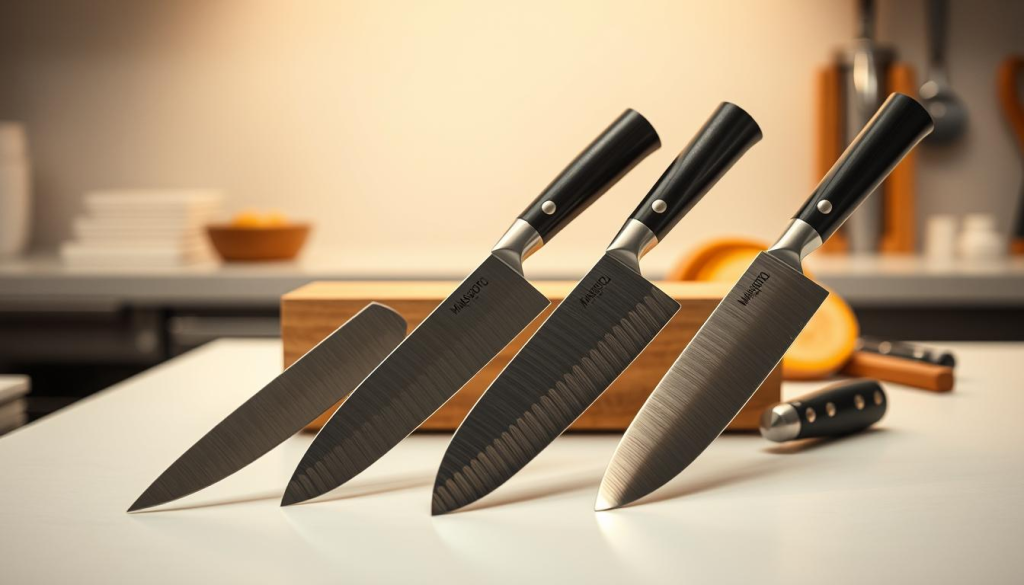
The table above highlights some of the prestigious restaurants that use Masamoto knives, along with the chefs who endorse them and the specific models they prefer. This not only underscores the quality of Masamoto knives but also their popularity among culinary experts.
Reviews from professional chefs and culinary experts further reinforce the reputation of Masamoto knives as high-quality masamoto knives that meet the rigorous demands of professional cooking. Whether you’re a seasoned chef or an aspiring culinary expert, Masamoto knives are definitely worth considering for your kitchen.
FAQs About Masamoto Knives
As Masamoto knives continue to gain popularity, potential buyers often wonder about their worth and how to care for them. Whether you’re a professional chef or an avid home cook, understanding the value and maintenance requirements of these high-quality knives is essential.
Are Masamoto knives worth the investment?
Masamoto knives are considered a worthwhile investment due to their exceptional craftsmanship, durability, and performance. Many users find that the longevity and consistent sharpness of Masamoto knives make them a valuable addition to their kitchen arsenal. Authentic Masamoto knives are made from high-quality materials, ensuring a superior cutting experience.
Reviews from satisfied customers and culinary experts alike praise Masamoto knives for their balance, edge retention, and ergonomic design. While the initial cost may be higher than that of other brands, the long-term benefits and reduced need for frequent replacements make Masamoto knives a good investment for those who cook regularly.
How often should I sharpen my knife?
The frequency of sharpening your Masamoto knife largely depends on how often you use it. For daily users, sharpening every few months is typically recommended to maintain the knife’s optimal performance. Regular maintenance, including honing and proper storage, can extend the time between sharpenings.
To keep your Masamoto knife in good condition, it’s also important to use the correct sharpening techniques and tools. Many users find that a combination of regular honing and occasional sharpening on a high-quality whetstone yields the best results.
By understanding the value and proper care of Masamoto knives, you can enjoy a superior cooking experience and extend the life of your investment.
Final Thoughts on Masamoto Knives
Masamoto knives have established themselves as a premier choice for culinary enthusiasts and professionals alike. With their exceptional quality, performance, and durability, these knives are a valuable addition to any kitchen.
Perfect for Various Cooking Needs
Whether you’re a home cook or a professional chef, Masamoto offers a range of knives that suit different cooking needs. From the precision of their VG series to the versatility of their Nakiri knives, there’s a Masamoto knife designed to enhance your cooking experience.
Investing in Culinary Excellence
By choosing Masamoto, you’re investing in a piece of culinary craftsmanship. You can find the best Masamoto knives for sale through authorized retailers or reputable online shops, making it easier to acquire these exceptional tools. When you’re ready to make a purchase, exploring options at a masamoto knives online shop can provide access to a wide range of models, ensuring you find the perfect knife to meet your culinary requirements.