Maintaining sharp knives is crucial for both professional chefs and home cooks. The frequency of sharpening depends on several factors, including the type of knife and its usage.
For instance, knives used daily in a professional kitchen may require sharpening weekly, while those used occasionally at home might only need sharpening every few months. Understanding the right knife sharpening frequency can enhance the knife’s performance and ensure safety in the kitchen.
Key Takeaways
- Sharpening frequency depends on knife usage and type.
- Daily used knives may need weekly sharpening.
- Occasionally used knives may only need sharpening every few months.
- Proper sharpening enhances knife performance and kitchen safety.
- Maintaining sharp knives is crucial for effective cooking.
Understanding Knife Sharpness
A sharp knife is not just a preference, but a necessity for precise and safe cooking. The sharpness of a knife significantly affects its performance and the overall cooking experience. To maintain a knife’s effectiveness, it’s essential to understand what makes a knife sharp and how it loses its sharpness over time.
What is a Sharp Knife?
A sharp knife has a finely honed edge that allows it to cut through materials with ease and precision. The sharpness is determined by the angle and the fineness of the edge. A sharp knife requires less force to cut, reducing the risk of accidents and improving the quality of cuts. Proper sharpening techniques are crucial to achieving and maintaining this sharpness.
The table below highlights the key characteristics of a sharp knife versus a dull one:
| Characteristics | Sharp Knife | Dull Knife |
|---|---|---|
| Cutting Ease | Cuts through easily | Requires more force |
| Precision | High precision cuts | Less precise, may tear |
| Safety | Safer, less likely to slip | More dangerous, prone to slipping |
How Does a Knife Lose Sharpness?
Knives lose their sharpness due to regular use, cutting through hard or tough materials, and improper storage or handling. The friction generated during cutting causes the edge to wear down, leading to a loss of sharpness. Regular maintenance, including proper cleaning and storage, can help prolong the sharpness of a knife.
Understanding the factors that contribute to a knife’s sharpness is essential for maintaining its effectiveness. By recognizing the signs of dullness and taking appropriate measures, users can ensure their knives remain in optimal condition.
Factors Influencing Sharpening Frequency
Understanding the factors that influence sharpening frequency is crucial for maintaining your knives. The need to sharpen a knife is not determined by a single factor, but rather by a combination of several elements.
Type of Knife
The material and construction of a knife play a significant role in how often it needs to be sharpened. For instance, high-carbon stainless steel knives tend to retain their sharpness longer than those made from other materials. This is because high-carbon stainless steel is more durable and resistant to corrosion.
On the other hand, knives made from softer materials may need more frequent sharpening. The type of knife, whether it’s a chef’s knife, paring knife, or serrated knife, also affects sharpening frequency due to differences in their usage and edge geometry.
Frequency of Use
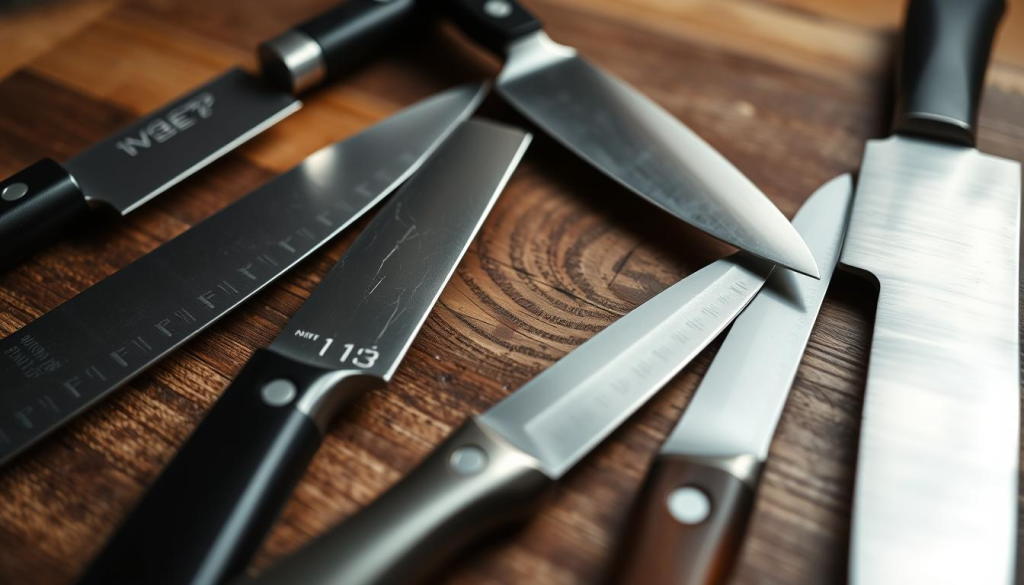
How often you use your knives directly impacts how frequently they need to be sharpened. Knives that are used daily, such as those in a professional kitchen, will require more frequent sharpening compared to those used occasionally in a home kitchen.
Frequent use leads to more wear and tear on the knife’s edge, causing it to dull faster. Therefore, it’s essential to monitor the sharpness of frequently used knives and sharpen them as needed.
Food Preparation Techniques
The techniques used in food preparation also influence sharpening frequency. Knives used for chopping hard vegetables or meat may need more frequent sharpening than those used for slicing softer foods. This is because chopping hard foods puts more stress on the knife’s edge, causing it to dull faster.
Additionally, using proper cutting techniques can help maintain a knife’s sharpness longer. For example, using a gentle, smooth motion when cutting can reduce the wear on the knife’s edge compared to applying excessive force or using a sawing motion.
Signs Your Knife Needs Sharpening
Recognizing when your knife needs sharpening is crucial for maintaining its effectiveness in the kitchen. A sharp knife is not only more efficient but also safer to use, as it requires less force and is less likely to slip and cause accidents.
Visual Indicators
One of the primary ways to determine if your knife needs sharpening is by looking for visual indicators. A sharp knife has a clean, sharp edge, while a dull knife may have a rounded or chipped edge.
Key Visual Signs:
- A dull or rounded edge
- Nicks or chips along the blade
- Rust or corrosion on the edge
Performance Indicators
Beyond visual signs, the performance of your knife is a significant indicator of its sharpness. A sharp knife will cut through ingredients smoothly and cleanly, while a dull knife will struggle, requiring more force and potentially causing the ingredient to tear.
| Performance Aspect | Sharp Knife | Dull Knife |
|---|---|---|
| Cutting Effort | Easy, smooth cuts | Requires more force, may tear |
| Cut Quality | Clean cuts, minimal damage | Tears or crushes ingredients |
By paying attention to both visual and performance indicators, you can determine when your knife needs sharpening, ensuring it remains a valuable and safe tool in your kitchen.
General Guidelines for Knife Sharpening
To keep your knives in optimal condition, understanding the right sharpening schedule is essential. The frequency at which you should sharpen your knife largely depends on its usage patterns.
Daily Use vs. Occasional Use
Knives used daily, such as those in a professional kitchen, require more frequent sharpening compared to those used occasionally at home. Daily use knives may need sharpening weekly or even daily, depending on the intensity of their use. In contrast, knives used less frequently may only need sharpening every few months.
As Chef John Smith once said, “A sharp knife is a chef’s best friend, and maintaining its sharpness is a matter of regular care and attention.” This highlights the importance of understanding your knife usage to determine the appropriate sharpening frequency.
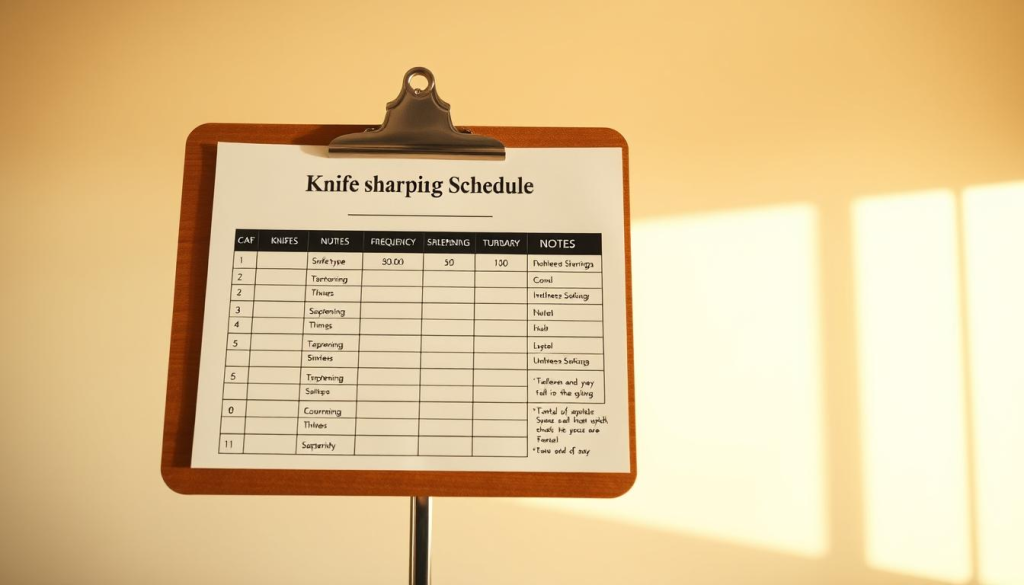
Recommended Sharpening Schedule
While there’s no one-size-fits-all sharpening schedule, here are some general guidelines:
- For daily use knives, sharpening may be required weekly or daily.
- For occasional use knives, sharpening every 3-6 months is typically sufficient.
- For knives used a few times a week, sharpening every 1-3 months is recommended.
It’s also worth noting that honing your knife regularly can help maintain its sharpness between sharpening sessions. As the saying goes, “A well-maintained knife is a joy to use.”
“The art of knife sharpening is not just about maintaining the blade; it’s about understanding the rhythm of your kitchen and the needs of your tools.”
Best Practices for Knife Maintenance
Knife maintenance is not just about sharpening; it involves proper storage and cleaning as well. Proper maintenance ensures your knives remain in good condition and continue to perform well.
Proper Knife Storage
Storing your knives correctly is vital to maintaining their edge and preventing damage. Here are some effective ways to store your knives:
- Use a knife block or a magnetic strip to keep knives organized and within reach.
- Store knives in a dry place to prevent rust.
- Avoid storing knives loose in a drawer where they can collide with other utensils.
Tip: Consider using a knife roll or case if you need to transport your knives.
Regular Cleaning Techniques
Cleaning your knives regularly is crucial for hygiene and maintaining their condition. Here are some steps to follow:
- Wash knives by hand with mild soap and dry them immediately to prevent rust.
- Avoid putting knives in the dishwasher, as the high heat and harsh detergents can damage the blade.
- For tougher residue, use a soft sponge or cloth to clean the knife, avoiding abrasive materials.
Regular cleaning not only keeps your knives hygienic but also helps in early detection of any damage.
Types of Knife Sharpening Tools
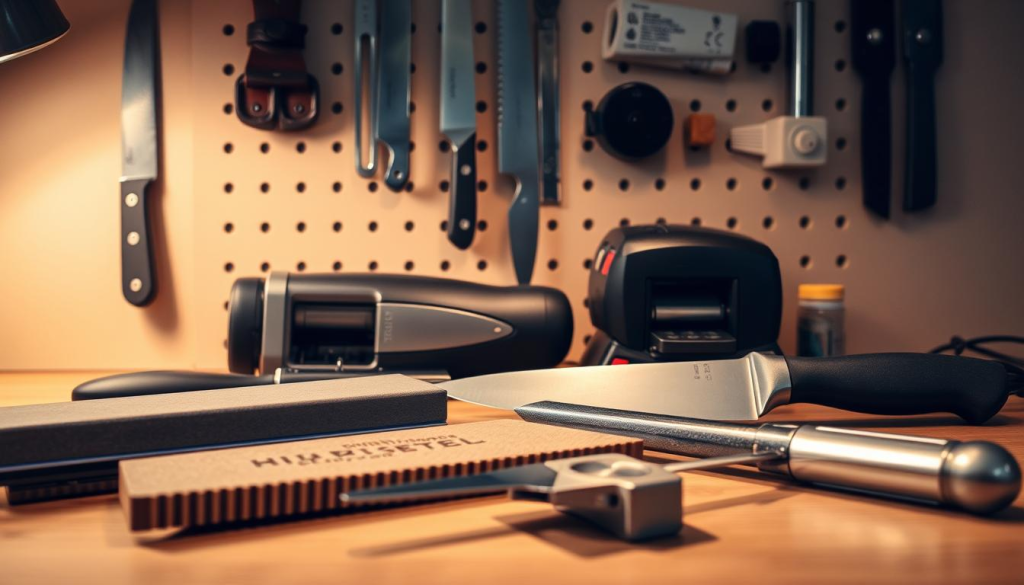
There are various knife sharpening tools available, each with its unique benefits. Understanding these tools is crucial for maintaining your knives effectively.
The choice between different sharpening tools largely depends on personal preference, the type of knife, and the level of sharpness desired. Some prefer the control offered by manual sharpening, while others appreciate the convenience of electric sharpeners.
Manual vs. Electric Sharpeners
Manual sharpeners, such as whetstones and sharpening steels, offer precision and control over the sharpening process. They are ideal for those who want to maintain their knives regularly and are willing to invest time in the sharpening process.
- Manual Sharpeners: Provide control and precision, suitable for precise edge maintenance.
- Electric Sharpeners: Offer convenience and speed, ideal for those who want to sharpen knives quickly.
Electric sharpeners, on the other hand, are designed for ease of use and speed. They are perfect for individuals who need to sharpen multiple knives or prefer a hassle-free sharpening experience.
Honing Rods and Their Benefits
Honing rods are not sharpening tools per se, but rather are used to realign the knife’s edge, maintaining its sharpness between sharpening sessions. They are an essential tool for anyone looking to keep their knives in optimal condition.
“A honing rod is used to hone the knife’s edge, not to sharpen it. Regular use of a honing rod can significantly extend the time between sharpening.”
The benefits of using honing rods include:
- Maintaining the knife’s edge alignment.
- Reducing the frequency of sharpening needed.
- Extending the life of the knife.
In conclusion, the variety of knife sharpening tools available caters to different needs and preferences. Whether you opt for manual sharpeners, electric sharpeners, or honing rods, understanding their benefits is key to maintaining your knives effectively.
Techniques for Sharpening Knives
To maintain your knives’ effectiveness, mastering sharpening techniques is crucial. Sharpening your knives regularly not only improves their performance but also extends their lifespan.
Step-by-Step Manual Sharpening
Manual sharpening is a skill that requires patience and practice. To sharpen a knife manually, you need to hold it at a precise angle against a sharpening stone and draw it across the stone in a smooth motion.
- Start by selecting a sharpening stone suitable for your knife type.
- Position the knife on the stone at the desired angle, typically around 20 degrees.
- Draw the knife across the stone in a smooth, even motion, maintaining the angle.
- Repeat this process on the other side of the knife to achieve even sharpness.
Tip: Maintaining a consistent angle is key to successful manual sharpening. Practice makes perfect, so don’t be discouraged by initial results.
Using a Sharpening Stone
Using a sharpening stone is a traditional method that, when done correctly, can produce excellent results. The first step is to soak the sharpening stone in water before use.
- Soak the sharpening stone in water for the recommended time, usually around 10-15 minutes.
- Once soaked, place the stone on a stable surface.
- Hold the knife at the desired angle and draw it across the stone in a controlled, sweeping motion.
- Repeat the process several times on each side of the knife until you achieve the desired sharpness.
| Sharpening Stone Type | Grain Size | Best For |
|---|---|---|
| Water Stone | Fine | Polishing and final sharpening |
| Diamond Stone | Coarse | Initial sharpening and repairing damaged edges |
| Oil Stone | Medium | General-purpose sharpening |
By mastering these sharpening techniques, you can significantly improve your knife’s performance and longevity. Regular practice and attention to detail are essential for achieving professional-level results.
Professional Knife Sharpening Services
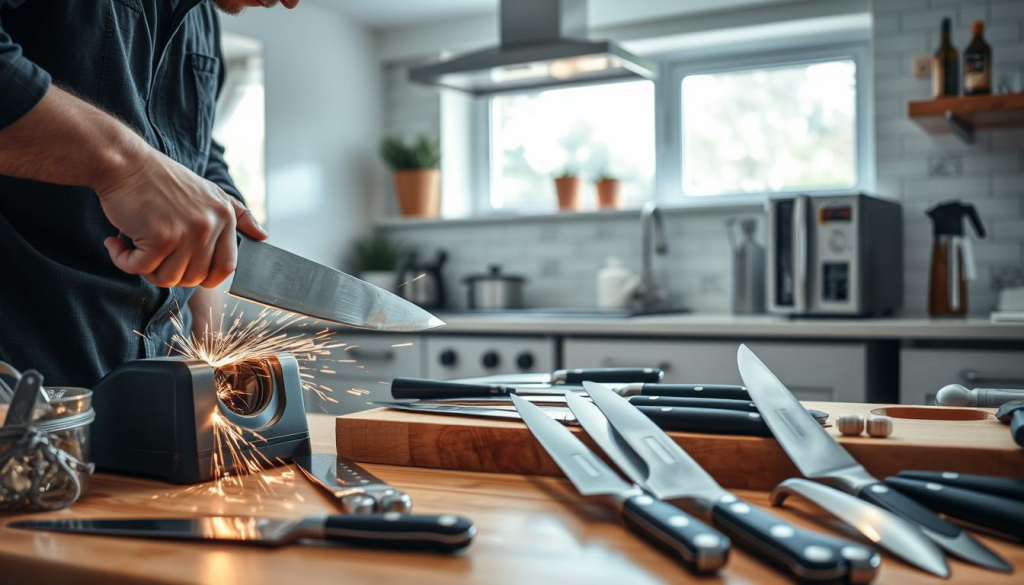
For those who value precision and quality, professional knife sharpening services offer a superior solution. These services are designed for individuals who require their knives to be sharpened to a high standard, often beyond what can be achieved with manual sharpening techniques.
When to Consider Professional Services
You should consider professional sharpening when your knives are used extensively or for critical tasks where sharpness is paramount. This includes professional chefs, serious home cooks, or anyone with high-quality knives that require precise maintenance.
- When your knives show signs of wear and manual sharpening is not effective.
- If you’re dealing with high-value or specialty knives that demand precise sharpening.
- For those who lack the time or skill to sharpen their knives effectively.
Benefits of Professional Sharpening
The benefits of professional sharpening include a significantly improved cutting performance and an extended lifespan for your knives. Professionals use specialized equipment to achieve a precise edge that enhances the overall functionality of the knife.
By opting for professional knife sharpening services, you not only ensure your knives are sharpened correctly but also gain the advantage of:
- Enhanced knife performance.
- Extended knife lifespan.
- Expert care for high-quality or specialty knives.
Specialty Knives and Their Care
The unique characteristics of specialty knives demand tailored care and maintenance routines. Unlike standard knives, specialty knives such as Japanese and chef’s knives are crafted with precision and require specific care to maintain their performance and longevity.
Japanese Knives
Japanese knives are renowned for their sharpness and precision, making them a favorite among chefs. To care for Japanese knives, it’s essential to understand their construction. Typically made from high-carbon steel, these knives are more prone to rust and require careful handling.
Care Tips for Japanese Knives:
- Hand wash and dry immediately to prevent rust.
- Store in a dry place, preferably in a knife block or on a magnetic strip.
- Sharpen using a whetstone, maintaining the original angle.
Chef’s Knives and Their Requirements
Chef’s knives are versatile tools used in various kitchen tasks, from chopping to slicing. Their broad blades and balanced design make them indispensable. However, their frequent use means they require regular maintenance.
Care Tips for Chef’s Knives:
- Regularly sharpen to maintain edge integrity.
- Clean thoroughly after use, especially after cutting acidic foods.
- Store properly to prevent damage and injury.
| Knife Type | Sharpening Frequency | Storage Recommendations |
|---|---|---|
| Japanese Knives | After every use or weekly | Dry storage, knife block or magnetic strip |
| Chef’s Knives | Weekly or bi-weekly | Dry storage, knife block or magnetic strip |
By following these care tips and understanding the specific needs of your specialty knives, you can ensure they remain in optimal condition, providing you with years of reliable service.
Common Mistakes in Knife Care
Knife maintenance is not just about cleaning; it’s also about avoiding common mistakes that can significantly reduce the lifespan of your knives. Many home cooks and chefs unknowingly commit errors that affect the performance and durability of their knives.
Over-Sharpening Dangers
One of the most significant mistakes in knife care is over-sharpening. While sharpening is essential, doing it too frequently can remove too much material from the knife, leading to a shorter lifespan. Over-sharpening can also alter the knife’s balance and make it more prone to damage. It’s crucial to sharpen your knives only when necessary and to use the correct sharpening technique.
To avoid over-sharpening, it’s helpful to understand the signs that indicate your knife needs sharpening. For instance, if your knife is having trouble slicing through food smoothly, it’s likely time for sharpening. Regularly checking your knife’s performance can help you avoid the pitfalls of over-sharpening.
Misuse of Sharpening Tools
Another common mistake is the misuse of sharpening tools. Using a sharpening stone or electric sharpener incorrectly can damage your knife. For example, using the wrong angle or applying too much pressure can result in an uneven edge or even chip the blade. It’s essential to follow the manufacturer’s instructions for sharpening tools and to practice sharpening techniques to achieve the best results.
To use sharpening tools effectively, it’s vital to understand the different types available and their specific uses. Manual sharpeners, electric sharpeners, and honing rods each have their benefits and potential drawbacks. Being aware of these can help you choose the right tool for your needs and avoid common mistakes.
- Always follow the manufacturer’s guidelines for sharpening tools.
- Practice sharpening to improve your technique.
- Regularly inspect your knives to determine if they need sharpening.
By being mindful of these common mistakes and taking steps to avoid them, you can significantly extend the life of your knives and ensure they continue to perform well. Proper knife care is an ongoing process that requires attention to detail and a commitment to using the right techniques.
Conclusion: Maintaining Your Knives for Longevity
Properly maintaining your knives is crucial for their performance and longevity. By following a few simple guidelines, you can ensure your knives remain in excellent condition.
Care and Maintenance Essentials
Regular knife maintenance involves sharpening your knives regularly, storing them properly, and cleaning them after each use. Investing in quality knives, such as those from renowned brands like Wüsthof or Shun, can be cost-effective in the long run as they tend to last longer and perform better.
Investing in Quality
While high-quality knives may be more expensive initially, their durability and performance make them a worthwhile investment. By combining quality knives with regular maintenance, you can enjoy a superior cooking experience and extend the life of your knives.
By adopting these practices, you’ll be able to maintain your knives effectively, ensuring they continue to serve you well over time.