A well-equipped kitchen is the heart of any home, and a crucial part of that is having the right knife set. With so many types of knives available, understanding their names and uses can be overwhelming.
This ultimate guide is designed to walk you through the different types of knives, their specific uses, and how to choose the best knife set for your needs. Whether you’re a professional chef or a home cook, having the right knives can make a significant difference in your cooking experience.
Key Takeaways
- Understanding the different types of knives and their uses.
- How to choose the best knife set for your kitchen needs.
- The importance of having a well-equipped kitchen.
- Tips for maintaining your knife set.
- Overview of popular knife names and their specific uses.
Understanding the Basics of Knife Sets
A well-equipped kitchen starts with understanding the basics of knife sets, a fundamental aspect of cooking. Whether you’re a novice cook or a seasoned chef, having the right knives can make a significant difference in your cooking experience.
What is a Knife Set?
A knife set is a collection of knives designed to meet various culinary needs. It typically includes a variety of knives, each with its unique characteristics and purposes. A standard knife set may comprise a chef’s knife, paring knife, bread knife, and utility knife, among others.
The composition of a knife set can vary based on the intended use, such as professional cooking, home cooking, or specialty cooking like sushi preparation.
Types of Knife Sets
There are several types of knife sets available, catering to different needs and preferences:
- Block Sets: These are traditional sets stored in a wooden or plastic block, keeping the knives organized and within reach.
- Magnetic Strips: For those who prefer to display their knives, magnetic strips offer a sleek and modern storage solution.
- Travel Sets: Compact and portable, travel sets are ideal for chefs on the go.
- Specialty Sets: These are designed for specific cuisines or tasks, such as sushi or steak preparation.
The Importance of Knife Names
Understanding knife names is crucial for any cook. Knowing the names and functions of different knives can enhance your cooking efficiency and technique. For instance, a chef’s knife is versatile and used for chopping, slicing, and mincing, while a paring knife is perfect for peeling and coring fruit and vegetables.
Familiarizing yourself with the various knife names and their uses can elevate your culinary skills and make cooking more enjoyable.
Essential Knives in a Kitchen Knife Set
The foundation of any kitchen is its knife set, comprising various essential knives that facilitate different cooking tasks. A well-rounded kitchen knife set is indispensable for both novice cooks and experienced chefs.
Chef’s Knife
The chef’s knife is often considered the most versatile and essential knife in any kitchen. It is used for chopping, slicing, and mincing ingredients. A good chef’s knife can make a significant difference in food preparation, providing precision and ease.
Typically, a chef’s knife ranges from 8 to 10 inches in length, with 8 inches being the most common size for home cooks. The blade is usually made of high-carbon stainless steel, known for its durability and resistance to corrosion.
Paring Knife
A paring knife is a small, versatile knife used for tasks that require precision, such as peeling fruits and vegetables, trimming fat, and cutting small pieces of meat. Its compact size allows for more control, making it an essential tool for detailed work.
The typical length of a paring knife is between 2.5 to 4 inches, making it easy to maneuver in tight spaces. It’s a must-have for any kitchen, providing the finesse needed for various culinary tasks.
Bread Knife
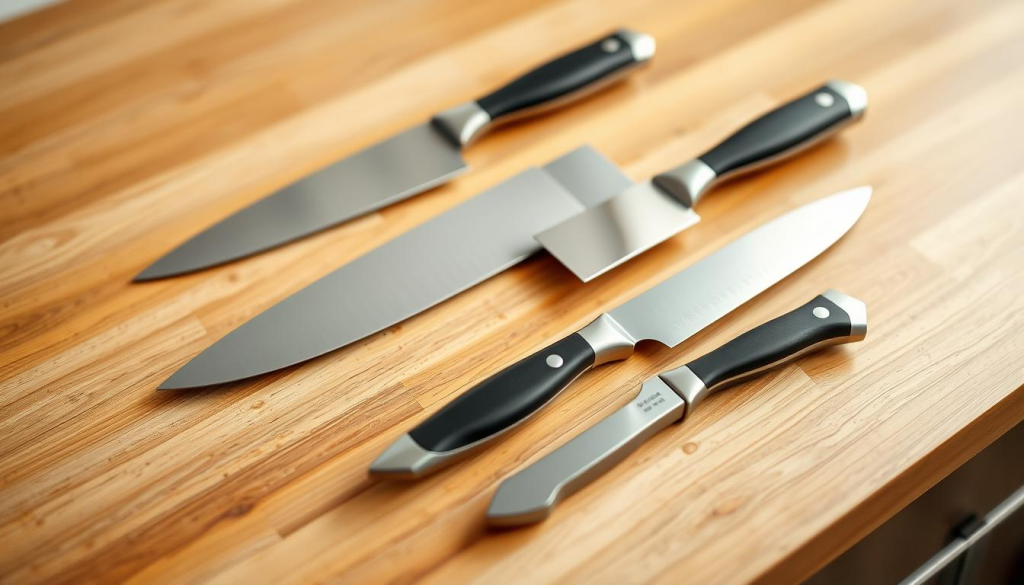
A bread knife is designed specifically for cutting bread and pastries without crushing them. Its serrated edge is perfect for slicing through crusty bread or delicate cakes. The serrations help to grip the bread, ensuring clean cuts.
Bread knives are typically longer than other knives, with lengths ranging from 8 to 10 inches. The serrated blade is a key feature, allowing for smooth, even cuts through various types of bread.
Utility Knife
The utility knife serves as a multi-purpose tool, bridging the gap between a chef’s knife and a paring knife. It’s used for tasks that require more precision than a chef’s knife can offer but more strength than a paring knife can provide.
Utility knives are generally between 4 to 7 inches in length, making them versatile for a variety of kitchen tasks, from slicing vegetables to cutting meat.
In conclusion, these essential knives form the backbone of a well-stocked kitchen knife set. Each knife has its unique role, and together they provide the functionality needed for a wide range of cooking tasks.
Specialty Knives You Might Consider
Beyond the basics, specialty knives can elevate your cooking experience by providing precision and ease for specific tasks. These knives are designed to excel in particular areas, making them invaluable additions to any serious kitchen.
Santoku Knife
The Santoku knife is a versatile tool originating from Japan, known for its ability to chop, slice, and mince with ease. Its straight edge and balanced design make it a favorite among cooks who value precision and comfort.
Fillet Knife
A fillet knife is designed for the delicate task of filleting fish. Its long, narrow, and flexible blade allows for smooth, precise cuts, making it an essential tool for anyone who frequently prepares fish.
Nakiri Knife
The Nakiri knife is a vegetable knife that excels at chopping and slicing vegetables with precision. Its straight blade and sharp edge make quick work of even the toughest vegetable prep tasks, and its design helps to prevent the crushing of delicate herbs and greens.
Each of these specialty knives brings a unique set of capabilities to the kitchen, enhancing the cooking process and the quality of the final dish.
The Role of Knife Names in the Culinary World
Knife names are more than just labels; they carry historical weight and cultural significance that shape our understanding of culinary practices. The nomenclature of knives reflects their functionality, historical context, and the cultural nuances associated with their use.
How Names Affect Perception
The names given to knives can significantly influence how they are perceived by chefs and home cooks alike. A knife’s name can evoke a certain level of quality, precision, or tradition, affecting the user’s perception of its utility and value. For instance, a Santoku knife is often associated with Japanese cuisine and is perceived as a versatile tool for chopping, slicing, and mincing.
The perception influenced by knife names can also extend to the culinary techniques and cultures they are associated with. For example, a fillet knife is perceived as a specialized tool necessary for delicate fish preparation, reflecting the precision and care required in handling fish.
Cultural Significance of Knife Names
Knife names often carry cultural significance that reflects their origins and traditional uses. For example, the Nakiri knife, a Japanese vegetable knife, symbolizes the importance of vegetable preparation in Japanese cuisine. Similarly, the chef’s knife, often considered a staple in Western kitchens, represents the heart of many culinary traditions.
| Knife Name | Cultural Significance | Traditional Use |
|---|---|---|
| Santoku | Reflects Japanese culinary precision | Chopping, slicing, mincing |
| Nakiri | Symbolizes vegetable preparation in Japanese cuisine | Vegetable preparation |
| Chef’s Knife | Represents Western culinary traditions | General-purpose cutting |
The cultural significance of knife names not only enriches our understanding of culinary practices but also highlights the diversity and richness of global cuisines. By understanding the stories behind knife names, we can appreciate the heritage and tradition that each knife embodies.
Factors to Consider When Buying a Knife Set
Investing in a good knife set requires careful consideration of several key elements. When you’re in the market for a new set, understanding these factors can help you make an informed decision that suits your cooking needs.
Material Quality
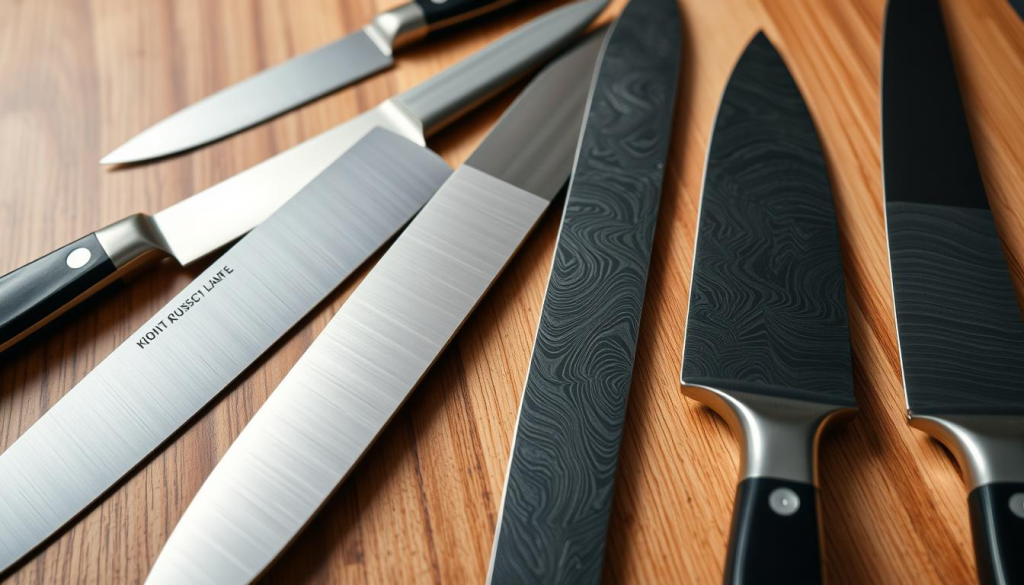
The material of the blade is crucial for durability and performance. High-carbon stainless steel is a popular choice due to its resistance to corrosion and ability to hold a sharp edge. According to Shokunin USA, considering the material of the blade is essential when buying a knife set.
High-carbon stainless steel knives are preferred for their durability and resistance to corrosion. Other materials like ceramic and titanium also offer unique benefits, such as lightness and hardness.
Knife Design and Ergonomics
The design and ergonomics of a knife significantly impact its usability. A well-designed handle can provide comfort and reduce fatigue during extended use. Look for knives with ergonomic handles that fit comfortably in your hand.
Ergonomic design is not just about comfort; it also affects the precision and control you have over the knife. A good balance between the blade and handle is essential for optimal performance.
Budget Considerations
Knife sets can vary widely in price, depending on the brand, materials, and number of pieces included. Setting a budget beforehand can help narrow down your options. Consider what you need versus what you want in a knife set.
While it’s tempting to opt for the cheapest option, investing in a higher-quality knife set can pay off in the long run through better performance and durability. Consider the cost per knife and the overall value for money.
Popular Knife Brands in the United States
Popular knife brands in the U.S. offer a range of options for both professional chefs and home cooks. These brands have established themselves through their quality, durability, and performance.
https://www.youtube.com/watch?v=_a-c76YDifE
The market is dominated by a few key players that stand out for their exceptional craftsmanship and attention to detail. Among these, Wüsthof is renowned for its durability and precision. Shun is celebrated for its premium quality and exquisite craftsmanship, making it a favorite among professional chefs. Meanwhile, Victorinox is known for its versatility and the iconic Swiss Army knife heritage.
Wüsthof
Wüsthof is a German brand that has been producing high-quality knives for over 200 years. Their knives are known for their durability and are made from high-carbon stainless steel, which resists corrosion and retains its sharpness.
Shun
Shun is a premium brand that originated in Japan and is celebrated for its high-performance knives. Shun knives are known for their sharpness and are often preferred by professional chefs for their precision and balance.
Victorinox
Victorinox, the maker of the famous Swiss Army knife, also produces a range of kitchen knives known for their versatility and quality. Their knives are designed to be functional and durable, making them suitable for a variety of kitchen tasks.
| Brand | Known For | Material |
|---|---|---|
| Wüsthof | Durability, Precision | High-Carbon Stainless Steel |
| Shun | Premium Quality, Sharpness | High-Carbon Stainless Steel, Damascus Pattern |
| Victorinox | Versatility, Quality | High-Carbon Stainless Steel |
When choosing a knife brand, it’s essential to consider factors such as material quality, design, and ergonomics. Each of these popular brands offers something unique, catering to different needs and preferences.
Caring for Your Knives: Maintenance Tips
Caring for your knives is not just about keeping them clean; it’s about ensuring they remain effective tools in your kitchen. Proper maintenance can significantly extend the life of your knives and keep them performing at their best.
Cleaning Techniques
Cleaning your knives regularly is crucial. Hand washing is recommended to prevent damage from the high heat and harsh detergents found in dishwashers. Use mild soap and dry your knives immediately to prevent rust.
“A clean knife is a safe knife. Regular cleaning prevents the buildup of bacteria and keeps your knives in good condition.” – Shokunin USA
For tougher residue, a soft sponge or cloth can be used. Avoid using abrasive materials that can scratch the blade.
Sharpening Your Knives
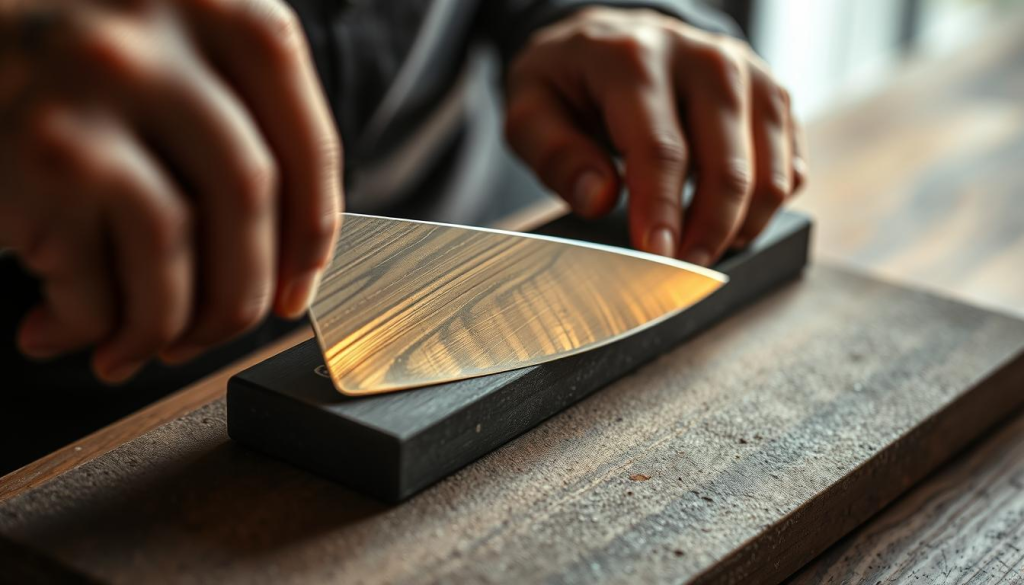
Sharpening is an essential part of knife maintenance. A dull knife is not only less effective but also more dangerous, as it requires more force to cut, increasing the risk of accidents.
- Use a whetstone or a sharpening steel to maintain the edge of your knives.
- For more significant sharpening needs, consider using a sharpening kit.
- Regular sharpening keeps your knives in optimal condition.
Proper Storage Solutions
Storing your knives properly is vital to maintaining their condition. Knife blocks and magnetic strips are popular storage solutions that keep knives organized and within reach.
| Storage Method | Benefits | Considerations |
|---|---|---|
| Knife Block | Keeps knives organized and accessible | Can take up counter space; requires regular cleaning |
| Magnetic Strip | Saves counter space; visually appealing | May not be suitable for very heavy knives; requires wall mounting |
| Drawer Storage | Protects knives from damage; keeps them out of the way | Requires careful organization to prevent damage; can be hard to access |
By following these maintenance tips, you can ensure your knives remain in excellent condition, providing you with years of reliable service.
Knife Names and Their Historical Significance
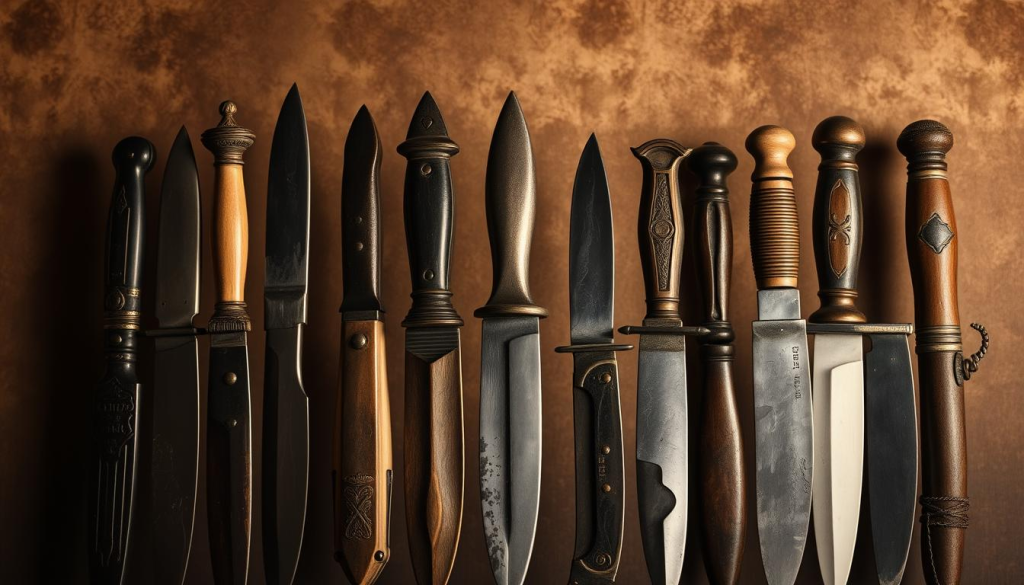
Knife names tell stories of their past, from their origins to their evolution over time. The nomenclature of knives is not just a matter of labeling; it’s a reflection of their historical significance, cultural context, and functional evolution.
Origins of Common Knife Names
The origins of common knife names are deeply rooted in history and geography. For instance, the term “Chef’s Knife” is believed to have originated in France, where it was used by chefs for various kitchen tasks. Similarly, the “Santoku” knife, which translates to “three virtues,” has its roots in Japanese cuisine, symbolizing its ability to perform three key tasks: slicing, dicing, and mincing.
Other knives, like the “Paring Knife,” have names that reflect their function. The term “paring” comes from the Old French word “parer,” meaning “to prepare.” This knife is used for peeling and coring fruit and vegetables, highlighting the direct relationship between a knife’s name and its use.
- The “Bread Knife” has a serrated edge, ideal for cutting through bread without crushing it.
- The “Fillet Knife” is used for filleting fish, showcasing the specialized nature of knife names.
- The “Utility Knife” is a versatile tool, used for a variety of tasks in the kitchen.
Evolution of Knife Designs
Knife designs have evolved significantly over time, influenced by technological advancements, cultural exchange, and changing culinary practices. The evolution is reflected not just in the materials used but also in the shapes and functionalities of knives.
For example, traditional Japanese knives are known for their sharpness and are made from high-carbon steel, which allows for a sharper edge. In contrast, Western-style knives often feature a more robust design, accommodating the heavier demands of Western cooking techniques.
- The introduction of stainless steel and other materials has improved durability.
- Ergonomic design has become a focus, enhancing comfort and reducing fatigue.
- Specialization has led to the development of knives for specific tasks, such as boning and filleting.
The historical significance of knife names is not just about the names themselves but also about the stories they tell of human innovation, cultural exchange, and the evolution of culinary practices. Understanding these names and their origins enriches our appreciation of the tools we use daily in the kitchen.
Customizing Your Knife Set
A personalized knife set is not just about having the right knives, but also about tailoring them to your cooking style. When you customize your knife set, you ensure that every knife you use is perfectly suited to your culinary needs, making cooking more efficient and enjoyable.
Choosing Knives Based on Cooking Style
To customize your knife set effectively, you need to consider your cooking habits. For instance, if you frequently prepare Asian dishes, a Santoku knife might be a valuable addition to your set. On the other hand, if you’re more inclined towards baking, a high-quality bread knife could be indispensable.
SharpEdge suggests considering one’s cooking style when selecting knives, emphasizing the importance of aligning your knife set with your culinary practices. This might involve choosing knives that are designed for specific tasks, such as filleting fish or chopping vegetables.
Engraving and Personalization Options
Beyond selecting the right knives, personalization can also involve engraving your knives with your name or a special message. This not only adds a personal touch but can also make your knives more identifiable, especially in a professional kitchen setting.
Many manufacturers offer engraving services, allowing you to add a unique element to your customized knife set. Whether it’s a simple monogram or a more elaborate design, engraving can enhance the aesthetic appeal of your knives.
By thoughtfully customizing your knife set, you can create a collection of knives that not only meets your cooking needs but also reflects your personal style. Whether through careful selection or personalization, a customized knife set is a valuable asset for any chef.
The Future of Knife Sets
The knife industry is on the cusp of a revolution, driven by advancements in design and eco-friendly materials. As consumers become more environmentally conscious and culinary techniques continue to evolve, the demand for innovative knife sets is on the rise.
Innovations in Knife Design
Modern knife design is focusing on ergonomics and functionality. Manufacturers are using advanced materials and technologies to create knives that are not only more effective but also more comfortable to use. Some of the innovations include:
- Adjustable handles that can be tailored to fit different hand sizes.
- Multi-material construction that combines the best properties of different materials.
- Unique blade geometries designed for specific cutting tasks.
These advancements are making knife sets more versatile and efficient, catering to both professional chefs and home cooks.
Sustainable Materials in Knife Making
Sustainability is becoming a key consideration in the production of knife sets. Manufacturers are turning to eco-friendly materials and production methods to reduce their environmental footprint. Some examples include:
- Knives made from recycled materials or sustainably sourced wood handles.
- The use of low-impact manufacturing processes that minimize waste and energy consumption.
- Biodegradable packaging that reduces environmental impact.
By incorporating sustainable materials and practices, the knife industry is not only reducing its impact on the planet but also appealing to the growing demographic of environmentally conscious consumers.
As the industry continues to evolve, we can expect to see even more innovative designs and sustainable practices being adopted. The future of knife sets looks bright, with a focus on both performance and the planet.
Where to Buy the Best Knife Sets
Now that you’ve learned about the different types of knives and their significance, it’s time to find the perfect knife set for your kitchen. Whether you’re a professional chef or an avid home cook, buying the right knife set can elevate your cooking experience.
Online Retailers
Online retailers like Amazon offer a wide selection of knife sets from top brands such as Wüsthof and Shun. You can read reviews, compare prices, and have your chosen knife set delivered to your doorstep.
Specialty Kitchen Stores
Specialty kitchen stores provide an opportunity to handle knives before purchasing, allowing you to assess their balance and feel. Stores carrying brands like Victorinox can be a great place to explore different knife sets.
Local Farmers’ Markets
Local farmers’ markets may also carry artisanal knife sets, offering unique and handmade options. When buying knife sets, consider factors like material quality, design, and ergonomics to ensure you find the perfect fit for your cooking needs.