Kiritsuke knives are a revered type of Japanese knife, celebrated for their exceptional craftsmanship and versatility in the culinary world. These knives are often considered a status symbol among chefs due to the skill required to wield them effectively.
The unique design of Kiritsuke knives makes them an essential tool for any serious chef. Their straight edge and flat profile allow for precise cuts, making them ideal for a variety of kitchen tasks.
Key Takeaways
- Kiritsuke knives are a type of Japanese knife known for their versatility.
- They are considered a status symbol among chefs due to their exceptional craftsmanship.
- The unique design of Kiritsuke knives makes them ideal for precise cuts.
- Kiritsuke knives are a valuable addition to any serious chef’s toolkit.
- Their straight edge and flat profile make them suitable for various kitchen tasks.
What Is a Kiritsuke Knife?
Understanding the Kiritsuke knife requires delving into its historical roots and distinctive features. The Kiritsuke knife, a staple in Japanese cuisine, has a rich history that is deeply intertwined with the country’s culinary traditions.
The History Behind Kiritsuke Knives
The Kiritsuke knife originated in Japan, where it was traditionally used by high-ranking chefs as a symbol of their status. Its name, “Kiritsuke,” translates to “cutting edge,” reflecting its importance in the kitchen. Historically, Kiritsuke knives were reserved for the most skilled chefs, signifying their expertise and mastery over culinary arts.
Key Features That Distinguish Them
Kiritsuke knives are characterized by their straight edge and flat, wide blade, which make them ideal for slicing and chopping ingredients with precision. The straight edge allows for smooth, even cuts, while the wide blade facilitates the chopping of vegetables and meat. One of the key benefits of using a Kiritsuke knife is its versatility; it can be used for a variety of tasks, from slicing delicate fish to chopping robust vegetables.
| Feature | Description | Benefit |
|---|---|---|
| Straight Edge | Allows for precise cuts | Enhances slicing and chopping accuracy |
| Flat, Wide Blade | Facilitates chopping and slicing | Increases efficiency in food preparation |
| Versatility | Can be used for various kitchen tasks | Makes it a valuable tool for chefs |
Chefs prefer Kiritsuke knives due to their precision, versatility, and the control they offer. The unique design of the Kiritsuke knife allows for a variety of cutting techniques, making it an indispensable tool in the kitchen. Whether it’s slicing, dicing, or chopping, the Kiritsuke knife is designed to perform with excellence.
Different Types of Kiritsuke Knives
Exploring the different types of Kiritsuke knives reveals a range of options for both professional chefs and home cooks. Kiritsuke knives, known for their versatility and unique straight-edge design, come in various styles to suit different culinary tasks.
Gyuto vs. Kiritsuke
The debate between Gyuto and Kiritsuke knives centers around their similarities and subtle differences. Both are Japanese knives known for their straight edge and versatility. The Gyuto is often considered a more general-purpose knife, excellent for slicing, dicing, and mincing a variety of foods.
In contrast, the Kiritsuke is a more specialized knife, combining the length of a Gyuto with the flat, straight edge of a Nakiri, making it ideal for precise cuts and presentations. When deciding between the two, consider your primary cutting tasks and the level of precision you require.
Nakiri Kiritsuke Variations
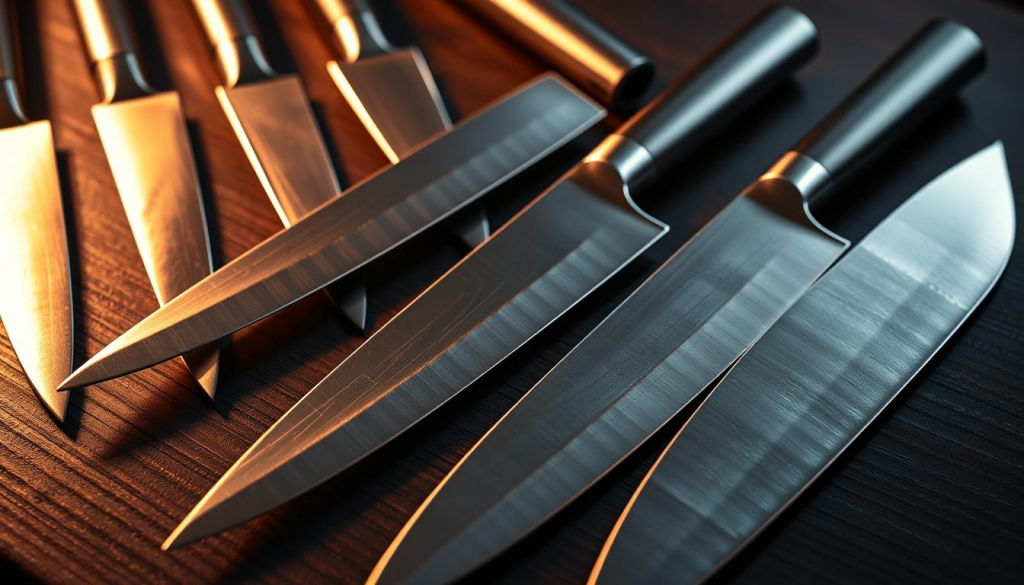
Nakiri Kiritsuke variations blend the characteristics of Nakiri knives with the Kiritsuke’s straight edge, offering a unique tool for vegetable preparation. These knives are designed for chefs who need to make precise, clean cuts through vegetables without the burden of a curved blade.
The variations in Nakiri Kiritsuke knives often come down to the blade’s material, edge retention, and handle design. For instance, some may feature a harder steel for longer edge retention, while others may have ergonomic handles for comfort during extended use.
- High-carbon stainless steel for durability and resistance to corrosion
- Straight edge for precise cuts and ease of sharpening
- Ergonomic handles for comfort and control
When choosing a Kiritsuke or its variations, it’s essential to consider your specific needs, including the type of cuisine you prepare, the frequency of use, and your personal comfort with the knife’s weight and balance.
Primary Uses of Kiritsuke Knives
Kiritsuke knives are incredibly versatile tools in the kitchen, offering a range of uses from chopping vegetables to slicing meat. Their unique design and sharpness make them ideal for various tasks, from preparation to presentation.
Slicing and Dicing Vegetables
One of the primary uses of a Kiritsuke knife is slicing and dicing vegetables. The straight edge and sharpness of the knife allow for precise cuts, making it easier to prepare ingredients for a variety of dishes. Whether you’re working with leafy greens or harder vegetables like carrots, a Kiritsuke knife can handle the task with ease.
Cutting Meat with Precision
Kiritsuke knives are also highly effective for cutting meat. The knife’s sharp edge glides through meat with minimal effort, allowing for precise cuts and slices. This is particularly useful when preparing dishes that require thinly sliced meat, such as sashimi or carpaccio.
Filleting Fish Like a Pro
Filleting fish is another task that Kiritsuke knives excel at. The flexibility and sharpness of the knife make it easier to navigate the contours of a fish, allowing for clean and precise fillets. With practice, using a Kiritsuke knife for filleting fish can become a straightforward and efficient process.
How to Properly Use a Kiritsuke Knife
To get the most out of your Kiritsuke knife, it’s crucial to learn how to use it correctly. The Kiritsuke knife, known for its versatility and precision, is a valuable tool in any kitchen. Understanding its proper use not only enhances your cooking experience but also ensures safety while handling the knife.
Techniques for Efficient Cutting
Efficient cutting with a Kiritsuke knife involves mastering a few key techniques. First, the pinch grip is recommended, where the blade is pinched between the thumb and index finger, providing control and precision. The rocking motion is another technique used for chopping and mincing ingredients, allowing for smooth, continuous cuts.
When slicing, it’s essential to maintain a consistent angle and apply gentle pressure. The Kiritsuke knife’s straight edge makes it ideal for smooth, even cuts. For chopping, a gentle rocking motion is used, with the tip of the knife acting as a pivot point.
| Cutting Technique | Description | Best Used For |
|---|---|---|
| Pinch Grip | Pinching the blade between thumb and index finger | Precision tasks, slicing |
| Rocking Motion | Gentle rocking motion for chopping and mincing | Chopping herbs, mincing garlic |
Importance of Knife Grip and Safety
A proper knife grip is fundamental to safe and effective use of a Kiritsuke knife. The pinch grip not only provides control but also protects the fingers from potential cuts. It’s also crucial to keep your fingers curled under and out of the way of the blade.
“A sharp knife is a safe knife. A dull knife is more likely to cause accidents because it requires more force to cut, increasing the risk of losing control.”
Regular maintenance, such as sharpening the knife, is also vital for safety. A sharp Kiritsuke knife glides through ingredients with ease, reducing the risk of accidents. Always cut away from your body, and be mindful of your surroundings to prevent mishaps.
By mastering the techniques for efficient cutting and understanding the importance of a proper knife grip and safety, you can fully leverage the benefits of using a Kiritsuke knife. Whether you’re slicing vegetables or filleting fish, the Kiritsuke knife is a versatile tool that, when used correctly, enhances your cooking experience.
Maintenance Tips for Your Kiritsuke Knife
Maintaining your Kiritsuke knife is crucial for its longevity and performance. A well-cared-for knife not only lasts longer but also continues to perform at its best, making it a valuable tool in your kitchen.
Cleaning and Storing Your Knife
Proper cleaning and storage are fundamental to maintaining your Kiritsuke knife. After each use, clean your knife with mild soap and dry it thoroughly to prevent rust. Avoid using abrasive cleaners or putting your knife in the dishwasher, as this can damage the blade.
When it comes to storage, use a knife block or a magnetic strip to keep your Kiritsuke knife safe and organized. Avoid storing it in a drawer where it can come into contact with other utensils and potentially get damaged.
Sharpening Techniques for Longevity
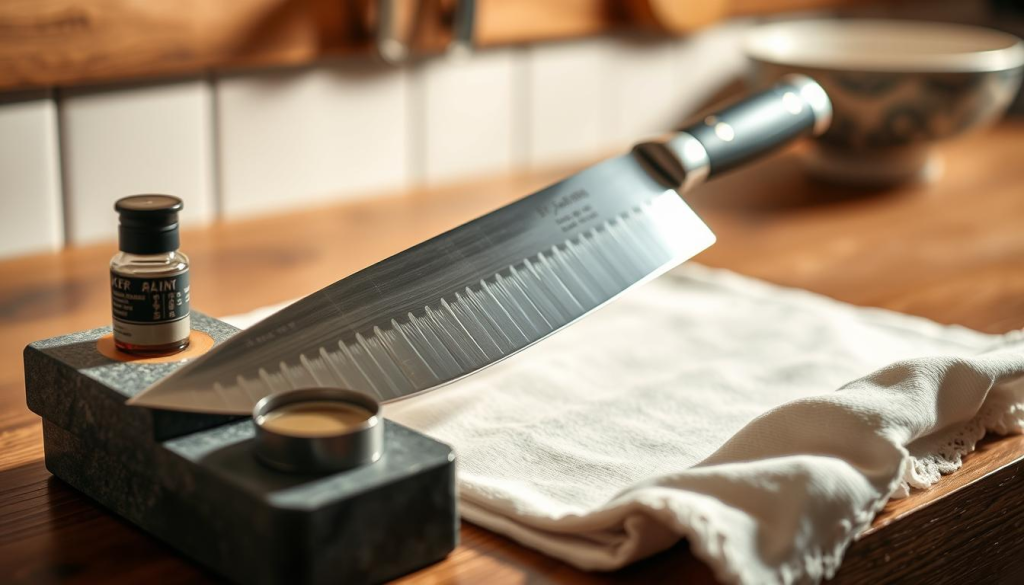
Sharpening your Kiritsuke knife regularly is essential to maintain its edge. Use a whetstone or a sharpening steel designed for high-carbon knives, as these are effective for maintaining the sharpness of your Kiritsuke.
To sharpen your knife, start with a coarse grit stone to repair any damage, then move to a finer grit for polishing. Hold the knife at the correct angle, typically around 15-20 degrees for a Kiritsuke, and gently draw it across the stone. Repeat this process several times on each side until you achieve the desired sharpness.
By following these maintenance tips, you can ensure your Kiritsuke knife remains a reliable and precise tool in your kitchen for years to come.
Comparing Kiritsuke Knives to Other Chef Knives
The Kiritsuke knife, a hybrid knife that combines the features of a chef’s knife and a sashimi knife, has garnered significant attention among professional chefs. Understanding how it compares to traditional chef knives can help in making an informed decision.
Advantages Over Traditional Chef’s Knives
One of the primary advantages of a Kiritsuke knife is its versatility. Unlike traditional chef knives that are primarily used for chopping and slicing, a Kiritsuke can be used for a variety of tasks, including slicing meat and fish with precision, thanks to its sharp, straight edge.
Key benefits of using a Kiritsuke knife include:
- Enhanced precision due to its balanced design and sharp edge.
- Versatility in performing various kitchen tasks, from chopping to filleting.
- Aesthetic appeal, as it is often considered a beautiful piece to display in the kitchen.
| Feature | Kiritsuke Knife | Traditional Chef’s Knife |
|---|---|---|
| Blade Design | Straight edge, hybrid design | Curved or straight edge, single-purpose design |
| Versatility | Highly versatile, suitable for slicing, chopping, and filleting | Primarily used for chopping and slicing |
| Aesthetic Appeal | Highly regarded for its beauty and craftsmanship | Varies, often more functional than decorative |
Situations Where a Kiritsuke Shines
A Kiritsuke knife truly shines in situations that require precision and versatility. For instance, when preparing sashimi or sushi, the straight edge of a Kiritsuke allows for precise cuts, making it an invaluable tool for Japanese cuisine. Additionally, its balanced design makes it ideal for tasks that require both strength and finesse.
In conclusion, the Kiritsuke knife offers several advantages over traditional chef knives, including its versatility, precision, and aesthetic appeal. Whether you’re a professional chef or an avid home cook, understanding the unique benefits of a Kiritsuke can enhance your cooking experience.
Selecting the Right Kiritsuke Knife for You
The journey to finding your ideal Kiritsuke knife involves understanding your needs and preferences. Whether you’re a professional chef or an avid home cook, the right Kiritsuke knife can significantly enhance your cooking experience.
Factors to Consider When Buying
When selecting a Kiritsuke knife, several factors come into play. Blade material is crucial, with options ranging from stainless steel to high-carbon steel, each offering different benefits in terms of durability and sharpness. The edge type, whether straight or angled, also affects the knife’s performance and ease of sharpening.
Another important consideration is the handle design. A comfortable, ergonomic handle can reduce fatigue during extended use. Additionally, the balance of the knife is vital; a well-balanced knife feels like an extension of your hand, making precise cuts easier to achieve.
Brands Worth Exploring
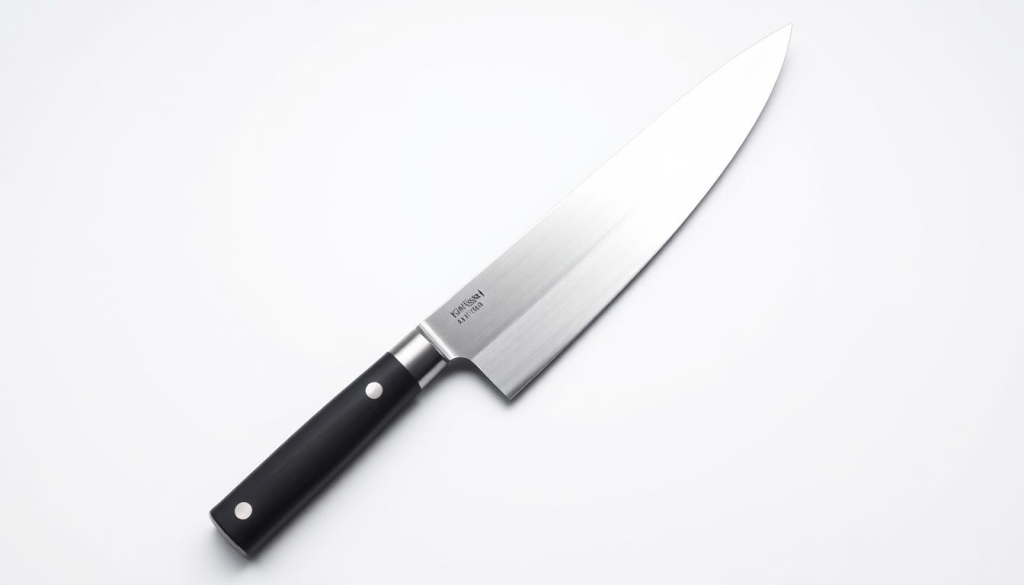
Several reputable brands offer high-quality Kiritsuke knives. Shun is renowned for its premium knives that combine traditional craftsmanship with modern technology. Global knives are celebrated for their unique design and exceptional sharpness. Other notable brands include Misono and Masamune, each offering distinct features and benefits.
When exploring these brands, consider your budget and the specific features that matter most to you. Reading reviews and handling the knives, if possible, can also provide valuable insights into their quality and suitability for your needs.
Common Mistakes to Avoid with Kiritsuke Knives
Mastering the use of a Kiritsuke knife requires understanding its unique characteristics and avoiding common mistakes. By being aware of the potential pitfalls, users can maximize the benefits of their Kiritsuke knife.
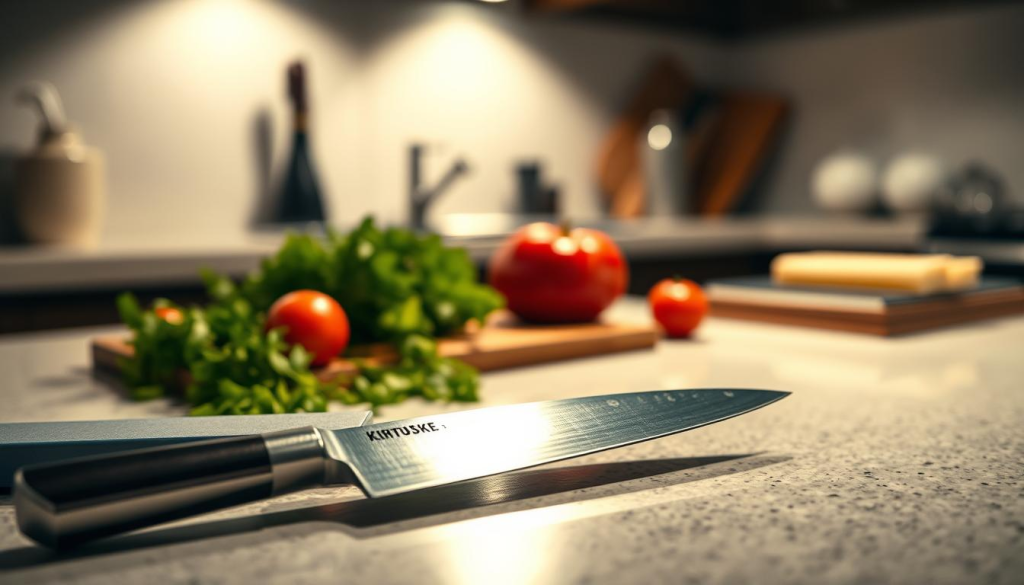
Misusing the Blade’s Unique Shape
The Kiritsuke knife’s distinctive shape is both its strength and its weakness. Misusing this shape can lead to inefficiency and potential danger. For instance, using the tip for heavy-duty chopping or applying too much pressure can damage the blade or cause accidents.
- Incorrect Cutting Techniques: Avoid using a rocking motion or applying excessive force, as this can strain the blade.
- Ignoring the Knife’s Intended Use: Kiritsuke knives are designed for precision cutting. Using them for tasks like prying or cutting through hard materials can damage the blade.
Neglecting Regular Maintenance
Regular maintenance is crucial for the longevity and performance of a Kiritsuke knife. Neglecting this can lead to a dull blade and reduced effectiveness.
- Cleaning: Always clean the knife after use and dry it thoroughly to prevent rust.
- Sharpening: Regular sharpening maintains the knife’s edge. Use appropriate sharpening tools and techniques to avoid damaging the blade.
By avoiding these common mistakes, users can ensure their Kiritsuke knife remains a valuable and reliable tool in the kitchen. Proper use and maintenance not only enhance performance but also prolong the life of the knife.
Conclusion: Are Kiritsuke Knives Worth It?
Kiritsuke knives have proven to be versatile and efficient tools in the kitchen, offering a unique blend of functionality and craftsmanship. Chefs and home cooks alike can benefit from incorporating a Kiritsuke knife into their arsenal, as it excels in various tasks, from slicing and dicing to filleting fish.
Why Kiritsuke Knives Stand Out
So, what are kiritsuke knives used for? They are designed for a variety of kitchen tasks, making them an essential tool for any serious cook. Their straight edge and balanced design make them ideal for precise cuts, while their aesthetic appeal adds to their allure. Many chefs prefer Kiritsuke knives due to their versatility and the level of precision they offer, allowing for a more streamlined cooking process.
Whether you’re a professional chef or an enthusiastic home cook, a Kiritsuke knife can elevate your cooking experience. With proper care and maintenance, these knives can become a trusted companion in the kitchen, providing years of reliable service.