The art of crafting Japanese kitchen knives has been refined over centuries, rooted in the country’s rich history of samurai sword-making. These exceptional tools have garnered a reputation for their outstanding cutting performance and precision craftsmanship.
This comprehensive guide will explore the world of Japanese kitchen knives, delving into their history, types, and benefits. Whether you’re a professional chef or a home cook, understanding the nuances of these knives can elevate your culinary skills.
Key Takeaways
- Gaining insight into the history and craftsmanship of Japanese knives.
- Understanding the different types of Japanese kitchen knives.
- Learning how to choose the right knife for your cooking needs.
- Discovering the benefits of using high-quality Japanese knives.
- Exploring the anatomy of a Japanese kitchen knife.
The Art of Japanese Knives: An Overview
With a history rooted in samurai sword craftsmanship, Japanese knives are not just tools but pieces of art that reflect the country’s rich cultural heritage. The evolution of Japanese knives is closely tied to the country’s culinary traditions and the need for precision in food preparation.
Japanese knife-making is an art form that has been refined over centuries. The historical context of Japanese knives is deeply intertwined with the samurai culture, where swords were not only weapons but also symbols of honor and craftsmanship. This legacy has been carried forward into the making of kitchen knives, where the emphasis is on precision, quality, and the use of high-carbon steel to achieve exceptional sharpness and durability.
A Brief History of Japanese Knives
The history of Japanese knives dates back to the Heian period (794-1185 CE), where the production of high-quality steel led to the development of swords and later, kitchen knives. The techniques developed during this era laid the foundation for the sophisticated knife-making industry that Japan is known for today.
“The art of knife-making in Japan is not just about creating a tool, it’s about crafting a piece of art that embodies the spirit of Japanese cuisine.”
The Edo period (1603-1868) saw the rise of specialized knives for specific culinary tasks, reflecting the growing sophistication of Japanese cuisine. This period was crucial in establishing the various types of Japanese knives that are revered today, each designed for particular tasks in the kitchen.
| Period | Significant Developments | Influence on Japanese Knives |
|---|---|---|
| Heian (794-1185) | High-quality steel production | Foundation for sword and knife making |
| Edo (1603-1868) | Specialization of knives | Development of various knife types |
| Modern Era | Blend of traditional and modern techniques | Enhanced quality and functionality |
Cultural Significance in Japanese Cuisine
In Japanese cuisine, knives are not just tools; they are an extension of the chef’s artistry and a symbol of the cultural values placed on food preparation. The precision and care taken in crafting Japanese knives reflect the broader cultural emphasis on detail and quality.
The use of Japanese knives is deeply ingrained in the preparation of traditional dishes such as sushi and sashimi, where the knife’s sharpness and balance are crucial. The cultural significance of these knives is also reflected in the rituals and techniques associated with their use, highlighting the reverence for the craft.
The benefits of using Japanese knives include their exceptional sharpness, durability, and the precision they bring to various kitchen tasks. Whether for a professional chef or a home cook, Japanese knives represent a commitment to quality and the art of cooking.
Types of Japanese Kitchen Knives
Understanding the different types of Japanese kitchen knives is essential for any chef or home cook looking to enhance their culinary experience. Japanese kitchen knives come in a variety of shapes and sizes, each designed for specific tasks and ingredients.
Chef’s Knives: The Santoku
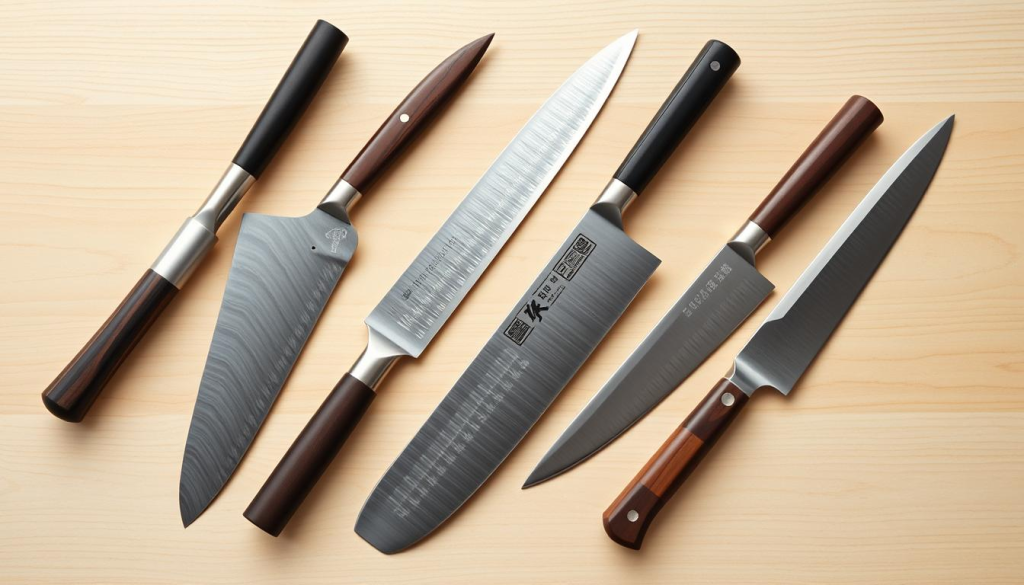
The Santoku is a versatile knife used for chopping, slicing, and mincing. It is often considered the Japanese equivalent of the Western chef’s knife. The name “Santoku” roughly translates to “three virtues,” referring to its ability to handle three primary cutting tasks: slicing, dicing, and mincing.
Key Features of Santoku Knives:
- Typically range from 5 to 7 inches in length
- Flat edge with a straight or slightly curved spine
- Used for a variety of kitchen tasks
Sushi Knives: Yanagiba and Usuba
Sushi preparation requires precision and the right tools. The Yanagiba and Usuba are two types of knives used in sushi preparation.
Yanagiba: The Yanagiba is a long, thin knife used primarily for slicing raw fish. Its length allows for smooth, even cuts, making it an essential tool for sashimi preparation.
Usuba: The Usuba is a thin, flat knife used for cutting vegetables. It is particularly useful for creating thin slices of ingredients used in sushi rolls.
Specialty Knives: Nakiri and Petty
Beyond the Santoku and sushi knives, there are other specialty knives that serve unique purposes in the kitchen.
Nakiri: The Nakiri is a vegetable knife with a straight edge, ideal for chopping and slicing vegetables. Its flat profile makes it perfect for cutting through leafy greens and other vegetables without crushing them.
Petty: The Petty knife is a smaller, utility knife used for tasks that require more precision, such as peeling fruits and vegetables or cutting small ingredients.
By understanding the different types of Japanese kitchen knives, cooks can better equip their kitchens with the right tools for their culinary needs.
The Craftsmanship Behind Japanese Knives
The art of crafting Japanese knives is a revered tradition that combines skill, patience, and attention to detail. For centuries, Japanese craftsmen have perfected the art of knife-making, resulting in some of the world’s most exceptional cutting tools.
The craftsmanship behind Japanese knives is not just about creating a functional tool; it’s an art form that requires a deep understanding of materials and techniques. From the selection of high-quality steel to the precise sharpening and finishing, every step in the process is crucial to the final product’s performance.
Traditional vs. Modern Techniques
Japanese knife craftsmanship is characterized by a blend of traditional and modern techniques. Traditional methods involve hand-forging and hammering the steel to create a strong, durable blade. Modern techniques, on the other hand, often incorporate advanced machinery and technology to precision-craft the knives.
While traditional techniques are still revered for their authenticity and craftsmanship, modern methods offer consistency and precision that can be harder to achieve by hand. Many contemporary Japanese knife makers combine both approaches to create knives that are not only beautiful but also highly functional.
Material Quality: Steel Types Explained
The quality of the steel used in Japanese knives is crucial to their performance. Different types of steel offer varying levels of hardness, durability, and resistance to corrosion. Common steel types used in Japanese knives include AEB-L, known for its high carbon content and resistance to wear, and VG-10, a high-quality stainless steel that offers excellent sharpness and corrosion resistance.
Understanding the different types of steel and their characteristics can help you appreciate the craftsmanship that goes into creating a Japanese knife. Whether you’re a professional chef or a home cook, choosing a knife made from high-quality steel can make a significant difference in your cooking experience.
The anatomy of a Japanese kitchen knife is also a testament to the craftsmanship involved. From the blade’s shape and size to the handle’s design and material, every aspect is carefully considered to create a balanced, ergonomic tool that feels comfortable in the hand.
Finding the Right Japanese Knife for You
To find the ideal Japanese knife, you must consider your cooking style, tasks, and budget. With so many types available, choosing the right one can be overwhelming, but by understanding your needs, you can make an informed decision.
Factors to Consider Before Purchase
Before buying a Japanese knife, several factors should be considered to ensure you find the perfect fit. These include:
- Cooking Style: Different cooking techniques require specific types of knives. For instance, if you frequently chop vegetables, a Nakiri knife might be ideal.
- Task Frequency: Consider the tasks you perform most often. If you’re a sushi enthusiast, a Yanagiba knife could be a valuable addition to your kitchen.
- Budget: Japanese knives vary significantly in price. Setting a budget will help narrow down your options and ensure you find a high-quality knife within your means.
By considering these factors, you can narrow down your options and find a knife that suits your needs.
Best Japanese Knives for Beginners
For those new to Japanese knives, starting with a versatile and easy-to-use option is advisable. Some top recommendations for beginners include:
- Santoku Knives: These are great all-purpose knives, ideal for chopping, slicing, and mincing.
- Petty Knives: Useful for detail work, such as peeling and coring fruit and vegetables.
These knives are not only functional but also help beginners get accustomed to handling Japanese knives.
In conclusion, choosing the right Japanese knife involves understanding your cooking habits, the tasks you perform, and your budget. By considering these factors, you can find a knife that enhances your cooking experience.
Maintaining Your Japanese Knives
To keep your Japanese knives in top condition, regular maintenance is essential. Proper care not only extends the life of your knives but also ensures they continue to perform at their best. By understanding the importance of maintenance and implementing simple practices, you can enjoy the many benefits of using Japanese knives for years to come.
Sharpening Techniques for Optimal Performance
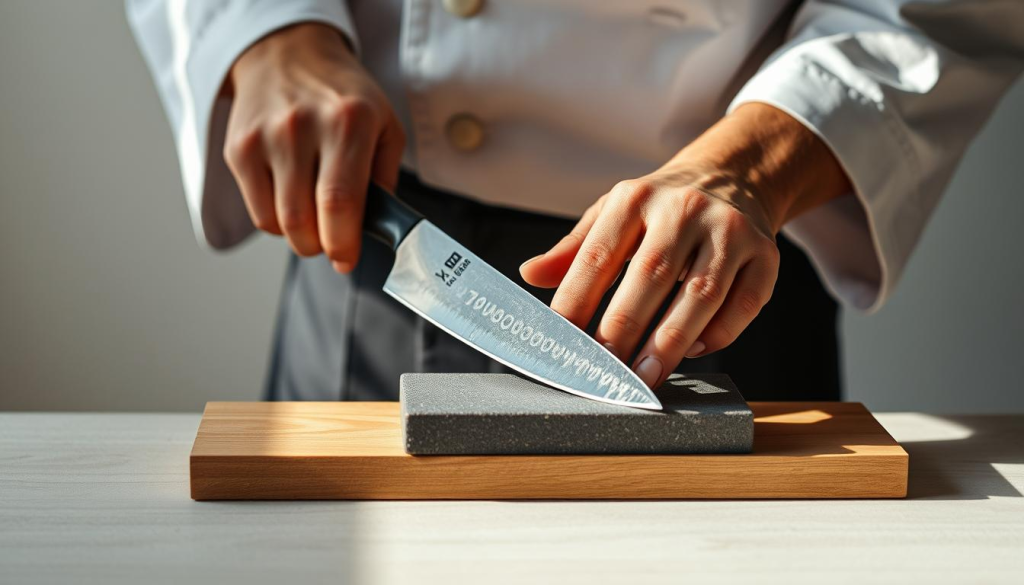
Sharpening is a critical aspect of maintaining your Japanese knives. Dull knives are not only less effective but can also be more dangerous to use. To keep your knives sharp, it’s essential to understand the different Japanese knife sharpening techniques available. Whether you prefer using a whetstone or a sharpening rod, the key is to maintain a consistent angle and apply gentle pressure.
For high-carbon Japanese knives, a water stone is often the preferred sharpening tool. These stones come in various grits, from coarse to fine, allowing you to progressively hone your knife to a razor-sharp edge. Regular sharpening will not only improve your knife’s performance but also help to maintain its longevity.
Proper Cleaning and Storage Practices
In addition to sharpening, proper cleaning and storage are vital for maintaining your Japanese knives. After each use, clean your knives with mild soap and dry them thoroughly to prevent rust. For high-carbon knives, a light coating of oil can provide additional protection against corrosion.
When it comes to storage, a knife block or magnetic strip is ideal for keeping your knives organized and within reach. Avoid storing your knives in a drawer with other utensils, as this can cause damage to the blades. By following these simple practices, you can ensure your Japanese knives remain in excellent condition and continue to serve you well.
Notable Japanese Knife Brands to Know
Among the myriad of Japanese knife brands, some have risen to prominence due to their commitment to excellence. Understanding these brands can help you make an informed decision when purchasing a Japanese knife.
Global Leaders: Global and Shun
Global and Shun are two of the most recognized names in the world of Japanese knives. Global knives are known for their unique edge design and lightweight construction, making them a favorite among professional chefs. Shun, on the other hand, is celebrated for its premium quality and exquisite craftsmanship, often featuring traditional Japanese designs with modern twists.
Artisan Brands: Masamoto and Takeda
For those seeking high-end, artisan Japanese knives, brands like Masamoto and Takeda are worth considering. Masamoto is renowned for its high-carbon steel knives that are both durable and sharp, while Takeda is appreciated for its handcrafted knives that blend traditional techniques with modern materials.
Here’s a comparison of these notable brands:
| Brand | Known For | Price Range |
|---|---|---|
| Global | Unique edge design, lightweight | $100-$300 |
| Shun | Premium quality, traditional designs | $200-$500 |
| Masamoto | High-carbon steel, durability | $150-$400 |
| Takeda | Handcrafted, traditional techniques | $200-$600 |
When choosing a Japanese knife brand, consider factors such as material quality, craftsmanship, and your specific cooking needs. By understanding the strengths of these top brands, you can find the best Japanese chef knives to enhance your culinary experience.
The Role of Google in Japanese Knife Trends
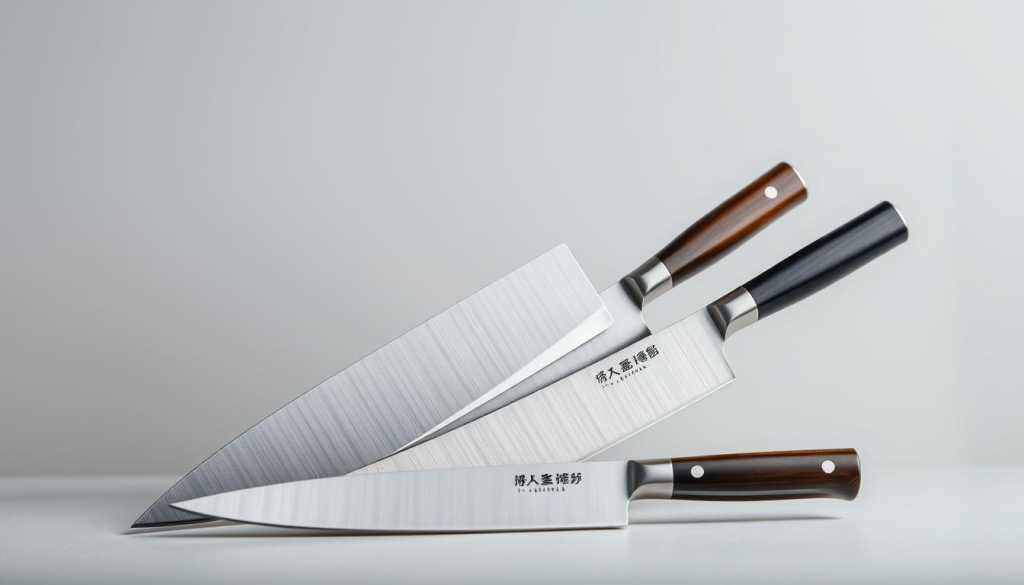
The internet, particularly Google, has revolutionized how consumers research and buy Japanese kitchen knives. With a few clicks, individuals can access a vast array of information on different types of Japanese knives, their uses, and reviews from other customers.
How Online Communities Influence Buying Decisions
Online forums and social media platforms have become crucial in shaping consumer preferences for Japanese knives. Enthusiasts and professionals alike share their experiences, tips, and reviews, creating a rich repository of information that potential buyers can tap into.
Key factors influenced by online communities include:
- Product recommendations based on personal experience
- Reviews and ratings that help in assessing quality
- Discussions on maintenance and care, extending the life of the knives
As noted by a renowned chef, “The right knife is not just a tool, it’s an extension of the chef’s hand.” Online communities echo this sentiment, emphasizing the importance of choosing the right Japanese knife for specific culinary tasks.
Reviews and Ratings of Japanese Knives
Reviews and ratings on Google and other e-commerce platforms significantly impact the purchasing decisions of Japanese kitchen knives. Potential buyers often rely on the collective experience of the community to gauge the performance, durability, and value for money of a particular knife.
“The best knife is the one that feels like an extension of your hand and meets your cooking needs.” –
By considering the insights and experiences shared online, consumers can make more informed decisions when selecting a Japanese knife that suits their needs.
Common Myths About Japanese Knives
There’s a wealth of misinformation surrounding Japanese knives, which can make it hard for cooks to make informed decisions. Many myths can deter potential users or lead to improper care and handling. Let’s explore some of these myths and set the record straight.
Debunking the “Fragile” Myth
One of the most common myths about Japanese knives is that they are fragile and prone to breaking. However, this couldn’t be further from the truth. Japanese knives are known for their durability and ability to hold a sharp edge. The high-carbon steel used in many Japanese knives is incredibly strong and resistant to wear.
To put this into perspective, consider the following benefits of using Japanese knives:
- Sharpness: Japanese knives are renowned for their sharpness, making them ideal for precise cutting tasks.
- Durability: When properly cared for, Japanese knives can last for many years without losing their edge.
- Versatility: From slicing to chopping, Japanese knives are versatile tools that can handle a variety of kitchen tasks.
Understanding the Effortless Sharpness
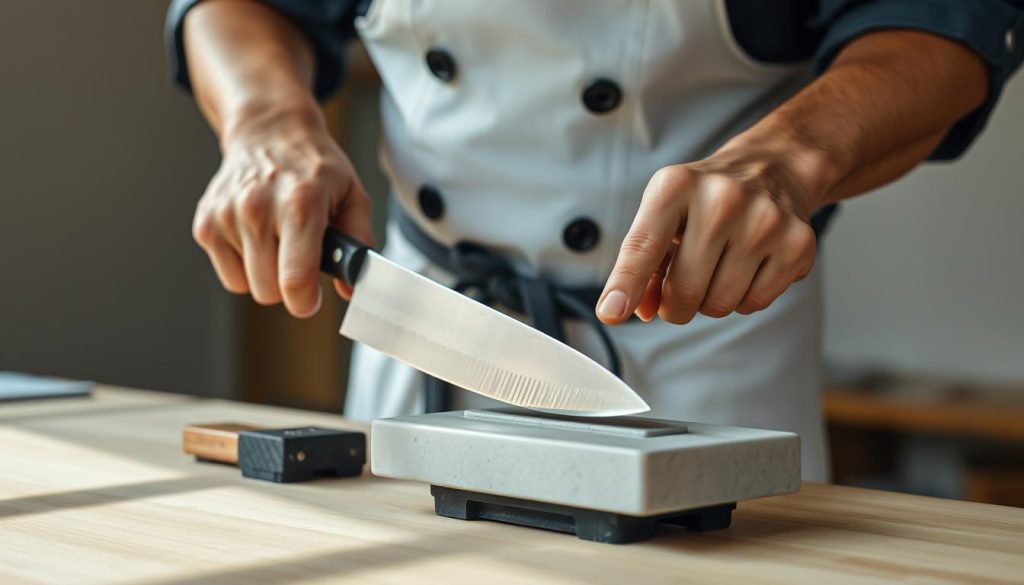
Another myth surrounding Japanese knives is that they are difficult to sharpen. In reality, Japanese knives are designed to be sharpened with relative ease, thanks to their straight edge and high-carbon steel construction. Mastering Japanese knife sharpening techniques can significantly enhance your cooking experience.
Here are some key points to understand about the sharpness of Japanese knives:
- The angle of the blade plays a crucial role in determining its sharpness.
- Regular sharpening is essential to maintain the knife’s performance.
- Using the right sharpening tools can make the process easier and more effective.
By understanding the facts about Japanese knives, you can appreciate the benefits of using Japanese knives in your cooking. Whether you’re a professional chef or a home cook, Japanese knives can elevate your culinary experience.
Japanese Knife Showcases and Events
Attending Japanese knife showcases and events offers a unique opportunity to witness the artistry and precision that goes into crafting these exceptional tools. For both novice cooks and seasoned chefs, these events provide a platform to explore the world of Japanese knives, meet renowned craftsmen, and learn about the latest trends and techniques.
Noteworthy Knife Shows Around the World
Several international events celebrate the craftsmanship of Japanese knives, drawing enthusiasts from around the globe. One of the most notable is the Tokyo Knife Show, where top manufacturers and artisans showcase their latest creations. Visitors can witness live demonstrations, explore new designs, and even participate in workshops to hone their skills.
Another significant event is the Blade Show in the United States, which features a dedicated section for Japanese knives. Here, attendees can compare different models, learn about the history behind certain brands, and network with other enthusiasts.
Workshops and Demonstrations in the U.S.
In the U.S., various cities host workshops and demonstrations that focus on Japanese knives. These events are often organized by culinary schools or specialty kitchen stores. For instance, the Japanese Knife Association occasionally hosts events where members can learn about the proper care and use of Japanese knives from experienced professionals.
When attending these events, one can expect to gain insights into how to choose Japanese kitchen knives that suit their cooking style. Demonstrations often cover topics such as sharpening techniques, knife maintenance, and the art of cutting various ingredients effectively.
By participating in these showcases and events, enthusiasts can deepen their appreciation for Japanese knives and stay updated on the latest from top Japanese knife brands. Whether you’re a professional chef or a home cook, these experiences can enhance your understanding and enjoyment of Japanese cuisine.
Conclusion: Embracing Japanese Knives in Your Kitchen
Japanese knives have become an integral part of modern kitchens, offering a range of benefits for cooks, from exceptional sharpness to durability. By understanding their characteristics, you can make an informed decision when choosing a Japanese knife.
Key Advantages
The benefits of using Japanese knives include precision cutting, reduced fatigue, and a more enjoyable cooking experience. Whether you’re a seasoned chef or just starting out, these knives can enhance your culinary skills.
Selecting the Perfect Knife
When learning how to choose Japanese kitchen knives, consider factors such as the type of cooking you’ll be doing, the material of the knife, and your personal preferences. Brands like Global, Shun, and Masamoto offer high-quality options.
By embracing Japanese knives, you can elevate your cooking experience and achieve professional-grade results. With the right knife, you’ll be able to chop, slice, and dice with ease, making meal preparation a joy.