When it comes to crafting high-quality knives, the type of steel used is crucial. Japanese steel has gained a reputation for its exceptional hardness, sharpness, and durability, making it a popular choice among knife enthusiasts.
Japanese steel encompasses a range of varieties, including high carbon steel, stainless steel, and Damascus steel. Each type offers unique benefits, such as resistance to corrosion, ease of sharpening, and aesthetic appeal.
The diversity of Japanese steel allows knife makers to select the most suitable material for their craft, resulting in exceptional knives that meet specific needs and preferences.
Key Takeaways
- Japanese steel is renowned for its hardness and sharpness.
- Various types of Japanese steel offer different benefits.
- The choice of steel affects the knife’s performance and durability.
- Japanese steel knives are highly regarded for their quality.
- Knife makers can select from a range of Japanese steel varieties.
Understanding Japanese Steel
Understanding the nuances of Japanese steel is crucial for appreciating its value in knife production. Japanese steel has a rich history and distinct characteristics that make it highly regarded in the world of cutlery.
What Makes Japanese Steel Unique?
Japanese steel is known for its high quality and performance, largely due to the careful selection of materials and traditional manufacturing techniques. The process of creating Japanese steel involves several key factors:
- High Carbon Content: Japanese steel often contains a higher carbon content, which contributes to its hardness and ability to hold a sharp edge.
- Traditional Techniques: The use of traditional blacksmithing techniques passed down through generations ensures a level of craftsmanship that is hard to match.
- Material Selection: The careful selection of raw materials, including the use of tamahagane (a type of pure steel), plays a significant role in the quality of the final product.
These factors combined result in steel that is not only durable but also capable of achieving a very sharp edge, making it ideal for knife production.
Historical Context of Japanese Steel
The history of Japanese steel is deeply intertwined with the production of samurai swords, where the quality of the steel was paramount. The techniques developed for sword making were later adapted for other cutting tools, including knives.
The production of tamahagane steel, which is used for high-quality knives, is a labor-intensive process that requires great skill. This historical context has contributed to the reputation of Japanese steel as being among the best in the world for cutting instruments.
Some key historical points include:
- The development of tamahagane steel for samurai swords.
- The adaptation of sword-making techniques for knife production.
- The emphasis on quality and craftsmanship in Japanese steel production.
By understanding the historical context and unique characteristics of Japanese steel, it becomes clear why it is preferred for making high-quality knives.
Types of Japanese Steel
When it comes to Japanese steel for knives, there are several categories that stand out for their distinct properties. The diversity in Japanese steel is a result of centuries of refinement and innovation, catering to various needs in knife making.
High Carbon Steel
High carbon steel is prized for its ability to hold a sharp edge and its relative ease of sharpening. Japanese high carbon steel knives are known for their sharpness and are often preferred by chefs who value precision. However, high carbon steel can be prone to rust if not properly maintained.
The high carbon content, typically above 0.5%, allows for a finer edge and better edge retention. This makes high carbon steel ideal for tasks that require precision cutting.
Stainless Steel Variants
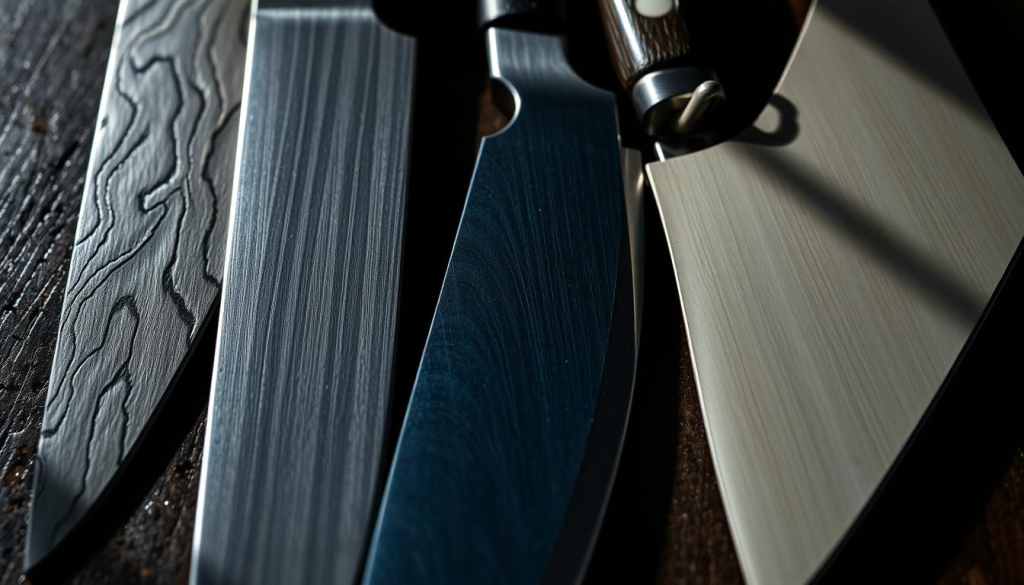
Stainless steel variants offer a different set of advantages, primarily their resistance to corrosion. Stainless Japanese steel knives are less likely to rust and require less maintenance than their high carbon counterparts. While they may not hold an edge as well as high carbon steel, advancements in metallurgy have significantly improved their performance.
Stainless steel is alloyed with chromium, which provides its corrosion-resistant properties. This makes stainless steel knives suitable for environments where exposure to acidic or salty foods is common.
Powdered Steel
Powdered steel, also known as powder metallurgy steel, is produced through a process that allows for a more uniform distribution of alloying elements. This results in a steel that has improved edge retention and wear resistance. Powdered Japanese steel knives are highly regarded for their performance and durability.
The process of creating powdered steel involves compacting metal powders into the desired shape, allowing for a high degree of control over the steel’s composition and microstructure.
The Benefits of Japanese Steel in Knives
The use of Japanese steel in knives has become synonymous with excellence in cutting performance. Japanese steel is renowned for its hardness, sharpness, and durability, making it a preferred choice among knife enthusiasts and professionals alike.
Sharpness and Edge Retention
One of the primary benefits of Japanese steel knives is their exceptional sharpness. The high carbon content in Japanese steel allows for a finer edge, making these knives incredibly sharp. Moreover, Japanese steel knives are known for their excellent edge retention, meaning they stay sharp for a longer period, reducing the need for frequent sharpening.
Sharpness Comparison
| Steel Type | Initial Sharpness | Edge Retention |
|---|---|---|
| Japanese Steel | 9/10 | 8.5/10 |
| German Steel | 8/10 | 7.5/10 |
| American Steel | 7.5/10 | 7/10 |
Durability and Toughness
Japanese steel knives are not only sharp but also durable and tough. The unique composition of Japanese steel provides a balance between hardness and flexibility, making these knives resistant to wear and tear. This durability ensures that Japanese steel knives remain functional over time, even with heavy use.
Aesthetic Appeal
Apart from their performance, Japanese steel knives are also appreciated for their aesthetic appeal. The craftsmanship that goes into making these knives, including the intricate designs and the high-quality finishes, makes them stand out. Many Japanese steel knives are considered pieces of art, with their beauty being a significant factor in their popularity among collectors and chefs.
The combination of functionality and aesthetics makes Japanese steel knives a favorite among many.
In conclusion, the benefits of Japanese steel in knives are multifaceted, ranging from exceptional sharpness and edge retention to durability and aesthetic appeal. Whether you are a professional chef or a home cook, Japanese steel knives offer a superior cutting experience that is hard to match with other materials.
Common Uses of Japanese Steel Knives
Japanese steel knives have become a staple in many kitchens due to their exceptional quality and versatility. These knives are crafted to meet the diverse needs of chefs and home cooks, offering a range of applications that enhance the cooking experience.
Chef’s Knives
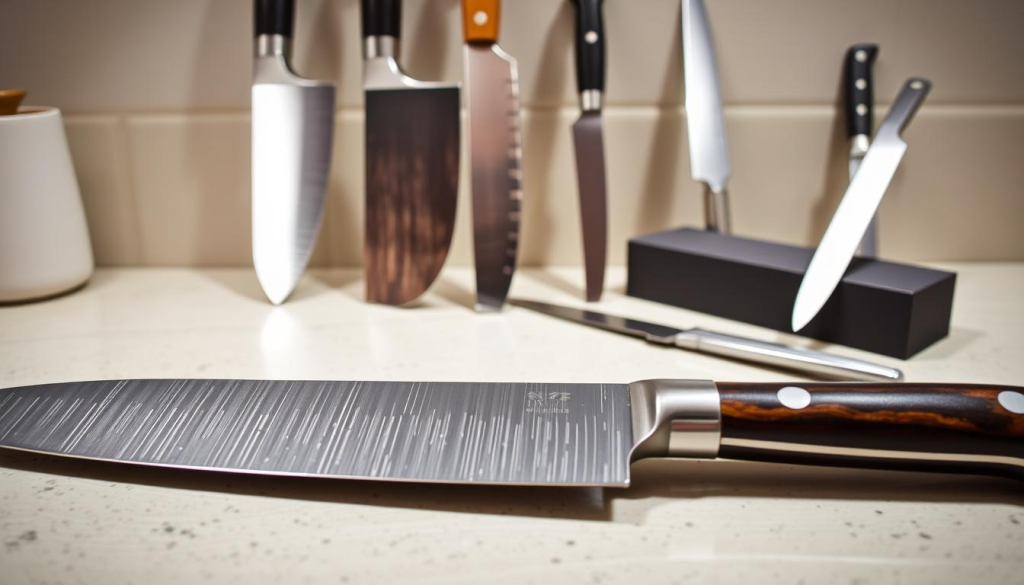
Chef’s knives are among the most versatile and widely used Japanese steel knives. They are designed for a variety of tasks, from chopping vegetables to slicing meat. The sharpness and durability of Japanese steel make these knives ideal for heavy-duty use in professional kitchens.
Key features of Japanese steel chef’s knives include:
- Exceptional sharpness for precise cuts
- Durable construction to withstand heavy use
- Balanced design for comfortable handling
As noted by culinary expert, Chef Masaharu Morimoto, “A good knife is the extension of a chef’s hand; it’s an instrument that requires precision, care, and a deep understanding of its capabilities.”
“A good knife is the extension of a chef’s hand; it’s an instrument that requires precision, care, and a deep understanding of its capabilities.”
Specialty Knives
Japanese steel is also used to craft specialty knives designed for specific tasks. These knives are tailored to meet the unique demands of various culinary techniques, such as filleting fish or slicing sashimi.
The precision and sharpness of Japanese steel specialty knives make them invaluable in professional kitchens. Examples include:
- Sashimi knives for slicing raw fish
- Fillet knives for delicate fish preparation
- Nakiri knives for vegetable preparation
Utility Knives
Utility knives made from Japanese steel offer a blend of versatility and performance. They are designed for everyday tasks and are suitable for a wide range of kitchen activities.
The durability of Japanese steel utility knives ensures they remain a reliable tool in the kitchen, even with frequent use.
| Knife Type | Primary Use | Key Characteristics |
|---|---|---|
| Chef’s Knife | General kitchen tasks | Sharpness, durability, balance |
| Specialty Knife | Specific culinary tasks | Precision, specialized design |
| Utility Knife | Everyday kitchen tasks | Versatility, reliability |
Comparison with Other Steel Types
In the realm of high-quality knives, Japanese steel stands out, but how does it compare to German and American steel? The differences between these steel types can significantly impact a knife’s performance, durability, and overall value.
Japanese Steel vs. German Steel
German steel is renowned for its durability and resistance to corrosion, often attributed to its high chromium content. In contrast, Japanese steel is celebrated for its sharpness and edge retention, thanks to its high carbon content. Sharpness is a critical factor for chefs who require precision in their work.
“The sharpness of a knife is not just about the material it’s made from, but how it’s crafted.” –
A comparison of Japanese and German steel reveals that while German steel may offer more durability, Japanese steel excels in sharpness. This is illustrated in the following table:
| Steel Type | Sharpness | Durability |
|---|---|---|
| Japanese Steel | High | Medium |
| German Steel | Medium | High |
Japanese Steel vs. American Steel
American steel often falls somewhere in between Japanese and German steel in terms of characteristics. It tends to be more durable than Japanese steel but less sharp, and sharper than German steel but less durable. The choice between these steels ultimately depends on the user’s priorities.
When considering American steel, it’s essential to note that its properties can vary widely depending on the specific alloy and manufacturing process. Some American steel knives can offer a balance between sharpness and durability, making them a viable option for those who don’t need extreme performance in either category.
In conclusion, the comparison between Japanese, German, and American steel highlights the unique strengths and weaknesses of each. By understanding these differences, consumers can make informed decisions based on their specific needs and preferences.
Maintenance of Japanese Steel Knives
To keep your Japanese steel knives in top condition, regular maintenance is essential. Proper care not only extends the life of your knives but also ensures they continue to perform at their best.
Sharpening Techniques
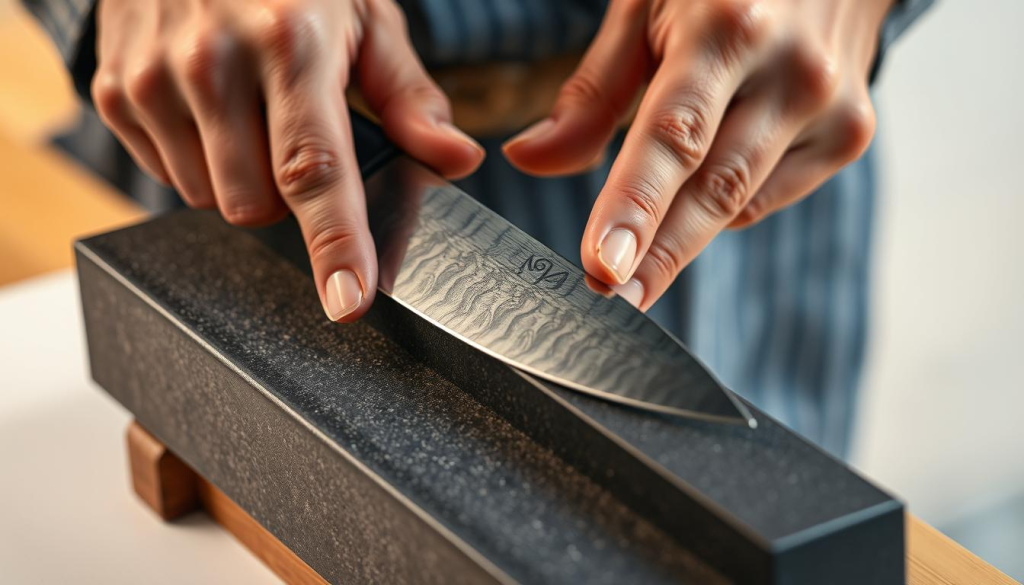
Sharpening is a critical aspect of maintaining Japanese steel knives. The high carbon content in these knives allows for a sharp edge, but it requires regular sharpening to maintain. Using the right sharpening stone is crucial; a water stone is often recommended for Japanese steel knives due to its gentle yet effective sharpening capability.
“A sharp knife is a safe knife,” as the saying goes, and this is particularly true for Japanese steel knives. Regular sharpening helps maintain the knife’s edge and prevents it from becoming too worn, which can lead to accidents.
Rust Prevention
Rust prevention is another vital aspect of maintaining Japanese steel knives, particularly those made from high carbon steel, which can be prone to rust. Drying your knives thoroughly after use and applying a thin layer of oil can help prevent rust. It’s also advisable to store your knives in a dry place or use a knife block that allows for airflow around the blades.
- Regularly clean and dry your knives
- Apply a rust-inhibiting oil
- Store knives properly to prevent moisture accumulation
By following these simple steps, you can significantly extend the life of your Japanese steel knives and keep them in excellent condition.
Popular Brands and Their Offerings
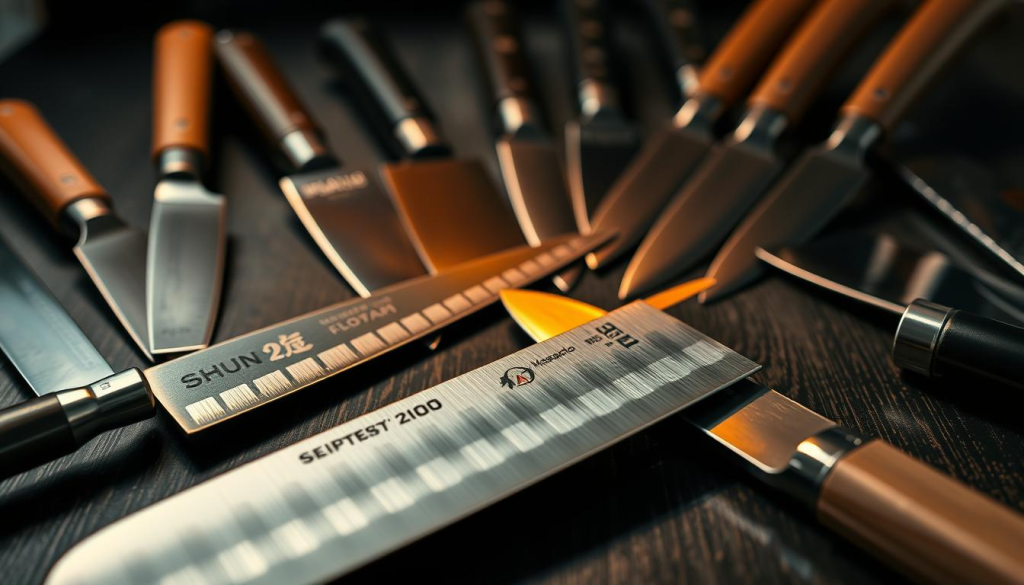
Among the myriad of Japanese steel knife brands, Shun, Miyabi, and Tojiro have carved out reputations for excellence. These brands are recognized for their high-quality Japanese steel knives that cater to various needs and preferences.
Shun Knives
Shun is a prestigious brand known for its premium Japanese steel knives. Shun knives are crafted with meticulous attention to detail, featuring high-carbon steel that ensures exceptional sharpness and durability. The brand’s commitment to quality is evident in its rigorous craftsmanship process.
Miyabi Knives
Miyabi knives are another example of exceptional Japanese steel craftsmanship. Miyabi, a brand under the Zwilling J.A. Henckels group, combines traditional Japanese techniques with modern technology to produce knives that are both beautiful and functional. Their knives are known for their sharpness and aesthetic appeal.
Tojiro Knives
Tojiro knives offer a balance of quality and affordability, making them accessible to a wide range of users. Tojiro, a Japanese brand with a long history, produces knives that are appreciated for their performance and value. Their product line includes a variety of knives suitable for different culinary tasks.
In conclusion, brands like Shun, Miyabi, and Tojiro represent the pinnacle of Japanese steel knife manufacturing, each bringing their unique strengths to the table. Whether you’re a professional chef or an avid home cook, these brands offer something for everyone.
The Cost of Japanese Steel Knives
The cost of Japanese steel knives is a topic of interest for many, as it reflects the value and durability they offer. Japanese steel knives are known for their high quality, and the price can vary significantly based on factors such as brand, materials, and craftsmanship.
Are They Worth the Investment?
Investing in a Japanese steel knife can be a significant decision for both professional chefs and home cooks. The durability and performance of these knives often justify the cost, as they can last for many years with proper care. According to
“A good knife is an investment, not an expense.”
This statement rings true for Japanese steel knives, which are known for their sharpness and edge retention.
The value of Japanese steel knives lies in their ability to maintain sharpness, resist corrosion, and provide a comfortable cutting experience. These factors contribute to their overall worth, making them a valuable addition to any kitchen.
Price Range Overview
Japanese steel knives can range from affordable to very expensive. The price depends on several factors, including the type of steel used, the craftsmanship, and the brand reputation.
| Price Range | Characteristics | Examples of Brands |
|---|---|---|
| $50-$200 | Entry-level, good quality, suitable for beginners | Tojiro |
| $200-$500 | Mid-range, high quality, balanced performance | Miyabi |
| $500-$1000+ | High-end, premium quality, exceptional craftsmanship | Shun |
When considering the purchase of a Japanese steel knife, it’s essential to evaluate your needs and budget. Whether you’re a professional or a home cook, there’s a Japanese steel knife that fits your requirements.
Pros and Cons of Japanese Steel Knives
To truly appreciate Japanese steel knives, one must consider both their strengths and weaknesses. Japanese steel knives have gained a reputation for their exceptional quality, but like any other product, they are not without their drawbacks.
Advantages
Japanese steel knives offer several advantages that have contributed to their popularity among chefs and home cooks alike. One of the primary benefits is their exceptional sharpness and edge retention. Japanese steel can be sharpened to a very fine edge, making it ideal for precise cutting tasks.
Another significant advantage is their durability and toughness. High-carbon Japanese steel, in particular, is known for its ability to withstand heavy use without losing its edge or suffering significant wear.
The aesthetic appeal of Japanese steel knives is also noteworthy. Many of these knives are crafted with beautiful designs and patterns, making them not just functional tools but also pieces of art.
Disadvantages
Despite their many advantages, Japanese steel knives also have some disadvantages. One of the main drawbacks is their susceptibility to rust if not properly maintained. Japanese steel, especially high-carbon variants, can corrode if exposed to moisture without adequate care.
Another disadvantage is the need for regular maintenance. Japanese steel knives require frequent sharpening to maintain their edge, which can be time-consuming for some users.
Additionally, Japanese steel knives can be more expensive than their counterparts made from other materials. The high-quality steel, craftsmanship, and brand reputation often come at a premium price.
How to Choose the Right Japanese Steel Knife
The art of selecting a Japanese steel knife that suits your needs is a blend of science and personal preference. With various types of Japanese steel knives available, each with its unique characteristics, making an informed decision is crucial.
Consider Your Cooking Style
Your cooking style plays a significant role in determining the right Japanese steel knife for you. For instance, if you frequently chop vegetables, a knife with a straight edge might be more suitable. On the other hand, if you’re more into slicing meat, a curved blade could be more appropriate.
Consider the types of dishes you prepare most often. If you’re a sushi chef, you’ll need a different type of knife compared to a chef who specializes in Western cuisine.
Handle and Balance
The handle and balance of a knife are equally important. A well-balanced knife with a comfortable handle can reduce fatigue during extended cooking sessions. The material of the handle, whether it’s wood, metal, or composite, should also be considered for durability and comfort.
To further illustrate the factors to consider, here’s a comparison table:
| Feature | Ideal for | Benefit |
|---|---|---|
| Straight Edge | Chopping Vegetables | Precision Cutting |
| Curved Blade | Slicing Meat | Efficient Slicing |
| Ergonomic Handle | Extended Use | Reduced Fatigue |
Care Tips for Japanese Steel Knives
Maintaining your Japanese steel knives is not just about keeping them sharp, but also about preserving their quality. Proper care ensures that your knives remain in good condition and continue to perform well over time.
Cleaning and Storage Tips
Cleaning your Japanese steel knives immediately after use is crucial. Food residue can cause corrosion, especially if the knife is made from high-carbon steel. Use mild soap and water to clean the knife, and dry it thoroughly to prevent rust.
When it comes to storage, keeping your knives in a dry place is essential. You can store them in a knife block, on a magnetic strip, or in a dry container. Avoid storing knives in a humid environment or wrapping them in a damp cloth.
Regular Maintenance Routines
Regular maintenance is key to extending the life of your Japanese steel knives. This includes regular sharpening to maintain the edge and honing to realign the blade.
It’s also important to check your knives regularly for signs of wear, such as rust or dullness. Addressing these issues promptly can prevent more significant problems from developing.
- Sharpen your knives regularly to maintain their edge.
- Use a honing rod to realign the blade and improve performance.
- Check for signs of rust or corrosion and address them immediately.
By following these care tips, you can ensure that your Japanese steel knives remain in excellent condition and continue to serve you well.
Conclusion: Is Japanese Steel the Right Choice for You?
Japanese steel has proven to be a superior material for knives, offering a unique blend of sharpness, durability, and aesthetic appeal. Throughout this article, we’ve explored the various types of Japanese steel, their benefits, and how they compare to other steel types.
Key Takeaways
The high carbon content in Japanese steel allows for a sharper edge and better edge retention. Brands like Shun, Miyabi, and Tojiro have made significant contributions to the world of Japanese steel knives, offering a range of options for different needs and preferences.
Making an Informed Decision
When choosing a Japanese steel knife, consider your cooking style, the type of cuisine you prepare, and your personal preferences regarding handle and balance. With proper care and maintenance, a Japanese steel knife can be a valuable addition to your kitchen, providing years of reliable service.
Ultimately, whether Japanese steel is the right choice for you depends on your specific needs and preferences. By understanding the characteristics and benefits of Japanese steel, you can make an informed decision and find the perfect knife to enhance your culinary experience.