Properly storing knives is essential for maintaining their quality and ensuring safety in the kitchen. A knife roll is a practical solution for storing and transporting knives, protecting both the blades and the user.
Using a knife roll not only keeps your knives organized but also makes it easier to carry them to different locations, whether you’re a professional chef or an outdoor enthusiast. This guide will walk you through the simple process of putting knives in a knife roll, making it a valuable resource for anyone looking to improve their kitchen organization and knife care.
Key Takeaways
- Understand the benefits of using a knife roll for knife storage.
- Learn the step-by-step process of organizing knives in a knife roll.
- Discover tips for maintaining your knives and keeping them in good condition.
- Improve your kitchen organization and safety with proper knife storage.
- Enhance your knife care routine with the right storage solutions.
Understanding Knife Rolls and Their Benefits
Knife rolls have become a staple in the culinary world, offering a practical solution for storing and transporting knives. These rolls are designed to protect the blades, keep them organized, and make it easier to carry them to different locations.
What Is a Knife Roll?
A knife roll is a cylindrical or rolled storage container designed specifically for holding knives. It typically consists of a durable material, such as canvas or nylon, with individual compartments or pockets to store each knife safely. The design allows for easy rolling and unrolling, making it convenient to access the knives when needed.
Advantages of Using a Knife Roll
Using a knife roll offers several benefits, including enhanced knife safety and organization. By storing knives in a roll, chefs can prevent accidents caused by loose knives in storage or during transport. Additionally, a knife roll helps maintain the quality of the knives by keeping them clean and dry.
The advantages of a knife roll also extend to its portability and convenience. It allows chefs to carry their knives easily to different locations, such as cooking classes or catering events, without the risk of damage or injury.
Some key benefits of using a knife roll include:
- Protection of the knives from damage
- Easy organization and access to knives
- Portability and convenience for transporting knives
- Enhanced safety by preventing loose knives
Choosing the Right Knife Roll for Your Needs
The right knife roll can make a significant difference in how you store and transport your knives. With so many options available, it’s essential to consider your specific needs before making a purchase.
Types of Knife Rolls Available
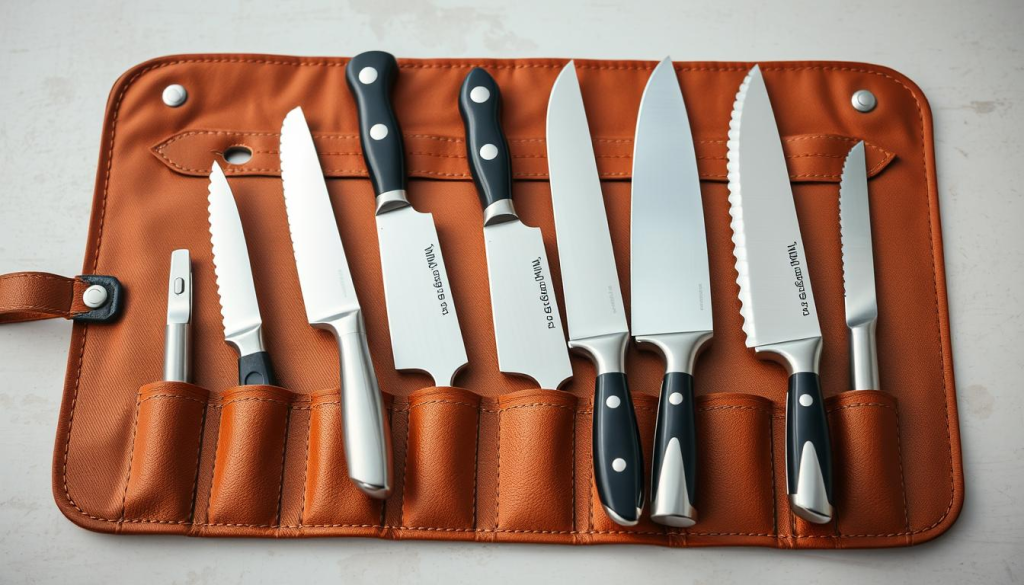
Knife rolls come in various materials and designs, each with its own set of benefits. Some of the most common types include:
- Canvas Knife Rolls: Durable and easy to clean, canvas knife rolls are a popular choice among chefs.
- Nylon Knife Rolls: Water-resistant and lightweight, nylon knife rolls offer a practical solution for transporting knives.
- Leather Knife Rolls: For a more premium feel, leather knife rolls provide a sophisticated look and feel.
Features to Look For
When selecting a knife roll, there are several features to consider to ensure you’re getting the best product for your needs. These include:
- Size and Capacity: Consider how many knives you need to store and choose a roll that can accommodate them comfortably.
- Material and Durability: Think about the material and how it will withstand regular use and cleaning.
- Organization Features: Some knife rolls come with additional pockets or compartments for organizing other kitchen tools.
- Closure and Security: Look for a knife roll with a secure closure system to prevent knives from falling out during transport.
By considering these factors and types of knife rolls, you can make an informed decision that meets your needs for storing and transporting your knives effectively.
Preparing Your Knives for Storage
Before you store your knives in a roll, it’s crucial to prepare them properly to maintain their quality and performance. This step is often overlooked, but it’s essential for extending the life of your knives and ensuring they remain safe to use.
Cleaning Your Knives
Cleaning your knives is the first step in preparing them for storage. Use a mild soap and warm water to clean the blades, and dry them thoroughly to prevent rust. “A clean knife is a safe knife,” as the saying goes, and it’s especially true when storing them for extended periods. Pay special attention to the areas around the handle and blade junction, where debris tends to accumulate.
Checking for Damage
Inspecting your knives for damage is a critical step before storing them. Check for any signs of wear, such as nicks, dings, or rust on the blade, and ensure the handle is secure. If you find any damage, it’s best to address it before storing your knives. As
“A small nick can become a big problem if not addressed promptly.”
Regular inspection can prevent minor issues from becoming major problems.
Proper care and storage, including checking for damage, are key aspects of knife care and storage. By doing so, you’ll not only prolong the life of your knives but also ensure they remain safe and effective for their intended use.
Organizing Your Knives Before Packing
Before you start packing your knives, it’sizing them in a way that maximizes space and accessibility is crucial for efficient storage.
Categorizing Knives
Categorizing your knives is the first step towards efficient packing. Group similar knives together, such that all chef’s knives or all paring knives are stored together. This makes it easier to find a specific knife and helps in arranging them in a way that optimizes space within the roll.
| Knife Type | Category | Storage Tip |
|---|---|---|
| Chef’s Knife | Primary Cutting Tool | Store in easily accessible. |
| Paring Knife | Secondary Cutting Tool | Store with other secondary knives. |
Arranging by Size or Type
Once you have categorized your knives, the next step is to arrange them in a manner that maximizes space. Arrange knives by size, with the largest knives at the bottom or in a designated large knife slot, and the smaller ones towards the top or in smaller slots. Alternatively, grouping knives by type can also be effective.
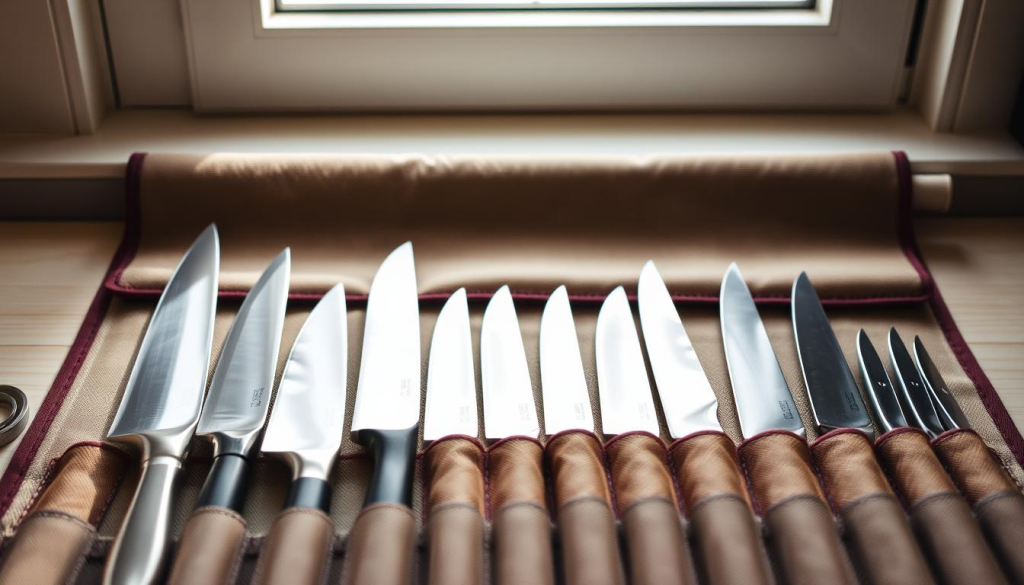
Maximizing space is crucial when packing knives into a roll. By organizing your knives by size or type, you can ensure that you are making the most efficient use of the space available. This not only allows you to carry more knives but also helps in keeping them organized and easily accessible.
How to Safely Position Your Knives in the Roll
Properly positioning your knives in a knife roll is crucial for maintaining their condition and ensuring safety. When done correctly, it prevents damage to the blades and protects users from potential cuts or injuries.
Placing Knives in the Blade Guards
The first step in safely positioning your knives is to place them in the blade guards provided with the knife roll. Blade guards are designed to protect the cutting edges of your knives and prevent them from coming into contact with other objects or people. To do this effectively:
- Carefully insert each knife into its respective guard, ensuring the blade is fully covered.
- Make sure the guards are not damaged or worn out, as this could compromise their protective function.
Aligning Knives for Easy Access
Once your knives are secured in their guards, the next step is to align them within the roll for easy access. A well-organized knife roll not only saves time but also reduces the risk of accidents. To achieve this:
- Arrange the knives in a logical order, such as by size or type, to facilitate quick identification.
- Ensure that the knives are not overcrowded, as this can lead to damage or difficulty in retrieving a specific knife.
As
“A good chef is always prepared, and that includes having their knives in order.”
This quote emphasizes the importance of organization and preparation in the kitchen, including how you store your knives.
By following these steps, you can ensure that your knives are safely positioned in the roll, maintaining their quality and your safety.
Securing the Knives in the Knife Roll
Properly securing knives in a knife roll is vital for both the longevity of the knives and user safety. When knives are not secured correctly, they can move around during transport, potentially causing damage or injury. Therefore, understanding how to effectively secure your knives is a crucial step in utilizing a knife roll.
Using Straps and Fasteners
Most knife rolls come equipped with straps or fasteners designed to keep the knives in place. Using these straps correctly is essential for maintaining the security of your knives. To do this effectively, place your knives in the designated slots, and then tighten the straps around them. This ensures that the knives remain stationary and are protected from movement.
The type of strap or fastener used can vary depending on the knife roll. Some may have Velcro straps, while others might use buckles or elastic bands. Regardless of the type, the principle remains the same: to keep the knives firmly in place. When choosing a knife roll, consider the quality and adjustability of its straps, as this can significantly impact the security of your knives.
Ensuring Stability During Transport
Ensuring the stability of your knife roll during transport is just as important as securing the knives within it. When moving your knife roll, it’s advisable to keep it upright and supported to prevent any accidental drops or tilts that could compromise the security of the knives inside.
| Best Practices | Benefits |
|---|---|
| Secure knives with straps or fasteners | Prevents knife movement and damage |
| Keep the knife roll upright during transport | Reduces the risk of accidents |
| Regularly inspect straps and fasteners | Ensures continued security and safety |
By following these guidelines and utilizing the straps and fasteners provided with your knife roll, you can ensure that your knives remain secure and protected. This not only prolongs the life of your knives but also contributes to a safer working environment, aligning with best practices for storing knives.
Tips for Traveling with Your Knife Roll
For chefs on the go, a well-packed knife roll is essential for maintaining their arsenal of culinary tools. Whether you’re heading to a cooking competition or a culinary event, it’s crucial to ensure your knives are safely stored and easily transportable.
Packing Essentials for Chefs
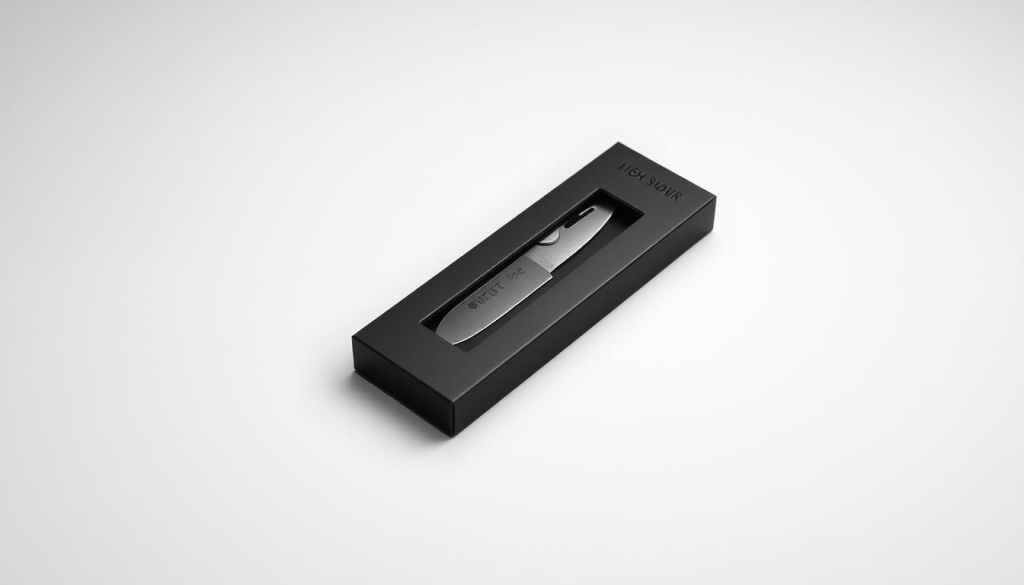
When packing your knife roll, consider including a few essentials to keep your knives in top condition. A soft cloth can be used to wrap around the blades to prevent scratching. It’s also a good idea to pack a small sharpening stone to maintain your knives’ edges on the go.
| Packing Essentials | Purpose |
|---|---|
| Soft Cloth | Protects blades from scratching |
| Sharpening Stone | Maintains knife edges |
“A good chef always takes care of their knives. It’s not just about having the right tools, but also about maintaining them.” – Chef’s Wisdom
Maintaining Knife Integrity on the Go
To keep your knives in good condition while traveling, make sure they are securely placed in the knife roll. Avoid overcrowding, as this can cause damage to the blades. Regularly cleaning and drying your knives after use will also help prevent rust and maintain their sharpness.
Proper Storage is key to extending the life of your knives. By following these simple tips, you can ensure your knives remain in excellent condition, ready for your next culinary adventure.
Cleaning and Maintaining Your Knife Roll
Proper care for your knife roll is as important as caring for your knives themselves. A well-maintained knife roll protects your knives and ensures they remain in top condition. Regular maintenance also extends the life of your knife roll, making it a worthwhile investment for any chef or cooking enthusiast.
Regular Cleaning Practices
To keep your knife roll in good condition, regular cleaning is essential. Start by emptying the roll and inspecting it for any debris or stains. For most knife rolls, a simple wipe down with a damp cloth is sufficient. For tougher stains, a mild soap solution can be used. It’s crucial to dry the roll thoroughly after cleaning to prevent moisture buildup, which can lead to mold or mildew.
Tips for Effective Cleaning:
- Use a soft-bristled brush to remove any debris from the roll’s crevices.
- Avoid using harsh chemicals that could damage the material.
- Regularly cleaning your knife roll is part of good knife roll organization tips.
Signs Your Knife Roll Needs Replacement
Even with proper care, knife rolls have a limited lifespan. Signs that it’s time to replace your knife roll include visible wear and tear, persistent odors despite regular cleaning, and any damage that compromises the protection of your knives.
| Signs of Wear | Description | Action |
|---|---|---|
| Visible Tears or Holes | The roll is damaged, exposing knives to potential damage. | Replace the knife roll. |
| Stubborn Odors | Despite cleaning, the roll retains unpleasant smells. | Consider replacing if odors persist after thorough cleaning. |
| Loss of Shape | The roll no longer holds knives securely. | Replace to ensure proper knife placement in a roll. |
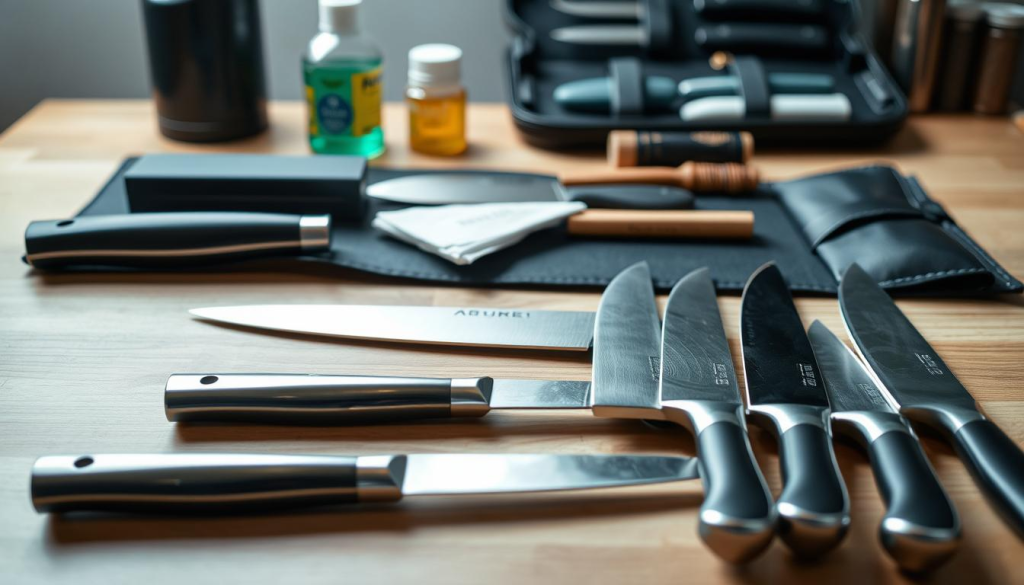
By following these guidelines, you can ensure your knife roll remains in good condition, protecting your knives and making your culinary tasks more efficient.
Storing Your Knife Roll When Not in Use
Proper storage of your knife roll is essential to maintain its quality and extend its lifespan. When not in use, your knife roll should be stored in a way that protects your knives and keeps them organized.
Best Practices for Home Storage
To store your knife roll effectively, consider the following best practices:
- Store your knife roll in a dry place to prevent moisture damage.
- Keep it away from direct sunlight, which can cause the materials to degrade.
- Use a designated storage area or hook to keep the knife roll off the floor and prevent it from getting damaged.
- Consider storing your knife roll in a protective case or bag to shield it from dust and other contaminants.
Maximizing Storage Space
To maximize storage space, you can hang your knife roll on a wall or on the back of a door. This not only saves space but also keeps your knives within easy reach.
| Storage Method | Benefits | Considerations |
|---|---|---|
| Hanging | Saves space, easy access | Ensure the hook is sturdy |
| Drawer Storage | Protects from dust, keeps organized | May take up drawer space |
| Countertop Storage | EASY access, visible | May clutter countertops |
Avoiding Common Mistakes
When storing your knife roll, there are several common mistakes to avoid:
- Storing in humid environments, which can lead to rust or mold.
- Failing to clean the knife roll before storage, which can lead to the accumulation of debris and bacteria.
- Overcrowding the knife roll, which can cause damage to the knives and the roll itself.
By following these best practices and avoiding common mistakes, you can ensure that your knife roll remains in good condition and your knives stay sharp and ready for use.
Customizing Your Knife Roll
## Customizing Your Knife Roll
A personalized knife roll not only reflects your style but also improves the way you store and transport your knives. Customization can enhance both the functionality and aesthetic appeal of your knife roll, making it a unique reflection of your needs and preferences.
### Adding Personal Touches
Personalization can be as simple as adding your name or initials to the knife roll. Many manufacturers offer customization options such as monogramming or personalized embroidery. This not only adds a touch of elegance but also helps in identifying your knife roll.
You can also consider the color and material of the knife roll. Choosing a color that matches your kitchen decor or selecting a material that is durable and easy to clean can enhance your overall experience. Some knife rolls come with interchangeable covers, allowing you to change the look and feel of your knife roll as desired.
### Accessories for Enhanced Utility
Beyond personalization, there are several accessories that can enhance the utility of your knife roll. For instance, adding knife guards or sheaths can protect your knives during transport and storage. Some knife rolls come with built-in sharpening stones or storage pouches for other kitchen tools.
To maximize the functionality of your knife roll, consider the following accessories:
- Knife sharpeners
- Pouches for additional kitchen tools
- Straps or bands for securing the roll
- Protective cases for storing the roll when not in use
| Accessory | Description | Benefit |
|——————|————————————————–|—————————————————–|
| Knife Sharpener | Sharpens knives to maintain their edge | Keeps knives in optimal condition |
| Storage Pouches | Additional storage for kitchen tools | Keeps tools organized organized and within reach |
| Strap | Secures the knife roll when closed | Prevents accidental opening during transport |
| Protective Case | Durable case for storing the knife roll | Protects the knife roll from damage when not in use |
By customizing your knife roll with personal touches and useful accessories, you can create a storage solution that is both functional and reflective of your personal style.
Recycling or Disposing of Old Knife Rolls
Eventually, your knife roll may reach the end of its lifespan. When this happens, consider eco-friendly options for disposal. Many knife rolls are made from materials that can be recycled or repurposed.
Environmentally Friendly Disposal Methods
Look into local recycling programs that accept the materials your knife roll is made of. Some manufacturers also offer take-back programs or guidance on how to properly dispose of their products. Proper disposal is a crucial aspect of knife care and storage.
Signs It’s Time for a New Knife Roll
If your knife roll shows signs of wear, such as frayed straps or torn fabric, it may be time to replace it. A damaged knife roll can compromise the safety and integrity of your knives. Knowing how to put knives in a knife roll correctly is important, but so is having a roll that’s in good condition.
By choosing to recycle or properly dispose of your old knife roll and selecting a new one that’s well-suited to your needs, you’re ensuring the longevity of your knives and maintaining proper knife care and storage.