Cooking at home brings me so much joy, but it also requires respect for the tools in my hand. I remember my first time trying to dice an onion without any real guidance. It was messy and honestly quite dangerous for my fingertips.
Learning the proper use of knife techniques changed everything about how I navigate my kitchen. I started focusing on my grip and how I position my cutting board. These simple knife safety tips helped me become more confident and efficient every single day.
Safety isn’t just about avoiding accidents; it is about mastering your craft. When I handle my sharp blades with care, I feel like a professional chef. I want to share my journey and the best ways to keep your kitchen sessions both fun and secure.
Key Takeaways
- Always maintain a sharp edge to prevent the blade from slipping during tasks.
- Use the claw grip to keep your fingertips tucked away from the sharp edge.
- Ensure your cutting board is stable and secure by placing a damp cloth underneath it.
- Keep your eyes on your work to maintain total focus and avoid distractions while cutting.
- Never try to catch a falling blade; simply step back and let it hit the floor.
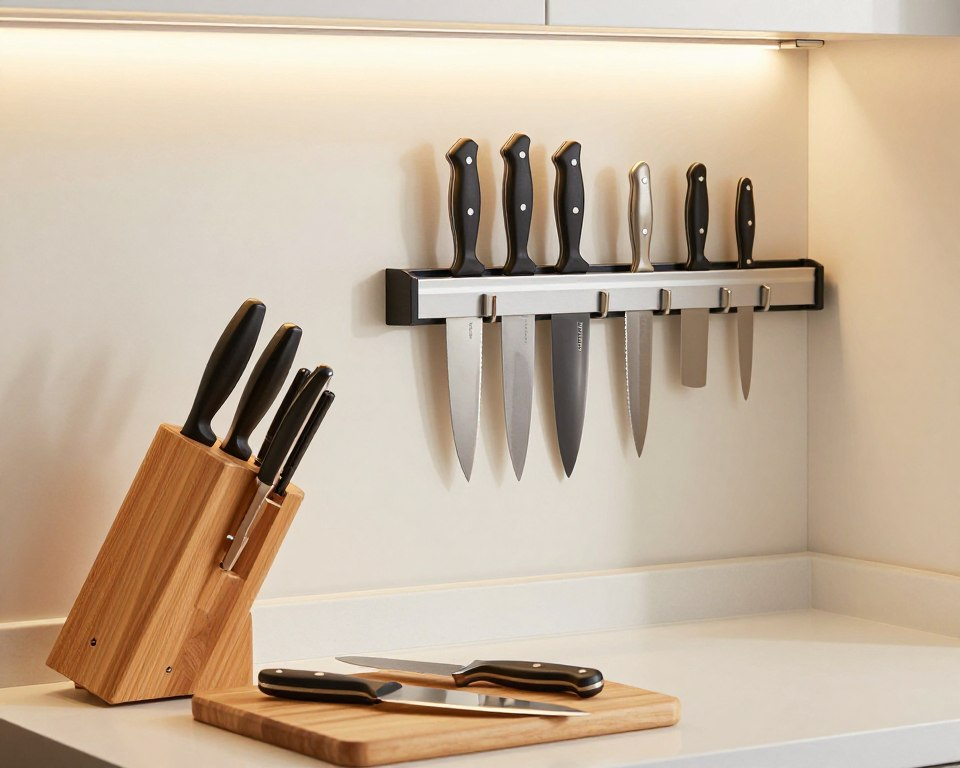
- Store your tools in a block or magnetic strip to protect the edges and your hands.
1. Understanding the Fundamentals of Knife Safety
Understanding the basics of knife safety can significantly reduce the risk of injury in the kitchen. As someone who has spent years honing their cooking skills, I’ve come to realize that knife safety is not just a precaution, but a fundamental aspect of cooking itself.
Why Knife Safety Matters in Every Kitchen
Knife safety matters because it prevents accidents that can be painful and debilitating. A cut from a sharp knife can be deep and may require medical attention, potentially keeping you out of the kitchen for weeks. Moreover, a safe kitchen is a more efficient and enjoyable workspace.
By following basic knife safety tips, you can minimize the risk of accidents. This includes being mindful of your surroundings, keeping your knives sharp, and storing them properly when not in use.
Common Knife-Related Injuries I’ve Witnessed
Over the years, I’ve seen my fair share of knife-related injuries, from minor cuts to more serious lacerations. One of the most common mistakes is cutting towards oneself, which can happen when you’re not paying attention to your hand positioning or when you’re using a dull knife that requires more force.
Another frequent issue is accidental contact with a sharp blade, often occurring when knives are left lying around or not stored correctly. These incidents can be avoided by adopting safe knife handling techniques and maintaining a tidy kitchen workspace.
The Golden Rules I Follow Every Time I Pick Up a Knife
My approach to knife safety is guided by a set of golden rules that I’ve developed over time. First, I always ensure my knives are sharp, as dull knives are more likely to cause accidents. Second, I maintain a firm, controlled grip on the knife handle, never holding it loosely or allowing my fingers to stray near the blade.
I also keep my fingers curled under and out of the way of the blade, using the “claw grip” technique to guide the knife and protect my fingertips. Additionally, I always cut away from my body, ensuring that if the knife slips, it won’t cut me.
By adhering to these principles, I’ve been able to cook safely and efficiently, even in a busy kitchen environment. It’s a mindset that prioritizes caution and control, making cooking a more enjoyable and safe experience.
2. Choosing the Right Knife for Each Task
In my experience, choosing the correct knife is vital for achieving the desired results in cooking. Having the right tool for the job not only enhances efficiency but also ensures safety in the kitchen.
When it comes to knife handling techniques, understanding the different types of knives and their specific uses is fundamental. This knowledge allows for more precise and safe cutting, which is essential for preparing a variety of dishes.
Chef’s Knife: My Go-To Kitchen Workhorse
My chef’s knife is an indispensable tool in my kitchen. It’s versatile and used for a multitude of tasks, from chopping vegetables to slicing meat. A good chef’s knife should feel balanced in your hand and have a sharp edge that can be maintained with regular kitchen knife care.
According to culinary experts, a chef’s knife is considered the most essential knife in any kitchen. As Chef Thomas Keller once said, “A good knife is like a good friend; it becomes an extension of yourself.” This quote underscores the importance of selecting a high-quality chef’s knife that feels comfortable and suits your cooking style.
Paring Knife: When I Need Precision
A paring knife is used for tasks that require precision, such as peeling fruits and vegetables or cutting small pieces of meat. Its small size and sharp point make it ideal for detailed work.
For tasks that demand precision, a paring knife is my tool of choice. It’s perfect for coring apples or deveining shrimp, tasks that require a delicate touch.
Serrated Knife: My Secret for Bread and Tomatoes
A serrated knife is designed for cutting through foods with a hard exterior and soft interior, such as bread and tomatoes. The serrated edge helps to prevent the knife from slipping and tearing the food.
Using a serrated knife for bread and tomatoes has been a game-changer in my kitchen. It ensures clean cuts and prevents the bread from becoming squished or the tomatoes from being crushed.
Utility and Specialty Knives I Keep on Hand
In addition to the essential knives, I also keep utility and specialty knives in my kitchen. These include knives for specific tasks, such as filleting fish or boning meat.
| Knife Type | Primary Use | Key Feature |
|---|---|---|
| Chef’s Knife | Chopping, slicing | Versatility |
| Paring Knife | Precision tasks | Small size, sharp point |
| Serrated Knife | Cutting bread, tomatoes | Serrated edge |
| Utility Knife | Various tasks | Flexible, handy |
Having the right knife for each task not only improves my cooking efficiency but also enhances my overall kitchen safety. By understanding the different types of knives and their uses, I can ensure that I’m always prepared for any culinary task.
3. The Importance of Sharp Knives for Safety and Efficiency
I’ve learned that using sharp knives is fundamental to preventing accidents and achieving culinary success. A sharp knife is not just a tool; it’s a safeguard against the excessive force that can lead to slips and cuts. When knives are dull, they require more pressure to cut through ingredients, increasing the risk of losing control.
Why I Never Work with Dull Knives
Dull knives are a hazard in the kitchen. They demand more force, which can cause the knife to slip and potentially lead to injury. In contrast, a sharp knife glides through ingredients smoothly, allowing for precise cuts with minimal effort. As knife safety experts emphasize, the risk of accidents significantly decreases with sharp knives.
A sharp knife is a safe knife, a mantra that I adhere to in my kitchen practices. The importance of sharp knives is underscored by their role in reducing the force needed for cutting, thereby minimizing the risk of accidents.
How I Test My Knife’s Sharpness
Testing a knife’s sharpness is straightforward and doesn’t require specialized equipment. There are a couple of simple methods I use to check if my knives are ready for use.
- The Paper Test Method: This involves gently slicing through a sheet of paper. A sharp knife will cut through cleanly and smoothly.
- The Tomato Test: A more practical test involves cutting through a tomato. A sharp knife will slice through the tomato’s skin and flesh with ease.
The Tomato Test
The tomato test is particularly useful because it not only checks the knife’s sharpness but also its ability to cut through a relatively soft, yet slightly resistant, material. A sharp knife will make a clean cut without applying too much pressure, which is crucial for maintaining control.
Recognizing When My Knives Need Attention
Recognizing the signs that indicate a knife needs sharpening or maintenance is crucial. Some key indicators include:
- Difficulty in cutting through ingredients that were previously easy to cut.
- A noticeable increase in the force required to make cuts.
- Visible signs of wear on the blade, such as nicks or dull edges.
Regularly checking my knives and maintaining them not only ensures their longevity but also enhances kitchen safety and efficiency. By keeping my knives sharp, I can work more effectively and with greater confidence.
4. Proper Use of Knife: Essential Handling Techniques
Mastering the art of knife handling is crucial for both safety and efficiency in the kitchen. Proper knife handling techniques not only reduce the risk of accidents but also improve your overall cooking experience.
The Correct Grip I Always Use
The grip is the foundation of effective knife handling. A correct grip provides control, precision, and comfort while cutting.
The Pinch Grip for Maximum Control
I always use the pinch grip for maximum control over the knife. This grip involves holding the blade between your thumb and index finger, with your other fingers wrapped around the handle. The pinch grip allows for precise movements and is ideal for delicate tasks.
When I Use the Handle Grip
The handle grip is used for tasks that require more force, such as chopping through bones or thick vegetables. In this grip, I hold the handle firmly with all my fingers, ensuring a secure grasp.
Hand Positioning and the Claw Technique
Proper hand positioning is critical for safe and effective cutting. The claw technique is a fundamental aspect of hand positioning.
Protecting My Fingertips
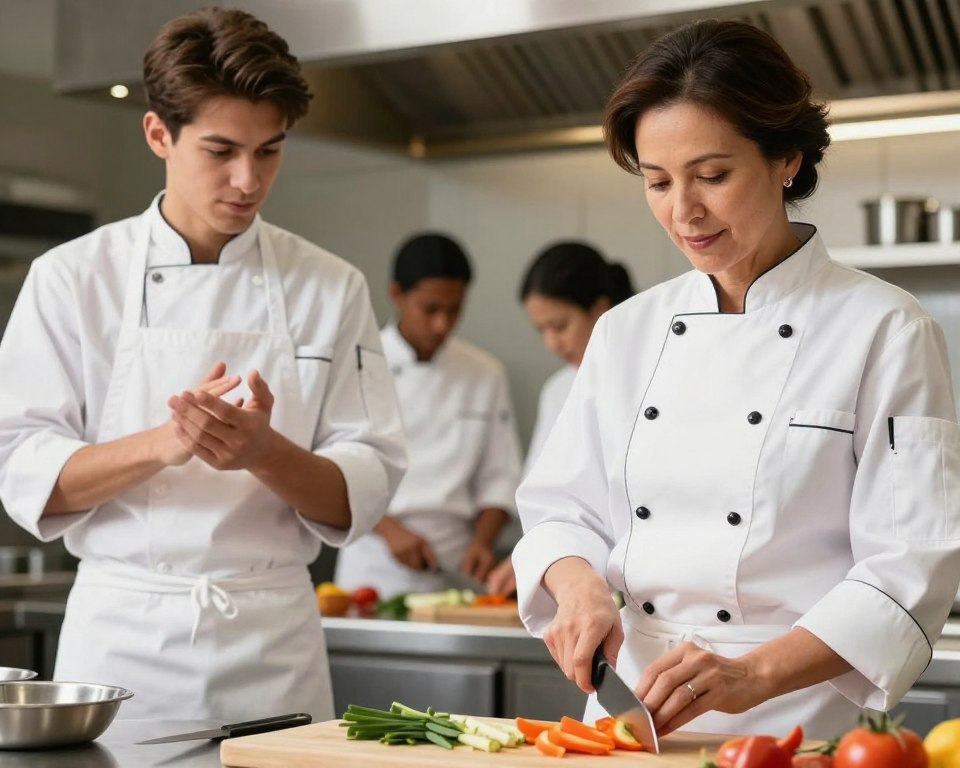
To protect my fingertips, I curl them under and use my knuckles as a guide for the knife. This technique, known as the claw technique, helps prevent accidental cuts.
Using My Knuckles as a Guide
By using my knuckles as a guide, I can maintain a consistent cutting distance and avoid cutting myself. This technique requires practice to master but is essential for safe knife handling.
Maintaining Proper Body Posture While Cutting
Maintaining proper body posture is vital for comfort and safety while cutting. I stand with my feet shoulder-width apart and keep my back straight, ensuring a stable position.
Creating a Stable Cutting Surface
A stable cutting surface is essential for safe and effective cutting. I ensure that my cutting board is secure and won’t move around while I’m cutting.
| Technique | Description | Benefit |
|---|---|---|
| Pinch Grip | Holding the blade between thumb and index finger | Maximum control and precision |
| Handle Grip | Holding the handle firmly with all fingers | More force and leverage for tough tasks |
| Claw Technique | Curling fingertips under and using knuckles as a guide | Protects fingertips from cuts |
5. Mastering Basic Cutting Techniques
The art of cutting is a critical component of cooking that requires practice and patience. As I continue to hone my skills in the kitchen, I’ve come to realize that mastering basic cutting techniques is essential for efficient and safe food preparation.
The Rock Chop Method I Use Daily
The rock chop is a fundamental technique that I use daily to prepare a variety of ingredients. It’s a versatile method that can be applied to different foods, from vegetables to herbs.
Setting Up the Rock Chop
To set up the rock chop, I start by positioning the knife at a 45-degree angle to the cutting board. I then place the tip of the knife on the board and gently rock the blade back and forth, applying gentle pressure.
Maintaining Rhythm and Control
Maintaining a consistent rhythm and control is crucial when using the rock chop method. I focus on applying gentle, repetitive motions to achieve uniform cuts.
Slicing Technique for Consistent Results
Slicing is another essential cutting technique that requires precision and control. To achieve consistent results, I use a smooth, even motion, applying gentle pressure to the knife.
Dicing and Mincing Like a Professional
Dicing and mincing are critical techniques for preparing ingredients for a variety of dishes. To dice or mince like a professional, I use a combination of the rock chop and slicing techniques.
| Cutting Technique | Description | Best Used For |
|---|---|---|
| Rock Chop | A chopping motion that uses a 45-degree angle | Herbs, vegetables, and nuts |
| Slicing | A smooth, even motion to achieve uniform cuts | Meat, bread, and vegetables |
| Dicing | A combination of rock chop and slicing techniques | Vegetables, fruits, and meat |
Julienne and Chiffonade Cuts for Presentation
Julienne and chiffonade cuts are specialized techniques used to add visual appeal to dishes. To achieve these cuts, I use a sharp knife and precise control to create uniform strips or shreds.
By mastering these basic cutting techniques, I can enhance my overall cooking skills and create visually appealing dishes.
6. Knife Handling Techniques for Different Foods
As I continue to hone my skills, I’ve learned that adapting knife techniques to different foods is key to culinary success. Whether I’m preparing a simple salad or a complex dish, the way I handle my knife can make all the difference in terms of safety, efficiency, and the final presentation of the dish.
How I Cut Vegetables Safely
Cutting vegetables safely requires attention to their shape, size, and texture. I’ve developed a few techniques over the years that help me navigate this process with ease.
Round Vegetables: Creating a Flat Surface First
When dealing with round vegetables like onions or bell peppers, I always create a flat surface first. This simple step helps prevent the vegetable from rolling around on the cutting board, reducing the risk of accidents.
To do this, I place the vegetable on its side and carefully slice off a small portion of the top or bottom. This creates a stable base, allowing me to chop or slice the vegetable with confidence.
Leafy Greens and Herbs
Leafy greens and herbs require a delicate touch to avoid bruising or tearing. I use a gentle pressing motion with my knife to chop these ingredients, taking care not to apply too much pressure.
For herbs like basil or parsley, I often stack the leaves on top of each other, roll them into a tight cylinder, and then slice through the roll to create uniform pieces.
Working with Meat and Poultry
When working with meat and poultry, it’s essential to use techniques that ensure both safety and the quality of the final dish.
Trimming Fat and Silver Skin
Trimming excess fat and silver skin from meat is a crucial step in preparing it for cooking. I use a sharp knife to carefully cut away these unwanted parts, taking care not to cut too deeply and waste valuable meat.
Cutting Against the Grain
Cutting against the grain is vital when slicing meat to ensure tenderness. I always examine the meat to identify the direction of the muscle fibers before making my cuts.
| Food Type | Recommended Knife Technique | Safety Precautions |
|---|---|---|
| Round Vegetables | Create a flat surface first | Stable cutting board, gentle pressure |
| Leafy Greens and Herbs | Gentle pressing motion | Avoid bruising or tearing |
| Meat and Poultry | Cut against the grain | Sharp knife, cut on stable surface |
Handling Fruits and Softer Items Without Slipping
Fruits and softer items can be challenging to cut due to their texture. I’ve found that using the correct knife technique and maintaining a firm grip on the fruit can help prevent slipping.
For fruits like apples or pears, I use a gentle sawing motion to cut through the flesh, applying gentle pressure to avoid applying too much pressure and causing the fruit to break apart.
7. Kitchen Knife Care and Maintenance Practices
To keep your knives in top condition, it’s vital to understand the basics of knife care. Proper maintenance not only extends the life of your knives but also ensures they remain safe and effective to use. In this section, I’ll share my personal approach to cleaning, honing, sharpening, and preventing damage to my kitchen knives.
How I Clean My Knives Properly
Cleaning your knives properly is the first step in maintaining them. I’ve learned that it’s not just about wiping them down; it’s about doing it correctly to prevent damage.
Why I Never Put Knives in the Dishwasher
I never put my knives in the dishwasher because the high heat and harsh detergents can damage the blade and handle. Hand washing is always the best option to preserve the quality of your knives.
My Hand-Washing Technique
I wash my knives immediately after use with mild soap and warm water. Using a soft sponge, I gently clean the blade, taking care not to touch the sharp edge. After washing, I dry my knives thoroughly with a towel to prevent water spots and rust.
Honing vs. Sharpening: What I’ve Learned
Understanding the difference between honing and sharpening is crucial for maintaining your knives. Honing realigns the edge of the blade, while sharpening removes metal to create a new edge.
Using a Honing Steel Before Each Use
I use a honing steel before each use to realign the blade’s edge. This simple step ensures my knives are always performing at their best.
When I Sharpen My Knives
I sharpen my knives when they become dull, which can be determined by the paper test or when they start to feel resistant while cutting. Regular sharpening maintains the knife’s effectiveness.
My Approach to Knife Sharpening
Sharpening knives requires some skill and the right tools. I’ve found that using the right sharpening method makes a significant difference in the performance of my knives.
Whetstones: My Preferred Method
I prefer using whetstones for sharpening my knives. They offer a high level of control and can be used to sharpen both straight and serrated edges.
Electric Sharpeners and Pull-Through Sharpeners
While whetstones are my preferred method, I also recognize the convenience of electric sharpeners and pull-through sharpeners. These tools can be useful for quick touch-ups and for those less experienced with sharpening.
Preventing Rust and Corrosion
Preventing rust and corrosion is essential, especially for carbon steel knives. I ensure my knives are dry after washing and store them in a dry environment. Regularly oiling my knives also helps to prevent rust.
- Dry knives thoroughly after washing
- Store knives in a dry environment
- Regularly oil your knives to prevent rust
8. Knife Storage Tips for Safety and Longevity
I’ve learned that storing knives correctly is a vital aspect of kitchen safety and knife longevity. Proper storage not only keeps your knives in good condition but also prevents accidents.
Knife Blocks: What I Look For
Knife blocks are a popular storage solution. When choosing a knife block, I look for one that is made from a durable material and has slots that are spaced appropriately to hold various knife sizes securely. A good knife block should keep your knives organized and within easy reach.
The material of the block is also important; it should be easy to clean and resistant to wear. I’ve found that wooden or plastic blocks are common and effective options.
In-Drawer Organizers I Recommend
In-drawer organizers are another excellent storage option, especially for those with limited counter space. These organizers typically consist of dividers or slots that keep knives separate and prevent them from coming into contact with other utensils.
When selecting an in-drawer organizer, consider the size of your knives and the layout of your drawer. A well-designed organizer will protect both your knives and your hands.
Magnetic Knife Strips: My Space-Saving Solution
Magnetic knife strips are a great space-saving solution. They can be mounted on a wall or on the side of a cabinet, keeping your knives accessible yet out of the way.
Magnetic strips are particularly useful in smaller kitchens where counter and drawer space is limited. Ensure the strip is strong enough to hold the weight of your knives.
Blade Guards and Protective Sheaths for Travel
For those who need to transport their knives, blade guards or protective sheaths are essential. These covers protect the blade from damage and prevent accidental cuts.
When traveling with knives, always use a protective sheath to ensure safety and comply with any relevant regulations.
Storage Mistakes I Avoid
One common storage mistake is throwing knives loosely into a drawer. This can lead to damage to the knives and potentially cause injuries.
Avoid storing knives in a way that they are in contact with other metal utensils or are exposed. Proper storage is key to maintaining your knives and ensuring kitchen safety.
9. Developing Your Knife Skills Development Over Time
As I continue on my culinary journey, I’ve come to realize that developing knife skills is a continuous process that requires patience and practice. It’s not just about learning the basic cuts; it’s about refining your technique and building muscle memory.
Practice Exercises I Give to Beginners
When I’m teaching beginners, I always start with simple exercises that help build confidence and dexterity. Two of my favorite exercises are the onion dicing exercise and practicing the claw technique with carrots.
The Onion Dicing Exercise
Dicing an onion is a fundamental skill that requires precision and control. I recommend starting with a small onion and focusing on making uniform cuts. As you become more comfortable, you can gradually move on to larger onions.
Practicing the Claw Technique with Carrots
The claw technique is essential for safe and efficient cutting. I practice this technique by cutting carrots into thin slices or julienne strips. It’s a great way to develop finger strength and coordination.
Building Speed Without Sacrificing Safety
As you become more comfortable with basic cutting techniques, it’s natural to want to increase your speed. However, safety should always be your top priority. I focus on making smooth, controlled cuts rather than rushing through the process.
“The key to building speed is to practice regularly and focus on proper technique,” says Chef Thomas Keller, a renowned culinary expert. By following this advice, you can improve your knife skills without compromising safety.
Resources and Techniques I’ve Learned from Professional Chefs
I’ve had the opportunity to learn from some exceptional chefs, and I’ve picked up valuable tips and techniques along the way. One of the most useful resources I’ve found is online tutorials and cooking classes that focus on knife skills.
I also recommend checking out cookbooks and online forums where professional chefs share their experiences and advice. By learning from others and practicing regularly, you can continue to improve your knife skills over time.
Setting Realistic Goals for Improvement
To make progress in your knife skills development, it’s essential to set realistic goals. I recommend starting with small, achievable goals, such as mastering a new cutting technique each week. By setting achievable milestones, you can stay motivated and track your progress.
“The most important thing is to be consistent and patient. With regular practice, you’ll see improvement over time,” says Chef Julia Child. By following this advice and staying committed to your goals, you can develop the knife skills you need to succeed in the kitchen.
10. Conclusion
As we’ve explored throughout this article, the proper use of a knife is fundamental to both kitchen safety and efficiency. By understanding the fundamentals of knife safety, choosing the right knife for each task, and maintaining sharp knives, we can significantly reduce the risk of accidents.
Mastering basic cutting techniques, handling different foods with care, and properly storing knives are also crucial elements in creating a safe and functional kitchen environment. Regular practice and adherence to knife care and maintenance practices will further enhance your skills.
By applying the knife safety tips and techniques discussed, you’ll not only improve your cooking experience but also ensure a safer kitchen for everyone. Whether you’re a beginner or an experienced cook, the importance of proper knife use cannot be overstated. It’s a skill that benefits every aspect of cooking, from preparation to presentation.
As you continue to develop your knife skills, remember that patience and consistent practice are key. With time, you’ll find that your confidence and efficiency in the kitchen grow, making cooking a more enjoyable and rewarding experience.