Proper knife storage is crucial for maintaining the quality and longevity of your knives. Using a knife roll is an effective way to store and transport your knives safely. A knife roll not only protects your knives from damage but also keeps them organized and within reach.
Choosing the right knife carrying solution can be overwhelming, but it’s essential for any knife enthusiast or professional. A good knife roll should be durable, easy to clean, and have individual compartments to prevent knives from colliding.
Key Takeaways
- Proper knife storage maintains knife quality and longevity.
- A knife roll is an effective storage and carrying solution.
- Choose a durable and easy-to-clean knife roll.
- Individual compartments prevent knife damage.
- Safe storage keeps knives within reach and organized.
Understanding the Importance of Knife Rolls
Knife rolls have become a staple for culinary professionals who understand the importance of protecting their knives during travel and storage. A well-organized knife roll not only safeguards your knives but also makes it easier to transport them, whether you’re heading to a cooking class or a culinary event.
The concept of a knife roll is simple yet effective. It’s a cylindrical or rolled storage solution designed specifically for knives, providing a safe and organized way to store multiple knives. This not only protects the knives from damage but also prevents accidents that could occur when handling loose knives.
What is a Knife Roll?
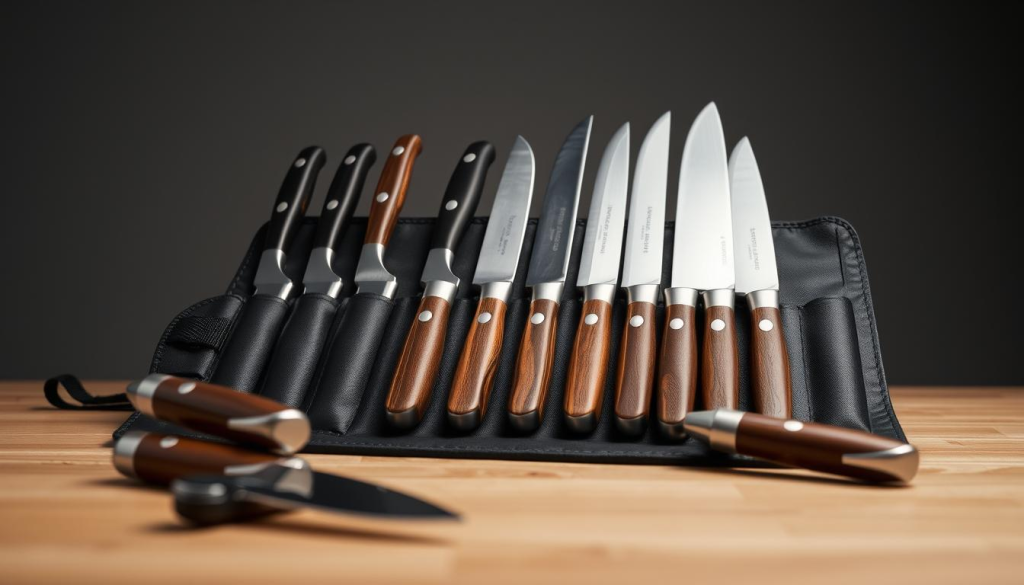
A knife roll is a type of storage bag or case that is designed to hold and protect knives. It’s typically made of durable materials such as canvas, nylon, or leather, and features individual slots or compartments to store knives securely. The roll design allows it to be easily carried or stored, making it a convenient option for chefs on the go.
The benefits of using a knife roll include:
- Protection: Knives are safeguarded against damage and wear.
- Organization: Multiple knives can be stored in an organized manner.
- Portability: The roll design makes it easy to carry knives to different locations.
Why Use a Knife Roll?
Using a knife roll offers several advantages, particularly for professionals who travel frequently or need to transport their knives regularly. Some of the key reasons to use a knife roll include:
- Enhanced Protection: The individual slots within the roll protect each knife from coming into contact with others, reducing the risk of damage.
- Improved Organization: A knife roll helps keep your knives organized, making it easier to find the right knife when you need it.
- Convenience: The compact design of a knife roll makes it easy to store in a kitchen or carry in a bag.
By understanding the importance of a knife roll and how it can benefit your knife storage and transportation needs, you can take the first step towards better knife care and organization.
Choosing the Right Knife Roll
When it comes to storing knives, the right knife roll can make all the difference. A good knife roll not only protects your knives but also makes them easily accessible when you need them.
Materials to Consider
The material of your knife roll is crucial as it affects durability, ease of cleaning, and overall performance. Knife rolls are typically made from leather, canvas, or nylon. Each material has its advantages:
- Leather is durable and develops a beautiful patina over time, but it can be more expensive.
- Canvas is a more affordable option and is often treated for water resistance, making it a practical choice.
- Nylon is lightweight, easy to clean, and resistant to water, ideal for those who need a low-maintenance option.
Consider your needs and preferences when choosing the material for your knife roll.
Size and Capacity Options
The size and capacity of your knife roll are just as important as the material. You need a roll that can accommodate all your knives comfortably without being too bulky. Here are some factors to consider:
- Count the number of knives you need to store.
- Consider the size of your knives, including any large or specialty knives.
- Think about the portability you need – do you want a compact roll or one that can stay in your kitchen?
Knife rolls come in various sizes, from compact designs that can hold a few knives to larger rolls that can store an entire set. Choosing the right size ensures that your knives are secure and easy to transport.
By considering both the material and size of your knife roll, you can find the perfect storage solution that meets your needs and protects your knives.
Preparing Your Knives for Storage
Before you store your knives, it’s crucial to prepare them properly to maintain their quality. Proper preparation ensures that your knives remain in good condition and are ready for use when you need them.
Cleaning Your Knives
Cleaning your knives is the first step in preparing them for storage. Use mild soap and warm water to clean the blades, and avoid using abrasive materials that can scratch the metal. It’s essential to clean both the blade and the handle to remove any food residue or debris.
For tougher stains or residue, you can use a soft-bristled brush to gently scrub the area. Be sure to rinse your knives thoroughly to remove any soap residue, which can affect the taste of food or cause rust.
Drying Techniques
After cleaning, drying your knives is crucial to prevent water spots and bacterial growth. Use a soft, dry cloth to wipe down the blades and handles, paying extra attention to any crevices or areas where water may collect.
To ensure your knives are completely dry, you can also use a drying rack or let them air dry. This step is vital in maintaining the quality of your knives and preventing rust or corrosion.
Organizing Your Knife Roll
Organizing your knife roll effectively is crucial for both safety and efficiency. A well-organized knife roll ensures that your knives are stored in a way that prevents damage and makes them easily accessible when needed.
Arranging Knives by Size
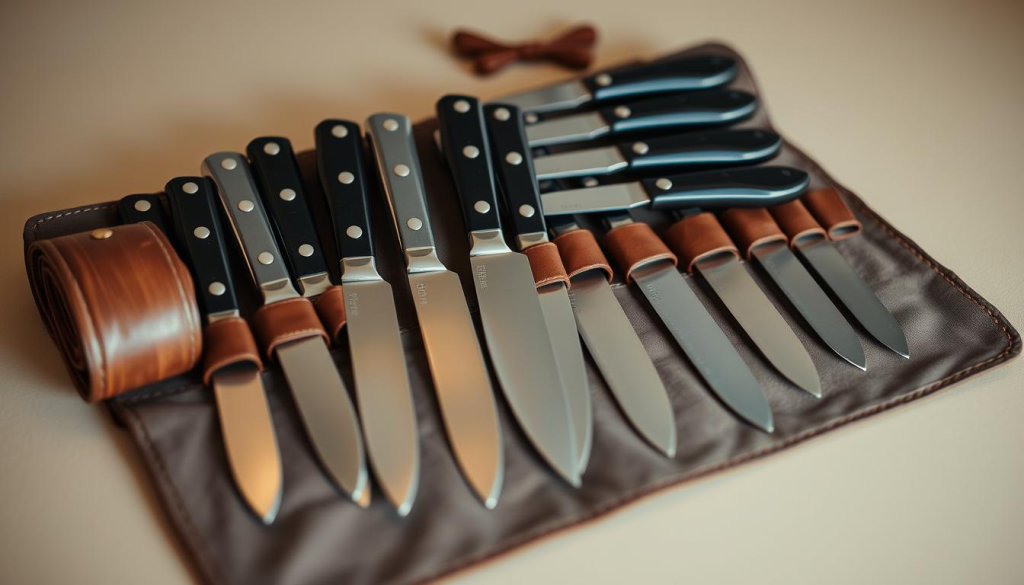
One of the most effective ways to organize your knife roll is by arranging your knives by size. This method involves placing the largest knives in the most secure and spacious slots, while smaller knives are placed in designated areas to prevent overcrowding.
Arranging knives by size not only helps in maintaining the condition of your knives but also makes it easier to find the knife you need quickly. For instance, chefs often prefer to store their most frequently used knives, such as chef’s knives and paring knives, in easy-to-access locations.
| Knife Type | Recommended Slot Size | Benefits |
|---|---|---|
| Chef’s Knife | Large | Easy access, reduced risk of damage |
| Paring Knife | Small | Prevents overcrowding, maintains sharpness |
| Utility Knife | Medium | Versatile storage, keeps knives organized |
How to Use Knife Slots Effectively
Knife slots are designed to keep your knives secure and organized. To use them effectively, ensure that each knife is placed in a slot that fits its size and shape. This prevents knives from moving around and potentially getting damaged.
According to experts, using knife slots effectively involves considering the material of the slot and the type of knife being stored. For example, a soft material like fabric or silicone can help protect knives from scratches.
“A good knife roll is not just about storing knives; it’s about creating a system that makes your cooking more efficient.”
To maximize the use of knife slots, consider the following tips:
- Place knives in slots that match their size to prevent movement.
- Use dividers or separate slots for different types of knives.
- Keep frequently used knives in easy-to-access slots.
By implementing these strategies, you can significantly improve your knife roll organization, making it easier to maintain your knives and enhancing your overall cooking experience.
Mastering the Roll Technique
Properly rolling your knife roll ensures that your knives remain secure and easily accessible. This technique is essential for protecting your blades and making your knife roll easy to carry.
Proper Folding Methods
To fold your knife roll correctly, start by laying it flat with the interior facing up. Place your knives in the designated slots, ensuring they are arranged by size and type. Begin with the largest knife and work your way down to the smallest, making sure each knife is secure and evenly spaced.
Next, fold the roll over the knives, ensuring that the edges align properly. You may need to adjust the knives slightly to get a snug fit. A well-folded knife roll should be compact and secure, protecting the blades and making it easier to store or transport.
Securing the Roll
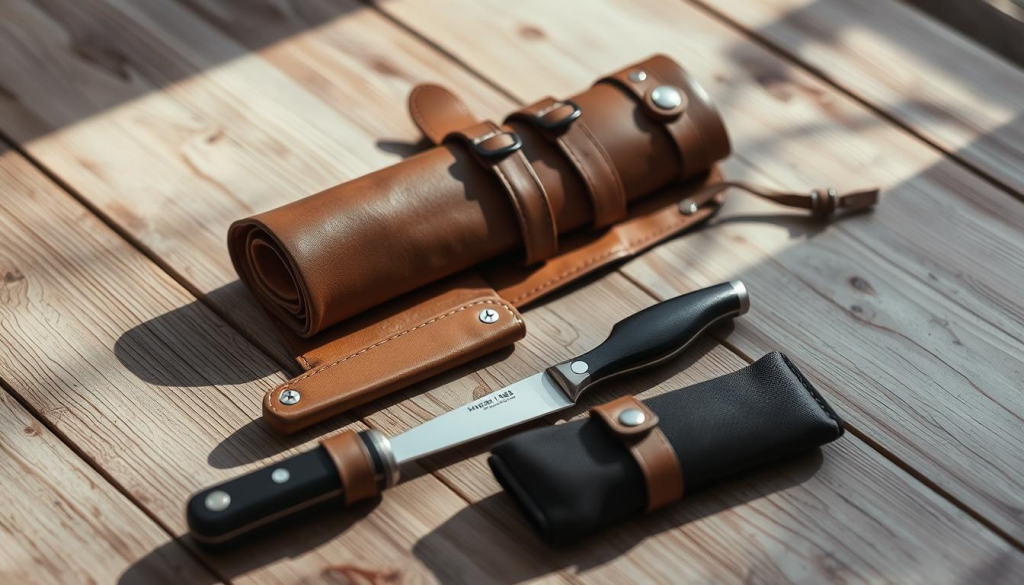
Once your knives are folded within the roll, it’s crucial to secure it properly. Most knife rolls come with straps or ties that can be used to keep the roll closed. Tighten the straps to ensure the knives are held firmly in place, preventing them from shifting during transport.
For added security, some users prefer to use elastic bands or additional straps. However, be cautious not to overtighten, as this can damage the roll or put undue pressure on the knives.
| Securing Method | Advantages | Disadvantages |
|---|---|---|
| Straps/Ties | Easy to use, adjustable | May come loose over time |
| Elastic Bands | Flexible, easy to apply | May not be suitable for large rolls |
| Additional Straps | Extra security | Can be bulky, overtightening risk |
By mastering the roll technique, you can ensure that your knives are stored safely and efficiently. Regular practice will help you develop the skills needed to secure your knives effectively, making your knife roll a reliable companion for any culinary adventure.
Maintaining Knife Sharpness
A sharp knife is fundamental to a chef’s toolkit, enhancing both the cooking experience and kitchen safety. Maintaining the sharpness of your knives is not just about performance; it’s also about ensuring the longevity of your blades and preventing accidents.
When it comes to storing knives, one of the most debated topics is whether to store them sharp edge up or down. Storing knives sharp edge down is generally recommended as it reduces the risk of accidents when reaching for a knife. However, storing them sharp edge up can be beneficial in certain situations, as it may help maintain sharpness by minimizing contact with other objects.
Storing Knives Sharp Edge Up vs. Down
The decision to store knives sharp edge up or down largely depends on the storage method and personal preference. For a knife roll, storing knives sharp edge down is often preferred because it protects the edge from coming into contact with other knives or the roll’s material, thus preserving sharpness.
On the other hand, some argue that storing knives sharp edge up can help in maintaining their sharpness, as it minimizes the edge’s contact with other surfaces. However, this method requires careful handling to avoid accidents.
When to Sharpen Knives
Knowing when to sharpen your knives is crucial for maintaining their sharpness. A simple test is to try cutting a piece of paper; if the knife slices through cleanly, it’s sharp. If not, it’s time to sharpen.
Regular sharpening not only maintains the knife’s performance but also extends its lifespan. For most users, sharpening every few months is sufficient, but this can vary based on usage.
By following these knife storage tips and understanding when to sharpen your knives, you can ensure your blades remain in optimal condition, providing both safety and efficiency in the kitchen.
Traveling with a Knife Roll
Packing your knives for travel requires careful consideration and planning. Whether you’re a professional chef or an outdoor enthusiast, transporting your knife roll safely and legally is crucial.
When preparing to travel with your knife roll, it’s essential to consider the best practices for transportation. This includes choosing the right carrying solutions and understanding how to pack your knives effectively.
Best Practices for Transportation
To transport your knives safely, consider using a protective case or bag. This not only safeguards your knives but also helps in organizing them.
- Use a sturdy, well-padded bag to protect your knives during transit.
- Keep your knives organized by size and type to prevent damage.
- Consider a knife roll with built-in protective layers for added security.
Ensuring Compliance with Travel Regulations
Before traveling, research the regulations regarding knife transportation in your destination. Laws vary significantly across different regions.
| Location | Regulations |
|---|---|
| Airports | Check with the airline for specific knife transportation policies. |
| Public Transportation | Familiarize yourself with local laws regarding carrying knives. |
| Hotels and Lodgings | Understand the hotel’s policy on storing and carrying knives. |
By following these guidelines, you can ensure a smooth and compliant journey with your knife roll.
Cleaning and Maintaining Your Knife Roll
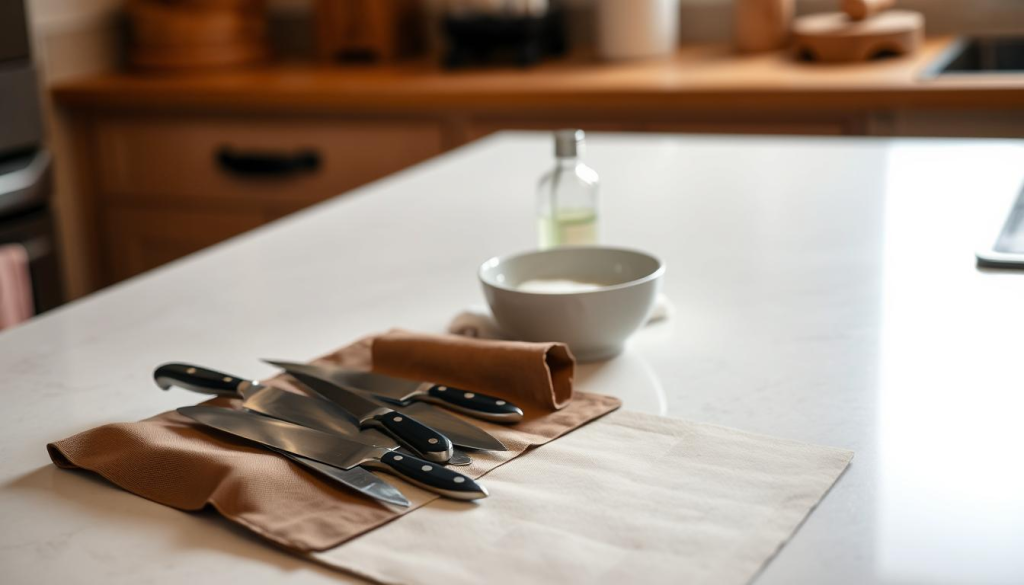
To ensure your knives remain in good condition, it’s vital to clean and maintain your knife roll regularly. A clean knife roll not only protects your knives but also prevents the buildup of bacteria and other contaminants.
Regular Cleaning Tips
Cleaning your knife roll is a straightforward process that requires some basic care. Start by emptying the roll completely and inspecting it for any debris or stains. For most knife rolls, a damp cloth is sufficient for cleaning. Gently wipe down the interior and exterior, paying special attention to any areas with visible stains or buildup.
For tougher stains or odors, a mild soap solution can be used. Mix a small amount of mild soap with warm water, and use a soft-bristled brush to gently scrub the affected areas. Rinse thoroughly with clean water to remove any soap residue, and allow the roll to air dry completely before storing your knives again.
Avoiding Damage
Avoiding damage to your knife roll is just as important as cleaning it. Store your knife roll in a dry place, away from direct sunlight or moisture, which can cause materials to degrade over time. When not in use, keep the roll closed to prevent dust and debris from accumulating inside.
It’s also crucial to handle your knife roll with care. Avoid overloading it with too many knives, as this can cause unnecessary strain on the material, potentially leading to tears or breaks. Regularly inspect your knife roll for signs of wear, such as fraying or weakening of the fabric, and consider replacing it if you notice any significant damage.
By following these simple tips, you can extend the life of your knife roll and keep your knives in excellent condition. Proper knife roll organization and knife protection in roll are essential for any serious chef or cooking enthusiast.
Common Mistakes to Avoid
When it comes to storing knives, avoiding common mistakes is key to preserving their quality. Proper storage not only maintains the sharpness and longevity of your knives but also ensures safety in the kitchen.
Overloading Your Knife Roll
One of the most common mistakes is overloading your knife roll. This can cause unnecessary pressure on the blades, potentially leading to damage or dulling. To avoid this, it’s essential to understand the capacity of your knife roll and not exceed it.
Tips for Avoiding Overload:
- Count the number of knives your roll is designed for.
- Avoid forcing additional knives into the roll.
- Consider using a larger roll if you have more knives than the current one can accommodate.
Storing Dirty Knives
Storing dirty knives is another mistake that can have significant consequences, including rust formation and the spread of bacteria. Always clean and dry your knives before storing them in your knife roll.
| Pre-storage Task | Importance | Action |
|---|---|---|
| Cleaning | High | Wash with soap and water |
| Drying | High | Dry thoroughly with a towel |
| Storage | High | Store in a dry, secure location |
By avoiding these common mistakes and following proper knife storage tips, you can significantly extend the life of your knives and ensure they remain in good condition. Securing knives in a roll is not just about protecting the blades; it’s also about maintaining kitchen safety and hygiene.
Tips for Specialty Knives
When it comes to specialty knives, the way you store them in a knife roll can make all the difference in preserving their edge and overall condition. Specialty knives, such as cooking knives, chef knives, and decorative knives, each have unique characteristics that require tailored storage approaches. Proper storage not only protects the knives but also ensures they remain in good condition for a long time.
Storing Cooking Knives vs. Chef Knives
Cooking knives and chef knives, while both essential in the kitchen, have different storage needs due to their varying sizes and uses. Cooking knives, often smaller and more delicate, should be placed in a way that prevents them from coming into contact with larger, heavier knives. On the other hand, chef knives, being typically larger and more robust, can be stored in a more straightforward manner but still require protection from other knives.
- Store cooking knives in individual slots or compartments to prevent contact with other knives.
- Wrap chef knives in a cloth or use a protective cover before placing them in the knife roll to safeguard their edges.
Unique Techniques for Decorative Knives
Decorative knives, often featuring intricate designs or being made from materials that are more susceptible to damage, require special care. To protect these knives, consider wrapping them in soft, acid-free tissue paper or cloth before storing them in the knife roll. This extra layer of protection helps preserve their aesthetic and functional qualities.
“The way you store your knives says a lot about how you value your tools. For specialty knives, it’s not just about storage, it’s about preservation.”
By adopting these storage techniques, you can ensure that your specialty knives remain in excellent condition, ready for use whenever needed.
Incorporating Additional Knife Tools
To maximize the utility of your knife roll, consider adding sharpeners and sheaths. Incorporating these additional knife tools can significantly enhance your knife roll organization and make it more efficient.
Adding Sharpeners and Sheaths
Sharpeners are essential for maintaining the sharpness of your knives. When choosing a sharpener to include in your knife roll, consider the type of knives you have and the space available in your roll. There are various types of sharpeners, including:
- Whetstones: These are versatile and can be used for different types of knives.
- Sharpening Steels: Ideal for quick touch-ups and maintaining edge sharpness.
- Compact Sharpeners: Designed for portability and convenience.
Sheaths, on the other hand, provide protection for your knives and prevent accidents. They come in various materials, such as leather, nylon, or plastic. When selecting sheaths, consider the size and type of your knives to ensure a snug fit.
Organizing Cutlery Accessories
In addition to sharpeners and sheaths, other cutlery accessories can be included in your knife roll to enhance its functionality. These may include:
- Knife cleaning cloths: For maintaining the cleanliness of your knives.
- Cutlery cleaners: For removing stubborn stains and grime.
- Storage pouches: For storing small accessories like knife guards or mini-tools.
When organizing these accessories, consider the layout of your knife roll and allocate specific spaces for each item. This will help you achieve the best way to pack knives and other cutlery, making it easily accessible when needed.
By incorporating these additional knife tools and organizing them effectively, you can enhance your overall kitchen experience and make cooking more efficient.
Conclusion: Your Guide to Knife Roll Storage
Proper knife storage is crucial for maintaining the quality and longevity of your knives. By understanding how to put knives in a knife roll and following the guidelines outlined in this article, you can ensure your knives remain in excellent condition.
Best Storage Practices
Effective knife storage involves choosing the right knife roll, preparing your knives for storage, and mastering the roll technique. By implementing these knife storage tips, you can protect your knives and maintain their sharpness.
Prioritizing Knife Care
Prioritizing proper knife care is essential for both professional chefs and home cooks. By adopting the practices outlined in this guide, you can extend the life of your knives and ensure they continue to perform optimally.