The art of crafting Shun knives is a centuries-old tradition that seamlessly blends Japanese craftsmanship with modern techniques. Renowned for their exceptional quality, sharpness, and durability, these knives are the result of meticulous attention to detail and a deep understanding of the craft.
The Japanese knife making process involves selecting high-carbon steel for its strength and ability to hold a sharp edge. The steel is then forged, hardened, and tempered to achieve a perfect balance between hardness and flexibility, resulting in a truly exceptional cutting tool.
Key Takeaways
- Shun knives are crafted using a blend of traditional Japanese techniques and modern methods.
- High-carbon steel is used for its strength and sharpness.
- The manufacturing process involves forging, hardening, and tempering.
- Attention to detail ensures exceptional quality and durability.
- The result is a knife that is both sharp and resilient.
The History of Shun Knives
The history of Shun knives is deeply rooted in traditional Japanese craftsmanship. Shun knives have become iconic in the culinary world, known for their exceptional quality and beauty.
Origins of the Brand
Shun’s history dates back to the early 20th century when its parent company, Kai Group, was established in Seki City, Japan. Seki City is famous for its knife-making heritage, with a history of producing high-quality knives that spans centuries.
The Kai Group was founded in 1908, laying the groundwork for what would eventually become the Shun brand. The company’s early commitment to quality and craftsmanship set the stage for Shun’s success.
Traditional Craftsmanship
Shun was launched in 2002, bringing together traditional craftsmanship and modern innovation. The brand has maintained its commitment to quality and craftsmanship, ensuring that every knife meets the high standards set by its heritage.
Traditional techniques are still employed in the production of Shun knives, including hand-sharpening and meticulous attention to detail. This blend of old and new has enabled Shun to produce knives that are both beautiful and functional.
Evolution Over Time
Over the years, Shun has continued to evolve, incorporating new technologies and materials while remaining true to its roots. The brand’s commitment to innovation has led to the development of unique features such as the VG-Max steel core and the distinctive Damascus pattern.
The evolution of Shun knives is a testament to the brand’s dedication to excellence. From its origins in Seki City to its current status as a global culinary leader, Shun has remained committed to producing knives of the highest quality.
| Year | Event | Significance |
|---|---|---|
| 1908 | Kai Group founded | Laid the groundwork for Shun’s commitment to quality |
| 2002 | Shun launched | Brought together traditional craftsmanship and modern innovation |
| Present | Global recognition | Shun knives are renowned for their quality and beauty |
The Manufacturing Process
The production of Shun knives involves a series of carefully controlled steps, from material selection to final polishing. This meticulous process ensures that every Shun knife meets the brand’s high standards for quality and performance.
Essential Materials
The foundation of a superior knife lies in the quality of its materials. Shun knives are made from high-carbon steel, known for its strength, durability, and ability to hold a sharp edge. The use of premium materials is crucial in achieving the optimal balance between hardness and flexibility.
Key Materials Used:
| Material | Characteristics | Benefits |
|---|---|---|
| High-Carbon Steel | Strong, durable, resistant to corrosion | Sharp edge retention, long-lasting |
| Damascus Steel | Pattern-welded steel, visually distinctive | Aesthetic appeal, enhanced strength |
Step-by-Step Creation
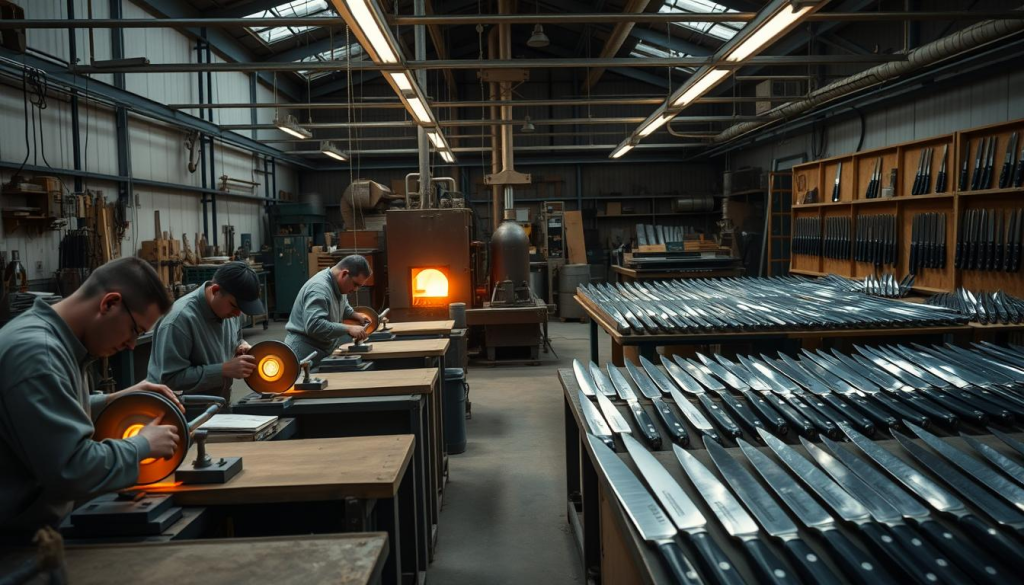
The manufacturing process of Shun knives involves several precise steps:
- Forging: The high-carbon steel is forged into the desired shape using traditional techniques.
- Hardening and Tempering: The blades are hardened and tempered to achieve the optimal balance between hardness and flexibility.
- Sharpening: The knives are carefully sharpened to a precise edge.
- Polishing: The blades are polished to a high finish, enhancing their appearance and performance.
Quality Control Measures
To ensure that every Shun knife meets the brand’s high standards, rigorous quality control measures are in place throughout the manufacturing process. Each knife is inspected for its sharpness, balance, and overall quality before it leaves the factory.
Quality Control Checks:
- Inspection of raw materials
- Monitoring of the forging and tempering processes
- Sharpness and edge retention testing
- Final visual inspection
The Importance of Steel Types
Steel selection is a crucial aspect of Shun knife manufacturing, impacting both functionality and aesthetics. The type of steel used in Shun knives plays a significant role in determining their performance, durability, and overall quality.
VG-Max Steel Explained
VG-Max steel is a high-carbon steel known for its exceptional edge retention and sharpness. This material is prized for its ability to maintain a sharp edge over time, making it ideal for high-performance knives.
The high carbon content in VG-Max steel also provides excellent resistance to corrosion, ensuring that Shun knives remain in good condition even with regular use. Some key benefits of VG-Max steel include:
- Excellent edge retention
- High sharpness
- Resistance to corrosion
The Role of Damascus Steel
Damascus steel is another material used in Shun knives, renowned for its distinctive patterns and exceptional strength. The unique patterns are not just aesthetically pleasing; they also indicate the steel’s strength and durability.
Damascus steel is created through a process of folding and hammering, which removes impurities and creates a strong, layered structure. This process contributes to the steel’s:
- Exceptional strength
- Durability
- Aesthetic appeal
Hardness and Edge Retention
The hardness of the steel used in Shun knives is critical to their performance. Harder steels tend to hold their edge longer, making them ideal for tasks that require precision and sharpness.
Edge retention is a key factor in the overall performance of a knife. Shun knives, with their high-quality steel, offer excellent edge retention, reducing the need for frequent sharpening. The combination of VG-Max and Damascus steel in Shun knives ensures they remain sharp and functional over time.
In conclusion, the type of steel used in Shun knives is fundamental to their quality and performance. By utilizing high-quality materials like VG-Max and Damascus steel, Shun ensures that their knives meet the highest standards of sharpness, durability, and aesthetics.
Handcrafting vs. Machine Production
The production of Shun knives is a nuanced process that marries the precision of machine production with the soul of handcrafting. This blend of traditional craftsmanship and modern technology is what sets Shun knives apart in the world of high-end cutlery.
Why Handcrafting Matters
Handcrafting is at the heart of Shun’s manufacturing process. Skilled artisans dedicate themselves to crafting each knife, ensuring that every detail, from the shape of the blade to the finish of the handle, meets the brand’s high standards. The human touch brings a level of quality and uniqueness to each knife that is hard to achieve with machine production alone.
The Role of Technology
While handcrafting is crucial, modern technology also plays a significant role in the production of Shun knives. Advanced machinery is used to achieve precision and consistency in aspects such as the sharpening of the blade and the fitting of the handle. This combination of human skill and technological precision allows Shun to maintain its reputation for excellence.
Balancing Tradition and Innovation
Balancing traditional handcrafting techniques with modern manufacturing processes is a delicate task. Shun achieves this balance by leveraging the strengths of both approaches. The result is a product that is both rooted in tradition and enhanced by innovation.
| Aspect | Handcrafting | Machine Production |
|---|---|---|
| Blade Sharpening | Artisans ensure a precise edge | Machines achieve consistent sharpness |
| Handle Finishing | Hand-finishing for unique aesthetic | Machines for precise fitting and durability |
| Quality Control | Artisans inspect for craftsmanship quality | Machines check for dimensional accuracy |
By combining the best of both worlds, Shun knives embody the perfect blend of tradition, innovation, and quality.
Designing the Perfect Knife
Designing a Shun knife involves a deep understanding of the interplay between ergonomics, materials, and craftsmanship. The process is meticulous, ensuring that every knife not only meets the high standards of precision knife making but also embodies the artistry of Shun knives craftsmanship.
Ergonomics and Aesthetics
The design of Shun knives places a significant emphasis on ergonomics, ensuring that the handles are comfortable to hold and easy to maneuver. This ergonomic design is complemented by a focus on aesthetics, with beautifully crafted blades that are as visually appealing as they are functional.
“A well-designed knife is one that feels like an extension of the user’s hand,” says a renowned knife craftsman. “It’s about creating a balance between form and function that makes the knife a joy to use.”
The Role of the Blade Shape
The shape of the blade is a critical element in the design of a Shun knife. It is carefully crafted to optimize performance, whether the knife is being used for slicing, chopping, or other tasks. The precision in shaping the blade ensures that it meets the exacting standards of Shun’s craftsmanship.
- The curvature of the blade is designed for smooth, even cuts.
- The edge is honed to a fine sharpness, maintaining the knife’s effectiveness.
- The overall shape is balanced to provide optimal handling.
Handle Materials and Finishes
The choice of handle material and finish is another crucial aspect of Shun knife design. Materials are selected not only for their durability and comfort but also for their aesthetic appeal. The finish on the handle is designed to enhance the overall look and feel of the knife, complementing the beauty of the blade.
Key considerations include:
- The durability of the material.
- The comfort it provides during use.
- The visual appeal and how it complements the blade.
By carefully balancing these elements, Shun designers create knives that are not only functional but also beautiful pieces of craftsmanship.
The Role of Artisans
With a deep understanding of the Japanese knife making process, Shun’s artisans bring precision and passion to every knife. The craftsmanship that goes into making Shun knives is a blend of traditional techniques and modern innovation.
Meet the Craftspeople
The artisans responsible for crafting Shun knives are highly skilled and dedicated professionals. They have undergone extensive training, often starting their journey at a young age. Their expertise is honed through years of practice, allowing them to perfect their craft.
Skills and Training Required
To become a Shun artisan, one must undergo rigorous training that includes learning about the materials and techniques used in knife making. This involves understanding the properties of different steels, such as VG-Max and Damascus steel, and mastering the techniques required to shape and sharpen these materials into precise knives.
Passion for the Craft
The passion that Shun artisans have for their craft is evident in the quality of the knives they produce. Every knife is a testament to their dedication and skill. The artisans take pride in their work, ensuring that each knife meets the high standards set by Shun.
| Skill | Description | Importance |
|---|---|---|
| Material Knowledge | Understanding the properties of VG-Max and Damascus steel | High |
| Sharpening Techniques | Mastering the art of sharpening knives to precision | High |
| Craftsmanship | The ability to shape and assemble knife components | High |
The Finishing Touches
Shun knives are not just made, they are finished with precision and care. The final stages of production involve a series of meticulous processes that ensure every knife meets the high standards of the Shun brand.
Sharpening Techniques
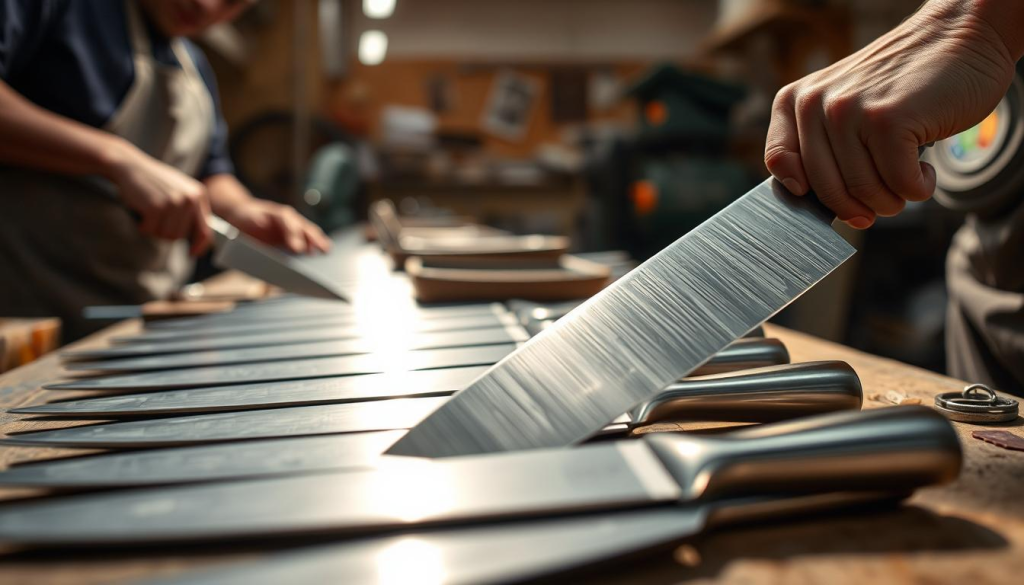
The sharpening process is a critical step in the production of handcrafted Shun knives. Artisans use traditional techniques combined with modern technology to hone the edge of each blade to perfection. This process requires great skill and attention to detail to achieve the desired sharpness.
Polishing and Buffing
After sharpening, the knives undergo a polishing and buffing process to enhance their appearance. This step not only improves the aesthetic appeal of the knives but also removes any minor imperfections, ensuring a flawless finish. The result is a knife that is not only functional but also a piece of art.
The Final Inspection
Before a Shun knife leaves the factory, it undergoes a rigorous final inspection. This quality control measure ensures that every knife meets the brand’s high standards. Inspectors check for any defects, verify the sharpness, and ensure that the knife is properly assembled.
The culmination of these final touches is a knife that embodies the spirit of Shun’s commitment to quality and craftsmanship. Each handcrafted Shun knife is a testament to the brand’s dedication to producing exceptional culinary tools.
The Signature Shun Look
The signature Shun look is characterized by its elegant designs, precise craftsmanship, and a deep connection to traditional Japanese culture. This distinctive appearance is not just aesthetically pleasing but also a reflection of the brand’s heritage and commitment to quality.
Unique Patterns and Designs
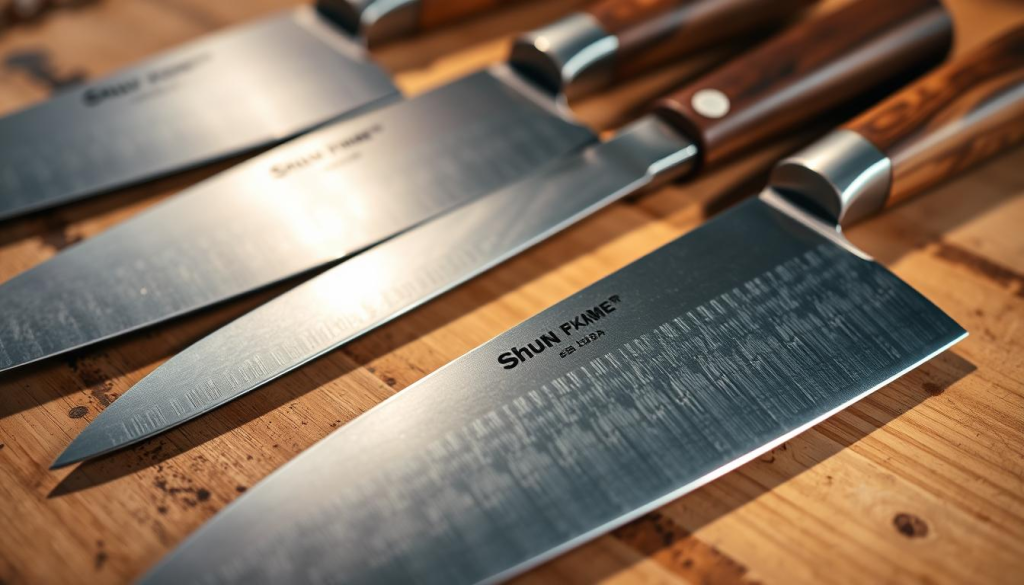
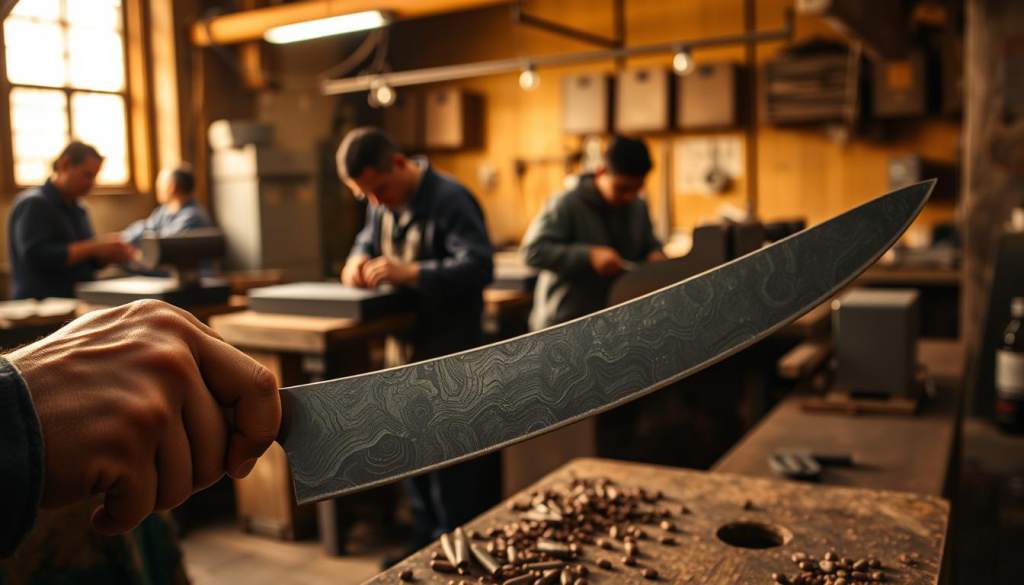
Shun knives are renowned for their intricate patterns and unique designs, which are a hallmark of the brand’s attention to detail and commitment to excellence. The use of VG-Max steel and Damascus steel in the production process contributes to the distinctive visual appeal of these knives. The patterns not only add beauty but also signify the high level of craftsmanship that goes into each piece.
The artisanal production methods employed by Shun ensure that each knife is a masterpiece, with its own unique characteristics. The careful selection of materials and the precise forging process result in knives that are both functional and visually stunning.
Brand Identity and Recognition
The signature look of Shun knives plays a crucial role in the brand’s identity and recognition. The distinctive patterns and designs are instantly recognizable, setting Shun apart from other knife manufacturers. This unique visual identity is a key factor in the brand’s success, as it resonates with customers who value high-quality, beautifully crafted knives.
Shun’s commitment to maintaining its traditional craftsmanship while incorporating modern elements has helped the brand establish a loyal following worldwide. The brand’s identity is deeply intertwined with its Japanese heritage, and this is reflected in the design and production of its knives.
The Connection to Japanese Culture
Shun knives are deeply rooted in Japanese culture, reflecting the country’s rich heritage of craftsmanship and attention to detail. The use of traditional materials and techniques in the production process ensures that each knife is not only functional but also a work of art. The connection to Japanese culture is evident in the design elements, the choice of materials, and the overall aesthetic of Shun knives.
The brand’s commitment to preserving traditional craftsmanship while embracing modern innovations is a testament to its respect for its cultural heritage. This blend of tradition and modernity is what makes Shun knives truly unique and highly regarded among chefs and knife enthusiasts alike.
Caring for Your Shun Knife
To ensure your Shun knife continues to deliver exceptional cutting results, proper care is essential. The craftsmanship that goes into making a Shun knife is reflected not only in its manufacturing process but also in how it is maintained over time.
Proper Maintenance Tips
Regular maintenance is key to preserving the quality of your Shun knife. This includes cleaning and drying the knife after each use to prevent corrosion. It’s also important to avoid using abrasive cleaners or scouring pads, as these can damage the knife’s finish.
For daily cleaning, simply wipe the knife with a soft cloth and mild soap. For tougher residue, a mixture of water and white vinegar can be effective. Always dry the knife thoroughly to prevent water spots.
Sharpening Techniques
Sharpening is a critical aspect of knife care. Shun knives, known for their Japanese knife making process, require regular sharpening to maintain their edge. Using a high-quality sharpening stone is recommended. Start with a coarse grit to repair the edge, then move to finer grits for polishing.
The angle of sharpening is crucial; for most Shun knives, a 15-degree angle is recommended. However, it’s always best to consult the manufacturer’s guidelines for specific models.
Storing Your Knives
Proper storage is vital to maintaining your Shun knife’s condition. Store your knife in a dry place, away from other utensils that could cause damage. A knife block or magnetic strip is ideal, as these keep the knife secure and protect the edge.
If you prefer to store your knife in a drawer, consider using a knife roll or protective case to prevent scratching and damage.
By following these care and maintenance tips, you can ensure your Shun knife remains a trusted companion in the kitchen for years to come. The Shun knives craftsmanship is not just about the making; it’s also about the care that goes into maintaining these exceptional tools.
Sustainability in Knife Making
Shun’s commitment to sustainability is evident in its knife-making process, from sourcing materials to supporting local communities. The brand understands the importance of reducing its environmental footprint while maintaining the high quality of its products.
Eco-Friendly Material Sourcing
Shun prioritizes the use of eco-friendly materials in its knife production. This includes responsibly sourcing the steel used in its blades, ensuring that the materials are obtained in a manner that minimizes environmental impact. VG-Max steel, known for its high quality and durability, is a prime example of the materials used.
The brand also explores alternative materials and techniques to further reduce its ecological footprint. By adopting sustainable practices, Shun not only contributes to environmental conservation but also enhances the quality and performance of its knives.
Minimizing Waste in Production
Reducing waste is a critical aspect of Shun’s sustainability efforts. The brand has implemented efficient production methods to minimize waste generation during the manufacturing process. This includes optimizing material usage and recycling scrap materials whenever possible.
By streamlining its production processes, Shun achieves a significant reduction in waste, contributing to a more sustainable operation. This approach not only benefits the environment but also helps in cost management and improving overall product quality.
Supporting Local Communities
Shun’s commitment to sustainability extends beyond its manufacturing processes to supporting local communities. By creating jobs and stimulating local economies, the brand contributes to the well-being of the communities in which it operates.
The brand’s support for local artisans and craftspeople is particularly noteworthy. By preserving traditional craftsmanship and providing training and employment opportunities, Shun helps to maintain cultural heritage while fostering economic growth.
| Sustainability Aspect | Shun’s Approach | Benefits |
|---|---|---|
| Eco-Friendly Materials | Responsibly sourced steel, exploration of alternative materials | Reduced environmental impact, enhanced product quality |
| Waste Reduction | Efficient production methods, material recycling | Minimized waste, cost savings, improved product quality |
| Community Support | Job creation, support for local artisans | Economic growth, preservation of cultural heritage |
How to Choose the Right Shun Knife
Choosing the perfect Shun knife involves understanding your cooking habits and the tasks you perform most often. With a range of models available, each with its unique characteristics, selecting the right one can be a bit daunting. Shun knives are renowned for their exceptional craftsmanship, reflecting the brand’s dedication to producing high-quality, handcrafted knives.
Understanding Your Needs
To make an informed decision, consider the type of cooking you do most frequently. Are you more inclined towards delicate slicing or heavy chopping? Shun’s diverse range ensures there’s a knife suited to every need. The process of how Shun knives are made, involving meticulous attention to detail and the use of premium materials, contributes to their outstanding performance.
Popular Models Reviewed
Shun offers various models, each designed to cater to different cooking styles. When selecting a handcrafted Shun knife, consider the blade shape, handle material, and overall ergonomics. By doing so, you can find a knife that not only meets your cooking needs but also feels like an extension of your hand in the kitchen.