For home cooks and professional chefs alike, kitchen knives are an essential tool. The average cook invests in a full knife set, which can range from $100 to $500, while professionals may spend up to $2000 on individual high-quality knives.
Knowing when to replace kitchen knives is crucial for maintaining performance and safety in the kitchen. Over time, knives become worn, and their effectiveness diminishes. The frequency of knife replacement depends on several factors, including usage, maintenance, and the type of knives used.
Key Takeaways
- Understanding the factors that influence knife replacement can help you make informed decisions.
- The lifespan of a knife depends on its quality, usage, and maintenance.
- Regularly inspecting your knives can help identify when they need to be replaced.
- Replacing knives can improve kitchen safety and performance.
- Investing in high-quality knives can be cost-effective in the long run.
Understanding Knife Lifespan
A knife’s longevity is determined by a combination of its material, usage, and the care it receives. To maintain optimal kitchen performance, it’s crucial to understand these factors and how they impact the lifespan of your knives.
Factors That Affect Knife Longevity
The lifespan of a knife is influenced by several key factors. Material quality plays a significant role, as knives made from high-carbon steel, for instance, tend to last longer than those made from lower-grade materials. Usage patterns also affect longevity; knives used frequently for heavy-duty tasks will naturally have a shorter lifespan than those used occasionally for lighter tasks.
Maintenance is another critical factor. Regular sharpening and proper storage can significantly extend a knife’s lifespan. The way a knife is cleaned and stored can either protect it from damage or expose it to unnecessary wear.
| Factor | Impact on Lifespan |
|---|---|
| Material Quality | High-quality materials can extend lifespan |
| Usage Patterns | Frequent heavy use can shorten lifespan |
| Maintenance | Regular sharpening and proper storage can extend lifespan |
Common Signs of Wear and Tear
Recognizing the signs of wear and tear on your knives is essential for determining when they need to be replaced. Common indicators include a dull edge, rust or corrosion, and visible nicks or chips on the blade.
If your knife is difficult to sharpen or no longer performs as expected, it may be nearing the end of its lifespan. Regularly inspecting your knives for these signs can help you stay ahead of potential issues.
Types of Knives and Their Durability
The lifespan of a knife is significantly influenced by its type and how it’s used. Different knives are designed for specific tasks, and their durability varies accordingly.
Chef’s Knives
Chef’s knives are among the most versatile and frequently used knives in the kitchen. They are designed for chopping, slicing, and mincing ingredients. The durability of a chef’s knife depends on its material and construction. High-carbon stainless steel is a popular choice due to its resistance to corrosion and ability to hold a sharp edge.
Chef’s knives made from high-quality materials can last for many years with proper care. However, those made from lower-grade materials may need to be replaced more frequently.
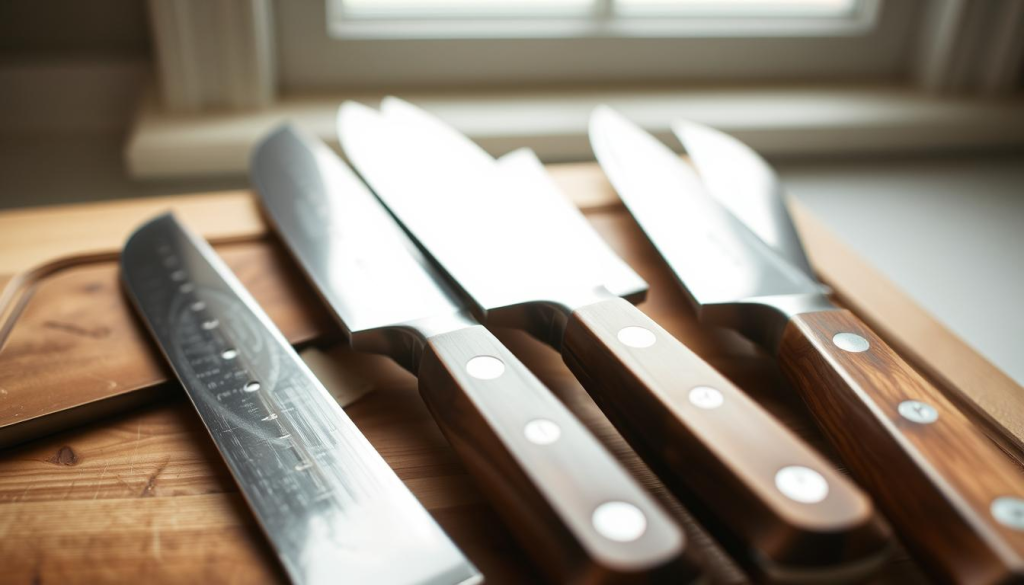
Paring Knives
Paring knives are used for precision tasks such as peeling and coring fruit and vegetables. They are typically smaller and more delicate than chef’s knives. The durability of paring knives is influenced by their size and the material used. Ceramic paring knives are known for their sharpness but are more prone to chipping or breaking.
Specialty Knives
Specialty knives, such as fillet knives and cleavers, are designed for specific tasks. Their durability varies based on their design and the materials used. For example, fillet knives are typically flexible and require a sharp edge, while cleavers are robust and designed for heavy-duty chopping.
| Knife Type | Material | Durability |
|---|---|---|
| Chef’s Knife | High-Carbon Stainless Steel | High |
| Paring Knife | Ceramic | Moderate |
| Specialty Knife (Fillet) | Stainless Steel | High |
| Specialty Knife (Cleaver) | High-Carbon Steel | Very High |
Understanding the durability of different knife types is essential for knowing when to replace them. By considering the material, usage, and maintenance of your knives, you can extend their lifespan and ensure they remain in good condition.
Average Replacement Timeline for Kitchen Knives
The frequency at which you should replace your kitchen knives depends on several factors, including usage and maintenance. While there’s no one-size-fits-all answer, understanding these factors can help you determine when it’s time to consider replacing your knives.
How Often Should You Replace Everyday Knives?
Everyday knives, such as chef’s knives and paring knives, are subjected to the most wear and tear. If you use these knives daily, you may need to replace them more frequently than those used less often. A general rule of thumb is to assess their condition every 1-2 years. Signs that it’s time to replace include excessive wear on the blade, a loose handle, or a noticeable decrease in performance.
As Bob Kramer, a renowned knife sharpener and maker, once said, “A good knife is like a good friend; it gets better with time, but only if you take care of it.” However, even with proper care, knives have a finite lifespan. If your everyday knives are showing signs of aging, such as dullness that cannot be sharpened away or visible damage, it’s likely time to consider replacement.
When to Consider Upgrading Your Collection
Upgrading your knife collection isn’t just about replacing old knives; it’s also about enhancing your kitchen’s functionality and efficiency. Consider upgrading when you find that your current knives are not meeting your cooking needs or if you’ve developed new cooking skills that require specialized knives.
“The right knife can make all the difference in your cooking experience. Investing in quality knives that suit your cooking style can elevate your performance and enjoyment in the kitchen.
Additionally, if you’ve recently moved to a new kitchen or started cooking more complex meals, it might be the perfect opportunity to reassess your knife collection and consider upgrades that better suit your current needs.
Importance of Knife Maintenance
Proper care and maintenance can significantly extend the life of your knives. Regular maintenance not only ensures your knives remain in good condition but also enhances their performance and safety. A well-maintained knife is a joy to use and can make a significant difference in your cooking experience.
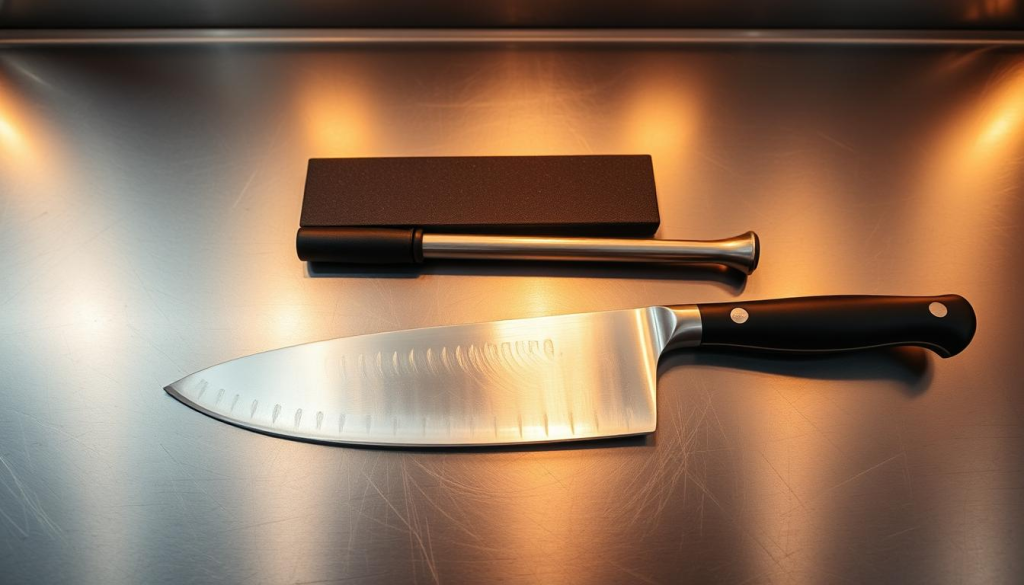
Regular Sharpening Practices
Sharpening your knives regularly is crucial for maintaining their effectiveness. A dull knife is not only frustrating to use, but it can also be dangerous. To keep your knives sharp, consider the following sharpening practices:
- Use a whetstone or sharpening steel regularly to hone your knives.
- Sharpen your knives at the correct angle to maintain their edge.
- Consider investing in a sharpening guide for precision.
By incorporating these practices into your knife maintenance schedule, you can ensure your knives remain sharp and effective.
Proper Cleaning Techniques
Cleaning your knives properly is just as important as sharpening them. Improper cleaning can lead to rust and damage. Here are some tips for cleaning your knives:
- Wash your knives by hand with mild soap and dry them immediately.
- Avoid putting knives in the dishwasher, as the high heat can damage the blade.
- Apply a small amount of mineral oil to the blade and handle to prevent rust.
Following these steps can help you establish a knife care timeline that keeps your knives in optimal condition.
To further illustrate the importance of maintenance, consider the following comparison of knife care practices:
| Practice | Benefit | Consequence of Neglect |
|---|---|---|
| Regular Sharpening | Maintains knife effectiveness | Dull knife, potential safety hazard |
| Proper Cleaning | Prevents rust and damage | Rust, corrosion, and knife degradation |
| Storage in Dry Conditions | Prevents moisture damage | Rust and corrosion |
By following these guidelines, you can achieve an optimal knife lifespan and enjoy using your knives for a longer period.
The Role of Knife Material
The material of your knife plays a crucial role in its performance and longevity. Different materials offer unique benefits and drawbacks, affecting how your knife performs over time.
Stainless Steel vs. Carbon Steel
Stainless steel knives are popular for their resistance to corrosion and ease of maintenance. They are made by combining steel with chromium, which protects the knife from rust. However, stainless steel knives can be harder to sharpen than their carbon steel counterparts.
Carbon steel knives, on the other hand, are known for their sharpness and durability. They contain a higher percentage of carbon, making them stronger and more resistant to wear. Nonetheless, they require more maintenance as they can rust if not properly cared for.
Ceramic Knives and Their Lifespan
Ceramic knives are made from zirconium oxide and are prized for their sharpness and lightweight feel. They are highly resistant to corrosion and don’t react with acidic foods. However, they are more prone to chipping and breaking than steel knives.
| Material | Sharpness | Durability | Maintenance |
|---|---|---|---|
| Stainless Steel | Good | High | Easy |
| Carbon Steel | Excellent | High | Moderate |
| Ceramic | Excellent | Moderate | Low |
In conclusion, the choice of knife material depends on your specific needs and preferences. Whether you prioritize durability, sharpness, or ease of maintenance, there’s a material that suits your cooking style.
Cost Considerations When Replacing Knives
Understanding the financial aspect of replacing knives is essential for making informed decisions that balance budget and quality.
Budget-Friendly Options
For those on a tight budget, there are several budget-friendly options available in the market. Knife sets that are priced between $50 and $100 can offer a good balance between cost and quality. These sets usually include the essential knives needed for everyday cooking.
- Starter knife sets from reputable brands
- Knives made from stainless steel or high-carbon steel
- Sets that include a chef’s knife, paring knife, and serrated utility knife
Investing in Quality Knives
While budget-friendly options are attractive, investing in quality knives can be more cost-effective in the long run. High-quality knives, although more expensive upfront, tend to last longer and require less frequent sharpening.
Professional chefs, for instance, might consider investing in premium knife sets that can cost up to $2000. These knives are made with superior materials and craftsmanship, offering exceptional performance and durability.
Here are some factors to consider when deciding to invest in quality knives:
- The material used: High-carbon steel, stainless steel, or ceramic
- The brand reputation: Look for brands known for producing high-quality knives
- The edge retention: Knives that stay sharp longer are generally a better investment
Ultimately, the decision to replace knives should be based on a careful consideration of both cost and quality. By understanding the available options and their implications, consumers can make informed choices that suit their cooking needs and budget.
Environmental Impact of Knife Disposal
The disposal of knives, while seemingly insignificant, contributes to a larger environmental issue. Knife disposal is not just about getting rid of old blades; it has broader environmental consequences. As the world becomes more environmentally conscious, understanding the impact of our daily choices, including how we dispose of knives, is crucial.
Eco-Friendly Disposal Options
When knives reach the end of their life, disposing of them in an eco-friendly manner is essential. Recycling is one of the most effective ways to reduce the environmental impact. Many recycling centers accept metal knives, allowing the materials to be reused. For knives that are beyond repair or cannot be recycled, proper disposal in landfills designed for metal waste is recommended.
Some communities also have special collection events for hazardous waste, which can include old knives. Participating in such programs can significantly reduce the environmental footprint. Moreover, repurposing old knives into garden tools or decorative items is a creative way to extend their lifecycle and reduce waste.
- Check local recycling guidelines for metal acceptance.
- Participate in community hazardous waste collection events.
- Consider repurposing old knives.
Sustainable Knife Brands
Choosing knives from sustainable brands is another way to minimize environmental impact. Brands that prioritize eco-friendly production methods, use recycled materials, or design products for longevity contribute to a more sustainable kitchen. Some brands also offer take-back programs or recycling options for their products, further reducing waste.
When selecting knives, look for brands that emphasize sustainability. This not only supports environmentally friendly practices but also promotes a culture of sustainability in the kitchen. Some key features to look for include:
- Use of recycled or sustainably sourced materials.
- Eco-friendly packaging.
- Designs that extend the product’s lifespan.
By making informed choices about knife disposal and selection, consumers can significantly reduce their environmental impact. Embracing eco-friendly disposal options and supporting sustainable knife brands are steps towards a more sustainable future.
How to Know When to Replace a Knife
Knowing when it’s time to replace your kitchen knives is crucial for maintaining kitchen efficiency and safety. A good knife is an essential tool in any kitchen, and being able to identify when it’s time to let go can make a significant difference in your cooking experience.
By Performance Tests
One of the most straightforward ways to determine if a knife needs replacement is by assessing its performance. If your knife is difficult to slice with, it may be a sign that the blade has become dull or damaged. While sharpening can often resolve this issue, there are instances where the damage is too extensive, and replacement is the best option.
A simple test is to try slicing through a piece of paper or a tomato. If the knife struggles or tears the material instead of cutting cleanly, it’s likely time to consider replacing it. Additionally, if you’ve had your knife for a long time and have been using it frequently, it might be worth having it professionally sharpened or replaced.
Kitchen Safety Indicators
Kitchen safety is paramount, and a knife that is no longer safe to use is a hazard. Signs of wear and tear such as cracks, chips, or a loose handle are clear indicators that it’s time to replace your knife. Moreover, if you notice that your knife is causing more accidents or near-misses, it’s a sign that its performance has degraded to an unsafe level.
Another critical safety indicator is the knife’s ergonomics. If the handle feels uncomfortable or if the balance of the knife has shifted due to wear, it can lead to accidents. Ensuring that your knives are comfortable to hold and use is essential for safe cooking practices.
Regularly inspecting your knives and being mindful of their condition can help you stay ahead of potential safety issues. By combining performance tests with an awareness of kitchen safety indicators, you can determine the right time to replace your knives and maintain a safe and efficient kitchen environment.
Knife Replacement Myths
Understanding when to replace kitchen knives can be tricky due to prevalent myths. Many believe that knives have an expiry date or that old knives are completely useless. However, the truth lies somewhere in between.
The Misconception About Expiry Dates
One common myth is that knives, like perishable goods, have an expiry date after which they become unusable. In reality, a quality kitchen knife can last a lifetime, typically defined by its maintenance and usage rather than a specific timeline. A well-maintained knife, with a starting cost between $50 and $100, can serve a cook for many years.
Key factors that determine a knife’s lifespan include:
- The material it’s made from
- How often it’s used
- Sharpening and maintenance practices
As Chef John Doe once said, “A good knife is like a good friend; it only gets better with time, provided you take care of it.” This quote highlights the importance of maintenance over the passage of time.
“The art of knife maintenance is often overlooked, yet it’s crucial for extending the life of your knives.”
When Old Knives Can Still Be Useful
Another misconception is that old knives are no longer useful. In fact, many old knives can still be quite effective, especially if they have been properly cared for. Some may need a good sharpening or restoration to regain their original performance.
| Condition | Potential Use |
|---|---|
| Dull but intact | Sharpening or repurposing for lighter tasks |
| Damaged edge | Restoration or use for specific cutting tasks |
| Worn out | Repurposing for non-cutting tasks or as a teaching tool |
For instance, an old chef’s knife that has become dull can be sharpened and used for less demanding tasks, such as chopping softer vegetables. This not only extends the life of the knife but also reduces waste.
In conclusion, understanding the myths surrounding knife replacement can help cooks make informed decisions about their kitchen tools. By debunking these myths, we can appreciate the value of our knives, whether new or old, and ensure they continue to serve us well.
Caring for Your Knives to Extend Lifespan
Caring for your knives properly can significantly enhance their durability and performance. Proper maintenance not only ensures that your knives remain in good condition but also enhances kitchen safety. By following a few simple care tips, you can extend the lifespan of your knives and keep them functioning optimally.
Storing Knives Safely
One of the most critical aspects of knife care is storing them safely. Improper storage can lead to accidents and damage to the knives. Here are some recommended ways to store your knives:
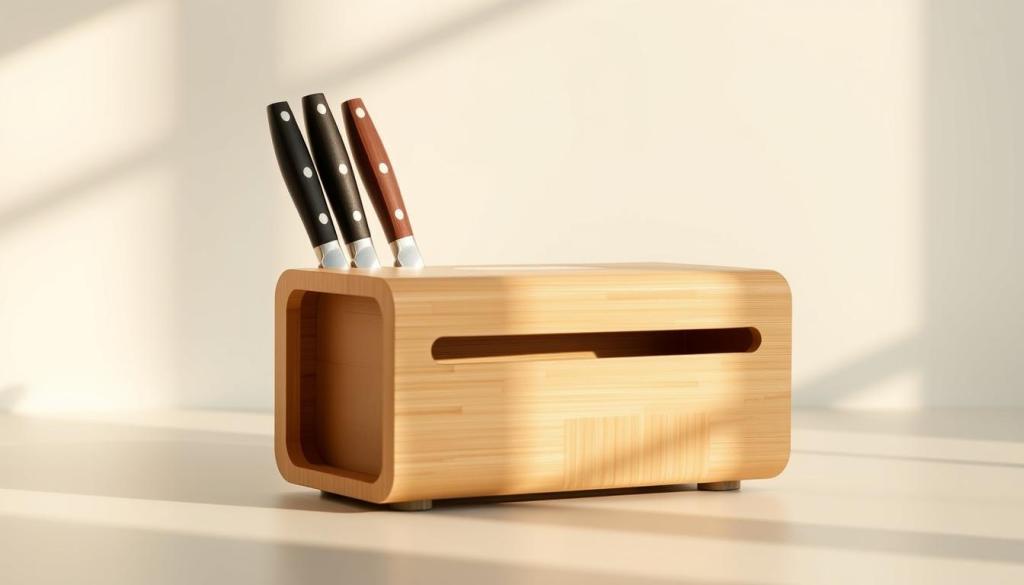
- Store your knives in a knife block. This is a traditional and effective way to keep your knives organized and within reach.
- Use a Blade Safe or a knife roll. These are great for protecting the blades and can be especially useful for storing knives with delicate or specialty blades.
- Hang your knives on a magnetic bar. This not only saves space but also keeps your knives visible and easily accessible.
Avoid storing your knives in the utensil drawer, as this can cause damage to both the knives and other utensils. Instead, opt for one of the storage methods mentioned above to keep your knives safe and in good condition.
Tools and Accessories for Maintenance
In addition to proper storage, using the right tools and accessories is crucial for maintaining your knives. Here are some essentials:
- Sharpening stones: Regular sharpening is vital to keep your knives sharp. Invest in a good quality sharpening stone to maintain the edge of your blades.
- Knife sharpeners: Electric or manual sharpeners can be convenient for quick touch-ups between sharpening sessions on stones.
- Cleaning cloths: Always dry your knives thoroughly after washing to prevent rust. Use a soft cloth to clean and dry your knives.
- Honing rods: Use a honing rod regularly to realign the edge of your knife, keeping it sharp and ready for use.
By incorporating these tools and practices into your knife care routine, you can significantly extend the lifespan of your knives and ensure they continue to perform well.
Conclusion: Finding the Right Balance
Understanding your personal cooking style is crucial in determining the right knives for your needs. The perfect knife for someone else might not be the best fit for you, as it depends on your hand size, cooking techniques, and preferences.
Cooking Techniques and Knife Selection
To find the ideal knife, consider consulting a professional and testing various knives before making a purchase. This hands-on approach will help you identify the knives that feel most comfortable and suit your cooking style.
Investing in Quality
When it comes to knives, quality matters. Investing in high-quality knives may seem expensive initially, but they can last longer and perform better, making them a worthwhile investment for serious cooks. Proper maintenance is also essential to extend the lifespan of your knives.
By considering your personal cooking style and investing in quality knives, you can achieve a balance between knife replacement and maintenance, ensuring a seamless cooking experience.